Page 213 of 406

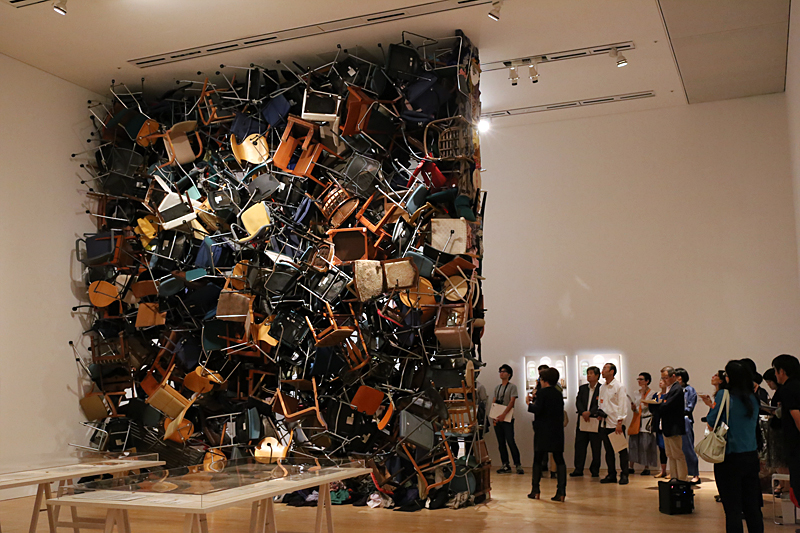
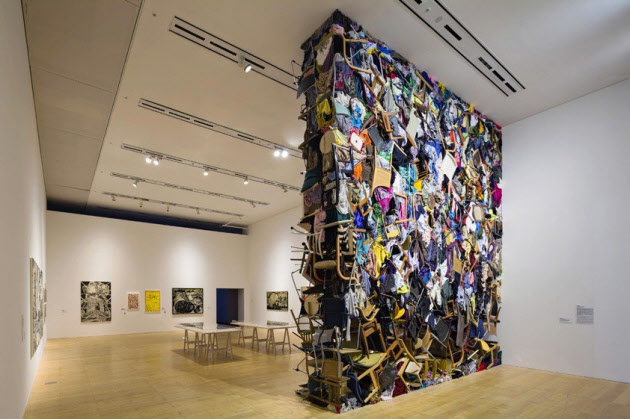
A Wall of 300 Chairs and Clothes by Fumiko Kobayashi

1000 Legs Cultivating Fruits by Fumiko Kobayashi photo courtesy mori arts museum

photo by osamu watanabe, courtesy mori art museum

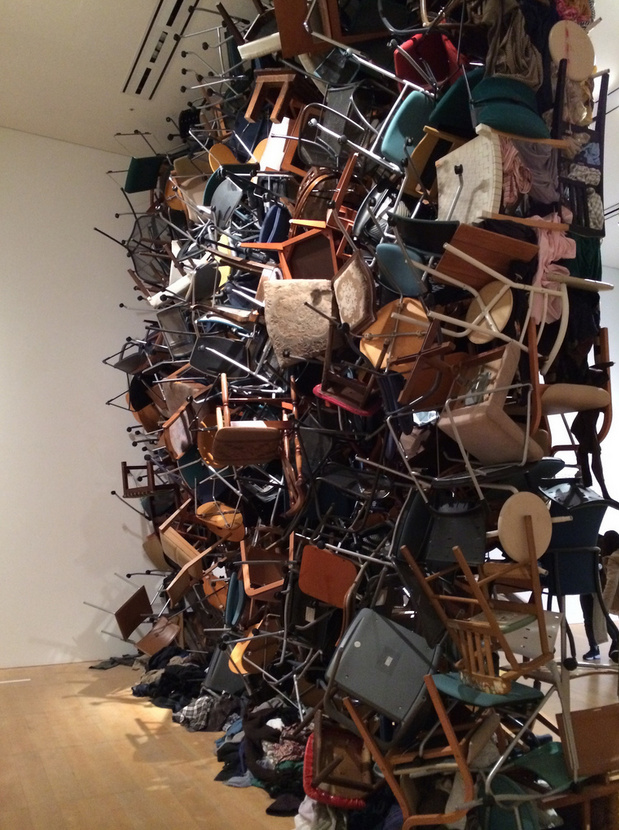
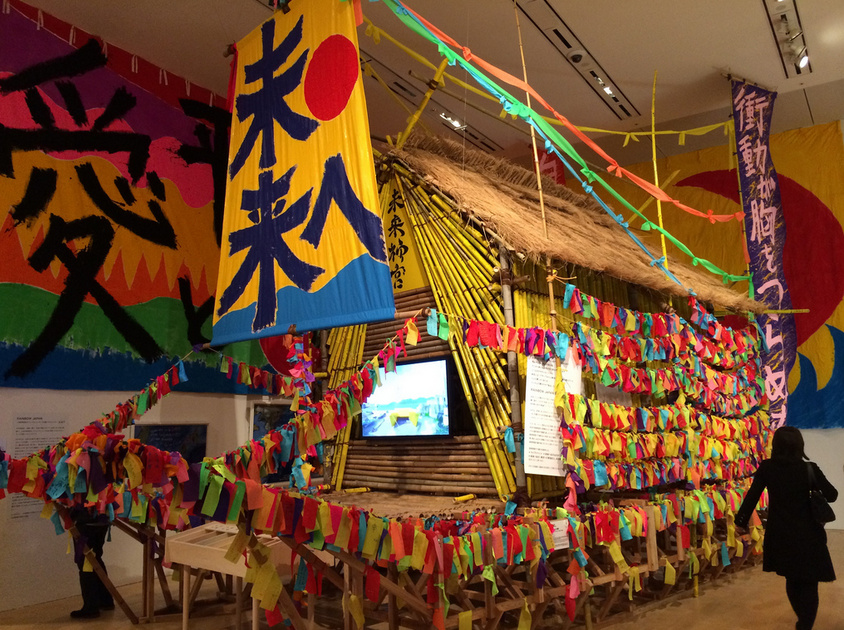
One of the more memorable works from Roppongi Crossing is “1000 Legs, Cultivating Fruits,” a massive floor to ceiling makeshift wall that is boldly placed within the Mori Art Museum. The arresting structure, which is reminiscent of post-tsunami wreckage, is the work of 37-year old arts Fumiko Kobayashi. One side of the wall is composed of used clothes, creating a relatively flat surface while the opposite side is all chairs – almost 300 chairs. “There is evidence that the chairs have been sat on and there is evidence that the clothes have been worn. In other words, it’s a layering of human existence,”* explained Mami Kataoka, chief curator at the Mori Art Museum.

The clothes and chairs for the piece were all collected from the neighborhoods surrounding the museum and the artist’s home. When stacked together, it transforms into a force to be reckoned with.

Roppongi Crossing is on display till January 13, 2014

*all quotes translated from Japanese to English by the author

1000 Legs Cultivating Fruits by Fumiko Kobayashi photo courtesy mori arts museum 2

photo by atsuo ogawa

Roppongi Crossing 2013 (1)

photos by flickr user kzsktt36

Roppongi Crossing 2013 | the current state of the Japanese art scene

Roppongi Crossing 2013 (2)

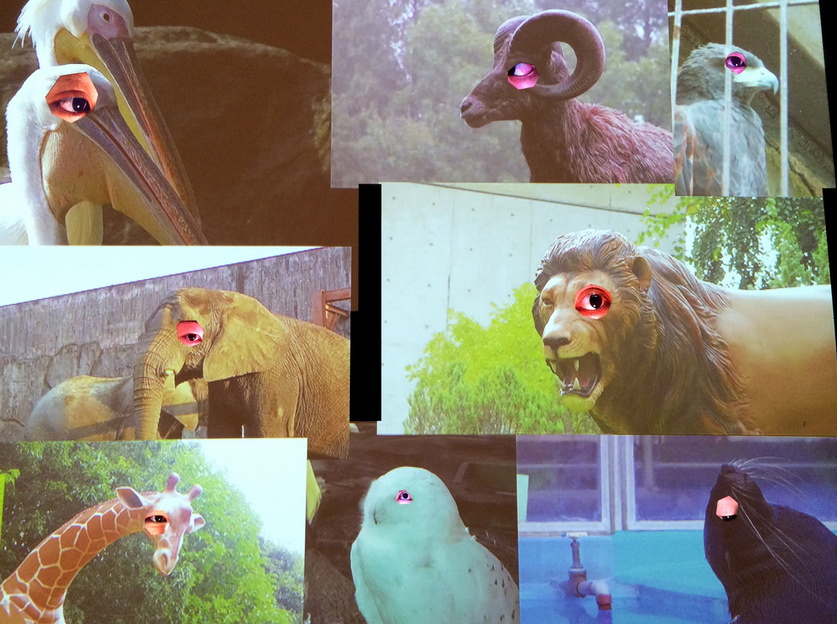
“Nonhuman Crossing” by Sachiko Kazama | all photos by flickr user kzsktt36

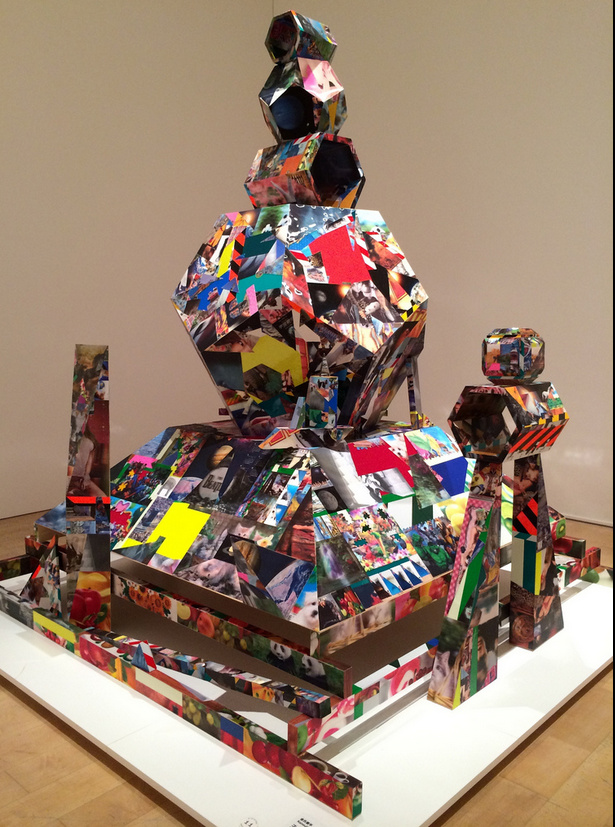
Perhaps one of the most talked-about exhibitions this winter is “Roppongi Crossing” at the Mori Art Museum. Held triennially and currently in its 4th iteration, the exhibition attempts to comprehensively survey the Japanese art scene. Chief curator Mami Kataoka organized the show, bringing together 29 artists/groups – many in their 30s and 40s but also with an unexpected sprinkle of seasoned veterans born in the 1930s and 40s.

The theme for the show is “Out Of Doubt.” “At a time when Japan is witnessing a heightening of social awareness, the “doubt” directed at socially accepted ideas and existing institutions has become a driving force generating all manner of discussions and activities.”

Roppongi Crossing is on display till January 13, 2014

Roppongi Crossing 2013 (1)

“1000 Legs, Cultivating Fruits” by Fumiko Kobayashi

Roppongi Crossing 2013 (19)

“Linked Space” by Kishio Suga

Roppongi Crossing 2013 (18)

“Yumei” by Haruo Mitsuda

Roppongi Crossing 2013 (17)

“Enjaku” by Haruo Mitsuda

Roppongi Crossing 2013 (16)

Roppongi Crossing 2013 (15)

“Untitled” by Takuma Nakahira

Roppongi Crossing 2013 (14)

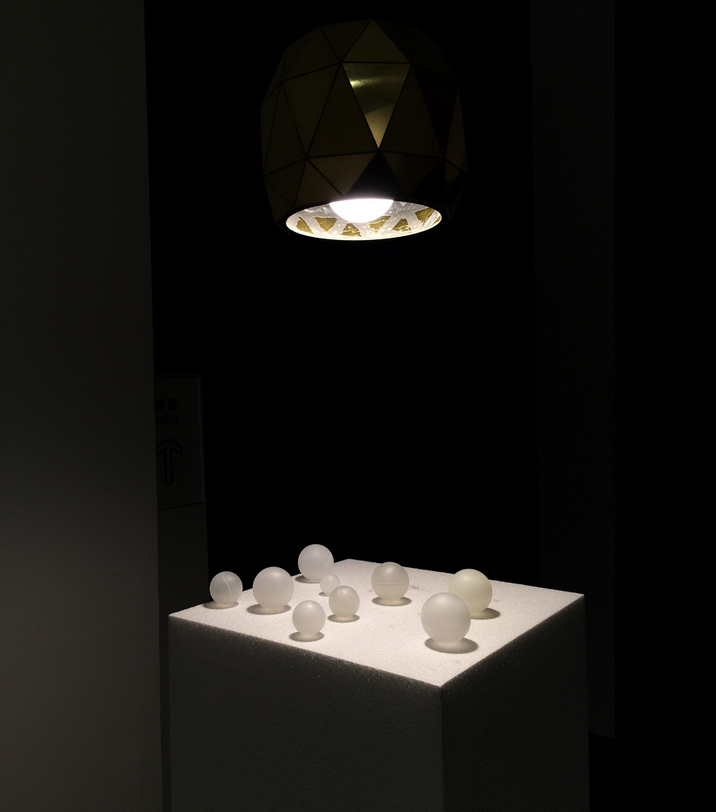
“Ghost in the Liquid Room (Ienticulrar) #3” by Teppei Kaneuji

Roppongi Crossing 2013 (13)

“Caramel” by Taro Izumi

Roppongi Crossing 2013 (12)

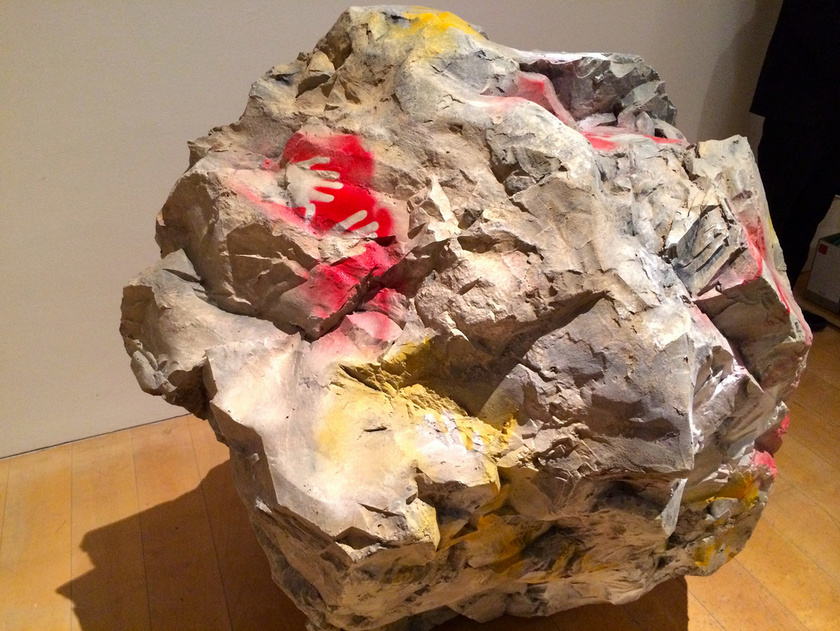
“The Problem of Time – The Problem of the Rock” by Simon Fujiwara

Roppongi Crossing 2013 (11)

“Desert Island” by Akira Akira

Roppongi Crossing 2013 (10)

“Desert Island” by Akira Akira

Roppongi Crossing 2013 (9)

“Green Journey (Someone in My Room)” by Chihiro Mori

Roppongi Crossing 2013 (8)

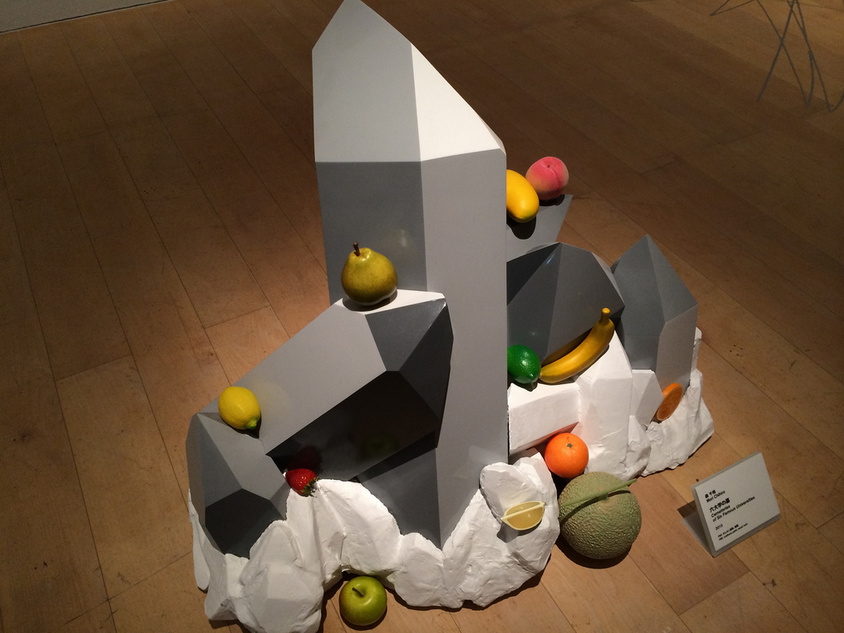
“Cemeteries of Six Famous Universities” by Chihiro Mori

Roppongi Crossing 2013 (6)

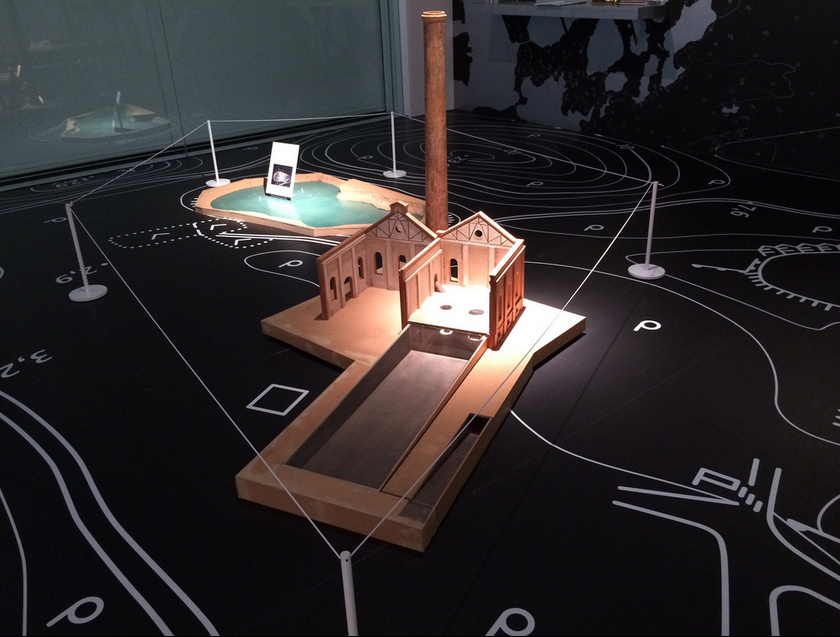
“Model of Go for Future Ship” by Ichiro Endo

Roppongi Crossing 2013 (7)

“Model of Go for Future Ship” (detail) by Ichiro Endo

Roppongi Crossing 2013 (5)

“INUJIMA PROJECT” by Yukinori Yanagi

Roppongi Crossing 2013 (4)

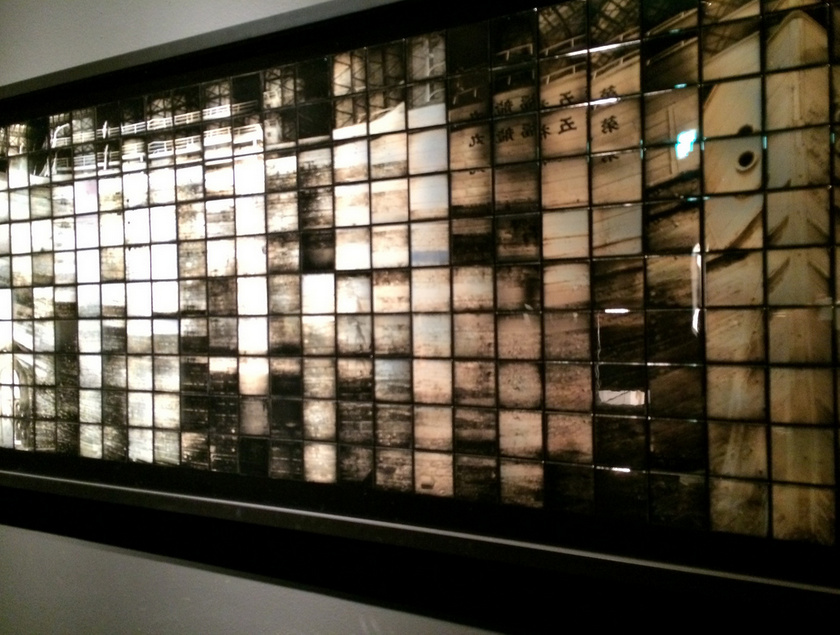
“Multiple Monument for Lucky Dragon 5” by Takashi Arai

Roppongi Crossing 2013 (3)

“The Base” by Hiroshi Nakamura

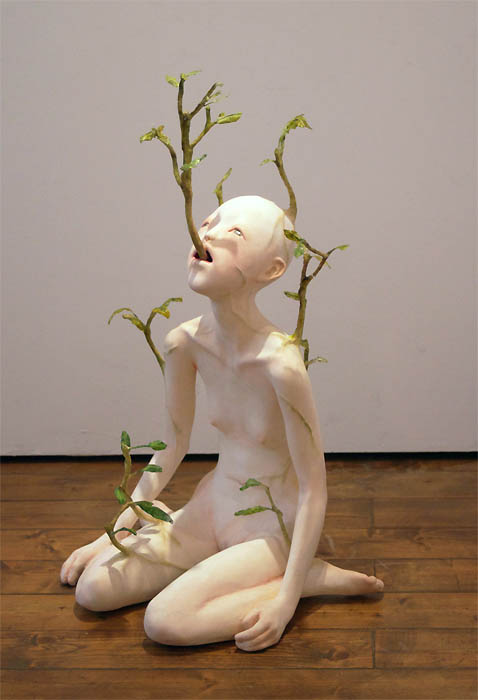
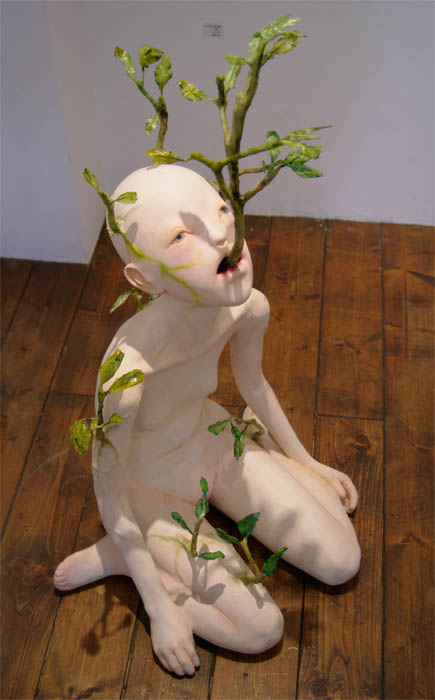
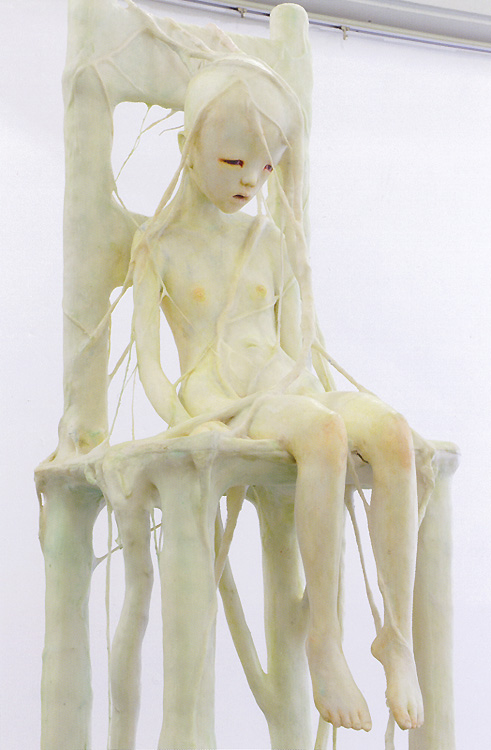
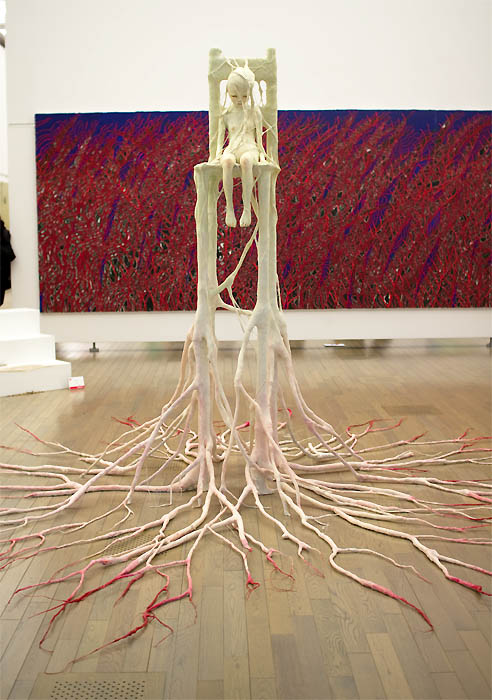
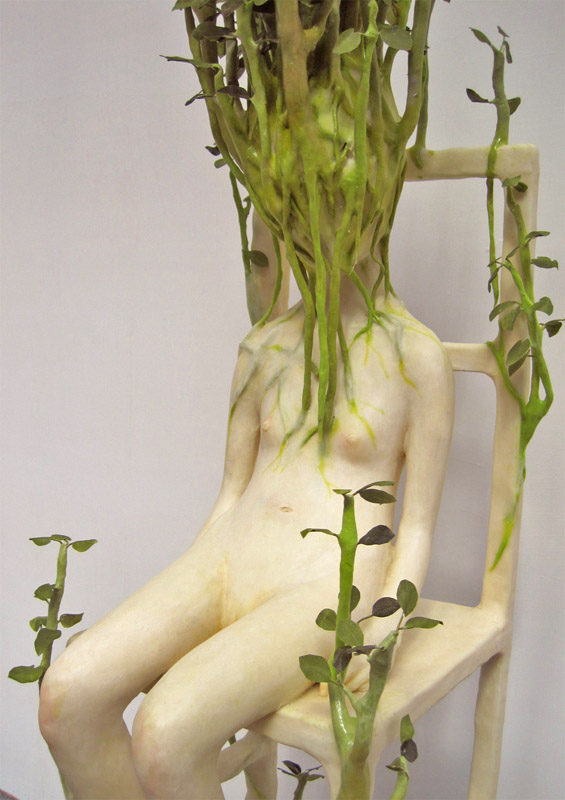
Grotesque Sculptures by Yui Ishibashi Depicts Nature Overpowering Humans

scu5-1-b

“End of tears” (2008)

scu5-2-bscu5-3-b

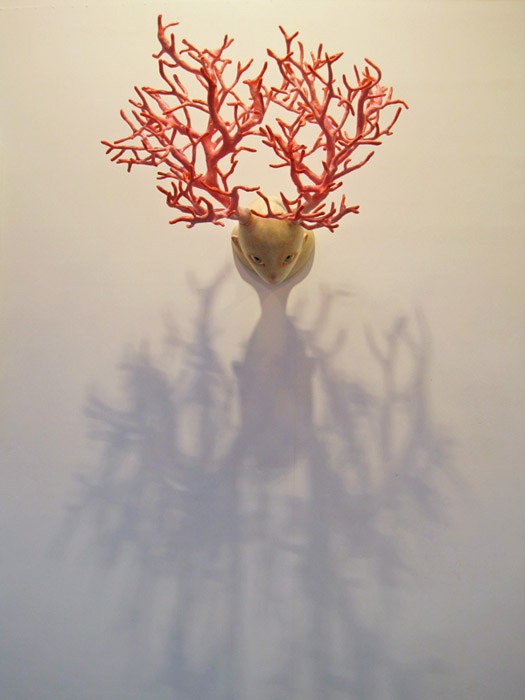
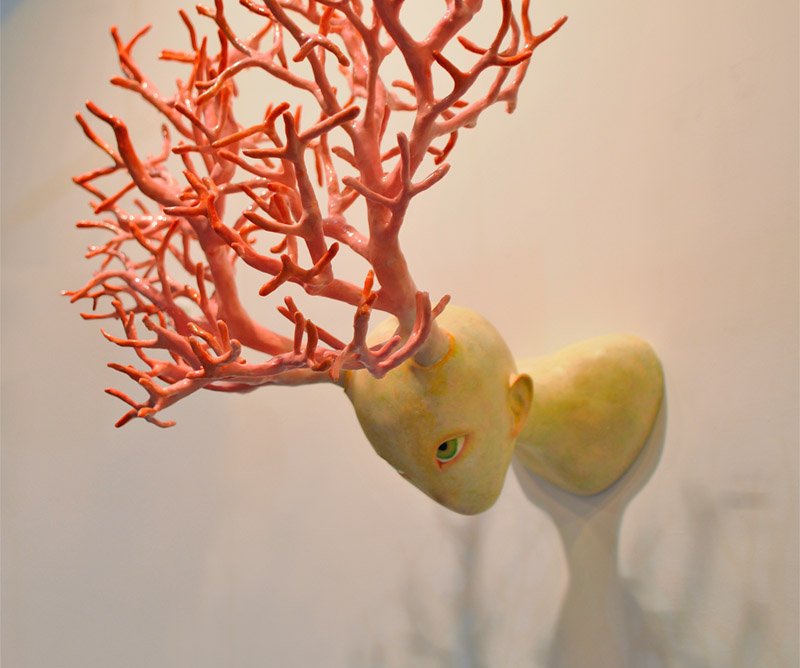
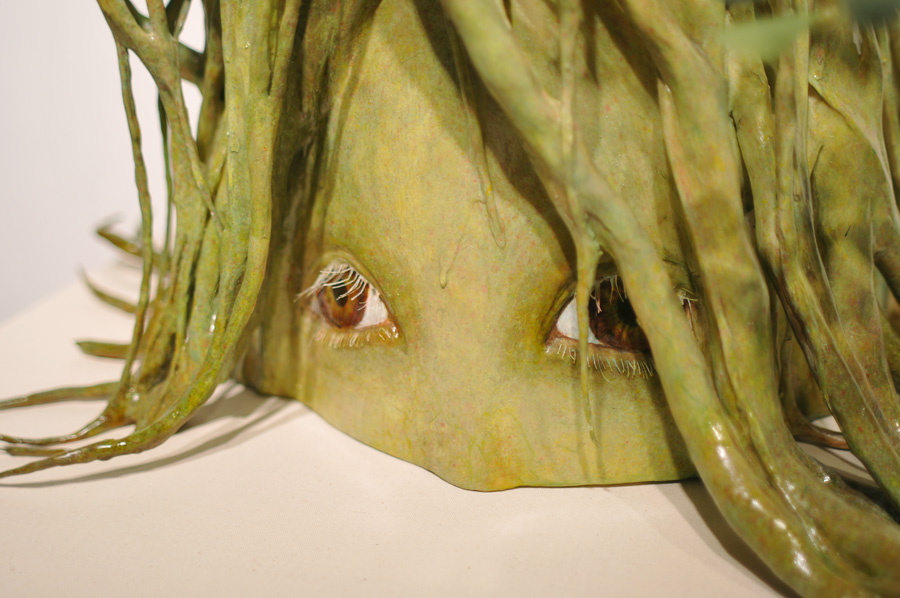
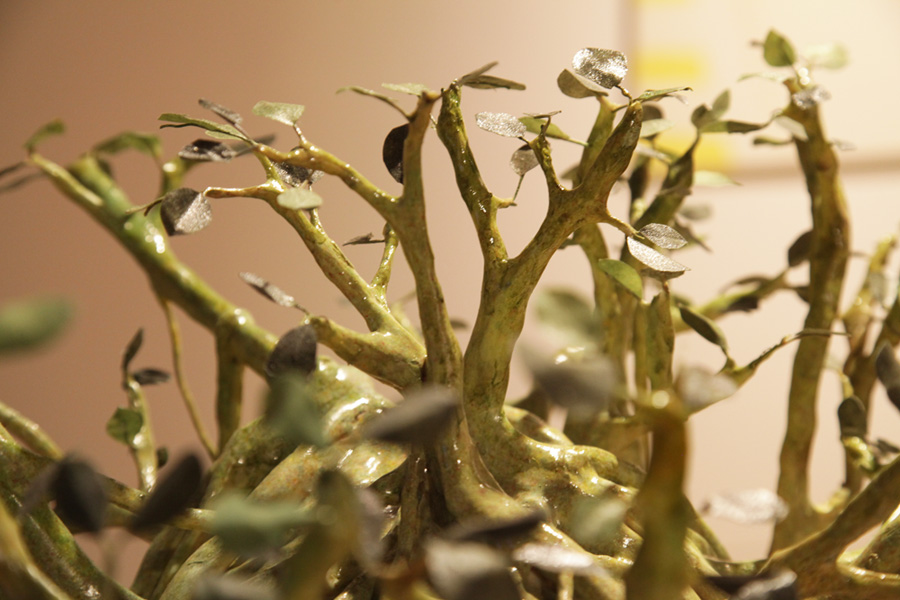
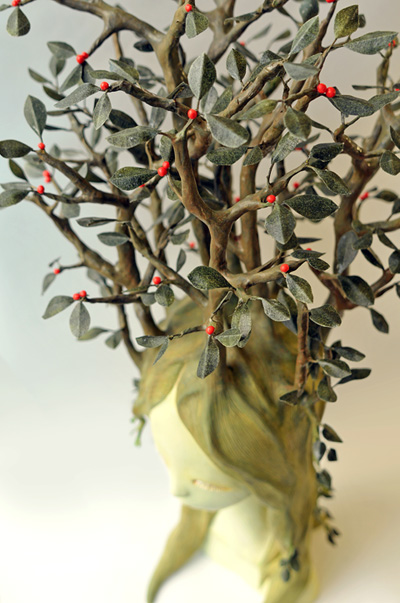
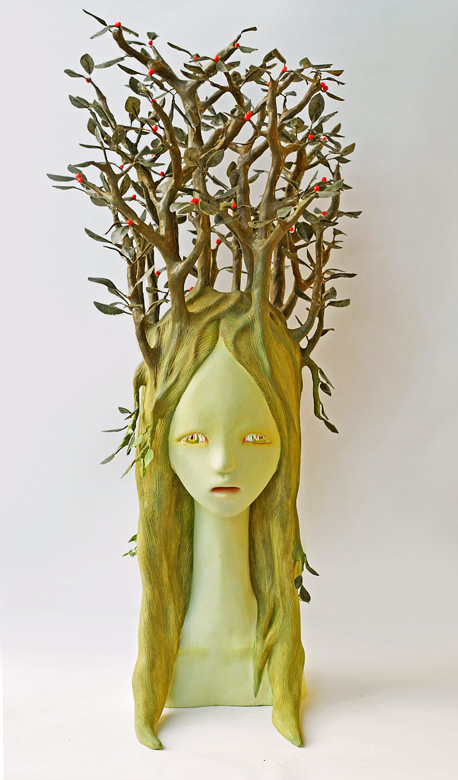
We’ve been abusing nature and our planet for far too long. And it’s not going to end well, according to 29-year old artist Yui Ishibashi who depicts small, vulnerable human figures that are succumbing to the forces of nature. In many instances her sculptures, which are made using a vast array of materials like wood, resin, clay, wire and paint, depict humanoid forms being overcome by vegetation either from the outside or from within. And as the facial expressions suggest, this is not a pleasant affair.

Ishibashi is a graduate of Tama Art University (Tamabi) and recently staged her first solo exhibition in Tokyo. You can see her work in February (2014) at a group exhibition at Gallery Q.

scu10-1-b

“Calling” (2011)

scu10-2-bscu10-3-b


scu14-1scu14-2

“Dream of 10 billion years” (2012)

scu12-3

“KEMONO” (2012)

scu12-2scu12-1


scu13-1

“SPRITE” (2012)

scu13-3scu13-4


scu15-5 scu15-1

 “ERI” (2013)

(thanks Masako!)

Top 10 Spoon & Tamago Posts of 2013

It’s been a fun and exciting year here at S&T headquarters. 2013 marked the launch of something that’s always been a twinkle in my eye since the start of this blog 7 years ago: the Spoon & Tamago Shop. It means a lot to not only write about Japanese art & design, but to also be able to deliver something to someone’s hands. I see it as an extension of learning about Japanese design.

Below are our most-read blog posts of 2013. They say web traffic is unpredictable, but going through the top 10 made me realize something. A large majority of our posts that did the best, actually were the best. By that I mean that they were stories that we spent a lot of time on and, in many cases, we were the first to report on them amongst Western media outlets. Sometimes we were even ahead of the Japanese media.

So thank you to all our readers who keep coming back, as well as those who are just discovering S&T. I wish you all a Happy Holidays wherever you are in the world.

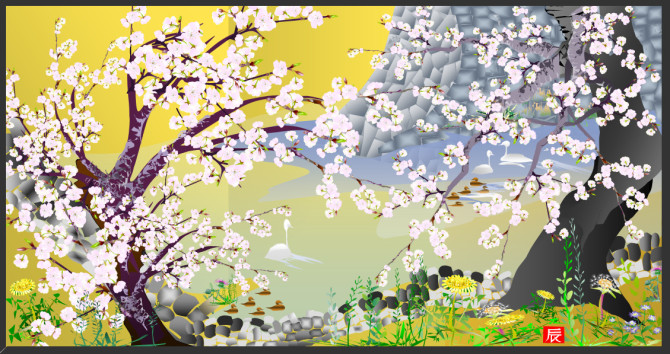
1. Tatsuo Horiuchi | the 73-year old Excel spreadsheet artist
tatsuo horiuchi (1)

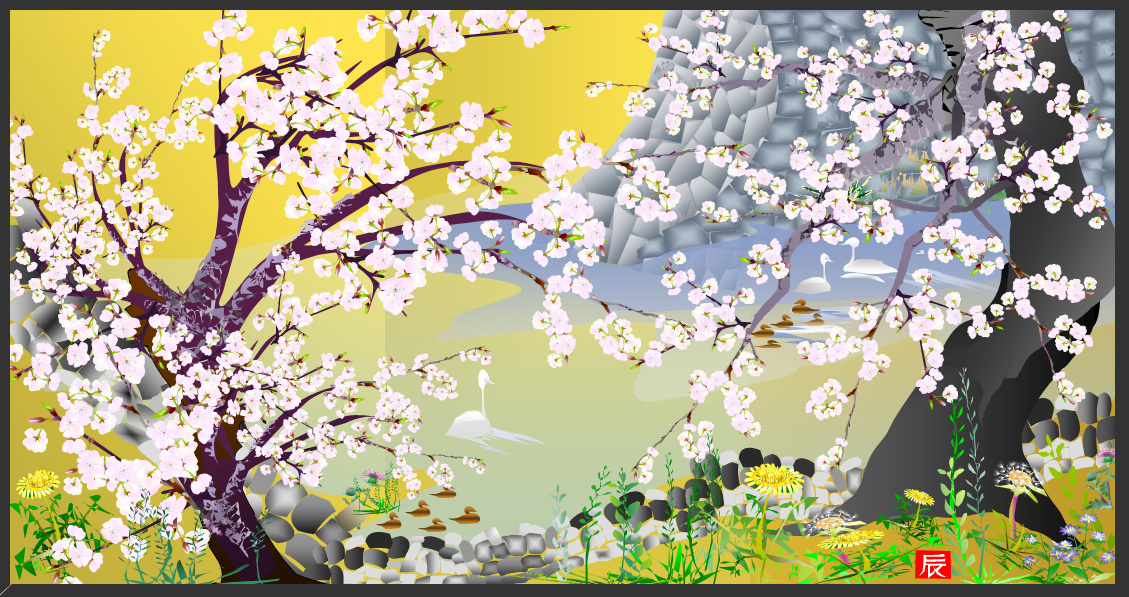
Our most-read post this year was about ingenuity and invention. A 73-year old retired man took a seemingly boring tool, Microsoft Excel, and used it to create some amazingly beautiful landscapes. Take that financial analysts!

2. Dad spends 7 years on incredibly detailed maze
BAjvOvjCEAElMvX

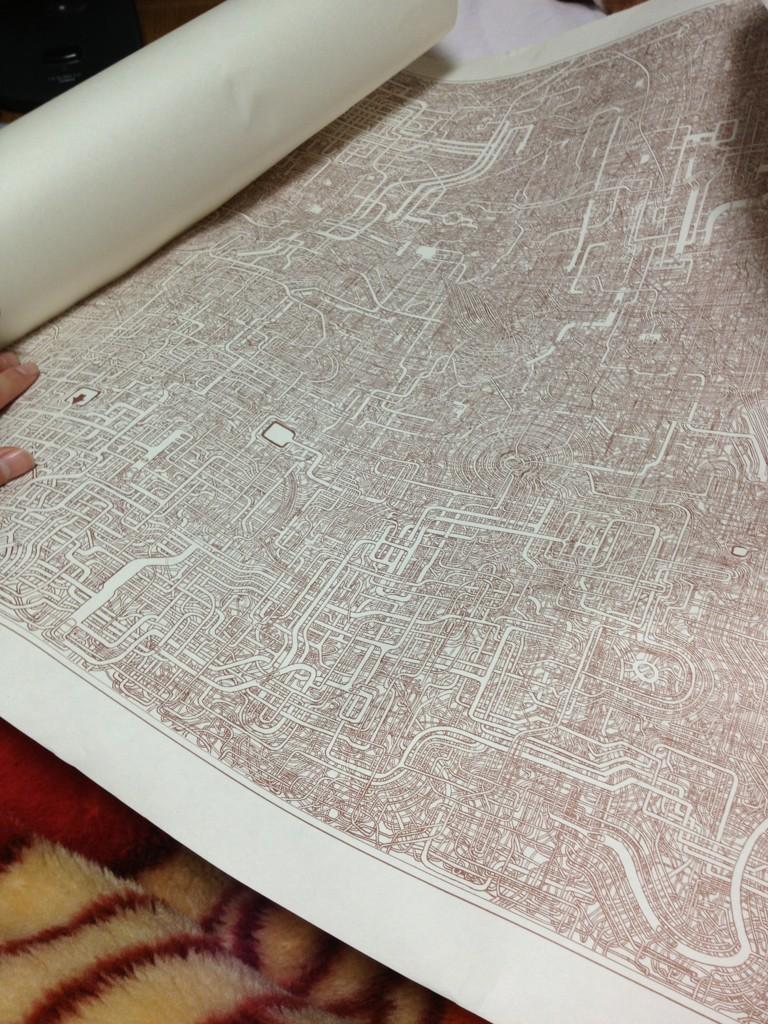
Everyone dreams about discovering treasure in their attic. Well that’s what happened to @Kya7y earlier this year when she discovered this amazingly intricate hand-drawn maze that her father had created 30 years ago. Coming home after his job as a school janitor, the father spent his nights creating the masterpiece. It took an astounding 7 years.

We reached out to the daughter and became the first outlet to carry prints of this amazing work of art. It was also an important catalyst in actually launching our shop.

3. 6 Months of Tonal Vibrations of Tchaikovsky’s Swan Lake Expressed in Crystal
crystalize tokujin yoshioka (16)

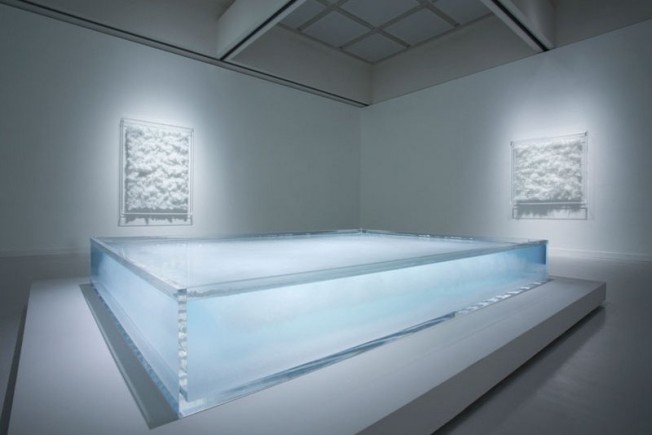
Everything that Tokujin Yoshioka does is amazing, which is why he’s featured in our explore page. It also explains why he’s in the top 3 for an incredibly poetic piece. For 6 months he subjected crystals to the tonal vibrations of Tchaikovsky’s Swan Lake. The resulting bed of crystal growth became part of his solo exhibition that took place over the Summer.

“Nature shows us a beauty that exceeds our imagination,” he says. “The forms of nature are unique and cannot be reproduced. This endows them with mysterious beauty and makes them fascinating to us”.

4. The world’s first inflatable concert hall will begin touring ravaged areas of Japan

arc nova inflatable concert hall (8)

Some questioned it’s acoustics but conceptually it wowed the world. Japanese architect Arata Isozaki teamed up with British-Indian sculptor Anish Kapoor to create an inflatable concert hall. Dubbed Arc Nova, the mobile venue toured the earthquake and tsunami-ravaged areas of Tohoku, delivering hope and encouragement in the form of music.

5. X-Ray Portraits of Couples by Saiko Kanda and Mayuka Hayashi
MCJDA (x-ray portrait 2)

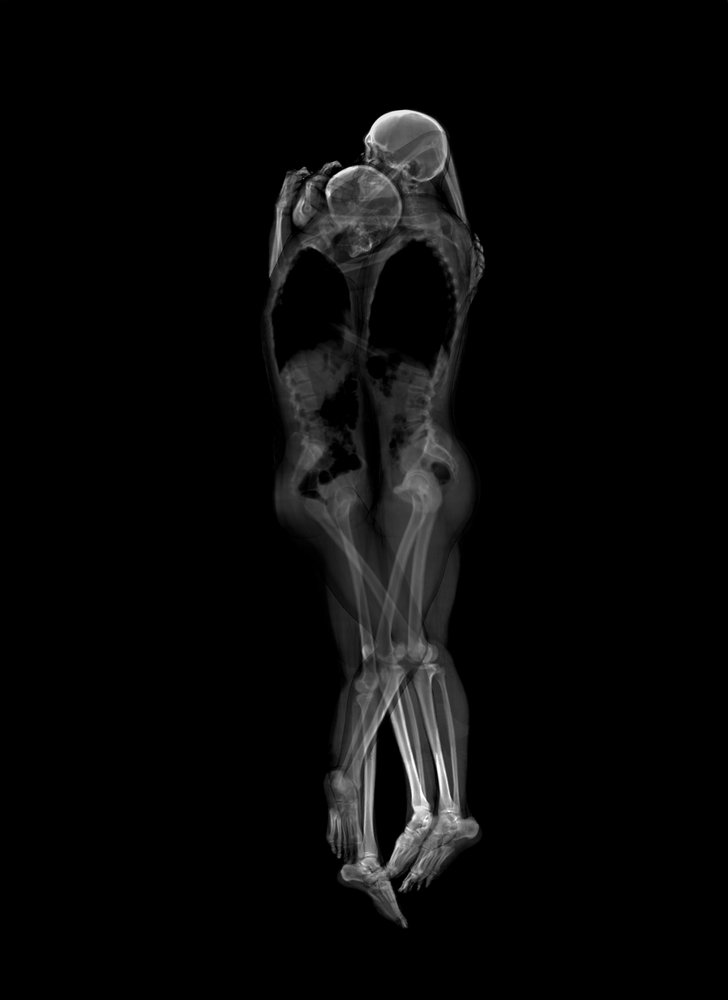
I love reviewing art school exhibitions and uncovering talent in the creative youth. In fact, the student work sub-genre is one of my favorites. And one of our most popular posts was a relatively recent feature we did on two girls who photographed coupled cuddling. And they did it with x-ray machines. Romantic? No. Intimate? Absolutely.

6. The Deep Sea Mystery Circle – a love story
underwater mystery circle 2

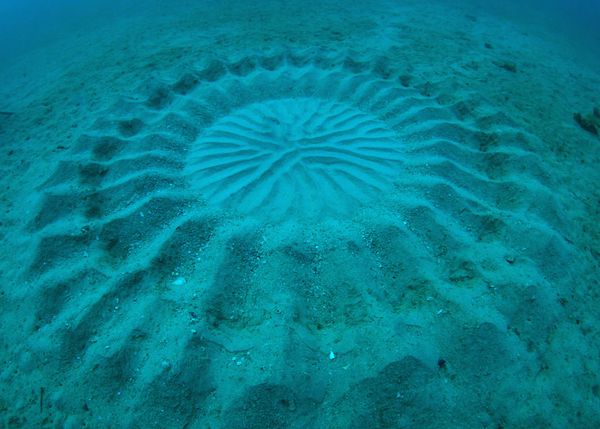
Interestingly, this was our only post to make the top 10, that wasn’t published in 2013. Last year we broke the story about a small sculptor on a quest for true love. A rate type of puffer fish found in Amami-Oshima creates underwater sand sculptures designed specifically to attract mates. It’s a fascinating story and I suggest you read it in its entirety, if you haven’t done so already.

We even helped coordinate a BBC shoot about the puffer fish for an upcoming documentary.

7. Kazuki Yamamoto takes latte art to the next frontier

latte art dali clock

The title says it all. When it comes to latte art, it’s hard to beat Kazuki Yamamoto.

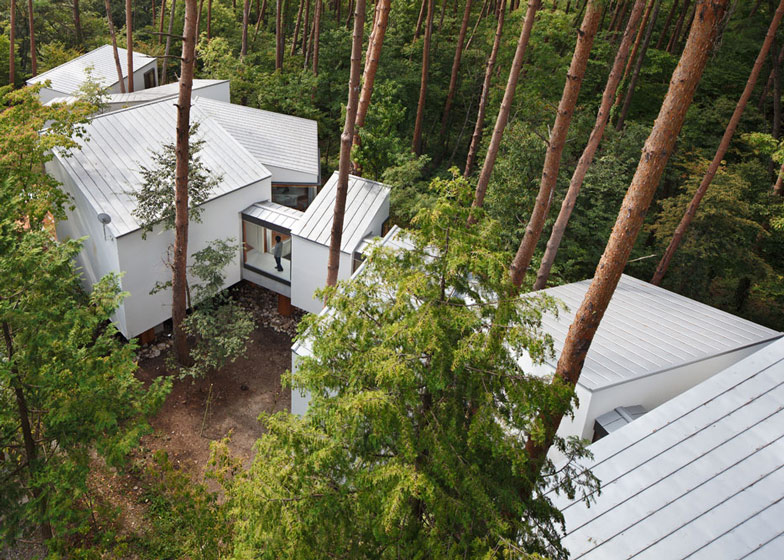
8. Residence of Daisen | A house designed to fit in between the gaps of trees
Residence of Daisen (6)

Giving first priority to the legitimate inhabitants of this forest in Japan, architect Keisuke Kawaguchi, designed a home to fit in between the gaps of trees.

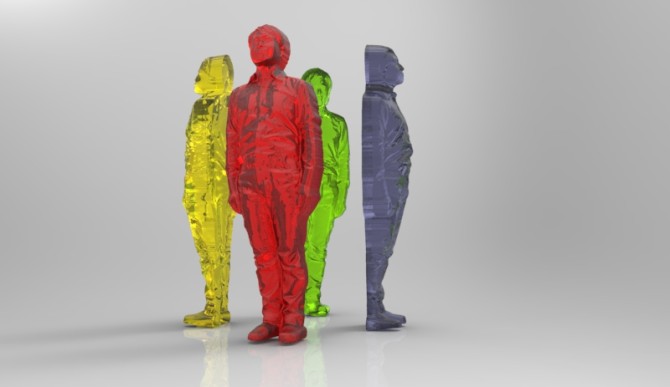
9. Chew on this: FabCafe lets you create a gummy replica of yourself for White Day
nezu_en.127

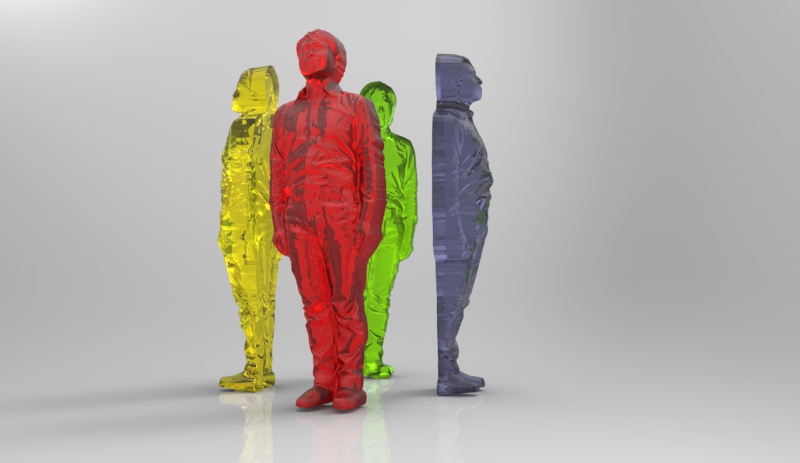
For a White Day project FabCafe in Shibuya let guys come in and make gummy replicas of themselves to give to that special lady.

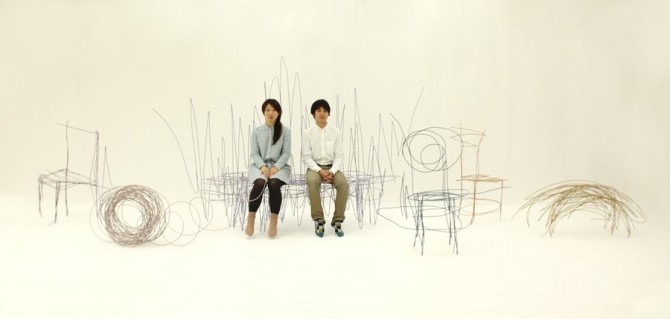
10. Rough draft sketches turned into actual furniture by Daigo Fukawa
rough sketch products (9)

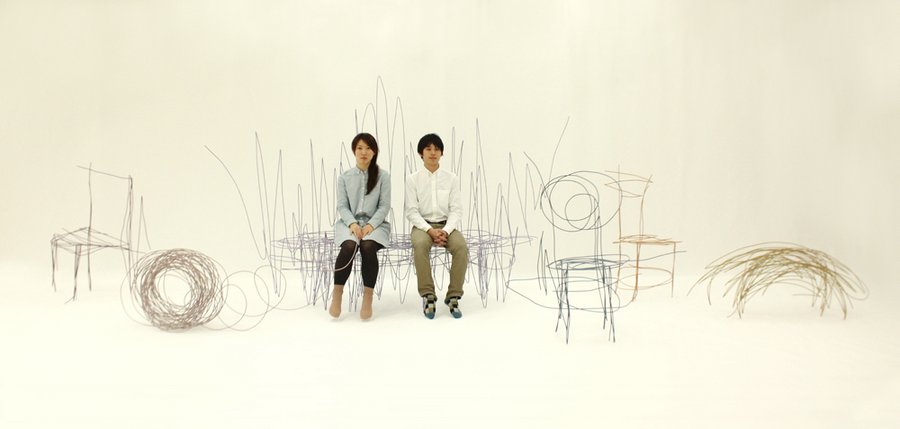
Last but certainly not least is another student project. Daigo Fukawa took his rough sketches of tables, chairs and other furniture, and turned them into actual pieces.

Thanks again for reading! Want to get caught up over the holidays? Check out our top posts from previous years!

A Choreographed Merry Christmas

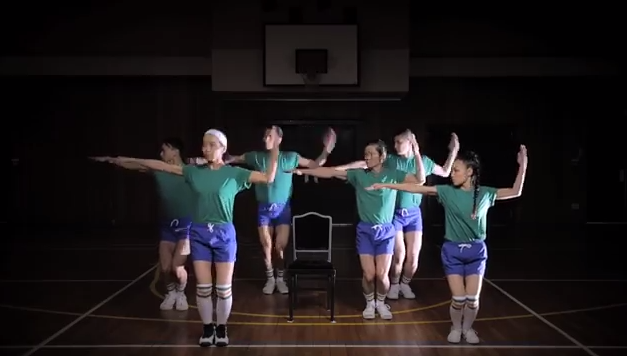
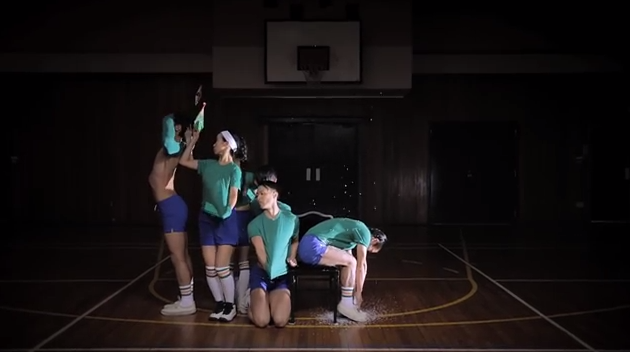
How exactly do you take 6 synchronized dancers and create a Merry Christmas greeting? You’ll just have to watch this short dance routine till the end.

It was created by Hidali, the choreography unit headed up by Ryo Noguchi and Takeatsu Nashimoto. But you may be more familiar with their dance routines than their names. They’re the ones responsible for the choreography behind YouTube sensation World Order.

Screen Shot 2013-12-21 at 11.55.54 PM

This particular dance routine is the latest in a series of holiday greetings that the group choreographed. I also really like this dancing old lady, created for Respect for the Aged Day (Sept 15).

Screen Shot 2013-12-21 at 11.56.06 PM

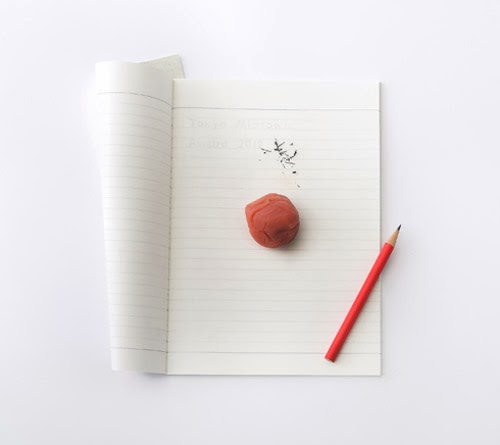
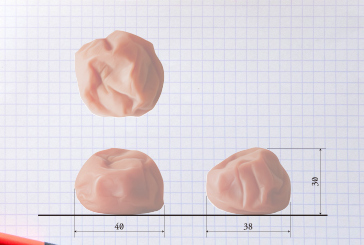
Umekeshi | an eraser shaped like a sour plum

umekeshi-940-510 (3)

Absurd? Yes. Irrational? Of course. Do I want one? Absolutely. This umeboshi eraser (umekeshi) is utterly adorable. As the site accurately points out, I have the urge to put it in the center of my notebook, creating a hinomaru bento (essentially white rice with an umeboshi in the middle, representing the Japanese flag).

It was designed by Fuminori Motodani, a freelance designer who submitted it to the 2013 Midtown Awards and won. The item has yet to hit shelves but if it gets enough votes on the crowd-sourced commercialization website cuusoo it may become available.

umekeshi-940-510

umekeshi-940-510 (1)

source: SFC Design

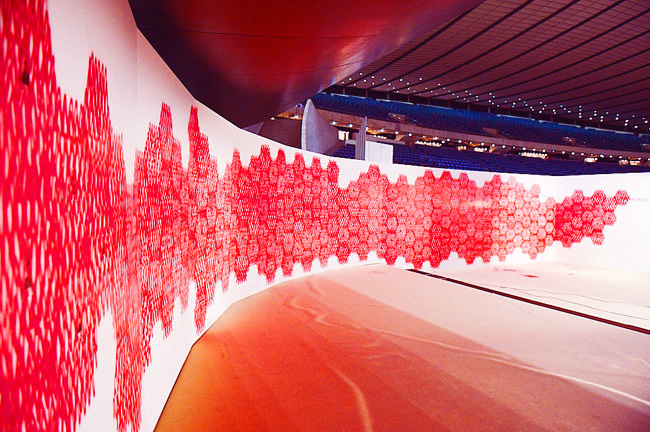
The Pulse of a Canvas | Over 20 Million Heartbeats Illustrated

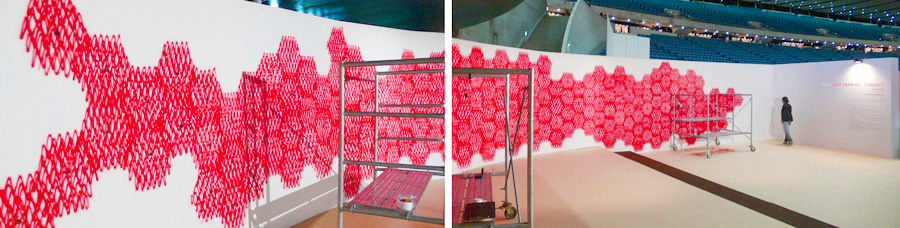
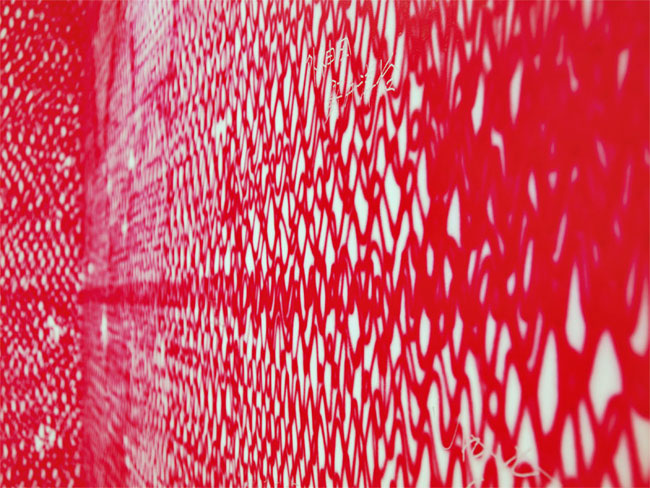
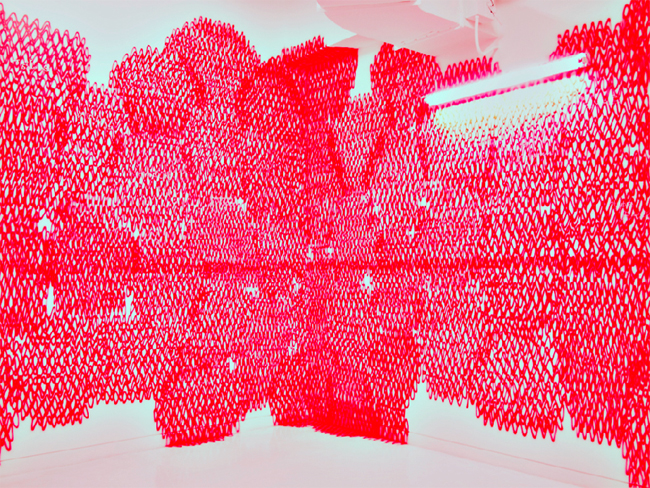
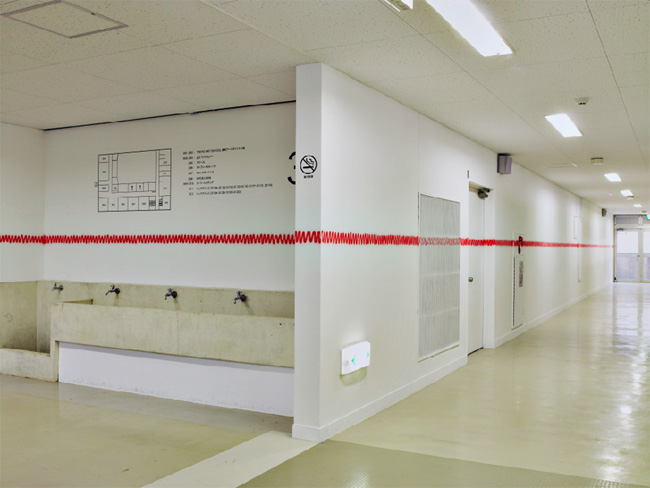
connect_2011_2Installation views of “Connect” (2011) in Tokyo | courtesy the artist

“It all starts with the heartbeat. The first sign of our existence is the beating of our own heart.”
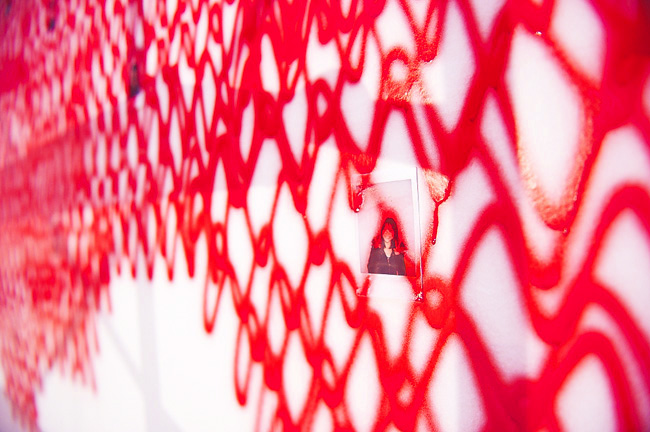
For the last 18 years he’s been listening to, and drawing, one thing: heartbeats. The Japanese artist, who goes simply by his last name, Sasaki, hooks his subjects up to an electronic pulse monitor. He runs the cord into a speaker, picks up an airbrush gun, and begins painting what sounds like the bass on a dance floor.

This way, Sasaki has amassed a pulsating portfolio of over 1300 people and their heartbeats. That’s over 20 million heartbeats. But they all look the same, don’t they? Well perhaps that’s the very intention of the artist. He originally began his creations after traveling to Shanghai in 1995. From an interview with Azito “Thousands of people were walking on the streets and rushing from one place to another. While I was in the middle of all these people I could feel their energy and also their heartbeats.”

connect_2011_3

connect1_feb2011

portrait_3331_1Installation views of “Heartbeat-Portraits” (2010) in Tokyo | courtesy the artist

portrait_3331_2

portrait_3331_4

portrait_3331_3

source: Azito

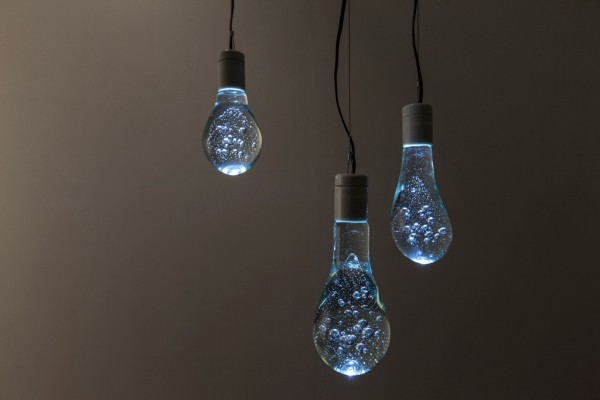
Water Balloon Light Bulbs by Torafu Architects

waterballon_02_satoshi_asakawa-600x400photos by Satoshi Asakawa

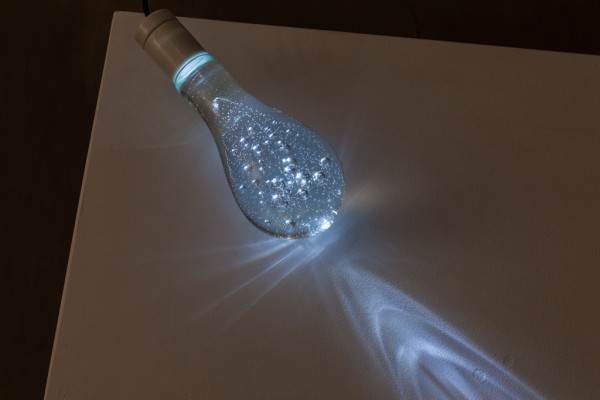
Water and electricity: two elements that are never supposed to mix. Which is perhaps why this piece is so stunning. Taking their cue from the way water balloons inflate under a faucet, Torafu Architects (previously) have created a gorgeous light bulb accurately titled “water balloon.” The glass bulb is back-lit from an LED light source, which is then scattered and diffused by the air bubbles in the glass. The bulb itself is made from recycled florescent light bulbs.

The water balloon light bulb was a result of 9lass, a project which pairs artisanal glass makers with creative designers. The products were put on display during the IFFT trade show in Tokyo last month.

waterballon_03_satoshi_asakawa-600x400

waterballon_01_satoshi_asakawa-600x400

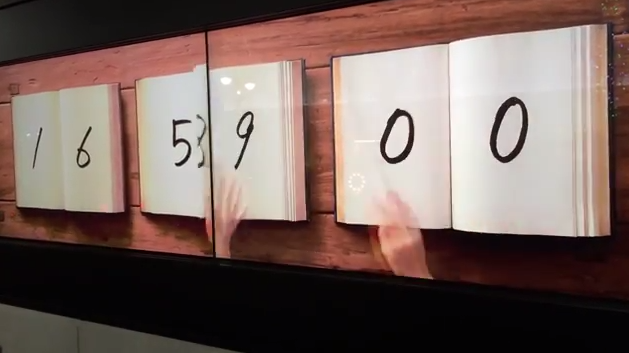
Book Clock by Masaaki Hiromura

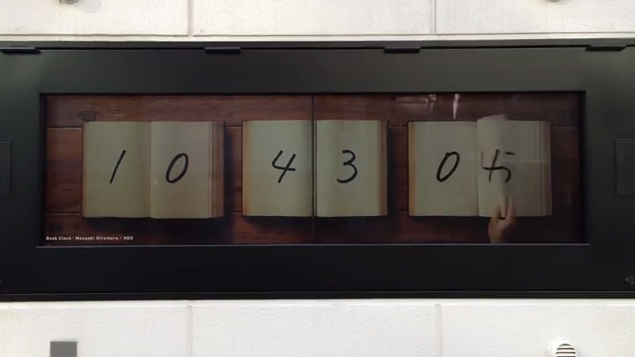
The graphic designer Masaaki Hiromura (previously) has installed what is perhaps the most analog, digital clock ever. It’s comprised of an ever-repeating video loop featuring 3 books, each representing the hours, minutes and seconds of a single day. A hand neurotically and relentlessly flips through the pages as if to remind us that time never stops moving.

It’s currently on view at MUJI in Shibuya, which just underwent a major renovation and reopened at the beginning of this month.

book clock 2

book clock 4

source: @zaki48

A Tiny Ice Skating Rink Emerges In The Middle of Ginza

hermes skating rink photo04all photos courtesy maison hermes | click to enlarge

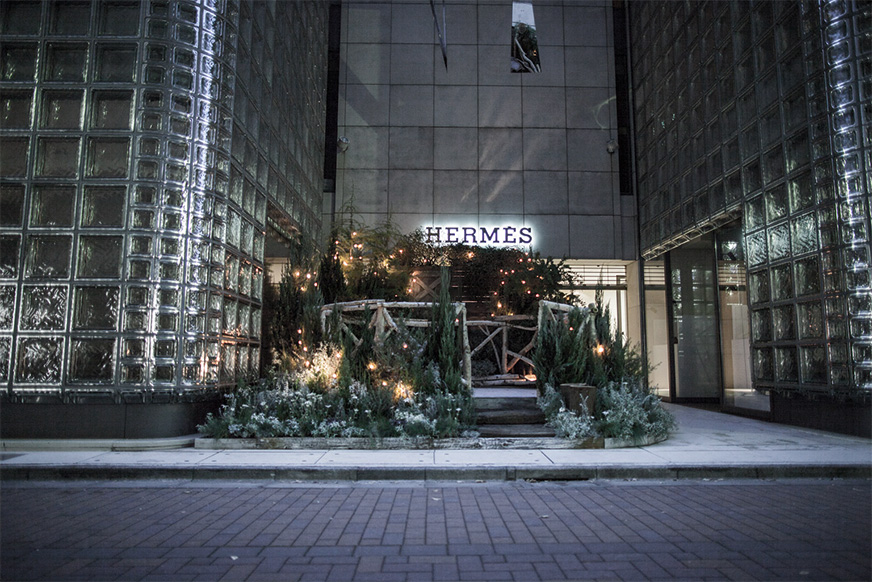
Ginza, the high-end shopping district of Tokyo, is known for its designer boutiques and high real estate prices – one of the highest in the world, in fact. An ice skating rink is one of the last things you would expect to find here amongst the stilettos and handbags. But sure enough, beginning tomorrow, Maison Hermes will begin offering 30-min ice skating lessons on what is surely the smallest ice skating rink I’ve ever seen.

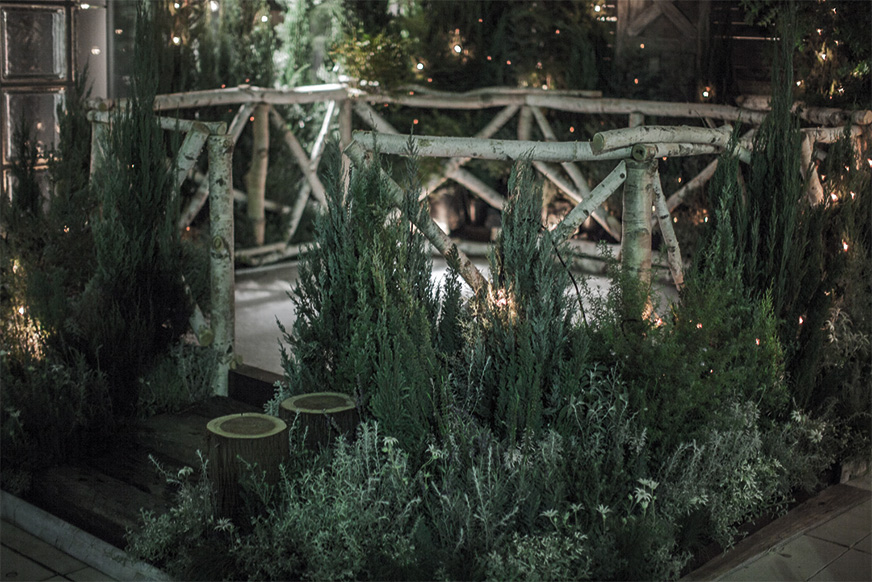
The 3 x 3 meter circular rink was erected by Hermes, right in front of their Ginza store. It opens on December 14 and will remain until Christmas Day. Lessons are free of charge but given the tight space you must register online (using facebook) and lucky skaters will be selected at random.

hermes skating rink photo02

hermes skating rink photo03

hermes skating rink photo06

source: @architecturephoto

« Older posts Newer posts »

© 2026 Spoon & Tamago

Up ↑

Design by Bento Graphics