Page 214 of 406

If you’re an exchange student in Japan you may end up staying in this gorgeous house

Calm-house-Apollo-Architects (1)

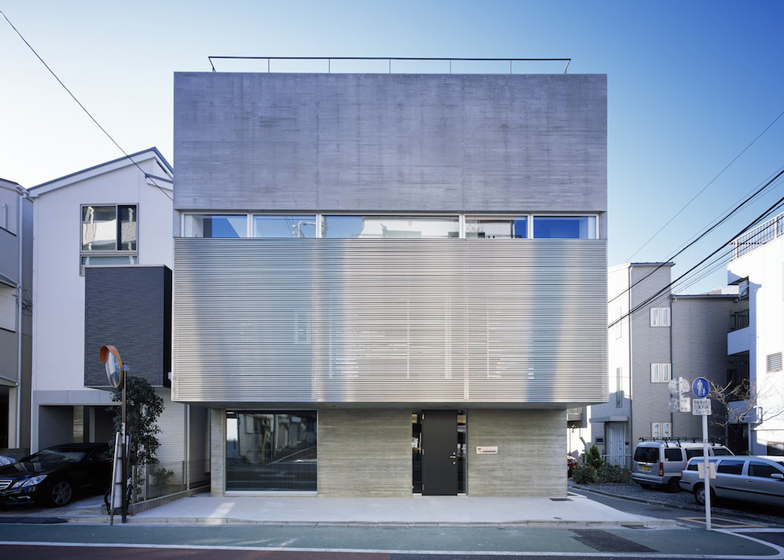
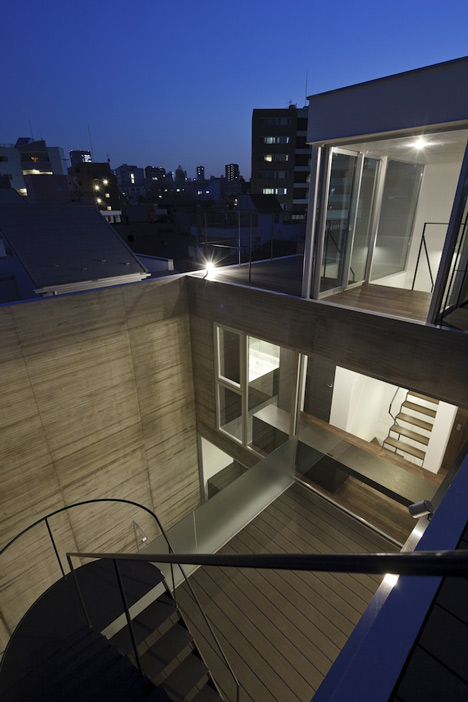
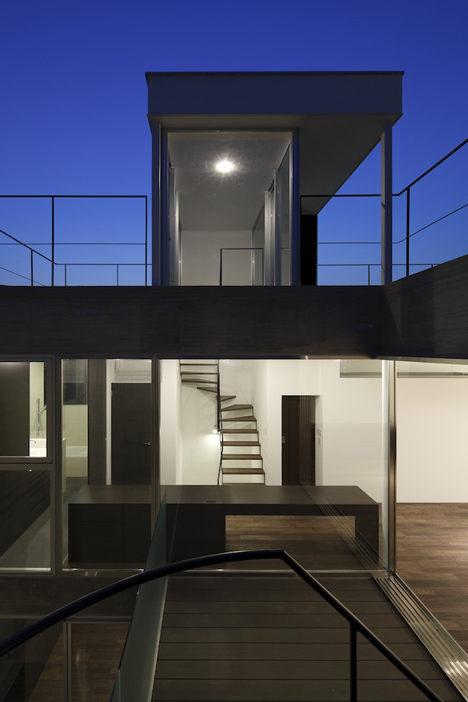
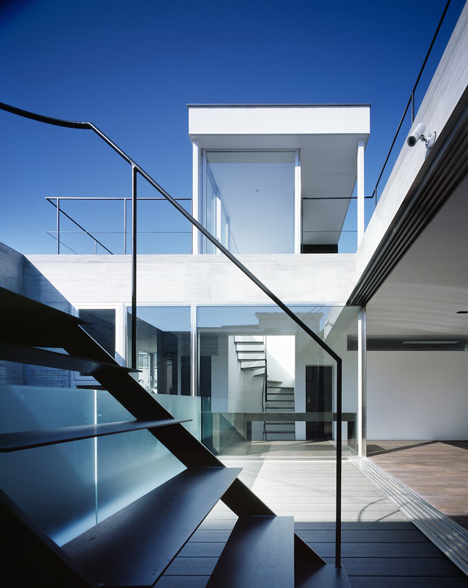
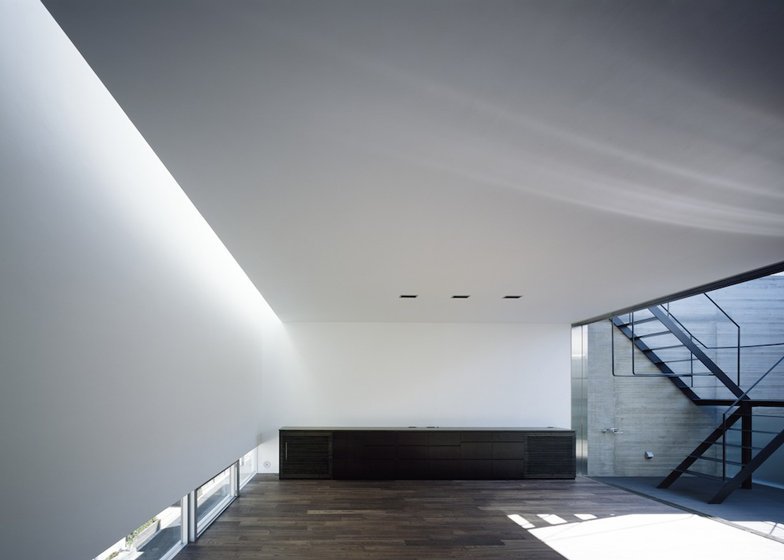
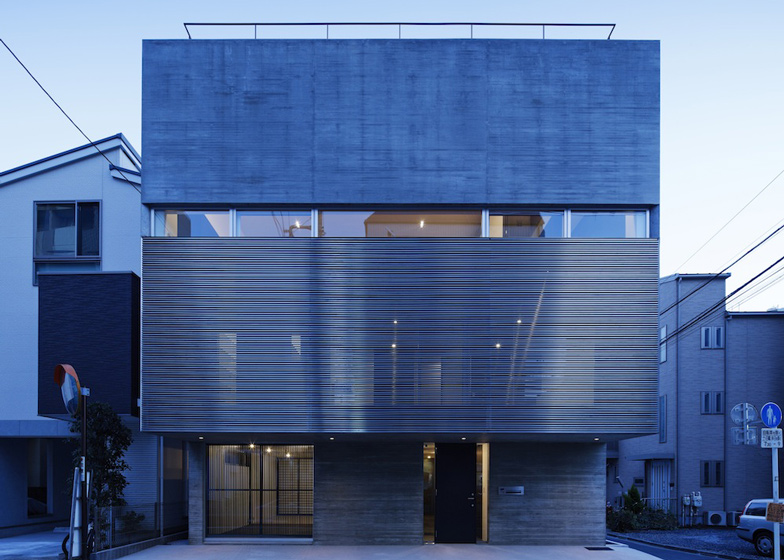
If you’re headed to Japan as a foreign exchange student staying with a host family, and if you’re really lucky (I mean, stepped in dog poo lucky) you may end up lodging in this gorgeous home designed by Apollo Architects. Located in Bunkyo-ku, Tokyo it was designed specifically for a family who regularly hosts foreign exchange students. “One of the key design concepts is to respect the privacy of the family and guests to achieve comfortable and relaxing lifestyles,” said lead architect Satoshi Kurosaki.

Calm-house-Apollo-Architects (3)

Calm-house-Apollo-Architects (9)

On the 1st floor is the guest room. It’s designed in traditional Japanese style – tatami floors and all – to help foster a more authentic feel. It’s attached to a courtyard that’s surrounded by exposed concrete walls. By opening the sliding doors it connects to an open space facing the street.

Calm-house-Apollo-Architects (7)Calm-house-Apollo-Architects (6)

Calm-house-Apollo-Architects (5)

Calm-house-Apollo-Architects (4)

Calm-house-Apollo-Architects (2)

source: dezeen

Lightgazing | Japan’s best illumination spots of 2013

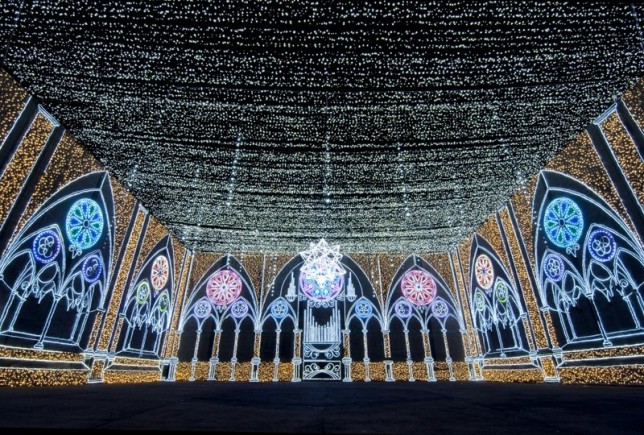
Illumination. It’s an odd word to hear in a sentence, made only odder as a seeming tourist destination. But In Japan, especially around this time of year, it’s a term that casts a twinkle in the eye of every romantic, spectacle-loving soul around. Illumination refers to the act of using numerous holiday bulbs to light up streets, gardens or other public spaces. It’s a special event in Japan and is always heavily attended. If you’re looking to participate, here are some of this year’s not-to-miss illumination spectacles.

Sapporo

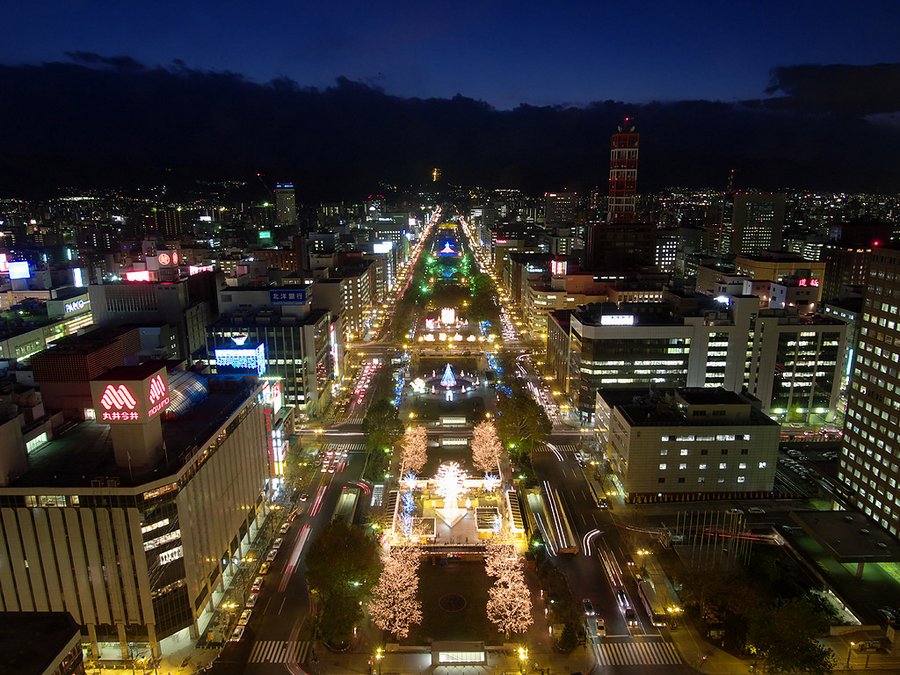
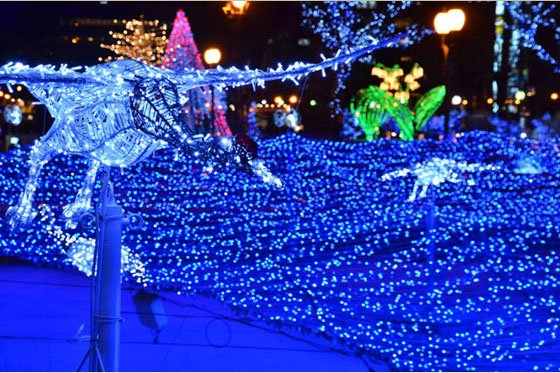
Japan’s very first illumination occurred in Sapporo in 1981. A modest 1048 bulbs lit up Oodori Park in 1981. But the northern city has come a long way since then. This year’s “white illumination,” taking place in the same spot it did 32 years ago, features 420,000 that culminate in “crystal river” of lights. The entire show runs on self-generated biodiesel energy.
2013 illumination sapporo 3unless otherwise noted, all images courtesy xmas.yahoo.co.jp

2013 illumination sapporo 2

2013 illumination sapporo 01

Tochigi

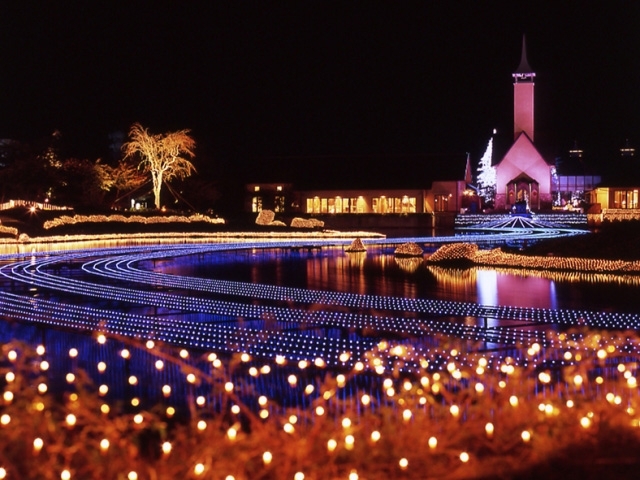
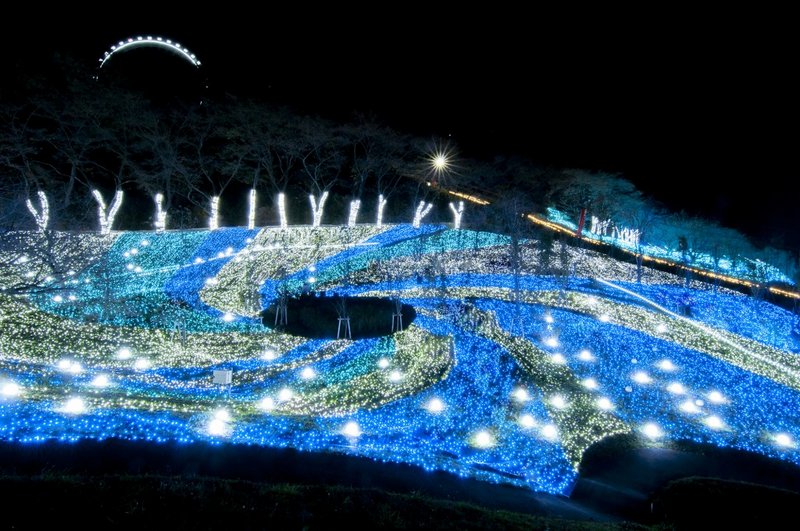
Thought flowers were only for the spring and summer? Think again. During the winter Tochigi’s Ashikaga Flower Park recreates many of their famous floral attractions using LED lights – 2.1 million LED lights to be exact. And yes, it includes their famous wisteria tree.
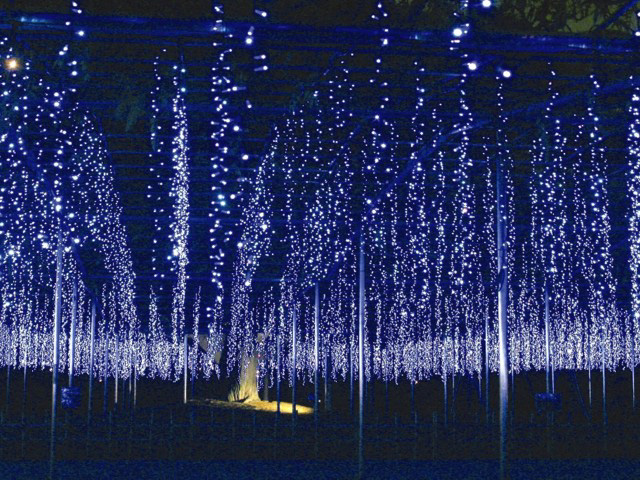
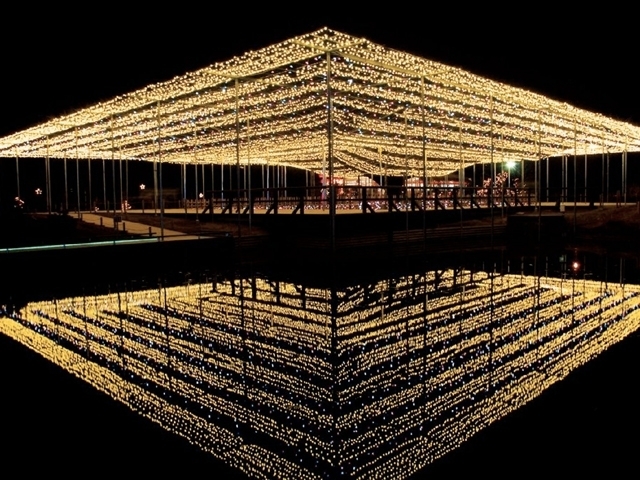
2013 illumination tochigi 2

2013 illumination tochigi 1

2013 illumination tochigi 3

Tokyo

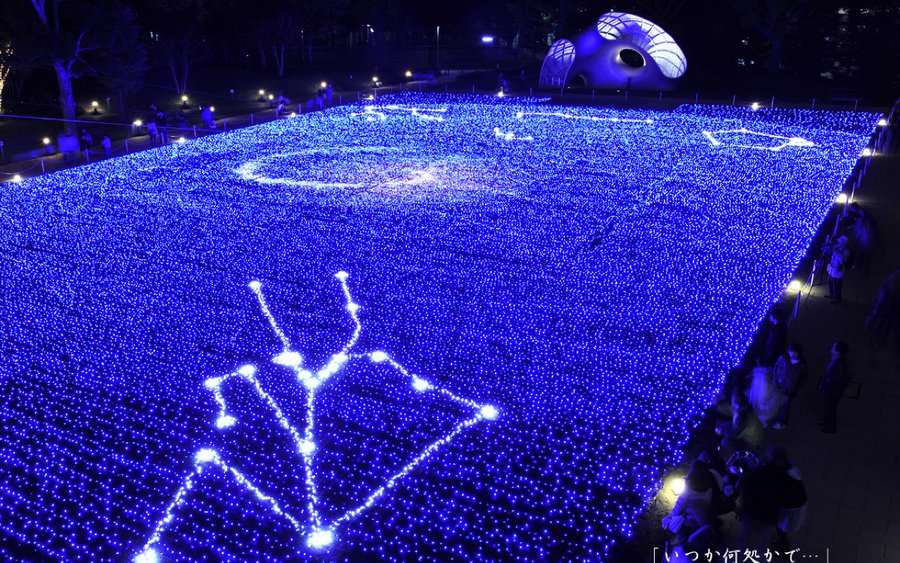
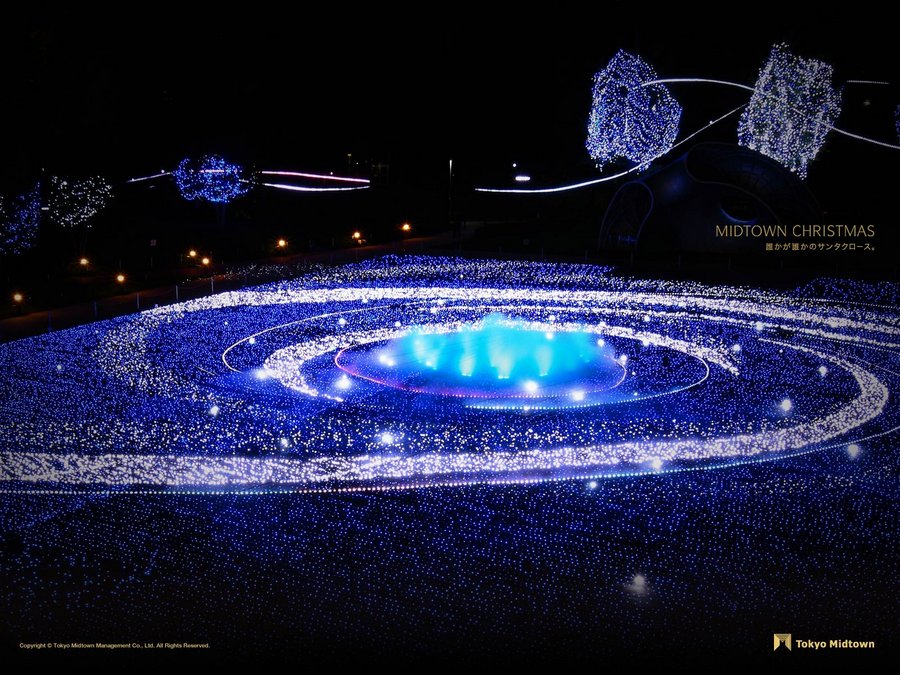
If you’re in Tokyo, head to Tokyo Midtown. Each year the shopping/business complex puts on an impressive show and this year is now different. Their 2000 sq meter public yard is being converted into a “starlight garden” of 280,000 LED lights. They’re even boasting the world’s first attempt at installing “cross-over illumination,” which is supposedly some sort of cutting edge technology to create illuminated arches.
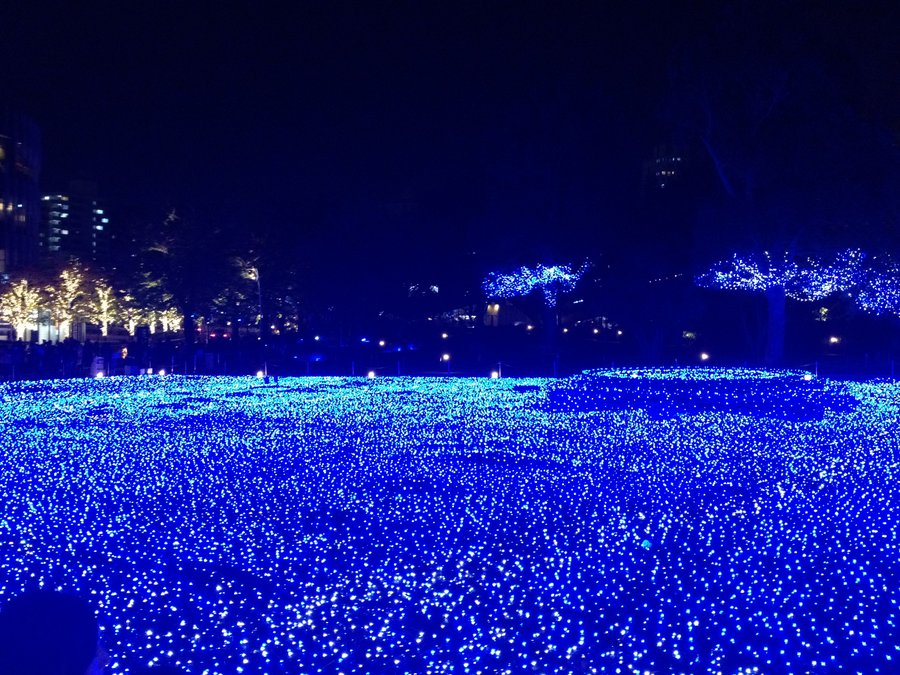
2013 illumination tokyo midtown 3images courtesy tokyo midtown

2013 illumination tokyo midtown 2

2013 illumination tokyo midtown 1

Tokyo

And while you’re at Tokyo Midtown, why not hop over to KITTE, the city’s newest shopping complex right outside Tokyo Station? There you’ll find an architect-designed Christmas tree accompanied by a special ceiling installation that creates the illusion of snow indoors. It was designed by Makoto Tanijiri.
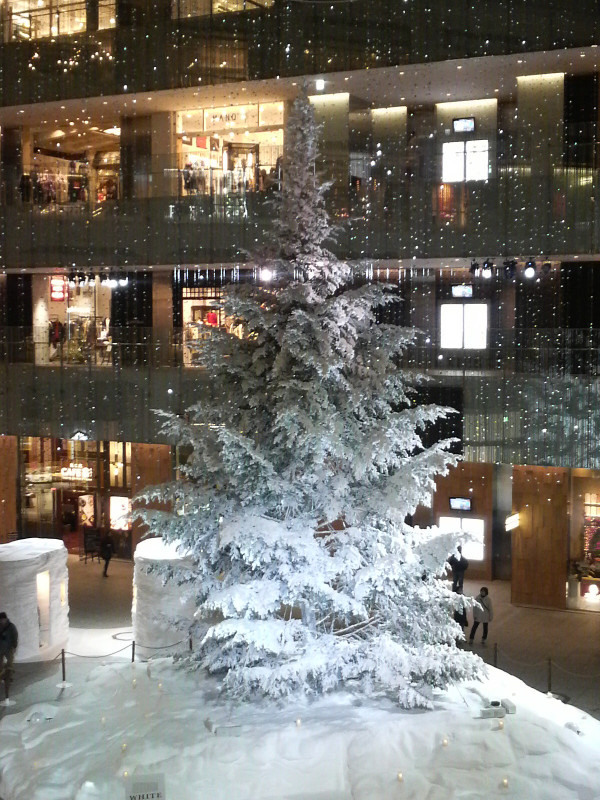
2013 illumination white kitteimage via

Kanagawa

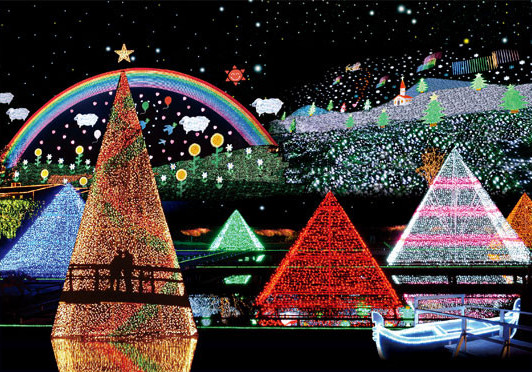
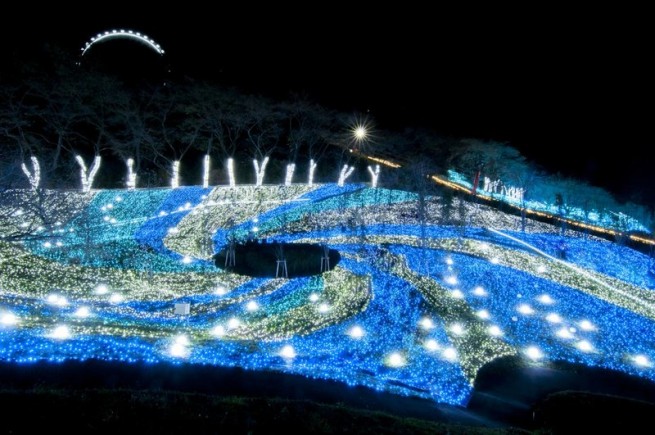
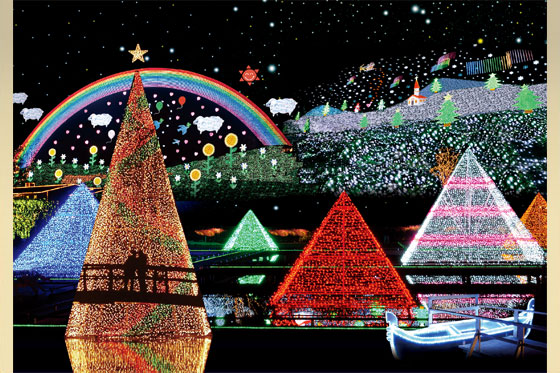
If you’re interested in sheer numbers, head down to Kanagawa for the Sagamiko Illumillio. Coming in at 4 million bulbs (what does that even look like when in storage?) the amusement park is also the Kanto region’s largest light show. And if that’s not enough of a reason to go, the amusement park rides stay open late during the holidays.

2013 illumination sagamiko 2images courtesy lalacreer

2013 illumination sagamiko 1

2013 illumination sagamiko 3

Mie

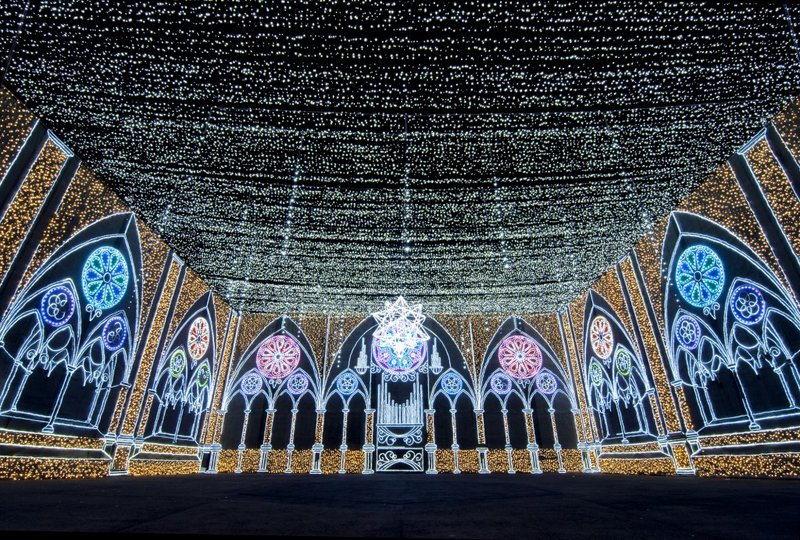
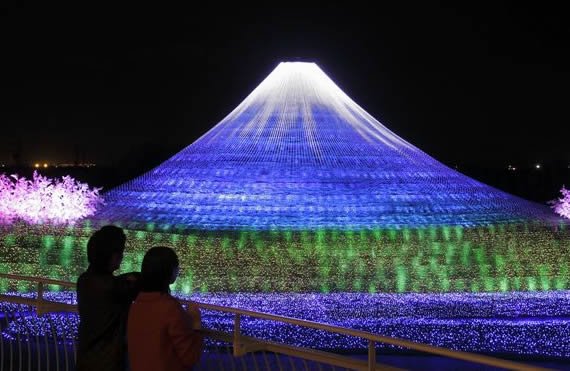
But for the absolute largest display of lights in all of Japan you’re going to have to head farther down south to Mie prefecture. The Nabana no Sato Winter Illumination boasts 7 million LED bulbs that are sure to satisfy your luminous desires. The main attraction is, of course, the light tunnel – a long archway decked out in yellow lights that will make you feel like you’re walking under the milky way. But there are also many other sights that rival the tunnel like the twin trees and a light bulb representation of Mt. Fuji.

2013 illumination Mie 1

2013 illumination Mie 5

2013 illumination Mie 4

2013 illumination Mie 3

2013 illumination Mie 2

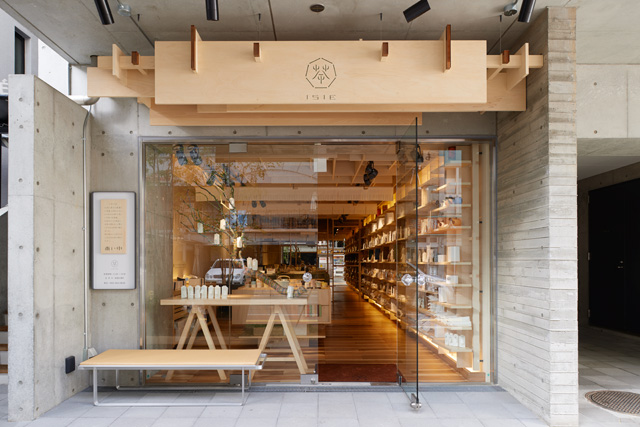
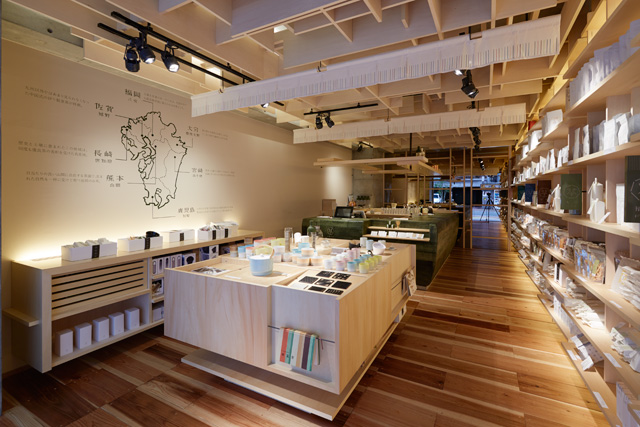
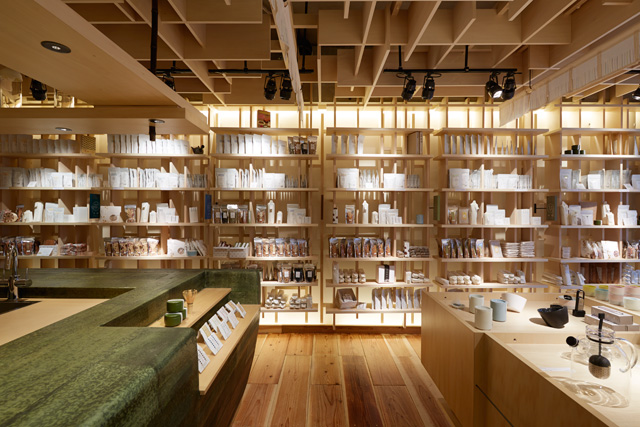
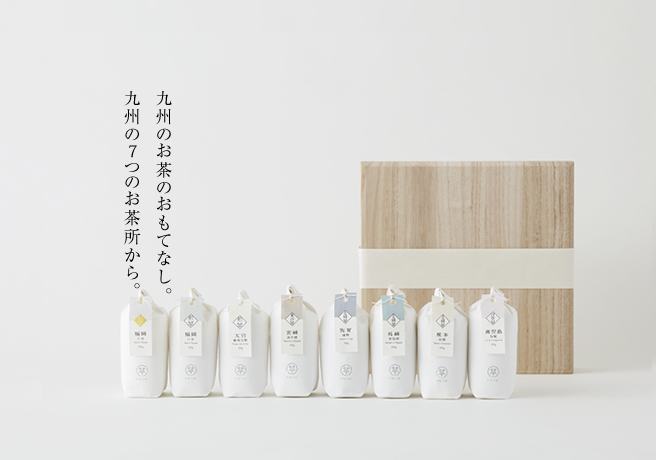
151E | a new tea destination in Fukuoka

l_151E_01

l_151E_02

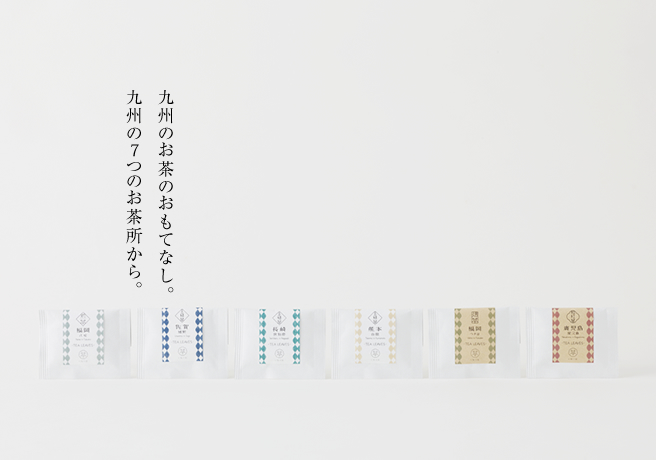
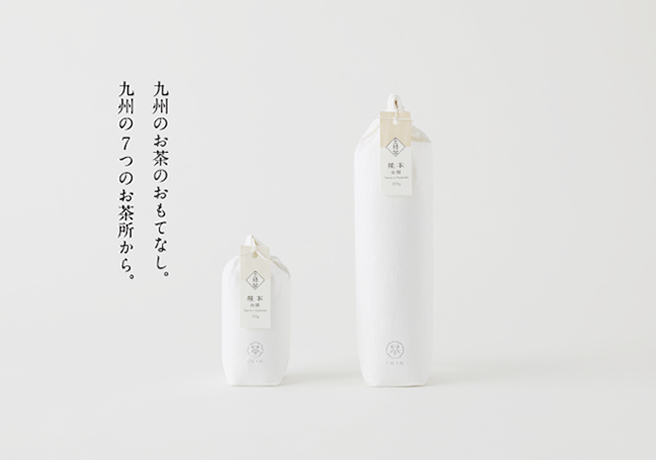
Ichi-go ichi-e (一期一会) is one of those Japanese phrases that is near-impossible to translate. Derived from a mix of roots like tea master Sen no Rikyo, Buddhism and also Tokugawa Shogunate politics, the term can be used to encourage one to cherish a once in a lifetime moment or – in the tradition of tea ceremonies – a cup of tea. (The Japanese title for the movie Forest Gump was Ichi-go ichi-e, perhaps because of the protagonist’s tendency to appreciate every moment and every chance encounter.) It was with those spirits that Mr. Yamashi, a trained, class 1 tea steward (sometimes known as a cha-mmelier) decided to open a shop dedicated to Japan’s finest teas.
151E is written in alpha-numeric characters but is pronounced ichi-go ichi-e. It opened shop in Fukuoka 2 months ago and boasts the finest varieties of teas from the Kyushu region. But it wasn’t only tea that Mr. Yamashi has as taste for. The shop also features an elegant interior with minimally gorgeous packaging for each tea. They say the way of tea is inscrutable, but Mr. Yamashi has certainly figured it out.

l_151E_03

slide05

slide07

slide01

source: hitspaper

Thanks to Japanese Technology Lady Gaga Can Come To Your Birthday Party

w3-gaga-z-20131202-870x590

Gaga poses for photographers with her life-size dolls during a news conference in Tokyo | photo © AP

gagadoll-image

Lady Gaga was in Japan earlier this month to promote her new album Artpop. The promotional tour included TV performances, a Yahoo Japan website decked out in Lady Gaga (live through 12/25) and, of course, anatomically correct humanoid dolls of herself.


The state-of-the-art dolls came about from a rare collaboration between a sex toy manufacturer (Orient Industries) and creative agency PARTY. A video created by the team to show how the dolls were made is fantastic. It’s like the trailer for a sadistic horror film.


And now that Gaga has left Japan, the dolls are sitting around doing nothing, just waiting for you to call them up. The website recently added a new “booking” section where you can apply for one of the dolls to come to your “television, magazine, or other event. They can even be displayed at museums or public schools,” says the website.

source: JapanTimes | @masakawa

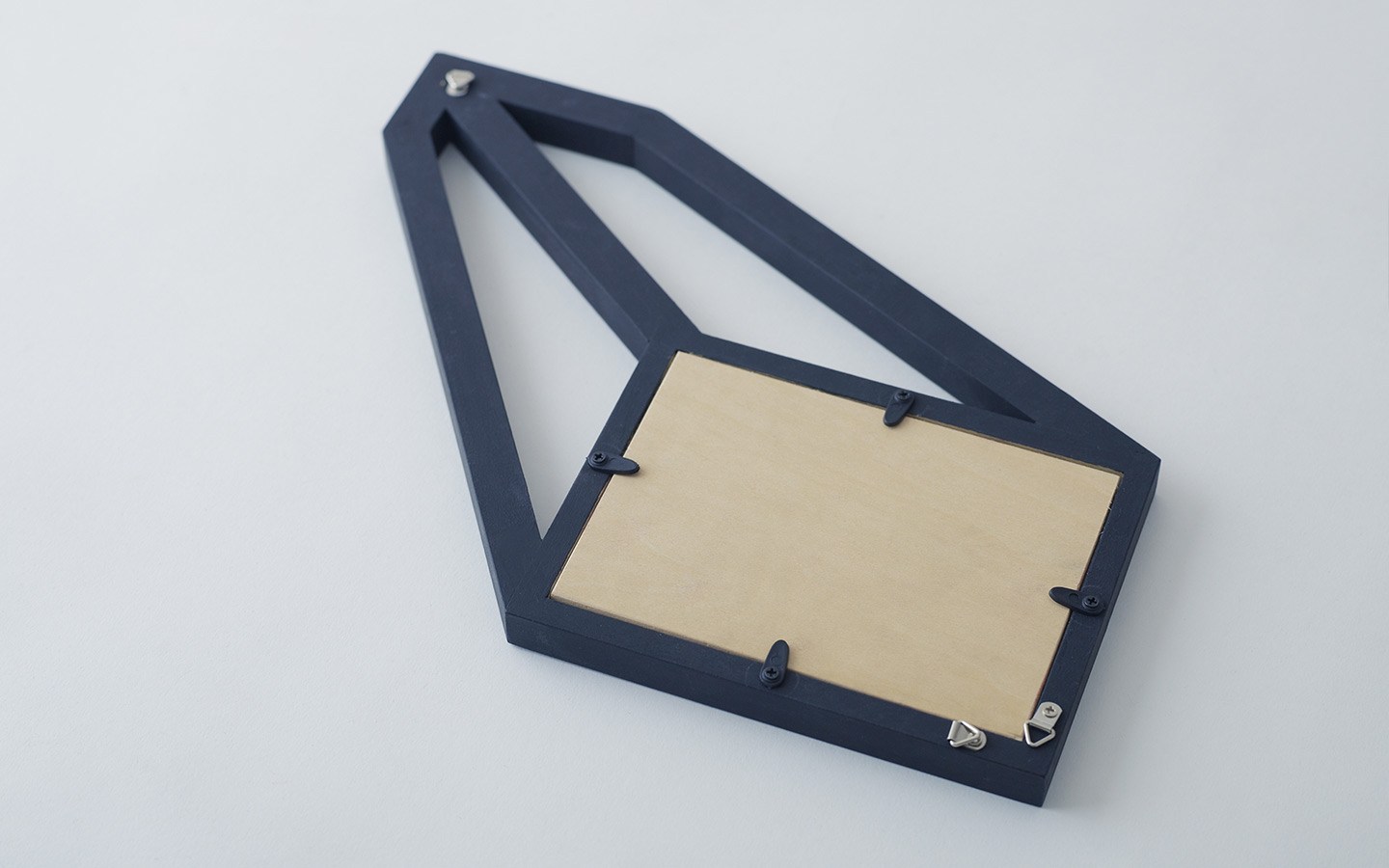
Stick Out Frame by Takeshi Sawada

stick out frame takeshi sawada (1)images courtesy takeshi sawada | click to enlarge

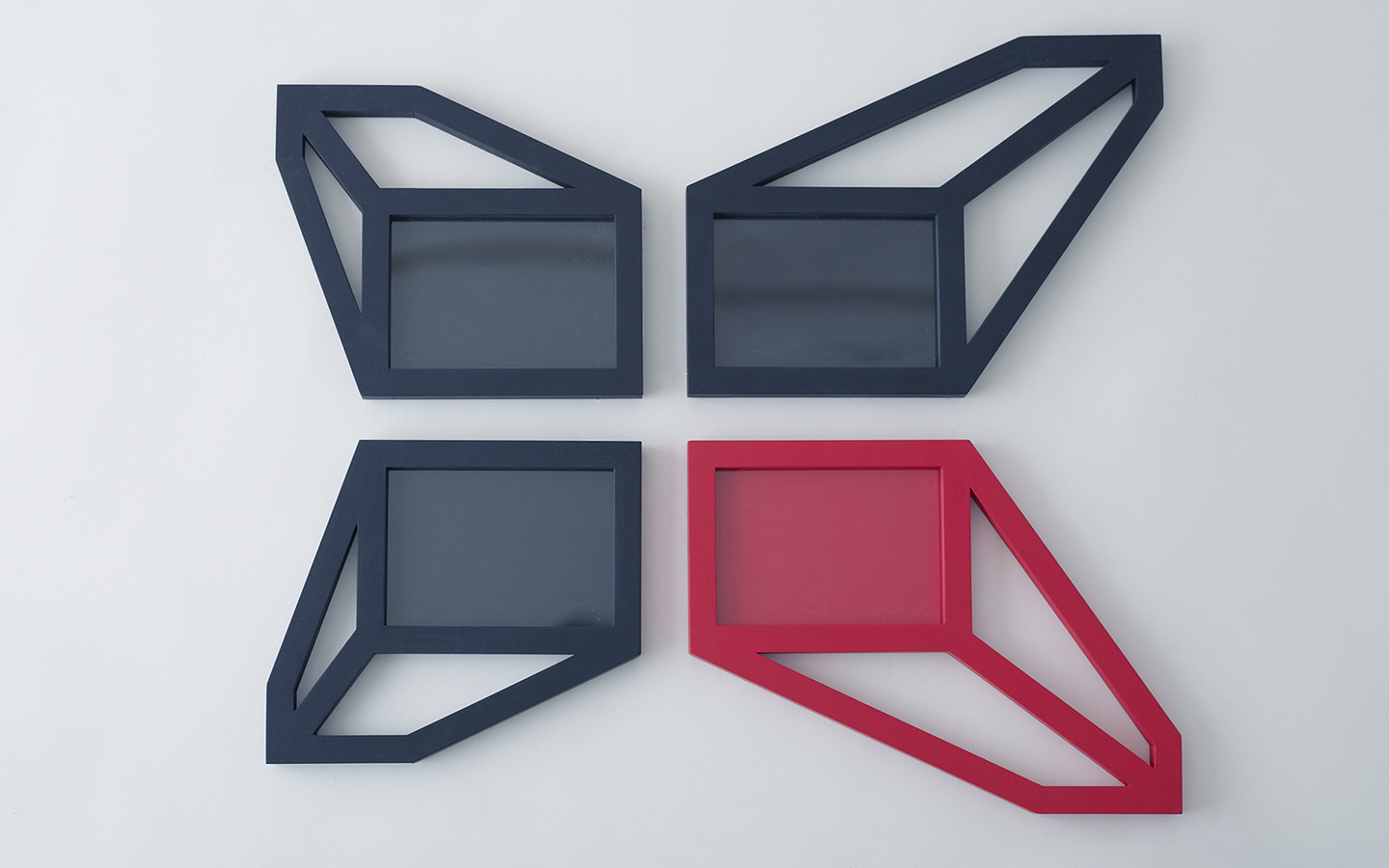
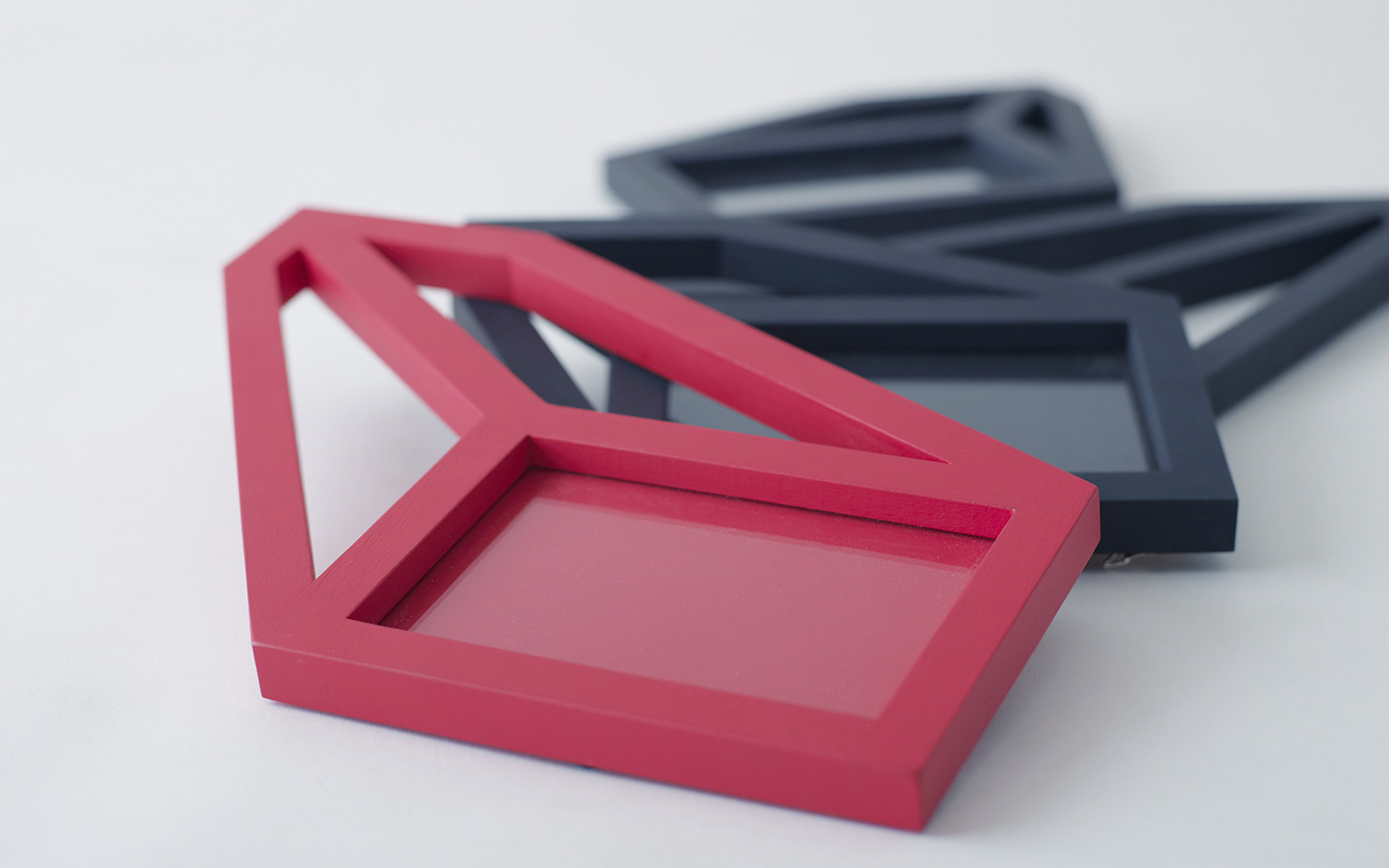
I’m in love with these picture frames by Takeshi Sawada (previously). The art director takes the relatively simple concept of graphical perspective, which we all learned in junior-high art class, and applies it to wall-mounted picture frames. The result is pretty spectacular, and made even greater when multiple frames are combined together.

stick out frame takeshi sawada (2)

stick out frame takeshi sawada (3)

UnBRELLA | the inverted umbrella is the latest innovation in rain protection

phot001

phot01phot02

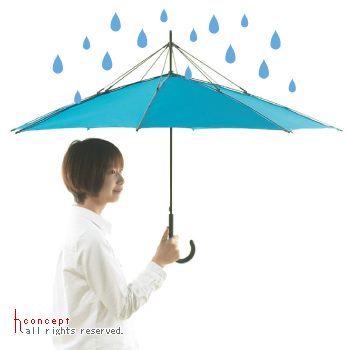
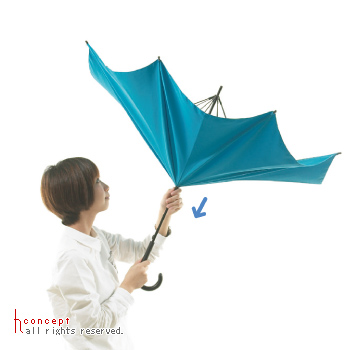
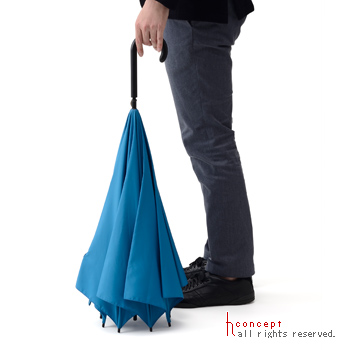
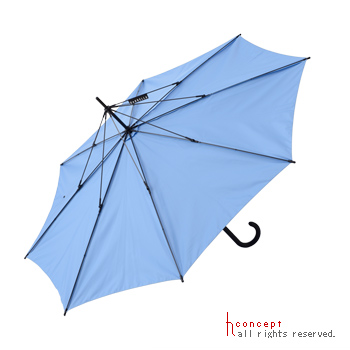
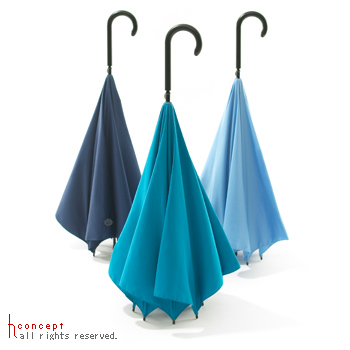
When was the last time there was a groundbreaking innovation in umbrella design? Exactly. Japanese product design firm H Concept has unveiled their latest: UnBRELLA, an inverted umbrella. Why exactly would you want to invert an umbrella? Well, if you live in a crowded metropolis like Tokyo there are many reasons. When you jump on a crowded train after escaping a downpour your dripping wet umbrella usually brushes up against your bag, your clothes or – even worse – a stranger. But by inverting the design, the wet side of the umbrella faces inward when closed, exposing only the dry side.

And that’s not all: the innovative design makes it easier to open when coming out of a car or other covered area. And when not in use the UNBRELLA stands up on its own.


phot03phot05

“It’s been nearly 10 years in the making since I originally conceived the idea,” revealed Hiroshi Kajimoto, the industrial designer who spent roughly a decade improving the umbrella. “I’ve finally created the UnBRELLA – an upside down umbrella truly required upside down thinking.”

The question is, will people be willing to pay for innovation? The new umbrella – slated to go on sale February 2014 – costs 9450 yen (about $95).

phot06phot07


phot08phot_lb2

source: JapanTimes

Imaginary Industrial Watches Brought to Life by Yuuki Fujita

0003-1478x877

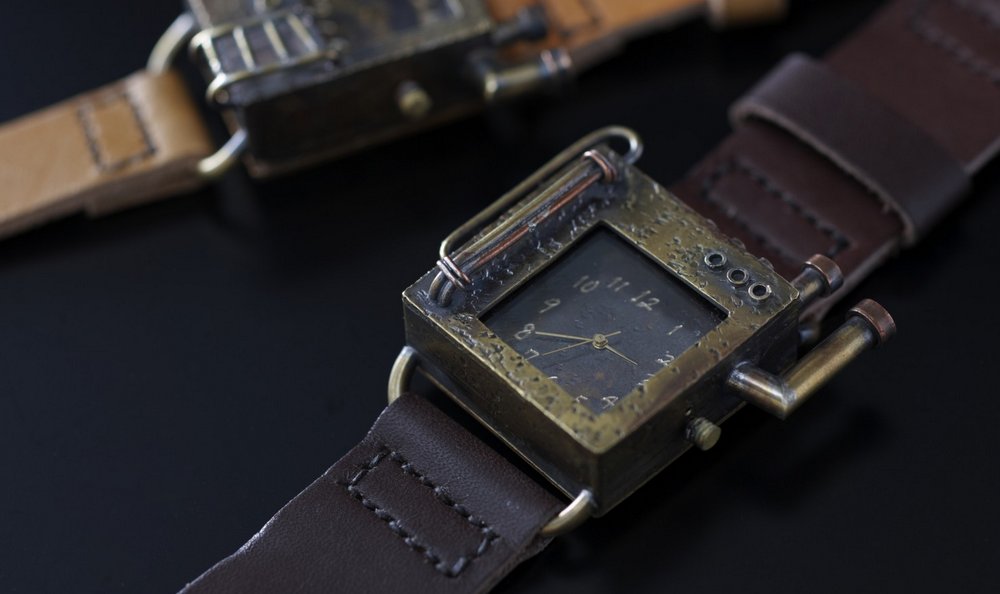
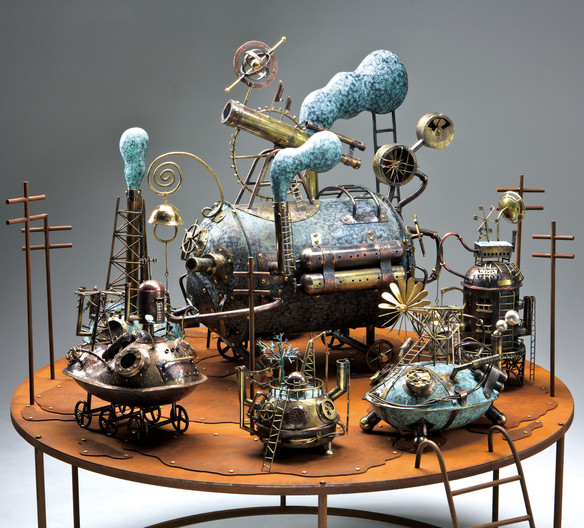
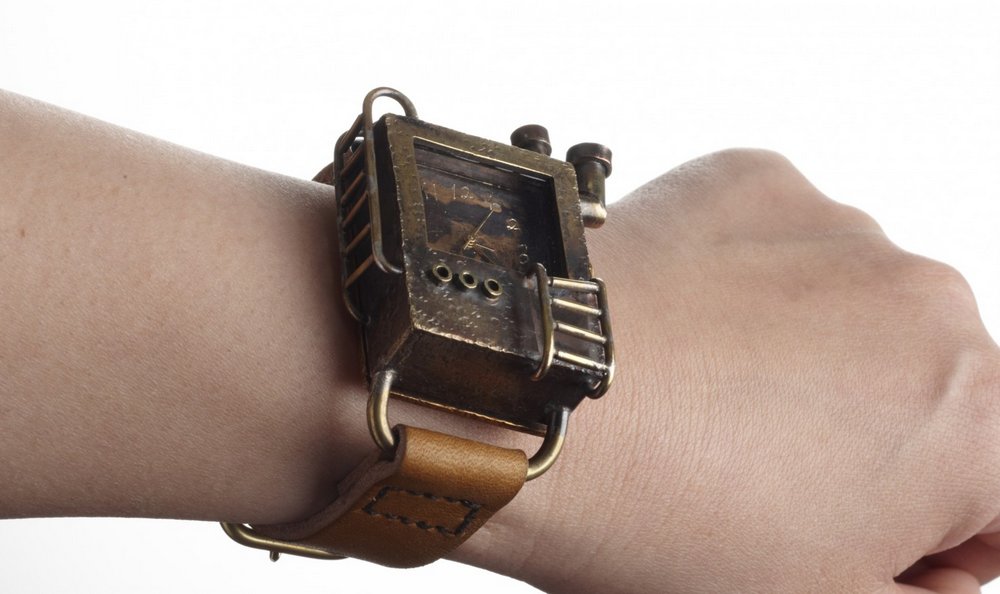
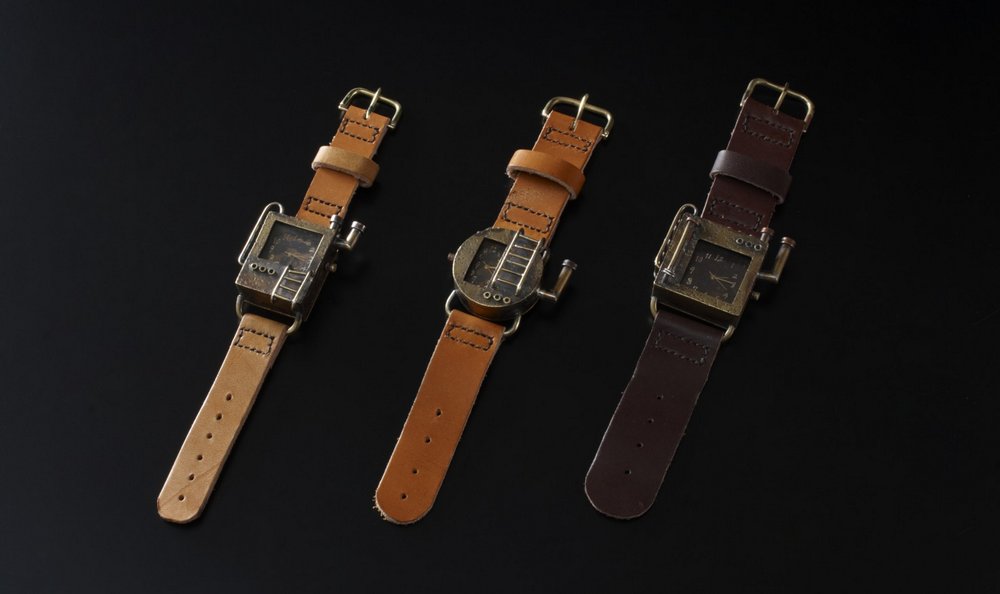
Metalsmith Yuuki Fujita creates metallic objects inspired from imaginary worlds you might see in animated films (I’m thinking Howl’s Moving Castle). “I enjoy making art objects but I wanted to create something functional that you could use everyday,” said Fujita, unveiling her new watch collection. Each piece, an industrial hodge-podge of chimney-stacks, ladders and buttons, is a unique original. “I hope that my watches inspire the user to go out on an adventure, like the protagonist of a story,” Fujita wrote.

Fujita sells her watches for 30,000 yen (about $300) a pop.

*all quotes translated from Japanese to English by the author.

yuuki fujita 1Fujita creates all sorts of metallic, imaginary objects

0005-1478x877

00021-1478x877

00041-1478x877

0001-1478x877

source: flyingapartment

Children’s Reindeer Chair by Takeshi Sawada

reindeer chair takeshi sawada (2)

Art director Takeshi Sawada has created the perfect winter gift for furniture-loving future designers. The gorgeously crafted Reindeer Chair is made from oak, walnut and deerskin, and celebrates the adorable woodland animal.

The Reindeer Chair is a new addition to Sawada’s other animal-inspired children’s furniture like the bambi chair, the sheep chair and the cow chair.

reindeer chair takeshi sawada (1)

(full disclaimer: Sawada doesn’t specify what species of deer this is, but I like to pretend it’s a reindeer, just because it’s that time of year)

Source: flyingapartment

Mass Production | Kenzo Minami at hpgrp gallery

kenzo minami mass production spoon-tamago (3)photos by kaori sohma for spoon & tamago | click to enlarge

Kenzo Minami is a man of many ideas. Ask him a question about his work and you’ll get a 20-minute answer that ends with Minami’s description of the final scene in Michelangelo Antonioni’s 1962 film Eclipse. But therein lies the genius of the enigmatic, all-over-the-place designer.

kenzo minami mass production spoon-tamago (1)

The product designer-turned graphic designer got his start in television but eventually transitioned into the role of freelance as his side projects became main projects.

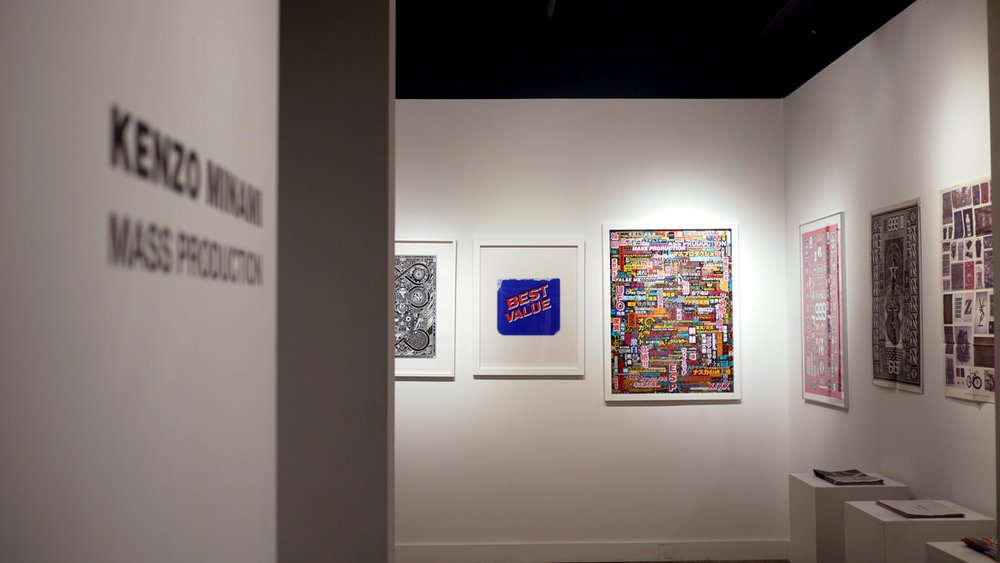
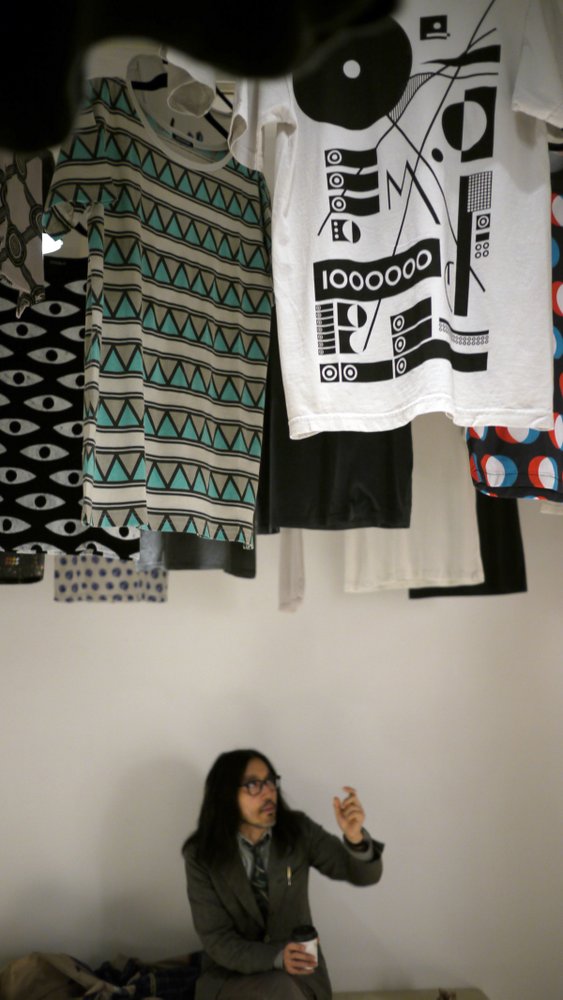
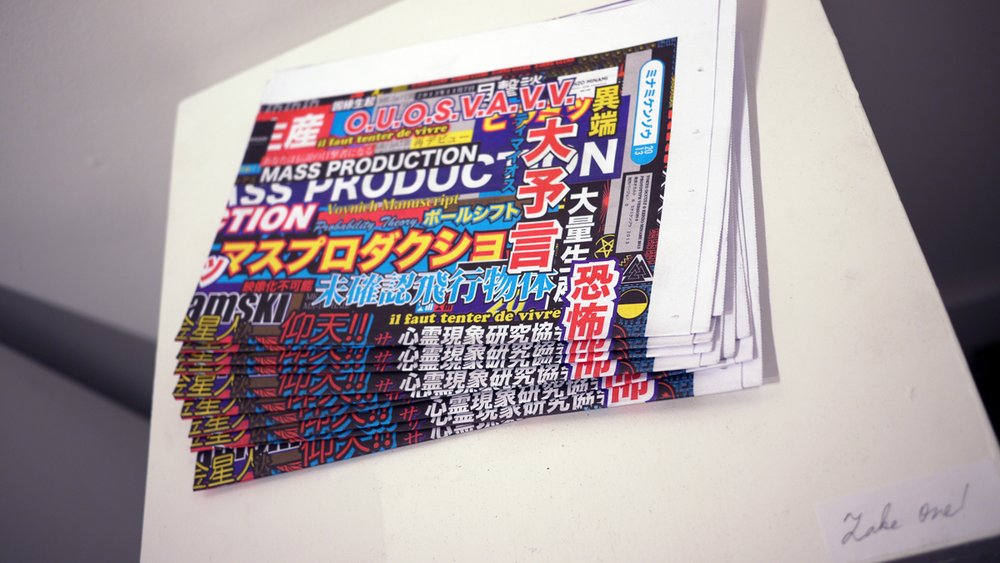
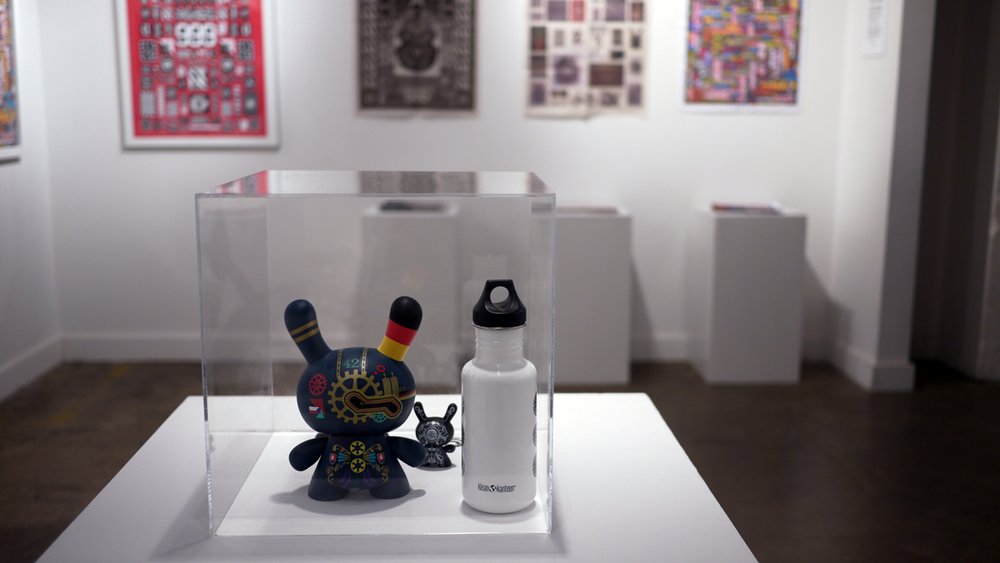
And maybe that’s why his current retrospective “Mass Production” at hpgrp gallery feels so timely. It is indeed the first time Minami’s extensive, eclectic body of work, which includes a MoMA inducted Dunny toy of his model, Reebok sneakers, Eastpak carry-on luggage and a $5000 Affinity track bike, is being showcased together. And headlining the show is over 100 t-shirts (only a fraction of the work) from the Kenzo Minami apparel line, which had a healthy 9-year run and ended in 2011. And now he is in the midst of considering to reboot the line.

We caught up with Minami on site to discuss his current show.

Kenzo Minami: Mass Production
hpgrp gallery, New York
now extended through December 21, 2013


kenzo minami mass production spoon-tamago (4)

kenzo minami mass production spoon-tamago (14)

Continue reading

Noramoji | Fonts made out of retro Japanese storefronts

noramoji (1)

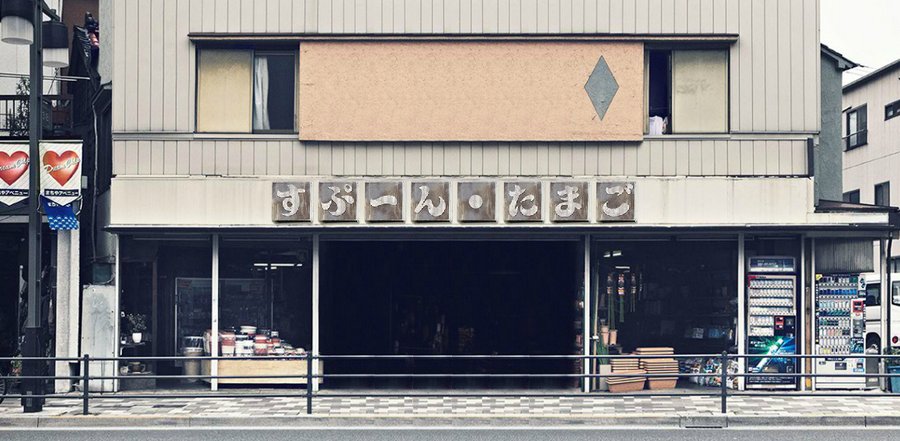
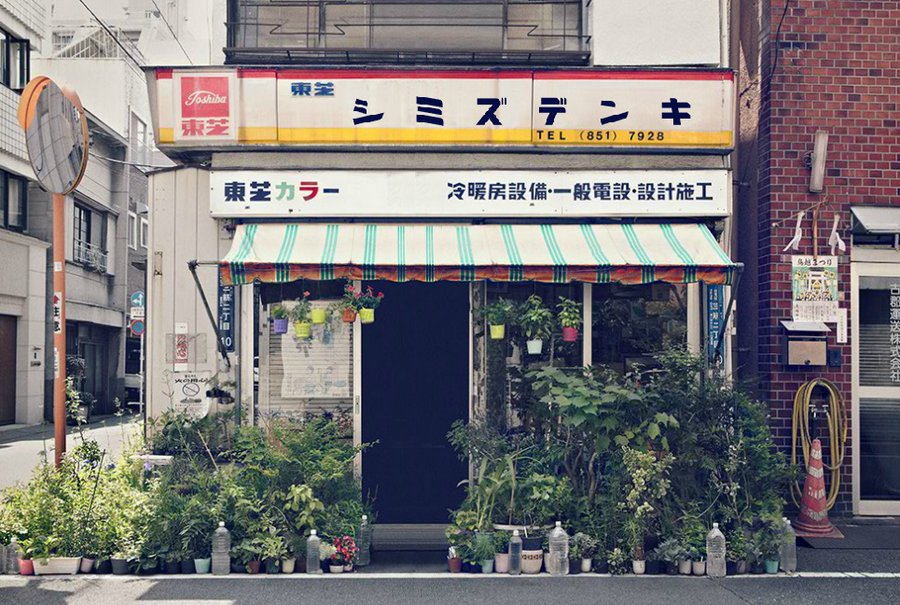
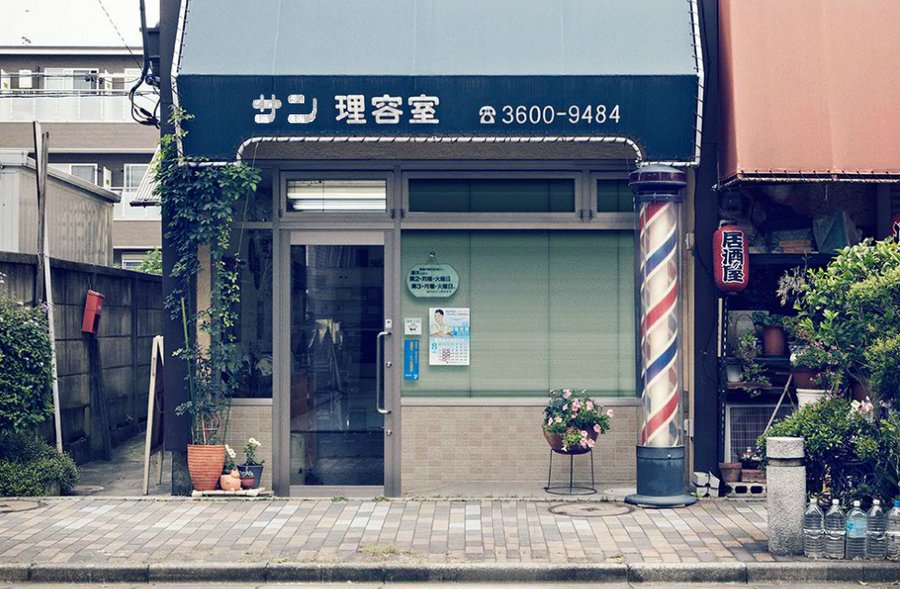
These Japanese fonts won’t be found in textbooks or typography journals. You have to go looking for them on the streets of Japan: your local barber, an old florist, or an outdated toy shop. Finding beauty in these unsophisticated yet nostalgically charming fonts, 3 friends set out on a hunt to capture, fontify, and give something back to the community.

Obtaining permission from the store owners (many of whom have no graphic design background but were heavily involved in the creation of their unique fonts), Rintaro Shimohama, Naoki Nishimura and Shinya Wakaoka recreated the fonts and have made them available for download. The resulting project was titled Noramoji, a combination of the words nora (meaning stray) and moji (text).

All proceeds from the Noramoji project are given back to the store owners.

noramoji (4)

noramoji (2)

noramoji (3)

H/T @jeansnow

« Older posts Newer posts »

© 2026 Spoon & Tamago

Up ↑

Design by Bento Graphics