Page 206 of 406

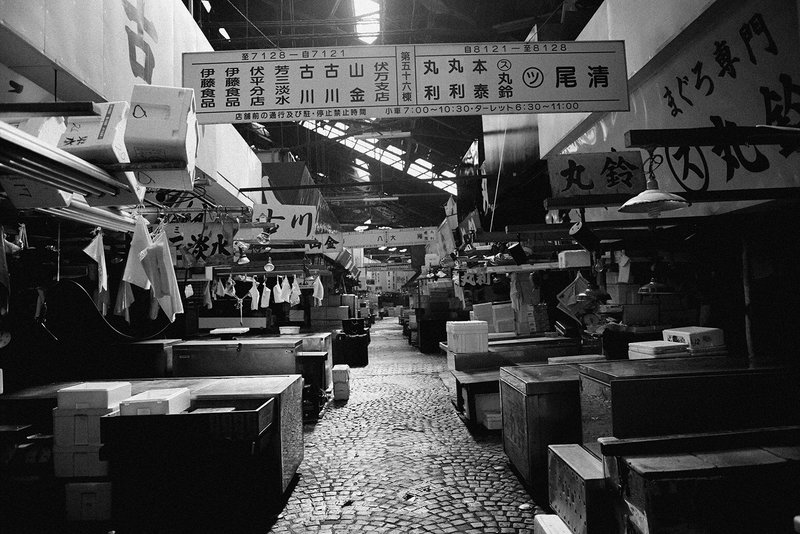
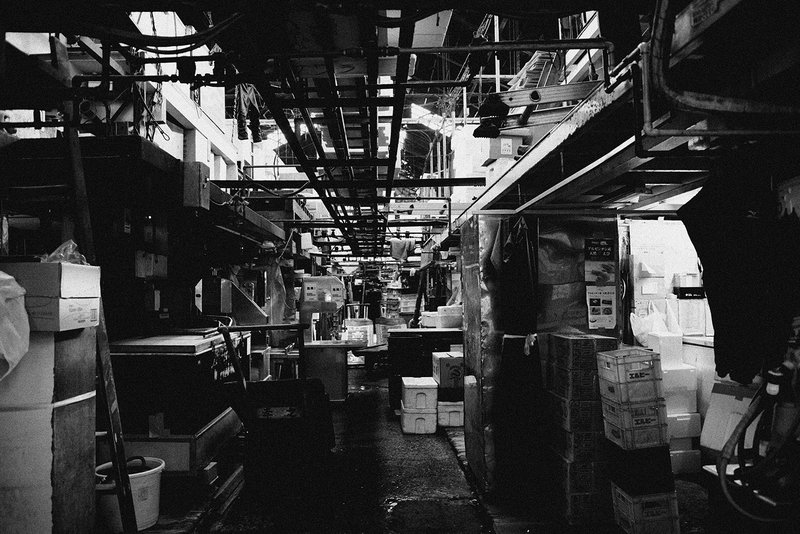
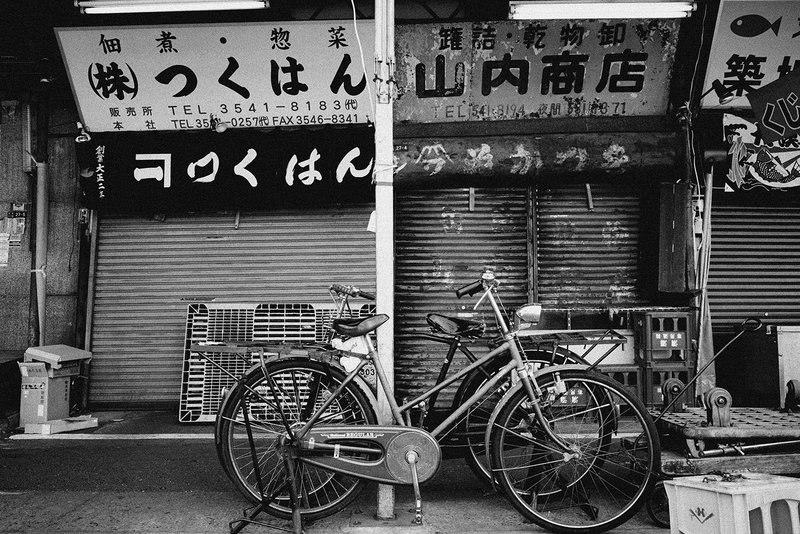
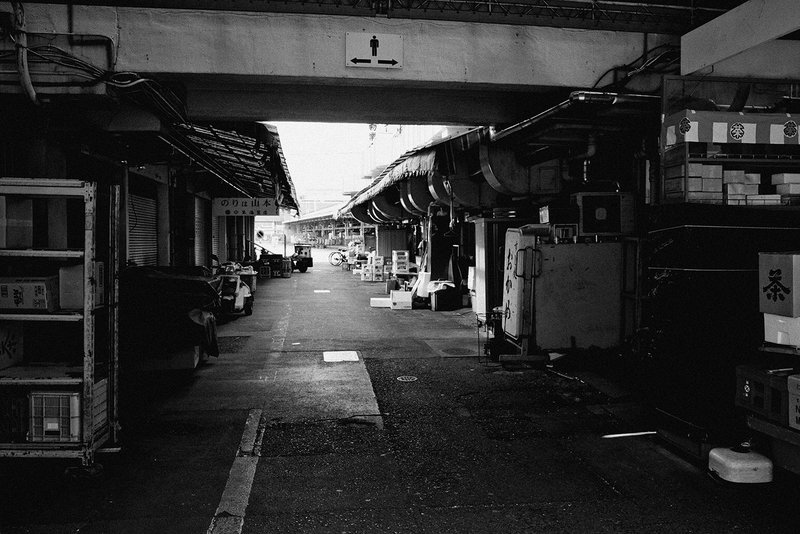
Dark Lifeless Photos Capture the Future of Tsukiji Fish Market

now-tsukiji-now-you-dont (3)

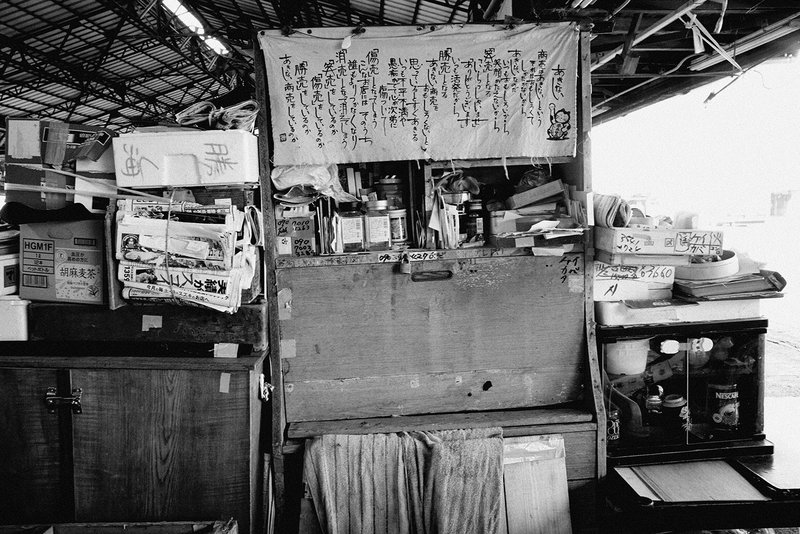
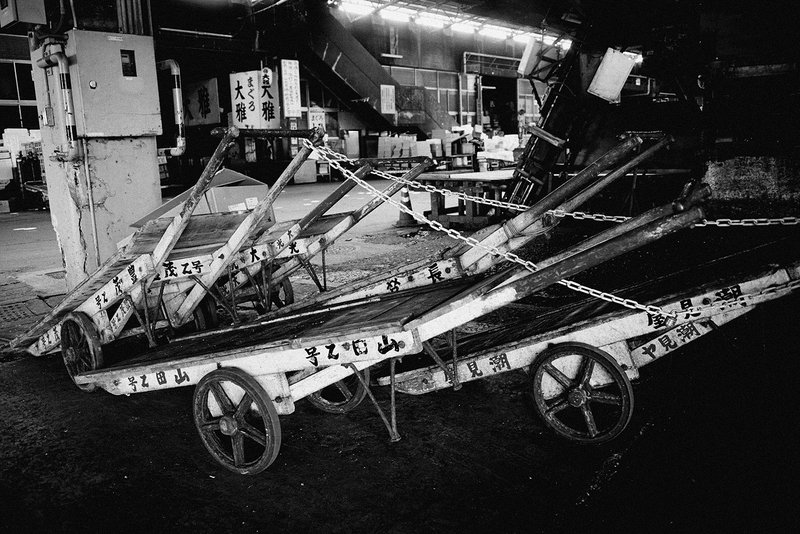
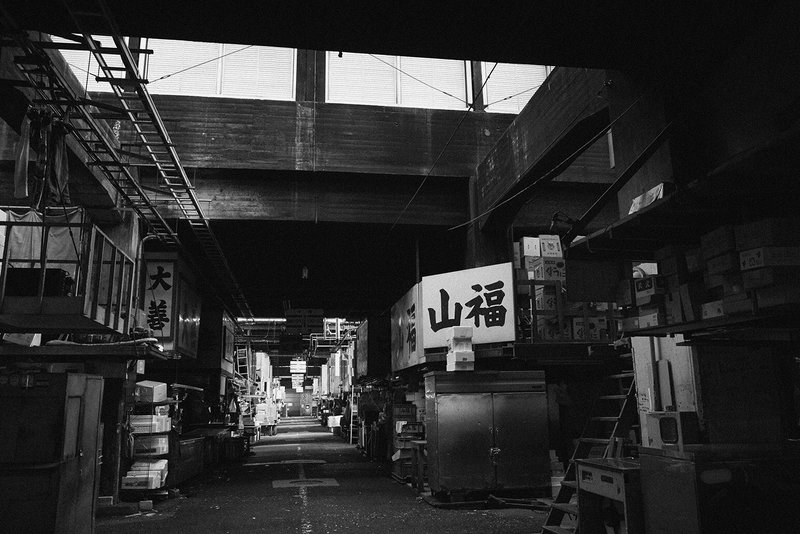
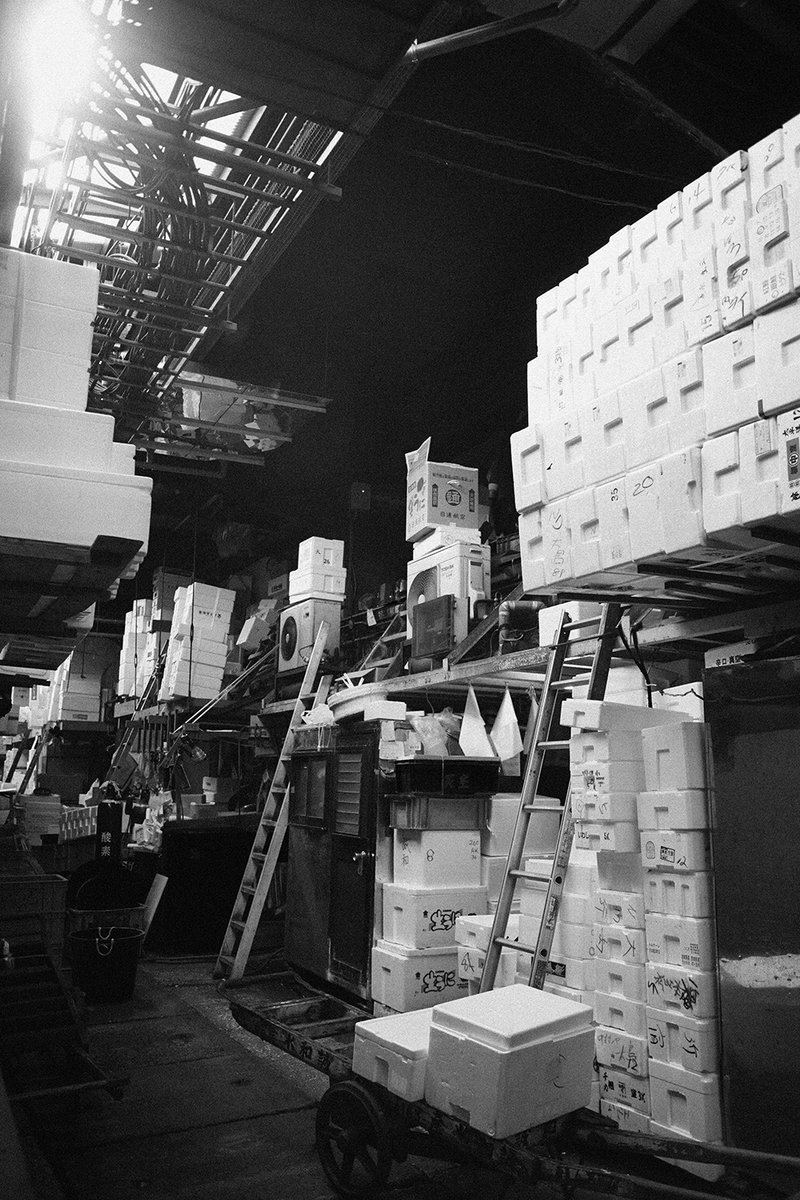
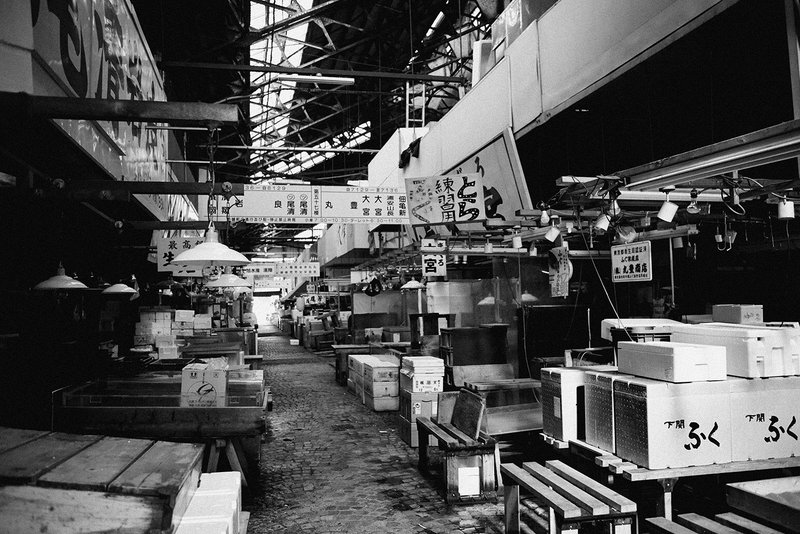
These are definitely not your everyday photos of the Tsukiji Fish Market, where – on a typical day – thousands of people bustle with activity, preparing for the 5AM auction where tons of fish and cash will trade hands. But Tokyo-based photographer Bahag de Guzman and writer Erin Emocling accidentally stumbled upon the market when it was closed, and decided to photograph the dark, cold and lifeless venue. However, the fish market, which opened in 1935, will soon resemble Guzman’s photos as Tokyo prepares to relocate the historic site as part of a broader facelift for Tokyo ahead of the 2020 Olympics.

Emocling puts Bahag’s photos to text:

You’re standing in the middle of this alleyway, living in the present, and you enter the vast and moving world of Tsukiji—a world-famous fish market in the heart of Tokyo that pumps its own blood every waking dawn, an almost 80-year old marketplace that gave sashimi and sushi their tasteful, incomparable meaning to the rest of the world, and, sadly, an old place that is bound to be deconstructed within a number of months from now.

But to those who have Tsukiji as their world, committing these into memories is the only way to immortalize what’s going to be left behind.

What Emocling and Guzman are trying to say, I think, is we’re not only losing a historic site, but also a way of life. You can read the entire photo essay here.

now-tsukiji-now-you-dont (4)

now-tsukiji-now-you-dont (5)

now-tsukiji-now-you-dont (6)

now-tsukiji-now-you-dont (7)

now-tsukiji-now-you-dont (8)

now-tsukiji-now-you-dont (9)

now-tsukiji-now-you-dont (10)

now-tsukiji-now-you-dont (1)

now-tsukiji-now-you-dont (2)


(thx Erin!)

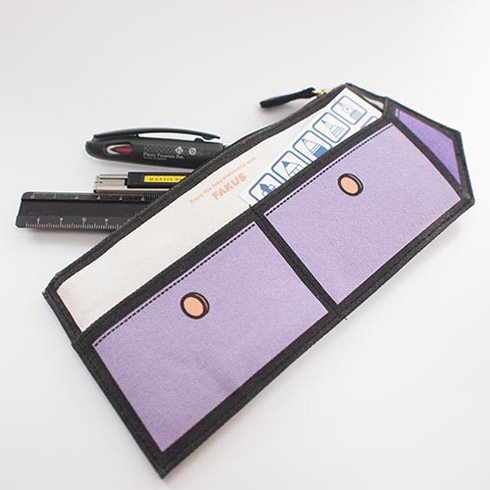
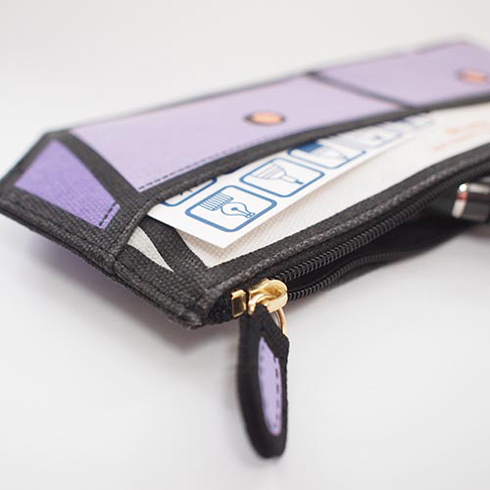
Optical Illusion Pen Cases Appear to be Three Dimensional

1941_4

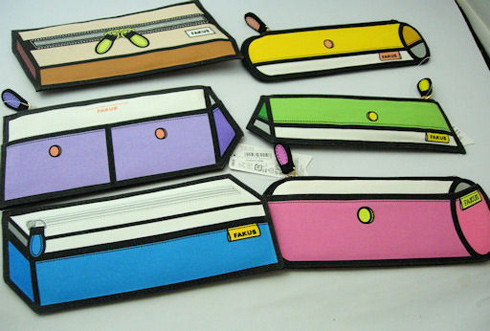
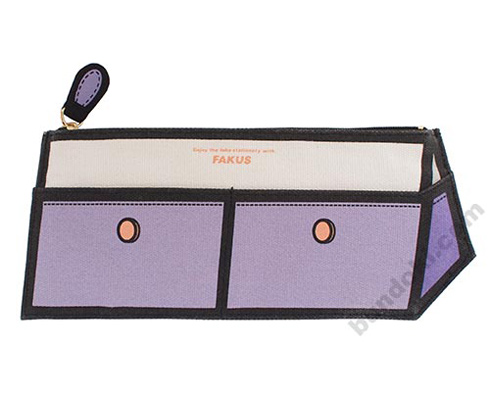
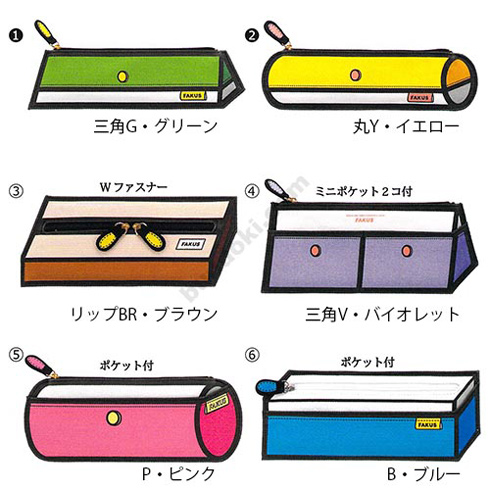
Derived from the word “fake,” FAKUS is a new line of products from Japanese stationary store Bundoki. A few simple, cartoonish illustrations turn a boring pen case into something bold and eye-catching. Are they 2D? Are they 3D? You be the judge.

They range from 577 – 787 yen, depending on the style, and are available online (but in Japanese only).

1941_3

1941_2

1941_1

1941_5

source: matomeno

Light Bulb Flower Vases | an ode to an obsolete product

light-bulb-vase-gif-021

In 2007 Japan’s Ministry of Environment began asking companies to voluntarily desist production and sales of inefficient incandescent light bulbs. Toshiba obliged, and others followed. Similar movements are happening all around the world and it’s clear that it’s only a matter of time before the incandescent light bulb is completely replaced by its more eco-friendly brethren.

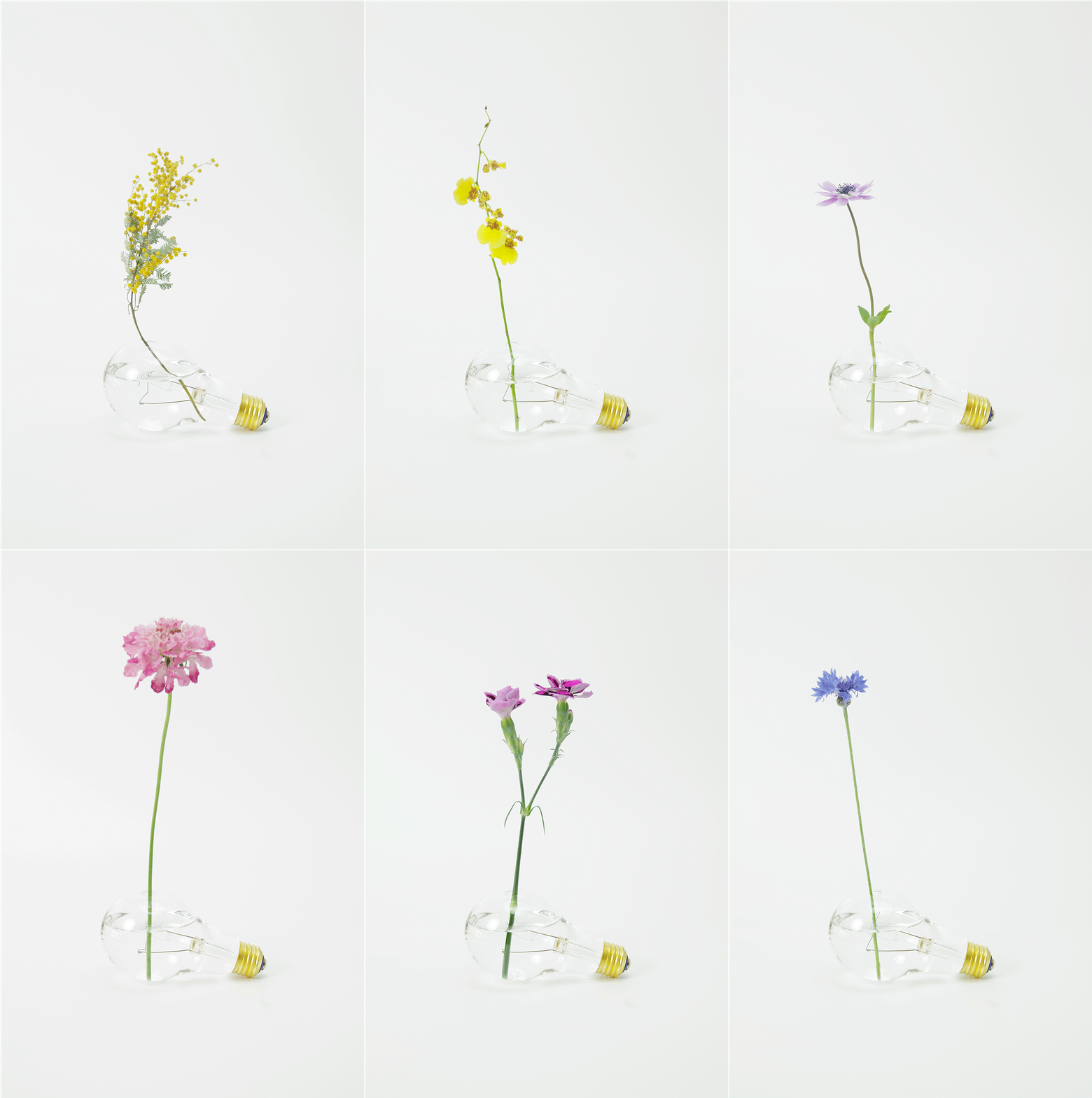
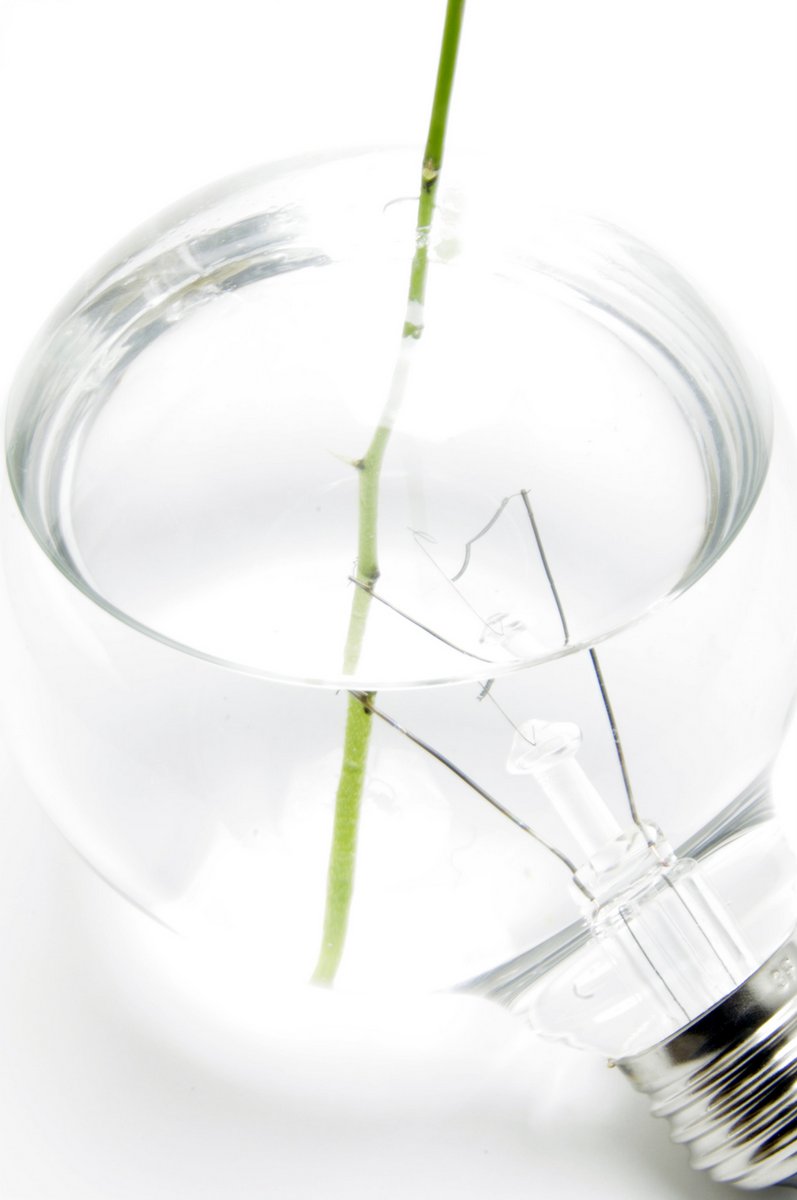
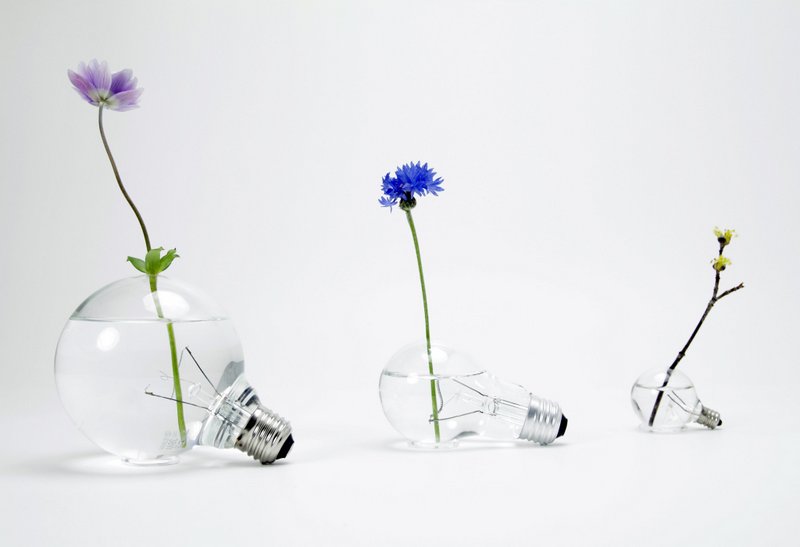
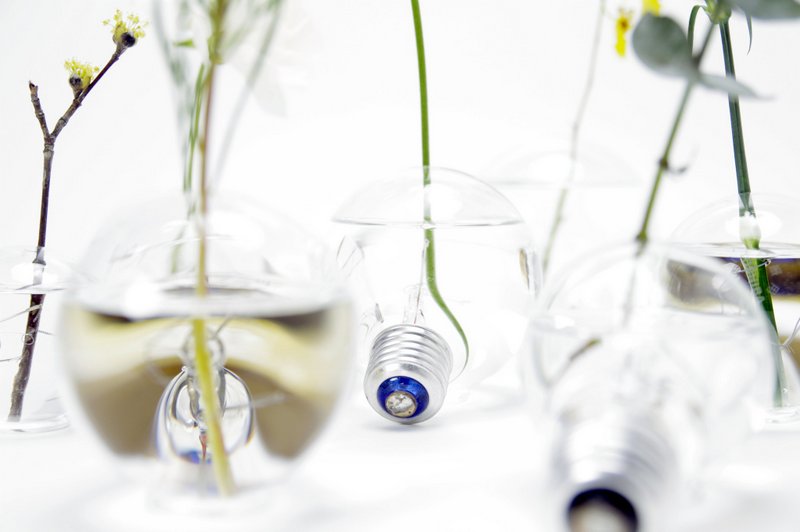
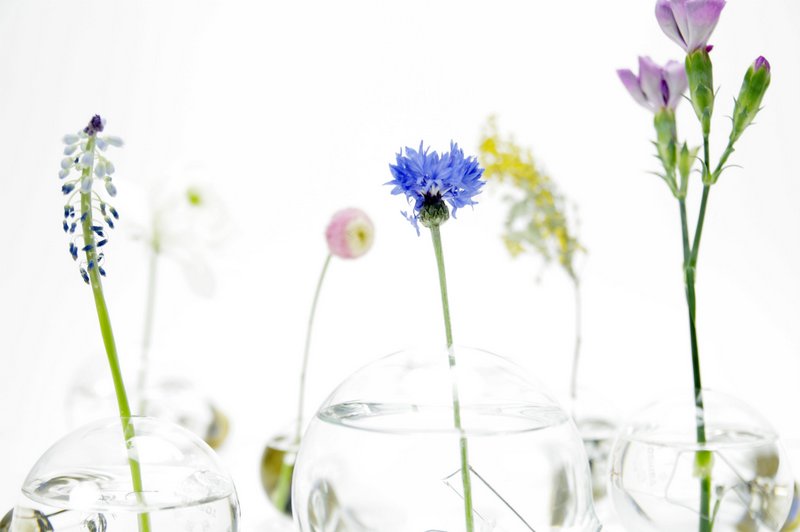
Product designer Yuma Kuno decided to preserve this nostalgic form by turning incandescent light bulbs into flower vases. Using real discarded bulbs, Kuno simply opened a hole and turned an obsolete object into something completely new. The filament – a vital component of the bulb – even gets repurposed as a holder to keep the stem in place.

light-bulb-vase (1)

all photos by Satoru Ikegami

At 26, Kuno is a young artist turned product designer. After graduating from Tokyo Zokei University he worked as assistant to the artist Yasuhiro Suzuki, which explains the playful nature of Kuno’s work.

light-bulb-vase (2)

light-bulb-vase (7)

light-bulb-vase (6)

light-bulb-vase (5)

light-bulb-vase (4)


Studio Visit With Artist Meguru Yamaguchi

Hi there! You’ve landed on a members-only article. If you’re interested, Consider supporting Spoon & Tamago by becoming a member.

You can read all about our membership program here. Thanks!

Colossal Manhole Covers

manholes-3

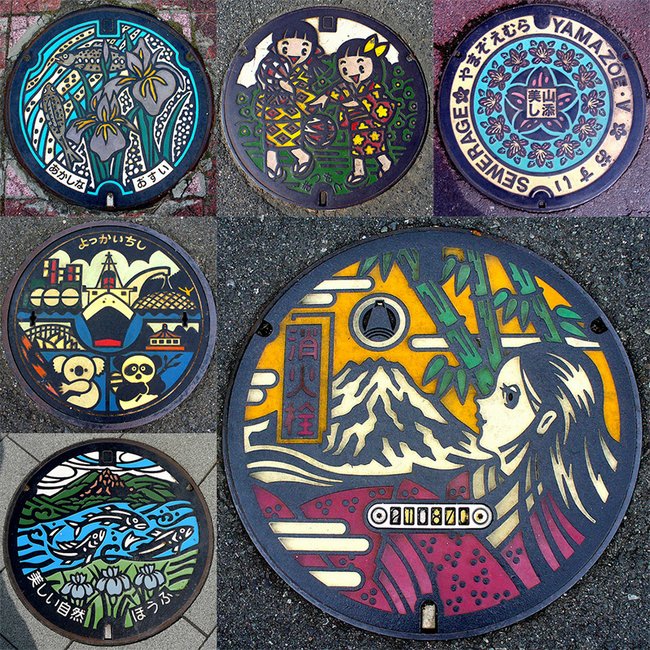
Japan is a country full of amazing art. Some of it is housed within museums and galleries while others are right underneath our feet. I’m talking, of course, about Japan’s peculiar obsession with artistic manhole covers, a unique phenomenon which I wrote about for the art blog colossal.

I’m also going to take this opportunity to announce that I’ve officially joined the one-man wonder Christopher Jobson. I’ve moonlighted over there in the past but now plan to regularly contribute to Colossal. I will of course continue to write about Japanese art and design here, but Colossal is just one more place you’ll be able to find me.

Tape Recorder Art by Ei Wada

Obsessed by the analog machines of the past, Japanese musician Ei Wada  mastered the craft of tweaking the sounds from old tape recorders. He performed wild shows with the Open Reel Ensemble, from the stage of TEDxTokyo to last year’s Issey Miyake catwalk, creating unique sounds from analog sources.

The artist recreated the analog magic for the visitors of last month’s Media Arts Festival in his work Toki Ori Ori Nasu. With their wheels slowly turning, 4 old-fashioned recorders poured their tapes into narrow glass containers, creating ever-changing twisted shapes. Once the tapes came to an end, the spectators were in for a surprising musical treat:

Among the elaborate high-tech installations of the festival, this surprisingly simple tribute to analog media resonated well with the audience. The tape patterns mesmerized those who came near the work, and crowds rushed to the recorders as soon as the tapes rewinded. We can thank Ai Wada for showing us that after decades of use – and years of abandon – old media still has surprises in store for us.

tape-Ei-Wada (3)

tape-Ei-Wada (4)

tape-Ei-Wada (2)

tape

Picture: Ars Electronica

The Secret World of Japanese University Cafeterias

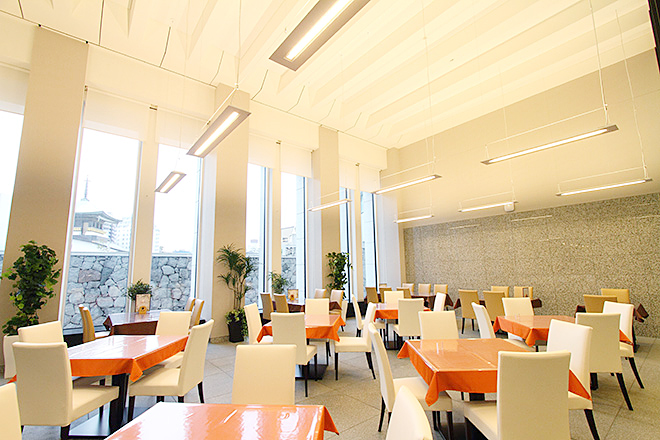
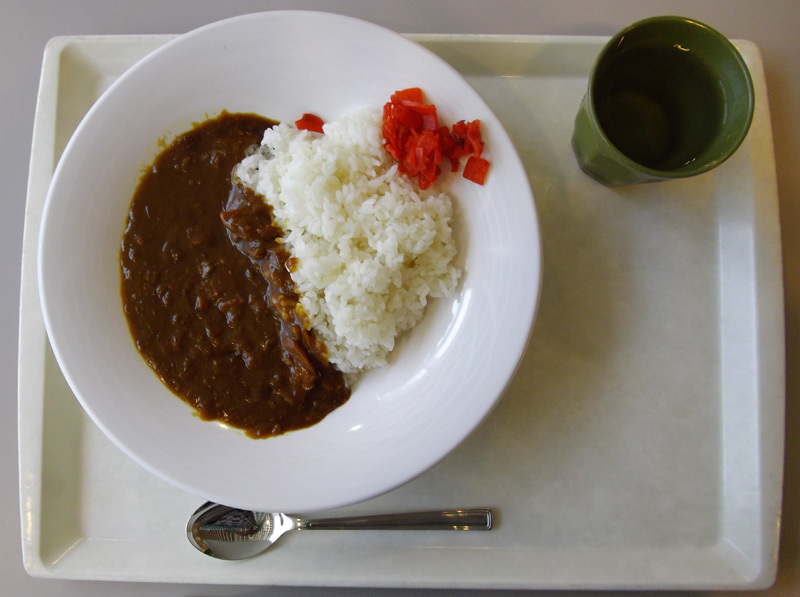
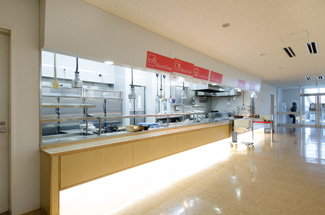
University cafeteria - toyodaigaku 1

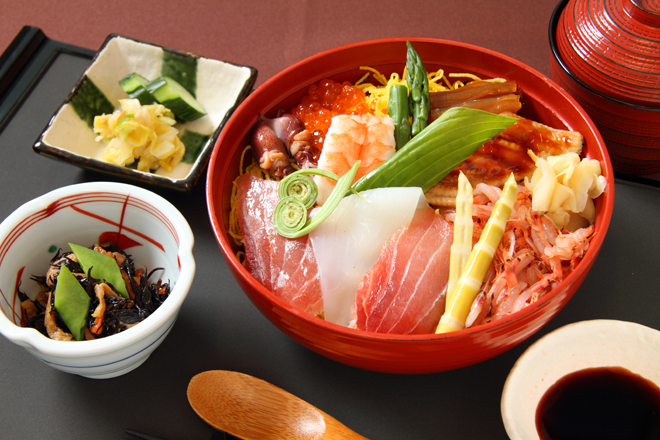
One of the cafeteria options at Toyo University

It’s arguably one of the best kept secrets of the Japanese culinary world: university cafeterias are open to the general public. That’s right. You don’t have to show ID or even look like a student. Even tourists or backpackers can enter and enjoy gakushoku, as it’s commonly referred to. But why would you want to? That’s a fair question, but only if you’ve witnessed the horrors of American university cafeterias. I’m sure there are more, but here are 3 good reasons:

  1. It’s cheap – Japanese university cafeterias operate on a non-profit basis so they’re able to charge only for the raw ingredients. The menu usually rotates but on any given day the staff are churning out hundreds of the same meal for all students, which also helps to dramatically lower the cost.
  2. It’s healthy – most schools usually have a dedicated nutritionist who ensures that all their students stay healthy and are able to focus on studies. Schools source fresh ingredients and most meals come with 3 or 4 side dishes for healthy variety.
  3. It’s Japanese – sure there are Western or even South Asian options but the majority of menu listings are Japanese. So if you’re in Japan and looking for a true Japanese meal, a university cafeteria is a sure spot. If you’re unsure of what to order, the pros suggest you go with the school’s signature dish, which usually has the school’s name in it.

Akira Karasawa, a professor, author and self-proclaimed university cafeteria expert compiled a list of the best cafeterias, taking into consideration his own experience but also polls conducted amongst students. The full list is below but here are a few of his top picks:

Aoyama Gakuin

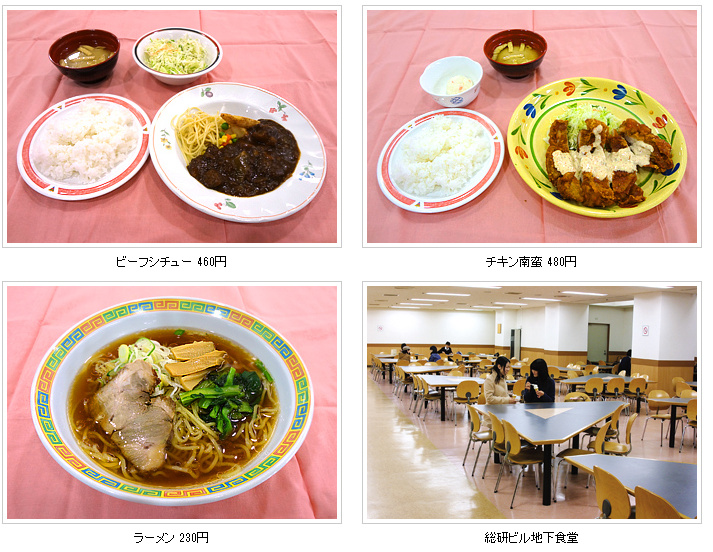
The Christian University near Shibuya is the top pick – a 3-star Michelin ranking, if such a thing existed for cafeterias. In fact, says Karasawa, you shouldn’t even think of it as a cafeteria because it is much more. Beef stew is 460 yen, fried chicken is 480 yen and ramen is 230 yen. Just for reference, the national average for a bowl of ramen is 800 yen, a 250% difference.
university cafeteria - aoyama

Toyo University

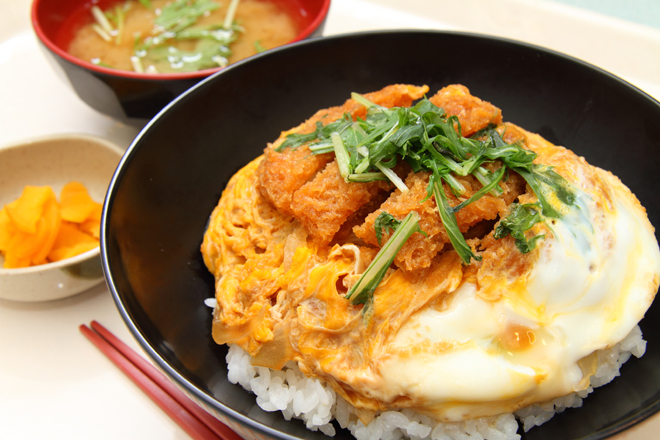
Toyo University, known for its philosophical studies (especially Indian philosophy) ties with Tokyo University for 3rd and 4th place. If you’re looking for ethnic foods this may be the place to go as they have a designated Indian chef baking Naan. Their cafeteria looks like a French restaurant. Prices start at 450 yen (Katsudon) and go to 850 yen (Chirashi-zushi).

Nittai (Nippon Sport Science) University

If you’re looking for volume, Nittai is the place to go. The highly athletic school has an emphasis on sports and boasts many famous athletes among its alumni. It’s hard to tell from the pictures, but the cafeteria meals are supposedly extra-large because those young athletes sure do eat a lot. The majority of the menu ranges between 200 – 400 yen.
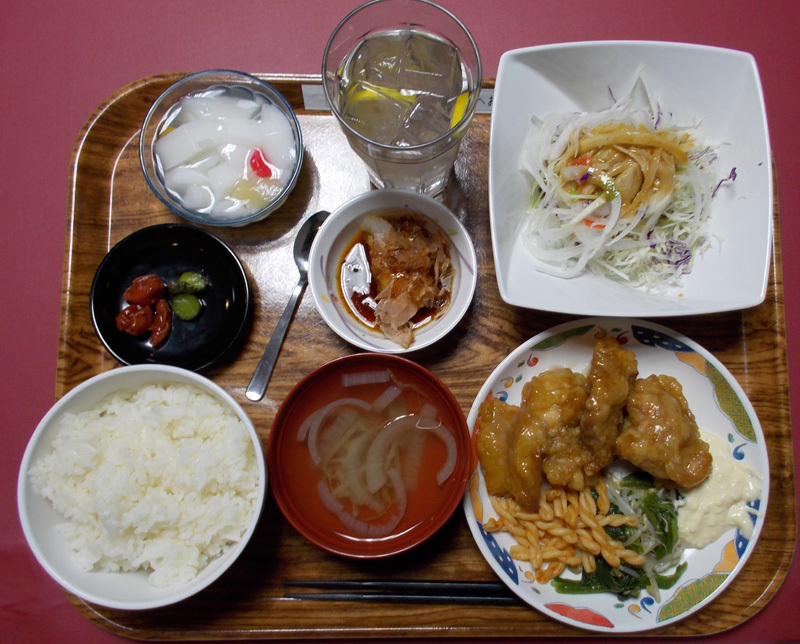
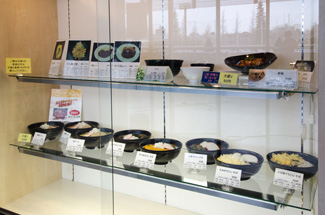
List of Top University Cafeterias

Aoyama Gakuin
Chuo University
Toyo University
Tokyo University
Seijo University
Kokugakuin University
Nishogakusha University
Meiji Gakuin University
Kwansei Gakuin University
Nihon University
Komazawa University
Ritsumeikan University
Rissho University
Doshisha University
Taisho University
Toyo Eiwa Women’s University
Shirayuri Women’s University
Tokyo University of Foreign Studies

Note: The cafeteria’s listed here are all open to the public. However, not all university cafeterias operate this way. If you’re going to one not mentioned here, do some research and make sure you won’t get turned away. Also, most cafeterias make you purchase a ticket at a vending machine, which you then hand to staff. Some basic Japanese language is necessary to operate the machine.

Source: this episode of Matsuko no Shiranai Sekai

Moss Bench by Kazunaga Sakashita

OLYMPUS DIGITAL CAMERA

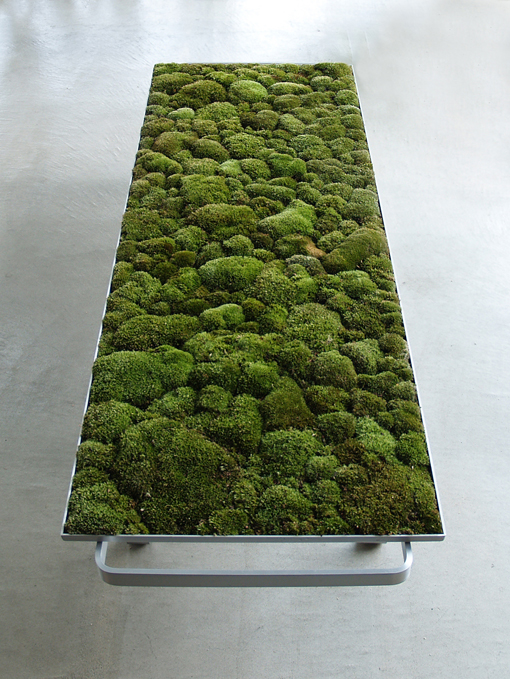
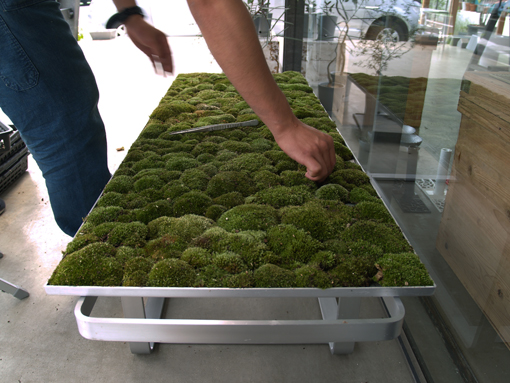
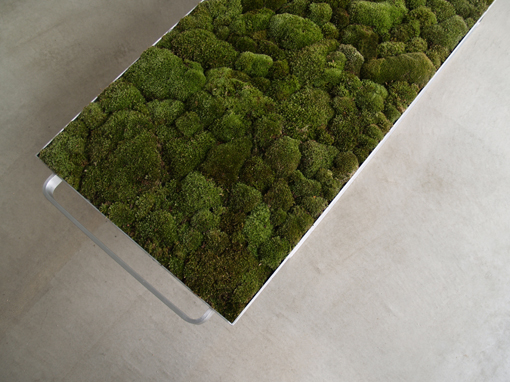
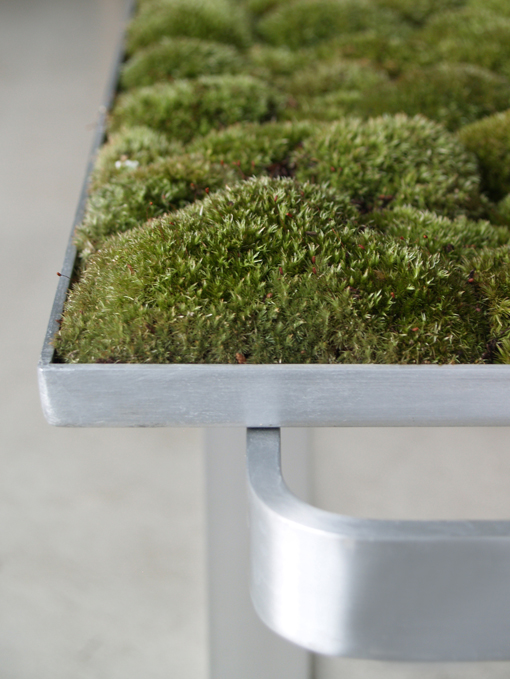
“A rolling stone gathers no moss,” or so the old proverb goes. But in a recent piece that blurs the lines of artistic and functional qualities, it is the 450 million year old moss that is being reinvented. Reworking his award-winning 2006 tatami bench, industrial designer Kazunaga Sakashita removed the tatami seating and – with the help and consultation of bonsai artist Takuya Shimazu – replaced it with delicate moss. Looking at it from above it’s almost as if you’re looking down on a dense forest from a bird’s eye view. Just don’t sit on it with white pants.
OLYMPUS DIGITAL CAMERA

OLYMPUS DIGITAL CAMERA

ROW_moss3_510

ROW_moss2_510

source: Kazunaga Sakashita’s blog

Yayoi Kusama Socks
kusama socks (2)

kusama socks (4)kusama socks (3)

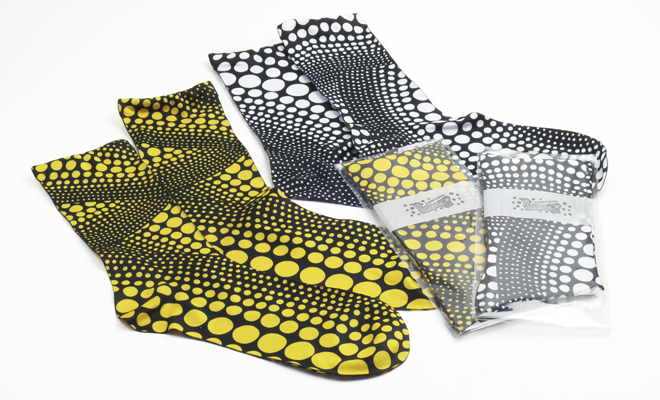
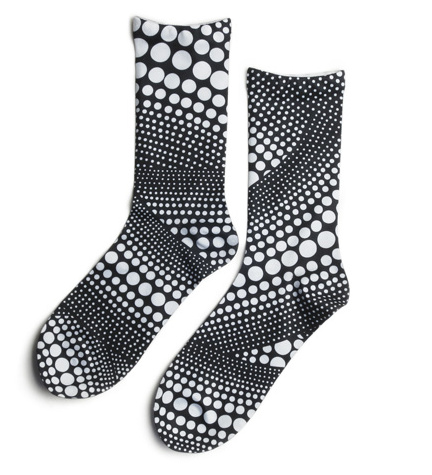
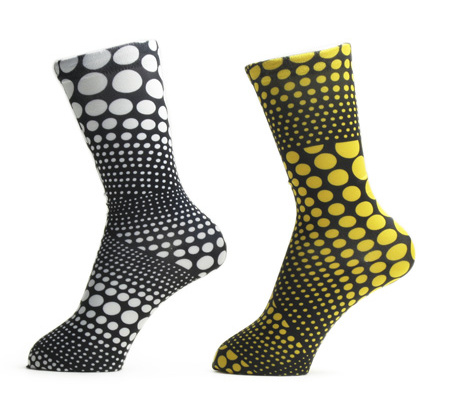
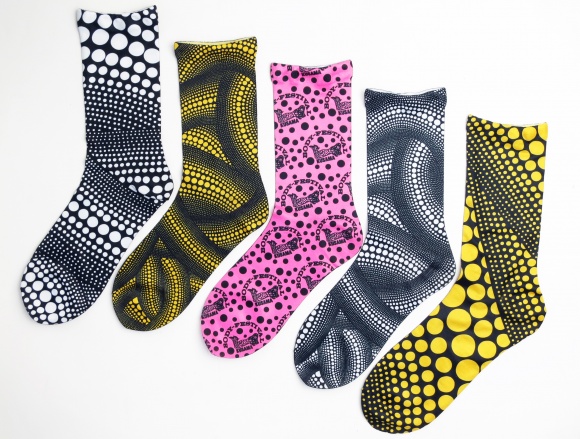
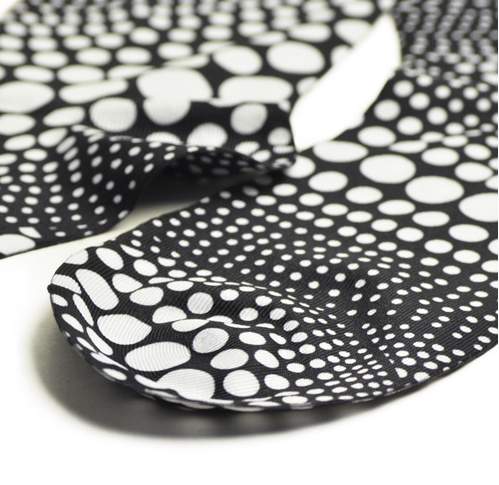
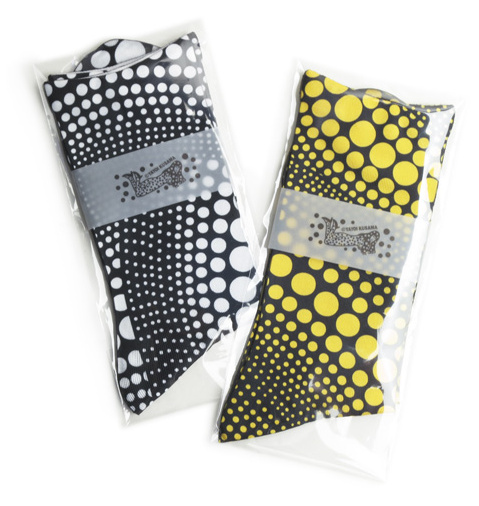
The prolific Japanese artist Yayoi Kusama is currently participating in Dogo Onsen Art 2014, an art festival taking place at Japan’s most ancient hot springs. As part of the exhibition, Kusama has released a series of limited-edition socks printed with her iconic polka dot patterns. They’re being sold exclusively through SPIRAL and retail for 2,835 – 5,145 yen. They’re available in men’s, women’s and as tights. I don’t think I’ve ever lusted over a pair of socks before.

Kusama has never been shy about turning her art into buyable merchandise. She’s incredibly entrepreneurial. “You go to her studio today, it’s all so full of Kusama product,” says Tate Modern curator Frances Morris. “She’s produced fabric to clothing to mobile phones.”

kusama socks (7)kusama socks (9)

kusama socks (1)

source: PEN

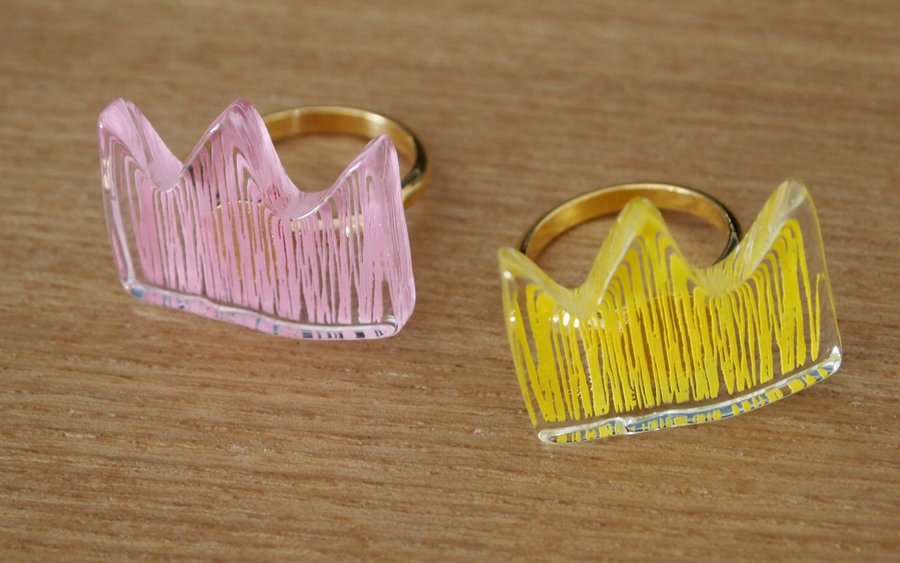
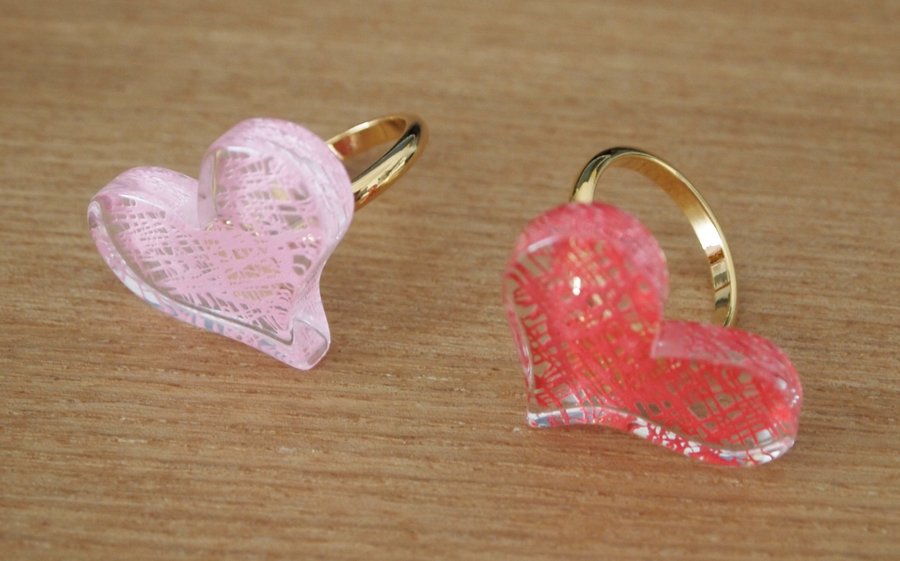
Playful Acrylic Rings by Pokefasu

OLYMPUS DIGITAL CAMERA

OLYMPUS DIGITAL CAMERA

OLYMPUS DIGITAL CAMERA

Japanese designer Junichi Chiba works under the moniker pokefasu, a misspelling of the word “poker face.” But rather than correcting the error, Chiba embraced it and its absurdity, creating small everyday accessories that make you smile.

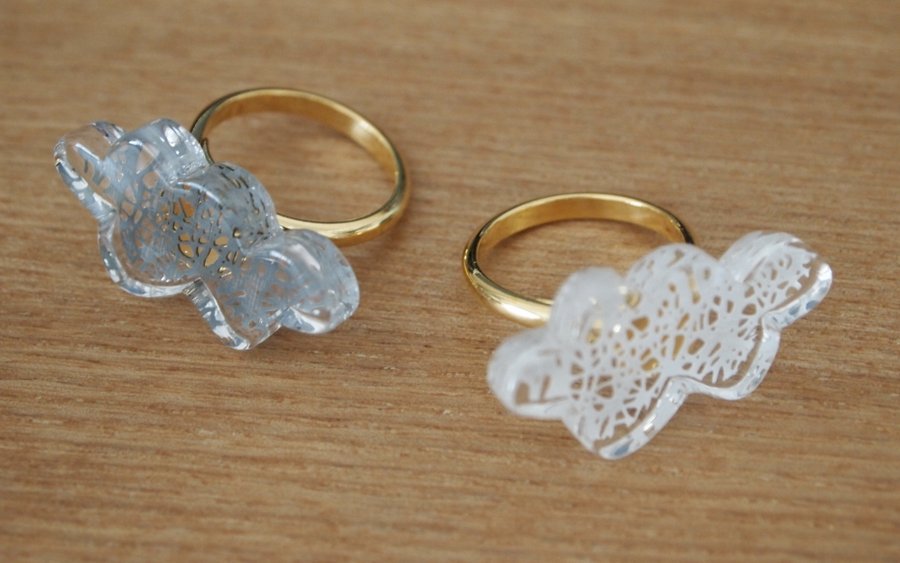
One of my favorite series are these playful acrylic rings. The Crown, Cloud and Heart rings can be worn both casually, or with style. We just recently started selling them in our shop ($24 each).

« Older posts Newer posts »

© 2026 Spoon & Tamago

Up ↑

Design by Bento Graphics