Page 205 of 406

KYOTOGRAPHIE | a photography festival descends upon Kyoto

Cherry blossoms aren’t the only thing blossoming in Kyoto. Beginning next week, KYOTOGRAPHIE, a 3 week-long international photography festival, kicks off it’s 2nd year. A diverse mix of 13 art, fashion, and nature photographers will be showing works themed on humankind’s relationship with the environment and our planet.

What makes the festival special is that the organizers have teamed up with various venues – train stations, museums, galleries and traditional machiya – effectively taking you an a tour of Kyoto as you experience awe-inspiring art. Head over to their website, where you’ll find more information on all the events in English and Japanese.

1_MARS_1

Barkhanes in the crater zone, from Mars, a photographic exploration © NASA / JPL / The University of Arizona / Éditions Xavier Barral
2_nishino_kyoto

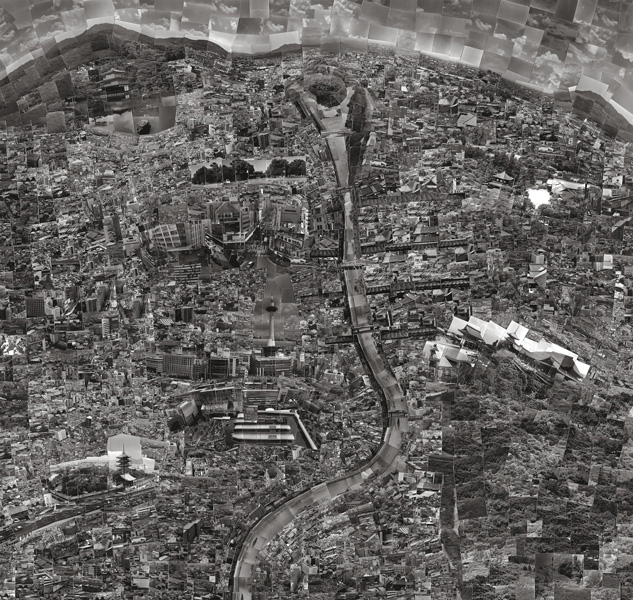
Diorama Map Kyoto 2003 © Sohei Nishino
3_MainVisual_Carmen_1950s

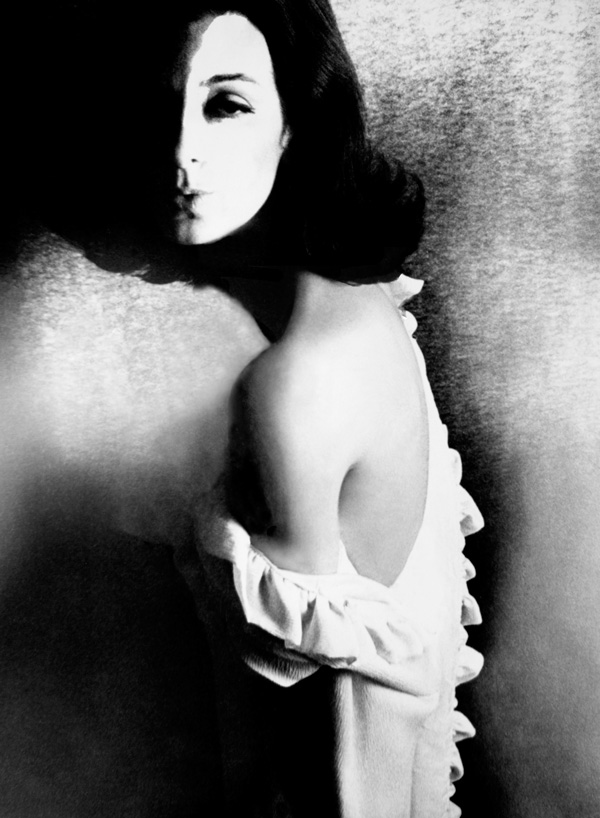
CARMEN, early 1950’s © Lillian Bassman
4_book_daidomoriyama

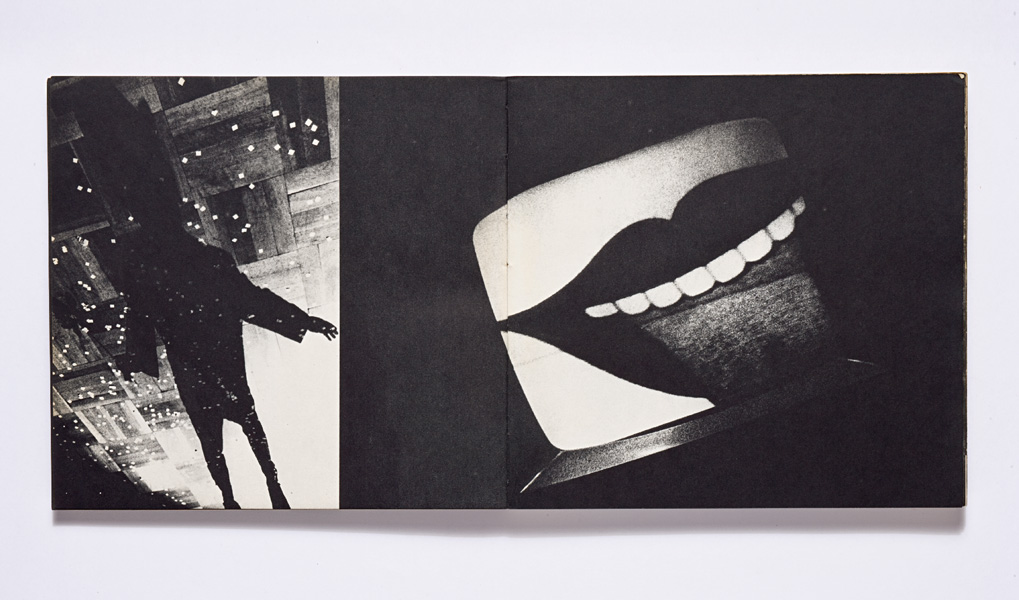
© Daido Moriyama

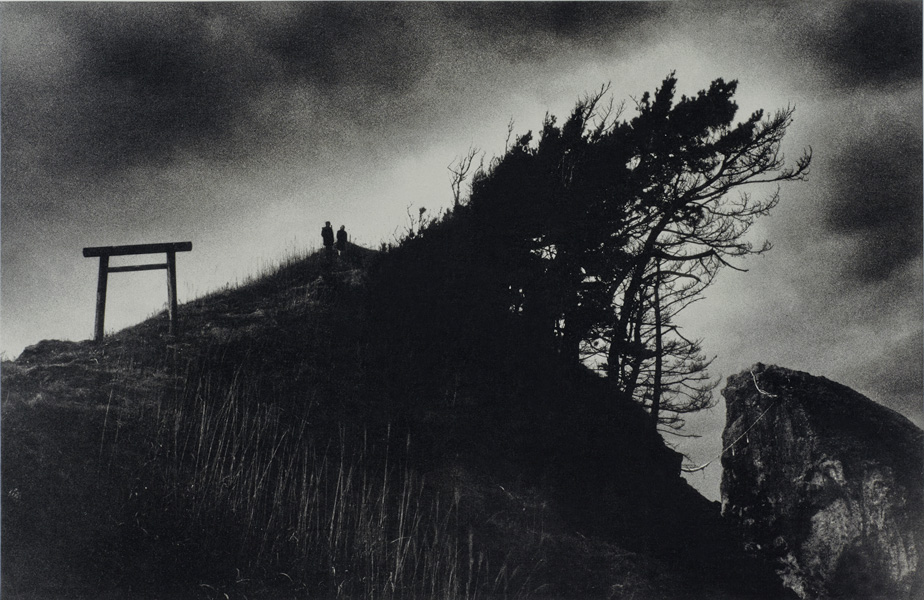
6_Torii-on-the-Hill#1_300dpi

Headland, Torii on the Cliff © Akiko Takizawa
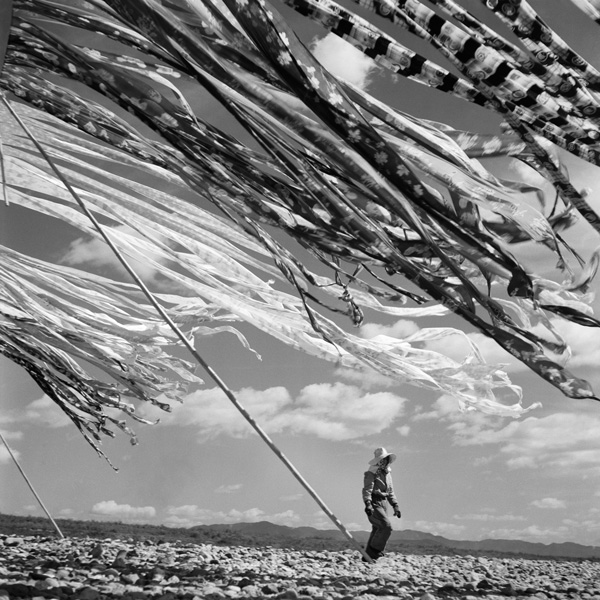
7_bischof

Silk Drying 2, Kyoto, Japan 1951 © Werner Bischof / Magnum Photos
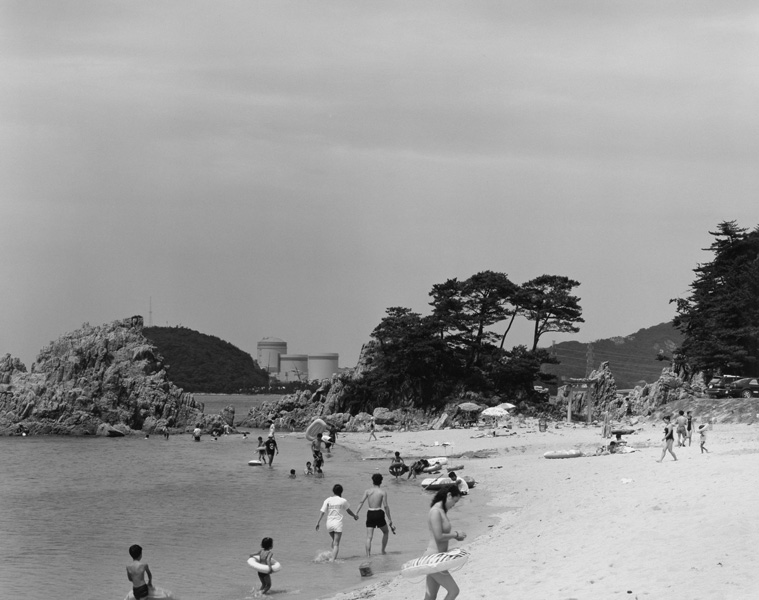
8_hirokawa

19 August 1993 Mihama fukui Pref. © Taishi Hirokawa

9_AP-Royal-Tiger-copy

Royal White Tiger © Tim Flach

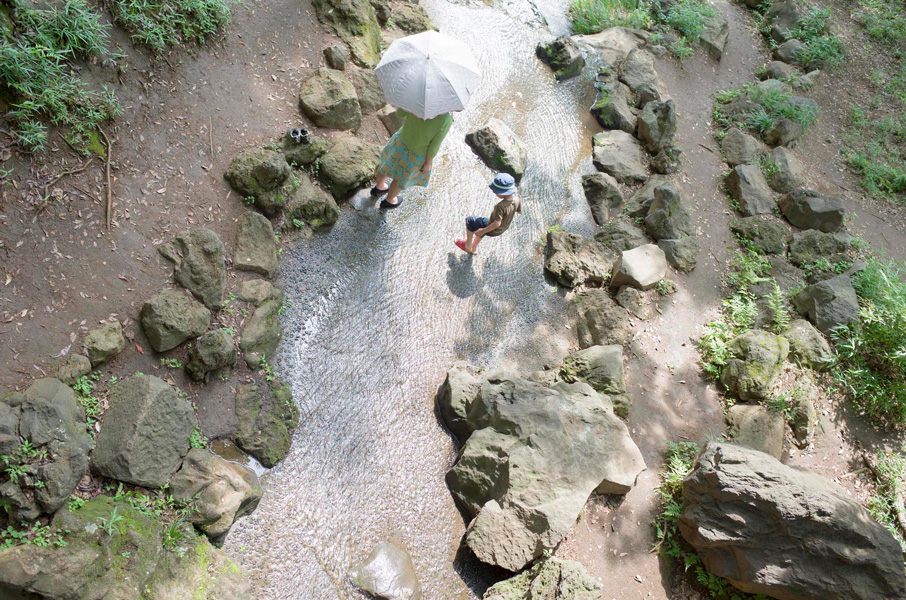
10_Rinko_Kawauchi

untitled, 2012 © Rinko Kawauchi
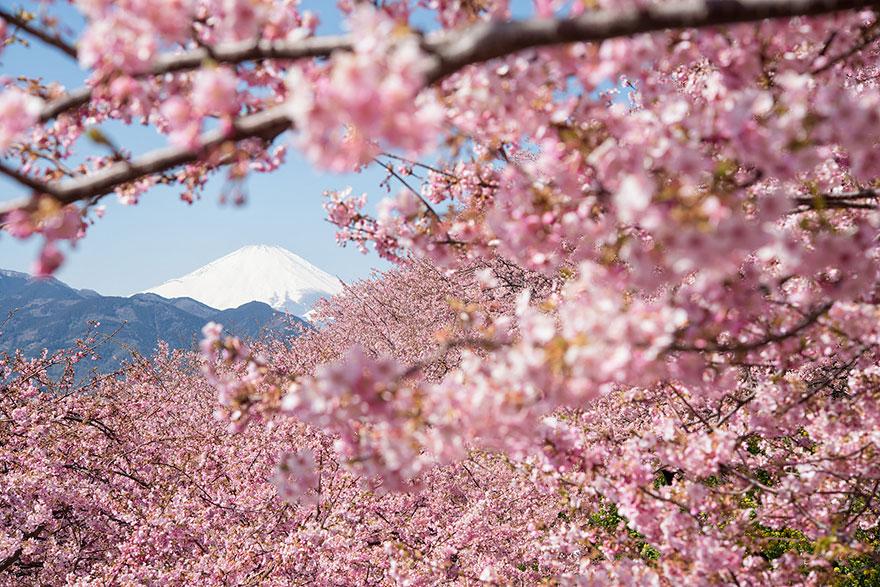
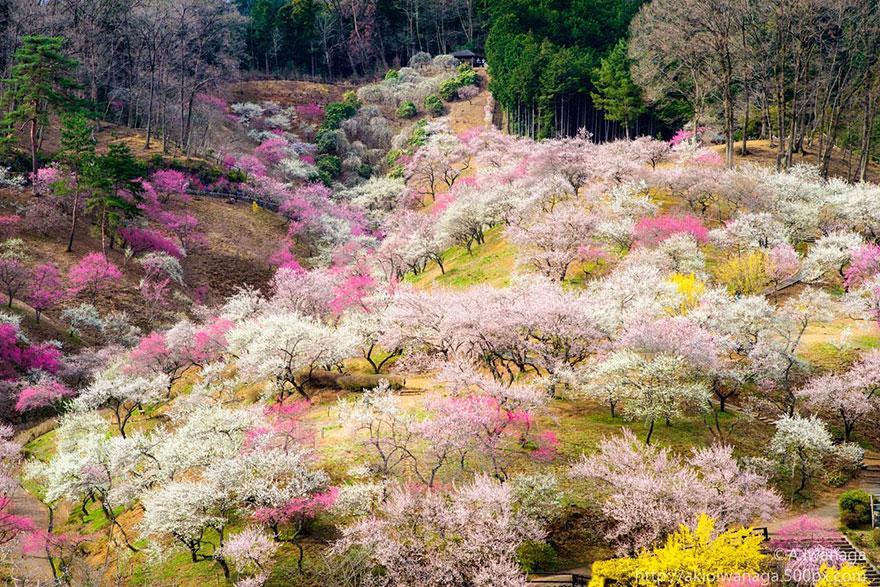
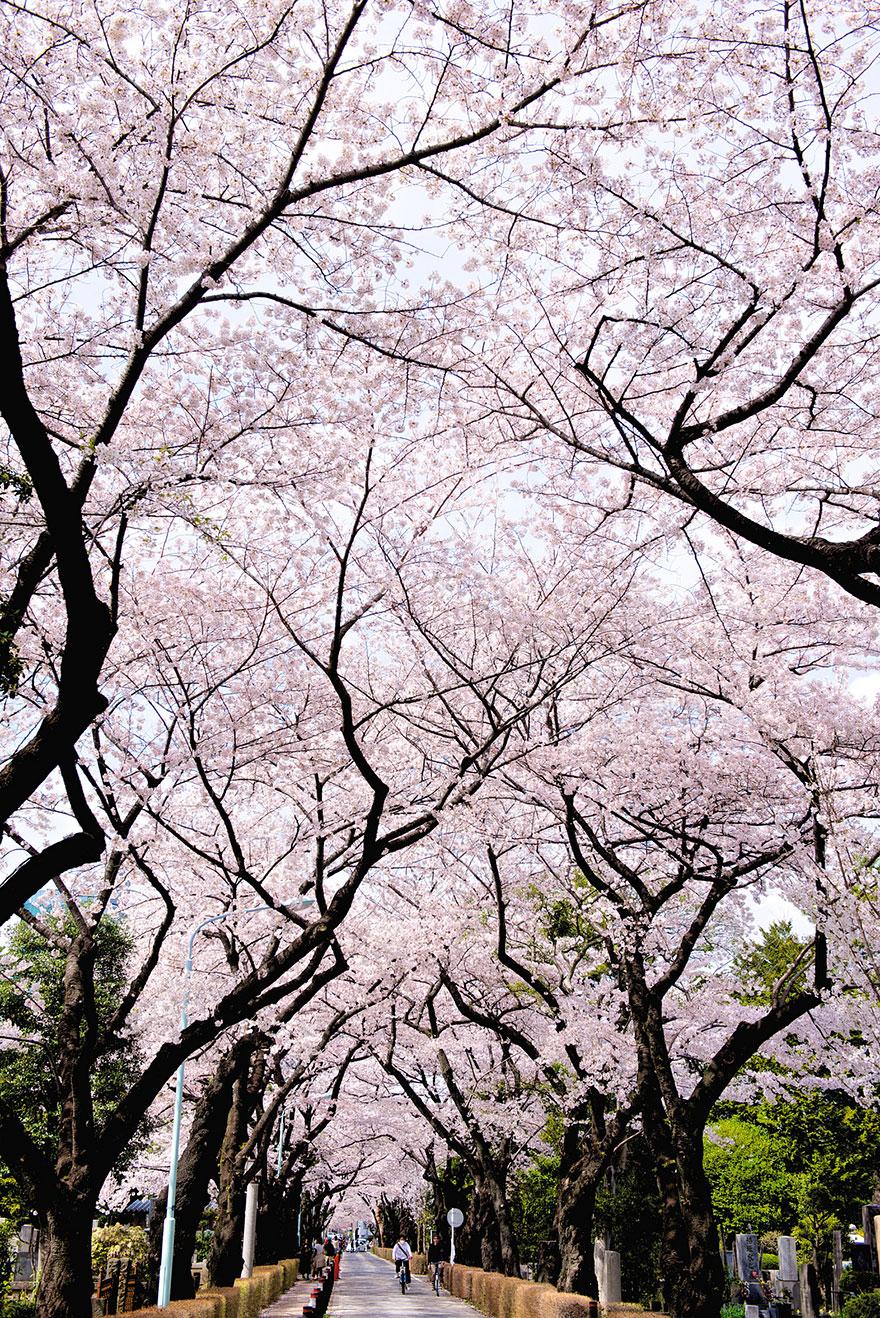
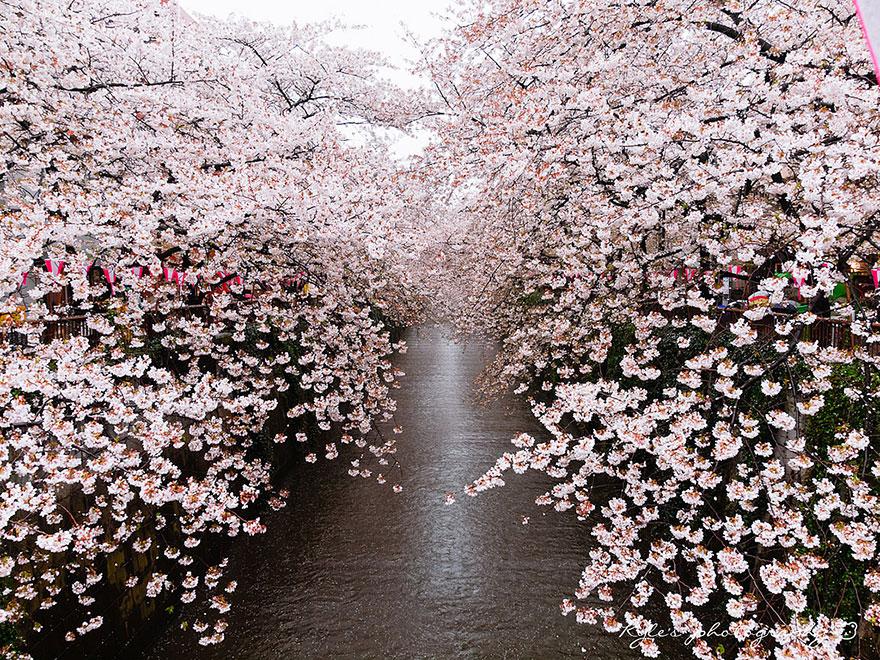
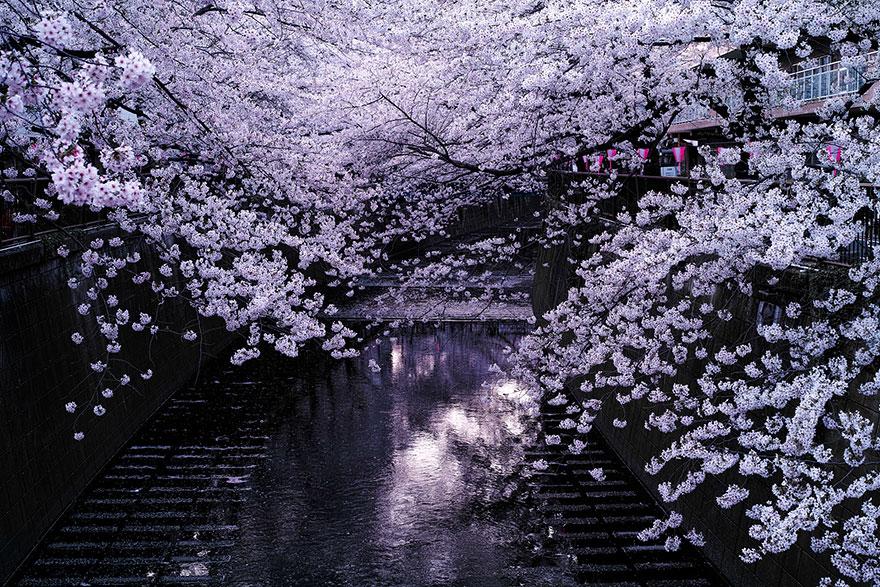
Photos from Japan’s 2014 Cherry Blossom Season

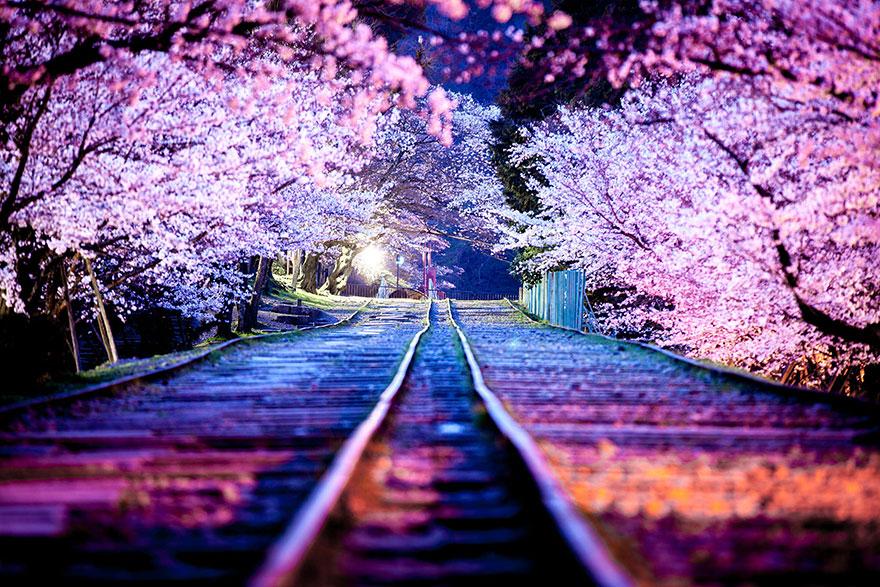
cherry blossom season 2014 (3)

photo by masato mukoyama | Keage Incline (Lake Biwa Canal) at night

This year’s cherry blossom season – thanks to some heavy rains over the weekend – is just about wrapping up in Japan. 2014 was made all the more poetic as “5% parties” bid farewell to the old tax rate and welcomed in the new 8% rate under short-lived, fleeting cherry blossoms.

For one reason or another, this time of year is particularly difficult for me to travel to Japan and, once again, I am here in NY watching Instagram photos appear in my feed and then quickly disappear; transient as the cherry blossoms themselves. Here is a small selection of some of my favorites that I’ve come across recently. And you can see more over on visual aggregation site Bored Panda.

Last year was also special when a seasonally-rare snow made for some pretty amazing pictures too.

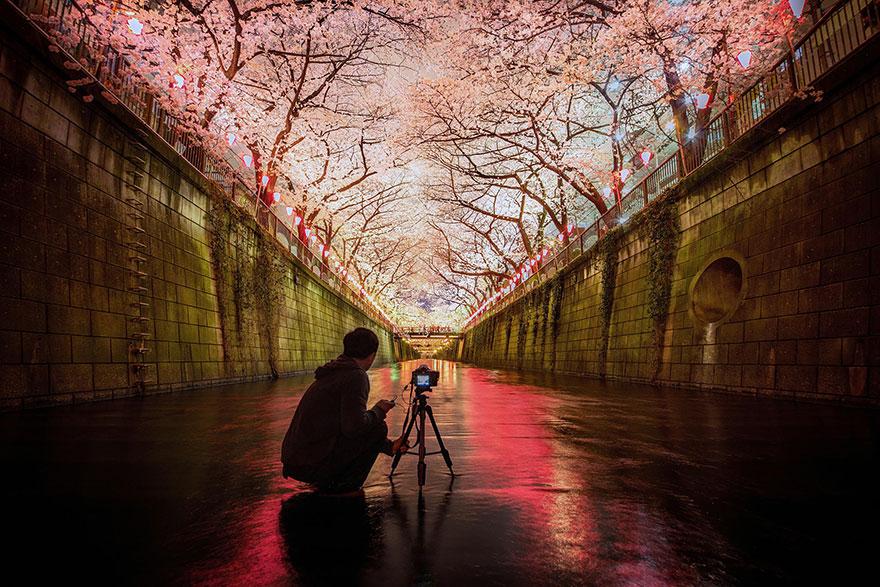
cherry blossom season 2014 (4)

photo by danny dungo | the drainage system of the meguro river never looked so good

cherry blossom season 2014 (5)

photo by yuga kurita |Mt. Fuji and cherry blossoms

cherry blossom season 2014 (6)

photo by akio iwanaga

cherry blossom season 2014 (7)

photo by ryosuke yagi |cherry blossoms in Aoyama, Tokyo

cherry blossom season 2014 (8)

photo by ta3mam | Tokyo

cherry blossom season 2014 (9)

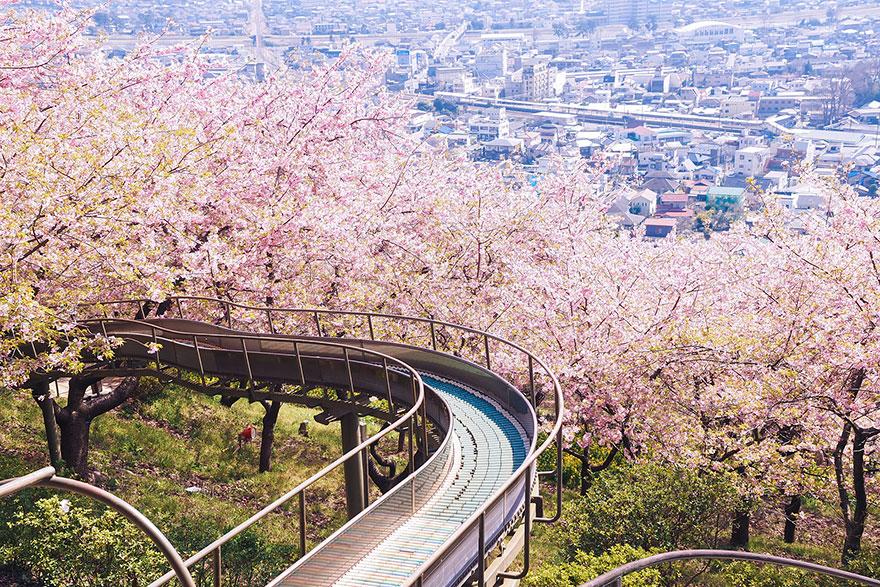
photo by torne | a 200m-long slide at Nishihira-hatake park in Kanagawa

cherry blossom season 2014 (1)

photo by 紅襪熊 | along the meguro river

cherry blossom season 2014 (2)

photo by noisy paradise | along the meguro river

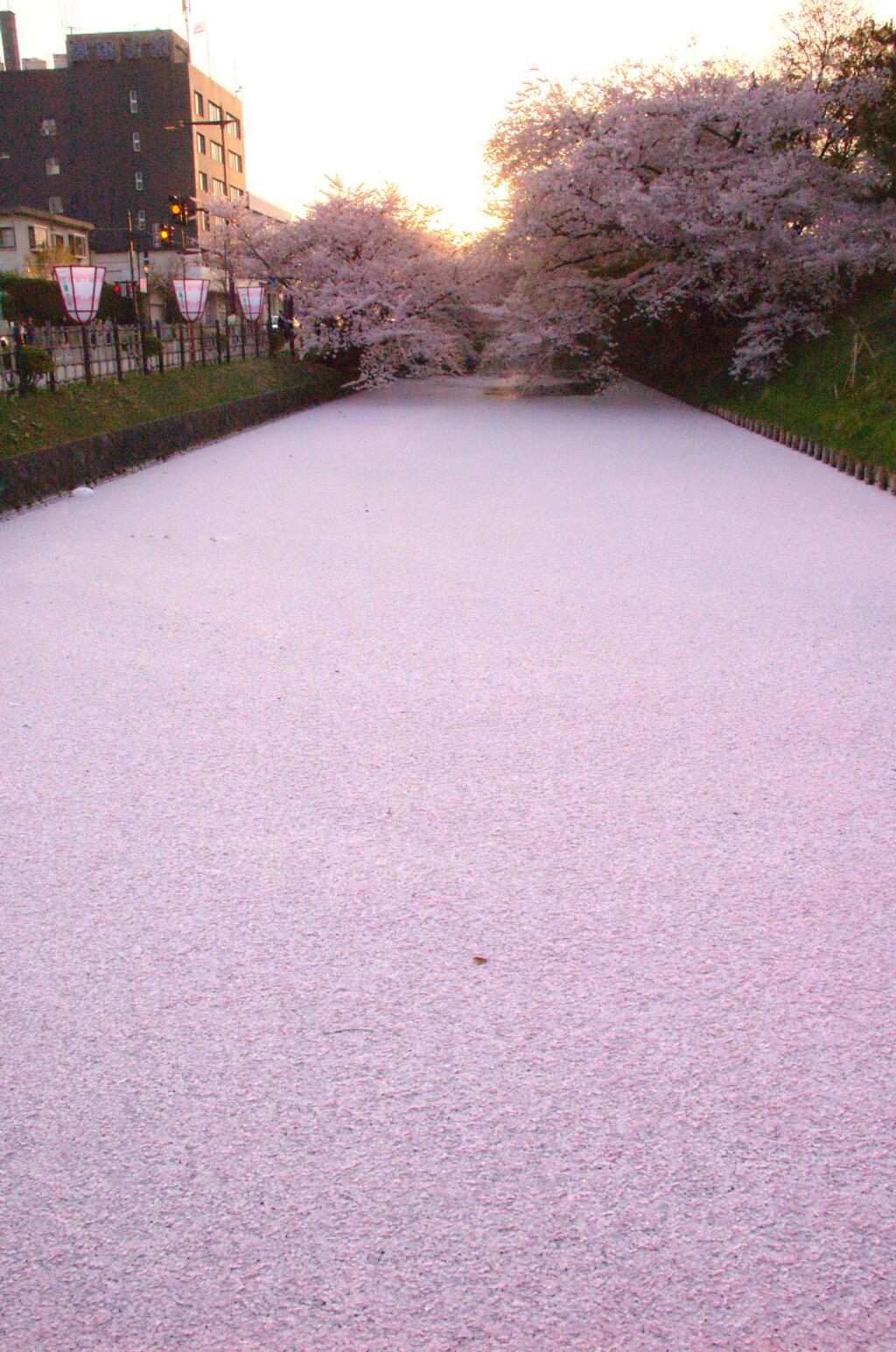
[Update] one late bloomer, added to the collection:

BmUWU5ACMAAB4cm

cherry blossom petals along a river in Hirosaki Park, Aomori | photo by @WizardsTools


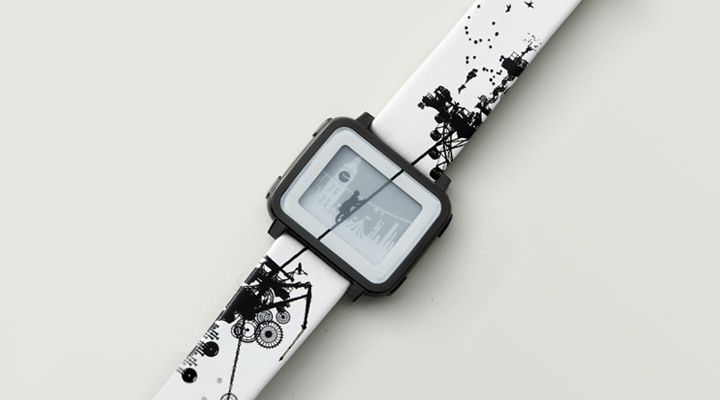
Playful e-ink watches by w0w Tokyo

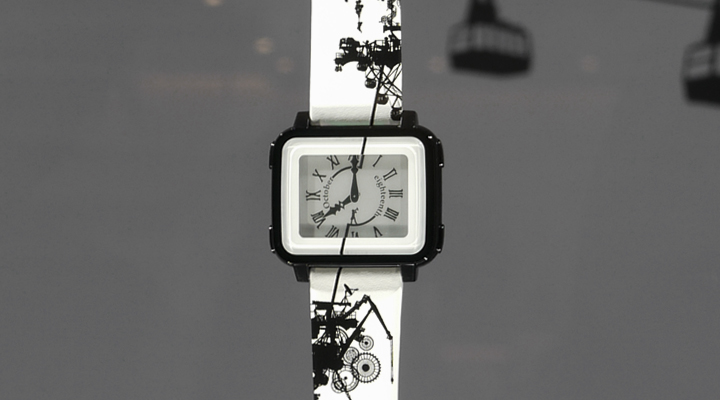
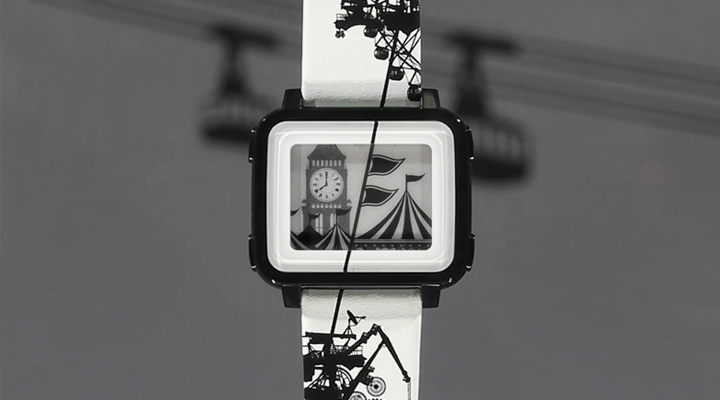
Those objects do look a lot like Kickstarter-backed Pebble watches, but they were actually conceived two years before the successful crowdfunded project. And contrary to their American counterpart, they do not claim to be particularly smart. w0w, the Tokyo-based design studio behind the project, wanted to create a timepiece that is neither analog, nor completely digital. They chose to combine physical and digital media in a subtle way: its e-ink screen displays original animations that integrate playfully with the physical appearance of the watch. Look at your timepiece and you might see Big Ben, a retro clock, or even a tiny character climbing inside!


01

The collection was created in a partnership between w0w and Epson, which sells a Moomin version of the watch along with a special edition for soccer fans. Head over to their official page if you want to learn more.

07

09

 Image credit: w0w

TAKT project uses 3D printing to transform everyday objects

You may not know TAKT Project, but you’ve probably come across one of their creations before. The four experienced designer of this Tokyo-based design agency have worked on several project with consumer goods brands Muji and Sony in the past. They banded together in 2011 in an effort to bring innovative and inspiring product design to the masses. Last year, they made this vision come true by teaming up with the Japanese startup WHILL and supporting the design of its futuristic mobility vehicle.

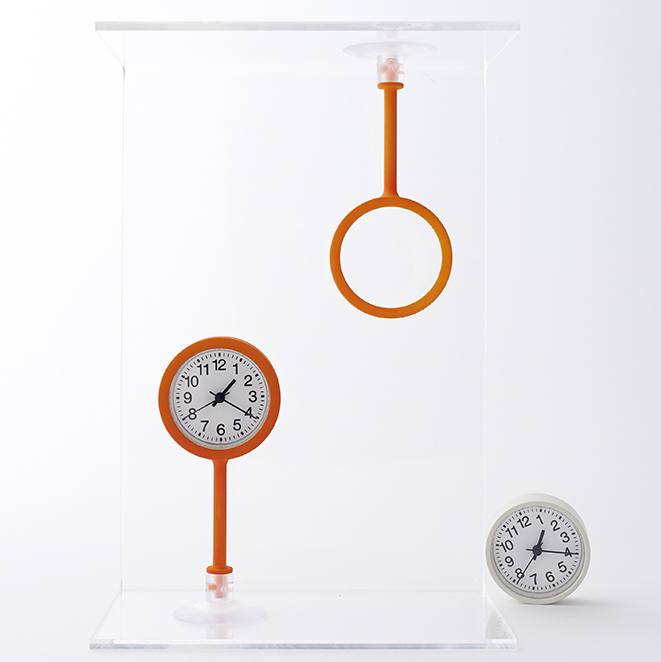
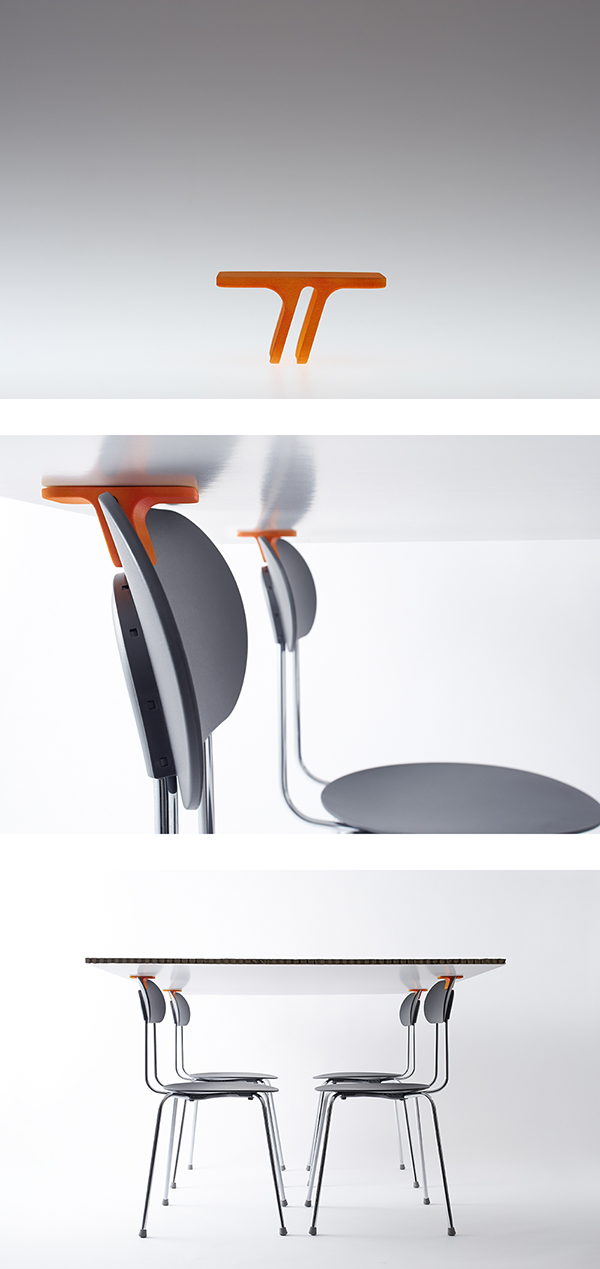
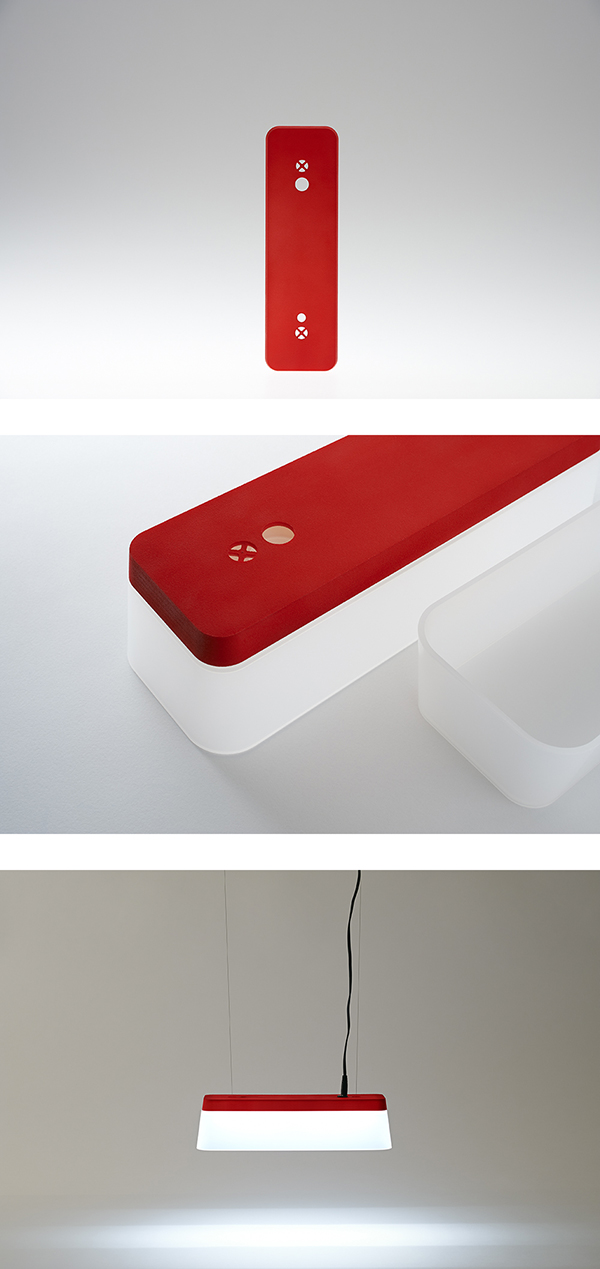
3-PRING Product, their latest project, aims to cross the bridge between industrial design and DIY culture by giving consumers the power to transform the products of their daily life. 3-PRING blends elements designed and 3D printed by the TAKT team with mass-produced goods from Japanese brand MUJI. The parts produced by TAKT allow your pen container to become a minimalist ceiling lamp, your simple clock to become wall-mounted, or even your chairs to be used as a table.

3-PRING01

Attachment Clock = Alarm Clock + 3D-printed parts + Suction cup

“Just like a ‘sampling techniques’ in music industry which create new tracks by quoting a track or sound in the past, we can create original products by quoting a ready-made product, and adding pieces made by 3D printer.”

The project was still experimental as they presented it last month at the Shibuya MOV lounge, and they are pondering as to whether or not they should release the 3d-printing data to the public. Let’s hope they do and allow consumers worldwide to take control of their everyday objects.

3-PRING10 (1)

Table = Steel Leg Chair + 3D-printed parts + Honeycomb Cardboard

3-PRING09

Pendant Light = Plastic Basket + 3D-printed parts + LED

Photo credits: Masayuki Hayashi

See the rest of the article for more designs by TAKT:

Continue reading

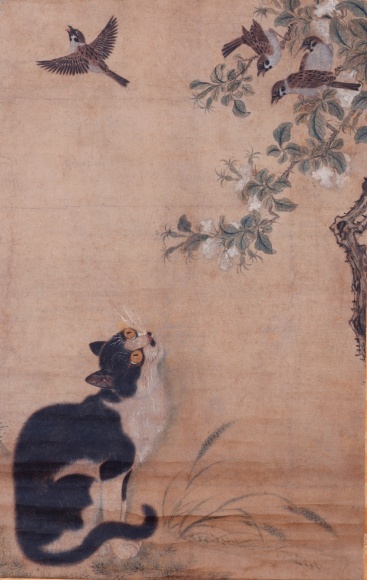
The Cats of 19th Century Japan

neko-neko-neko 1

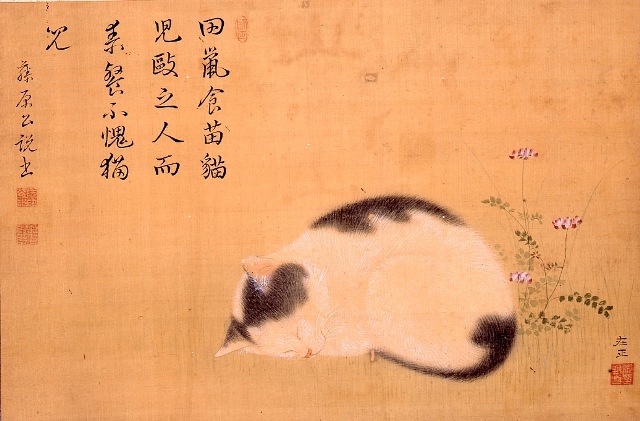
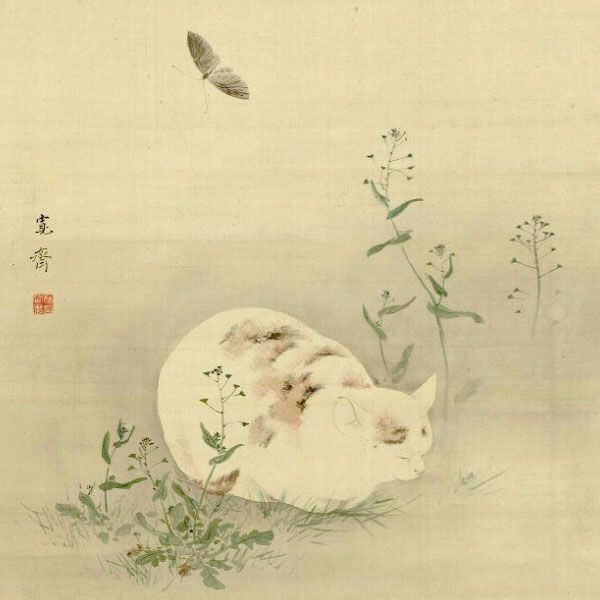
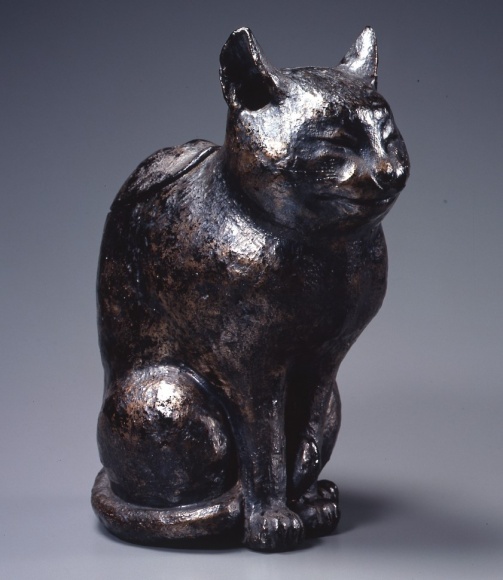
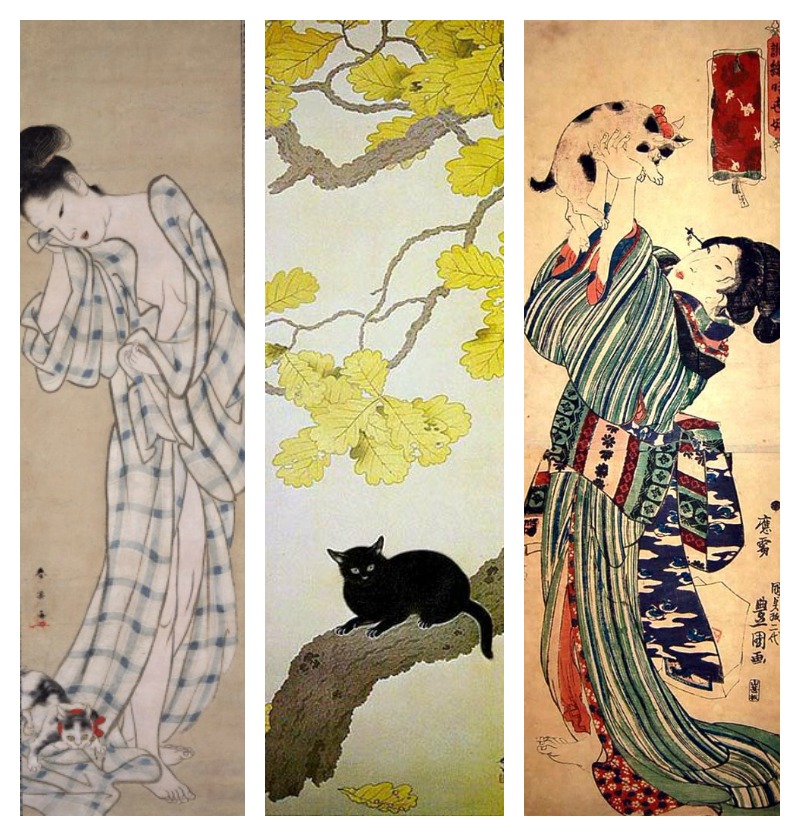
When Buddhism was imported into Japan around the 500s, the philosophy was accompanied by a few furry friends:  cats, who were brought along to protect valuable scriptures from mice. Since then, felines have made appearances in classical Japanese literature like The Pillow Book and The Tale of Genji. They’ve also been welcomed into Japanese homes, not only for their functionality, but for their mystical charm, bewitching behavior and, yes, of course, their cuteness.

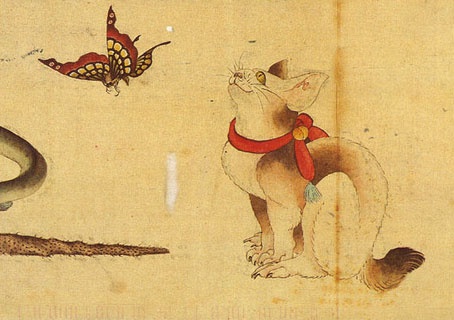
So it’s no surprise that, artists, even back then, knew that depictions of cats would sell well. Those lovable pre-internet cats are now the subject of an upcoming exhibition. The Shoto Museum of Art in Shibuya, which just underwent a drastic facelift, is dedicating their first post-renovation show to ねこ・猫・ネコ (basically, “cats” written 3 different ways). The show open April 5 and runs till May 18, 2014.

neko-neko-neko 2

block_01

neko

Cat Playing with a Toy Butterfly 1828  Totoya Hokkei

Kawanabe Kyosai [Gyosai] (1828-1889)block_03

Katsushika Hokusai (1760-1849)

Kawanabe Kyosai [Gyosai] (1828-1889) 2

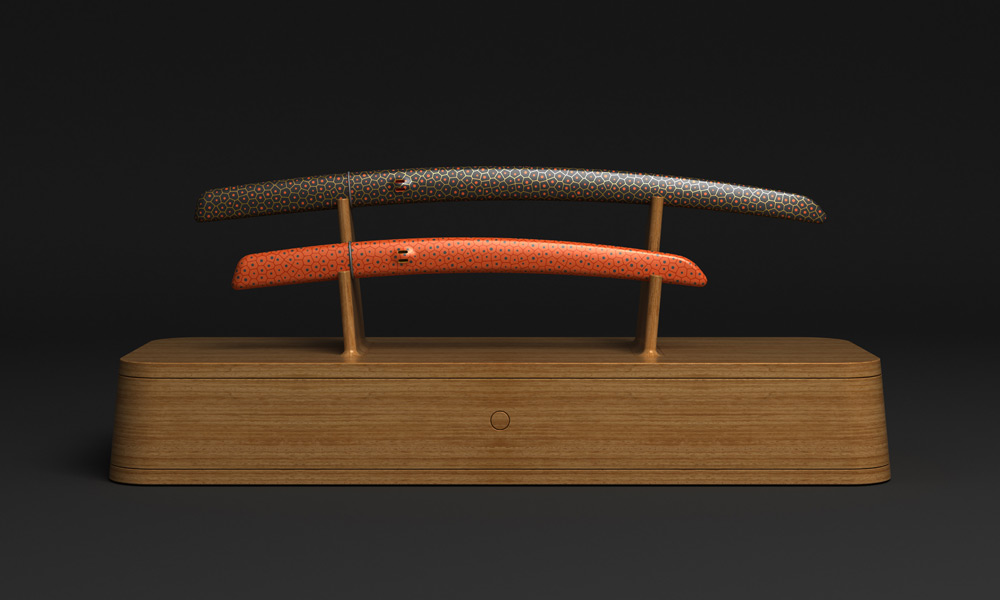
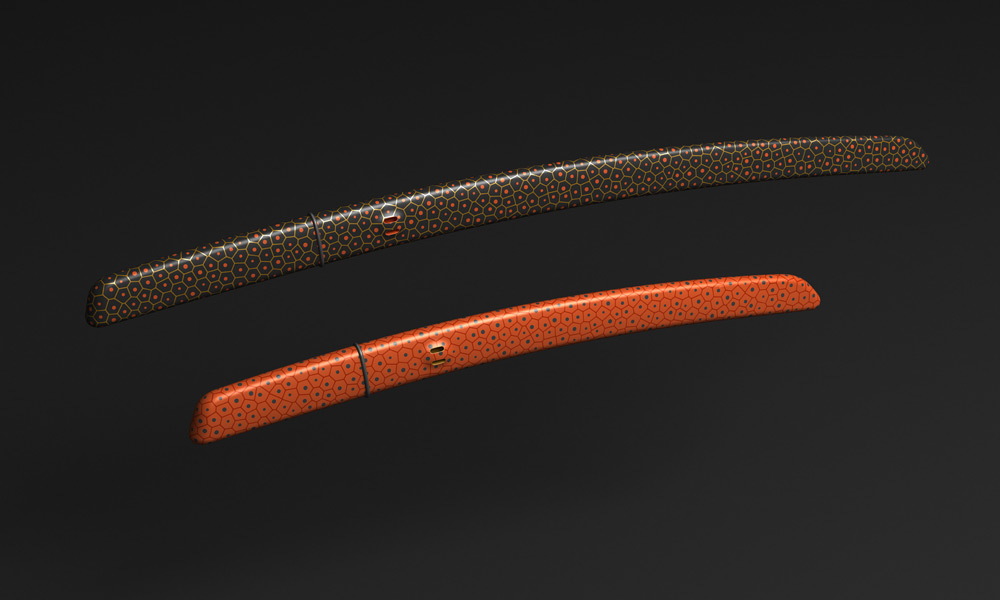
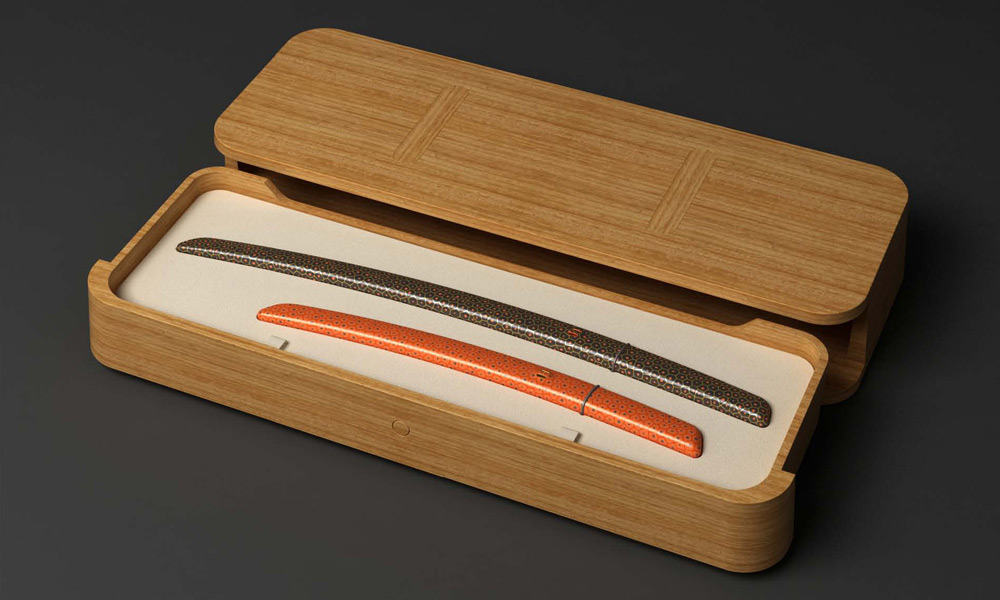
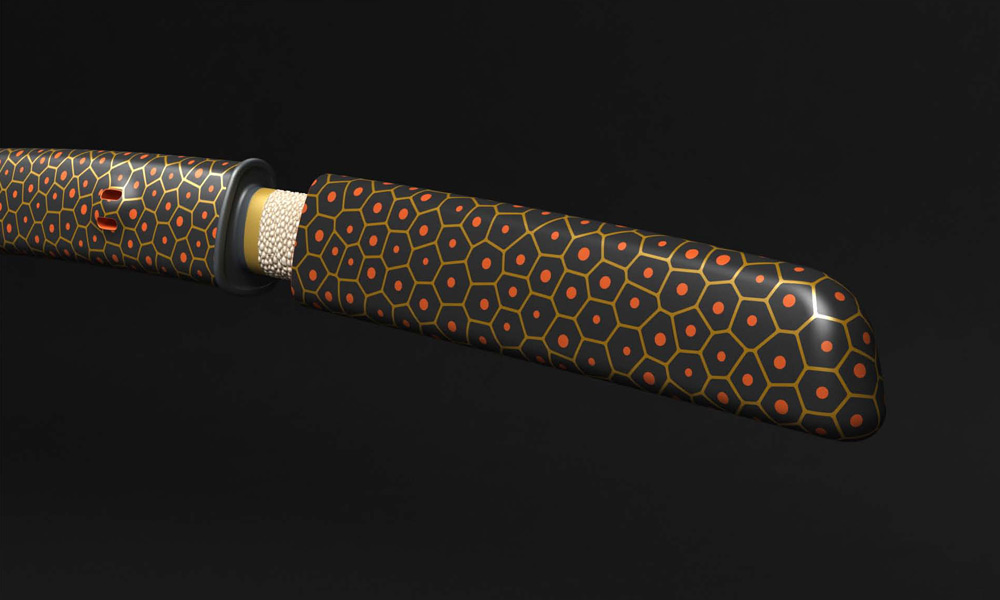
Contemporary Katana Sword by Marc Newson and Tohoku Craftsmen

This unique set of Japanese swords are the fruit of the collaboration between Australian designer Mark Newson and craftsmen from Japan’s Tohoku area. The piece aims to combine the minimalist aesthetics of contemporary design with the age-old skills of the traditional Japanese craftsmen.

Aikuchi is a contemporary art piece which is created by incorporating a Japanese sense of beauty, traditional craftsmanship and innovative design.

img_pro_aikuchi_01

img_pro_aikuchi_02

But the hard part of this project was not merely to come up with a good-looking design. It required a true, in-depth collaboration between Newson and the craftsmen in order to be able to produce the first Aikuchi sword. The Australian designer traveled to meet them in their Tohoku workshops and discover their time-tested techniques. As a Japanese craftsmen will typically master one craft only, several were needed for the project. Experts in lacquerware, woodwork, and blade-making put their skills to work during a tedious trial and error process.

You can have a glimpse of the adventure that led to the making of the swords in this video:

As you would expect, an object created to cross the borders between art, design and craftsmanship will not be easy to get your hands on: it comes at an undisclosed price, and only 10 pieces will be produced.

img_pro_aikuchi_04

img_pro_aikuchi_06

via w0w

Playful Memo Pads by Kenjiro Sano

nicomemo

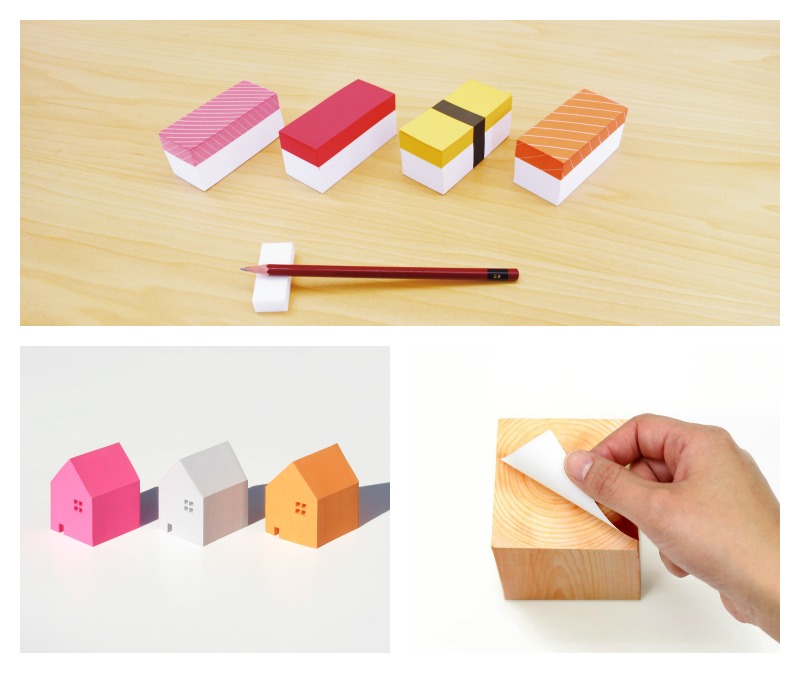
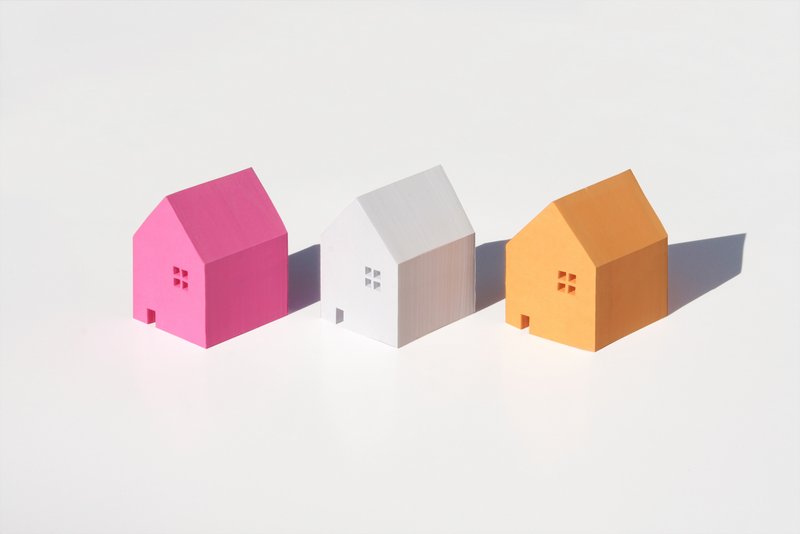
The art director Kenjiro Sano, who goes by the moniker Mr. Design, knows a thing or two about design, and making people chuckle. “All you need in life are friends, good clothes, yummy food and a bit of humor,” or so goes the concept for his design label nico. As its onomatopoeic phrase – nico nico means “to smile” – would suggest, the product lineup is thoughtfully designed to introduce a few chuckles into daily life.

The Spoon & Tamago shop just started carrying the sushi memo pads, the hinoki wooden blocks and the house memo blocks.

sushi_memo_pad_3_1024x1024

nico-products (2)

nico-products (4)

the best spots to take pictures of Mt. Fuji

Hi there! You’ve landed on a members-only article. If you’re interested, Consider supporting Spoon & Tamago by becoming a member.

You can read all about our membership program here. Thanks!

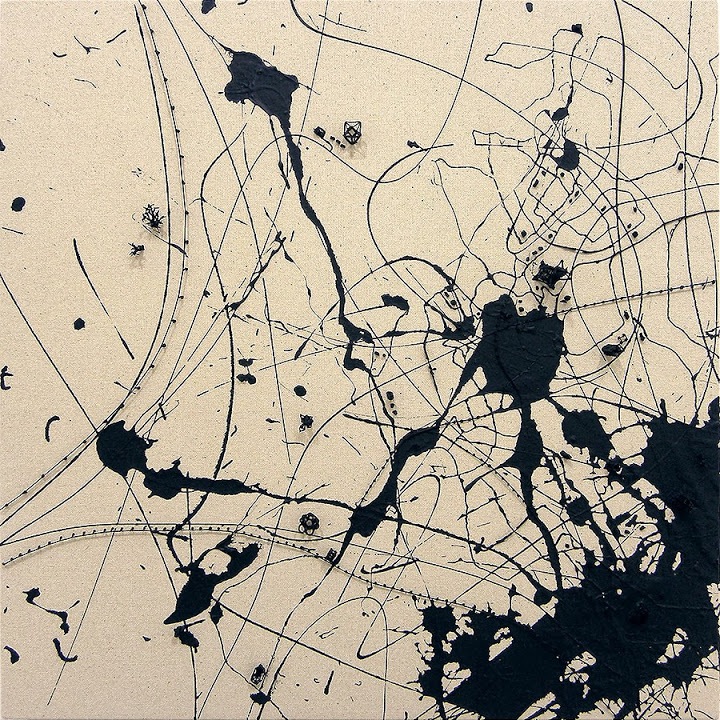
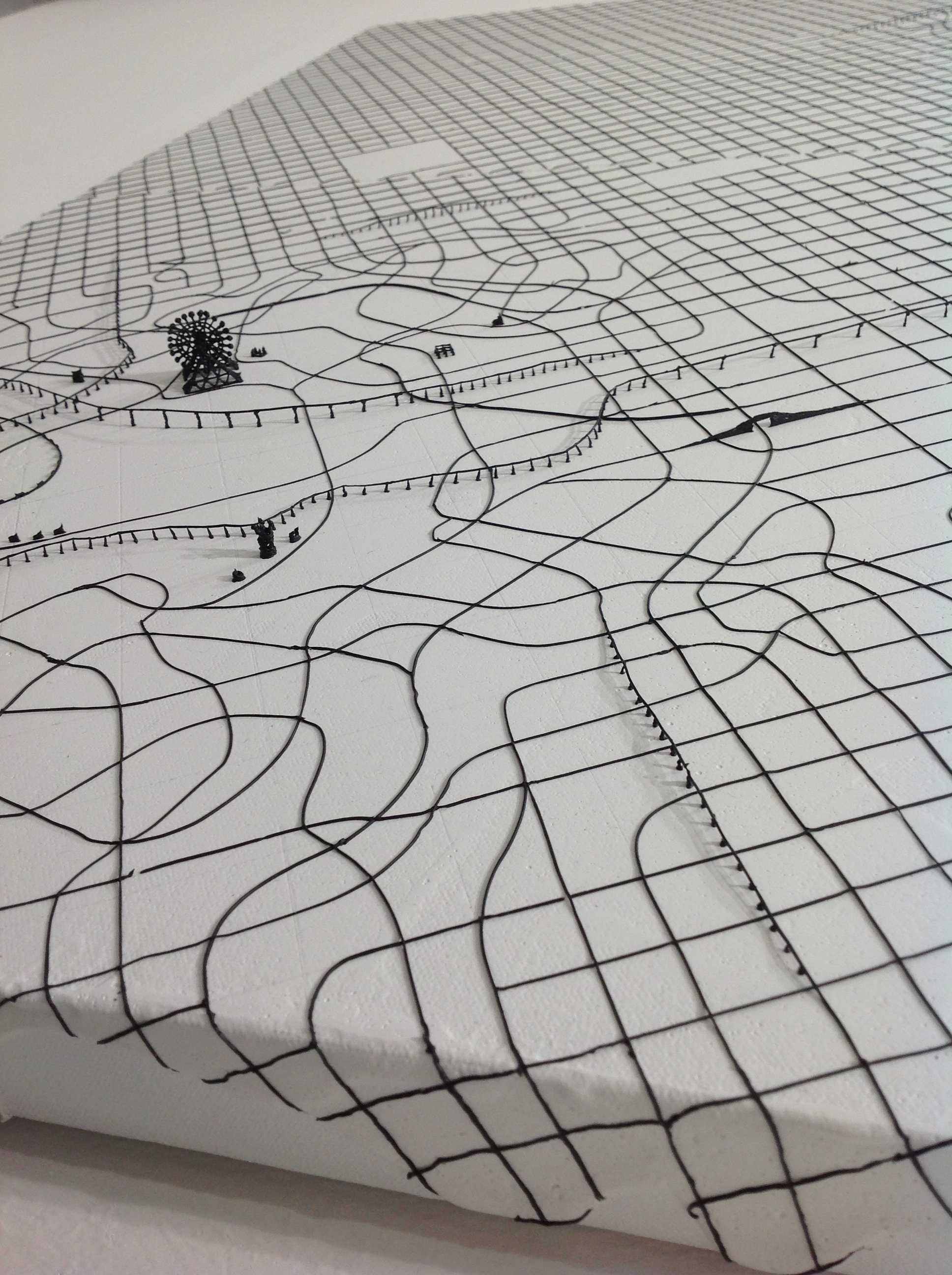
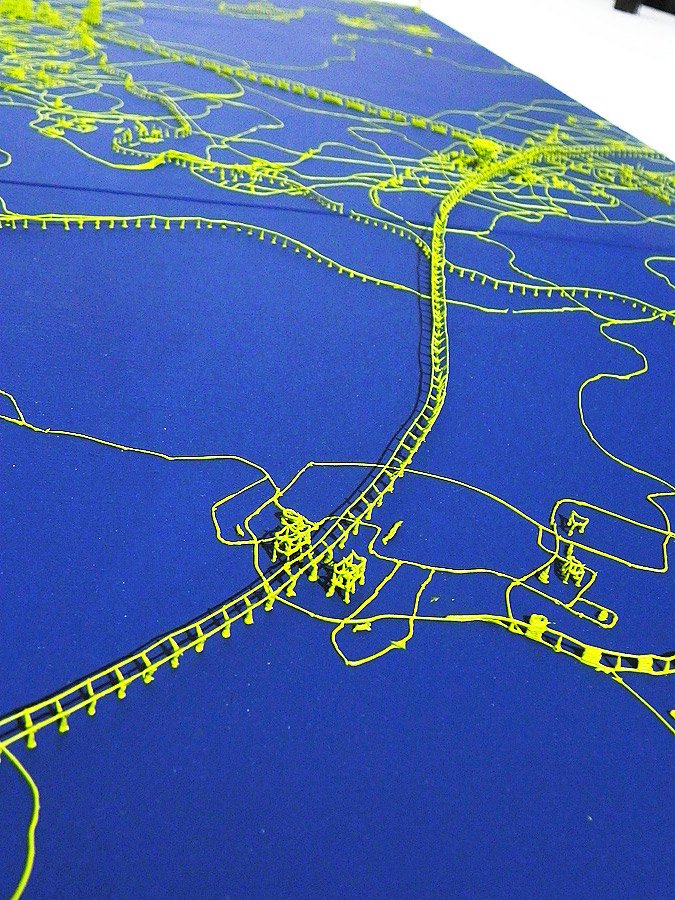
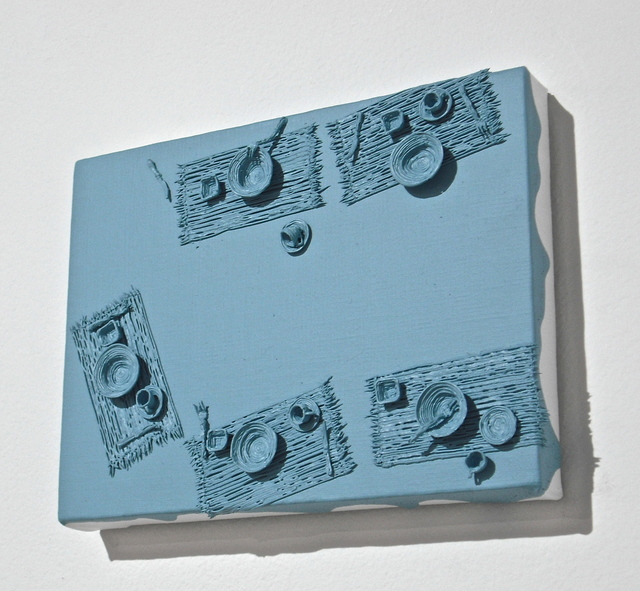
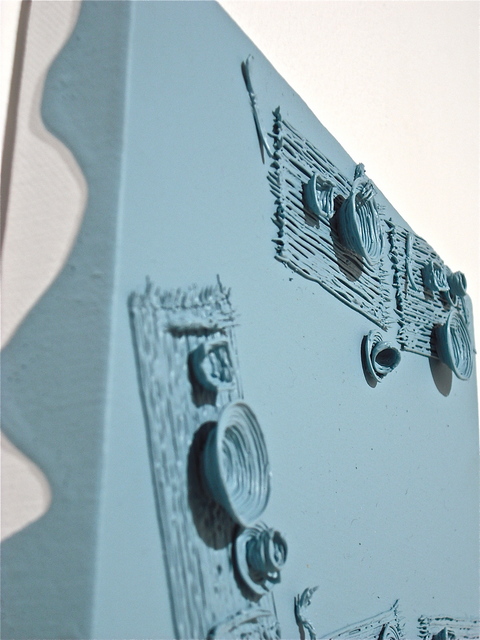
Three-dimensional paintings by Fumihiro Takemura made only from paint

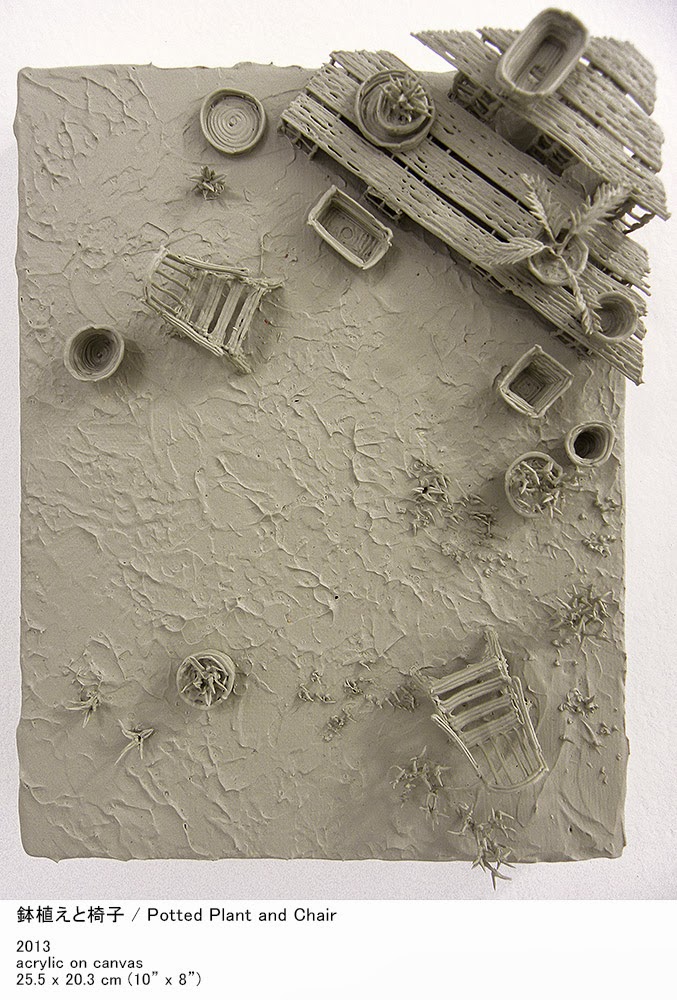
Japanese artist Fumihiro Takemura is not among the most famous Japanese contemporary artists — in fact, one will have trouble finding him on the Internet. Still, his work didn’t fail to impress visitors and collectors at this month’s Tokyo Art Fair. Vaccum and Flight, his two series of works on display at the Kodama Gallery stand, explored the three-dimensional capabilities of painting. His unique painting technique gives his minimal cityscapes and miniature scenes a truly mesmerizing look.

fumihiro-takemura7

photo-3

2012-10-21-12.17.13

His technique strongly resembles that of the 3Doodler, a 3D printing pen launched on Kickstarter across the Pacific last year. But while the latter uses a special plastic material to allows DIYers to draw 3-dimensional sculptures, Takemura’s works are made exclusively with traditional acrylic paint. The paint is squeezed onto the canvas and let to dry until it becomes solid. This allows his creations to literally jump out of the canvas and result in this unique, immersive signature.

43Fumihiro_Takemura

46Fumihiro_Takemura

Potted-Plant-and-Chair (1)

Image sources: Kodama Gallery,Masaharu MakuuchiNicola Antony

The double-sided anime images of Makoto Taniguchi

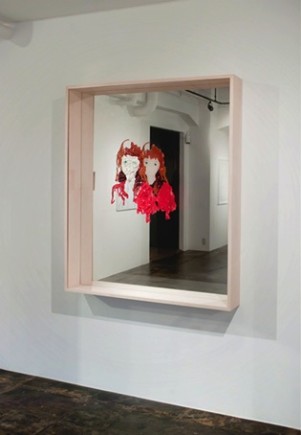
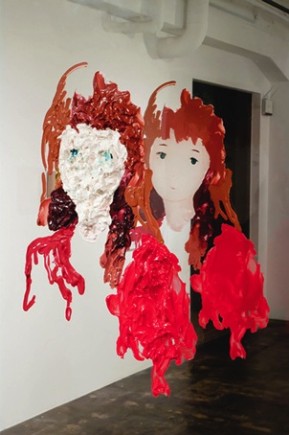
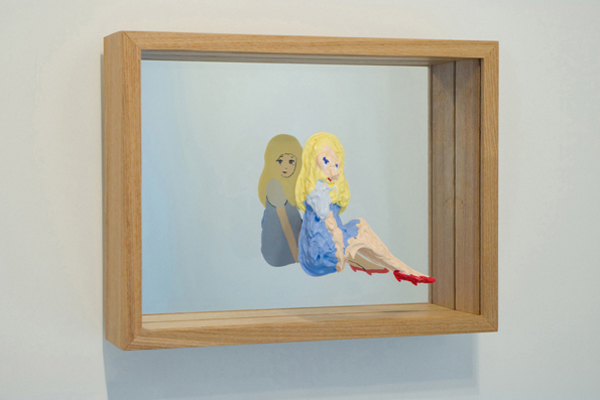
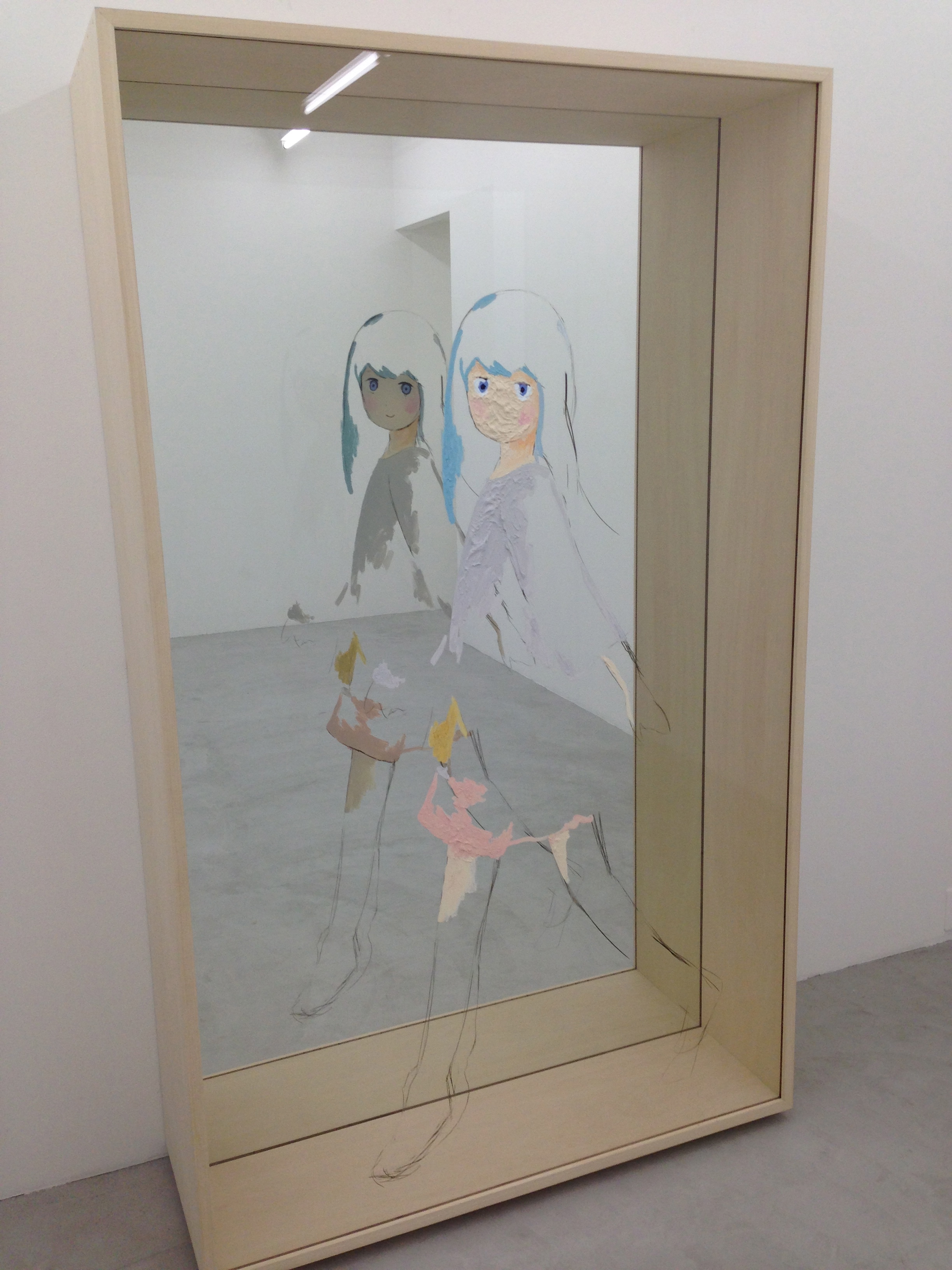
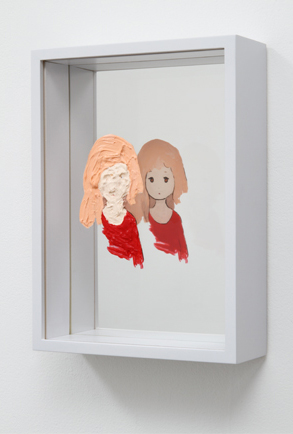
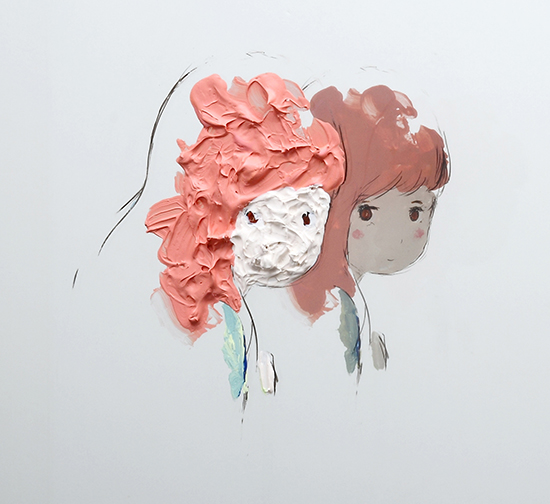
One side shows a blurry painting resembling a distorted, disturbing face. The other reveals the calm, comforting expression of an anime character. The journey back-and-forth between those images are what make the works of Makoto Taniguchi so special. Only able to see the blurry image at first, one has to move around the mirror to try and get a glimpse of the clear painting on the other side.

pipi2

The 32-year-old Japanese artist wants viewers to feel lost contemplating his work. By playing on the ever-present faces of anime culture, he explores the mysterious ways in which our mind turns reality into fleeting images

When I try to draw the interior ‘images’ which though invisible to the eye surely do exist, the dazzling brightness and the ephemeral nature of that existence surges forth, and I start to think about my own ideas of ‘existence’ and my views on life

If you are in Tokyo, you can see Taniguchi’s works in his “Untilted” exhibition at Nanzuka Gallery until March, 29th 2014.

lairai

wwt2fudge

mt

Images: public-image.org, White Wall Tokyo, Fudge.jp

« Older posts Newer posts »

© 2026 Spoon & Tamago

Up ↑

Design by Bento Graphics