Page 204 of 406

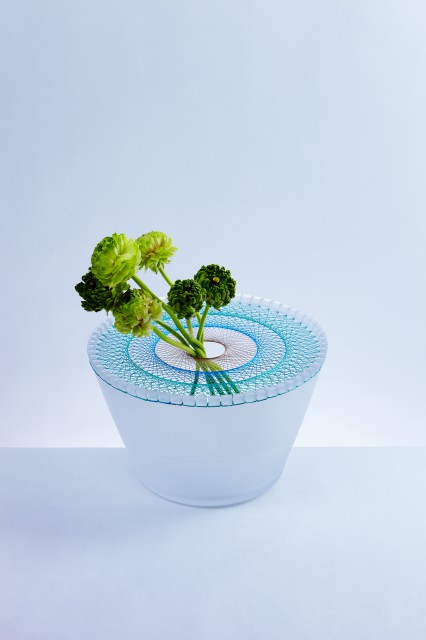
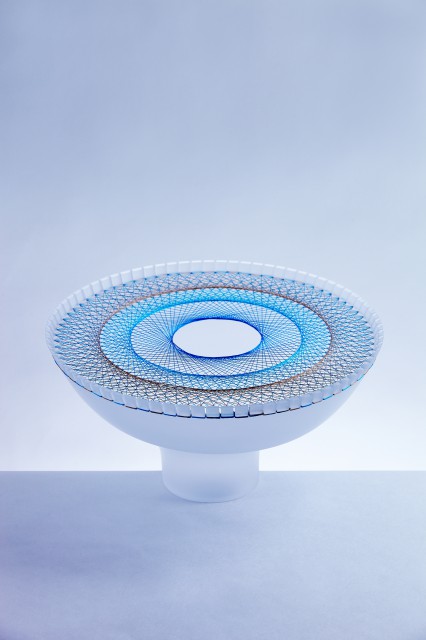
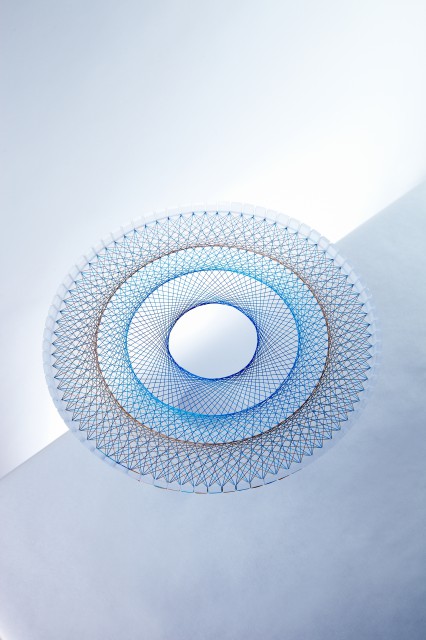
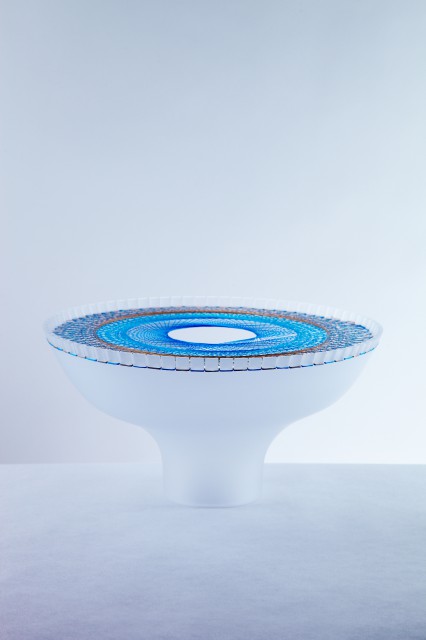
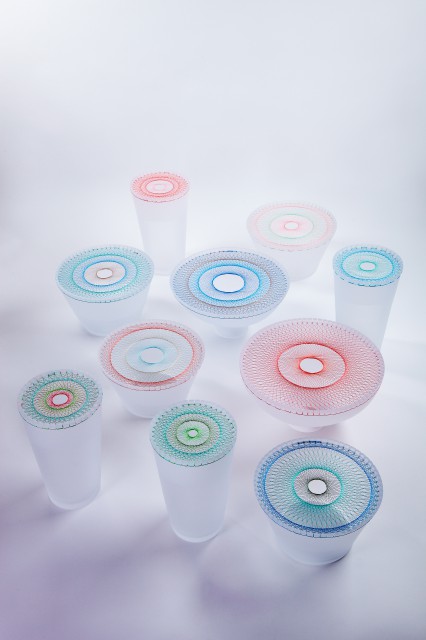
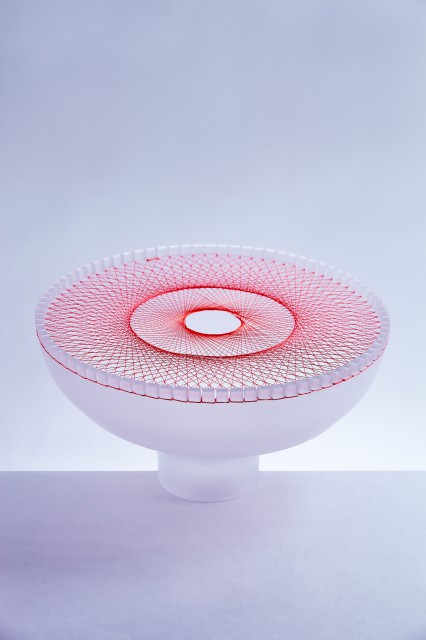
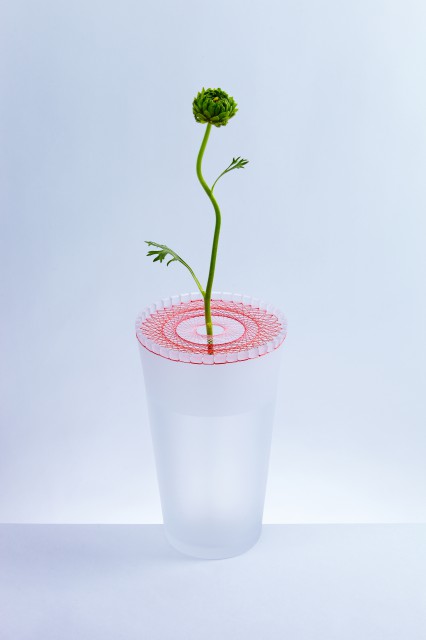
Bloom | embroidered glass tableware by Jun Murakoshi

0315ju0158_R-426x640

Photos by Kota Sugawara

What does thread and blown glass have in common? Both materials embody warmth and tension – two conflicting properties – says Jun Murakoshi. For the Tokyo-based designer, this commonality gave birth to a brand new line of tableware that combines blown glass and threaded patterns. Personally, I never thought that the worlds of glass-making and embroidery would every collide. I was wrong.

The series of glass fruit bowls and flower vases come with grooved edges around the rim. Dreamcatcher-like web patterns are threaded through the grooves to create beautiful “narrow lines” and “unlimited patterns.” The transparency and exquisiteness that each material possess works surprisingly well together.
0315ju0034_R-426x6400315ju0091_R-426x640

0315ju0110_R-426x6400315ju0046_R-426x640

0315ju0126_R-426x6400315ju0136_R-426x640

This post is part of our review of  Japanese design at the 2014 Milano Salone del Mobile. All posts are cataloged right here.
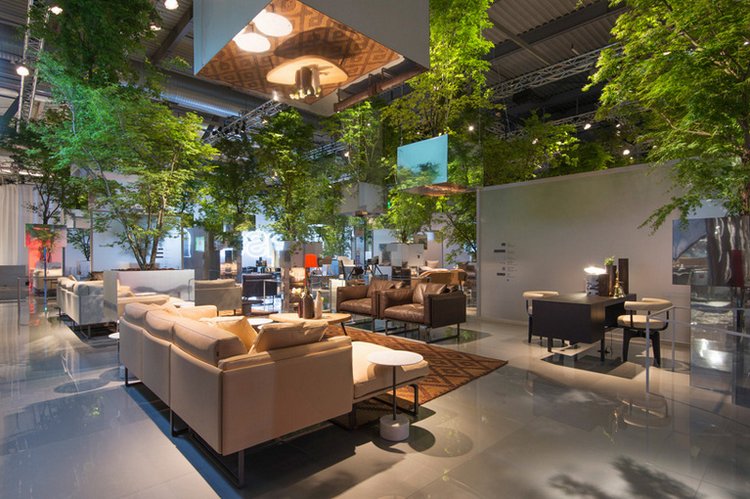
An Indoor Floating Forest by Sou Fujimoto

floating forest by sou fujimoto (1)

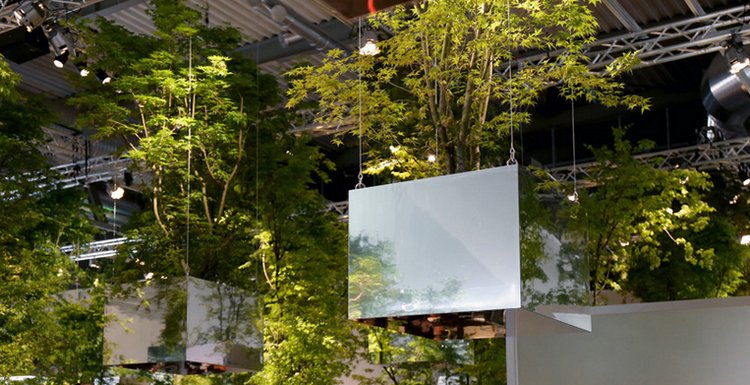
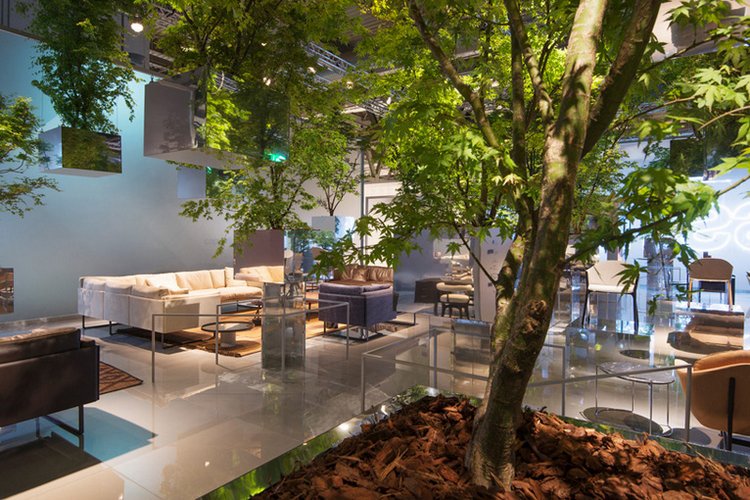
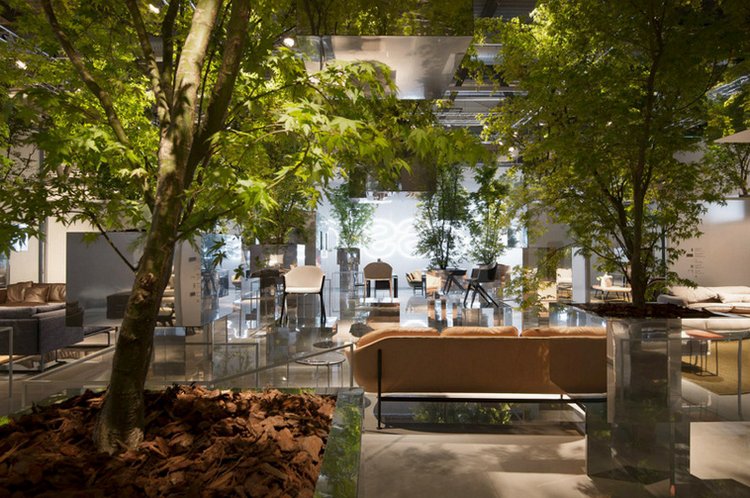
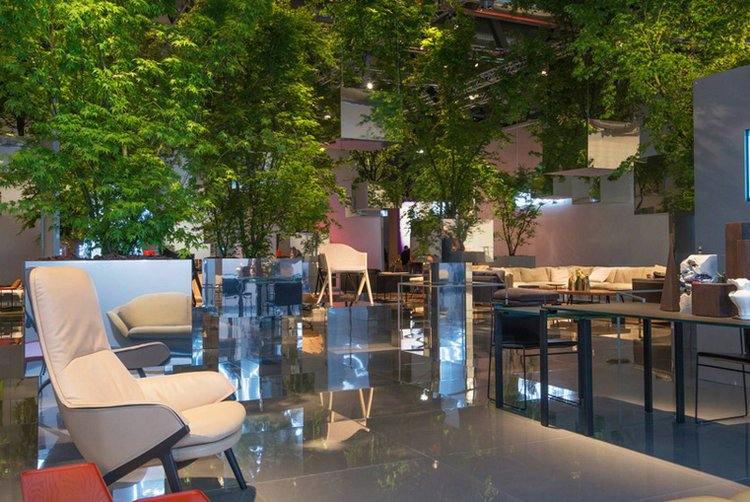
Japanese architect Sou Fujimoto (previously) has created an indoor floating forest in which trees and shrubs are suspended from the ceiling. The installation was staged within the showroom of Cassina, the Italian furniture Manufacturer. The trees were each placed in mirrored boxes which were then hoisted above the furniture. The reflections create the illusion of trees growing out of thin-air.

The installation not only acknowledges the intrinsic relationship between trees and furniture, but it also helps highlight the company’s recent efforts in reworking their classics for outdoor use. The floating forest is on display during Milan Design Week, also known as Milano Salone.

floating forest by sou fujimoto (2)

floating forest by sou fujimoto (3)

floating forest by sou fujimoto (4)

floating forest by sou fujimoto (5)

floating forest by sou fujimoto (6)

This post is part of our review of  Japanese design at the 2014 Milano Salone del Mobile. All posts are cataloged right here.
3D ice cubes let your scotch cool down in style

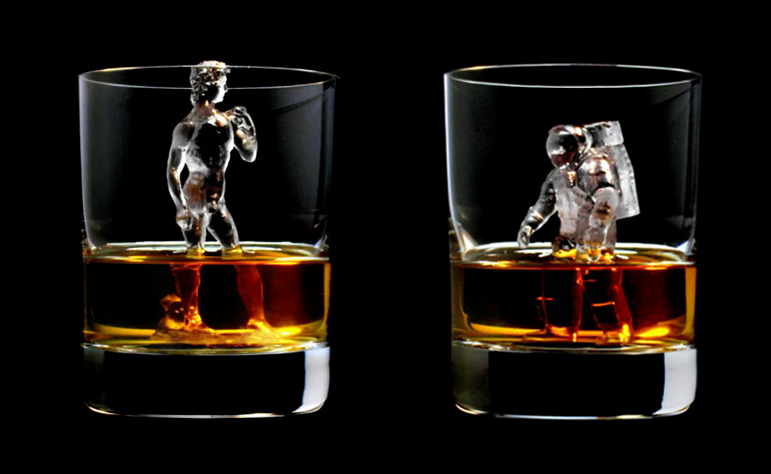
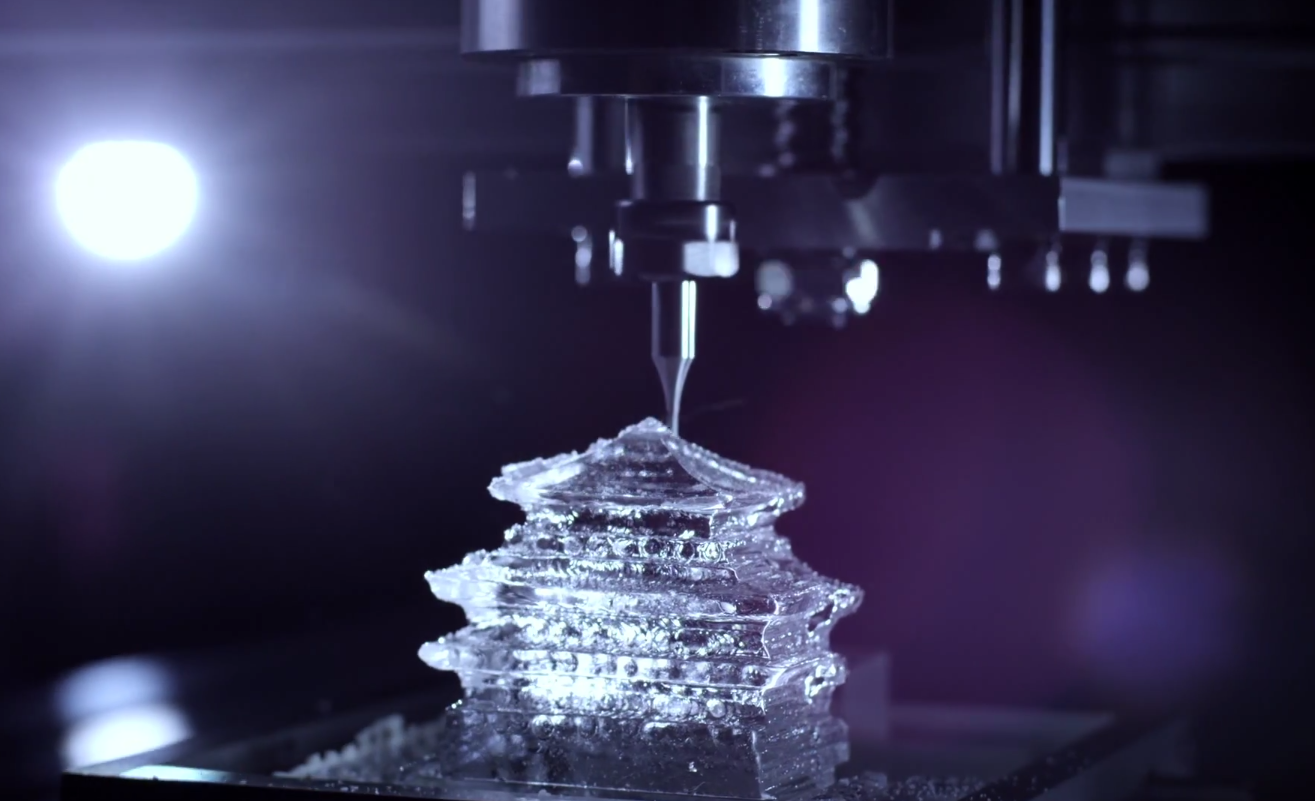
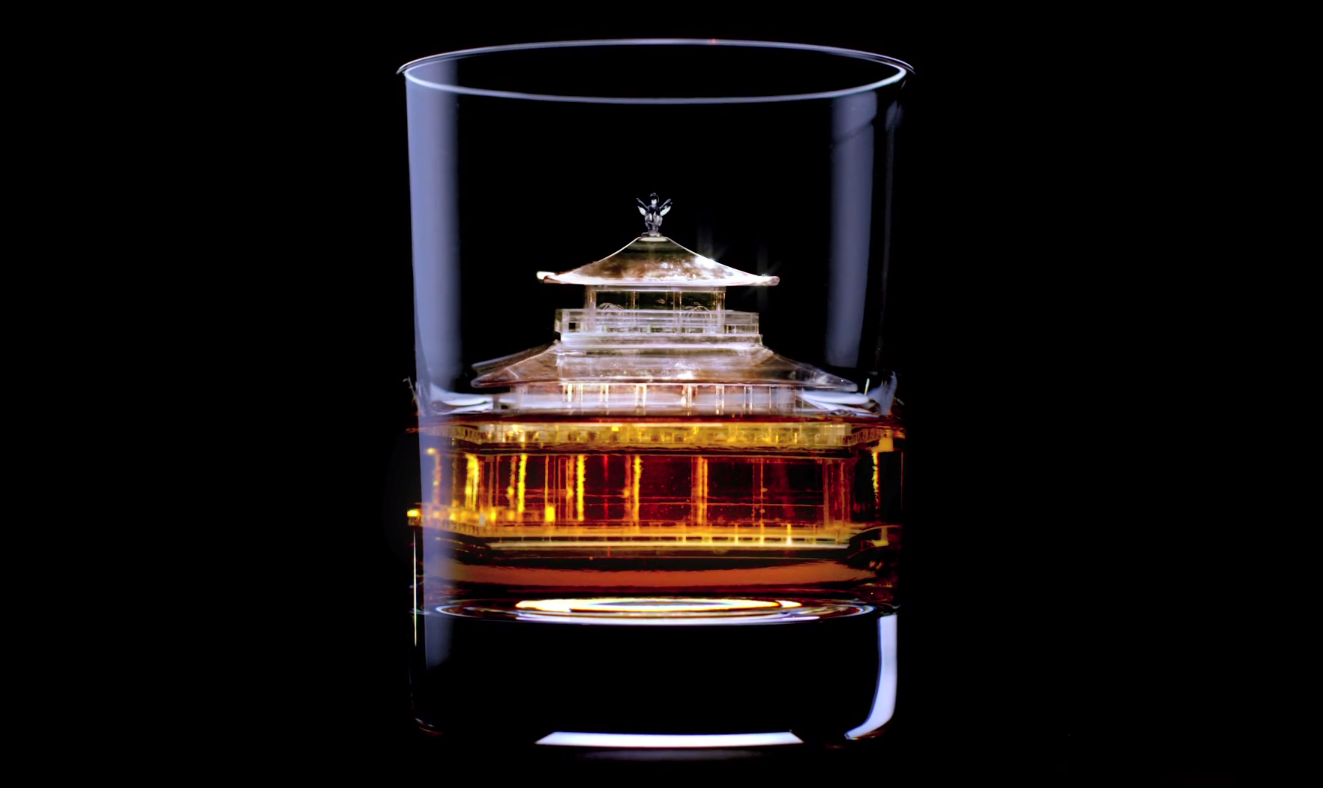
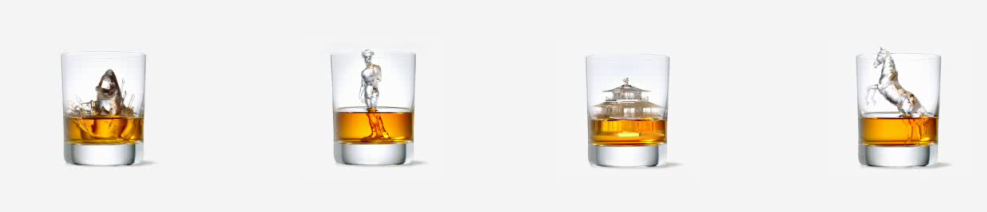
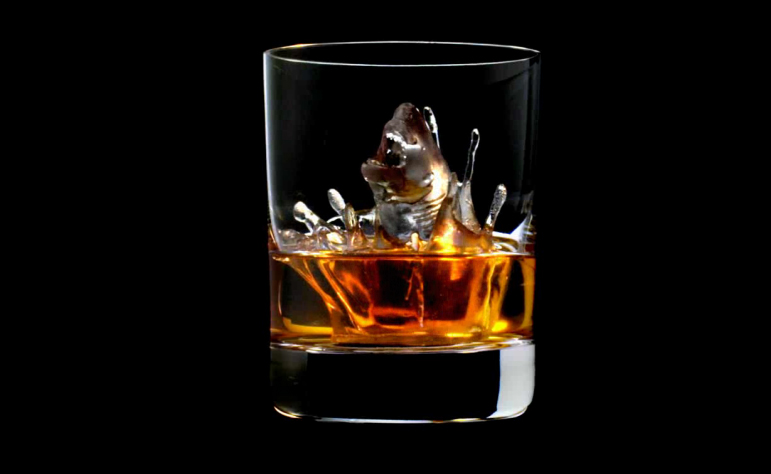
For 3D on the rocks, its latest liquor campaign, Suntory teamed up with Japanese ad agency TBWA\Hakuhodo to offer the world’s  first 3D-milled ice cubes. Each creation is the result of a time-consuming modeling process, and are carved to the smallest details with a precision drill. They are then placed at the bottom of a glass of whisky for their first and last journey into this world.

3dprintedicecube6

The fruit of such time and effort being bound to melt away might remind some of the ephemeral nature of Japanese beauty, while others may see it as pure obsession with Japanese luxury liquors. Either way, the result is mostly a treat to the eyes – we are not sure how easy it is to enjoy a drink with a Statue of Liberty towering over the edge of your glass, or a torch up your nose.

3dprintedicecube3

Capture d’écran 2014-04-10 à 20.04.53

Subscriptions for the campaign are now closed, but a few lucky participants who submitted their design ideas will have their very own ice cubes milled and served in fine liquor at a secret Tokyo bar. In the meantime, the rest of us can still enjoy pictures of the wild designs created by the agency.

Capture d’écran 2014-04-10 à 20.05.42 3D ice cubes

3dprintedicecube2

3dprintedicecube

Correction: April 14, 2014

An earlier version of the article described the ice cube-making process as 3D printing, an additive process where successive layers of material are laid down in different shapes. The process is actually milling, a subtractive process that relies on the removal of material.

Junpei Tamaki’s Wintry Set of Furniture

winter furniture junpei tamaki (13)

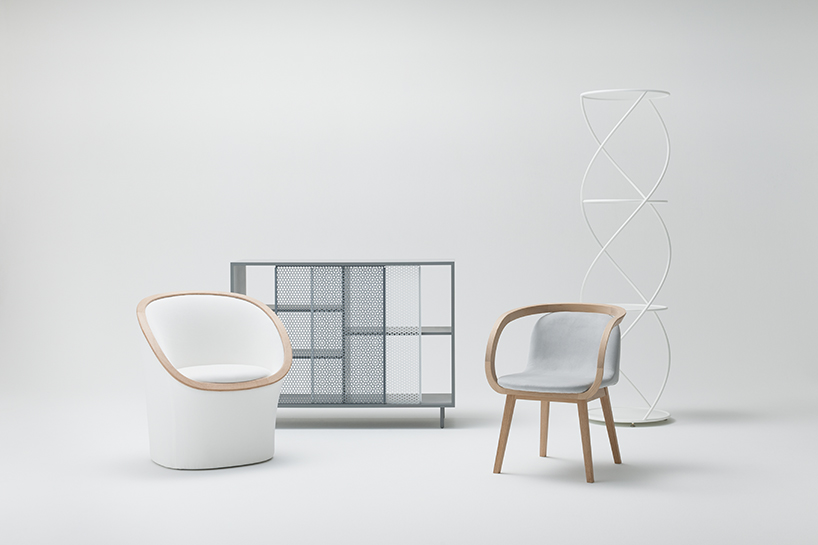
the entire snow collection

I think the majority of us can agree that this year’s winter was pretty brutal. And since it’s been on everyone’s minds the past several months, a winter-induced chill factor has been influencing the design world. First it was fashion. Now, furniture.

At this year’s Milano Salone, Junpei Tamaki is presenting “Snow,” a collection of furniture inspired by cold weather, ice and – finally – the great thaw.

winter furniture junpei tamaki (2)

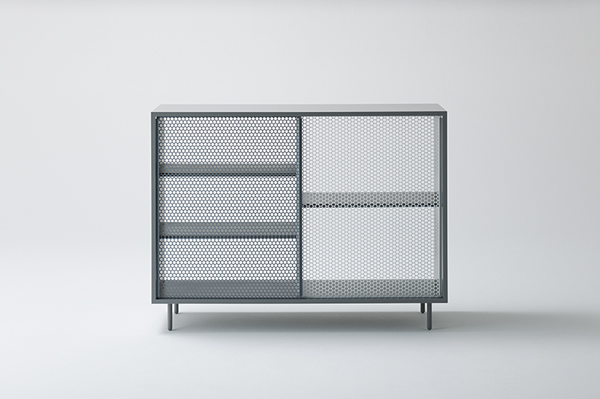
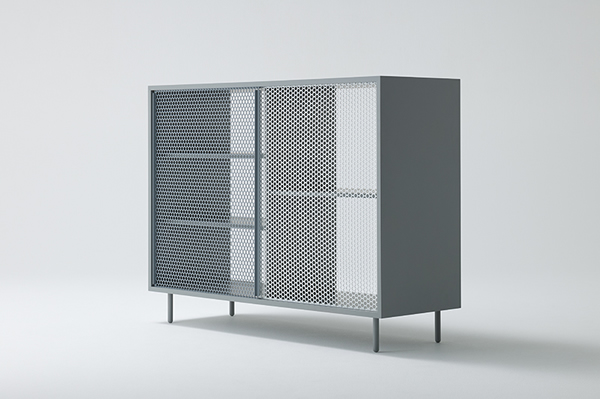
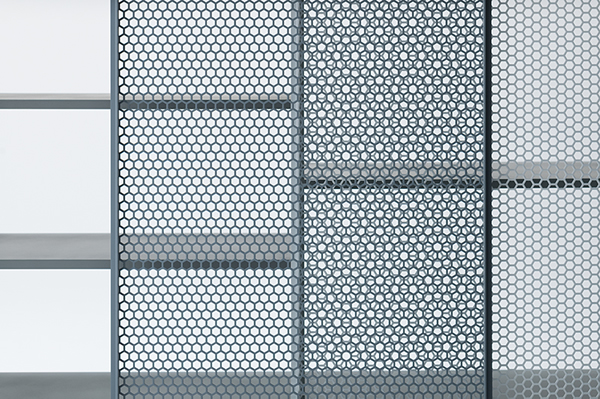
The “Snowscape” cabinet | hexagonal holes on the sliding doors overlap to create different patterns of snowflakes

winter furniture junpei tamaki (12) winter furniture junpei tamaki (9)


winter furniture junpei tamaki (1)

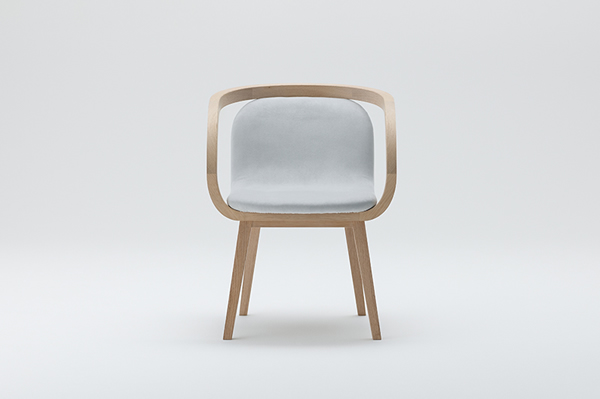
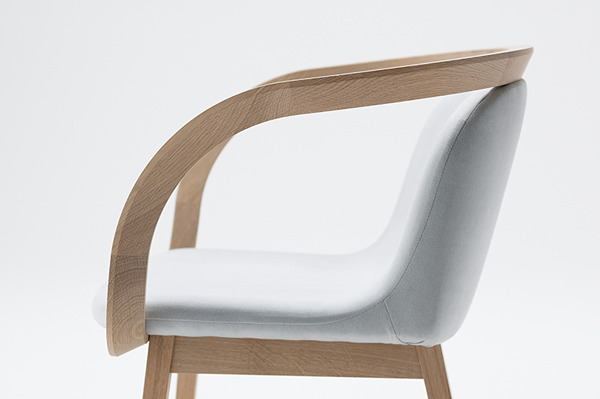
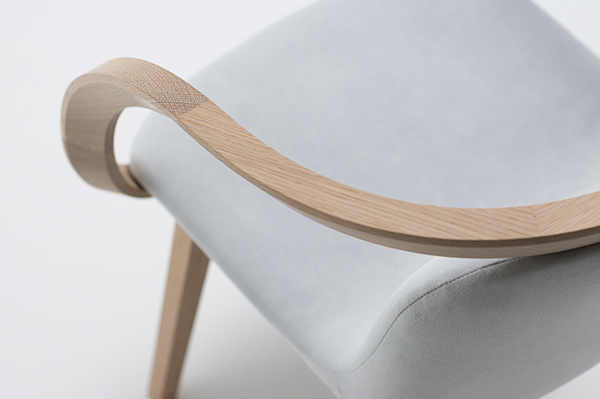
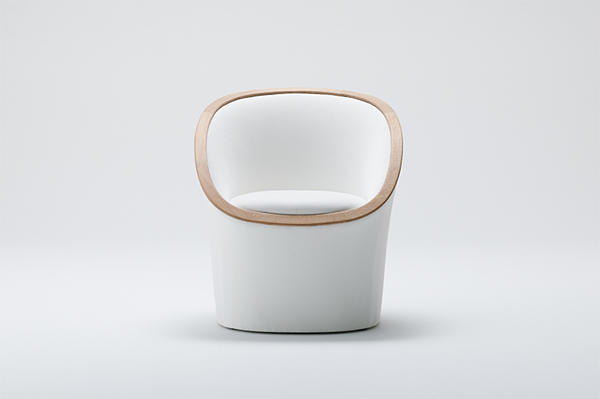
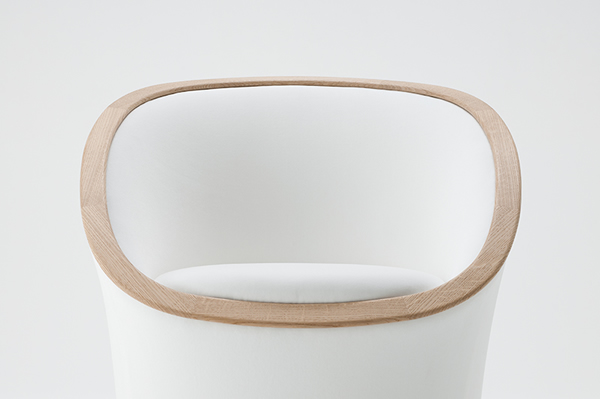
The “Fluffy” dining chair uses wood and cushioning to express new, fluffy snow.

winter furniture junpei tamaki (8) winter furniture junpei tamaki (11)


winter furniture junpei tamaki (3)

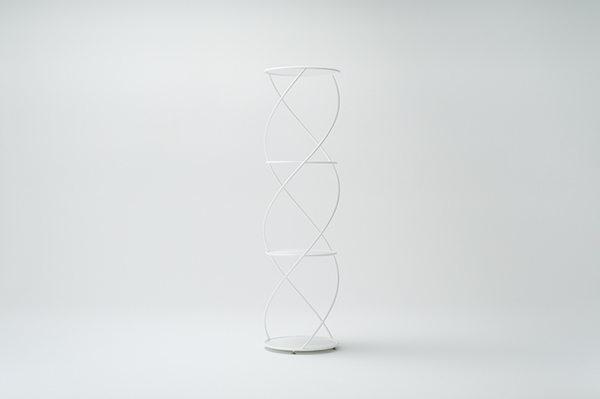
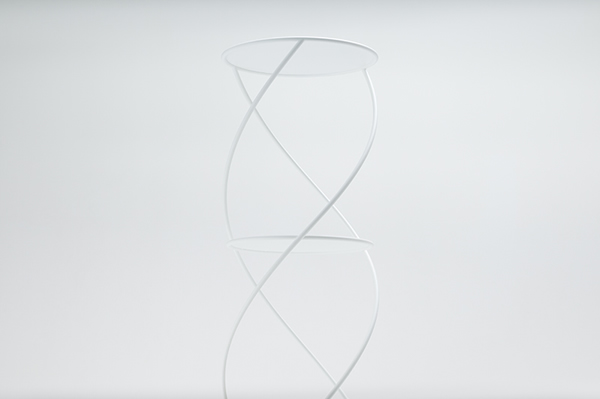
The triple spiral linear structure of the “Sleet” shelf is designed to reflect the image of fallen sleet.

winter furniture junpei tamaki (6) winter furniture junpei tamaki (5)


winter furniture junpei tamaki (4)

The “Thaw” sofa. The softly exposed wood appears to be poking out of thawing snow.

winter furniture junpei tamaki (7) winter furniture junpei tamaki (10)

This post is part of our review of  Japanese design at the 2014 Milano Salone del Mobile. All posts are cataloged right here.
A lampshade made from light

yoy_light_02 (1)

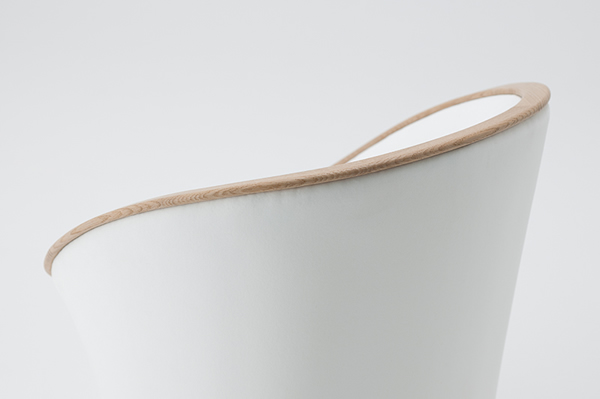
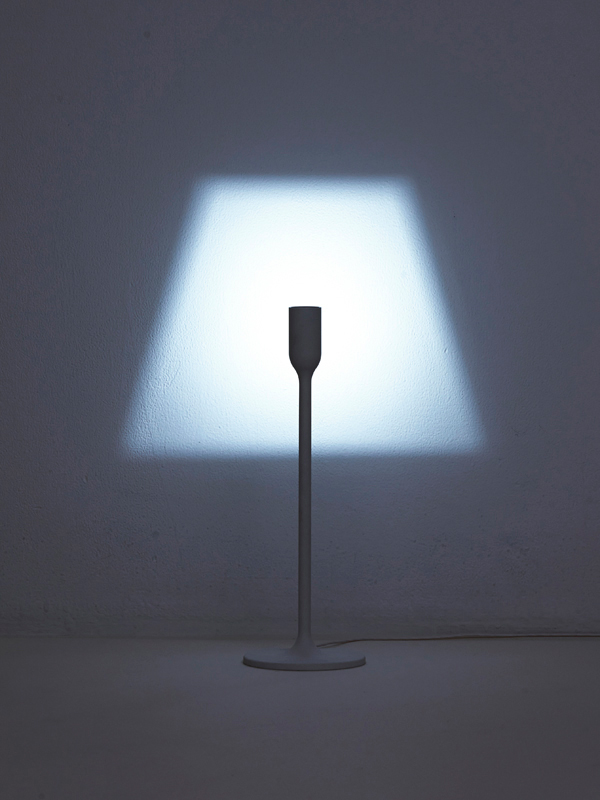
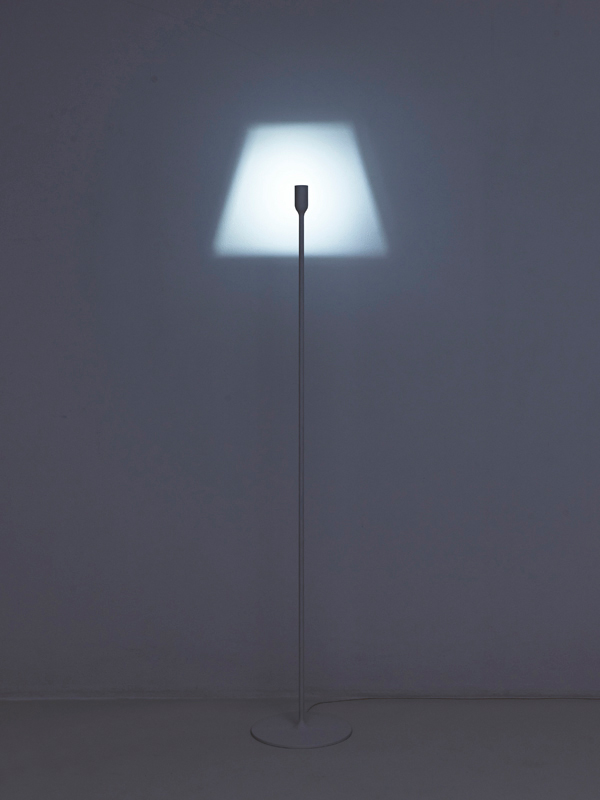
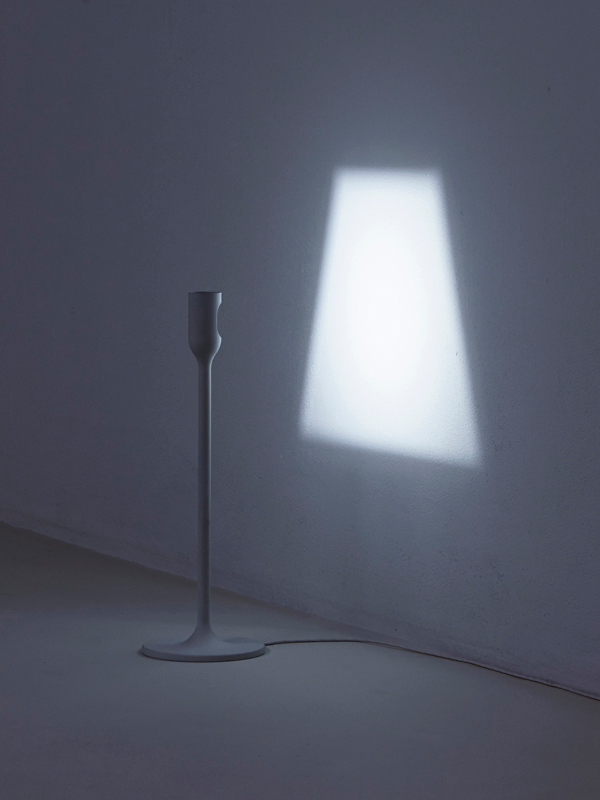
If “clothes make the man,” as Mark Twain once famously wrote, then lampshades definitely make the lamp. And this is not your grandparent’s lamp shade. Japanese design unit YOY (previously) has given new light to what was previously an outdated, dust-covered concept.

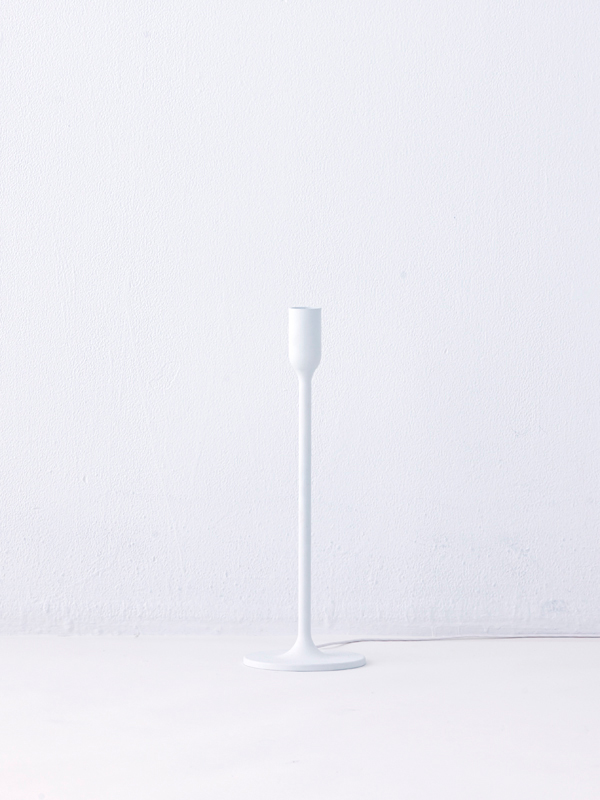
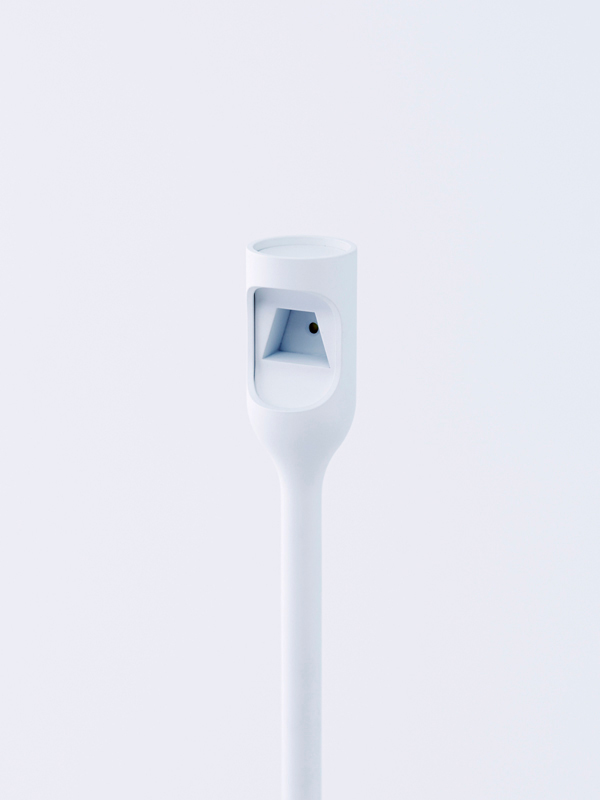
The minimal lamp has a head embedded with an LED light. A carved out socket casts a glow of light that’s shaped like a lamp shade that, most certainly, makes the lamp. It comes in two form, a table and floor lamp, and is debuting at the 2014 Milano Salone.

yoy_light_01 (1)

yoy_light_07

yoy_light_05

yoy_light_03

This post is part of our review of  Japanese design at the 2014 Milano Salone del Mobile. All posts are cataloged right here.
Interconnection | an installation of weightless discs illustrates the unstoppable forces of nature

Interconnection03new

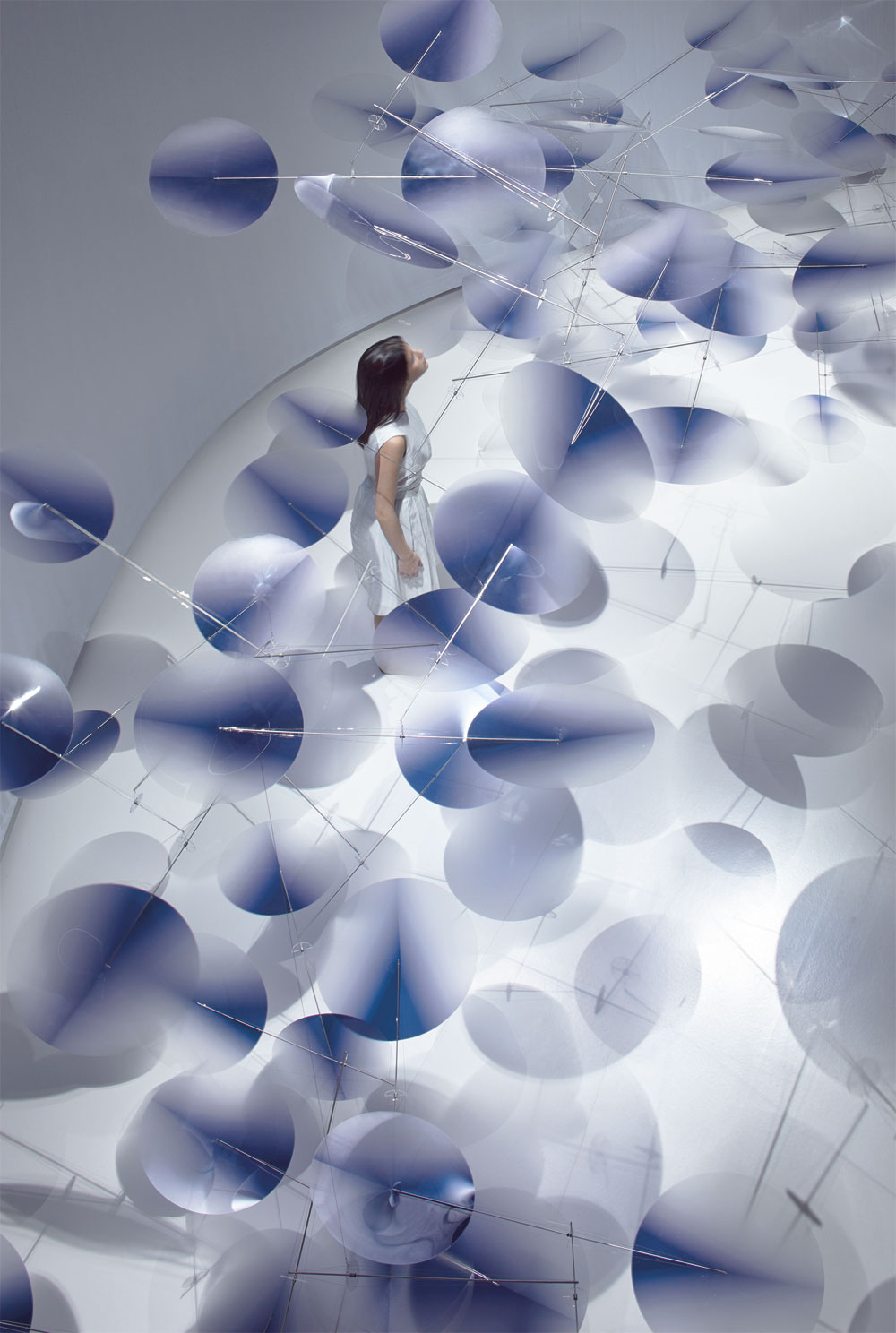
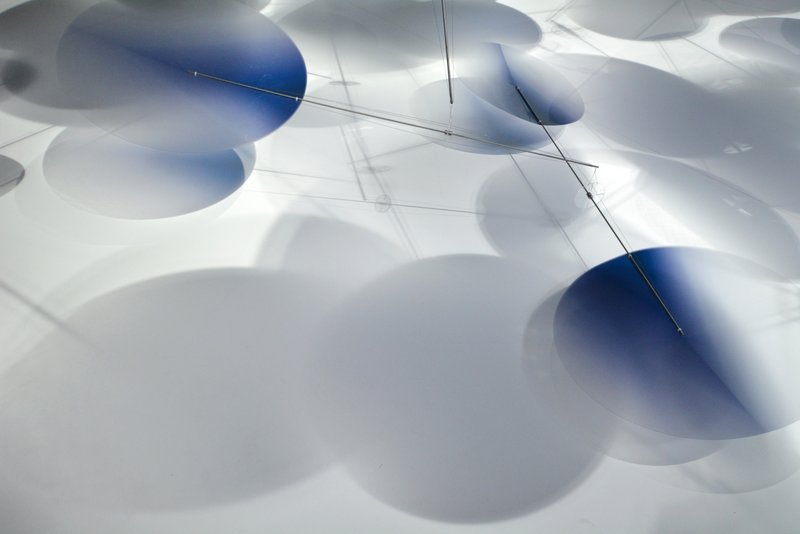
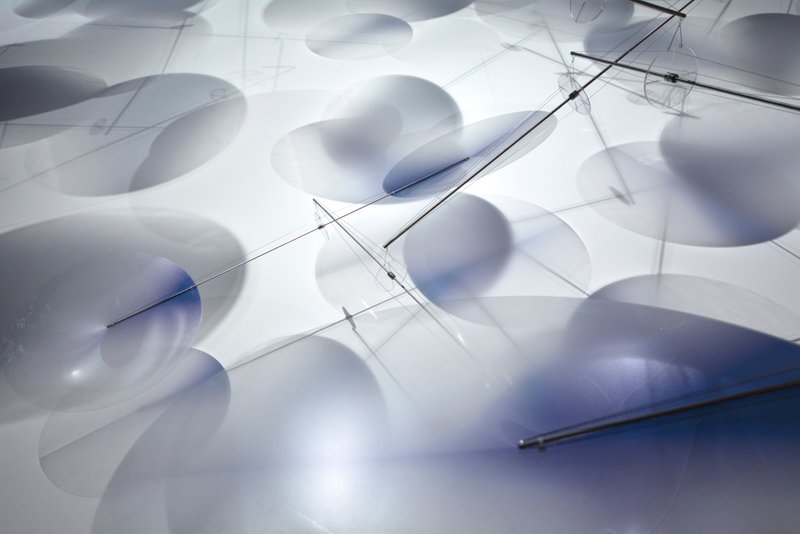
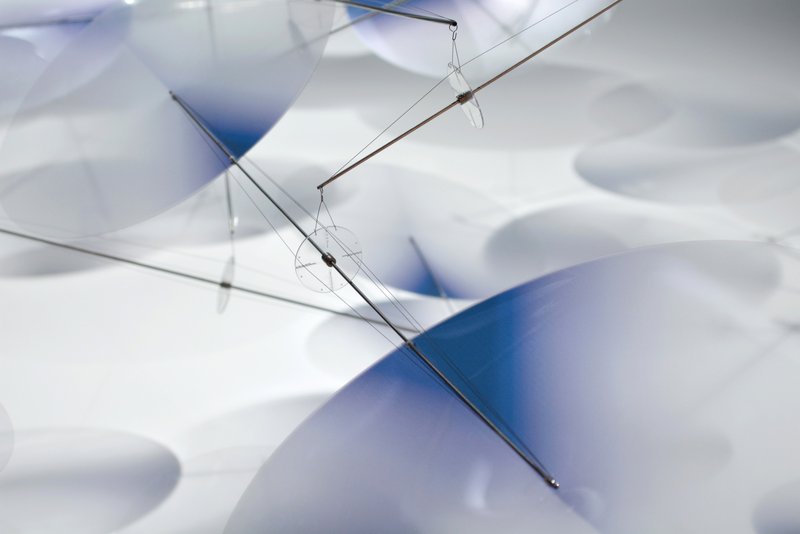
Designer Nao Tamura (previously) has completed an installation that comprises multiple purple petal-like pieces that hang from the ceiling on threads; each individual element moves in response to the natural flow of air as visitors pass the fixture. “There are forces in nature that are beyond the control of mankind. We have learned how fragile we are in the face of such forces,” says Tamura, referring – albeit subtly – to the devastating earthquake and tsunami that struck Japan. “However, we have also learned the importance of accepting nature and learning to live in harmony with it.”

Interconnection04

Interconnection02

Interconnection01

“Interconnected, ” which was designed for Lexus as part of Milano Salone 2014, demonstrates the constant give-and-take in nature, as well as our planet’s delicate balance.

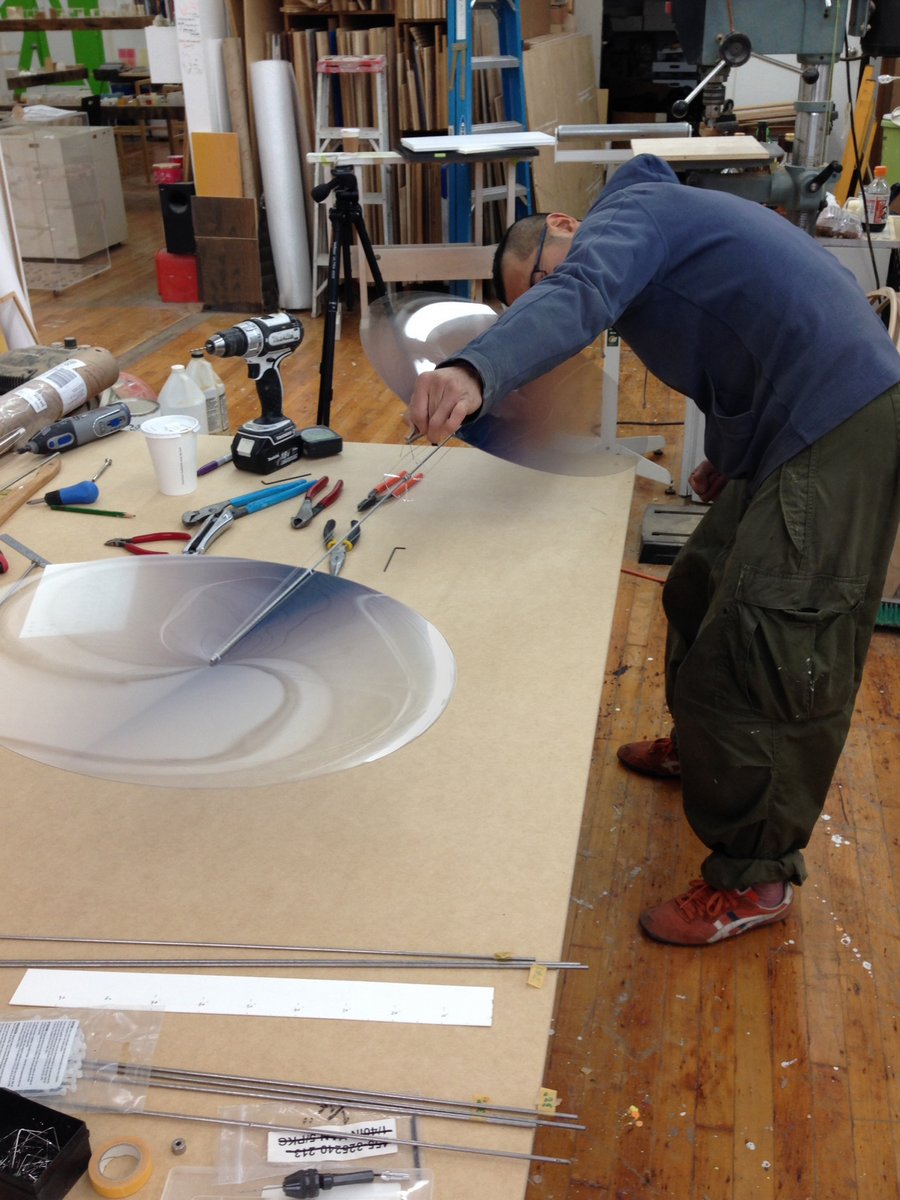
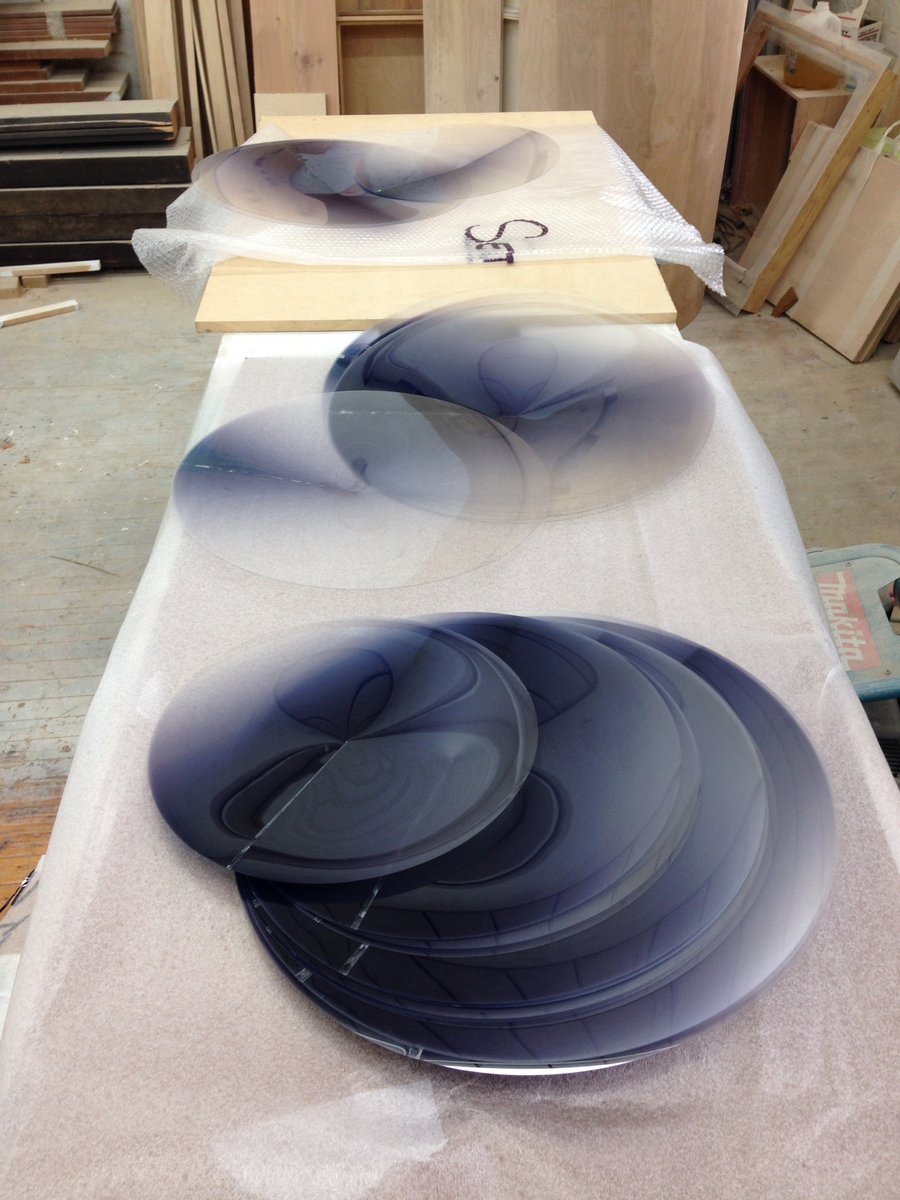
The Brooklyn-based designer Takeshi Miyakawa (previously) was recruited by Tamura to assist in the complex structural design process. “I thought it was a piece of cake but it turned out to be one of the most challenging project I’ve ever worked on,” wrote Miyakawa. The pair were also joined by music composer Aya Nishina, who created an accompanying soundtrack for the installation which can be heard in the video above.

InterconnectionProcess02InterconnectionProcess04

Here are some photos from people who attended the exhibition:

This post is part of our review of  Japanese design at the 2014 Milano Salone del Mobile. All posts are cataloged right here.
Illustrations that you can touch by Masahiko Sato and Tatsuya Saito

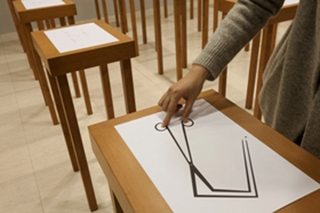
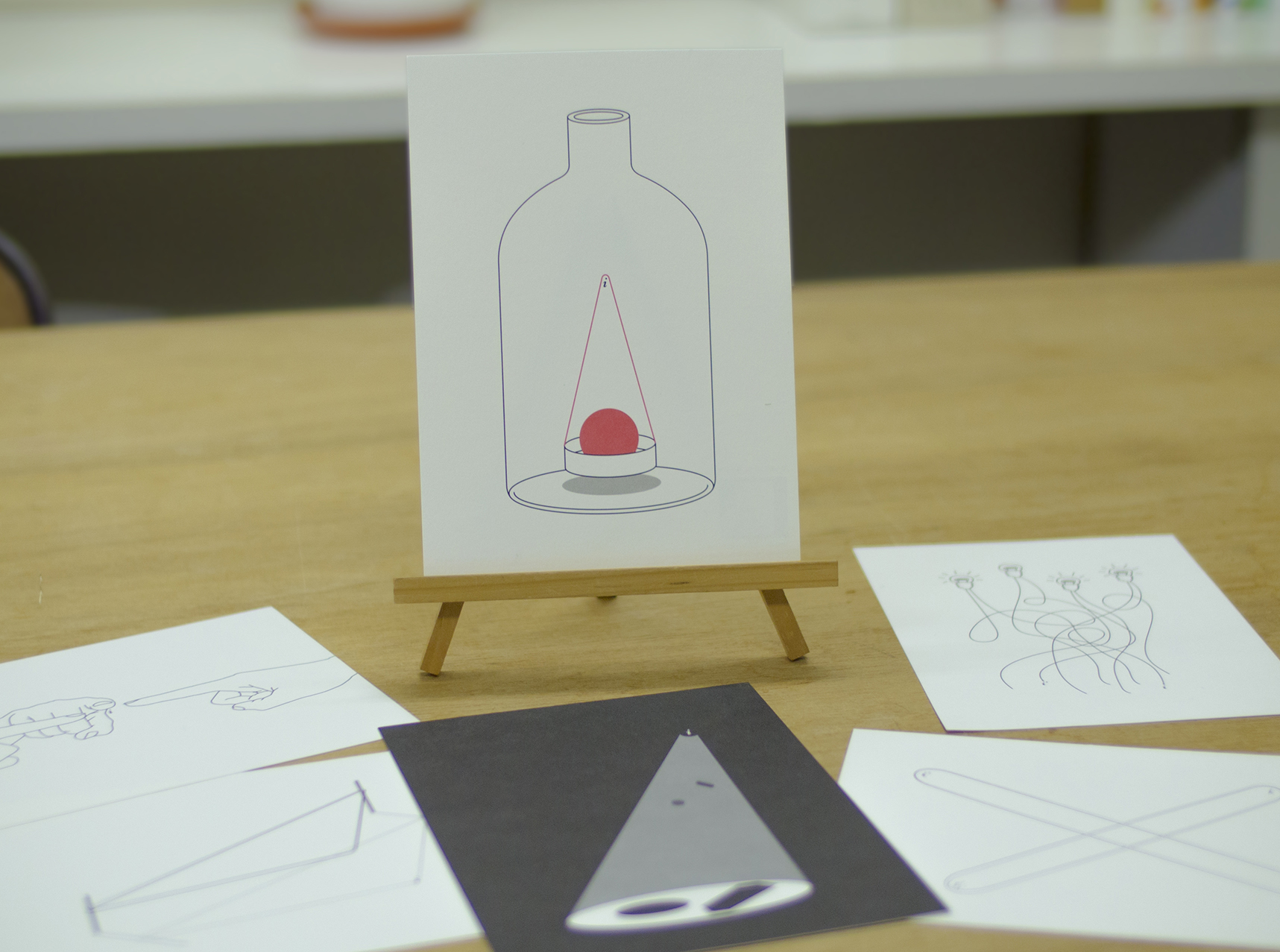
In the ongoing debate about the merits of print versus digital media, one assumption is rarely questioned: graphics on paper are static, and less immersive than interactive media. But Masahiko Sato and Tatsuya Saito want to prove the exact opposite in their exhibition “Putting Finger” at DDD gallery in Osaka.

The two visual designer have a radical message: they want their audience to understand that watching TV, playing video games or browsing the web are activities that are usually performed while forgetting one’s own body. Illustrations, on the other hand, are exclusively consumed in the material world. And by touching an illustration, instead of staring at a screen, viewers can connect with the physical world.

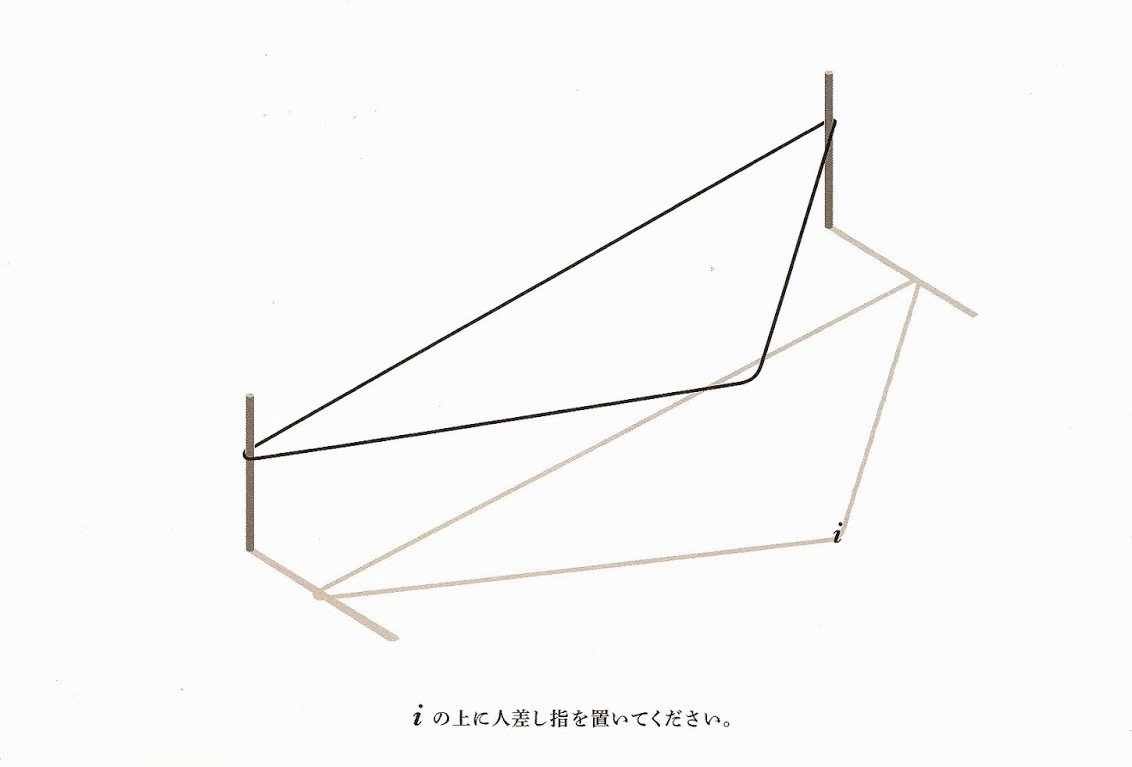
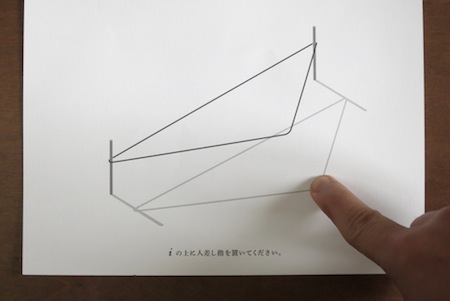
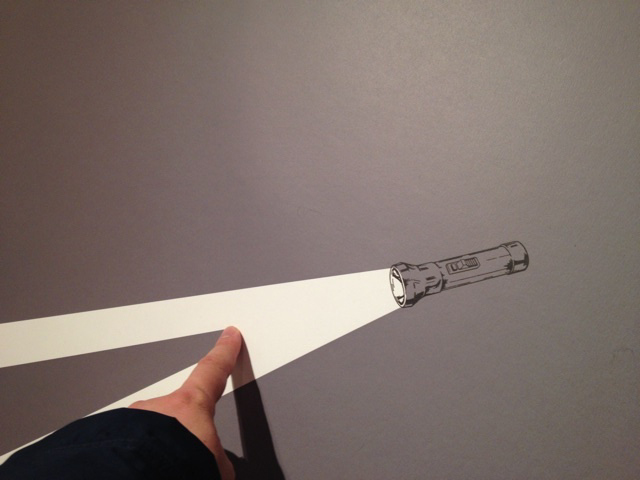
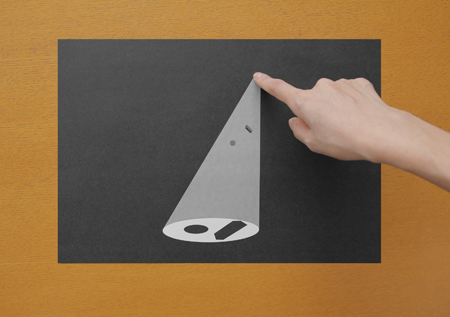
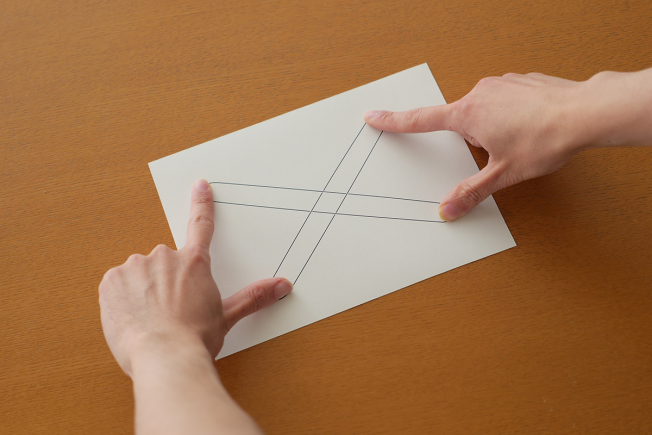
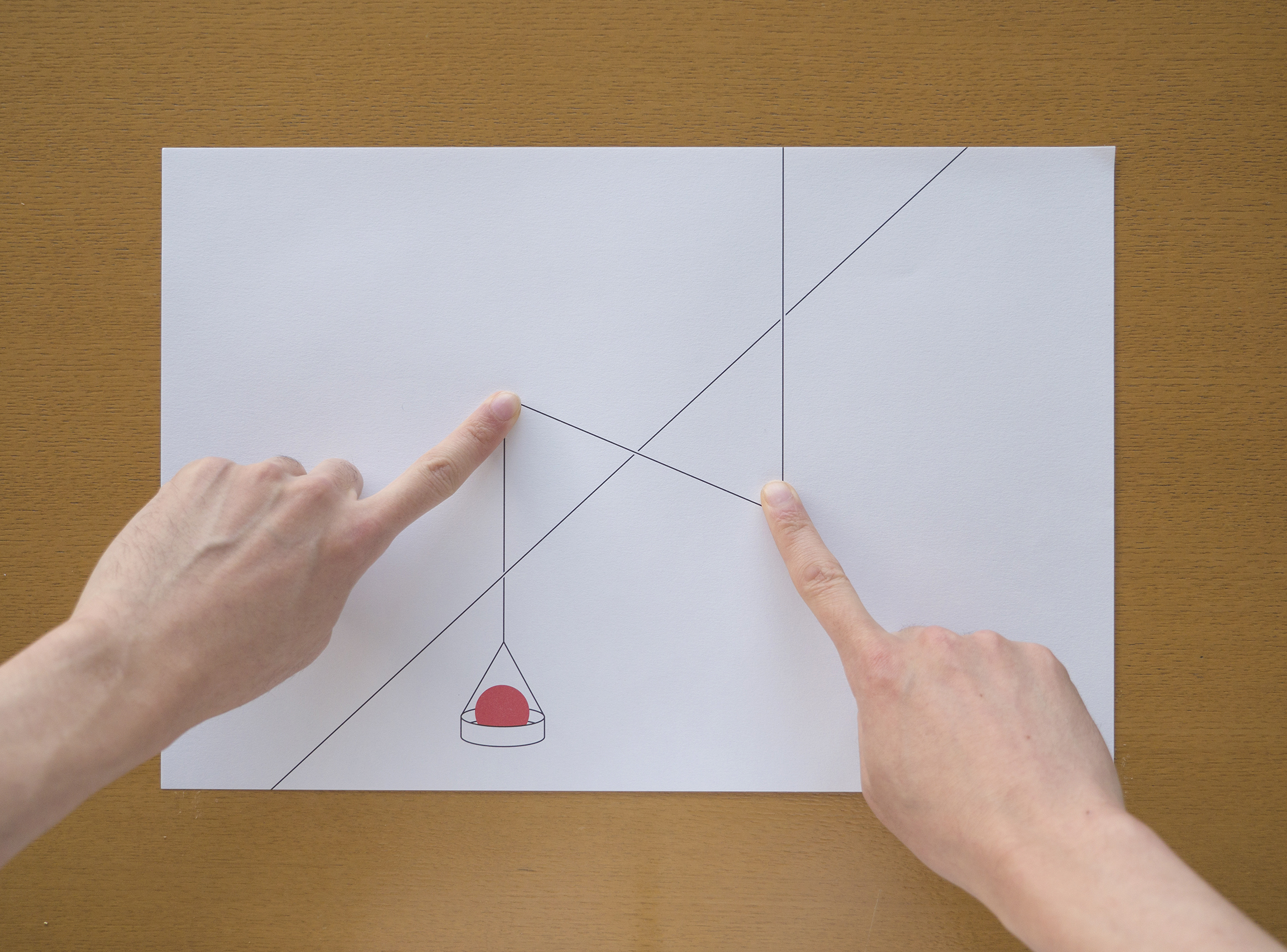
To prove this, the designers created a series of printed illustrations containing empty spaces for the viewer’s fingers. After placing one’s index or thumbs in them, the graphic suddenly feels like it includes the viewer as a part of the scene, and the image takes a whole new meaning. The feeling that the printed image changes and interacts with the viewer is at the core of the Putting Finger exhibition experience.

ggg


euphr

This subtle trick is hard to reproduce with pictures on a screen, so if you are in the area, you should head to the exhibition at DDD in Osaka and touch the graphics yourself.

ggg flyer2

IMG_3238 (1)

140206yubi22

yubi0000338_2

puttingfinger-ggg-postcard01

Graphics: Masahiko Sato, Tatsuya Saito and Masaya Ishikawa
Pictures: DNP Foundation, Euphrates News

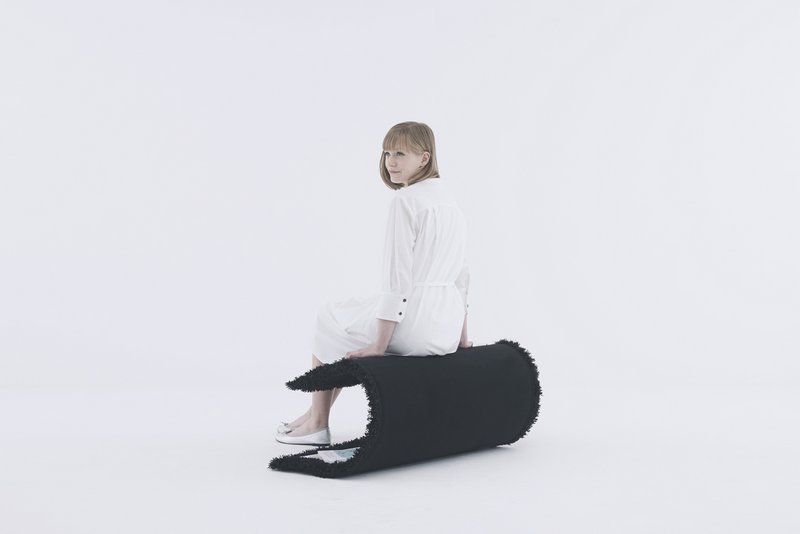
A rug that doubles as a chair

yoy_rug_01

photos by yasuko furukawa

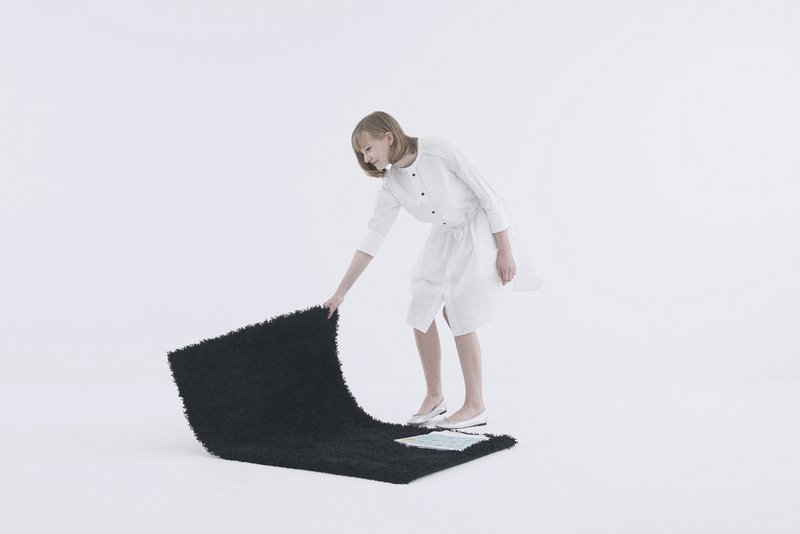
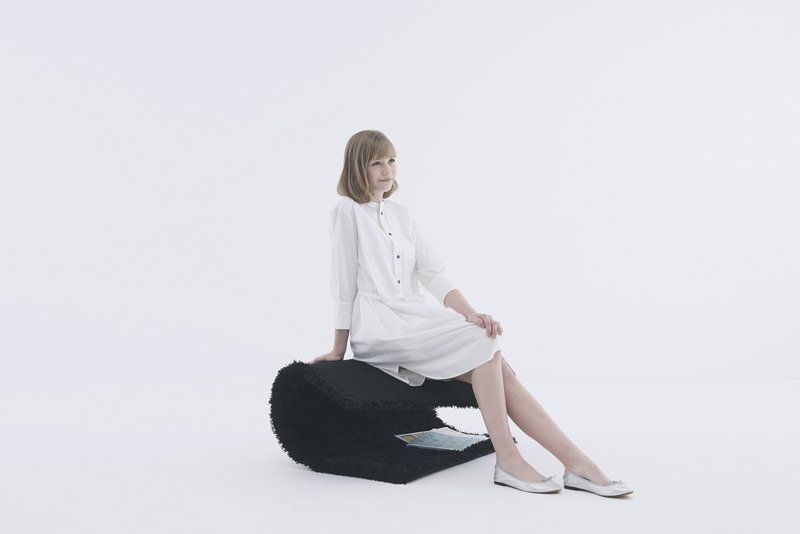
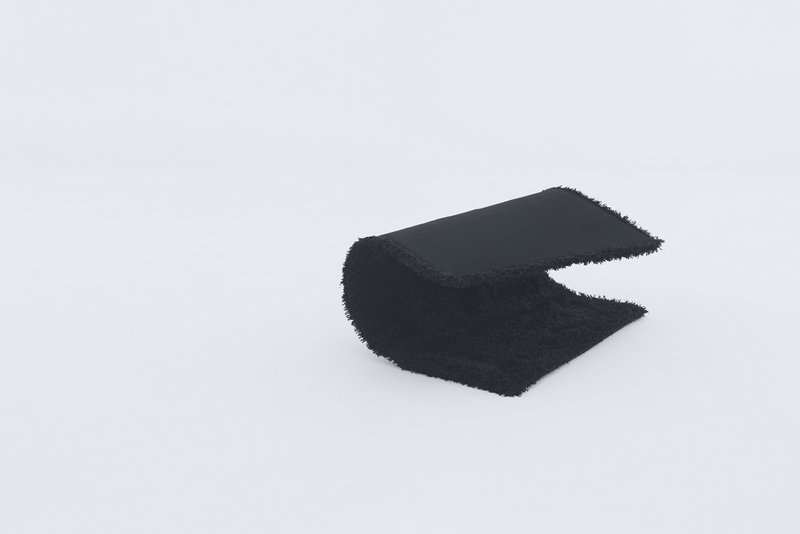
There are probably 99 things that double as chairs, but rugs aren’t one of them, until today. Japanese design unit YOY (pronounced yo-ee) have developed a rug with an aluminum center. When folded, it holds its shape, effectively transforming into a chair. An odd design? Not really. Especially coming from the duo who have displayed a knack for incorporating playful illusions into their work, such as the canvas that doubles as a chair.

The rug/chair would actually be perfect for small spaces that don’t always need a lot of furniture. Naoki Ono and Yuuki Yamamoto, the designer duo that comprises YOY, unveiled their new shape-shifting furniture at Milano Salone, going on right now.

yoy_rug_04

yoy_rug_06

yoy_rug_08

yoy_rug_10

This post is part of our review of  Japanese design at the 2014 Milano Salone del Mobile. All posts are cataloged right here.

Tokujin Yoshioka’s Gravity-Defying Agravic Table

tokujin-agravic-table (2)

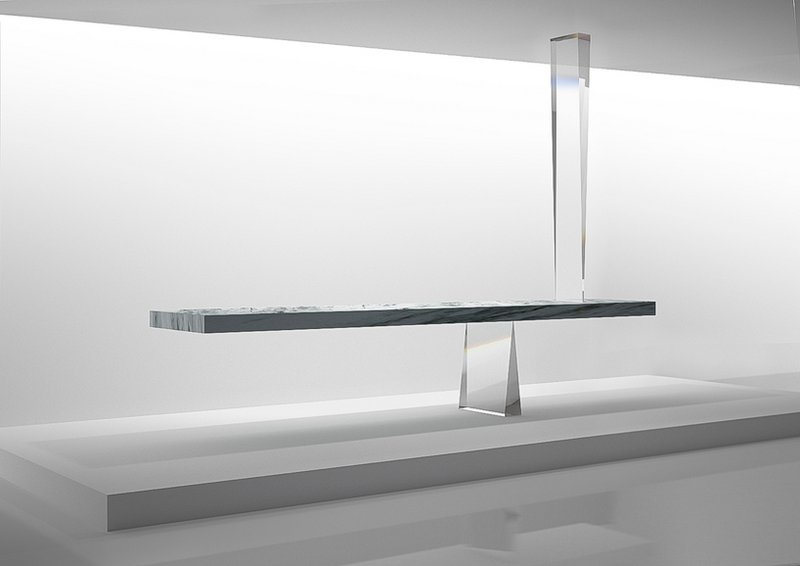
It’s “the table of the universe,” states Tokujin Yoshioka, boldly. Indeed, it’s a brash claim that’s somehow excusable when made by one of Japan’s most sought-after designers. “Maybe I just find hidden beauty in things which others have not noticed before me,” says the industrial designer, who has a knack for turning unexpected materials into something minimally exquisite.
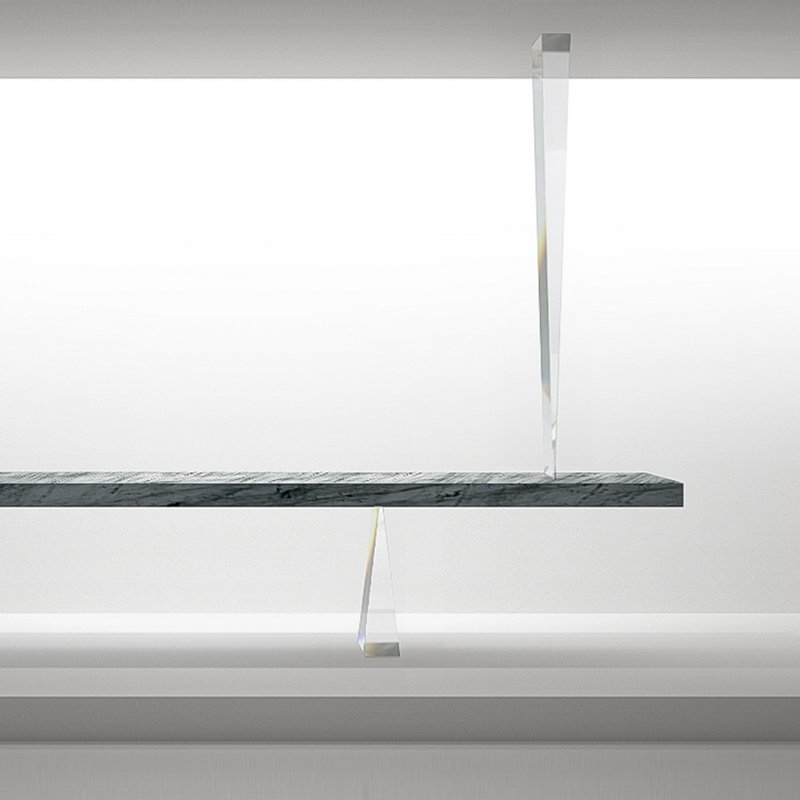
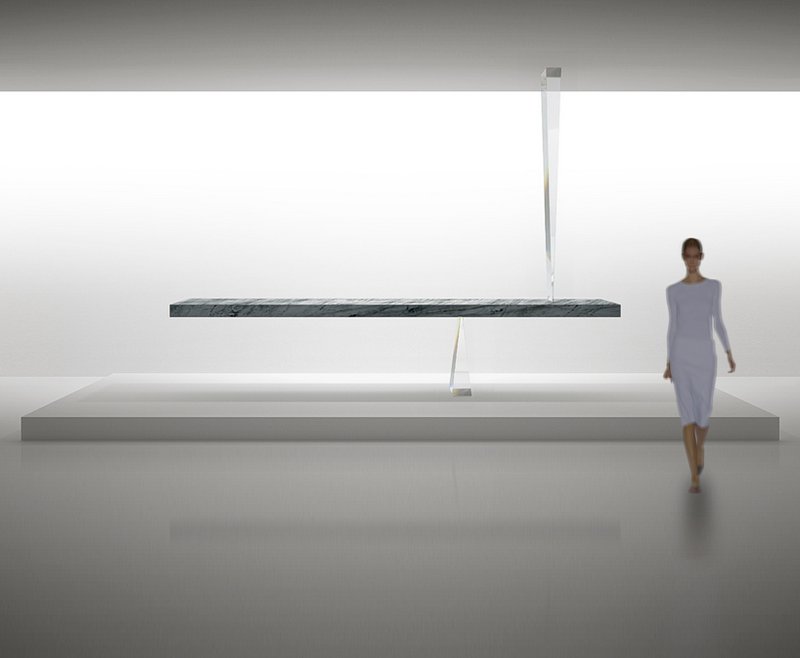
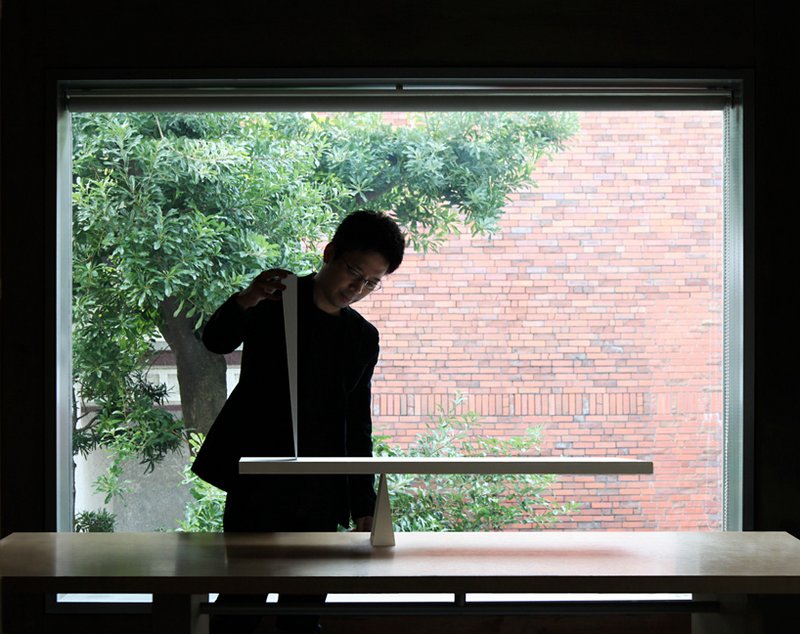
This year at Milano Salone, Yoshioka has unveiled “Agravic,” which refers to the theoretical condition of zero gravity. The Agravic table doesn’t exactly defy gravity but rather toys with gravity, poking fun at it in a cautionary, precarious way. A massive marble table (that probably weighs several tons) seemingly floats in midair. It’s made stable only by two triangular prisms that are pinpointing, with exact accuracy, the balancing points that keep the table “floating in the universe.”
tokujin-agravic-table (3)

tokujin-agravic-table (1)

tokujin-agravic-table (4)

Other than the prototype above, these are, of course, renderings. Below are some actual photos from people who visited the exhibition, which runs from April 8 – 11.

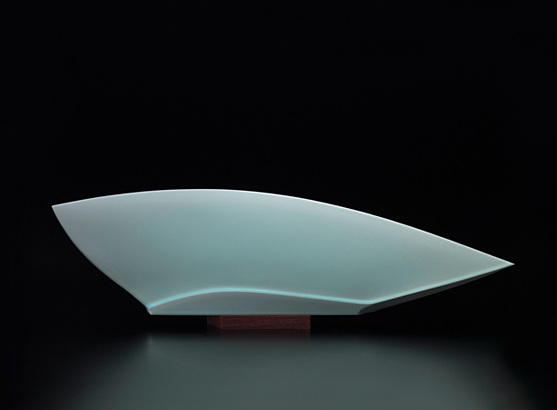
The Sleek and Soaring Ceramics of Sueharu Fukami

fukami-sueharu (6)

Yesterday we offered Kyoto as a destination for art, but the arts and culture of Japan’s ancient capital are alive and well in New York as well. In an unprecedented collaboration with the Brooklyn Museum, “Points of Departure” is currently on view at the Japan Society Gallery. The exhibition showcases 2000 years of dazzling, unique, art-making in an attempt to depart from “the myth of a homogeneous Japan.”

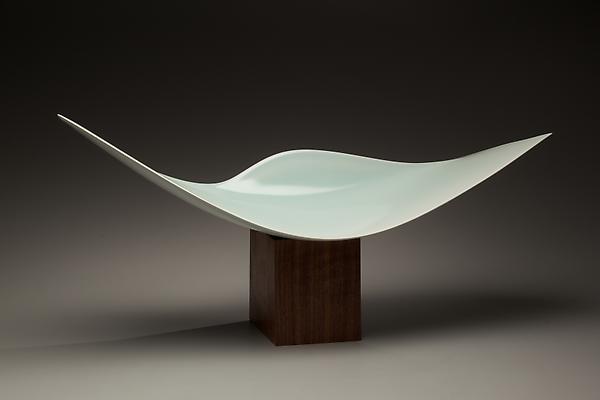
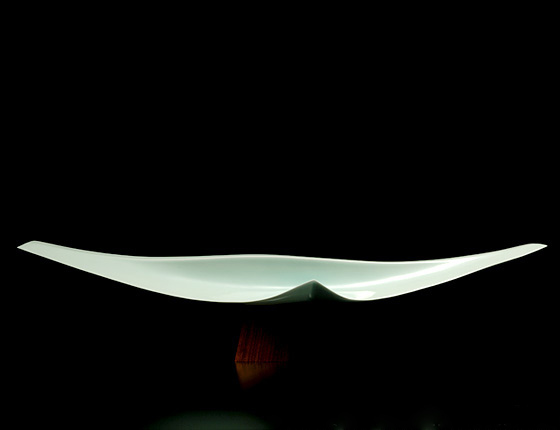
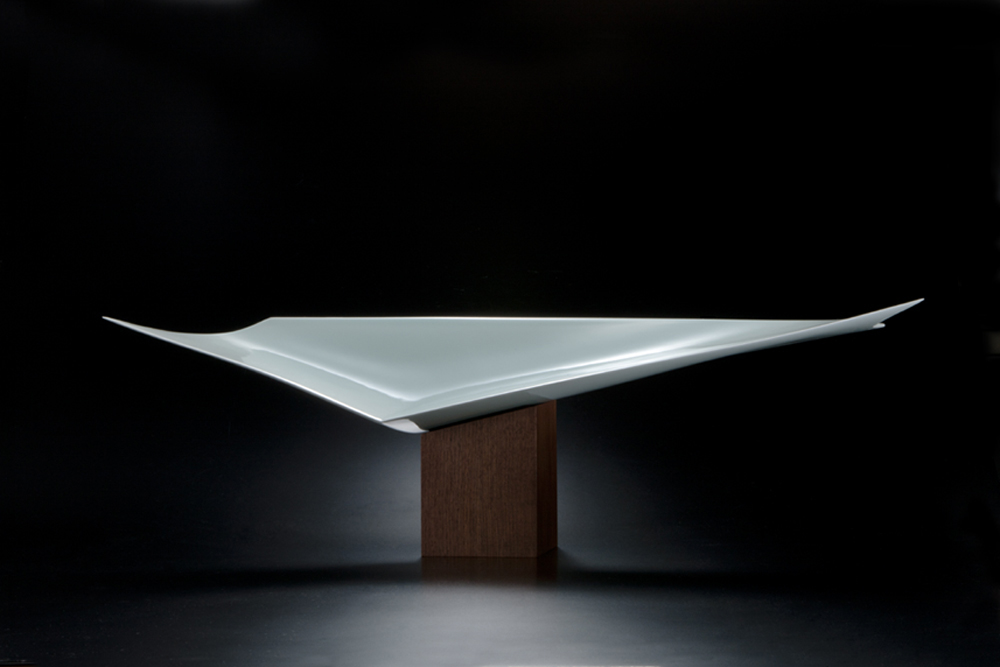
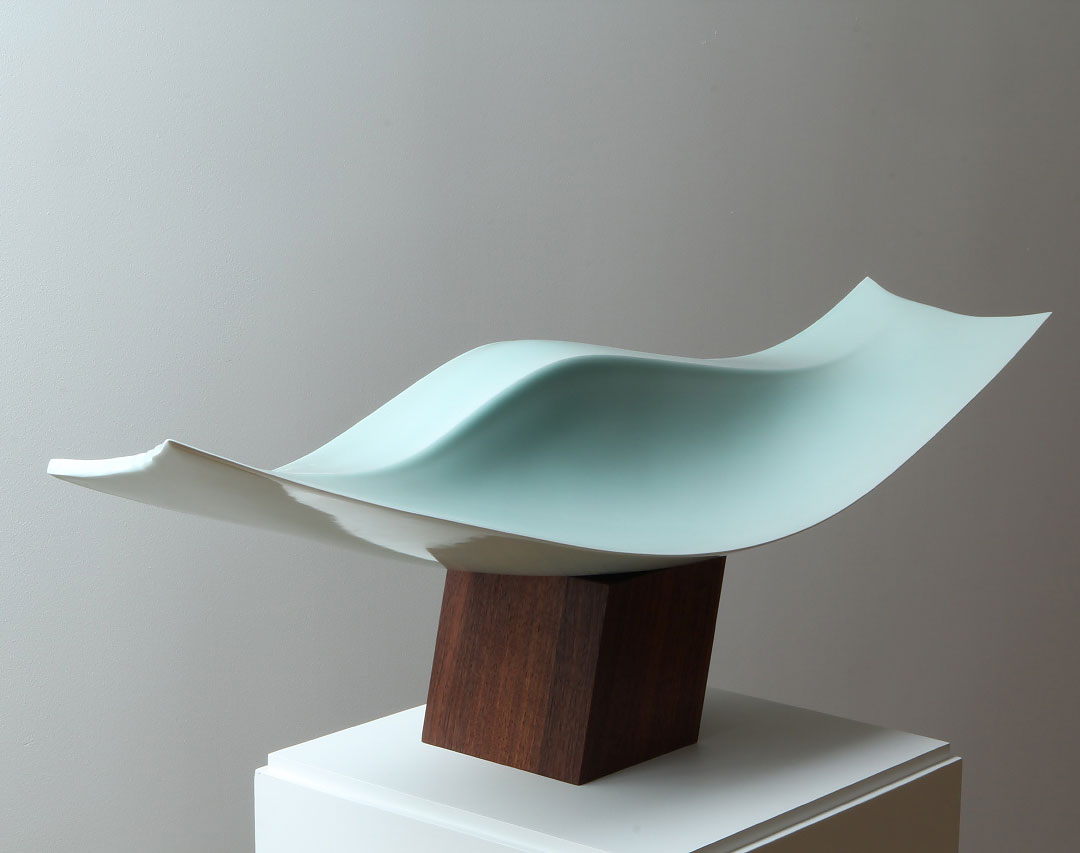
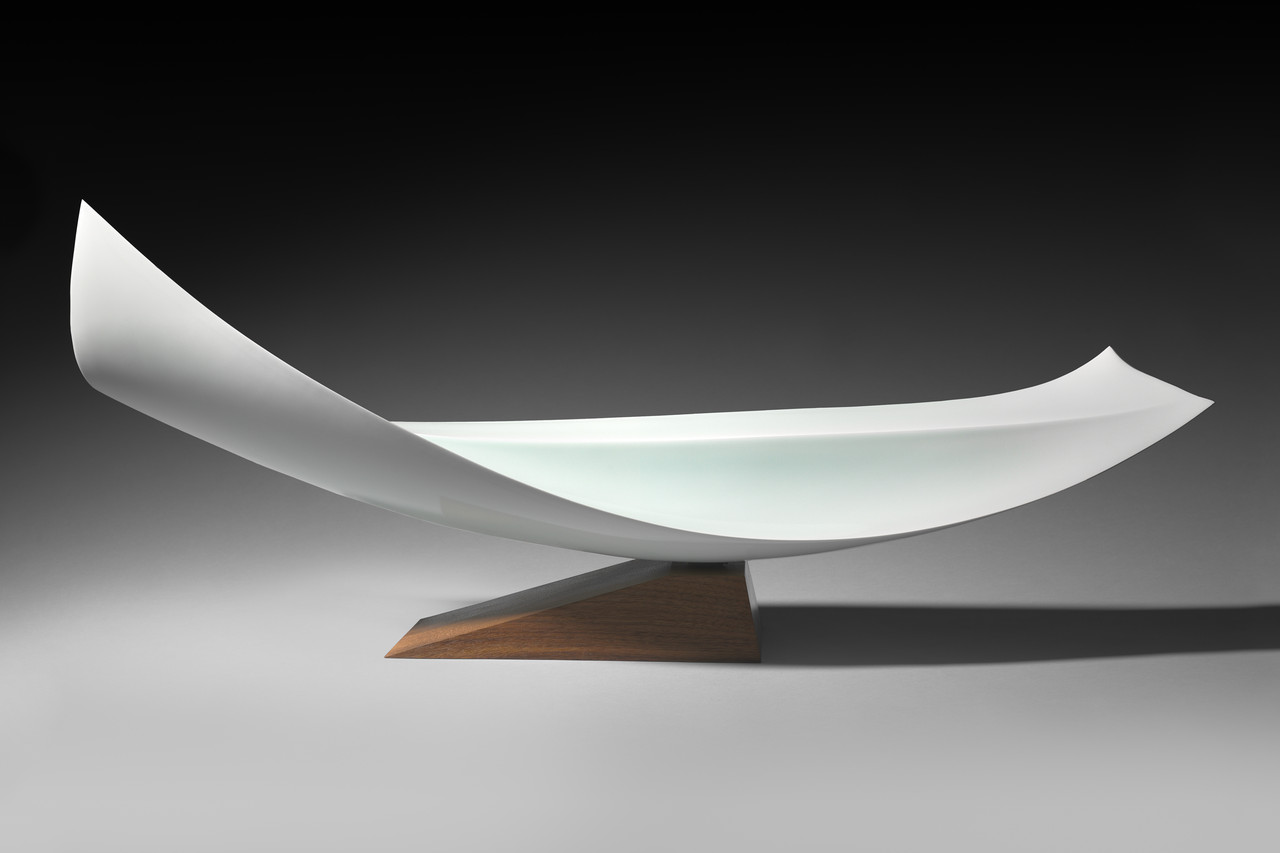
An exemplary artist, in my opinion, is the ceramicist Fukami Sueharu. Conceptual and abstract, Sueharu’s porcelain forms are often considered a reaction to Japan’s history of traditional, utilitarian ceramics. The large, soaring forms and curved edges – they’re at times wave-like – are made by injecting liquid clay into molds and then carefully refining the edges. The bluish hues come from a traditional glaze that harkens back to Chinese, Korean and Japanese traditional wares. Fukami recalls an experience by the ocean when he was in his early 20s that was a defining moment in his career:

It was the memory of an encounter I had with a sharp breeze while on the cliff during winter… All the senses in my body felt the pleasure of the strange wind as it stabbed my cheek. This tactile experience is at the heart of my creations.

fukami-sueharu (7)

fukami-sueharu (1)fukami-sueharu (3)

fukami-sueharu (2)

fukami-sueharu (4)

fukami-sueharu (5)

« Older posts Newer posts »

© 2026 Spoon & Tamago

Up ↑

Design by Bento Graphics