Page 203 of 406

OLED Tampopo light by Takao Inoue

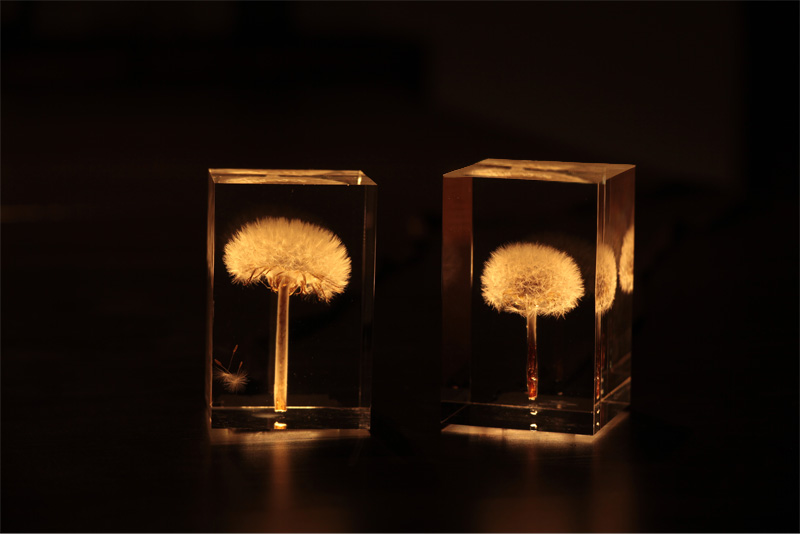
OLED TAMPOPO (1)

If there’s any common weed that could be characterized as Japanese, I would argue it’s the Taraxacum, better known as Dandelion. The flowering plant, in its yellow blossoms that signify the arrival of spring, and its fluffy seed heads that represent natural beauty and transience, are adored across the country by adults and children alike. It was enough to make legendary film director Juzo Itami name his protagonist and his 1985 film, Tampopo (Dandelion, in Japanese). And it’s not a stretch to to see Itami’s camera floating from scene to scene like a dandelion seed.

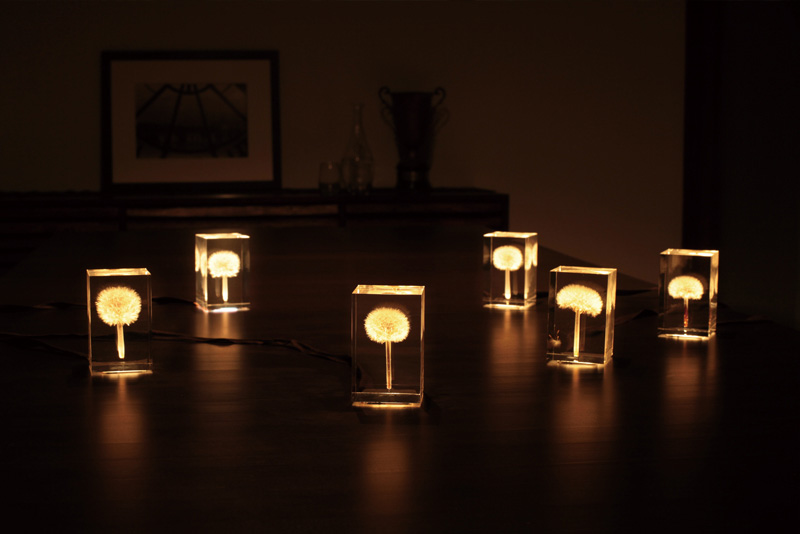
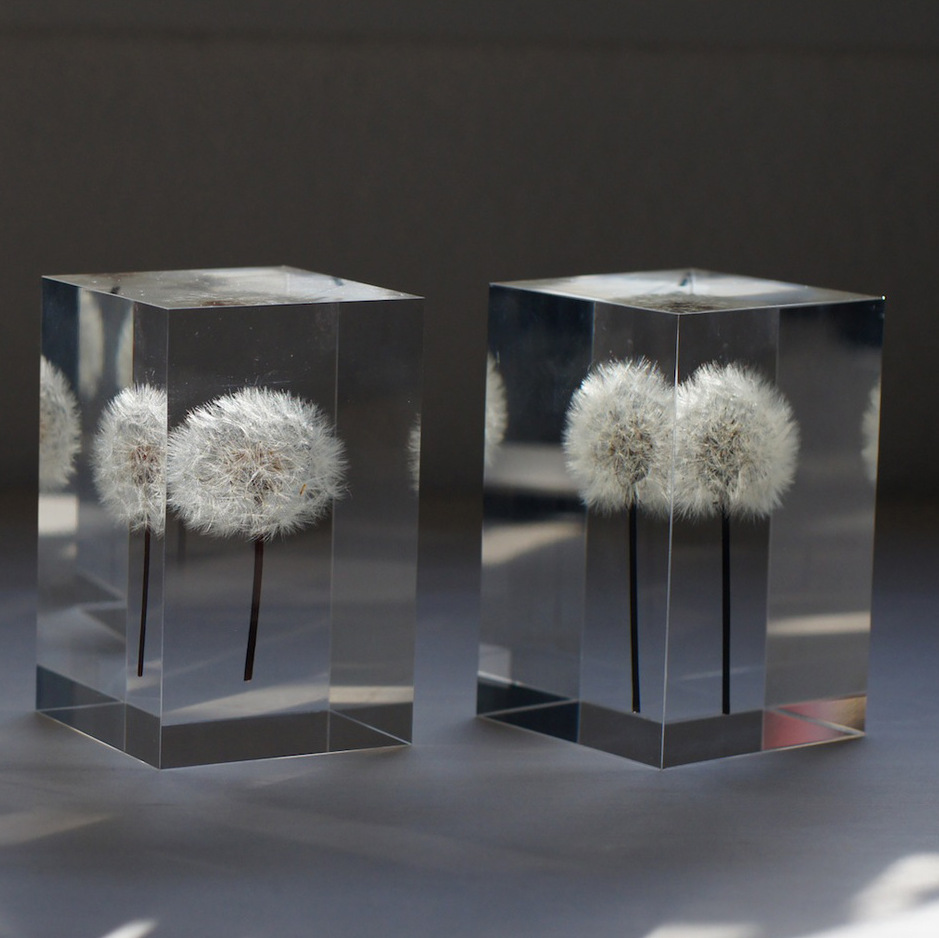
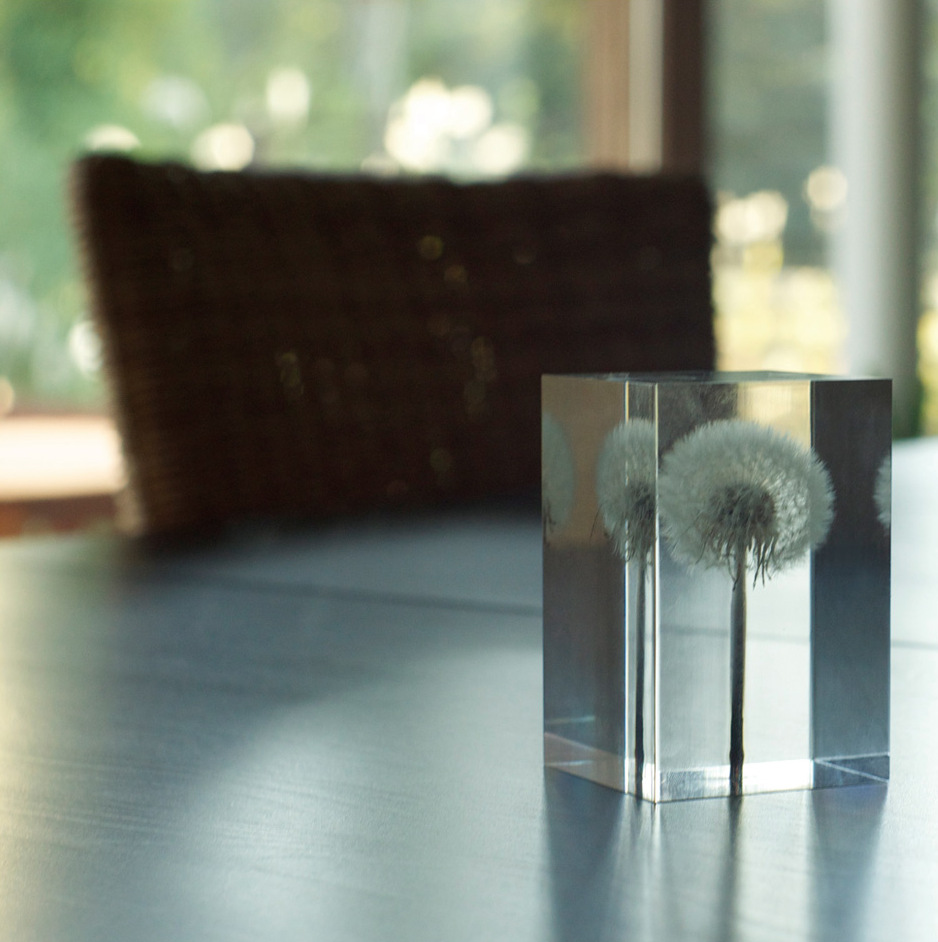
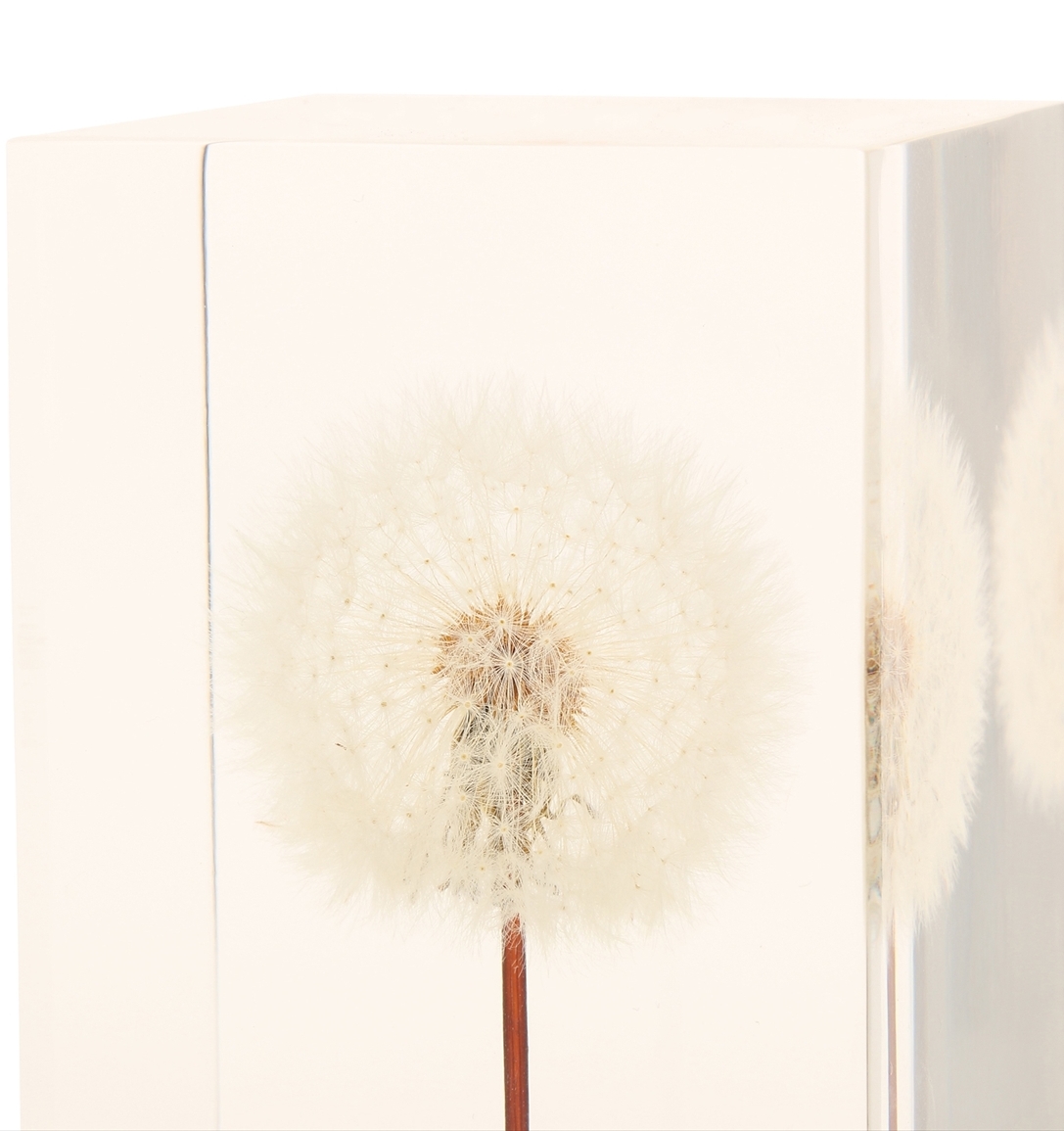
OLED TAMPOPO (6)So it comes as no surprise that the cinematographer Takao Inoue has designed a household lamp around the dandelion. OLED TAMPOPO consists of an actual dandelion – harvested, carefully, during Spring – that is sealed into a clear acrylic block. A miniature OLED light is embedded into the stem. “Fragility is expressed by an illuminated wavering TAMPOPO,” says Inoue. “It reminds us of our old memories of picking up dandelion’s puff. The mysterious light gives us a moment to release ourselves.”

The lights were part of a stunning installation that was on display at Milano Salone 2014. It’s going to be sold through Tokyo Somewhere, sometime.

OLED TAMPOPO (2)

OLED TAMPOPO (3)

OLED TAMPOPO (4)

OLED TAMPOPO (5)

This post is part of our review of  Japanese design at the 2014 Milano Salone del Mobile. All posts are cataloged right here.

Shibari | furniture inspired by Japan’s bondage fetish

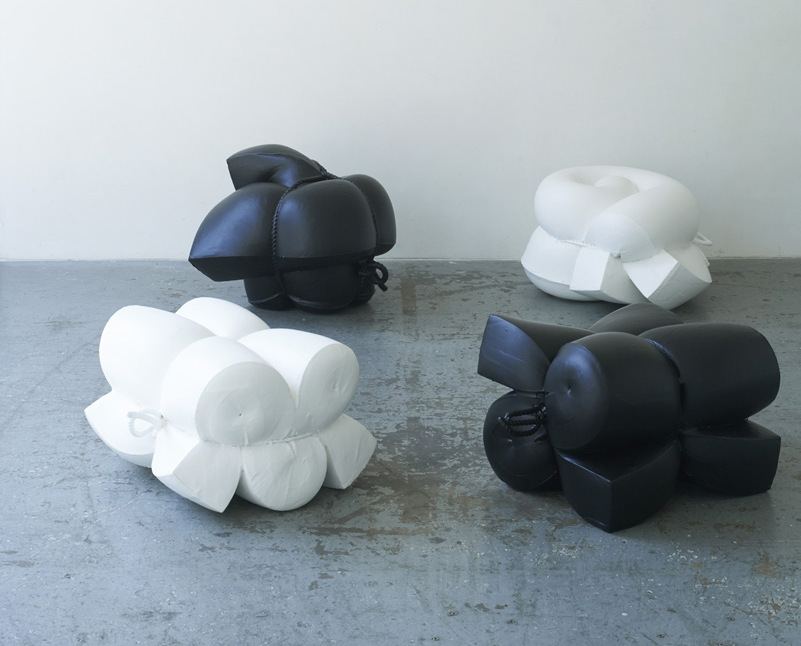
shibari-jo-nagasaka

photos by Hirotaka Hashimoto

“I view rope as a medium of communication,” wrote an anonymous artist who specialized in Japanese bondage. “Its lexicon encompasses a broad spectrum of emotions and intents: from play to discipline, from tenderness to torture, from abstract visual expression to raw sexuality.” Indeed, the Japanese art of shibari, also known as kinbaku, is an ancient artistic form that dates back to the 1400s, but has made its way into everyday life from the way kimono are tied around the body, to the intricate custom of gift-giving. It is, of course, most commonly associated with Japanese bondage fetish in which bodies are tied up in visually intricate patterns using hemp rope.

shibari-jo-nagasaka (7)

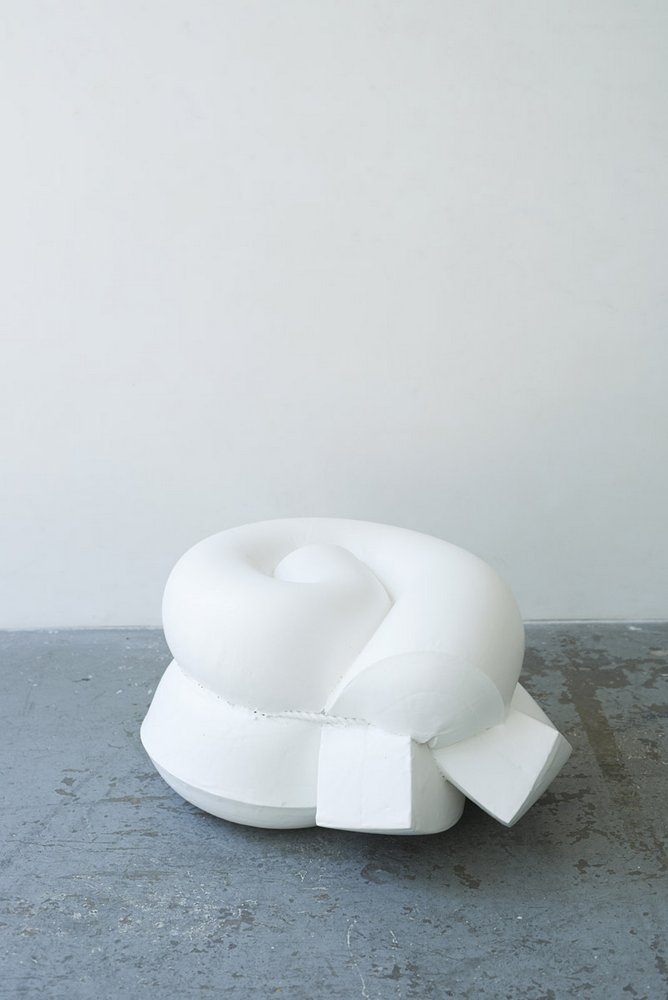
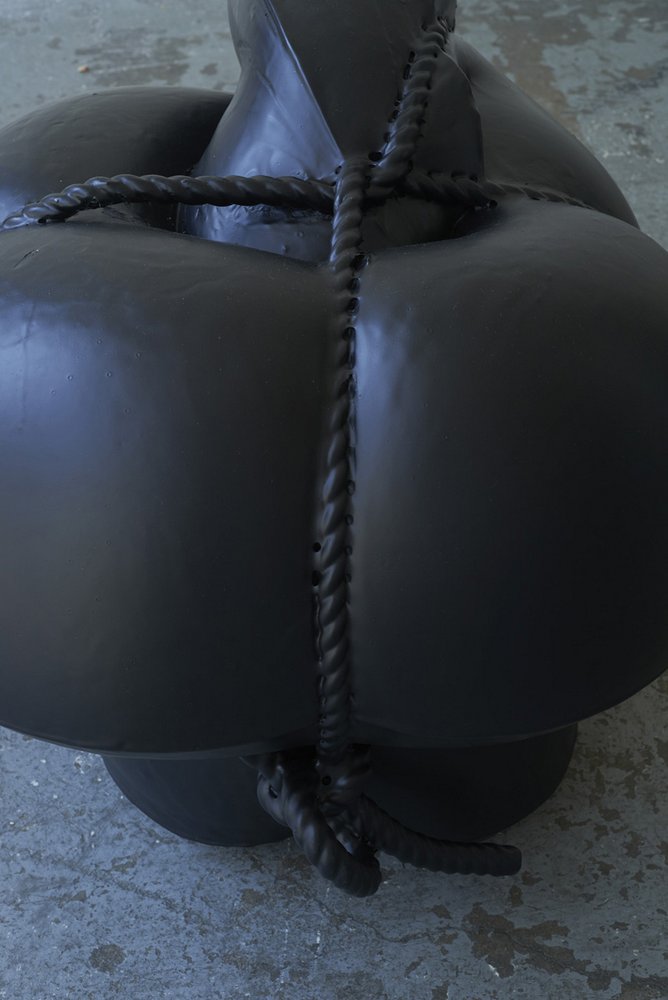
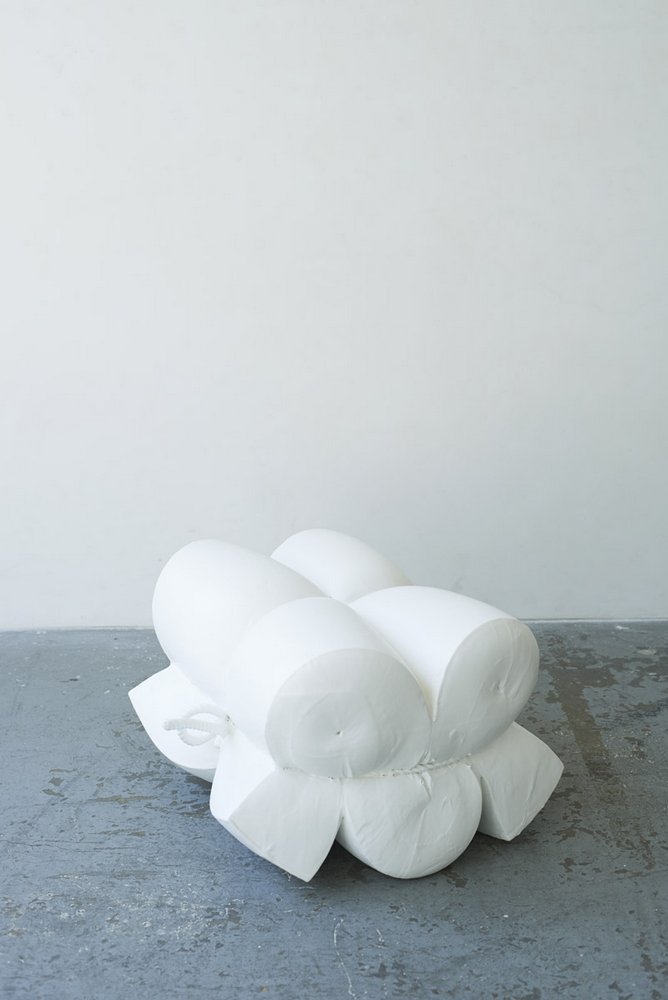
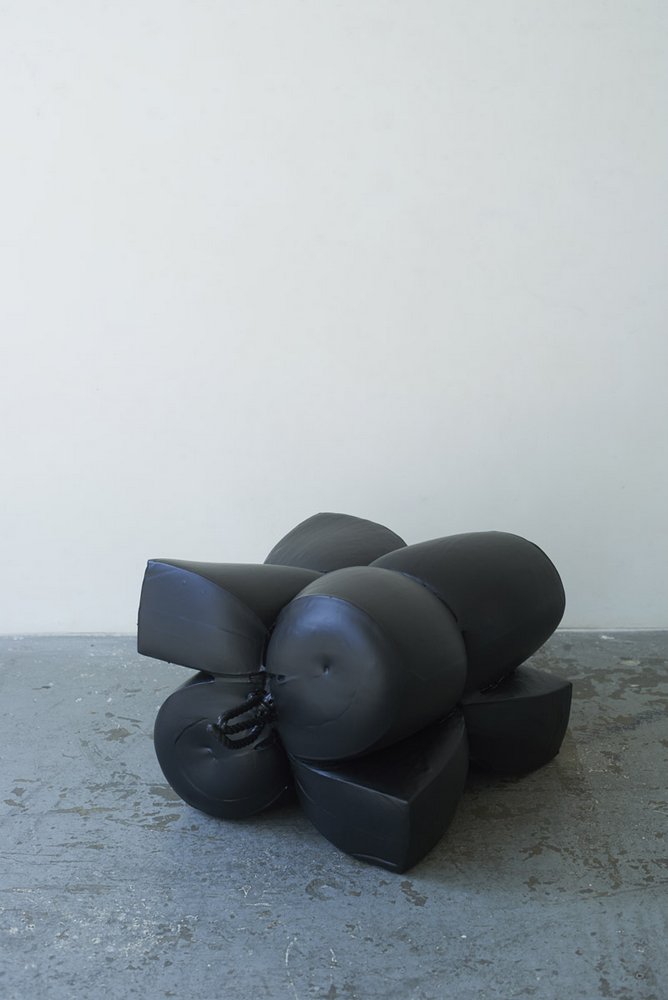
The technique originated as a way of subduing prisoners but, at some point in history, the rope split and one end took an artist, albeit rather erotic, turn. Artists like Nobuyoshi Araki, Jim Duvall and Hikari Kesho lead shibari’s NSFW exploits in photography. But now Jo Nagasaka (previously) has made the jump into perhaps what is shibari’s first foray in the world of furniture. At Milano Salone this year the designer who leads up Schemata Architects has unveiled SHIBARI, a series of black and white foam seats that take their bulging shapes from being tied up by rope. Visually, the tight ropes provide a counterpoint to the smooth curves of the rubber. The pieces of furniture are finally dipped in a rubber coating, alluding to the full-body latex suits commonly associated with the fetish.

The risqué pieces were created for Ichiro Inc., a maker of decorative plywood. It’s rather surprising given that the company is more known for their colorful dollhouse-like desks.

shibari-jo-nagasaka (2)

shibari-jo-nagasaka (3)

shibari-jo-nagasaka (5)

shibari-jo-nagasaka (6)

This post is part of our review of  Japanese design at the 2014 Milano Salone del Mobile. All posts are cataloged right here.

IDOLS | a series of glitchy portraits by Kenji Urata

37886201_m

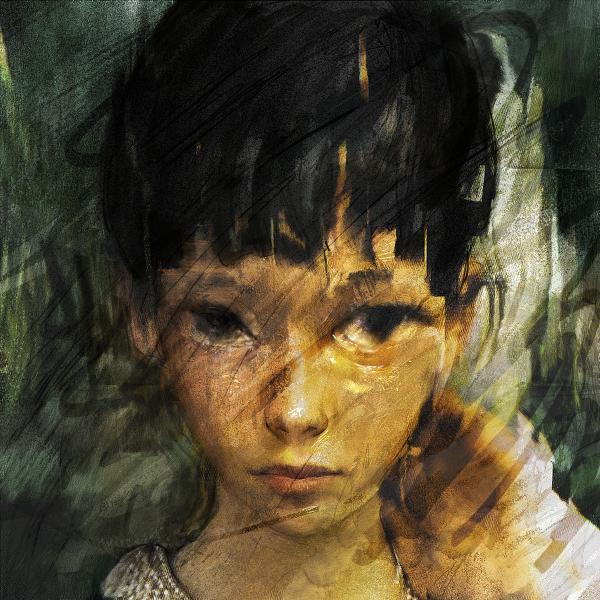
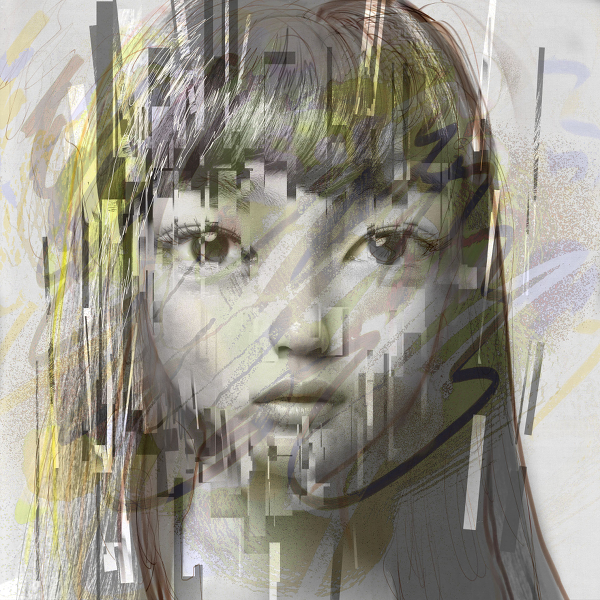
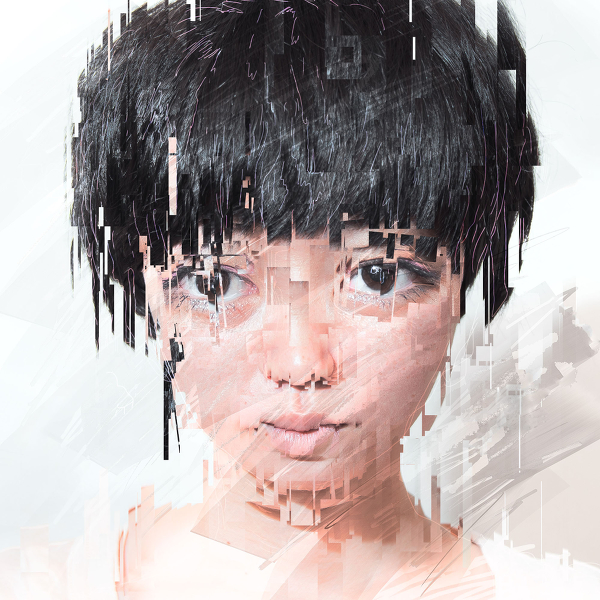
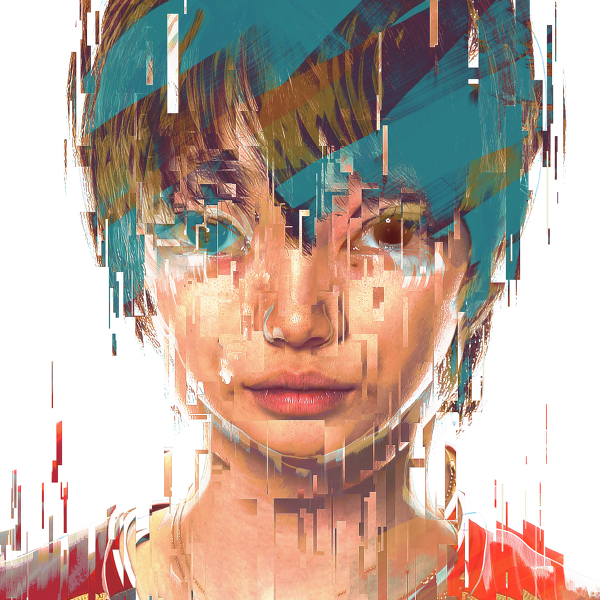
Okinawa-based artist Kenji Urata has created a series of eerie illustrated portraits that appear distorted by glitches. Taking a highly photo-realistic approach, Urata used software like Photoshop and Painter to create his ideal “idols,” which are composite images based on photos of friends, as well as pictures from magazines. Eyes were enlarged and proportions were adjusted – deliberately, of course – to create a blurring boundary between fake and real. The result is a series of unidentified girls who exist only behind the screen.

“The impetus for the project actually came from the unnatural functions of purikura, in which girls enlarge their eyes for photographs,” Urata told us. “Also, the Chinese girl KOKO who’s all over the internet right now.”

Urata’s previous work involved a similar distortion of identities, but by photographing real people. IDOLS represents a continuation of that theme but with a foray into the digital world.

37886130_m

37882417_m

37886259_m

Creative Chocolate Ideas from Japan

Forget Easter bunny chocolates. When it comes to reinventing the world’s favorite sweet, Japan does it best. From planetary chocolates to a chocolate-filled paint set, here are our favorite creative innovations using chocolate.

Onomatopoeic Chocolates

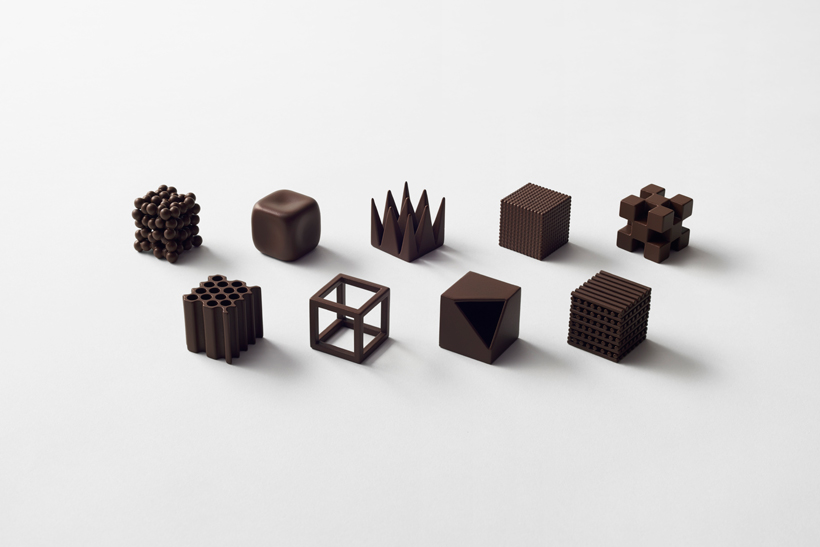
Nendo created “Chocolatexture” a series of 9 chocolates, all the same size, but each representing a Japanese onomatopoeic word that describes texture.

chocolatexture by nendo chocolates that represent texture chocolatexture by nendo chocolates that represent texture


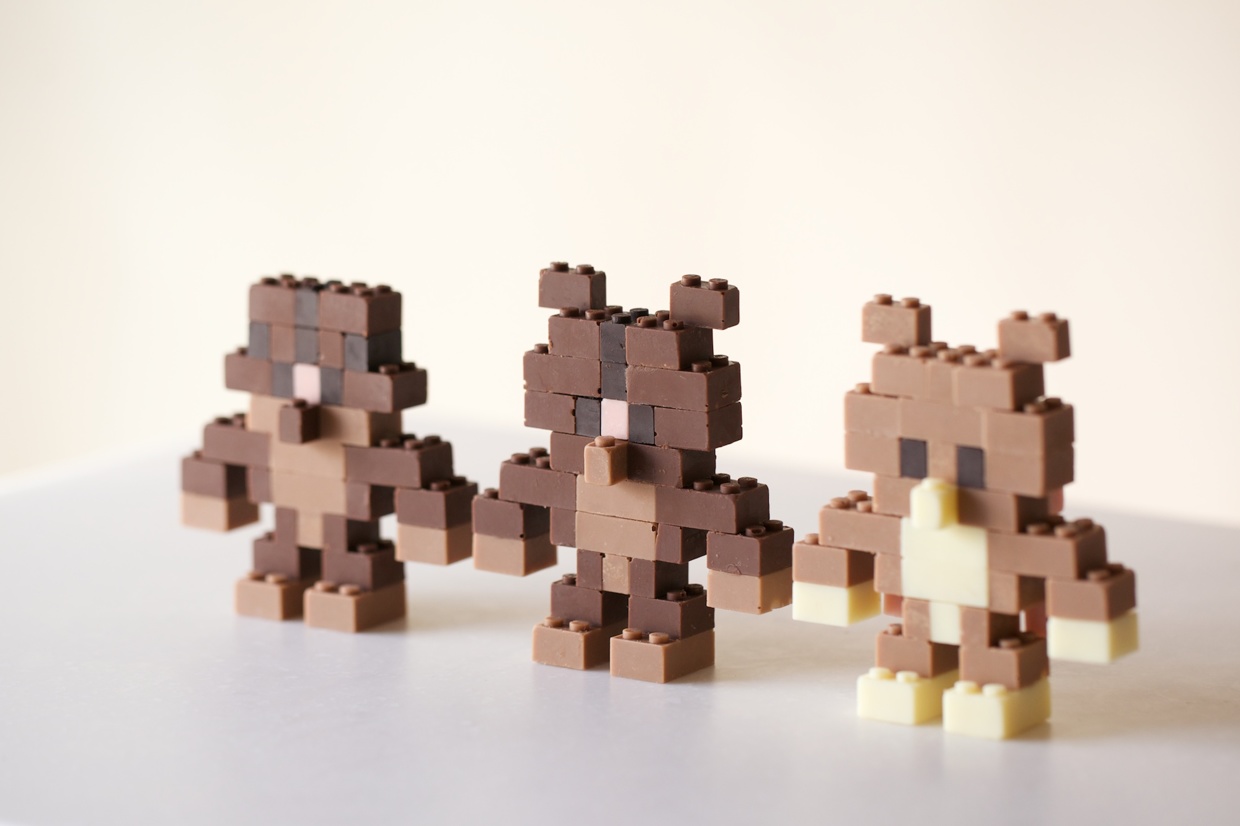
Chocolate LEGO Bears

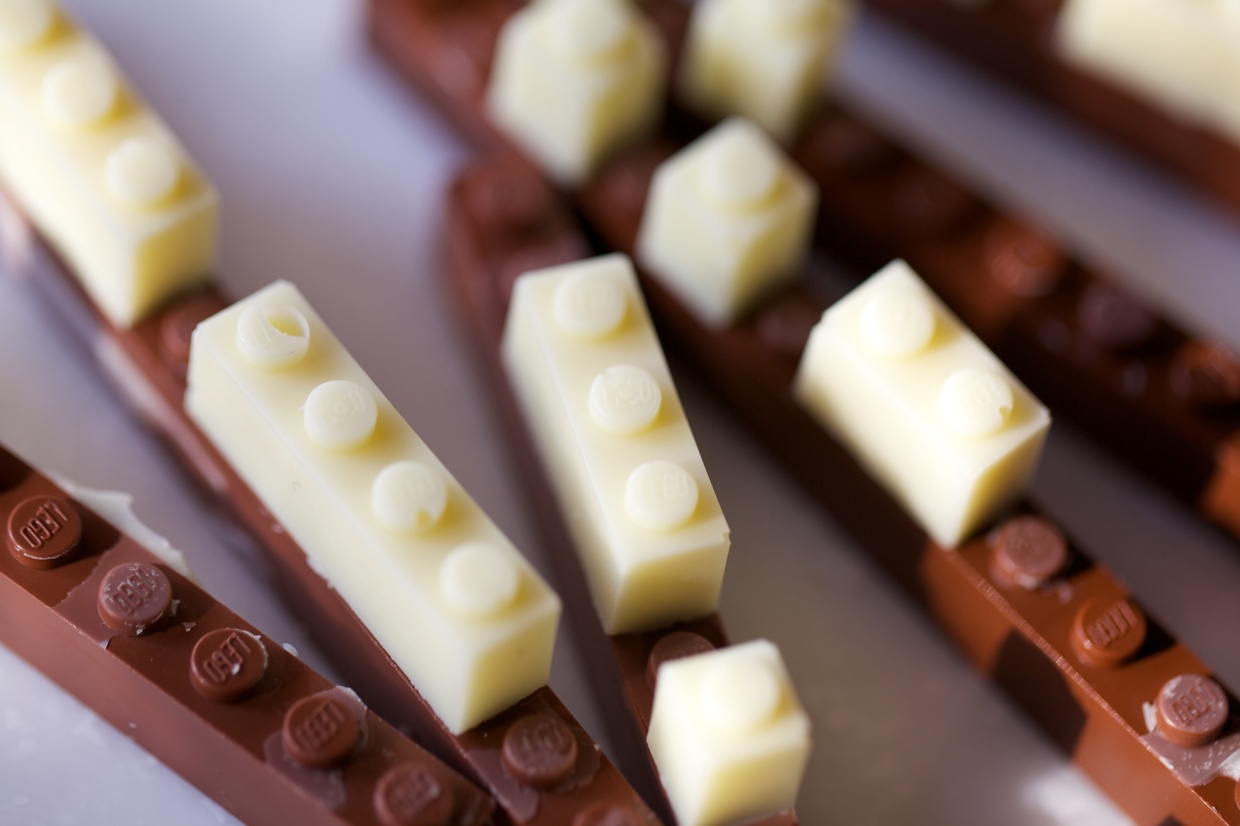
Japanese illustrator and designer Akihiro Mizuuchi decided to do something special for loved ones. He created his own chocolate LEGO bricks and then built chocolate LEGO teddy bears with them. Now that’s love!

Akihiro-Mizuuchi-chocolate-LEGO-bear (5) Akihiro-Mizuuchi-chocolate-LEGO-bear (2)


Chocolate Replicas of Your Face

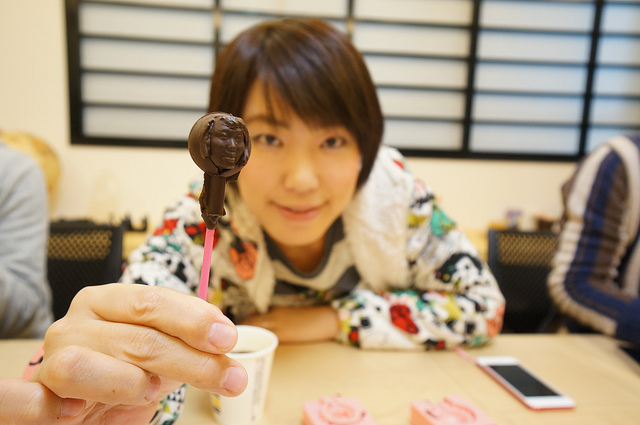
Last year Fab Café in Shibuya held a workshop where participants – using a 3D scanner and printer – created a chocolate replica of their own face.

fabcafe valentines day

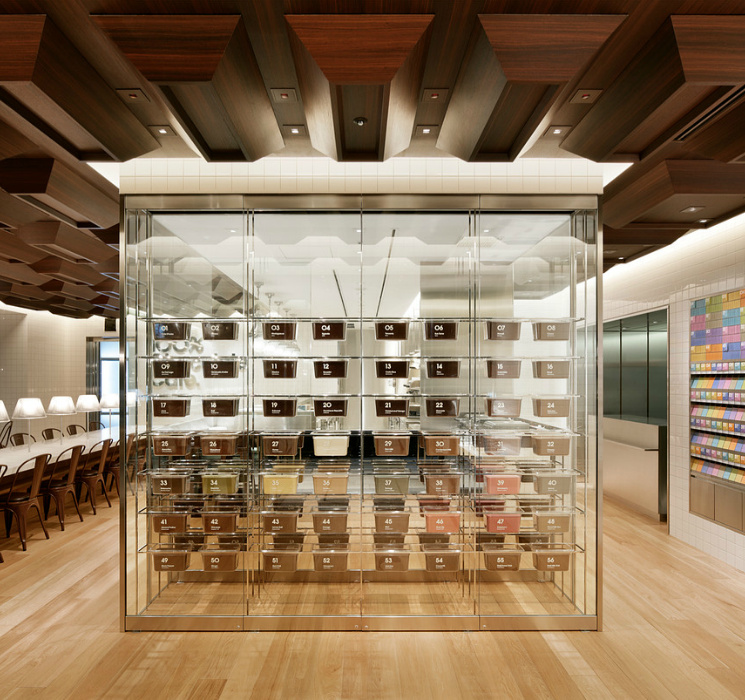
100% Chocolate Cafe

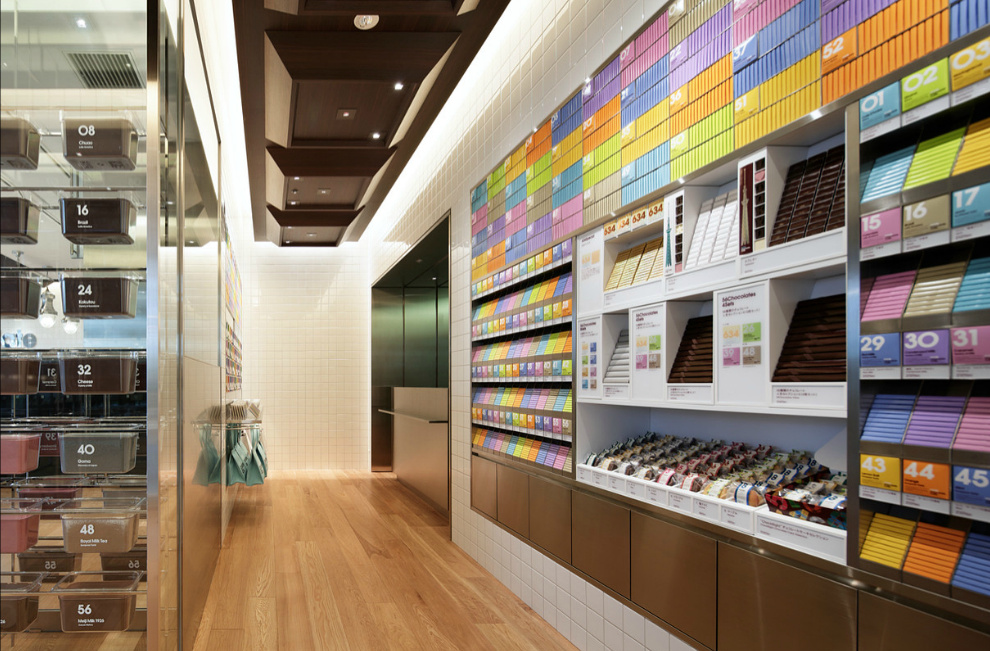
If you’re heading to Tokyo’s latest landmark, Tokyo Sky Tree, you’ll also have a chance to satisfy both your sweet tooth and your design tooth by making a pit-stop at 100% Chocolate Café. The cafe features an open kitchen that would make even Willy Wonka proud. Visitors can watch the process of sweets being made through a display of glazed boxes containing ingredients of 56 different types of chocolate.

100 chocolate cafe (8)

100 chocolate cafe (10)


Planetary Chocolates

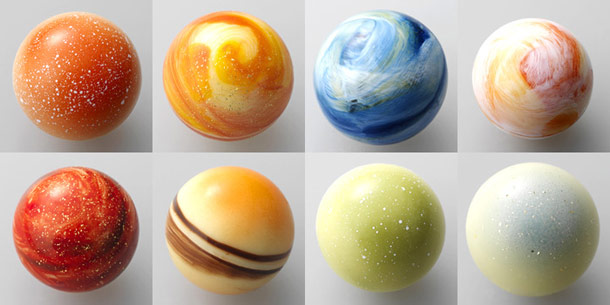
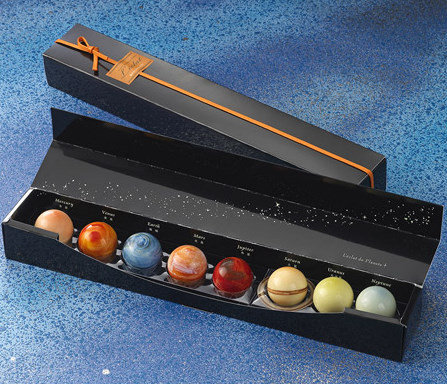
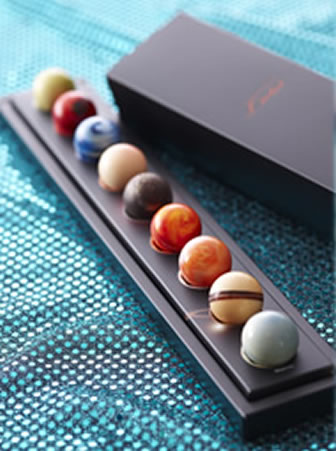
Combining astronomy and good eats sounds too good to be true. But the Righa Royal Hotel sells a chocolaty solar system that includes Mercury (coconut mango), Venus (cream lemon), Earth (cacao), Mars (orange praline), Jupiter (vanilla), Saturn (rum raisin), Uranus (milk tea) and Neptune (capuccino) – sorry, pluto is no longer considered a planet.

ringha-chocolate-planets-01

ringha-chocolate-planets-04ringha-chocolate-planets-05


Edible Art Supplies

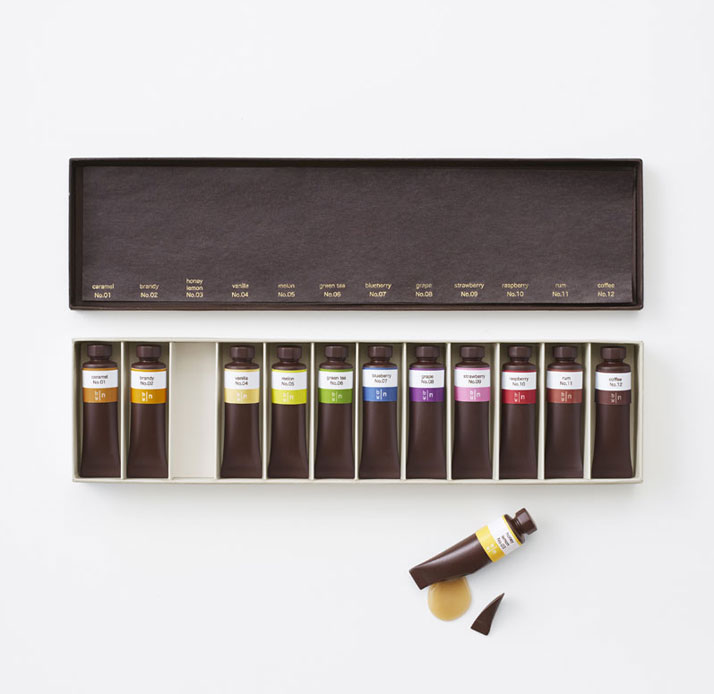
For the inner-artist in all of us, design studio Nendo created this entirely edible set of chocolate oil paints. The limited edition paint tubes, created in collaboration with lifestyle magazine PEN last year, are made from chocolate while the insides are replaced by various syrups.

edible-3

edible-1

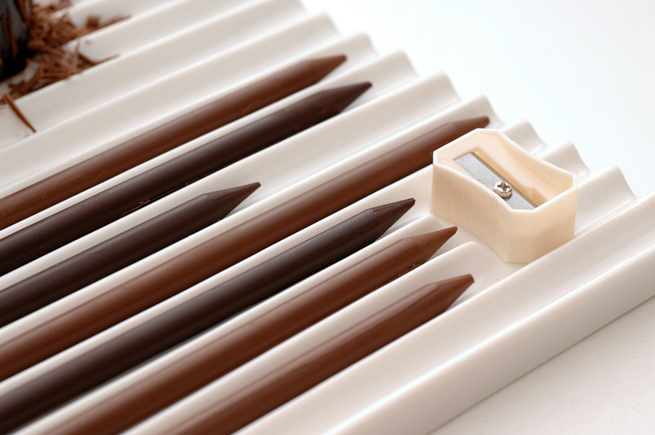
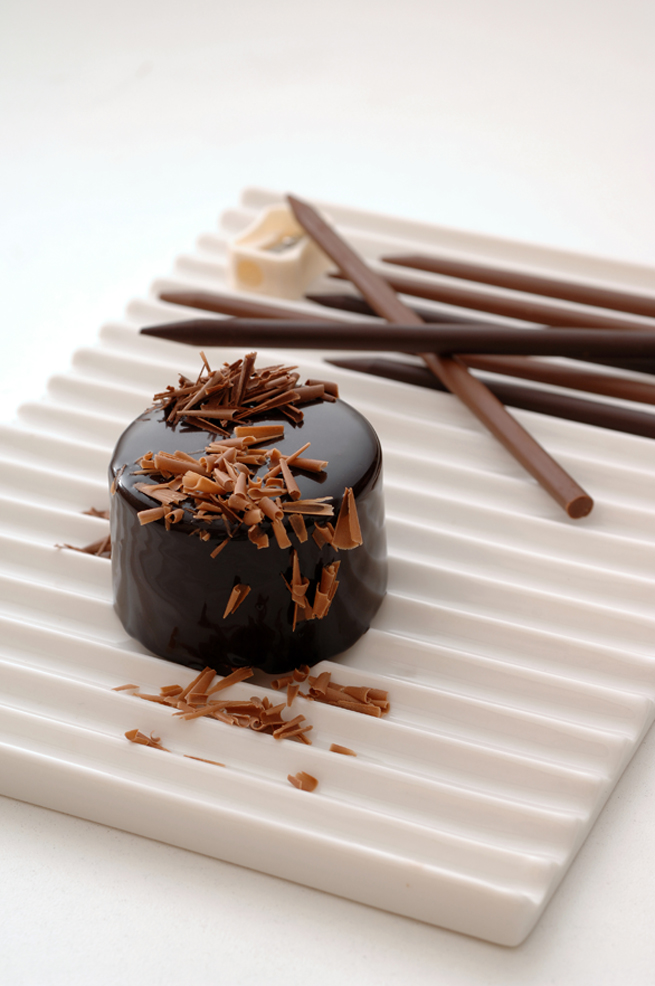
Rewind several years and you’ll find a somewhat-similar project in which the designer created a set of chocolate-shaped pencils. They were commissioned by top-chocolatier Tsujiguchi Hironobu. The pencils are served with a pencil sharpener to grate chocolate onto the desert.

chocolate-pencils02

chocolate-pencils06


The Temple of the Chocolate Pavillion

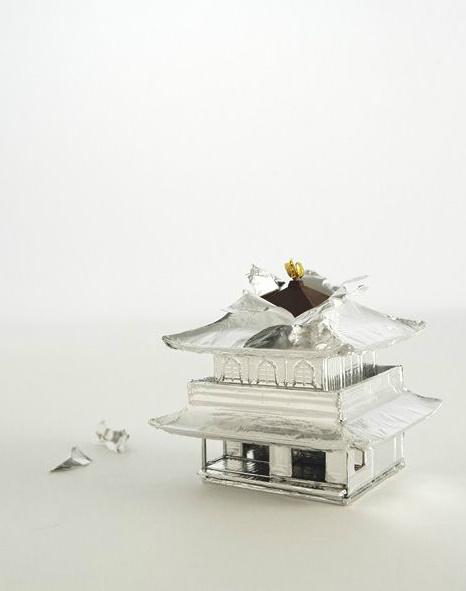
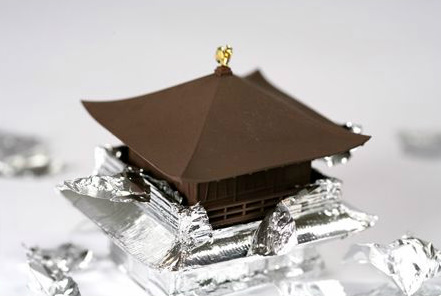
Japan’s Ginkaku-ji in Kyoto is probably the most famous temple in the country. In the hands of artist Yasuhiro Suzuki the “Temple of the Silver Pavilion” gets a silver wrapping and a sweet filling.

suzuki yasuhiro - ginkakuji chocolate 3

suzuki yasuhiro - ginkakuji chocolate 4


Eye-Catching Easter Bunny Chocolates

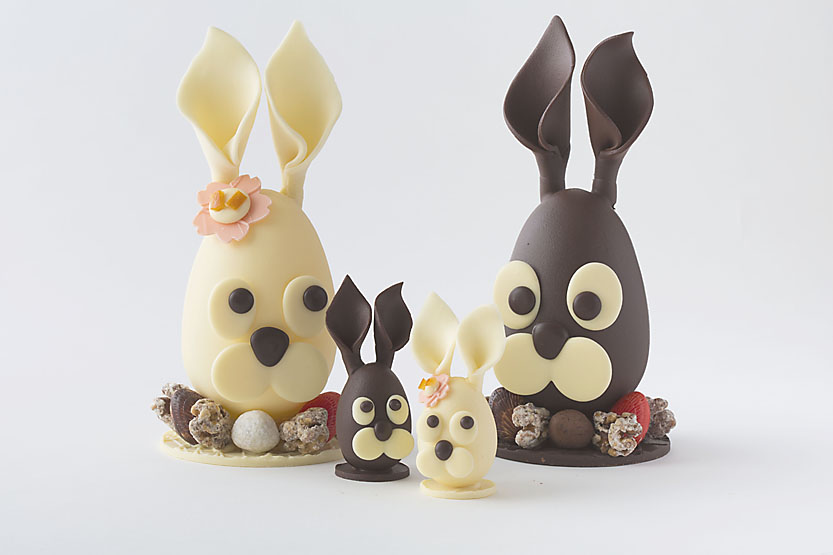
If you insist on going traditional, head over to the Peninsula Tokyo’s popular pastry shop, the Peninsula Boutique & Café. The pâtissier will dazzle you with cute chocolate creations made to resemble bunny faces.

z3-hotels-a-20140321

How a TV show inadvertently made a miraculous historic discovery

sakamoto-ryoma-letter-discovery (3)

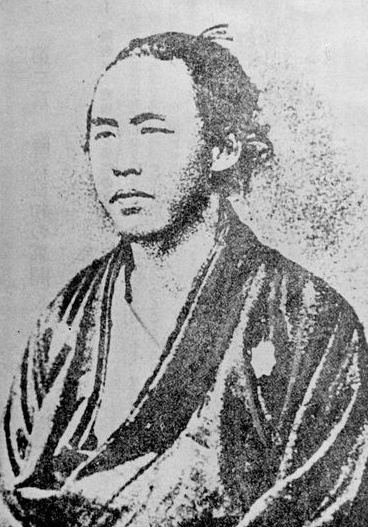
Sakamoto Ryōma ( 1836 – 1867) was a prominent figure in the movement to overthrow the Tokugawa shogunate during the Bakumatsu period in Japan

Totsugeki Atto Home (突撃!アッとホーム) airs every Saturday at 8:00pm. Each week the family-themed show revolves around several households across Japan and the small, intimate inner workings that make them function. One of the segments is called “Family Treasure Hunting,” a sort-of-reverse Antiques Roadshow in which hosts randomly go up to strangers and ask them what their household’s most prized possession is. The show’s producers were expecting to find small mementos of deceased family members, but they ended up finding much more than what they bargained for.
sakamoto-ryoma-letter-discovery (1)

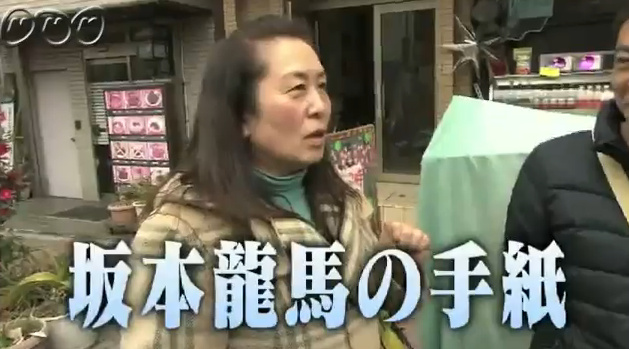
“A letter by Ryoma Sakamoto,” replied Hata when asked if she owned any treasures

A Lost Letter

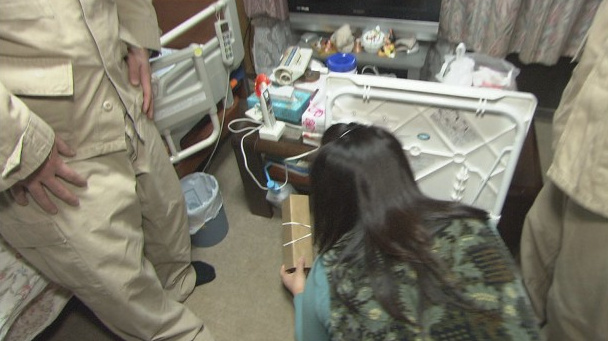
On last week’s episode the comedy duo Viking were interviewing residents in Yanaka, a neighborhood just north of central Tokyo, asking people to share their family’s treasure. “I have a letter from Sakamoto Ryoma,” offered Yuko Hata, a middle-aged Japanese woman. Laughter ensued from both the show’s hosts and Hata herself as no one truly believed that such a valuable historical artifact – from a major figure in Japan’s transformation from feudal military rule in the 1860’s – was lying around someone’s home in Tokyo. And lying around it was. Upon visiting Hata at her home, the comedic due found that the document in question was haphazardly stored away in a box underneath the family’s coffee table.
sakamoto-ryoma-letter-discovery (4)

Hata removing the box from underneath a cluttered coffee table. Inside the box is thought to be an authentic letter written by Ryoma Sakamoto.
sakamoto-ryoma-letter-discovery (2)

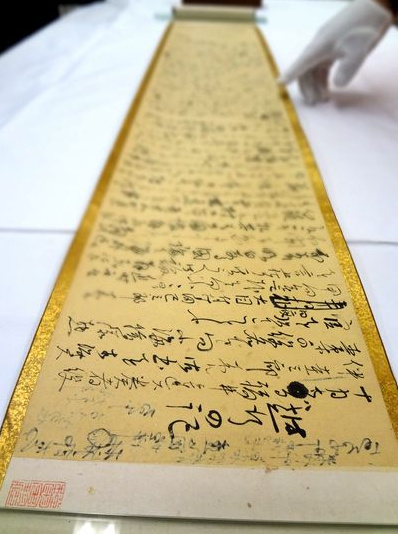
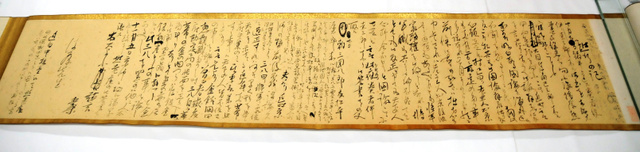
The letter, in the form of a scroll. Sakamoto’s unique style of radically shifting character sizes was observed.

An Incredible Discovery

With Hata’s permission, the show’s staff whisked away the letter to have it officially verified, first at the Sakamoto Ryoma Memorial Museum. “I’m extremely surprised,” said head curator Natsuki Miura, confirming the letter’s authenticity. There are about 140 letters written by Sakamoto in known existence and “each year we get several inquiries regarding letters, but rarely have any turned out to be real,” added Miura. Upon closer observation, scholars discovered that the letter was written to Shojiro Goto, a samurai and politician, and detailed Sakamoto’s visit to Echizen Province (currently Northern-Fukui) to recruit Hachiro Mitsuoka into their new government. The letter, it turns out, was written just 10 days before Sakamoto’s assassination in 1867 and may be the last known letter before his death.
2014y04m08d_175252145

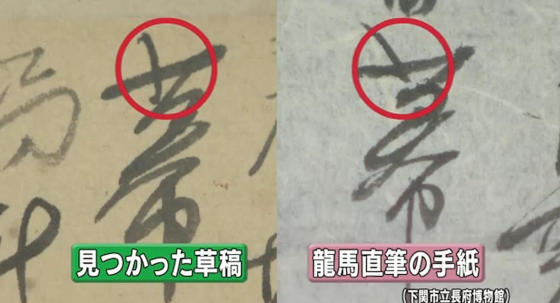
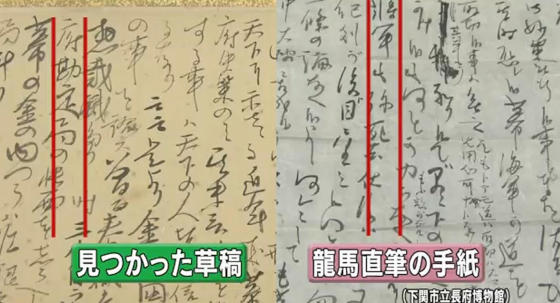
At the Shimonoseki Museum, which houses 11 authentic letter – the most in all Japan – by Ryoma Sakamoto, the show’s producers received additional confirmation. A side-by-side comparison revealed identical strokes and tendencies in characters.
2014y04m08d_175338807

Proceeding with caution, the show’s producers finally delivered the document to researchers at the Kyoto National Museum. “It’s almost a miracle,” exclaimed researcher Teiichi Miyakawa. “Discoveries likes this happen only once every hundred years.” Not only did the letter back up various speculative historic claims but it also detailed Sakamoto’s hopes and expectations for a new government.

From Trash To Treasure

According to Hata, the letter was purchased by her father roughly 30 years ago. He paid 1000 yen (~$10) for it at an antique shop. The show’s producers asked appraiser Masaji Yagi how much he thought the letter was worth. He assigned a value of 15 million yen (~$150,000).

And just like that, in incredible discovery. And all they had to do was ask. The letter is currently on loan, from Hata, at the Sakamoto Ryoma Memorial Museum for all to see.
sakamoto-ryoma-letter-discovery (6)

the letter in its entirety

Note: all quotes translated from Japanese to English by the author

Bloom | embroidered glass tableware by Jun Murakoshi

0315ju0158_R-426x640

Photos by Kota Sugawara

What does thread and blown glass have in common? Both materials embody warmth and tension – two conflicting properties – says Jun Murakoshi. For the Tokyo-based designer, this commonality gave birth to a brand new line of tableware that combines blown glass and threaded patterns. Personally, I never thought that the worlds of glass-making and embroidery would every collide. I was wrong.
The series of glass fruit bowls and flower vases come with grooved edges around the rim. Dreamcatcher-like web patterns are threaded through the grooves to create beautiful “narrow lines” and “unlimited patterns.” The transparency and exquisiteness that each material possess works surprisingly well together.

0315ju0034_R-426x6400315ju0091_R-426x640

0315ju0110_R-426x6400315ju0046_R-426x640

0315ju0126_R-426x6400315ju0136_R-426x640

This post is part of our review of  Japanese design at the 2014 Milano Salone del Mobile. All posts are cataloged right here.

An Indoor Floating Forest by Sou Fujimoto

floating forest by sou fujimoto (1)

Japanese architect Sou Fujimoto (previously) has created an indoor floating forest in which trees and shrubs are suspended from the ceiling. The installation was staged within the showroom of Cassina, the Italian furniture Manufacturer. The trees were each placed in mirrored boxes which were then hoisted above the furniture. The reflections create the illusion of trees growing out of thin-air.

The installation not only acknowledges the intrinsic relationship between trees and furniture, but it also helps highlight the company’s recent efforts in reworking their classics for outdoor use. The floating forest is on display during Milan Design Week, also known as Milano Salone.

floating forest by sou fujimoto (2)

floating forest by sou fujimoto (3)

floating forest by sou fujimoto (4)

floating forest by sou fujimoto (5)

floating forest by sou fujimoto (6)

This post is part of our review of  Japanese design at the 2014 Milano Salone del Mobile. All posts are cataloged right here.

3D ice cubes let your scotch cool down in style

For 3D on the rocks, its latest liquor campaign, Suntory teamed up with Japanese ad agency TBWA\Hakuhodo to offer the world’s  first 3D-milled ice cubes. Each creation is the result of a time-consuming modeling process, and are carved to the smallest details with a precision drill. They are then placed at the bottom of a glass of whisky for their first and last journey into this world.

3dprintedicecube6

The fruit of such time and effort being bound to melt away might remind some of the ephemeral nature of Japanese beauty, while others may see it as pure obsession with Japanese luxury liquors. Either way, the result is mostly a treat to the eyes – we are not sure how easy it is to enjoy a drink with a Statue of Liberty towering over the edge of your glass, or a torch up your nose.

3dprintedicecube3

Capture d’écran 2014-04-10 à 20.04.53

Subscriptions for the campaign are now closed, but a few lucky participants who submitted their design ideas will have their very own ice cubes milled and served in fine liquor at a secret Tokyo bar. In the meantime, the rest of us can still enjoy pictures of the wild designs created by the agency.

Capture d’écran 2014-04-10 à 20.05.42 3D ice cubes

3dprintedicecube2

3dprintedicecube

Correction: April 14, 2014

An earlier version of the article described the ice cube-making process as 3D printing, an additive process where successive layers of material are laid down in different shapes. The process is actually milling, a subtractive process that relies on the removal of material.

Junpei Tamaki’s Wintry Set of Furniture

winter furniture junpei tamaki (13)

the entire snow collection

I think the majority of us can agree that this year’s winter was pretty brutal. And since it’s been on everyone’s minds the past several months, a winter-induced chill factor has been influencing the design world. First it was fashion. Now, furniture.

At this year’s Milano Salone, Junpei Tamaki is presenting “Snow,” a collection of furniture inspired by cold weather, ice and – finally – the great thaw.

winter furniture junpei tamaki (2)

The “Snowscape” cabinet | hexagonal holes on the sliding doors overlap to create different patterns of snowflakes

winter furniture junpei tamaki (12) winter furniture junpei tamaki (9)


winter furniture junpei tamaki (1)

The “Fluffy” dining chair uses wood and cushioning to express new, fluffy snow.

winter furniture junpei tamaki (8) winter furniture junpei tamaki (11)


winter furniture junpei tamaki (3)

The triple spiral linear structure of the “Sleet” shelf is designed to reflect the image of fallen sleet.

winter furniture junpei tamaki (6) winter furniture junpei tamaki (5)


winter furniture junpei tamaki (4)

The “Thaw” sofa. The softly exposed wood appears to be poking out of thawing snow.

winter furniture junpei tamaki (7) winter furniture junpei tamaki (10)

This post is part of our review of  Japanese design at the 2014 Milano Salone del Mobile. All posts are cataloged right here.

A lampshade made from light

yoy_light_02 (1)

If “clothes make the man,” as Mark Twain once famously wrote, then lampshades definitely make the lamp. And this is not your grandparent’s lamp shade. Japanese design unit YOY (previously) has given new light to what was previously an outdated, dust-covered concept.

The minimal lamp has a head embedded with an LED light. A carved out socket casts a glow of light that’s shaped like a lamp shade that, most certainly, makes the lamp. It comes in two form, a table and floor lamp, and is debuting at the 2014 Milano Salone.

yoy_light_01 (1)

yoy_light_07

yoy_light_05

yoy_light_03

This post is part of our review of  Japanese design at the 2014 Milano Salone del Mobile. All posts are cataloged right here.

« Older posts Newer posts »

© 2026 Spoon & Tamago

Up ↑

Design by Bento Graphics