Page 202 of 406

Shirokuma Rice Packaging by Ryuta Ishikawa

shirokumanookome01

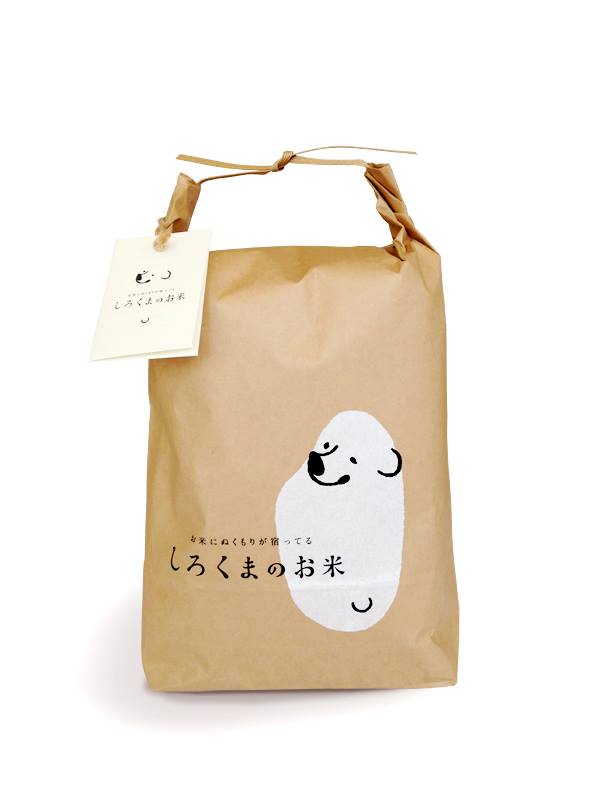
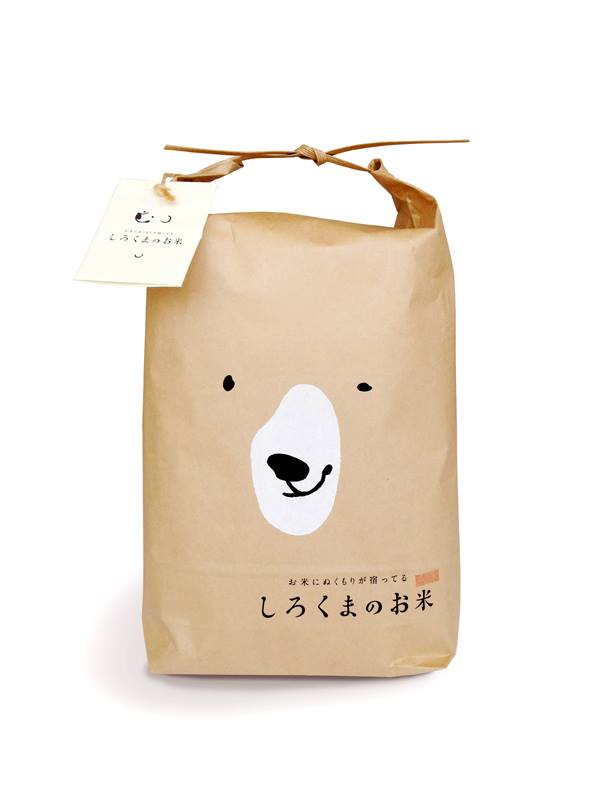
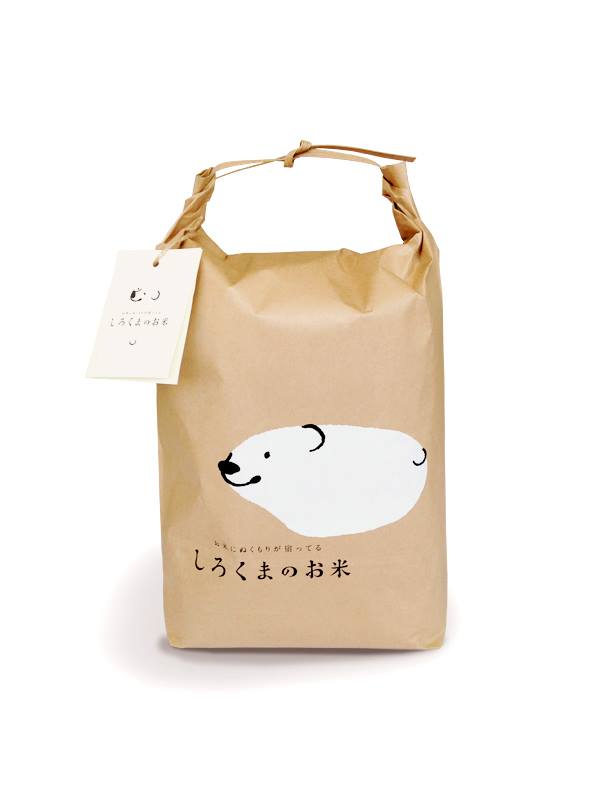
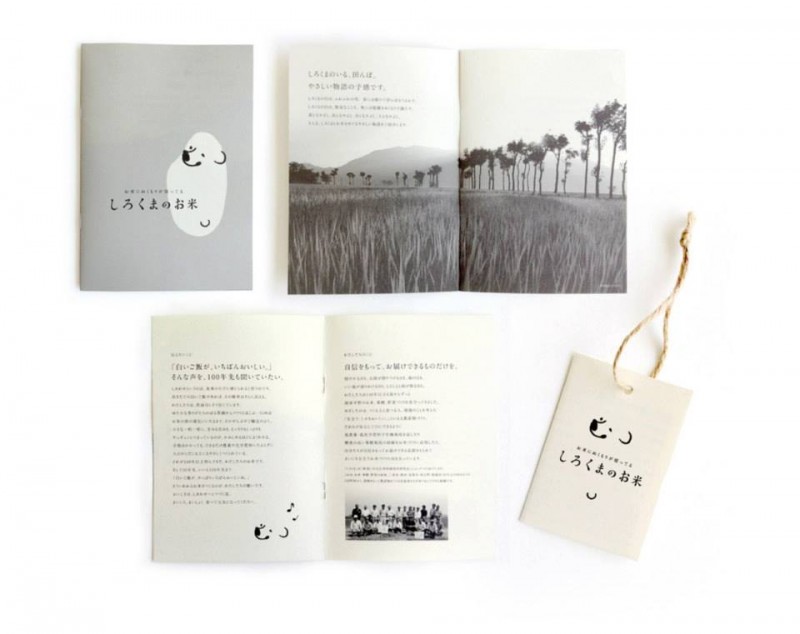
Are you allowed to cuddle with rice? Because that’s exactly what this packaging design makes me want to do. When Shirokuma Inc. decided they needed a re-branding after harvesting sustainably grown rice for over 120 years, they turned to local graphic designer Ryuta Ishikawa.

The company has been cultivating rice and other produce in the chilly region of Niigata since 1890 and the name Shirokuma actually means polar bear. So Ishikawa proposed a fairly logical design that turned out to be irresistible. The twisted paper handle as a nice touch too.

shirokumanookome02

shirokumanookome03

shirokuma04-800x634

(thanks Eric!)

a living architecture office by Ikimono Architects

tnjnymnatle40

tnjnymnatle23

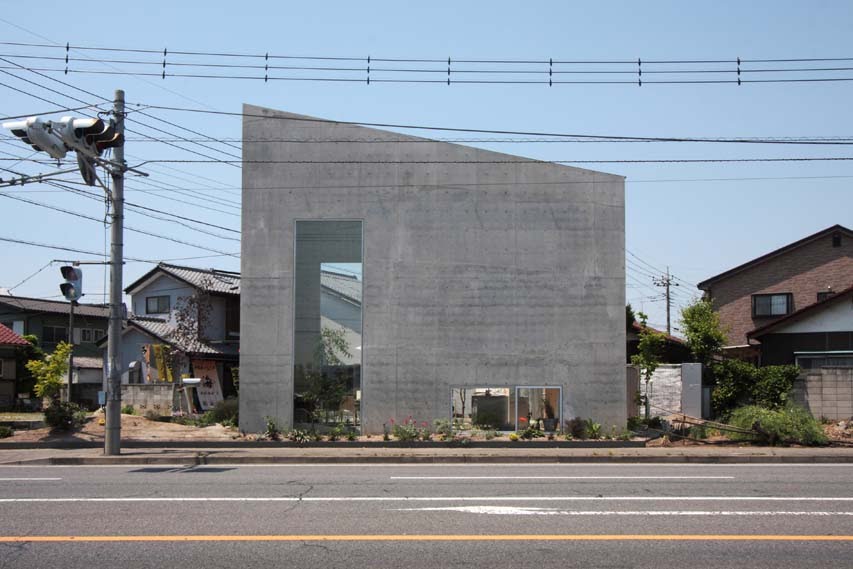
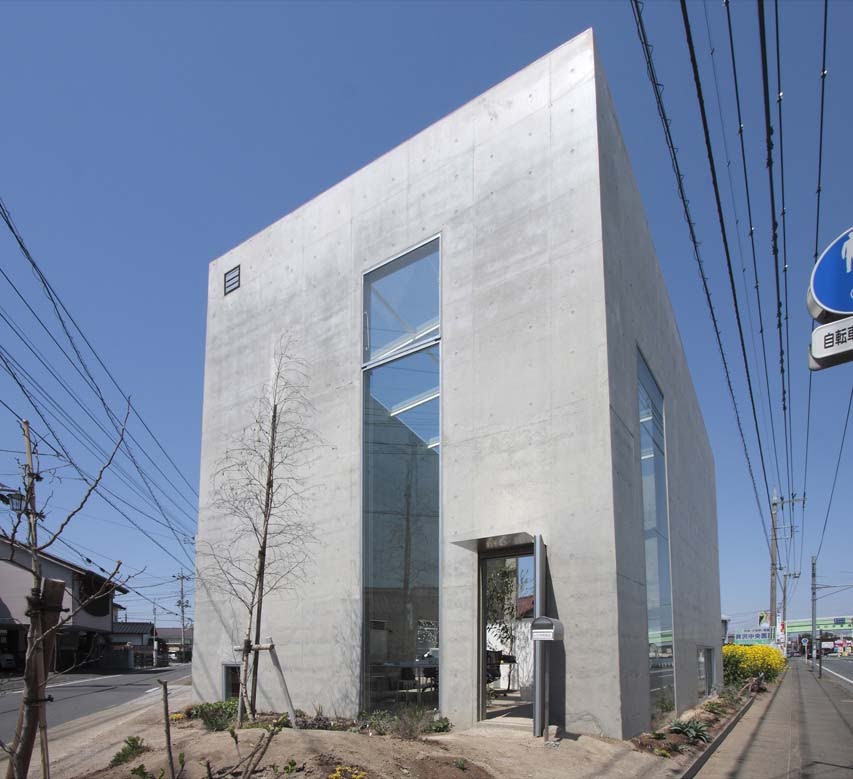
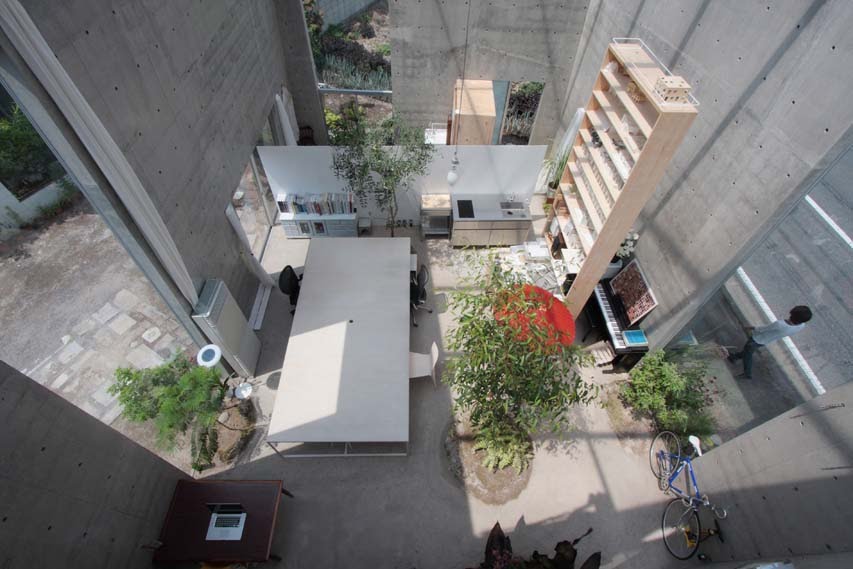
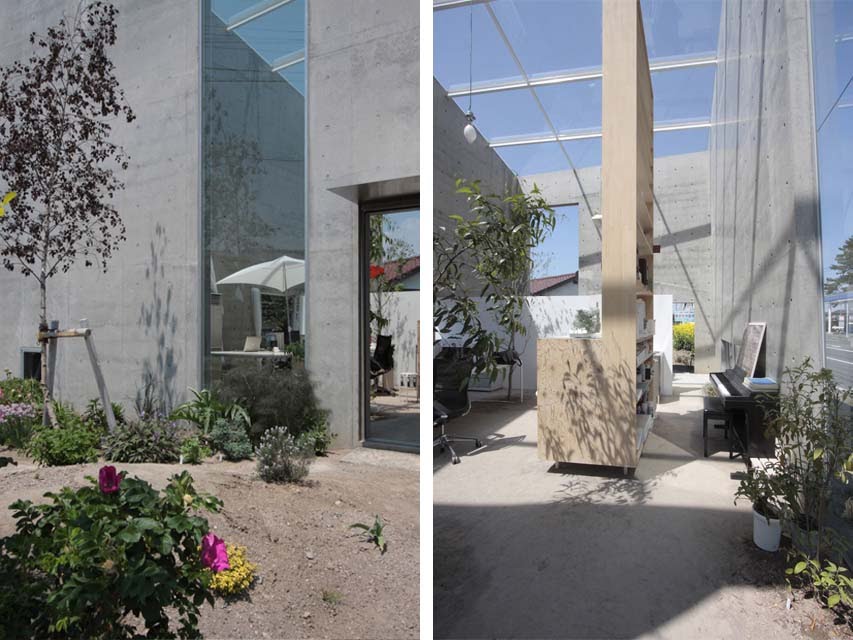
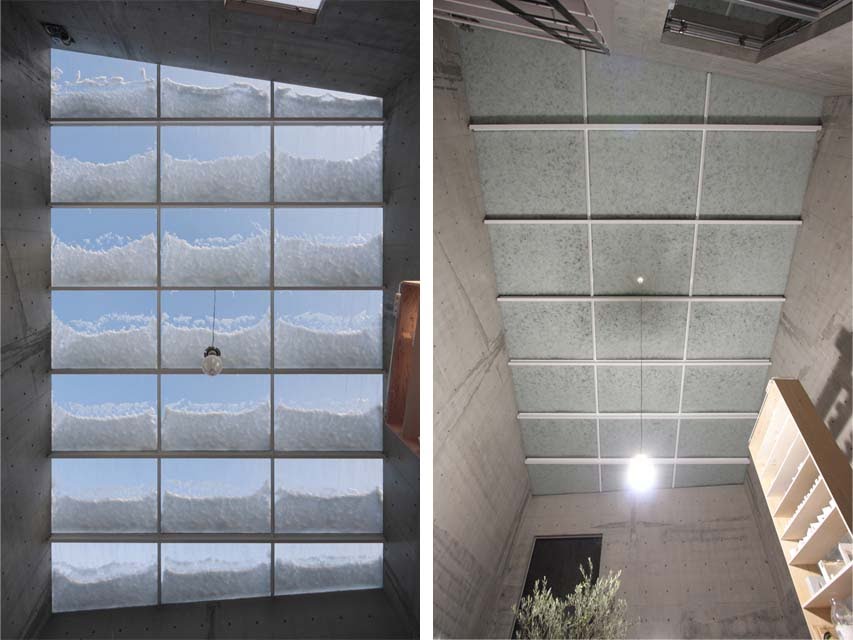
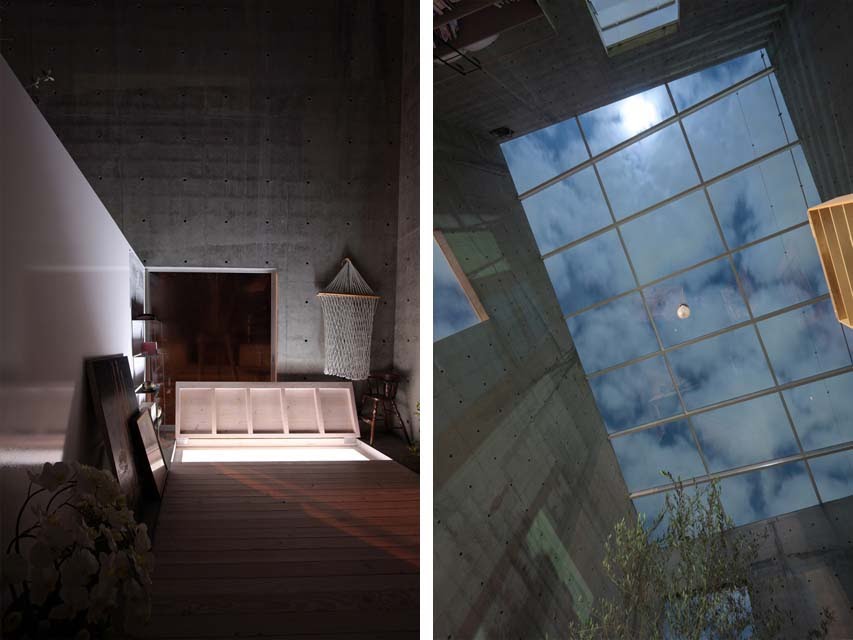
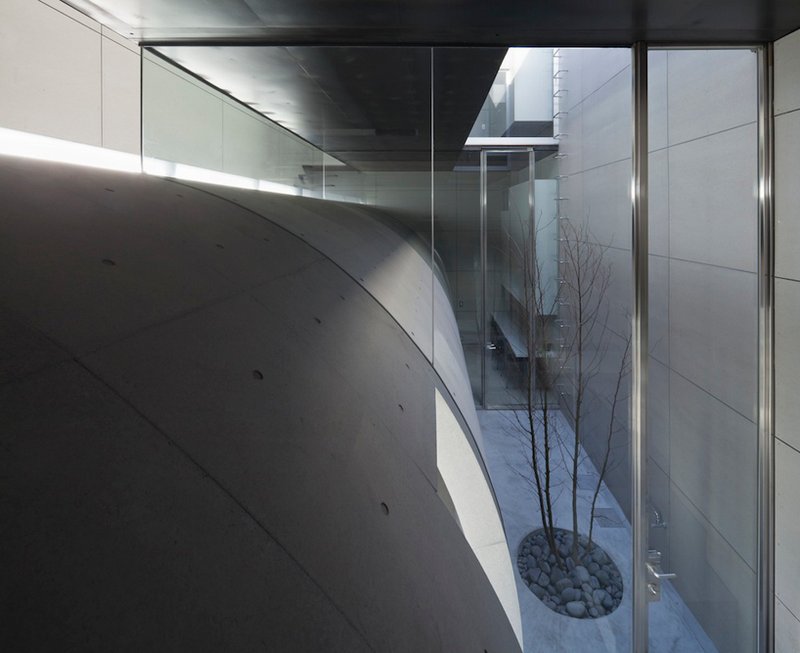
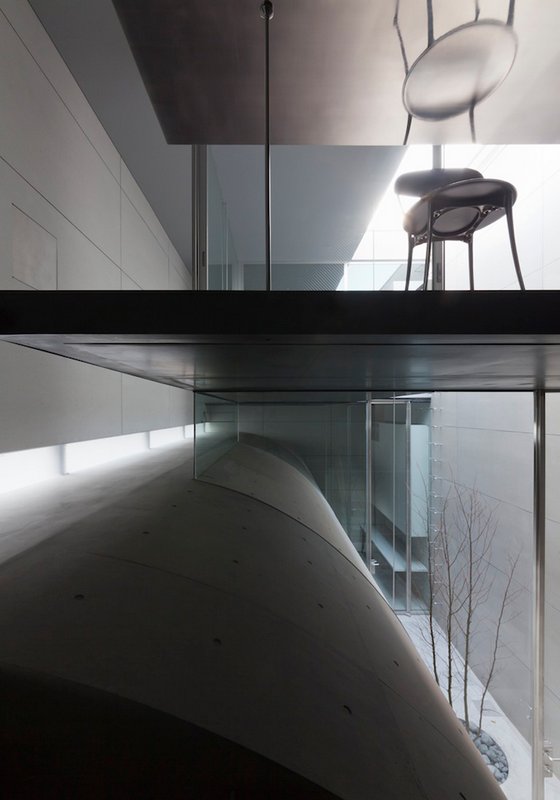
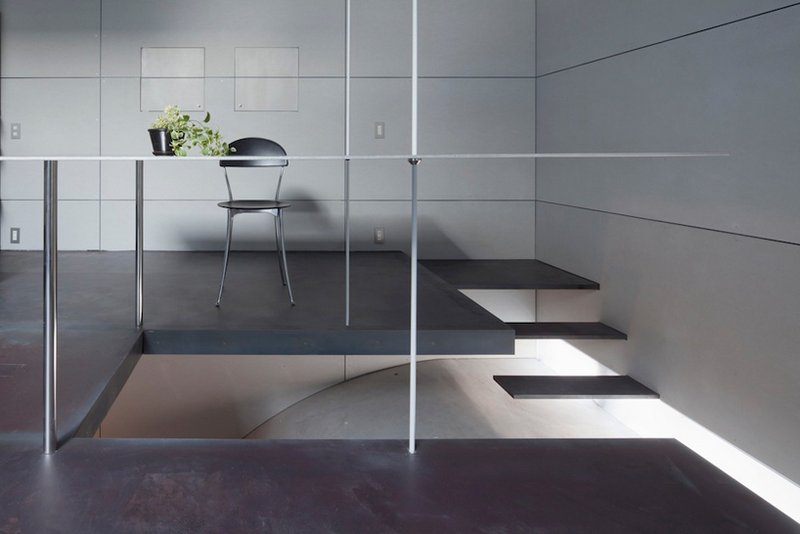
What happens when a nature-revering architectural firm designs their own office from scratch? Just ask Takashi Fujino, of Ikimono Architects, who explains the significance behind their name: “I gave the name Ikimono [“being alive”] to my office, because I think that whatever is born, grows and dies can be considered a living creature.” In keeping with that very same philosophy, Fujino designed Atelier Tenjinyama for him and his staff to work. The structure itself is quite simple – a study in minimalism – but it’s the details that expose the workplace to the outdoors.

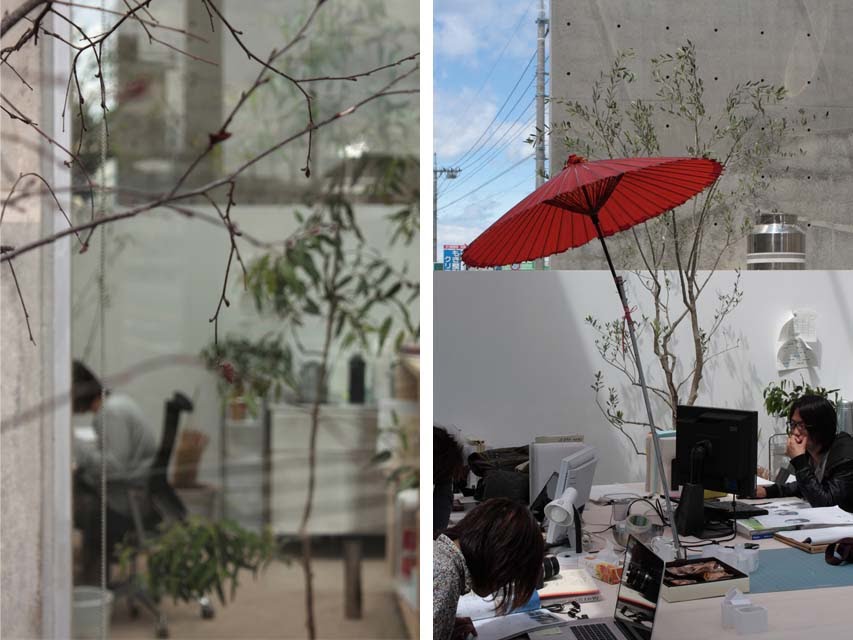
Various plant life were carefully chosen for the interior based on functional criteria – vegetation for shielding the sun, flowers to exude aromas and herbs for cooking. After the studio’s completion in early 2011, Fujino set up a camera in the office to record daily life of staff, the growth of all his office plants and how the two interact. Exactly 3 years since the completion of his office, Fujino has compiled a time-lapse of the video. Sure enough, the building has become a workplace where occupants can smell the scent of spring flowers, gaze at clouds and stars and listen to the sound of rain or snow falling.

tnjnymnatle54

If you’re interested, check out some other buildings that have successfully incorporate the outdoors.

tnjnymnatle52

tnjnymnatle47

tnjnymnatle43

tnjnymnatle42

down side up | the calligraphy of artist Shoko Kanazawa

shoko2

all images courtesy Megumi Ogita Gallery

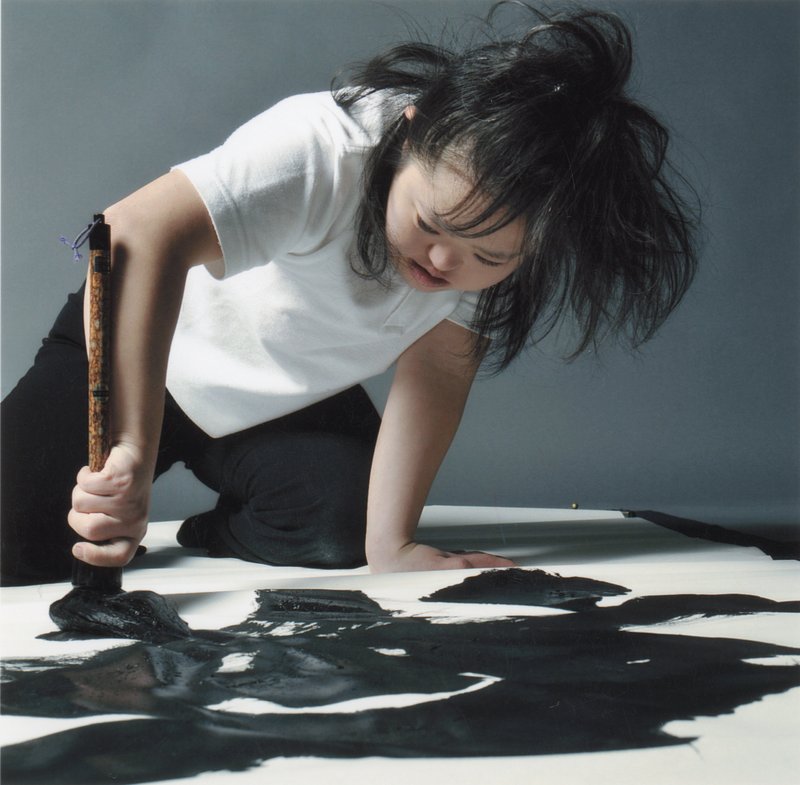
Interested in calligraphy and outsider art? Recently showing at the Megumi Ogita Gallery in Ginza, Japanese Shodo (Calligraphy) artist Shoko Kanazawa will be exhibiting for the first time in New York as part of the 22nd edition of the Outsider Art Festival running May 8 – 11 in NYC and in October in Paris. Founded in 1993 by Sandy Smith but taken over by former art dealer Andrew Edlin of Wide Open Arts, it builds on the idea of Art Brut (Raw Art) a movement formalised in 1947 by Jean Debuffet.

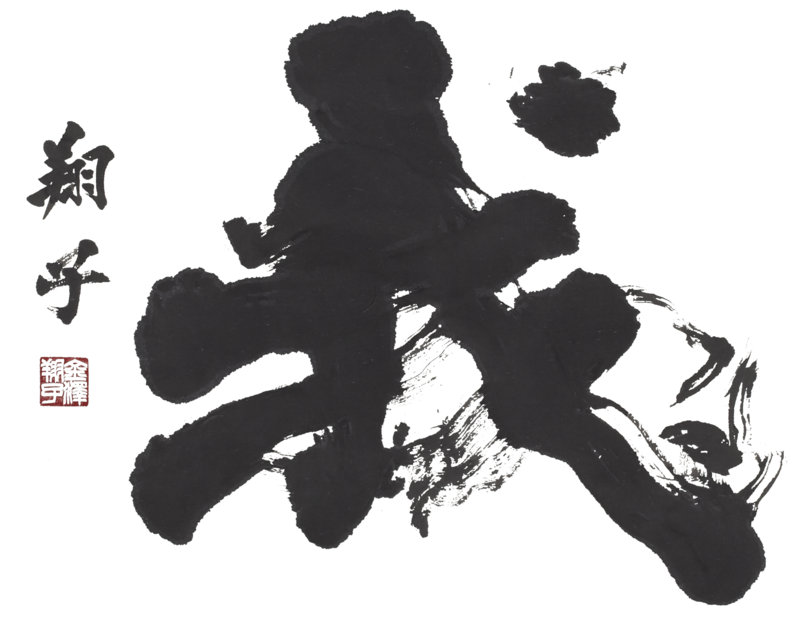
_Myself_2013_38x48.5cm

“Myself” (2013)

Born with Down Syndrome, Kanazawa’s talent was discovered aged five, when her mother Yasuko, herself a calligraphy student and later teacher, started teaching her at home. Nurturing her daughter’s talent with encouragement and training, by the time Kanazawa was a young adult she had progressed to exhibiting in temples in Kyoto (Kenninji), Kamakura (Kenchoji) and Nara (Todaiji). In 2011 Japanese TV giant NHK commissioned her to create the opening titles for their primetime 2012 historical drama “Taira no Kiyomori”. Her work is often large scale with distinctive bold brushstrokes and her live demonstrations draw wide crowds in Japan.

Joining this four day festival allows a unique chance for fans of Japanese culture and those interested in outsider art to experience her works. While not considered an outsider in the calligraphy world she perhaps is not the typical savvy artist that New Yorkers are used to. Her work is a testament that good work communicates across cultures and people’s talent is beyond labels of disability or outsider status.

_Avatamsa_2011_214x480cm

“Avatamasa” (2011)

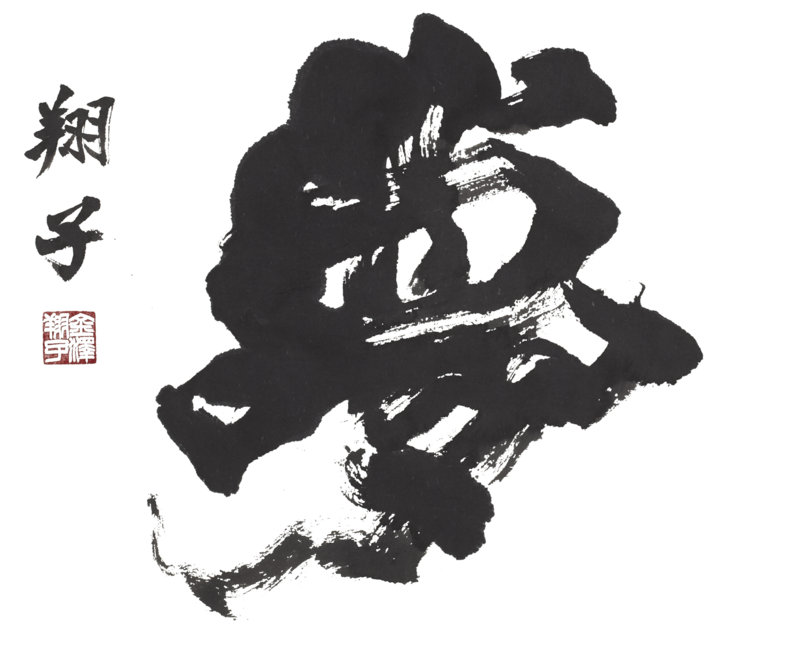
_Dream_2013_36.5x45.2cm

“Dream” (2013)

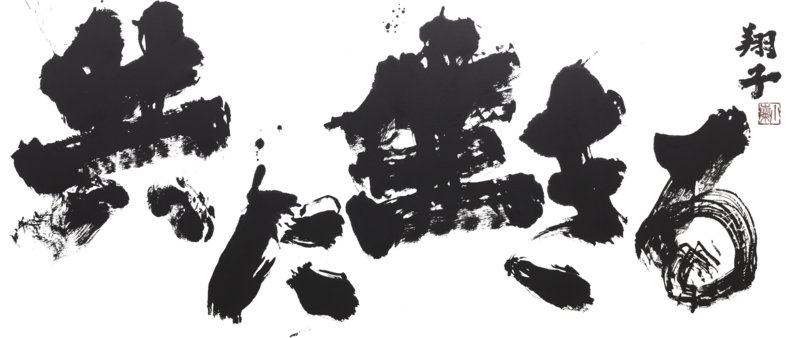
_Living Together_2012_136x328cm

“Living Together” (2012)

shoko1

Do Not Kill | a brief history of the korosuna Japanese anti-war ads

13ki_shimen

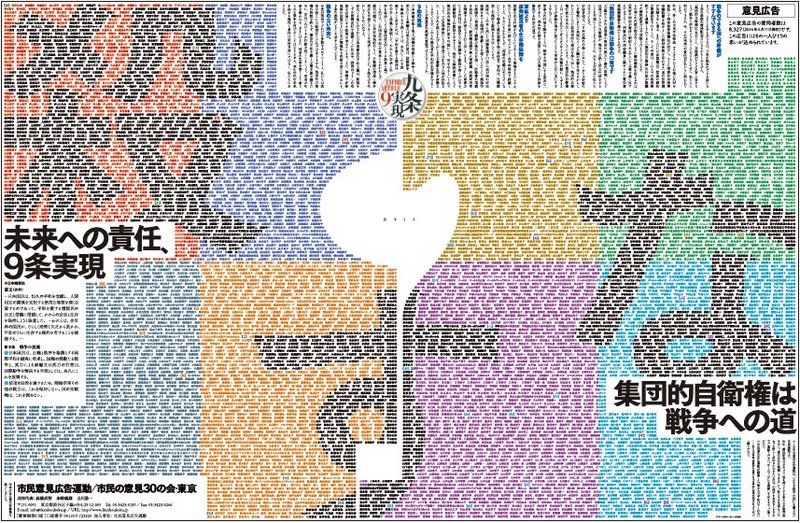
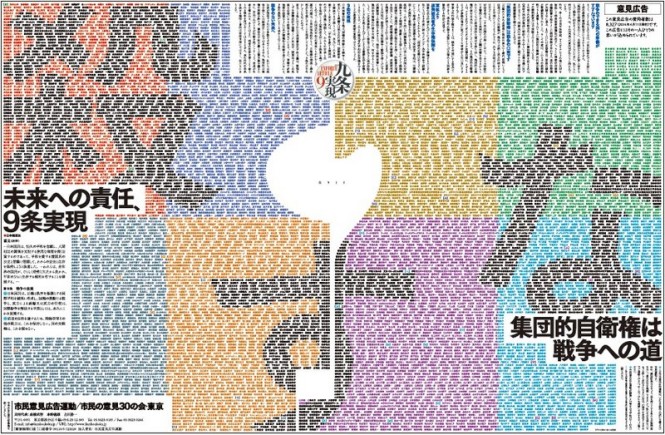
korosuna | the 2-page ad that ran in the Asahi Newspaper, May 3, 2014
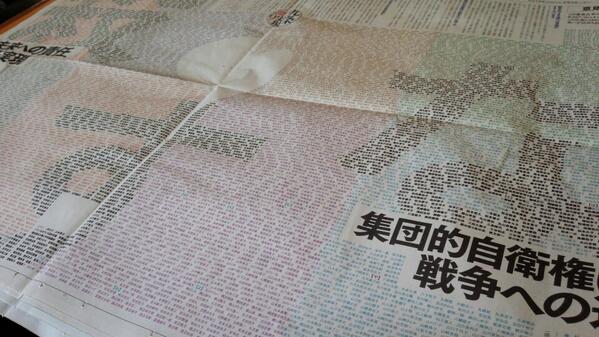
BmsQbGYCMAA24Tp

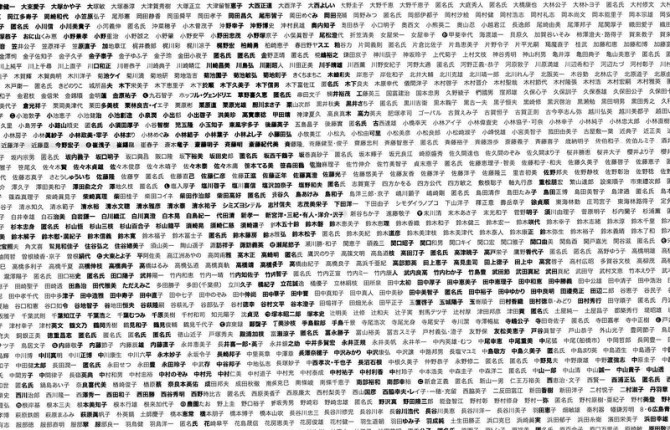
Over the weekend a bold, 2-page spread appeared in the Asahi Newspaper, a politically leftist publication and second largest behind the more conservative Yomiuri. Amongst a typographic sea of colorful words rose the letters – all in black – korosuna (殺すな, do not kill). The letters themselves, revealed by a closer look, are comprised of the names of everyone supporting the message. It was a stunning ad, albeit rather audacious, and, unsurprisingly, seemed to offend many of Japan’s netizens. It was as if a rock had been thrown at their window, shattering glass into their peaceful world.

The ad had been paid for by two organizations, both run by anti-war activists, and timed to run on Constitution Day. On the left in bold reads “Our responsibility for the future. Maintain Article 9.” On the opposite side: “The right to collective self-defense is the path to war.” It was in protest of Prime Minister Shinzo Abe being increasingly bent on altering the pacifist Constitution.

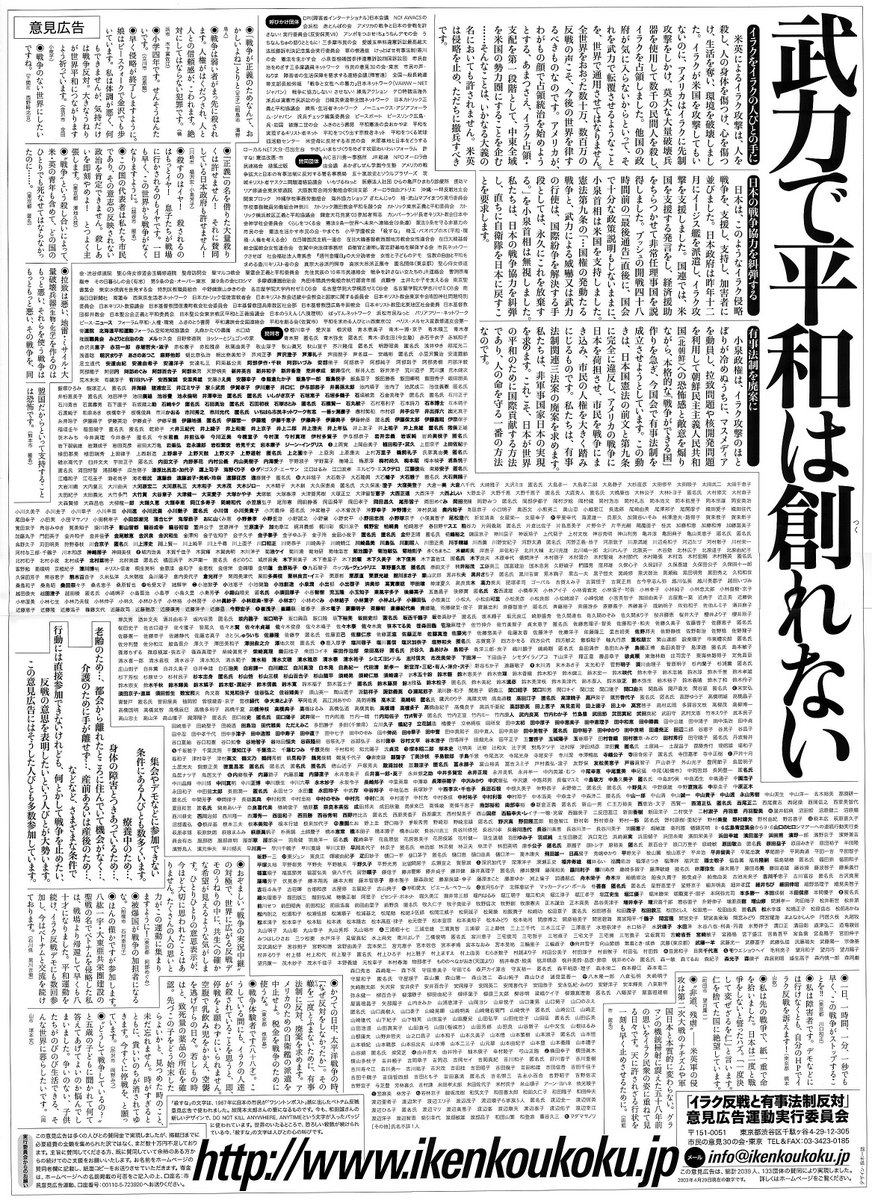
But the ad wasn’t new. It’s roots can be traced back to 2003 when a similar ad ran in the Mainichi Shinbun to protest the Iraq war, and Japan’s involvement in it. In both cases it appears that the magnificent layout was the work of graphic designer Suzuki Hitoshi.
IkenKoukoku-Shimen

korosuna | an ad that ran in the Asahi Newspaper, May 4, 2003
IkenKoukoku-detail

korosuna (detailed view)

However, to trace it back to its origins we have to travel back almost 50 years to the lobby of the Tokyu Hotel in Ginza where, on a cold winter night in January of 1967, a group of people sat around a table discussing a potential ad that would run in the Washington Post. Amongst the group was the historian and philosopher Shunsuke Tsurumi, the composer Rokusuke Ei and artist Taro Okamoto, all members of Beheiren. Despite the target audience being predominantly English speakers, it was Tsurumi who came up with the idea of having Okamoto draw korosuna in Japanese characters as an attention-grabber. Okamoto immediately agreed and quickly drafted up a design. Three months later the conspicuous full-page ad ran in the Washington Post.
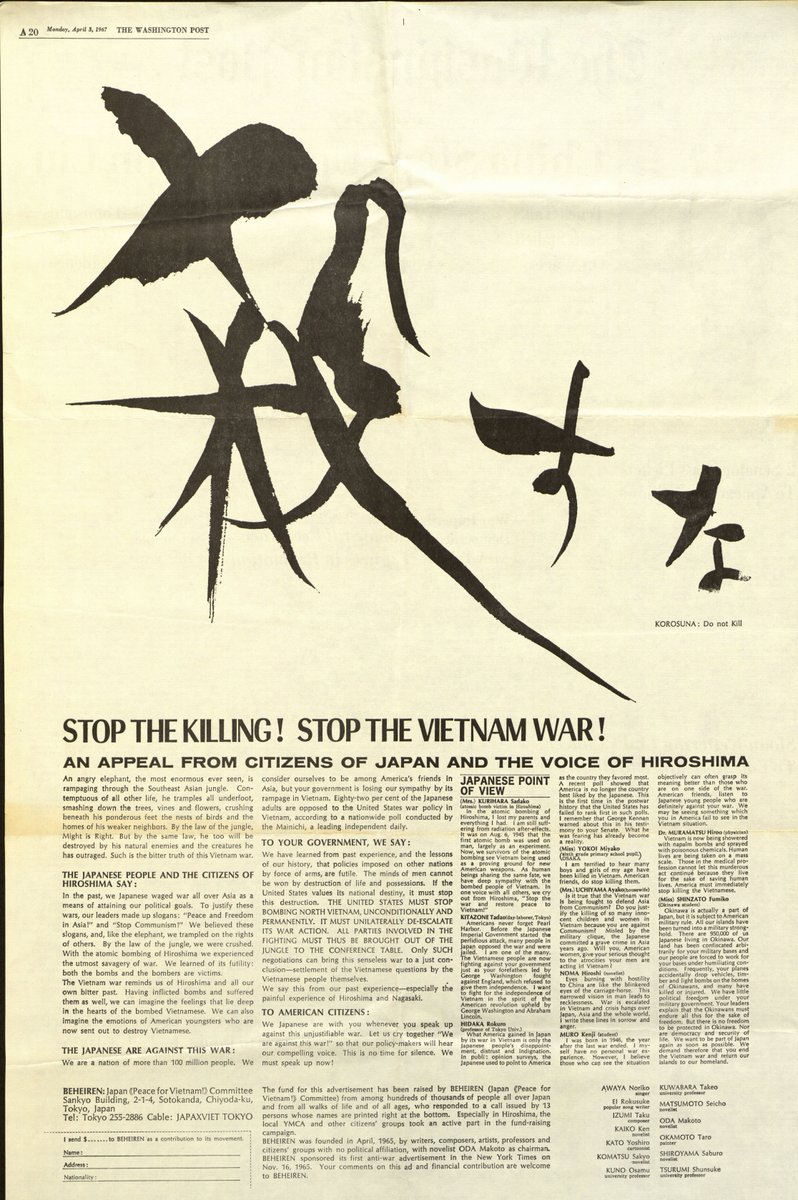
Stop_the_Killing_Stop_the_Vietnam_War_An_Appeal_from_Citizens_of_Japan_and_the_Voice_of_Hiroshima

korosuna | ad that ran in the Washington Post, April 3, 1967

It took another 6 years for the Vietnam War to come to an end and, with it, the disbandment of Beheiren. But it’s fascinating to me that a word, and it’s powerful message, has lived on. For those willing to see the word korosuna (殺すな, do not kill) for what it is, accepting the violence it denounces, will gain a deep understanding of Japan’s history.

(all quotes translated from Japanese to English by the author)

An unfinished house leaves much in the hands of the residents

yamazaki-kentaro-house-in-kashiwa (10)
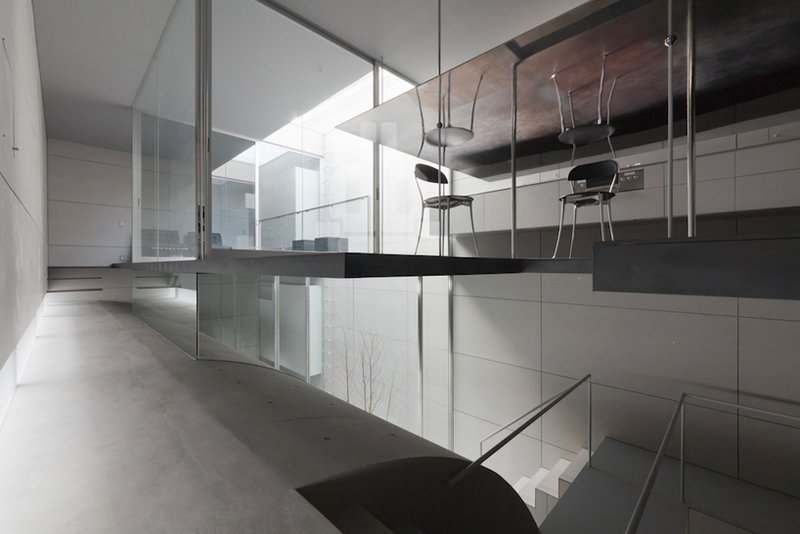
House in Kashiwa by Yamazaki Kentaro Design Workshop

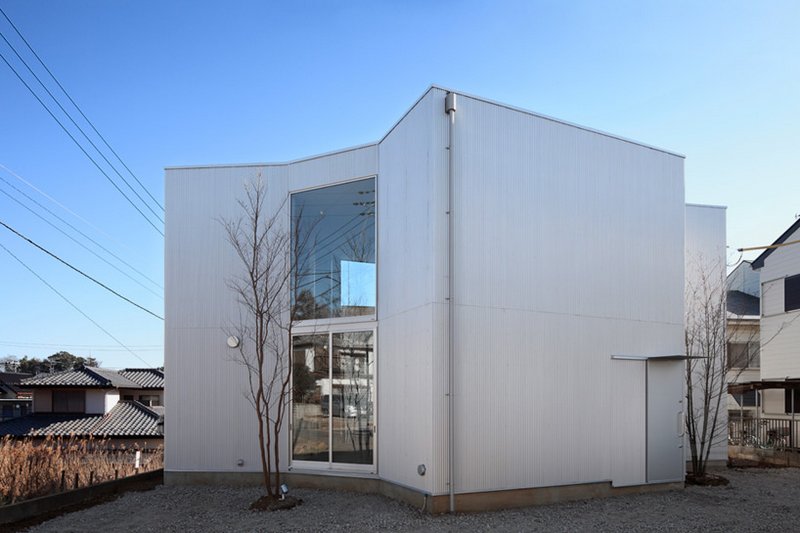
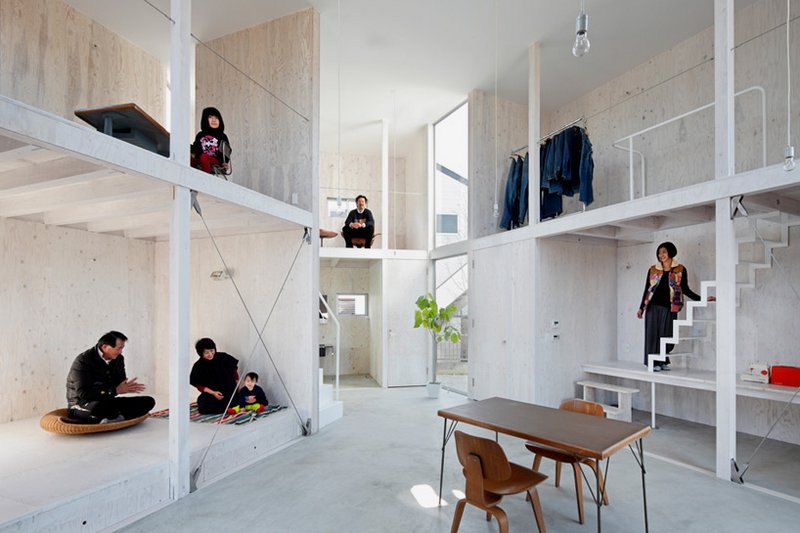
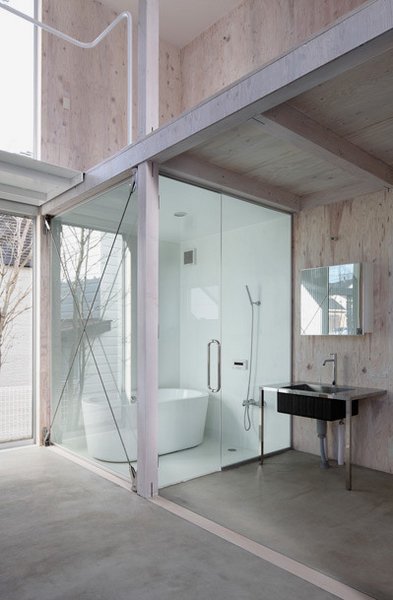
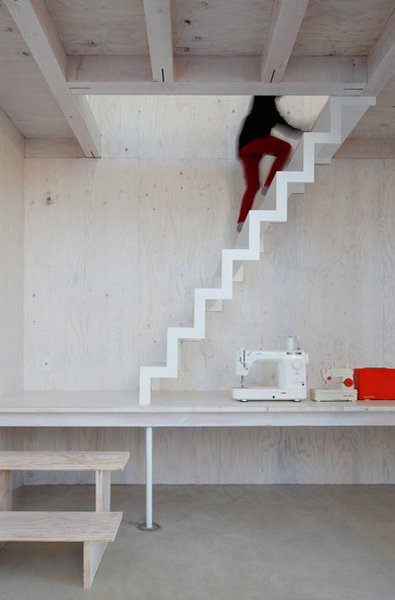
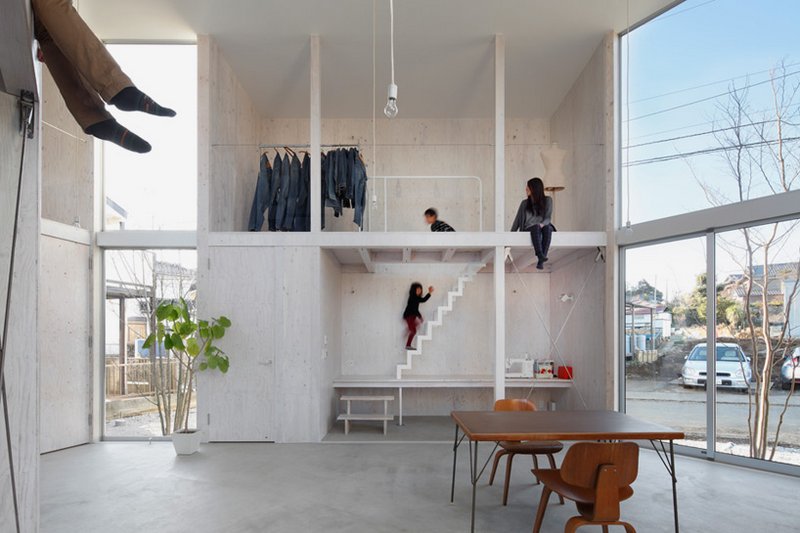
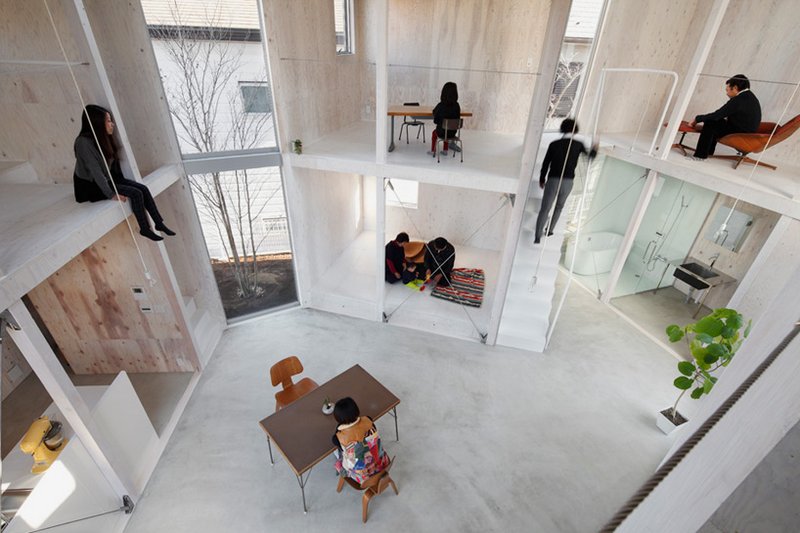
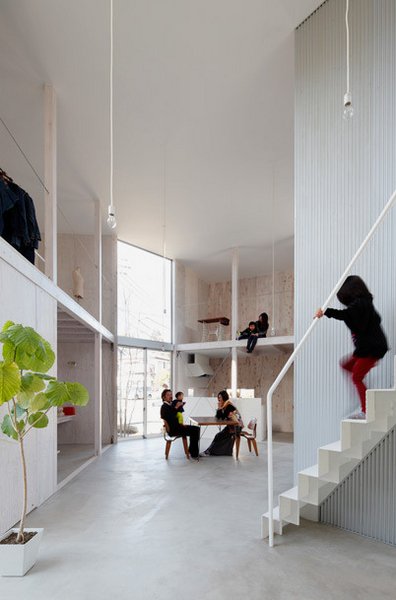
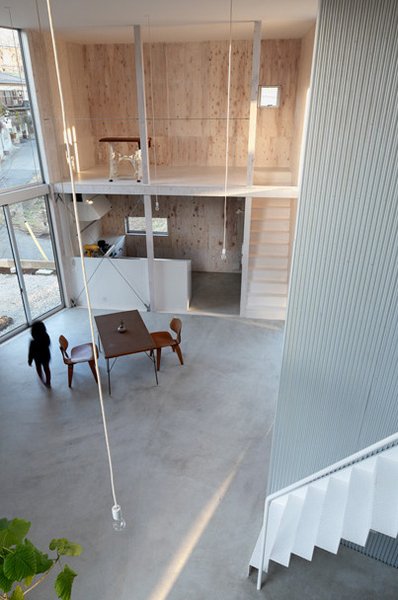
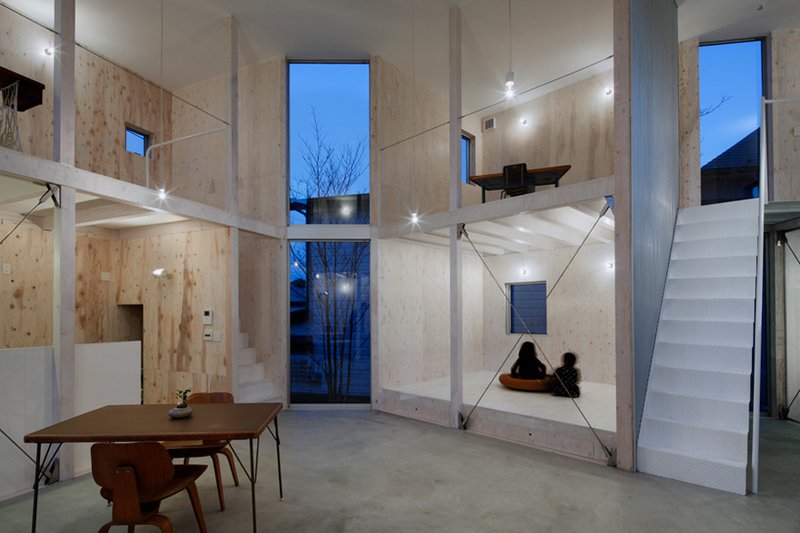
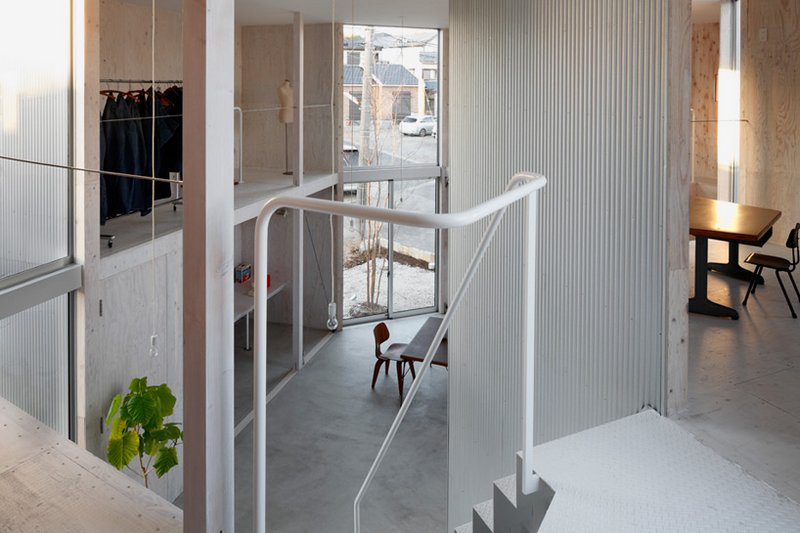
In the world of architecture, when a work is unfinished that is usually not a good thing. But 38-year old architect Kentaro Yamazaki (previously) will tell you, without shame or resignation, that his latest creation is an “unfinished house.” Located roughly 1 hour outside Tokyo, in the residential suburb of Kashiwa, is a home for a growing family. The design of the home is pretty straightforward: surrounding a central hub are “4 boxes, each box divided into 2 layers,” describes Yamazaki. The first layer of each box has a functional use like a kitchen, bathroom or office. But the second layer has intentionally been left blank, or unfinished, to allow the residents to create their own space.“Particularly the children’s room should be left up to the child to design.”

yamazaki-kentaro-house-in-kashiwa (2)

yamazaki-kentaro-house-in-kashiwa (7)yamazaki-kentaro-house-in-kashiwa (6)

Something else that’s also been left out – intentionally, I might point out – are the very fabric of modern-day families: walls. As the pictures adequately portray, each “box” is left exposed so that the entire space is, in effect, connected. In a way, it’s a return to the shared living concept of several hundred years ago when family members all roomed together. It’s a beautiful house with a free space, but is it too free? It’s not a stretch to imagine some pretty awkward moments, especially if you have kids who are growing up. It certainly gives new meaning to “no secrets.”

yamazaki-kentaro-house-in-kashiwa (3)

yamazaki-kentaro-house-in-kashiwa (1)

yamazaki-kentaro-house-in-kashiwa (5)yamazaki-kentaro-house-in-kashiwa (4)

yamazaki-kentaro-house-in-kashiwa (9)

yamazaki-kentaro-house-in-kashiwa (8)

a tunnel runs through it | the experimental tunnel house by Makiko Tsukada

tunnel-house-makiko-tsukada (7)tunnel-house-makiko-tsukada (6)

tunnel-house-makiko-tsukada (3)

all photos by shinkenchiku-sha courtesy makiko tsukada architects

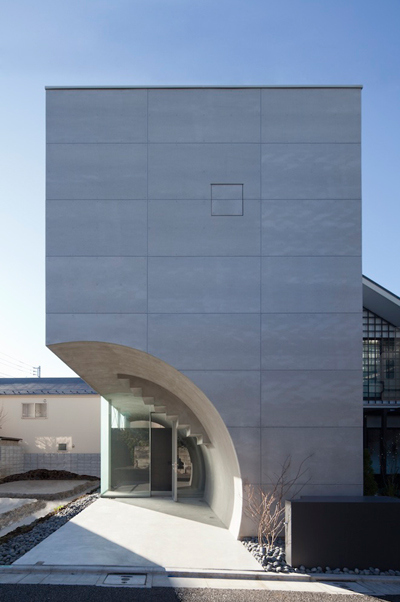
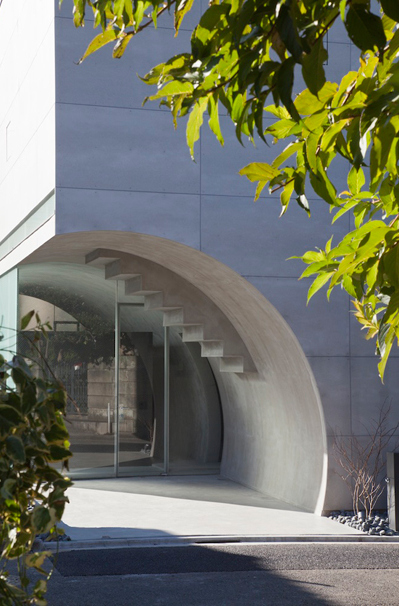
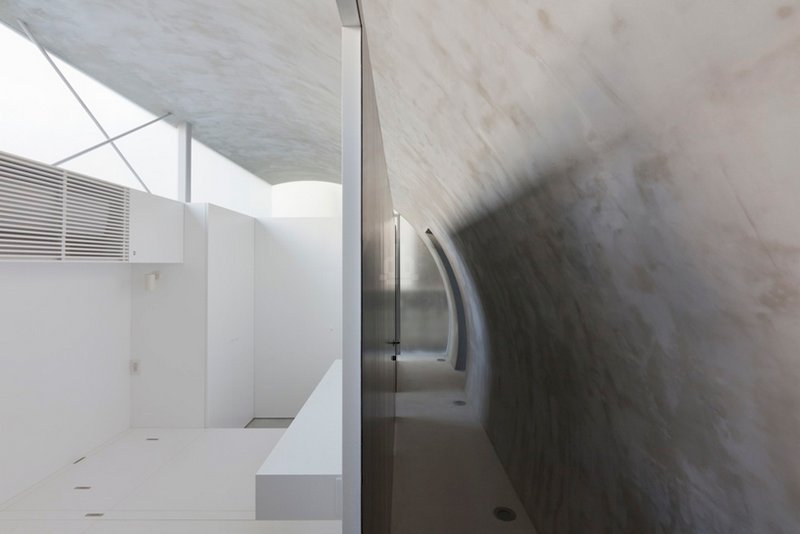
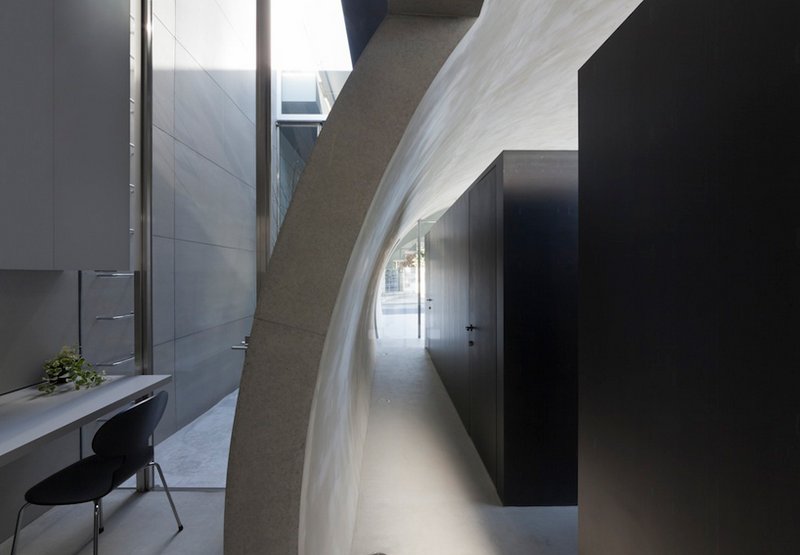
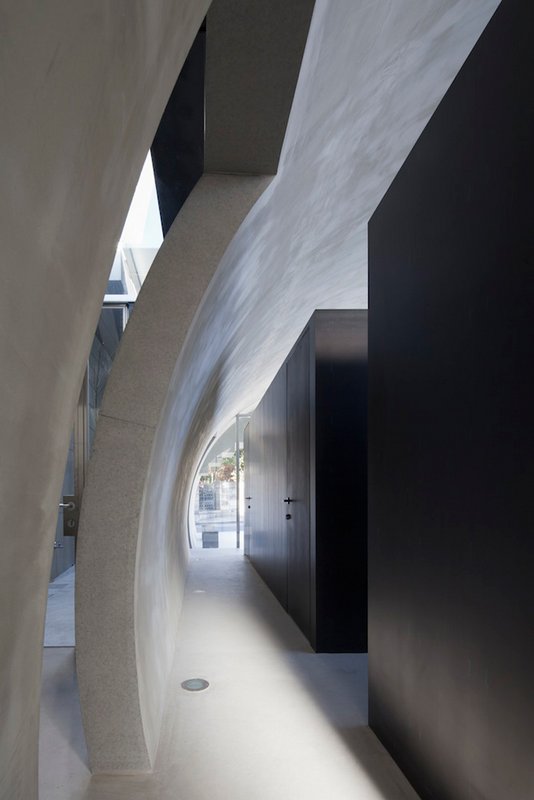
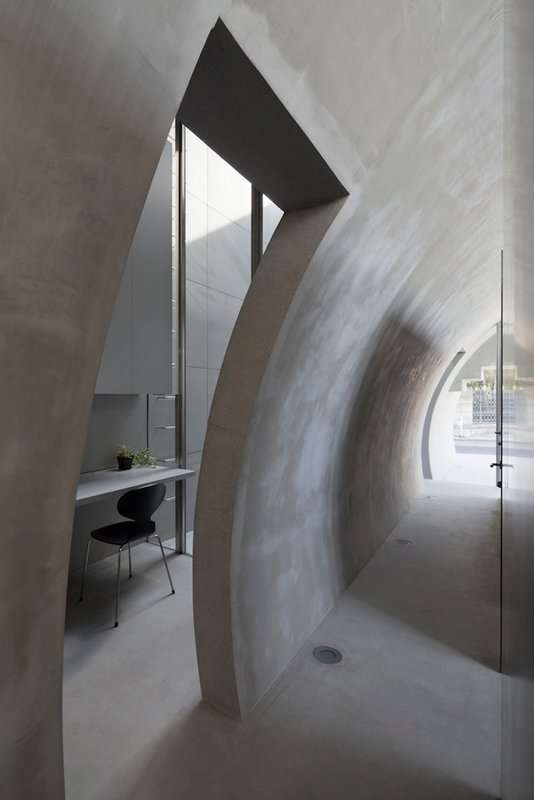
I’m not sure whose idea it was to design a home around a tunnel, but this residence in Tokyo certainly stands out, even within a nation known for their odd, experimental homes. The “Tunnel House,” as it was aptly named, was designed by Makiko Tsukada, a 53-year old female architect, who created the cavernous space for a couple and their three cats. But something tells me the cats are getting more use out of it than the humans. The tunnel begins right at the street, where a carved out section of the home forms a parking lot. The tunnel then extends throughout the home, dividing and linking spaces with openings that lead into the bathroom and bedroom, as well as a small courtyard.

A pair of stairs – one which actually brings you on top of the tunnel – leads to a 2nd floor dining room and kitchen. “There’s a certain feeling of comfort one gets by walking through this space,” says the architect. Well, I’m not sure about comfort but it would certainly keep the day interesting.

tunnel-house-makiko-tsukada (8)

tunnel-house-makiko-tsukada (5)tunnel-house-makiko-tsukada (2)

tunnel-house-makiko-tsukada (4)

tunnel-house-makiko-tsukada (1)

makiko-tsukada-tunnel-house (10)

makiko-tsukada-tunnel-house (11)

*all quotes translated from Japanese to English by the author

Hanabunko | a flower vase modeled after Japanese small-format books

hanabunko (7)

hanabunko (2)hanabunko (1)

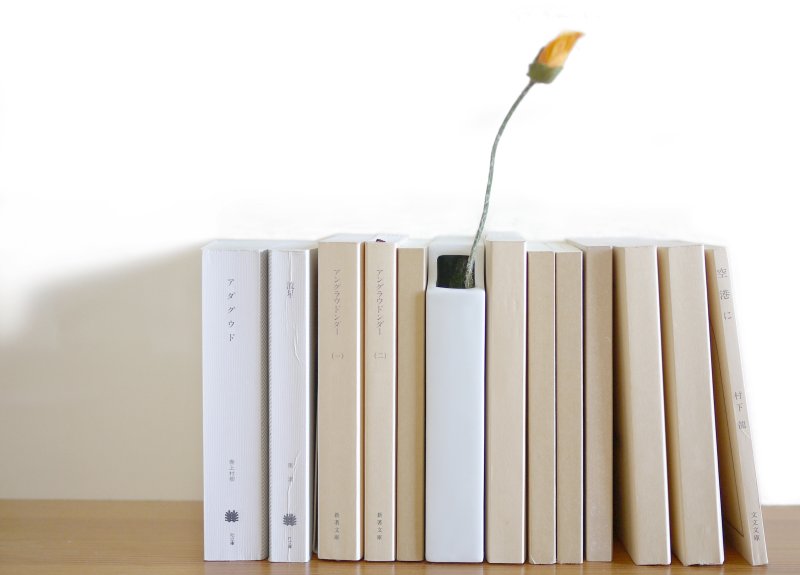
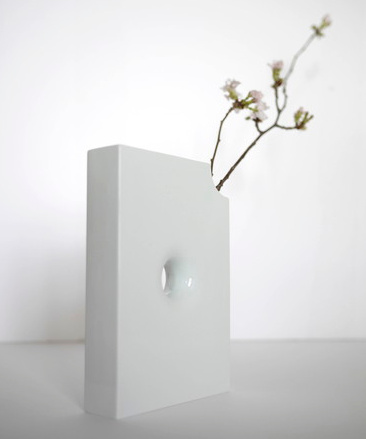
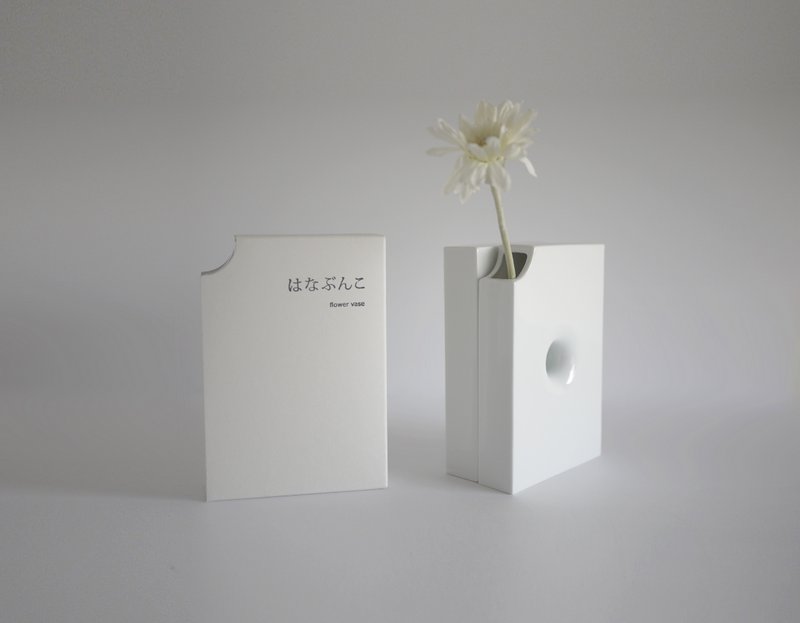
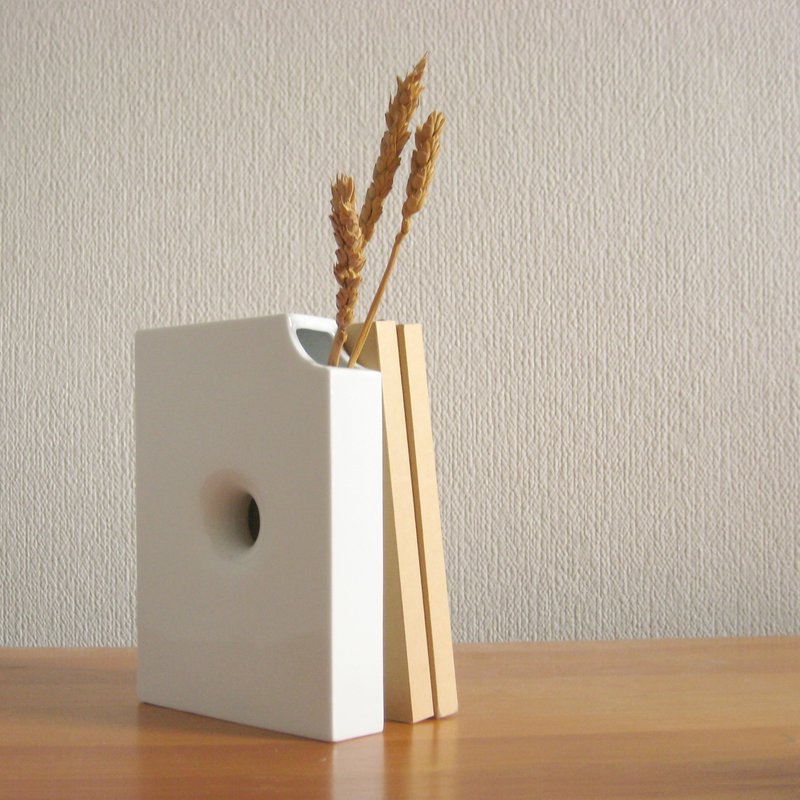
Hanabunko is a small flower vase shaped like a book. It seamlessly integrates into your shelves while adding a dash of life to your collection of books. It works as a divider or, of course, simply a flower vase. The round hole in the center functions is a grip, but also as a stopper for longer flowers. It’s new in the Spoon & Tamago Shop, and was designed by Fumiaki Goto, who also created these marvelous travel companion soaps.

hanabunko (5)

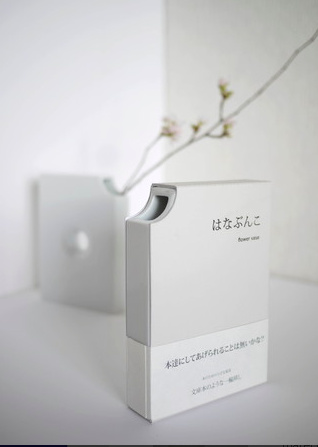
The name Hanabunko is derived from the words hana, meaning flower, and bunko, or bunkobon, Japanese small-format paperback books designed to be affordable and portable. Most bunkobon sizes are standardized at A6 (105×148mm or 4.1″×5.8″), the same size as the vase. The packaging design of each vase is intended to replicate the common dust wrapper that the books come in. It can either be left on, or removed.

hanabunko (6)

hanabunko (8)

Long Exposure Photos of Tokyo at Night

noisy-paradise-quiet-tokyo (5)

all photos courtesy Noisy Paradise

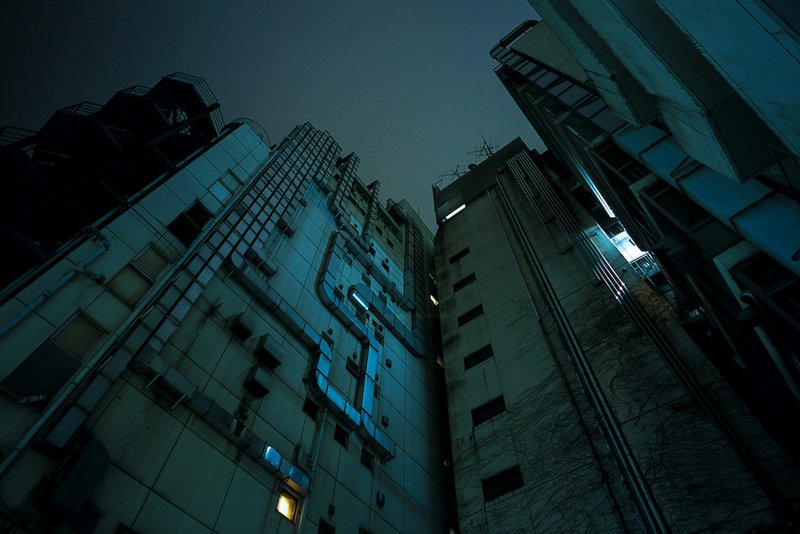
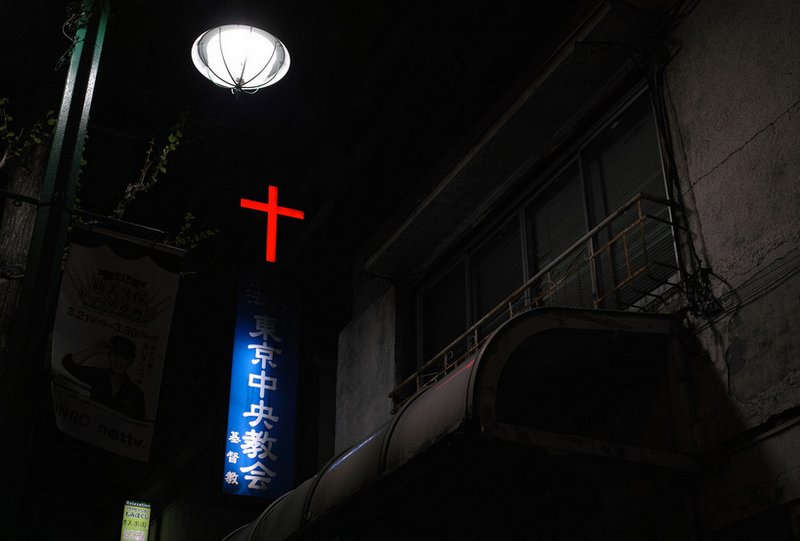
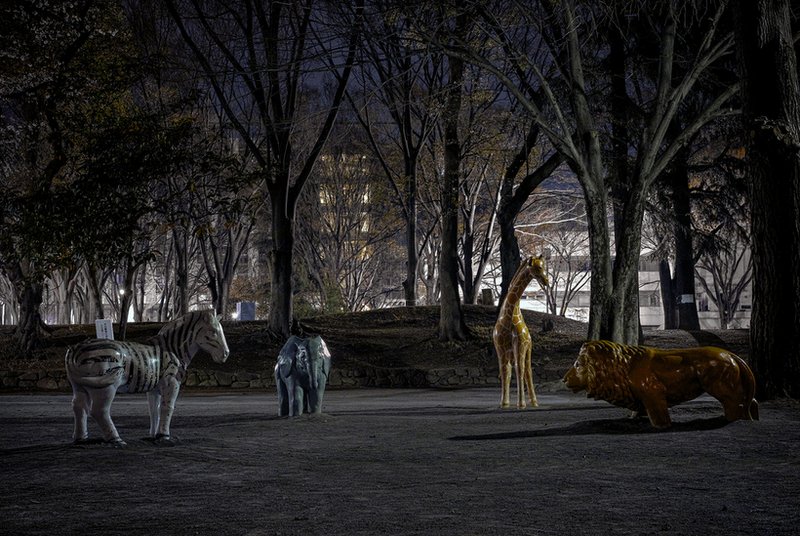
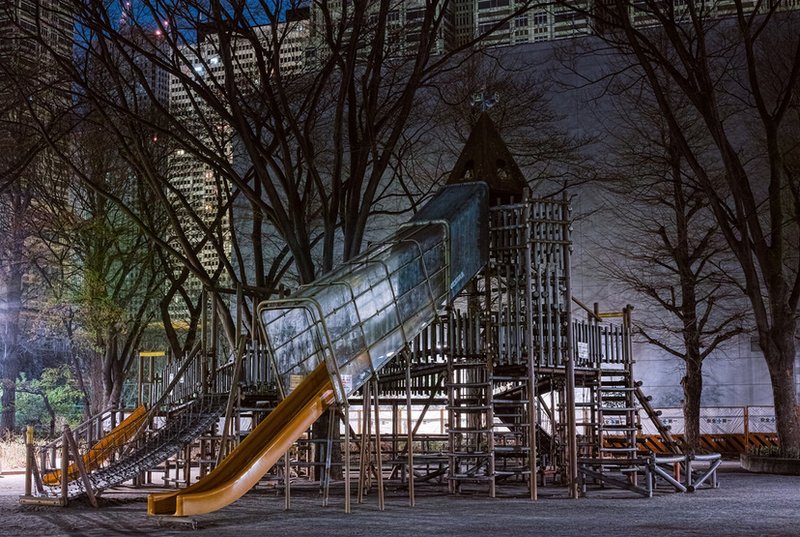
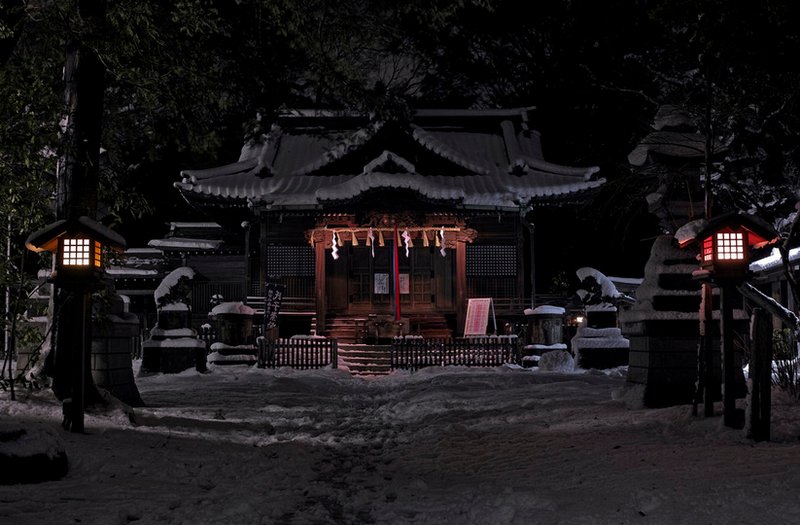
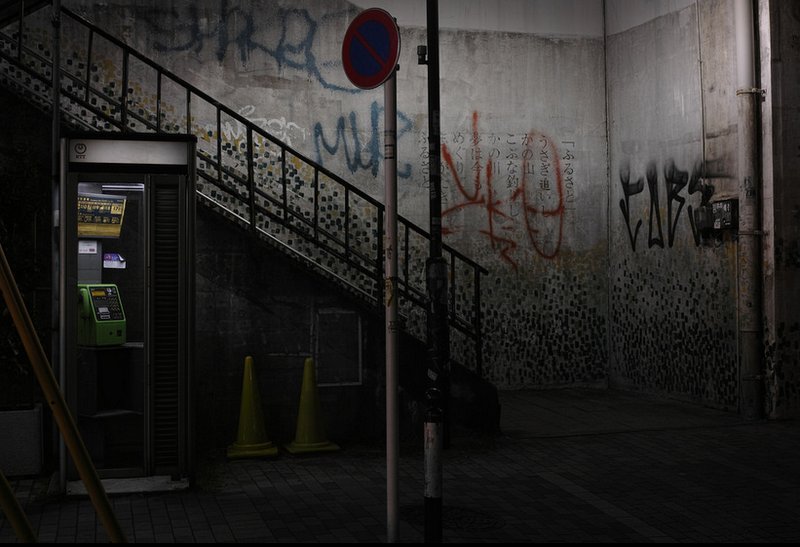
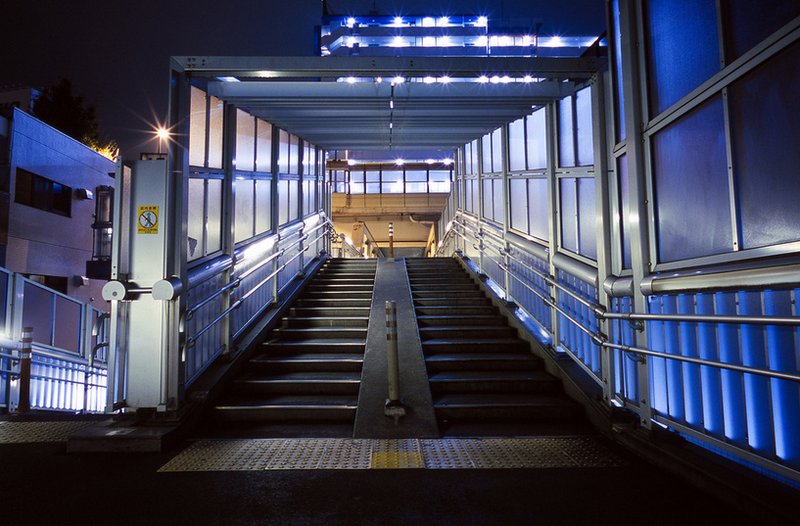
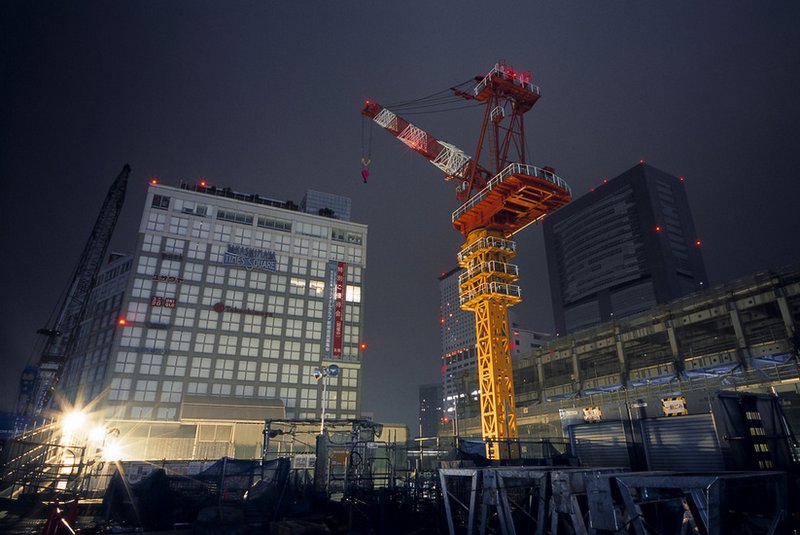
By day, Tokyo is a powerhouse of pulsating energy, fueled by a cellular system of multiple city centers, each the national capital of something. But by night, two distinct faces emerge: those who choose to sleep and those who choose not to. Tokyo-based photographer Noisy Paradise falls into the latter category, but where he points his lense – for extended periods at a time – is a deafeningly quiet Tokyo.

From Shinagawa and Shibuya to a shrine in Yoyogi, the photographer manages to capture long-exposure photos of a seemingly post-apocalyptic Tokyo; one in which the entire 13 million population has evacuated. I love the shadows and shapes that come to life at night in Tokyo. It’s a scene not always perceivable to the naked eye, even if it’s awake.

You can follow Noisy Paradise on flickr or on twitter.

noisy-paradise-quiet-tokyo (14)

noisy-paradise-quiet-tokyo (13)

noisy-paradise-quiet-tokyo (12)

noisy-paradise-quiet-tokyo (11)

noisy-paradise-quiet-tokyo (10)

noisy-paradise-quiet-tokyo (8)

noisy-paradise-quiet-tokyo (6)

noisy-paradise-quiet-tokyo (4)

noisy-paradise-quiet-tokyo (3)

noisy-paradise-quiet-tokyo (1)

noisy-paradise-quiet-tokyo (15)

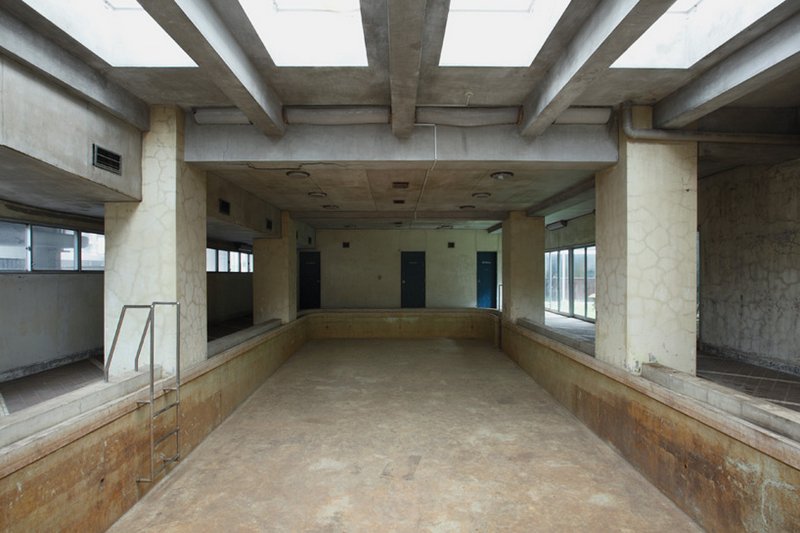
A pool transformed into a shop in Aoyama

the pool aoyama (2)

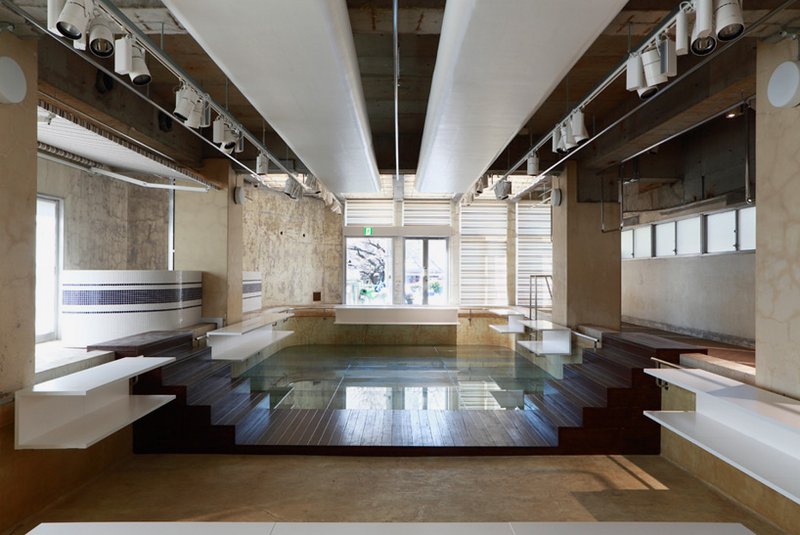
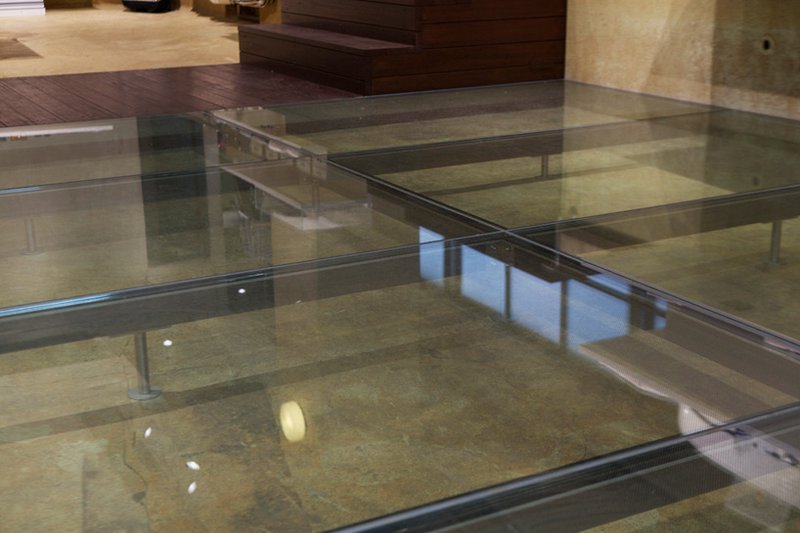
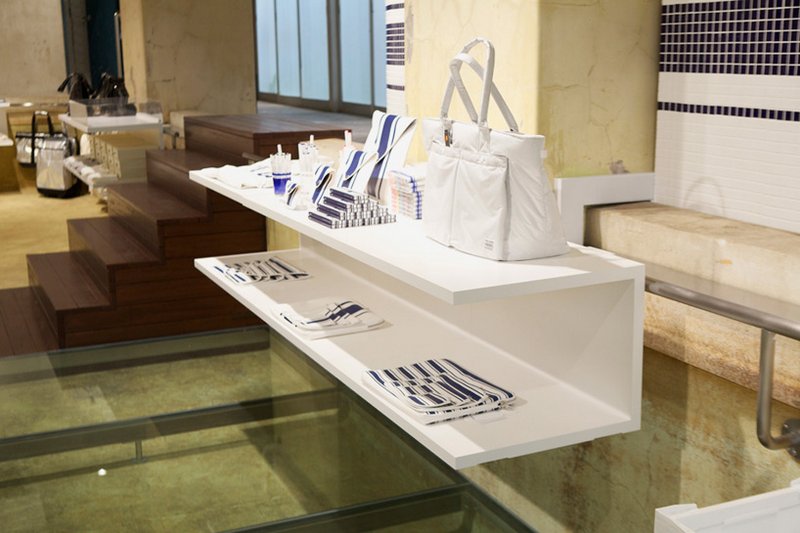
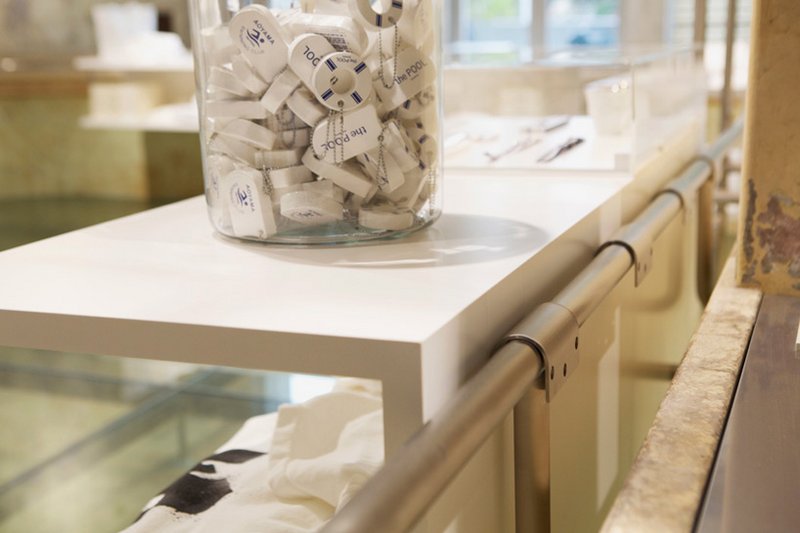
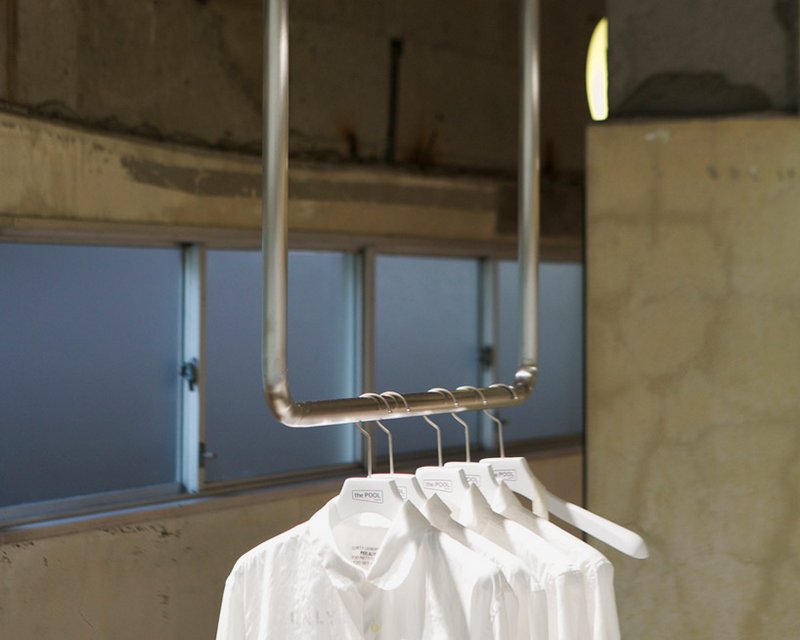
What do you do with an old, discontinued swimming pool that’s gathering dust in a vintage residential building from the 1970s? Well, if the pool is in Aoyama and you’re Hiroshi Fujiwara, the grandfather of Harajuku fashion, you convert it into a shop. That’s exactly what happened earlier this month when the DJ-turned-fashion-guru unveiled his new concept shop, The Pool Aoyama.

the pool aoyama (7)

the pool aoyama (1)The nautical-themed shop is a 5-min walk from Omotesando Station. It’s located on the ground floor of a rather nondescript building. Collaborating with Fujiwara on the renovation was architect Nobuo Araki, who’s assisted artist Takashi Murakami in building out his galleries, as well as Kaikai Kiki offices.


The design team opted to preserve much of the old look-and-feel, as well as many of the swimming pool furnishings, and just make subtle adjustments to the space. I’m not sure what the residents of the apartment building think, but it’s nice to see on old, unused space be vibrantly reborn.

[UPDATE March 2016] The Pool has now closed.

the pool aoyama (6)

the pool aoyama (5)

the pool aoyama (4)

the pool aoyama (3)

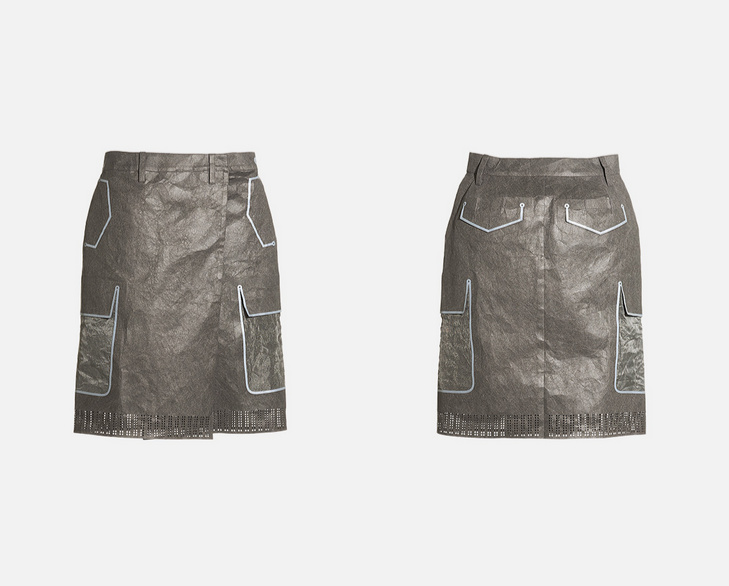
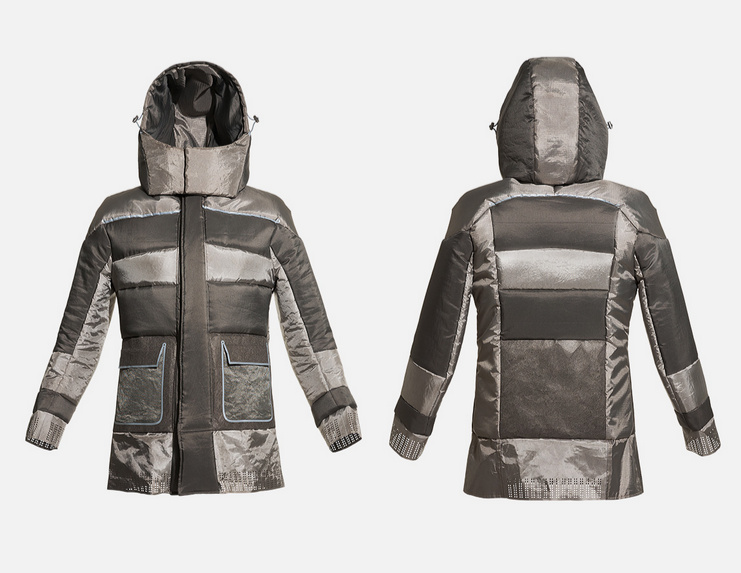
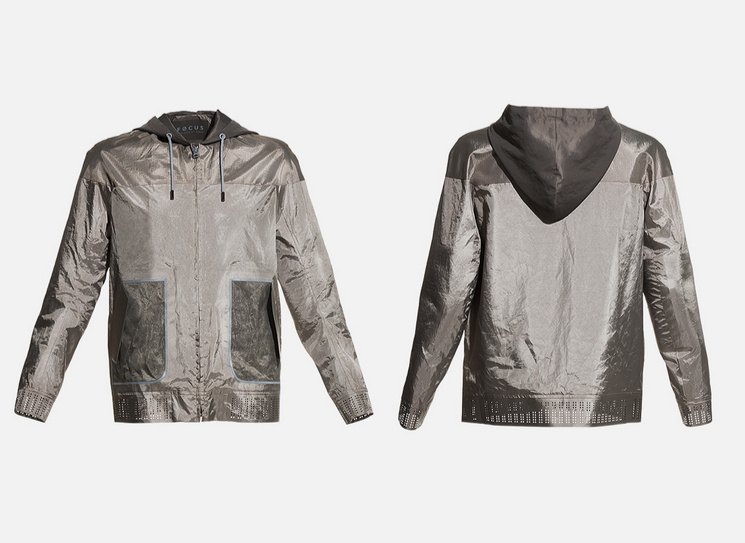
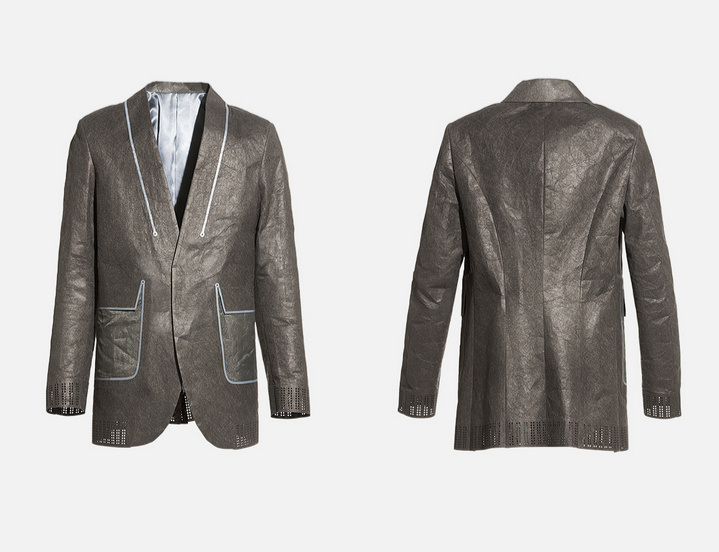
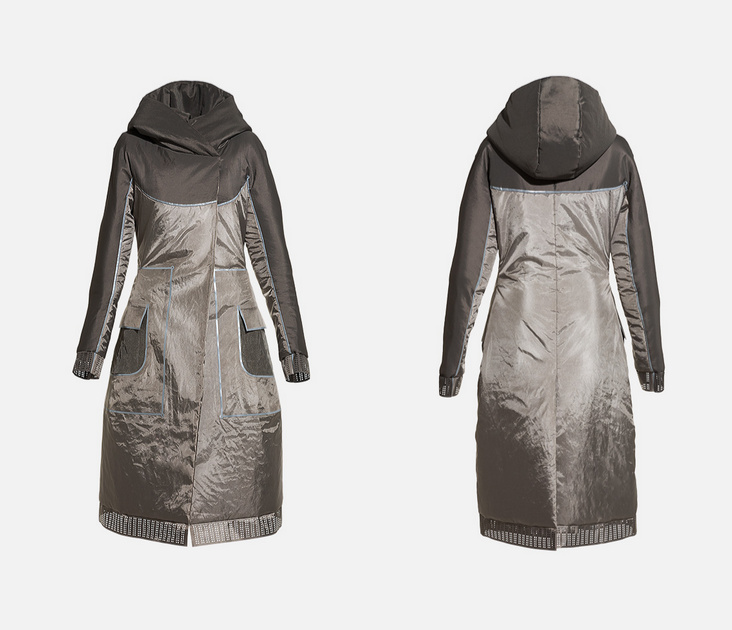
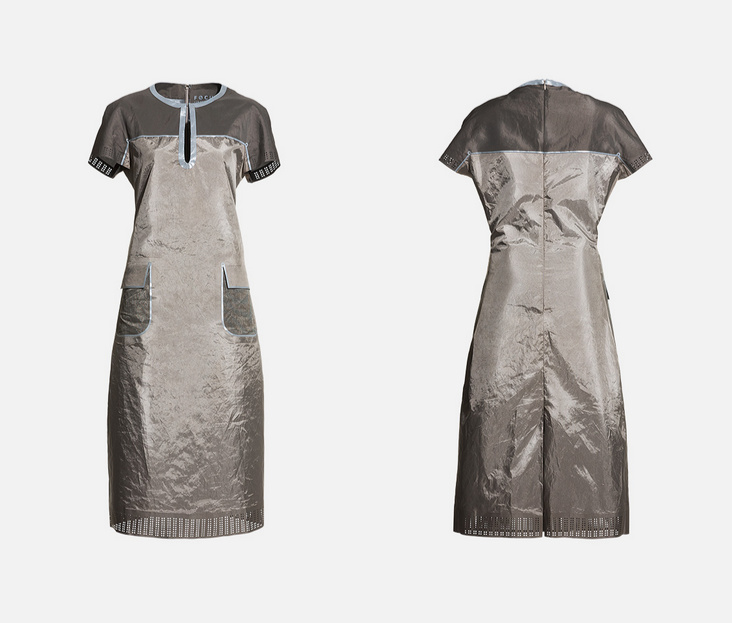
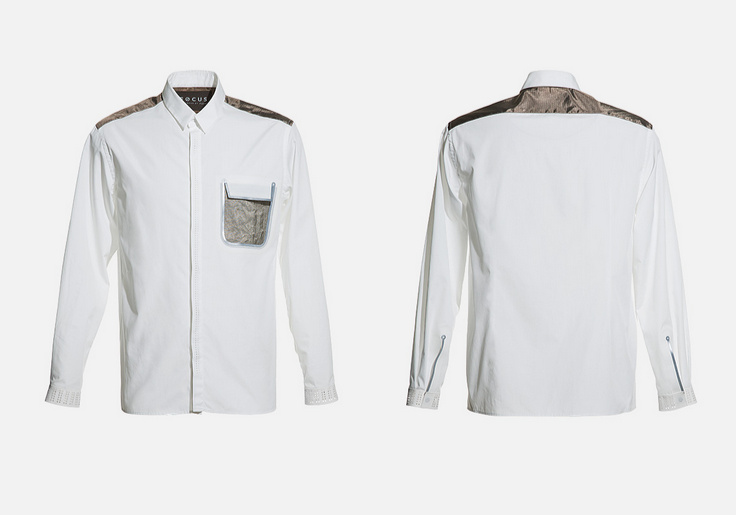
Radio frequency shielding fashion to help you focus

focus-fashion-kunihiko-morinaga (9)

focus-fashion-kunihiko-morinaga (2)focus-fashion-kunihiko-morinaga (6)

Mobile devices have become an everyday part of life. Literally, at any moment in time we are capable of chatting, liking, tweeting or “engaging” with others all over the world, regardless of what we are doing. But with all that technology are we actually disengaging, instead of engaging?

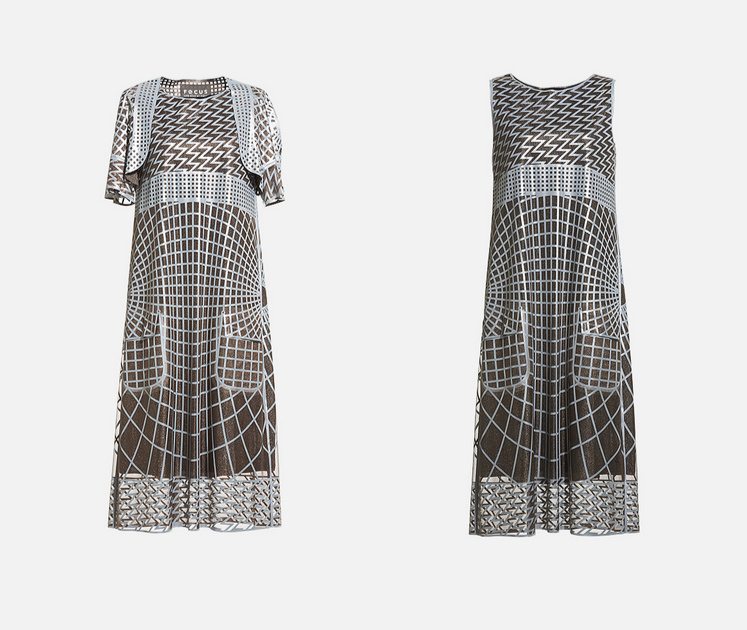
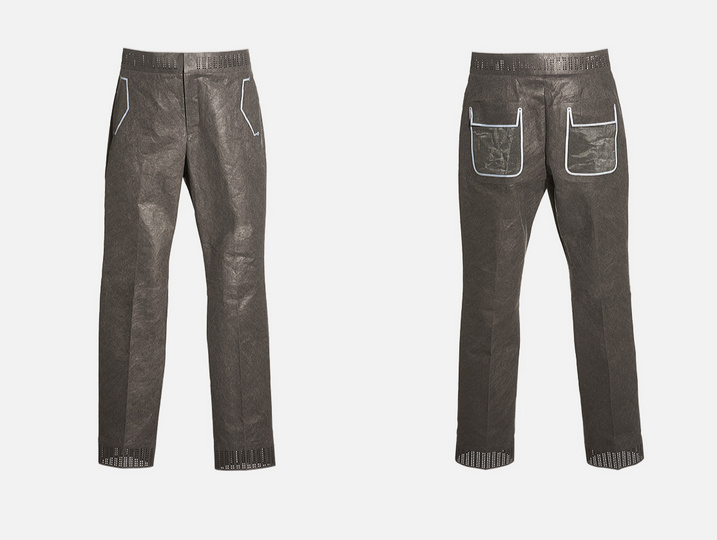
“Often [our phones] distract us from the things we really want to focus on like pursuing our goals, enjoying a moment with friends, appreciating the world around us.” That’s the idea behind FOCUS, a new garment collection by conceptual fashion designer Kunihiko Morinaga (previously). Using a type of material that shields electromagnetic waves, Morinaga has designed a line of men’s and woman’s fashion that protects us from “the storm of information.”

The fashion line was a collaboration between Morinaga, PARTY, AID-DCC and Trident. It debuted during Toronto Fashion Week.

focus-fashion-kunihiko-morinaga (3)

focus-fashion-kunihiko-morinaga (4)focus-fashion-kunihiko-morinaga (5)

focus-fashion-kunihiko-morinaga (7)

focus-fashion-kunihiko-morinaga (8)

focus-fashion-kunihiko-morinaga (1)

« Older posts Newer posts »

© 2026 Spoon & Tamago

Up ↑

Design by Bento Graphics