Page 201 of 406

Natsumi Hayashi Levitates Around the World

natsumi-hayashi 8

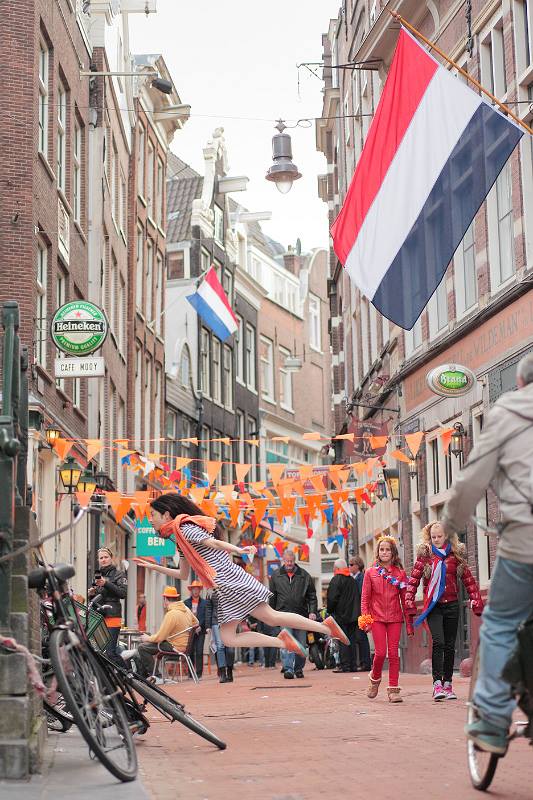
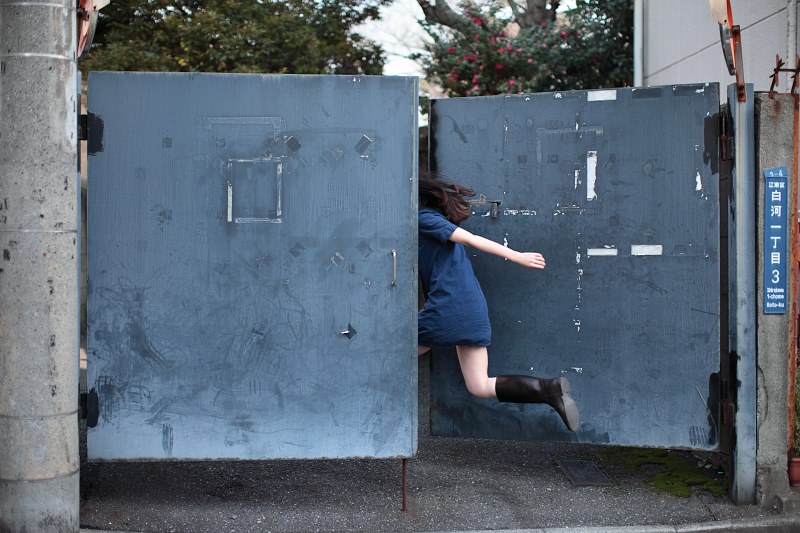
Natsumi Hayashi, Today’s Levitation: Vietnam Wacoal Corp (2013)

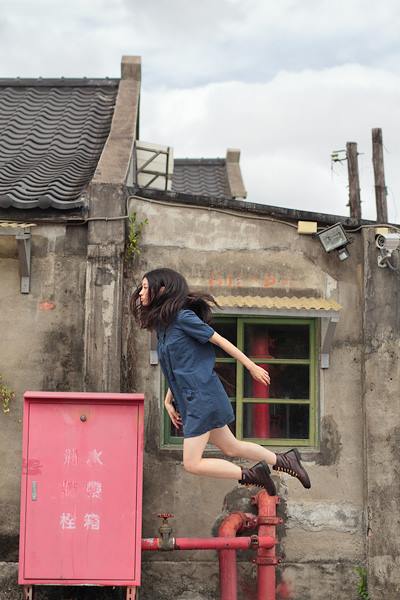
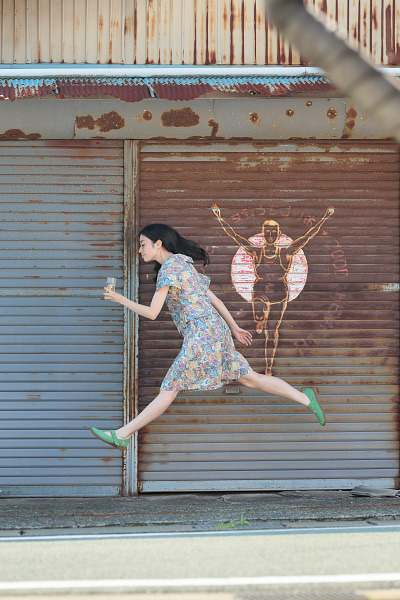
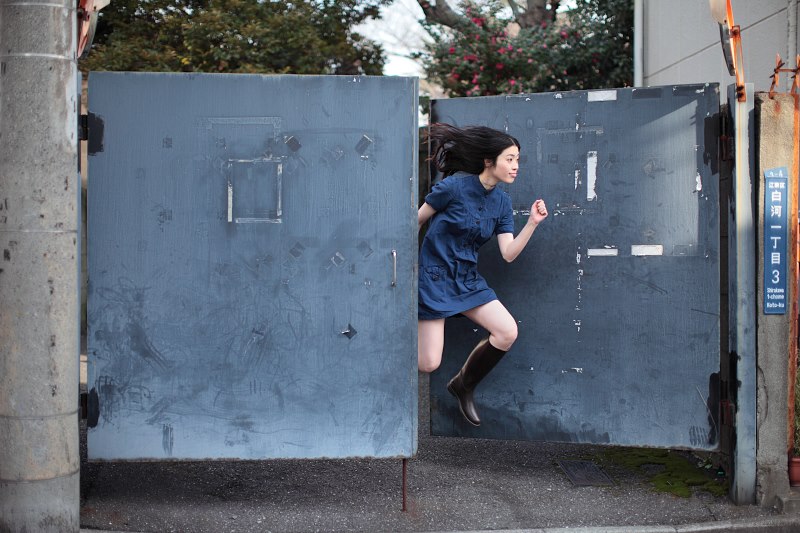
Ever since we profiled Japanese photographer Natsumi Hayashi back in 2011, she’s gone places – literally. She’s taken her carefully adjusted shutter speed and graceful leaps to the Netherlands, Korea, France and Israel where her levitating photographs have captivated audiences. She even released a book earlier this year.

And of course, she always manages to capture one of her perfectly timed jumps on site too. Oh but don’t call them jumps. A jump, even when photographed in mid-air, features awkward flailing appendages and seems to anticipate a landing. Hayashi, with the utmost emphasis on the position of her head, arms and legs, is levitating. She is free of gravity.

Here are some recent photos from her “Today’s Levitation” series in Tokyo, and around the world.

natsumi-hayashi 1

natsumi-hayashi 2

natsumi-hayashi 3natsumi-hayashi 4

natsumi-hayashi 5

natsumi-hayashi 6

natsumi-hayashi 7


The Walking Bicycle Club is Trying to Change the Way We Ride

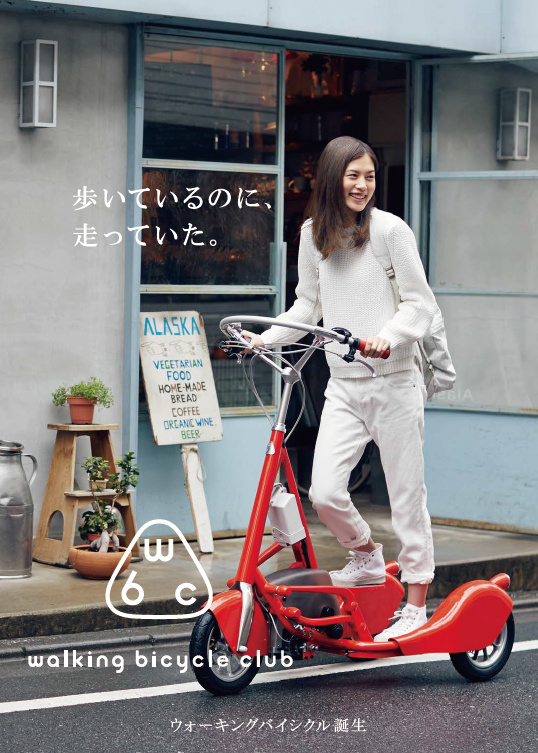
walking-bicycle-club (9)

The bicycle is deeply engrained in Japan’s history. Even by the 1920s the bicycle in Japan had achieved ubiquitous status with the government, in 1927, declaring November 11 to be “Bicycle Commemoration Day.” At the time, government officials noted that Japan had become “the foremost bicycle riding country in the world.” And while the bicycle itself has evolved, its status as a mainstay has little changed. Recent reports indicate penetration to be at 1 bicycle for every 1.5 people, one of the highest in the world. Residents and visitors will agree that the bicycle is one of the best ways to get around dense cities like Tokyo.

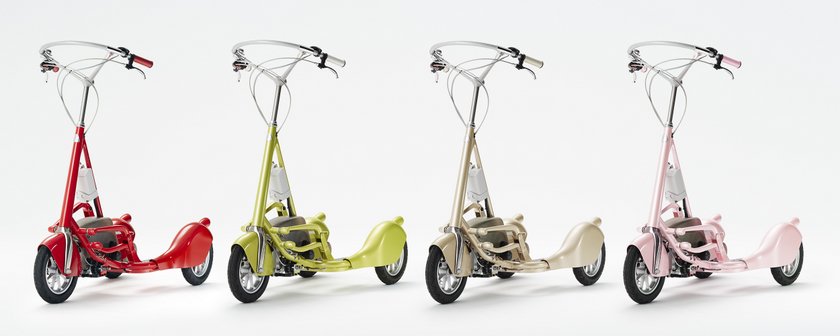
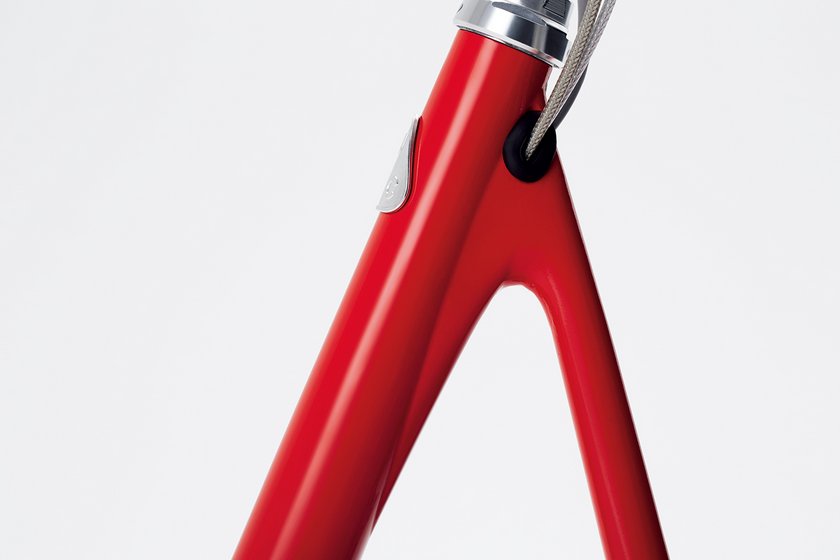
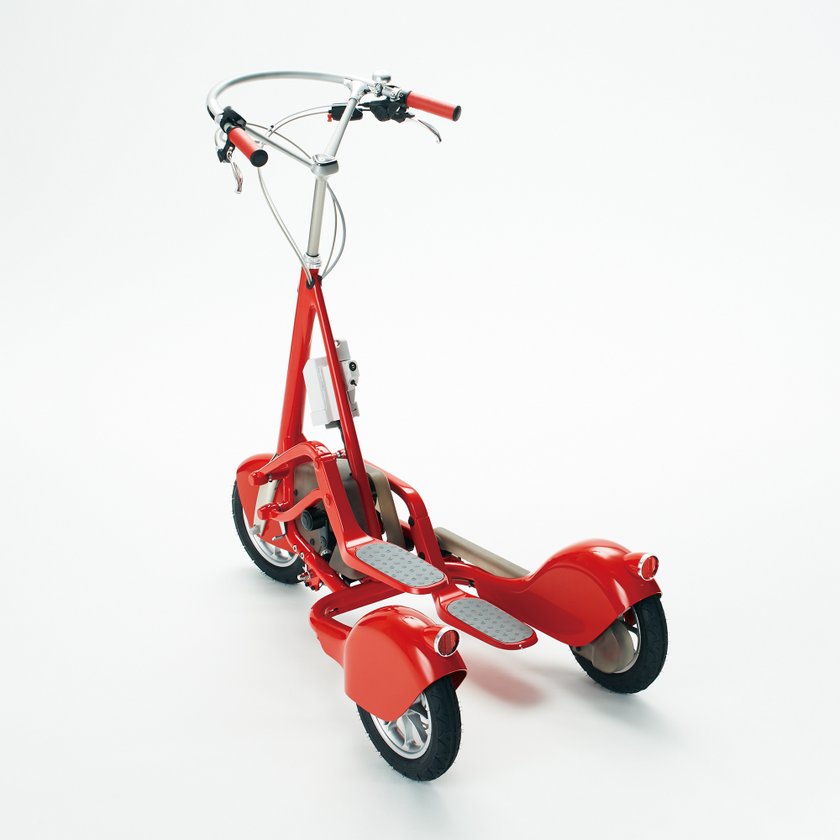
As I wrote over in Design Made In Japan, now a new organization is looking to change the way we get around. Calling themselves the Walking Bicycle Club, a group of designers have debuted a piece of equipment called the walking bicycle (we’ll call it WB for short). Not unlike an air walker you might see at a gym, the WB – “the world’s first,” claim the inventors – can achieve speeds of a normal bicycle simply by moving your legs the way you would walk. And it’s classified as a bicycle, which means you don’t need a license and it can be used on all the same roads as bikes. It’s a nice medium for those who like to walk, but also need to cover significant distance.

walking-bicycle-club (8) walking-bicycle-club (4)

walking-bicycle-club (3)

The WB also comes with an impressive pedigree. It was designed by Shuwa Tei, an architect and designer known for works like HOTEL CLASKA and United Cinemas Toyosu. Accompanying him is Kenya Hara, the man behind the MUJI aesthetic. And it’s manufactured by Katayama Industries, a key player in the global bicycle parts industry.

But will the WB have legs? It’s hard to say but at a price point of 290,000 yen (about $2900), it’s also hard to see it having mass-market appeal. But come October, when the WB finally hits the market, we may have to start sharing the road with walking bicycles.

walking-bicycle-club (6)

walking-bicycle-club (10)

The Most Comfy Cup of Tea | Texture Cups by Cement Design

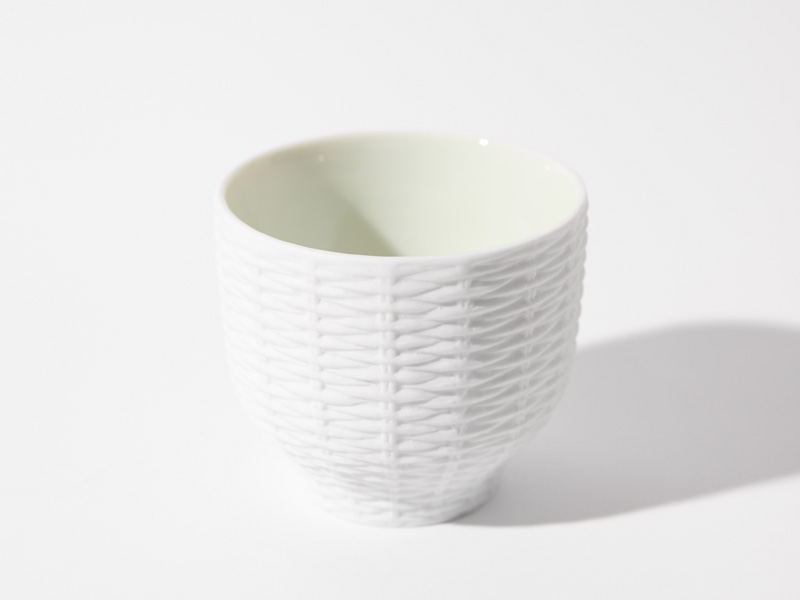
traceface_va07_z

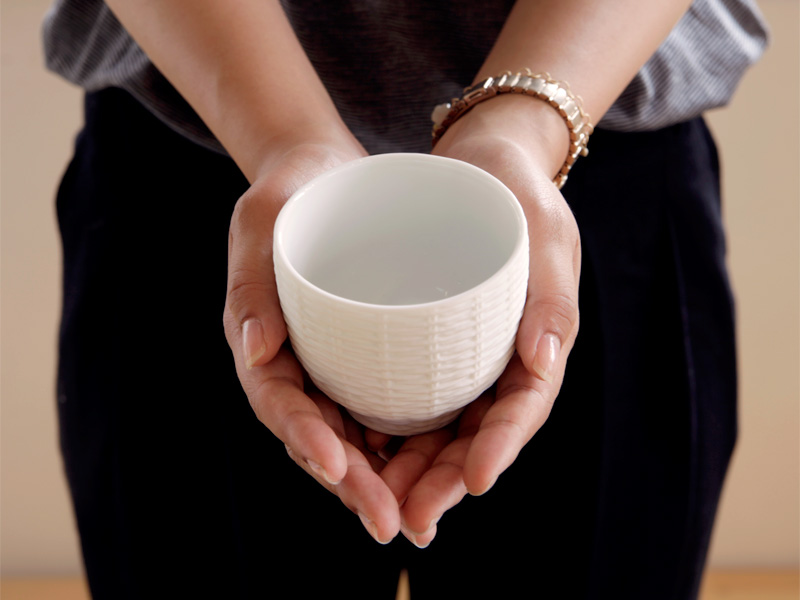
traceface_va04_z

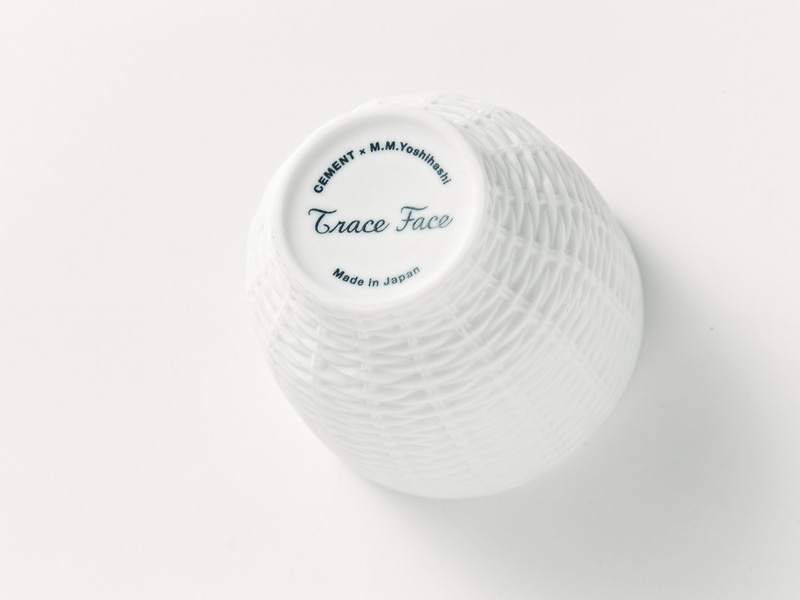
traceface_detail6_z

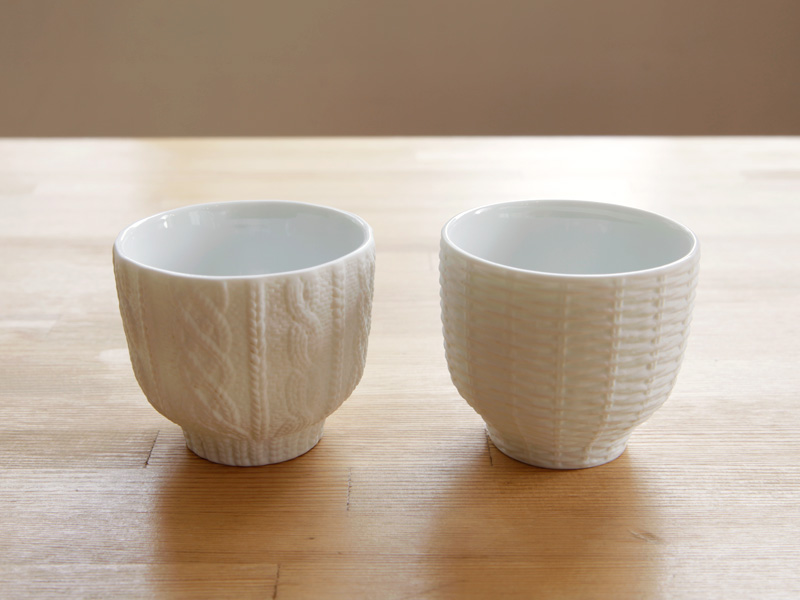
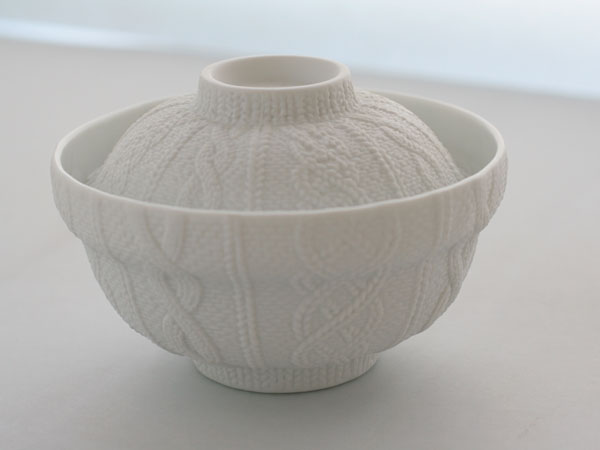
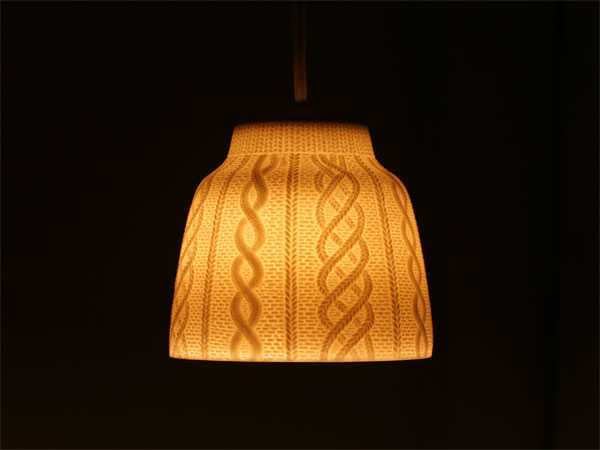
In an effort to create the most comfortable cup of tea possible, Japan-based Cement Design decided to combine Japanese ceramics with everyday feel-good textures. Their “Trace Face” collection comes in “wool” and “rattan basket” cups, as well as a bowl and a lamp created using the same technique. 

Even though the objects were made on a large scale, the design studio wanted them to retain a warm, human element. To make sure that they looked and felt artisanal, they chose to work with Yoshi Takahashi, a craftsman from Japan’s Aichi prefecture who created a mold for each version of the cup. So as you drink your tea or coffee, you may feel the touch of Japanese craftsmanship along with the cup’s unique texture.

traceface_detail3_z

traceface_detail10_z

traceface_detail2_z

tracefacedonburi1

tracefacelight3

tracefacelight4

top-image4

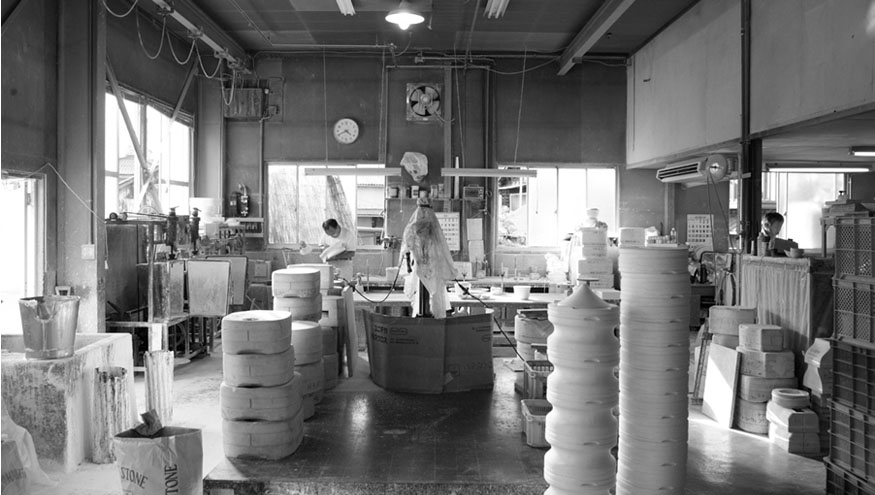
The Horitsuke workshop – where the magic happens  

Pictures by Horitsuke and Cement Design

When Japan Ruled The Road | Japanese Bicycles in the 1970s

japanese-bicycles-1

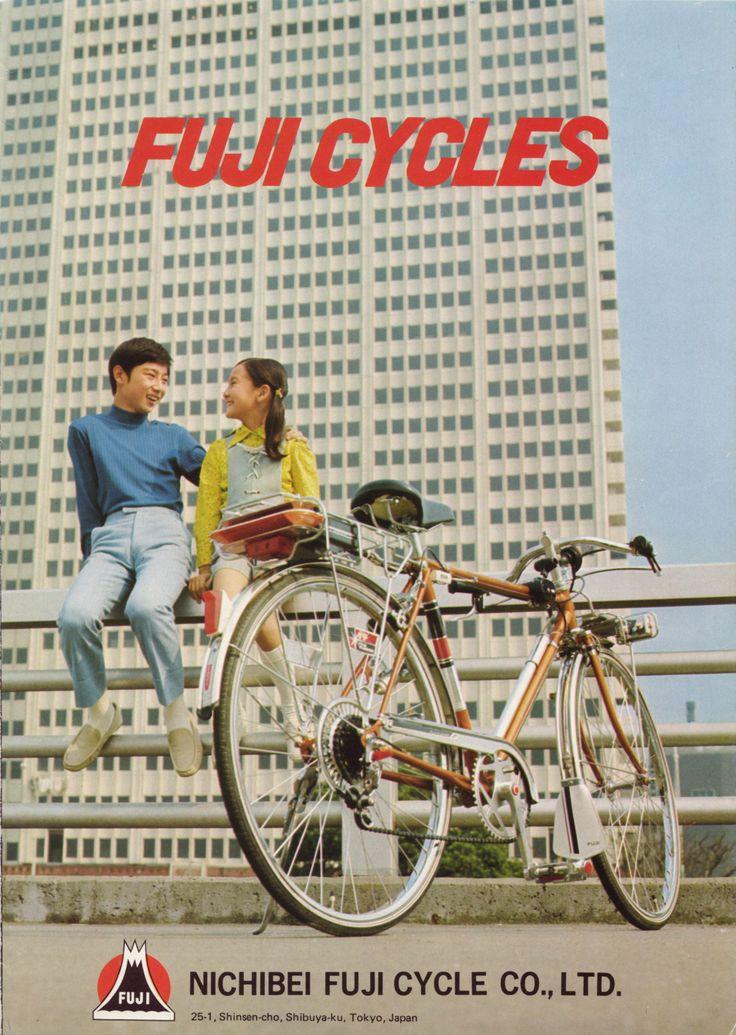
1971 Fuji Catalogue

In the early 1970s, the world bore witness to a Japanese invasion and, no, we’re not talking about Mechagodzilla. After decades of untrammeled expansion in their home market, Japanese bicycle makers set their steely sights on an even bigger prize: American roadways.

Starting with the introduction of Nichibei Fuji’s S10-S model in 1971, Japanese bike manufacturers rushed to meet a historic spike in America’s demand for road bikes. The big makers, with names both still relevant and lost to time, included the aforementioned Fuji, Miyata, Nishiki, Bridgestone, and even Panasonic.

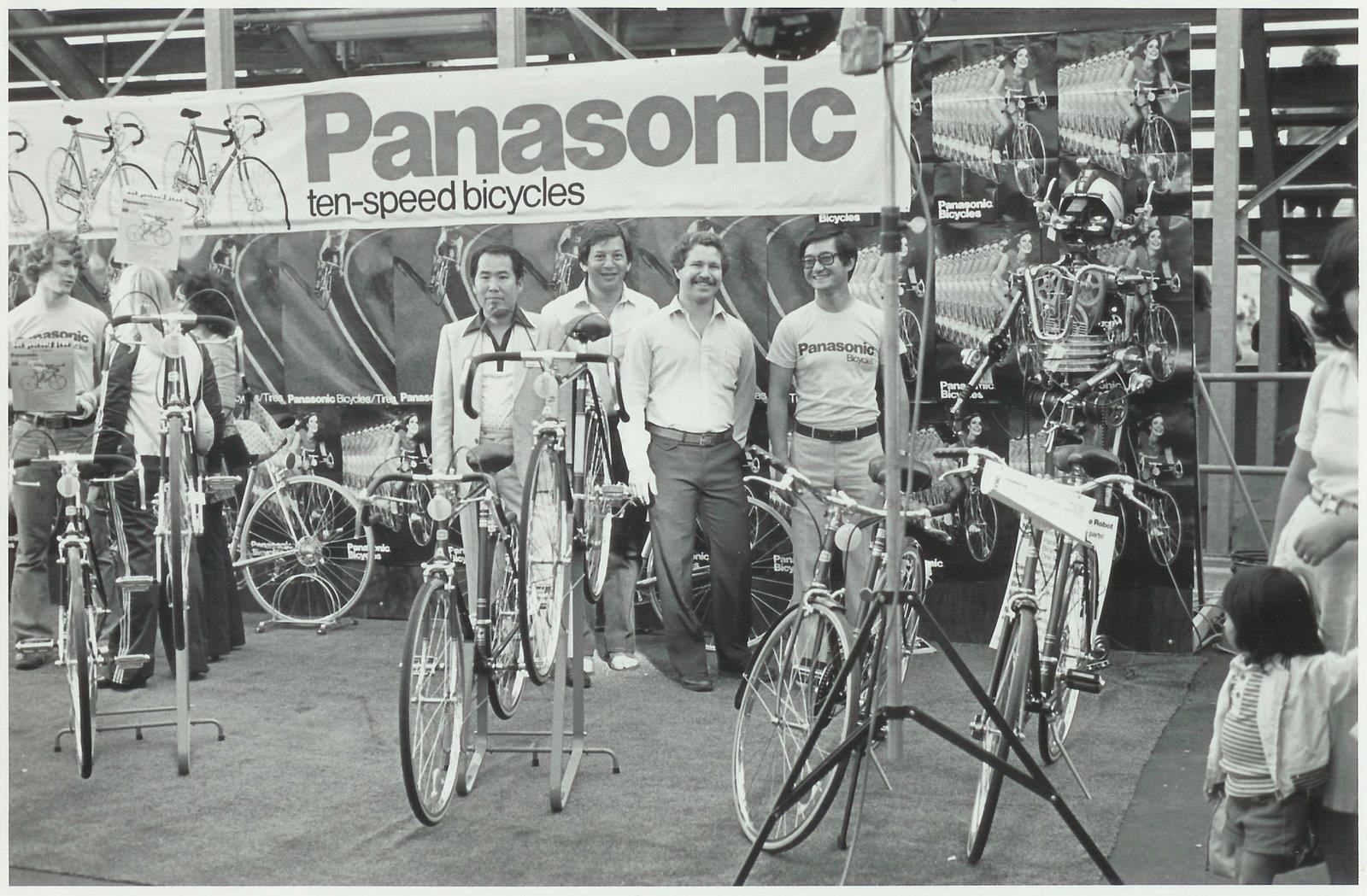
Yes, that Panasonic.

japanese-bicycles-3

Panasonic bicycles on display in 1981

Japanese bikes garnered glowing reviews for their innovation, construction, and competitive pricing–Fuji even managed to snag first place in Consumer Reports Magazine three times in their first decade in America. (Full disclosure: we would have given it to them too, if only because they had a model called “Fuji’s The Ace.”) At the height of the 1970s bike-mania, Japanese manufacturers exported about a million bikes to the States per year.
japanese-bicycles-5japanese-bicycles-2

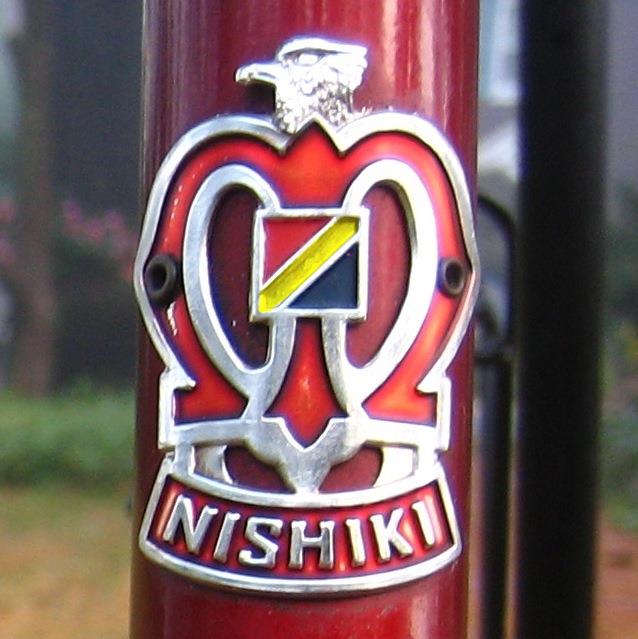
Centurion and Nishiki logos

The 80s ended all that. In the middle of the decade, fluctuating currency rates and a shift in taste towards mountain bikes conspired to end the era of Japanese racers. Many of the American subsidiaries declared bankruptcy and shuttered operations. But, if the presence of these enthusiasts shows anything, it’s that, in some places, Japanese bike-mania rides on.

japanese-bicycles-4

japanese-bicycles-6

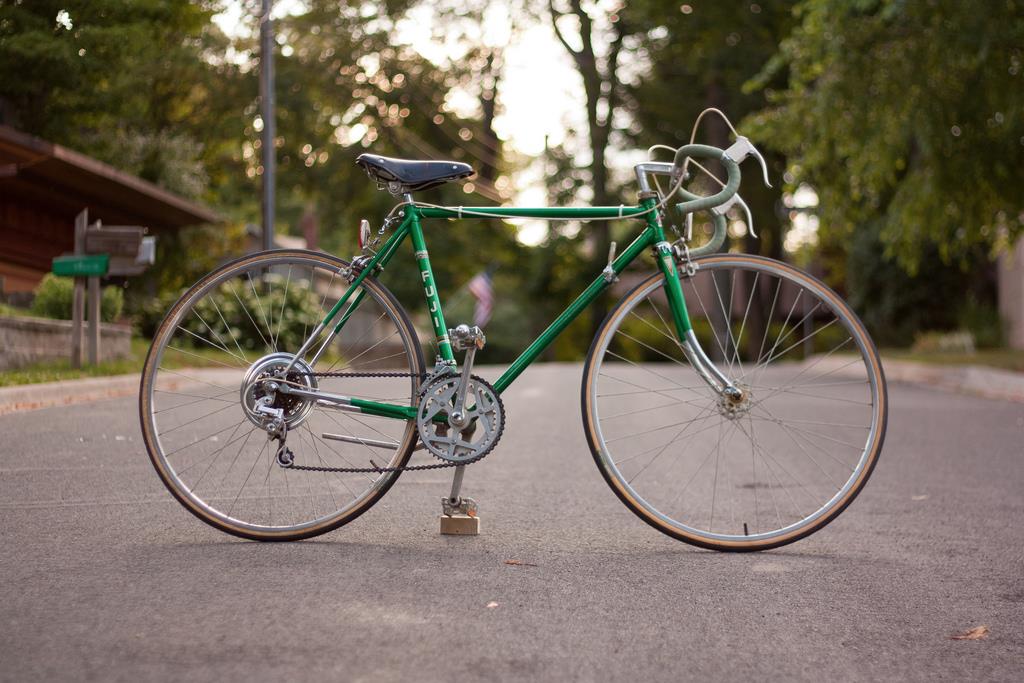
Koga Miyata Gent’s Racer

japanese-bicycles-7

Fuji S10-S

japanese-bicycles-8

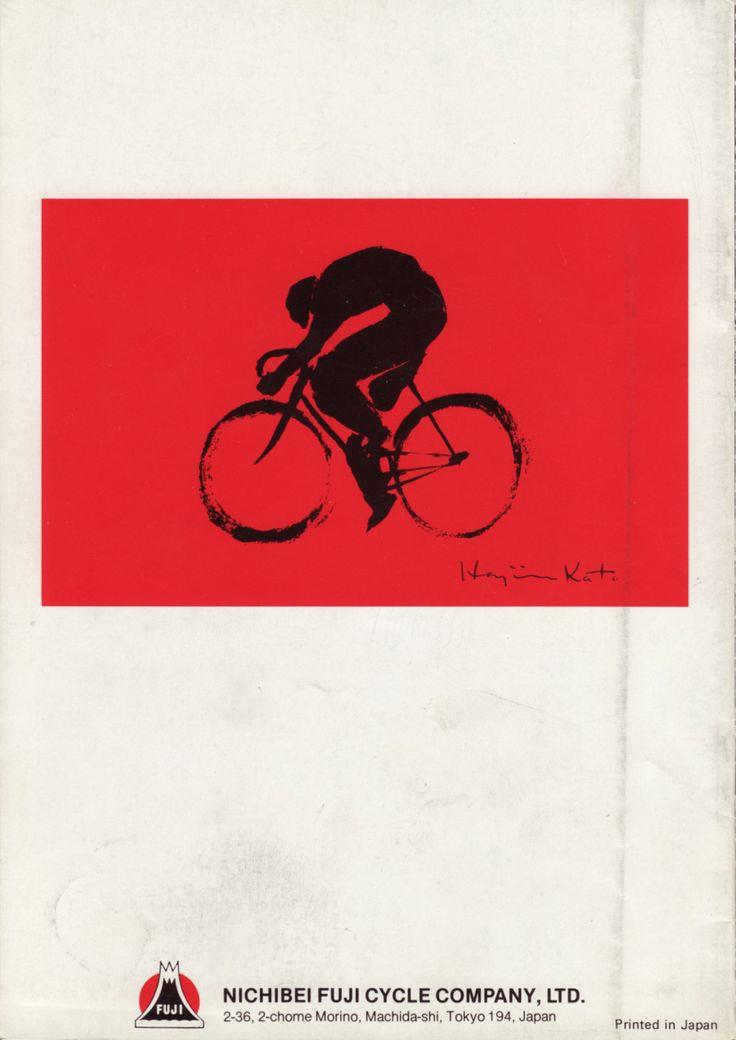
Fuji Bike Back Cover

images: flickr, Panasonic Bike Virtual Museum, Classic Fuji Bike Museum

Sou Fujimoto’s Bus Stop in Austria Will Make You Feel Like You’re On Stilts

sou-fujimoto-bus-stop (3)

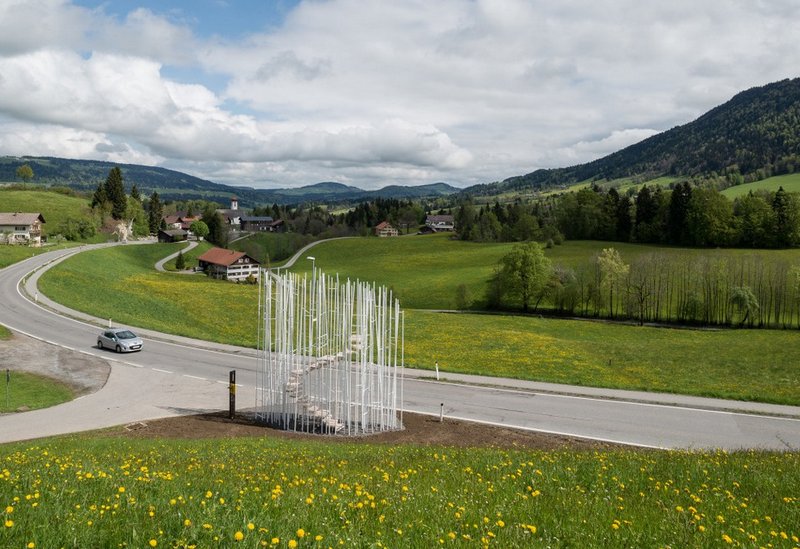
Sou Fujimoto’s BUS:STOP design. All photos by Yuri Palmin

With barely any budget at all and a population of 1000, last year a small Austrian village set out to accomplish what many thought was impossible: inviting world-renowned architects to come and design avant-garde structures that would attract tourists to their tiny village. They offered to pay their architects with a free vacation in the region. Sure enough, within several weeks 7 internationally-acclaimed architects had signed on to the BUS:STOP project to design bus stops for the village of Krumbach.

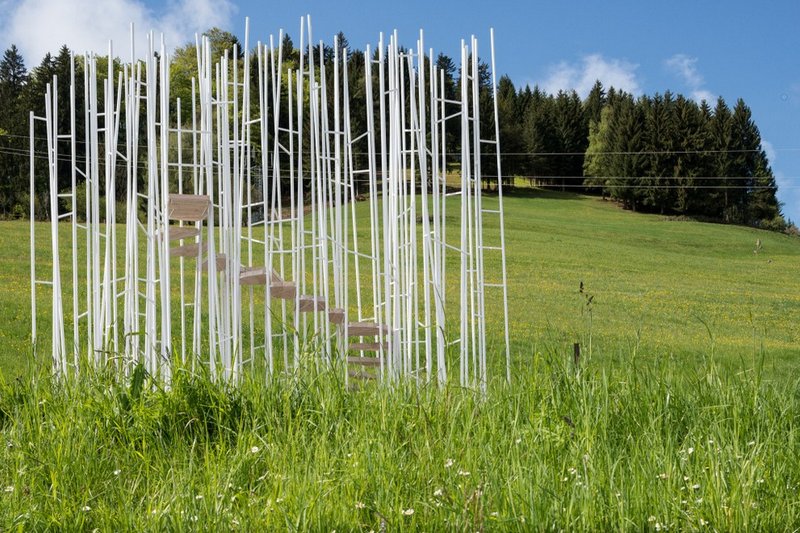
One of these was the critically acclaimed Sou Fujimoto (previously), who had been selected to design the Serpentine Pavilion in 2013. Fujimoto’s whimsical structure, while leaving a bit to be desired in functionality, features numerous white poles rising up from the ground and connected by steps. Climbing it, I can only imagine, must feel like getting on top of a forest of stilts. But the project wasn’t only about trying something new. It was also a significant leap in infrastructure and mobility for the rural area, notes an organizer. You can read more about the project, and see the other designs over at Archdaily.

sou-fujimoto-bus-stop (1)

sou-fujimoto-bus-stop (2)

This Picnic Mat Lets You Relax on the Road

Capture d’écran 2014-05-14 à 22.04.47

 “The middle of the road; although it is a common sight around us, we are hardly ever allowed to be in it.”

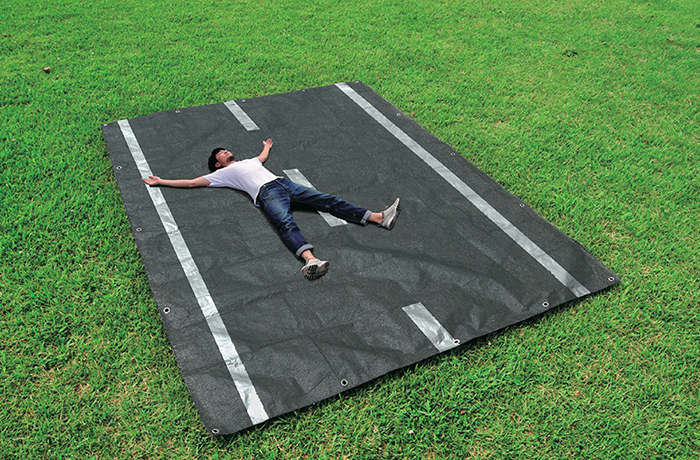
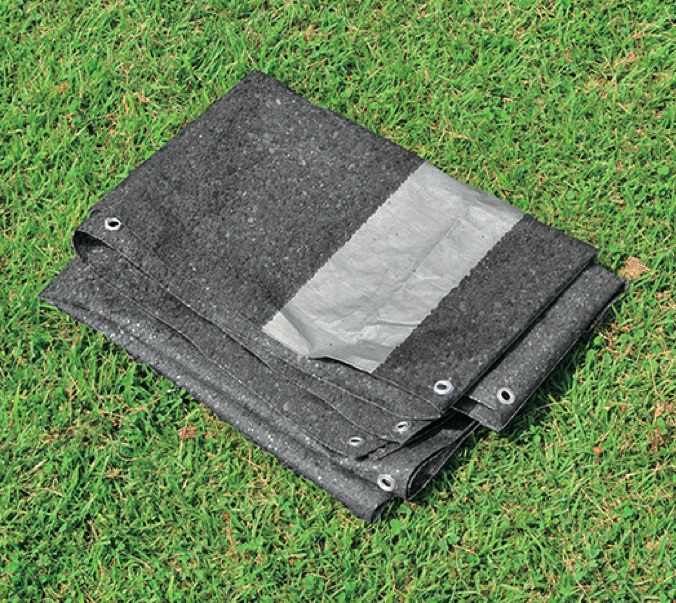
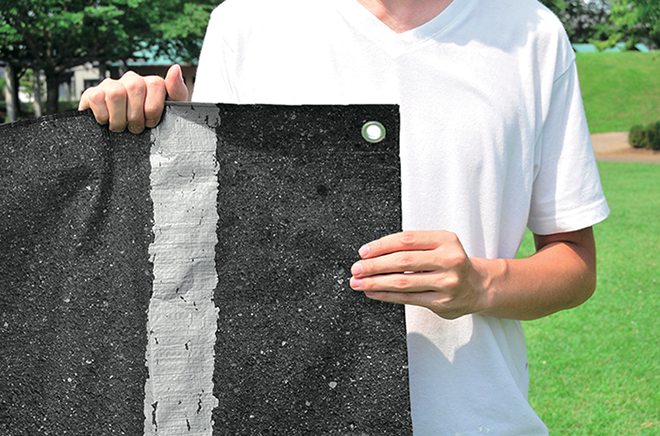
So goes Yuma Kano’s rationale behind his “Anywhere Road” mat. The Kanagawa-based designer behind the smiley-face screwdriver and the light bulb vases created this picnic sheet for those who can’t stand to leave the big city behind. Those who always dreamed to lie down and relax in the middle of the street. Or simply those who really want to be noticed in park’s picnic area.

Either way, this one-of-a-kind picnic sheet is sure to entice lots of people. And to make sure there will be enough space for you and all of your friends, multiple “Anywhere Road” mats can connect together to create your very own street across the park.

If you want to know more about Kano’s work, be sure to read this recent interview.

Capture d’écran 2014-05-14 à 22.05.00

Capture d’écran 2014-05-14 à 22.05.08

Capture d’écran 2014-05-14 à 22.05.21

Images: Mio Mochizuki
From Yumakano studios

ONOMICHI U2 | a new bicycle-friendly enclave in Hiroshima

u2_01_main

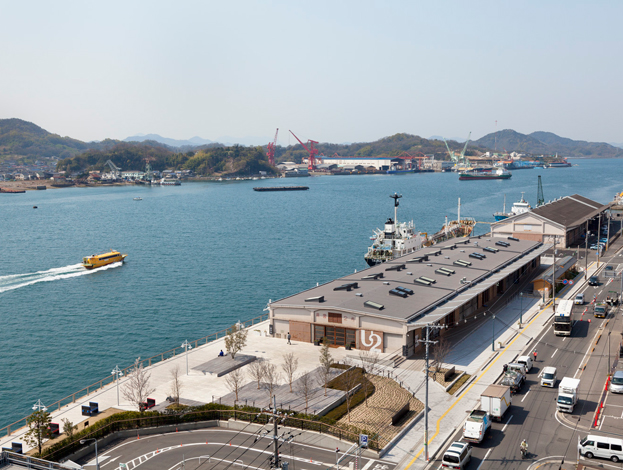
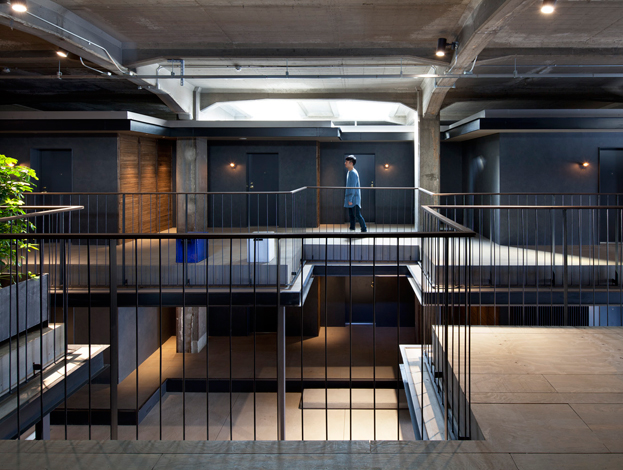
Calling itself the world’s first bicycle-friendly multi-purpose space, the Onomichi U2 is now open for business. What makes the space special is not that it’s a hotel, café, bakery, restaurant and bike shop all in one, but that you can ride your bike through almost all the facilities. You can ride your bike up to the front desk to check-in, and then take your bike up to your hotel room, which is equipped with a bike rack. The café even has a “cycle-thru” lane so you can get your caffeine fix without ever getting off your bike.

u2_02_main

u2_03_mainu2_05_main

The Onomichi U2 is trying to position itself as one-stop-shop for cyclists lured by the neighborhood’s Shimanami Kaido, a 70km bicycle toll road that crosses 6 bridges and 8 small islands to connects Honshu to Shikoku. (If you decide to do the bike ride you’ll want to read this guide first.)

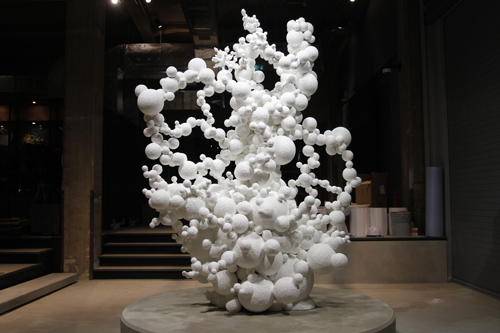
But the hotel is also trying to cater to an art and design-savvy crowd as well. Situated on a site by the water and nestled between warehouses and cargo ship loading docks, the industrial building was designed by architect Makoto Tanijiri. The first thing you’ll see when entering is a large site-specific sculpture designed by artist Kohei Nawa’s Ultra Sandwich Project. It’s certainly a unique destination for an area that’s increasingly becoming an art and culture hub of Japan. For more on that you’ll want to head here.

u2-kohei-nawa

u2_04_main

u2_06_main

u2_07_main

u2_08_main

u2_10_main


A Poster Design Contest Breathes New Life into an Old Shopping District

fumino-sato-shipping

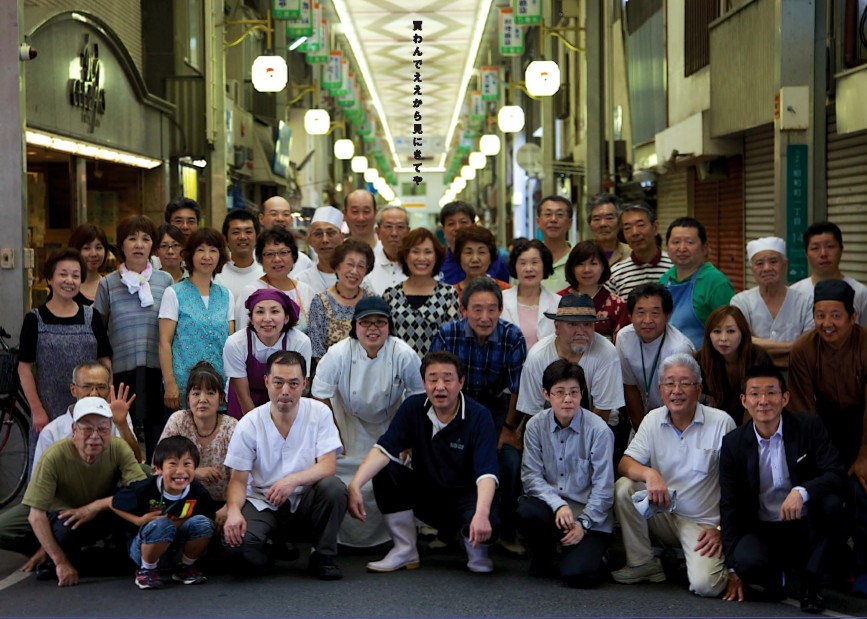
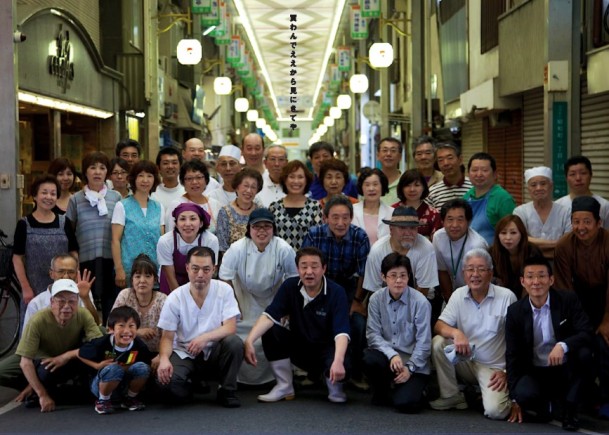
mom and pop shopowners of the Fuminosato shopping street

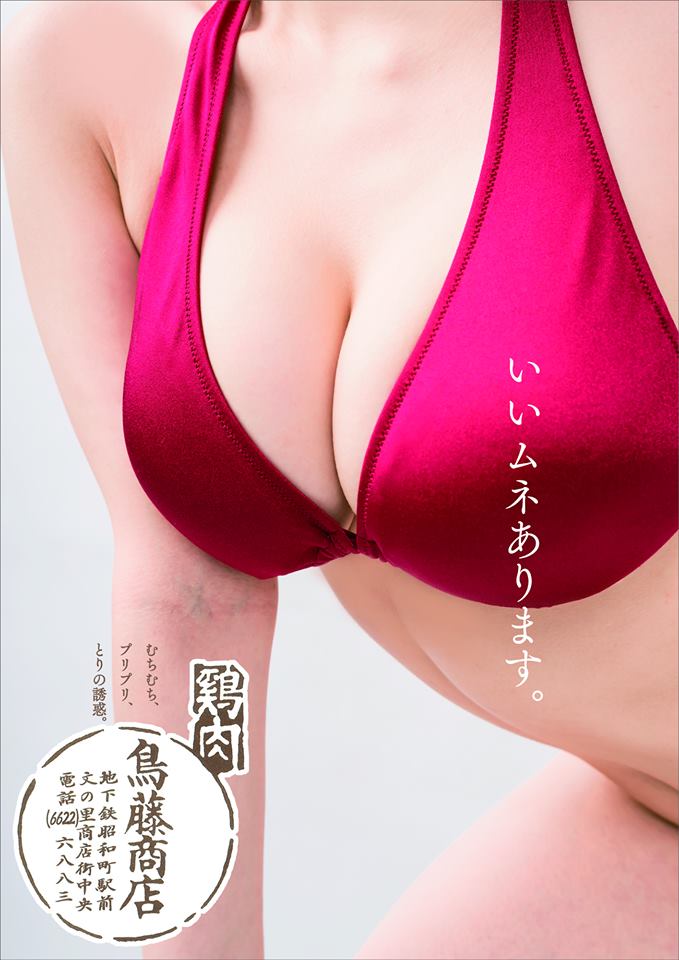
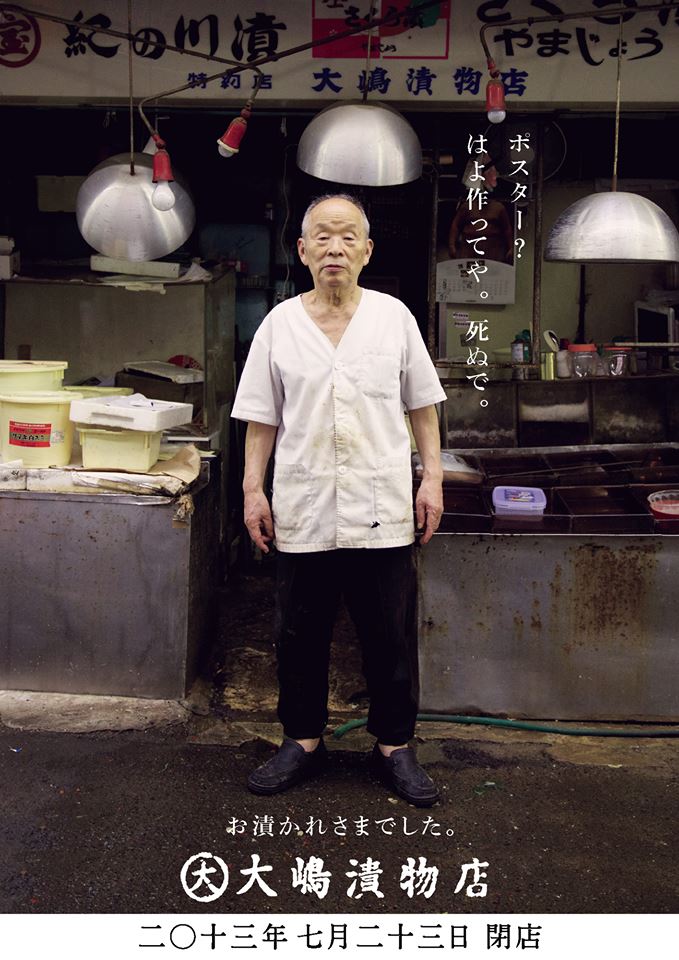
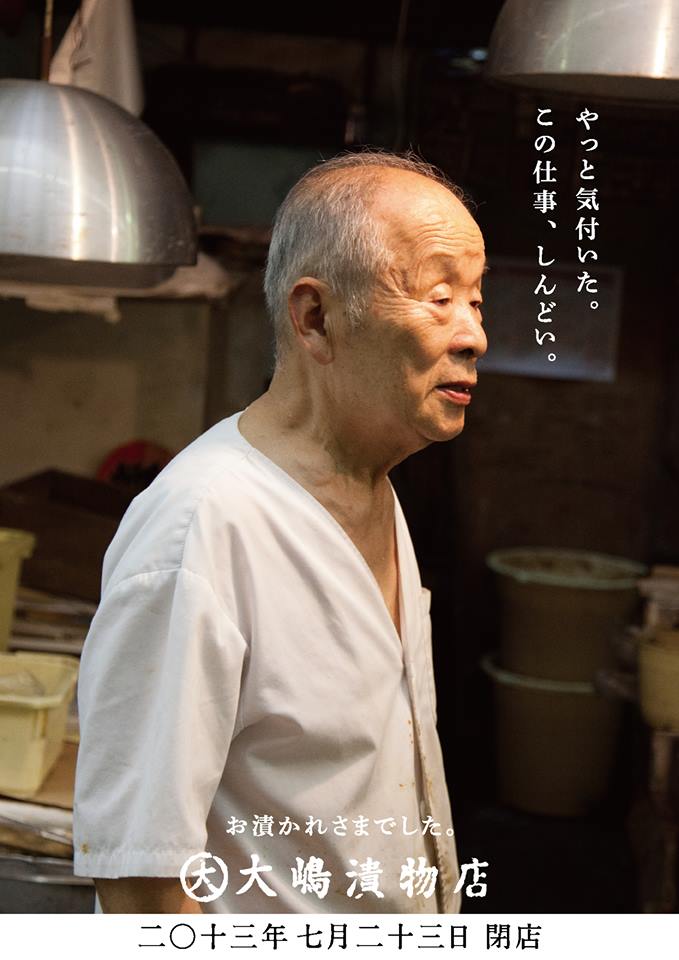
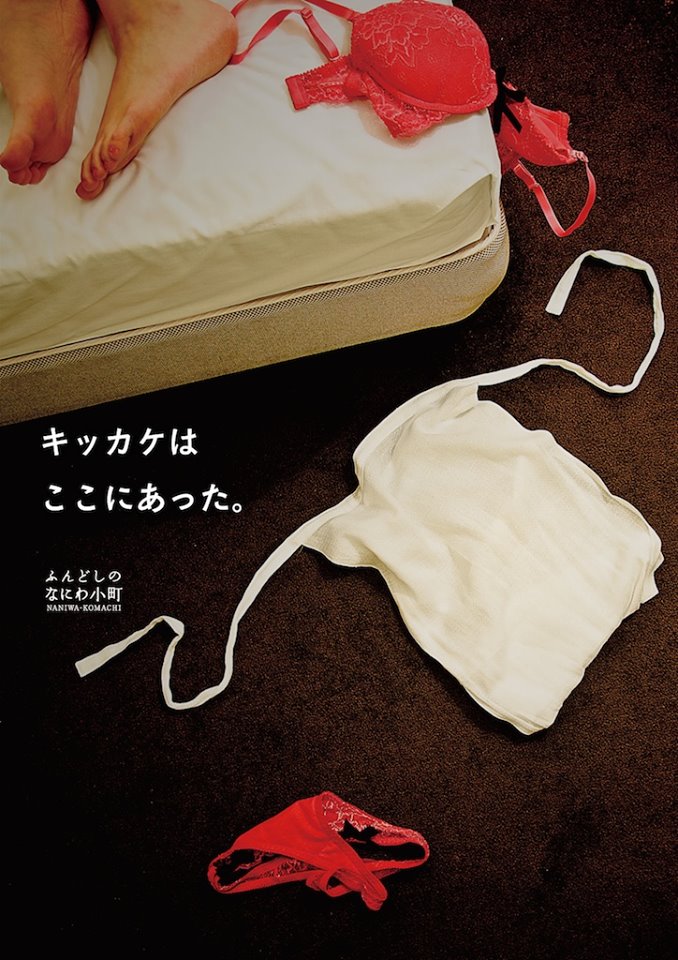
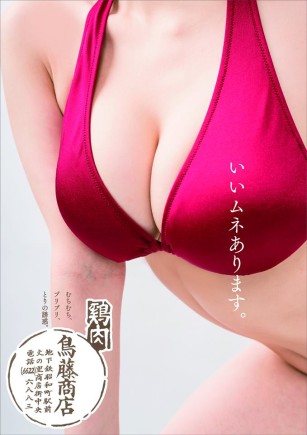
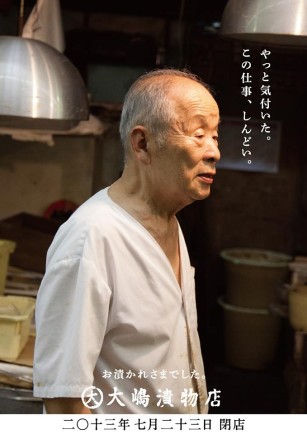
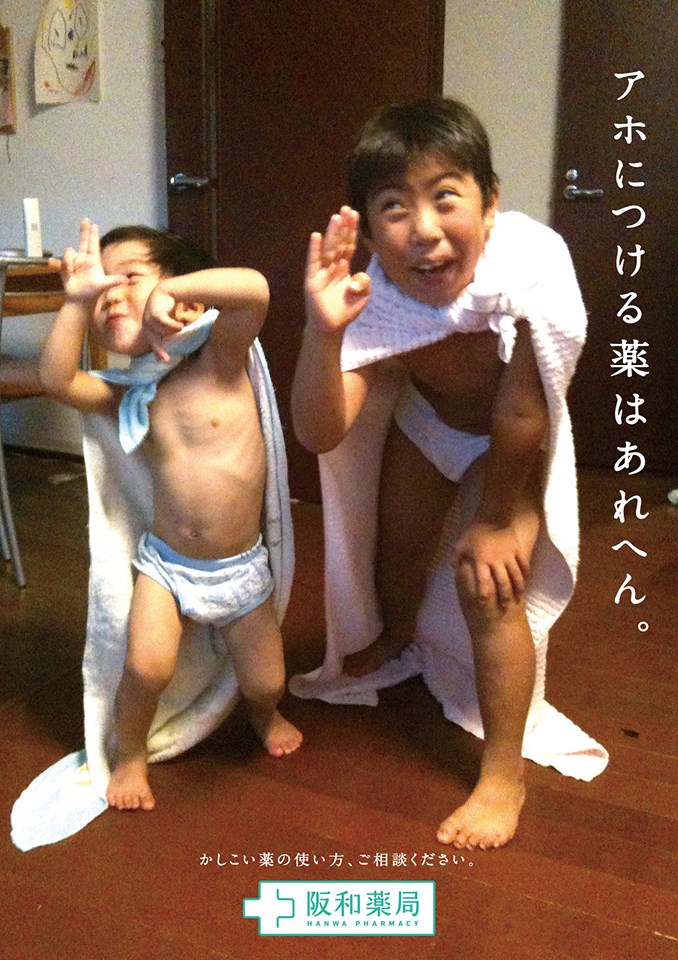
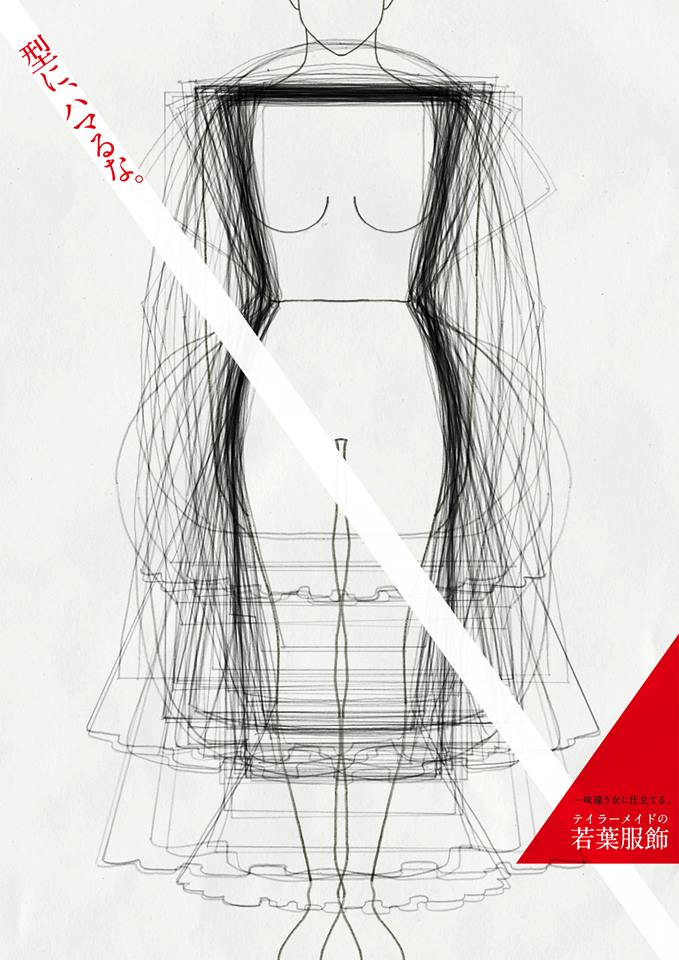
The proliferation of e-commerce and the hegemony of big box department stores wreaking havoc on small mom and pop shops is not a new story. It’s been happening all around and, despite complaints that neighborhoods are losing charm and character, it doesn’t seem like there’s much we can do about it. But in the Fuminosato Shotengai (shopping street) in Osaka, which was once thriving with over 100 local shops, a group of store owners are using humor and design to try and get people excited about mom and pop shops.

fumino-sato-poster-design (33) fumino-sato-poster-design (1)

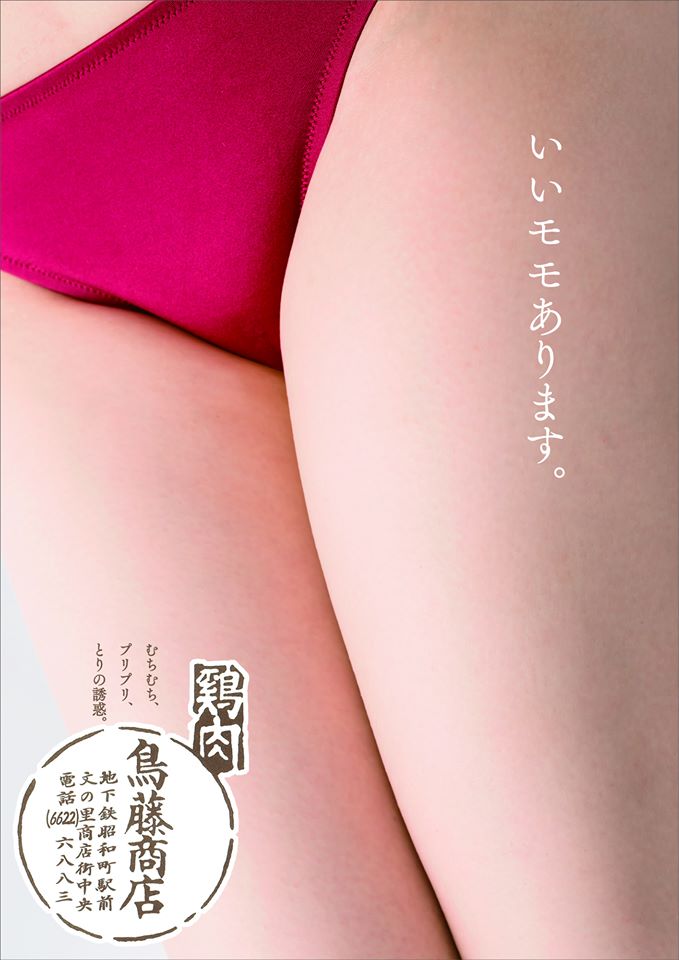
“We have good breasts” and “We have good thighs, reads the posters for a yakitori chicken shop.

“I felt like I had to do something,” says Akari Etoh the 66-year old director of the association which organizes shops within the district. Mr. Etoh spoke with Keita Kusaka, a copywriter at Dentsu Kansai, the local branch of the mega-ad agency. Mr. Kusaka agreed to help organize a poster design contest. The ad agency took on the job pro-bono and assigned 60 of their youngest designers and copywriters to create humorous ads for the 52 remaining shops in the district. In 3 months the team had created 200 different posters.

fumino-sato-poster-design (42)fumino-sato-poster-design (44)

“Poster? Hurry it up I’ll be dead soon” and “I finally realized – this job is tough,” reads the posters for a pickle shop.
fumino-sato-poster-design (43)

“We don’t have medicine for idiocy,” reads an ad for a drug store.

The impact of the posters was almost instantaneous. Within one month foot traffic within the shopping street doubled. And it wasn’t just locals. People from far away were coming to see the posters. “Some people just come to take pictures without buying anything,” laments Mr. Etoh. But still “it’s good to see the shopping district coming back to life.”
fumino-sato-poster-design (35)

“Don’t get stuck in a mold,” reads an ad for a tailor made clothing shop.

fumino-sato-poster-design (24)

“Please show me how to delete my browser history,” reads an ad for an electronics shop.
fumino-sato-poster-design (38)

fumino-sato-poster-design (46) fumino-sato-poster-design (41)

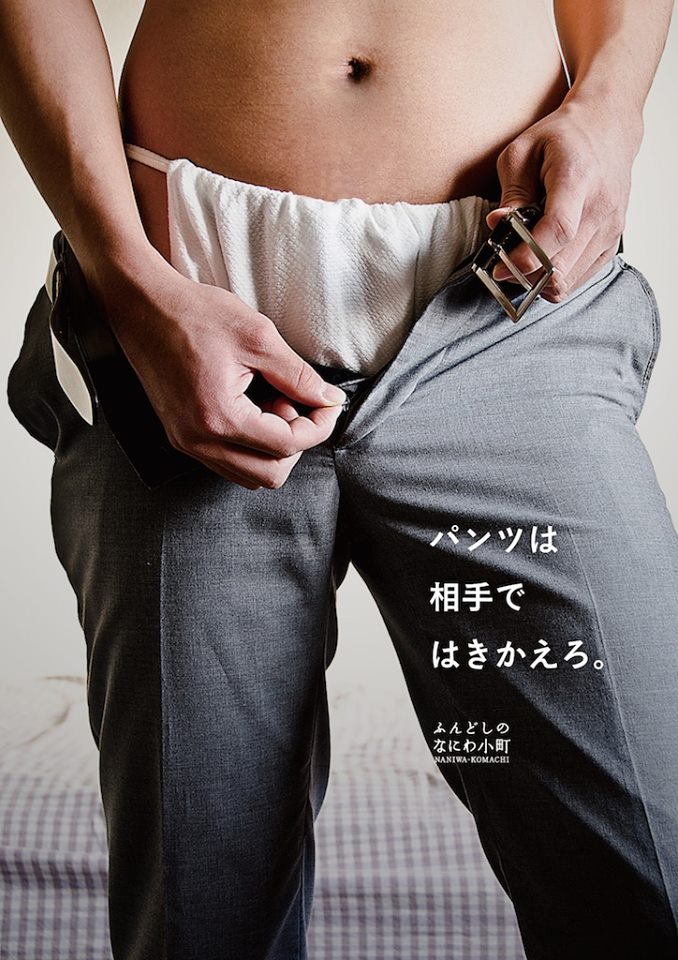
A series of ads for a traditional Japanese men’s underwear shop that pokes fun at itself.

fumino-sato-poster-design (34)

fumino-sato-poster-design (32) fumino-sato-poster-design (31)

“Good night and safe travels,” reads a series of ads for a sleepwear shop.

fumino-sato-poster-design (25) fumino-sato-poster-design (40)

“We rubbed salt into all the cuts” and “For a whole month we locked it up in solitary confinement,” reads a series of ads for a pickle shop.
fumino-sato-poster-design (36) fumino-sato-poster-design (45)

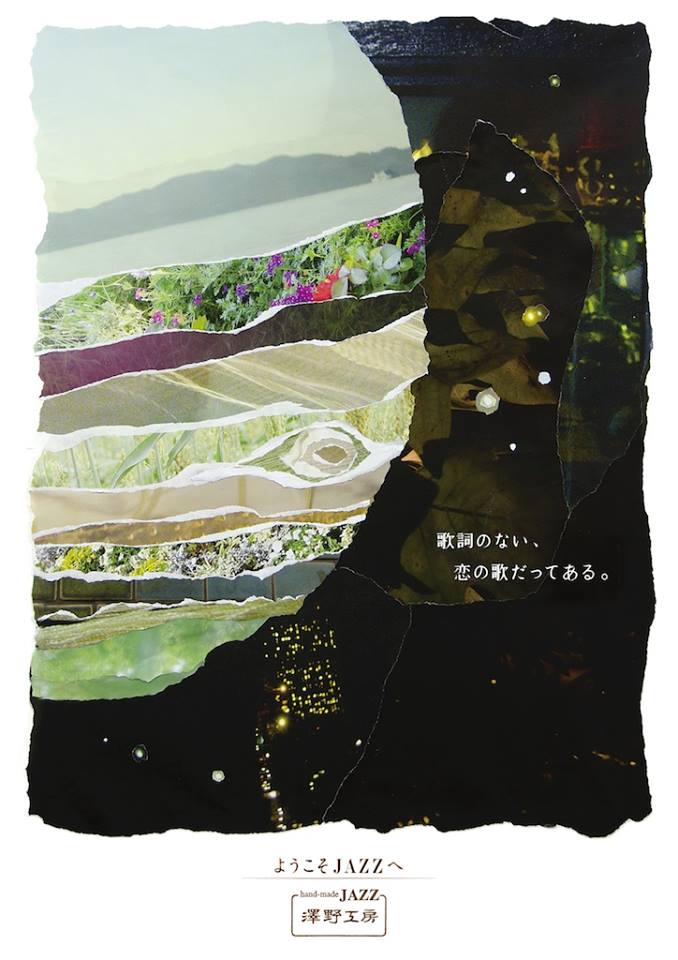
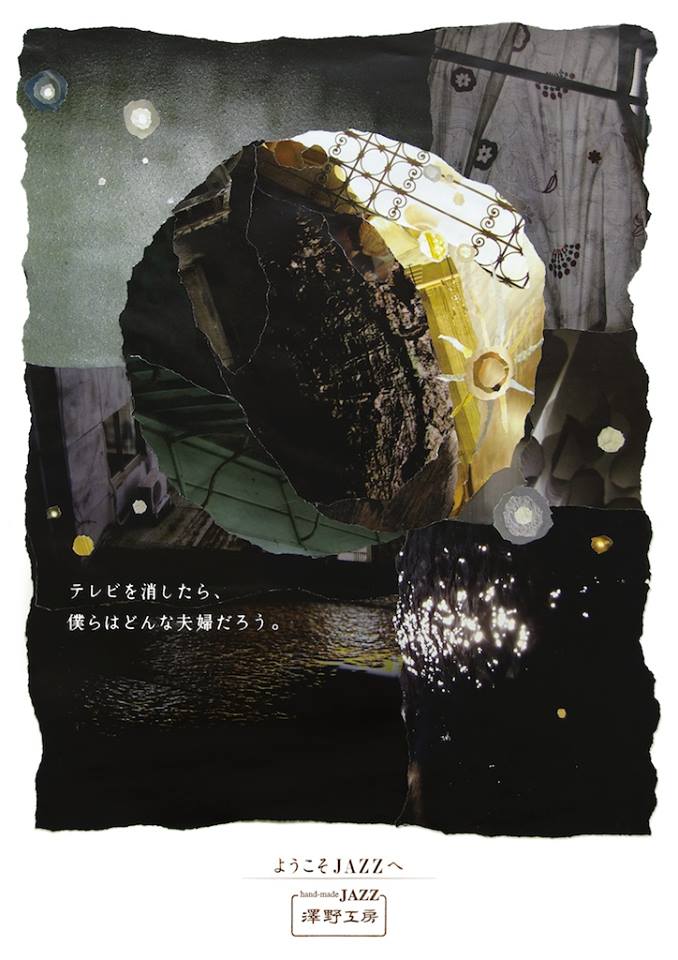
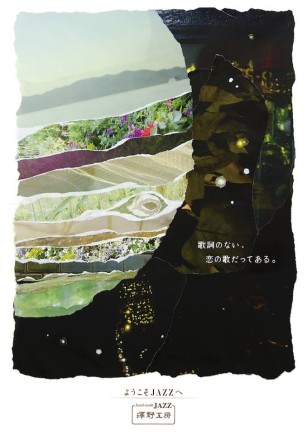
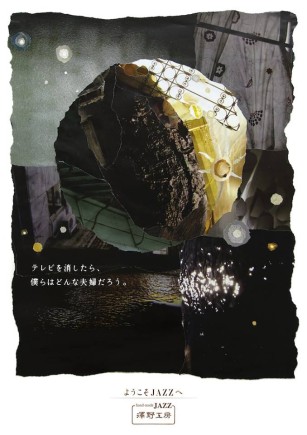
“Some love songs don’t have lyrics” and “What kind of couple would we be if we just turned off the TV?” reads a series of abstract ads for a jazz club.

*all quotes translated from Japanese to English by the author

Hiroshi Nakamura’s Double Helix Chapel

hiroshi-nakamura-ribbon-chapel (1)

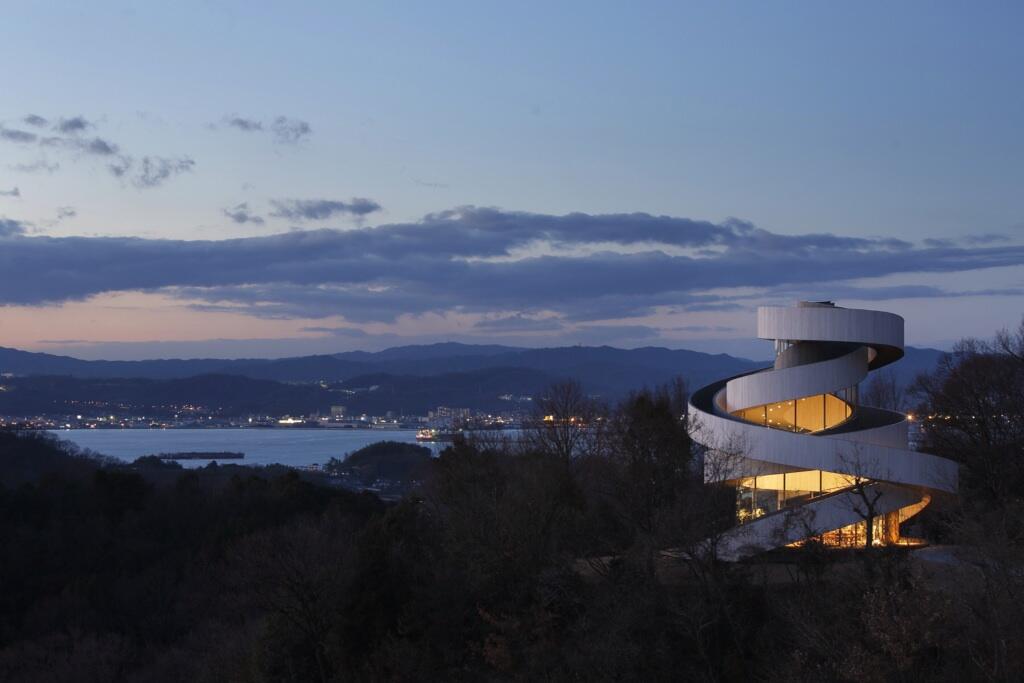
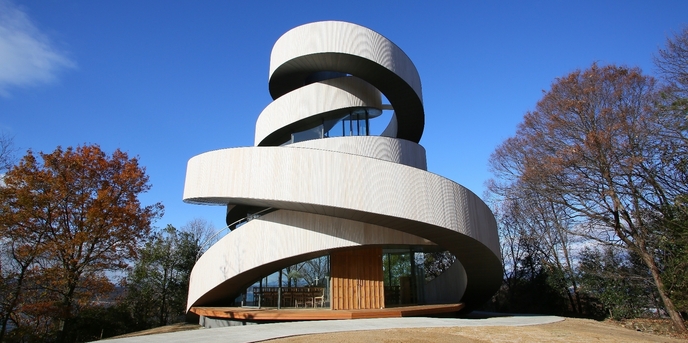
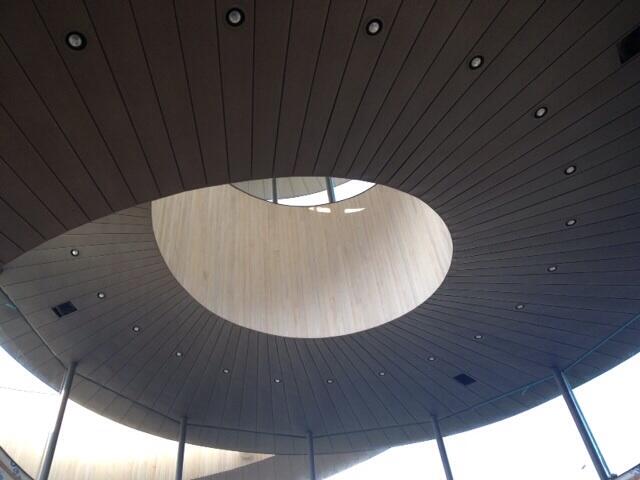
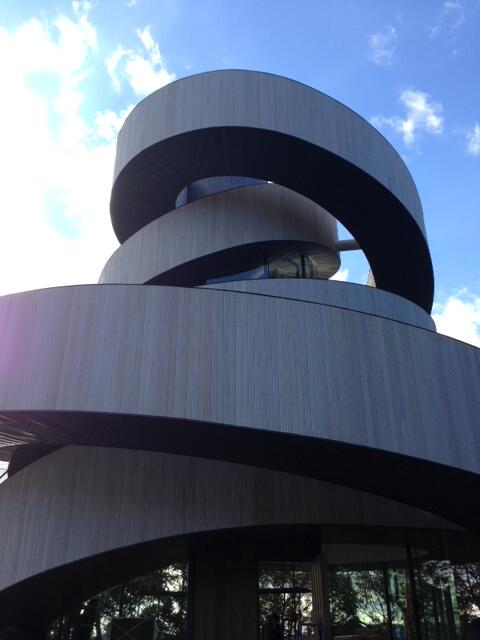
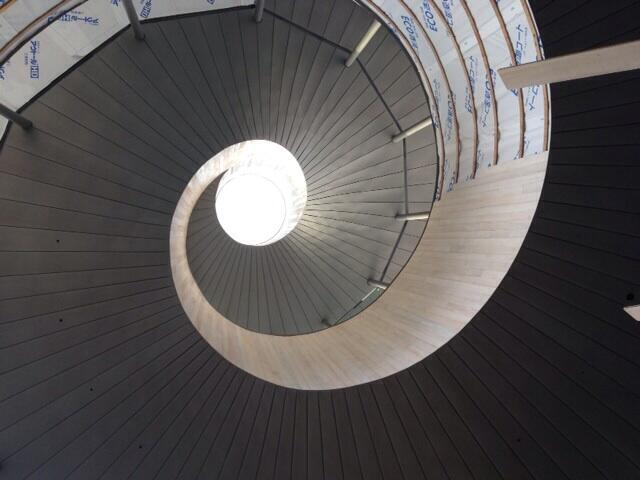
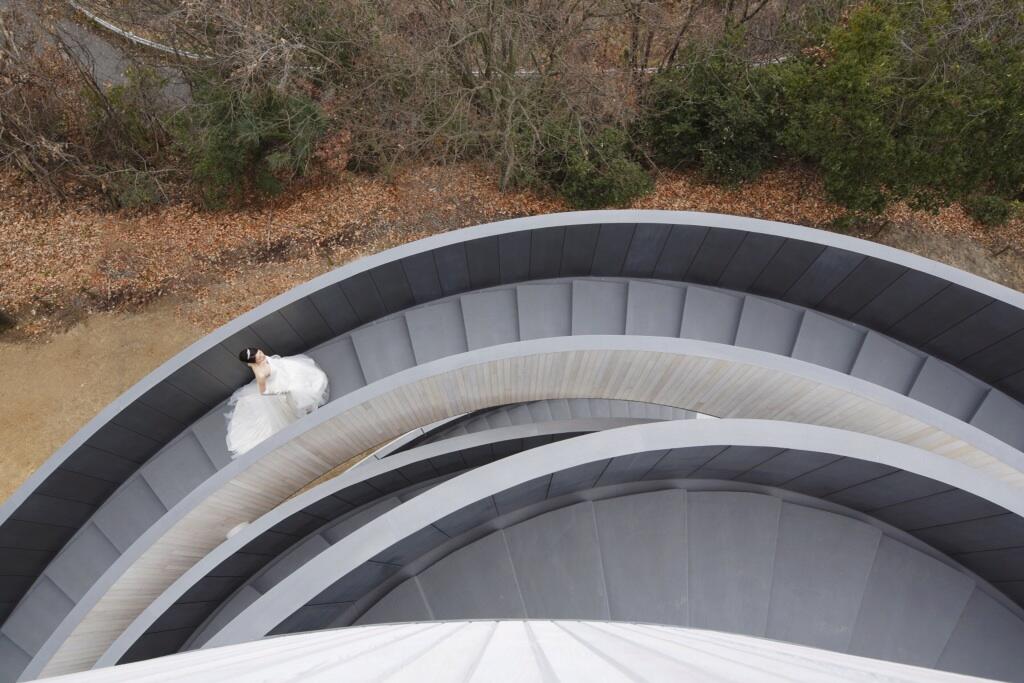
Rising up like out of the trees like a strand of DNA is the Ribbon Chapel, a new wedding venue designed by architect Hiroshi Nakamura (previously). But instead of continuing upwards, the two spirals softly come together at the top, creating a symbolically important gesture for a wedding venue. In fact, the ceremony allows for the bride and groom to climb the separate ribbon spirals and meet at the top while guests observe the spectacle from the yard below. The top of the chapel also serves as an observation deck, looking out over the Seto Inland Sea.
The structure itself seems to be a feat of engineering itself, which I won’t even pretend to try and understand. But apparently the entire structure is supported by the spiral stairs. They act like springs, which help absorb earthquakes.

116850_688_343

hiroshi-nakamura-ribbon-chapel (3)

hiroshi-nakamura-ribbon-chapel (4)

hiroshi-nakamura-ribbon-chapel (2)

hiroshi-nakamura-ribbon-chapel (6)

Photos via @naparchitects, @ToshikoFerrier

Intricate Mud Paintings on School Walls in India by Yusuke Asai

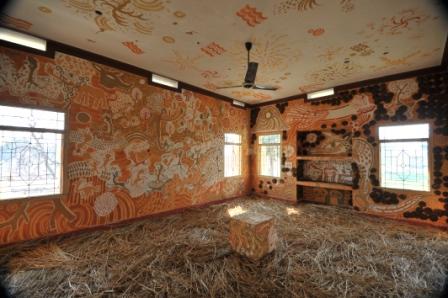
The Niranjana School is located in Bihar, in east India. It was founded by donations from Japanese students and regularly maintains a connection between Japan. In an initiative sponsored by the Wall Art Project, a Japanese non-profit aimed at bringing artists into school in India, they invited Yusuke Asai, a 33-year old artist who paints with basically anything he can get his hands on. This includes, but is not limited to, tape, pens, leaves, dust and mud.

yusuke asai wafjpg

Niranjana School, Bihar, India. Photo by Kenji Mimura courtesy Wall Art Project | click to enlarge

yusuke-asai-b0074921_22361789 yusuke-asai-b0074921_22353080

“Earth Painting; The Forest of Vows.” 7 kinds of soils, cow dung, water, straw. Photo by Junai Nakagawa

In order to raise awareness for the school, and to bring art into the classroom, which is literally a 17-hour train ride from New Delhi, Asai traveled to the school to create one of his signature paintings. Using 7 different types of local mud, cow dung, dirt and dust Asai created an immersive mural that covered the all walls of the classroom with a universe of people, animals and vegetation. Unfortunately the installation wasn’t permanent and was washed away after several months, but we do have these photos to document the art.

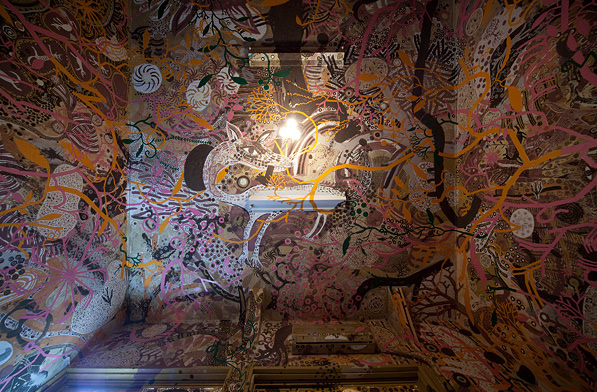
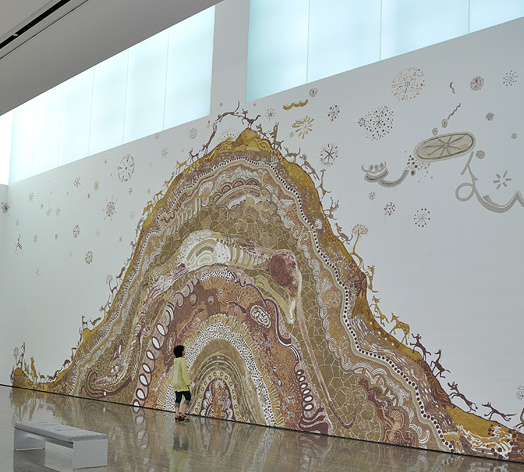
Here are some other works by Asai that were painted on walls:

yusuke asai (8)

“The indoor forest / The ground story” . Masking tape, pen. Photo: Ko Yamada

yusuke asai multiple2

“Multiple Worlds”. Masking tape, pen. photo: Keizo Kioku

yusuke asai (6)

“Mud painting: large mountain” . Mud and water collected in Gunma. Photo: Masaru Yanagiba

« Older posts Newer posts »

© 2026 Spoon & Tamago

Up ↑

Design by Bento Graphics