Page 200 of 406

Sprouting Life in the Forest | A New Classroom Mural Painted in India by Yusuke Asai

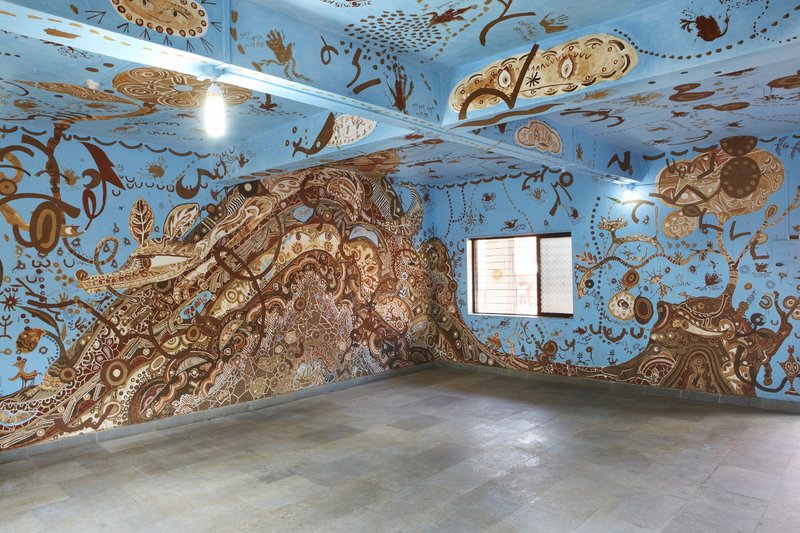
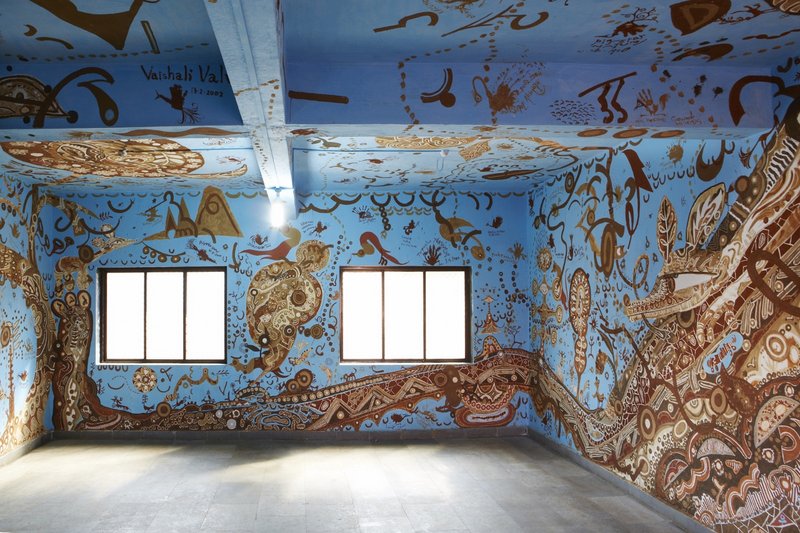
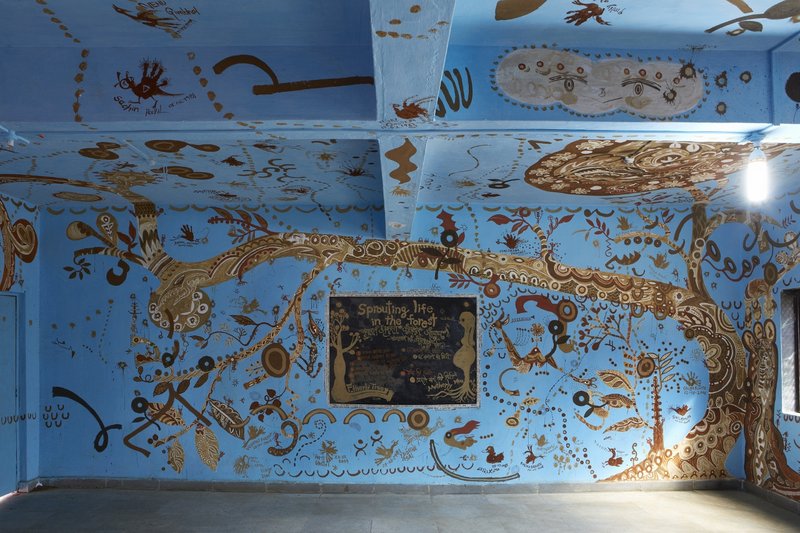
yusuke_asai 'Sprouting life in the forest-Fatherly Tree,  Motherly Mountain'on four walls of a classroom 780cmü~650cmü~300cm 1

Photos by Kenta Yoshizawa courtesy Wall Art Festival | click to enlarge

yusuke_asai detail 4

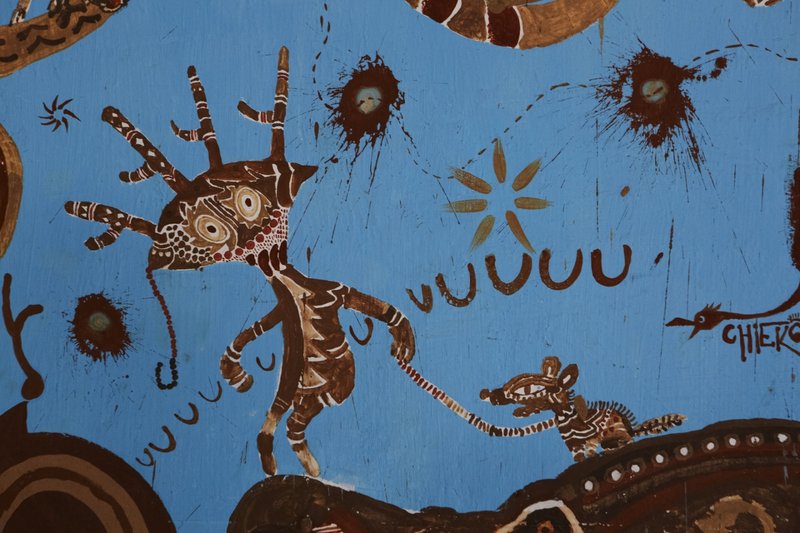
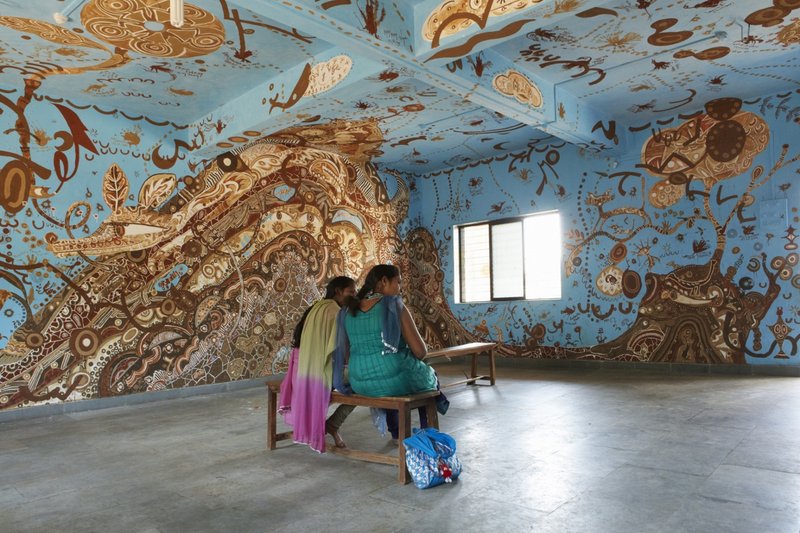
After creating his sprawling mural for the Niranjana School in Bahar, east India, back in 2011, the Wall Art Festival invited Yusuke Asai back to India for another project. Earlier this year in February Asai travelled to a primary school in the village of Maharashtra , belonging to the tribe people of Warli. There, in a classroom, Asai created “Sprouting life in the forest -Fatherly Tree, Motherly Mountain.”

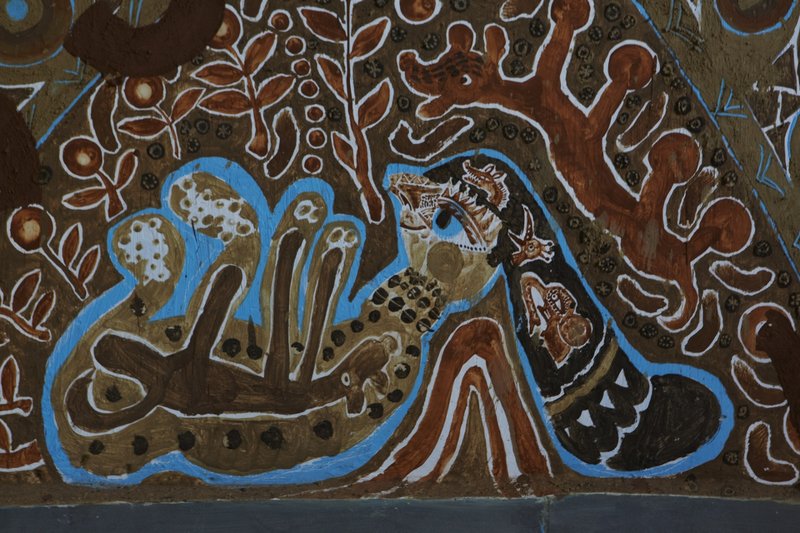
Created from soil that was found in the village, Asai depicted a immersive ecosystem that revolved around themes dealing with the birth of life. Asai also asked the local students to contribute to his painting. They left their mark by creating mud hand-prints that were then turned into birds.

yusuke_asai 'Sprouting life in the forest-Fatherly Tree,  Motherly Mountain'on four walls of a classroom 780cmü~650cmü~300cm 2

yusuke_asai detail 1

yusuke_asai 'Sprouting life in the forest-Fatherly Tree,  Motherly Mountain'on four walls of a classroom 780cmü~650cmü~300cm 3

yusuke_asai detail 2

yusuke_asai 'Sprouting life in the forest-Fatherly Tree,  Motherly Mountain'on four walls of a classroom 780cmü~650cmü~300cm

yusuke_asai detail 3

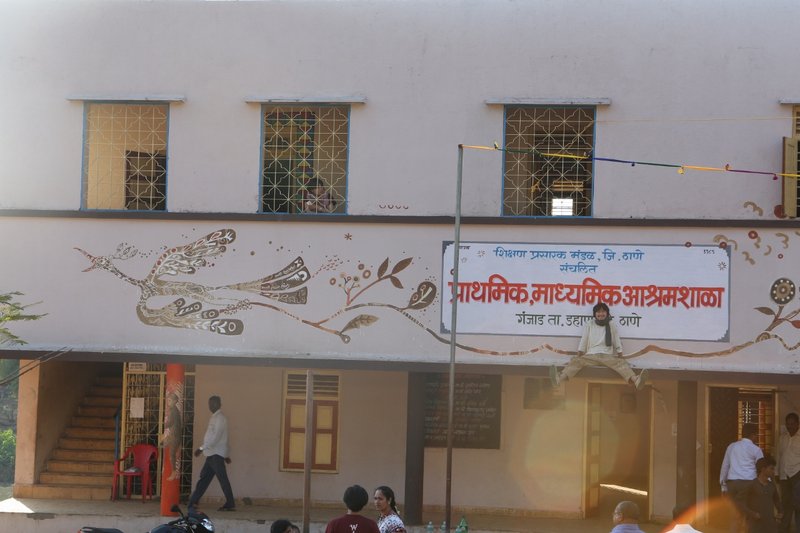
yusuke_asai_outside_work-001

Yusuke Asai outside the school

The Wall Art Project is organizing another new project later this year. “Earth Art Project” will take place in Ladakh, in the Himalayan area this coming July and
August. It will be an art exhibition involving the nomadic people there at an altitude of 15000 feet. You can learn more about the project and the participating artists.

Mamoru Okuno Recreates B.S.Lyman’s Expedition to Hokkaido Through Sound

mamoru-okuno-2007.12_1

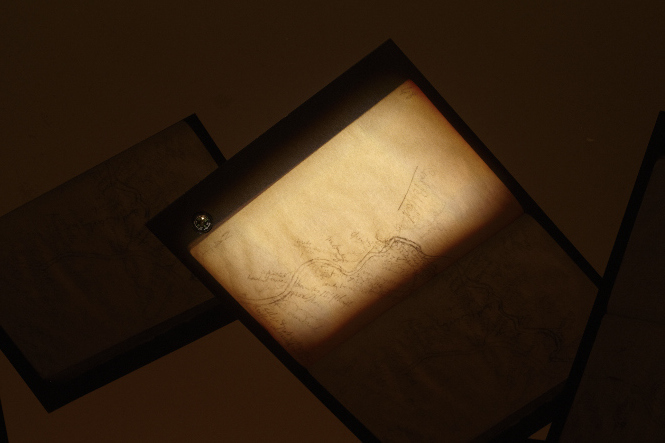
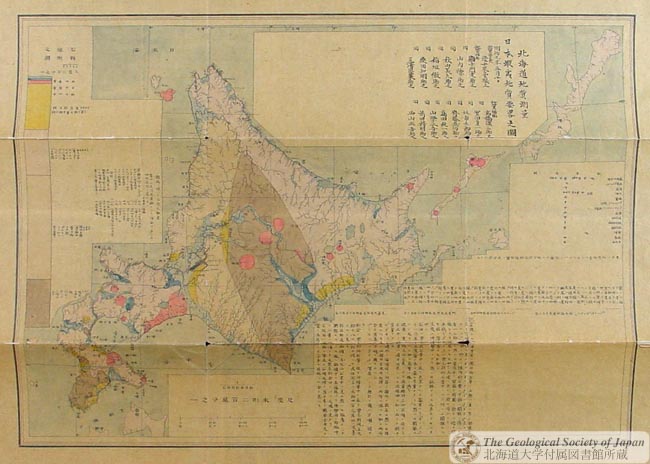
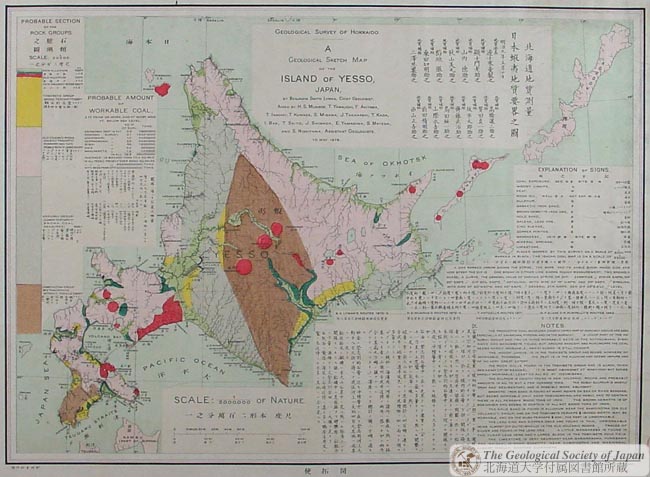
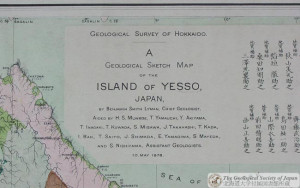
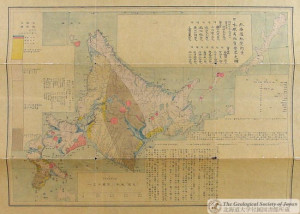
B.S.Lyman’s ‘Geological Sketch Map of the Island of Yesso,Japan’ (1876)
mamoru-okuno-2007.12_3mamoru-okuno-2007.12_2

Tokyo Wondersite is one of Tokyo’s hubs for emerging artistic talent. It’s actually one of the few places which are funded to do this. Other galleries are often seeking fresh talent but many artists still struggle to produce work and often have full or part time day jobs. Boasting three centrally located spaces (Shibuya, TWS Residency and Hongo) it also runs residencies, organizes symposiums and is an all round good egg of the Japanese art scene.

The current show Tokyo Story 2014 ends June 8 and is part one of a two part concept rousing on artists responses to Japanese identity. To briefly summarize, 6 artists occupy 3 floors in a kind of pyramid. Floor one is a hotchpotch of installation and documentation and features the work of three of the six, Ichiro Endo, Chikara Matsumoto and Daisuke Nagaoka. The top is the focal point and features only the work of Yoshihiro Yamamoto (photographs and a delicate and heart breaking video work about Fukushima). The middle features two artist Saiko T. Kase and Mamoru Okuno.

I want to focus on his work. I met Mamoru in 2007 at Bank Art space in Yokohama. I later found out more biographical detail (he had studied music in the U.S. before switching to “sound art” due to a tendon problem). His early work sampled sounds, looped them, re-integrated them into performances that combined the immediacy of the voice with the notion of sound physically resonating within space so that pre-recorded moments could simultaneously exist within a new space, functioning much like memory.

Over the years his work developed and his numerous performances in gallery and non gallery spaces utilized everyday materials such as straws, (cup) noodles, tea, coffee. Some might say his work has a Japanese sensibility in that it is stripping the moment of the unnecessary to draw attention to what is there but his sensibility is one of space and sound.
Mamoru Okuno (3)

 copyright mamoru / Tokyo Wonder Site, 2014


“Is it possible to hear a sound that one has never heard before?”
Mamoru Okuno (1)

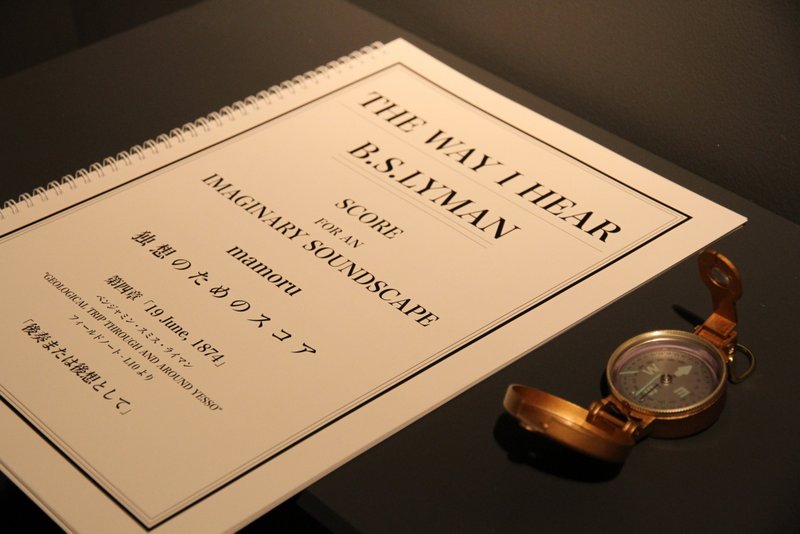
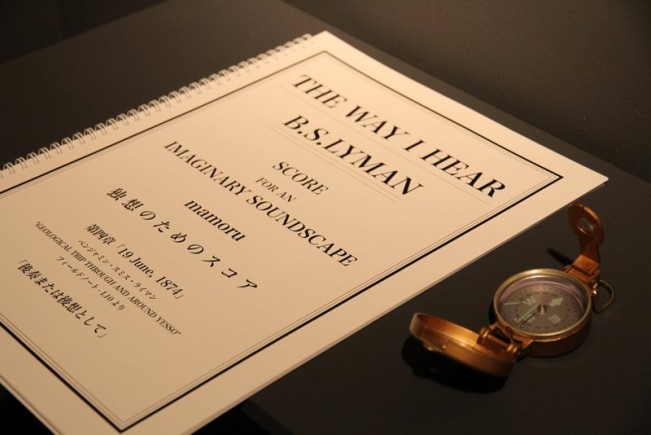
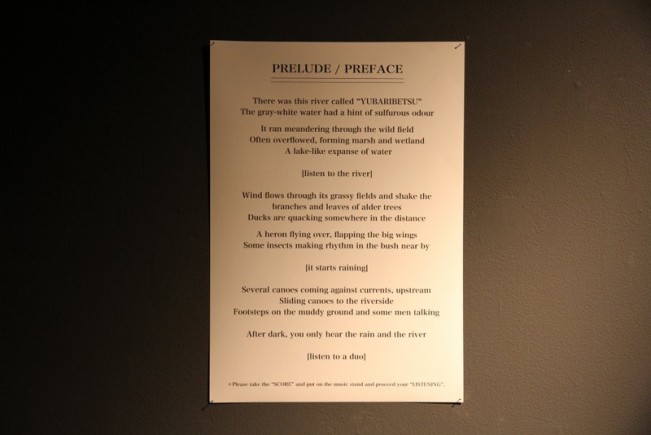
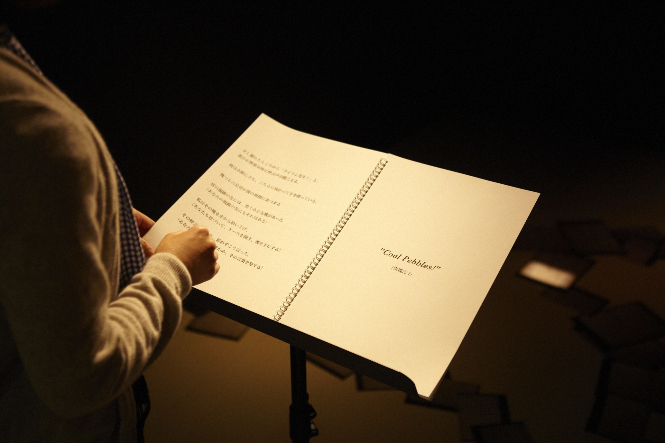
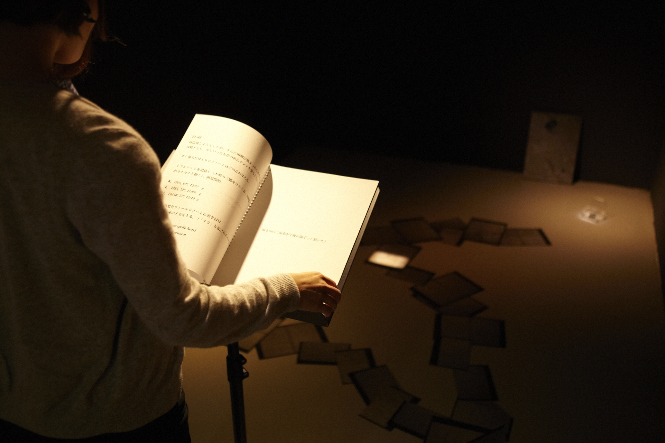
Sounds of plastic wrapping, of coat hangers, of people sharing an experience. This idea has been developing and deepening and the current work “THE WAY I HEAR B.S. LYMAN” (the 4th Movement; 19 June 1874) which is a delicate synthesis of multiple elements – the musician and his musical score, the actor and his stage for performance, the reader and his created world. The piece is based on extensive research of the work of B.S. Lyman, an American geologist employed in the Meiji period by the Japanese government to survey Hokkaido (then called Yesso/Ezo). He found that it was rich in coal, a fact that, along with silk, helped form part of Japan’s major industrial exports.

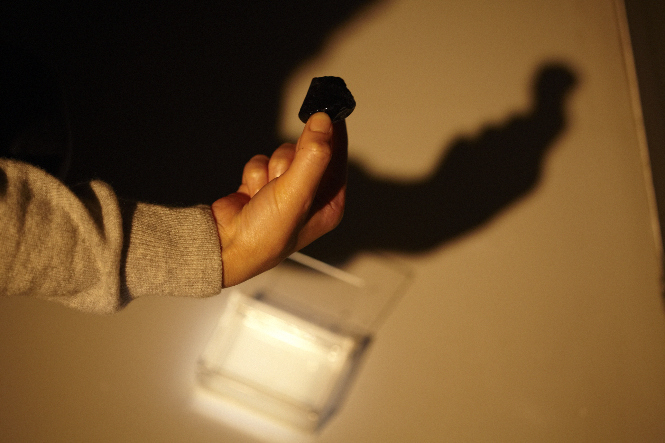
Mamoru poses the rhetorical question: “Is it possible to hear a sound that one has never heard before?” His piece, The 4th Movement, is based on a seminal scene in which Lyman finds coal pebbles on a sandy beach of the River Yubari.
Mamoru Okuno (7)

Mamoru Okuno (6)

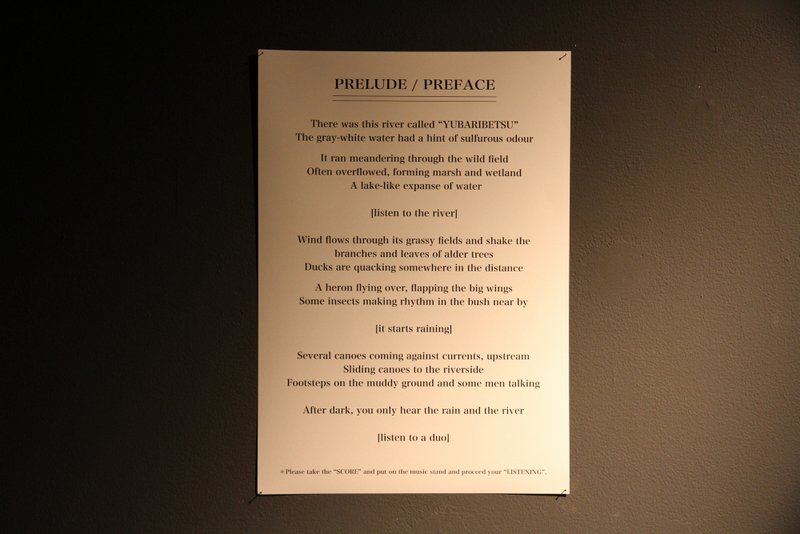
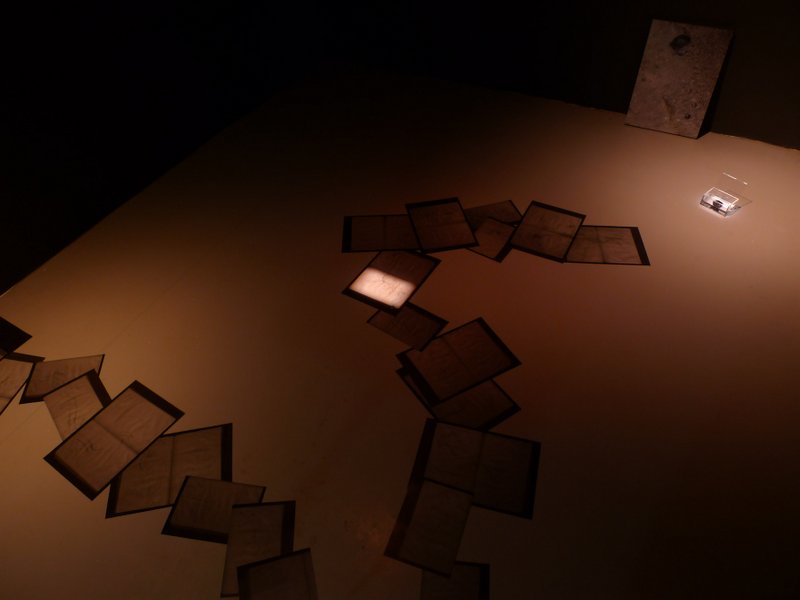
Entering the slightly darkened space you see an empty stand, to your right is a framed geological map, to your left some text, and a small shelf. The walls are black, on the floor in the shape of the map are color copies of an old journal. Sitting on the shelf are two musical scores, one written in Japanese, one English and a compass. Your are instructed to place the score on the stand. You read and as you read you imagine the sounds. The act of reading is something we do without thinking, reading it as a “score” in this way brings a heightened awareness of both the act of reading and the sounds which you imagine. The whole work is a synthesis of the notion of evocation and poses a question – where do we actually “hear” sound? Is it the vibrations of the air, or is it within our brains as we “receive” this external sound.

Looking at this work I was reminded of reading a poem, reading a letter, researching an essay, performing at a concert. The presentation itself is understated not showy but the work, like the story of Lyman leaves a viewer/listener/reader with much to ponder about Japan and about the nature of perception.
Mamoru Okuno (11)

Mamoru Okuno (8)

Mamoru Okuno (9)

Eye-Popping Graphic Design by Shun Sasaki

sasaki-shun (5)

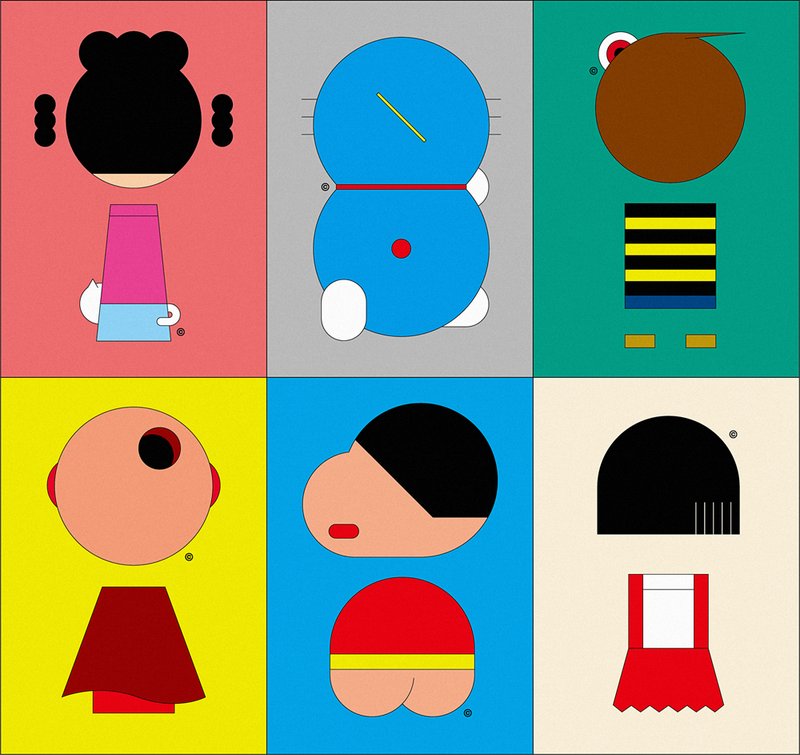
deconstructed yet recognizable Japanese cartoon characters. Clockwise from top left: Sazae-san, Doraemon, Kitaro, Anpanman, Crayon Shinchan, Chibi Maruko-chan

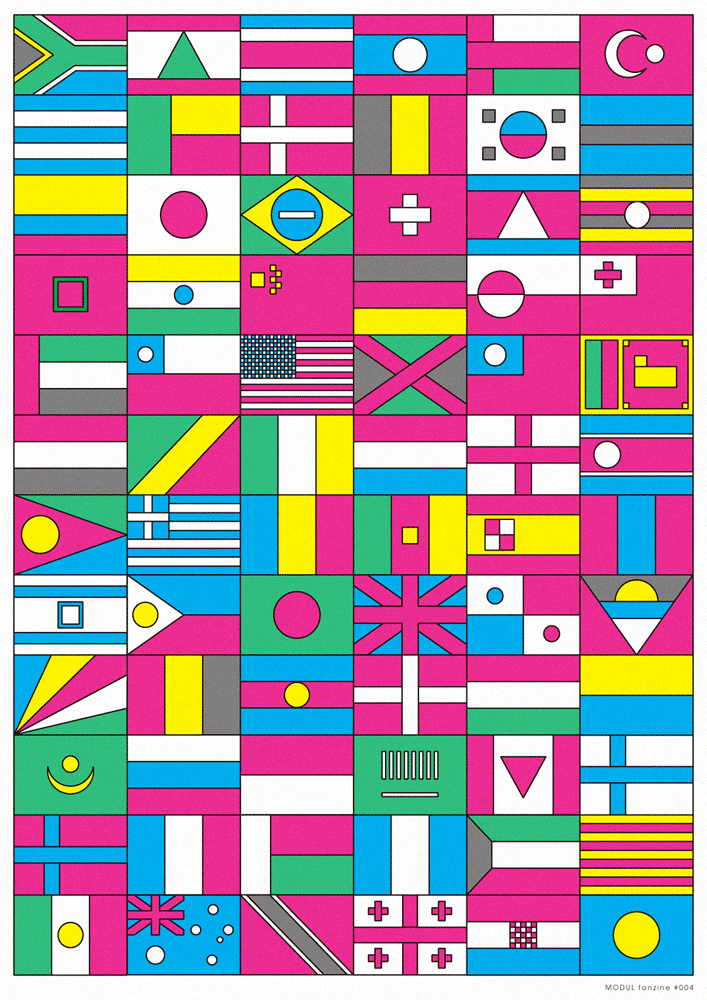
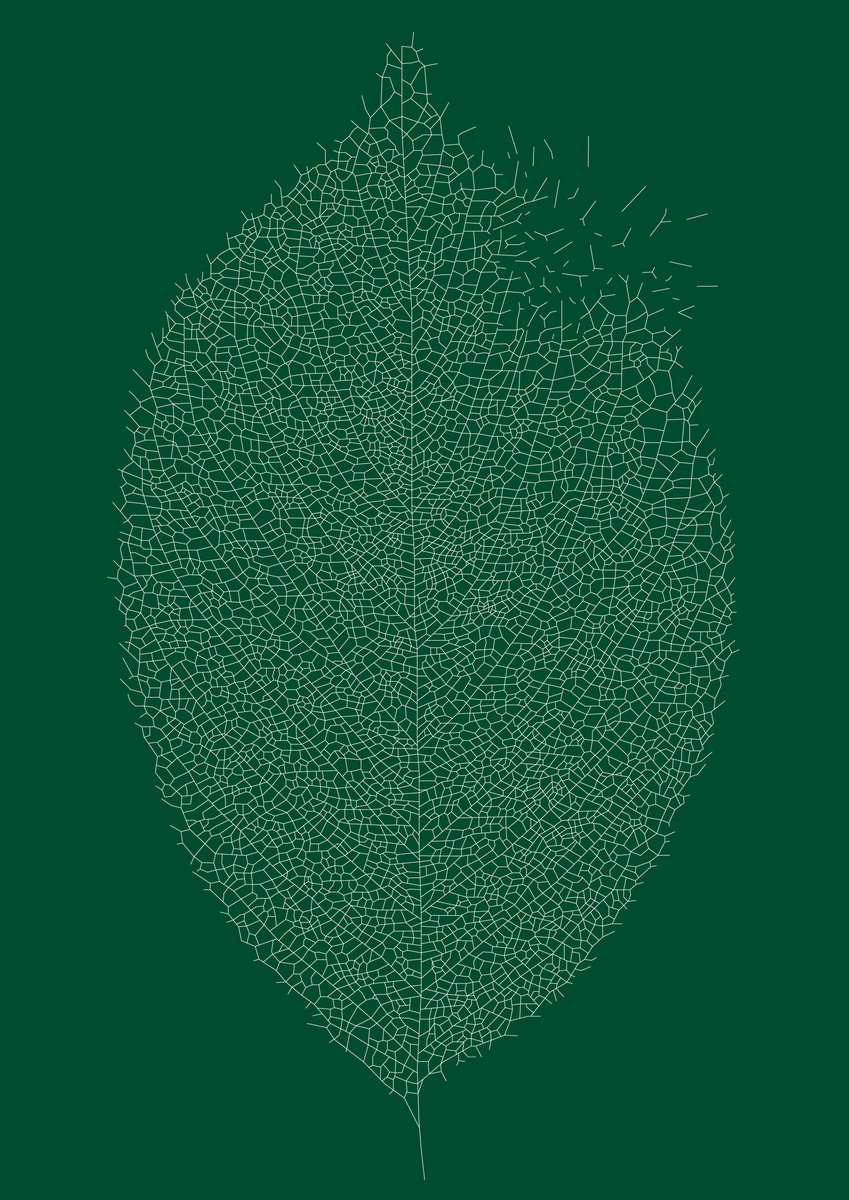
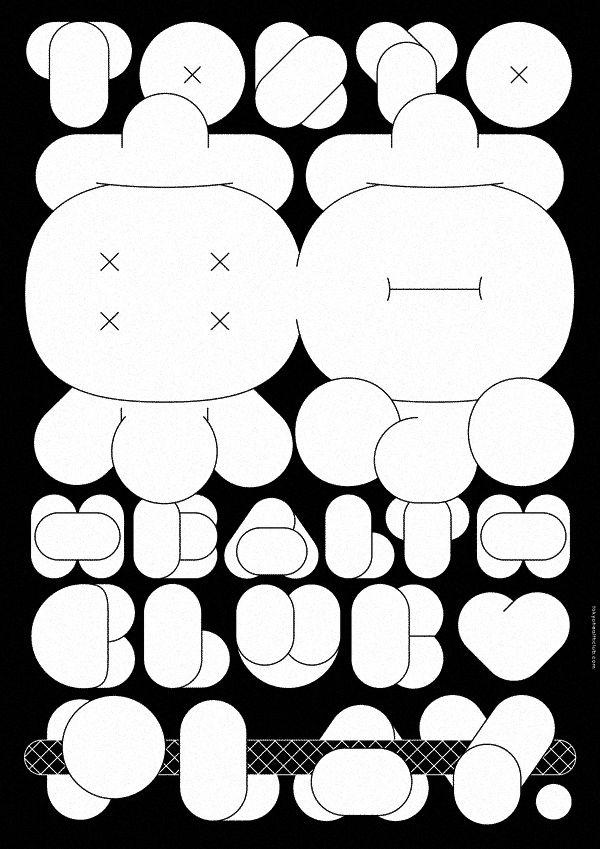
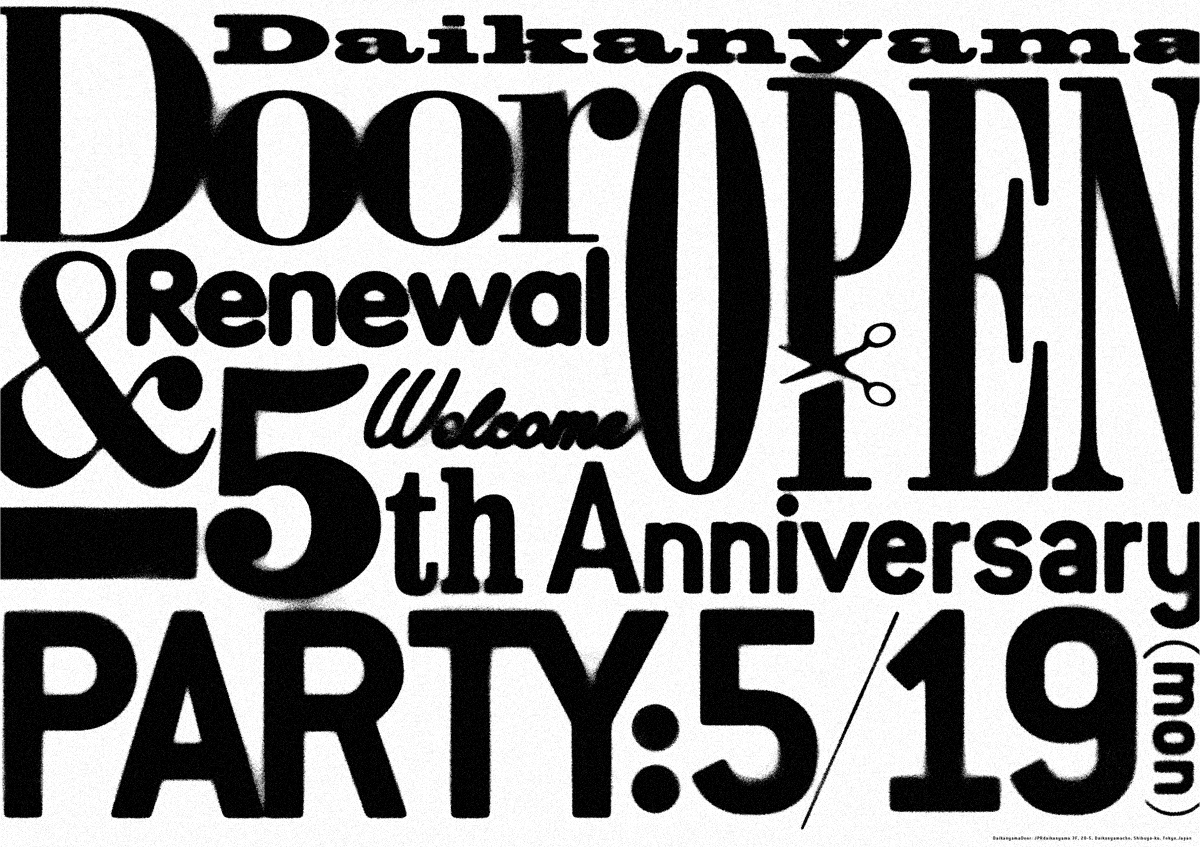
Graphic designer Shun Sasaki has a way with words. He creates eye-popping, highly styled typographic ads for clients that range from beauty salons and bookshops to hip hop groups. But some of my favorite work are his colorful creations that feature very few words or, in some cases, no words at all. Like his deconstructed series of iconic Japanese cartoon characters (top), the world flags created for a German magazine (below), or the leaf whose cellular structure is breaking away. You can keep up with Sasaki over on tumblr or twitter.

sasaki-shun (5)

sasaki-shun (3)

sasaki-shun (1)

sasaki-shun (1)

sasaki-shun (2)


sasaki-shun (4)

sasaki-shun (4)

sasaki-shun (6)

sasaki-shun (6)

source: it’s nice that

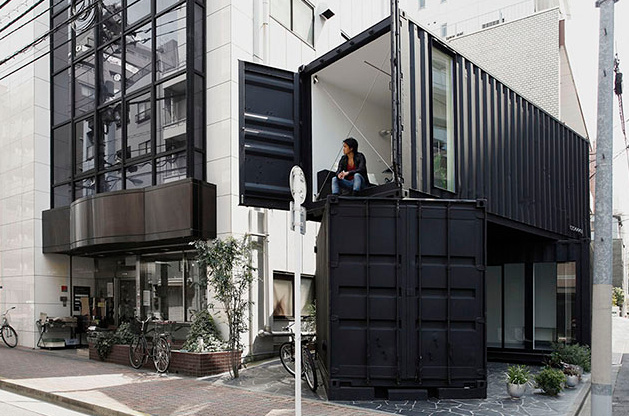
CC4441 | a new gallery space in Tokyo made from stacked shipping containers

CC4441-tokyo-gallery (1)

CC4441-tokyo-gallery (5)CC4441-tokyo-gallery (7)

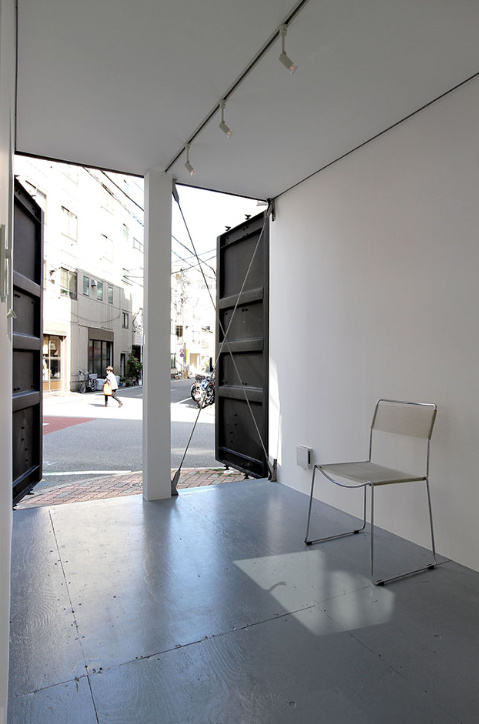
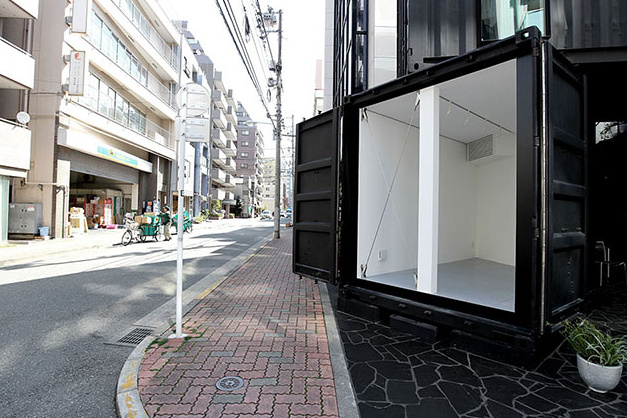
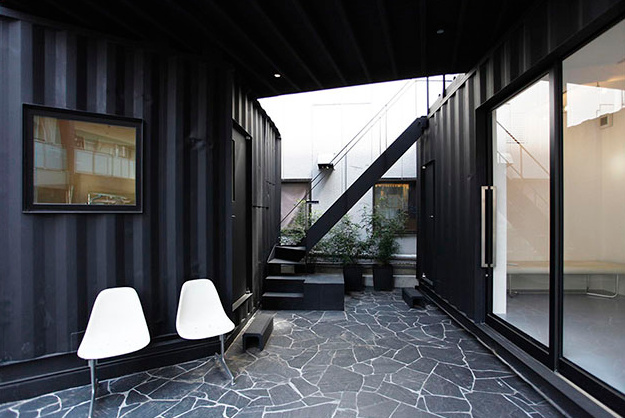
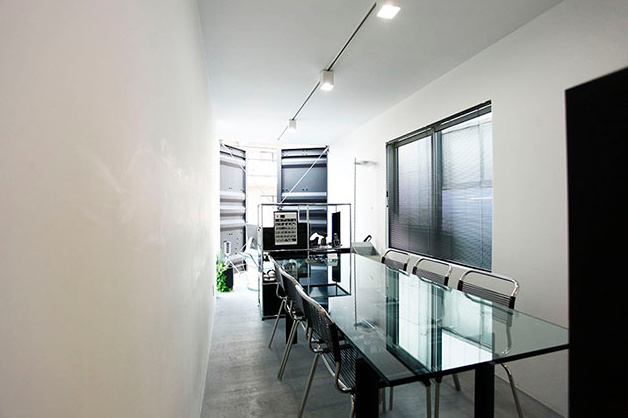
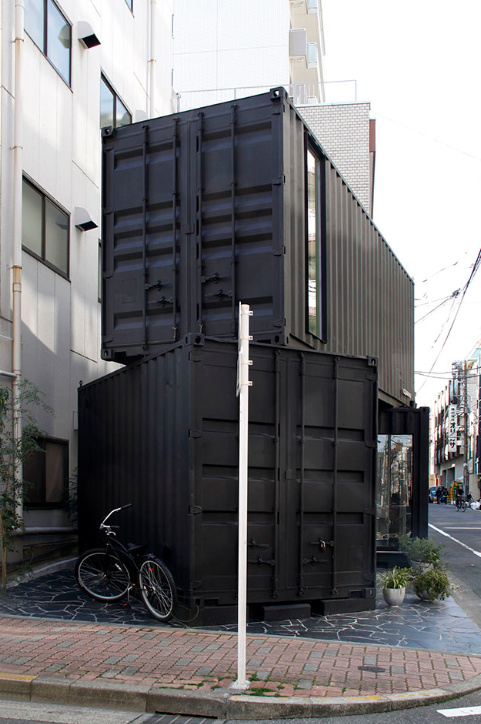
Last month, on a nondescript corner of the backstreets of Torigoe, Tokyo, a large, black shipping container appeared, stacked on top of another shipping container. The doors were flung open, revealing white walls that made it clear the crates weren’t for storage. Rather, they were for the new gallery and office space CC4441. Designed by architect Tomokazu Hayakawa, the top shipping container, or C-TWO is an office space. Meanwhile, the bottom shipping container (C-ONE), has been sliced in half and angled. This not only supports the top crate but it also creates a small courtyard that divides the two spaces below.

Although brand new (a website is on the way but for now they only have a FB page), CC4441 plans to host art exhibitions and become a hub for art and design in their neighborhood, which is increasingly becoming a popular art scene.

CC4441-tokyo-gallery (2)

CC4441-tokyo-gallery (3)

CC4441-tokyo-gallery (4)

CC4441-tokyo-gallery (6)


Woodblock Sushi Set for Kids

newsushi4

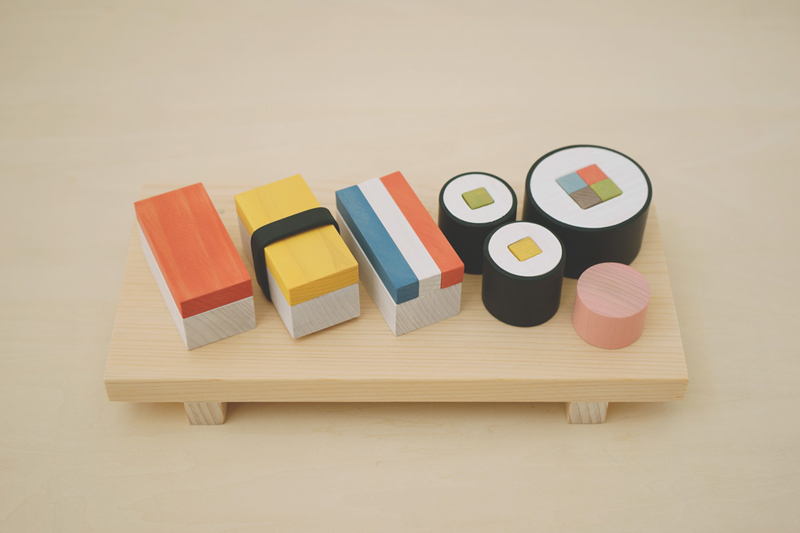
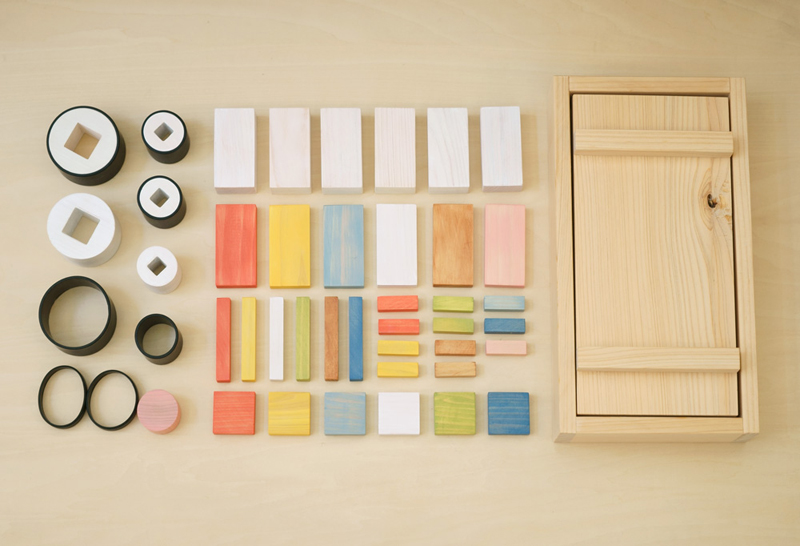
In sushi terminology, shari refers to the rice while neta means fish, or whatever else you have as a topping. Start your child off early learning the basics of sushi, while allowing them to create colorful combinations with the wooden tsumiki-sushi set (7,400 yen). Yes please!

The limited edition sushi set was originally created for the Design Ah exhibition. The compact little set has a cover, which doubles as a sushi geta tray.

newsushi5

The Snapshot Photography of Muga Miyahara

Muga Miyahara (3)

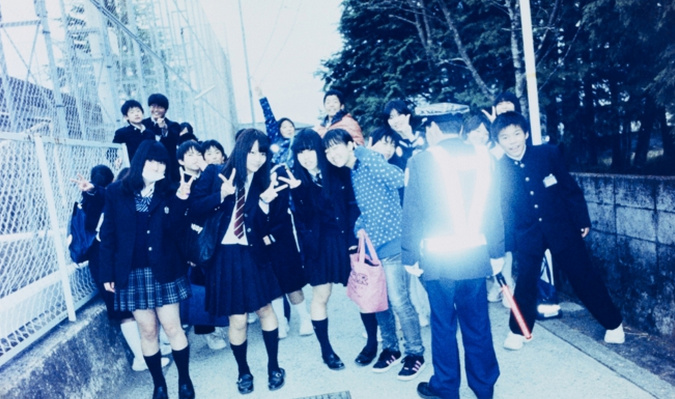
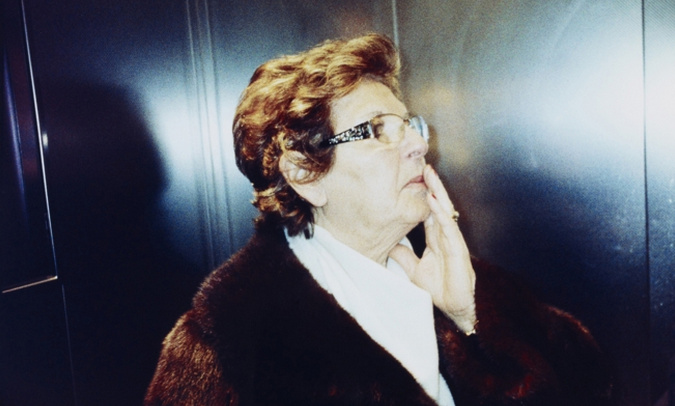
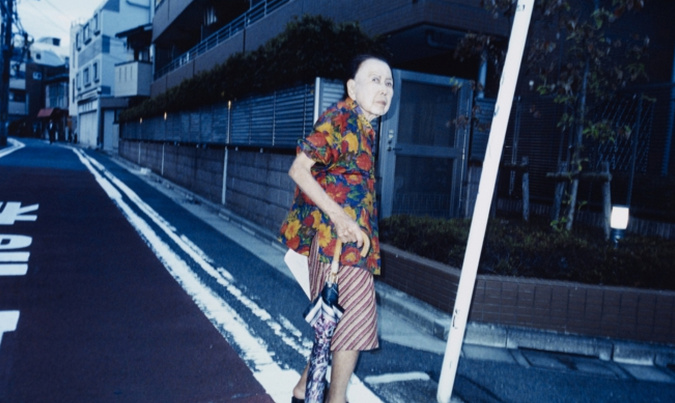
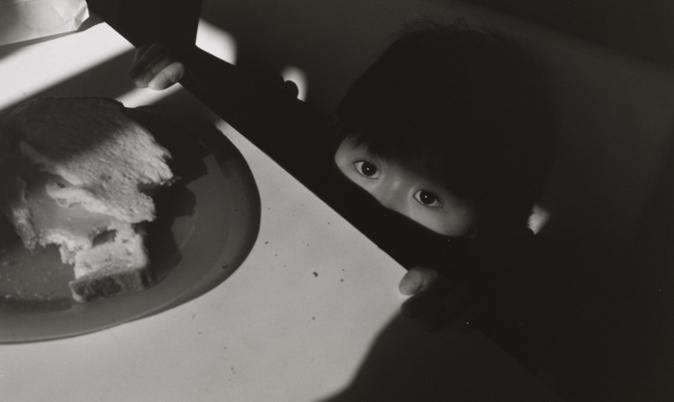
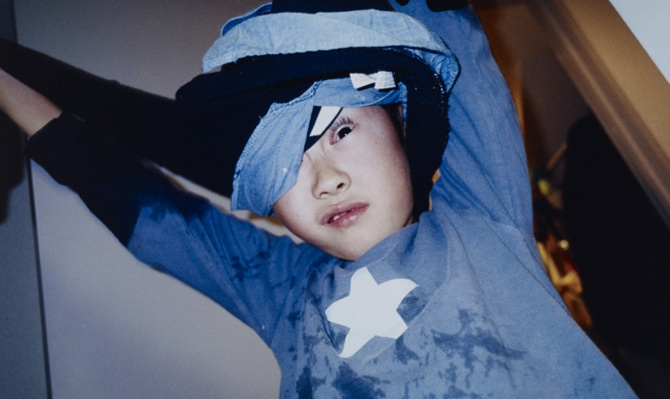
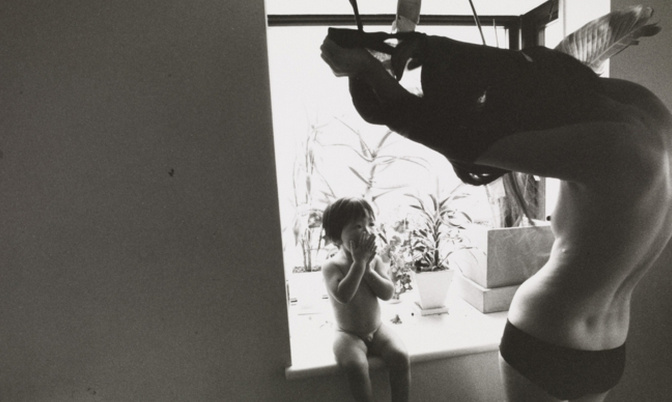
Twenty three years ago the photographer Muga Miyahara began taking snapshots of people, places and friends. It was a side project, unrelated to the commercial photography he was doing for fashion magazines, CD jackets and advertisements. Miyahara’s series of snapshots present transient moments in time, seemingly unrelated, yet somehow consistent in capturing precious moments of life that otherwise would have gone undocumented.

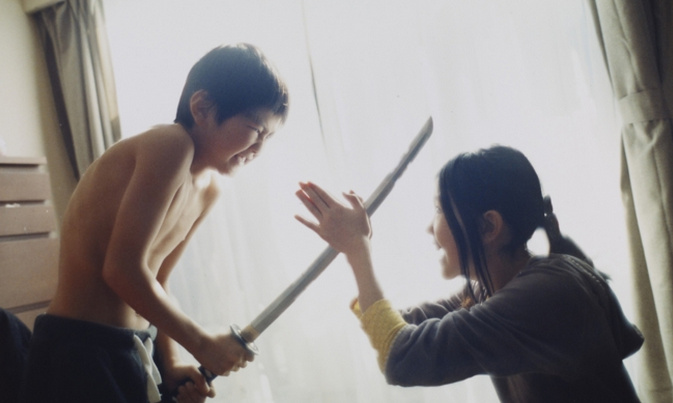
Now, in an exhibition titled Shinkenshirahadori, Miyahara’s snapshots are on display at the at the Tokyo Institute of Photography (through June 1). The title of the show is quite a mouthful, but refers to a technique of defense, often glamourized in film and TV, in which the opponent’s sword blade is clasped with two bare hands (see image below).

Muga Miyahara (9)

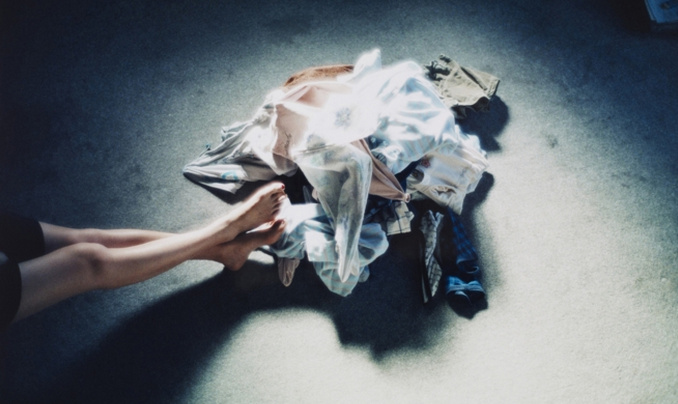
There’s 1 image at the bottom, which I particularly love, but might be NSFW.

Muga Miyahara (1)

Muga Miyahara (2)

Here’s Miyahara, poetically describing his work:

From the first time I started taking pictures 23 years ago, and up until now,
I have encountered a variety of things.
From each and every encounter, I feel and pick up a sound,
which becomes a component of various scales on musical notes.
In the end it transforms into a single melody.

Muga Miyahara (4)

Muga Miyahara (7)

Muga Miyahara (8)

Muga Miyahara (10)

Muga Miyahara (5)

House in Monterrey | Tadao Ando Brings Japanese Concrete to Mexico

house_in_monterrey_D008

unless otherwise noted, all photos by Ogawa Studio | click to enlarge

house_in_monterrey_D030house_in_monterrey_D032

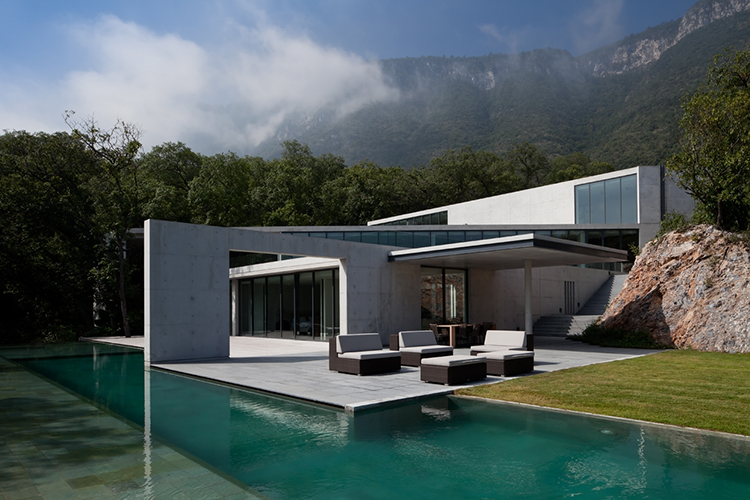
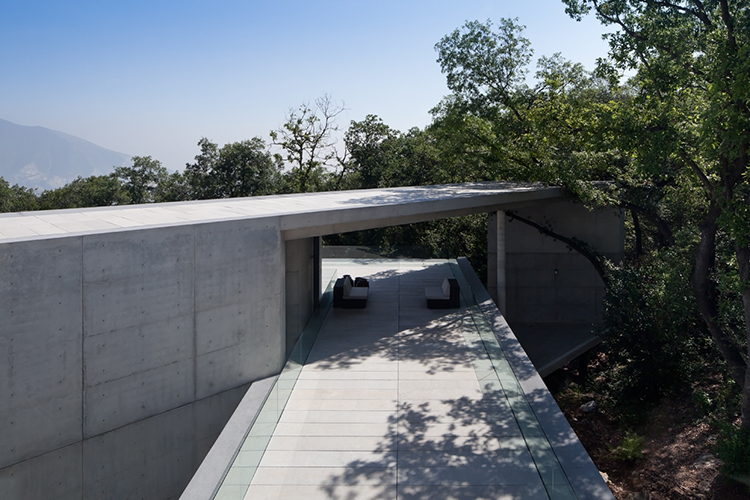
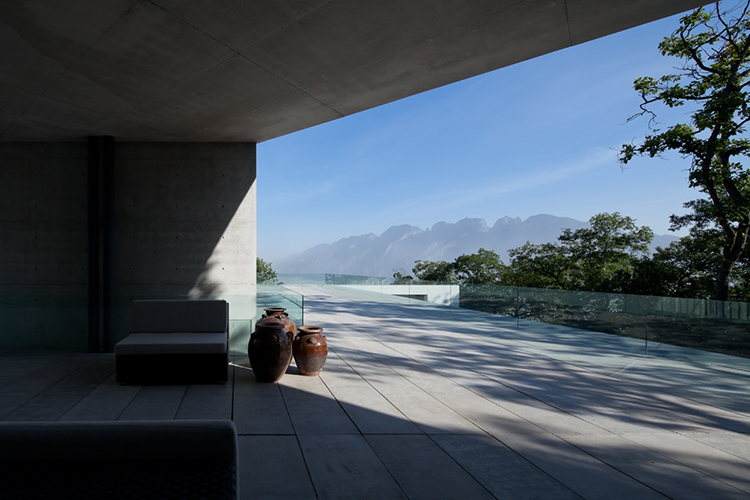
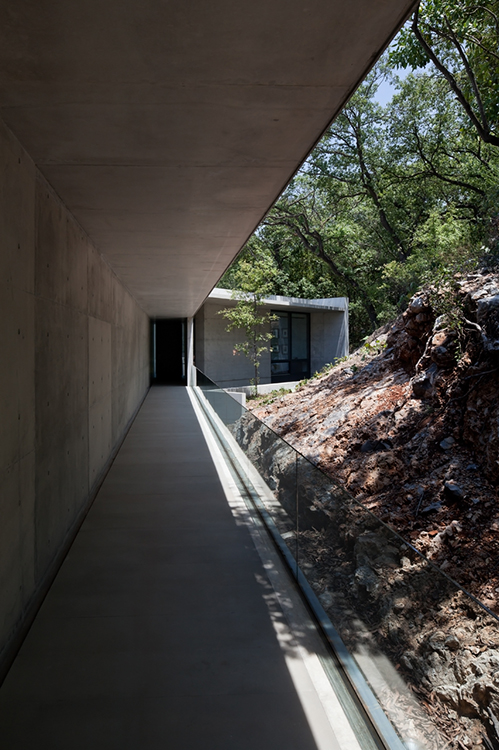
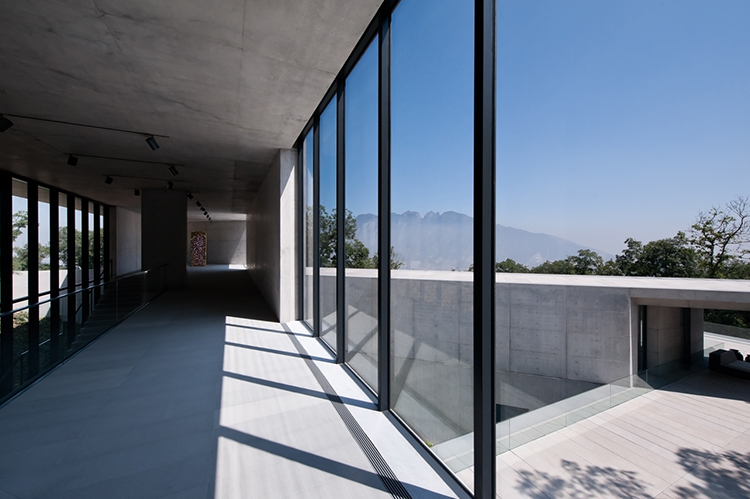
Tadao Ando’s name is synonymous with a certain style in both Japan and abroad. The architect, who won the Pritzker Prize in 1995, constructs his buildings almost entirely from concrete. But don’t call him a minimalist. Ando creates subtle compositions of masses and planes that play against light and, often, against natural elements like water and plants. The self-taught architect had a stint as a professional boxer, which may account for the intense physicality of his buildings.

But when a wealthy family in Monterrey, Mexico asked Ando to design a family home for them – they first had to go through the Japanese embassy in Mexico to reach him – the Japanese architect was hesitant. Despite a huge cement industry, “there was no company in Mexico that could match the quality Ando would expect,” admitted the client. But perhaps William Burroughs was on to something when we wrote that “in Mexico your wishes have a dream power. When you want to see someone, he turns up.” In the end, the family managed to woo Ando to Mexico on one condition: that two experts on cement be brought from Japan to train workers, and that a new construction and cement company would be formed.

house_in_monterrey_D004

house_in_monterrey_D002house_in_monterrey_D046

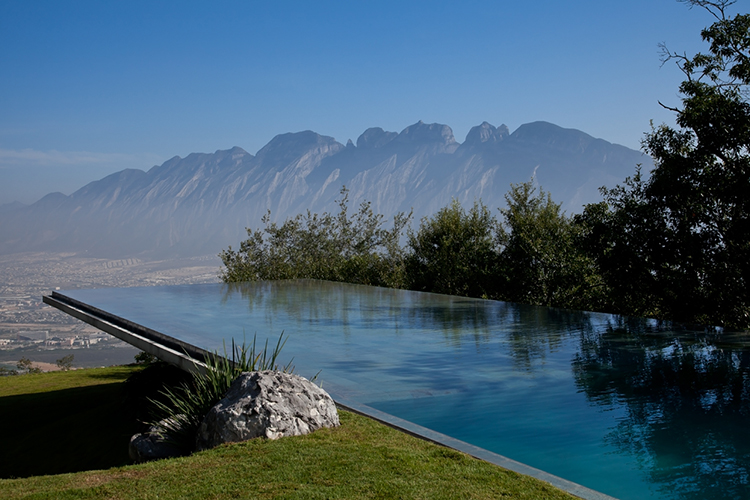
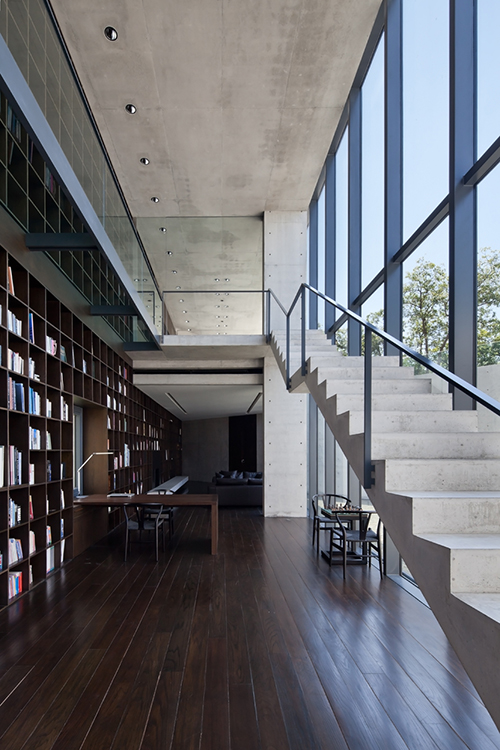
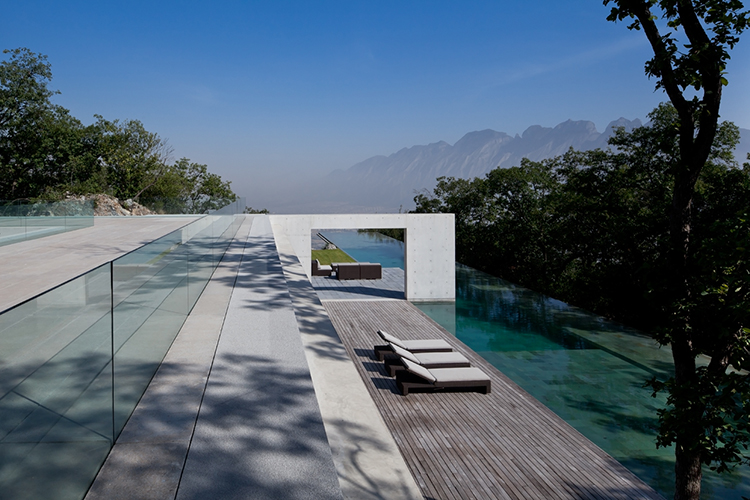
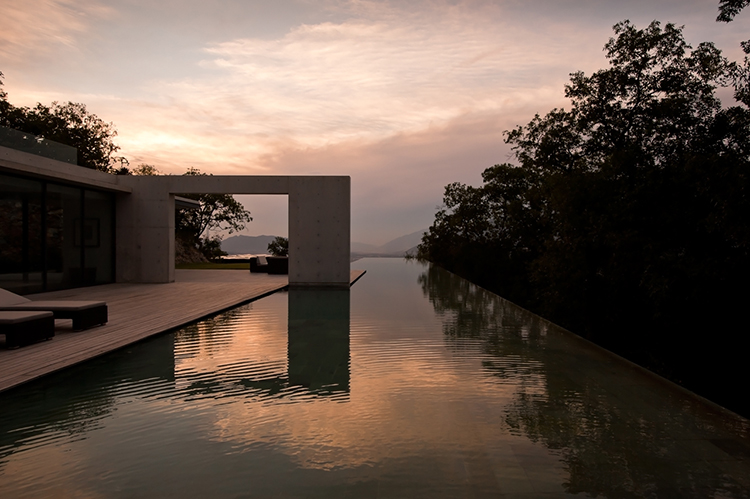
In early 2011 “House in Monterrey” – Ando’s first residential project in Mexico – was completed. The sprawling 4,900 sq-ft home, wedged into a mountain slope, looks like a little slice of heaven. It sits almost 3000 ft above sea level and looks out on the Sierra Las Mitras mountains. Amongst other luxuries, the home boasts a cantilevered infinity pool, a double-height library, a wine cellar, gym and, of course, a gallery.

house_in_monterrey_D010

house_in_monterrey_D011

house_in_monterrey_D014

house_in_monterrey_D050

house_in_monterrey_D059

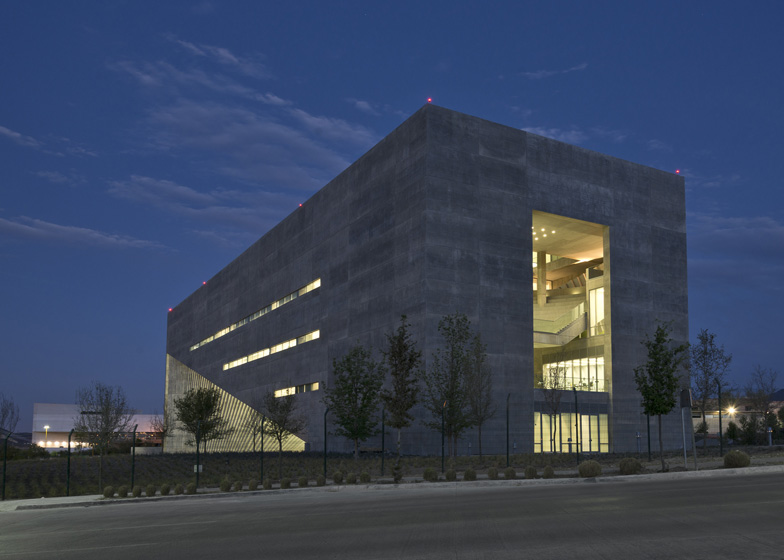
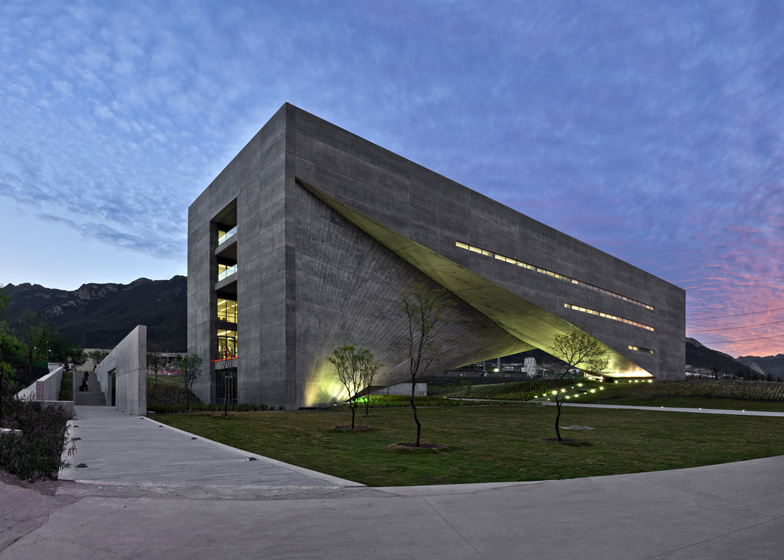
But Ando didn’t let his new import end at just one residential home. Early last year he completed “Gate of Creation,” a monolithic structure that is now home to the University of Monterrey, Mexico’s art, design and architecture department. The six-story concrete block, which features a huge triangular void at its center, was not without public controversy. Several critics were upset that a Japanese architect had been chosen to design a building that, in fact, celebrates the existence and vitality of Mexican design.

But the building stands and, apparently, has left more than another Ando-designed masterpiece in the region. “this building has elevated the quality of the construction industry in the whole region,” says a local architect who worked with Ando. “safety standards have been raised, contractors’ bidding has become more detailed and precise and, of course, knowhow of high-quality concrete was increased.”

Centro-Roberto-Garza-Sada-Tadao-Ando (1)

Centro Roberto Garza Sada de Arte Arquitectura y Diseño | Photos by Roberto Ortiz

Centro-Roberto-Garza-Sada-Tadao-Ando (2)

Old Japan Comes to Life in Images From The Metropolitan Museum of Art Archives

old-japan-met-museum-archives (3)

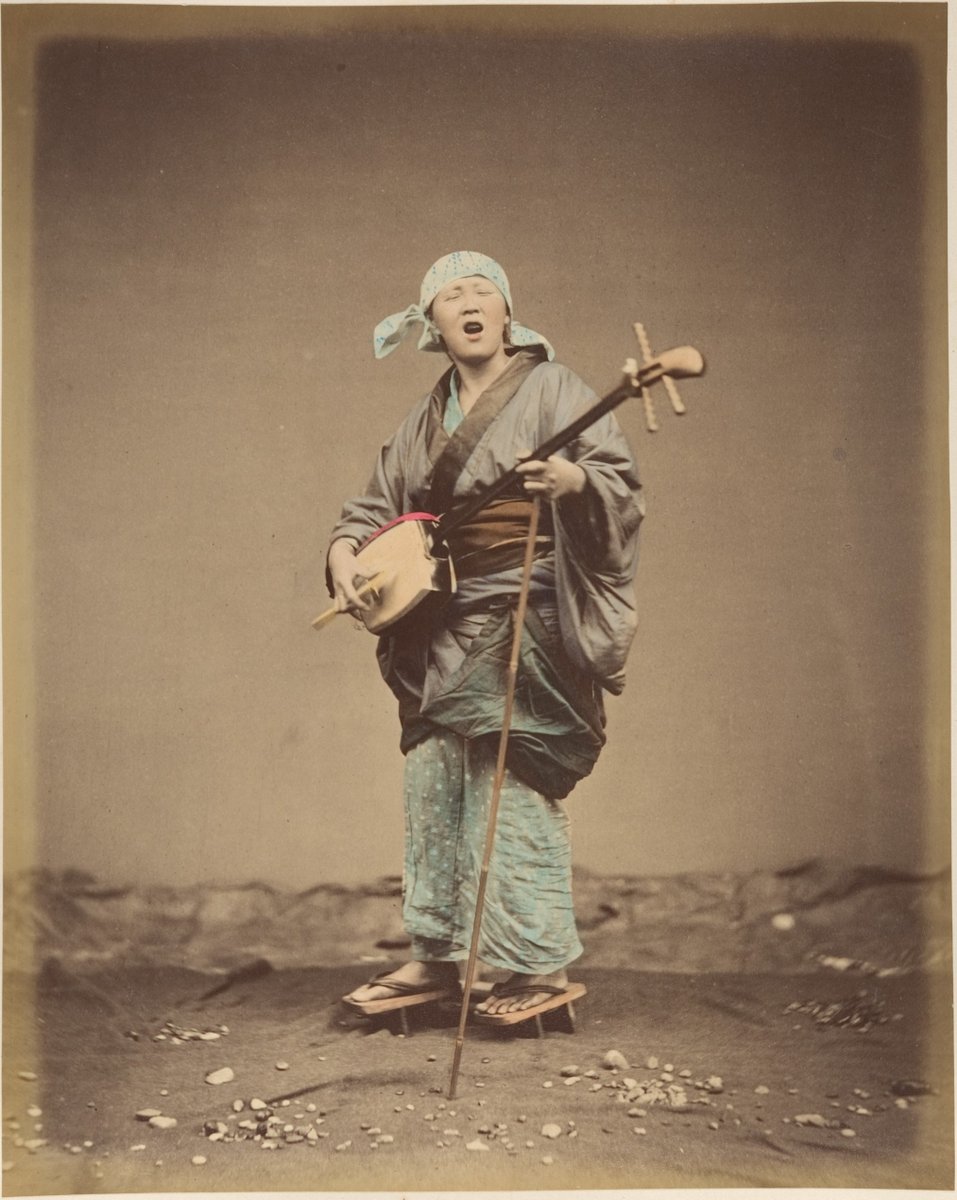
Street Minstrel in Gose by Shinichi Suzuki | 1870s

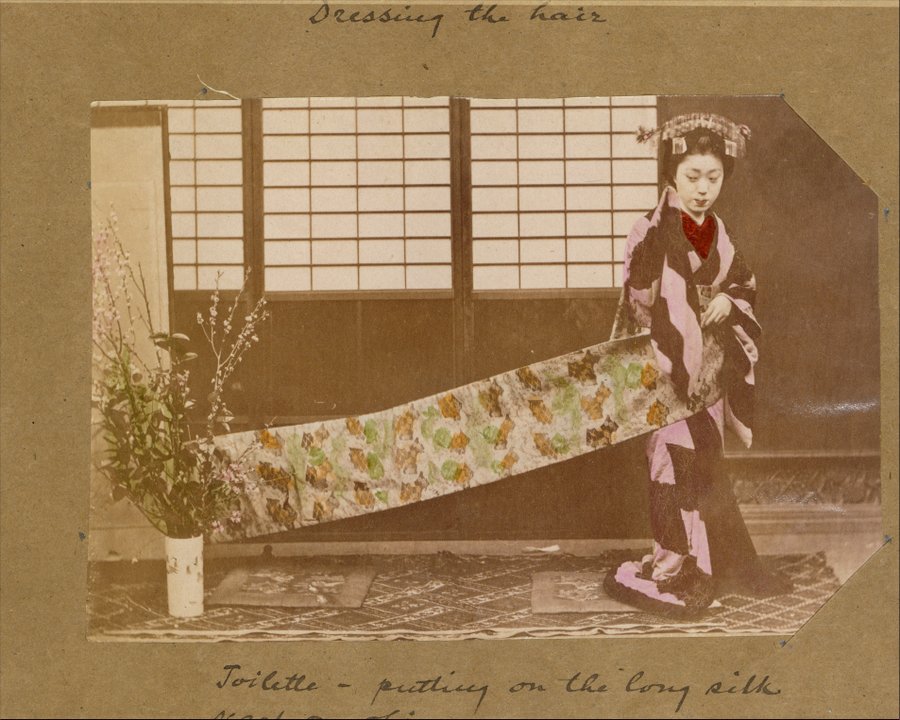
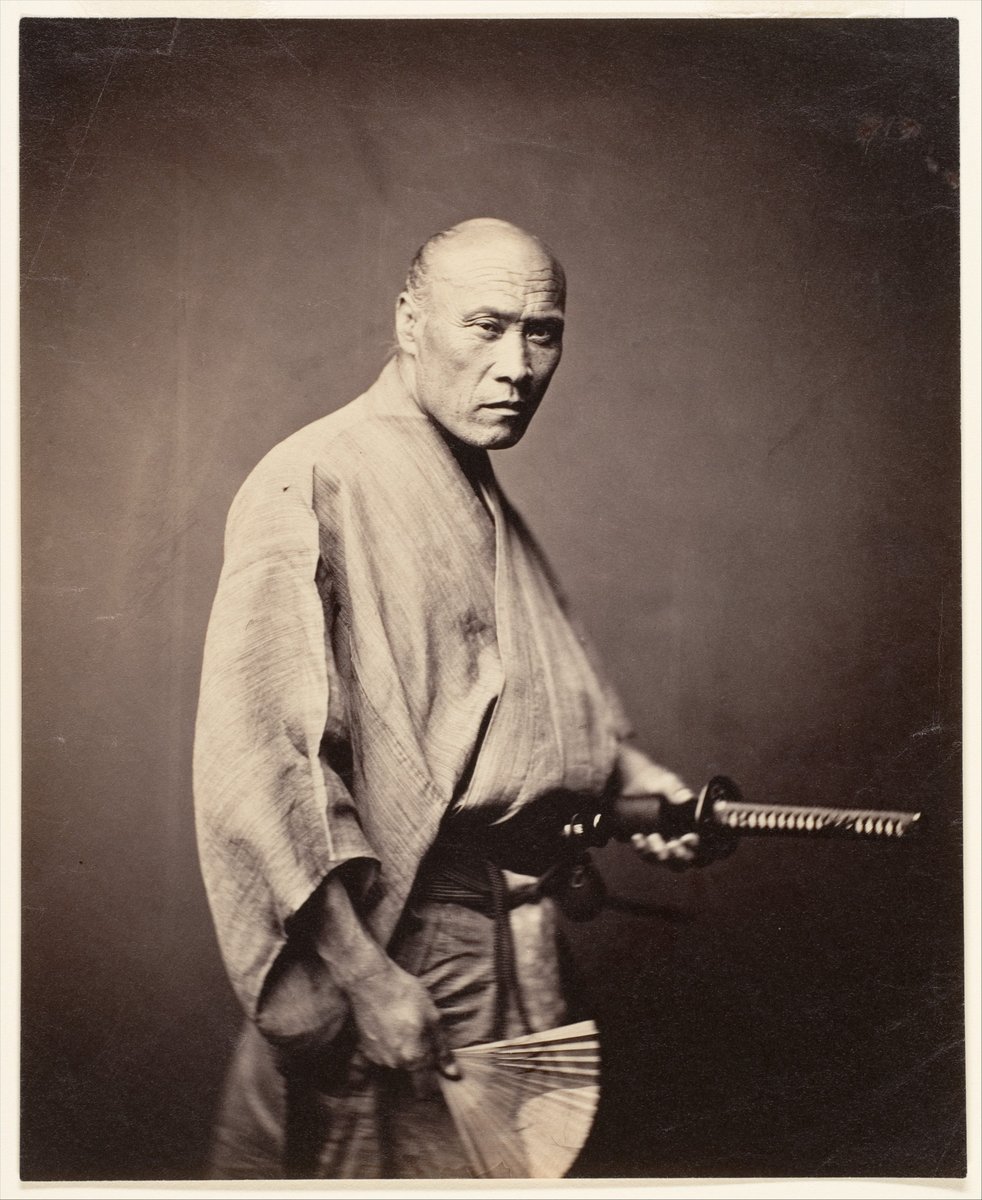
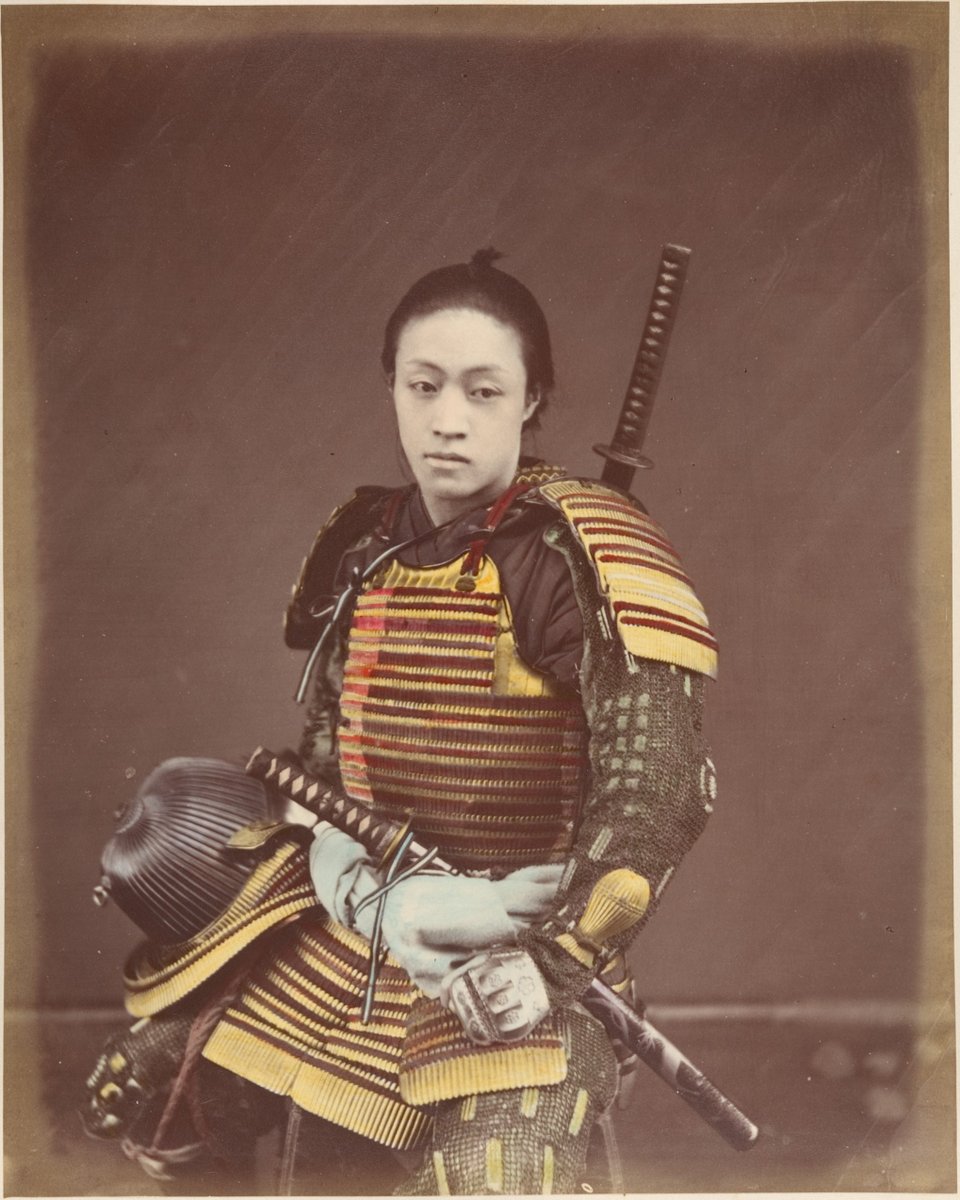
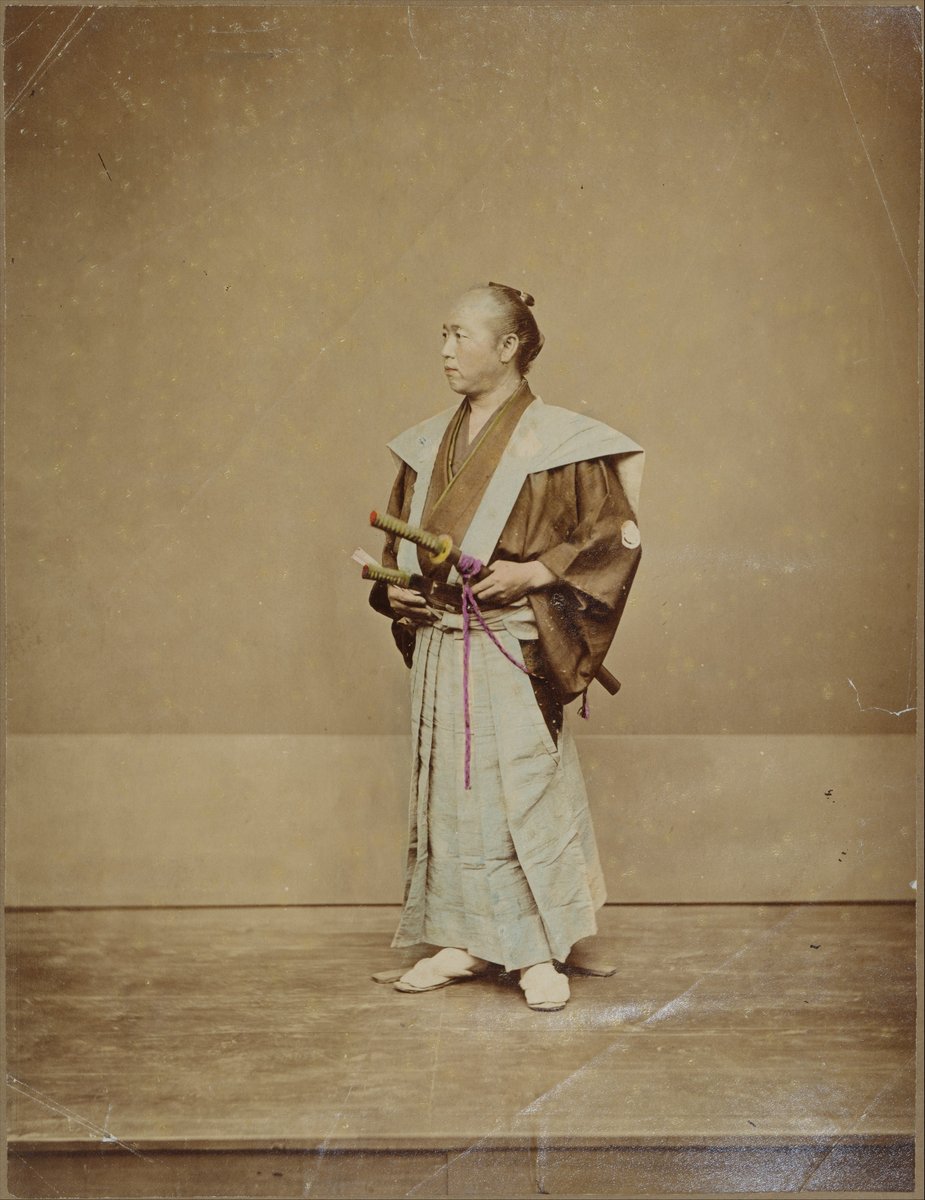
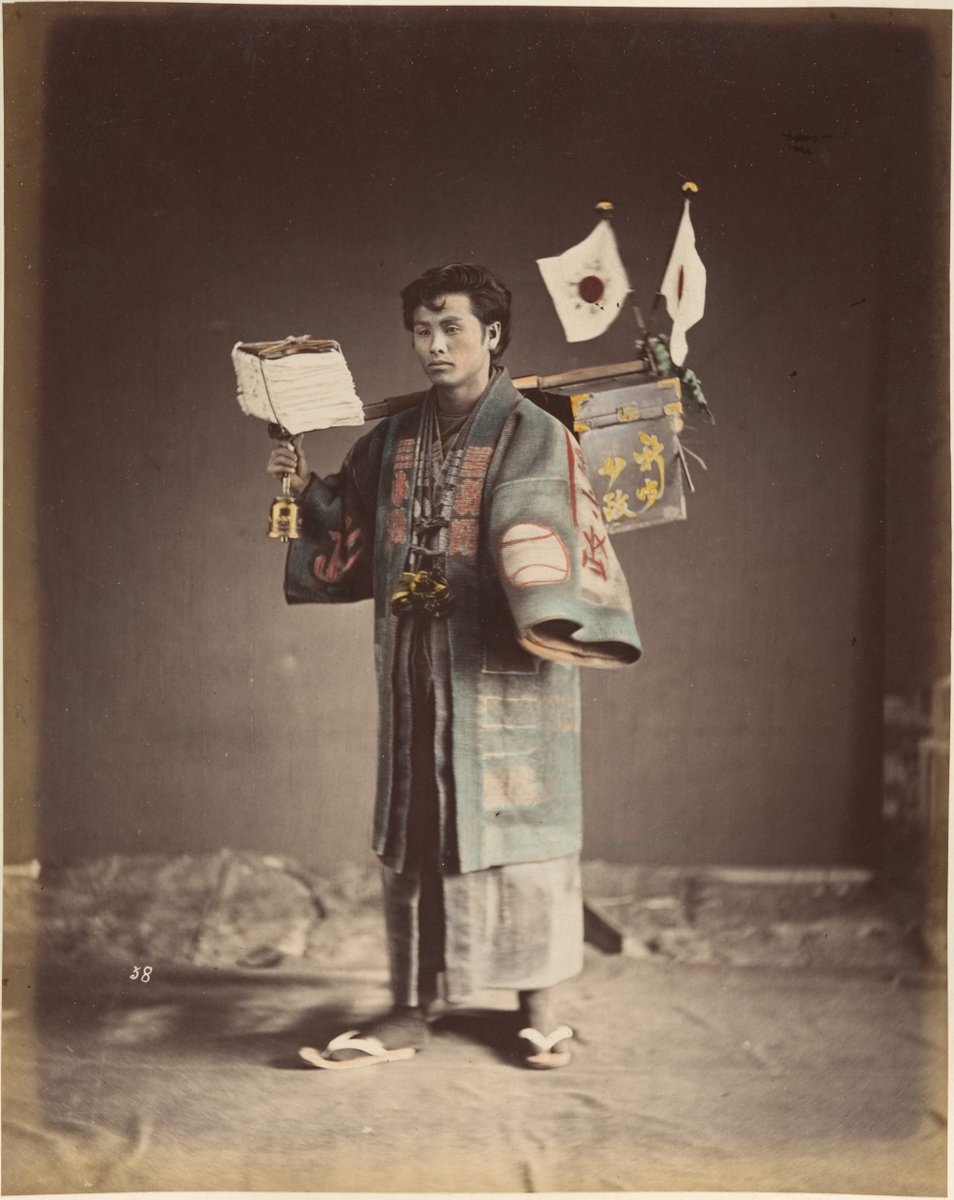
The internet has been buzzing this week in an announcement that the Metropolitan Museum of Art has released almost 400,000 high-resolution images to the public. It’s a rare move and, notably, a shift in conservative attitude that most museums have maintained for fear of forgery and cheap replicas. I shifted through the archives and sure enough it’s a treasure trove of artifacts, print, photographs and anything else your history-loving heart desires.

Here are several photographs I found from the late 1800s in Japan. Many are by Shinichi Suzuki (1835-1918) who photographed Japan for a foreign newsmagazine called The Far East, which ran during the 1870s. After his wood and wicker family business was destroyed by a tsunami in 1854, Suzuki traveled to Yokohama where he became an established photographer. Many of his photographs were hand-colored, which is why they appear more realistic and modern than the black and white photos.

old-japan-met-museum-archives (10)

Album of 226 albumen silver prints of Japan by Kusakabe Kimbei | 1860s–90s

old-japan-met-museum-archives (1)

Samurai in Yokohama by Felice Beato | 1864–65

old-japan-met-museum-archives (2)

Actor in Samurai Armor by Shinichi Suzuki | 1870s

old-japan-met-museum-archives (9)

old-japan-met-museum-archives (4)

Newsman by Shinichi Suzuki | 1870s

old-japan-met-museum-archives (5)

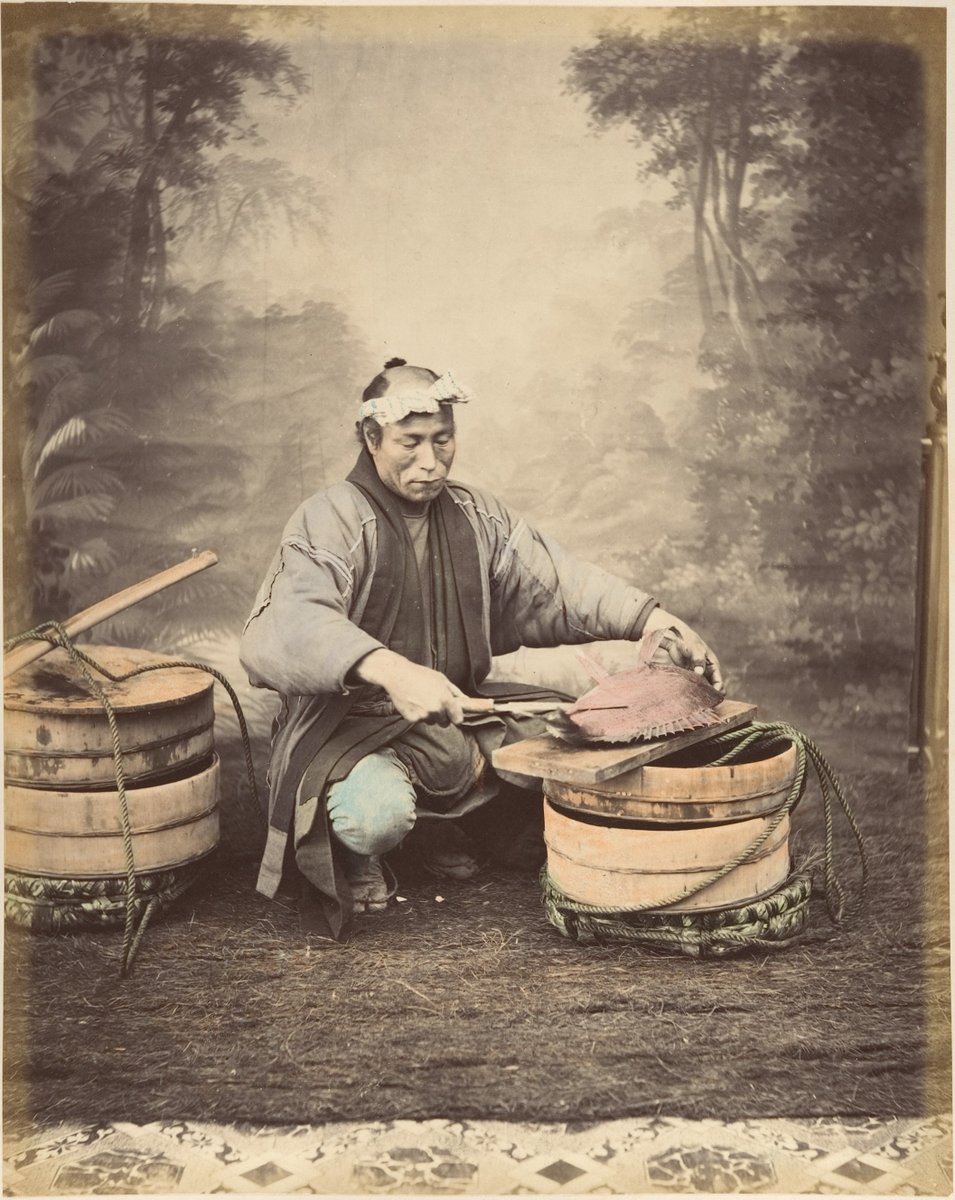
Japanese Man Preparing a Fish by Shinichi Suzuki | 1870s

old-japan-met-museum-archives (6)

A Japanese Woman and a Japanese Boy in Traditional Dress by Shinichi Suzuki | 1870s

old-japan-met-museum-archives (7)

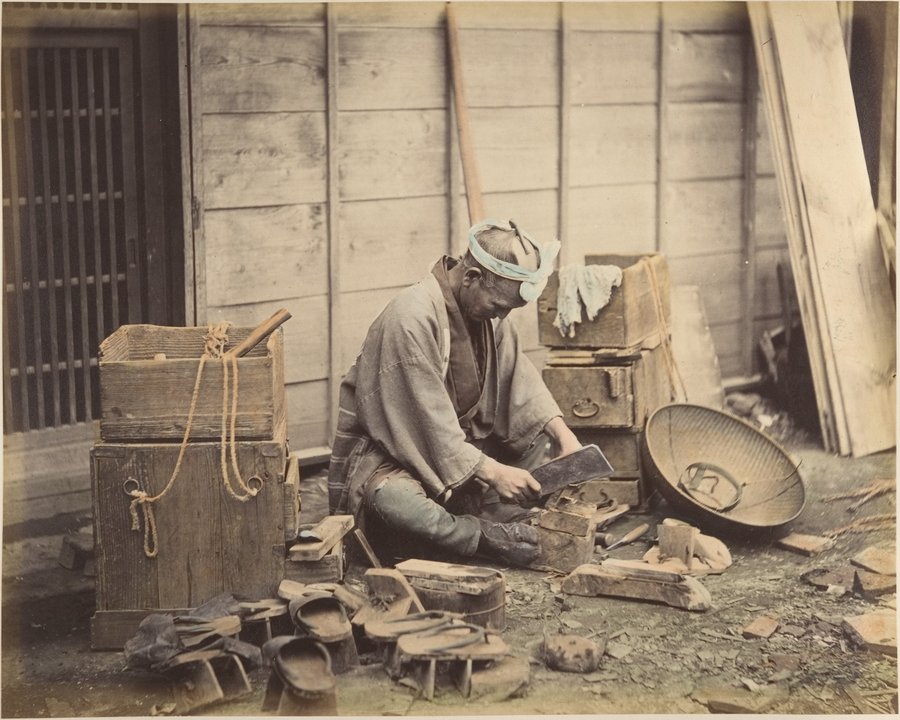
Cobbler by Shinichi Suzuki | 1870s

old-japan-met-museum-archives (8)

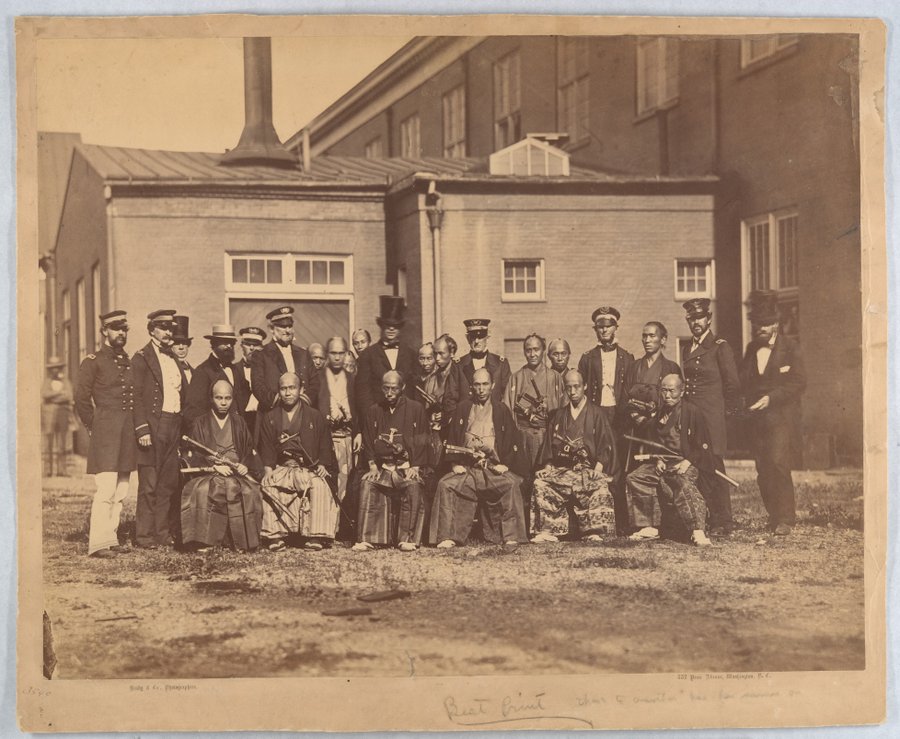
Japanese Embassy, Navy Yard, Washington, DC by Mathew B. Brady | 1860

This photo above is actually one of my favorites. Judging by the date and location, I can say with a fair amount of certainty that it’s from the arrival ceremony of the first Japanese diplomatic delegation to the US. The Baltimore Sun has an account of the arrival, which was characterized as a huge attraction for onlookers and gawkers.

The dignitaries thus addressed through their interpreter bowed their acknowledgements and really appeared pleased with these attentions. Before them appeared in full view of the grand military escort, and now the thundering artillery poured forth the minister’s salute of seventeen guns, and the music all along the line rose in patriotic and transporting strains. The whole scene was grand and exciting.–The salute, the music, the waving flags, the general enthusiasm surpassed description. On a special platform, neatly whitened, flanked by military on the east and by spectators on the west side, the visitors were escorted the length of a square to their carriages.
We have heretofore stated that the embassy bring with them $80,000 cash for the purpose of making purchases. Their money was all brought from Japan in Mexican dollars and American half-dollars, stamped with the Japanese mark. They bring an immense amount of baggage–over eighty tons–which made four full car loads over the Panama railroad. they have fifteen boxes containing valuable presents for thee President of the United States.–They have a large quantity of beautiful silks, brocatels, linen, crape silk, pongees, poplins, and so forth, of every conceivable style and pattern.
Brass Kitchen Tools Inspired by Ordinary Household Foods

cutpiece_2edTOP

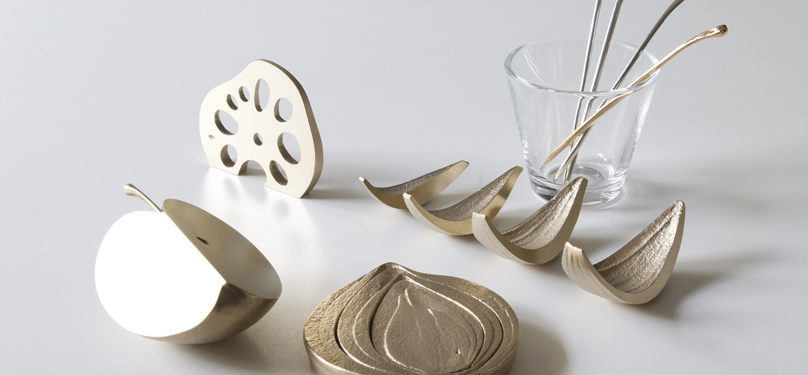
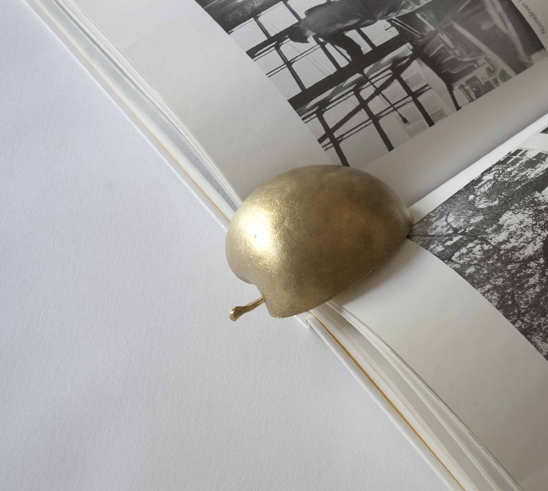
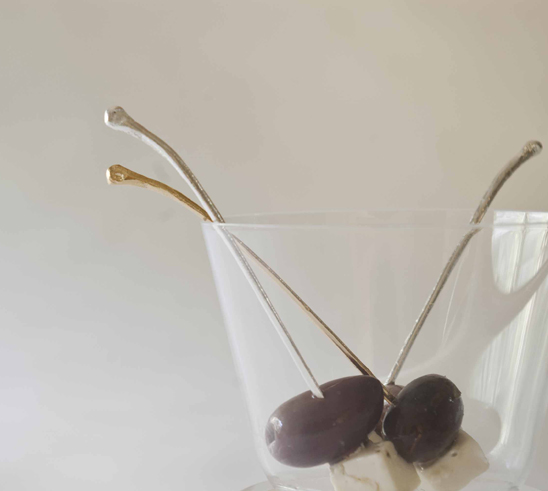
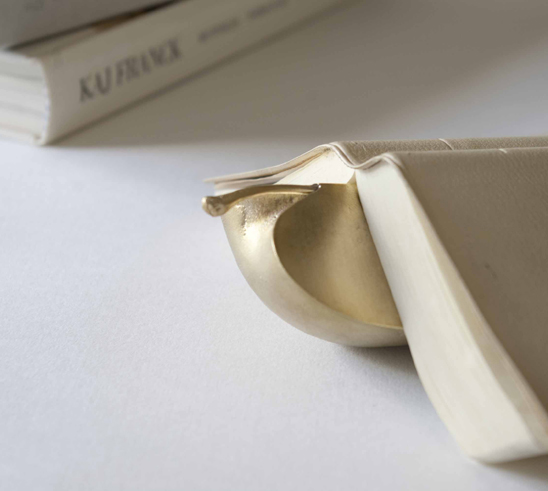
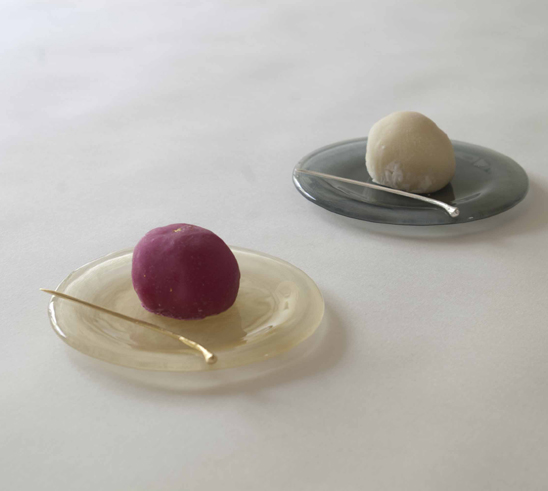
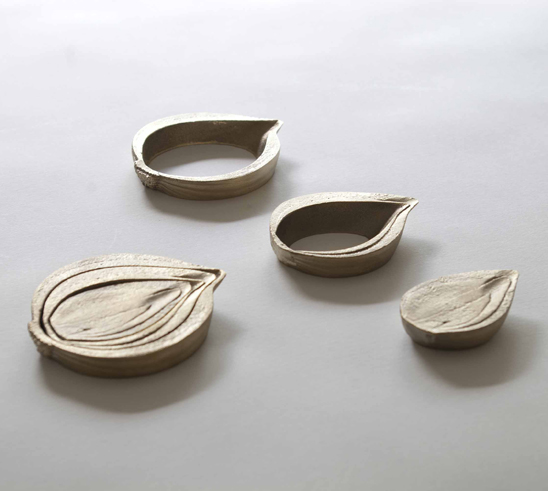
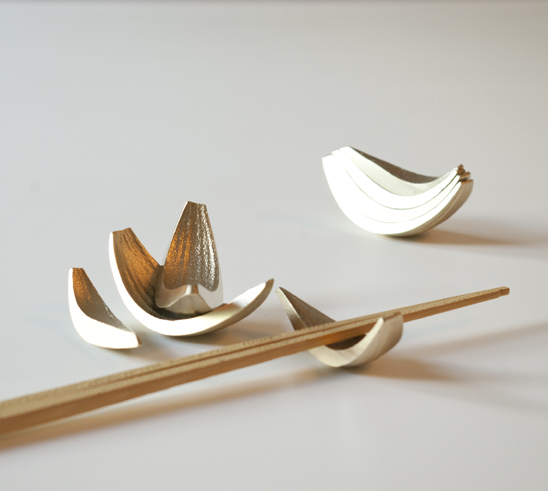
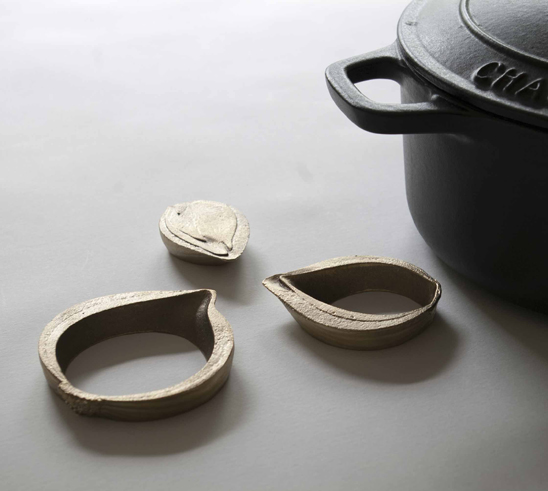
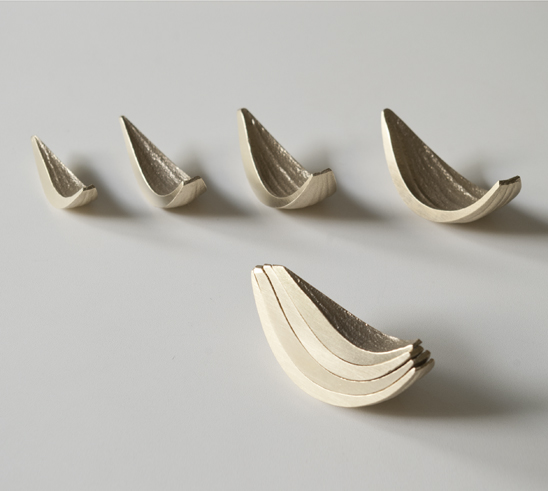
Apple slices, onion slivers and stems. These are all foods commonly found in almost any house. So common, in fact, that we don’t see them as anything else. But designers Yusuke Komatsu and Yukitoshi Toda saw them as something else: a gift of beauty from mother nature herself. The duo decided to replicate these forms from pure brass, and finishing them off with a distressed look. There’s certainly something humorous about elevating something that normally gets thrown out in the trash.
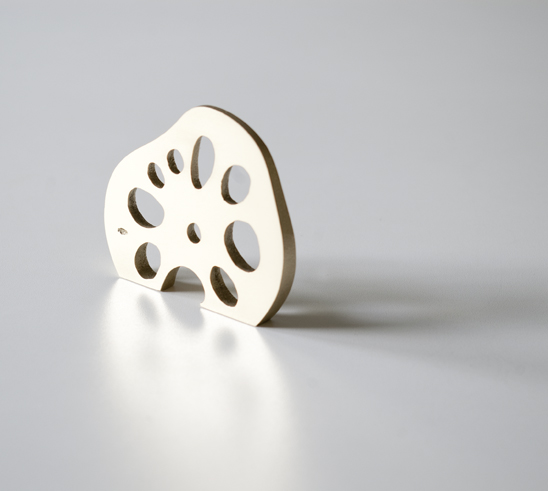
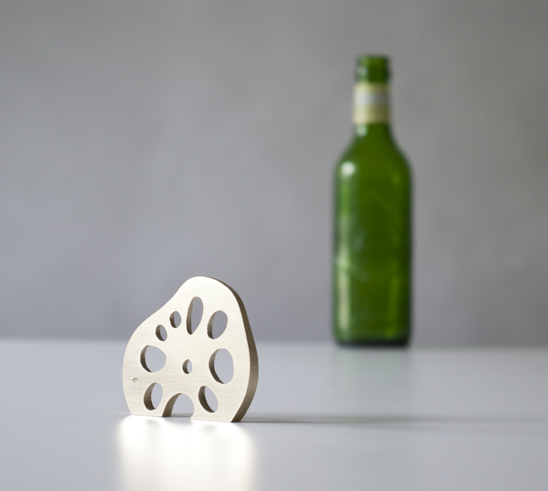
The resulting series of brass household objects were named “cut piece.” They feature an apple slice paper/book weight, onion slivers as trivets and chopstick holders, lotus root as bottle opener, and stems as picks for eating diced cheese or fruit. The pieces are available at the Spoon & Tamago shop.

cutpiece_ringo_03

cutpiece_heta_03cutpiece_ringo_04

cutpiece_heta_05

cutpiece_tamanegi_01cutpiece_tamanegi02_01

cutpiece_tamanegi_02

cutpiece_tamanegi02_03

cutpiece_renkon01

cutpiece_renkon02

The Stylish 9h Capsule Hotel Coming to Narita Airport

9-hotel 6

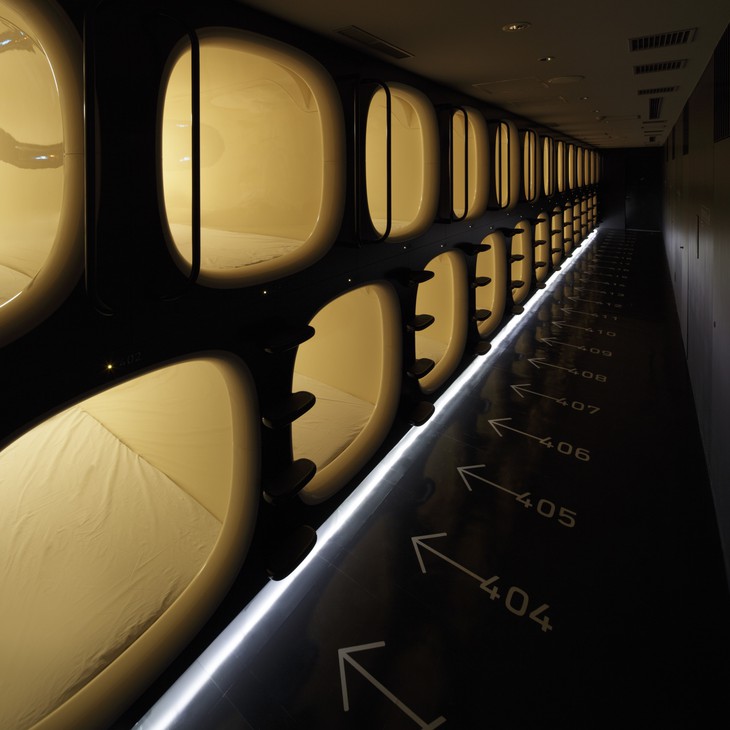
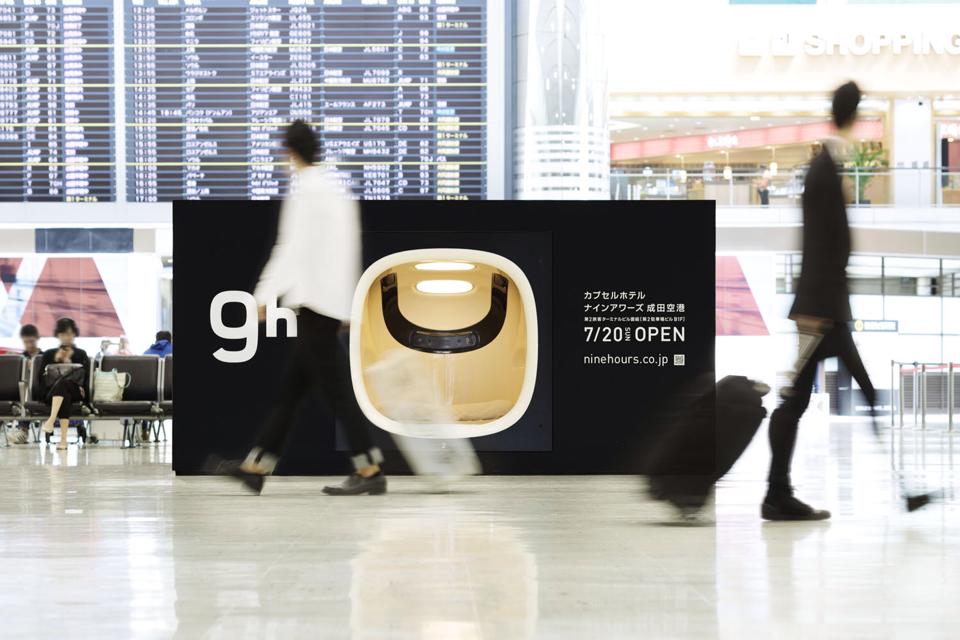
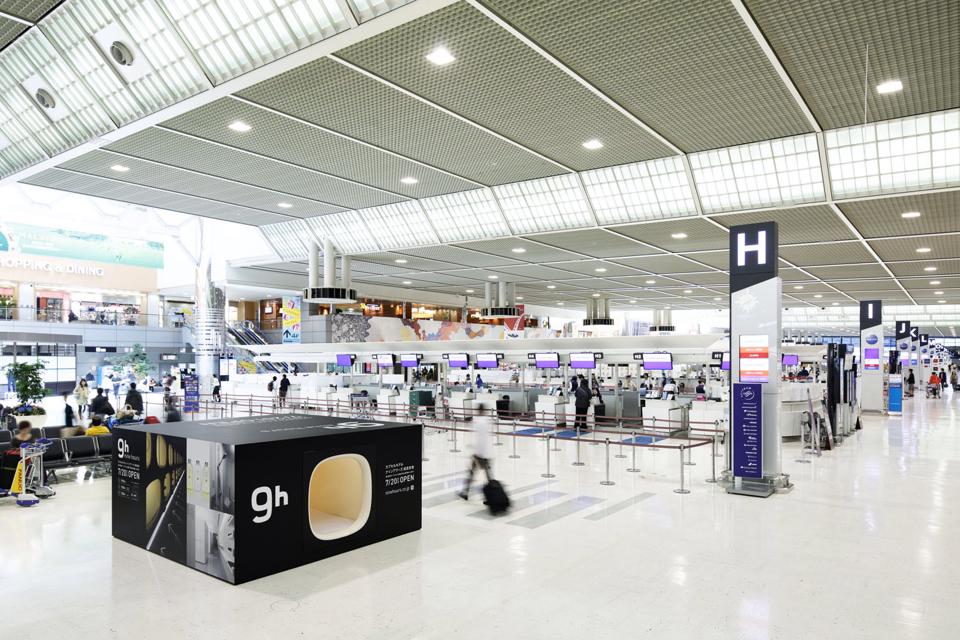
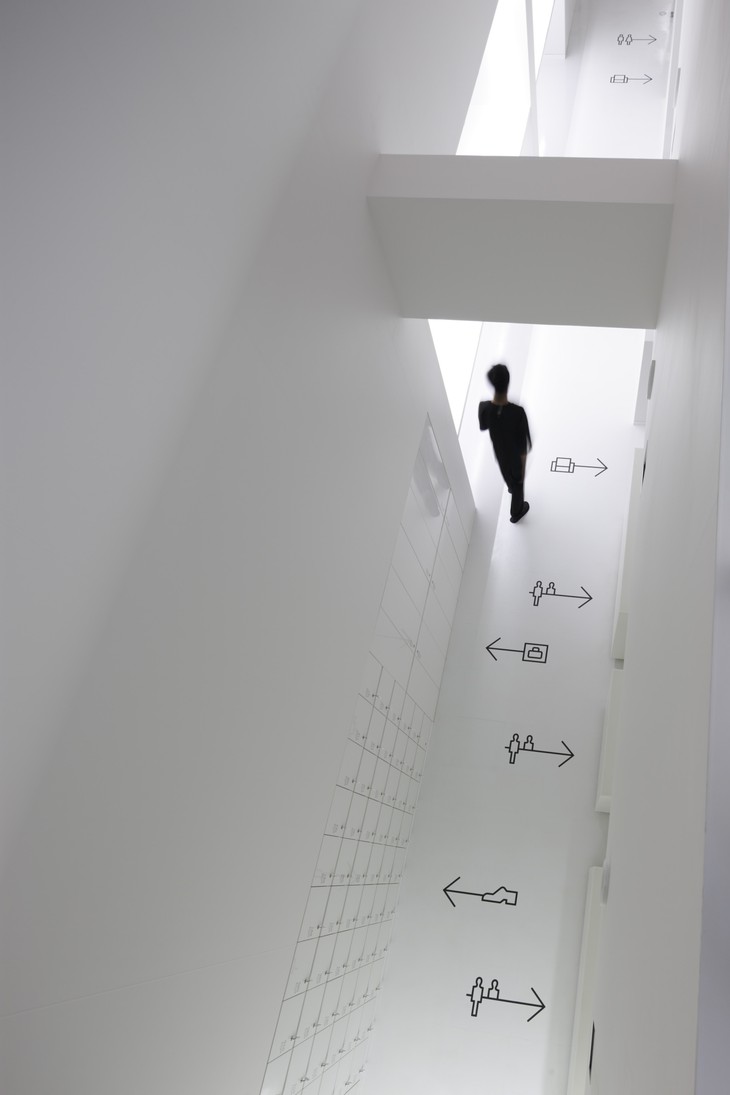
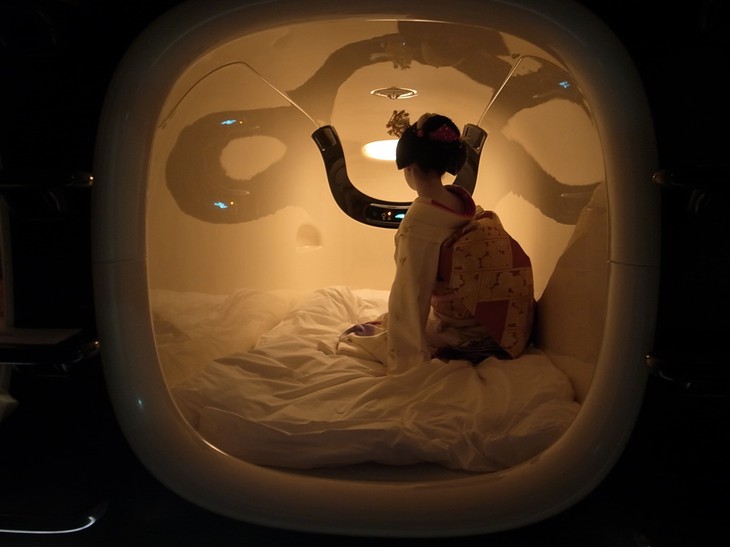
It’s been a few years since we last covered the sleek and futuristic 9h ninhours hotel‘s take on Japanese capsule hotels. But the popular tourist destination, which features tiny pods just large enough for 1 person to sleep in, recently announced the Narita Airport location to open on July 20. They’re already starting to take reservations on their site and through other distribution systems.

9h hotel narita ad

an interactive advertisement has popped up in the airport terminal

9h hotel narita ad 2

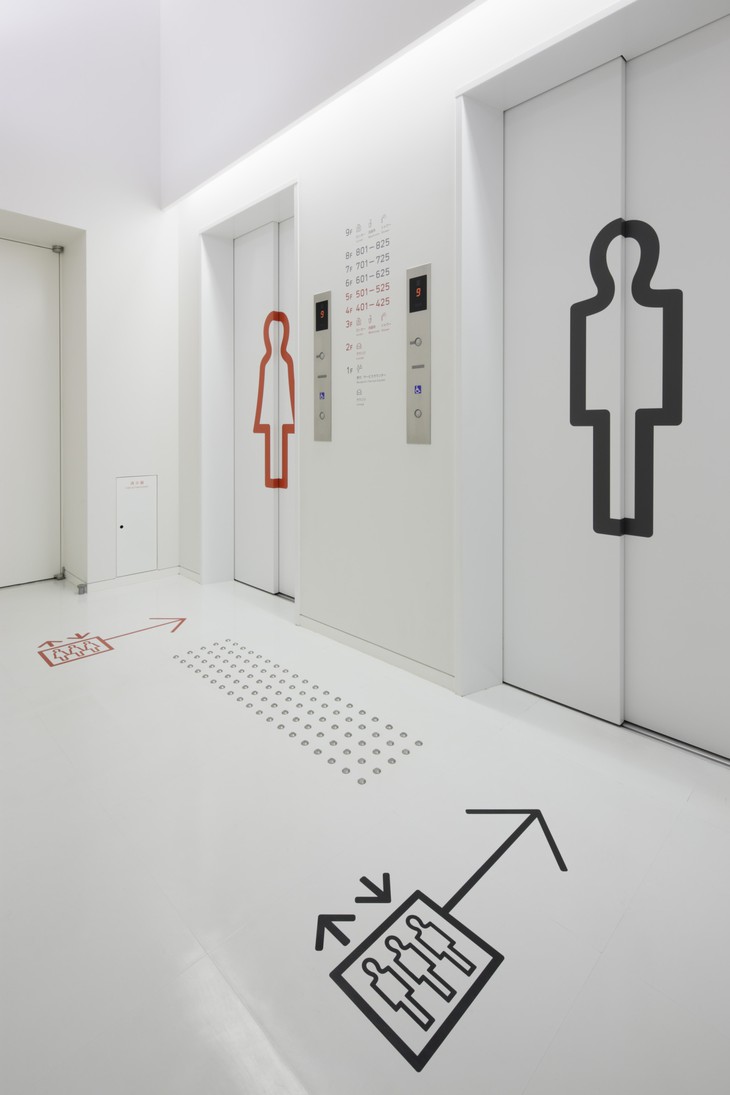
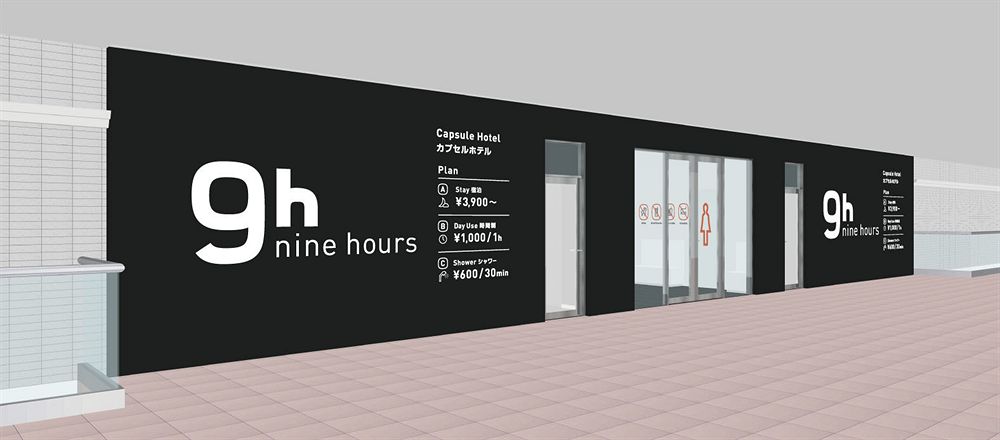
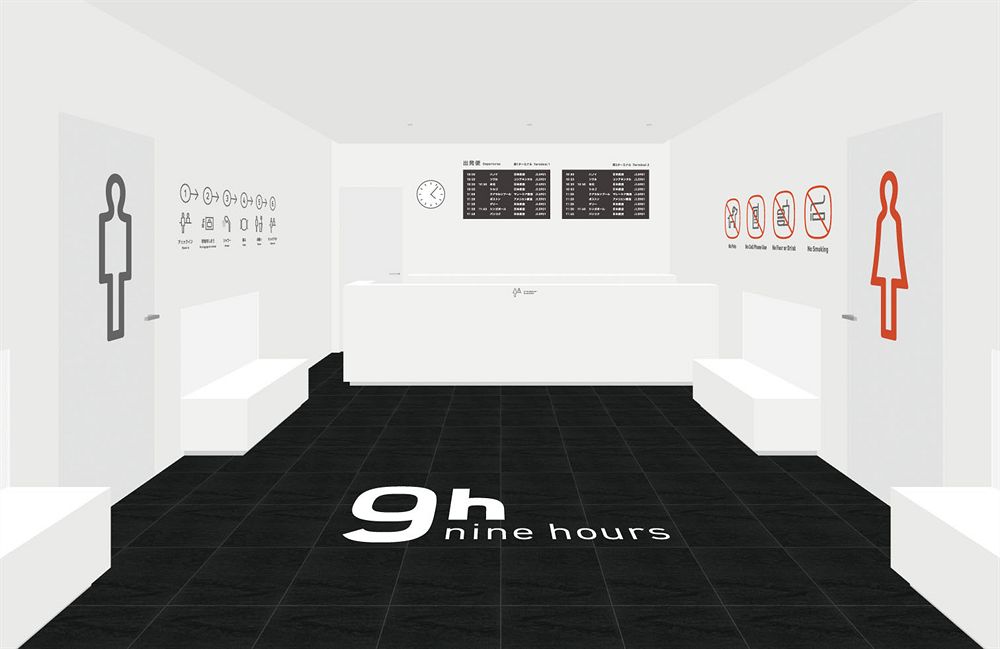
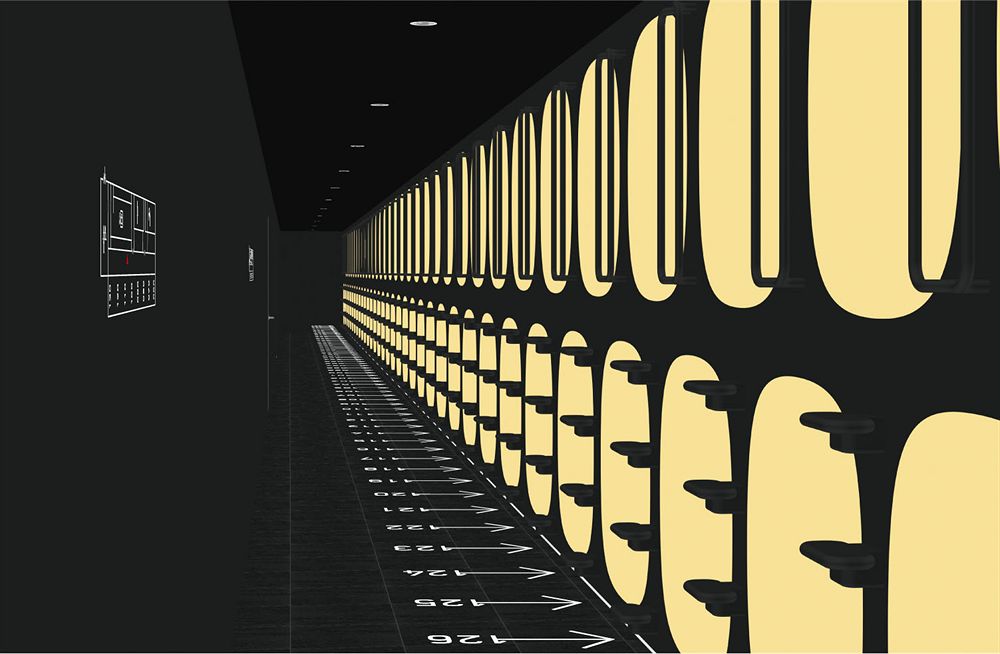
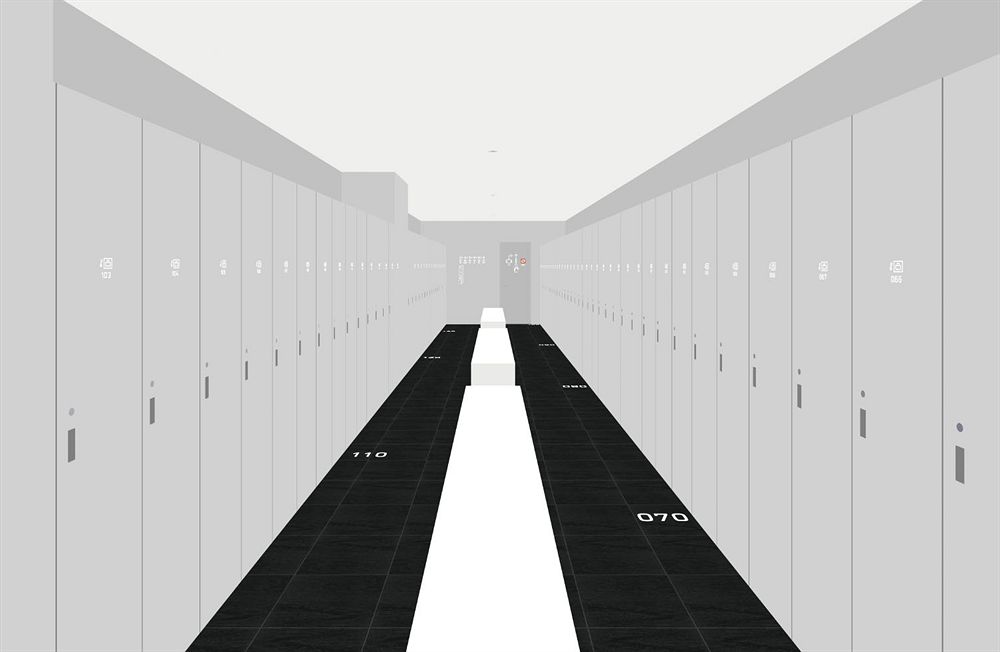
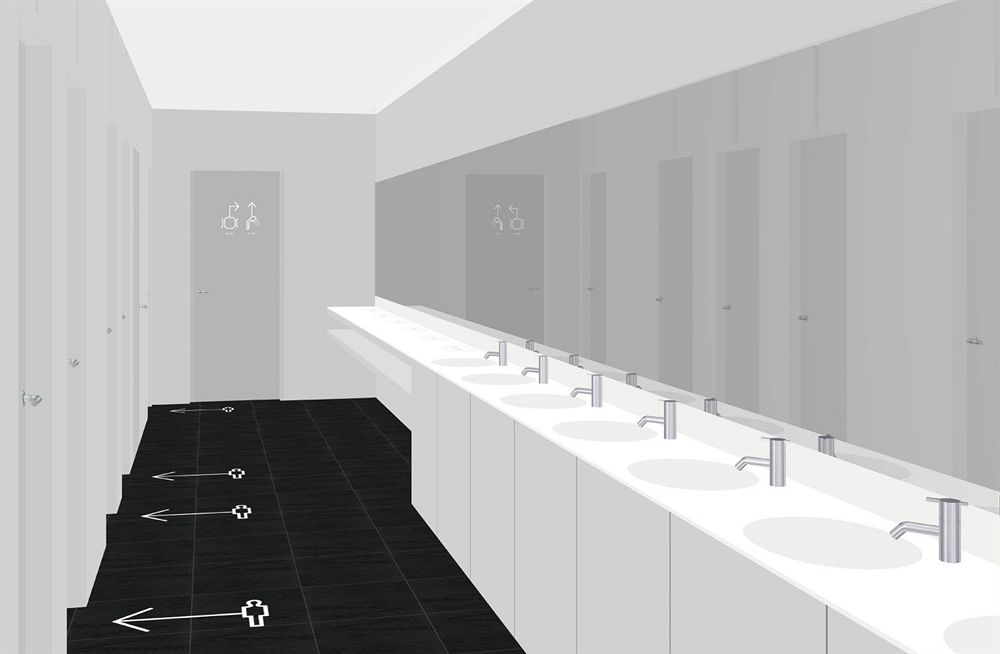
Designed, once again, by Fumie Shibata, 9h ninhours narita will be located adjacent to Narita International Airport Terminal  2, on the B1 floor of the parking structure. The facility will be housed with 129 rooms, separate male and female quarters, a smoke-free and complimentary WiFi common area.

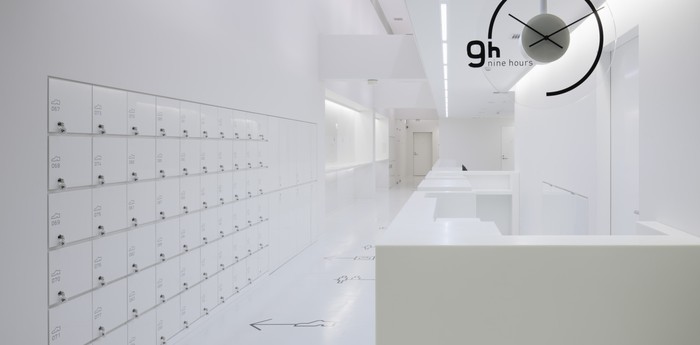
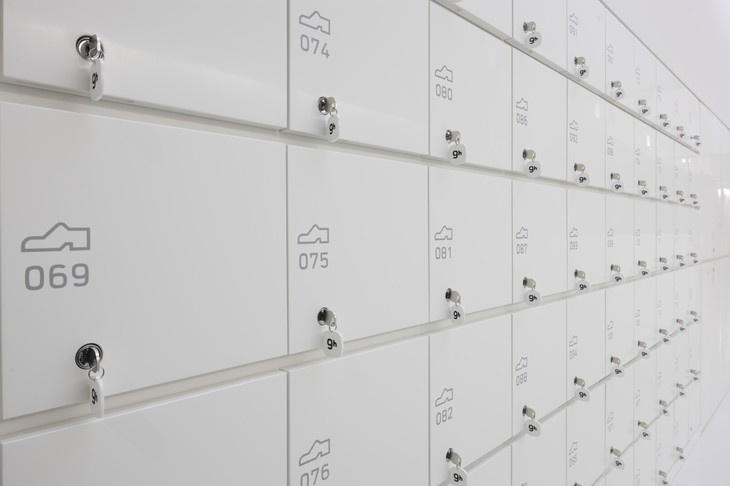
These photos are from their Kyoto location, but based on the renderings (below) we think it’s going to look pretty similar. At least we hope!

9-hotel

9-hotel 5

9-hotel 7

9-hotel 8

9-hotel 4

9-hotel 9

9h-narita

renderings of the new Narita location | click to enlarge

9h-narita-reception 9h-narita-capsule

9h-narita-locker 9h-narita-bathrooms

« Older posts Newer posts »

© 2026 Spoon & Tamago

Up ↑

Design by Bento Graphics