Page 199 of 406

New Work by Three on Display in Miami

14530_130356-55v_1125bit_9

all photos courtesy now contemporary art | click to enlarge

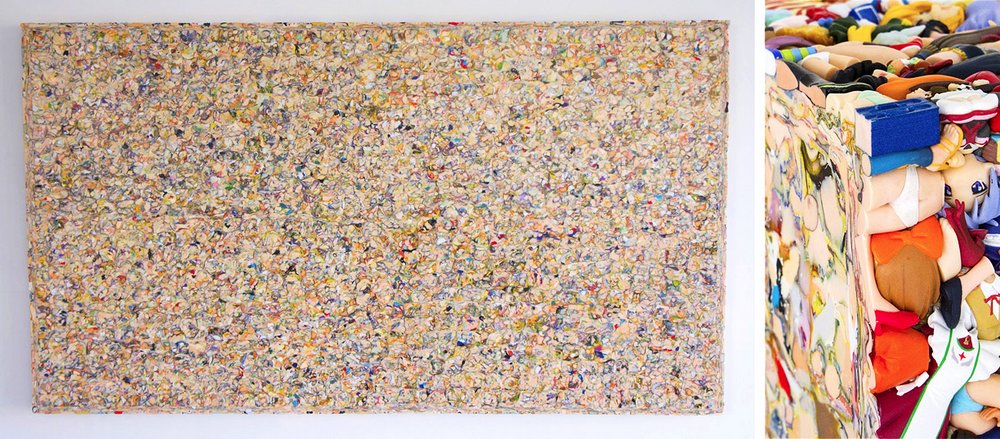
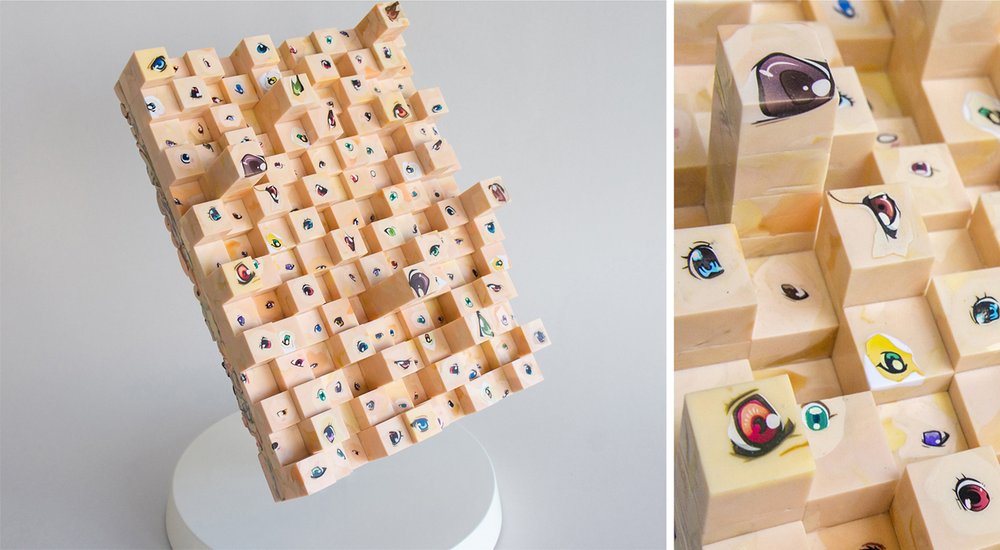
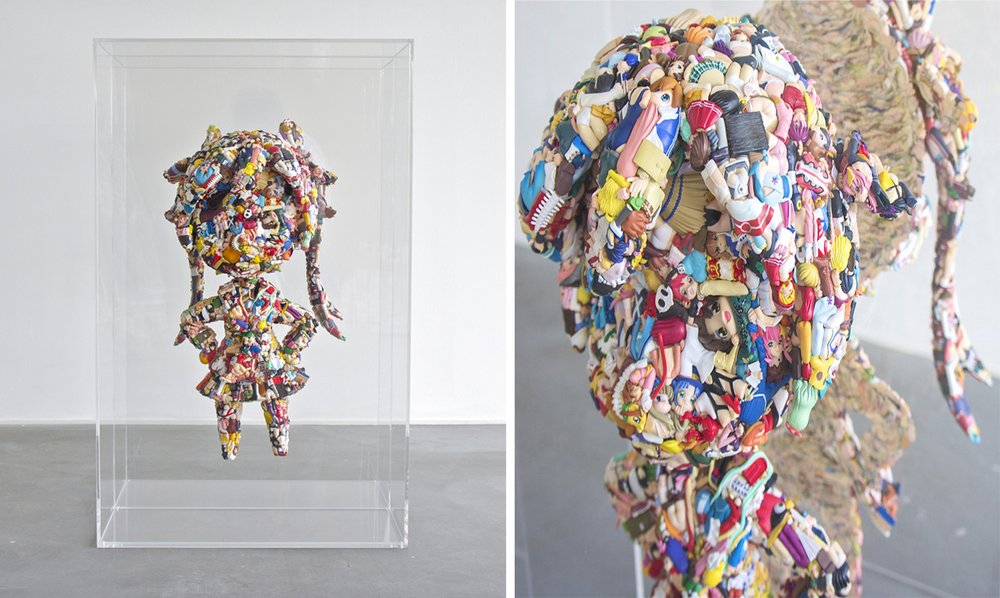
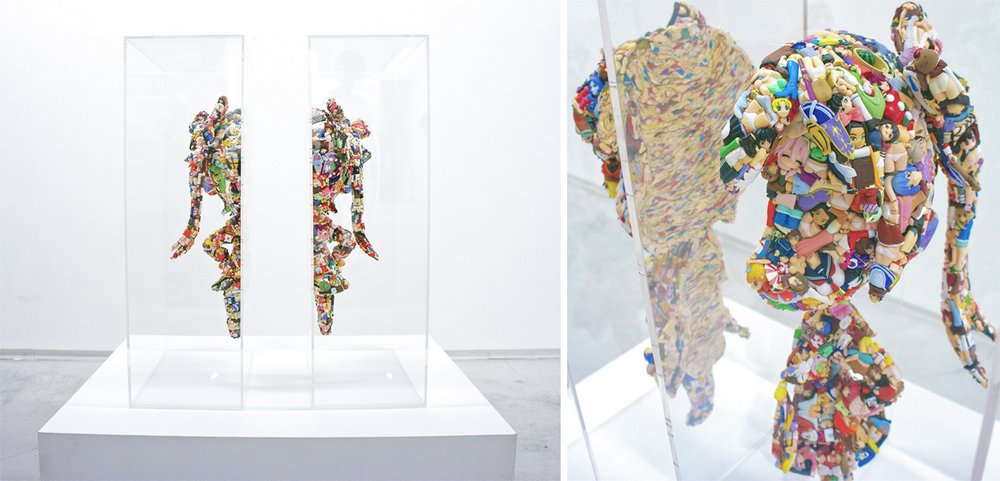
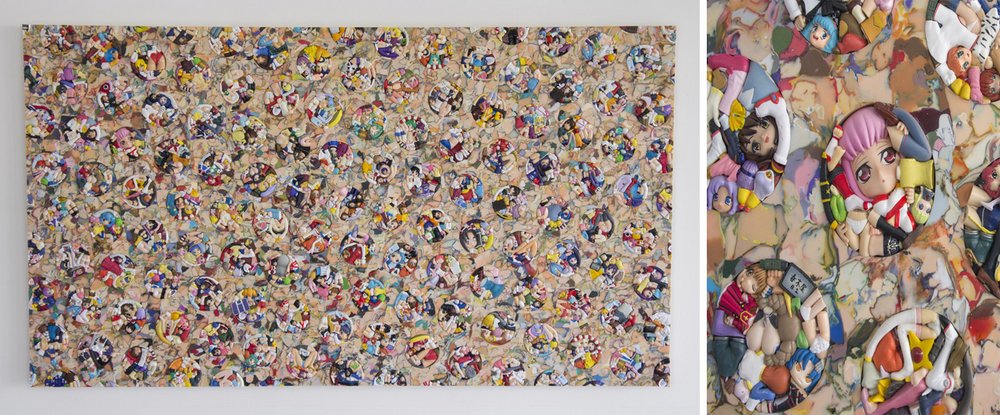
It’s been about a year since we visited the Fukushima-based art unit three during their stay in New York. But now the triplet is coming back with new work and a new solo exhibition at Miami’s NOW Contemporary Art gallery. On June 14th “three is a magic number 8” (all of their exhibitions begin with that same name) will open and remain up through July 27.

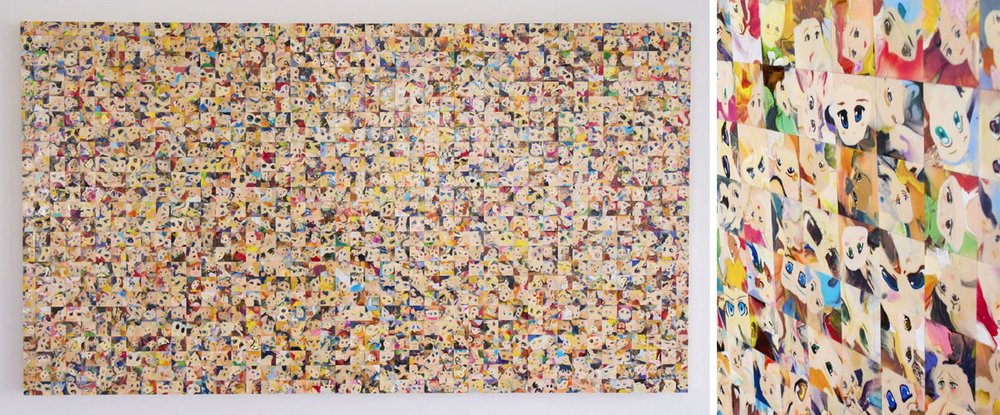
The show will feature work made in their signature style of deconstructed kawaii pop: cut-up, melted and deformed anime figurines fitted back into rectangular canvases and other shapes. The rectangular panel works are often based on the dimensions of a TV screen a symbolically important divide that separates the 2D and 3D worlds. When you think about it, it’s a fascinating cycle: a 2D character is turned into a 3D figurine, which is then once again reduced into fundamental, raw material.

14530_130603-84v_14.03kg_1

14530_131403-154bit_ipad_1

14530_131432-9.8kg_11

14530_131520-10.1kg_2

14530_131638-55v_141zip_12

JR East Taps Ferrari Designer Ken Okuyama for Luxury Sleeper Train

ken-okuyama-cruise-train (1)

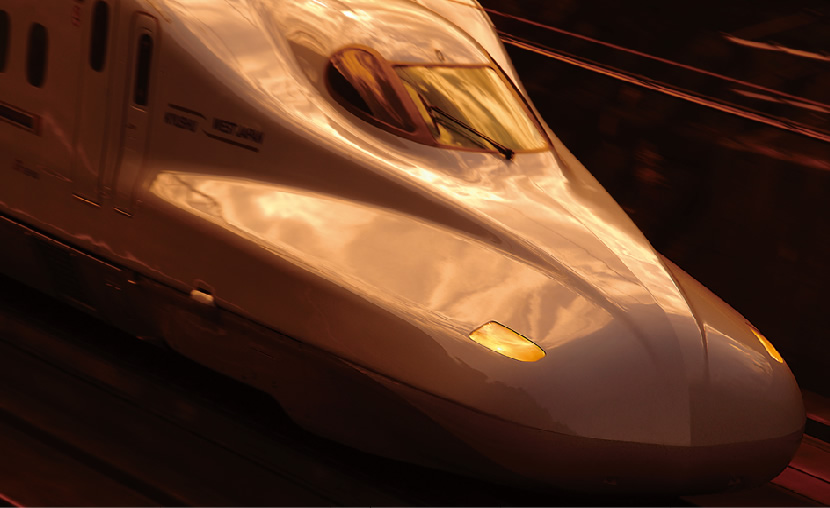
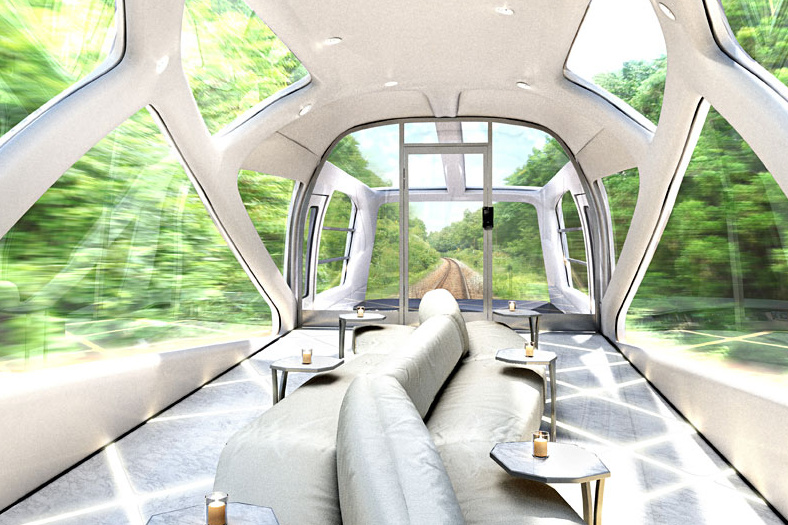
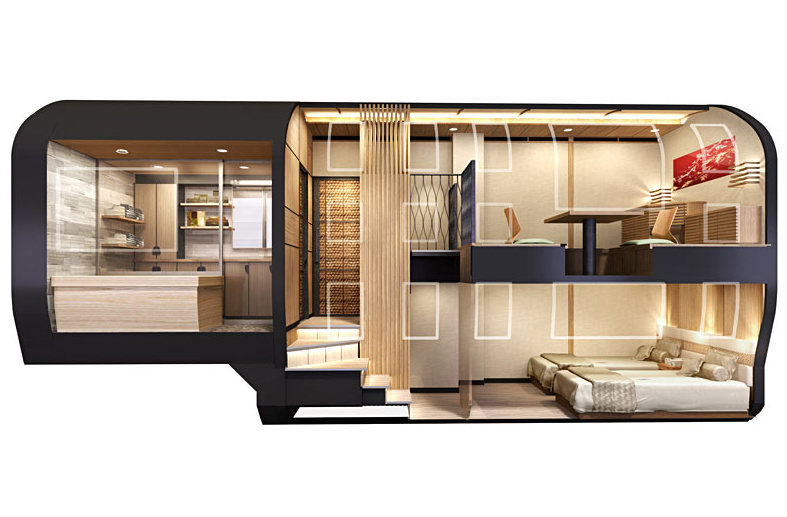
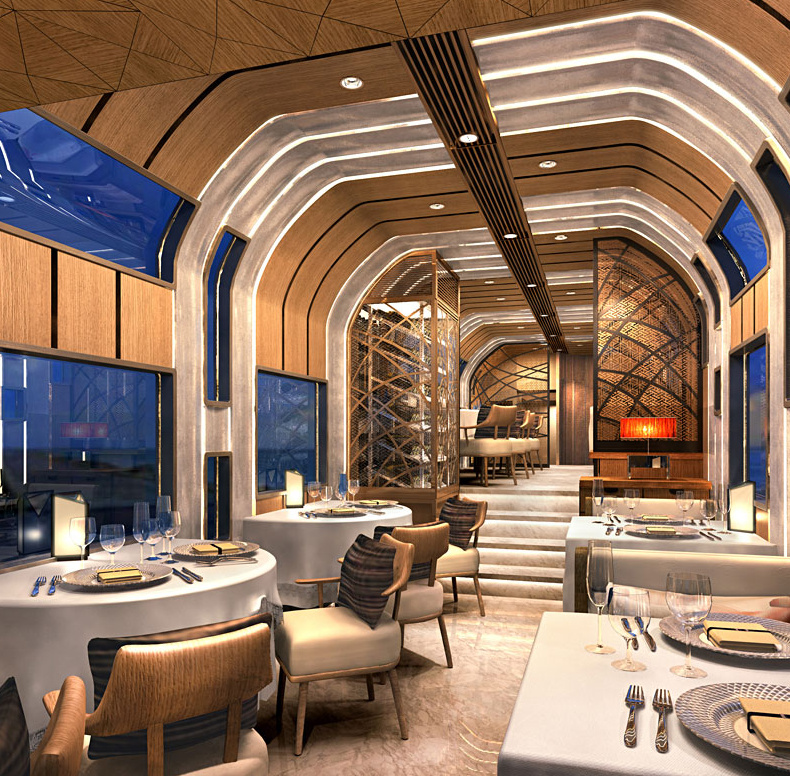
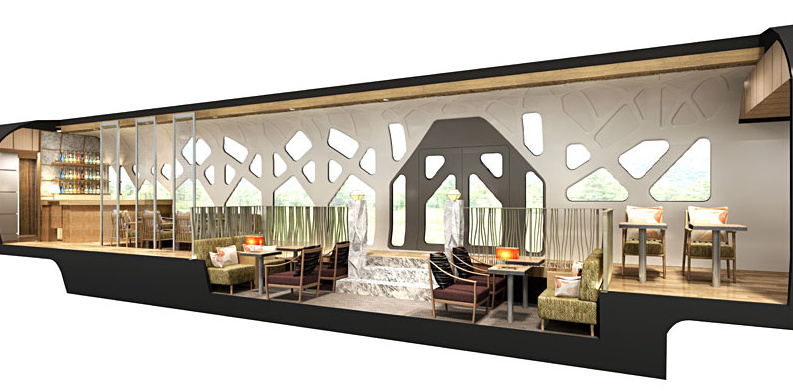
Earlier this week JR East announced (PDF) a new luxury sleeper train, the “cruise train,” that will begin carrying passengers across Japan as early as Spring of 2017. The major railway company is spending 5 billion yen (about $50 million) to create the train, which will feature an adaptable EDC system, allowing it to run on both electric and non-electric rails. Along with the announcement came images, which revealed a luxurious interior that, if you’ve ever been to Japan, looks nothing like common trains. The only thing that comes close is the designer trains of Kyushu. For more on that you’ll want to read how privatization spawned a designer train movement.

Spearheading the design of the train is Ken Okuyama, a legendary automobile designer who supervised the design of several Ferraris in the mid-2000s. Okuyama’s background helps to explain the luxurious cars characterized by large glass-paneled windows and high ceilings.

main_imgRelated: Special Feature on Japanese Trains


But don’t get your hopes up too much. These luxurious sleeper trains seem to be quite exclusive, as they only have a max capacity of 34 passengers. We’ve still got 3 more years before we’ll find out how much it will cost to board these cars which, in the words of the designer, “lets passengers enjoy the flow of time and space.”

ken-okuyama-cruise-train (2)

ken-okuyama-cruise-train (5)

ken-okuyama-cruise-train (3)

ken-okuyama-cruise-train (4)

Create a Forest of Edible Treats with Mogu Mogu Wooden Forks

mokumogu-1

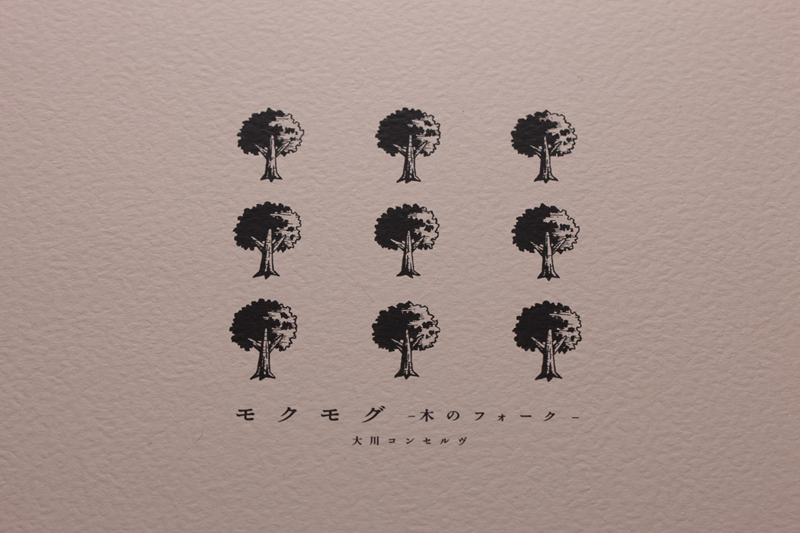
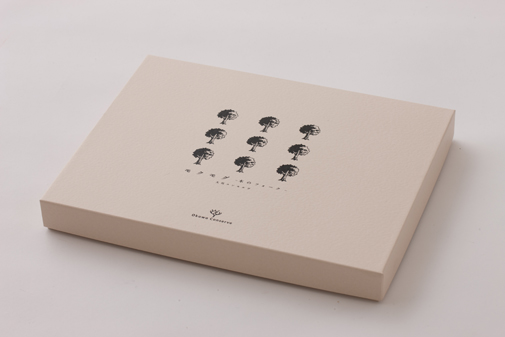
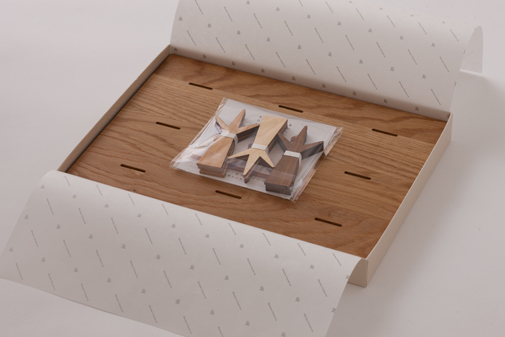
Last year the city of Okawa (Fukuoka) launched a campaign to promote their local foods and craftsmanship. The organizers of “Okawa Conserve” enlisted local design studio Tetusin Design Office to create a large branding package that included catalogs, leaflets, logos and packages that all encompassed the theme of woodwork + food (you can see more images over on our tumblr). The idea being that each goes hand-in-hand to bring together a hearty meal served on a table.

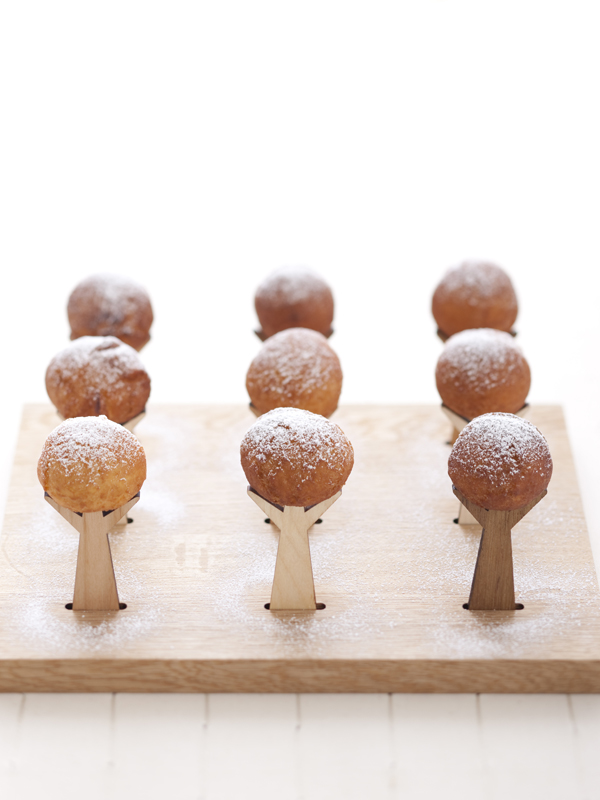
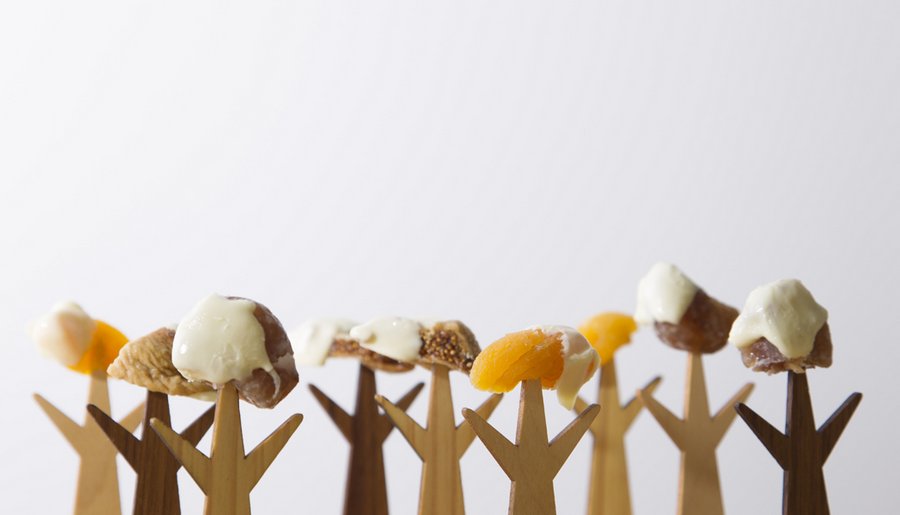
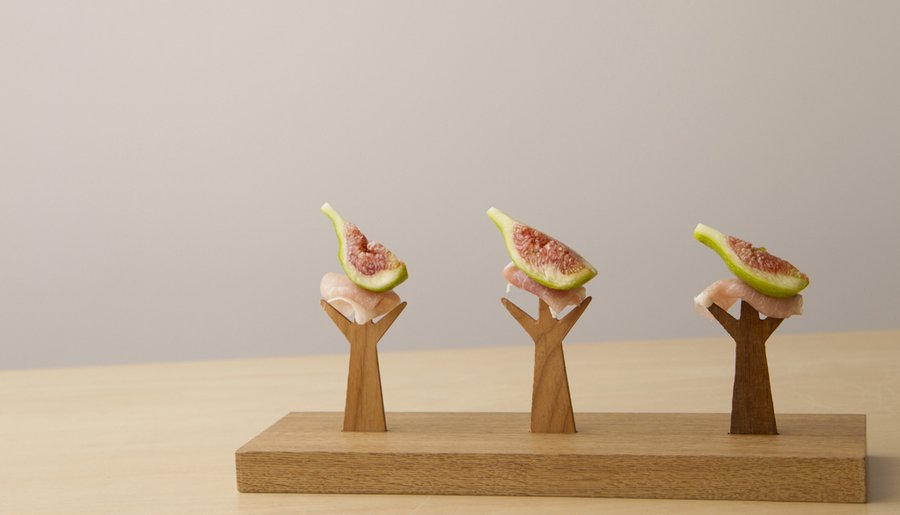
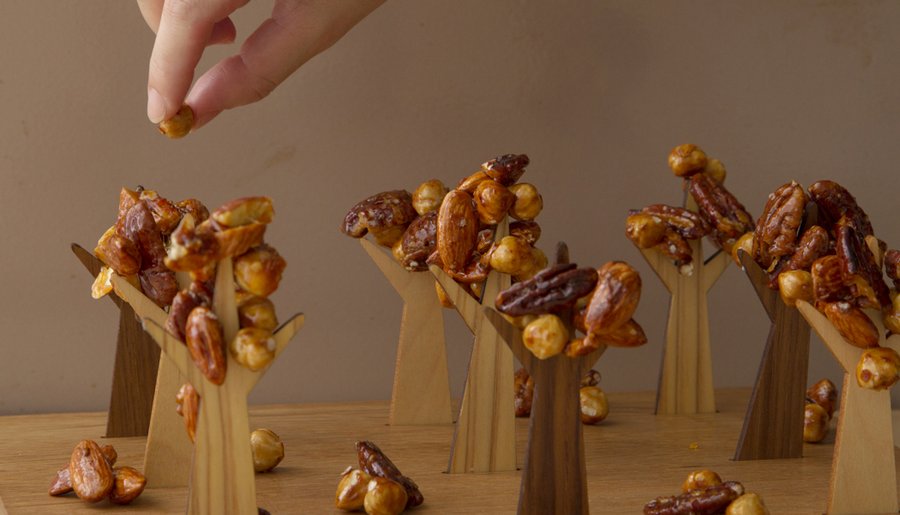
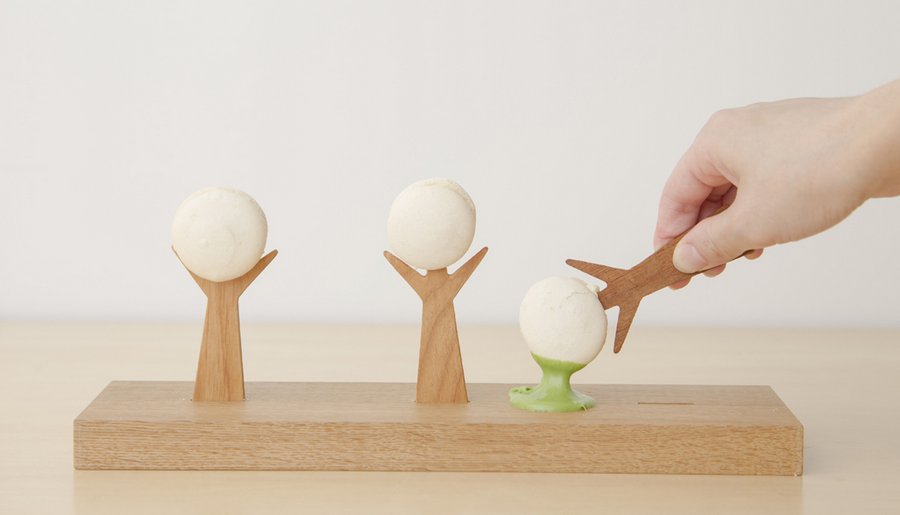
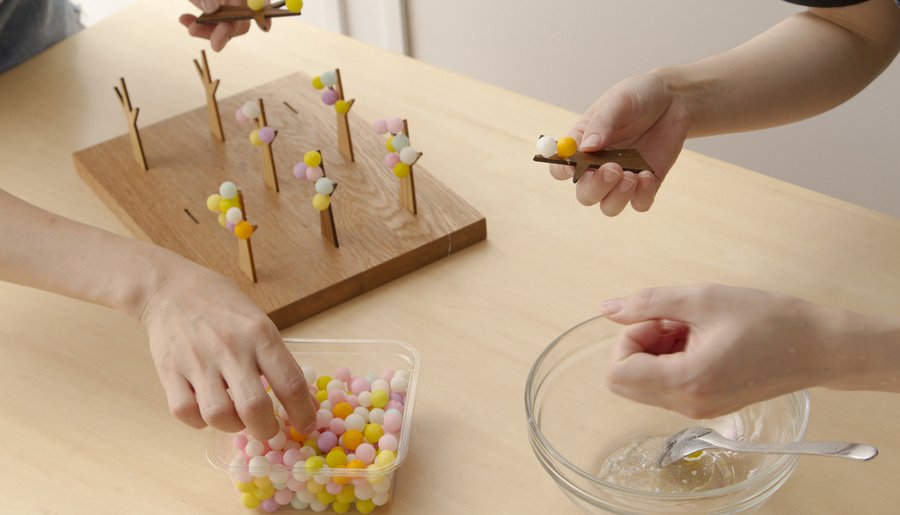
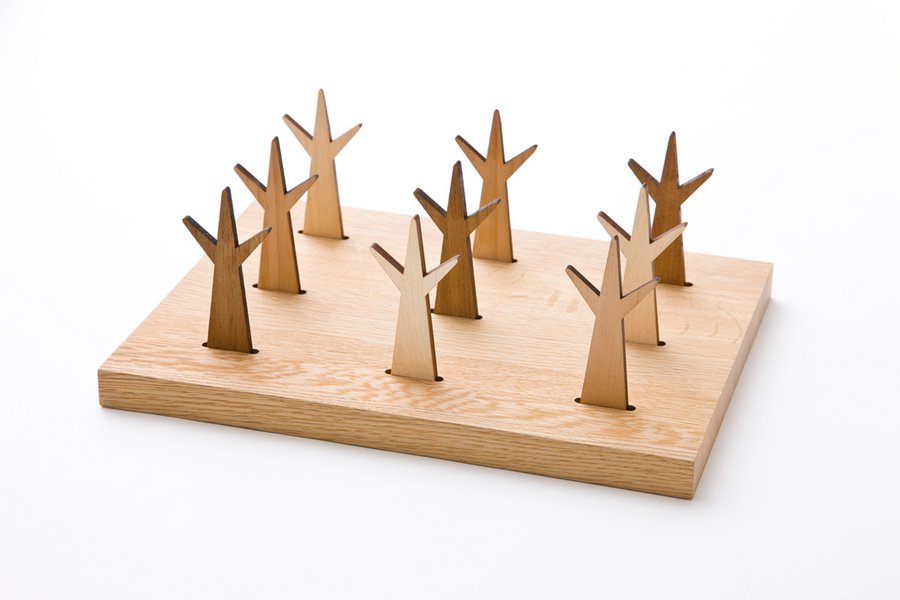
The designers also created several products, which were then sent to local artisans to be hand-made. One of my favorites – a brilliant marriage between wood and food – is the Mogu Mogu Wooden Forks. The slightly puny product (moku means wood while mogu is an onomatopoeic word for eating food) is made up of nine tree-shaped wooden forks that stand up on a board. Each is designed to hold food so when full you have a forest, blossoming with edible treats.


mokumogu-2

mokumogu-3

mokumogu-4

mokumogu-5

mokumogu-6

mokumogu-7

mokumogu-9

mokumogu-10mokumogu-11


Time Paper Doubles as a Clock and Poster

time-paper (7)time-paper (8)

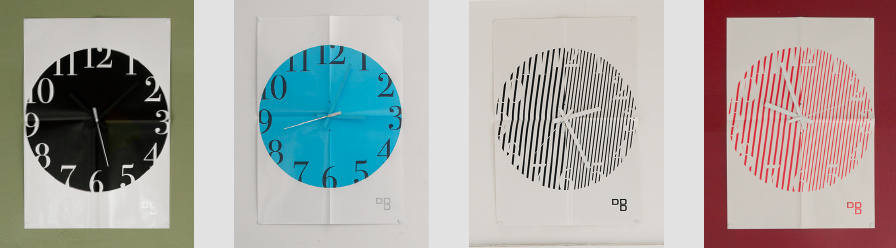
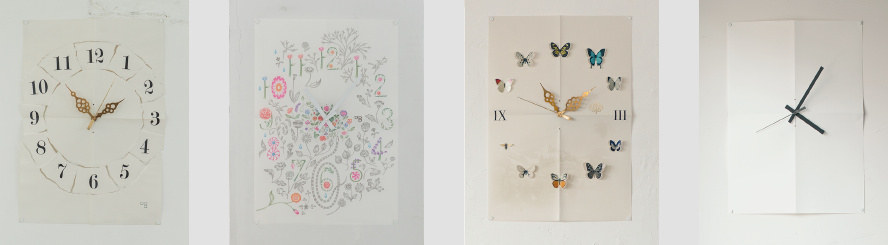
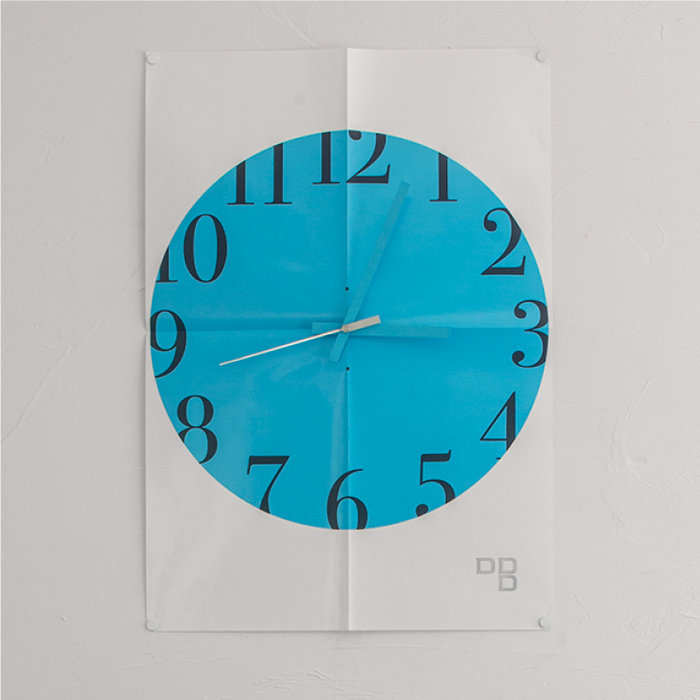
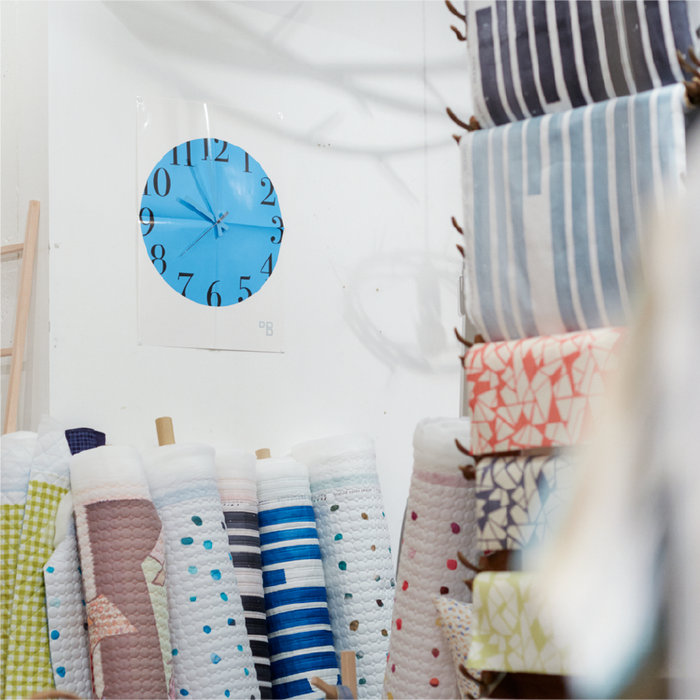
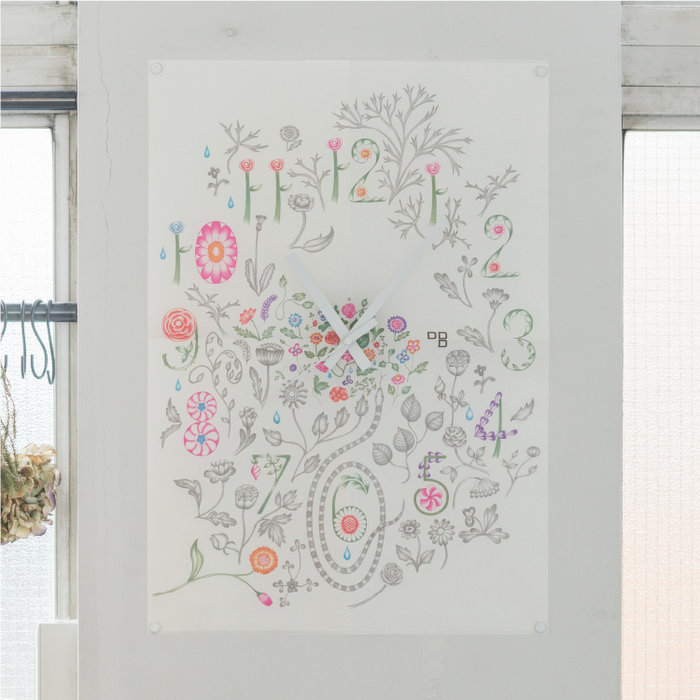
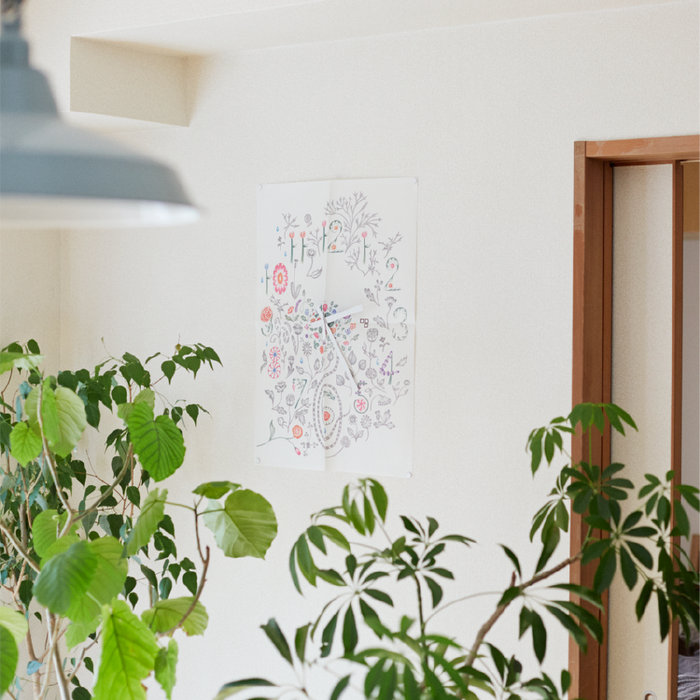
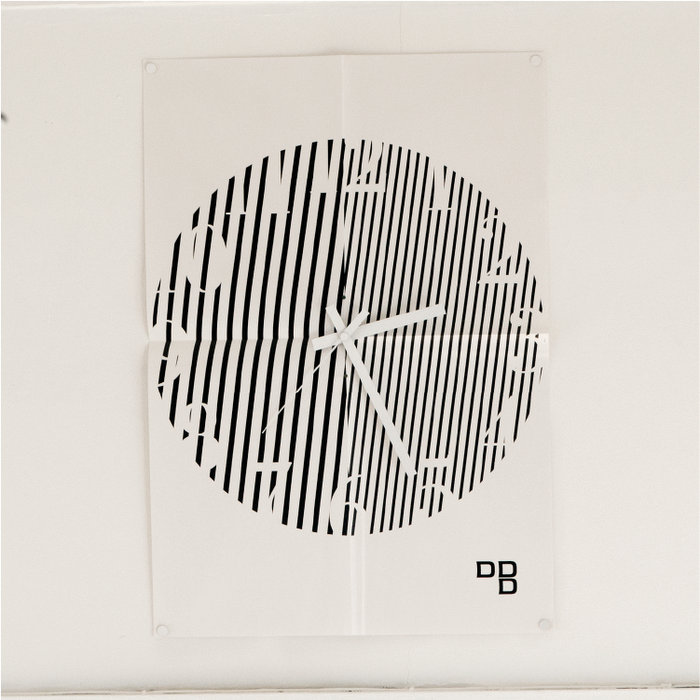
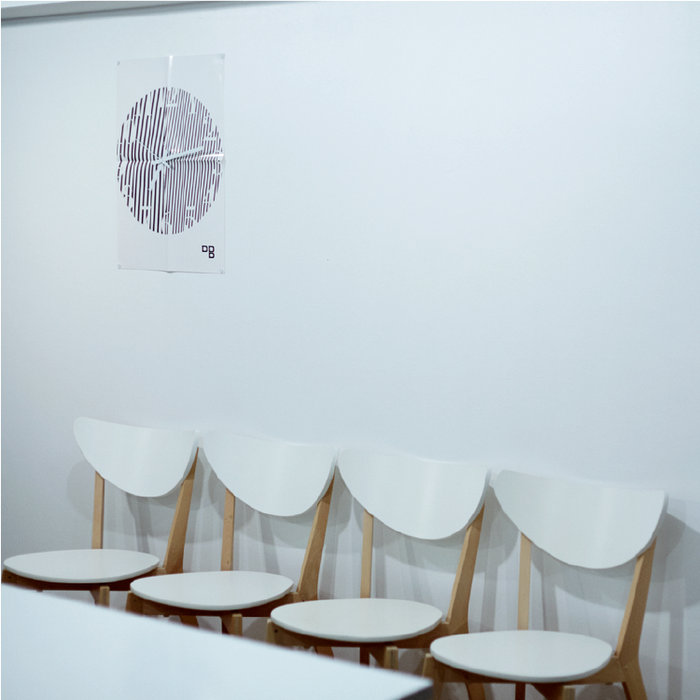
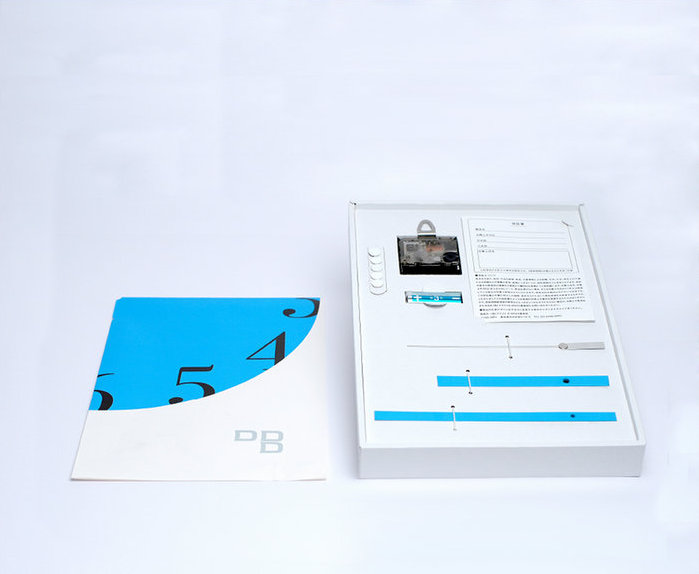
Posters go up on our wall and come down. They move from room to room like a child who’s been given one too many toys and can’t decide which it likes best. But clocks carry a different weight. We measure and calculate precise angles before hanging any timepiece. But this shouldn’t be so, at least according to Tokyo-based design firm D-Bros, who is proposing a new way to look at time. Or at least hang time.

Their new “Time Paper” series combines the functionality of a wall clock with the ease and carefreeness of a poster. Admittedly, 9000 yen is more than I would care to pay for any poster, but it’s still a fun idea!

time-paper (4)

time-paper (2)

time-paper (1)

time-paper (5)

time-paper (6)

time-paper (3)

time-paper-packaging-1

A Japanese Zen Rock Garden Made From Sweets

a

Photos by Yuichi Nakatsu courtesy Tomonori Saito

c

b

shinanji-sekitei (4)

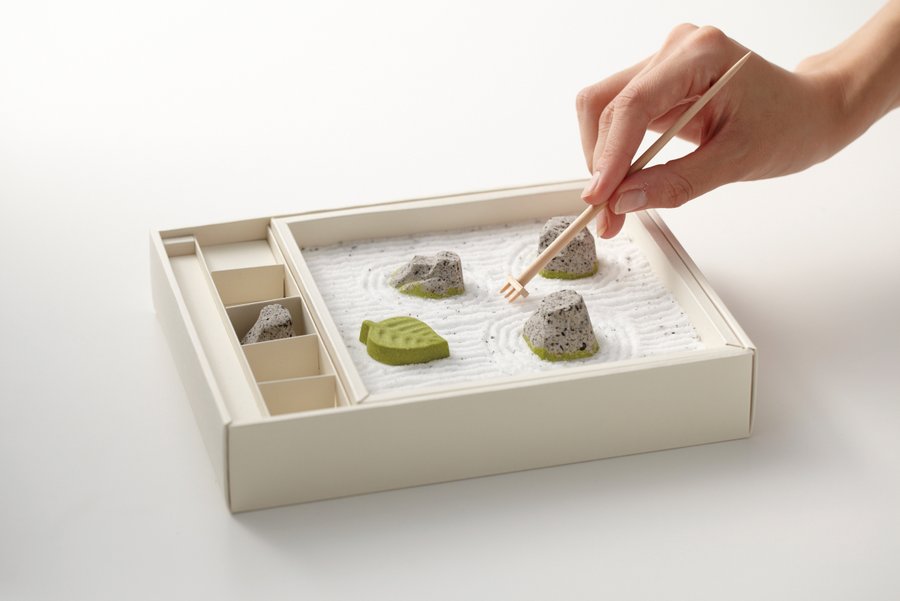
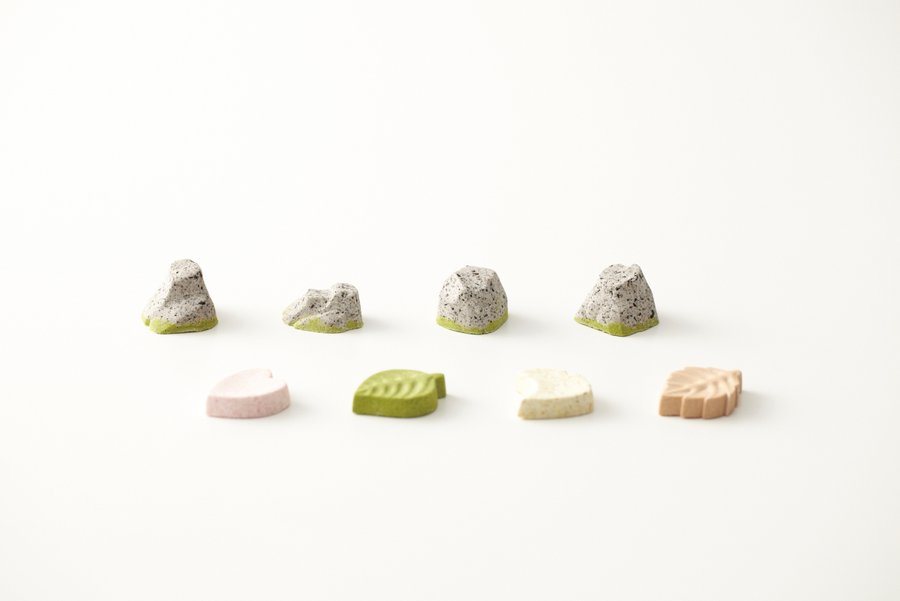
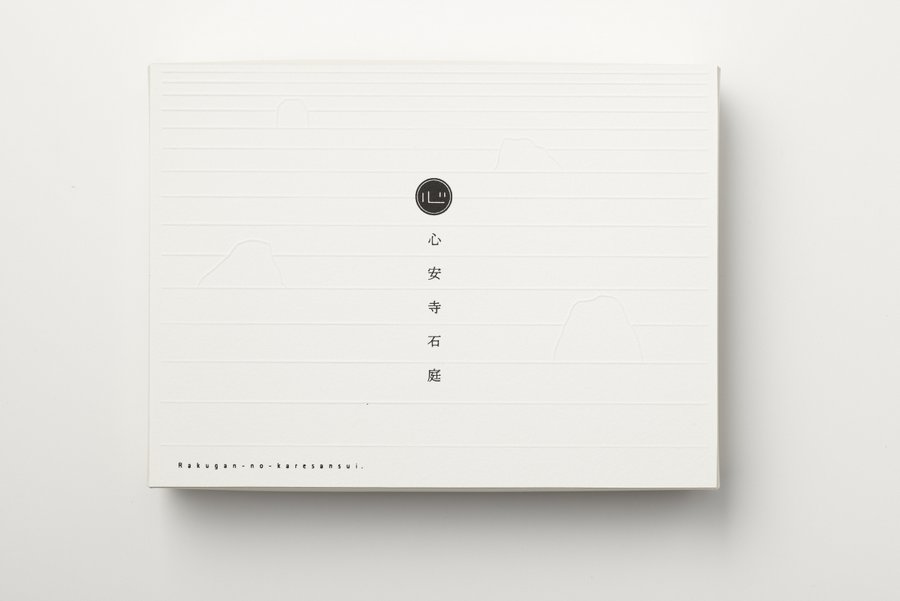
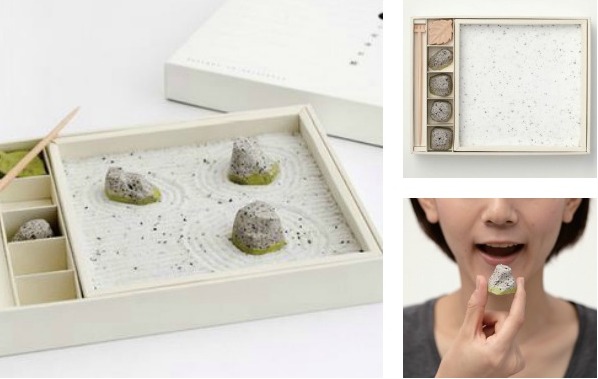
In Japan, Zen rock gardens are considered, if nothing else, a source of serenity and relaxation. Tokyo city dwellers will often travel all the way to Kyoto just to sample the revered gardens housed within local shrines. Another source of relaxation – enjoying Japanese sweets – doesn’t necessarily go hand-in-hand with rock gardens. But combining these two modern-day pleasures in an elegant design is the Shinan-ji Temple Rock Garden. Named after a fictional temple, the miniature rock garden is actually made from entirely edible ingredients that include black sesame cubes (shaped like rocks) and a bed of sugar (resembling sand).

The unique collaboration is the work of art directors Tomonori Saito and Shohei Sawada, who enlisted Japanese wagashi artisan Motohiro Inaba to help make their sweet garden a reality. The adorable wooden rake included in the set can not be eaten.

Although this set never made it to market, a Japanese company has created a similar edible Japanese garden DIY set.

Out of Disorder | Miniature Scenes of Industrial Japan Sculpted from Cloth Fibers and Human Hair by Takahiro Iwasaki

iwasaki_out-of-disorder.4

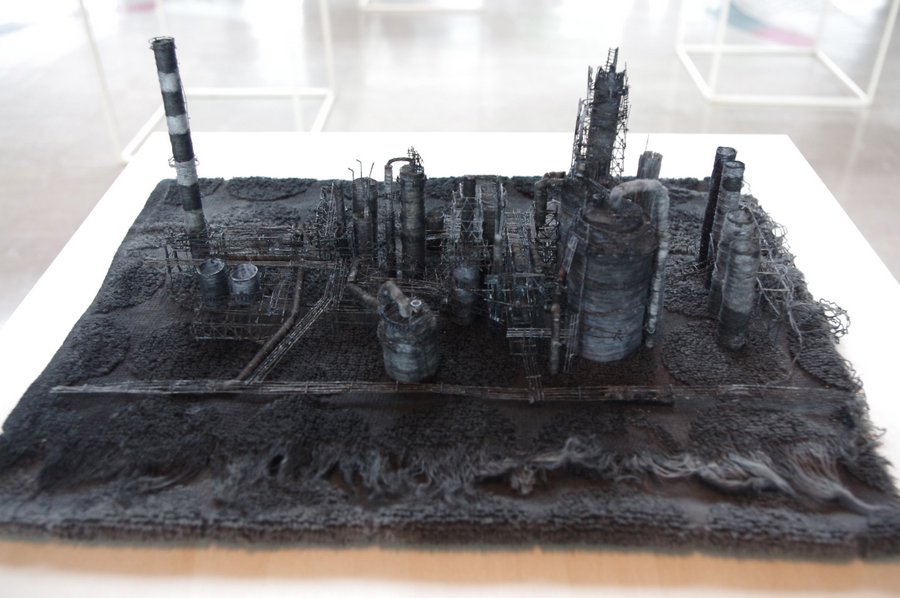
Toa Oil Company Refinery (2014) | photos by Makiko Arima courtesy Azito Art

For a new exhibition at the Kawasaki City Museum earlier this year, artist and sculptor Takahiro Iwasaki decided to use his signature style – cityscapes sculpted from mundane materials – to recreate old industrial Kawasaki. But in order to make his models accurate he needed drawings or photographs of the areas that once served as post-war Japan’s industrial engine. Faced with high fences and no trespassing signs, Iwasaki decide to take matters into his own hands. Or rather, Google’s hands. Going onto Google Earth, he sourced all the satellite images he needed to recreate old oil refineries, natural gas generators and gantry cranes.

Continue reading

Gut Instinct | The Secret Science Behind Japanese Food Pairings

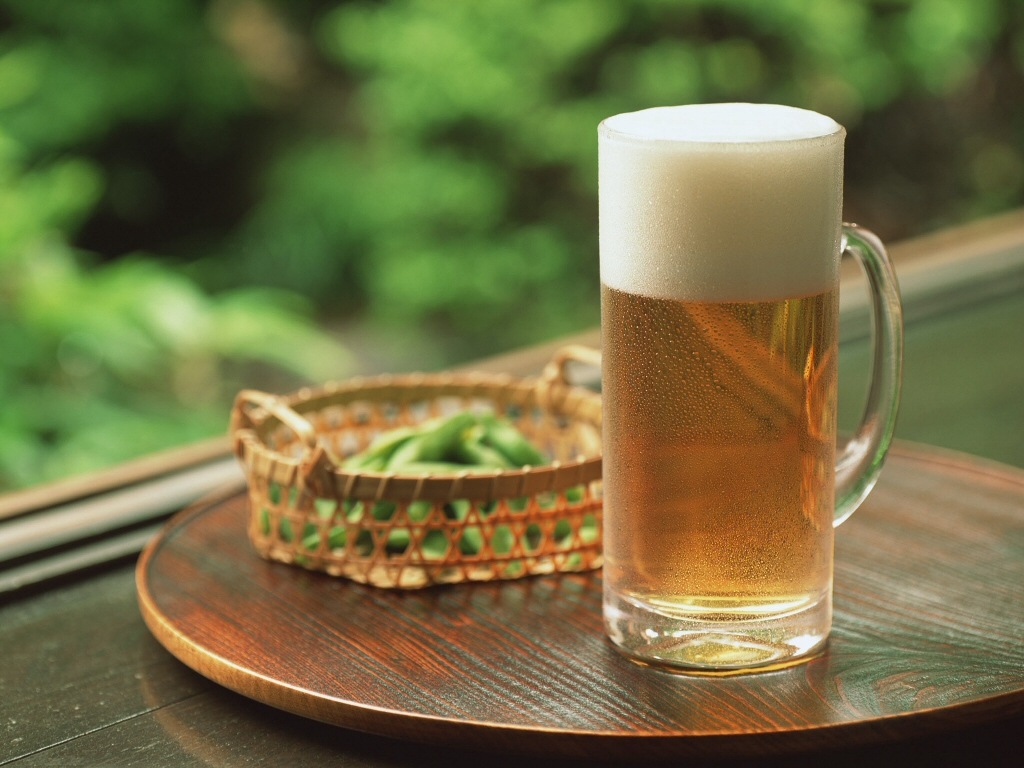
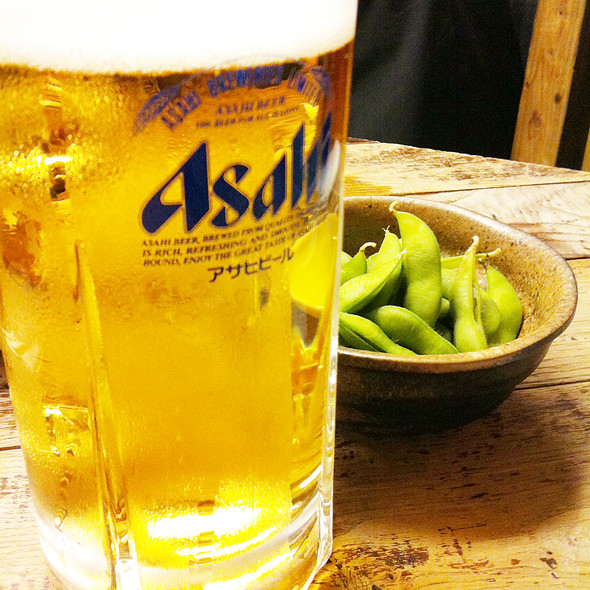
beerandedamame

There are some combinations that just feel right. Blue jeans and white T-shirts. Cartoons and Saturday mornings. Matsumoto and Hamada.

And, of course, there are traditional Japanese food pairings. At long last, scientists have gotten around to confirming what countless generations of Japanese chefs and chowhounds have known in their guts to be true: certain dishes, like our personal favorite beer and edamame, are just plain meant to be. (Even molecularly.)

Read on as we serve up the new science behind some of the oldest Japanese food combinations.
yellowtaillarge

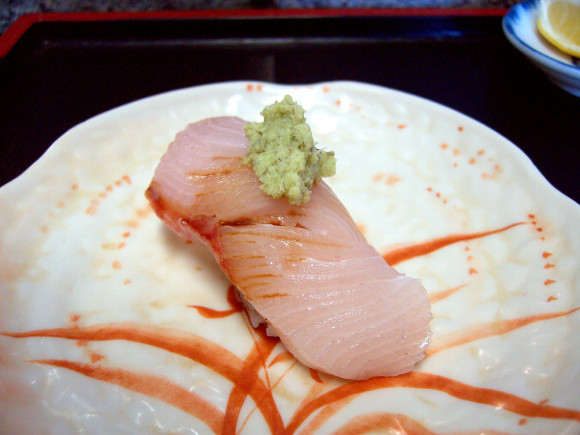
Sushi and Wasabi

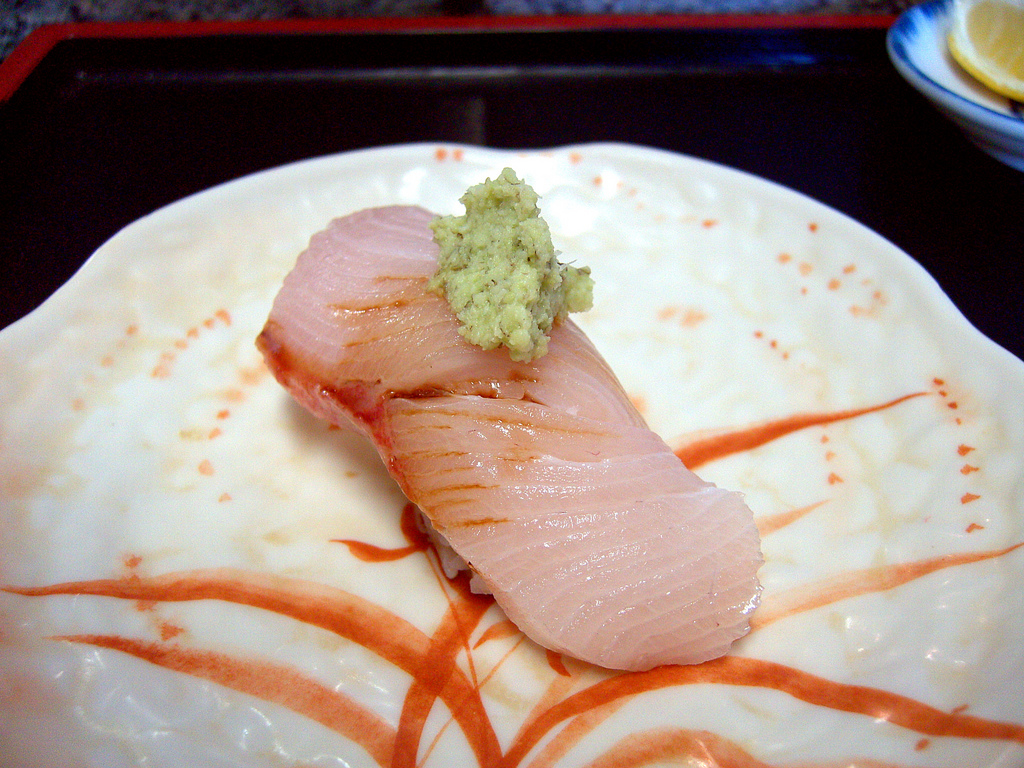
No pairing in Japanese cuisine, perhaps, is as famous as sushi and its loyal sidekick, wasabi. Not only does wasabi pack a mighty wallop for your taste buds, but it also serves as a powerful anti-microbial agent, making it a perfect partner for raw fish.
 

sanma

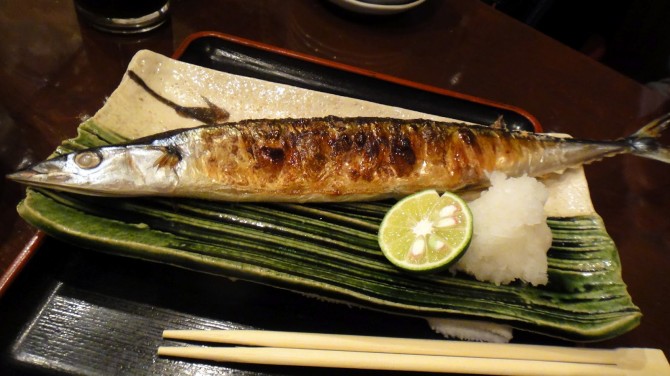
Sanma and Daikon

But, hey, sometimes you need your fish well done. Blackened even–like the traditional platter of chargrilled sanma. If so, it’s best not to skimp on the customary side of diced daikon radish. Cancer-fighting glucosinolates in the daikon work to counter the carcinogens in the charred part of the fish. And the daikon is really tasty.
 

onigiri

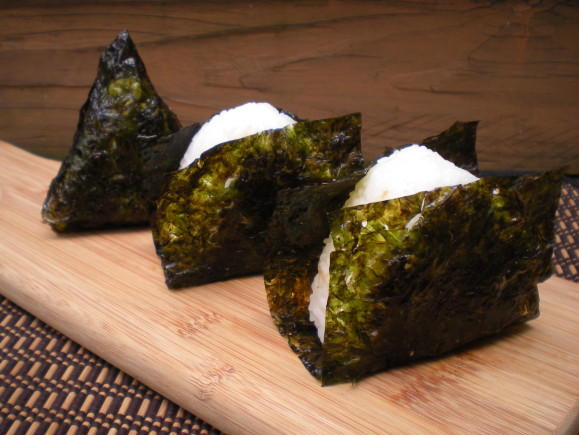
Onigiri and Seaweed

You’re probably thinking: the seaweed wrapped around my onigiri already acts as an exceedingly convenient method of conveying sticky rice to my mouth. What more can I ask of this–this superfood? Actually, a lot. It turns out that this wrap, called a laver, holds the amount of Vitamin B necessary to convert all those rice-born carbohydrates into energy. Fuel for thought.
 

katsu

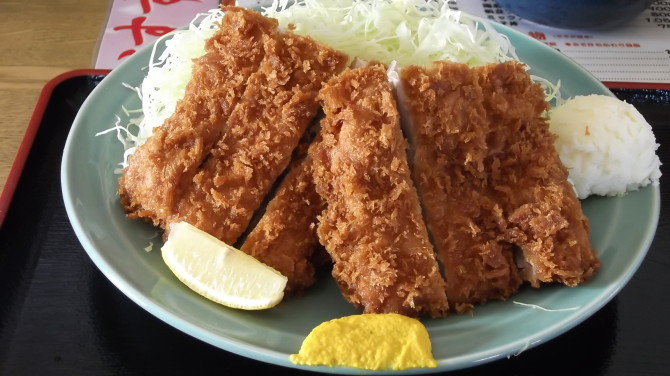
Katsu and Cabbage

The next time you’re tempted to bypass that heap of cabbage on your plate and go directly to those tender, golden strips: don’t. Raw cabbage excels at delivering the little-known Vitamin U. This (slightly mysterious sounding) compound protects against a whole host of tummy-aching disorders, including acid reflux. The important lesson here: cabbage will allow you to eat more delicious meat.
 

curry and rakkyo

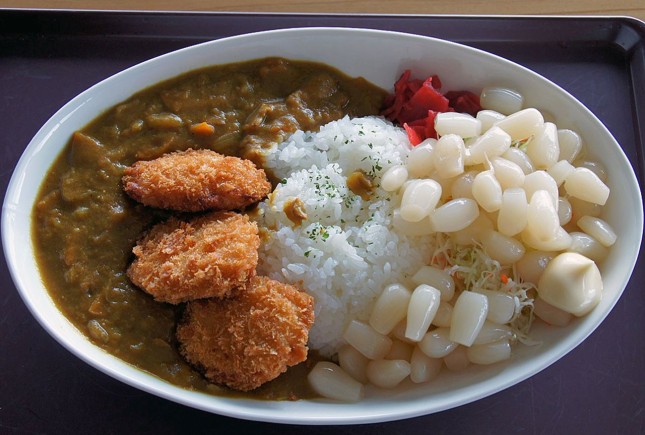
Curry and Shallots

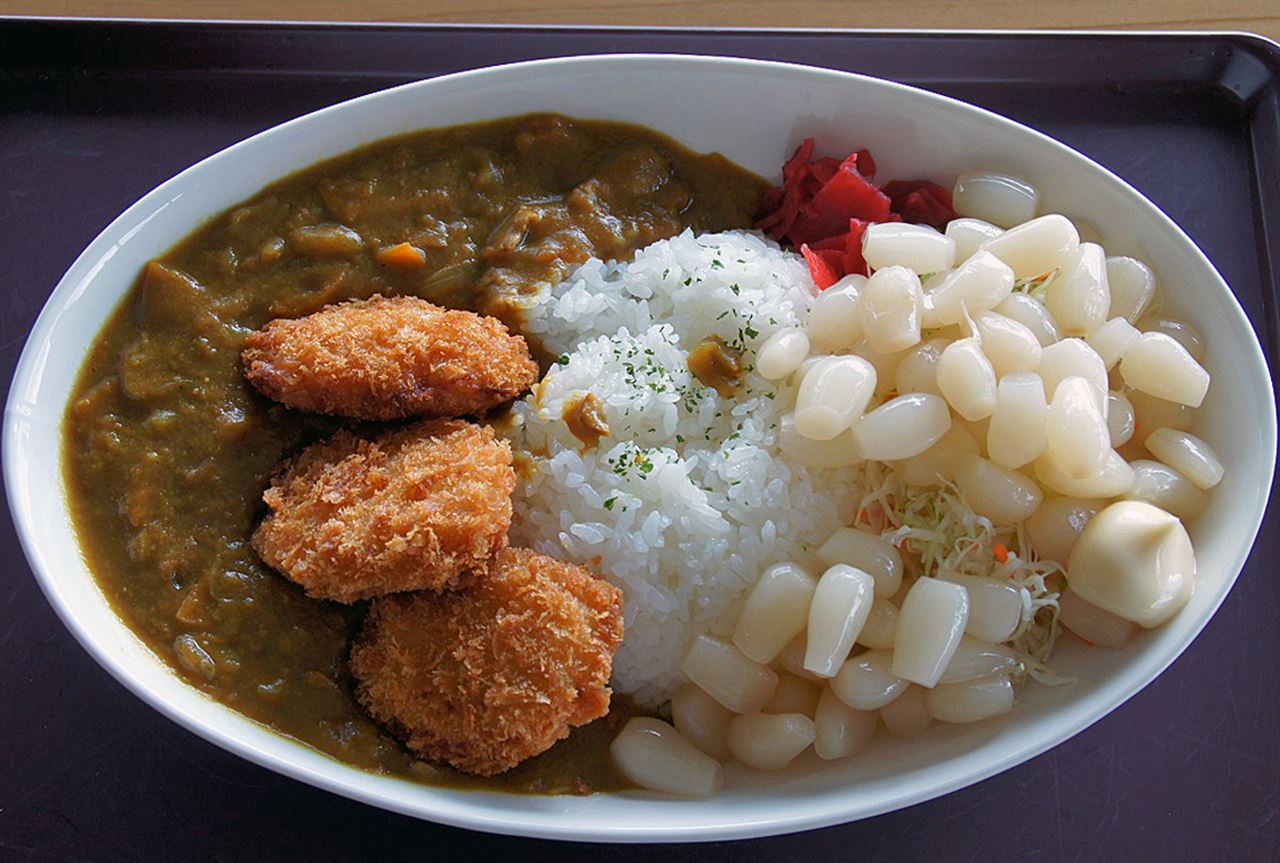
Let’s hope you took that cabbage advice, because our next combo is also a meat-heavy one–pork-curry and pickled shallots. Pork is loaded with B1, a vitamin essential to maintaining regular cellular function. Shallots burst with the amino acid allysine, which promotes absorption of B1. Since scientists haven’t found a detriment to consuming large quantities of B1, feel free to go for tabehodai.
 

beer-and-edamame

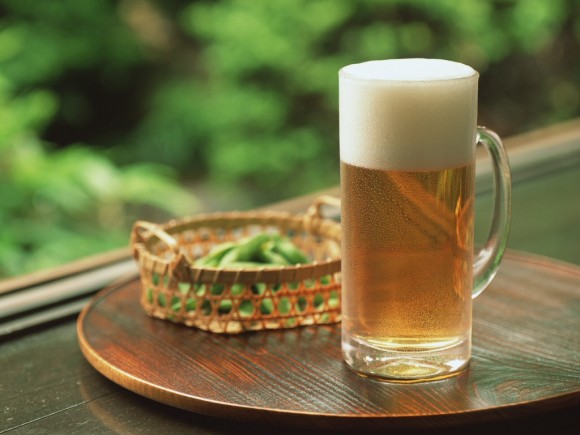
Beer and Edamame

Is there anything more relaxing than a frosted mug of nama biru and a plate of salty, steaming edamame? There might be one thing: the knowledge that all those beers are doing slightly less damage to your liver than you thought. Edamame brims with the liver-protecting amino acid methionine, as well as Vitamins B1 and C, which aid in breaking down alcohol. Cheers to that.

 

What About the Heart? | Photographing Japan’s Robotics Industry

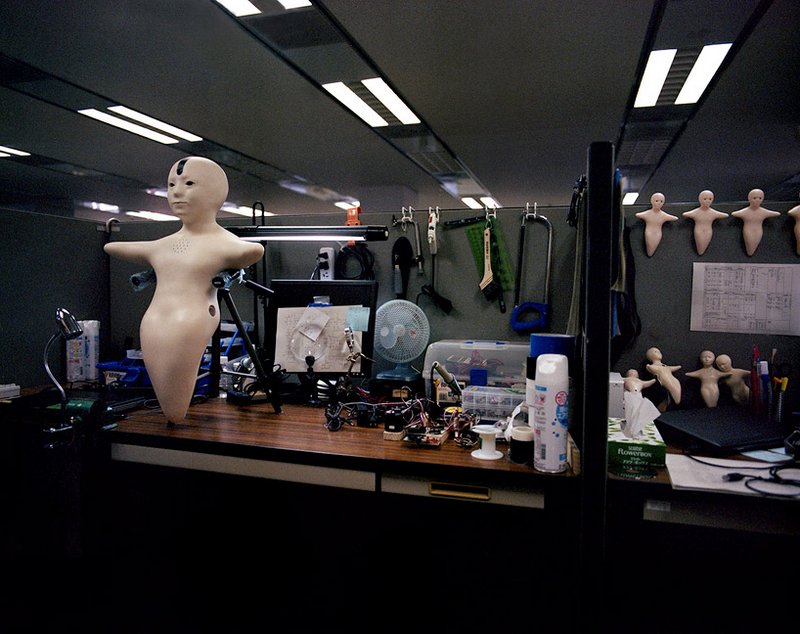
luisa-whitton-what-about-the-heart (5)

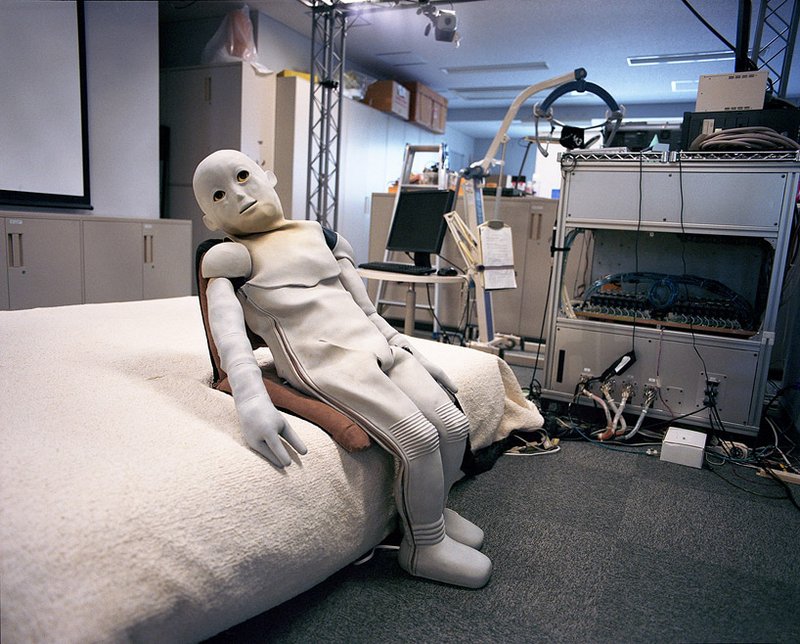
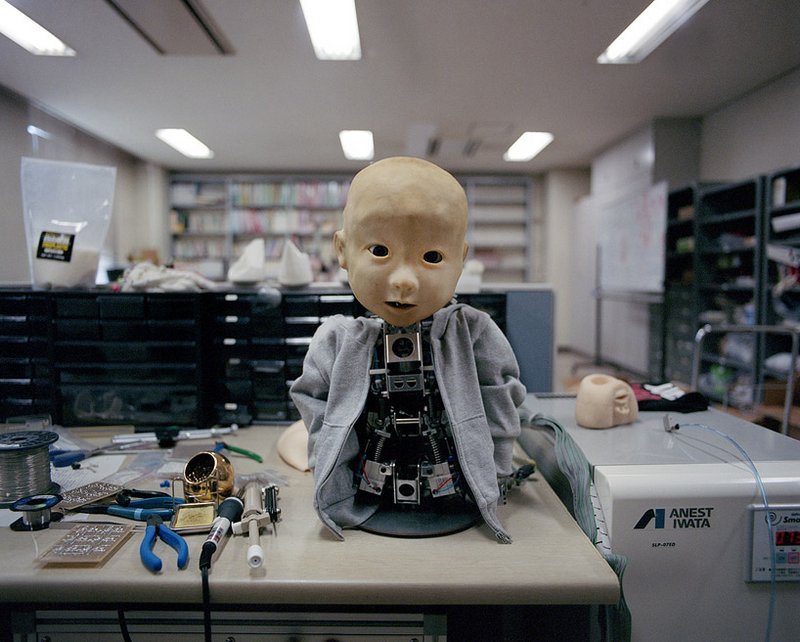
Japan has a population problem. The country lost 244,000 people in 2013 and faces the prospect of losing an entire third of their population in the next 50 years. But instead of the simple solution, which is to allow perfectly capable nurses and other workers to enter the country, Japan has, instead, elected to spend billions of yen and decades of research trying to perfect humanoid robots that will one day replace Japan’s shrinking workforce.

But why? Many will attribute Japan’s enthusiasm towards robots to a systemic xenophobia, coupled with non-robophobia. While the typical Western science fiction plot involving robots has them developing rebellious, sinister tendencies, Japanese robots (Tetsuwan Atomu or Doraemon) are usually portrayed as helpful, friendly and benign.

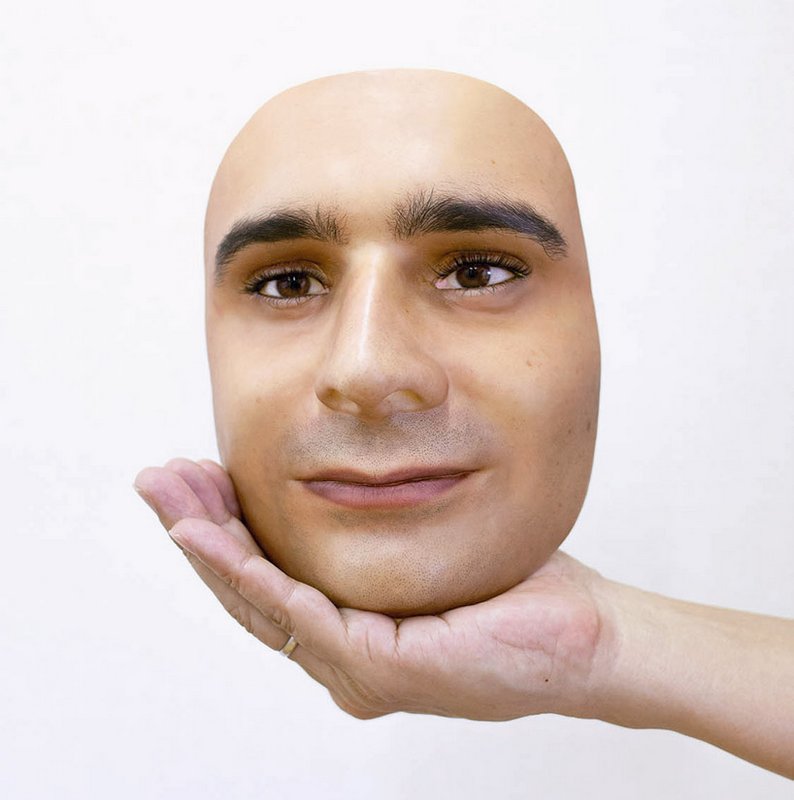
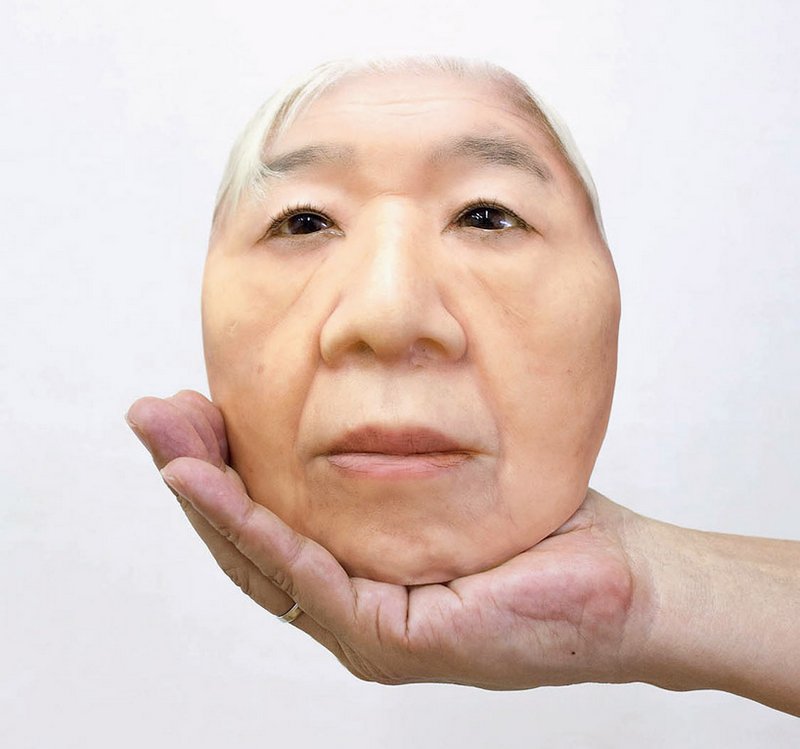
British photographer Luisa Whitton recent spent several months in Japan, shadowing Hiroshi Ishiguro, a high-profile professor and director of the Intelligent Robotics Laboratory. Her resulting photo series “What About The Heart?” documents Japan’s rapidly progressing humanoid robotics industry. As the title suggests, it presents the future faces of technology while asking, “what does it mean to be human as technology progresses?” Whitton’s photos are uncanny as they are, but, but made even more unsettling by the blaring omission of any actual humans in the photos.

luisa-whitton-what-about-the-heart (1)

“what does it mean to be human as technology progresses?”

luisa-whitton-what-about-the-heart (2)

luisa-whitton-what-about-the-heart (3)

The Uncanny Valley

Interestingly, in 1970 a Japanese robotics engineer named Masahiro Mori published a paper called “The Uncanny Valley.” In it he argues that we will accept a synthetic human that looks and moves realistically, but only up to a point; our satisfaction drops precipitately once the resemblance becomes close enough to nearly – but not quite – fool us. Ironically Mori’s own country’s technological advancements seem to be proving him wrong.

luisa-whitton-what-about-the-heart (4)

luisa-whitton-what-about-the-heart (6)

source: Animal

Spoon & Tamago version 2.0

Ver 2.0 (2014)
spoon-tamago-logo-1

Ver 1.5 (2011)
ST-logo-2011

Ver 1.0 (2007)
ST-logo-2007

Just about 8 years ago I started the Spoon & Tamago blog by declaring my love for a Japanese interior design store. Since then, the blog has taken on a life of its own with special features, studio visits and even a shop. Surprisingly, the site itself has remained fairly constant with only one redesign in 2011. But the tides of technology change and I’ve been feeling like the blog was due for another redesign, which I’m happy to announce today.

New features include:

  • New look and feel (duh)
  • Responsive, mobile friendly site
  • inspiration.spoon-tamago.com is a new tumblr site where you’ll find links to all our articles, but also a bunch of other lovely tidbits that didn’t make it to the main site
  • A bunch of other stuff under the hood that should support a better browsing and reading experience

LIKE

And while I have you attention, it’s kind of poetic that we just surpassed 20K fans on Facebook. So Thank You!

Special thanks to Benjamin Thomas from Bento Graphics and illustrator Naho Ogawa who helped make this all happen!

A Typface Created From Carved Out Japanese Books

nerhol-alphabet (9)

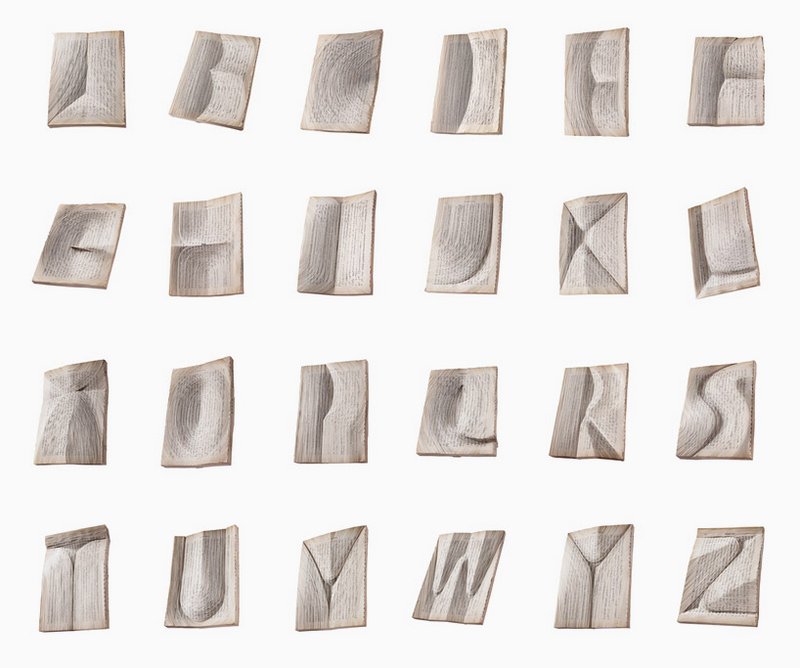
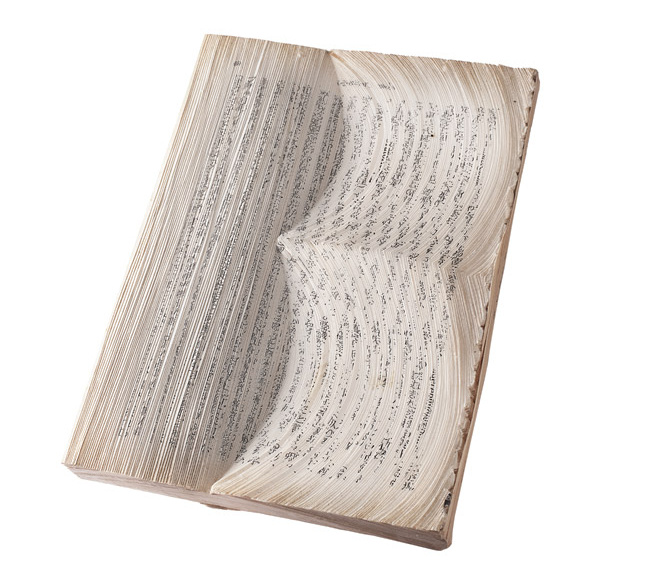
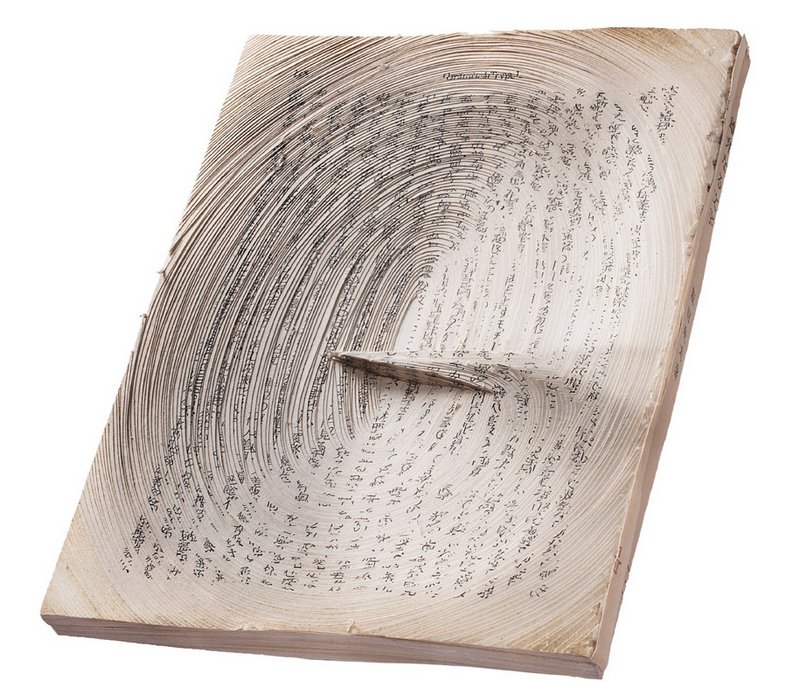
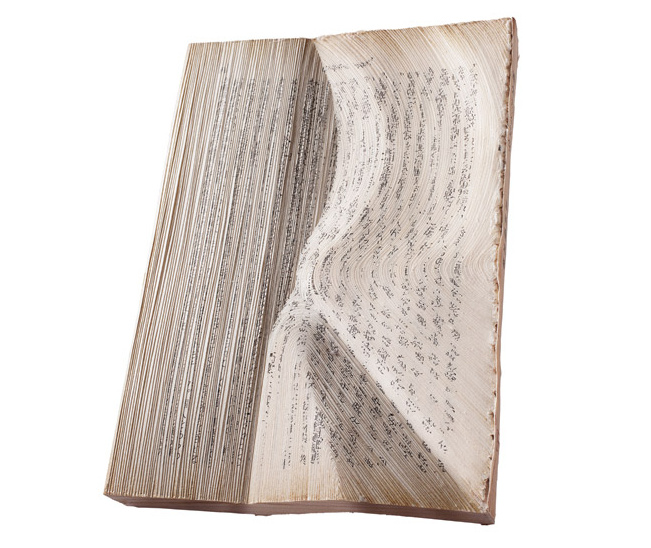
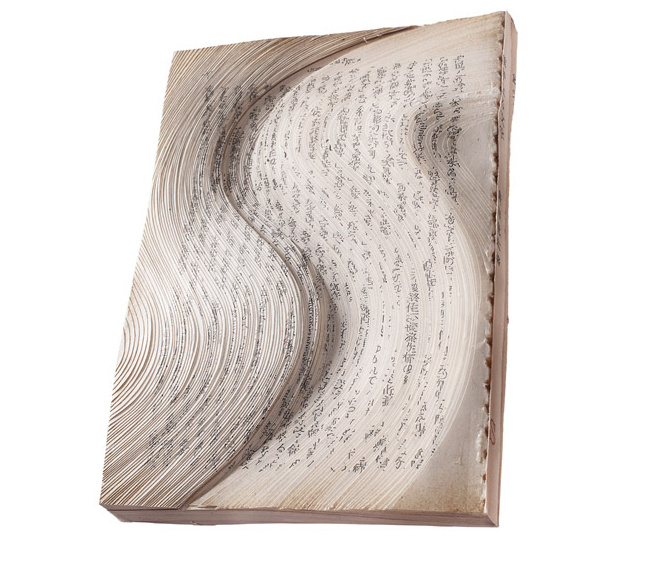
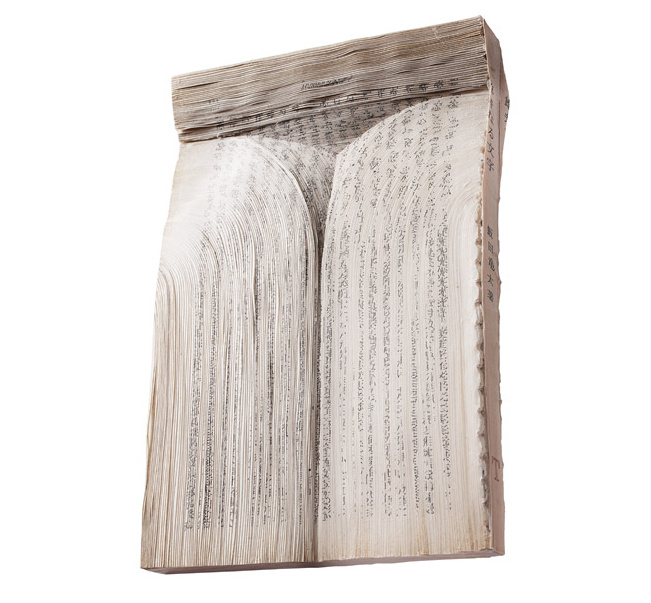
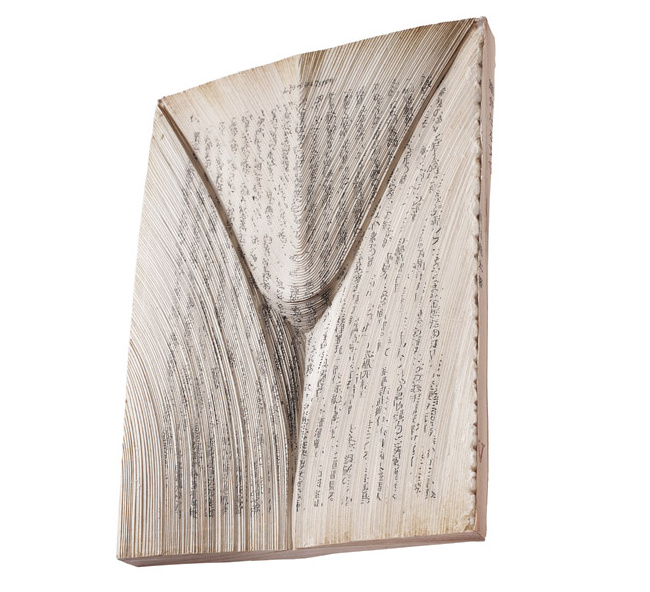
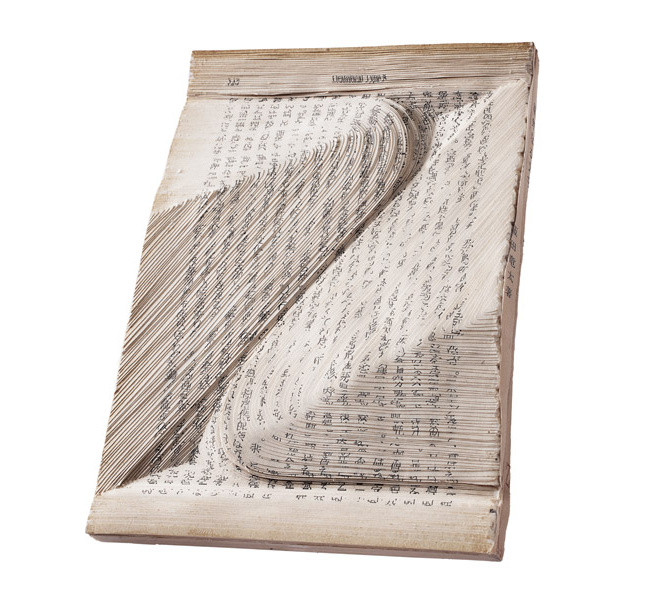
For their very first project, art duo Nerhol (Yoshihisa Tanaka and Ryuta Iida) took on an ambitious initiative: to create, in their words, an “oratorical typeface” entirely carved from Japanese books. Meticulously cutting through page after page, the artists managed to create a 3-dimensionally layered alphabet that, as any typface should be, is consistent with each and every other letter. Aside from the technically astounding, there’s something poetic about deconstructing an entire book to reveal a single letter.

nerhol-alphabet (1)

nerhol-alphabet (2)

nerhol-alphabet (3)

nerhol-alphabet (4)

nerhol-alphabet (5)

nerhol-alphabet (6)

nerhol-alphabet (7)

nerhol-alphabet (8)

source: cbc-net | designboom

« Older posts Newer posts »

© 2026 Spoon & Tamago

Up ↑

Design by Bento Graphics