Page 198 of 406

Japanese Traffic Sign Earrings

aquvii_traffic_pierce1

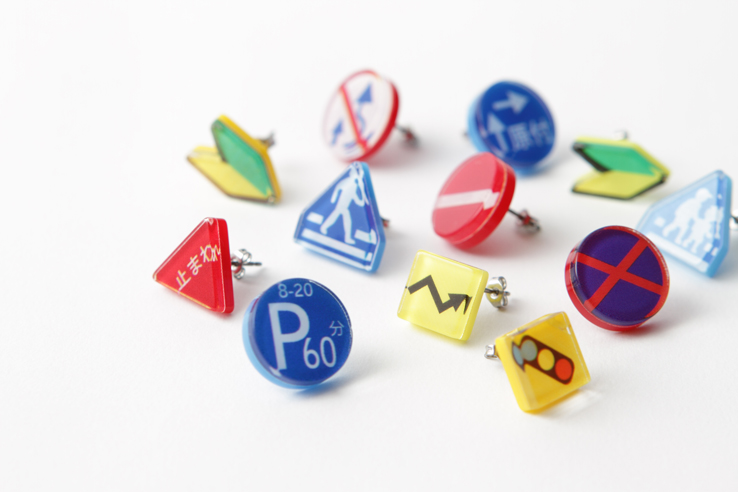
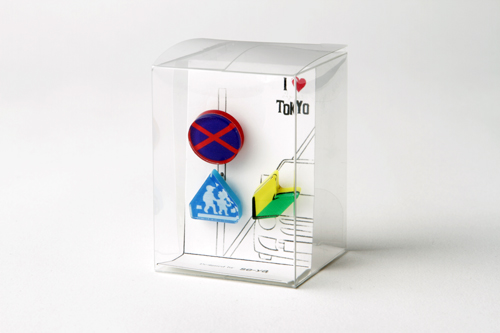
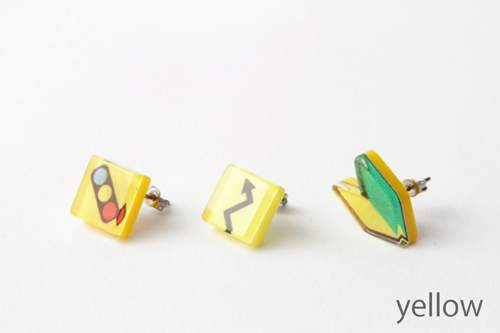
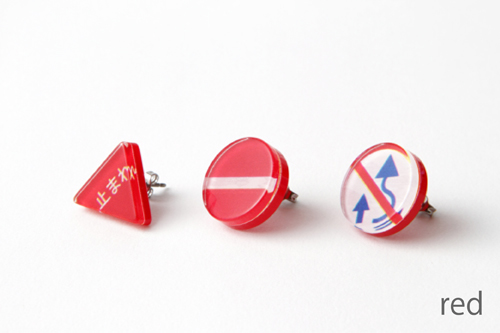
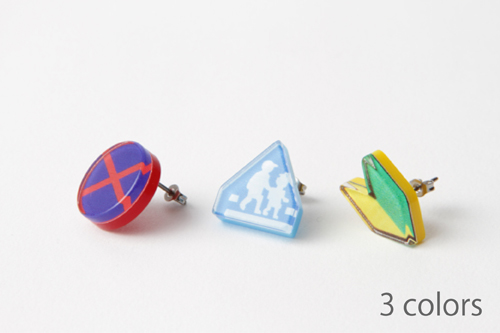
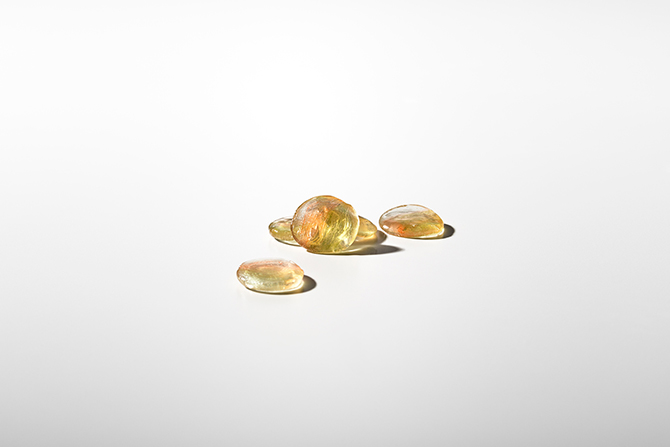
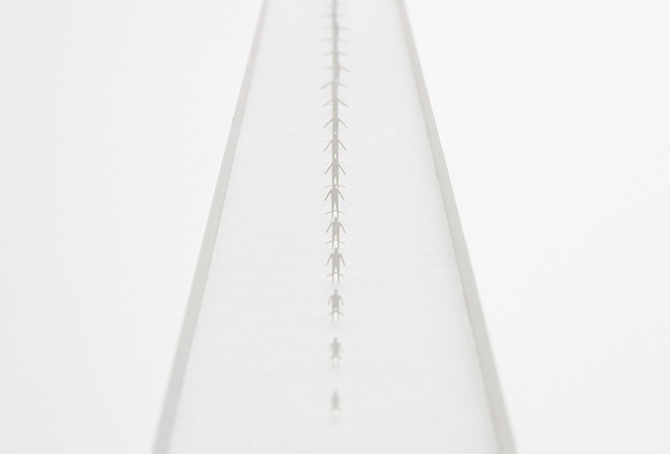
Getting your driver’s license in Japan is quite an ordeal. Not only is it expensive and time-consuming but there’s a whole bunch of rules and traffic signs you’ve probably never heard of. To familiarize yourself with some of the iconography of Japanese roads you may want to pick up a pair of these traffic sign earrings. Produced by Toumei, a shop that specializes in all things see-through, the earrings come in 4 different series, each defined by a similar color. They were designed by Kyozo Kawabe and retail for 2,400 yen. Talk about fashion that will make you stop and look!

aquvii_traffic_pierce_1

aquvii_traffic_pierce_3aquvii_traffic_pierce_4

aquvii_traffic_pierce_5

A designer’s take on traditional Wagashi sweets

hitohi

DA_0489_

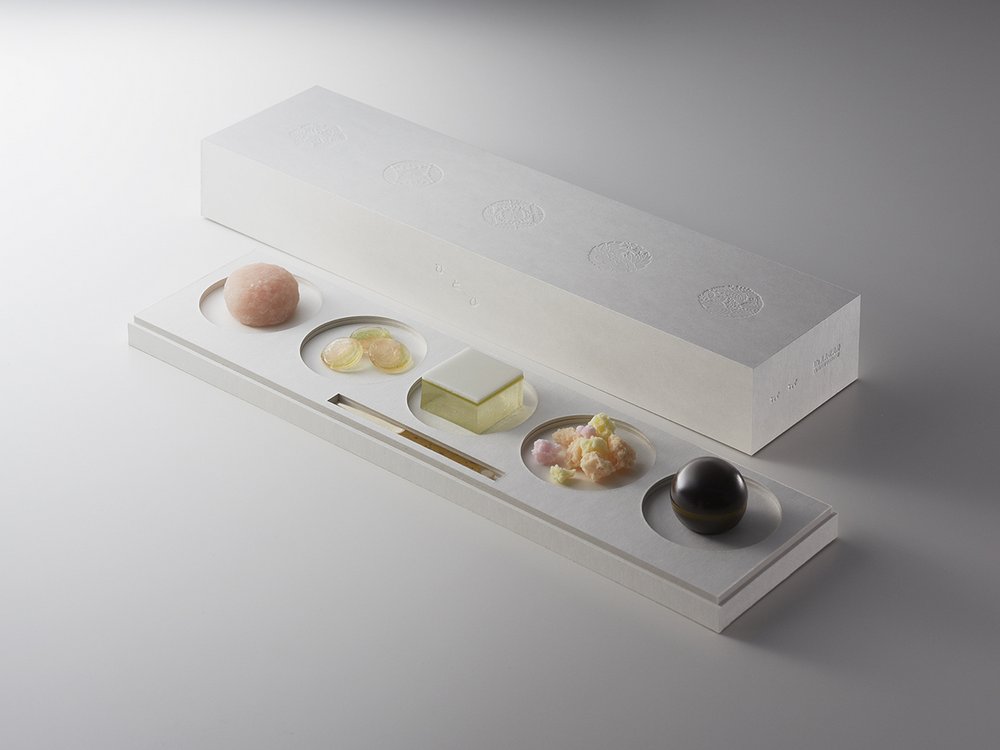
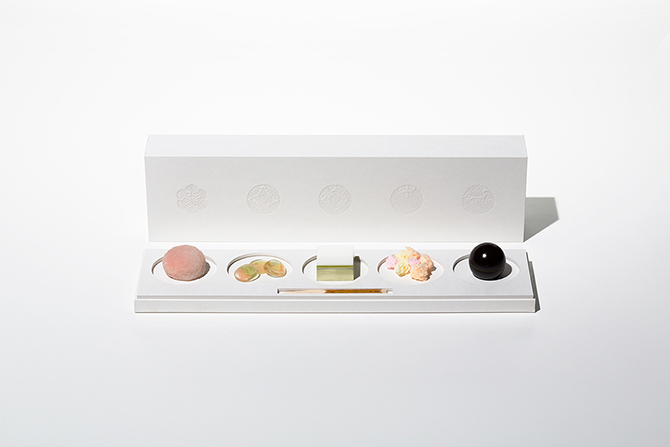
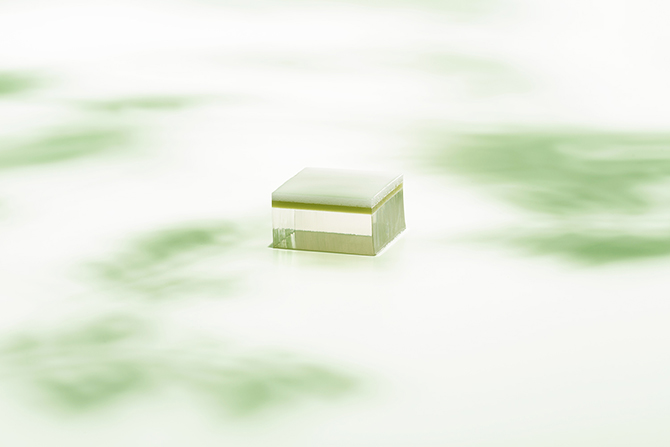
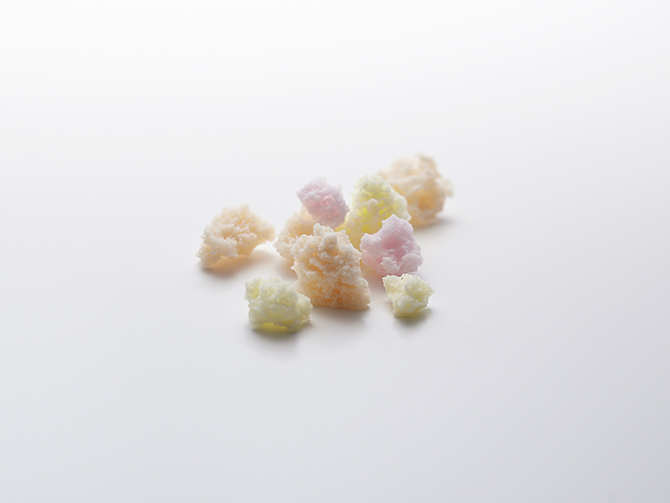
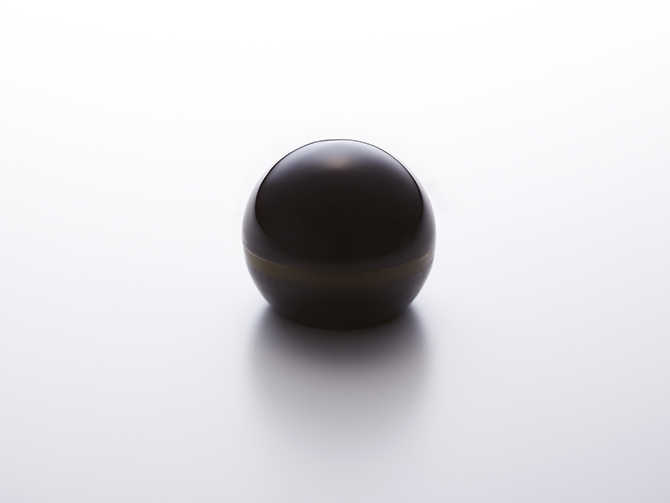
Wagashi sweets have always been an art form as much as a culinary treat – they come in different colors and shapes throughout the year, matching the season’s natural features such as red maple leaves or cherry blossoms. But instead of following the seasons, designer Kotaro Watanabe chose to have his Hitohi (one day) wagashi change with the time of the day. The result of his collaboration with Toraya, a renowned wagashi maker, is a set of 5 confectionery representing 5 patterns of light found thorough the day.

But the sweets are not only beautiful – they come with nutritional benefits too. Watanabe is part of a design studio called The Future Laboratory, and to make his project an inspiration for the food of the future, each of the 5 sweets contains specific nutriments needed for the time of the day they will be consumed.

DA_0505

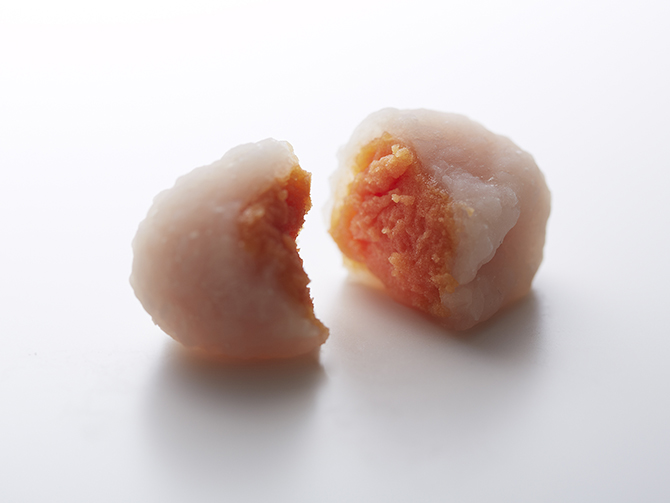
Daybreak (Akatsuki). Rice paste on the outside, bean paste inside. Sacharides and minerals help the body produce neurotransmitters for one day.

mbu0109ss


mbu0123ss

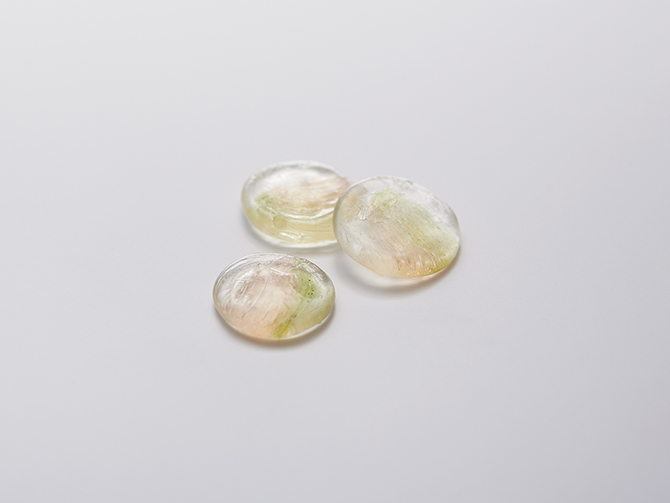
Respite (Ikitsugi) – granulated sugar and glutinous starch syrup. Stimulates the stomach before lunchtime generate energy to continue with work or studies


DA_0575

Meridian (Hiru-tsukata) – white sugary foam and clear crystalline gel. “Sleepiness can be shaken off by consuming a snack with an appropriate amount of sugar after the lunch”


mbu0126ss

Afterlight (Yu-tsukata) – ginger-flavored foam candy. “Expresses a sea of clouds lit by the setting sun”

DA_0616 (1)


mbu0078ss

Beaconing to Slumber (Izana-i), contains anise to relax the mind after diner. It captures “the faint light barely seen from around the new moon”.

DA_0624


Images by Takashi Mochizuki

Nekozushi | an absurd combination of cats and sushi

nekozushi_b

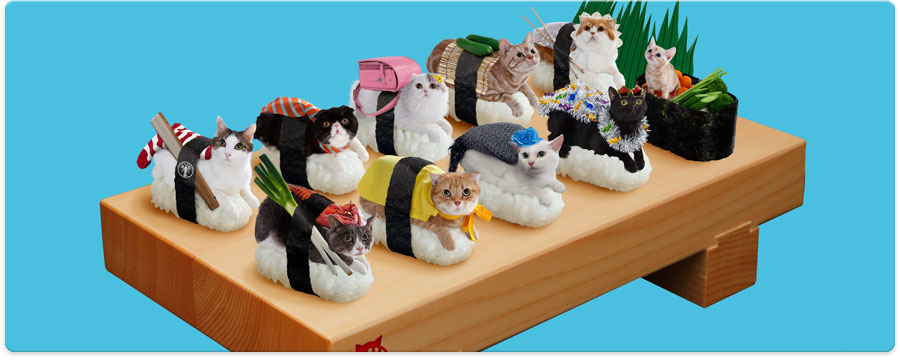
“Happiness and the absurd are two sons of the same earth,” said Albert Camus. “They are inseparable.” Indeed, absurdity does have a way of instilling happiness in us. Take, for example, Nekozushi, the brainchild of Japanese company Tange & Nakimushi Peanuts (a name that’s equally absurd).

Continue reading

Explosive Sticker Art by Kigi

kigi-implosion-explosion (1)

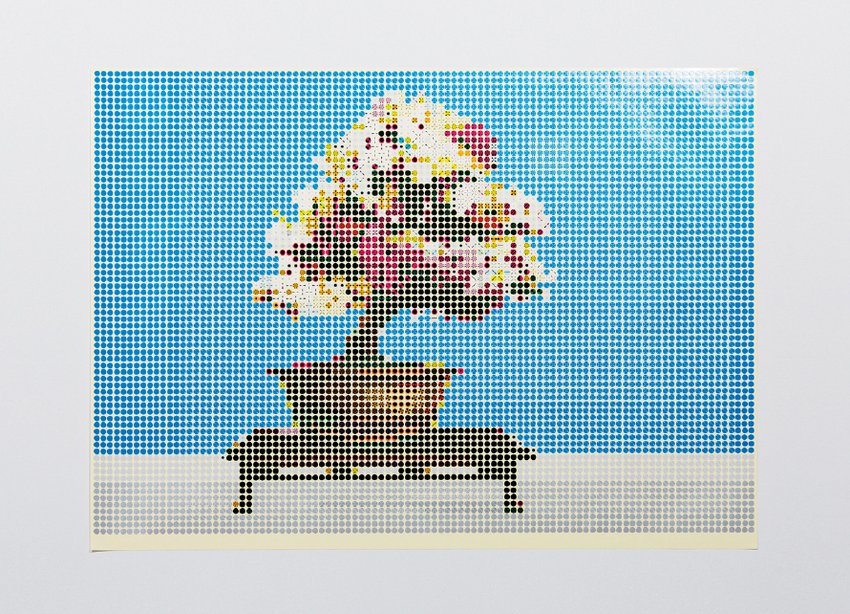
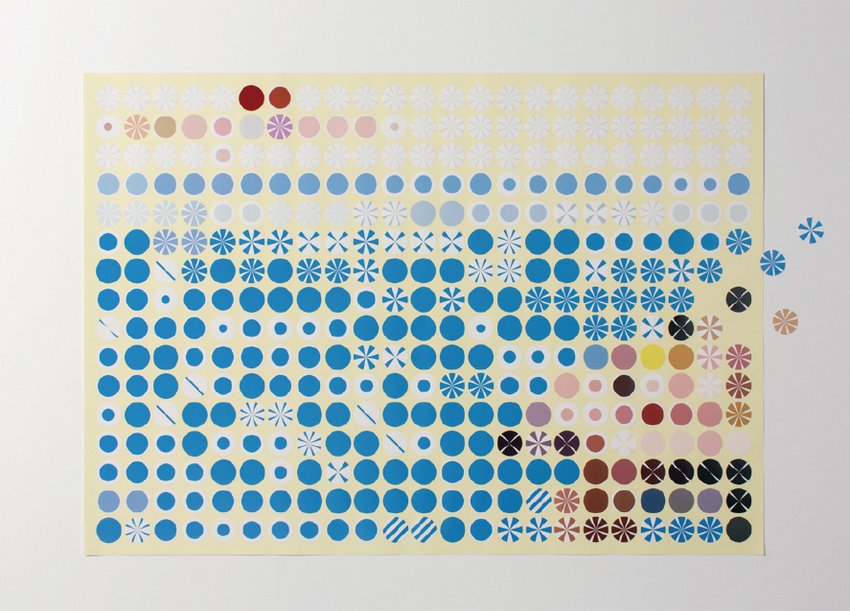
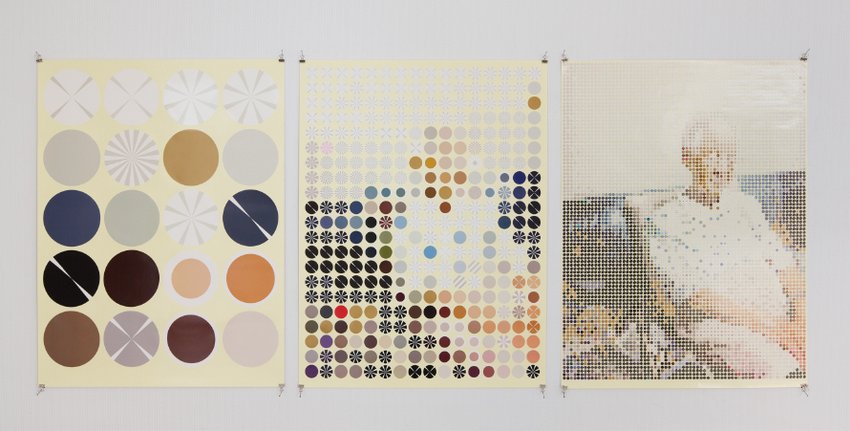
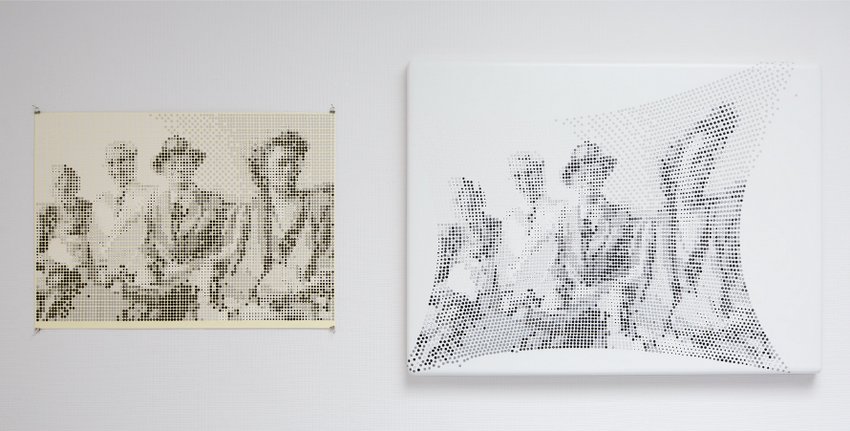
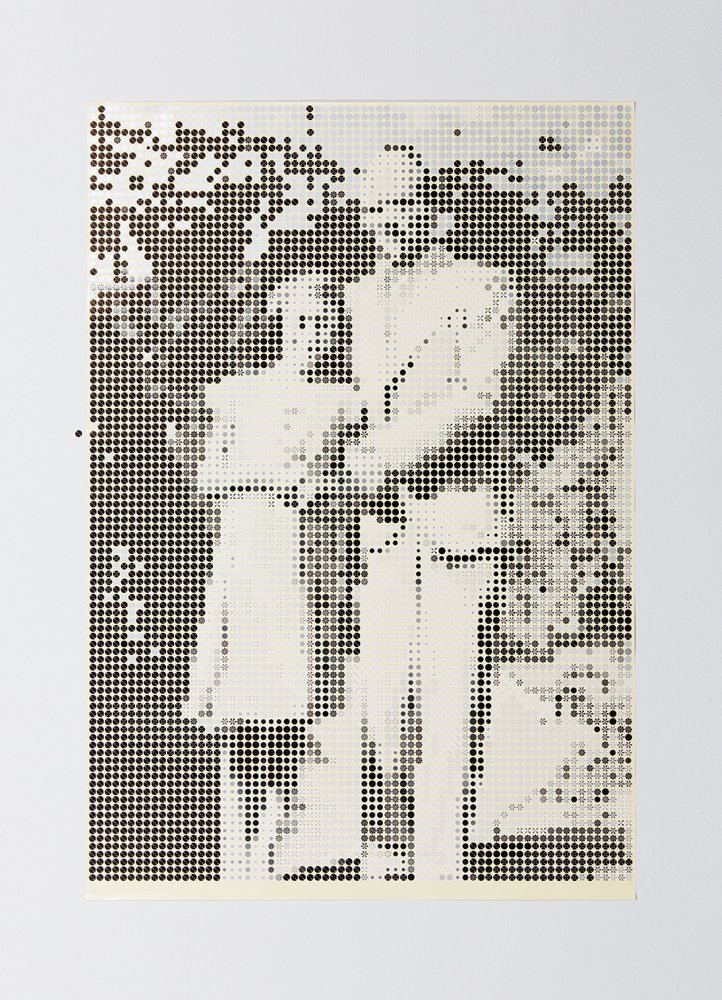
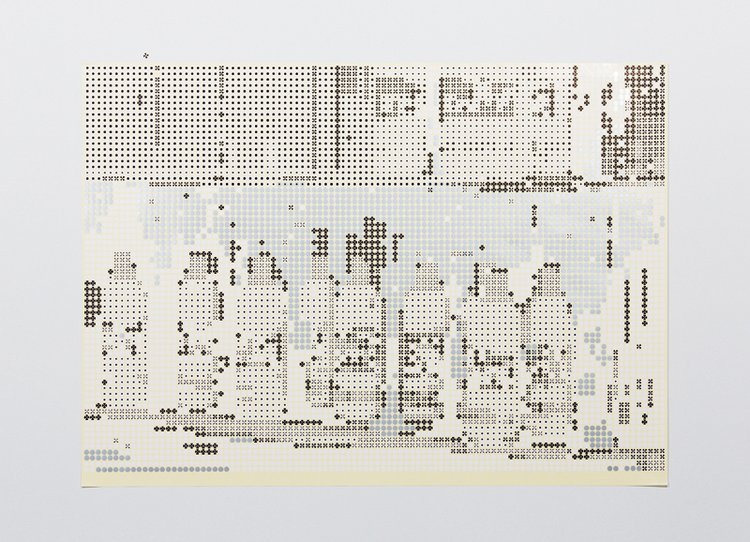
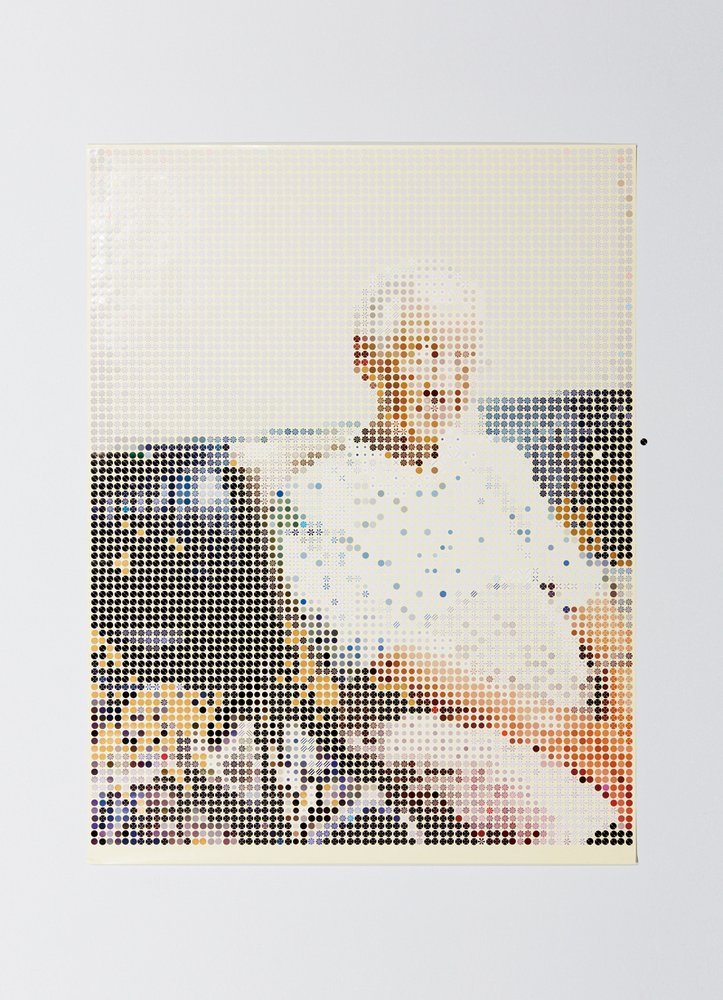
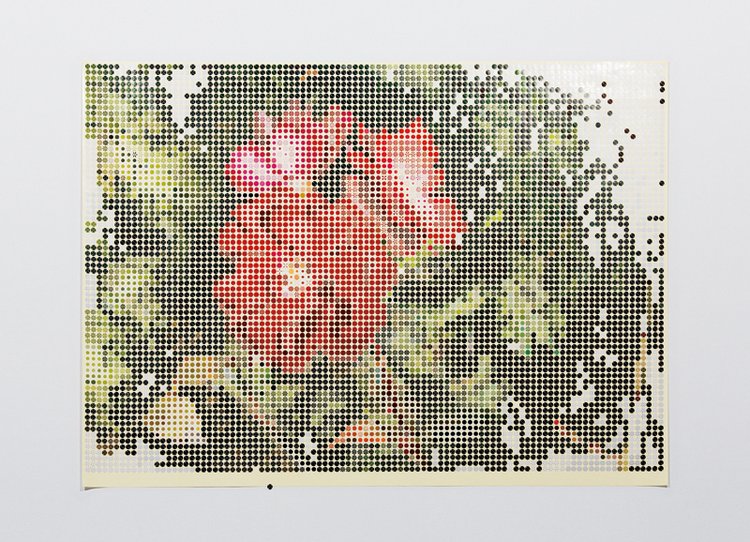
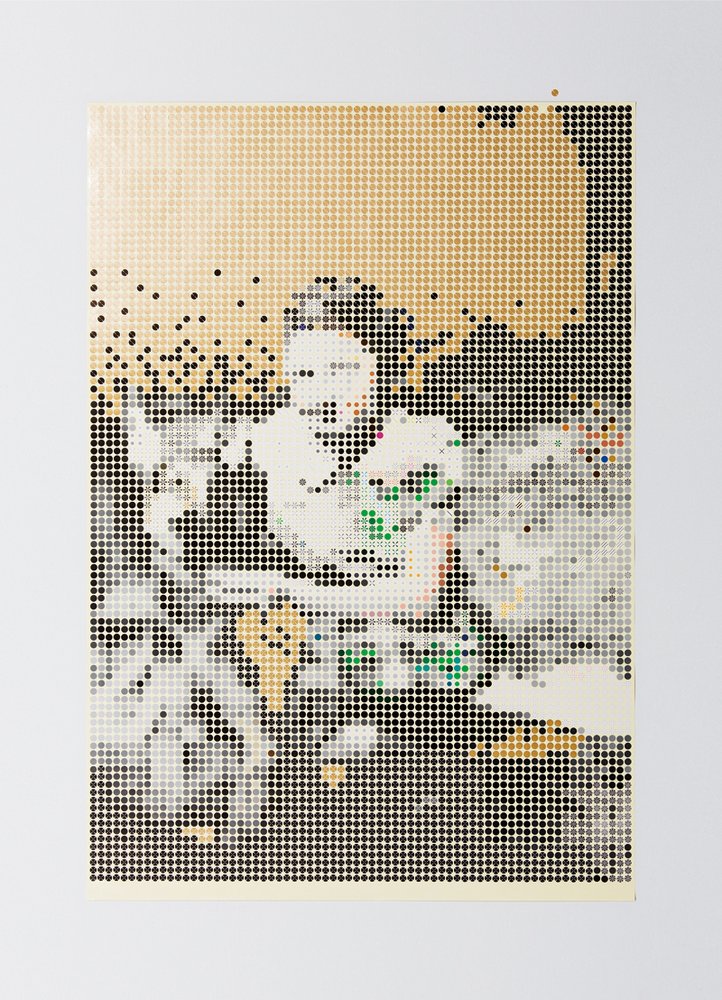
You may not be familiar with the name but perhaps you’ve seen their work? Kigi is the design agency of Ryosuke Uehara and Yoshie Watanabe, the creative duo behind the D-Bros label, as well as many other projects. One of their ongoing creative series is a body of work titled “Implosion – Explosion.” Deconstructing an image into numerous colors and dots (an implosion), it’s then put back together using polka dot stickers. The resulting image has an explosive, barely-recognizable quality to it that emerges only from the broadest view.

If you like this style be sure to check out Yukino Ohmura’s cityscapes of Tokyo made from stickers.

kigi-implosion-explosion (7)

kigi-implosion-explosion (8)

kigi-implosion-explosion (9)

kigi-implosion-explosion (2)

kigi-implosion-explosion (3)

kigi-implosion-explosion (4)

kigi-implosion-explosion (5)

kigi-implosion-explosion (6)

Small Spaces | Imai by Katsutoshi Sasaki

katsutoshi-sasaki-imai (1)

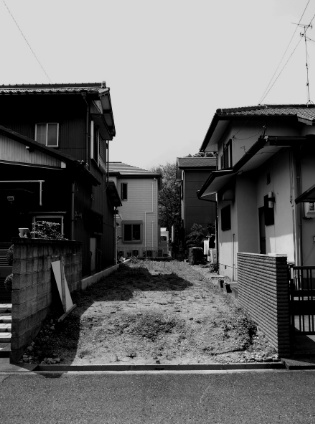
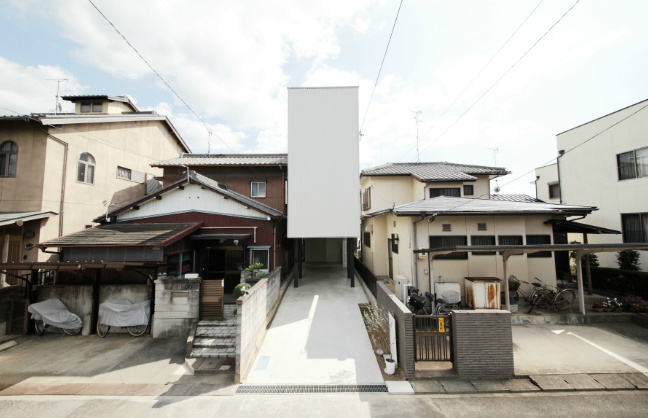
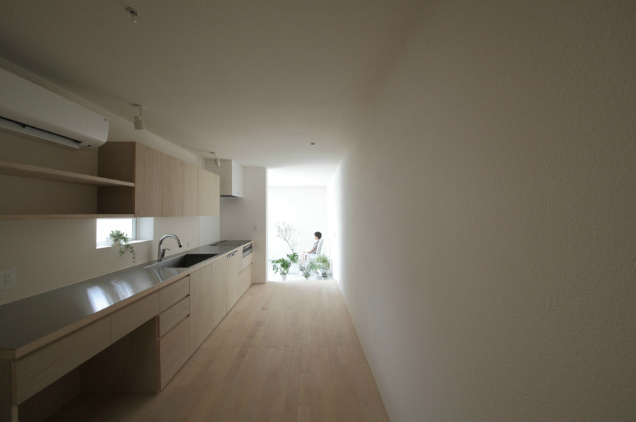
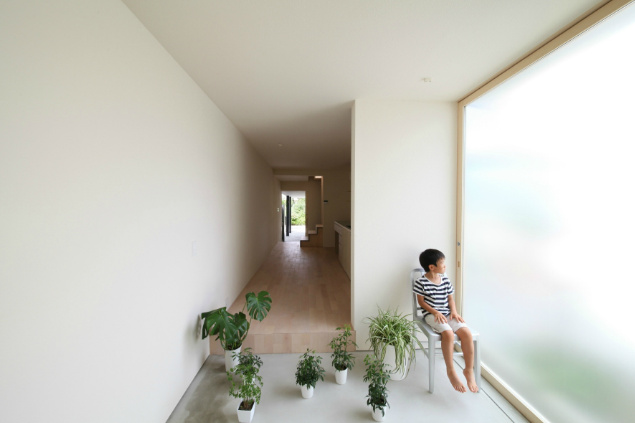
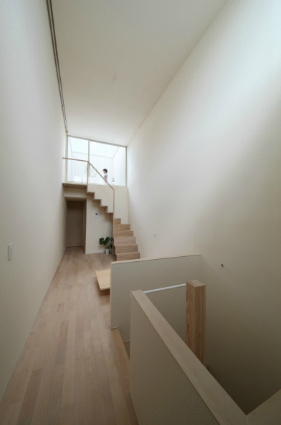
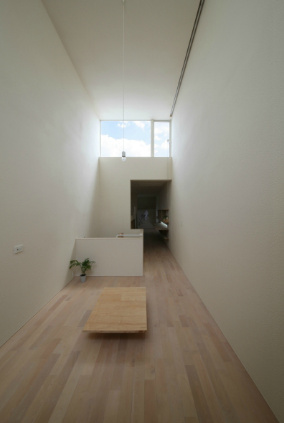
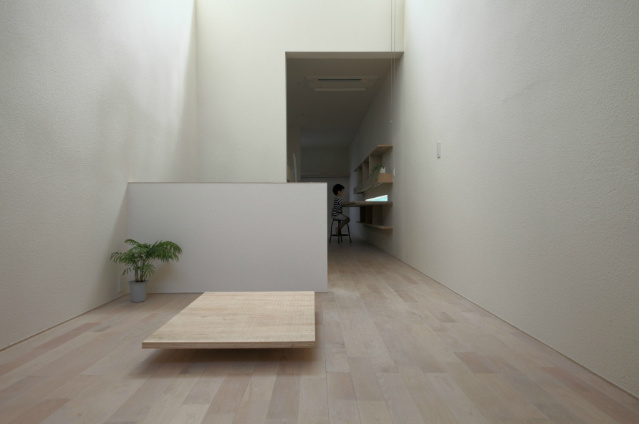
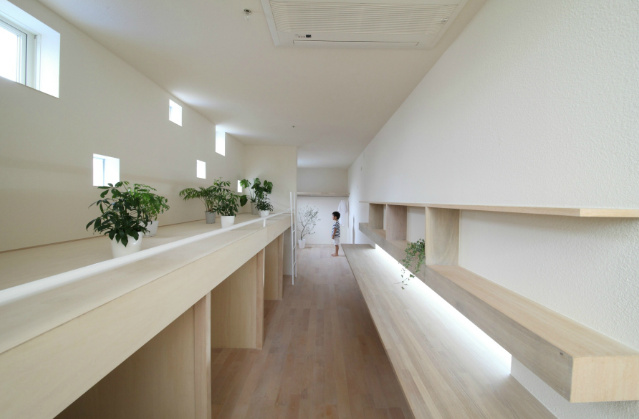
How this 10 ft wide plot of land got sandwiched between two homes, I’m not entirely sure. But what I do know is that the incredibly narrow plot of land didn’t keep the Japanese from developing it. With the help of architect Katsutoshi Sasaki, the owners managed to utilize the depth – a whole 69 ft – of the plot of land to create a functional home for a family and child.

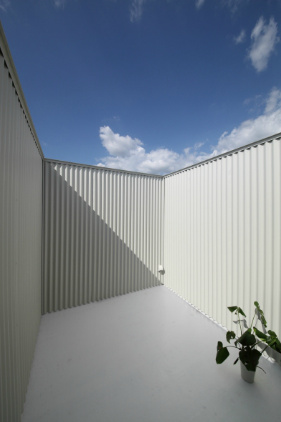
The Imai House, completed last year in Okazaki, Japan, has plenty of windows, an internal courtyard on the first floor and a small roof deck on top to give the narrow space light and a breath of fresh air.


katsutoshi-sasaki-imai (2)

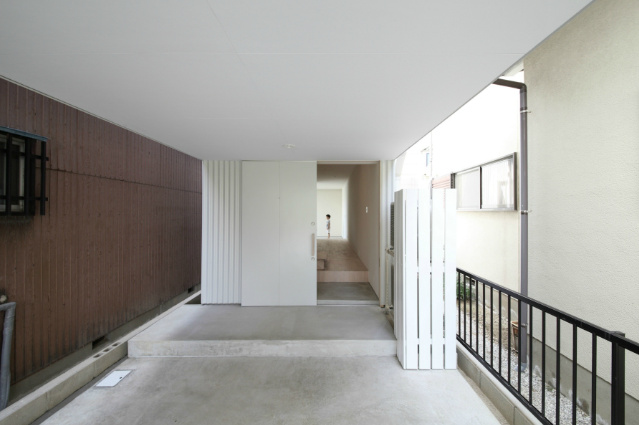
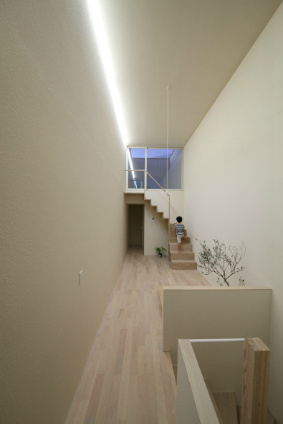
A generous amount of land is allocated to the parking lot on the first floor, leaving only room for a kitchen and inner garden. The narrow corridor of the second floor somehow manages to fit in a bath, toilet, living room, study space and bedroom, as well as stairs that lead up to the terrace.

katsutoshi-sasaki-imai (3)

katsutoshi-sasaki-imai (4)

katsutoshi-sasaki-imai (5)

katsutoshi-sasaki-imai (9)katsutoshi-sasaki-imai (6)

katsutoshi-sasaki-imai (7)

katsutoshi-sasaki-imai (8)

katsutoshi-sasaki-imai (11)katsutoshi-sasaki-imai (10)


A Look Inside the Japanese Arcade Modeled After Hong Kong’s Infamous Kowloon Walled City

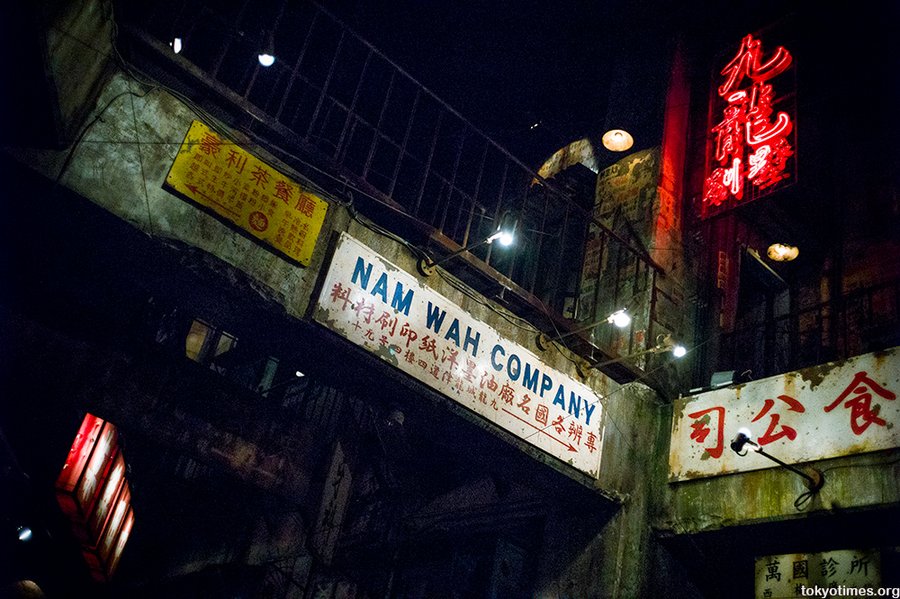
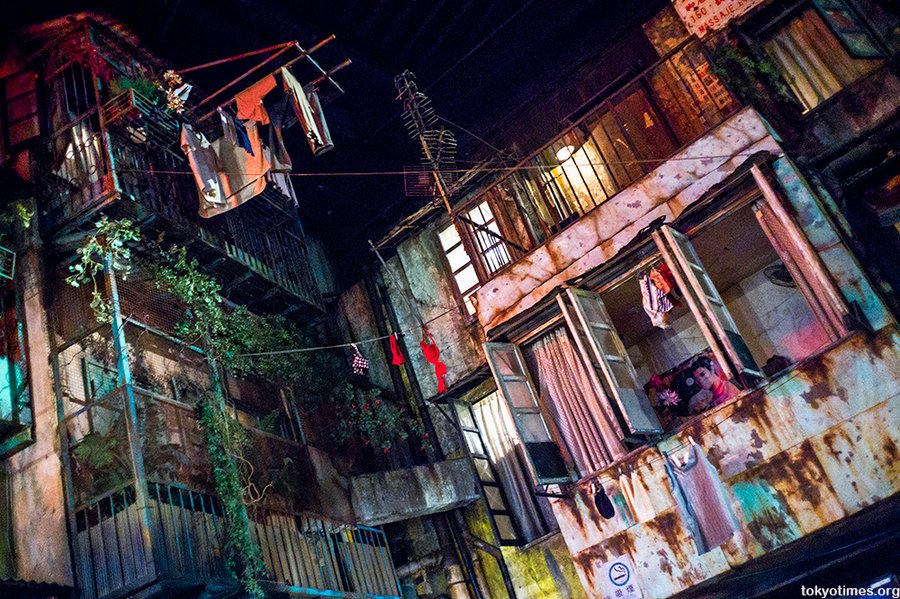
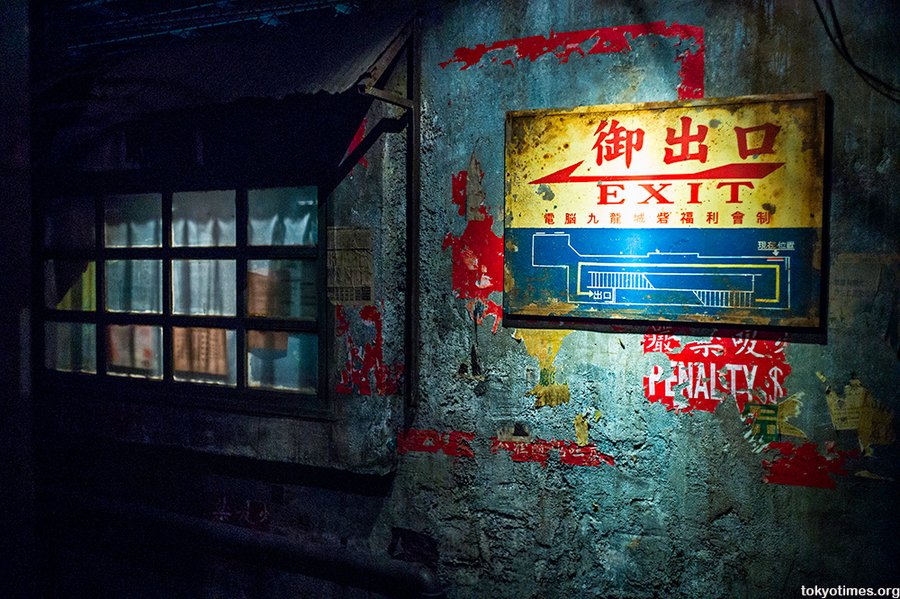
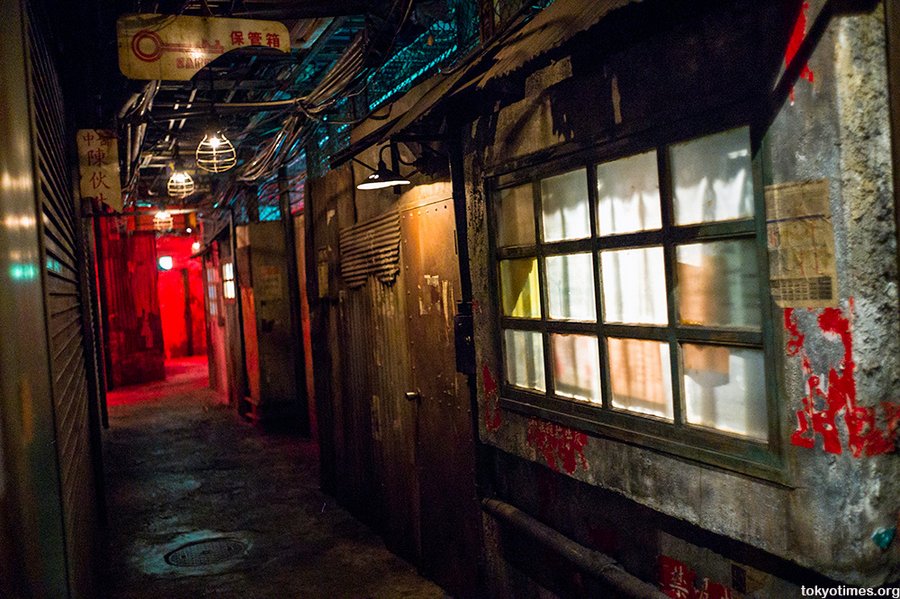
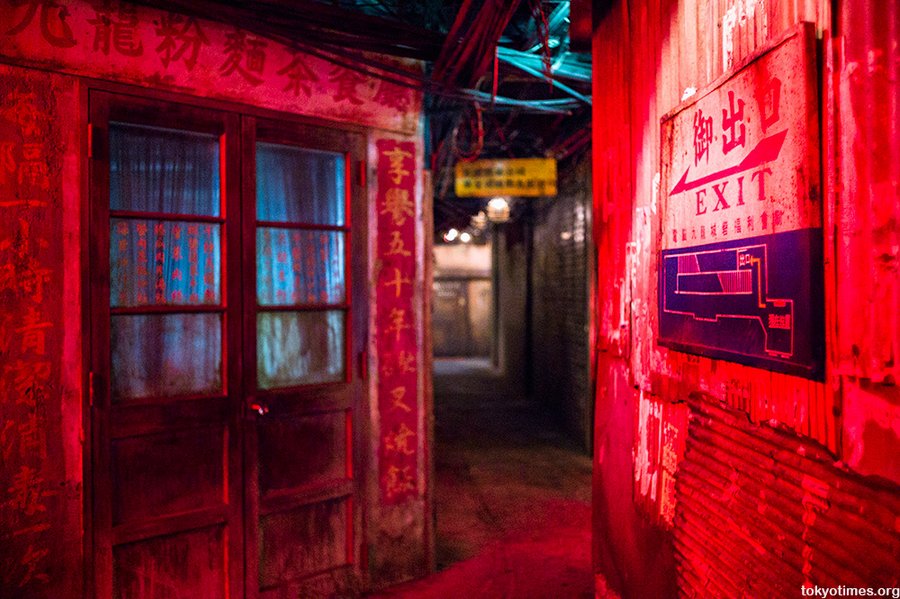
article-0-12EF340A000005DC-165_964x736The Kowloon Walled City in Hong Kong was built gradually – building on top of building – over time. Without a single architect, the ungoverned and most densely populated district became a haven for drugs, crime and prostitution until it was demolished in 1993. Photo documentation of the site exists but for a real taste of what the grimy city was like, head to Japan.

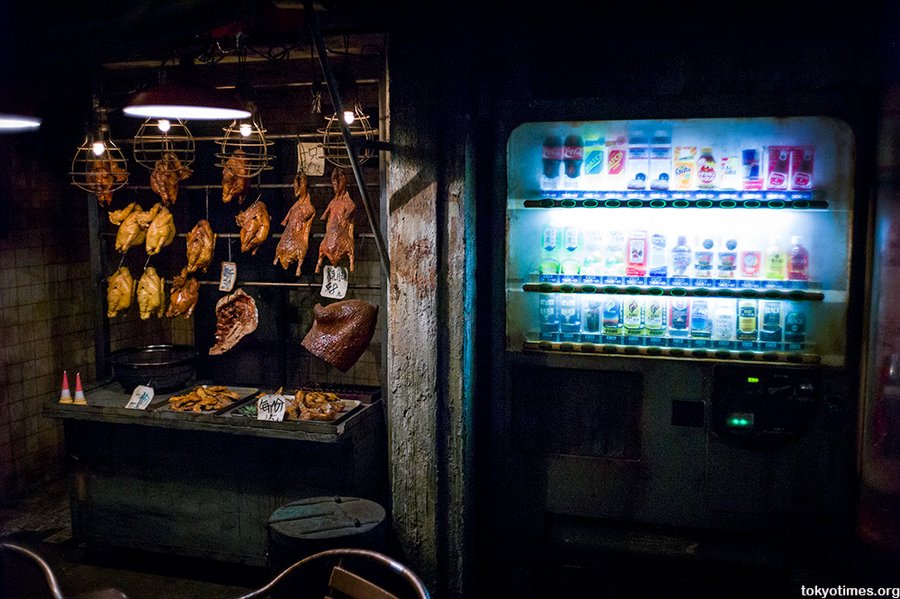
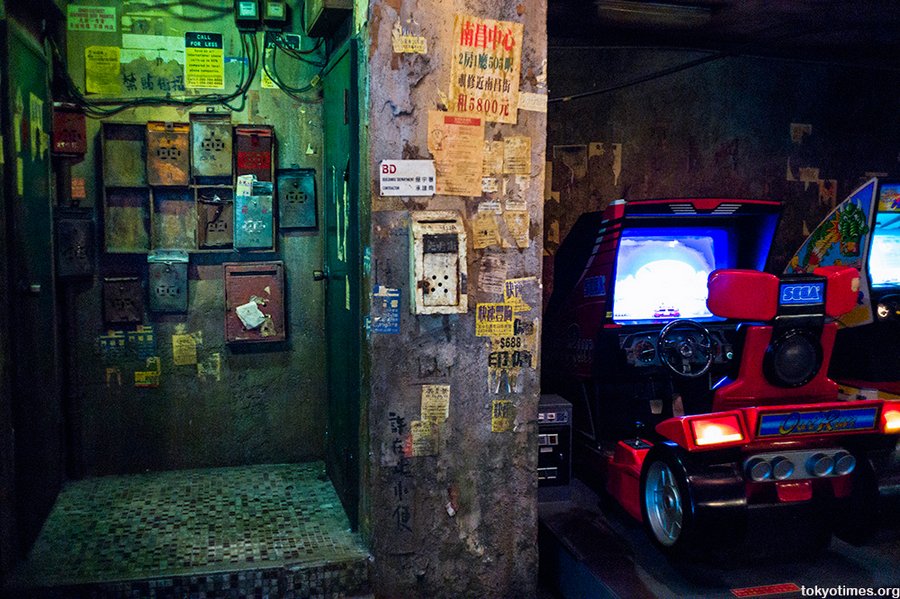
Just minutes from Kawasaki Station there is a large building – an amusement park of sorts – that was modelled after the infamous location. “Admittedly, on entering the building it doesn’t quite feel like one has been transported back to an ungovernable settlement that’s home to more than 30,000 people,” says Tokyo-based photographer Lee Chapman, who recently paid a visit to the Warehouse Kawasaki. “Yet at the same time, it does feel like a world away from a regular game centre.”

kawasaki-kowloon-game-centre1

unless otherwise noted all photos courtesy Lee Chapman

The attention to detail in recreating the dirt and grime, which is in fact perfectly clean, puts even Disney Land to shame.

kawasaki-kowloon-game-centre2

In Japan, theme parks and arcades modeled after retro environments are big business. There’s the Ikebukuro Namja Town, J-World Tokyo and Ramen Museum, just to name a few. But by far one of the most impressive is this Kawasaki location of Warehouse, a major operator of theme parks across Japan.

[update] the arcade will reportedly close on 11/17/2019

kawasaki-kowloon-game-centre5

kawasaki-kowloon-game-centre6

kawasaki-kowloon-game-centre7

kawasaki-kowloon-game-centre8

kawasaki-kowloon-game-centre9

kawasaki-kowloon-game-centre10

Intricate Paintings by Maki Ohkojima Spill Off the Canvas and Onto Walls

ohkojima-mother-univers

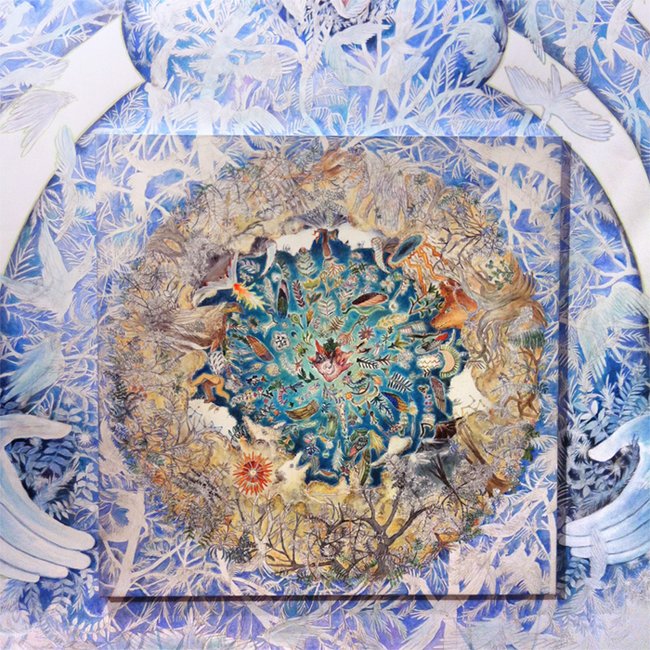
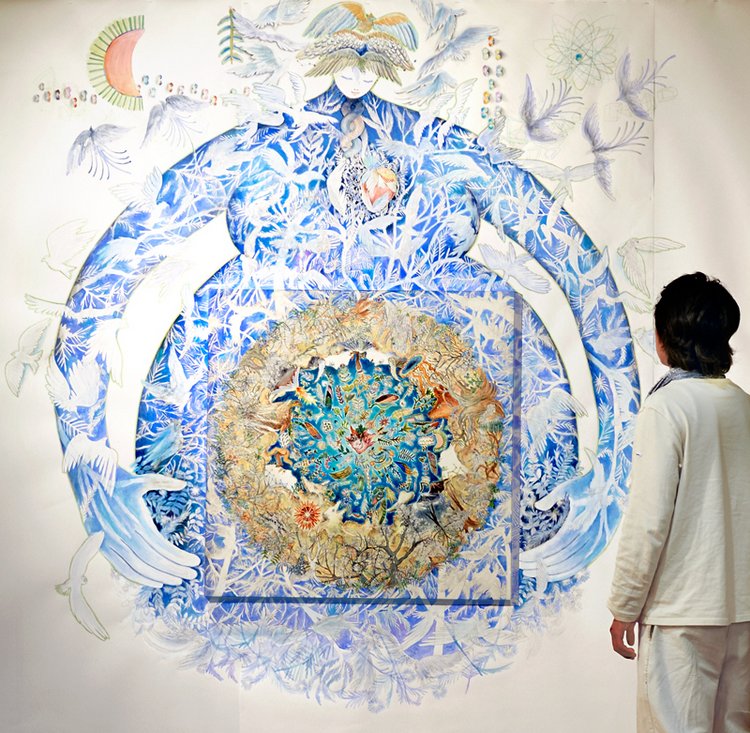
“Mother” (2012). Pencil and acrylic on paper mounted on panel, Drawing on the paper

ohkojima-mother-detail-view-02-photo-by-kenjimimura

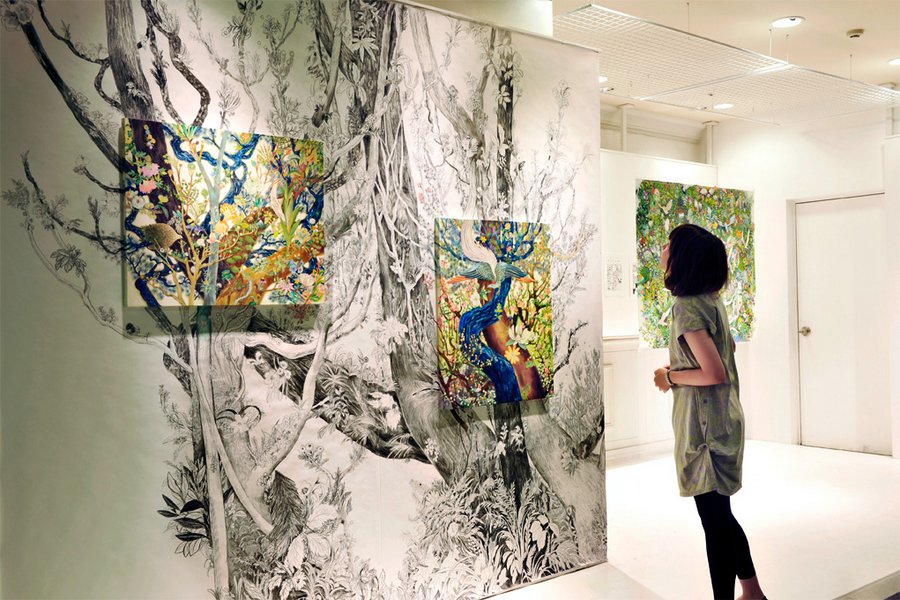
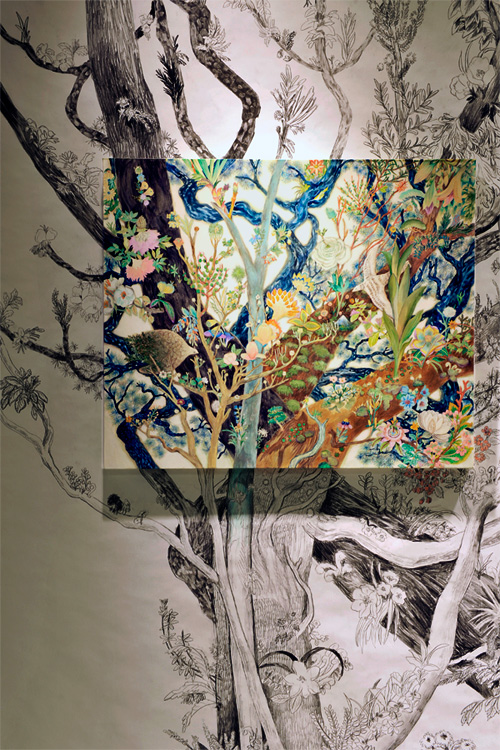
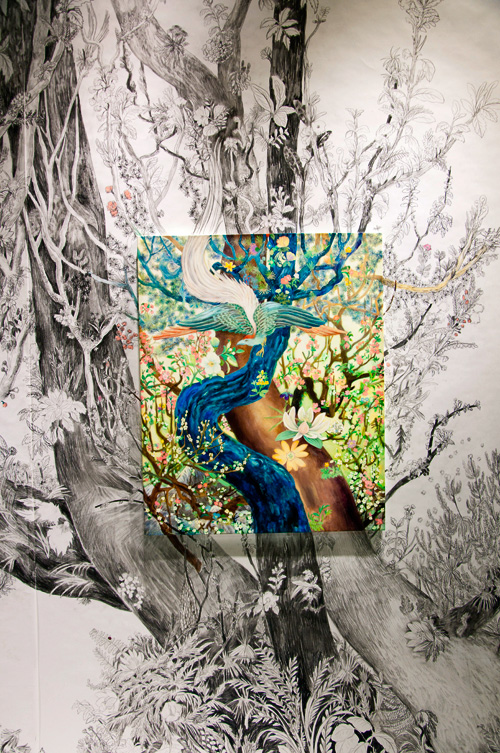
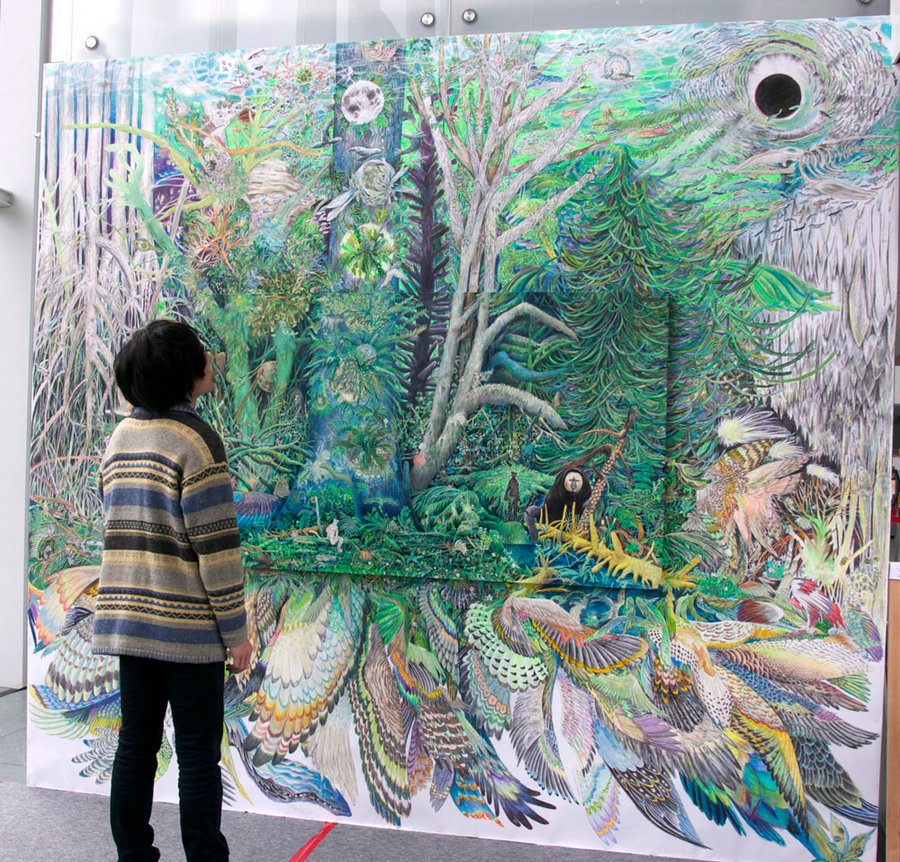
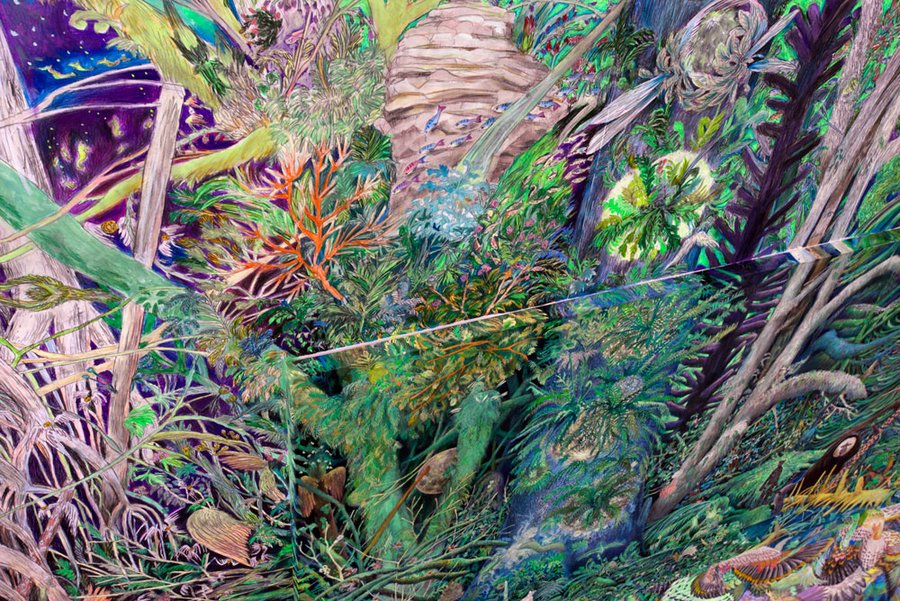
Maki Ohkojima is a 27-year old Japanese painter who creates sprawling yet intricate paintings that often feature imagery pertaining to mother earth and animals. Over the years she has developed in interesting style she calls – quite straightforwardly – “the mural beyond the frame.”

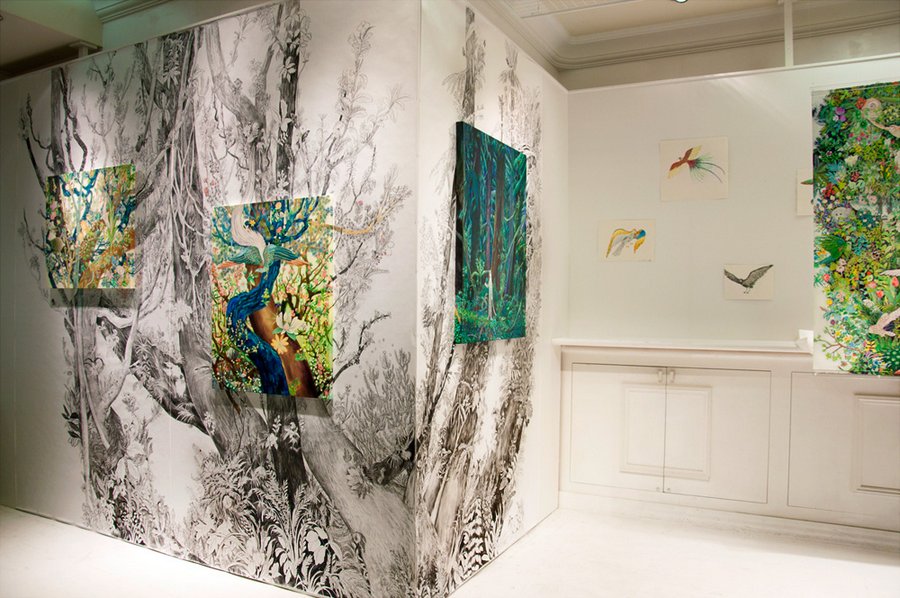
“When drawing a picture, I always think that the picture I am drawing in that moment is merely one part of a larger world and narrative,” says Ohkojima. She compares her feelings to the frustration we’ve all felt when encountering a beautiful landscape. We take out our phone or camera to capture it, only to realize that, inevitably, there is no way to capture the scene in its entirety. So when the opportunity presents itself, as if often does, Ohkojima doesn’t stop at the edges of her canvas. She extends the scene onto the wall creating a sprawling mural. “By drawing like this, the land and the picture are becoming further connected and one piece of scenery, which I could not see before, is starting to emerge.

ohkojima-zentai2-web

installation images of “in the forest” (2012)

ohkojima-sibuyaseibu-kenni0-72

ohkojima-sibuyaseibu-kenni2-webohkojima-sibuyaseibu-ohkojima-road-web

Ohkojima is a frequent participant in the Wall Art Festival and earlier this year she spent several days in India creating a sprawling mural on the walls of a classroom. This summer she plans to return to India once again as part of the Earth Art Project.

ohkojima-starsong-web

“Star Song” (2012). pencil, colored pencil and crayon on paper

ohkojima-starsong-detail00-rxhibiweb

ohkojima-starsong-detail7--web

15 Japanese designers prove that Paper can still amaze us

img_002

release_img_02

release_img_01

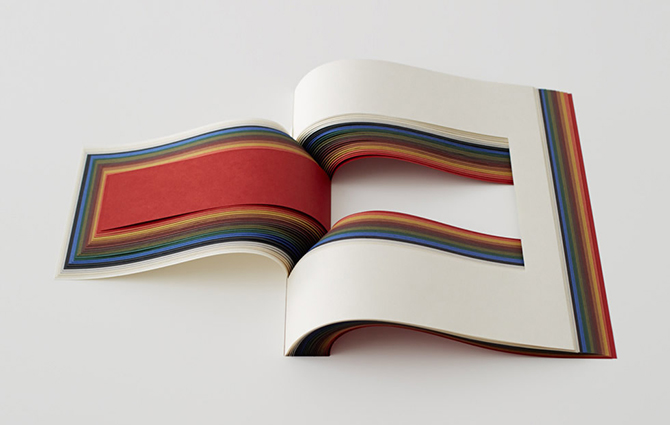
In Japan, paper is not far from being a sacred material. Traditional crafts such as washi or origami are famous for exploring the many shapes and textures that paper can take, and paper’s ongoing popularity is reflected in the care for paper in everyday life. When in Japan, it’s not uncommon for foreigners to be stunned by the quality of paper used in print advertisements or magazines. Takeo, one of Japan’s leading paper companies, has been rooting for the use of paper by investing in research, reducing its carbon footprint and tying strong ties with designers.

To showcase the ways paper can still amaze us, Takeo holds the Takeo Paper Show every year at its flagship store in Tokyo. “Subtle”, this year’s edition, focused on the slight contrasts and light impressions that only paper can offer. Fifteen designers gathered to explore the medium and each one brought his or her own approach to paper, resulting in a rich variety of works.

“The qualities of paper affect us, awakening and nurturing exquisitely acute sensory perceptions that enable us to perceive even infinitesimal distinctions”

img_001

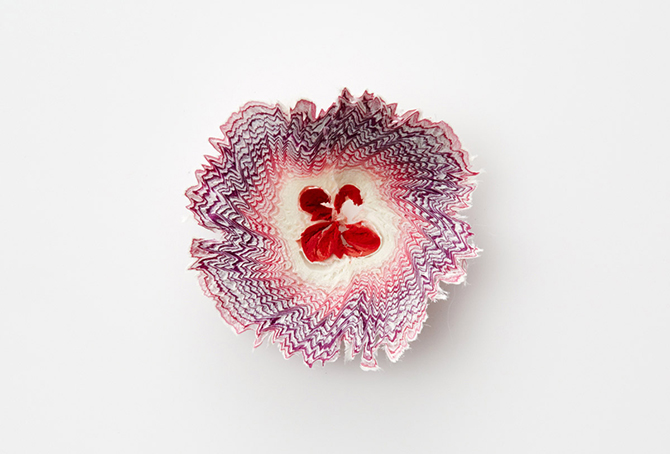
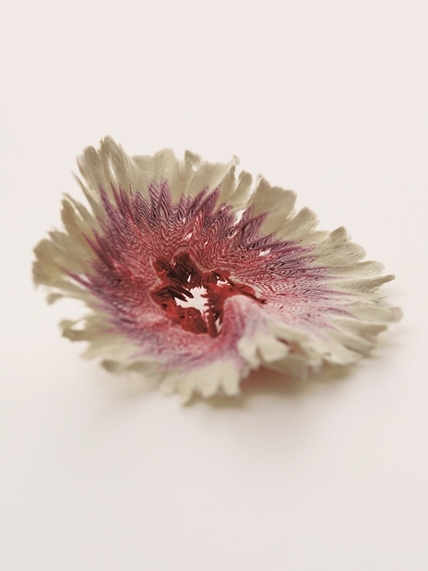
Paper Flower by Haruka Misawa, created out of tight-rolled paper cut with a pencil sharpener
subtle_02


img_003

img_004
release_img_03

 Architectural firm NOIZ was commissioned to develop concepts around three new paper brands: FUUKOU, NT RASHA and BIOTOPE GA-FS (two of which appear earlier in the post)

 

portrait_img_001

Paper from Takeo’s shelves seen through the lens of photographer Yoshihiko Ueda
book_img_04


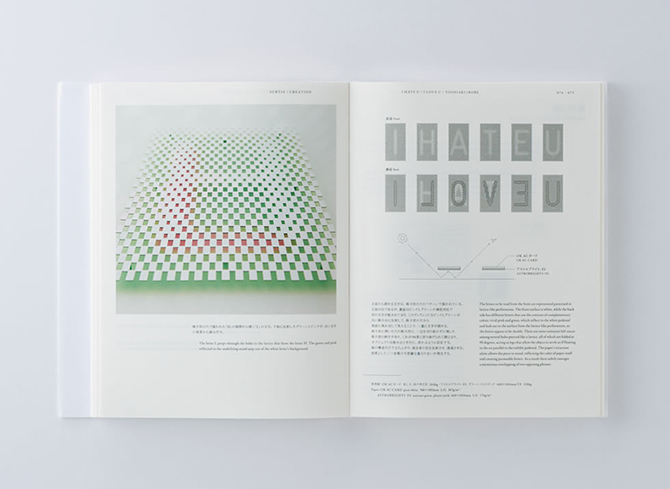
Unfortunately, the Takeo Paper Show 2014 has ended. If you want to catch up with the works, you can find the bilingual exhibition book in select Tokyo libraries and online. But most importantly, you should watch out for next year’s exhibition on Takeo’s website.


Images: Takeo Paper Show

Lovely Packaging Design for Celery Suppen

suppen01

celery_web_top12

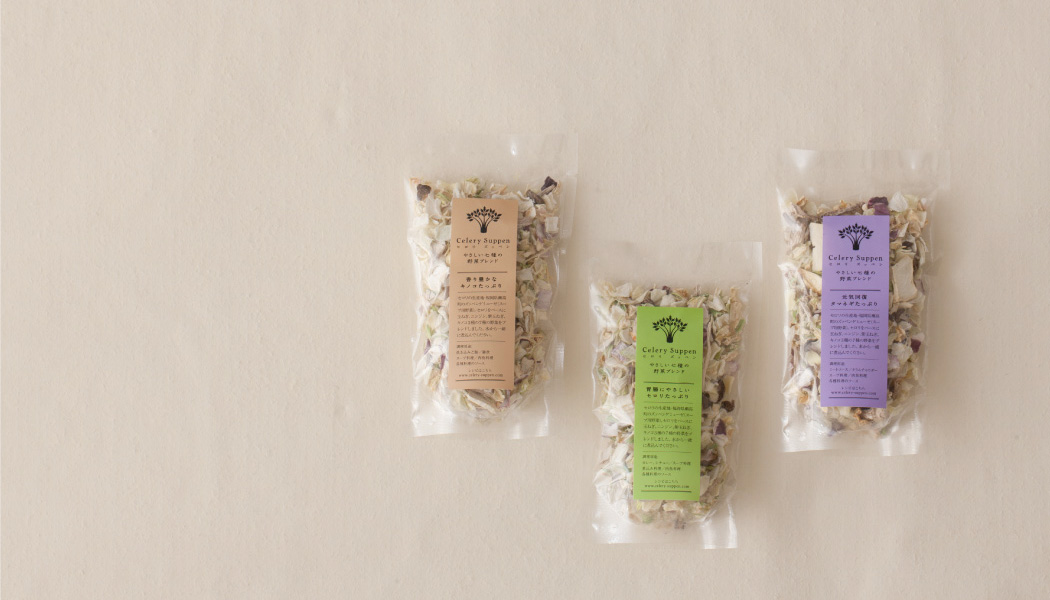
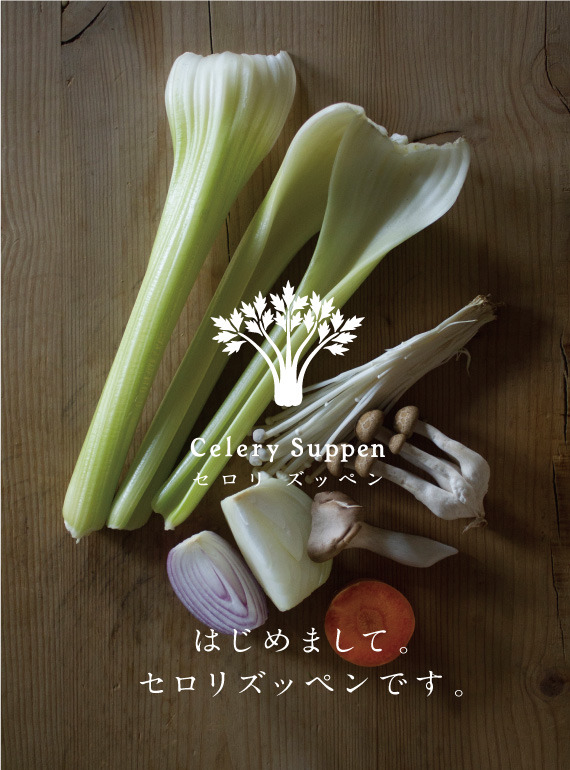
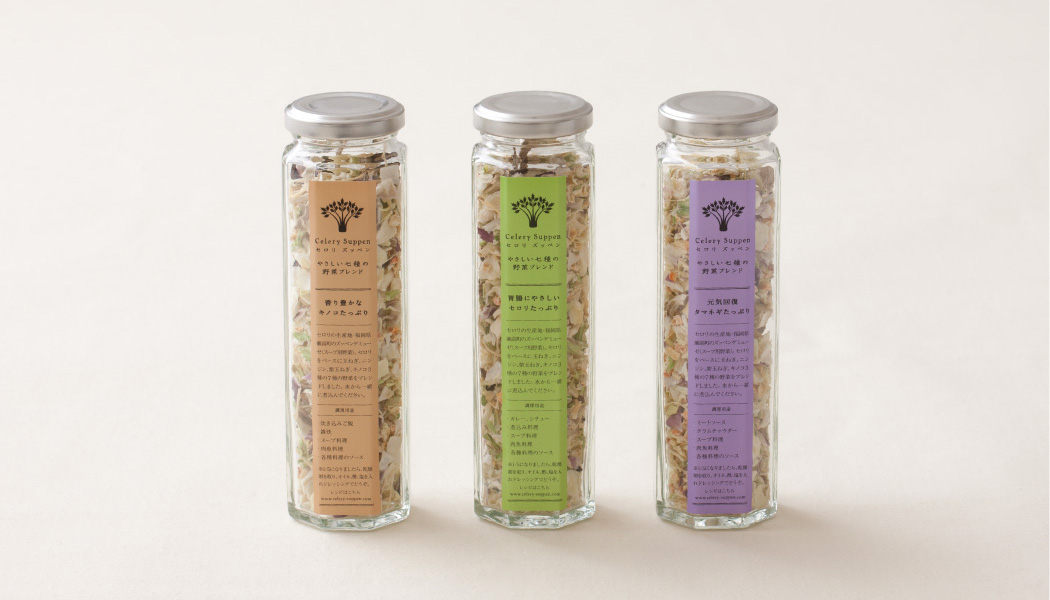
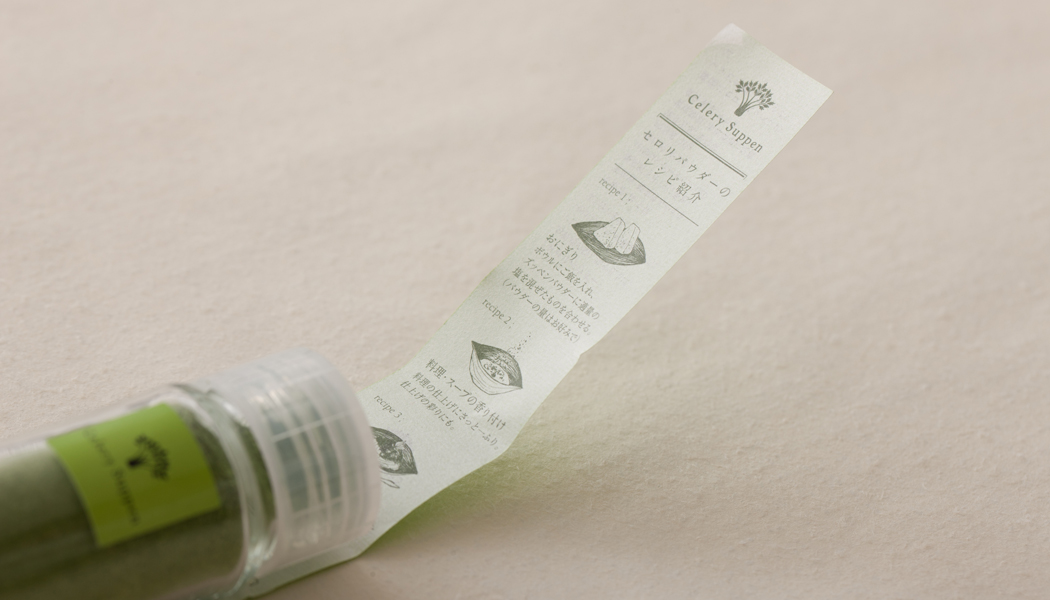
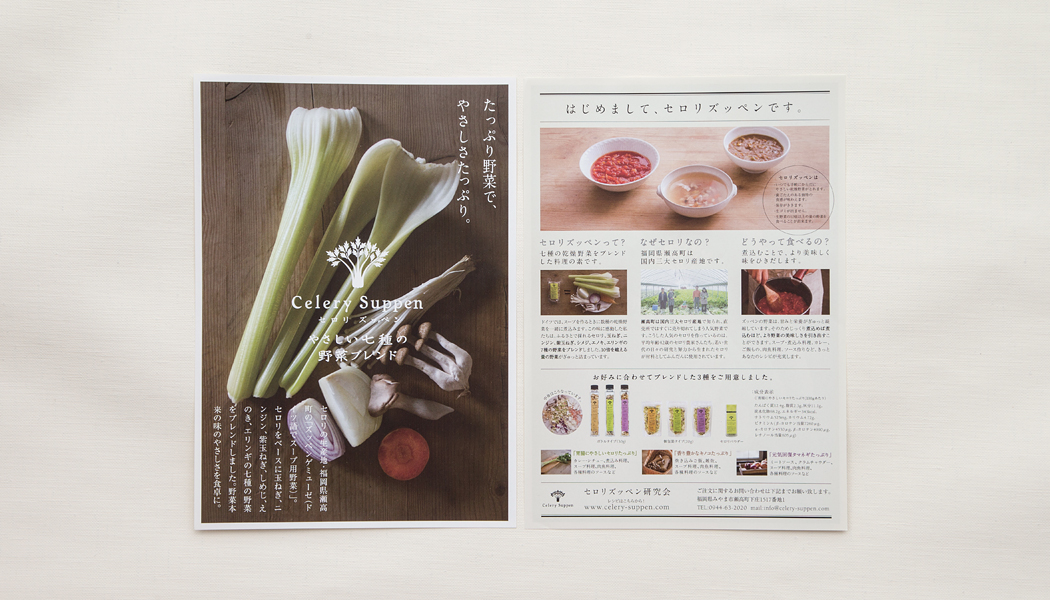
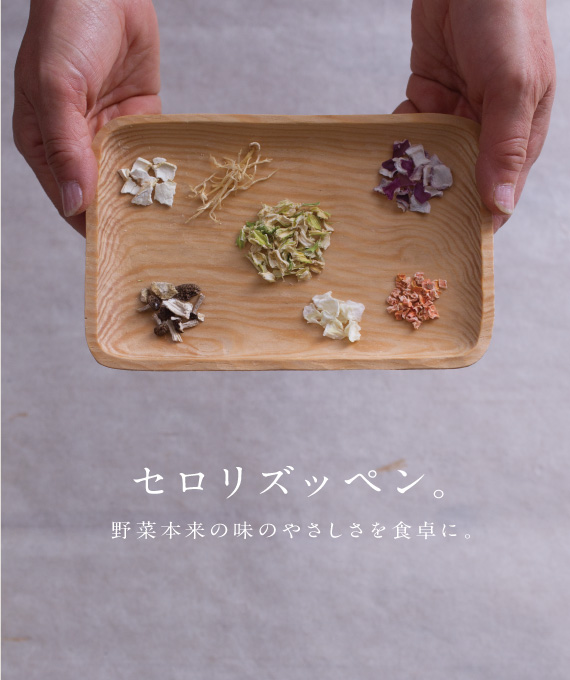
I know what you’re thinking. Celery Suppen. Suppen? Well it turns out Suppen means soup in German and Celery Suppen is a blend of dry vegetables – including celery – used to make soup stock. And have you ever judged a book by its cover or a wine bottle by its label? Because that’s what I’m doing now. This packaging design and branding – the work of Tetusin Design Office – makes me want to load up on Celery Suppen. (Unfortunately, it just went on sale earlier this year and is only available at a few select retailers in Japan)
Invented by a group of Fukuoka-based farmers in Japan, the package is made from vegetables with cosmetic imperfections (the Japanese are very particular, as they are with many things, about the look of their vegetables) that didn’t make it to the grocery store. So instead of discarding them, the farmers worked to perfect the perfect blend of dried vegetable shavings that could be slow-cooked and simmered to create soup, stew curry or any number of dishes.

suppen02 suppen041 suppen051

celery_web_syouhin1

Parisian Roaster Coutume Cafe Now Open in Tokyo

Coutume-cafe-Aoyama-CUT-Architectures (3)

all photos by David Foessel courtesy Cut Architectures

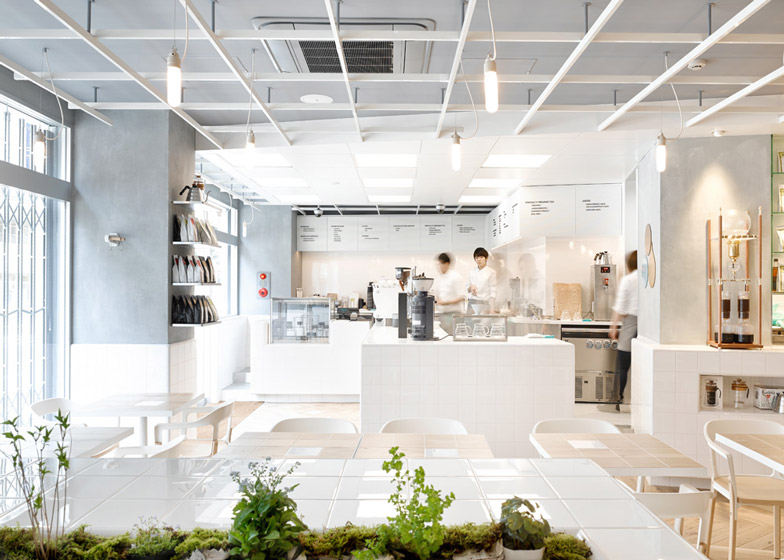
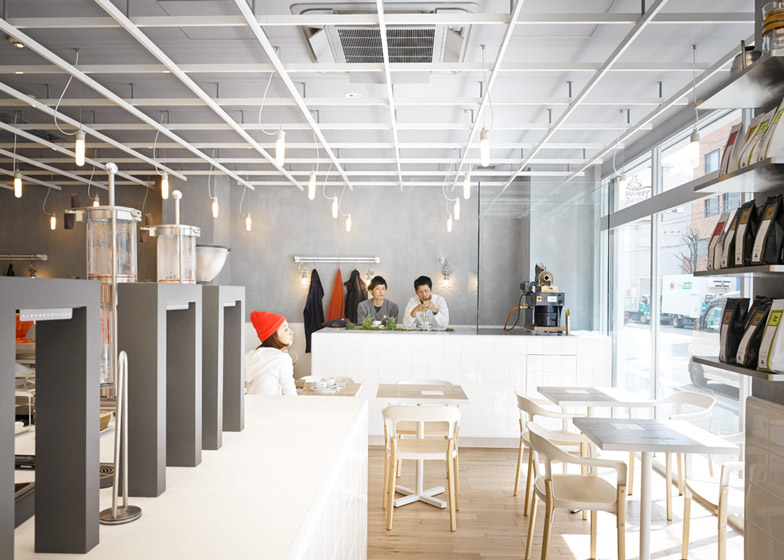
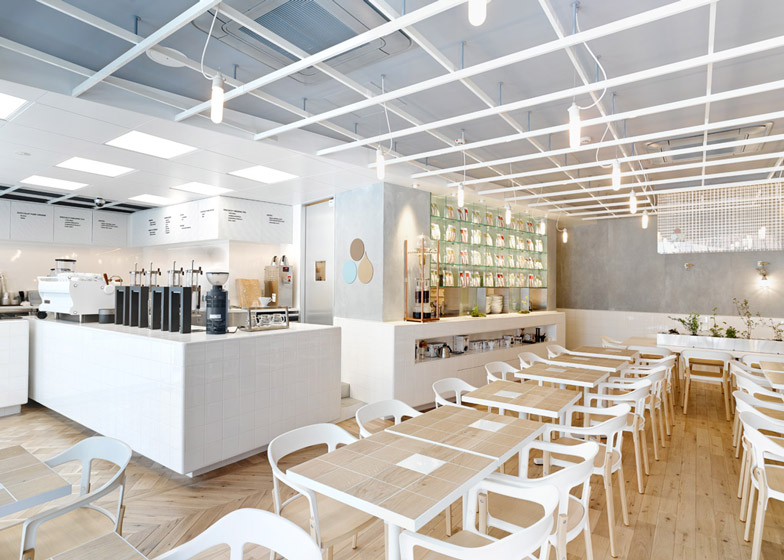
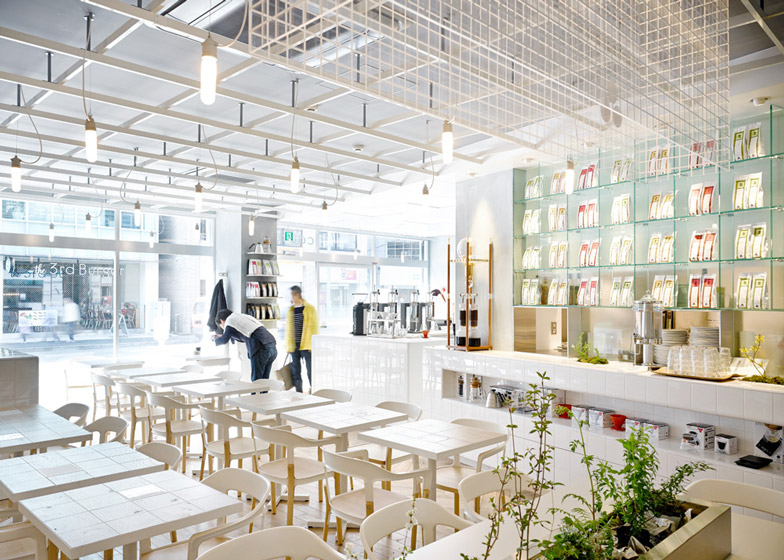
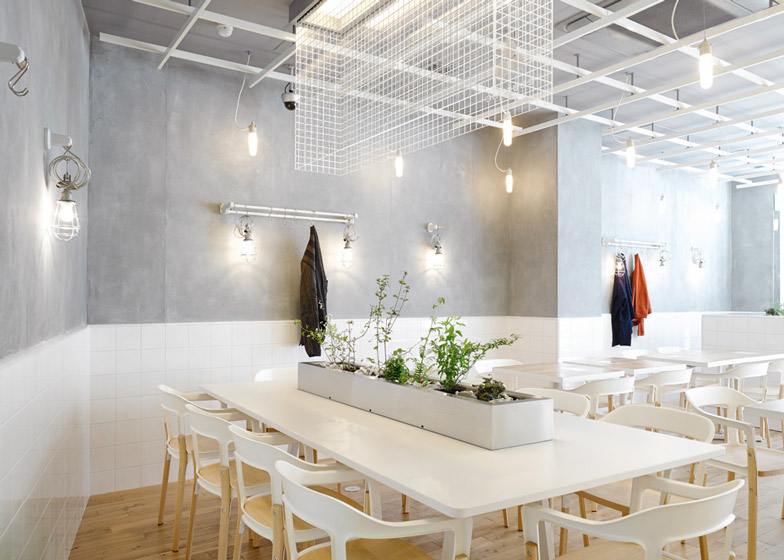
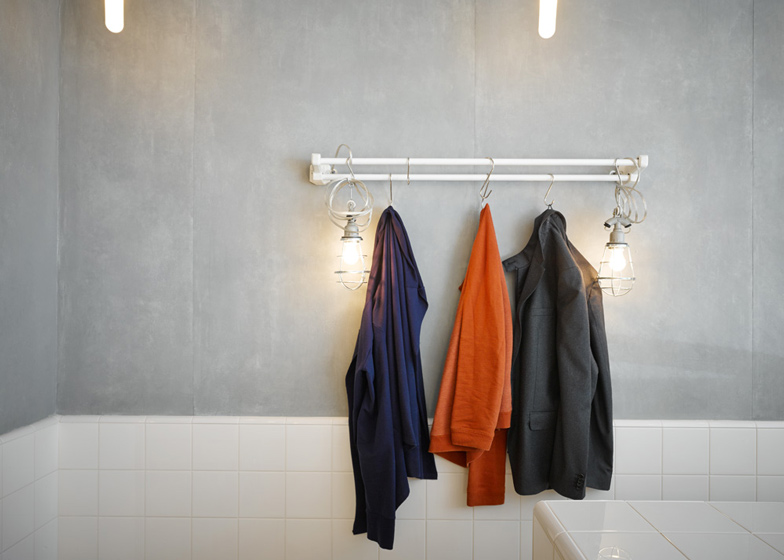
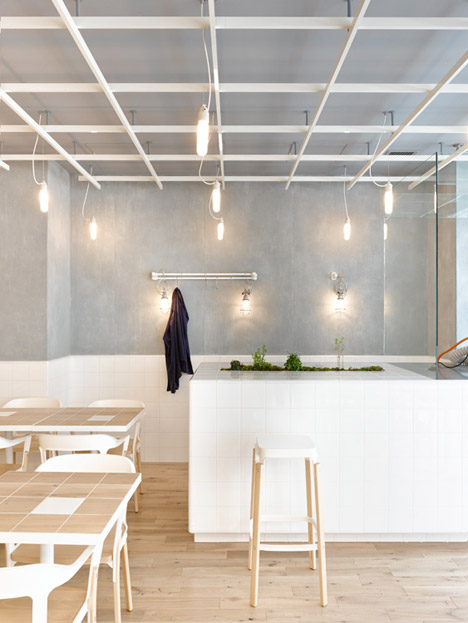
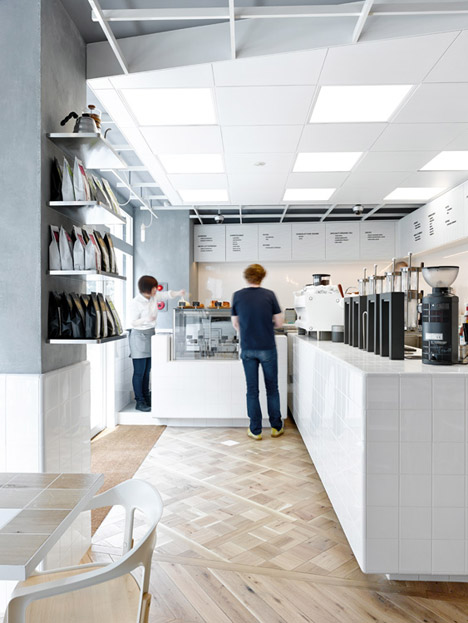
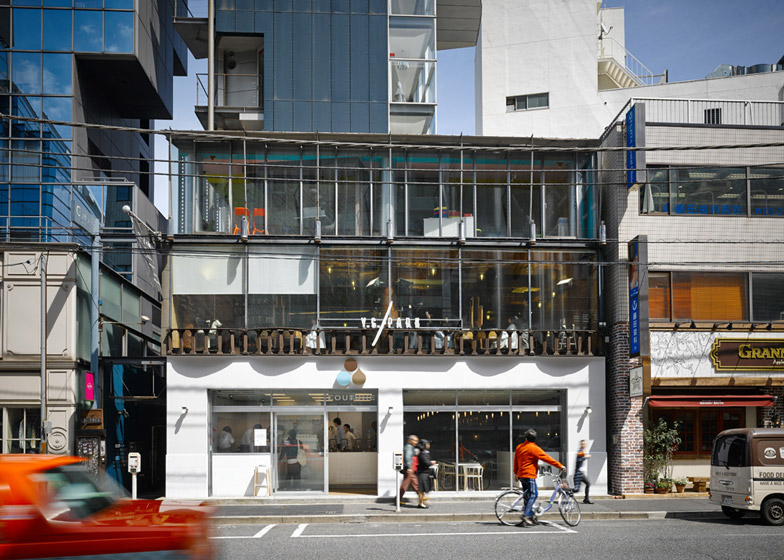
Having helped usher in the craft coffee boom in Paris three years ago, Coutume has now embarked upon their expansion, bringing Parisian coffee to Tokyo. Their sleek new store – a cross between a café and a science lab – opened in early April in the trendy Aoyama district (Gmap). The interior, designed by the same French firm who also oversaw the original Paris location, features white tiled surfaces and green shrubs under strips of lighting.

The Coutume co-founders were keen on creating a shop that blends into the Tokyo coffee scene, but also challenges Japanese coffee drinkers to try something new. According to Coutume co-founder Antoine Netien, Japanese roasters buy some of the best beans in the world but they have a preference for darker roasts. “They just burn it totally,” he says. The Coutume team plans to introduce some new flavors to that market.

Coutume-cafe-Aoyama-CUT-Architectures (4)

Adding to the laboratory feel of the new Aoyama location is a Steampunk brewer that will give customers a clear view of the coffee production. “We want to open it up a bit,” says one of the co-founders, referring to Japan’s non-interactive coffee scene. For now Coutume is importing all their beans from Paris but they plan to set up a roasting facility in the suburbs of Tokyo by the end of the year.

Coutume-cafe-Aoyama-CUT-Architectures (2)

Coutume-cafe-Aoyama-CUT-Architectures (5)

Coutume-cafe-Aoyama-CUT-Architectures (6)

Coutume-cafe-Aoyama-CUT-Architectures (7)

Coutume-cafe-Aoyama-CUT-Architectures (8)

Coutume-cafe-Aoyama-CUT-Architectures (9)Coutume-cafe-Aoyama-CUT-Architectures (10)

Coutume-cafe-Aoyama-CUT-Architectures (1)

« Older posts Newer posts »

© 2026 Spoon & Tamago

Up ↑

Design by Bento Graphics