Page 197 of 406

A Gorgeously Renovated Home Filled with Greenery by miCo

House-Komazawa-Park-Mico (1)

House-Komazawa-Park-Mico (2)House-Komazawa-Park-Mico (3)

Japanese homes, after just 20 or 30 years of use, are so often torn down and replaced by a modern monstrosity. Not that these are bad, but part of me wishes that there was a greater spirit of preservation in Japan. Not only is it a poor way of generating wealth and creating an affluent society, but all of the old charm is lost.

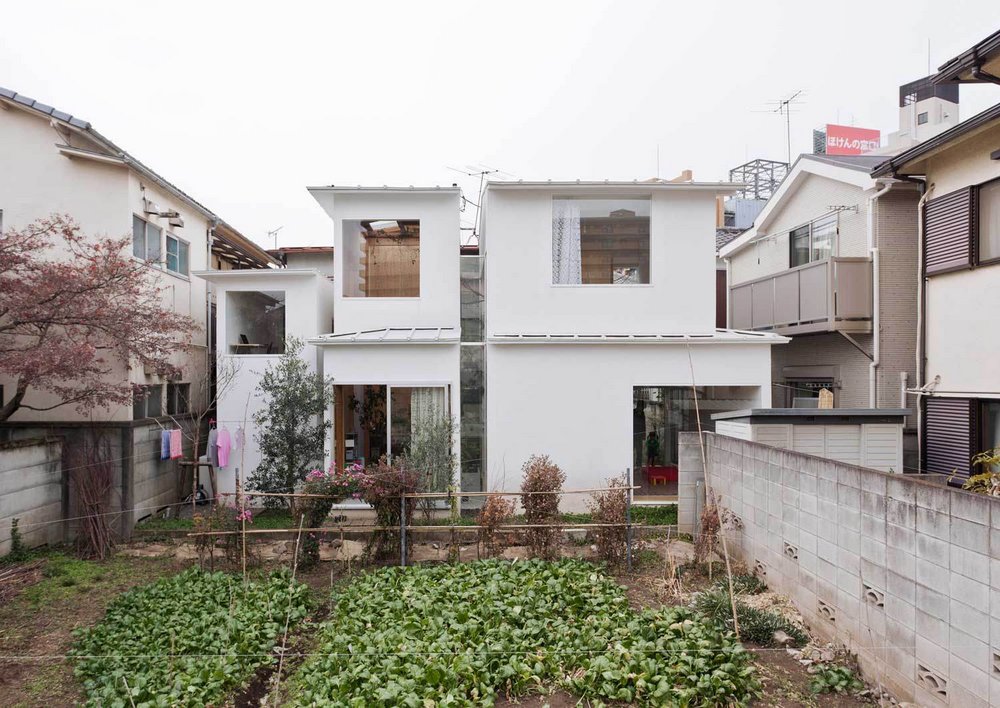
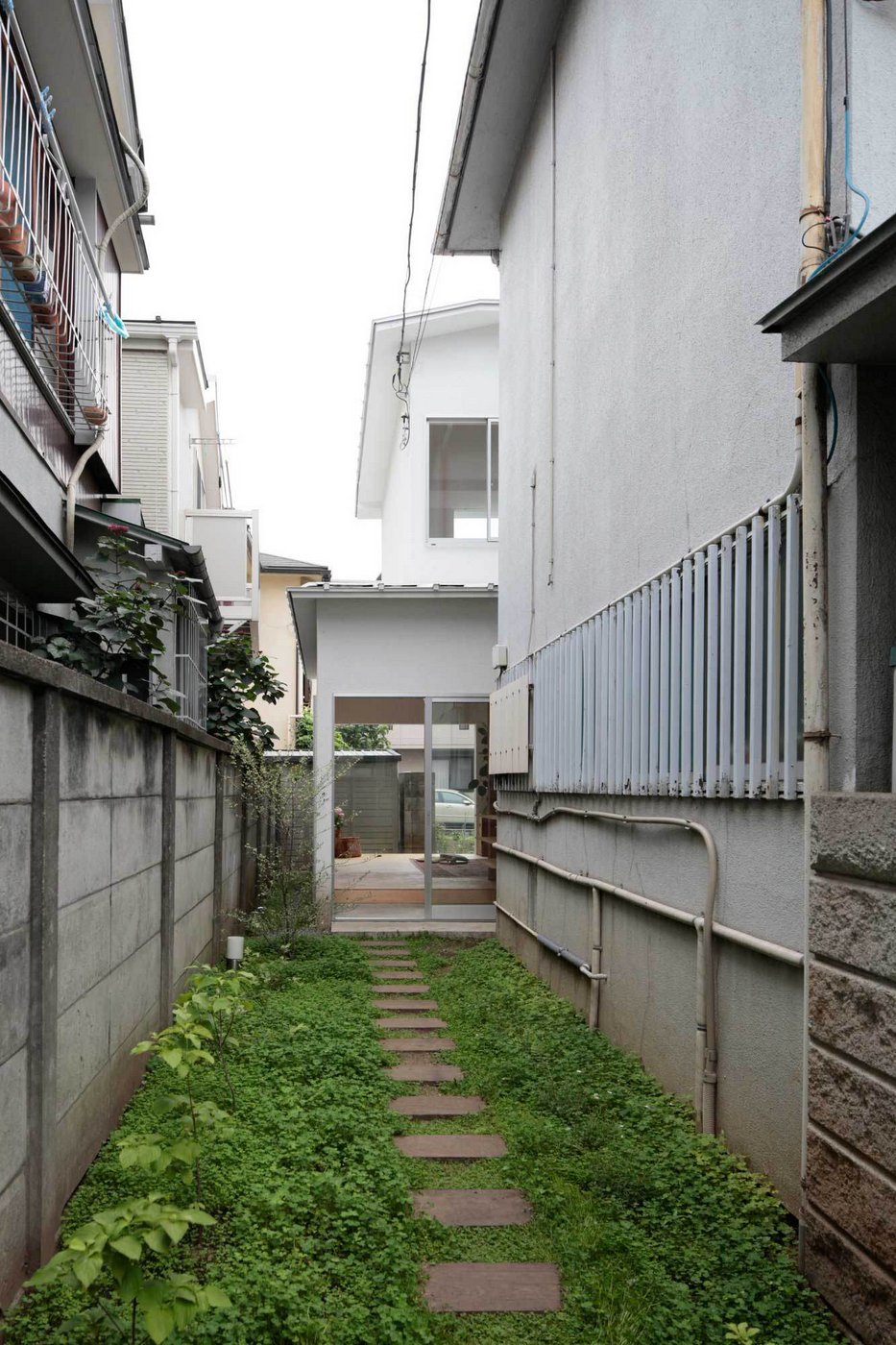
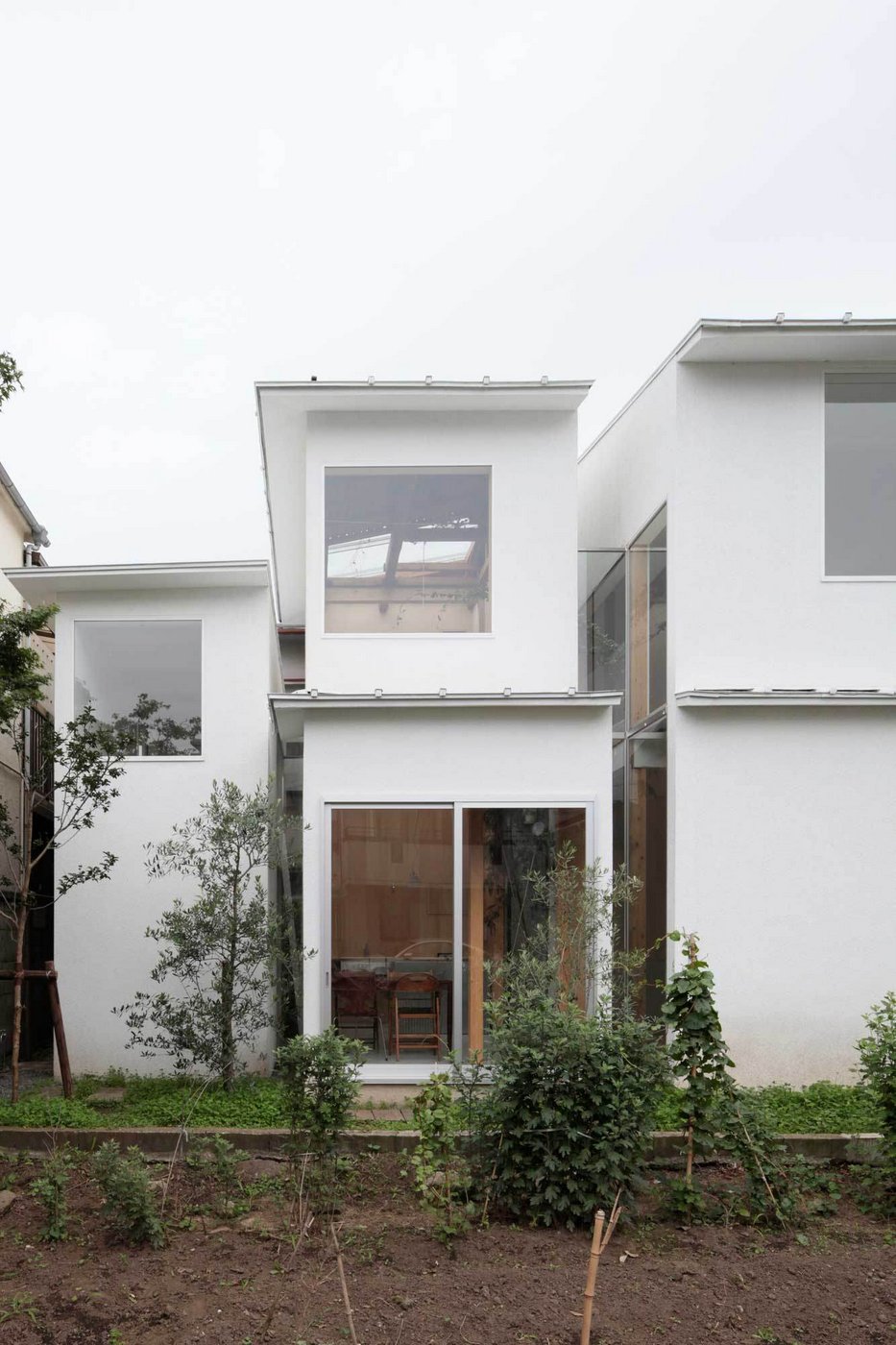
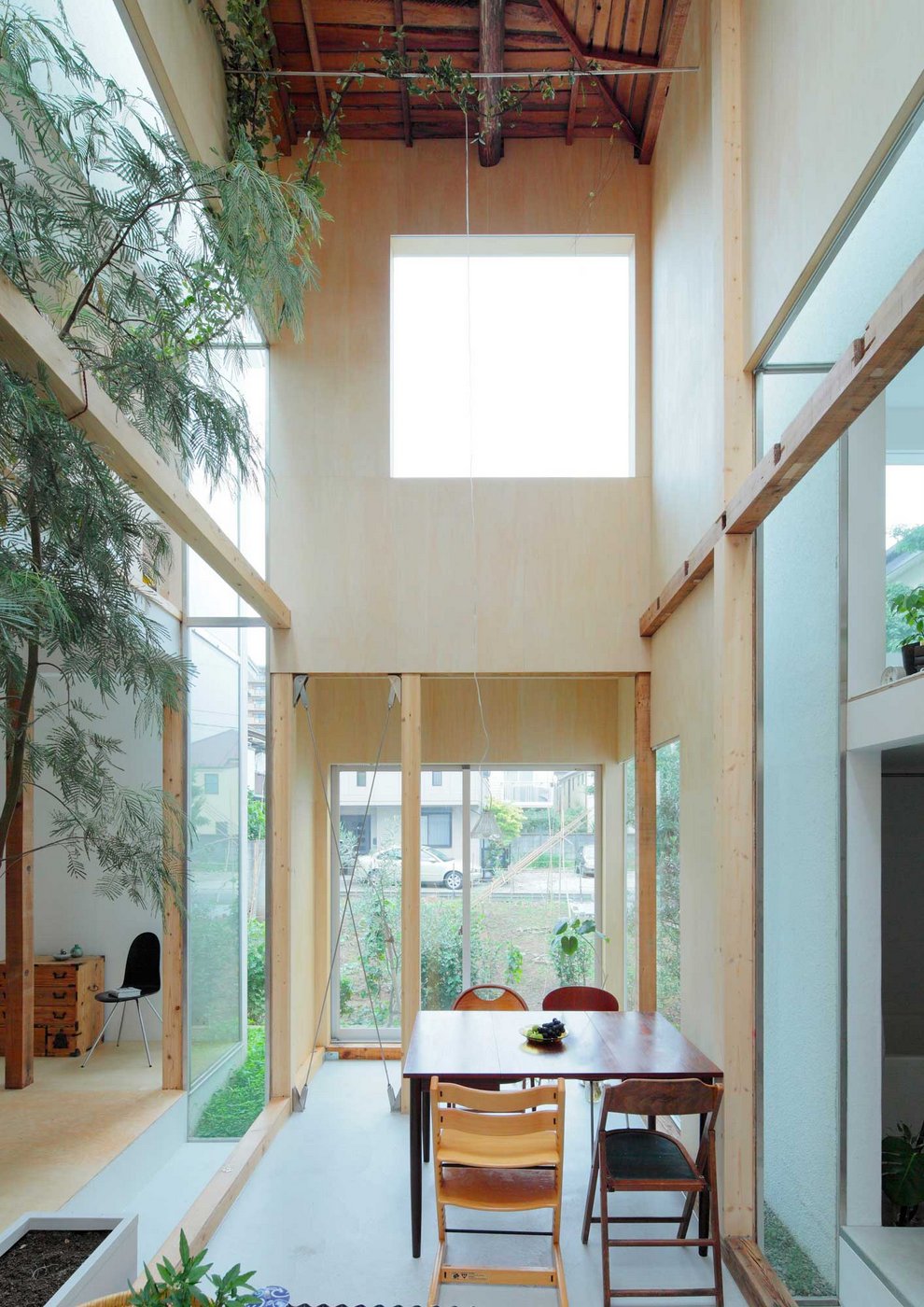
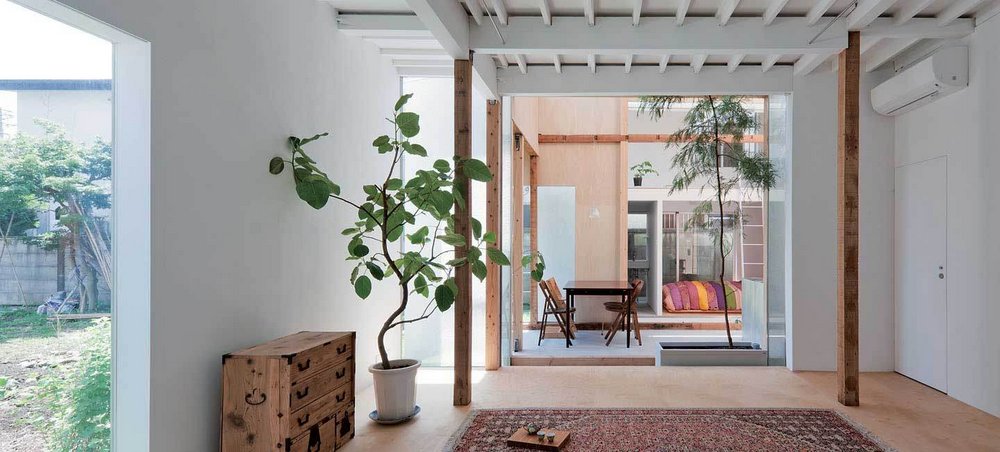
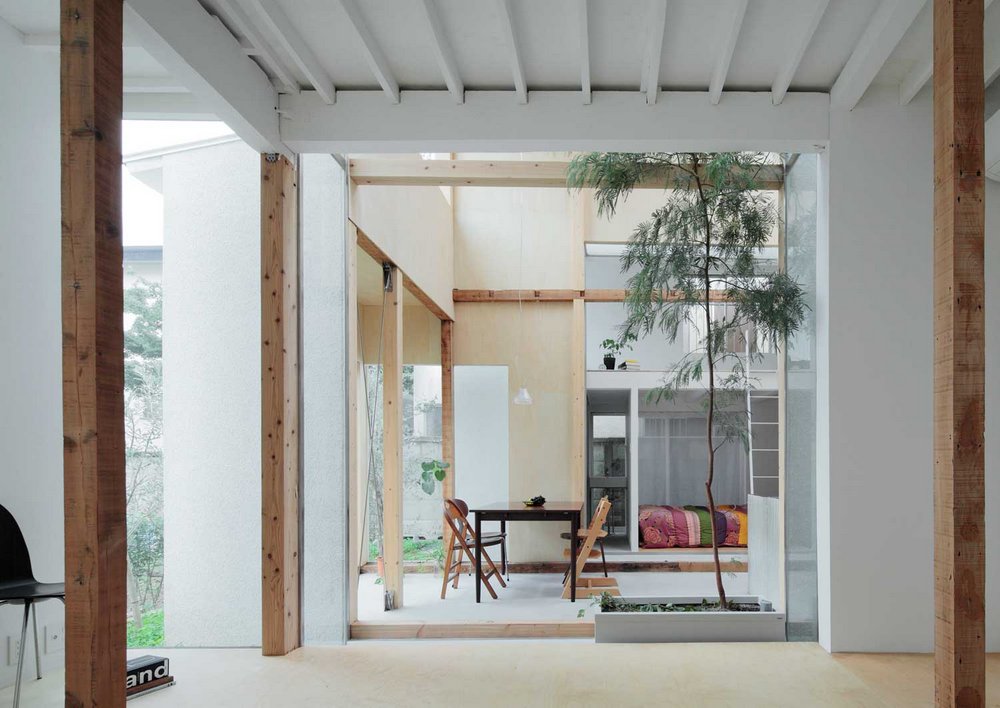
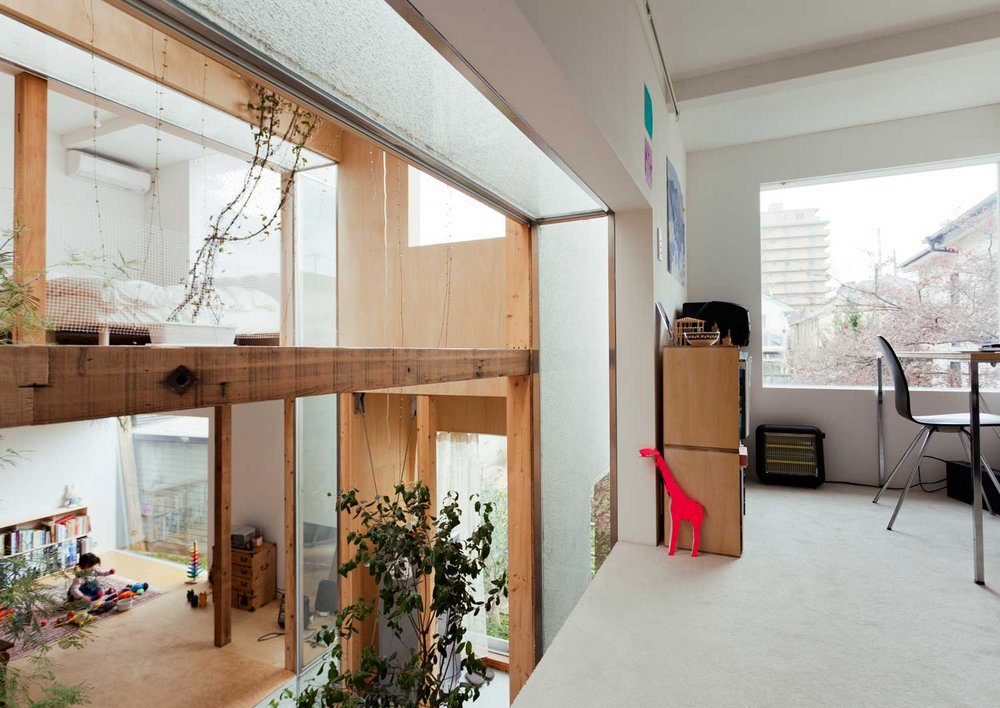
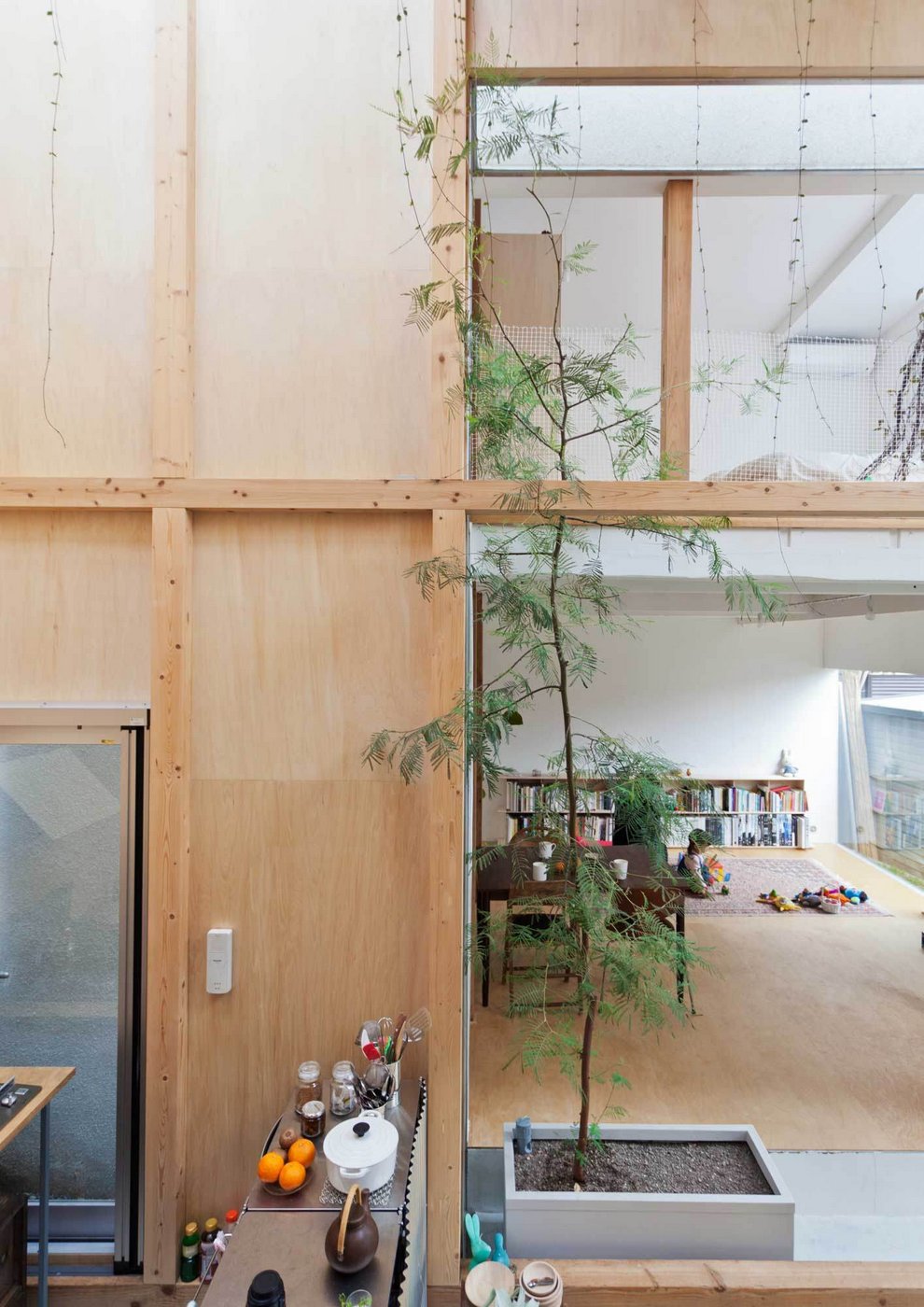
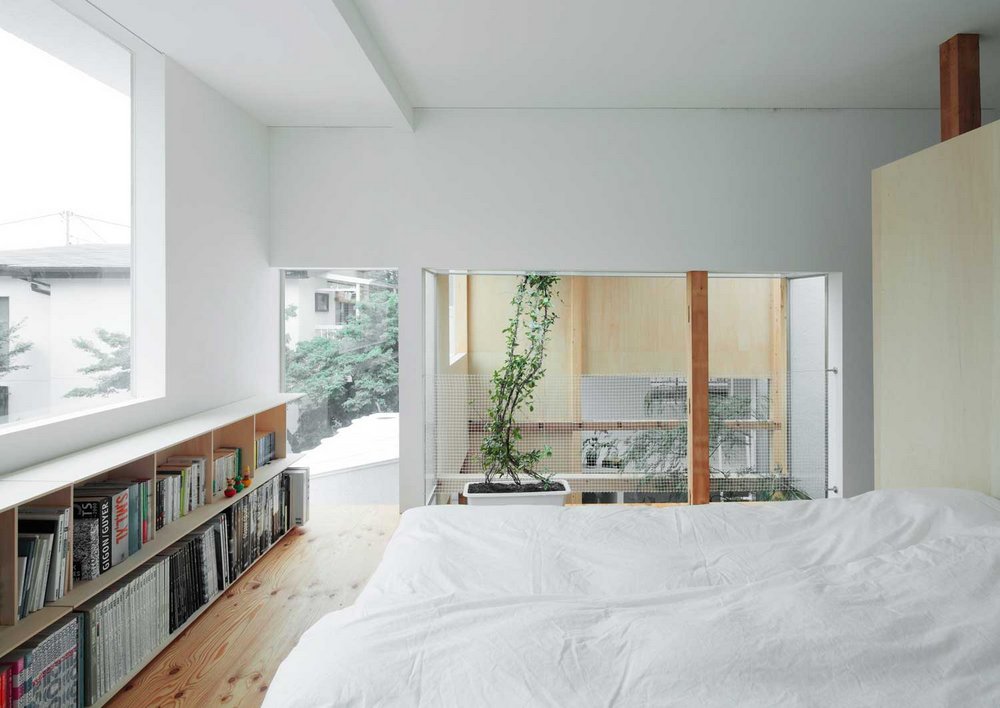
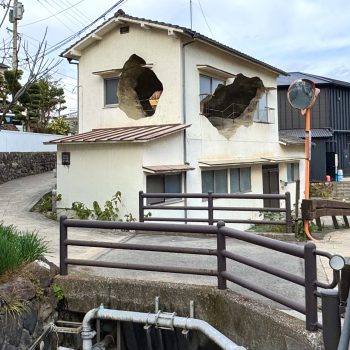
So when a renovation project comes along, my ears and eyes perk up. Enter miCo, an architecture firm comprised of Mizuki Imamura and Isao Shinohara, who just recently completed a renovation on a 30-year old home in Komazawa. From the outside the home, nestled in a residential neighborhood in the Western suburbs of Tokyo, doesn’t particularly stand out. But it’s the inside that shines.

House-Komazawa-Park-Mico (9)

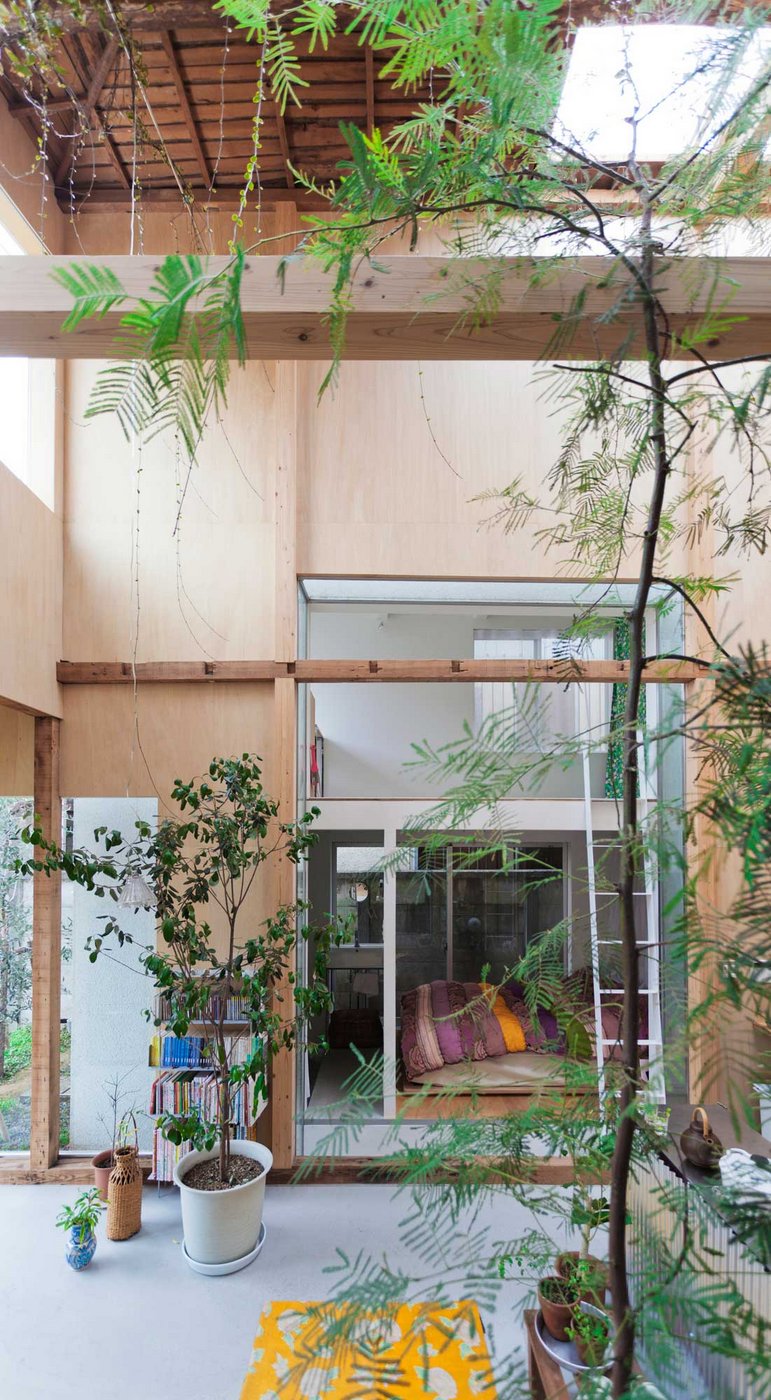
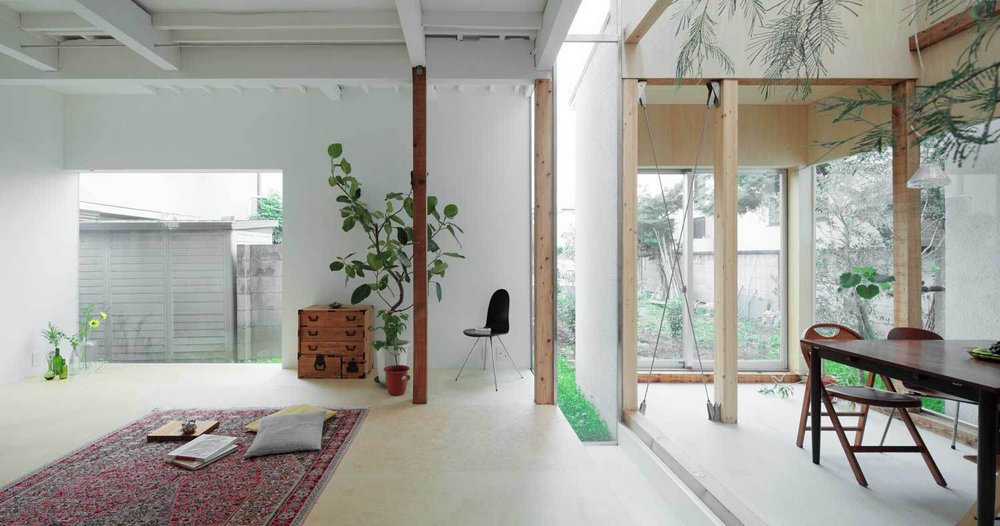
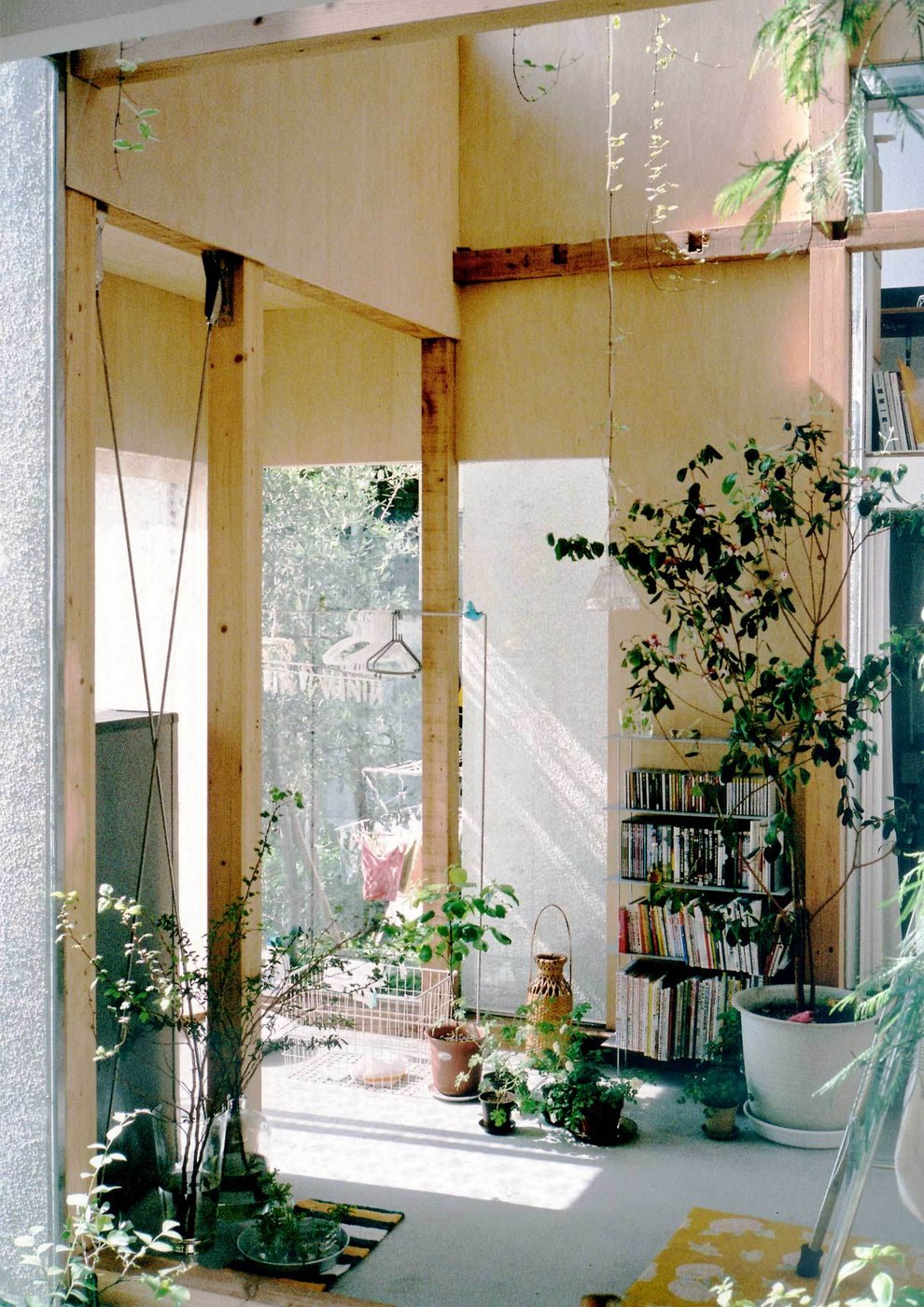
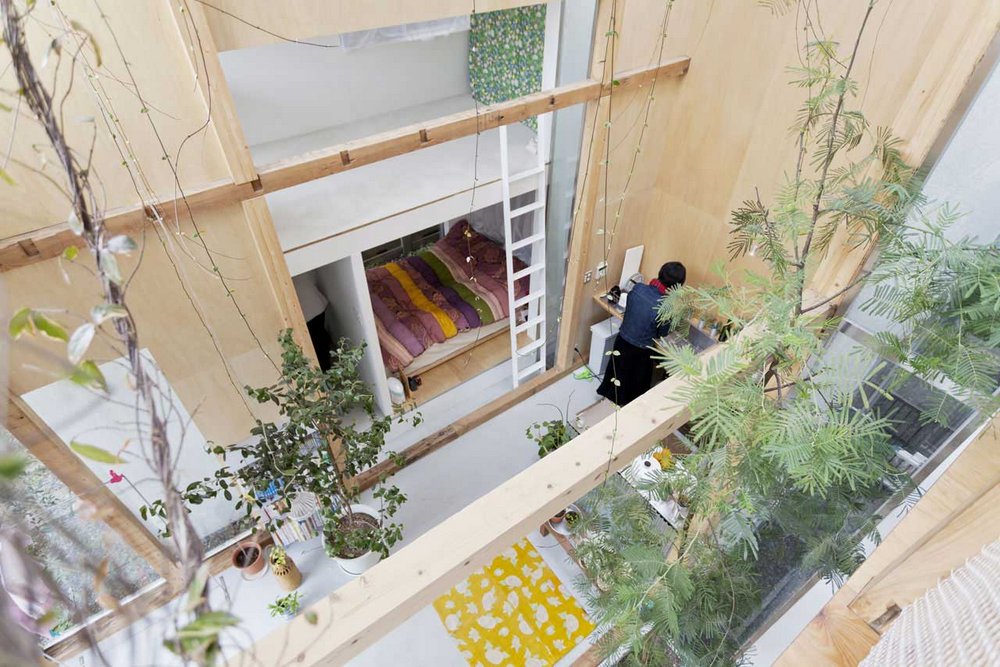
Working with the existing 2-story structure, the architects cut the home in half and inserted a floor-to-ceiling inner courtyard. Next to it they built a new bedroom and study, creating 3 separate units, each with their own outdoor area and each connected by one continuous room. Color me green with real-estate envy!

House-Komazawa-Park-Mico (6)

House-Komazawa-Park-Mico (4)House-Komazawa-Park-Mico (5)

House-Komazawa-Park-Mico (7)

House-Komazawa-Park-Mico (8)

House-Komazawa-Park-Mico (10)

House-Komazawa-Park-Mico (11)

House-Komazawa-Park-Mico (12)

House-Komazawa-Park-Mico (13)

House-Komazawa-Park-Mico (14)

source: yellow trace

Cineca | Sweets Inspired by Cinema

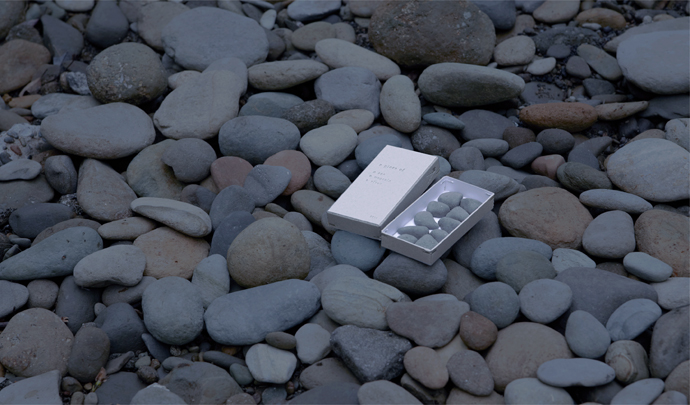
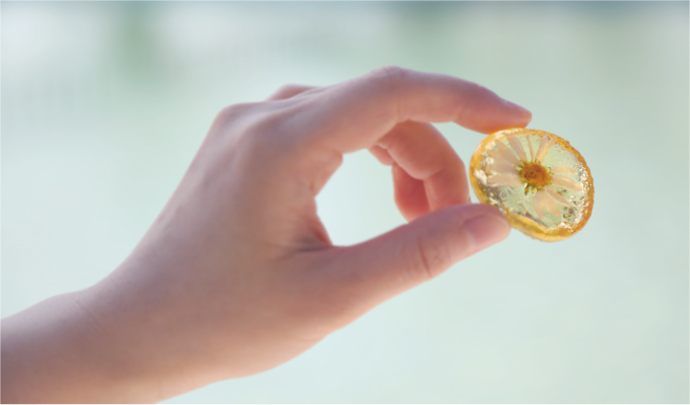
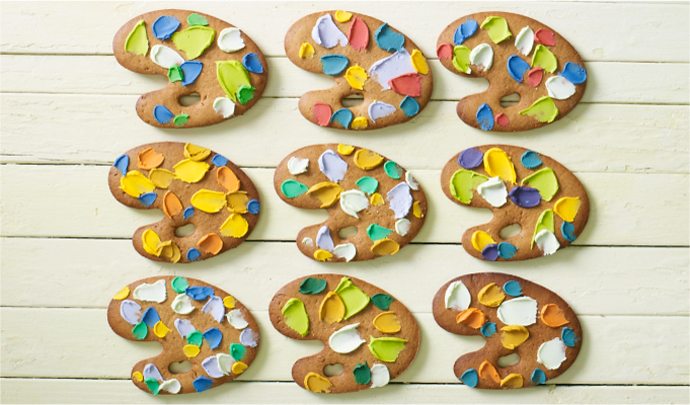
Just like wine and cheese, food and film have been a match made in heaven since people began going to the cinema. But taking the pair one step further is a Tokyo-based designer who goes by the name cineca. With a sweet tooth and a keen eye for cinema, cineca creates literal eye candy that’s inspired by unforgettable scenes of movies. The sweets are all made entirely from edible ingredients and each seem to have imbibed their own narrative.

Cineca’s sweets are currently on display at Rectohall in Shibuya (through 06.29.2014)

apieceof_05_

“a piece of” inspired by the 2007 film adaptation of “The Diving Bell and the Butterfly” directed by Julian Schnabel.

apieceof_04

apieceof_01


herbarium_03

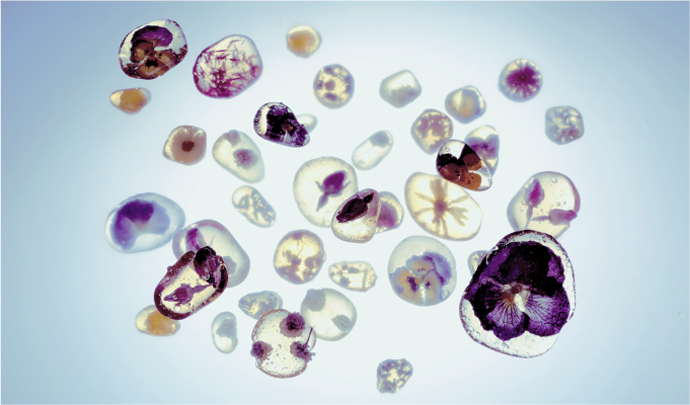
“herbarium” inspired by the 2007 Spanish film “In the City of Sylvia.”

herbarium_06

herbarium_09


palette_01

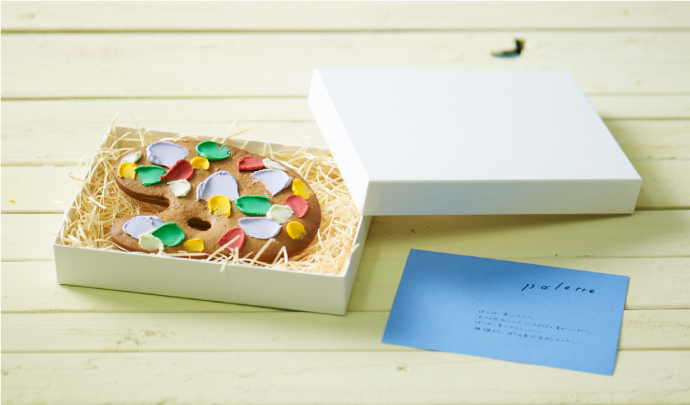
“palette” inspired by the 2008 French film “Seraphine.”

palette_04


palette_05


stone2

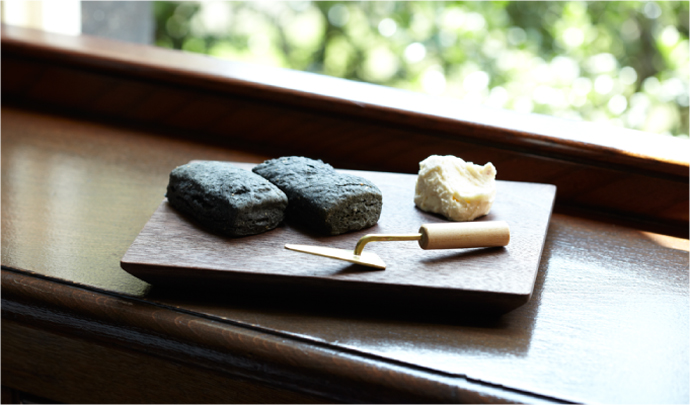
“stone” inspired by the 1987 film “The Whales of August.”

stone1


kalikali08

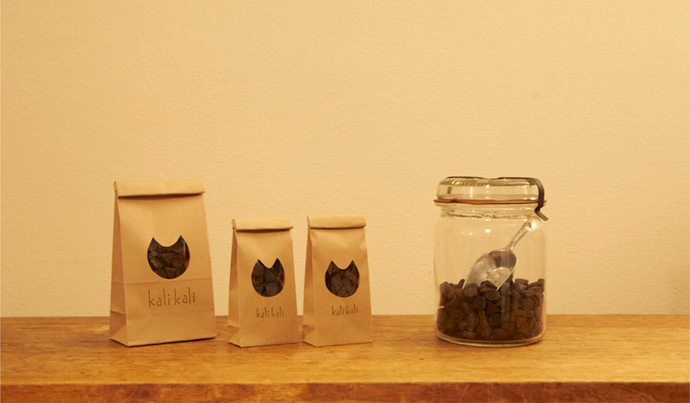
“kali kali” inspired by the 2001 French comedy “The Closet.”

kalikali01

kalikali03


06

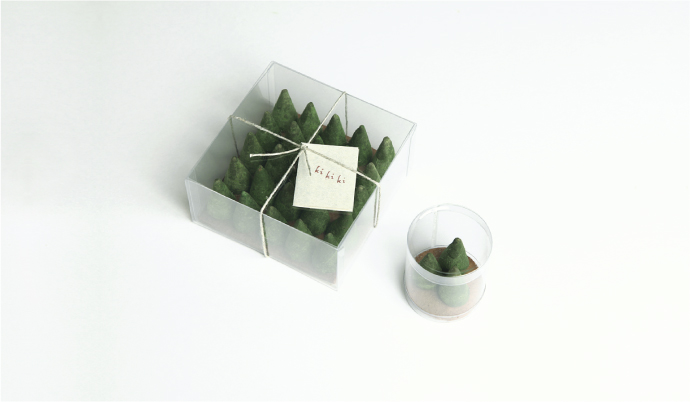
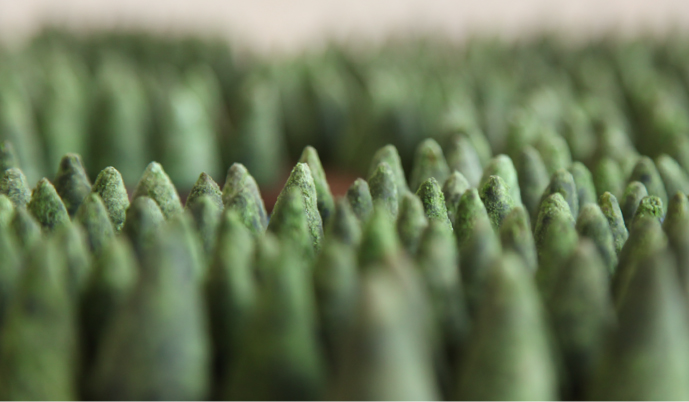
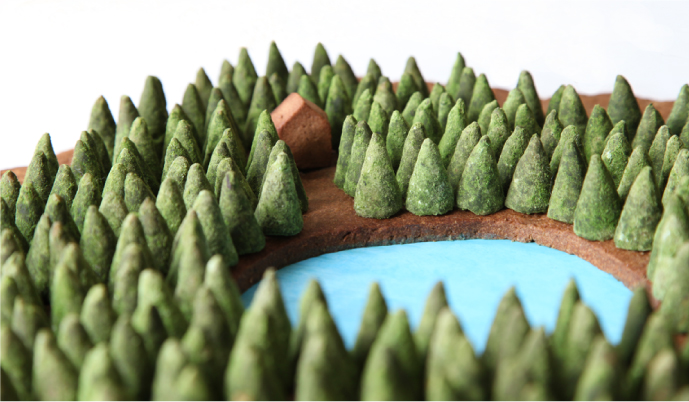
“ki ki ki” (tree tree tree) inspired by the 2007 Polish film “Time to Die.”

01 (1)

03

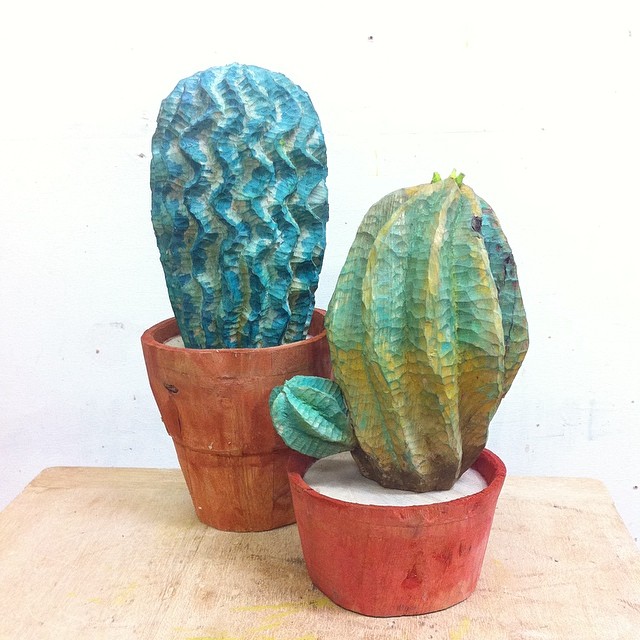
Potted Houseplants Hand Carved from Wood by Yuto Yamasaki

yuto-yamasaki-1

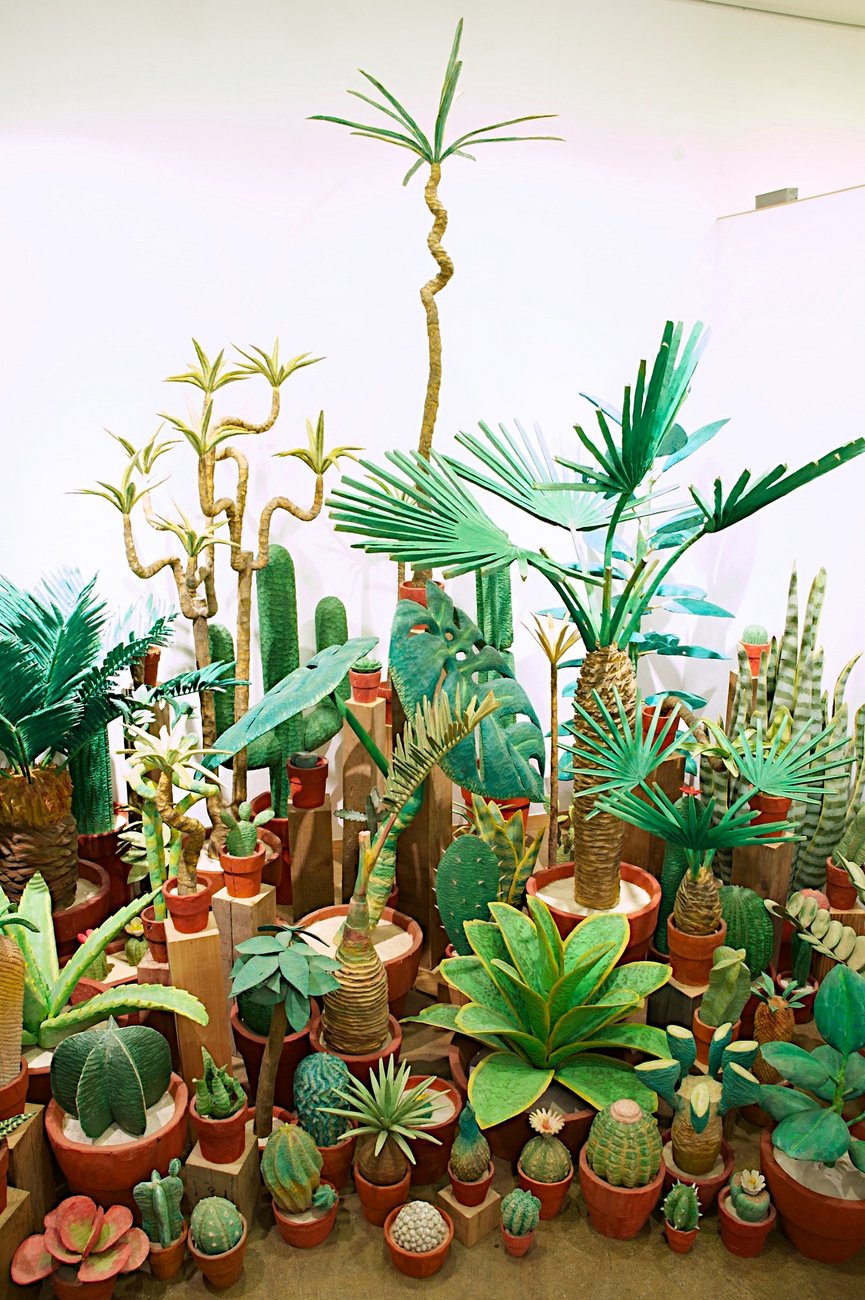
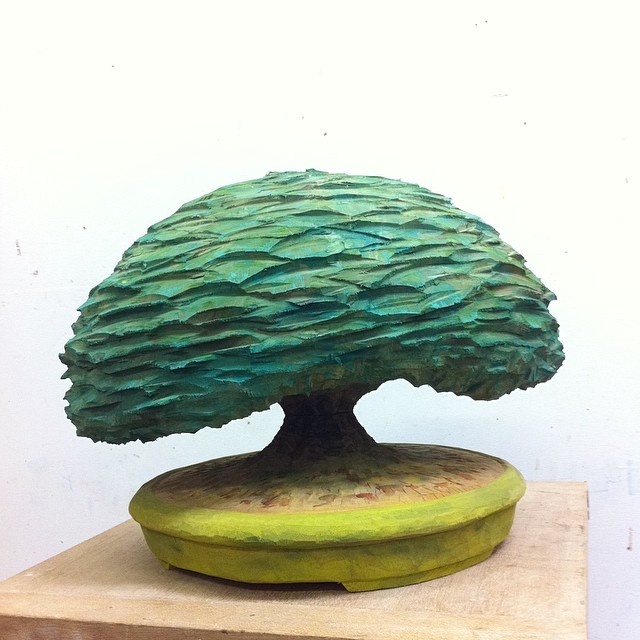
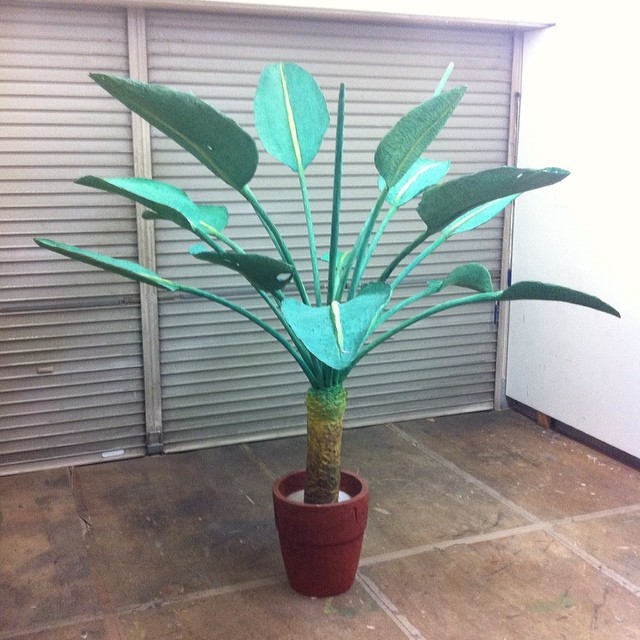
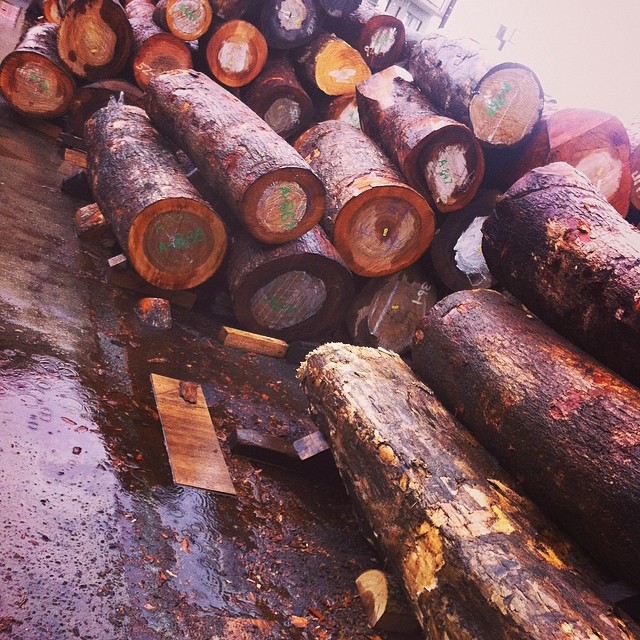
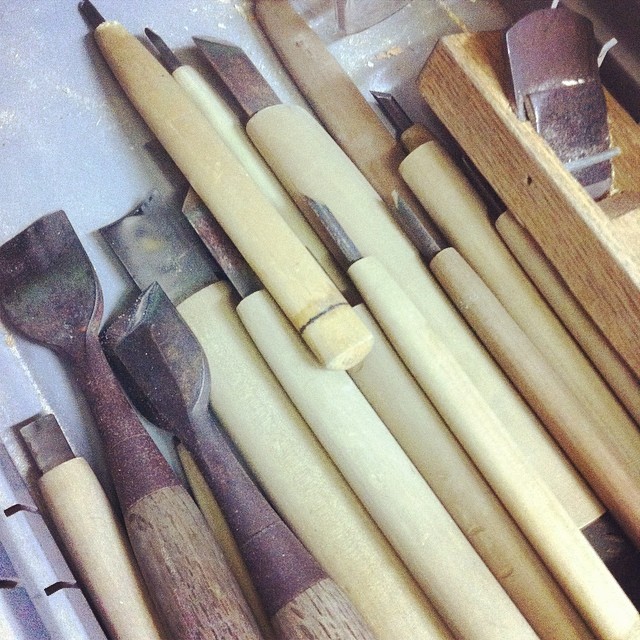
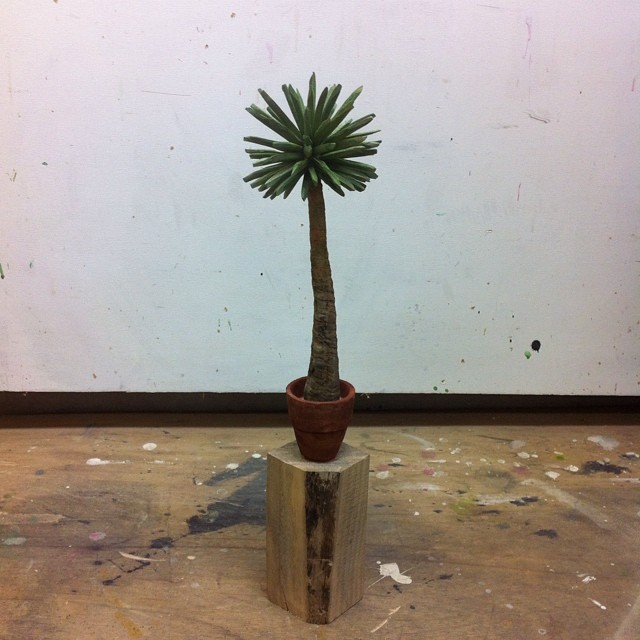
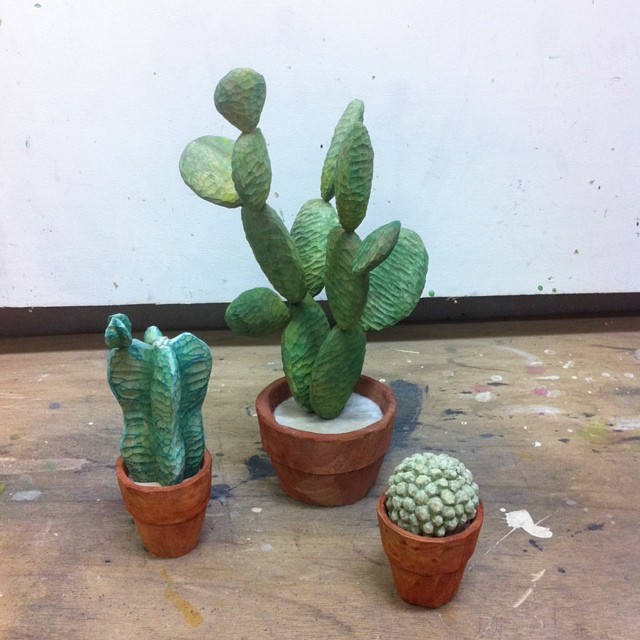
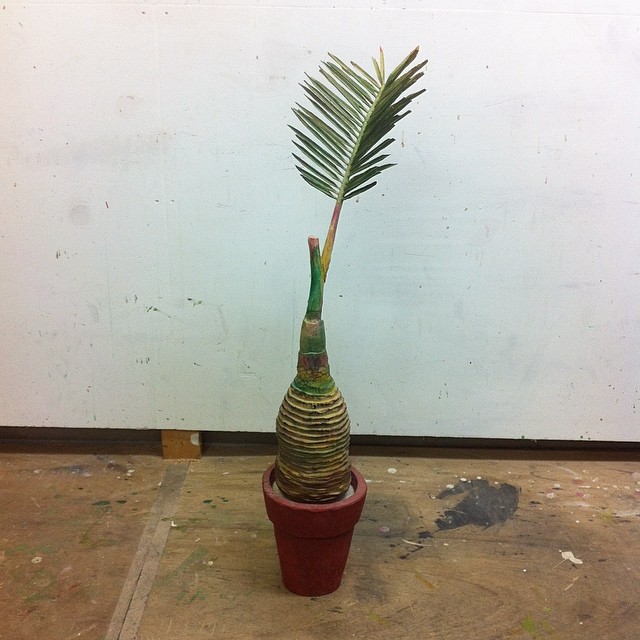
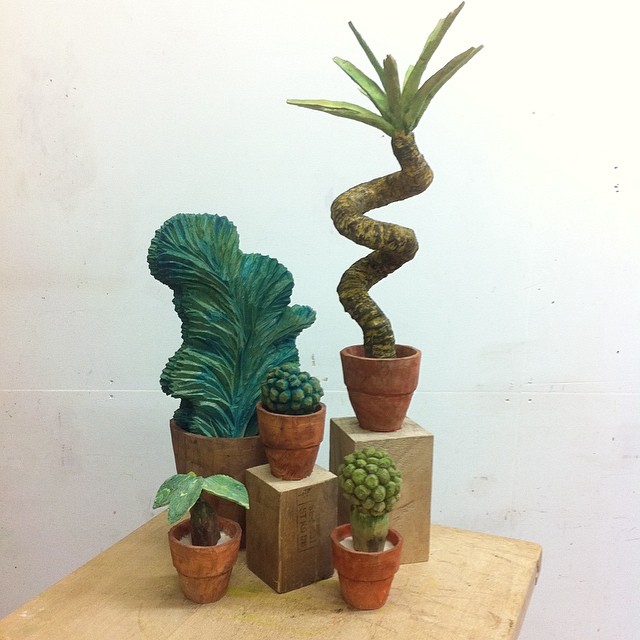
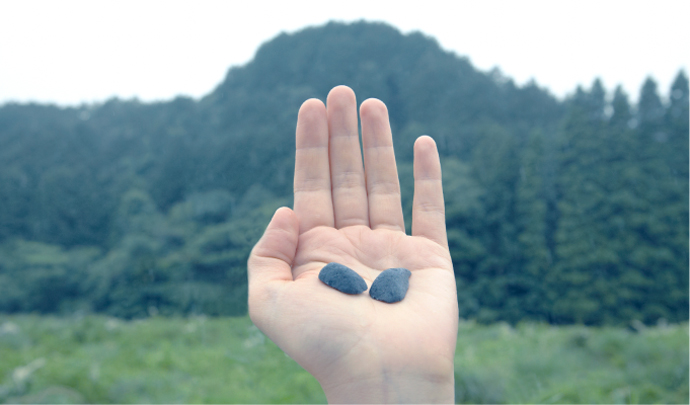
If you’re like me and somehow manage to kill every plant that comes into your home, these sculptures might be just for you. Hand carved by Japanese artist Yuto Yamasaki, the wooden plants start off as large logs, which are then chiseled away to reveal delicate leaves and succulent stems. A coat of paint is then applied to the wood, transforming them into lifelike potted houseplants.
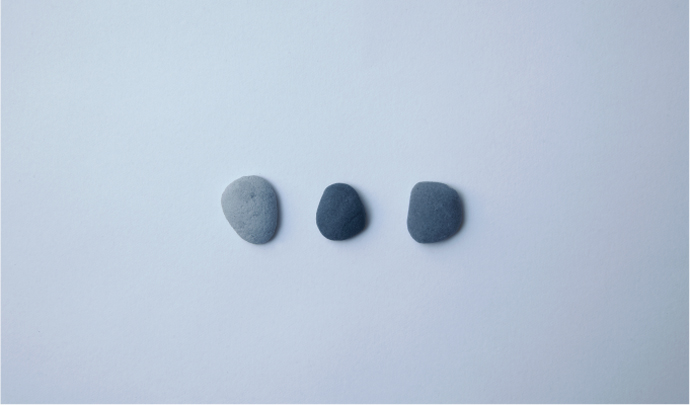
The 31-year old artist describes his work not so much as art but more as a meditative process. “Making art objects with my own hands, void of conscious thought, is a therapeutic and meditative experience,” he says. “The challenge is to put myself in a state where the materials make my hands move automatically.” Yamasaki just closed a solo exhibition in Kichijoji last week, but you can see more of his work and process shots over on his tumblr.
yuto-yamasaki-8

yuto-yamasaki-9

yuto-yamasaki-10

yuto-yamasaki-11


yuto-yamasaki-2

yuto-yamasaki-3

yuto-yamasaki-4

yuto-yamasaki-5

yuto-yamasaki-6

yuto-yamasaki-7

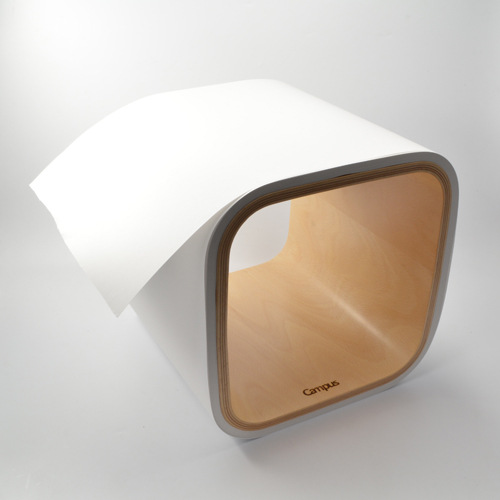
The Kokuyo Roll Table Provides an Infinite Canvas For Kids

roll-table (1)

image courtesy kokuyo

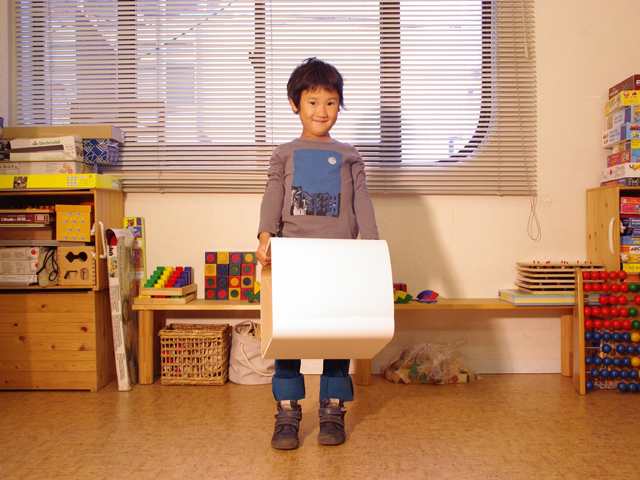
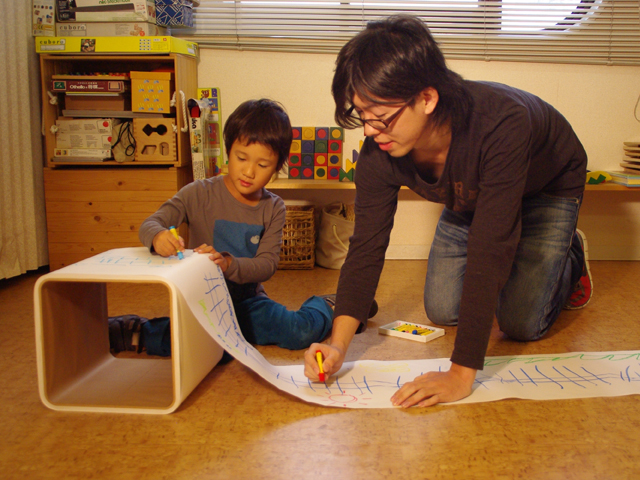
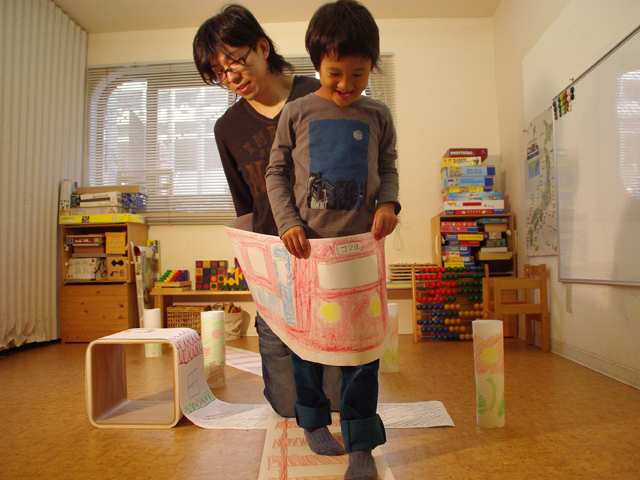
From a young age we are told to sit in a chair and draw on a table. However, what if the paper itself became the table? What if we were suddenly allowed to scribble on tables and floors? This is essentially the idea that Kobe Ishou Sourenjo (神戸意匠操練所), a group of 3 young designers, came up with.

The genius of Roll Table lies in its ability to transform a roll of paper into an actual drawing table. I know it sounds simple, but indulge me. While many art easels come with a roll of paper, it’s hidden from sight. By bringing it to the foreground and making the infinite qualities of a roll of paper more salient and perceptible – not to mention interactive! – Roll Paper manages to imbed a new dynamic into the act of drawing.

roll-table (2)

image courtesy kokuyo

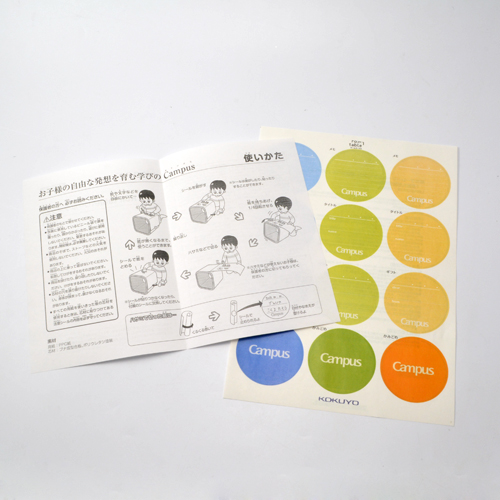
Since 2002, Kokuyo, purveyor of fine stationary supplies, has hosted an annual design award with varying themes. It’s actually one of my favorite awards in Japan and has produced some fantastic products. In 2011, the Roll Table took first place. The creators were given an award, as well as a promise that their design would become commercialized. After much tweaking and optimizing, it finally happened. Earlier this year Kokuyo produced a limited edition of 50 Roll Tables priced at around 17,000 yen (about $165). The initial run quickly sold out.

While we wait for the next run, the 2014 Kokuyo Design Awards are underway. In fact, the deadline of 6/30 is approaching. If you want to see your idea commercialized, head to their website and submit your proposal!

roll-table (3)

image courtesy kokuyo

rolltable07

image courtesy Kobe Ishou Sourenjo

rolltable08

image courtesy Kobe Ishou Sourenjo

rolltable09

image courtesy Kobe Ishou Sourenjo

rolltable10

image courtesy Kobe Ishou Sourenjo

Happy Talking | Art inspired by architecture

140503_hp_04

140503_hp_01

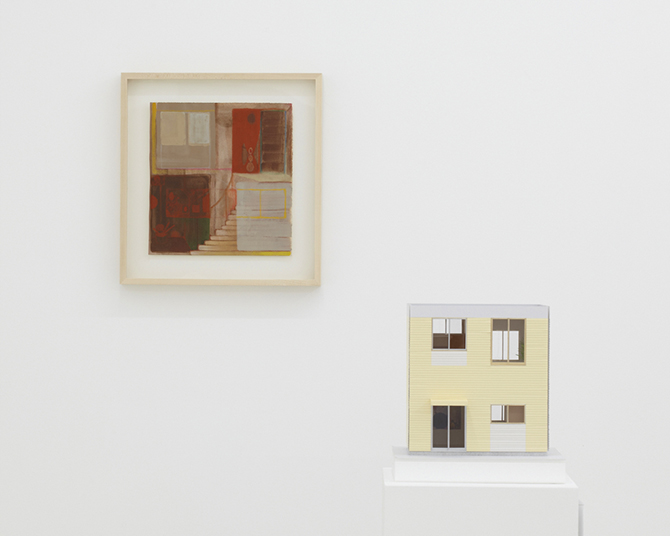
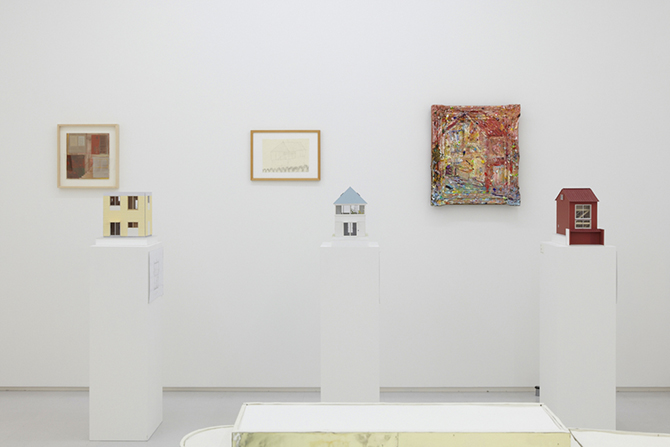
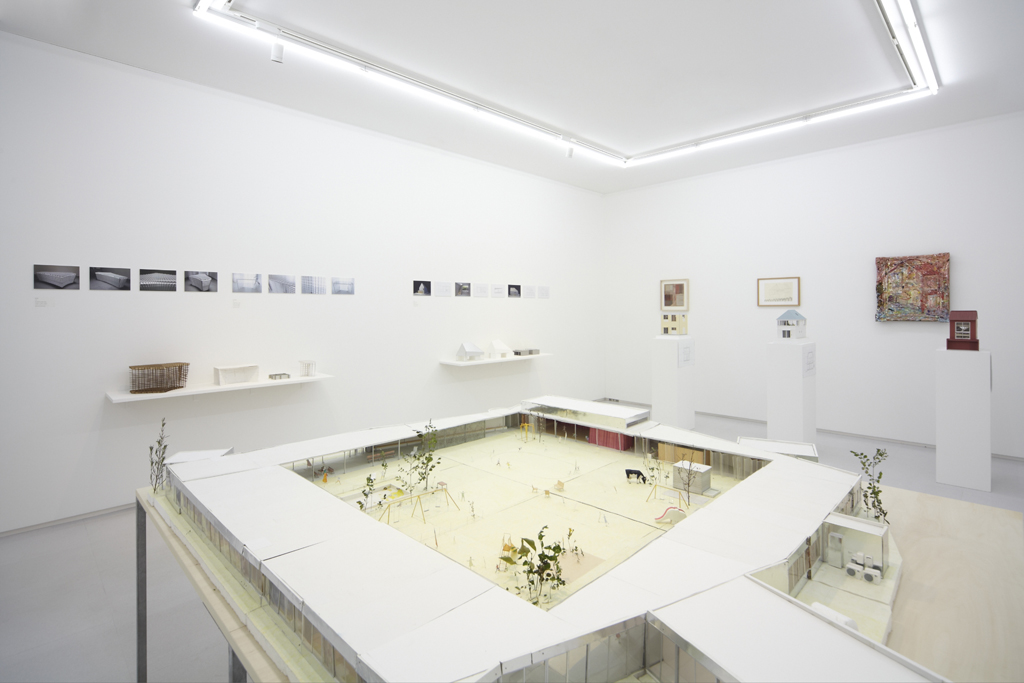
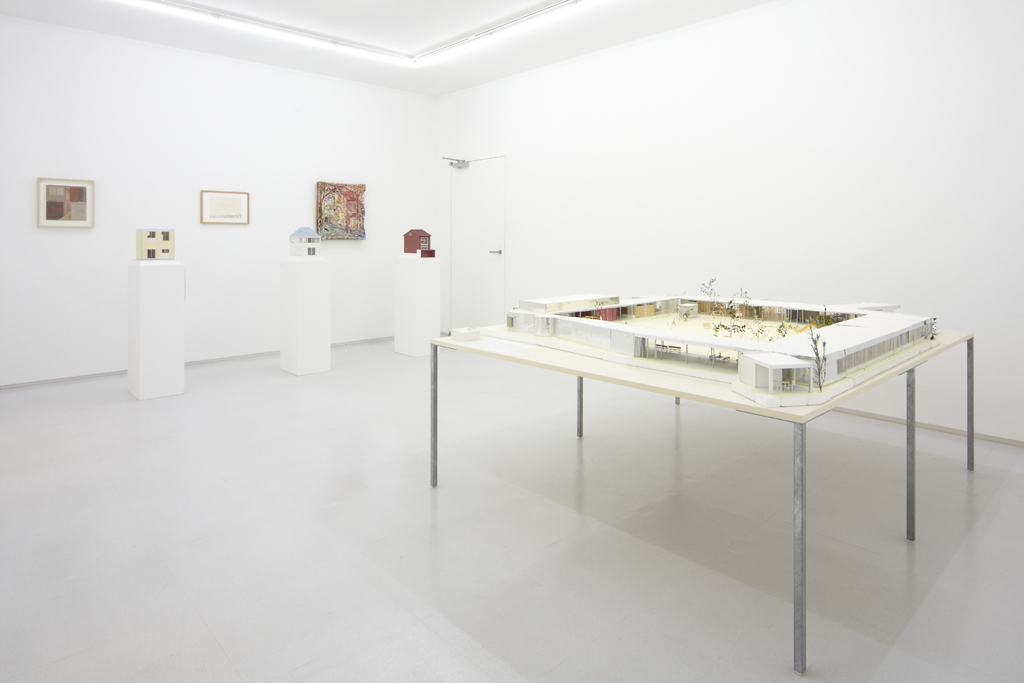
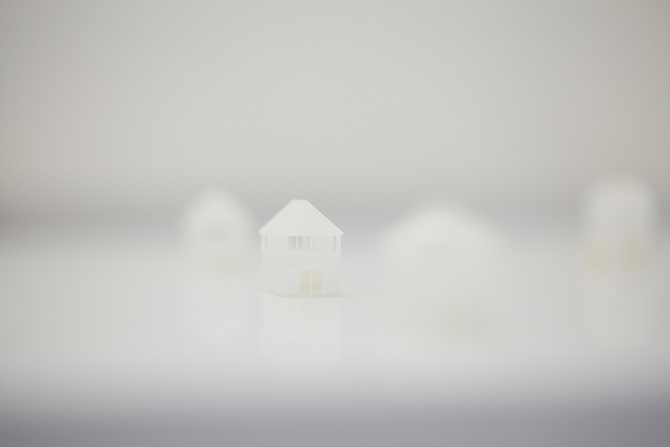
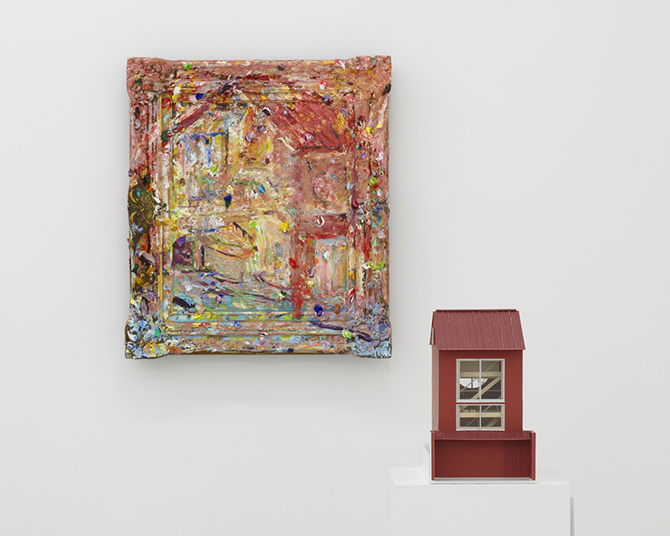
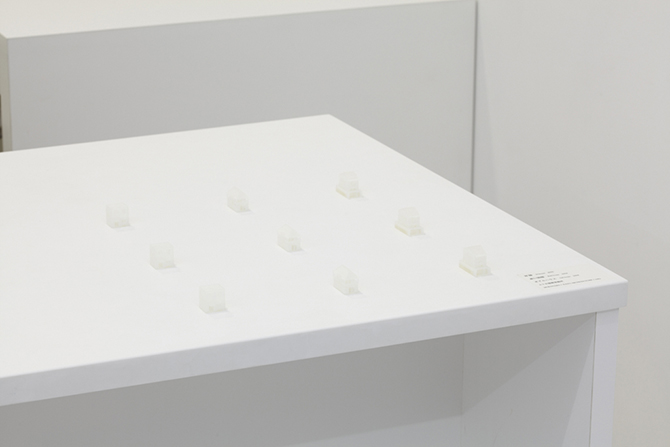
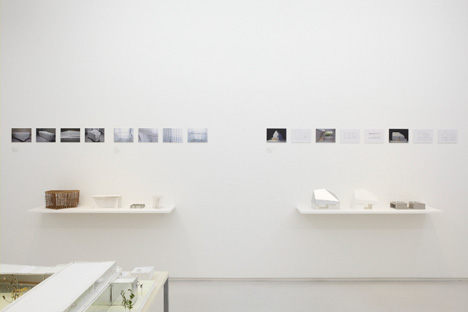
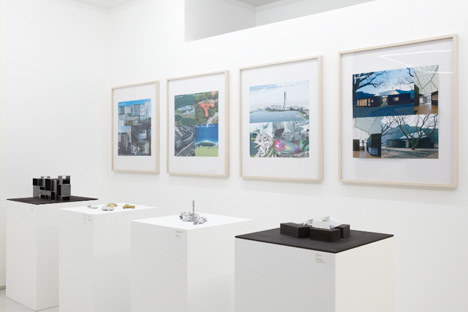
It takes a lot of planing to make great architecture. Among other constraints, it should feel comfortable to its inhabitants, integrated to its surroundings, and follow the laws of physics. Happy talking is an attempt to free architecture from these rules and to translate the presence of buildings to into other mediums: sculpture, painting and 3D printing. As each mediums has its own constraints, the exhibition’s intent is to have us think about buildings from a different perspective.

The exhibition, which took place in Shibuya’s Hikarie last month, featured buildings by four architectural firms from Japan: Shuhei Endo, 
Ippei Takahashi, Murayama + Kato Architecture and Kentaro Ishida. 

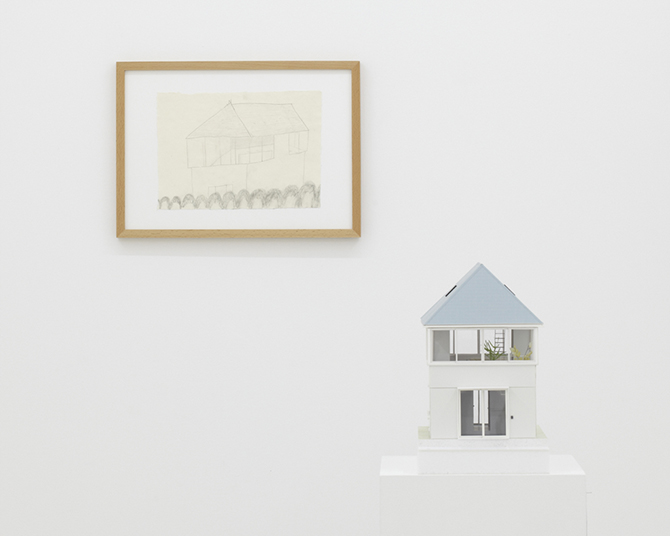
But in addition to your traditional scaled models of homes, the architects asked various artists to create works of art inspired by the homes.

The artworks helped us see a new side of architecture and opened the door for a new type of viewing, explained participating architects Murayama and Kato. We hope viewers will find themselves going back and forth between the architectural model and painting to eventually grasp a deeper, more personal meaning of what architecture is.

140503_hp_03

140503_hp_02

140503_hp_05

140503_hp_08

140503_hp_06

140503_hp_07

ht_8A_140417_007

ht_8A_140417_060

Yui Abe’s Grotesque Rendering of Thomas the Human Tank Engine

yui-abe-thomas-tank-engine (1)
yui-abe-thomas-tank-engine (2)

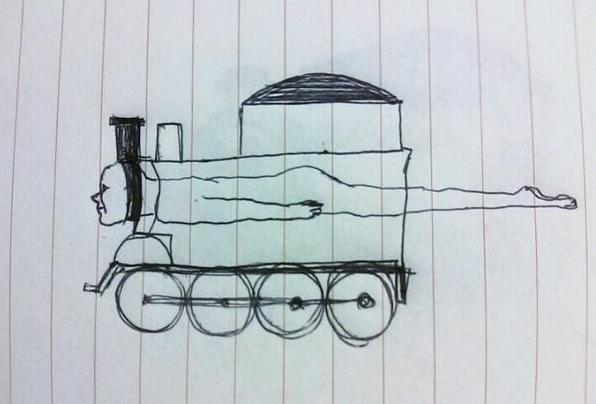
Back in April, painter and illustrator Yui Abe was going through her old notebooks when she came across a rather intriguing image. It was a drawing she had done many years ago – apparently she has very little recollection of any context – that features a man inside Thomas The Tank Engine. The grotesque image was so striking in its utter disregard for the original, lovable talking train, that Abe decided to post the disturbing drawing to twitter. The image, which is accompanied by the rhetorical question, what was going on inside me when I drew these, quickly went viral. While we don’t know what was going on inside Abe’s head, we do now know what’s actually inside Thomas.

Continue reading

Japanese Traffic Sign Earrings

aquvii_traffic_pierce1

Getting your driver’s license in Japan is quite an ordeal. Not only is it expensive and time-consuming but there’s a whole bunch of rules and traffic signs you’ve probably never heard of. To familiarize yourself with some of the iconography of Japanese roads you may want to pick up a pair of these traffic sign earrings. Produced by Toumei, a shop that specializes in all things see-through, the earrings come in 4 different series, each defined by a similar color. They were designed by Kyozo Kawabe and retail for 2,400 yen. Talk about fashion that will make you stop and look!

aquvii_traffic_pierce_1

aquvii_traffic_pierce_3aquvii_traffic_pierce_4

aquvii_traffic_pierce_5

A designer’s take on traditional Wagashi sweets

hitohi

DA_0489_

Wagashi sweets have always been an art form as much as a culinary treat – they come in different colors and shapes throughout the year, matching the season’s natural features such as red maple leaves or cherry blossoms. But instead of following the seasons, designer Kotaro Watanabe chose to have his Hitohi (one day) wagashi change with the time of the day. The result of his collaboration with Toraya, a renowned wagashi maker, is a set of 5 confectionery representing 5 patterns of light found thorough the day.

But the sweets are not only beautiful – they come with nutritional benefits too. Watanabe is part of a design studio called The Future Laboratory, and to make his project an inspiration for the food of the future, each of the 5 sweets contains specific nutriments needed for the time of the day they will be consumed.

DA_0505

Daybreak (Akatsuki). Rice paste on the outside, bean paste inside. Sacharides and minerals help the body produce neurotransmitters for one day.

mbu0109ss


mbu0123ss

Respite (Ikitsugi) – granulated sugar and glutinous starch syrup. Stimulates the stomach before lunchtime generate energy to continue with work or studies


DA_0575

Meridian (Hiru-tsukata) – white sugary foam and clear crystalline gel. “Sleepiness can be shaken off by consuming a snack with an appropriate amount of sugar after the lunch”


mbu0126ss

Afterlight (Yu-tsukata) – ginger-flavored foam candy. “Expresses a sea of clouds lit by the setting sun”

DA_0616 (1)


mbu0078ss

Beaconing to Slumber (Izana-i), contains anise to relax the mind after diner. It captures “the faint light barely seen from around the new moon”.

DA_0624


Images by Takashi Mochizuki

Nekozushi | an absurd combination of cats and sushi

nekozushi_b

“Happiness and the absurd are two sons of the same earth,” said Albert Camus. “They are inseparable.” Indeed, absurdity does have a way of instilling happiness in us. Take, for example, Nekozushi, the brainchild of Japanese company Tange & Nakimushi Peanuts (a name that’s equally absurd).

Continue reading

Explosive Sticker Art by Kigi

kigi-implosion-explosion (1)

You may not be familiar with the name but perhaps you’ve seen their work? Kigi is the design agency of Ryosuke Uehara and Yoshie Watanabe, the creative duo behind the D-Bros label, as well as many other projects. One of their ongoing creative series is a body of work titled “Implosion – Explosion.” Deconstructing an image into numerous colors and dots (an implosion), it’s then put back together using polka dot stickers. The resulting image has an explosive, barely-recognizable quality to it that emerges only from the broadest view.

If you like this style be sure to check out Yukino Ohmura’s cityscapes of Tokyo made from stickers.

kigi-implosion-explosion (7)

kigi-implosion-explosion (8)

kigi-implosion-explosion (9)

kigi-implosion-explosion (2)

kigi-implosion-explosion (3)

kigi-implosion-explosion (4)

kigi-implosion-explosion (5)

kigi-implosion-explosion (6)

« Older posts Newer posts »

© 2026 Spoon & Tamago

Up ↑

Design by Bento Graphics