Page 331 of 406

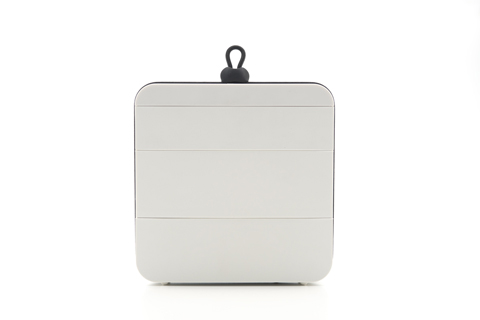
Ojue bento box from Metaphys

Japanese industrial designer Chiaki Murata’s design firm Metaphys recently announced their latest product design: a snazzy new lunchbox named Ojue. The concept is actually quite revolutionary.
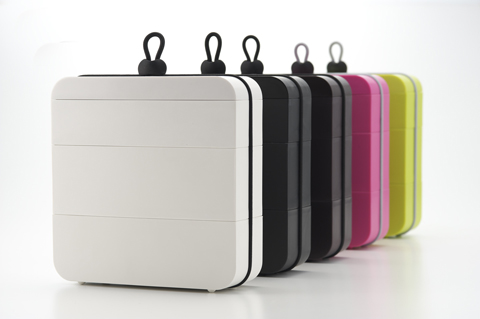
Your typical bento box looks like this (in fact, mine does too, except it doesn’t have ballerinas on it); horizontally-orientated with a large base. However, all my shoulder bags look like this; vertically orientated, and rightly so, to accommodate objects like books and notepads. So when I stuff my horizontal bento box into my vertical shoulder bag it’s not only uncomfortable, but looks lopsided and ugly.
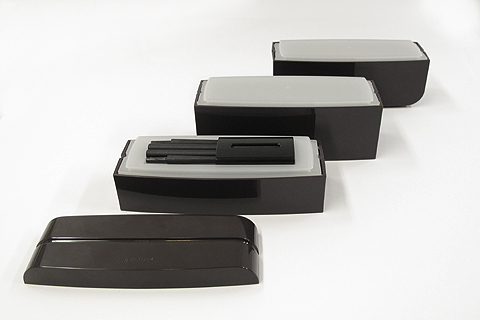
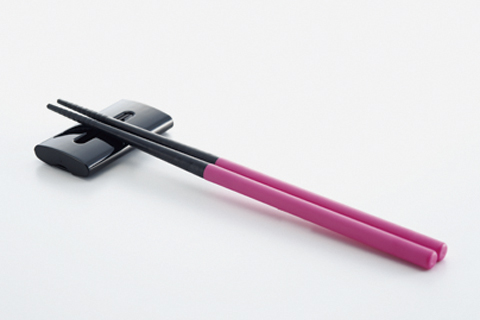
So Ojue (2,800 yen, including the chopsticks) is a welcomed addition to the array of selection when it comes to bento boxes. It includes 3 stacking units that “can be freely combined depending on appetite and physical condition, based on the idea of providing ‘vertical flexibility.’ ”

Take that, old bento box!

Related:
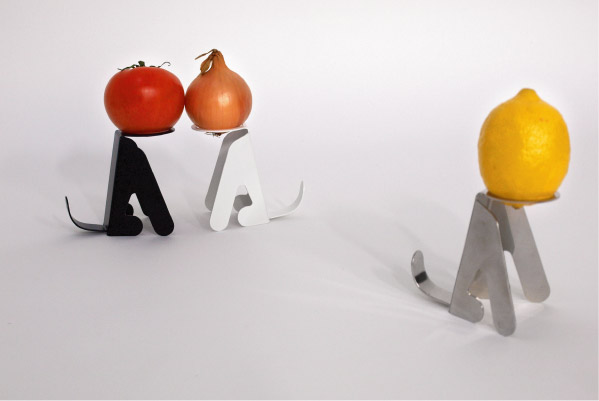
Waiting | fruit stands by Masakazu Hori

These are adorable!

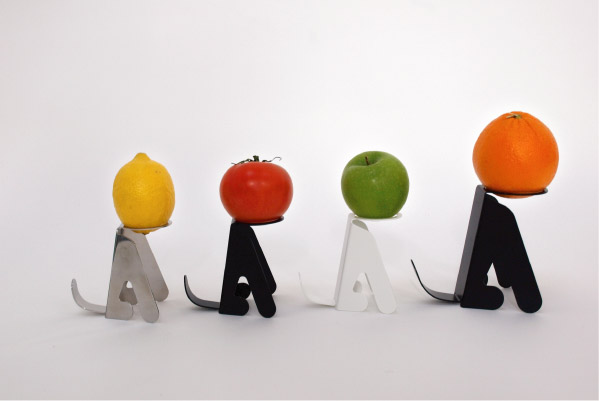
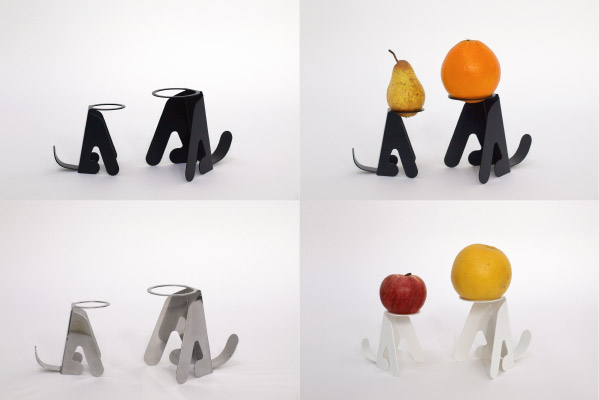
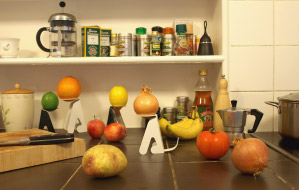
Japanese designer Masakazu Hori was kind enough to send over pictures of some of his work he recently showed at Milan Design Week. I think my favorite is “waiting,” a stainless steel fruit (or veggie) stand. They are so cute and remind me of those obedient doggies patiently waiting outside a store for their owner to come back.

After receiving a degree in Industrial Design in 2004, Hori spent four years working as an in-house designer for a leading pet products company in Japan. He established his own office in 2008 and is currently based in Dublin, Ireland. He is an avid pet lover and the influence obviously shows through in his work.

Check out the rest of his portfolio!

Glassmic Vase by Norihiko Terayama of Studio Note

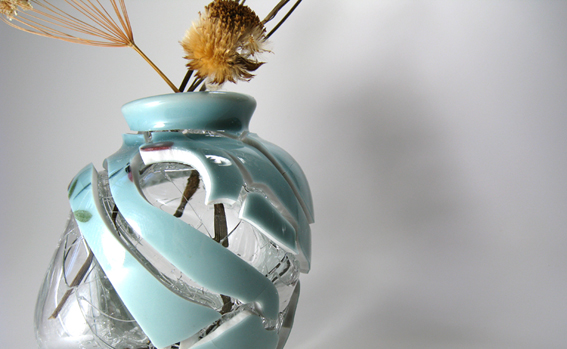
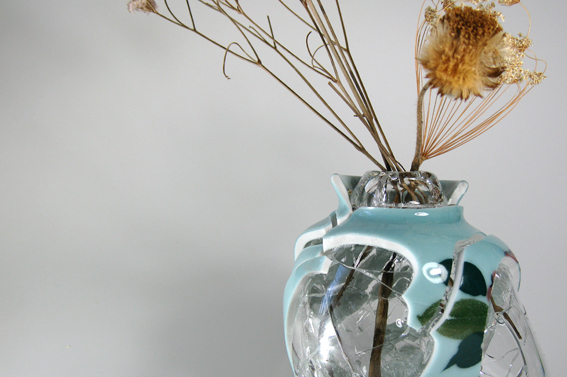
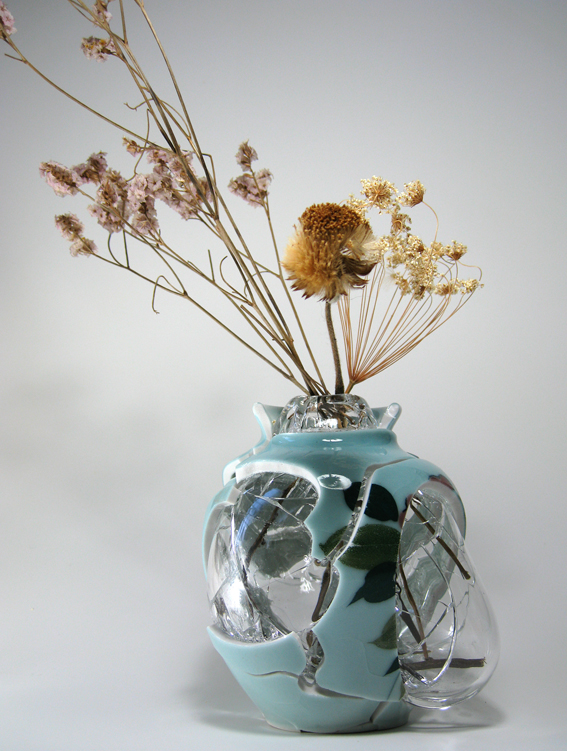
Furthering his explorations into the destructive capabilities of ceramic and glass, Norihiko Terayama, of Studio Note, has created “Glassmic Vase.”

To me, this vase possesses so much energy that I can’t decide if it looks like it has been put back together, or if it looks like it is about to implode.

Related:

Twotoo by Norihiko Terayama of Studio Note


click images to enlarge

There is a certain Japanese aesthetic that values the incorruptibility of destruction. Sen no Rikyu, the great tea master, believed that the gates of creativity – in its purest form – only open by resisting and destroying existing concepts engraved by our predecessors.

As Japanese designer Masayuki Kurokawa pointed out in his “Eight Manifestations of the Japanese Aesthetic,” “ [destruction] is considered to be a device that interrupts (destroys) the current flow and permits a major leap forward. The idea is that life forces are stimulated by defiance and are realized precisely through the process of destruction.”

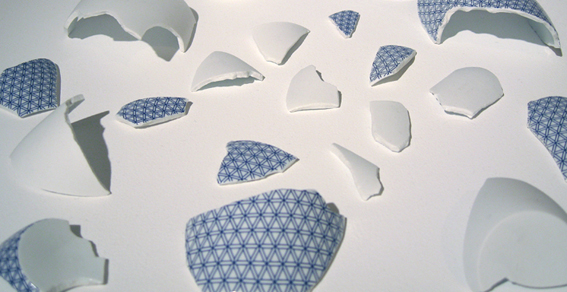
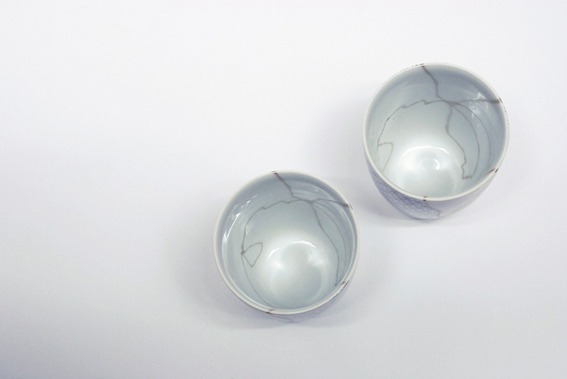
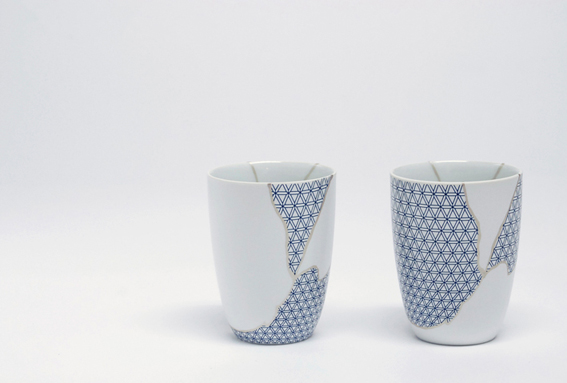
Fast-forward to 2010. Norihiko Terayama, of Studio Note, in my opinion, is a designer who often embraces this concept, leading him to create beautiful objects based on the fleeting, destructive cycle of nature (see “related” below). His latest work is Twotoo, a pair of tea cups that have been revived using “tsunagi” (or bonding), a method commonly employed to repair broken ceramic dishes. The silver and gold lines that run throughout the piece, serving as evidence of where the ceramic bond broke, writes Terayama, often results in a deep attachment that surpasses the beauty of its previous form.

Related:
Bookend Table by Homeswork


photos by takumi ota

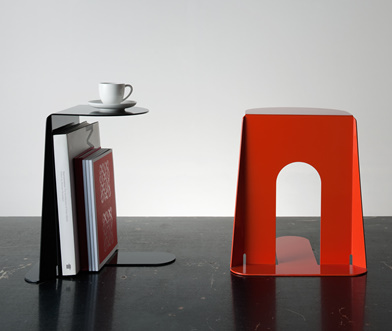
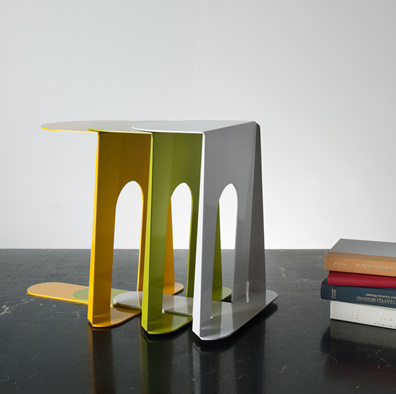
Homeswork is the new collaborative design unit between Drill Design (comprised of Yoko Yasunishi and Yusuke Hayashi) and architect Keiji Ashizawa. While, for obvious reasons, their portfolio is still scarce, I’m loving what I’m seeing. The Bookend table is made from a single sheet of iron that was then folded and cut. I think it would look great on a desk or even on a floor.

Related:
Denden by Masahiro Minami


click images to enlarge  | above courtesy of masahiro minami

One of the centerpieces of my imagination as a child were Denden. The curiosity they would provoke, as they oozed up the side of a wall leaving a sparkling layer of slime behind them, tickled every developing sense I had.  They followed rainfall like rats followed the pied piper, never once disappointing my expectations, which – admittedly – more often than not ended tragically for the snail.

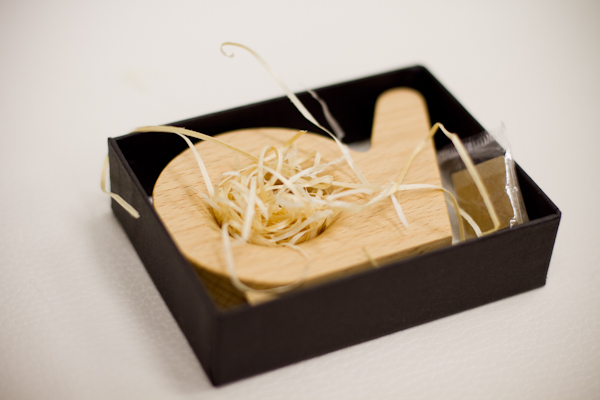
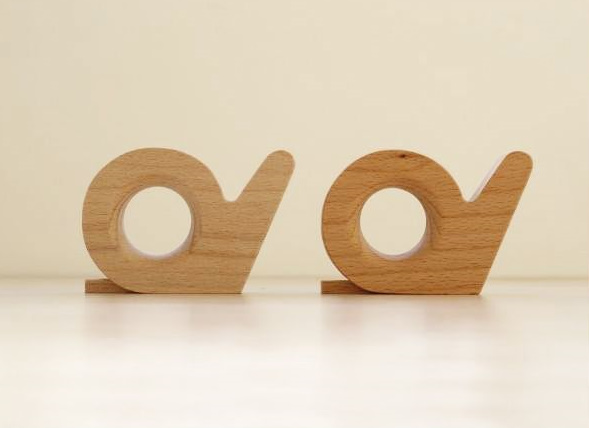
Denden is also the name given to these beautiful wooden hooks that mimic the wall-climbing motion of their model. Having a hole and a hook is such a great idea, and would work in any kids room. It was designed by Masahiro Minami and made from all-natural Beech wood.

The word denden originated from one of many games children would play with snails in which, essentially, kids would shout “derodero” (meaning come out, come out) in hopes that the snail would poke its feelers, and then its head, out.

By the way, next week is children’s day. To commemorate, they are taking 20% off, which gets you to 2,879 yen.

Aya Koizumi | Artist


“The inside of a scab” (2008) – click images to enlarge

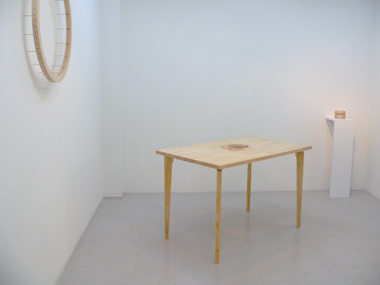
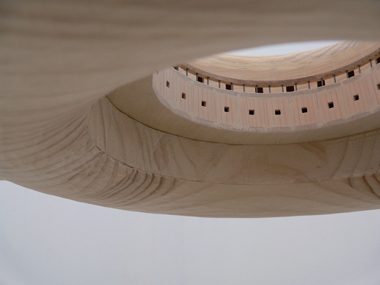
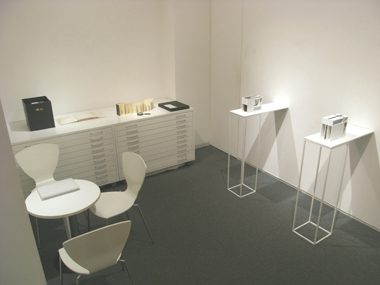
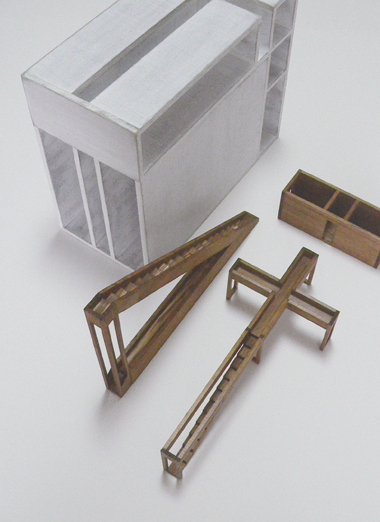
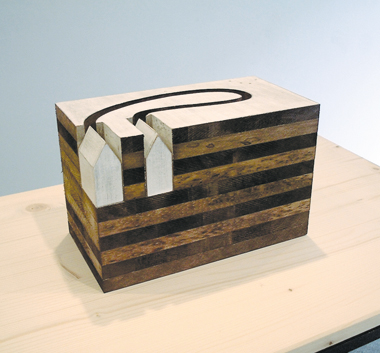
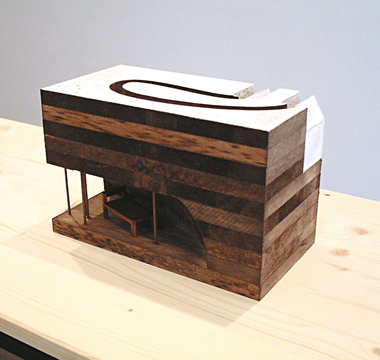
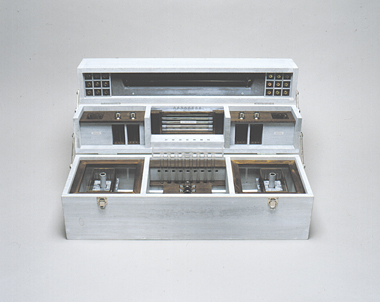
Meet Aya Koizumi, a 29-year old sculptor with a vast portfolio of intricate, intimate installations (try saying that 3 times fast). Up until now she has remained largely under the radar due, primarily, to the fact that, up until last week, she didn’t have a website. But now that has changed and her curious creations have been opened up for all to admire.


“Room next to mine” (2009)

Aya Koizumi received her BFA in Scenography, Display and fashion design from Musabi. Upon graduation she immediately began showing her work, beginning with Gallery Tsubaki. She continues to actively exhibit in galleries across Japan.


“My home” (2003)

There is something very nostalgic about her work, and the titles of her work. Perhaps as children we dreamed up the abstract ideas that Koizumi has so eloquently translated. Her work conveys a certain sadistic warmth, a combination that perhaps only exists within the innocence of a child.


“Device to catch a bird” and “Device to catch a closed idea” (1994)

TUNEMOUNT | Bicycle mount for your iPod

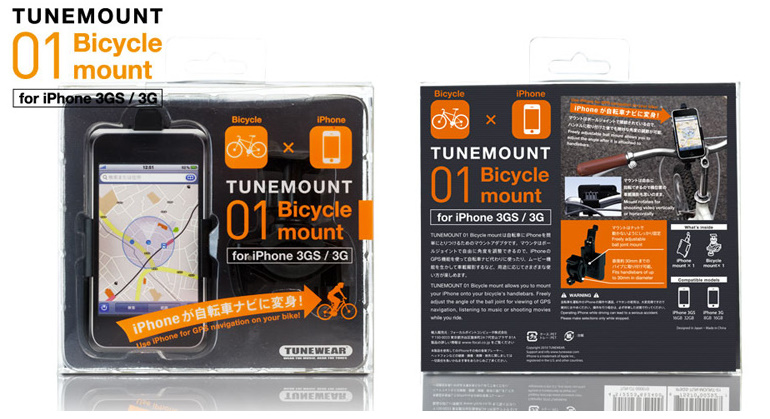
Continuing on my search for iPhone accessories, I came across this neato bicycle mount (3,480 yen) that was designed by Focal, a Japanese company specializing in accessories of iPhones, iPads, etc. Now I can use my iPhone as a navigation device even on my bicycle! Apparently it was just released this week.

This took the wind out of my sails a bit, but I found it hard to believe that this kind of product wasn’t in existence. And sure enough, amazon has it for just $7.43

2501 by Sekino Architects


click images to enlarge

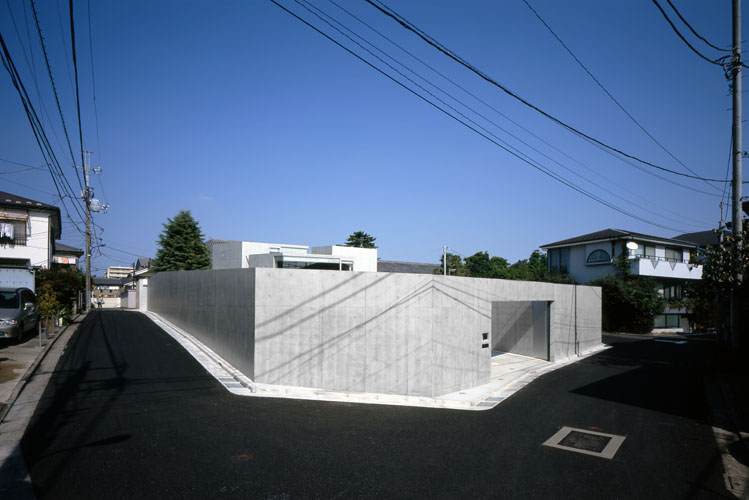
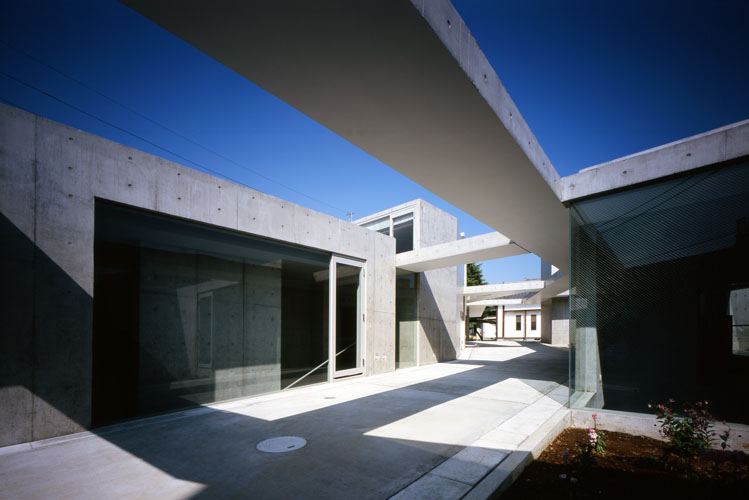
Last month Akiko Sekino, of Sekino Architects, launched their website. And although they currently have only one project showcased.


I love the luxurious use of space and volume.

You know what? There are too many images…
more after the jump Continue reading

Food for thought | intelligent design

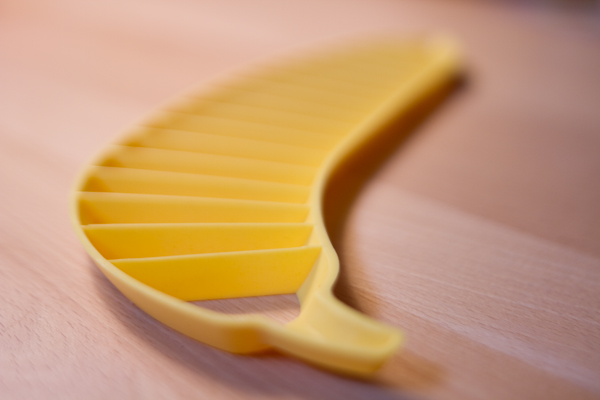
A professor of design once explained to me that bananas are the most sophisticatedly designed fruit, for the following 3 reasons:

1) knob at the top and directional fibers for maximum peeling ease
2) skin acts as a glove so hands never need to touch the fruit
3) no seeds
It’s a design that screams “eat me!!”

Have a nice weekend.

via masahiro minami

« Older posts Newer posts »

© 2026 Spoon & Tamago

Up ↑

Design by Bento Graphics