Page 330 of 406

Air Vase by Torafu Architects


photos by Satomi Tomita.

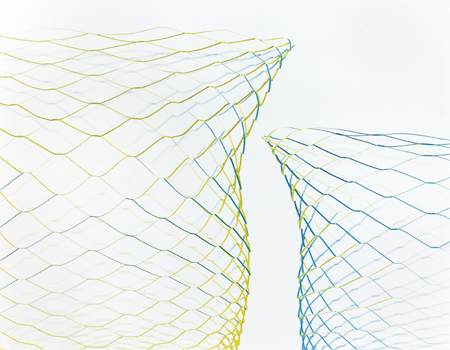
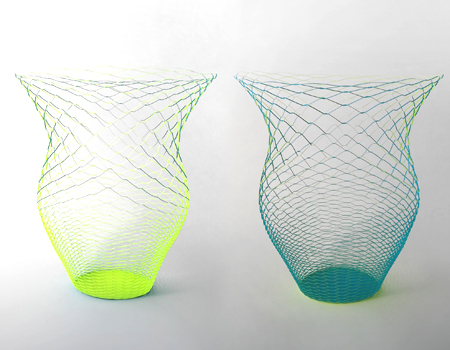
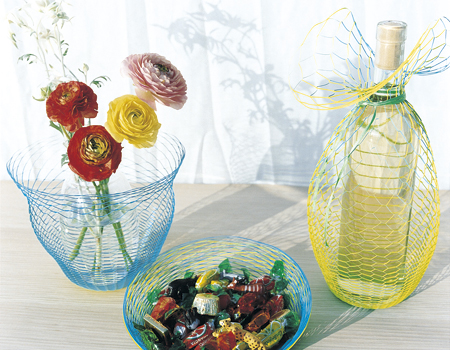
Back in March Torafu Architects’ Air Vase debuted on dezeen to high acclaim. The highly versatile paper vessel, manufactured by the gods of paper, also known as kaminokousakujo, can be stretched and sculpted into a plate, vase or bowl. And now it is officially available! (1,260 yen for a set of 3)

You can watch a slightly intimidating video below to see how the vessel, which starts out as a flat disk, is sculpted into a preferred shape. What is beautiful about the vessel is that it has multi-colored sides, which change depending on your vantage point.

Related:

kids room ideas to steal NOW

Late last year – actually it was December – Elle Deco magazine published a great issue on kids room designs. They covered a vast array of styles and themes (color, texture, vintage) and also showcased some great homes of designers including Richard Hutten, Gwenael Nicolas and Araki Midori. I picked up a copy and I was so delighted with the images that I scanned them in for easy access to inspiration.

So, now that the publication is no longer available on Amazon.jp I want to offer the images my readers. If you are interested in receiving a zip file with tons of inspiration for kids rooms, leave a comment below (and an email address) and I will blast everything out  maybe over the weekend.

Related:

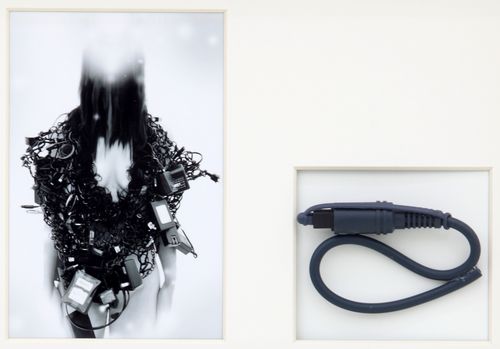
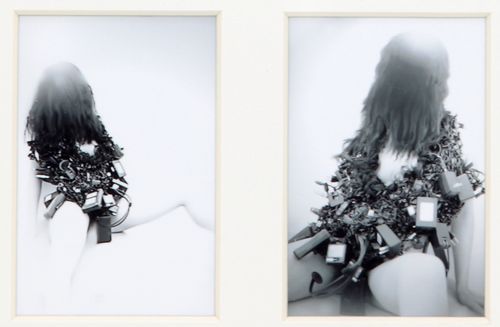
Codelace record 2 by Kosuke Tsumura

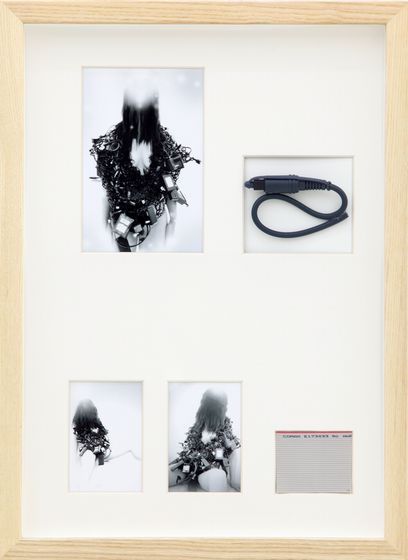
In his first solo exhibition since 1993, established artist and fashion designer Kosuke Tsumura exhibited a series of fabrics hand-knitted from industrial waste of the information technology industry; namely LAN cables and plugs. Tsumura is known for his environmental works, which often incorporate the recycling and reusing of materials. In 2005 his “Final Home 44-pocket parka” (1994) was featured in MoMa’s exhibition, “Safe: Design Takes on Risk.”

The works from MODE less CODE, which were shown at Nanzuka Underground in February of 2010, have been repackaged into multimedia collages and are currently available at Azito ($570). My favorite piece, “Codelace record 2,” is pictured.

And as an added bonus, Tsumura’s Tokyo apartment was recently featured in the Selby. Although, in my opinion, overall the shots were a bit lackluster.

Conceptual Fashion | Wideshortslimlong by anrealage

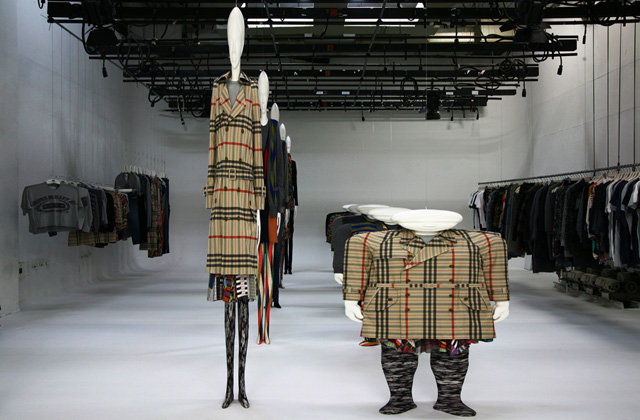
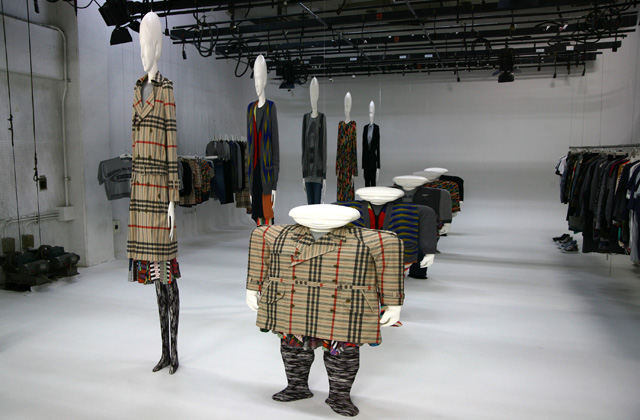
Conceptual Japanese fashion designer Kunihiko Morinaga, who is better known as ANREALAGE – a combination of the words “real, unreal and age” – debuted his 2010-11 Autunm/Winter collection in Tokyo last month. And before you tell me that I totally messed up resizing my pictures, read on.


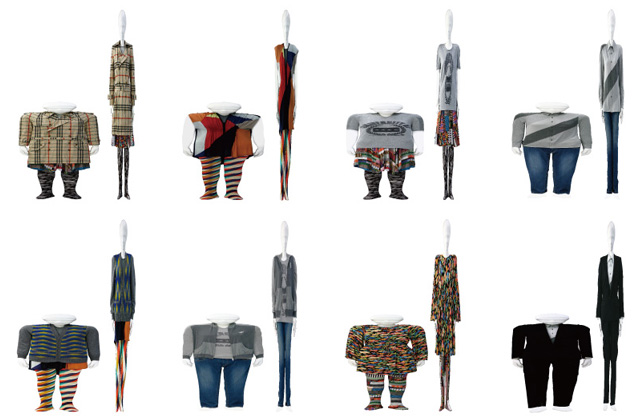
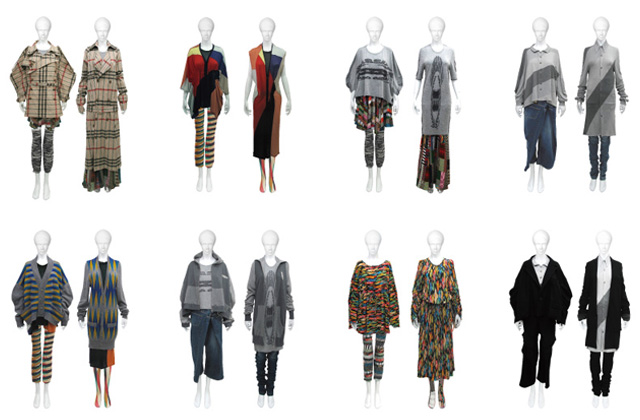
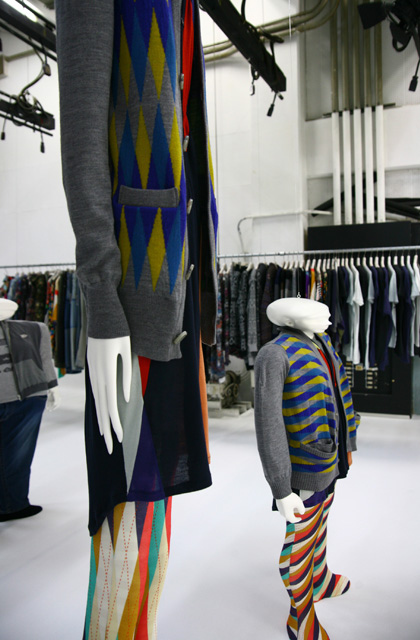
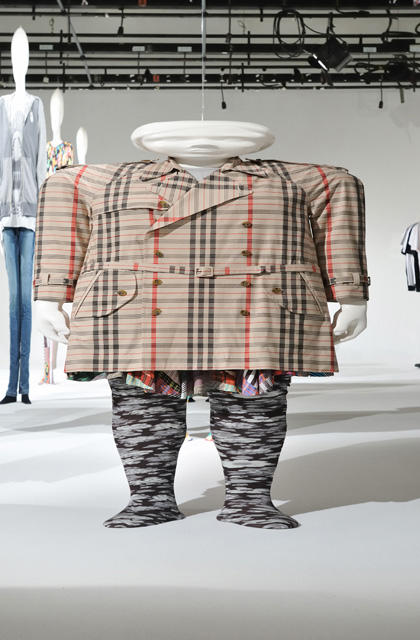
Titled Wideshortslimlong, the collection consists of several distorted outfits that look like they stepped in front of a carnival mirror.

wideshortslimlong by anrealage 3

For this particular collection, which comprises everything from t-shirts and jeans to dresses and pants, the designer worked with 2 spokes; a wide-short spoke and a slim-long spoke. The wide-short distorts the average height of a Japanese person by 250% (width) and 70% (length), while the slim-long distorts by 80% (width) and 150% (length).

wideshortslimlong by anrealage 4

You can interpret the collection as you please – humorous attempt to redefine clothing or angry assault on the fashion industry for trying to categorize every person into a S M or L – but either way, ANREALAGE never fails to challenge our notions of fashion.

wideshortslimlong by anrealage 5 wideshortslimlong by anrealage 9

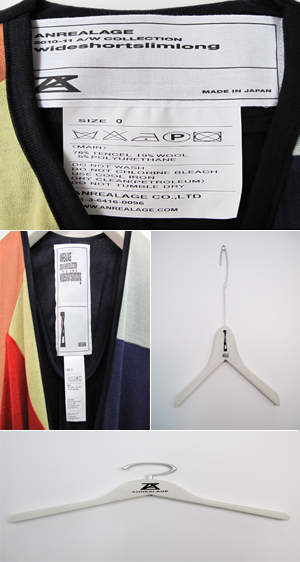
Attention to detail is incredible. Even the labels and hangars are distorted accurately.

wideshortslimlong by anrealage - tags and hangers

Mitsubai Tokyo has already begun selling some of the pieces. Plus, check out pictures from the installation at Aoyama Studios last month.

Ele-Fan | a compact aromatic fan for your desk


click images to enlarge

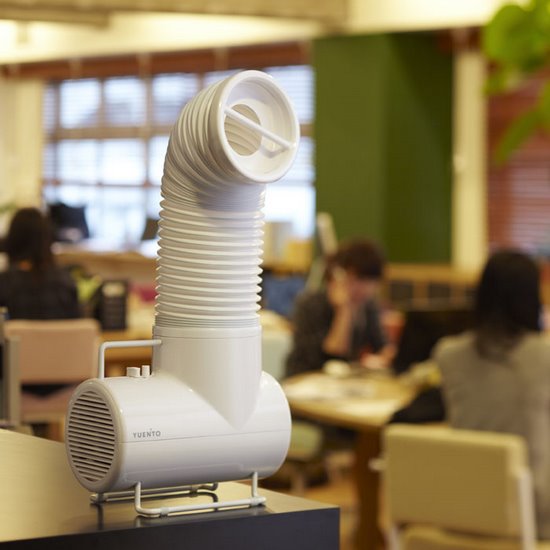
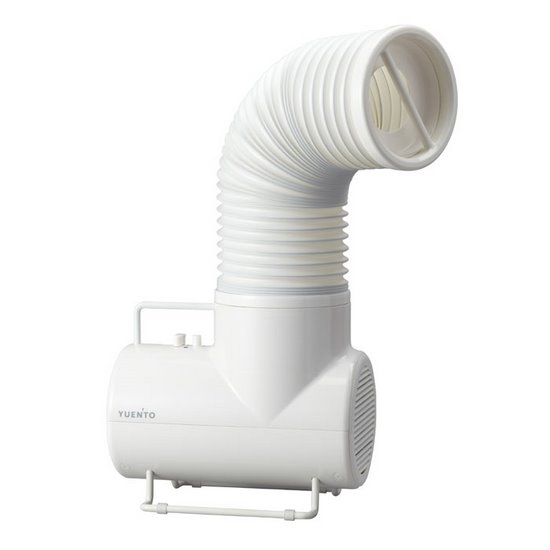
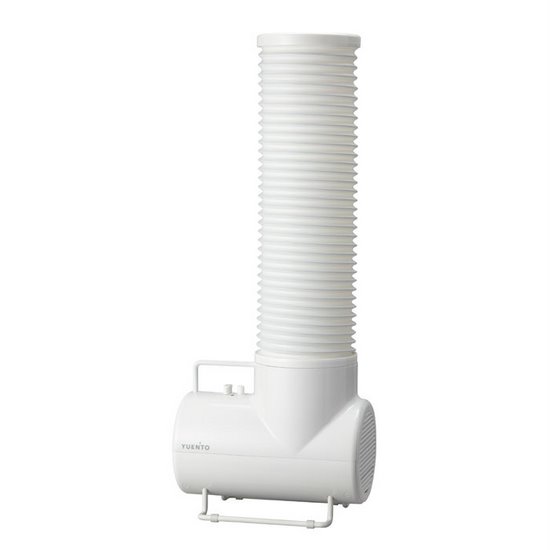
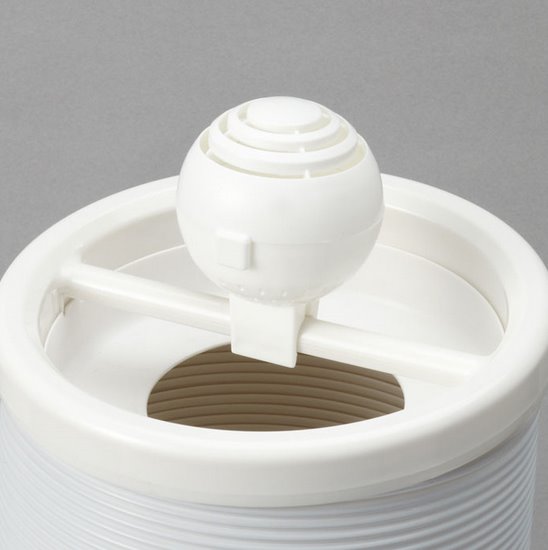
Yuen’to’s latest product launch is Ele-Fan (10,500 yen), a cute little fan that resembles an elephant’s trunk. It is packed with nerdy details like a convenient carrying handle, a foot that doubles as a cord-wrap, a removable filter to capture particles as well as aromatic capsules that can be attached or detached at the mouth of the fan depending on your particular olfactory preferences.

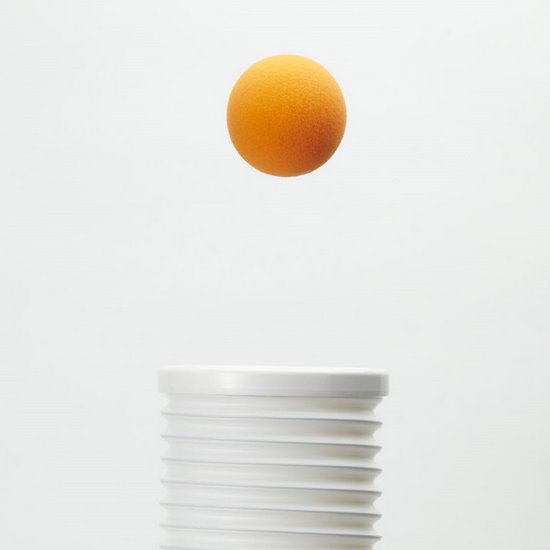
But the best part? The nozzle can be pointed upwards so you can spend endless hours staring at a spongeball (included) floating in mid-air. Included? Really? That’s awesome.

Related:

Kokuyo Milikeshi Eraser

kokuyo kadokeshi
Kokuyo’s Kadokeshi by Hideo Kanbara

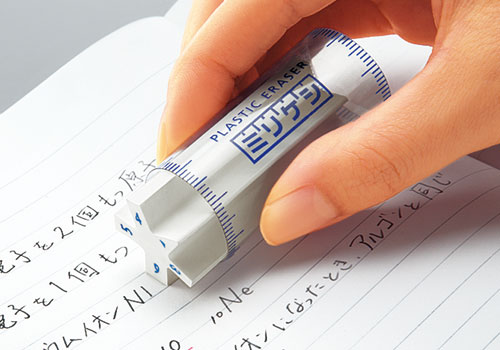
Speaking of Hideo Kanbara, his Kadokeshi eraser (above) – a Kokuyo Design Award nominee of 2002 and a subsequent hit product in stationary stores across Japan (not to mention an induction into MoMA’s permanent collection) – has recently been incarnated into Milikeshi, Kokuyo’s latest innovative eraser. Milikeshi, which derives its name from millimeter and keshi (erase) went on sale May 13th.
kokuyo milikeshi
Kokuyo’s Milikeshi by Yuji Baba

Standing on the shoulders of its predecessor, the Milikeshi – designed by 72-year old visual designer Yuji Baba – boasts 5 different edges that each offer a specific width (6mm, 5mm, 4mm, 3mm and a point) to sync with any type of notebook.
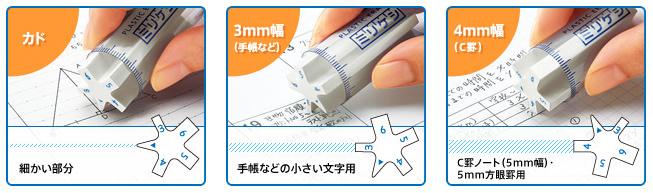
kokuyo milikeshi example 1

As an added bonus, as soon as the edges wear down a slice can be detached, revealing brand-new sharp edges. The best part? The detached slice looks like a ninja shuriken.
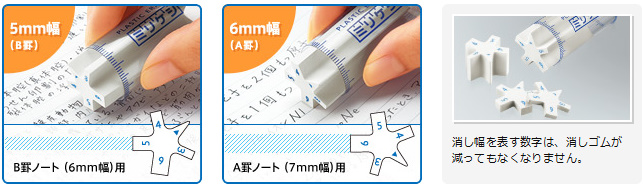
kokuyo milikeshi example 2

The only problem is, I can’t remember the last time I used an eraser. And with the iPad hitting shelves in Japan later this month it will be interesting to see how sales face up to those of its ancestor. According to the company, the Kadokeshi, which went on sale in May of 2003, sold over 1 million units in its first year.


via SPGRA

3-Dimensional Hiragana | what if…

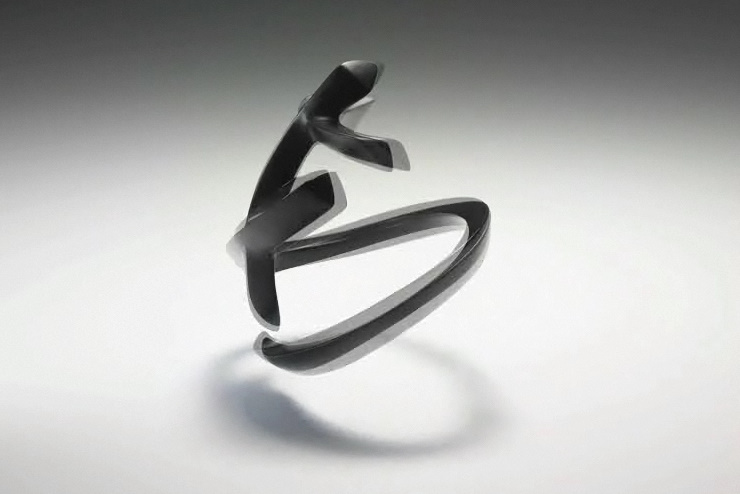
Hideo Kanbara of Barakan Design has embarked on an interesting thought experiment. What if hiragana were 3-dimensional? His website provides an example using the first character of the table, あ (a).


Front view  | click images to enlarge


Top view


Side view (screenshot of an animated rotation)

Tokujin Yoshioka’s Waterfall | MUSEUM. beyond museum


click to enlarge | all photos by Nacasa&Partners

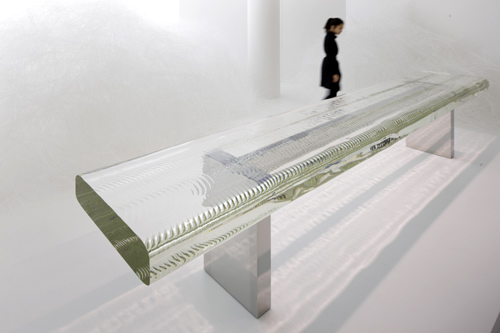
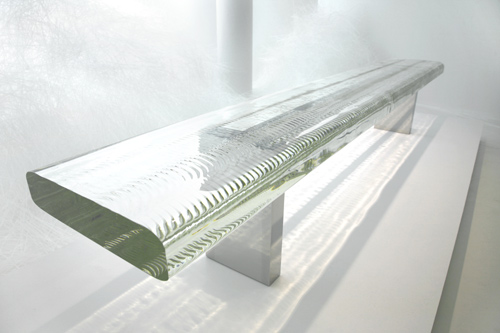
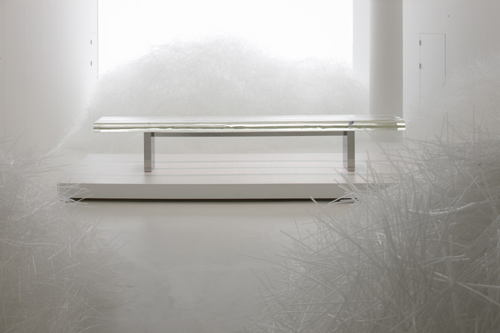
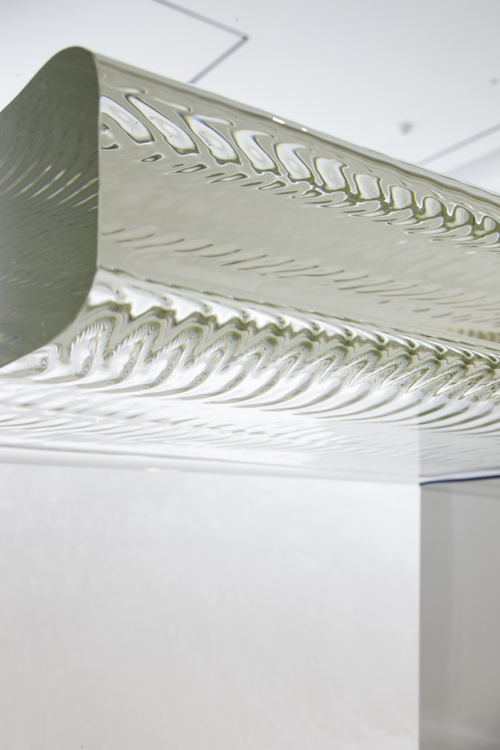
Enigmatic Japanese designer Tokujin Yoshioka is being given the solo exhibition treatment at the MUSEUM. beyond museum in Seoul, Korea.

To me, the most astonishing piece in this show is the optical glass bench, “Waterfall.”  It so effectively distills form and material down to the basics that I am having trouble putting my thoughts into words.

Via architecturephoto.net

Related:

Tenkei Concrete Bicycle Rack

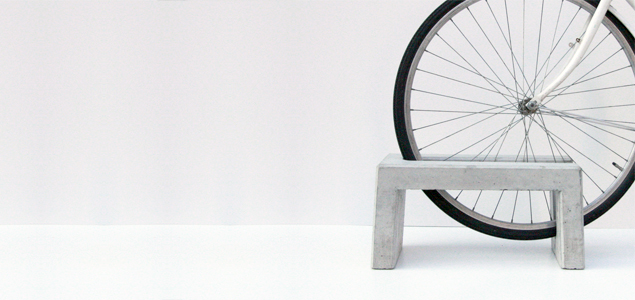
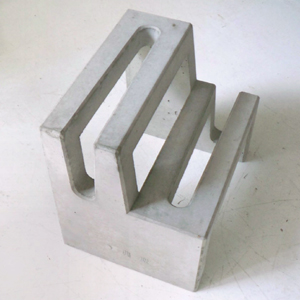
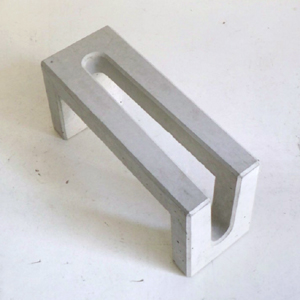
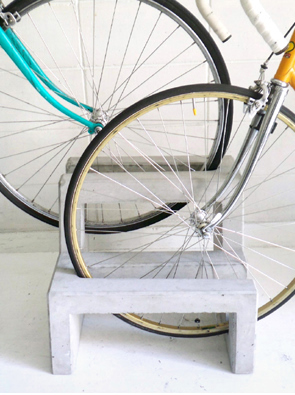
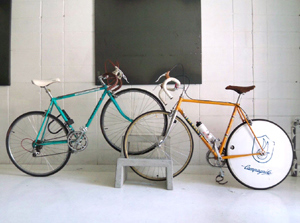
People who find beauty in Japan’s tetrapod-lined shores will undoubtedly be equally pleased with this concrete bicycle rack (7,300 – 12,600 yen). It was designed by the female duo luft for the Tenkei Project, which launched in 2009.


the double and the single

Tenkei (literally “typical form” ) focuses on product design with an emphasis on the following guidelines:
1)    There is no such thing as Tenkei (typical). It is a function of the culture of which it dwells.
2)    Tenkei is: easy to use and easy to produce. A prerequisite is that there is steady demand for production.
3)    Tenkei can take on different variations, effectively expanding its life span.

The contrast between the metallic spokes and the minimal concrete just makes my design heart spin.

Paperwood Products by Drill Design

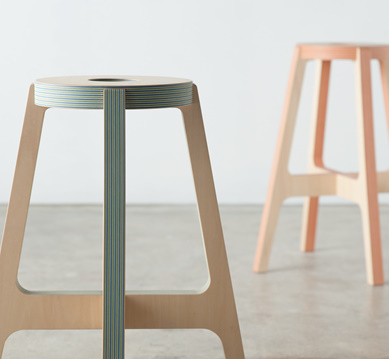
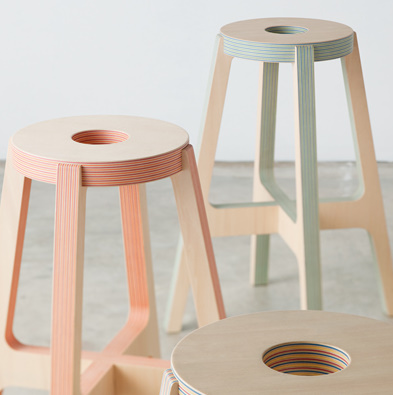
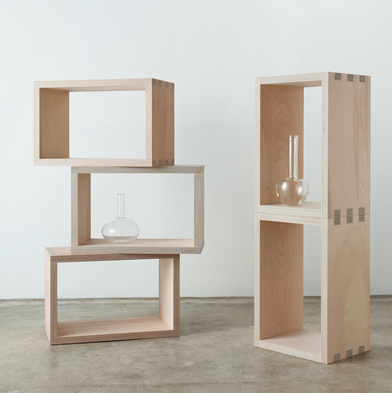
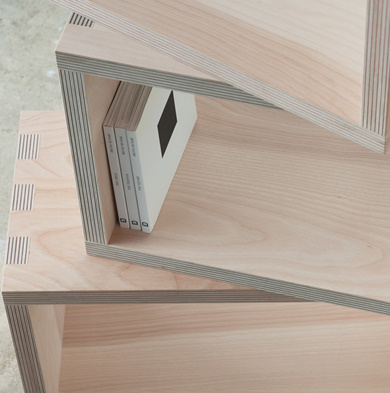
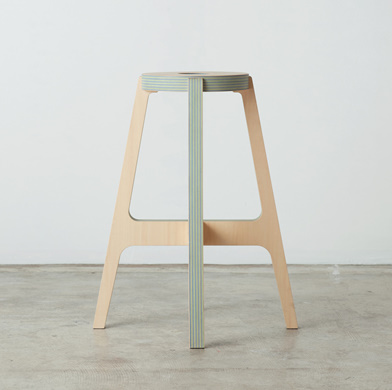
If you will engage in a walk down memory lane, in early April I posted pictures of an experimental new material called Paperwood. The ecologically-sensitive plywood was developed, in part, by Drill Design, and was to become commercially available in 2010. Well, the design unit has recently uploaded pictures of what furniture made from the material might look like.

The stools are on track to go on sale in the Fall of 2010.

« Older posts Newer posts »

© 2026 Spoon & Tamago

Up ↑

Design by Bento Graphics