Page 332 of 406

Konica Minolta Art and Eco Awards 2010


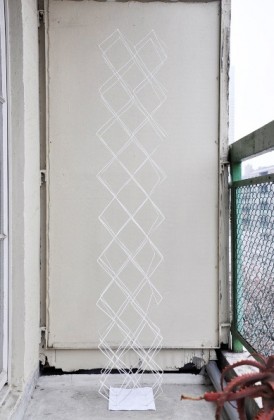
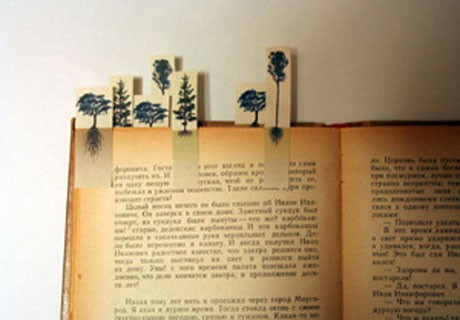
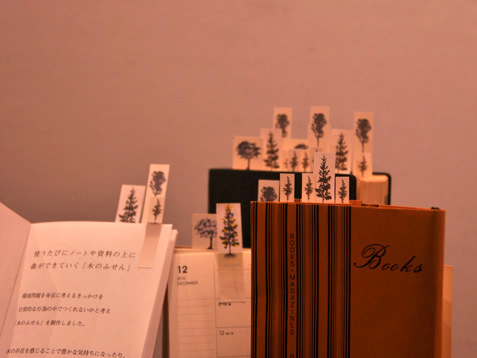
click images to enlarge |  tree page marker by megumi takagi

Happy Earth Day! …what? You say that was yesterday? But every day is earth day, right? Ok, I’m just trying to make up an excuse for not posting this yesterday, which was my original intent. I wanted to share some work from the recent Konica Minolta Art and Eco Awards. I briefly covered this last year, but decided to pay more attention to it this year. And I apologize for the lack of consistency in images but they were scarce and I had to dig them up from multiple sources.

The first place prize went to Remo-Kuma, a polar bear that controls the use of electricity in a household. Created by Shozo Kuze and Mariko Sakamoto, the polar bear responds to head petting, back rubs and butt pats. Check out the cute video below!

Although they lost out, I was fascinated by some of the other entries such as this Knot chair by Miyashita Tomoya. It can be configured to accommodate almost any kind of position.
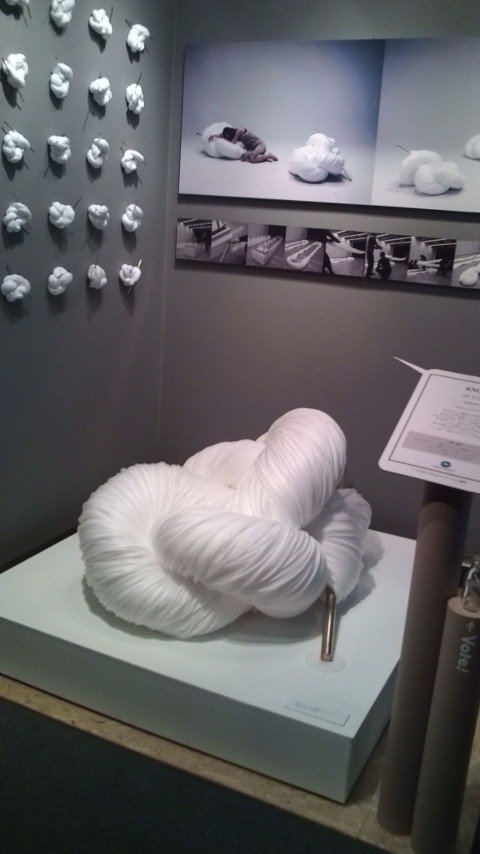

Image courtesy of legiter

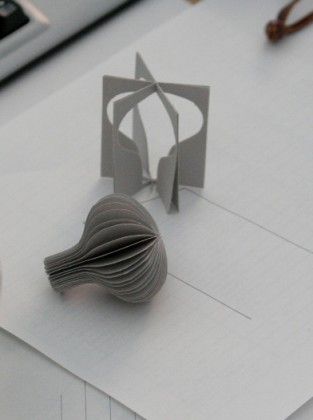
One of the most gorgeous entries, in my opinion – hence the numerous images – were these Tree Page-markers by Megumi Takahashi, an editorial designer. They function almost identically with those grass pagemarkers except these, as curiosity mounts in a certain book, a forest grows, rather than a yard of grass.
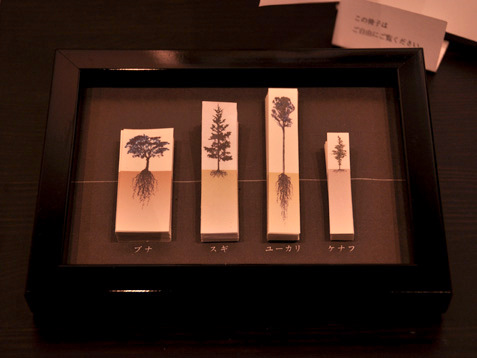
Images courtesy of tsui design

The markers depict several varieties of trees and each blade of paper is made from its respective tree. Lovely.

One other piece that caught my eye was Icicle by Fujita Manabu and Takuma Yamamoto, of design unit PLUS. It was made from thow-away straws that are plentiful in any fast-food joint.
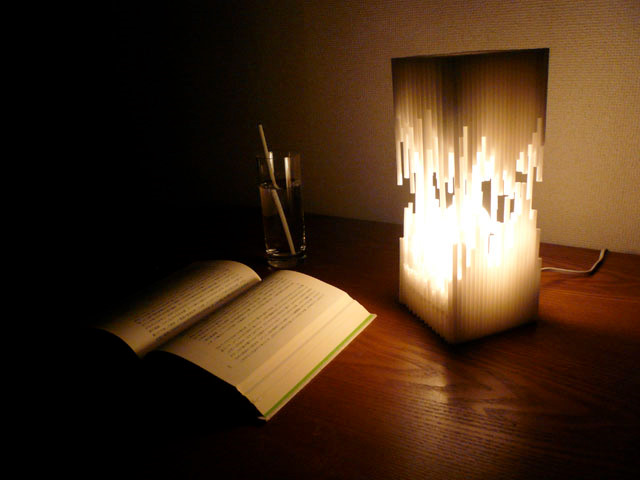

Image courtesy of mycom journal
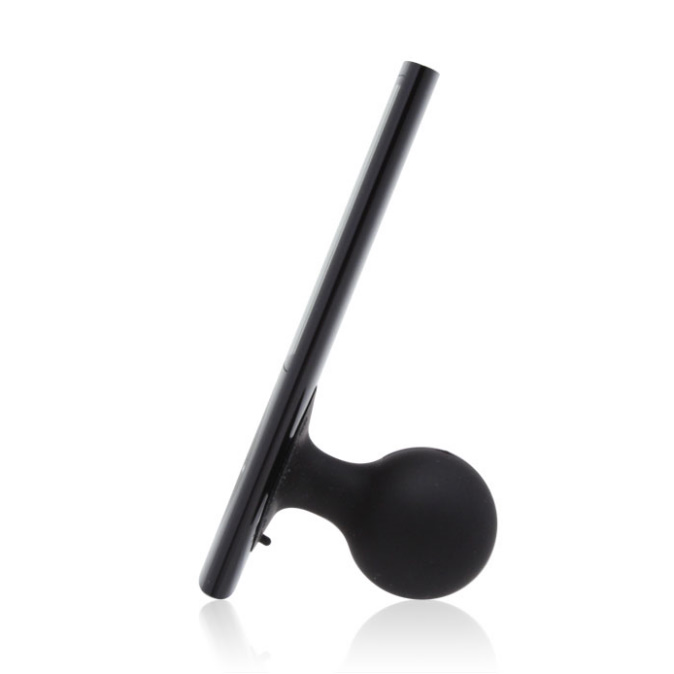
iStand – an overgrown protruding wart for your iPhone


Now that I may finally be getting an iPhone, I’ve been constantly looking at peripherals to compliment it. This iStand (630 yen), from IDEA Lable looks interesting.

The suction cup protrusion, which I can’t help perceiving as a large wart, is a simple way to keep your iPhone – or any other similar device – upright. It could also be useful when taking pictures, or as a fortified grip.

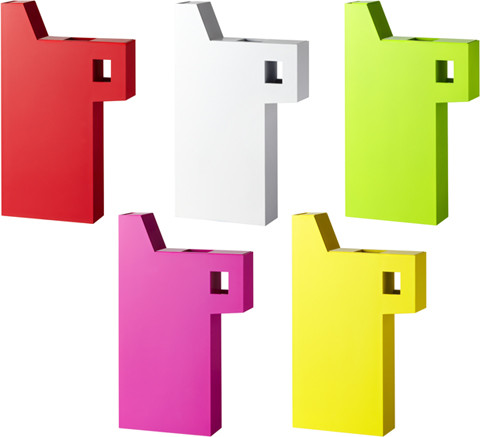
Bloccon watering can

IDEA International, under their in-house design brand Idea Label, will release Bloccon, a  colorful and compact watering can next month.

A portmanteau of the words “block” and “icon,” Bloccon was actually a runner-up in their id design awards. Although, in the end, it lost out, a review of the entries triggered a renewed interest in the design, which will hit stores on May 6th and retail for 945 yen.

I love the idea of a rectangular shaped watering can. Although difficult to clean, it would probably fit right into a book shelf!

via Nikkei Design

Related:

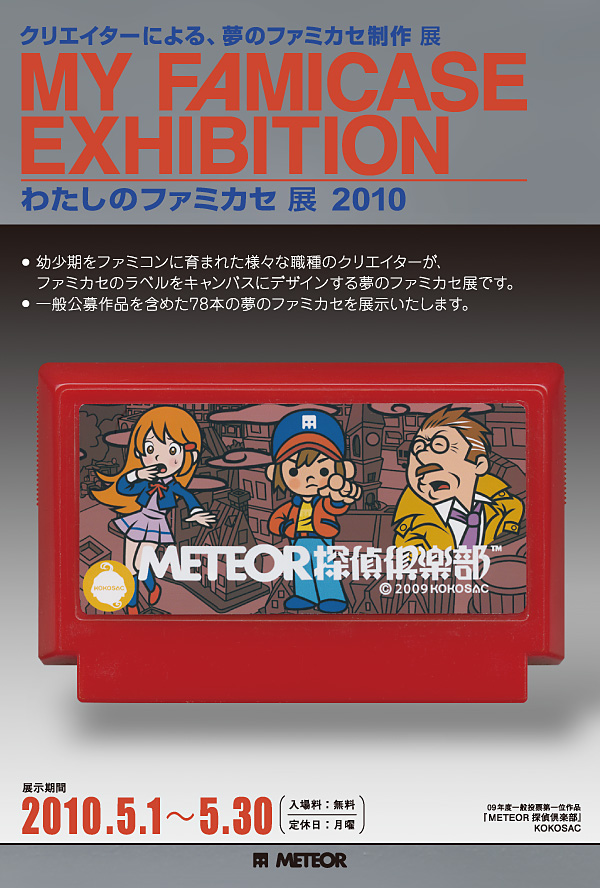
My Famicase Exhibition

Gamers listen up! Beginning May 1st and running through the end of the month, My Famicase Exhibition will return for it’s 3rd year. The exhibition, which was open to everyone from designers and illustrators to housewives and businessmen, invites you to relive your childhood by designing your very own Famicom game label.

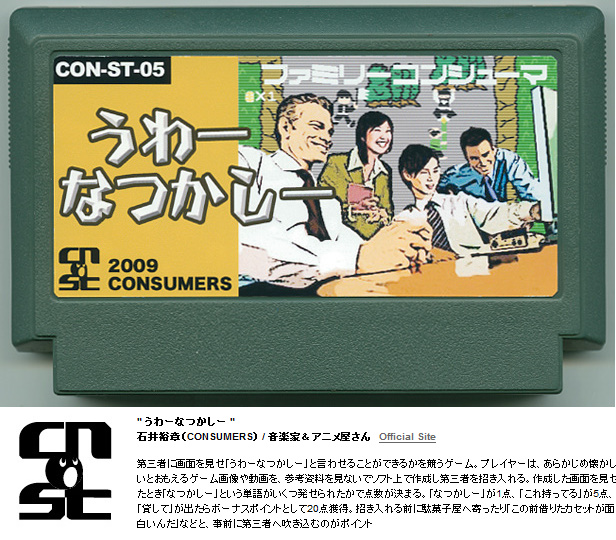
Last year’s entries included some humorous titles (see below). And with some pretty well known illustrators joining the mix, such as Yukiko Yokoo – who created the characters for Mizuiro Blood and Taiko no Tatsujin – this year probably won’t dissapoint.


above: from 2009, a game title that reads “Oh, how nostalgic.”

Also participating are Adrien Dufond, flocke design, Tokyo Pistol and Nozomu Furuya. The show will once again be held at Meteor in my home town of Kichijoji! (Gmap)

Related:

Seasons by Nao Tamura wins the Salone Satellite Award


click images to enlarge

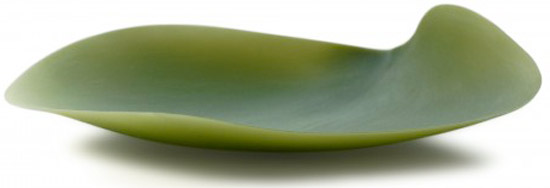
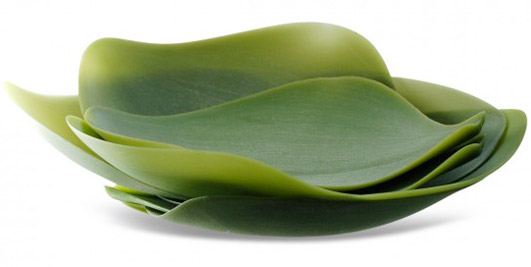
Seasons, a functional kitchen and serving ware designed by Nao Tamura, has won the Salone Satellite Award at Milan Design Week 2010.


The plates are inspired by Japanese customary traditions of using leaves as decorateive objects in the presentation of food. In the Spring, cherry tree leaves are used to wrap sweets. In Autunm, fallen folliage is used to decorate the table. Leaves are also used as dividers when presenting an assortment of dishes.


image courtesy of designboom

Snow Magazine via Designboom

Related:

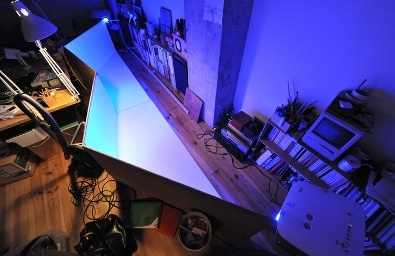
Makoto Yamaguchi’s shelf | inspirational image of the day
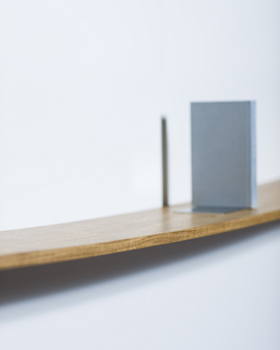
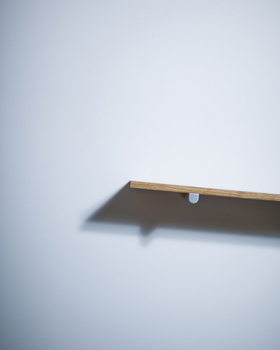
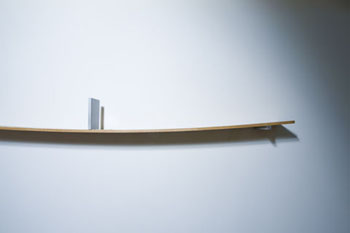
I’ve been staring at this shelf for a couple days now and finally decided it would be appropriate to end the week with it. That way I can go online and see it at the top of my blog all through the weekend.

photographs by Ken Shimizu

Designed by architect Makoto Yamaguchi in 2009, the shelf possesses beautiful curvature – a rarity when discussing shelving –  and an extreme minimalist aesthetic.

Related:

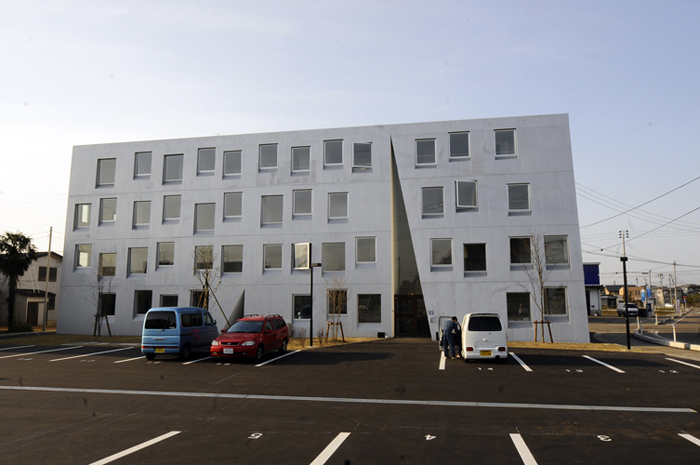
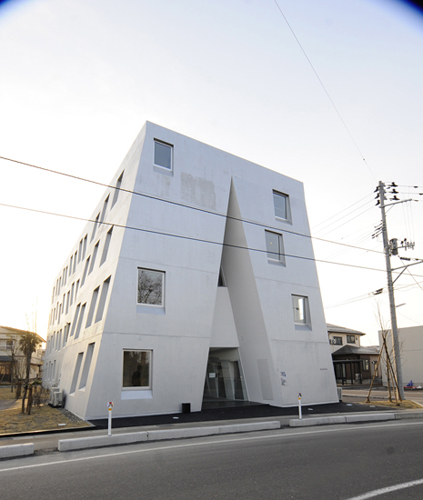
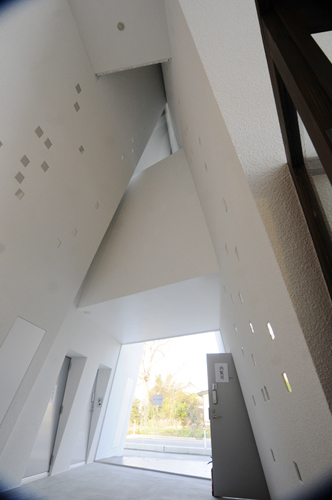
One Roof Apartment by Akihisa Hirata and Yoshihiko Yoshihara

Japanese architect Akihisa Hirata, in collaboration with Yoshihiko Yoshihara architects – and inspired by what one can only describe as a person spreading their legs – recently completed One Roof Apartment.

We saw a YouTube clip of the work-in-progress back in March of 2010 but now, courtesy of the architect himself, we have a few images.

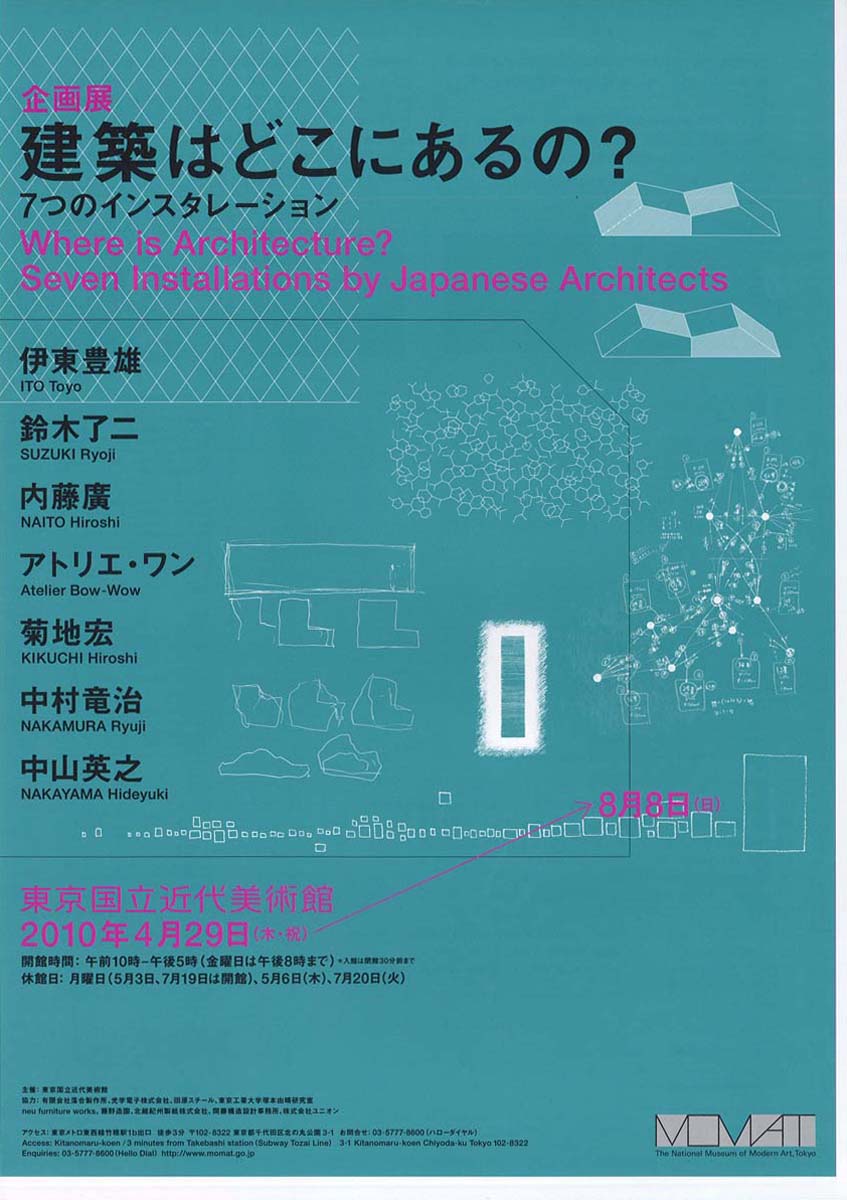
Where is architecture? Seven Installations by Japanese Architects


On April 29th 2010 the National Museum of Modern Art, Tokyo (MOMAT) will present Where is architecture? Seven Installations by Japanese Architects. The show, which runs for 88 days until August 8th and will be the museums first definitive look at Japanese architecture and where it stands today.

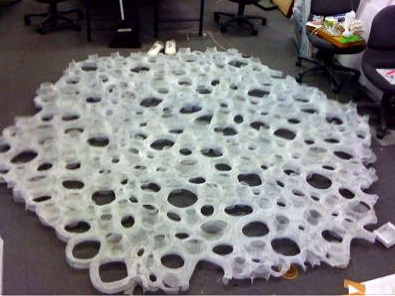
To better understand the profound recognition that Japanese architecture has received from abroad, the curators have selected 7 architects to present new installations based on previous work. The show will then proceed to examine the logic, technique, and aesthetics that define Japanese architecture in an attempt to understand “where and in what form it arises.”

In order to draw audiences in and get them involved the museum has set up a special website, designed by  Takashi Kamada of spf design, which provides sneak-peaks into each architect’s work-in-progress. Below are screenshots of each.


Toyo Ito will present an installation using the same spatial structure he proposed for the Deichman Main Library Competition in Oslo, Norway. Although – earlier this month – a consortium of Norwegian architects were selected for the design, Ito’s use of 3 types of polyhedrons will undoubtedly create a dynamic space.

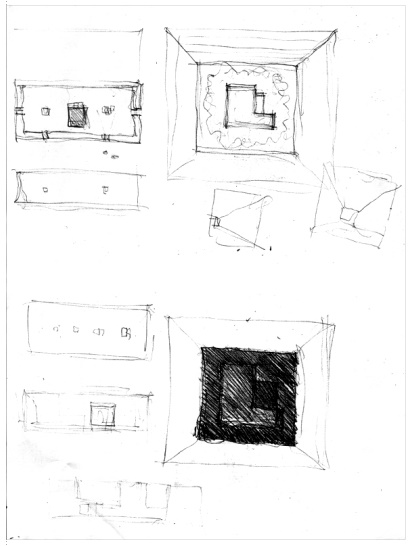
Ryoji Suzuki will unveil a large-scale model of a residence that is near completion. But the architect will take his model a step further by altering it using “dub.” Dub can refer to “an instrumental subgenre of reggae,” or “a separate genre of music that involves revisions of existing songs.” I am assuming both of these definitions will apply.


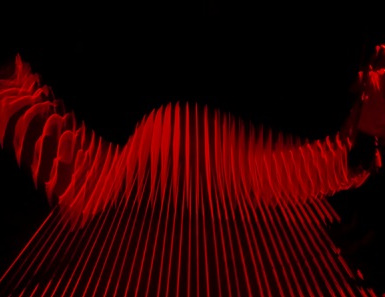
Hiroshi Naito will present an installation consisting of 200 red lasers. Enough said.


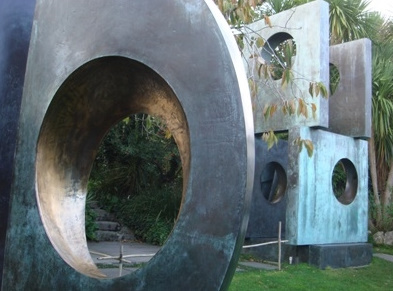
Atelier Bow Wow, inspired by the outdoor sculptures of Barbara Hepworth, will completely redesign the museum’s front lawn to function as a summer house.


Hiroshi Kikuchi’s installation will include motion-linked video that connects his space in the museum to previous work he has created.

Ryuji Nakamura – whose intricate work prompted him to solicit assistance via his website –  will create a large scale structure using his hechima concept.


Hideyuki Nakayama – a protégé of Toyo Ito – will present a reformatted version of “Door on the Prairie,” a proposal which he won to design a tea house in Hokkaido.

Canon at Milan Design Week 2010 | NEOREAL


click images to enlarge

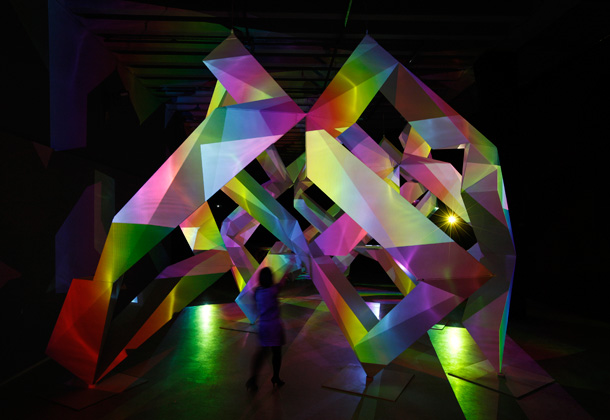
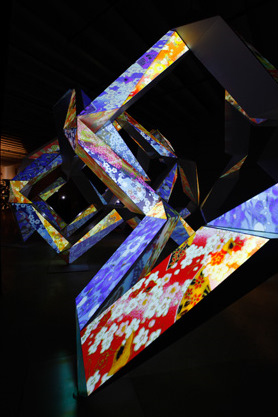
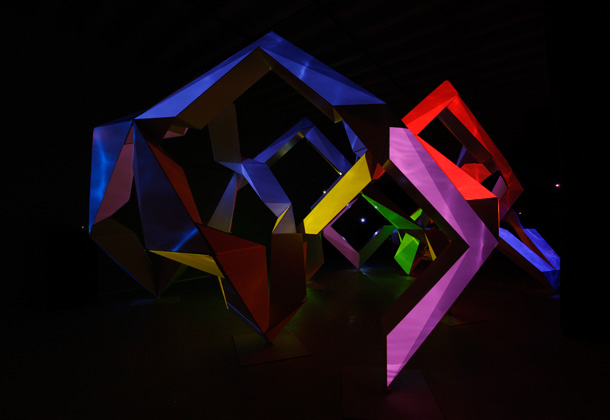
For the past 2 years Canon has been flexing their digital imaging muscle during Milan Design Week. Yesterday they presented Neoreal (part 3), an installation titled “prism liquid,” in which numerous projectors cast moving images over a spider-like architectural structure. The multi-sided structure provides multiple canvases for the hallucinatory motion video to move through as it slips and slides off different surfaces.

They collaborated with video artist Takahashi Kyota, architect Akihisa Hirata and designer Hikaru Mori.

The diligent folk over at Canon were kind enough to upload an image gallery and video, immediately after the release…. but the finicky folk running their website directs all my links to their top page. So you are just going to have to go in a and look for it.

Related:

Honogodai Christ Church School & Nursery by Takeshi Hosaka Architects

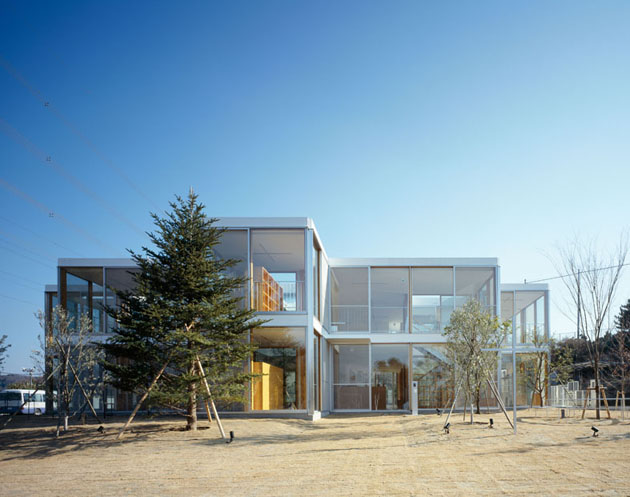
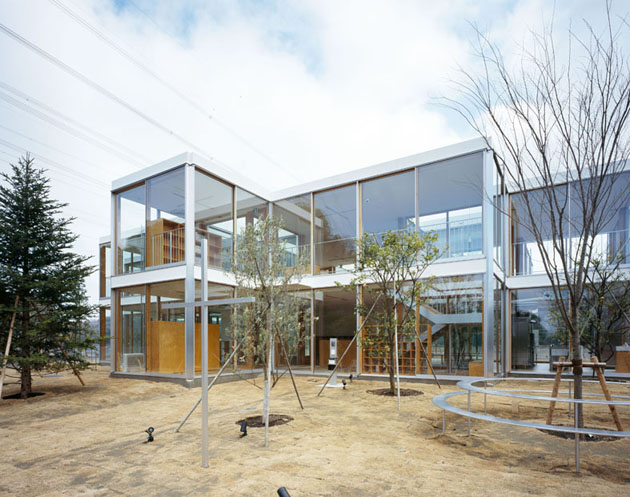
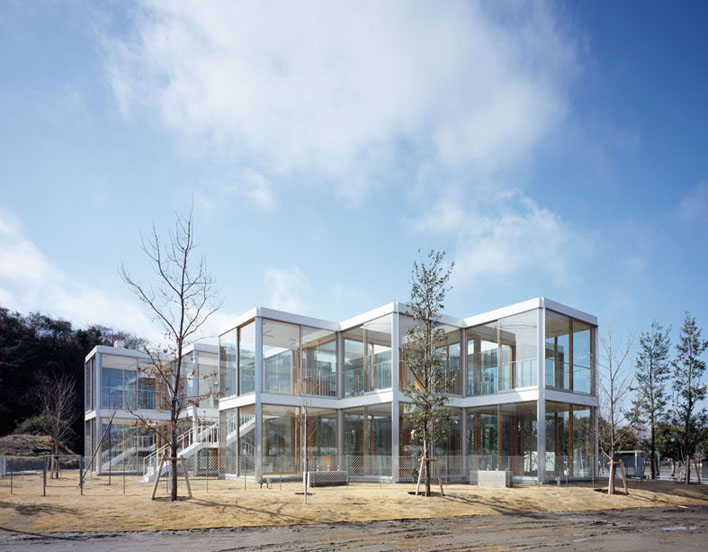
Takeshi Hosaka Architects, whose Hoto Fudo – earlier this year – catapulted them into blogosphere fame, has recently completed “Honogodai Christ Church School & Nursery” an educational complex that includes nursery, primary and secondary schooling. Their mission statement is “to provide an environment where everyone from infants to high school seniors can blend into the lushness of forestry.”


click images to enlarge

The school is located in Yokohama; a 10-minute bus ride from Konandai Station.

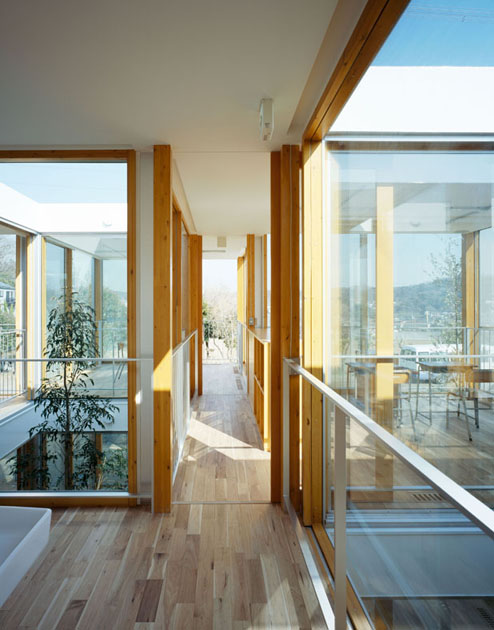
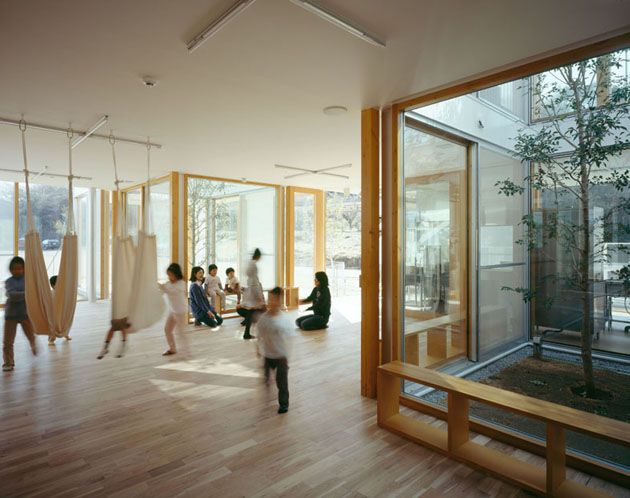
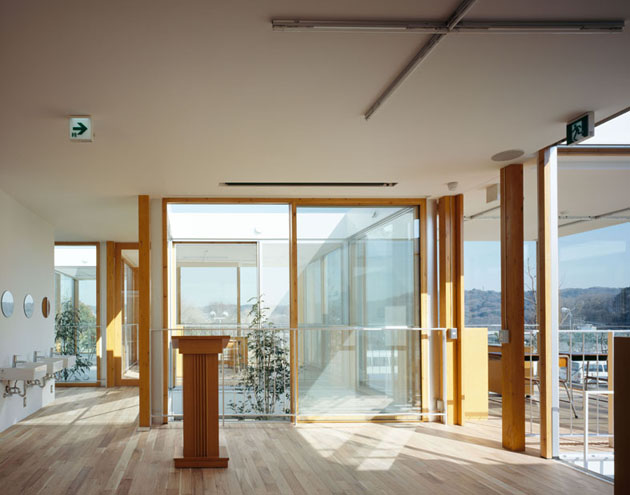
The rationale behind the zig-zaging structure was to preserve and incorporate all the preexisting trees. You can see that some of them have been “swallowed” by the building to create a total of 5 courtyards. The cubic structure, combined with all-glass windows and doors, maintains a significant level of transparency between different rooms.

Check out the fluorescent lighting on the ceiling. It’s in the shape of a cross.

« Older posts Newer posts »

© 2026 Spoon & Tamago

Up ↑

Design by Bento Graphics