Page 309 of 406

Art in support for Japan (part II)

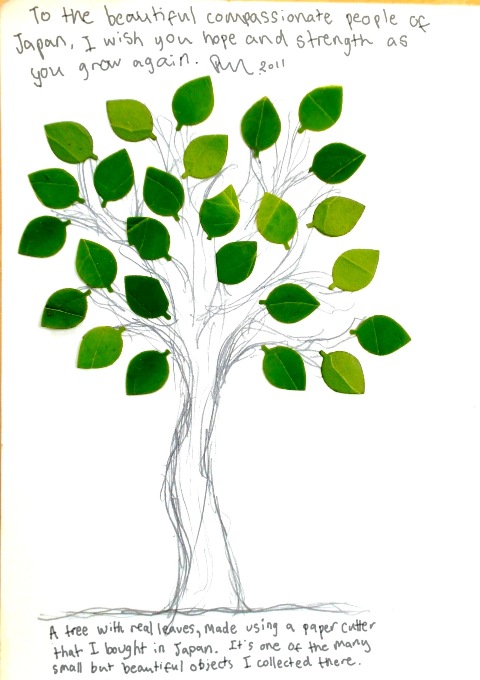
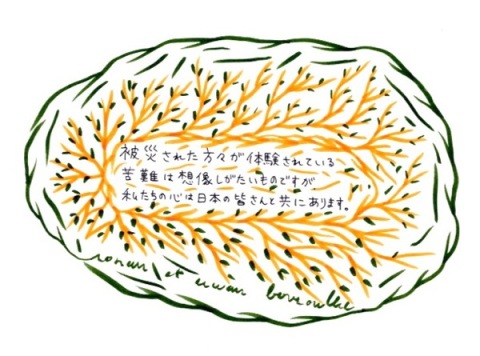
In addition to our previous roundup of some of our favorite prints expressing support for Japan, we wanted to share another batch that we came across. Sent in to the editors of Madame Figaro from designers across the globe, the images were created by some pretty big-name designers. Despite Milan Design Week approaching rapidly, it’s touching to see that they took the time to come up with these warm messages of support.


Spanish designer Nacho Carbonell


UK designer Peter Marigold


French designers Ronan & Erwan Bouroullec

Tomodachi Calling

After the devastating earthquake and tsunami struck Northern Japan, confusion and helplessness ensued. But it didn’t last long. Ai Kurahashi, Naoko Maeda and Sebastian Mayer quickly pulled together an idea for an online charity shop in which artists and designers donate their work for sale.

About 2 weeks ago they began reaching out to their contacts within the design industry and the response was overwhelming. Artwork began flowing into their inbox. Now Tomodachi Calling has over 50 participating artists whose work you can buy with 100% of sales going to charity.

Below are 2 of my favorites but check out the webshop for the full selection and follow their blog (or twitter feed) for updates!

One of my favorites Japanese graphic designers, Bob Foundation, has contributed this gorgeous print.


One of my favorite designers, Shunsuke Umiyama of Microworks, came up with the stark and chilling reminder of the exact time the earthquake struck.

[editor’s note]
This is our first post on any organization selling goods to raise money for Japan. For us, it’s been an awkward concept right from the beginning and have felt uncomfortable endorsing a specific product, which is why we have deliberately avoided the topic. But over the days we’ve grown more comfortable with it as long as it’s clear that 100% of proceeds go to charity.

Related:


Ex-container project by Yasutaka Yoshimura Architects

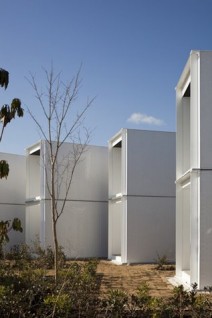
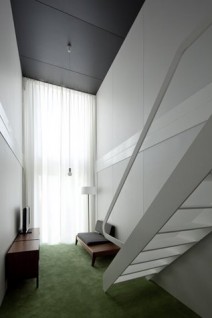
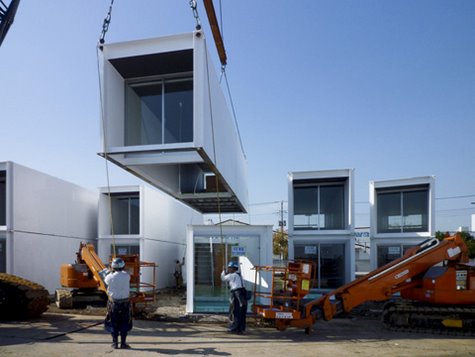
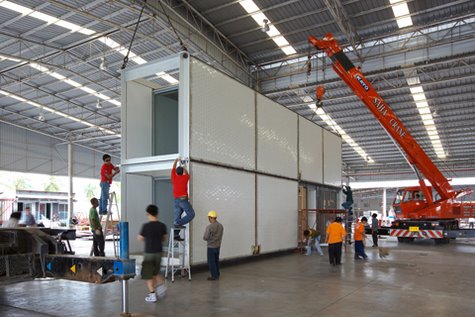
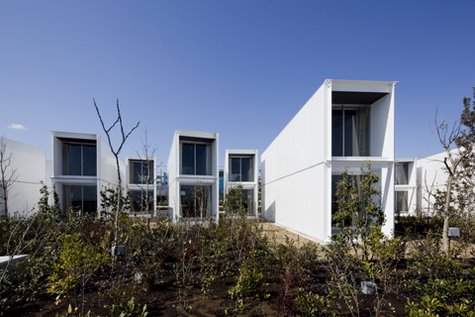
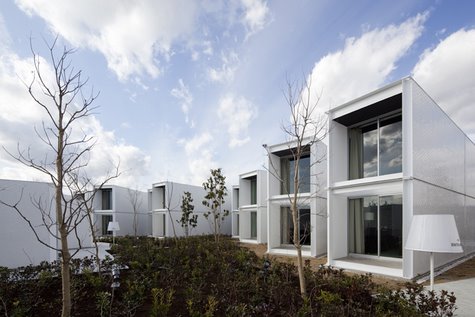
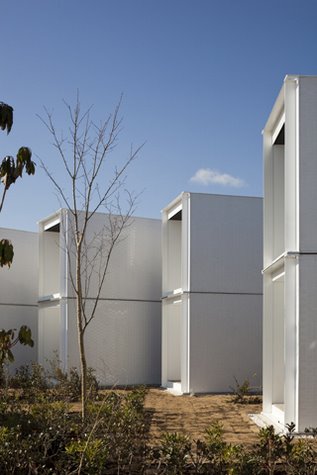
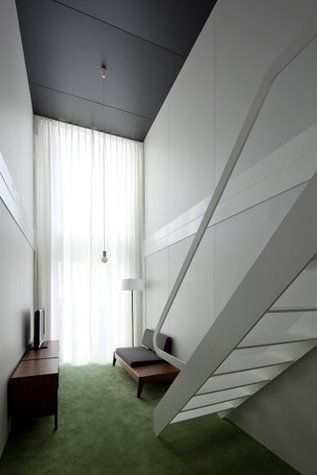
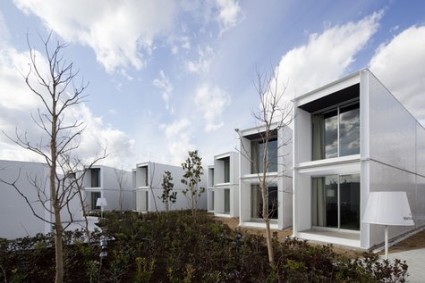
In late 2009 Yasutaka Yoshimura Architects completed Bayside Marina Hotel. Located right off the water in Yokohama bay, the structure of the hotel was made from shipping containers that had been pre-assembled in Thailand. The architects – unaware that their innovation would come in handy in the future, were able to achieve an astonishingly low-cost structure that was both stylish and unique.
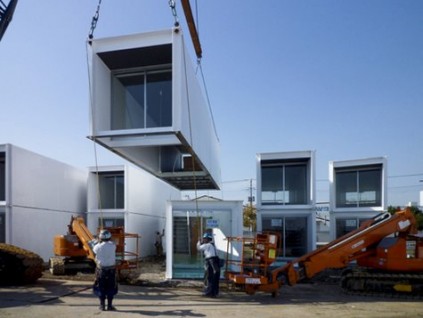
Sixteen days after the devastating Sendai earthquake and tsunami displaced thousands, the architects – just 2 days ago – announced that they were pulling out their project from the vault and would begin accepting donations to provide the same type of housing to those whose homes were permanently destroyed. If you would like to help, follow this link where you will find an email address. All inquiries, including volunteering, are welcome. If you would like to donate money you will also find bank account information where you can send a wire transfer to.
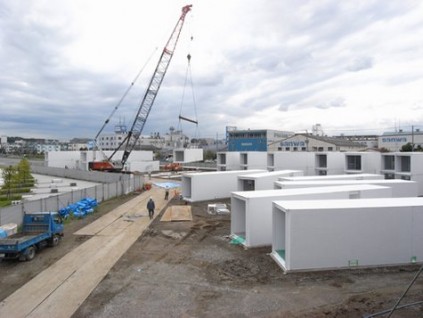
According to recent reports, the 3 prefectures affected require roughly 33,000 new homes but, as of March 29th, only 8% of that demand has been met. It’s nice to see that there are some who are able to cut through the radiation paranoia and focus on the more dire situation, which is helping the refugees find shelter for their families.
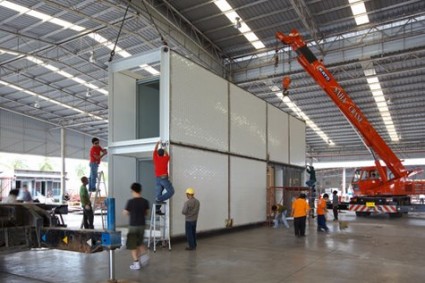
Much in the same vein as the Shigeru Ban project we wrote about 2 weeks ago, Yasutaka Yoshimura has proposed an ideal solution for refugee housing. The containers are not only cost-effective but they also require minimal construction and are safe and comforting for displaced families.
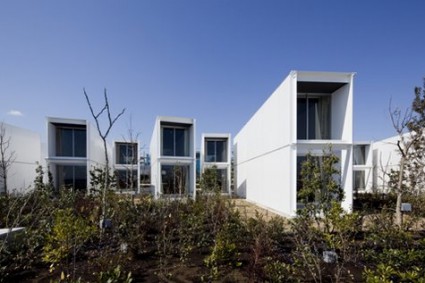

images of the completed hotel | courtesy Yasutaka Yoshimura
click to enlarge
Related:

 

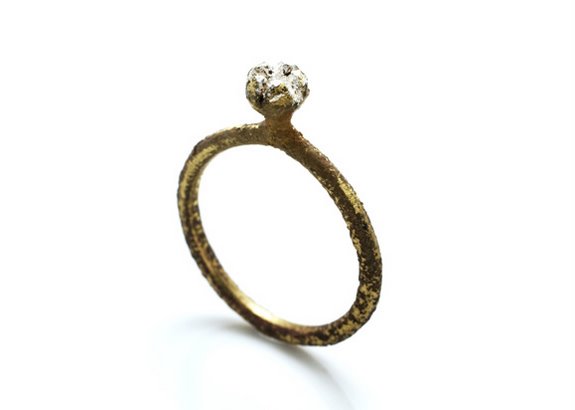
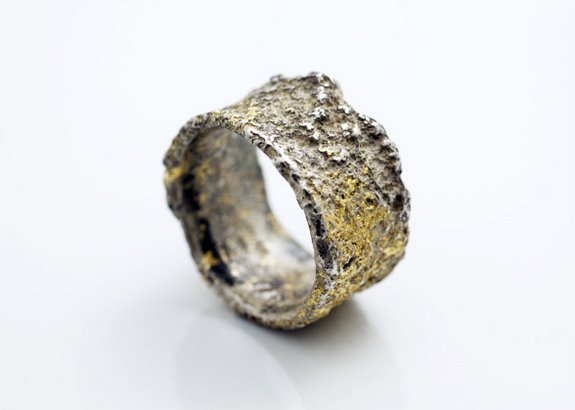
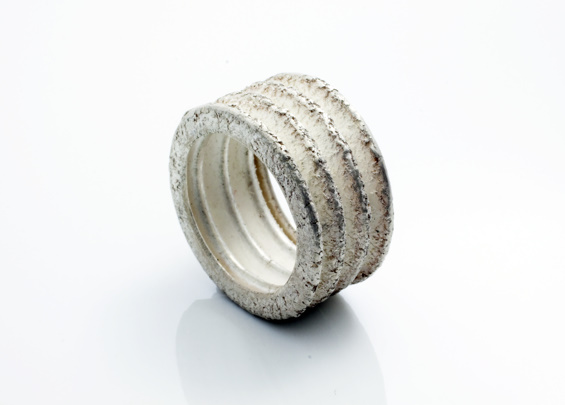
Corroded Rings by Yasushi Jona


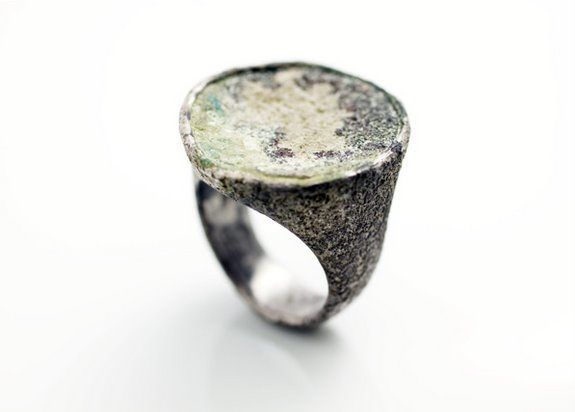
images courtesy of Yasushi Jona | click to enlarge

Didn’t you hear? Ancient is the new vintage.

That’s the idea behind these poetic pieces of jewelry by designer Yasushi Jona. The line of jewelry, which is simply titled Jona, was carefully crafted to give the impression that they were something recovered from the shipwreck of a Spanish galleon. I hate using the term wabi-sabi, because it feels so clichéd and dwelling on it leads too easily to predictable and overly-simplistic interpretations of Japanese culture. But these pieces are a nice representation of the concept.


Yasushi Jona first got his start in jewelry as a designer for Pola Chemical Industries’ design laboratory. After teaching jewelry design for several years he emerged as a freelance designer in 2005. His pieces are available at, among other stores, the Osaka-based select shop Toi.

via colossal

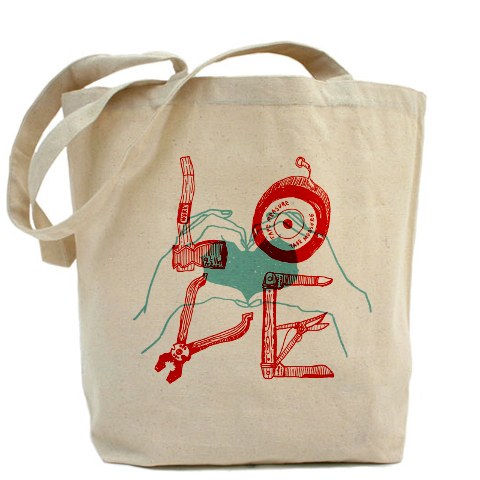
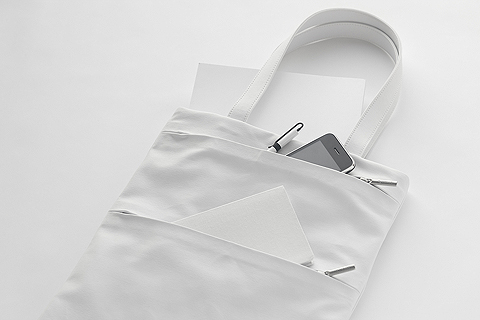
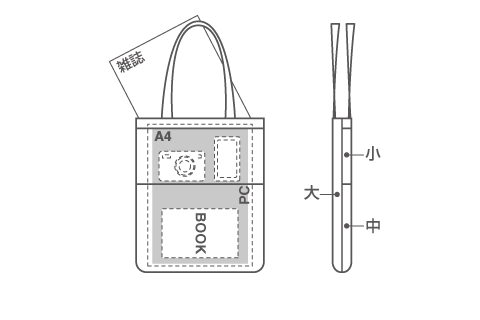
Metaphys maisonette tote bag

The latest product to come out of industrial designer Chiaki Murata’s design label Metaphys is this maisonette tote bag. The bag is divided into 3 compartments that vary in size for some specific modern-day necessities. It’s an elegant solution that makes the standard tote bag oh-so-much-more attractive.

It comes in 4 different colors and retails for 9800 yen. You can buy it from White Rabbit Express.

Related:
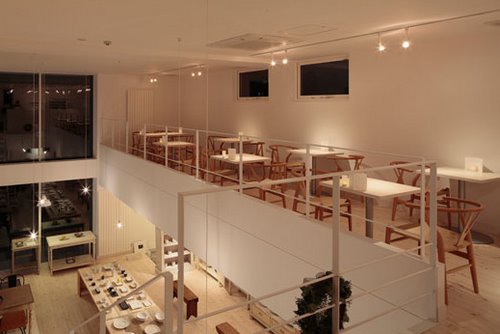
 

Moma Place by Akasaka Shinichiro Atelier

Late last year a new multi-retail space in Sapporo called Moma Place opened. It’s the latest project by Sapporo-based architectural studio Akasaka Shinichiro Atelier. The space includes shops, cafes, galleries and a restaurant, the interiors of which were all designed by the architects as well.

It’s like a mini-mall, except, aesthetically, it far exceeds any mall I have seen in the States.

Soji wooden tableware designed by MUTE

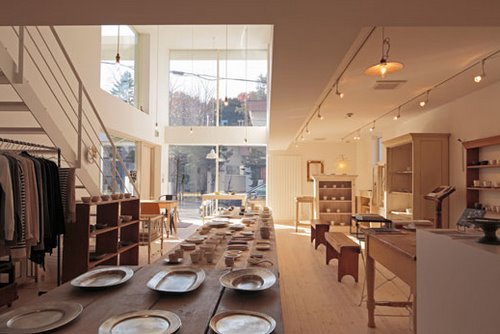
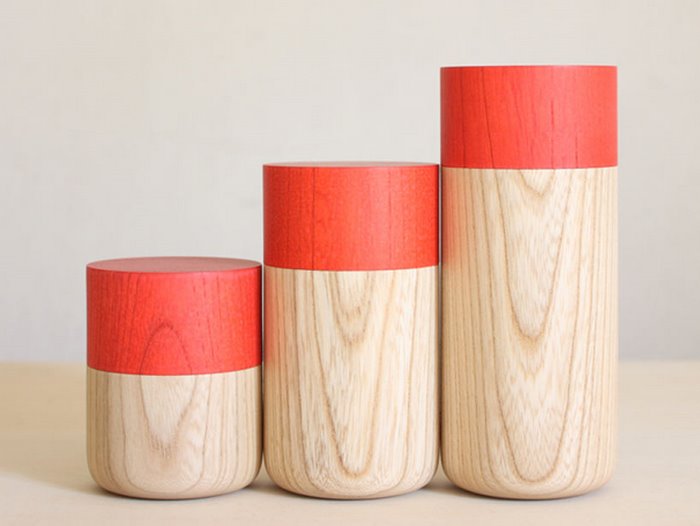
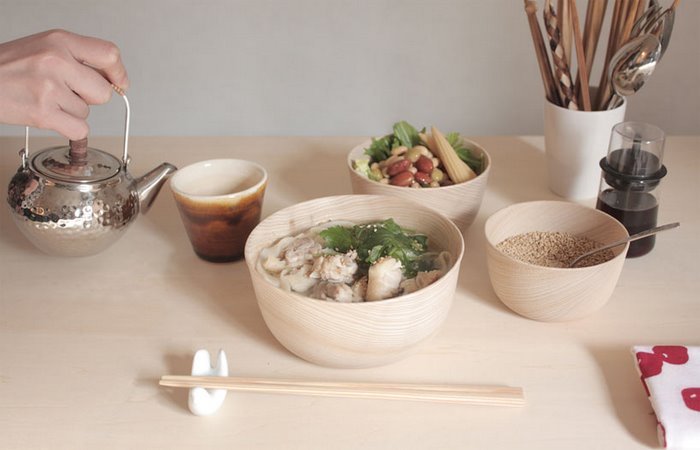
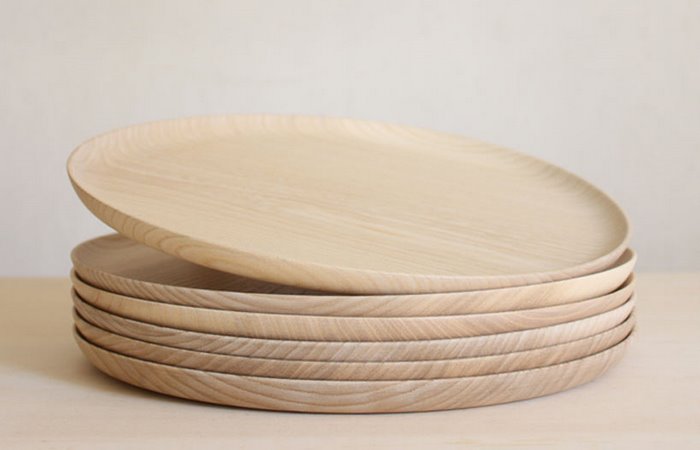
Upon request from Unomatudo, an Ishikawa-based lacquer ware-maker with an 80-year history, Kenji Ito and Takahiro Umino of design unit MUTE have designed a wooden tableware set that consists of plates, bowls, boxes and canisters.

Aptly titled Soji (素地) – a term often used to describe greenware pottery before it’s been fired – the collection, contrary to the lacquer-finished pieces the company is known for, are all made from bare wood.

The pieces were on display at the 2011 Tokyo Giftshow last month.

The duo has also redesigned the company’s logo:

Related:
 

52 by Suppose Design Office

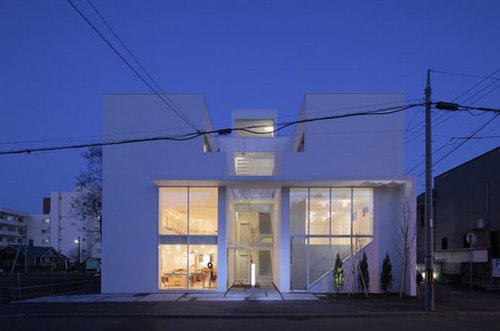
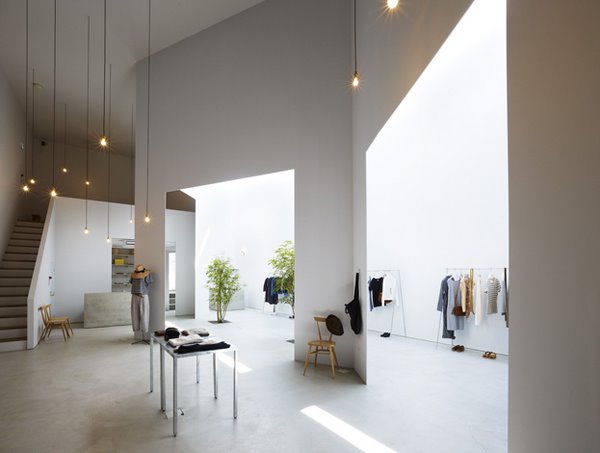
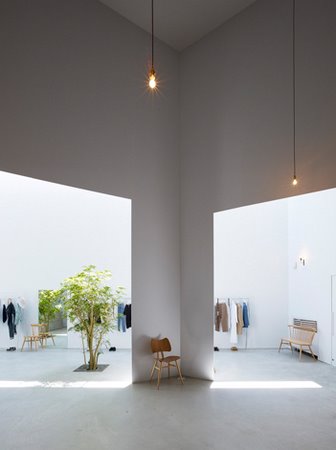
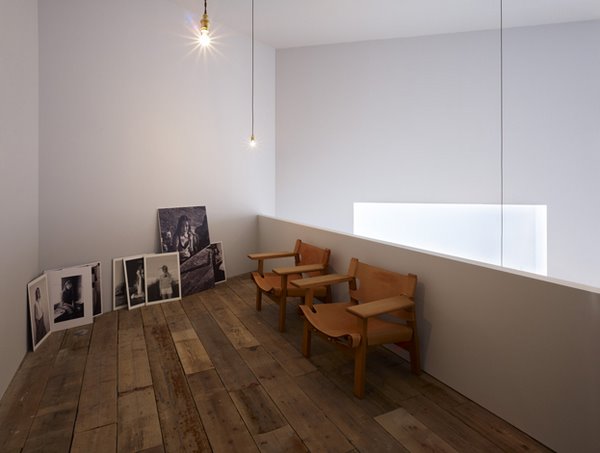
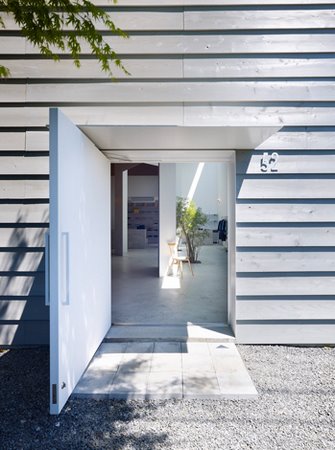
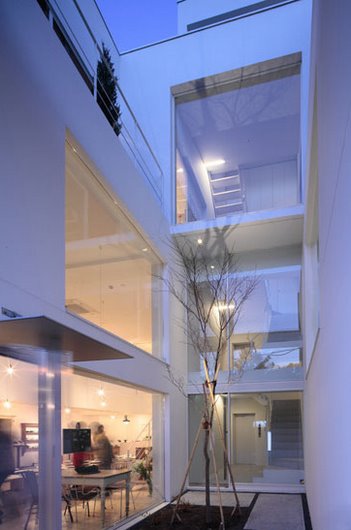
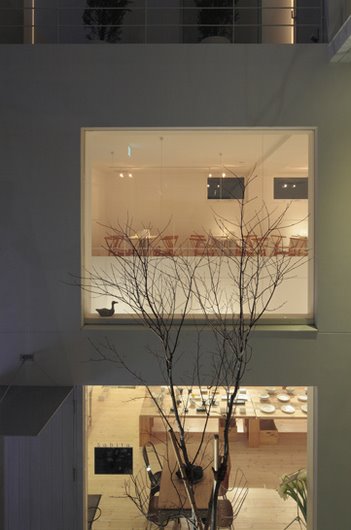
Hot off the new-storefront-design rack is 52, a new store that opened in Shizuoka last Sunday (March 20th). It was designed by Tanijiri Makoto of Suppose Design Office.

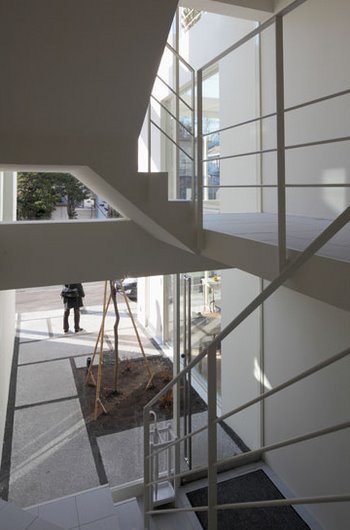
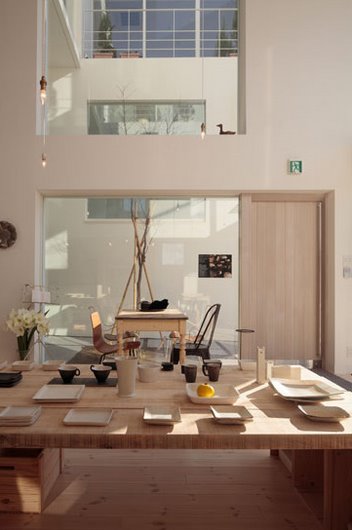
Much in the same way that museums often display artwork under natural light, which generally creates a more positive effect on a space than electric light, this space too was designed with consideration towards the object that is to be displayed. By creating 2 rooms – a room that does and doesn’t bring the outdoors in – the architect was able to precisely engineer the ideal location for objects to be displayed.


images courtesy suppose design office | click to enlarge


(images updated from rendering to actuals on 05.26.2011 as they became available on the architects website)

Related:
 

Lindo by Masahiro Minami


click to enlarge

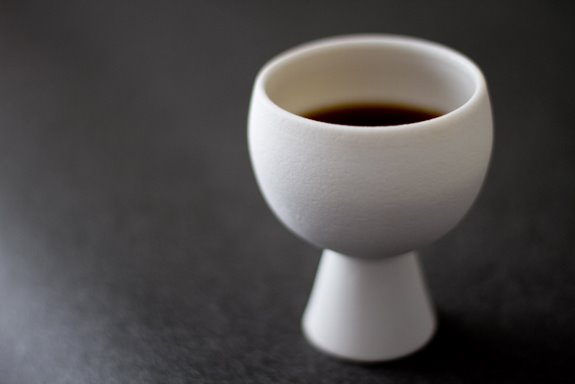
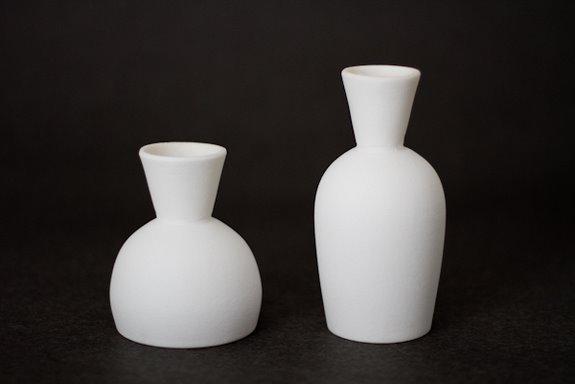
Designer and educator Masahiro Minami has established a tradition of designing and creating a unique object to be presented to the students graduating from his design seminar. Last year he created this stunning wooden magnet. Commemorating his extensive work in ceramics during 2010, Minami-san has created Lindo, a cup that has been made from a very special translucent porcelain.

The piece is glazed on the inside but on the exterior the clay is left exposed. It’s shape allows it to be used for coffee, wine or even to be displayed upside down. I’ve said it before and I’ll say it again: those lucky students!

Related:

Leaf Letter by Eding:Post


click images to enlarge

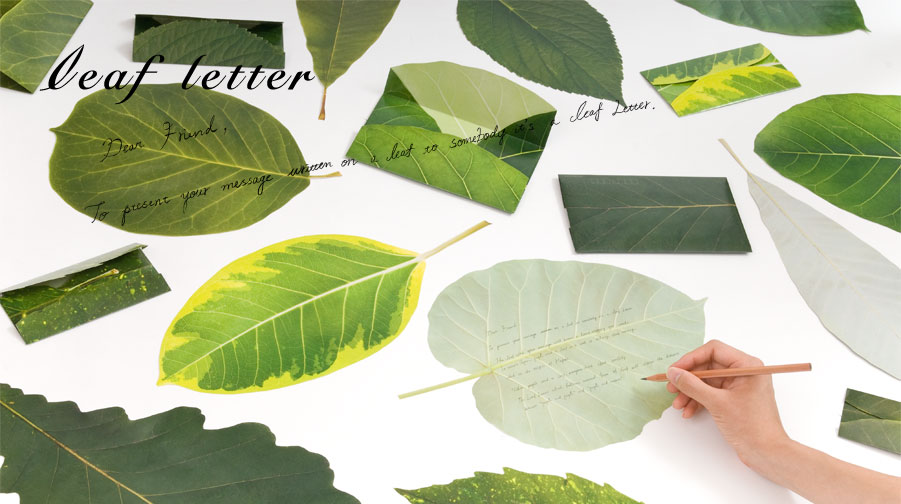
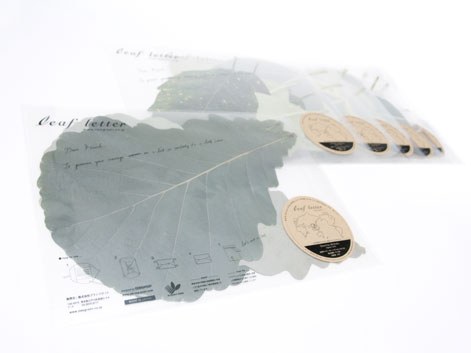
Graphic design studio Eding:Post has announced that Leaf Letter, a joint-project between themselves and Neo Green, a retailer of planters, books and other green paraphernalia, has gone on sale as of March 1, 2011.

We actually featured the work back in April 2010 when it was in the form of a simple client project: business cards and stationary for Neo Green. However, the client must have been so pleased with the work that they decided to commercialize the design, thereby creating these series of stationary in the shape of leaves. After debuting at DESIGNTIDE TOKYO 2010, the products have now made their way to the mass market.

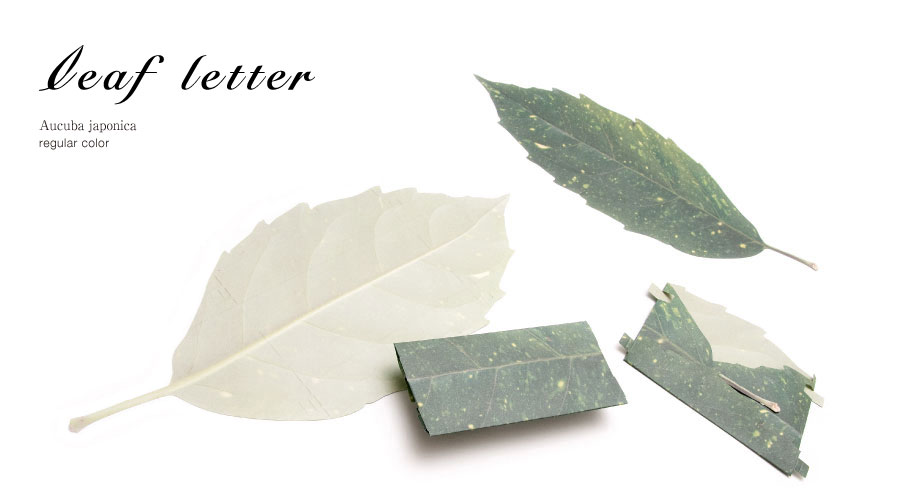
The Japanese word for postcard is hagaki (葉書), literally leaf writing, and is an etymological manifestation that invokes glimpses of times now past when messages where exchanged using leaves. Leaf Letter is a reminder, and in some ways an encouragement, to rekindle this form of communication that is quickly becoming history.

There are currently 6 different species of leaves for purchase. Each pack comes with 5 leaves and retails for 1,680 yen. You can request to purchase it from White Rabbit Express

Related:
 

« Older posts Newer posts »

© 2026 Spoon & Tamago

Up ↑

Design by Bento Graphics