Page 310 of 406

D-Bros now has a store

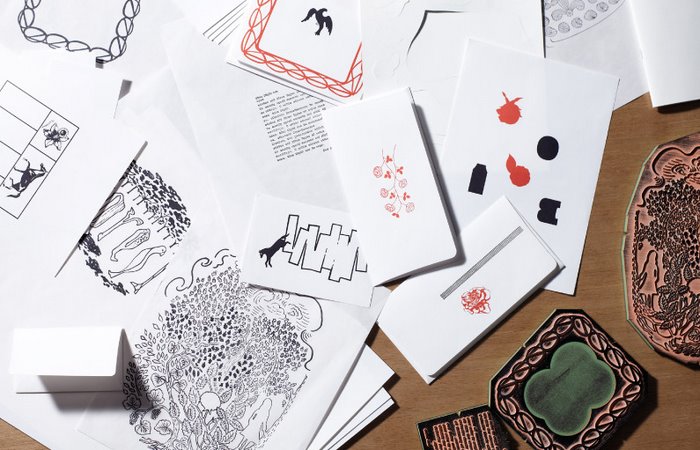
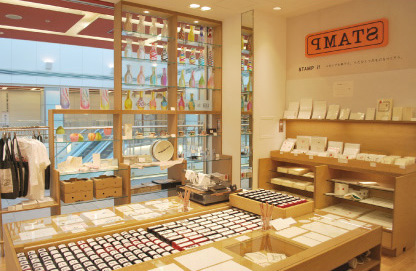
If you are a fanatic of Japanese stationary then you have certainly heard of D-Bros, known for, among other things, their kudamemo fruit-shaped memo pads. As of February 25th, they now have their own brick-and-mortar store located within the ecute department store adjacent to Shinagawa station.

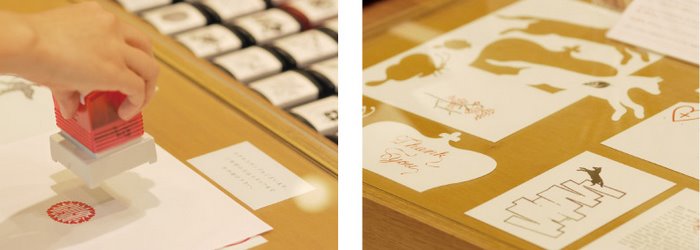
In addition to many of their gorgeous designs being available for purchase, what’s special about the new store is “STAMP it,” a participatory project in which visitors can choose from numerous stamps to custom-design their own stationary.

Related:

———————–
DB in STATION
ecute Shinagawa (Gmap)
2011.2.25 –

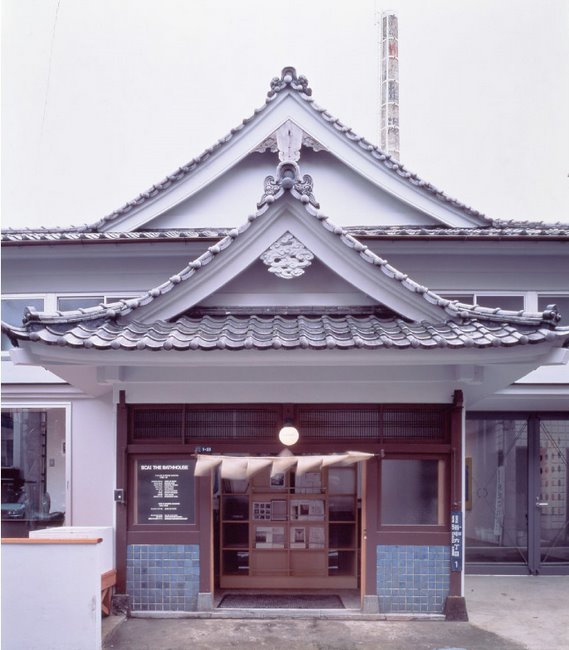
Noriko Ambe at Scai The Bathhouse

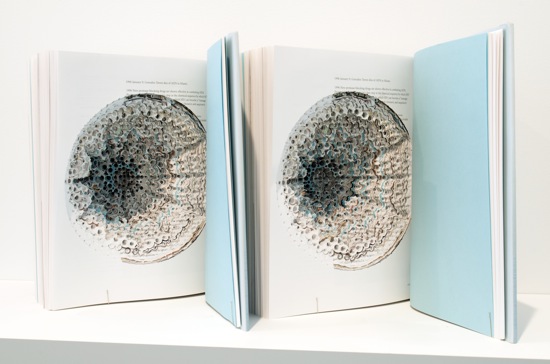
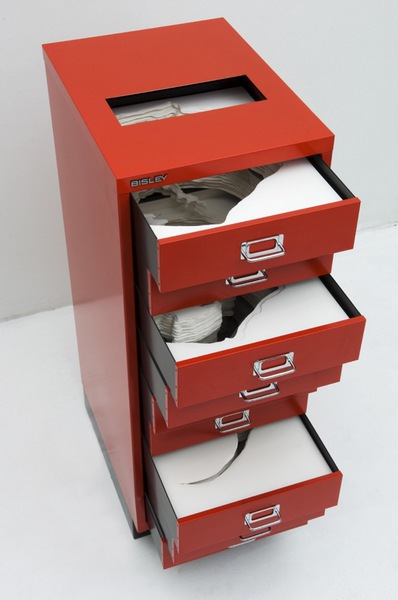
If there’s only one art show you see this month, make sure it’s Noriko Ambe’s “Time Lag,” opening at Scai The Bathouse this Friday, March 25th. Her topographic sculptures are created by making precise cut-outs in books, magazines and other forms of paper. In these selected works she uses a synthetic paper called YUPO.

SCAI THE BATHHOUSE opened in 1993 with the completion of the renovation of Kashiwayu, a venerable public bath with a 200-year history. SCAI THE BATHHOUSE is a contemporary art gallery known for introducing Japan’s avant-garde artists to the world as well as for helping exceptional artists from abroad to establish a presence in Japan.

Related:

——————————
Noriko Ambe | “Time Lag”
Scai The Bathhouse (MAP)
2011.3.25. – 5.7 (closed Sunday, Monday and holidays)
FREE

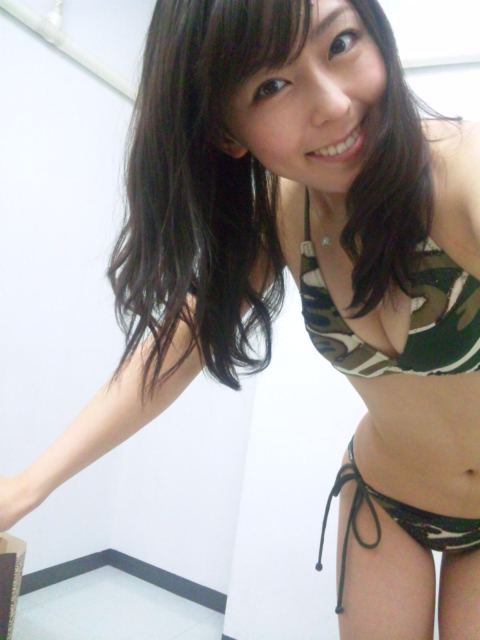
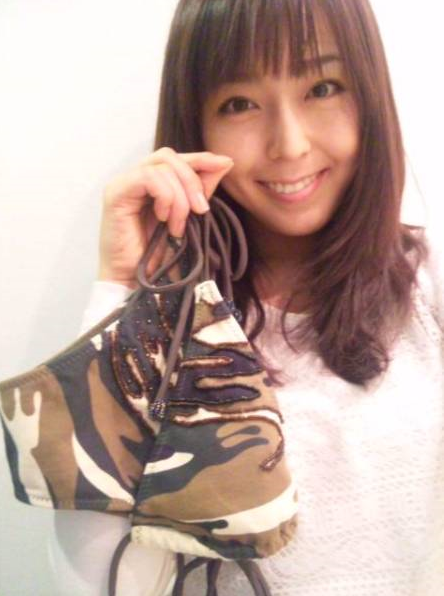
Gravure idol Ito Emi auctions bikini to raise funds for Japan

Ito Emi is neither a philanthropist nor a self-righteous rock star. She is a gravure idol whose voluptuous form has graced the covers of magazines, tantalizing teenagers for the last couple years. Her medium of choice is the bikini, which she has just used to raise over 500,000 yen with 100% of proceeds going directly to victims of the earthquake.

Project “bikini de nihon wo genki ni” was an auction that began last Thursday at 100 yen and culminated in a bidding war in which it took over an hour for the last 15 minutes to come to an end (an automated extension program adds time to the clock whenever new bid is entered within the last 5 minutes, or something like that). The price inflated to 530,000 yen (about $6500) with over 170 bidders participating in the action.

I tweeted about the auction last week when it was first announced and, with the risk portraying myself as a perv, I’m reposting the story here because I think it’s an excellent example of how unexpected aid is rolling in from unexpected people. Everyone from gravure idols to the yakuza are coming up with creative way to help the victims of the Sendai earthquake and tsunami.

Reflecting on the past week

This week has been undoubtedly one of the longest, most stressful weeks for me. Although a full seven days have gone by since the Sendai earthquake struck Japan, I still am not able to articulate the feeling of watching the country I grew up in, the country I love and admire, the country that is home to a landscape of memories, bleed. In fact, I am having a lot of trouble just writing this.

I’m not going to bore you with my life story, but to quickly summarize, I moved from Brooklyn to Japan in 1982 when I was one. My parents and I settled down in the quaint town of Koenji which, at the time, was home to roughly zero foreigners (I’m exaggerating but the number was minuscule). Koenji welcomed us in like family and thus began my simultaneous dual-absorption of cultures – Japanese amongst my friends at school and in the neighborhood and American at home. Japan nurtured me until, 18 years later, I was ready to venture out of my bubble to the States to attend college.

I owe so much of who I am to Japan…which is odd for me to even write because it’s so obvious I don’t give it much thought. Japan is not my second home. It is my home. And it’s bleeding.

What we’ve been doing here at Spoon & Tamago is, continuing to do what we do best. We’ve been shying away from all the sensational news stories out there, which, as predictable as they are, lead to a dangerous divergence in perception of the situation. Instead, all week long we’ve been writing about artists and designers who are doing their part to cope with the situation, make sense of the confusion and attempting to remedy what they can. You can read all our posts on the earthquake by following the tag 2011 earthquake. I realize that some of my posts may have alienated non-Japanese speakers, which, although I try not to do, was unavoidable.

While my thoughts are with the citizens during this painful and difficult time, I’m inspired by the courage and resilience being displayed. My hope is that still more are rescued from the rubble and that aid reaches those in desperate need. And I will continue to hope for life to return to normal as soon as possible.

Final thoughts
I don’t want this to sound like a conclusion, because that’s not what it is. Right now, as I write this, there are refugees who are freezing cold, trying to survive on what meager supplies are left. Some will not make it. Parents still suffer from the pain of losing children who were on their way home from school – a pain that thrusts my nails into my skin just trying to imagine what it might be like. Those in the field continue to deal with this nightmare 24 hours a day.

And yet, for me, as I replay the videos on youtube and gaze in utter disbelief at the slideshows, there is an overarching lesson that I will hopefully carry with me for years and years to come. And that is, no matter how high we construct our dams or how deep we build or breakwaters. No matter many wind turbines we erect or how much solar energy we convert, we will never control nature. And we should come to terms with that and respect nature for what it is; a force that is exponentially greater, more powerful and more significant than we will ever be.

Earthquake Disaster Pictograms

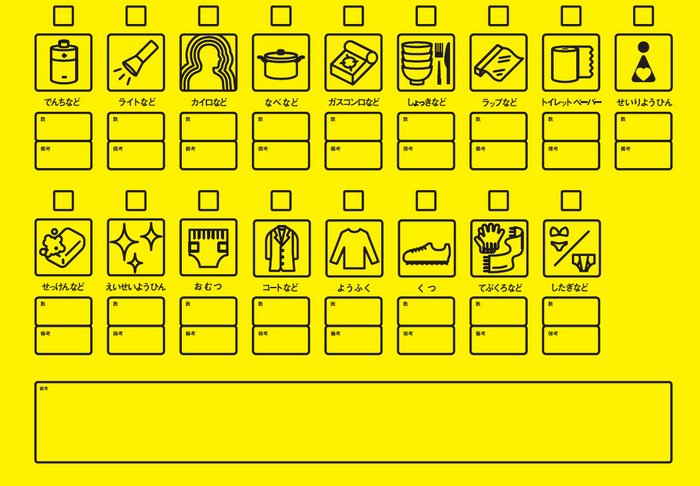
With the Tokyo Metropolitan Government finally announcing (sorry, Japanese only) that they will begin accepting personal donations for supplies to be sent to the earthquake victims up north, it’s likely that a surge of boxes and packages will begin arriving. This is definitely good news but it’s also a logistical nightmare.
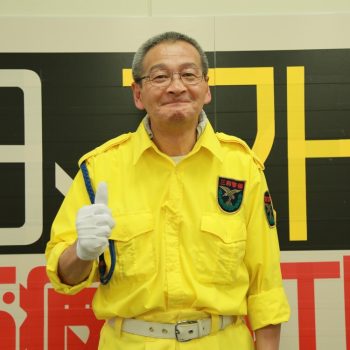
Working off of mistakes made during previous disasters, and in an attempt to facilitate the current process, Mizuno Manabu of Good Design Company has created a set of earthquake disaster pictograms to help efficiently communicate the contents of care packages. The pictograms are available in PDF form for all to download and adhere to packages.

Related:


Bunpei Yorifuji’s Earthquake Manual


click images to enlarge

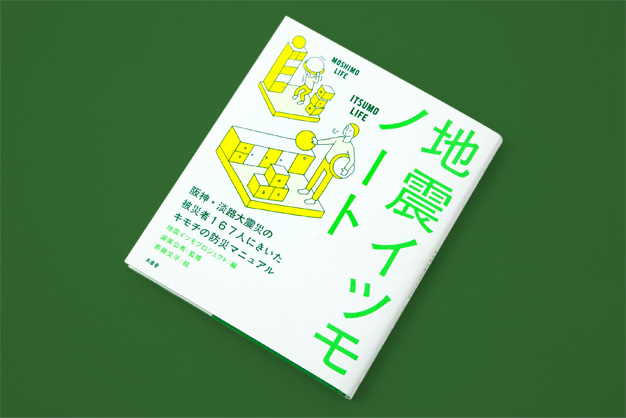
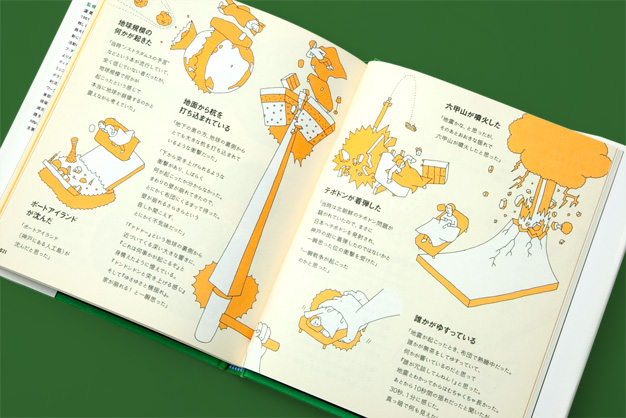
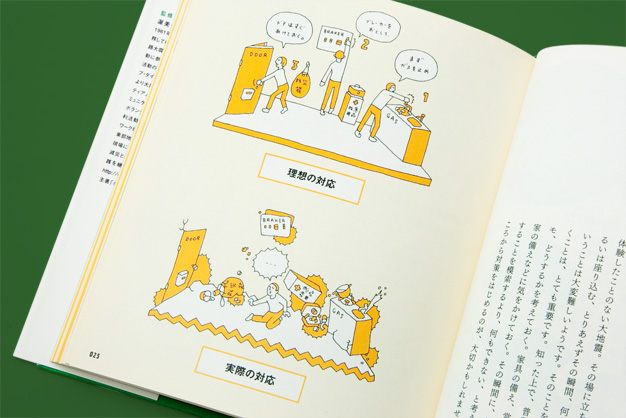
In 2007 – 12 years after the great Hanshin earthquake of 1995 – graphic designer Bunpei Yorifuji published “jishin itsumo note” (地震イツモノート). The book was an attempt to aggregate, in a creative and somewhat unconventional way, the collective knowledge of those who experienced the quake first hand. The collective voices of the 167 contributors range from simple tips, suggestions and preparedness measures to actuall survival strategies after a quake has struck

Complete with his signature quirky illustrations, the designer has uploaded part one and part two of the chapter “after the earthquake” and part one and part two of the chapter “evacuation lifestyle.”

Update [5.3.2011]: Bunpei Yorifuji has released the entire contents of his book, as well as other supplementary information, on a website he created called jishin itsumon.

Related:

Hitler finds out that people are stockpiling food in Japan

In the wake of the Sendai earthquake and Tsunami the foreign media have picked up on a surprising phenomenon. There are no looters in Japan. But an unexpected problem is troubling many in Tokyo and across Japan. An email I received this morning from a friend in Tokyo:

I think there is no difference between Japanese housewives and the looters in New Orleans in the sense both of them are selfish.

That’s right. Despite calls from many to act rationally and calmly, the “crazy shufu,” as they are being called, are stockpiling food like it’s nobody’s business. Which leads us to our clip below in which the Führer discovers what is going on. And he is not happy.

The clip is only subtitled in Japanese but Hitler begins his rant by questioning the motives behind the stockpilers.
“What do you expect to do with all that food, open your own store?” he yells and goes on. “You’re from Kansai. You don’t even like natto! This is not the time and place to try and overcome your likes and dislikes!” The rant then culminates in a plea to donate any leftover money or food to the people in the North.

Although humorously done, the clip is a serious call to people to not just think about themselves but about the less fortunate.

The Hitler remixes originally went viral in 2008, parodying everything from Hitler getting scammed on ebay to Hitler reacting to all the Hitler parodies being yanked last year from youtube due to copyright claims.

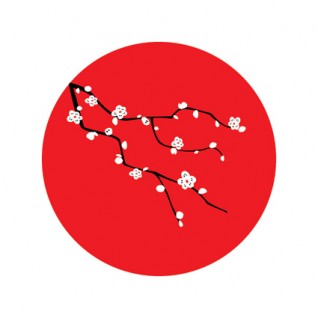
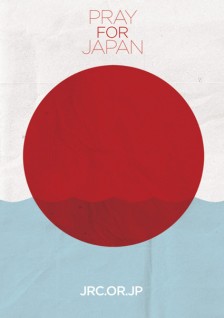
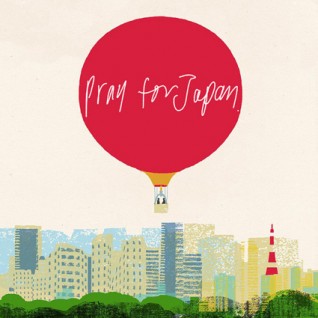
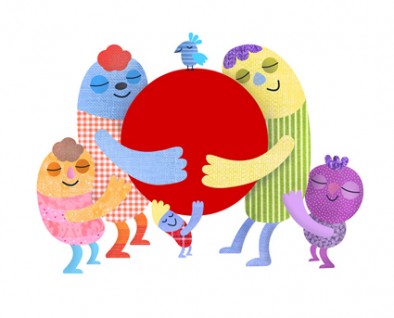
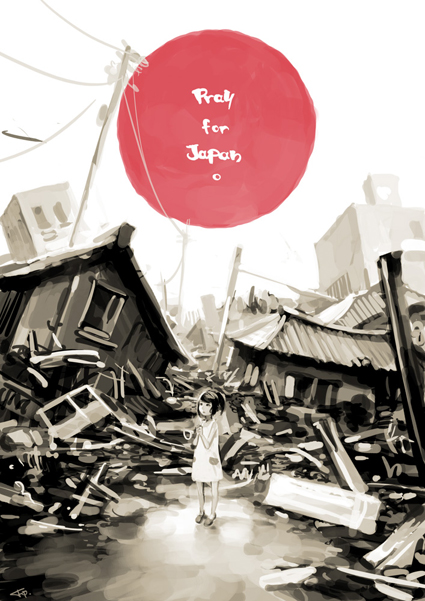
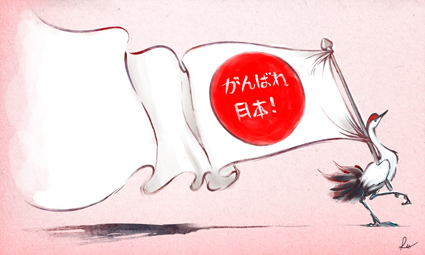
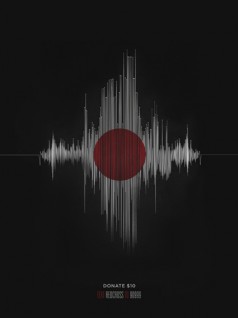
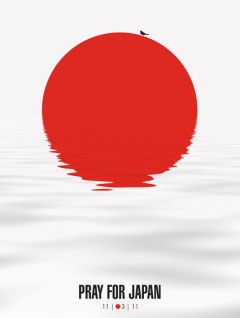
Art in support for Japan

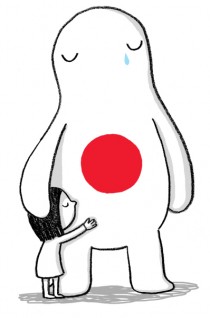
Both Johnny and I spent much of our childhood (attending school together) in Japan, and so Japan holds a very special place in our hearts. I was impressed by the artists that have expressed their support by art and wanted to share some of them here:

by Natascha Rosenberg

dryicons
by DryIcons

by Adam
by Adam

by Tatsuro Kiuchi
by Tatsuro Kiuchi


by Aaron Stewart
by Aaron Stewart

cellar fcp
by cellar fcp


by Lea Wade
by Lea Wade


by Jacob Cass
by Jacob Cass

by Zac Neulieb
by Zac Neulieb


by Willian Sanfer
by Willian Sanfer

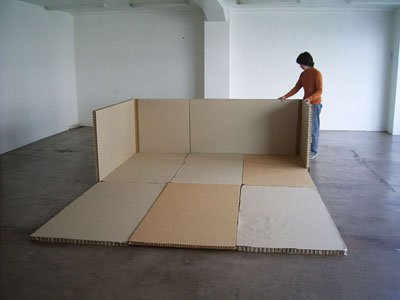
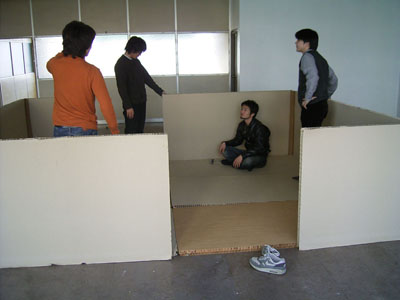
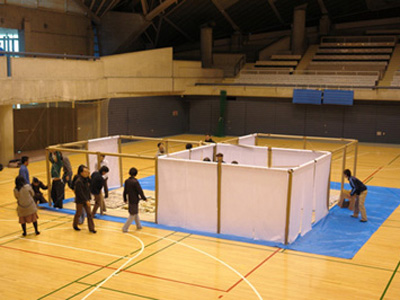
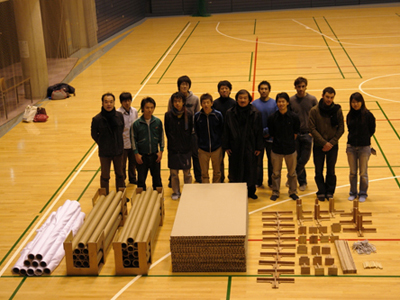
Shigeru Ban’s Paper Partition System for Earthquake Refugees

The design community continues to rally in support for victims of the 2011 Sendai earthquake and tsunami. Local resident and architect Shigeru Ban recently announced that he was accepting donations towards his partitioning system, a low-cost, highly effective system than can be deployed to provide basic insulation and privacy amongst families who have lost their homes.

With an estimated 400,000 displaced, the temporary housing solution is a simple yet significant change that can help families, who traditionally maintain thin neighborly relations and high levels of privacy, live their lives a bit more normally.

You can donate by going to his website where you will find all the necessary information to wire money to their bank account in Tokyo.

Shigeru Ban is known for swiftly reacting in times of need, proposing architectural solutions to meet the demand for low-cost temporary housing. His plans have been deployed during the Great Hanshin earthquake of ’95, The Fukuoka earthquake of ’05 and the Haiti earthquake of ’10.

Setsudener

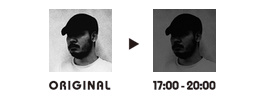
Setsudener is an app that converts your twitter icon to a dimmer version only during peak electricity consumption hours, said to be between 5:00 AM – 8:00 PM. It’s a subtle reminder that there are small changes and adjustments we can make in our day-to-day lives that, collectively, can have a significant impact on electricity usage.

Setsuden (節電) in Japanese means “conserve electricity.” Therefore, setsudener can be translated as, one who conserves electricity. The app was developed by interactive director Qanta Shimizu.

(Take note that some users initially reported that their icons don’t return to normal. Per the developer, this bug has been fixed. It’s also worth noting that the app functions in Japan’s time zone.)

« Older posts Newer posts »

© 2026 Spoon & Tamago

Up ↑

Design by Bento Graphics