Page 286 of 406

DesignTide Tokyo 2011 | Gulliver Table by Torafu

This week we’ll be bringing you some of our favorite picks from DesignTide Tokyo, which is running from October 29 – November 3, 2011. Click here for all our stories on the exhibition.


images courtesy excite.ism | click to enlarge

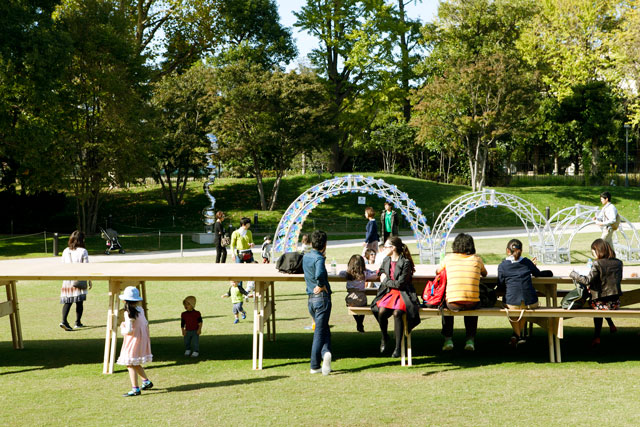
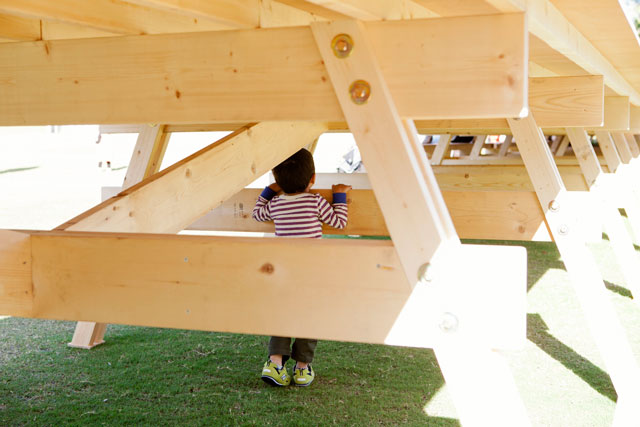
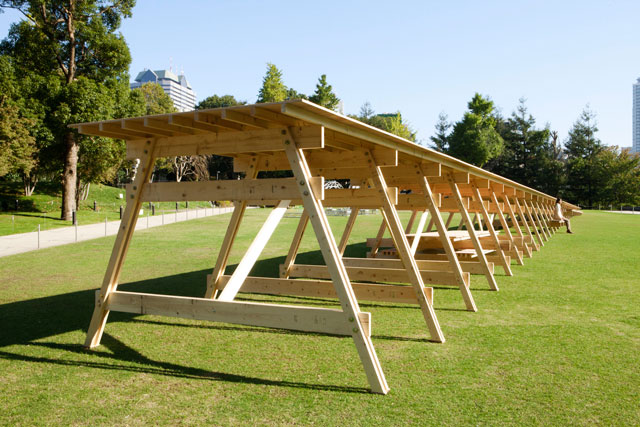
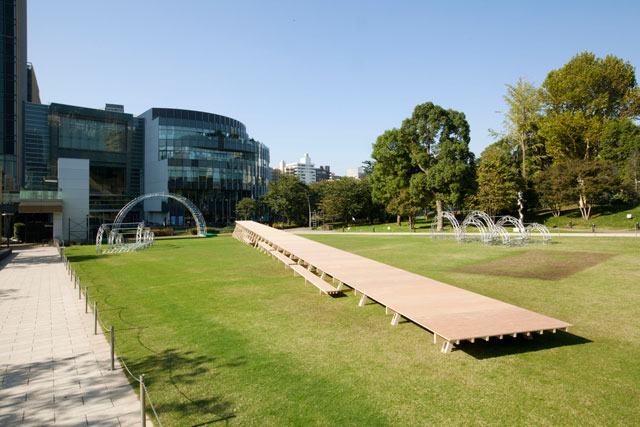
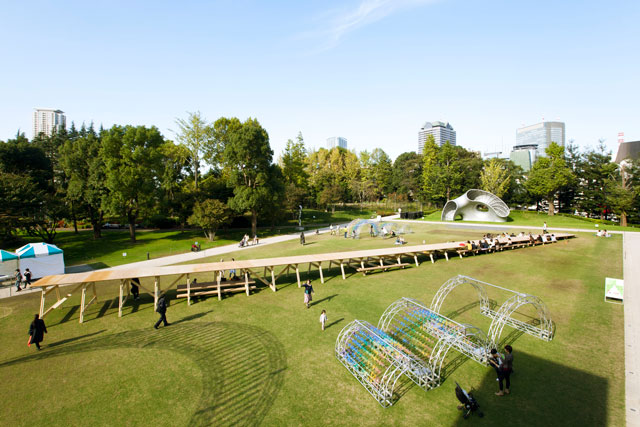
It’s a table. No, wait, a bench. No, a floor. A roof. A jungle gym? Torafu Architects’ Gulliver Table is designed to be just that. Stretching 50 meters across the lawn of Tokyo Midtown, the table takes on various roles depending on where you approach it. You can lie down on it, sit on it and even play under it!

It’s part of Tokyo Midtown DESIGN TOUCH, an extension of DesignTide Tokyo, and is on display through November 6.

source: excite.ism


DesignTide Tokyo 2011 | Daito Manabe + Motoi Ishibashi

This week we’ll be bringing you some of our favorite picks from DesignTide Tokyo, which is running from October 29 – November 3, 2011. Click here for all our stories on the exhibition.


images courtesy Daito Manabe | click to enlarge

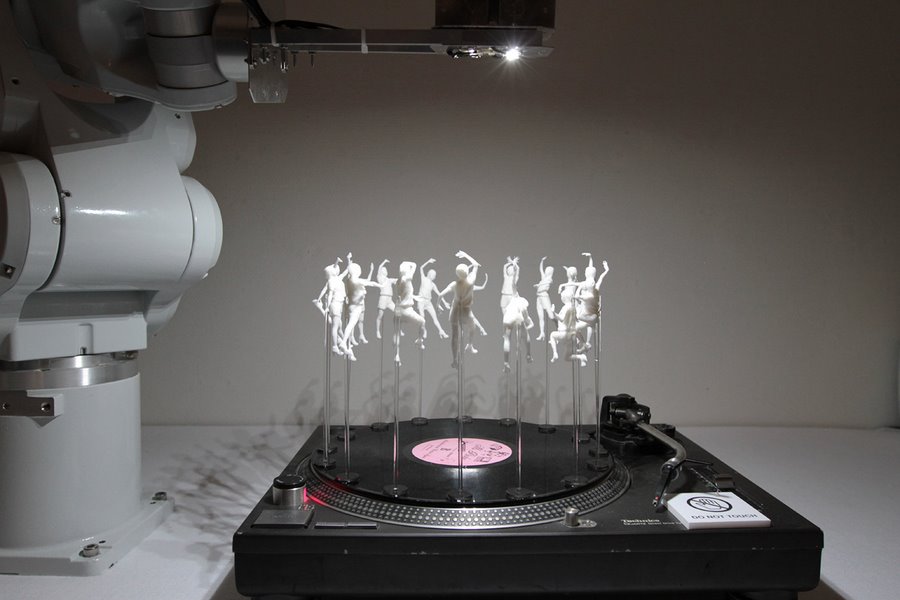
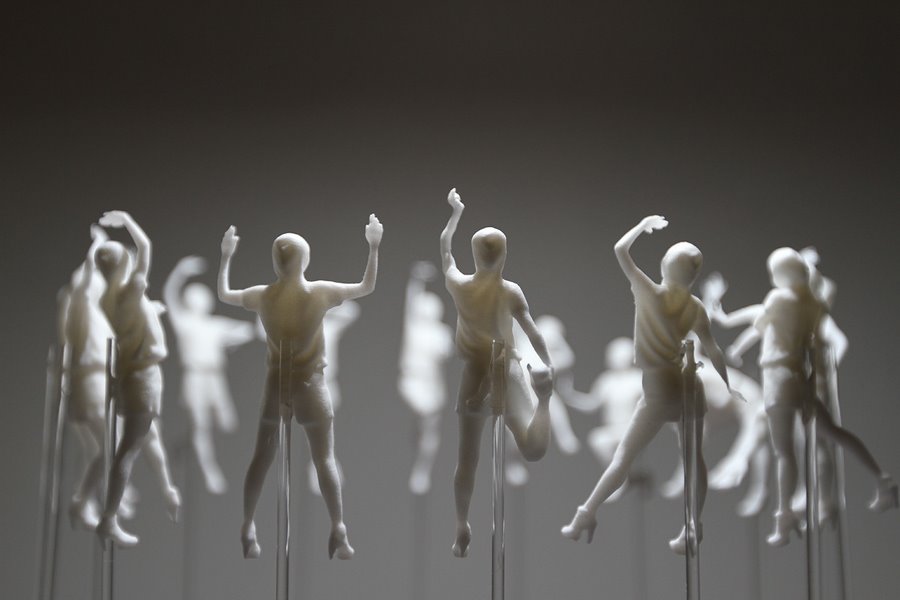
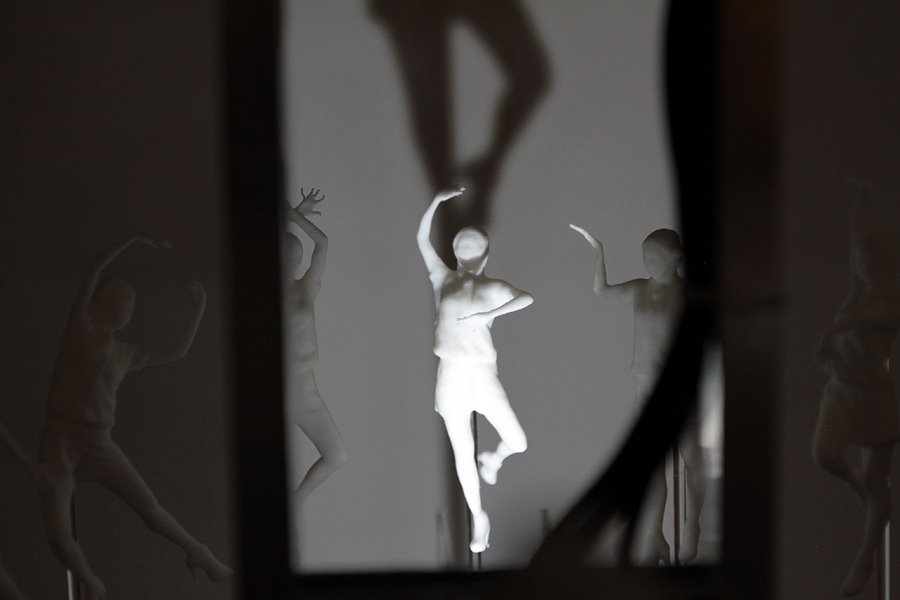
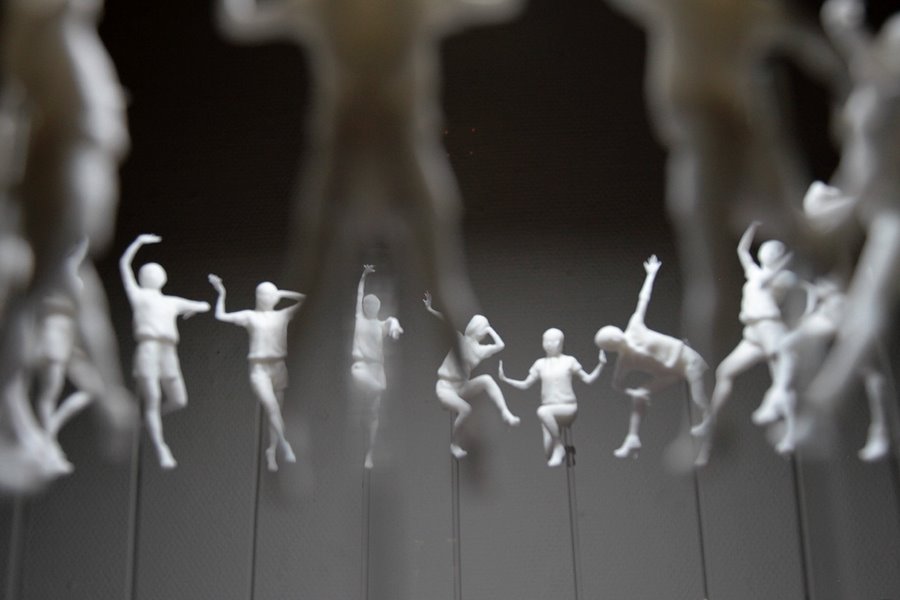
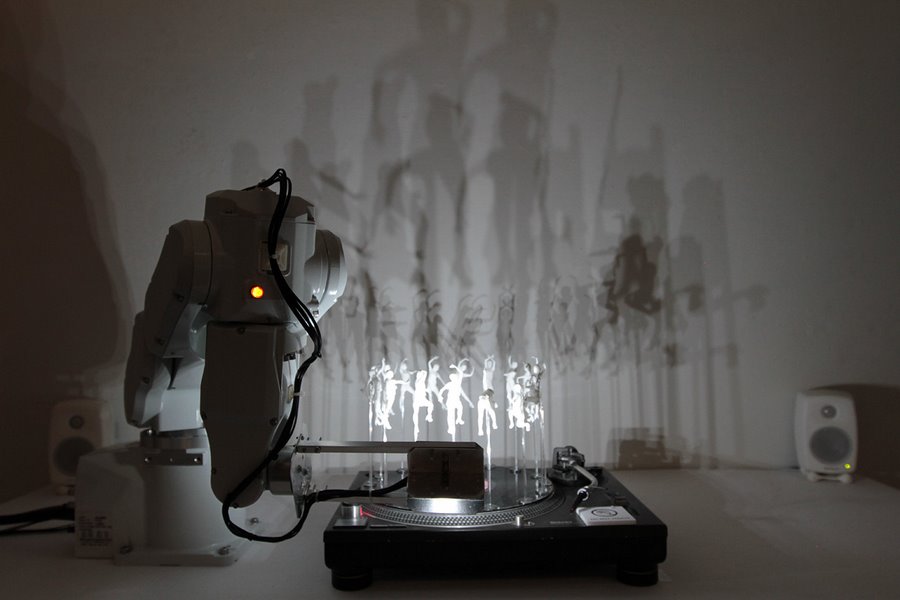
Daito Manabe and Motoi Ishibashi (both whom conveniently, for me, carry the same title: artist, designer and programmer) are presenting “16 forms,” an animated sequence that is both analogue and high-tech. Programming an industrial robot to create dynamic movements while projecting a light source, the duo created their own version of a zoetrope.

While conventional zoetropes make use of paper cut-outs, Manabe and Ishibashi opted for scanned and 3D-printed models, which were then affixed to a turntable.

Although the quality is pretty bad, here is an 18-sec clip to give you a sense of what they’ve done.

DesignTide Tokyo 2011 | Proof of Guild

This week we’ll be bringing you some of our favorite picks from DesignTide Tokyo, which is running from October 29 – November 3, 2011. Click here for all our stories on the exhibition.


images courtesy Proof of Guild | click to enlarge

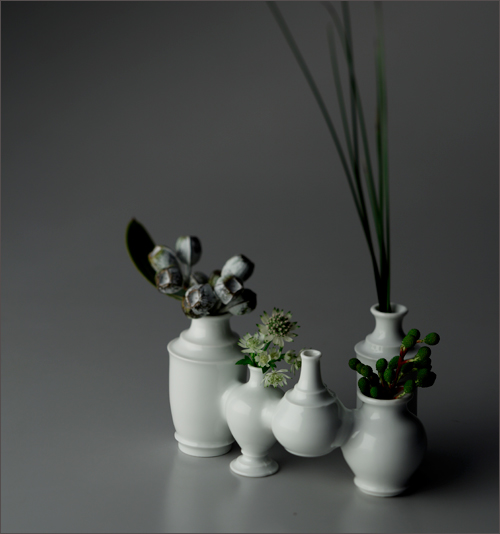
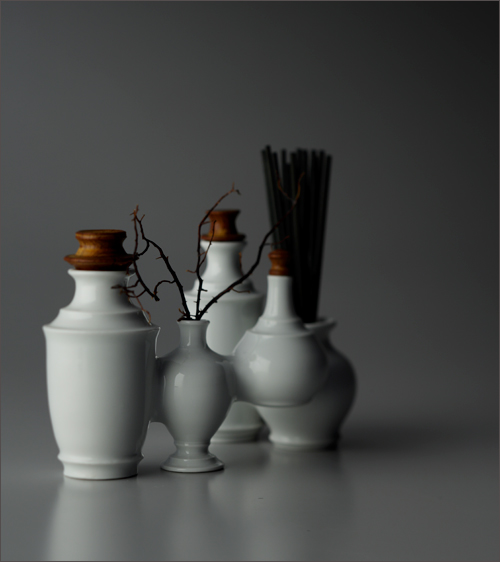
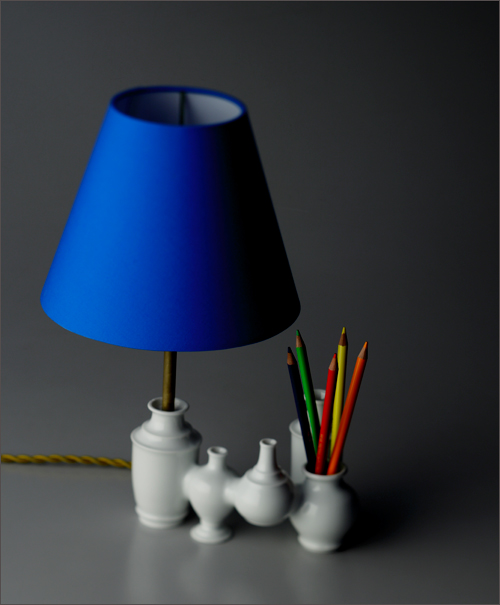
Founded by Minoru and Keiko Takeuchi in 2002, Proof of Guild is a jewelry and flower shop primarily focusing on weddings. But for the first time ever, the boutique has produced a series of vases titled “Hands & Hand,” which is on display at DesignTide Tokyo 2011. Not only are the curious vases reminiscent of hand-holding, but they were also crafted by hand.

There is indeed something magical about these conjoined vases. They remind me a lot of the organic work of ceramic artist Ryan Takaba.

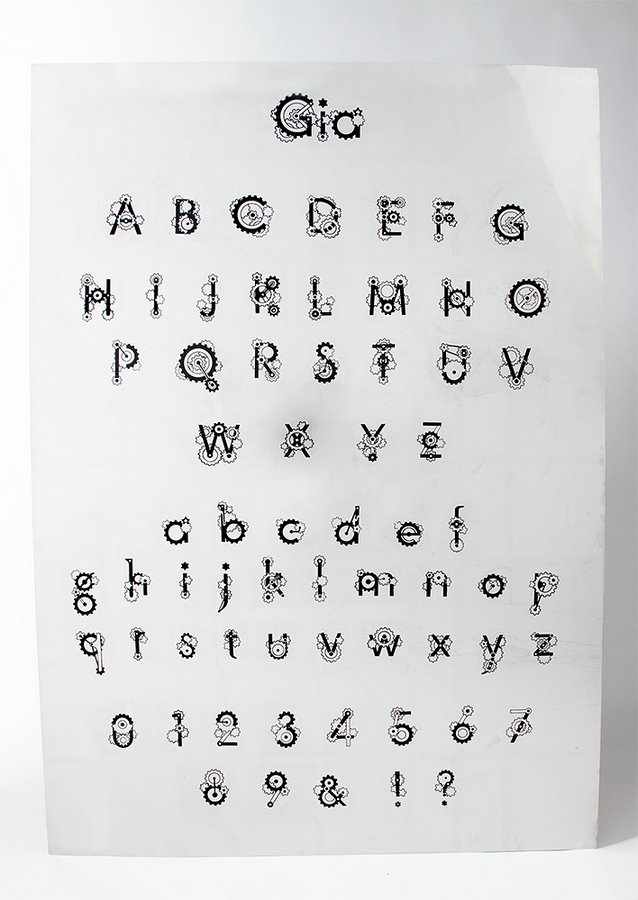
Font Gear by Kaiho Sho

Letters are components of a larger (alphabetic) system that work in tandem to produce a force (language). So why not create a typeface based on gears – those rotating machines that transmit motion? That was the idea behind Font Gear, a typeface created by Kaiho Sho for his senior thesis exhibition at Tamabi.

Sure it’s not the first gear typeface, but it’s certainly the prettiest in my book!

I came across Kaiho Sho while exploring the body of work produced for the 2011 senior thesis exhibition of students from Tama Art University(Tamabi).

See all our posts on student work.

Ten-ten by Miharu Matsunaga | redux

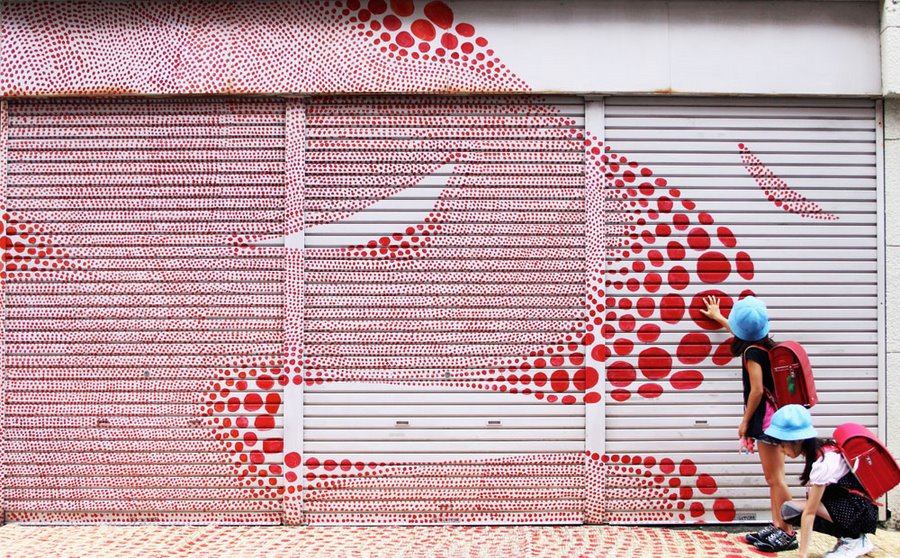
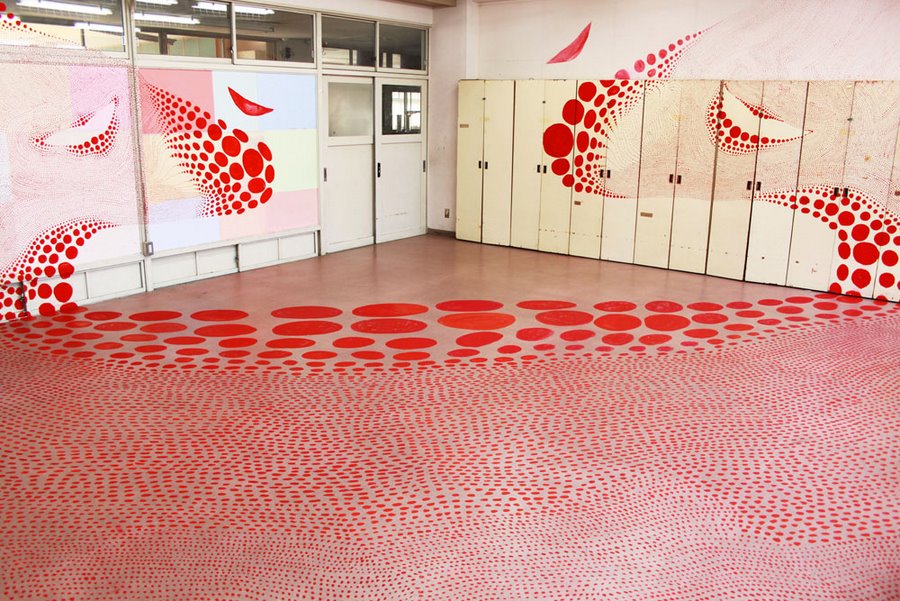
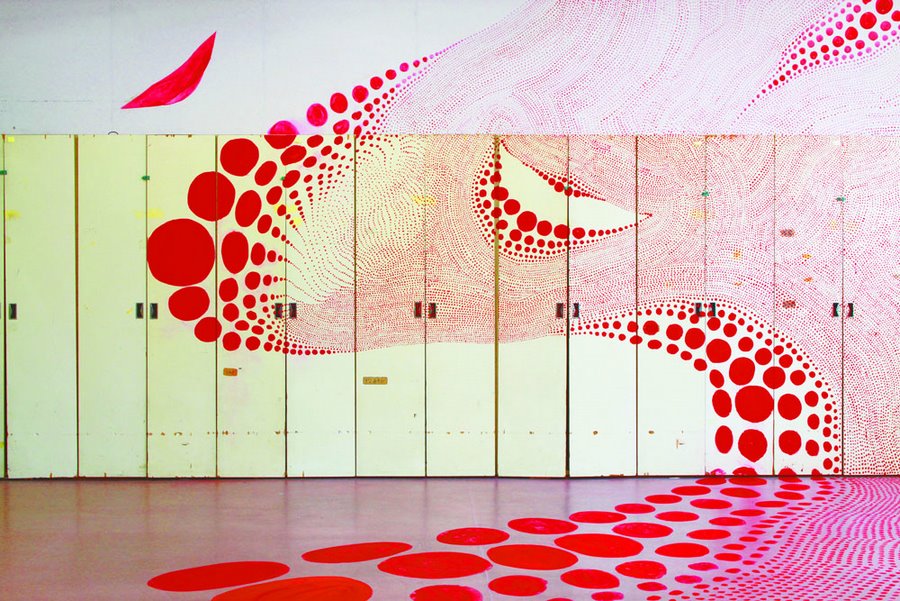
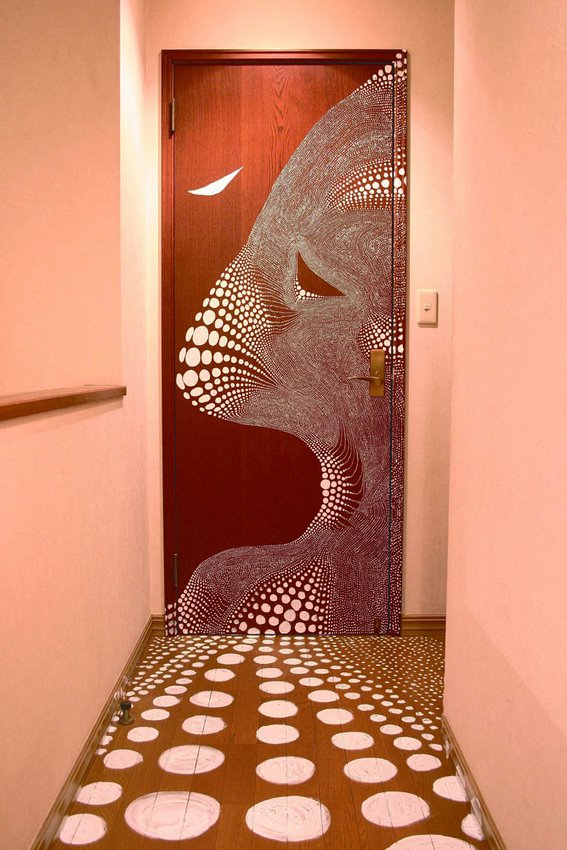
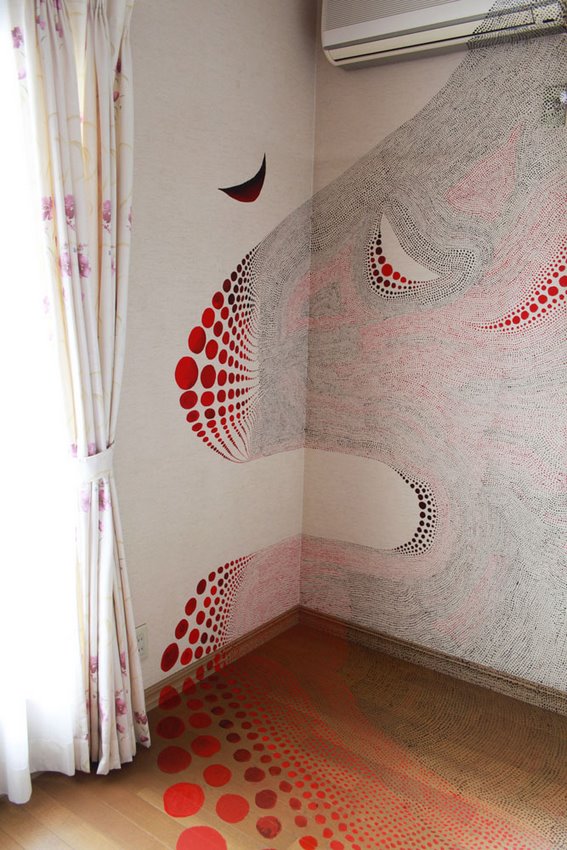
I rarely do two posts in a row on the same artist. But this is probably the first time I’ve done 2 posts in a row on the same artist with the same title of work. This is because I’m fascinated with Miharu Matsunaga’s fascination with dots.

In what is presumably a prequel to here senior thesis work, Matsunaga hand-painted dots – both large and small – onto common landscapes, transforming them into breathtaking works of art. Objects that you wouldn’t even take notice of, now cause you to stop and observe them ever-so-carefully.

See all our posts on student work.


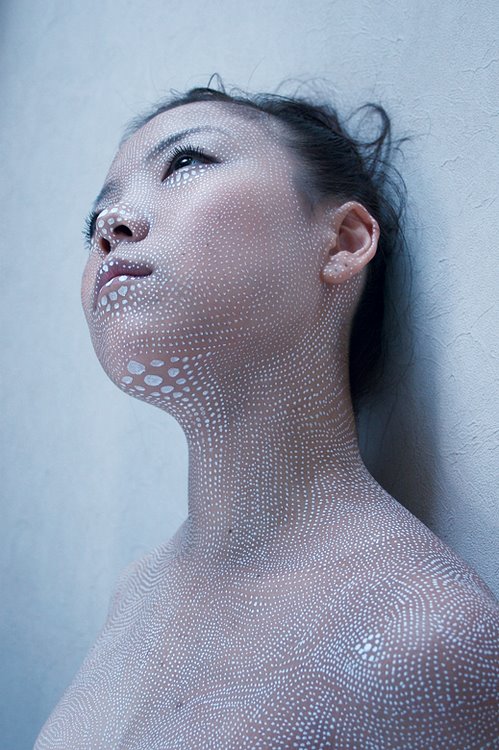
Ten-ten by Miharu Matsunaga


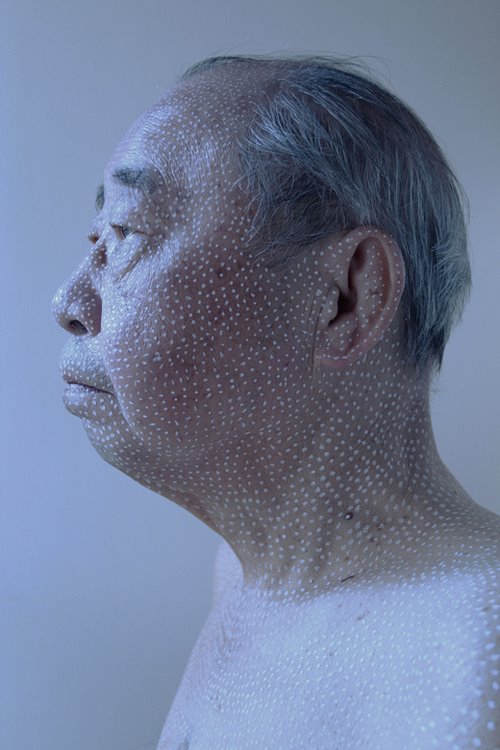
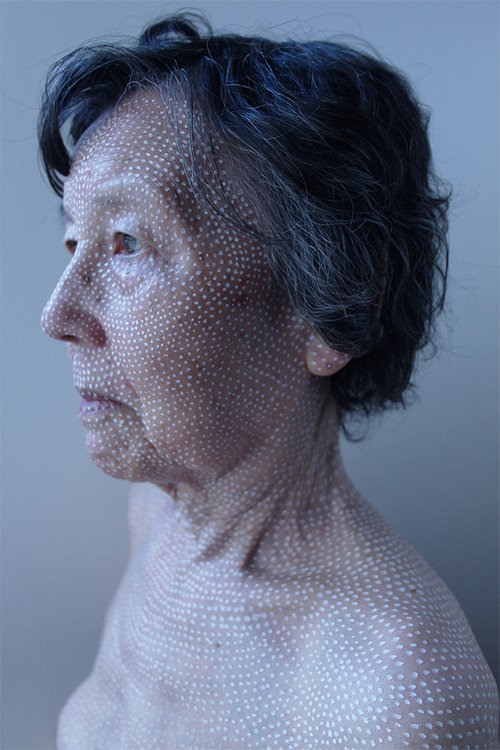
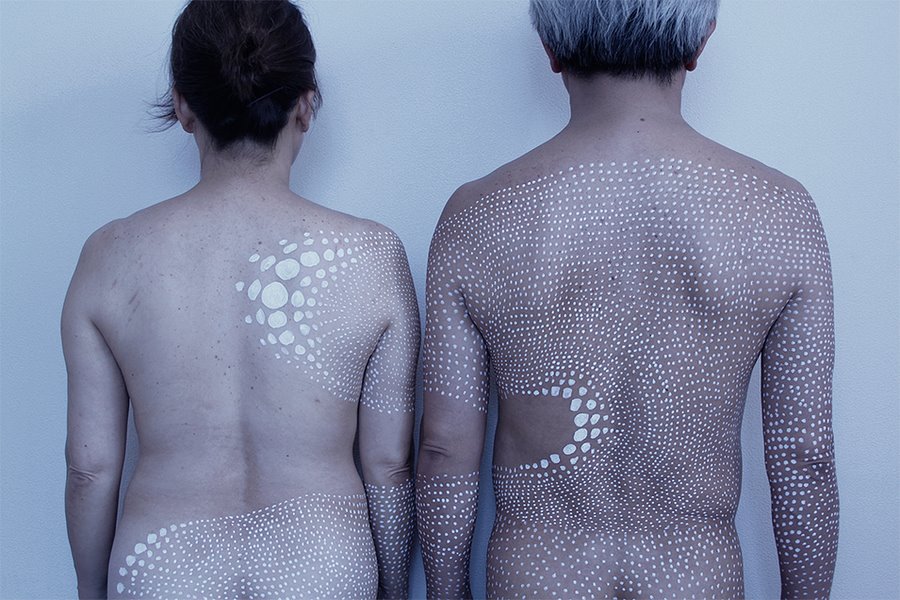
Student designer Miharu Matsunaga created a series of stunning photographs titled “ten-ten” (dots). In order to illustrate the obvious yet often forgotten bond between man, woman, family, friend, adult, child and nationality, Matsunaga decided to painstakingly hand-draw hundreds of dots across the human body. The result is dazzling as it is obfuscating. The different races, ages and genders blur together on the canvas as if to say, we are one massive painting. Really gorgeous!

It reminds me of Mimi-nashi Hoichi (Hoichi the Earless), an old Japanese story that used to scare the bejesus out of me. As the legend goes, a priest tries to protect Hoichi from a ghost by painting inscriptions on his entire body, rendering him invisible to the ghost. However, the priest forgets to paint Hoichi’s ears! When the ghost returns the following night, Hoichi’s ears – the only visible part of his body – are torn off by the ghost.

I am consistently amazed by the talent coming out of young student designers. I came across Mihara Matsunaga while exploring the body of work produced for the 2011 senior thesis exhibition of students from Tama Art University (Tamabi).

See all our posts on student work.

2012 calendars! oh god!

Each year around this time we like to do a roundup of some of our favorite calendars for the following year. Can you believe we’re heading into 2012? I certainly can’t. If you’re interested, please check out our previous posts, which include 2009 calenders! oh no!2010 calendars! oh my! and 2011 Calendars! Oh crap!.
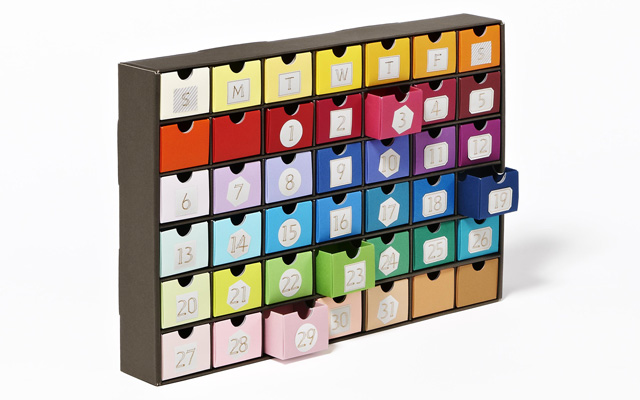
2012 calendar by chie tanaka

Chie Tanaka’s rainbow “Pullout Calendar” was produced in collaboration with Takeo Paper and will be exhibited/sold (5,250 yen) at Mitsukoshi Department Store in conjunction with Designtide Tokyo 2011.
2012 calendar by kei matsushita
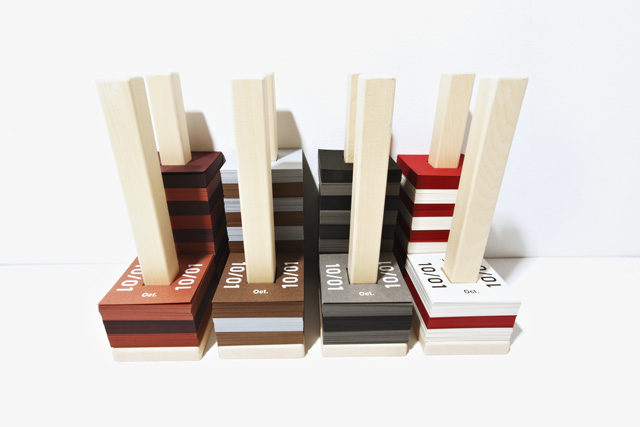
Also in collaboration with Takeo Paper is Kei Matsushita’s “Graph Calendar” (15,750 yen). It’s an upright calendar and you flip the days as the year progress. It comes in 4 different colors.
2012 calendar by Yusaku Shimoyama
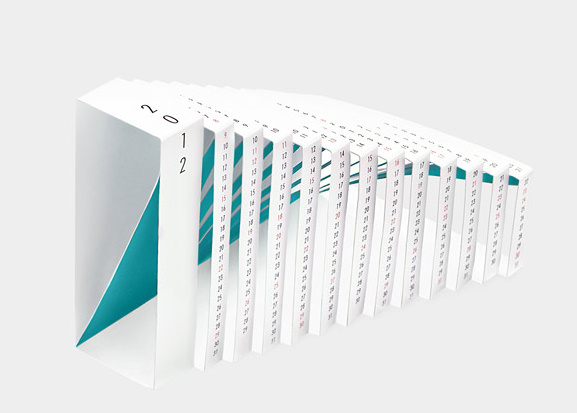
Yusaku Shimoyama’s “Surge” calendar is made from one sheet of paper and becomes three dimensional when assembled to look like an architect model. Available at the MoMA Store ($10.95)
2012 calendar by hiroyuki miyake 1 2012 calendar by hiroyuki miyake 2
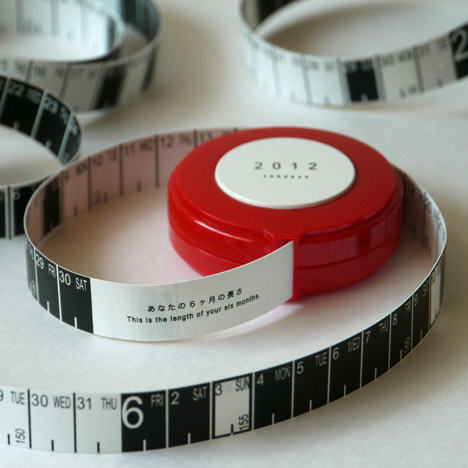
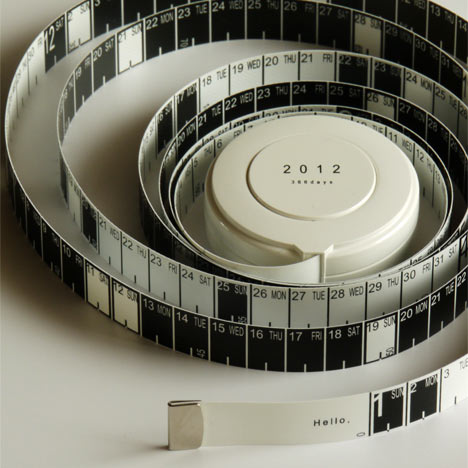
Hiroyuki Miyake‘s “Measure Calendar” works like a retractable tape measure, with one centimeter for each day of the year.
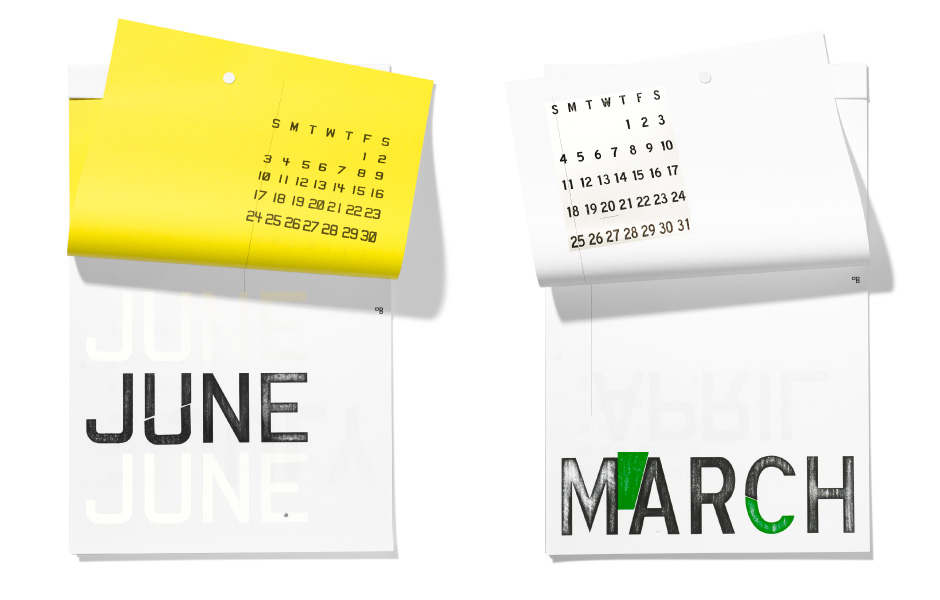
2012 calendar by dbros
And of course, our roundup of calendars wouldn’t be complete without an appearance from graphic design office D-BROS. First up is “Roll12” (above) by Ryosuke Uehara, in which the motion of flipping from month-to-month becomes part of the design, creating a visually dynamic calendar.
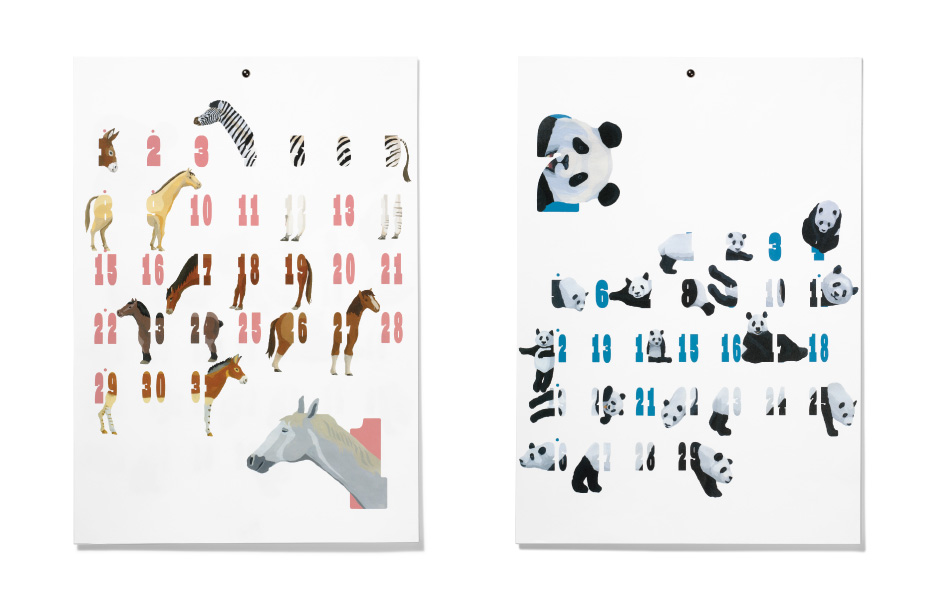
2012 calendar by dbros 3
“Family” by Atsushi Hirano is a continuation of a series in which the designer incorporates animals into the typefaces of the days.
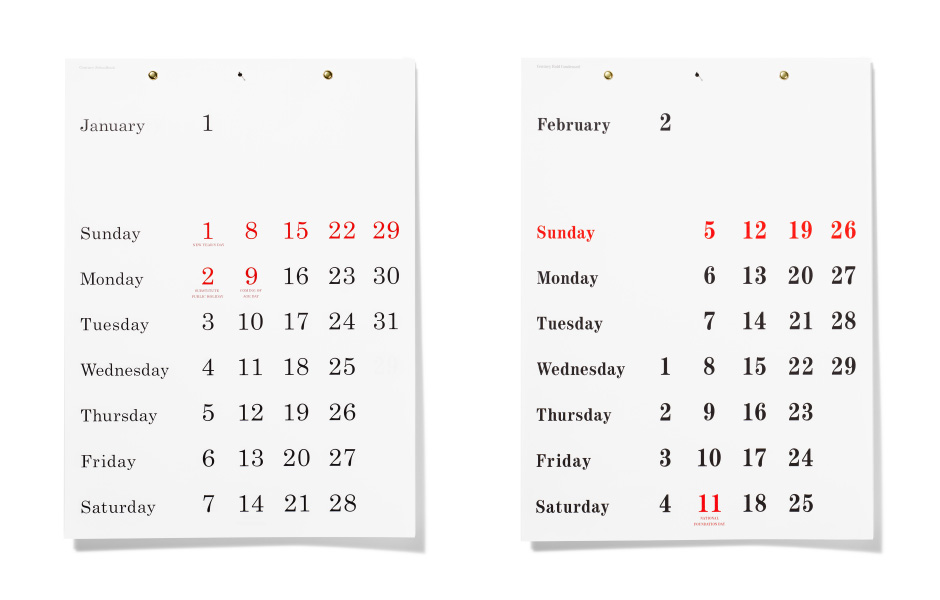
2012 calendar by dbros 2
Lastly, their “typeface” calendar, which has been rotating through popular typefaces since 2008, is back again; this time with the “century” family.

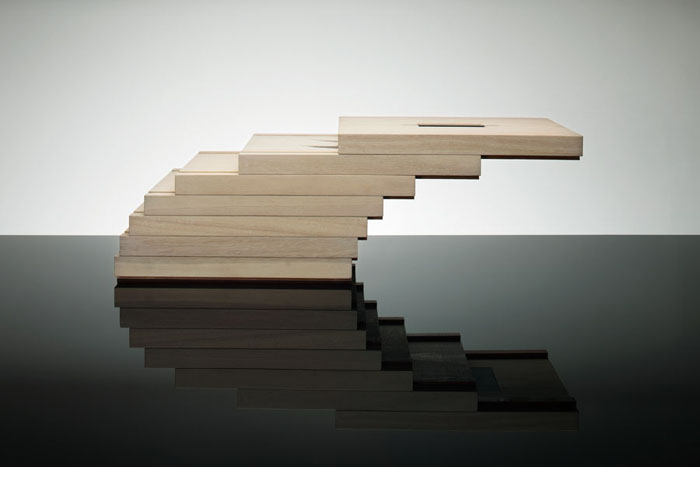
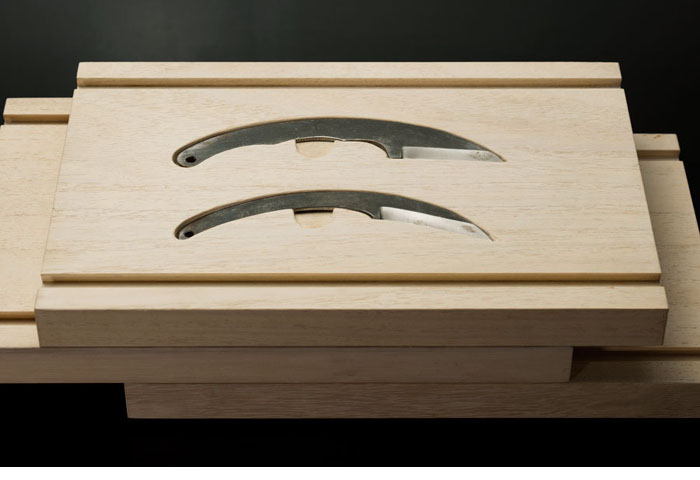
Hirosaki Knife Box by Keiji Ashizawa

Kitchen knife kit box

photos by Takumi Ota

Kitchen knife kit box

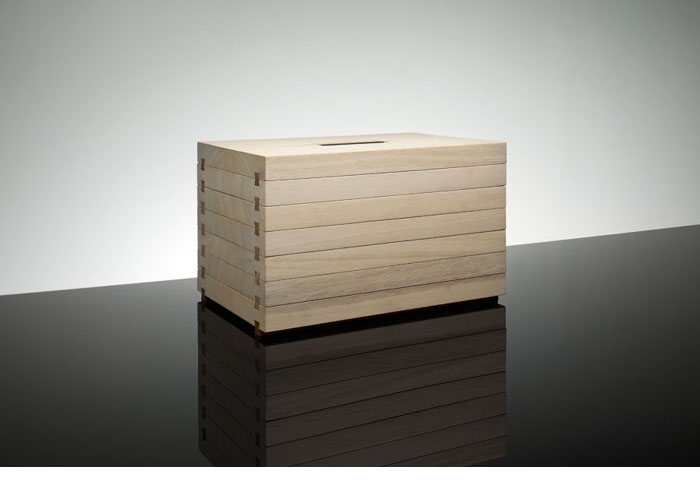
The Hirosaki knives have been forged by blacksmiths in Hirosaki City for over 1000 years. Kenji Ashizawa‘s handmade paulownia wood knife box is designed to preserve the beauty of the knives by protecting the steel from moisture and maintain their edge. Hirosaki city, located in Aomori Prefecture, is famous for apples in Japan, and so the knife box also utilizes up-cycled apple wood on the rails of the box that join the layers.

Kitchen knife kit box

Source: Wallpaper* Handmade 2011

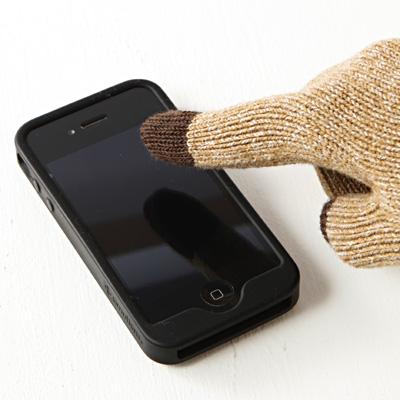
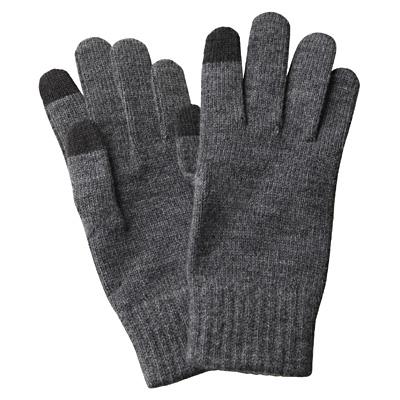
MUJI Touchscreen Gloves


This made my day. And just in time for winter! These gloves come with conductive material interwoven into the thumb and forefinger so you can operate your device without subjecting your bare hands to the cold! Thanks MUJI.
Source: MUJI press release


Chu Enoki | Unleashing the Museum


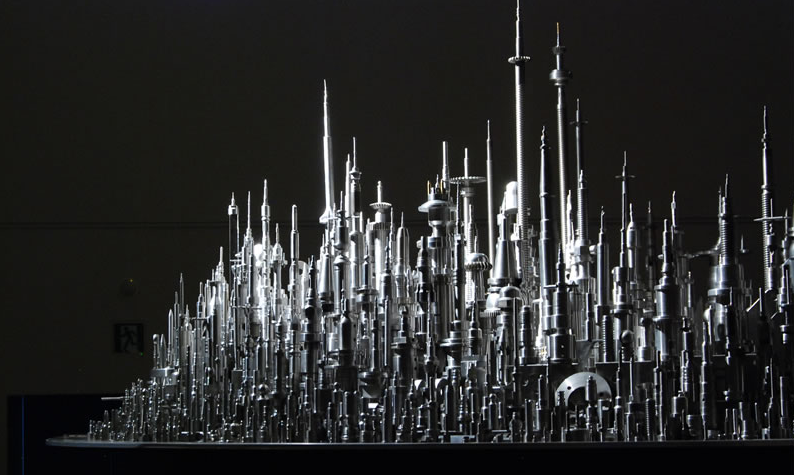
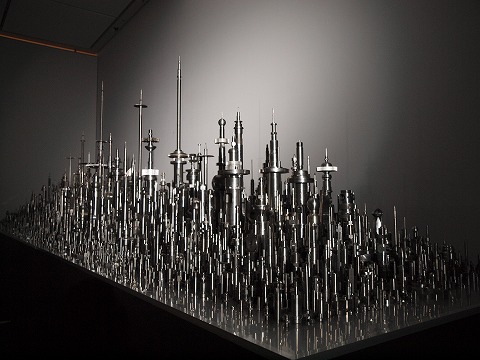
“RPM 1200” | click images to enlarge | courtesy Hyogo Museum of Art


Chu Enoki
is an eccentric Japanese artist who has been practicing since the mid-1960s. He is known for going to Hungary with a “hangari” haircut, walking the streets of Ginza shirtless, with the Expo ’70 logo sunburned onto his bare chest, erecting a pop-up bar and serving drinks to customers while dressed as a transvestite,  as well as large-scale sculptures such as Space Lobster P-81, which was built from over 20 tons of scrap metal salvaged from trains and boats that he disassembled with his own bare hands.

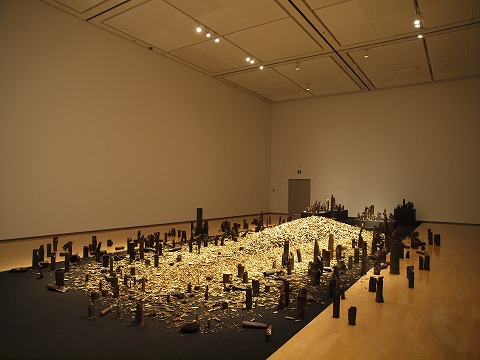
Well now all his humorous oddities – both big and small – have been assembled in a single space in the largest retrospective of his work to date. “Unleashing the Museum,” which opened earlier this month at the Hyogo Museum of Art (details below), is a comprehensive look at the enigmatic artist who poked fun at himself while ridiculing all that modern Japan had become.


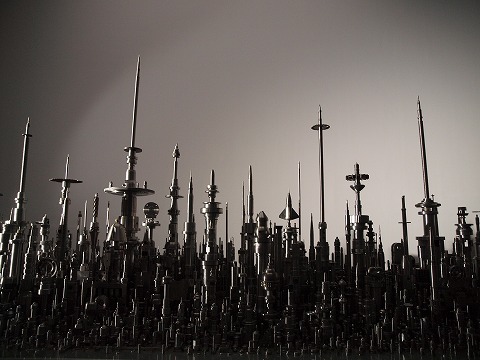
“RPM-1200” (detail) | courtesy Hyogo Museum of Art

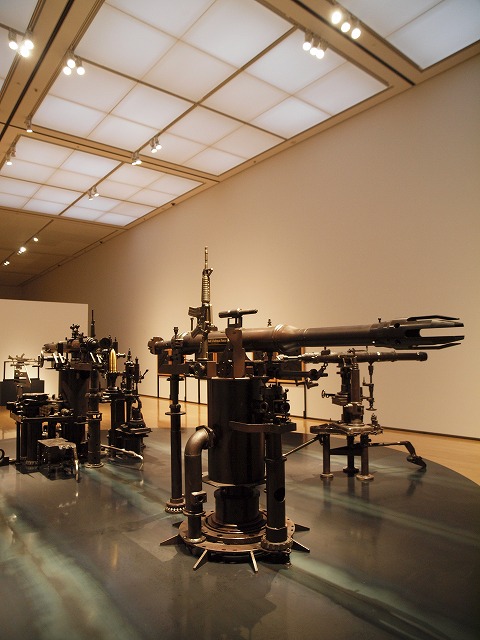
One of the main attractions of the show is RPM-1200 (above), a utopian – or perhaps dystopian –  futuristic city sculpted from old drill bits and machine parts.


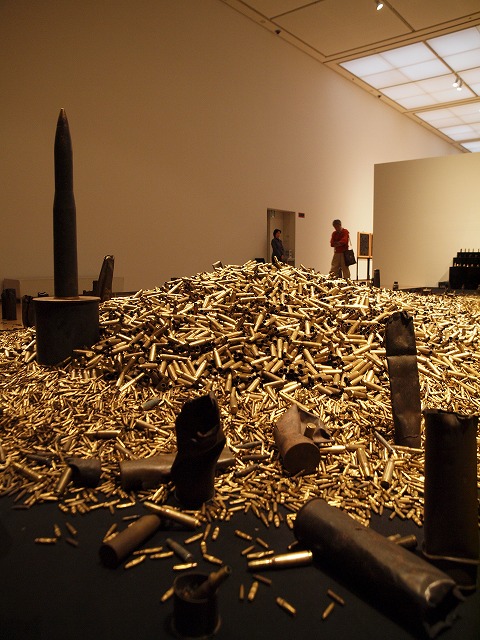
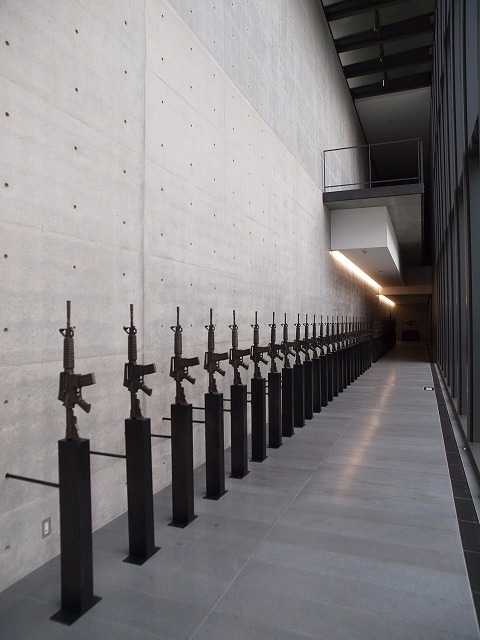
“cartridge” made from thousands of actual bullet shells


unless otherwise noted, all images courtesy Tabitoba

source: HitsPaper | Hyogo Museum of Art | Tabitoba

————————————————————–

Chu Enoki | Unleashing the Museum
Hyogo Museum of Art
2011.10.12 – 11.27
10:00 – 18:00
general admission 1200 yen

« Older posts Newer posts »

© 2026 Spoon & Tamago

Up ↑

Design by Bento Graphics