Page 285 of 406

DesignTide Tokyo 2011 | Flip convertible furniture by Daisuke Motogi

we’re be bringing you some of our favorite picks from DesignTide Tokyo, which ran from October 29 – November 3, 2011. Click here for all our stories on the exhibition.

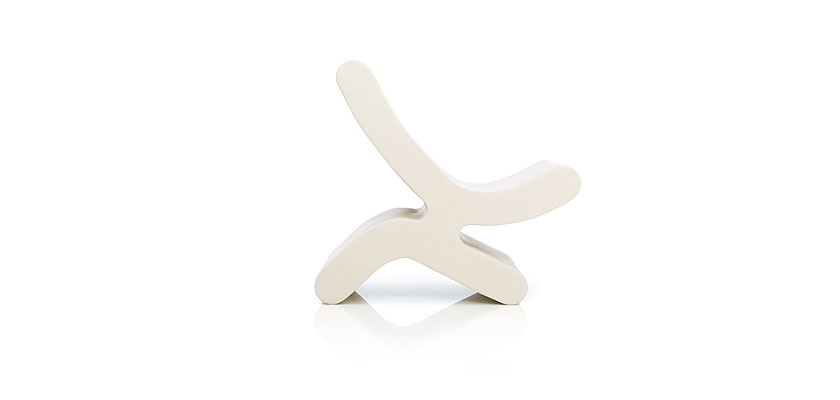
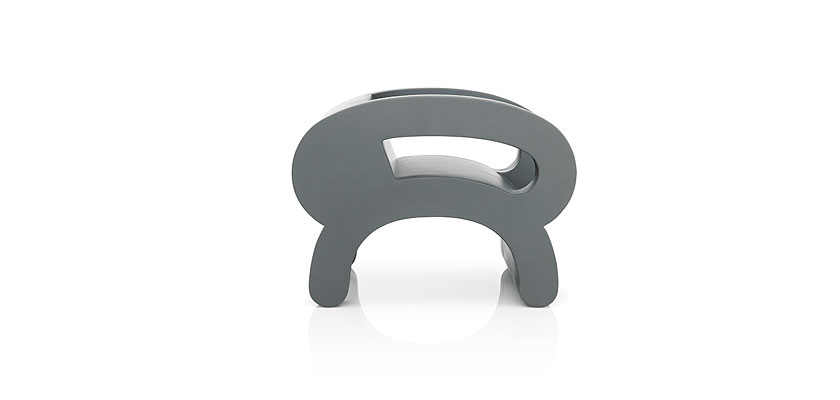
Daisuke Motogi presented a series of convertible furniture titled “Flip.” Produced by Sixinch, a furniture design company specializing in foamcoated furniture, Flip is a versatile chair that changes form and function when flipped. It’s made from urethane so that it can be light enough for even a child to flip over. Check out the 3 different series Motogi designed and then watch a short demo video below.

In our previous coverage of the designer’s debut, I came away with the impression that the designer creates extremely un-Japanese work in his concept, usage of materials and how they come together in shape and form. This impression remains the same, if not reinforced. It’s very refreshing and nice to see someone creating work like this out of Japan.

Flip series #1
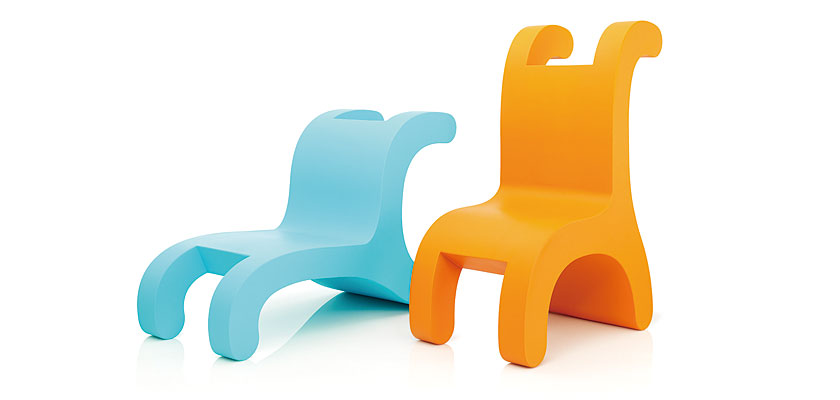

photos by Patrick Hauri | click to enlarge
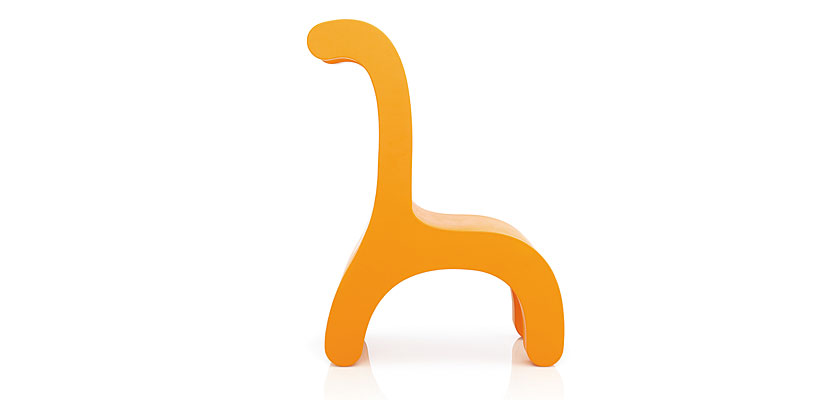
Flip series #2
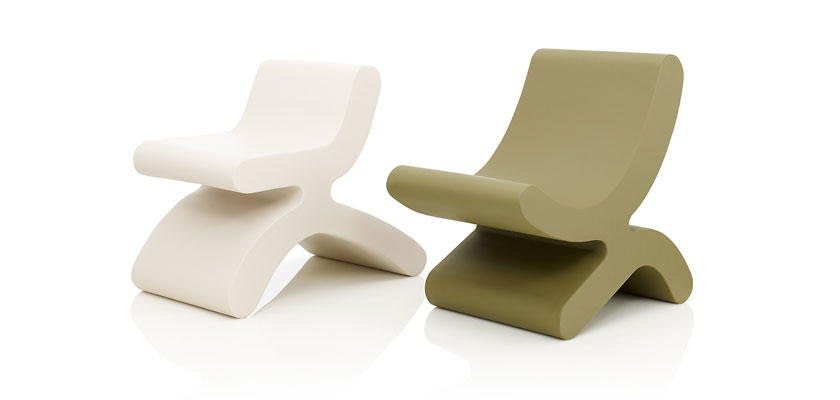
Flip series #3
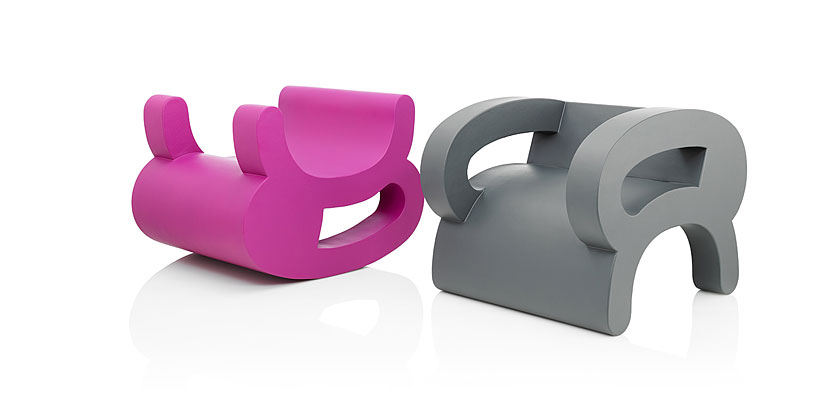
source: Daisuke Motogi’s twitter stream
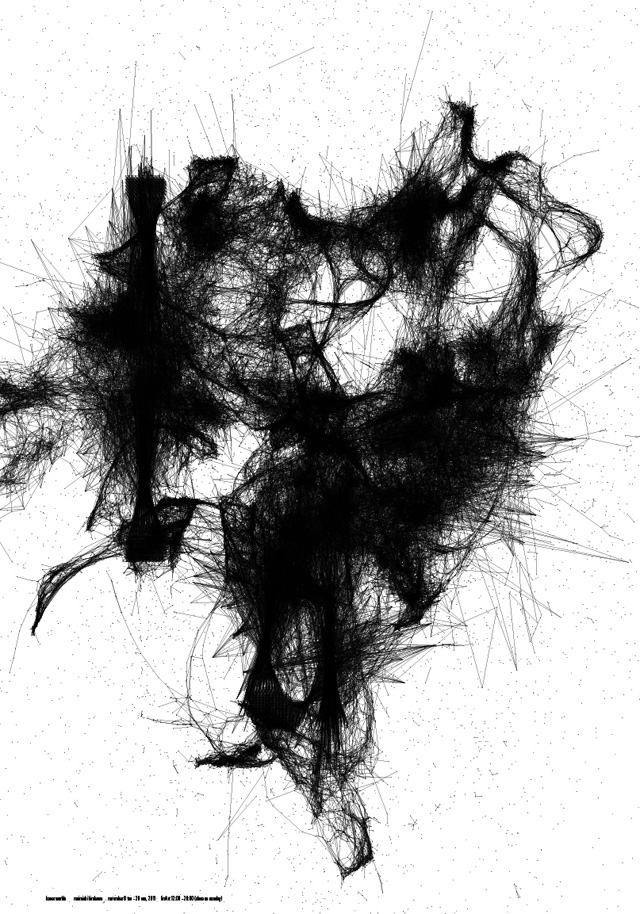
Norimichi Hirakawa | Lower Worlds

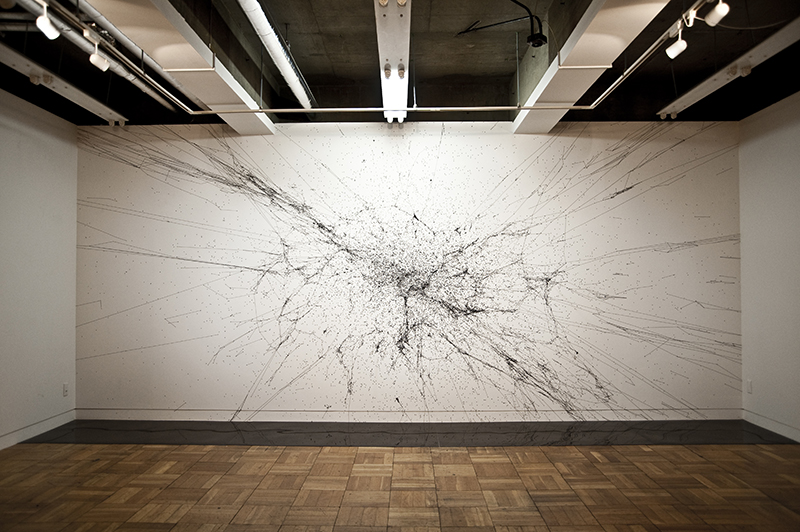
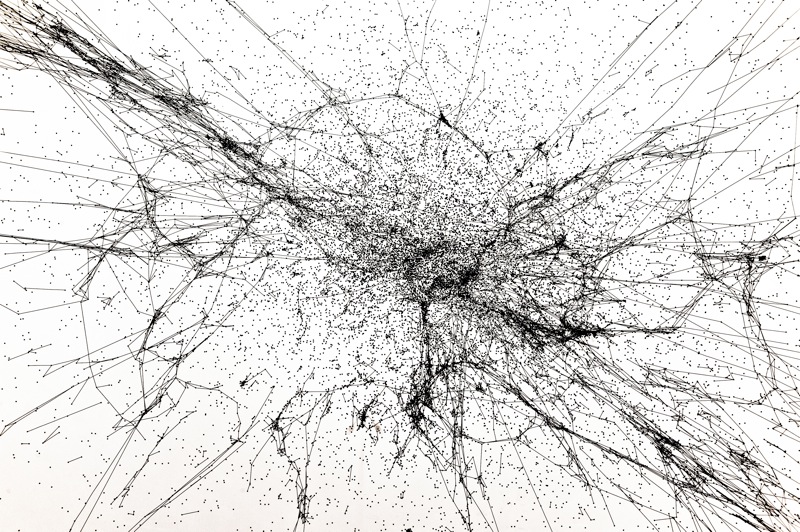
At a new exhibition at limArt, a bookstore/artspace located in Ebisu, Tokyo, the artist Norimichi Hirakawa, together with Yoshihisa Tanaka, presents a new body of work that merges computer technology with an age-old philosophical theory of determinism. The 18th C. French mathematician Pierre-Simon Laplace:

We may regard the present state of the universe as the effect of its past and the cause of its future. An intellect which at a certain moment would know all forces that set nature in motion, and all positions of all items of which nature is composed, if this intellect were also vast enough to submit these data to analysis, it would embrace in a single formula the movements of the greatest bodies of the universe and those of the tiniest atom; for such an intellect nothing would be uncertain and the future just like the past would be present before its eyes.

Later dubbed “Laplace’s demon”, the theory essentially argued that if we know the precise location and momentum of every atom in the universe, their future locations can be calculated; we should be able to predict the future.

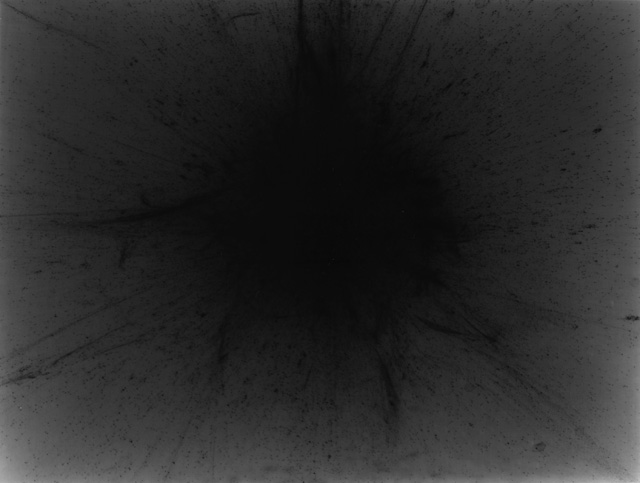
In an attempt to maintain that spirit and translate it into modern-day art, Hirakawa created a computer program that visualizes the moments of energy particles, creating some pretty awesome explosions based on computable calculations from an initial value.

Norimichi Hirakawa | Lower Worlds
limArt (Gmap)
11.08.2011 – 11.20 (closed 19th)
12:00 – 8:00 pm (closes 7pm on the 20th)
free

top and bottom images from a 2010 exhibition, “16 arrows and the exposed.” photos by Hirotaka Hirabayashi.

source: hitspaper | Norimichi Hirakawa | wikipedia

Food Sample iPhone Case

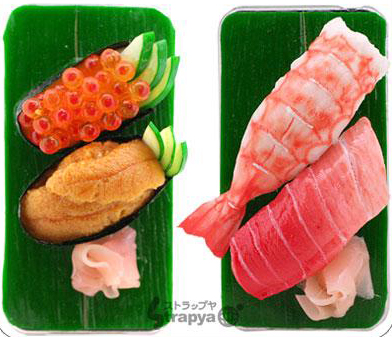
Sushi iPhone Case

Japanese plastic food samples are famous for their realistic look and almost has a cult like following. As a new iPhone 4S owner, I couldn’t resist sharing this one. Only if they had these in the  Nokia 1101 days I would have been popular on my college campus – my friends would ask me to buy these fake food sample as souvenirs from my trip back to Japan.

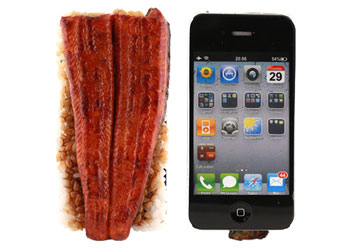
Kabayaki iPhone Case


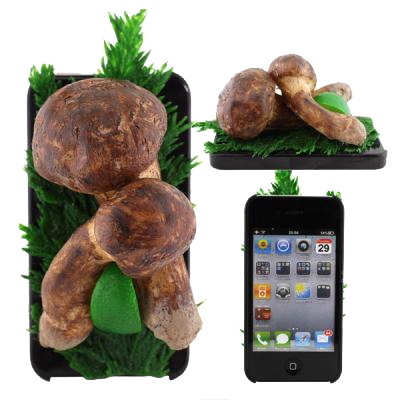
The unagi and matsutake  are a part of a seasonal series released monthly including shaved ice (August) and sanma (September).

The cases are not limited to just savory items…

Choco Cake Case
While I’m not quite sure how I would stash my phone in my purse with these delicious cases, you’ll be sure to have one of the most unique cases around.

There’s also a rather creepy one here. All these and more food sample phone accessories can be purchased in Japan from strapya.com. Don’t speak Japanese? You can use White Rabbit Express to place your order.

We’ve featured other food imitation items here before like the Hokke Case and Your Clock is Toast.

source: Strapya.com


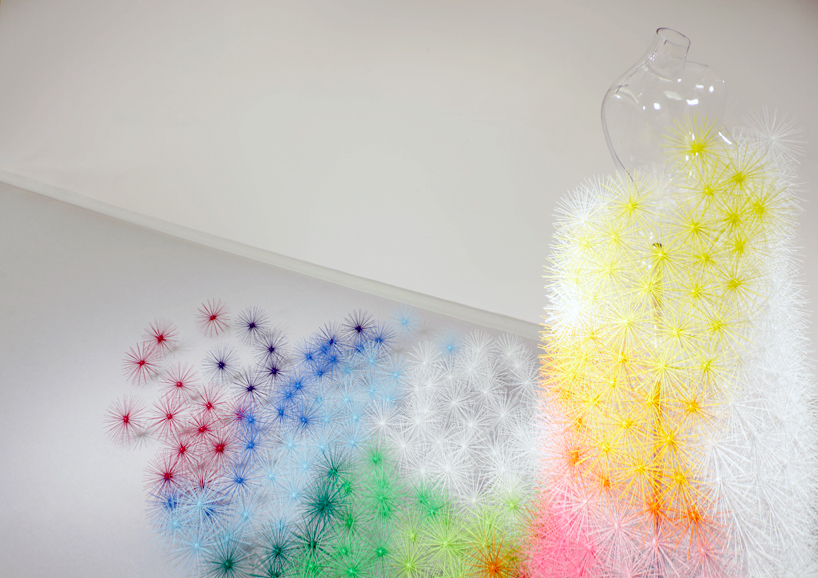
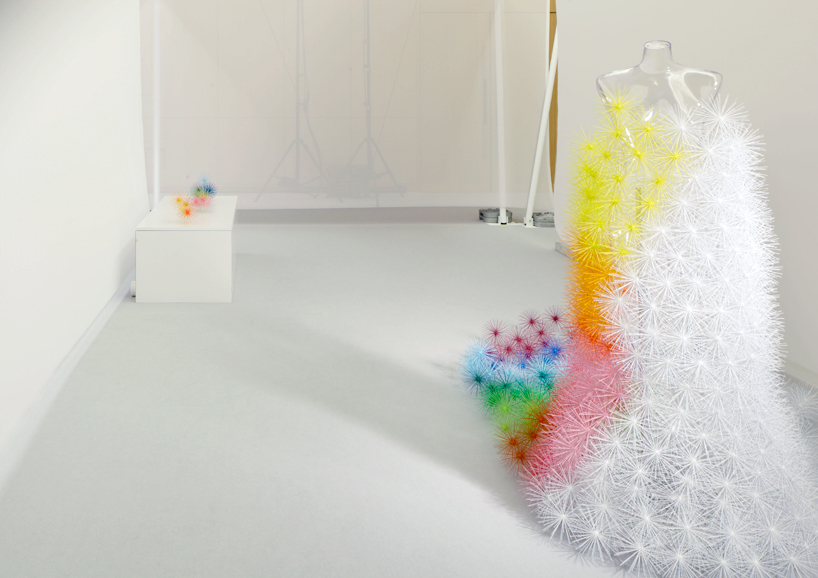
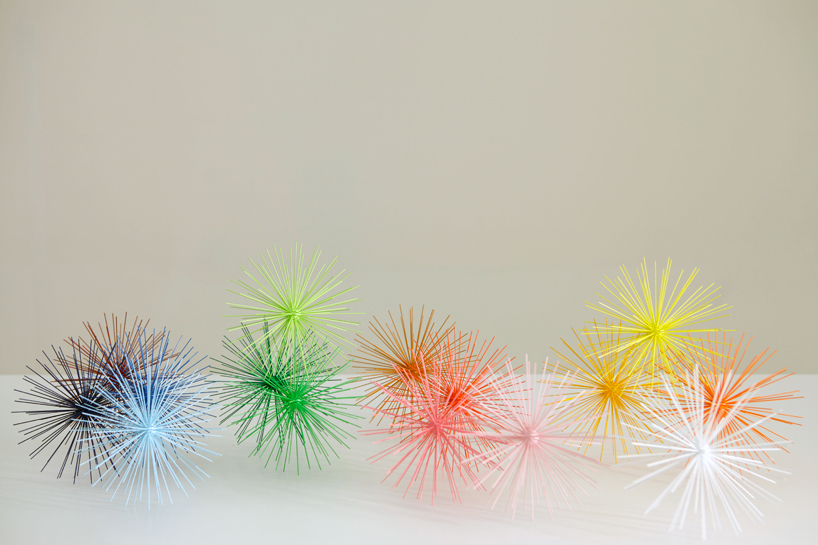
DesignTide Tokyo 2011 | toge by Emmanuelle Moureaux

we’re be bringing you some of our favorite picks from DesignTide Tokyo, which ran from October 29 – November 3, 2011. Click here for all our stories on the exhibition.


images courtesy daisuke shimokawa | click to enlarge

Wrapping up our series on DesignTide Tokyo 2011, we bring you “toge” (とげ) – thorn or splinter in Japanese – a sea-urchin shaped module made from piano wire and epoxy that interlocks with each other to act like building blocks. It’s the work of Tokyo-based French architect Emmanuelle Moureaux, whose series of rainbow-colored banks won me over as a fan. It’s clear that Moureaux has a penchant for color, which is also apparent in her wedding dress made from 500 of these toge modules. The dress was on display at DesignTide Tokyo and demonstrated the infinite capabilities of these rainbow-colored sea-urchin.

Oh, and it’s quite appropriate that “toge” also means toga in French.

source: press release from Emmanuelle Moureaux

House NA by Sou Fujimoto

Here’s another beautiful and innovative design by Sou Fujimoto Architects. We’ve featured Fujimoto’s work on S&T many times before; herehere and here!

While I’m not sure I’m ready to put my life on semi display, I think it would be perfect for the next Project Runway or aspiring Real Housewives of Tokyo?

source: Shinkenchiku


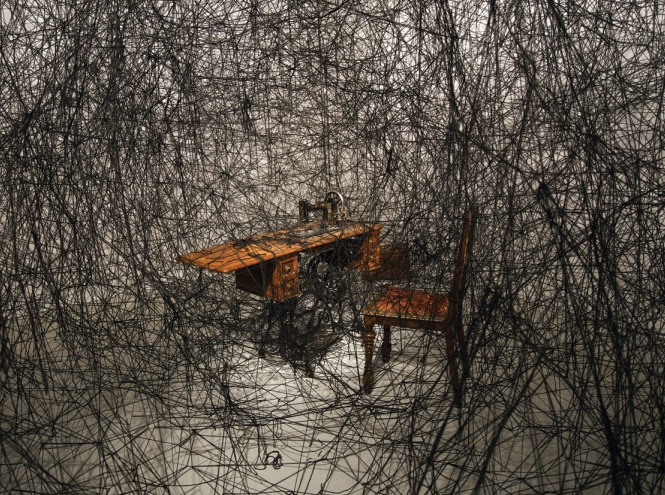
Chiharu Shiota: Memory of Books

Visual artist Chiharu Shiota (previously) has some new work. It’s on display at the Gervasuti Foundation in Venice, and the show has recently been extended until Nov 27. Ack! I wish I could go.

It was quite fascinating watching Shiota at work, weaving her cavernous webs. Do check it out!


click image to enlarge

source: @azito_art

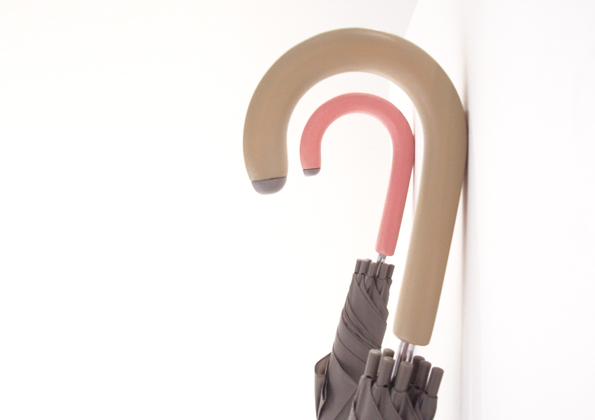
Smart Umbrella by minna

To be more fair, the Smart Umbrella should really be named the Genius Umbrella.

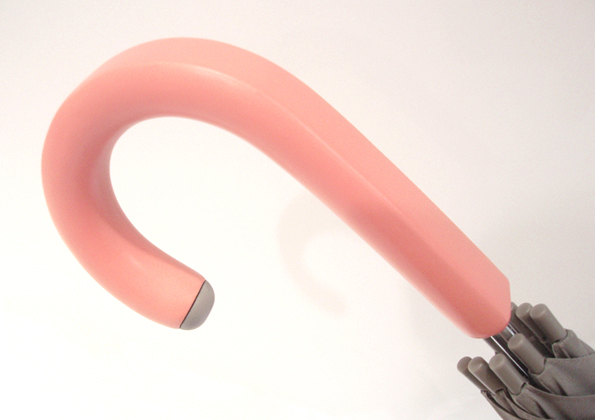
Setting their sights on umbrellas when they’re not in use (which – let’s be honest – is most of the time) minna, the design studio of designer duo Satoshi Hasegawa and Mayuko Tsunoda, have worked wonders on an age-old design. By essentially making 2 small modifications, the typical umbrella has become infinitely more user-friendly. They added anti-slip rubber to the end of the handle and flattened the outer edge. That’s it. The result is self-explanatory (and genius).

Unfortunately, this is a prototype from last year that was never commercialized.

source: minna website


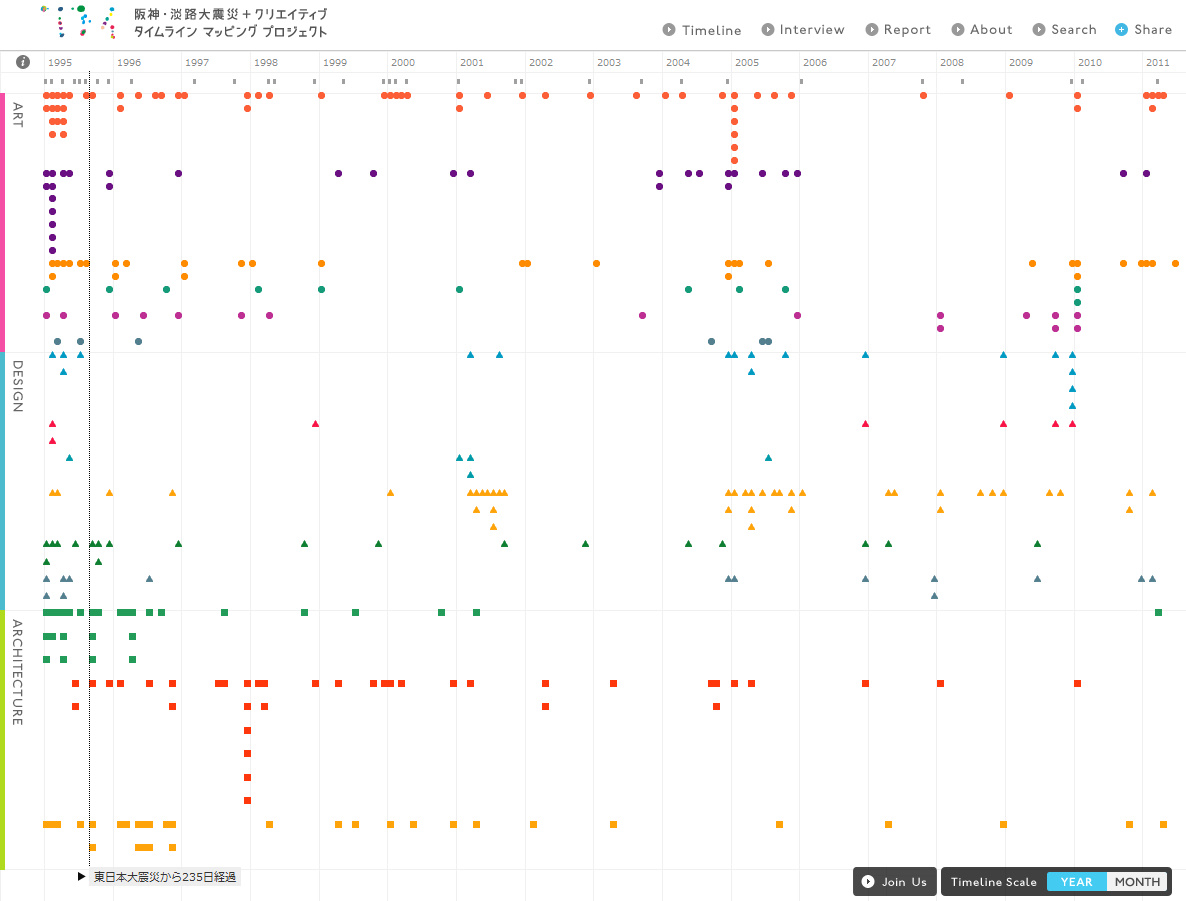
Mapping Creative Projects from the Hanshin-Awaji Earthquake


screenshot | click to enlarge

It’s been almost 17 years since the Great Hanshin-Awaji Earthquake. It’s been 241 days since the Tohoku Earthquake and Tsunami. At this very moment in time there are groups and individuals in the creative industry racking their brains, trying to come up with ways they can help. This is a project to aid that process, states SPREAD, the design duo who originally came up with the idea for the timeline mapping project. Divided into 3 sections – art, design and architecture – the website is essentially a massive infographic that maps every single creative project whose objective was to assist those in need after the Hanshin Earthquake. We can surely learn from what was done in the past and use that data to form our current understanding of what is necessary.

Isaac Newton said it best – “If I have seen further it is only by standing on the shoulders of giants.”

source: SPREAD’s blog

DesignTide Tokyo 2011 | See Oh! Ribbon

This week we’re be bringing you some of our favorite picks from DesignTide Tokyo, which is running from October 29 – November 3, 2011. Click here for all our stories on the exhibition.


images courtesy excite.ism | click to enlarge

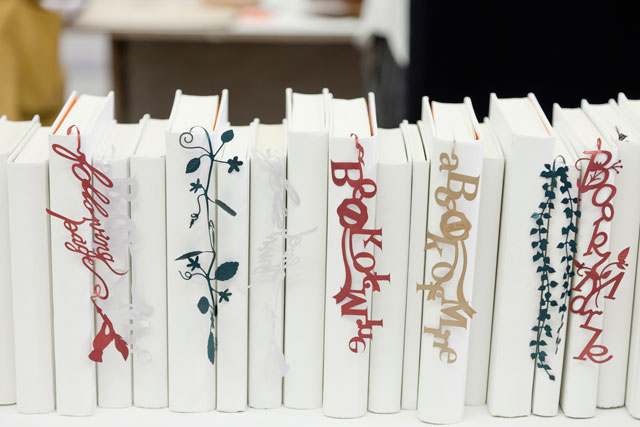
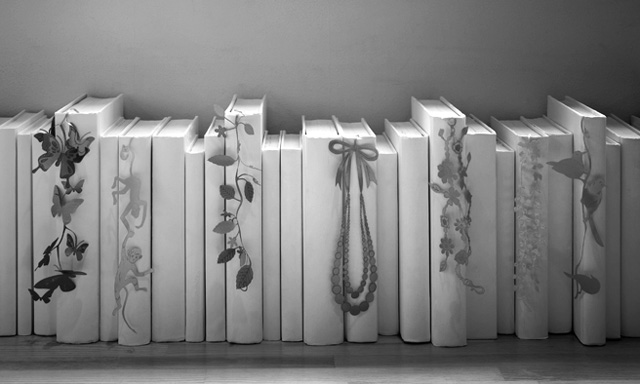
I love these bookmarks that wrap over the binding and then drape across the book. It’s the undertaking of Cement Produce Design, a brand that produces and curates a hodge-podge of designy items from  iPhone cases and ceramic bowls to web design and advertisements. This is their first time they’re participating in DesignTide and they seem to be off to a good start!

DesignTide Tokyo 2011 | one for all by Naruse Inokuma Architects

This week we’re be bringing you some of our favorite picks from DesignTide Tokyo, which is running from October 29 – November 3, 2011. Click here for all our stories on the exhibition.


click images to enlarge

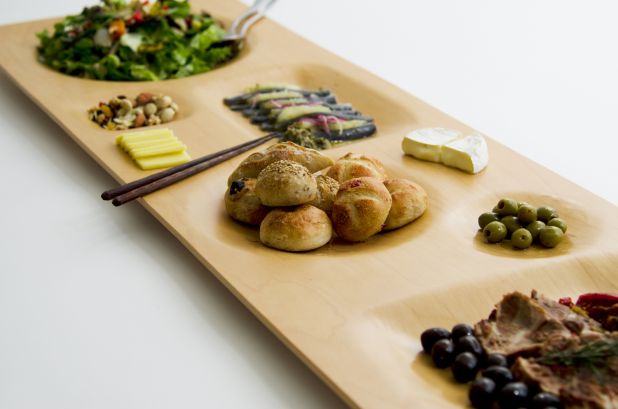
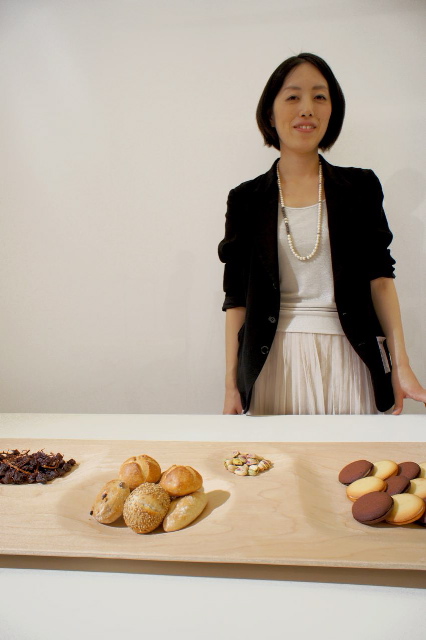
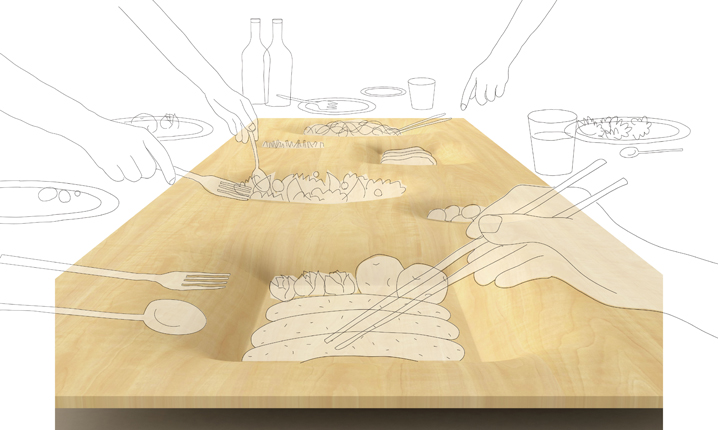
Naruse Inokuma Architects designed this beautiful table piece that functions both as a plate and a table. “One for all” was crafted from a single piece of wood, which was then given varying-sized dimples.  Just add food and you’ve got a serious conversation piece!


image courtesy japan-architects


unless otherwise noted, all images courtesy Naruse-Inokuma

« Older posts Newer posts »

© 2026 Spoon & Tamago

Up ↑

Design by Bento Graphics