Page 284 of 406

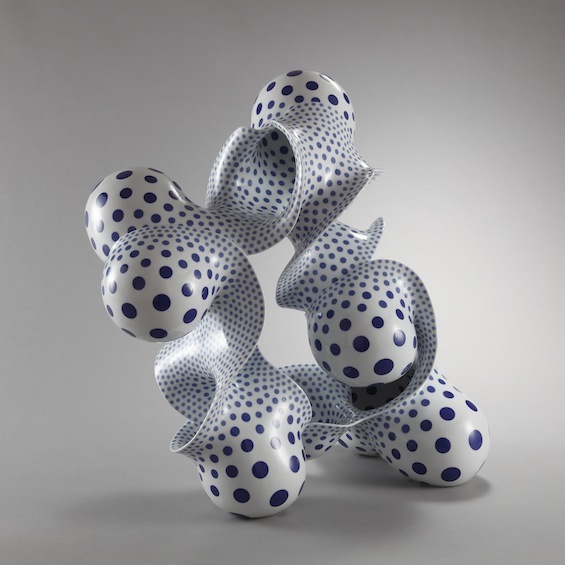
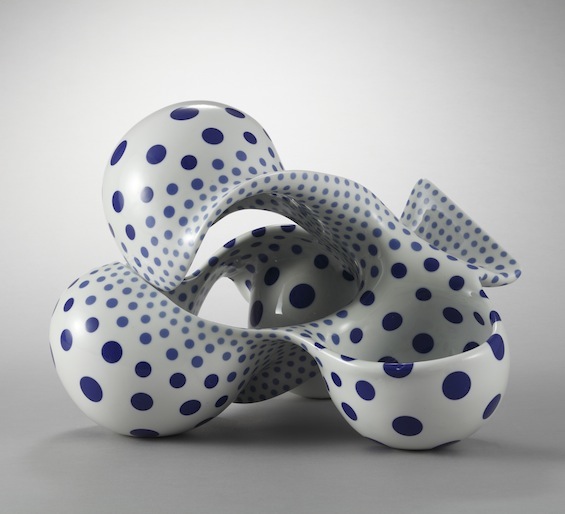
Free-Form Ceramic Sculptures by Harumi Nakashima

Japanese ceramic artist Harumi Nakashima is most well-known for his free-form sculptures with spotted polka-dots. At once both stoic as well as tortured, the organic forms are reminiscent of some type of odd plant this claims it’s home in a science fiction novel. Nakashima is a member of the modern Japanese ceramics movement Sōdeisha. As is apparent from his own work, the movement was a reaction against the hegemony of folk-craft style and philosophy that claimed dominance in Japan.

Nakashima’s work can be seen on display through the end of the week at Galerie NeC nilsson et chiglien in Paris. But if you’d like to own a piece you better get out your check book. Nakashima’s pieces have been known to fetch north of 20K USD at auctions.

source: muuuz | notcot

Metabolism Poster by Kisho Kurokawa

Japan’s Metabolism architecture movement is all the rage this year. Below is an amazing poster circa 1972, designed by Kisho Kurokawa, one of the founders and leading proponents of the movement itself.


image courtesy Mori Art Museum | click to enlarge (recommended)

Here are some Metabolism-related events and publications that have been happening so far:

Exhibition
: “House Inside City Outside House: Tokyo Metabolizing” at Tokyo Opera City Art Gallery. 07.16.2011 – 10.02 [Reviewed HERE]

Exhibition
: “Metabolism, the City of the Future” at Mori Art Museum. 09.17.2011 – 01.15.2012 [Reviewed HERE (TAB) and HERE (JapanTimes)]

Installation
: Nakagin Capsule Tower Building unit on display in Roppongi Hills

Publication:Project Japan, Metabolism Talks…” Taschen Books. Published on 10.28.2011

hat tip to @ArtSpaceTokyo

Geological Maps of Japanese Volcanoes

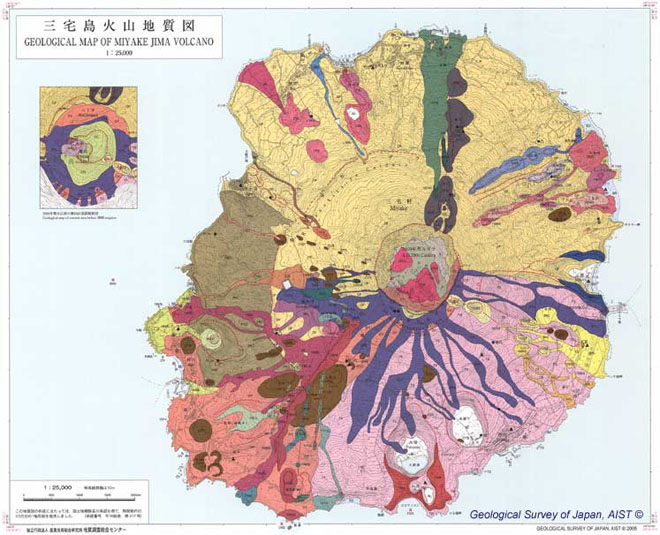
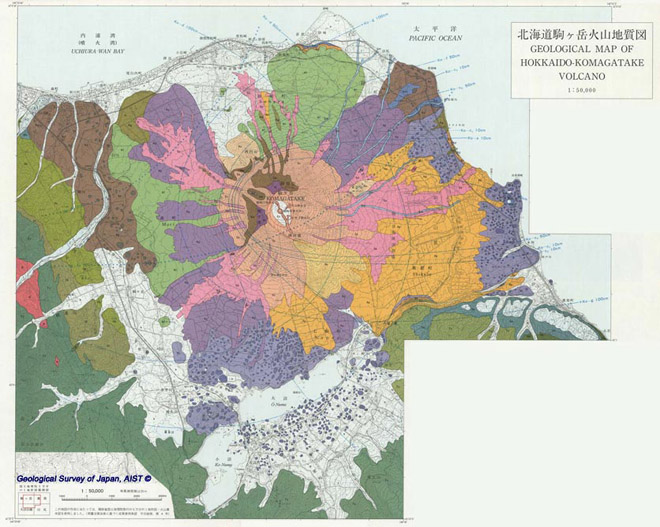
Talk about intersections between art and science! Now here’s some data that would look great on my wall. The Geological Survey Of Japan created these diagrams of volcanoes using colors to identify different rock units, ages and layers of lava. But to the untrained eye the organic shapes created by hundreds of thousands of years of fire and destruction are visually entertaining on their own.

Check out the GSJ website where you can see more maps and even order prints (prices range between 1,150 – 2,625 yen).

Miyake-jima

Type: stratovolcano
Last eruption: 2010
Summit elevation: 2,674 ft. (815 m.)

Aso

Type: caldera
Last eruption: 2011
Summit elevation: 5,223 ft. (1,592 m.)

Hokkaido Komagatake

Type: andesitic stratovolcano
Last eruption: 2000
Summit elevation: 3,711 ft. (1,131 m.)

source: wired

Socially-minded Coyaa bench designed by Pivoto


photos by Yasutaka Kondo | click to enlarge

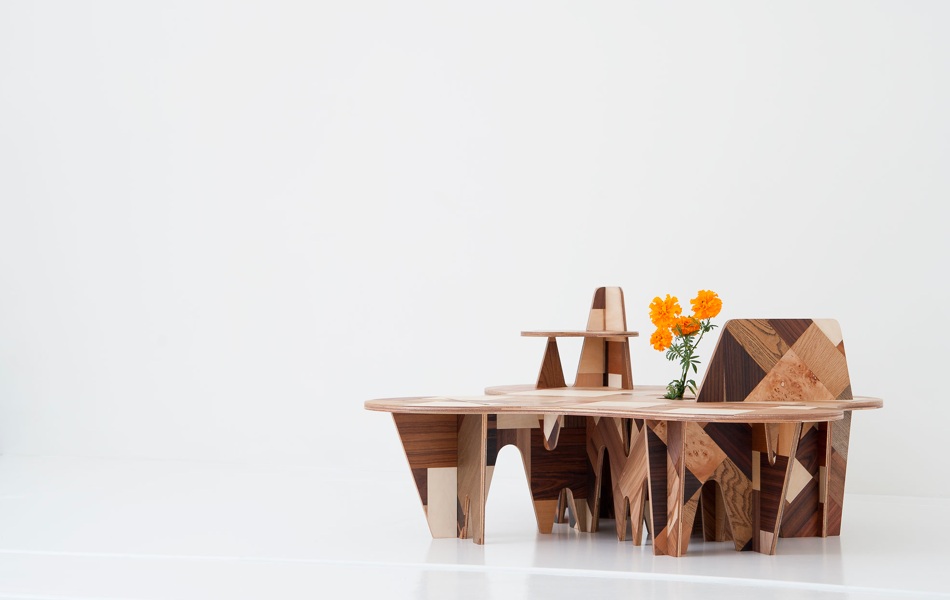
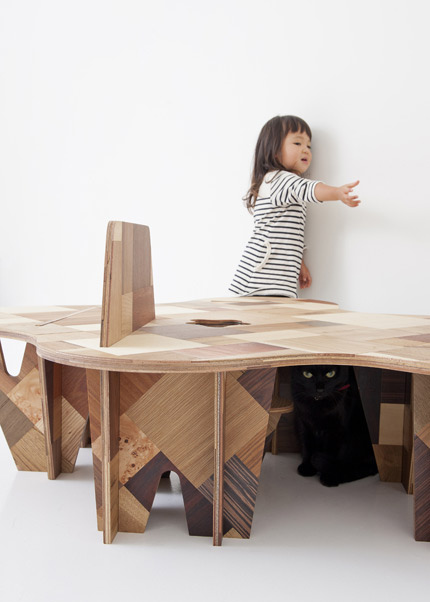
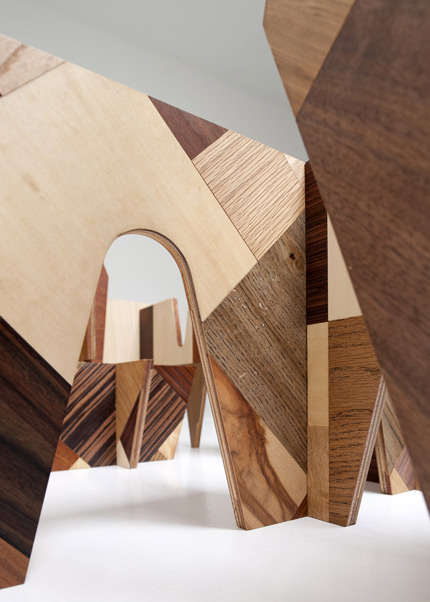
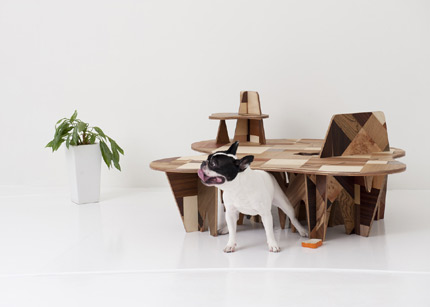
Architectural design firm Geneto (previously) has a furniture and product design department called Pivoto. Their latest work is this awesome ready-to-assemble bench called Coyaa. Designed in collaboration with a welfare facility in Sendai, the bench is not only gorgeous but is also intended to serve several social purposes.
One of these purposes is providing mentally and physically disabled people with creative, rewarding jobs. The assembly process doesn’t require nails, screws or any type of adhesive, enabling welfare facilities to create a safe working environment. Once an order is placed, the wood panels can be delivered to the facility and assembled. The interlocking wood panels are also all made from wood scraps – a byproduct of the furniture-making process itself – rendering each not only unique but  environmentally friendly as well.

As if that wasn’t enough, the furniture is designed specifically for pet-lovers. Once assembled, it holds several nooks and cranies – perfect for your dog or cat to crawl inside and nap while keeping you company.

source: geneto’s blog

Floating City Paper Sculpture by Katsumi Hayakawa

menu2011-1

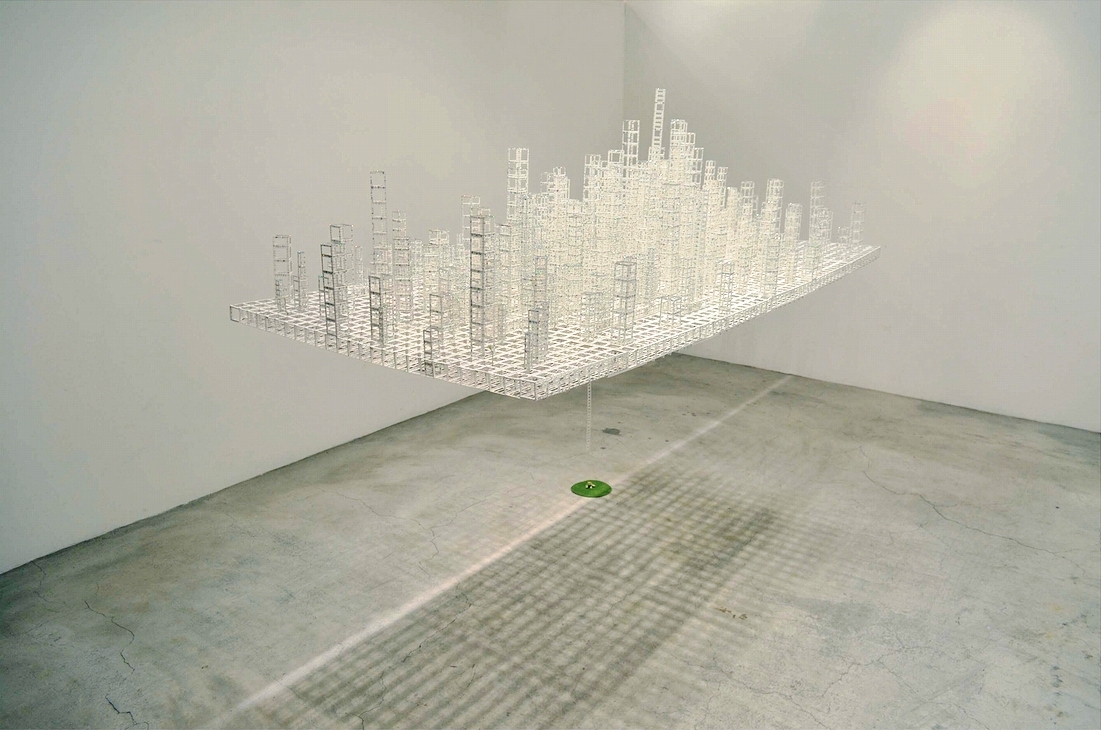
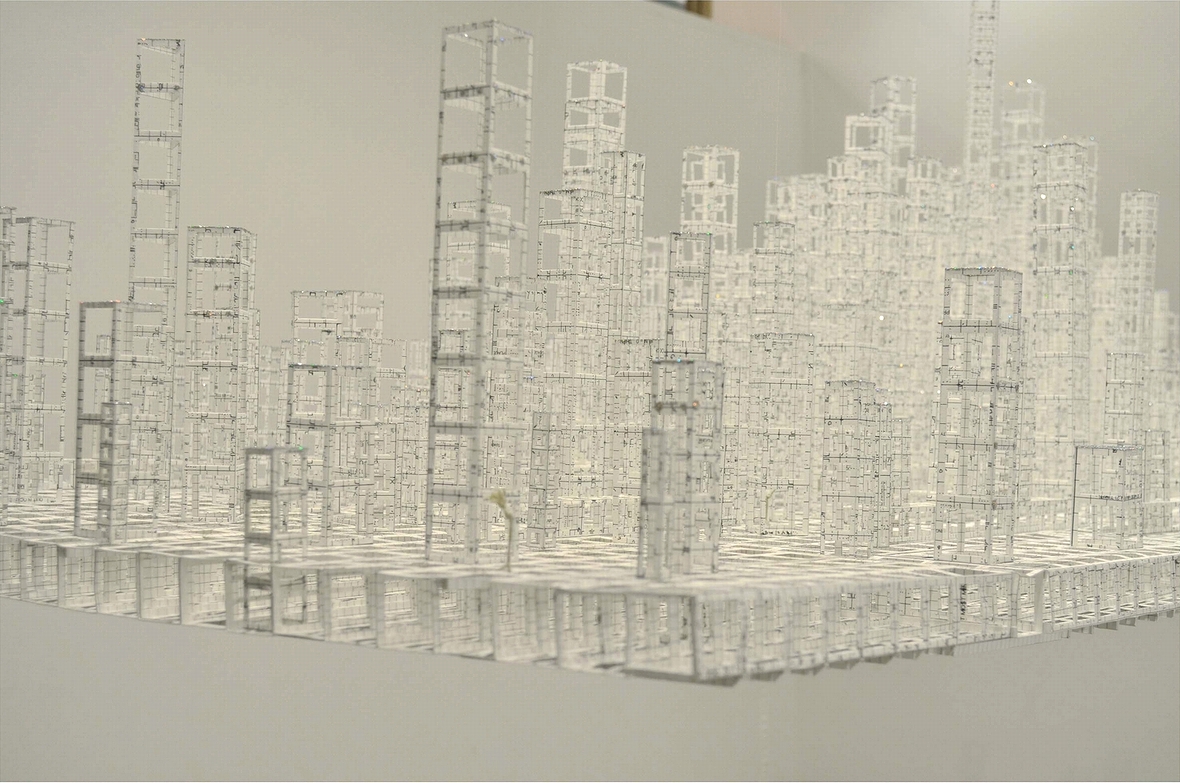
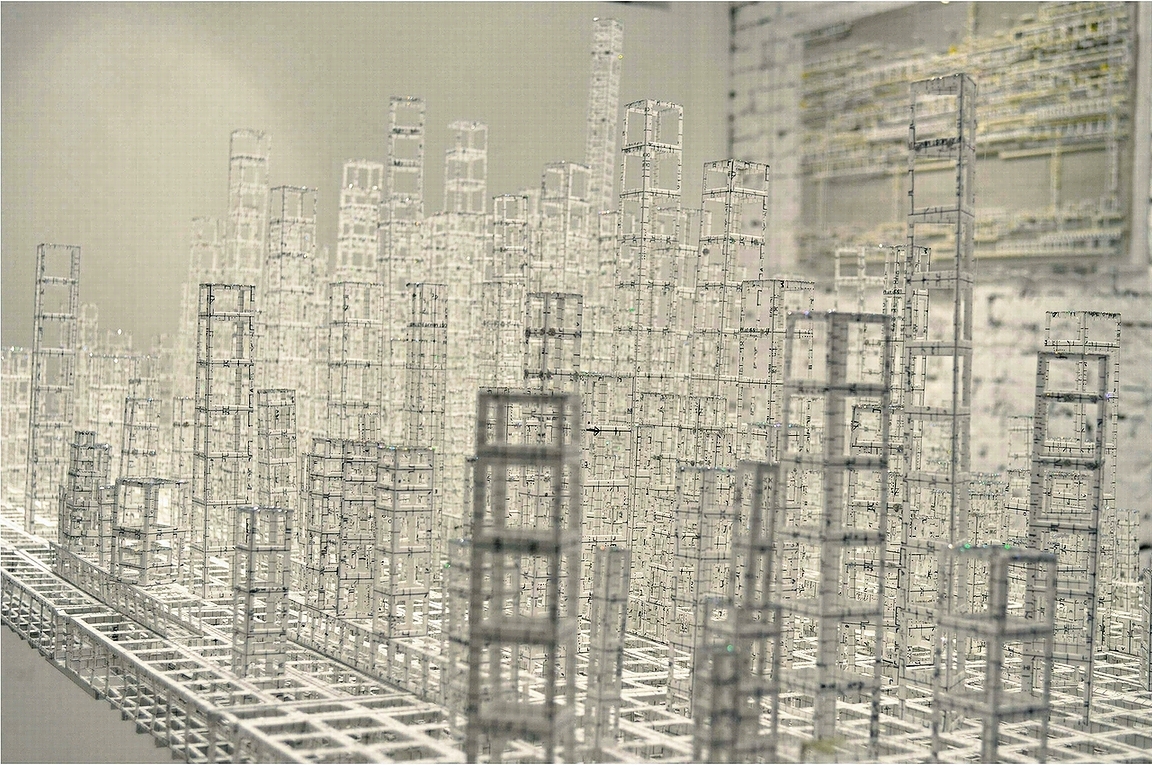
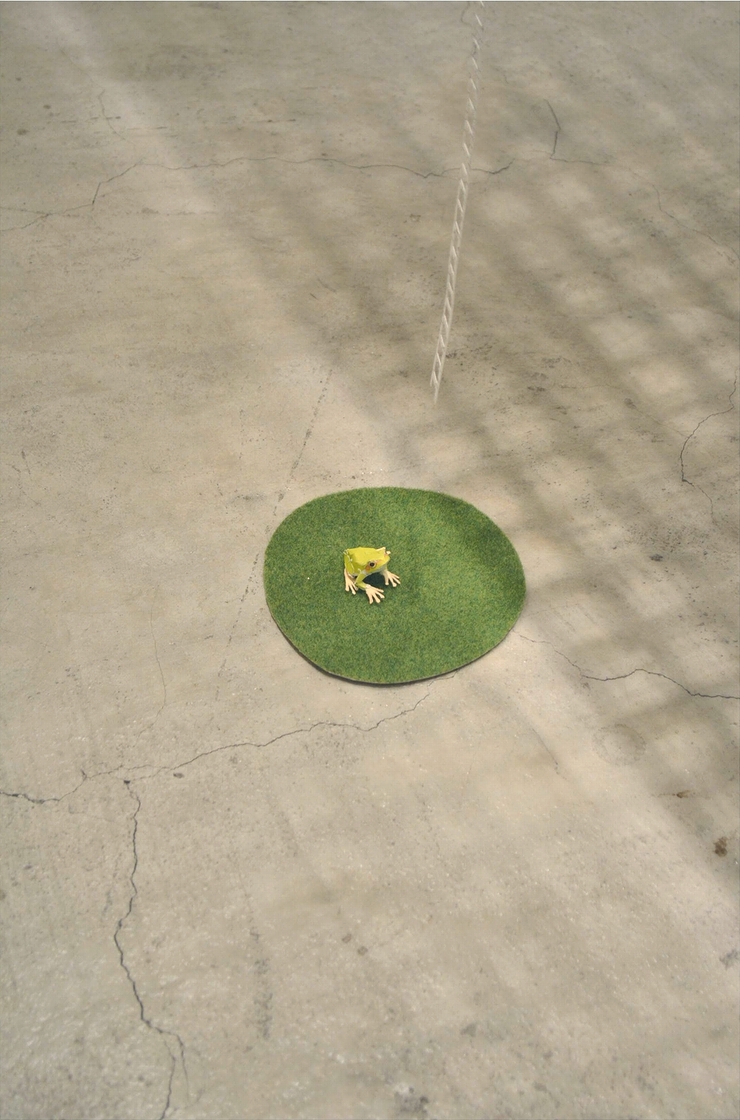
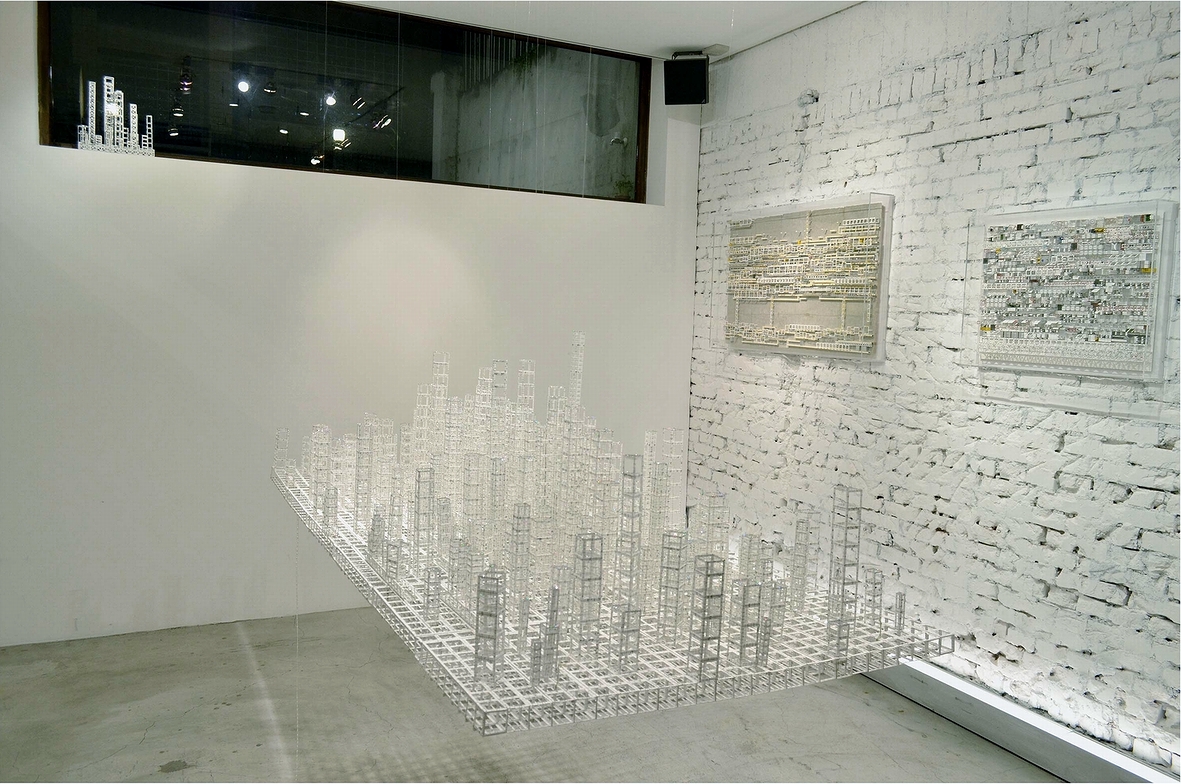
After dazzling us with some insanely intricate paper sculptures last year, paper artist Katsumi Hayakawa has unveiled some new work. “Floating City” was on display at Very Fun Park, an art fair in Taiwan, which recently closed in late September.

Painstakingly assembled by hand, “Floating City” depicts utopian urban density, that is at once both powerful and infinitely delicate. I think it’s interesting to compare his work with that of Chu Enoki’s futuristic city, “RPM 1200.” You can check out more of Hayakawa’s recent work on his website.

menu2011-2

menu2011-3

menu2011-4

menu2011-5

menu2011

menu2011-1

source: It’s Nice That

Ayaka Ito | Graphic Designer and Illustrator

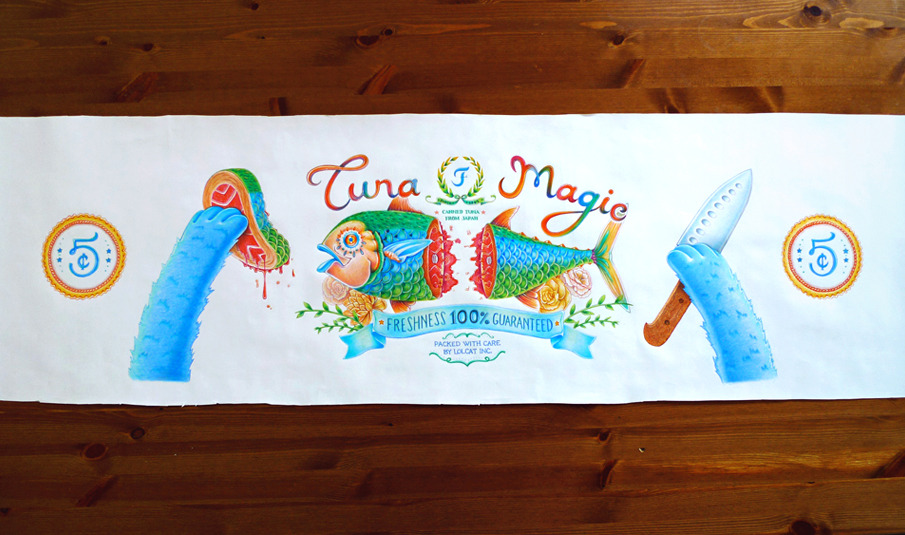
Tuna MagicMagic Tuna | click to enlarge

Ayaka Ito is a graphic designer and illustrator, who grew up in Japan and now works at the digital agency Big Spaceship in New York.

Paper ArtAyaka’s Paper Typography | click to enlarge

When Ayaka isn’t working or keeping busy watching her favorite alpaca videos she keeps busy learning more about design and filling up her blog with sketches and other art.

TypographyAyaka’s typography work | click to enlarge

I’m really attracted to her use of colors and paper art! To see more of Ayaka’s work visit ayakaito.com and her blog at passionforcolor.tumblr.com.

source: design work life

Shiki 2011 by Makoto Azuma

shiki20B01 shiki20B02-23616 shiki20B03-510ae shiki20B04-3c849 shiki20A03-4804f

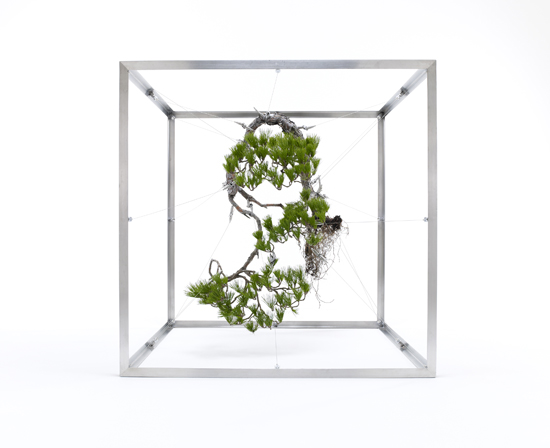
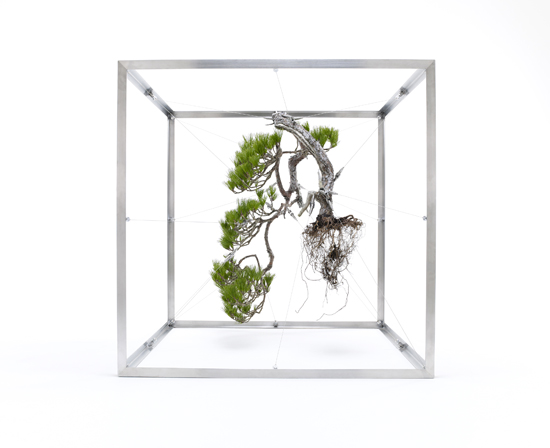
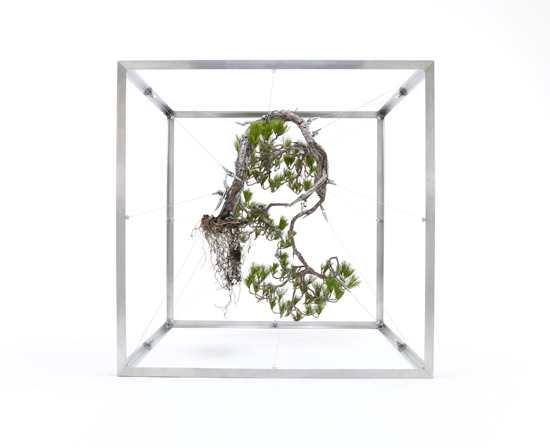
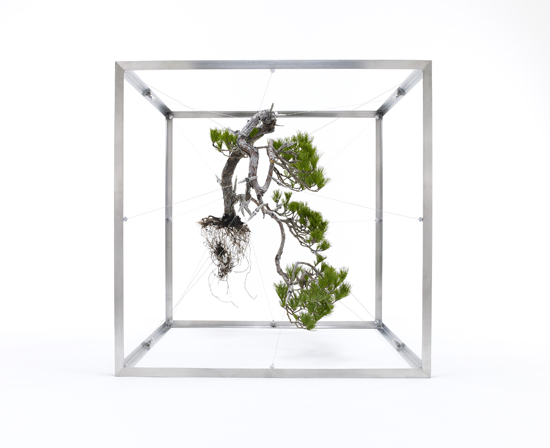
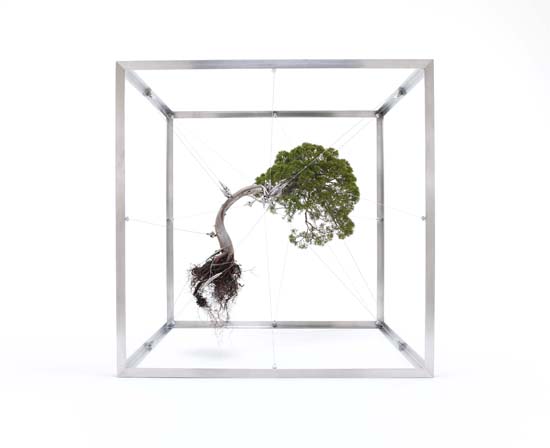
Botanical Artist Makoto Azuma‘s 2005 tour de force “Shiki Formula” is what originally got me interested when I began writing about him back in ’08. So I was delighted to see that he had recently created a 2011 edition of his morose installation.

Despite the seemingly distressed nature of his work, the bonsai plants used in his pieces are carefully extracted from their earth, photographed, and then once again returned to their original position with harm. Stunning!
source: Makoto Azuma’s blog

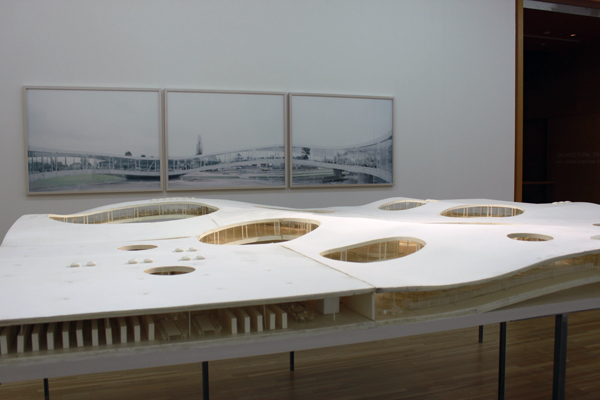
Architectural Environments for Tomorrow at the Museum of Contemporary Art Tokyo

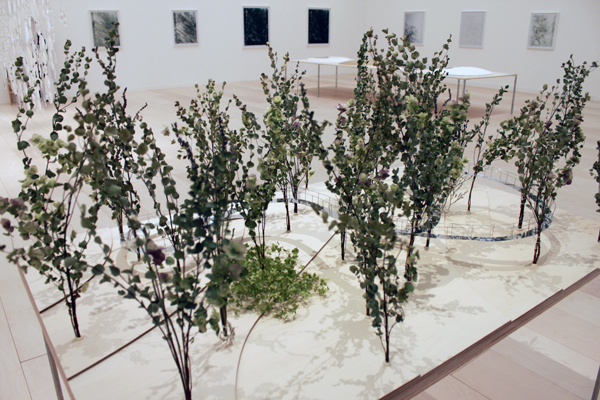
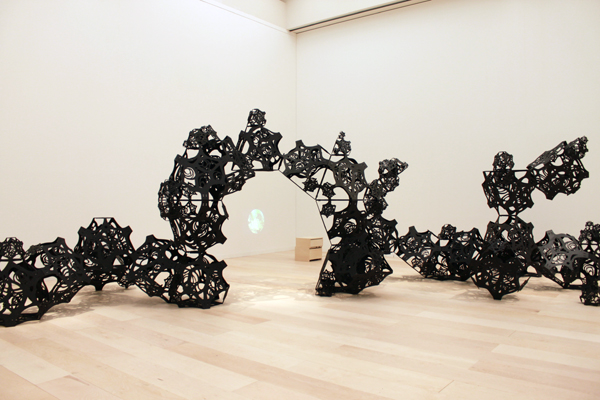
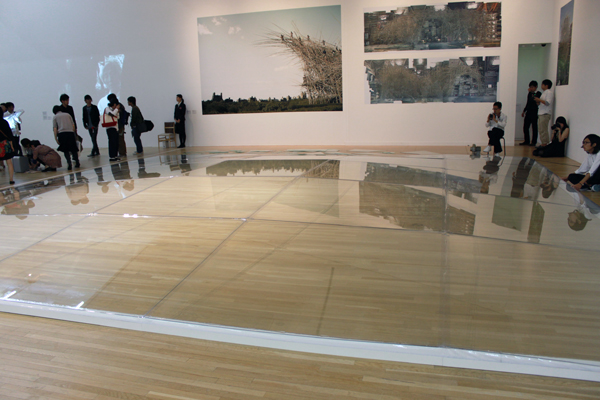
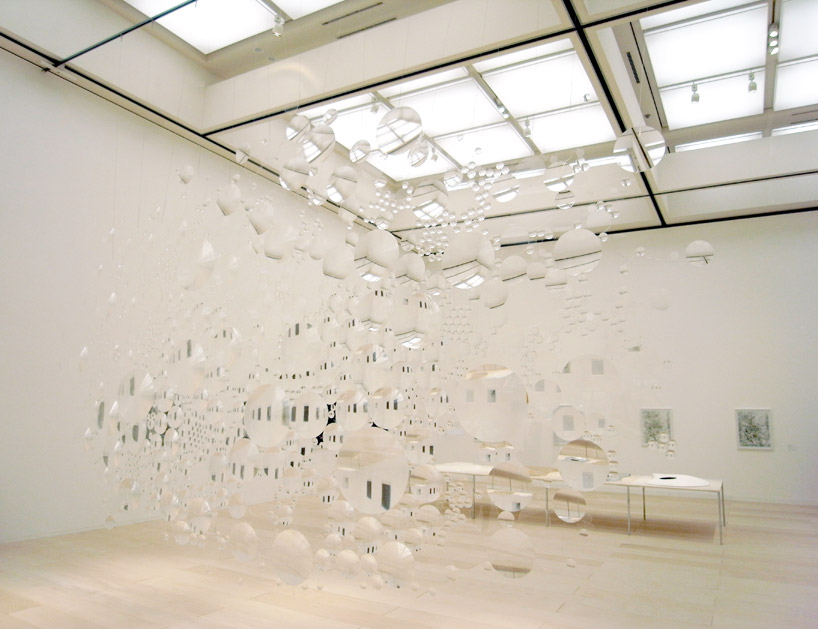
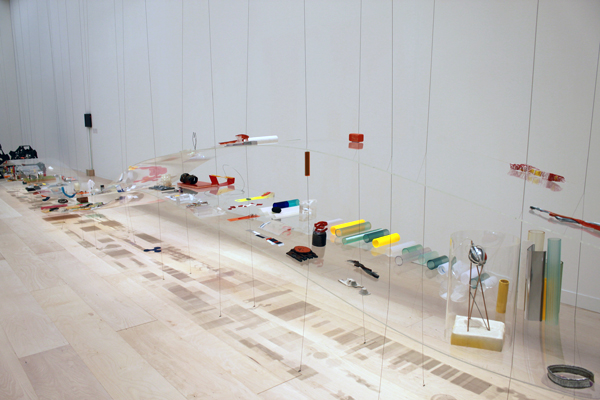
A new exhibition at the Museum of Contemporary Art Tokyo (MOT) aims at isolating and identifying how environmental and urban problems have given birth to to new lifestyles and forms of public space. Now in it’s 2nd year, “Architectural Environments for Tomorrow” was co-curated by SANAA and features 28 architects and artists from 14 countries. Below are some images of the exhibition, which is on display through January 15, 2012.


unless otherwise noted, all images courtesy jiku | Architectural model of Tetsuo Kondo‘s “Path in the Forest” (2011) which was completed in Estonia.


The Morning Line” (2011) by Matthew Ritchie with Aranda\lasch and arup


Rolex Learning Center” (2007) by SANAA


“Glass Bubble” (2011) by Junya Ishigami

One of the highlights of the show is “Contact Lens” (2011), a eye-catching installation in which artist Haruka Kojin uses numerous warped lenses to create a contorted environment.
Images courtesy designboom.


“(from) OURShELVES” (1999-2011) by  selgascano


“Golden Dome” (2011) by AMID.cero9

source: MOT | jiku | designboom

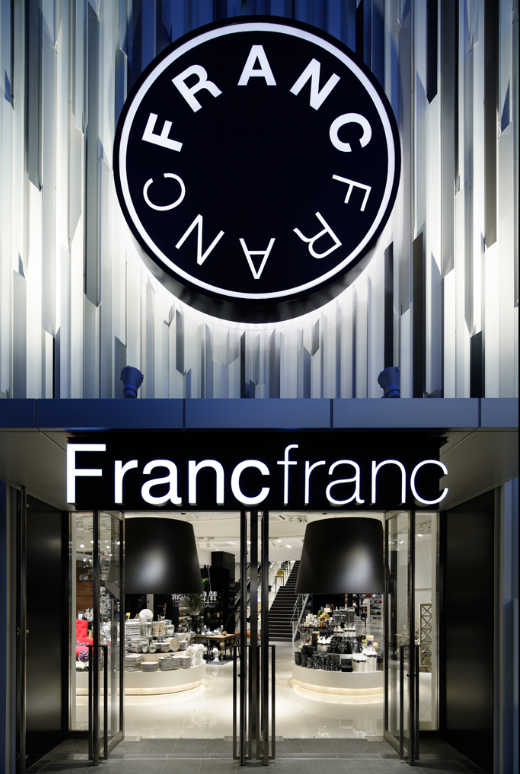
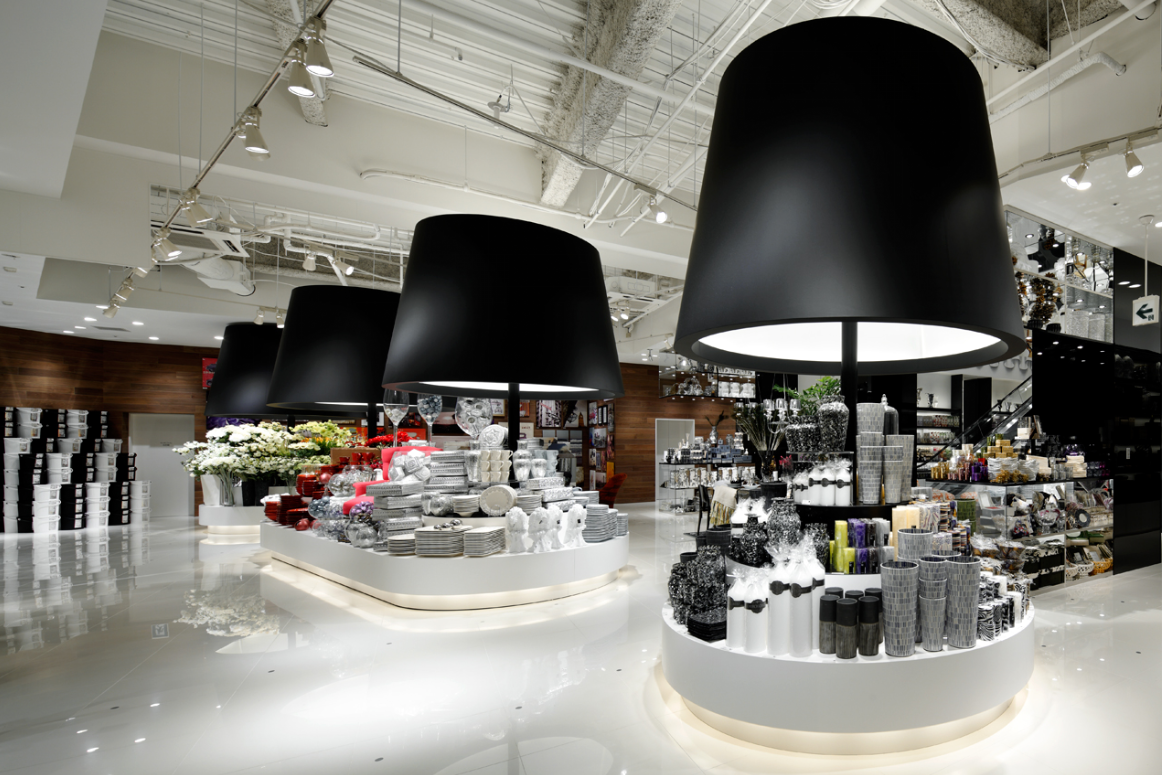
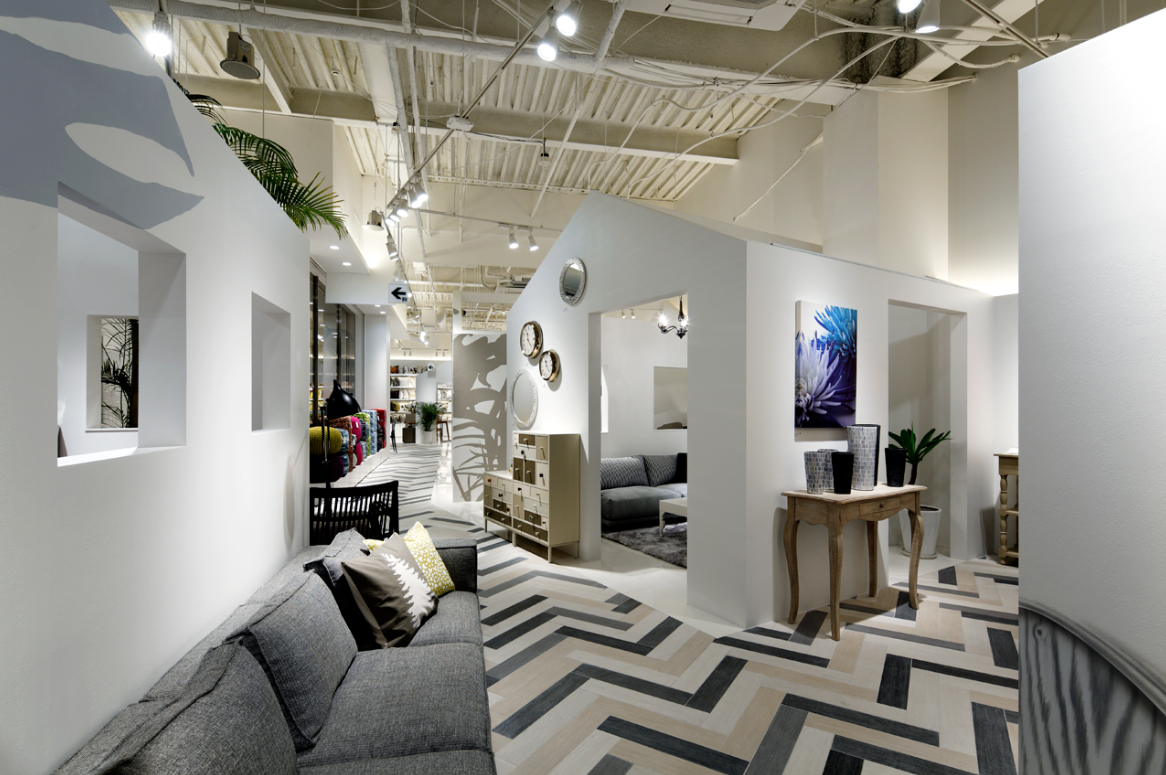
New FrancFranc Store in Hakata by Yasumichi Morita

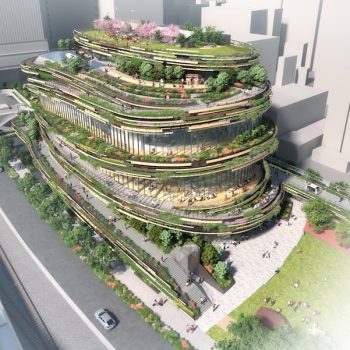
FrancFranc (previously) has been in the news a lot lately because of some controversial comments by President Takashima. “Goodbye Tokyo, goodbye Tokyo Stock Exchange. Hello, Hong Kong and Singapore.” Those were his words as he prepares to de-list his company in Japan and list it somewhere else in Asia – a slap in the face to Japan Inc. And also a sign of the times, perhaps? Prepare to see a flurry of new FrancFranc stores across Asia, all with the signature style of Yasumichi Morita, the head designer who also occupies a seat on the Board.

Here are some pictures of their latest shop in Hakata (Fukuoka), which opened last month. It’s located within Canal City East, a new shopping complex where it will be accompanied by the likes of H&M, Zara, Uniqlo and others.

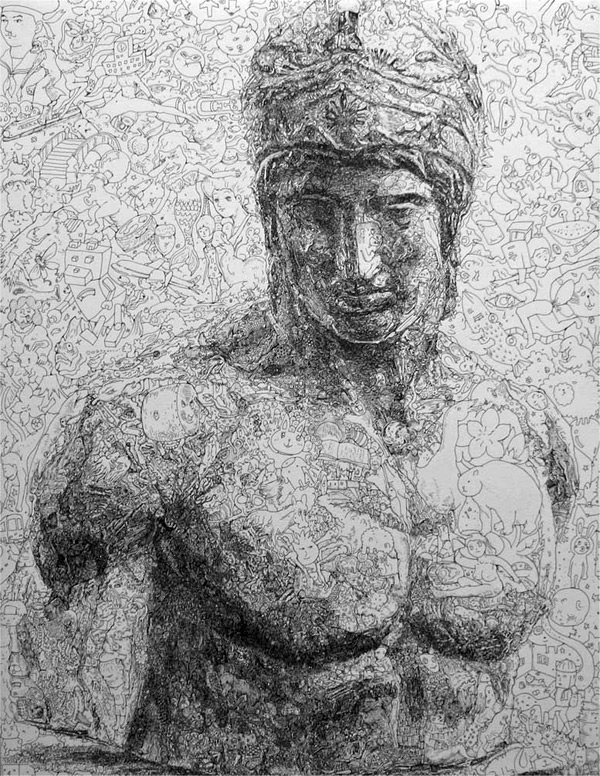
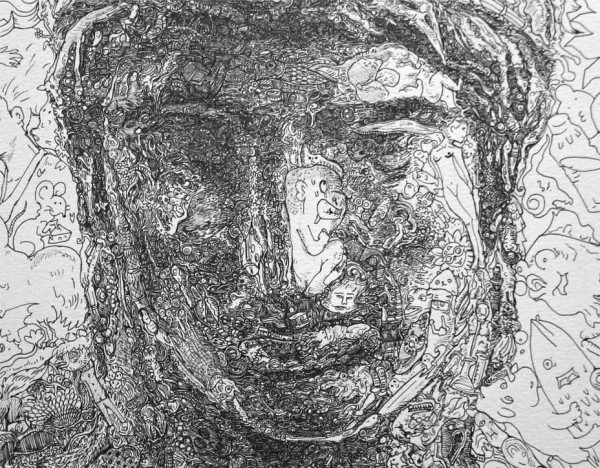
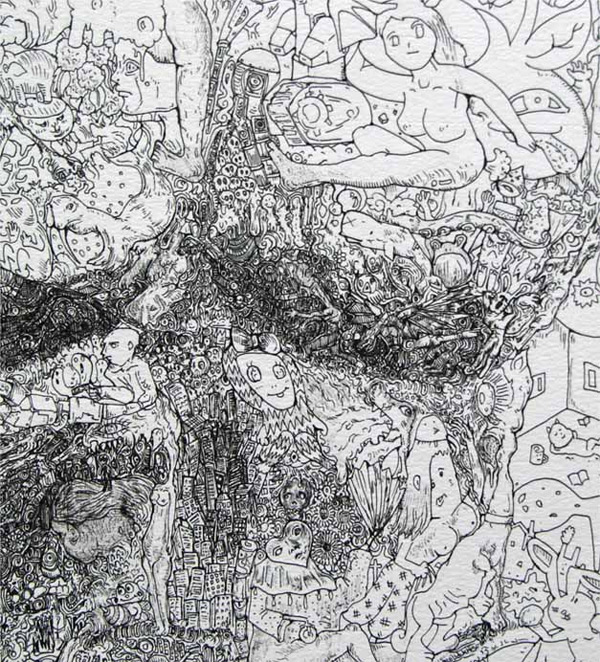
Keita Sagaki doodles at ULTRA004

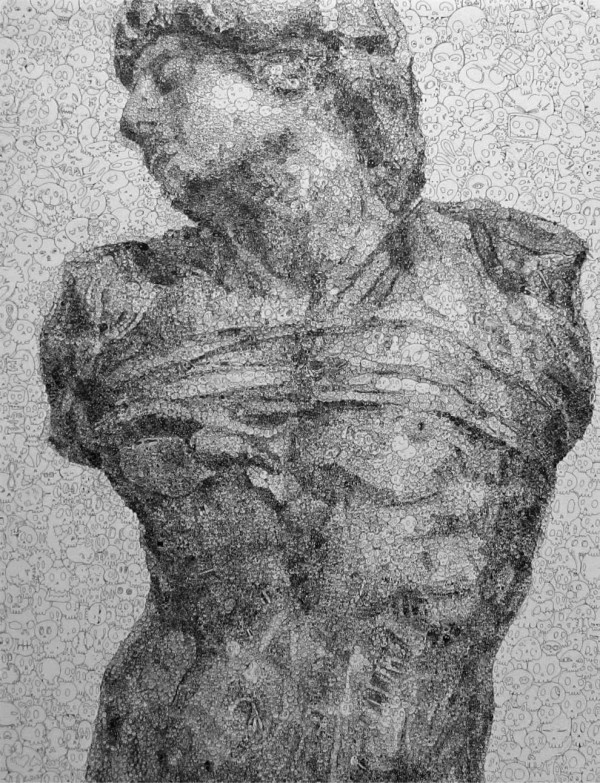
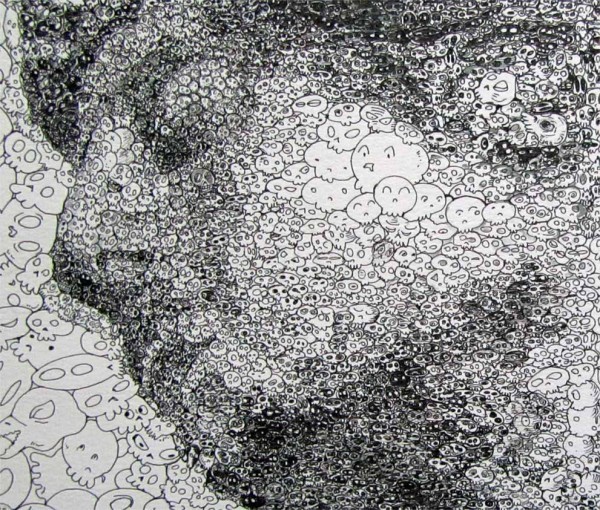
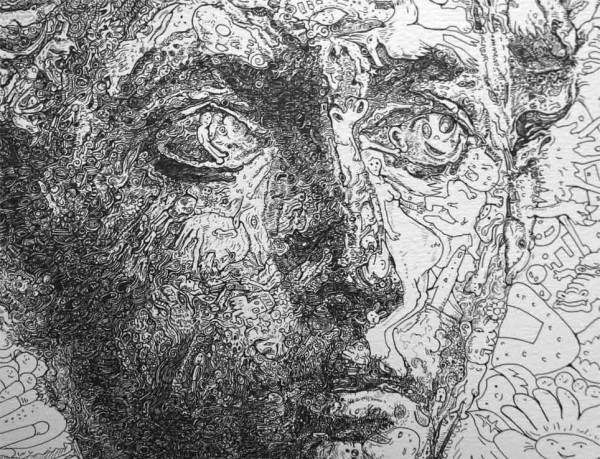
The Emerging Director’s Art Fair ULTRA004 (PDF) just wrapped up at Spiral, the multi-purpose art complex in Omotesando. Stealing the show was manic doodler Keita Sagaki, who presented a brand new body of work. Sagaki remained within his realm, creating immature and sometimes vulgar doodles that come together to form highly mature depictions of Romanesque statues. It’s, quite literally, hard to tire of his work.

source: colossal

« Older posts Newer posts »

© 2026 Spoon & Tamago

Up ↑

Design by Bento Graphics