Page 257 of 406

Yukinori Yanagi | Ant Farm Project

photo courtesy the artist | click to enlarge

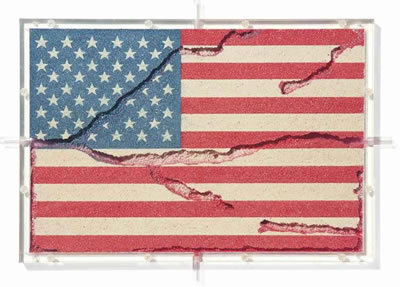
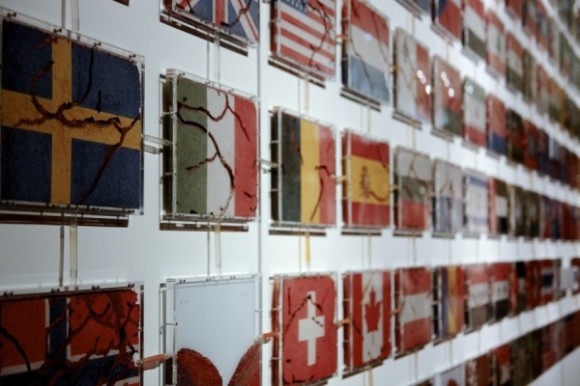
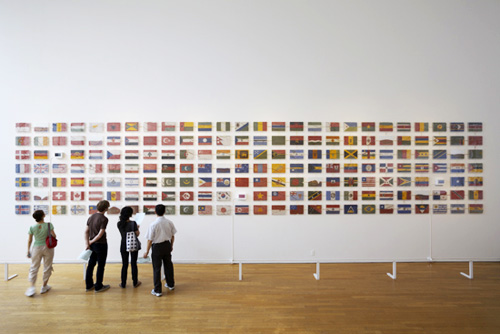
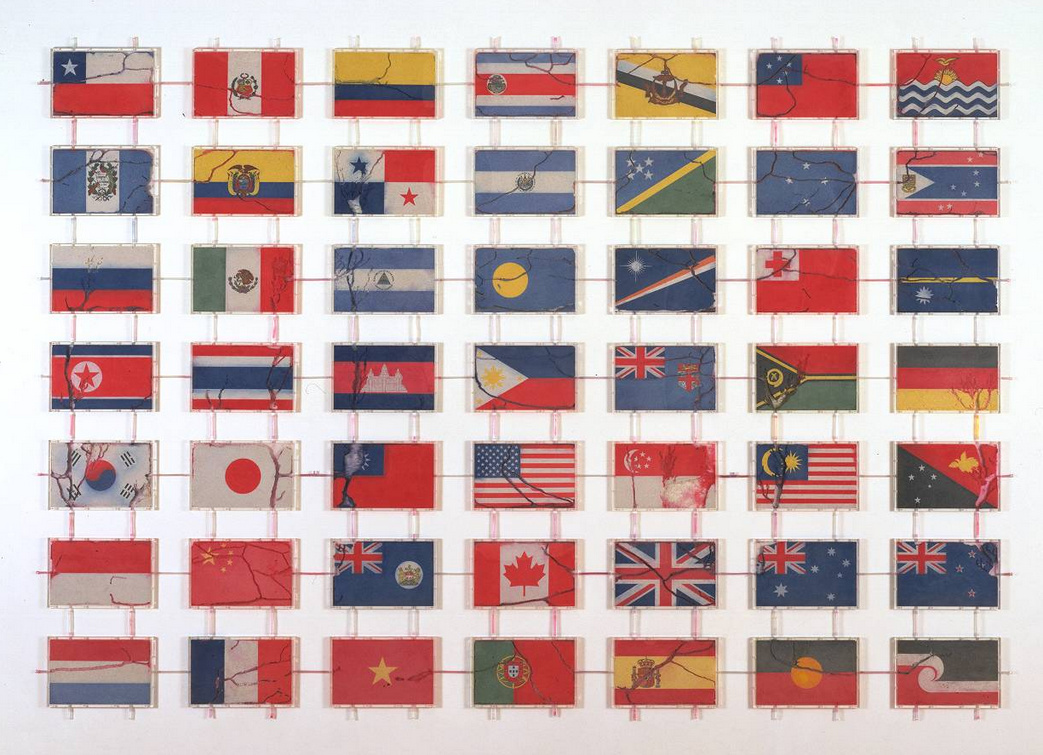
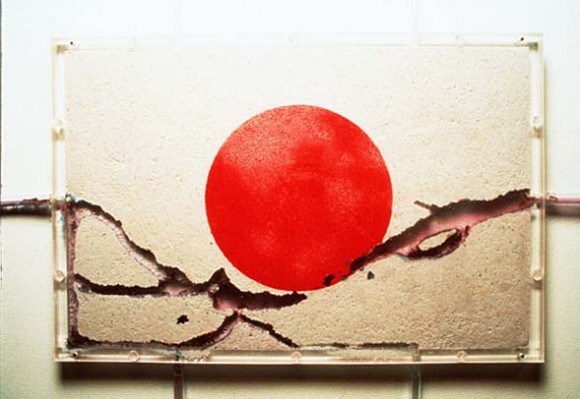
Over the last 20 years Yukinori Yanagi (previously) has been creating a series of artworks with an unlikely collaborator: ants. The Japanese conceptual artist begins by assembling replicas of flags by pouring colored sand into plexiglass boxes. He then pours live ants into them, allowing them to wreak havoc – or order – as they set about tunneling through the sand. The piece is indeed a living, breathing artwork. It’s appearance continues to evolve as ants travel through the maze of flags, mixing sand as they go.

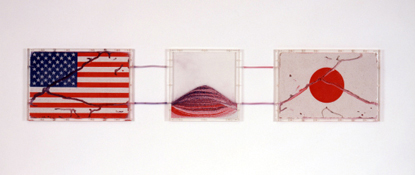
The symbolism, as crystalized in “Pacific” (below), which pokes fun at the notion of national identity and how even the island of Japan is not immune to the mixing of cultures and identities. “My works,” says Yanagi “are borders I have had to cross or barriers I have confronted in trying to define myself as a Japanese.”
Yanagi has always been interested in ants – often describing them as the perfect allegory for self. One is his more enigmatic works – one which he calls “my meditation” – is a series where he gets down on the ground and traces the paths of ants using red chalk.
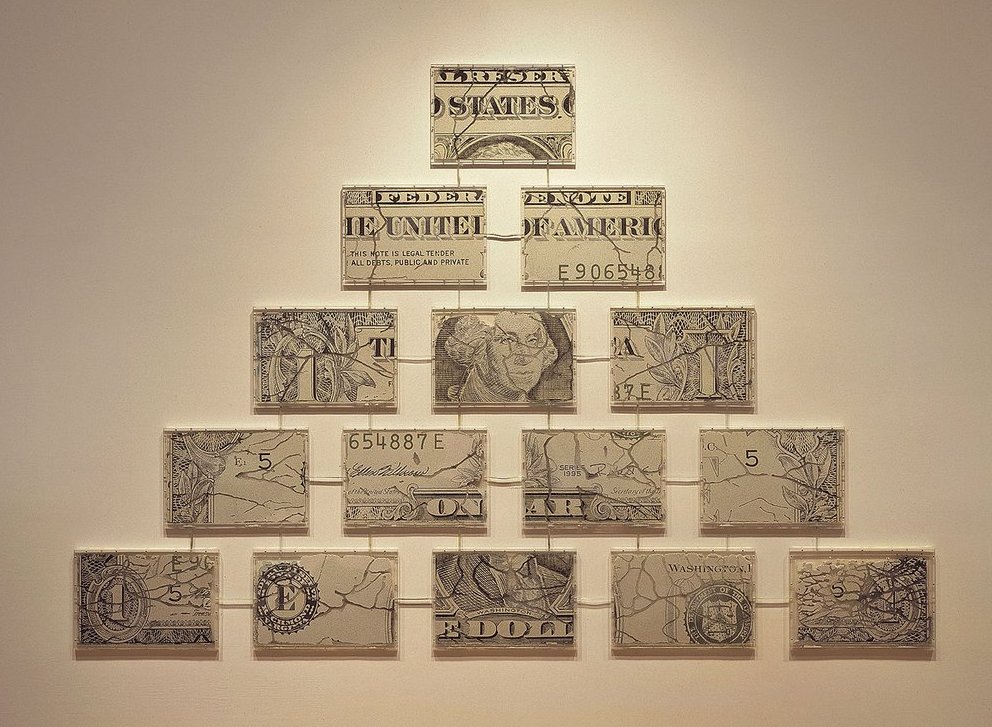
photo by Katherine Wetzel| © Virginia Museum of Fine Arts | click to enlarge

Above is “Dollar Ant Farm,” another piece in his series collaborating with ants.


Design & Typography by Ren Takaya


click images to enlarge

File this under ingenious graphic design tricks I would like to someday copy. Graphic designer Ren Takaya created this poster for a design workshop that, at first, appears to be rendered using a cheap & corny photoshop drop shadow. However, upon close examination, one realizes that the effect is actually achieved using a very analog process – meticulously cutting out neon-colored paper lifts. Brilliant!
[correction] A previous version of this article displayed the poster horizontally. It was meant to be displayed vertically.

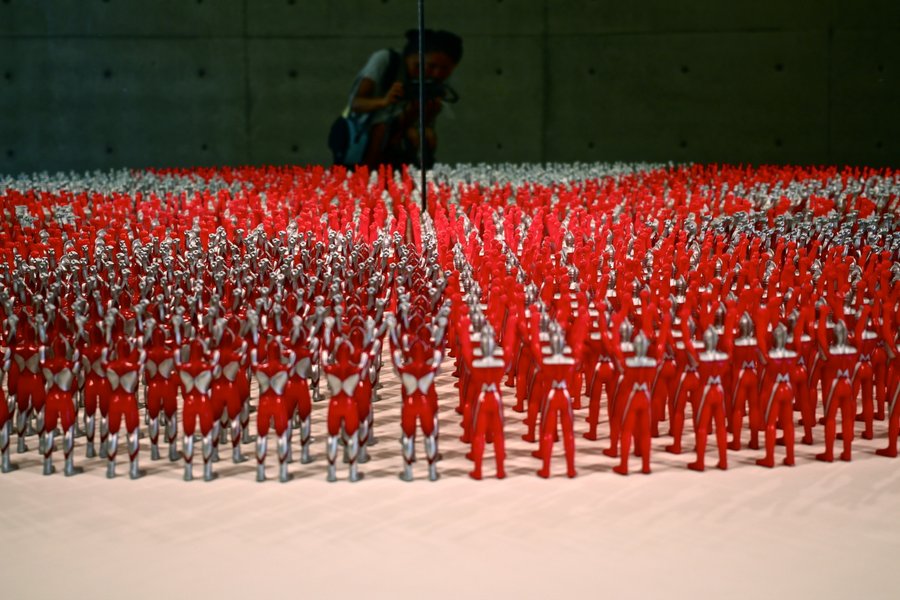
Yukinori Yanagi’s Banzai Corner | deciphering Japan’s political past using ultramen

photo by flickr user doc18 | click to enlarge

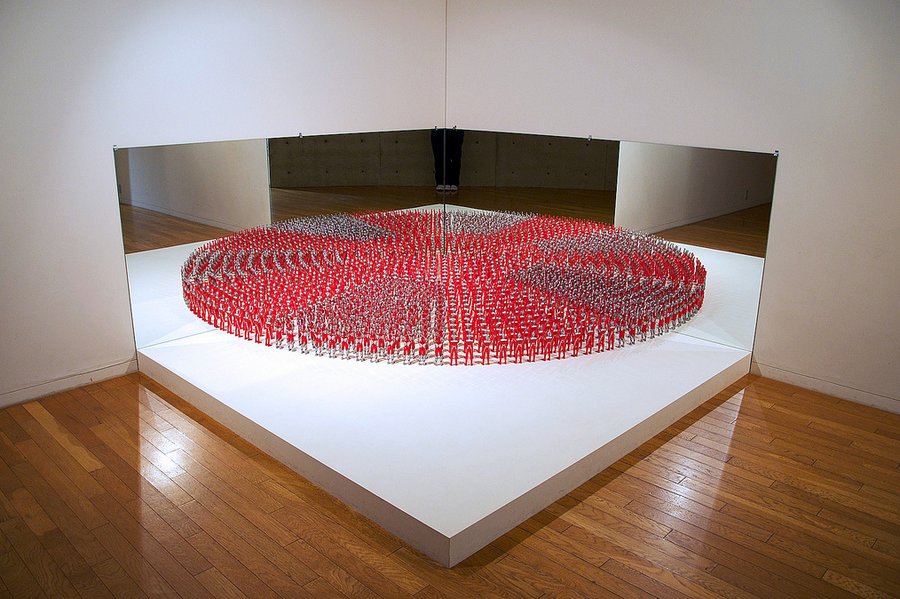
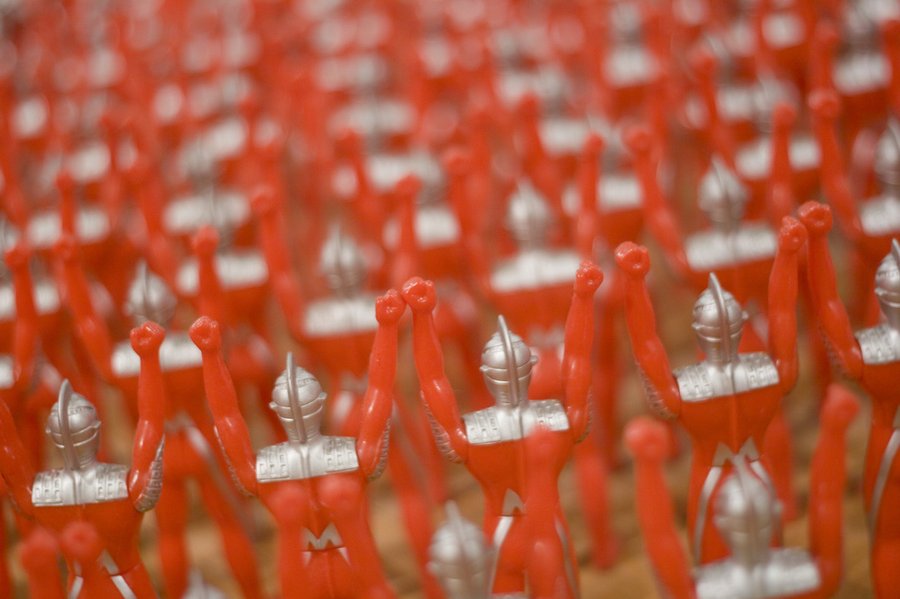
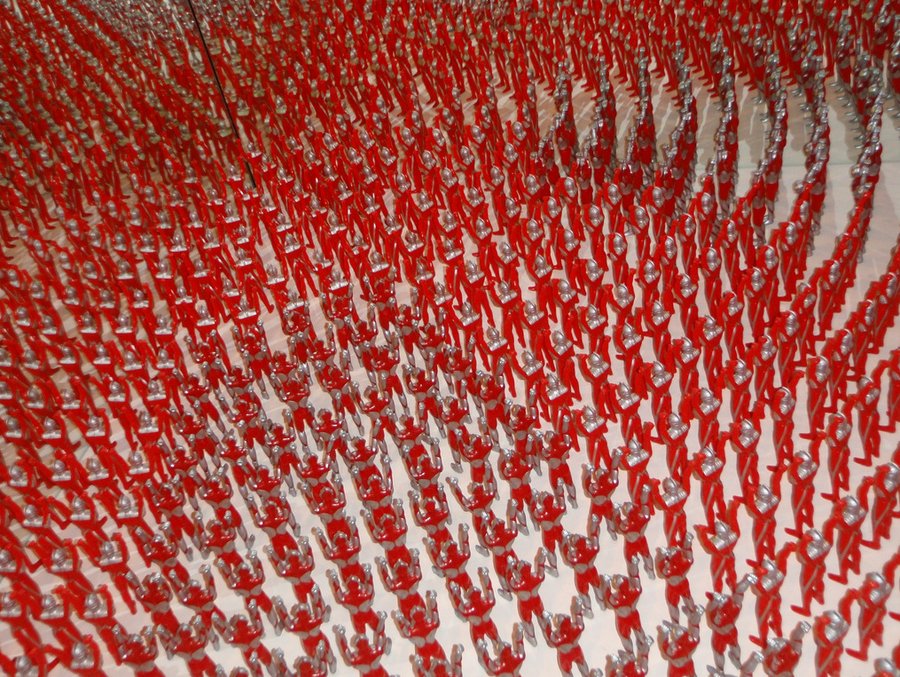
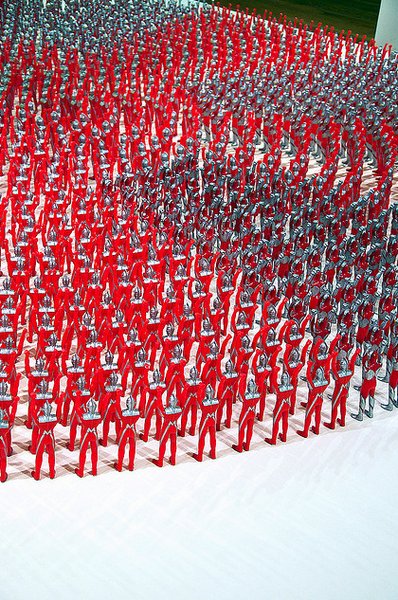
Yukinori Yanagi is a 53-year old Japanese conceptual artist who, since the 1990s, has made it his mission to decipher Japan’s political past. Yanagi first immersed himself in Japanese history and WWII at Yale University, where he received his MFA in sculpture in 1990. A year later he created “Banzai Corner,” a fascinating piece that “mirrors” the Japanese flag using ultramen figurines.
Yanagi creates an illusion of the iconic “hinomaru,” or circle of the sun, by arranging roughly 350 ultramen figurines in a quarter-circle against two mirrors in a corner. Aptly titled “Banzai Corner,” the superheroes can be seen raising both arms in the air, demonstrating the gesture used when shouting “Banzai,” a traditional Japanese celebratory exclamation meaning “ten thousand years.” But it’s also worth noting that “banzai” or “banzai charge” was a term used by the allied forces during the war, referring to the Japanese military tactic of mounting suicide attacks.
Speaking to the NYT back in 1995 about Japan’s emperor system, Yanagi said, “All these people died for the emperor because they thought he was a god, and it turned out that he was just a small man with a human voice.”

photo by flickr user Saralú | click to enlarge

photo by flickr user Olivier Lejade | click to enlarge

Despite the sheer presence if the piece, in all its multiplicity and glory, I sense a strong emptiness that is only compounded by its repetition. It’s quite amazing that his use of ultraman – a superhero who rose to fame in the 1960s and remains highly popular amongst kids even today – has helped the piece sustain its relevance over the past 20 years. It’s currently on display at the Benesse House Museum on Naoshima.

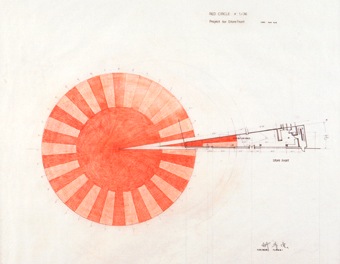
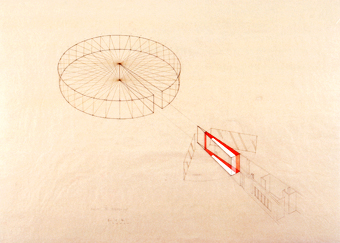
It’s worth noting that, in the same year, Yanagi was experimenting with the Japanese flag. In particular, I’m reminded of his Hi-no-maru drawings (below) he did for Storefront for Art and Architecture in NYC, applying many similar geometric rules and concepts.

photo by Lisa | click to enlarge

photo by flickr user doc18 | click to enlarge

Source: TokyoMango | Yanagi Yukinori | New York Times

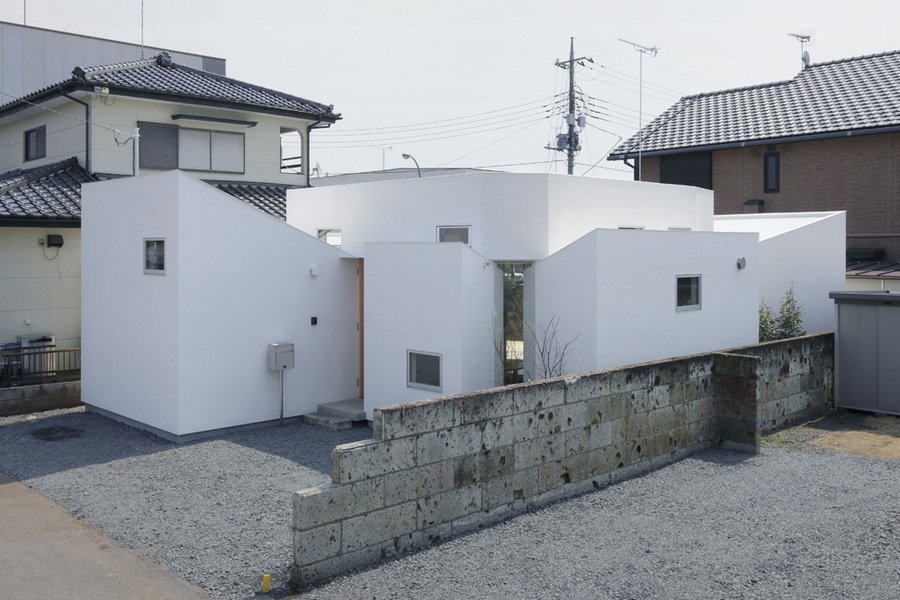
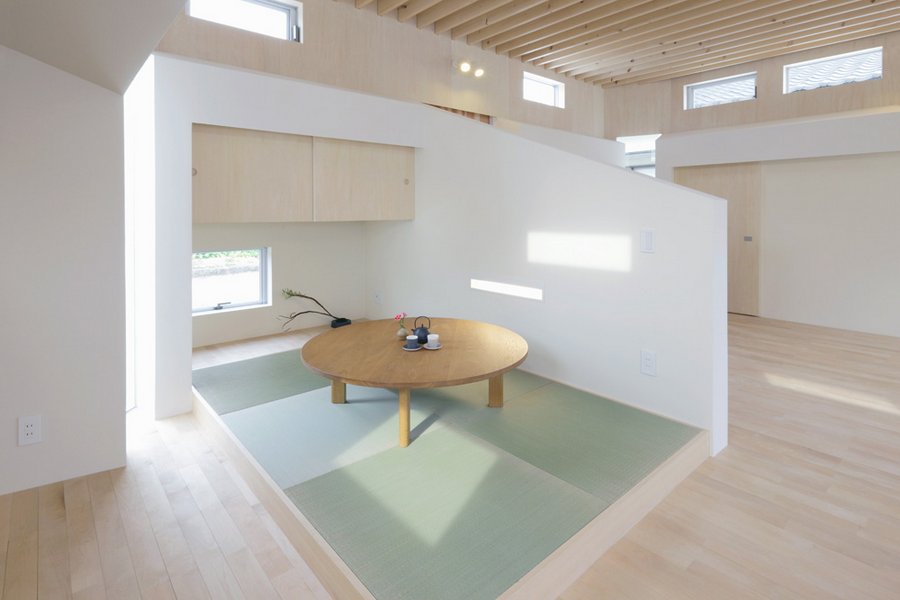
a house comprised of 6 trapezoids by Hiroyuki Shinozaki

photos by Hironori Tomino

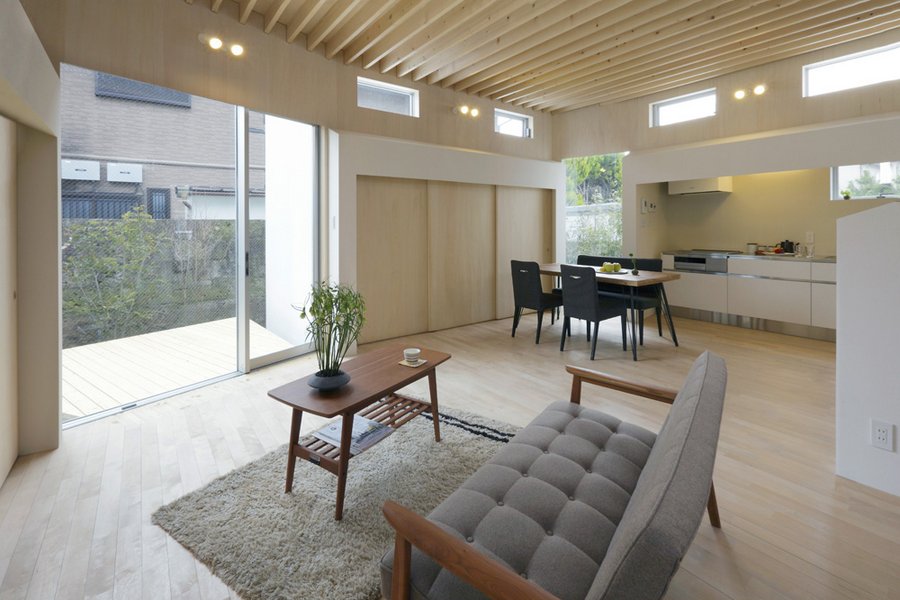
Architecture in Tokyo is met with various intrinsic challenges – one of them being the sheer lack of building space. However, travel just 80 miles north to the city of Utsunomiya where you’ll find a population density roughly 20% that of Japan’s capital. What you’ll also find are architectural luxuries epitomized by the very rare 1-story house.

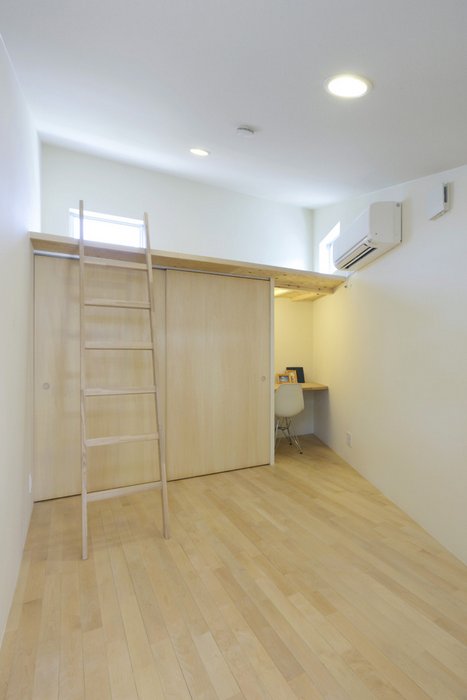
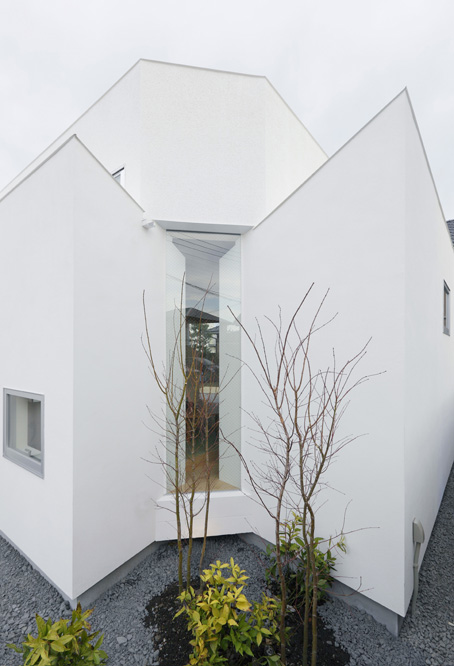
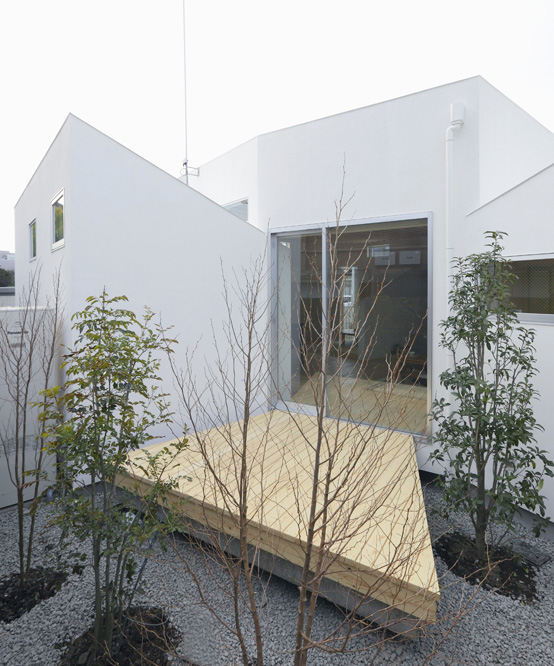
House M marks the 4th residential project of 34-year old Hiroyuki Shinozaki, who returned to his hometown to design this 1-story house for 2 women. Completed in early 2012, the home consists of six trapezoid-like structures that flare out of a central living space, defining rooms like the bathroom, kitchen and bedroom. Shinozaki utilizes the spaces between the trapezoids to create windows and, in the exterior, to create a deck and parking space. And as if putting a final touch on a toy home, a large roof made from wooden joists rests upon the house like a lid. I love how the space feels so connected and consistent.

After a 7-year stint working under Toyo Ito, Shinozaki established his own office in 2009 and has been based in Tokyo since then.

Source: Hiroyuki Shinozaki

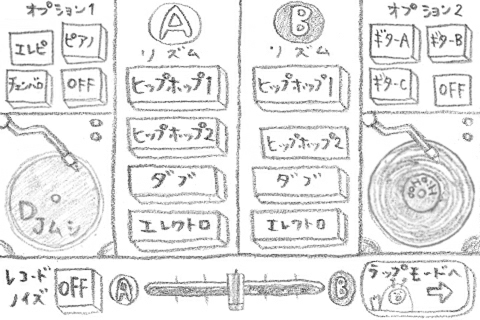
Rhythmushi – an analog music and animation app

rhythmushi


Have you ever wished, for one night,  you could become a DJ, mixing sweet music in a swinging rhythm? If so, The Open space 2012 at the Tokyo Opera tower, presents a lively application you’ll love. The author, Tsubasa Naruse , originally developed rythmushi in 2010. But since then,  the little music and animation application has grown to nine works.

I love the analog design made from drawing pictures – very simple and so kawai! The whole application is in Japanese but the interface is so intuitive and simple that everyone could use it and create enjoyable rhythms.  Though simple, Rhythmushi combines many different musical styles and techniques that even experimental musicians can enjoy it. The best part is you can download it for free and try it from your home!


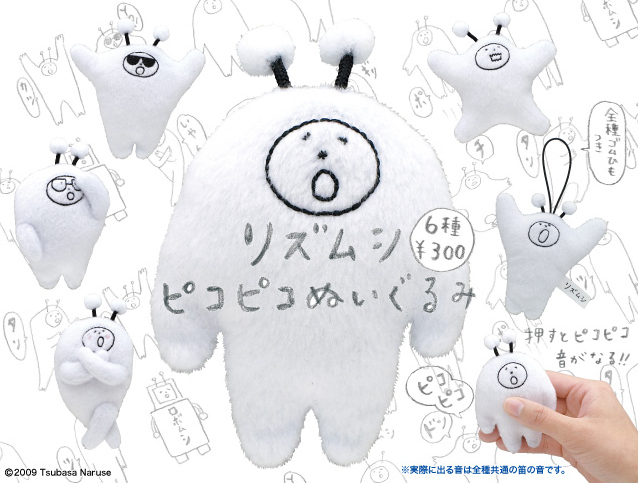
Rhythmushi characters are so cute that they inspired a partnership with Graniph.  As these tee-shirts are no longer available (for the ones who got it, they’ve become collector items!) but you can meet little rhythmushi-san in teddy bear shapes.


100% Chocolate Cafe

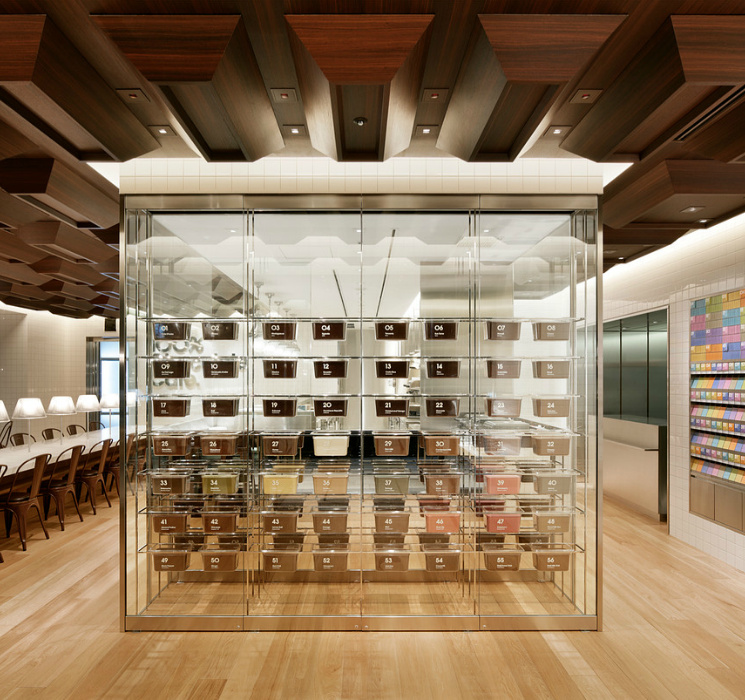
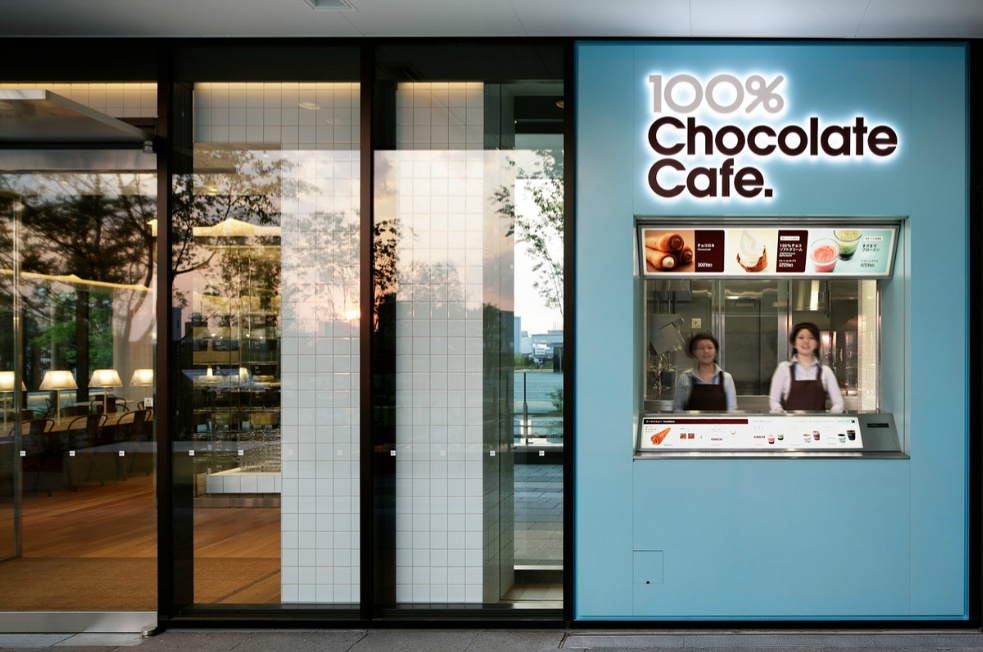
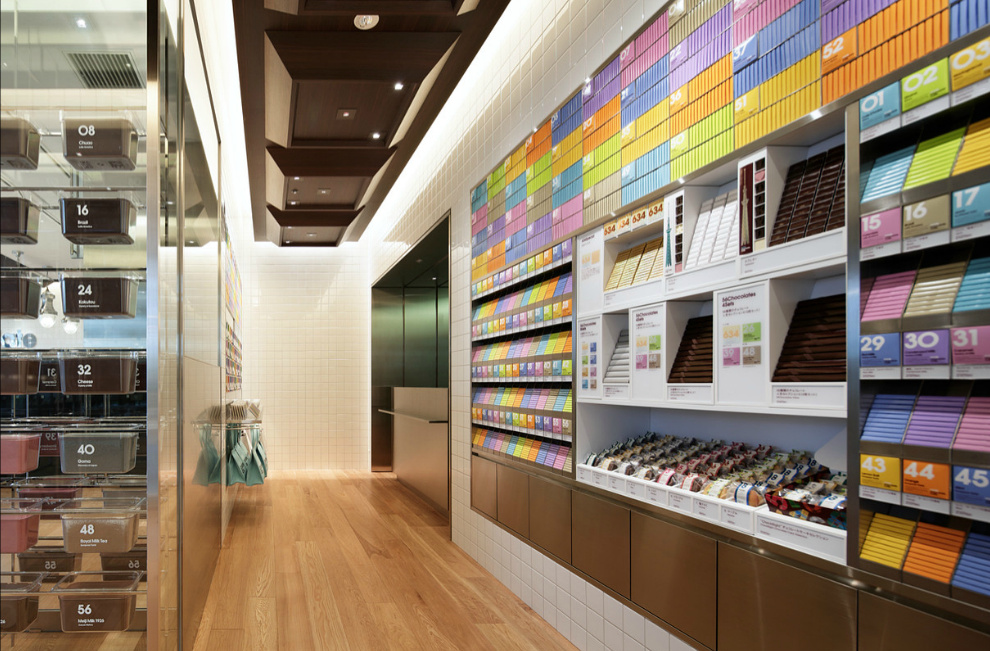
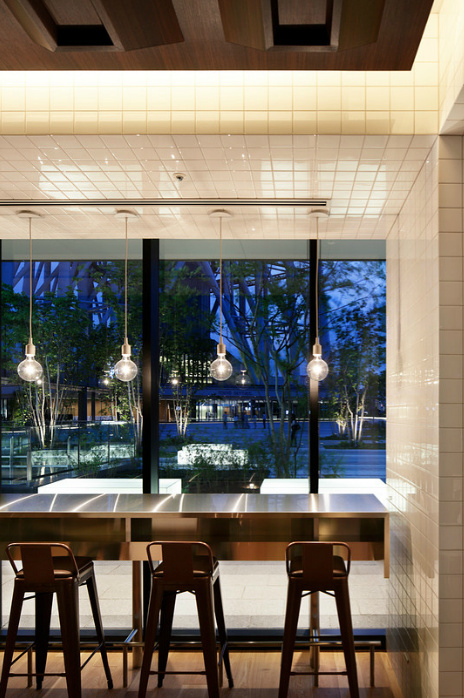
If you’re heading to Tokyo’s latest landmark, Tokyo Sky Tree, you’ll also have a chance to satisfy both your sweet tooth and your design tooth by making a pit-stop at 100% Chocolate Café. The “chocolate kitchen” is located within Solamachi (“sky town”), a retail complex adjacent to Japan’s tallest structure and the 2nd tallest structure in the world. The café, designed by Wonderwall, features an open kitchen that would make even Willy Wonka proud. Visitors can watch the process of sweets being made through a display of glazed boxes containing ingredients of 56 different types of chocolate.

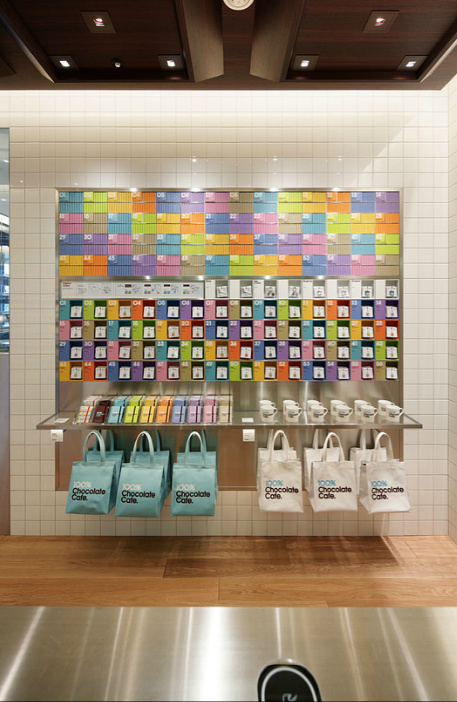
Also be sure to stop by the gift shop where you’ll find a dizzying array of gorgeously packaged souvenirs, all designed by Groovisions – the team of graphic designers behind the little dolls featured in our header.

source: Wonderwall

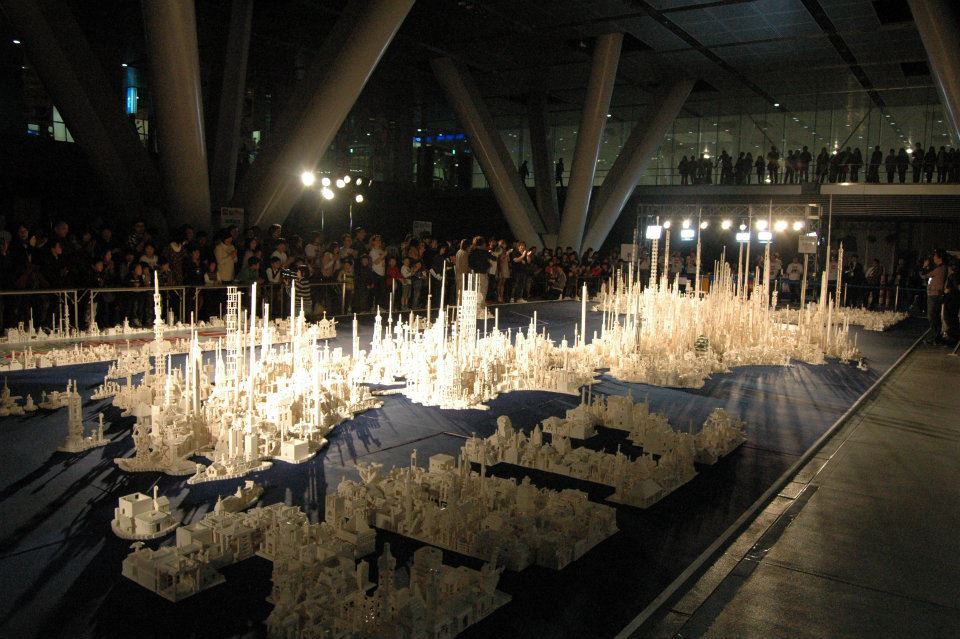
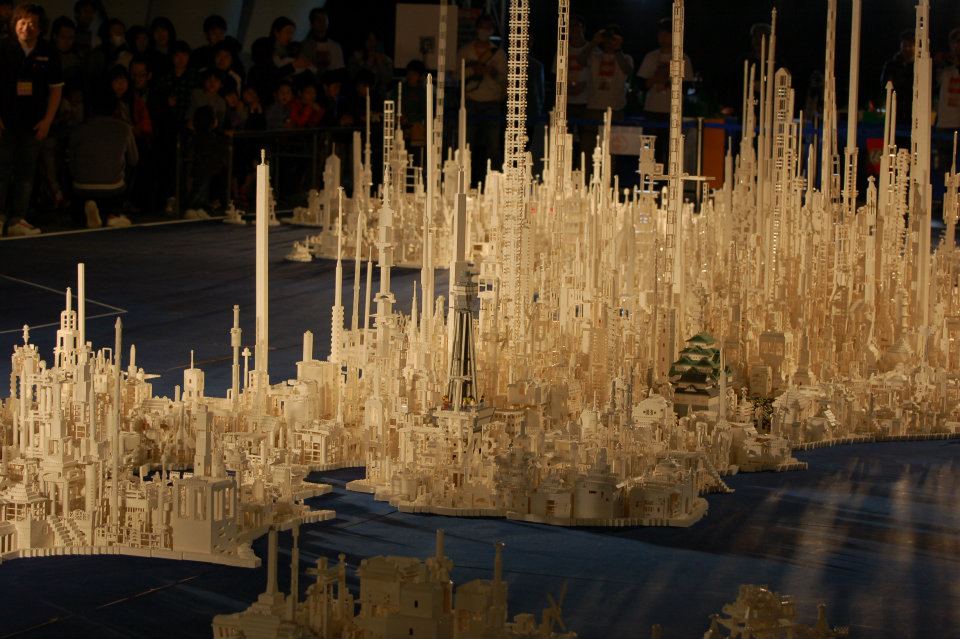
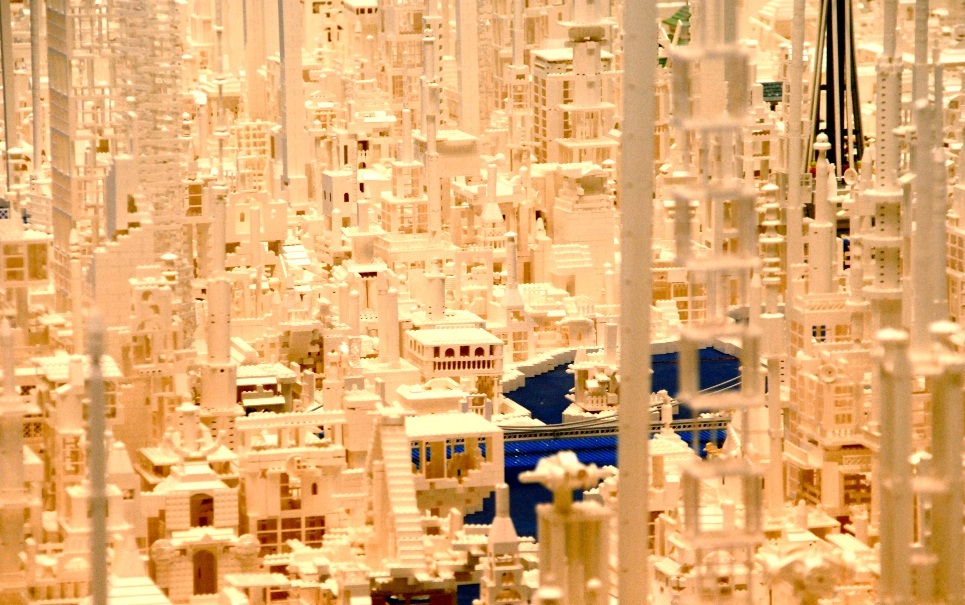
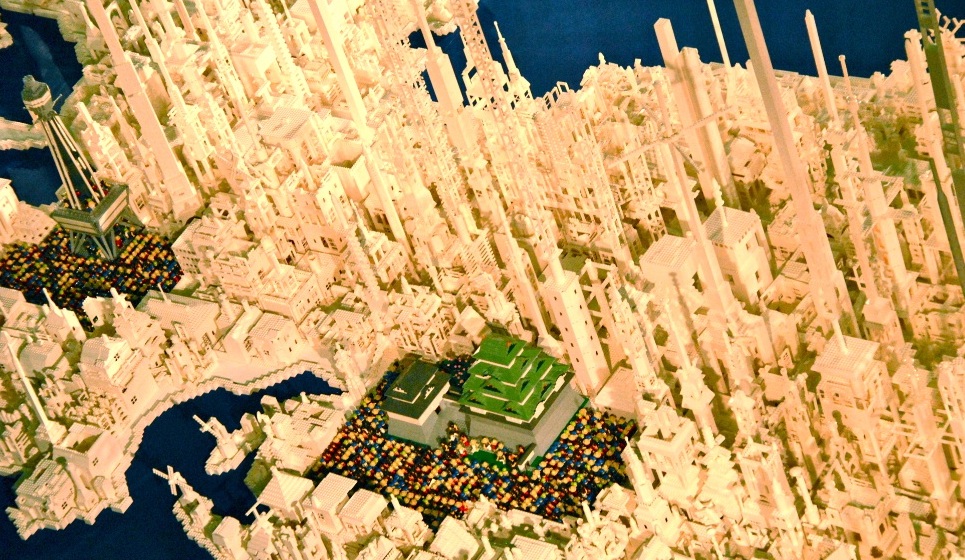
1.8 million LEGOs used to create map of Japan

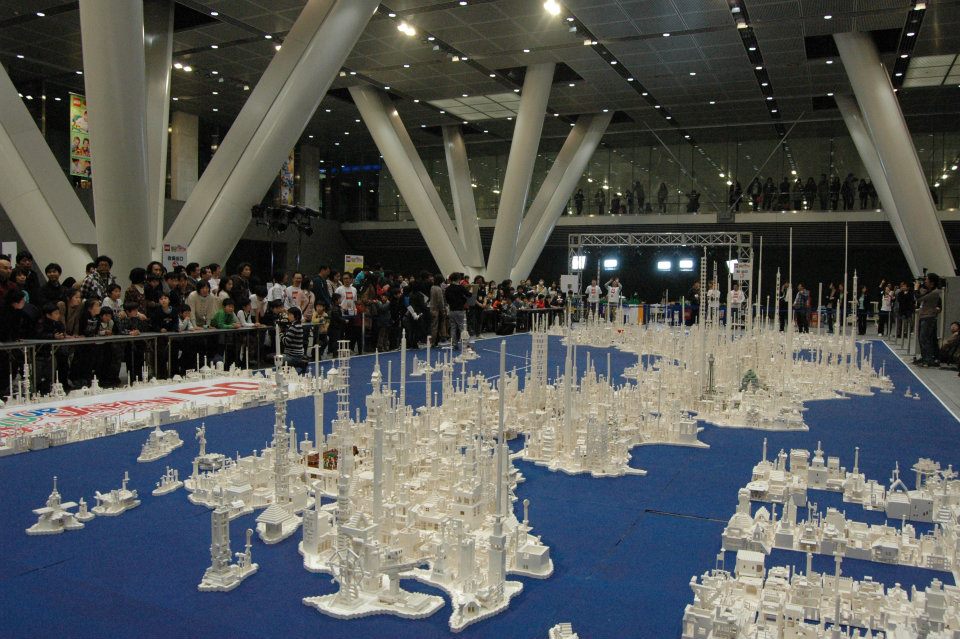
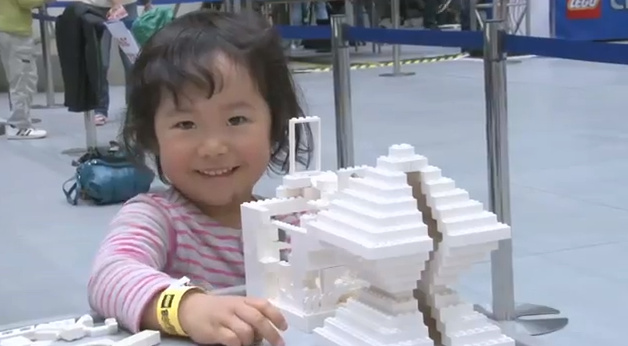
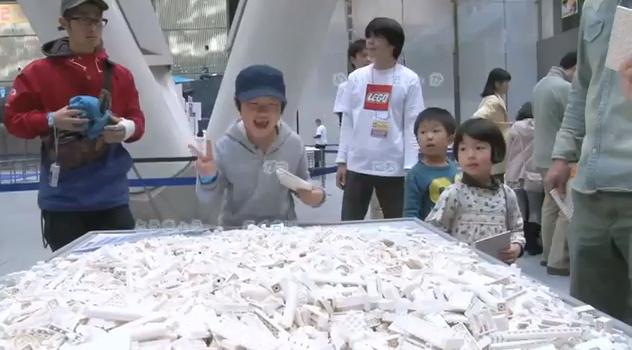
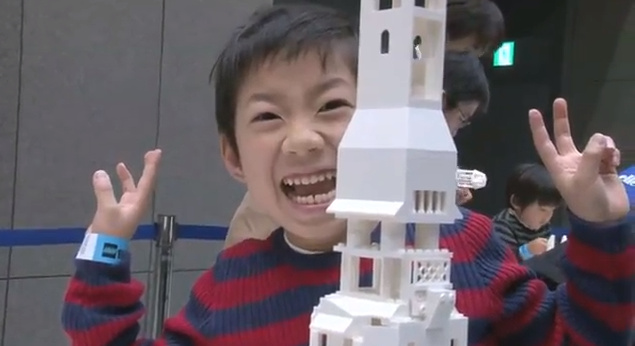
I know what you’re thinking: ugh, another LEGO project using a gazillion LEGOs. Indeed, the Internet seems to be teeming with hey-look-at-what-I-did-with-LEGOs-type projects, but this one seemed noteworthy. In celebrating the 50th anniversary of the iconic building blocks being introduced into Japan, LEGO’s Japanese subsidiary sponsored a cross-country workshop in which over 5000 people in 6 different regions collaborated to create a gigantic map of Japan.The pieces that were assembled at each site then traveled to Tokyo, where they were put on display for one massive LEGO map.

click images to enlarge

Dubbed “Build Up Japan,” the event – rather than recreating existing landmarks – encouraged kids to picture what they want Japan to look like, and to create imaginary structures. The future of Japan was, quite literally, in their hands. And the kids delivered.

The festivities took place during March and April of this year.

Many more photos on their facebook page, including shots from each of the 6 locations.

source: Spread Blog | press release


This is Tokyo Now

click to enlarge

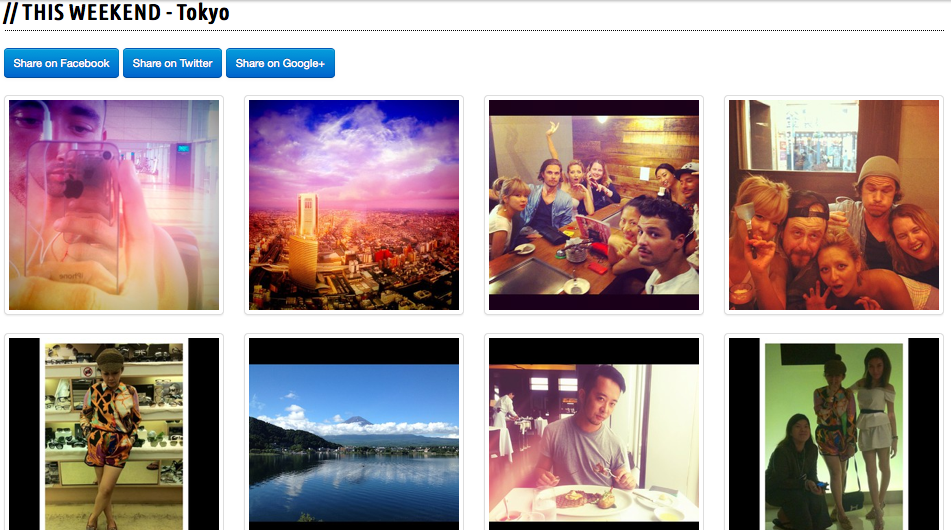
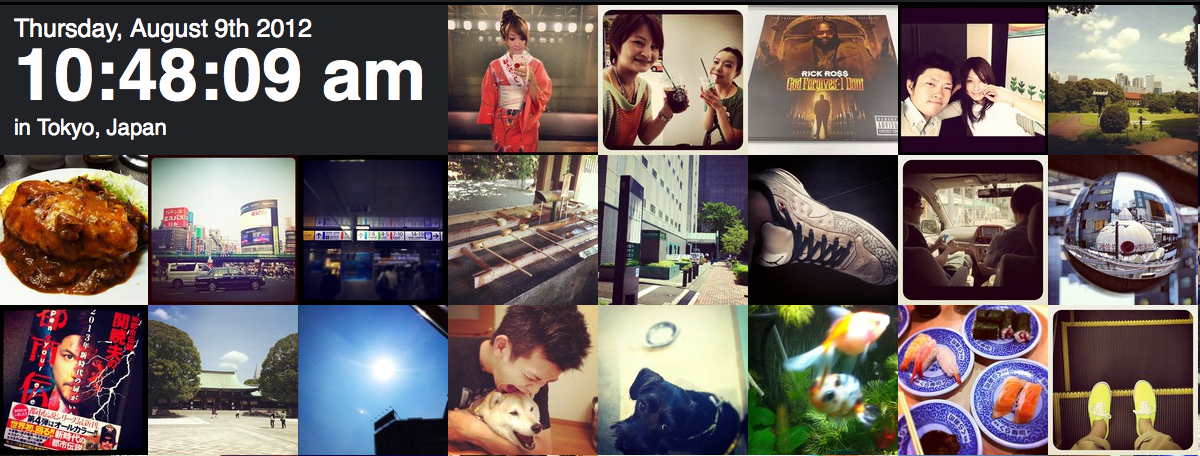
See Tokyo through the eyes of Instagram! This is now offers a real-time feed of Instagram photos from different cities, aggregated using geo-tagged photos. In addition to Tokyo, the site also has outlets for New York, Paris and 6 other cities.

Also, if you want a glimpse into what Tokyoites do over the weekend, check out Fourist.

thanks @artspacetokyo

Yuriko Sakai | the room of a kappa

Deep under water
bobbing in and out of sleep
in a small room

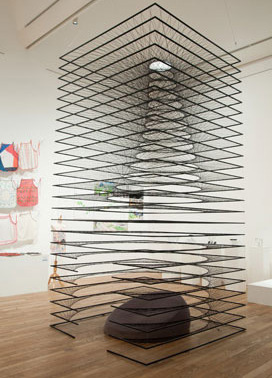
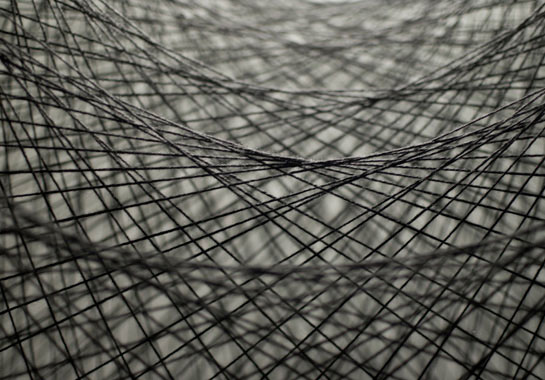
And with a short poem (translated by S&T), thus begins the senior thesis exhibition of student designer Yuriko Sakai. In Japan, the smallest unit of living space is 1-tsubo (roughly 36 sq ft). Within this ultimately tiny space – in a fashion similar to that of Chiharu Shiota – Sakai uses yarn to define space. However, Sakai sets herself apart primarily through an acute orderliness that places various elements – liquidity, transparency and depth – into her confined space.

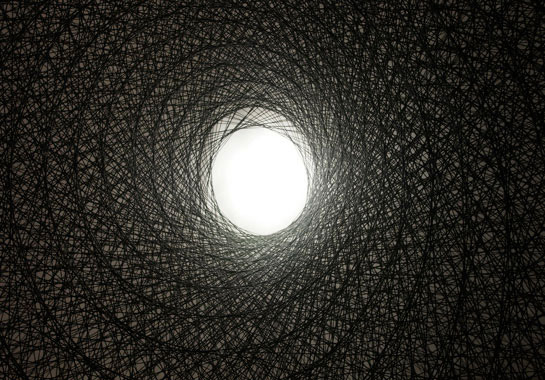
I would imagine that sitting down in the chair, which is at the center of Sakai’s installation, one must look up and feel as though they are looking up from the bottom of a well. Sakai has aptly named her piece “the room of a kappa,” a legendary water being that might very well be found living in a well.

I discovered Sakai’s work while exploring the 2012 exhibition of graduation works from Tokyo University of the Arts. You can see all our coverage on student art work here.


Melted Styrofoam sculptures by Takashi Masubuchi

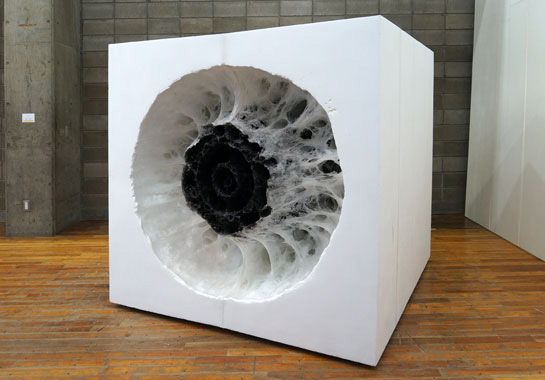
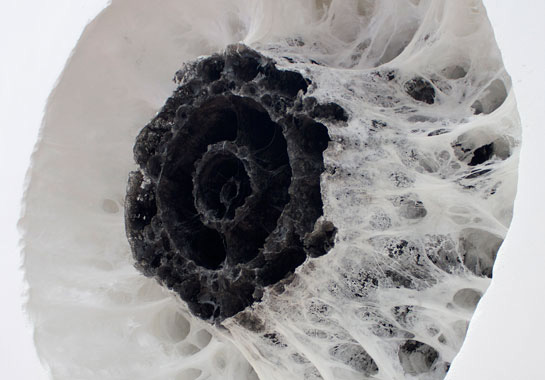
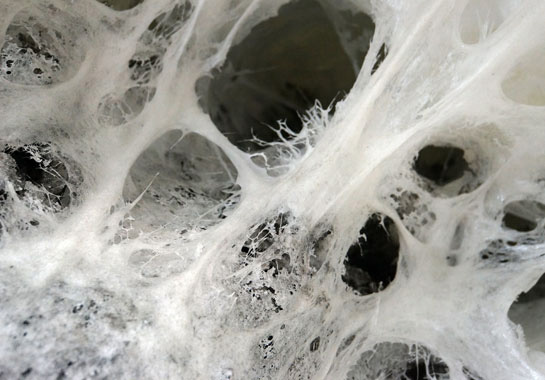
Have you ever tried to paint the Styrofoam balls in a model solar system, only to have them disintegrate in front of your eyes? Well, I learned the hard way, that Petroleum based paint products will dissolve Styrofoam. But student artist Takashi Masubuchi used these paints to his advantage to create his senior thesis exhibition project. To create “drip,” Masabuchi climbed up onto a gigantic cube of Styrofoam, slowly and carefully dispensing drips of black paint onto the surface. The acidic paint ate away at the Styrofoam, creating organic forms that mimic the process of decomposition.

Below is another piece he created using the same process, but without the color.

I discovered Masubuchi’s work while exploring the 2012 exhibition of graduation works from Tokyo University of the Arts. You can see all our coverage on student art work here.

« Older posts Newer posts »

© 2026 Spoon & Tamago

Up ↑

Design by Bento Graphics