Page 256 of 406

The obsession of dots: Yoyoi Kusama x Louis Vuitton

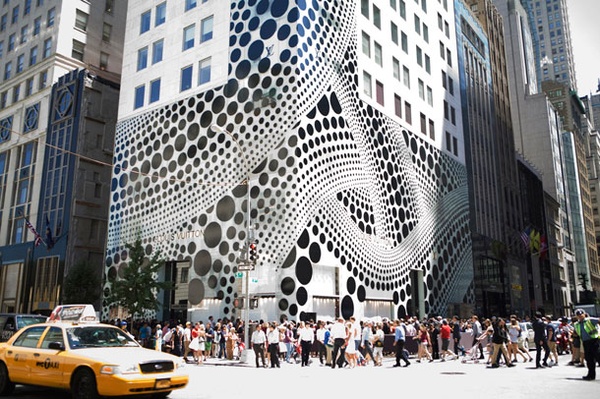
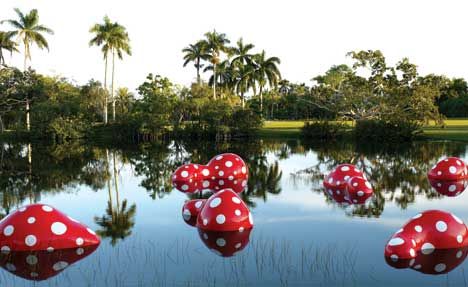
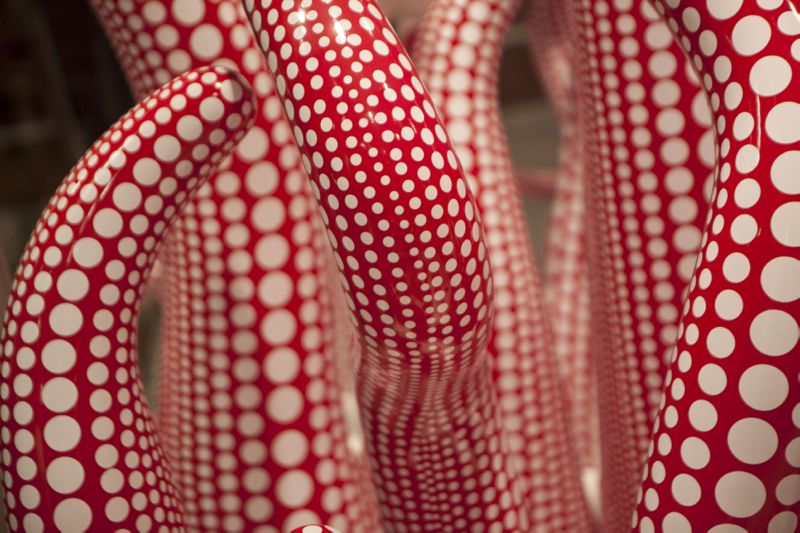
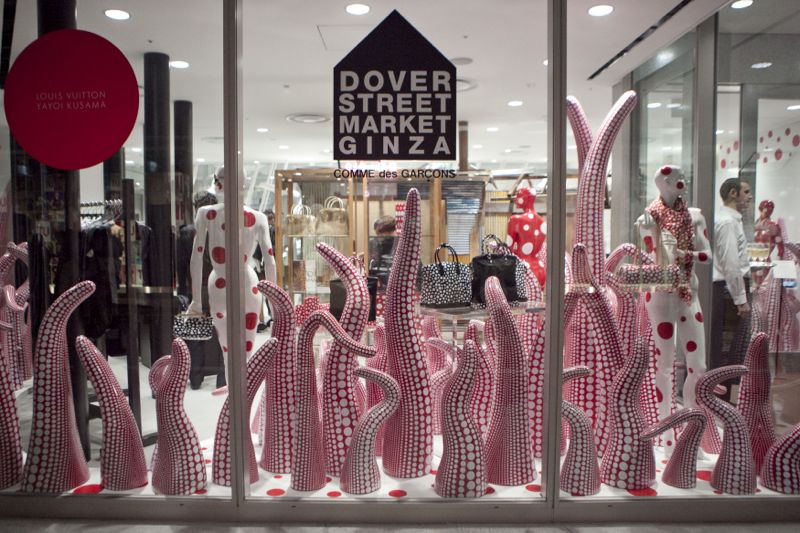
For several weeks strange dotted waves rose from the ISETAN floor in Tokyo. For the ones familiar with it, there was no doubt; Yoyoi Kusuma had arrived.
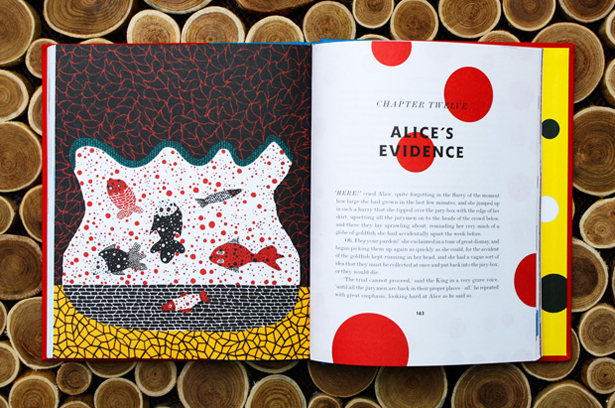
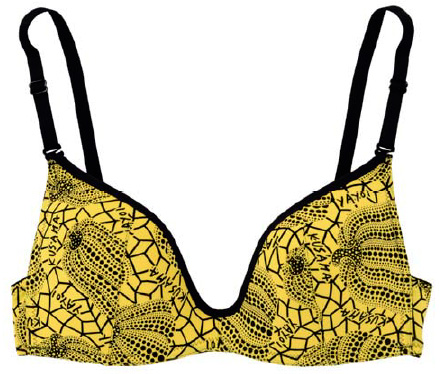
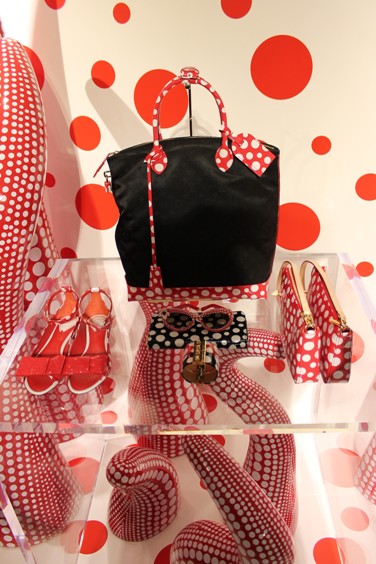
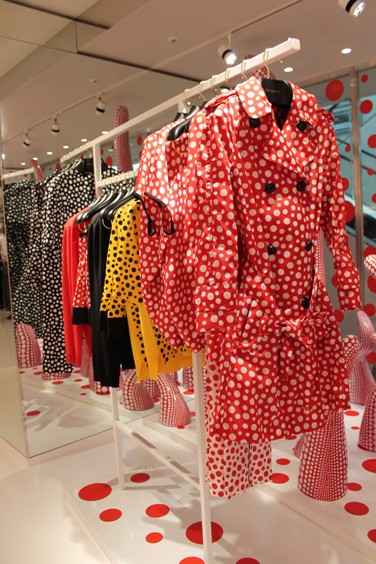
This pop-up installation celebrates the collaboration between the iconic Japanese artist and French luxury brand Louis Vuitton. This fusion is obviously a success in Japan for two reasons. First, Japanese girls are fond of Louis Vuitton products. In Tokyo they are everywhere – even the beach! Second, there is a strong sense of pride amongst Japanese girls that Yoyoi hails from their home country. Furthermore, right now Kusama may very well be the most popular Japanese artist worldwide. For all these reasons, the collaboration is a major event in Japan and is echoing across various industries and geographies.

And you can follow the echo from shop to shop: after Isetan the “Comme des Garçons” vitrines in Ginza were contaminated by dots too.


(and as indicated above, the echo has spread worldwide where we find similar happenings in Paris, New-York, Singapore…)

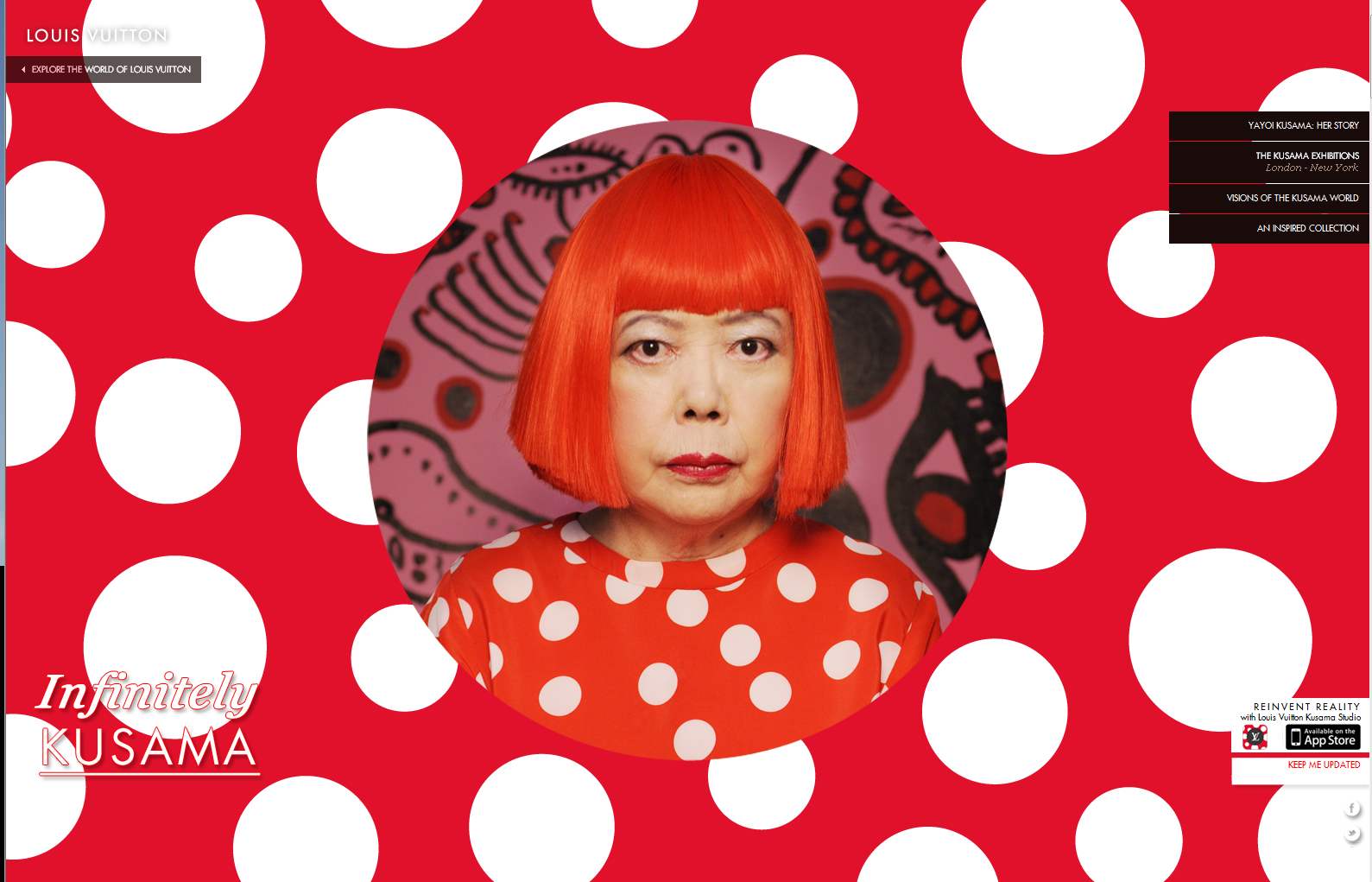
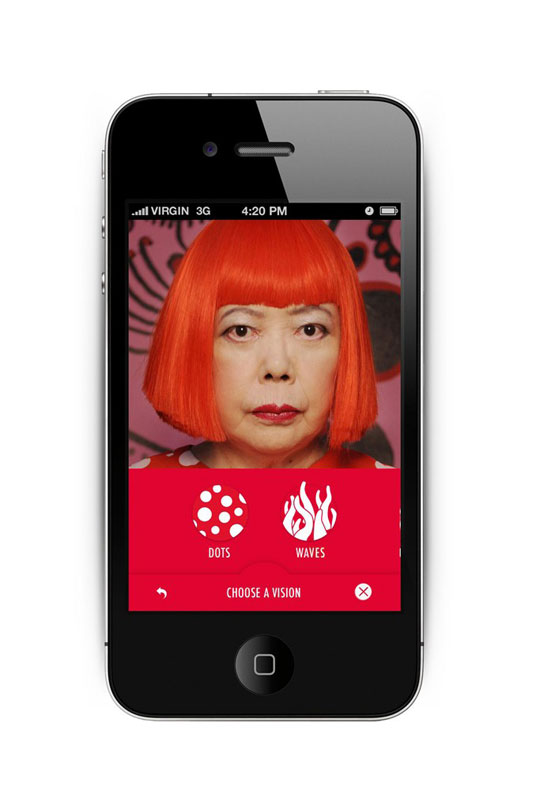
Louis Vuitton solidifies their success by transcending beyond the physical product line and carries us into Kusuma’s world through digital tools:

A website:

And a smartphone app:

The website is quite amazing; very easy to navigate, with value-added content and images. For the app, it’s a bit of a different exercise and many brands have struggled to master it. Despite the good design, the content and purpose falls short, and ends up being quite deceptive.

However, once again, Marc Jacobs has demonstrated he knows how to renew a luxury brand, as evidenced by the craze he has stirred up in Japan!

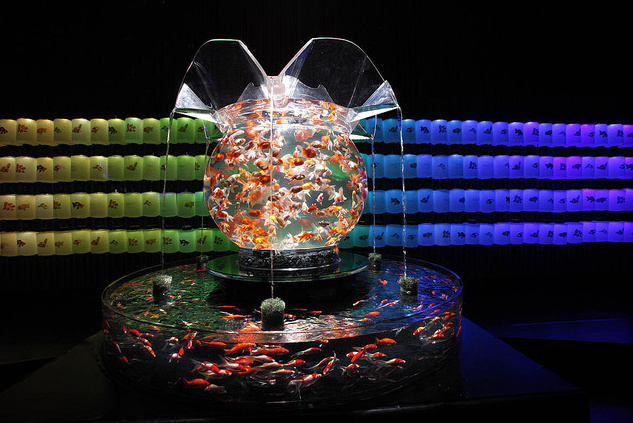
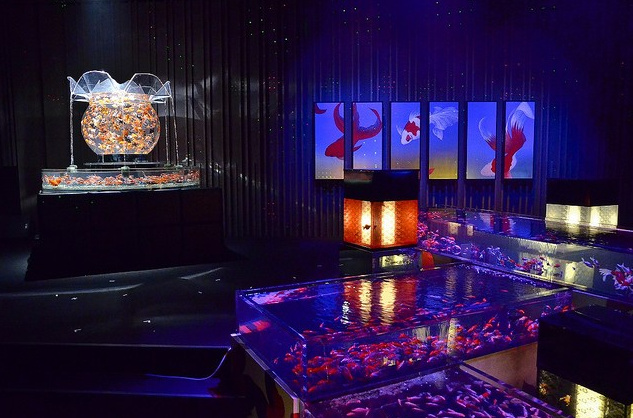
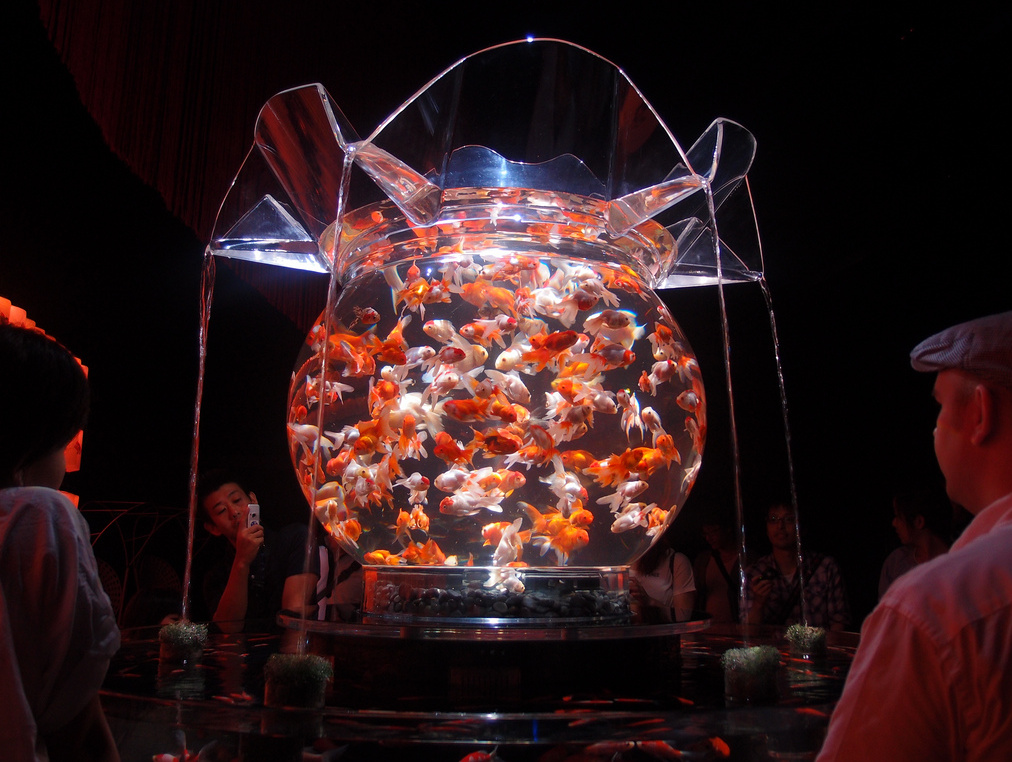
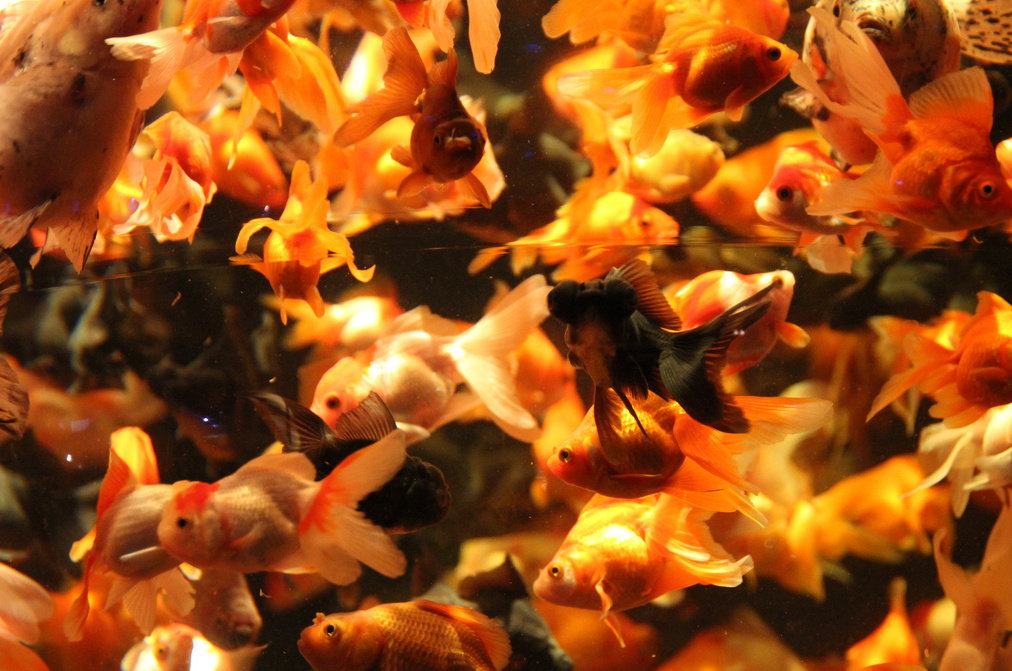
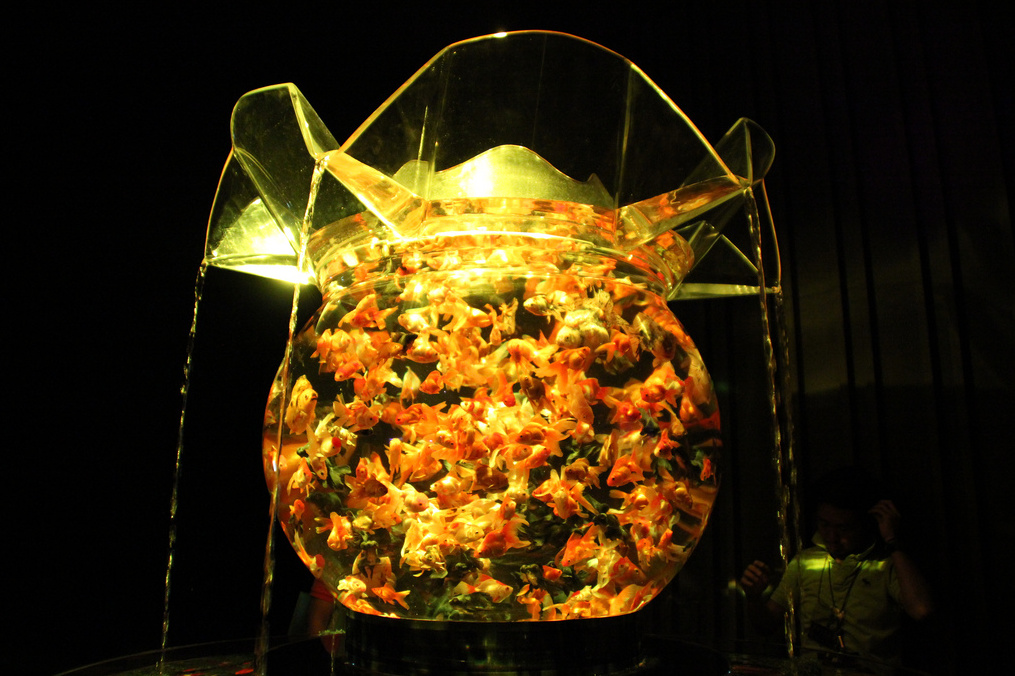
Art Aquarium Exhibition | over 5000 goldfish on display in a pop-up aquarium

images courtesy livedoor news

Along with wind chimes, fireflies, mosquito-repellent and shaved ice, goldfish are one of the most prominent symbols of summer in Japan. A game involving paper nets and drugged-up goldfish – the objective being to scoop them into clear-plastic bags so you can watch them die – is a staple at summer festivals across the country.

However, if placed in an actual tank, rather than a plastic coffin, watching the little fishies bob up and down is admittedly soothing, and is a great way to take your mind off the sweltering heat. So instead of engaging in the cruel pastime, head to Nihonbashi Mitsui Hall where highly-stylized aquariums – the work of self-proclaimed art aquarium producer Hidetomo kimura – are sure to satisfy your fishy fancy. Oh, and did I mention the space was air-conditioned?

images courtesy flickr user caramacci_ | click to enlarge

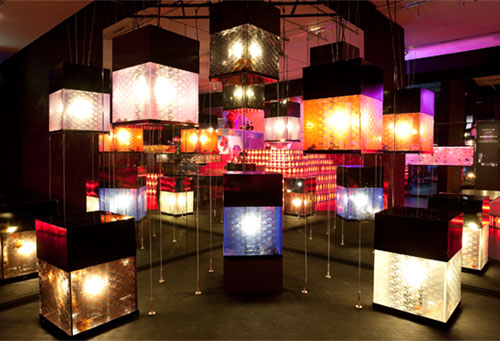
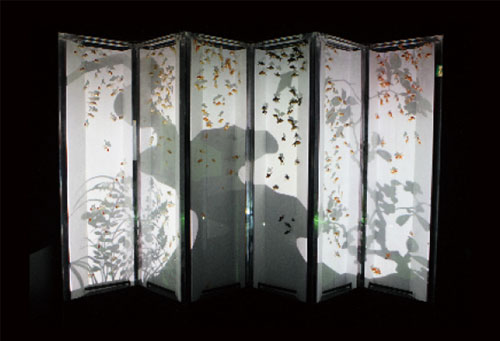
The show-stopper is undoubtedly the oversized goldfish bowl “Oiran,” filled with 1000 goldfish. But flanking it are other unique aquariums like the 8-meter long “Four Seasons Aquarium,” the rectangular Kaleidoscope aquarium “Kaleidorium” and the screen (byoubu) aquarium “Byoburium.” General admission is 1000 yen and the exhibition continues through September 24th.

If goldfish is your thing, I think you’ll like Riusuke Fukahori’s goldfish.

images courtesy Art Aquarium

Four Seasons Aquarium

Andonrium

Byoburium


Source: Yomiuri Online

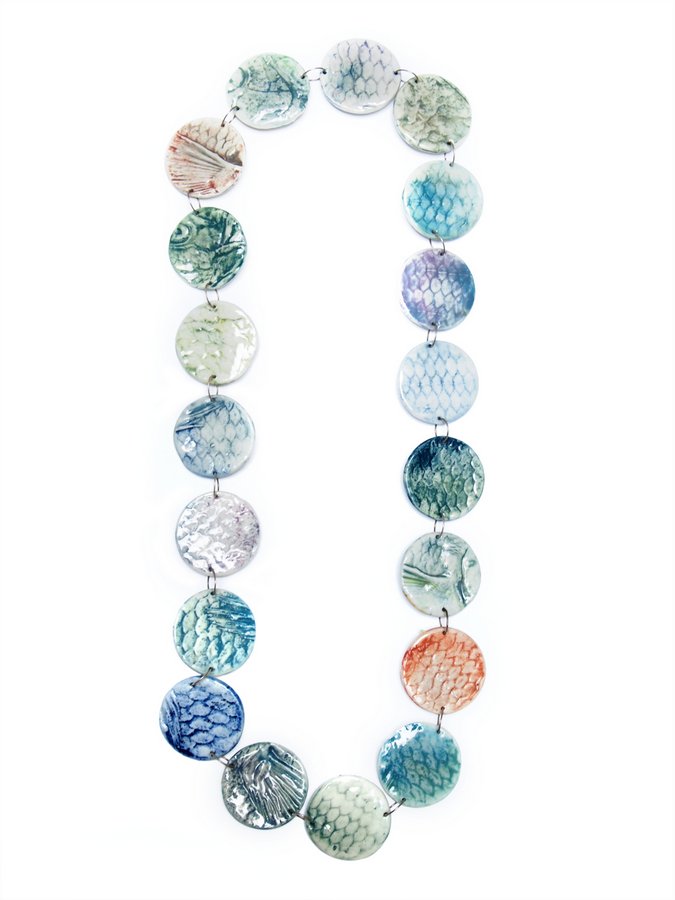
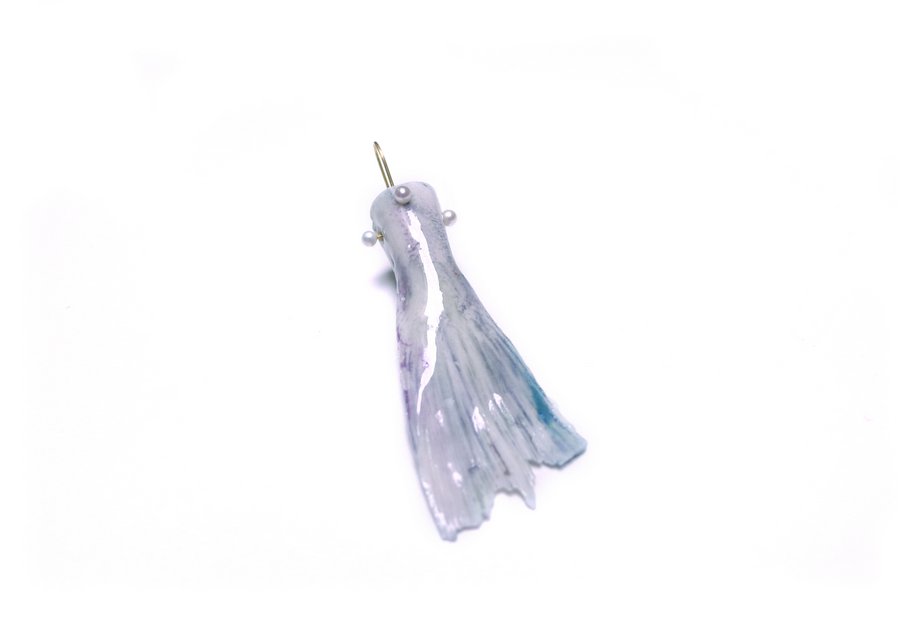
Lost at Sea | jewelry inspired by the sea life drawings of Keiga Kawahara

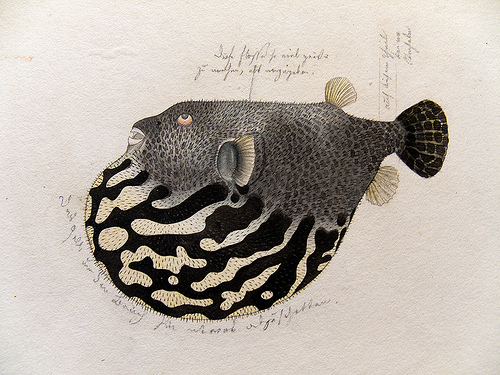
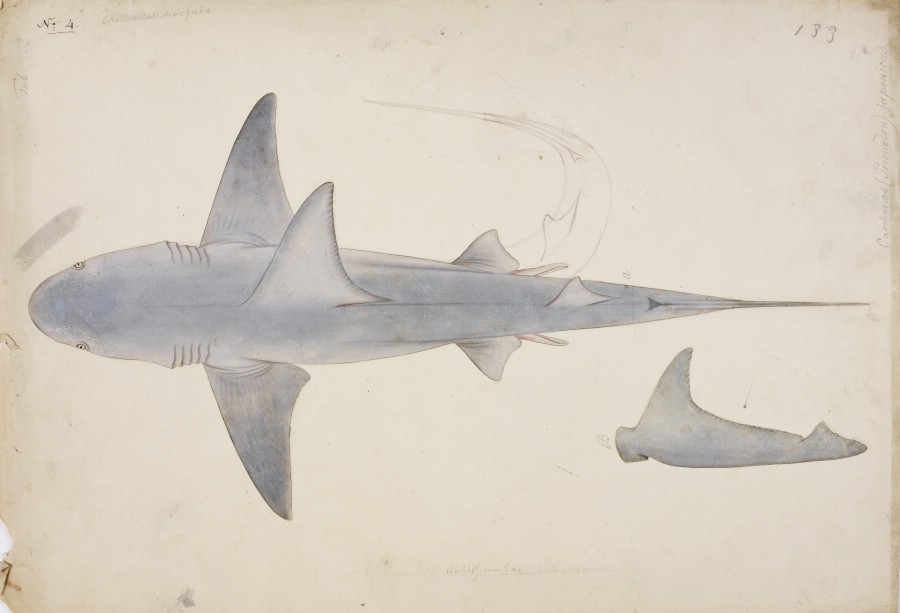
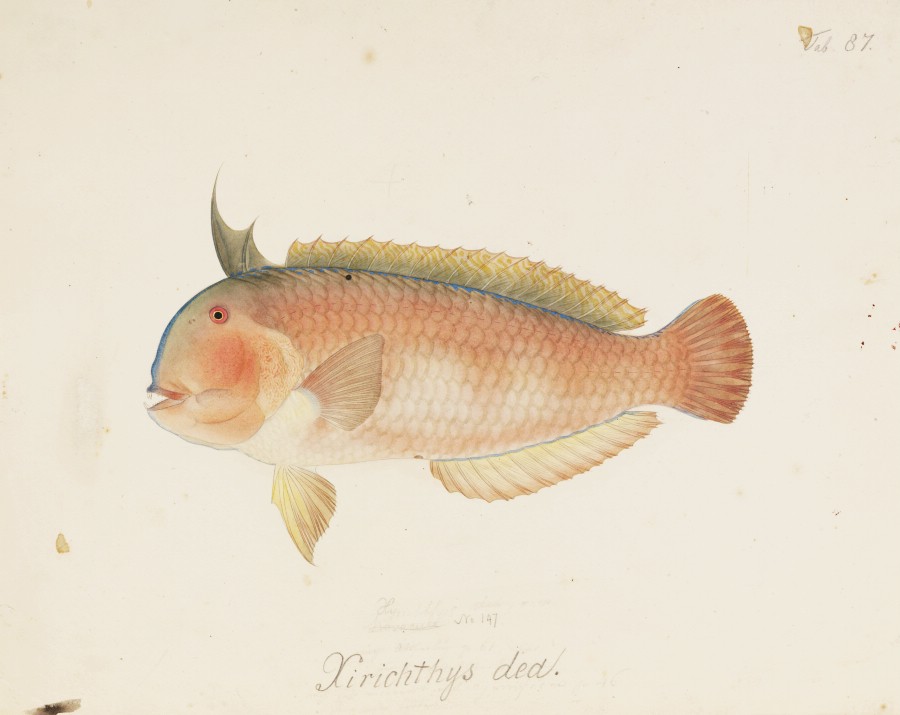
fish prints by Keiga Kawahara | click to enlarge

Dejima is a small, man-made island built in Nagasaki bay in 1634. During Japan’s self-imposed isolation, between 1603 – 1868, Dejima functioned as a lone outpost – an “anomaly” where foreign ships were allowed to dock and conduct trade.

In an interview, autor David Mitchell describes the island:

It was a keyhole in the door in the wall that encircled Japan for 250 years….Dejima was just this strange, wonderful, weird cat flap of a place between two cultures. It’s what the crew of the Starship Enterprise would call an “anomaly,” a space-time anomaly.

Dejima served as a place where goods, people and ideas mingled. It had all the ingredients for stories to be born. And one of those stories is about the doctor and botanist Philipp von Siebold who, in 1822, was sent from the Netherlands to Japan to gather information on the mysterious country. While based on Dejima he befriended a Japanese painter named Keiga Kawahara, often commissioning him to paint different wildlife species he had found. The collection grew to 6000 – 7000 pieces, and became the basis for books like “Flora Japonica” and “Fauna Japonica.” To this day, his precise drawings are used as samples by biologists.

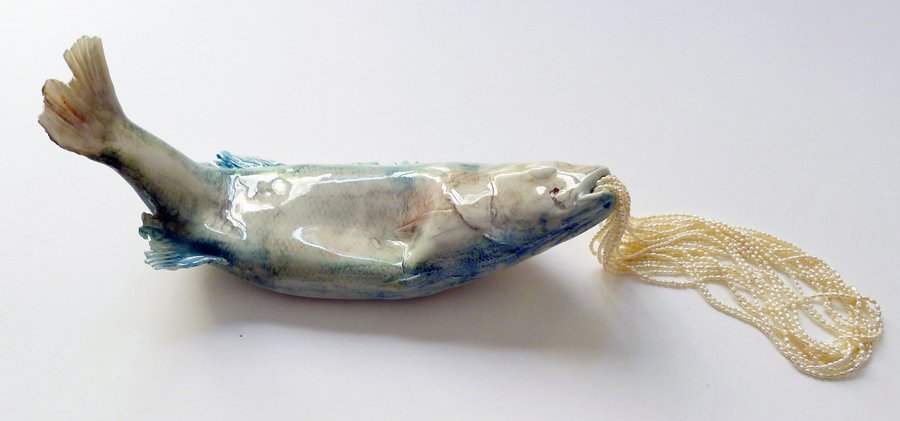
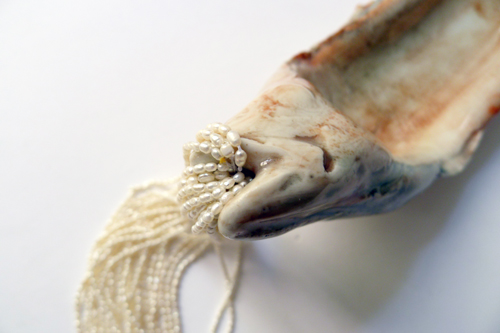
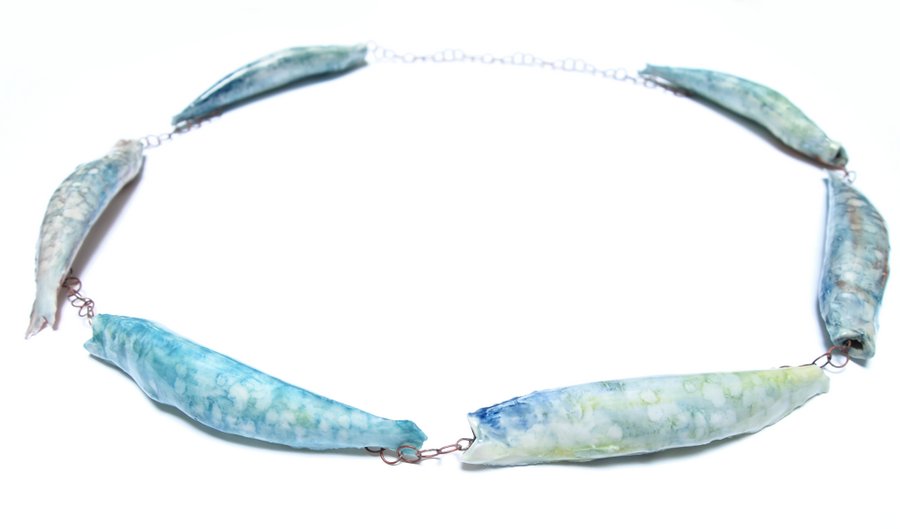
In a new exhibition, Lost at Sea, on display through September 12, 2012, jewelry artist Nina Sajet creates a series of intriguing jewelry pieces inspired by Keiga Kawahara’s prints. “Fish have had a role in culture through the ages, serving as religious symbols and as the subjects of art, books and movies,” says Sajet. “For me the capturing of the poetic element of the Fish and especially its beautiful shapes lead to new designs.”

Her jewelry collection is on display – juxtaposed alongside Kawahara’s prints – at K-Studio in Nishiazabu, Tokyo.

(many thanks to Chitose Ohchi from O-Jewel)

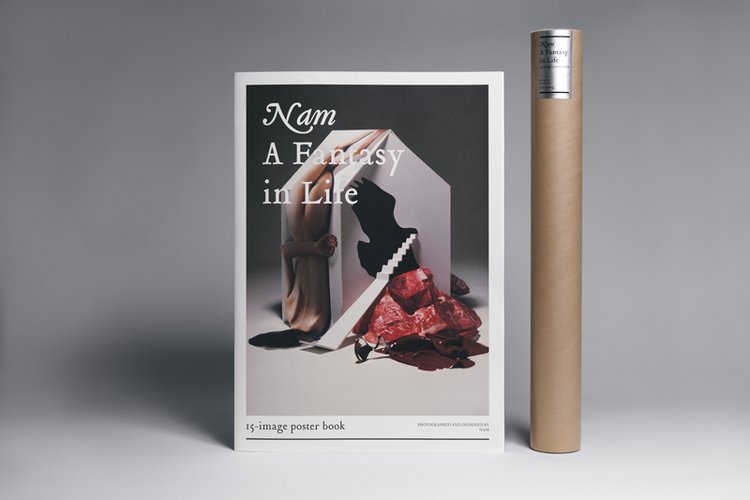
Flash Sale – NAM art collective poster book

click all images to enlarge

This week’s flash sale comes from one of our favorites artists, NAM (previously)! The Tokyo-based graphic/design collective is best known for their non-digital, gravity-defying photo shoots that are staged using copious amounts of objects suspended by wires and cables. Their fantastical style has made them a favorite amongst both corporate and artistic clients in Japan and abroad.

The team recently created this large-scale 15-image poster book that chronicles their work from past to present, making it an instant collector’s item for fans. Now’s your chance to get your hands on the limited edition set of 1000, before they hit shelves even in Japan!

Continue reading

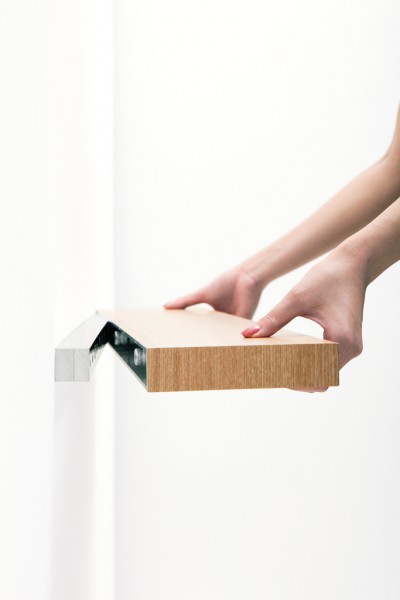
Clopen | a floating shelf that hides a secret drawer

photos by Yosuke Owashi

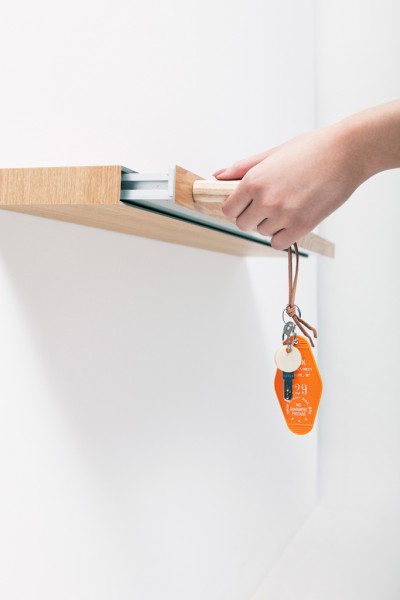
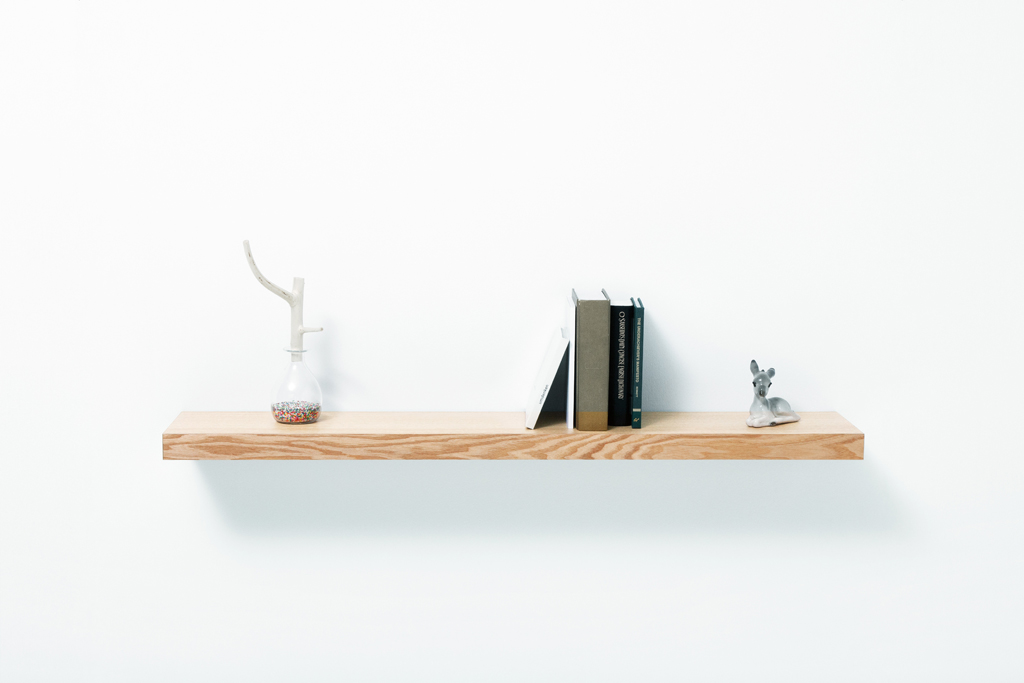
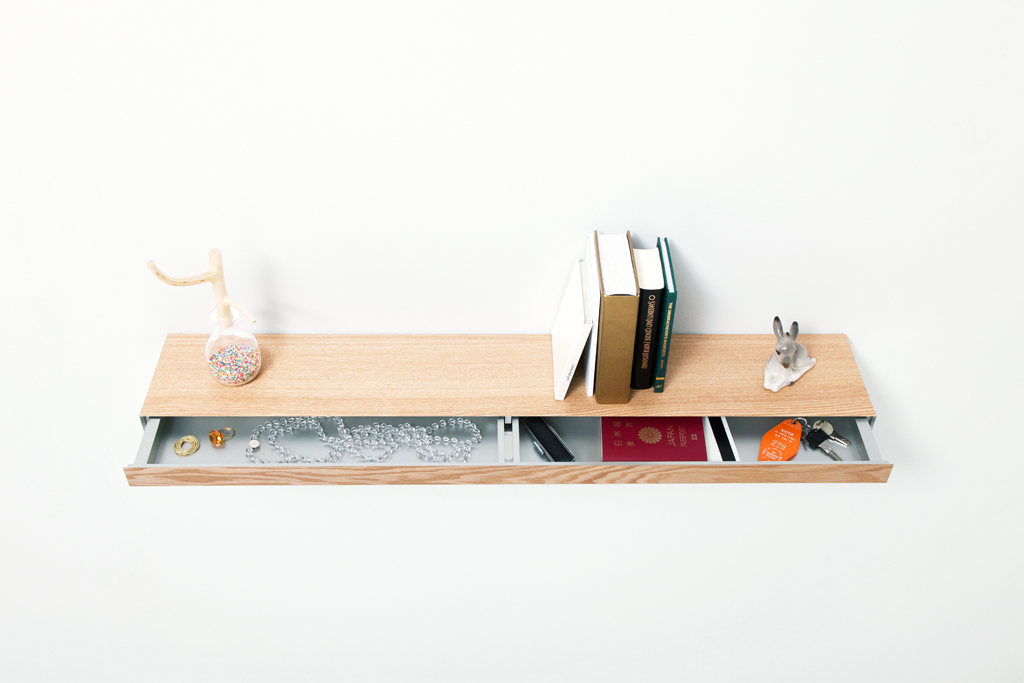
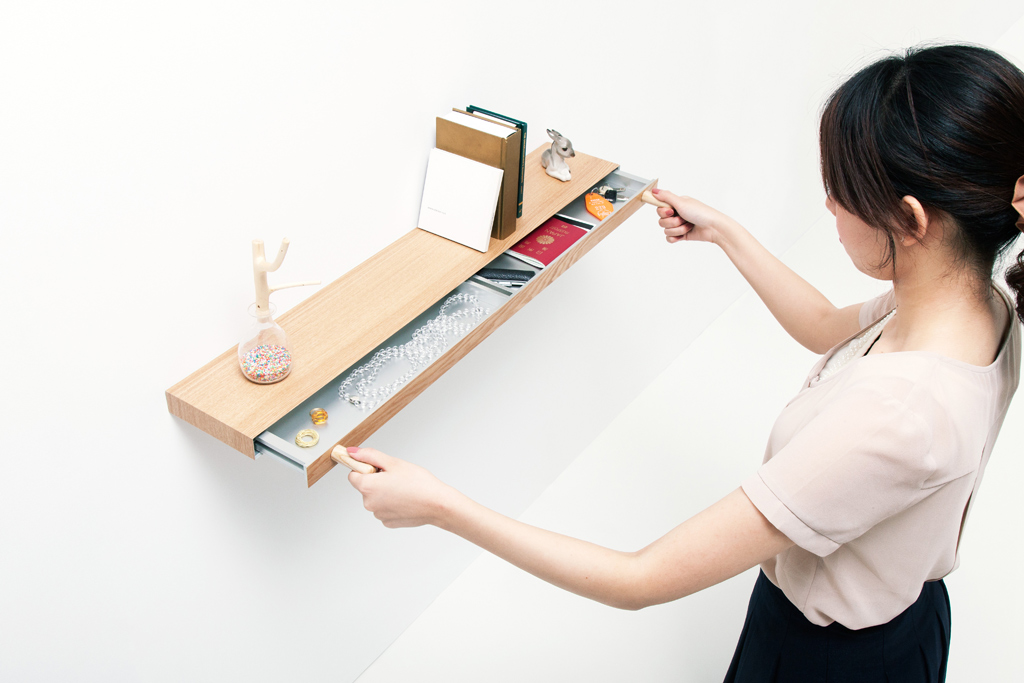
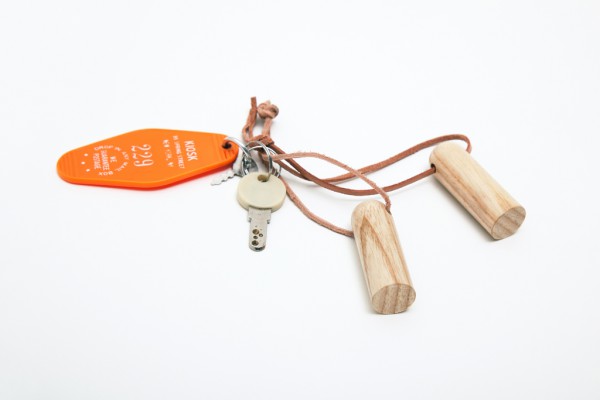
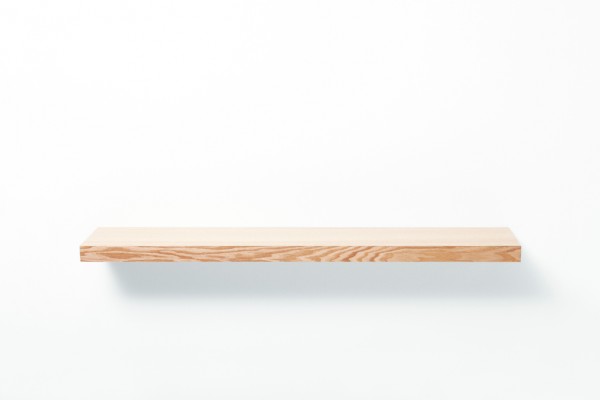
It’s a simple, unassuming floating shelf that appears to be made from a single piece of timber. But 2 stubs of wood that conceal magnets act as “keys,” revealing a secret 23mm drawer that can hide valuables like your passport or jewelry. So cool!

Titled “clopen,” the secret was designed by Torafu Architects (previously).

Source: press release

Fadeless by Nobu Miake | a vase for dried flowers

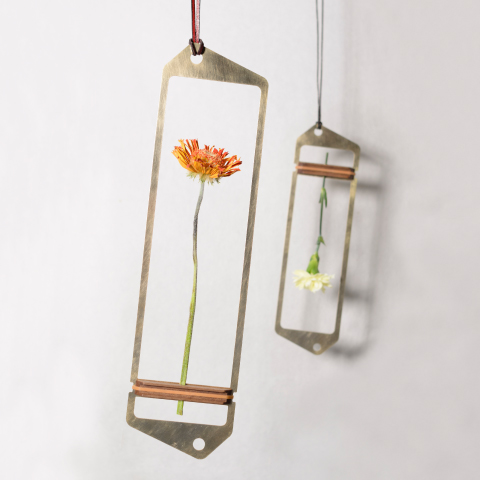
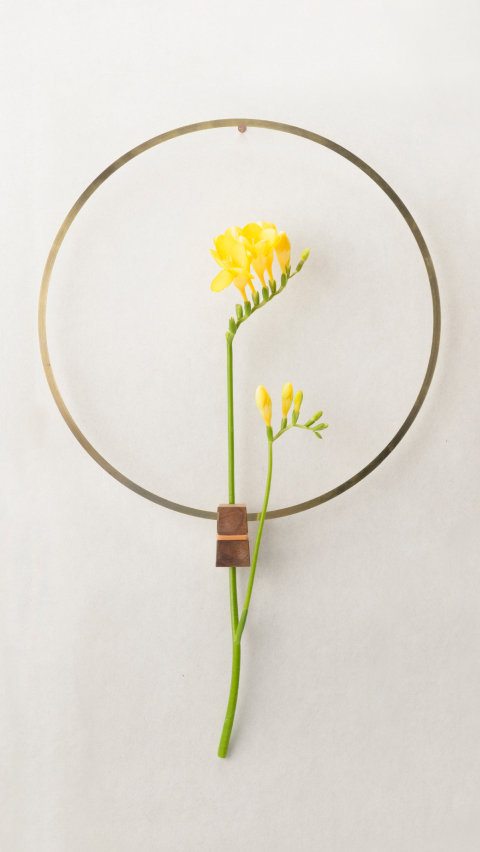
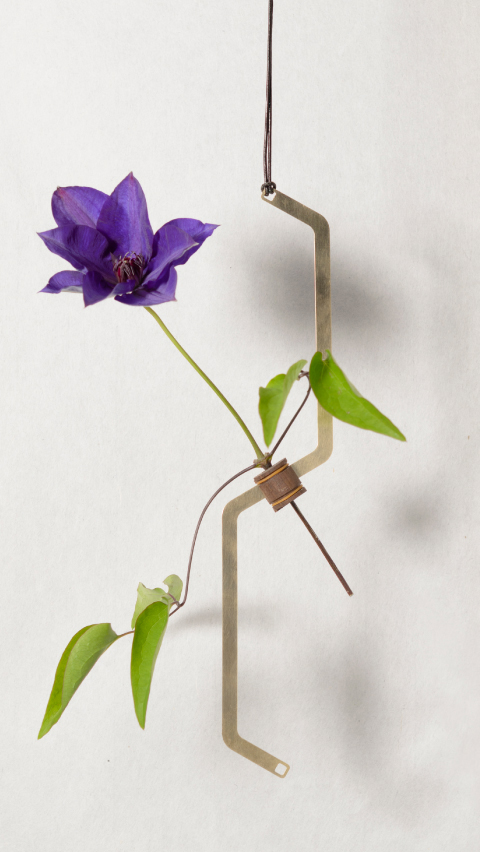
Ichirinzashi, or the single flower vase, can seem like an odd concept in the West where the large, plentiful flower bouquet is preferred. In Japan, however, it’s not rare to go out in search of a flower vase (and pay just as much, I might add, as a regular vase) for that single stem, which will proudly and regally be displayed in the entrance of your home. It’s a tradition inspired by a historic reverence for nature and simplicity that receives a fresh new twist from designer Nobu Miake, part of the design unit Design Soil.

Fadeless is a series of single flower vases that, with a slight configuration, can extend the life of that one important stem by preserving it in a dried state. Using brass, wood, leather and a rubber band, Miake has crafted a gorgeous product that not only preserves the flower, but time itself.

Design Soil is a collaborative design unit consisting of 14 student designers from Kobe Design University. The aim of the project is to experiment with different themes and challenge our notions of what ordinary design is. Earlier this year we covered the Kobe Design University’s 2012 graduation show.

[correction] An earlier version of this article referred to Mr. Miake as a student designer. He is a lecturer.

Source: Design Soil website

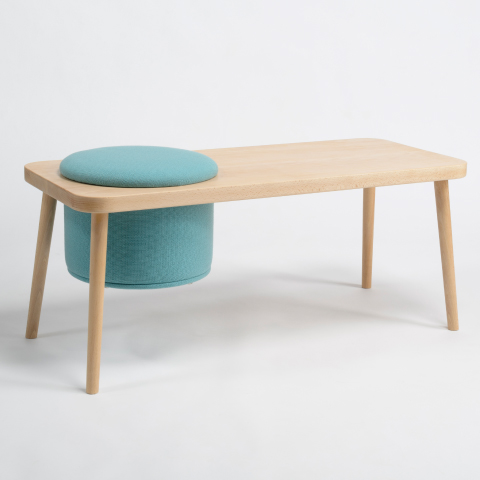
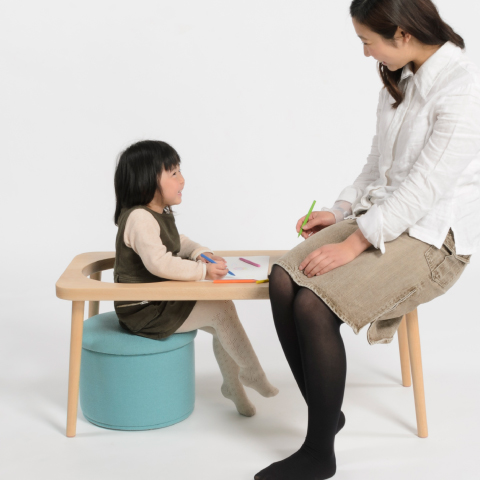
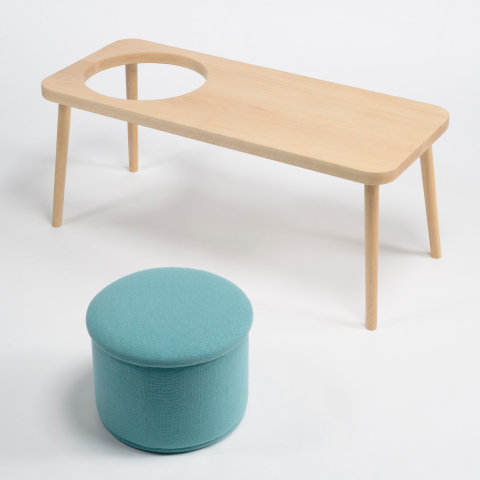
Steps by Kohdai Iwamoto | a bench that adapts to your growing family

“Steps” was designed by Kohdai Iwamoto, a member of the student design unit Design Soil. The bench adapts to the changing needs of a growing family by functioning as a desk when the cushioned stool is placed under the hole. As the child grows older, the stool can be inserted into the hole, creating a bench for parent and child. I love thoughtful designs like this that are made to last!

If you like this, you’ll most certainly enjoy Masanori Oji’s Baby in Table.

Design Soil is a collaborative design unit consisting of 14 student designers from Kobe Design University. The aim of the project is to experiment with different themes and challenge our notions of what ordinary design is. Earlier this year we covered the Kobe Design University’s 2012 graduation show. Go students!

Source: Design Soil website

Yukinori Yanagi | Ant Farm Project

photo courtesy the artist | click to enlarge

Over the last 20 years Yukinori Yanagi (previously) has been creating a series of artworks with an unlikely collaborator: ants. The Japanese conceptual artist begins by assembling replicas of flags by pouring colored sand into plexiglass boxes. He then pours live ants into them, allowing them to wreak havoc – or order – as they set about tunneling through the sand. The piece is indeed a living, breathing artwork. It’s appearance continues to evolve as ants travel through the maze of flags, mixing sand as they go.

The symbolism, as crystalized in “Pacific” (below), which pokes fun at the notion of national identity and how even the island of Japan is not immune to the mixing of cultures and identities. “My works,” says Yanagi “are borders I have had to cross or barriers I have confronted in trying to define myself as a Japanese.”

Yanagi has always been interested in ants – often describing them as the perfect allegory for self. One is his more enigmatic works – one which he calls “my meditation” – is a series where he gets down on the ground and traces the paths of ants using red chalk.

photo by Katherine Wetzel| © Virginia Museum of Fine Arts | click to enlarge

Above is “Dollar Ant Farm,” another piece in his series collaborating with ants.


Design & Typography by Ren Takaya


click images to enlarge

File this under ingenious graphic design tricks I would like to someday copy. Graphic designer Ren Takaya created this poster for a design workshop that, at first, appears to be rendered using a cheap & corny photoshop drop shadow. However, upon close examination, one realizes that the effect is actually achieved using a very analog process – meticulously cutting out neon-colored paper lifts. Brilliant!

[correction] A previous version of this article displayed the poster horizontally. It was meant to be displayed vertically.

Yukinori Yanagi’s Banzai Corner | deciphering Japan’s political past using ultramen

photo by flickr user doc18 | click to enlarge

Yukinori Yanagi is a 53-year old Japanese conceptual artist who, since the 1990s, has made it his mission to decipher Japan’s political past. Yanagi first immersed himself in Japanese history and WWII at Yale University, where he received his MFA in sculpture in 1990. A year later he created “Banzai Corner,” a fascinating piece that “mirrors” the Japanese flag using ultramen figurines.

Yanagi creates an illusion of the iconic “hinomaru,” or circle of the sun, by arranging roughly 350 ultramen figurines in a quarter-circle against two mirrors in a corner. Aptly titled “Banzai Corner,” the superheroes can be seen raising both arms in the air, demonstrating the gesture used when shouting “Banzai,” a traditional Japanese celebratory exclamation meaning “ten thousand years.” But it’s also worth noting that “banzai” or “banzai charge” was a term used by the allied forces during the war, referring to the Japanese military tactic of mounting suicide attacks.

Speaking to the NYT back in 1995 about Japan’s emperor system, Yanagi said, “All these people died for the emperor because they thought he was a god, and it turned out that he was just a small man with a human voice.”

photo by flickr user Saralú | click to enlarge

photo by flickr user Olivier Lejade | click to enlarge

Despite the sheer presence if the piece, in all its multiplicity and glory, I sense a strong emptiness that is only compounded by its repetition. It’s quite amazing that his use of ultraman – a superhero who rose to fame in the 1960s and remains highly popular amongst kids even today – has helped the piece sustain its relevance over the past 20 years. It’s currently on display at the Benesse House Museum on Naoshima.

It’s worth noting that, in the same year, Yanagi was experimenting with the Japanese flag. In particular, I’m reminded of his Hi-no-maru drawings (below) he did for Storefront for Art and Architecture in NYC, applying many similar geometric rules and concepts.

photo by Lisa | click to enlarge

photo by flickr user doc18 | click to enlarge

Source: TokyoMango | Yanagi Yukinori | New York Times

« Older posts Newer posts »

© 2026 Spoon & Tamago

Up ↑

Design by Bento Graphics