Hi there! You’ve landed on a members-only article. If you’re interested, Consider supporting Spoon & Tamago by becoming a member.
You can read all about our membership program here. Thanks!
Hi there! You’ve landed on a members-only article. If you’re interested, Consider supporting Spoon & Tamago by becoming a member.
You can read all about our membership program here. Thanks!
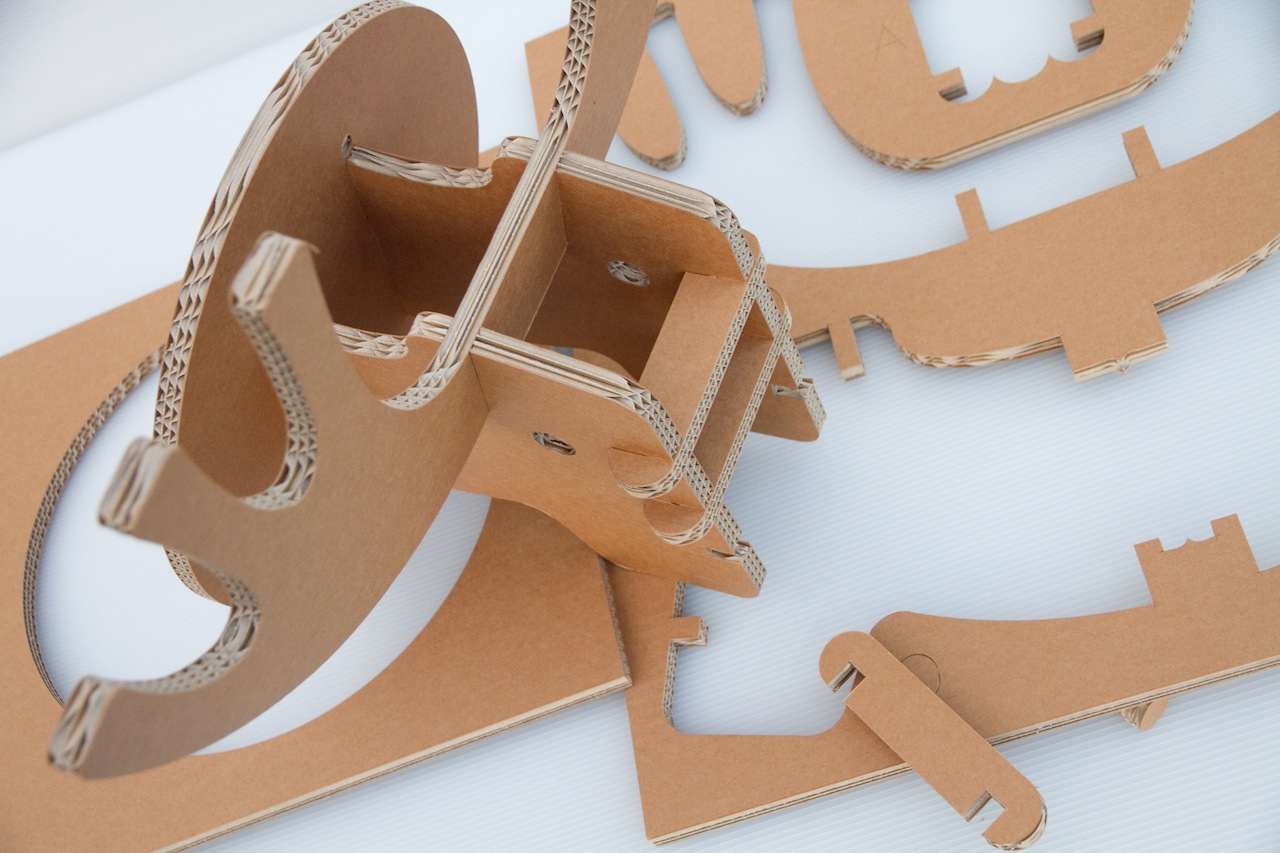
Want to incorporate an iconic symbol of macho huntsmanship into your home but don’t want to go after Bambi? Then Rocky may be for you. Part of the brand new Tsuchinoco collection (previously) designed by Masahiro Minami, Rocky is a deer wall-mount that doubles as a clothes hanger. Environmentally friendly, it’s made from reinforced corrugated cardboard and is lightweight yet strong. Rocky is easy to assemble and comes with numbered instructions, as well as screws to mount to the wall. It would make a perfect trophy for any room.
(Disclaimer: no cardboard boxes were harmed in the making of this product)
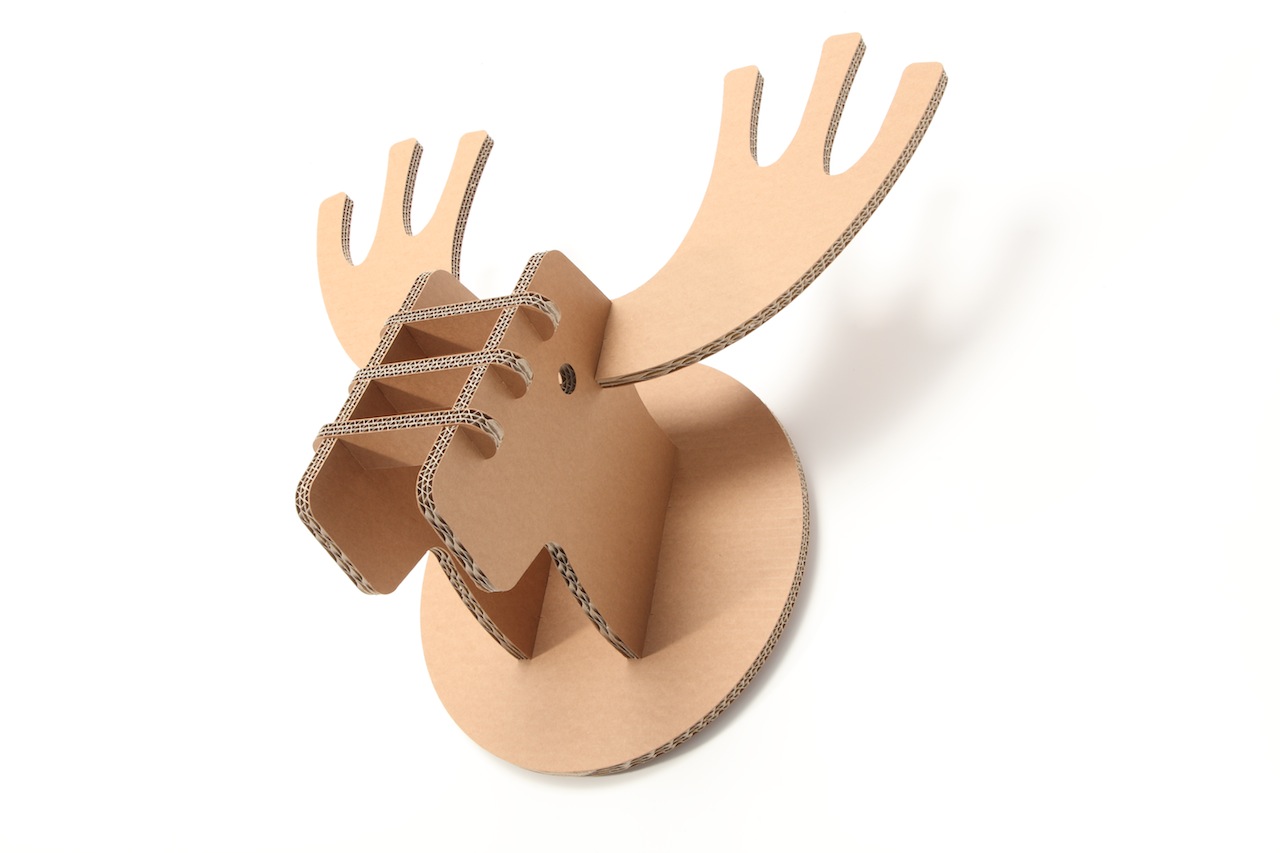
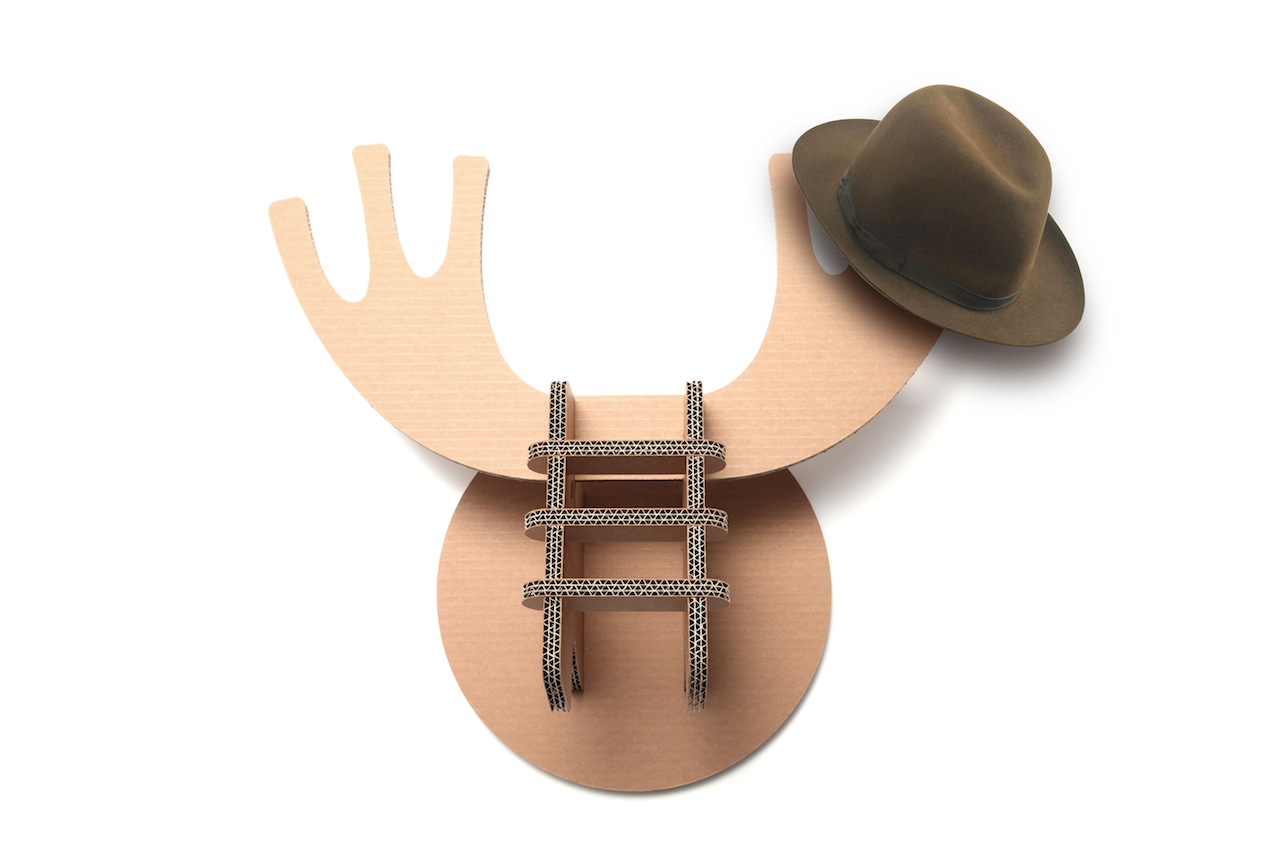 click images to enlarge
Material: reinforced corrugated cardboard
Size: W27 in D13 in H24 in
Designer: Masahiro Minami
Price: $105 (inc. shipping)
hang with picture hooks (included)
flash sale closes 09-10-2012 | item ships 09-17-2012
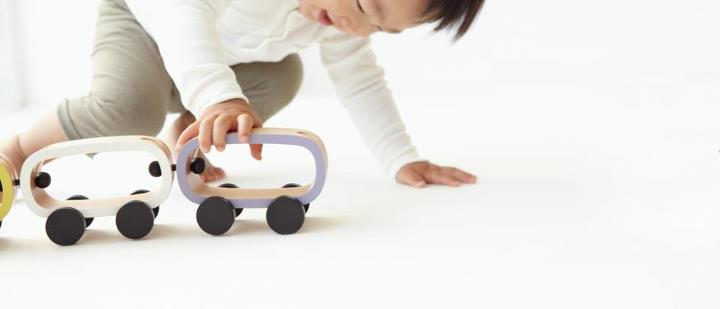
I’m loving this new line of wooden toys and furniture for kids. The natural wood and pastel colors really make you want to touch (and play!) with the pieces. Buchi – a play on the word “fuchi,” meaning rim in Japanese – was designed by Fumie Shibata, well-known for her work on the 9h Hotel and the Next Century Vending Machine. Shibata is a seasoned designer when it comes to electronics, but in this new line she demonstrates that her precise sensibilities can also translate to the warm and fuzziness of kids design.
Buchi is debuting at the For Stockists exhibition next week.
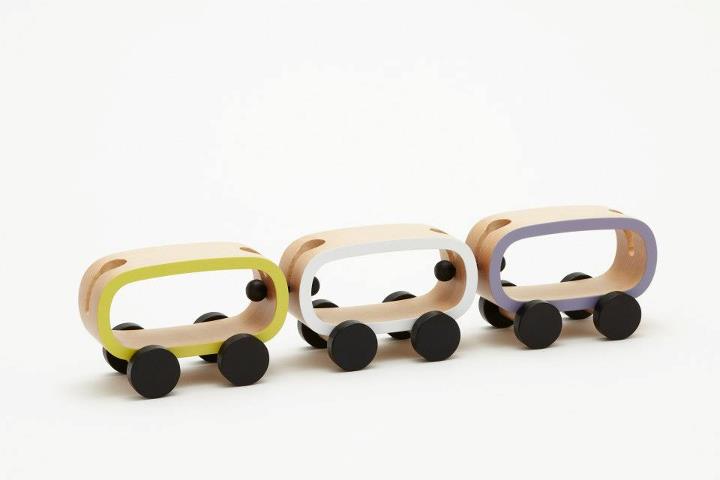
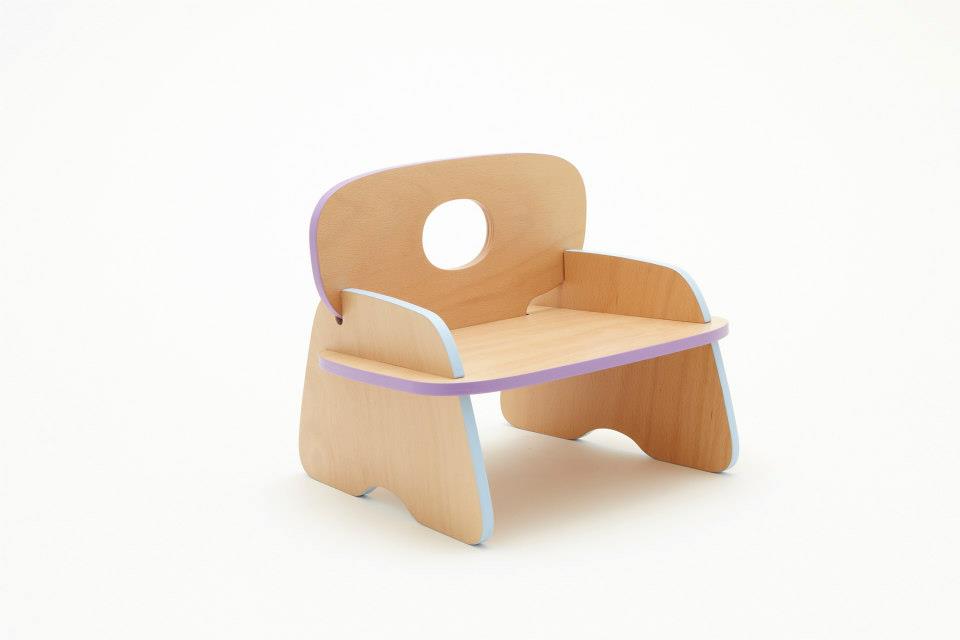
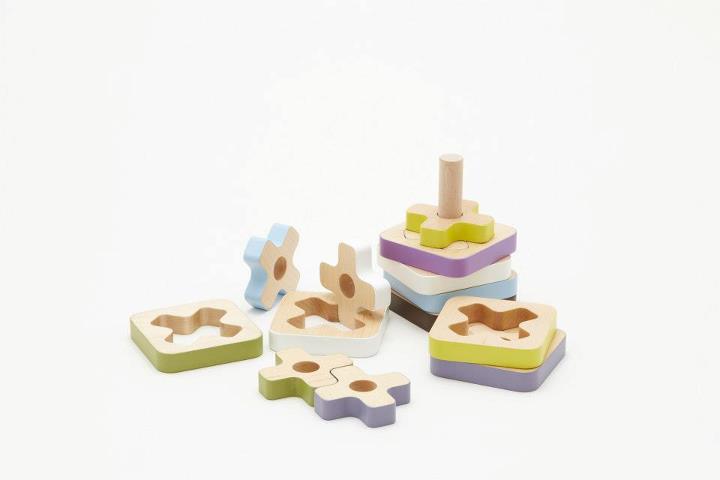

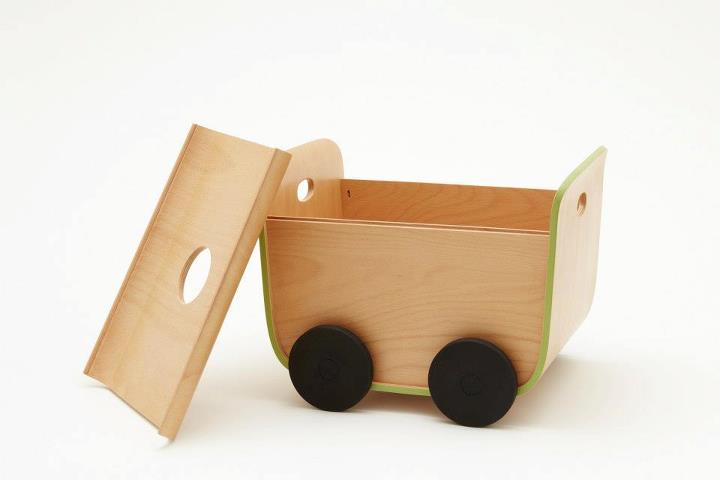
source: Buchi facebook page
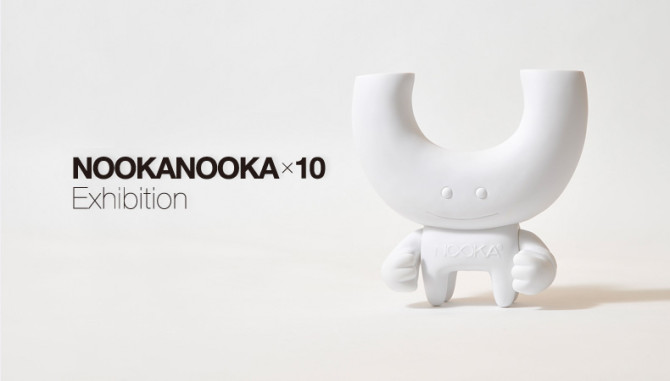
Last night, I went to check out an exhibition at the Design Tshirt Store Graniph in Harajuku, Tokyo to see these little strange sculptures that were the result of a collaboration between Nooka and Graniph.
What is a Nooka Nooka?
NookaNooka is the brand mascot for the fashion company Nooka led by Matthew Waldman – well known for his watch designs. But, it is also a representation of our infinite comprehension of time.
But in the end, it’s also a cute toy that also serves as a rest for Nooka watches when you’re not wearing them.
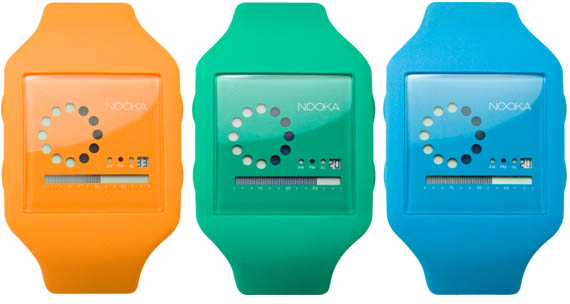
Thanks to the collaboration with Graniph, if you bought some of these Tshirts:
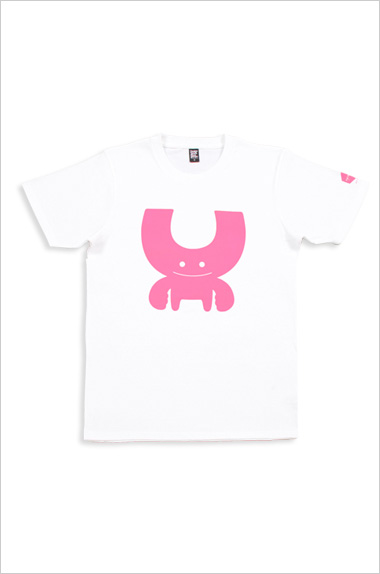
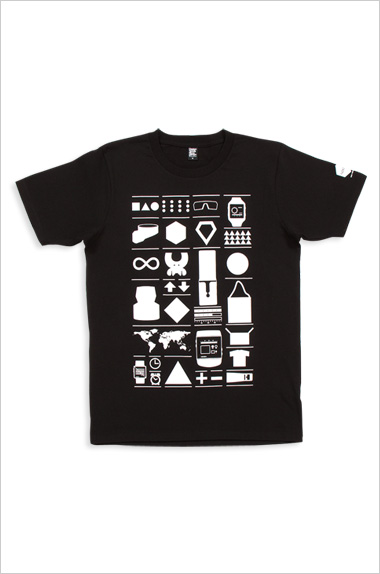
The deal was, if you pick up two or more of the NOOKA collaboration tees you receive a designer MINI NOOKANOOKA:
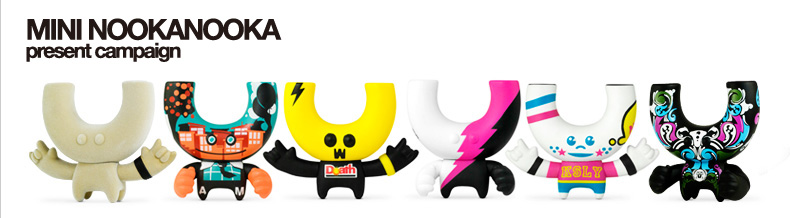
No worries if you are not in Tokyo now, you will have the opportunity to buy some of these sculptures online, come mid-september:
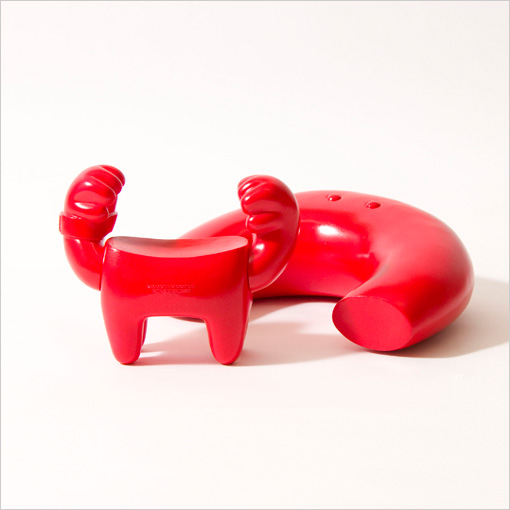
From Nagatake Uehara
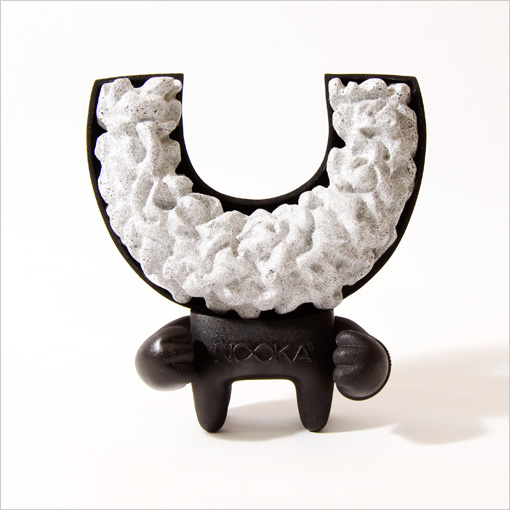
From Alexander Yoo
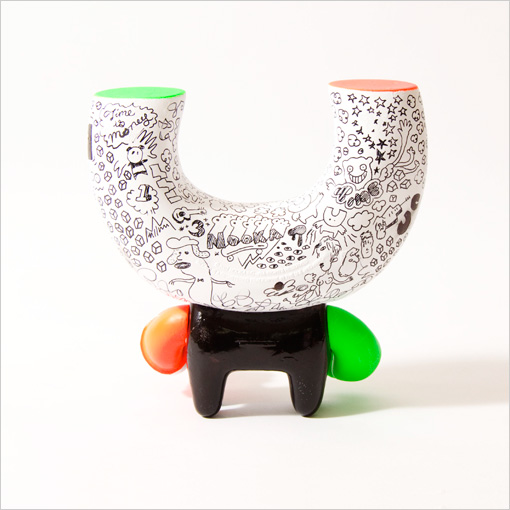
From Yu Nagaba
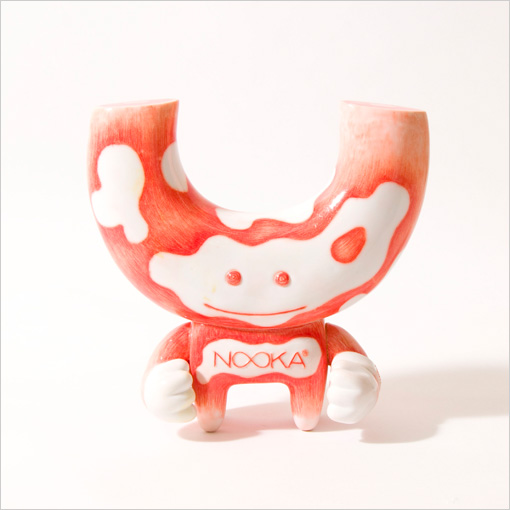
From Takeshi Togo
NookaNooka has been prompting the imagination of designers for quite some time now. Here are some of my favorite previous collaborations:
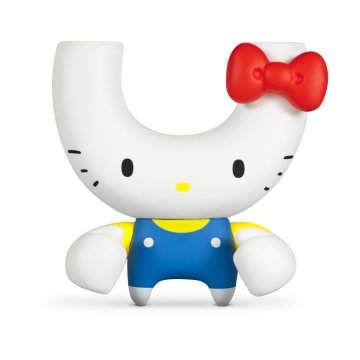 The NookaNooka Kitty
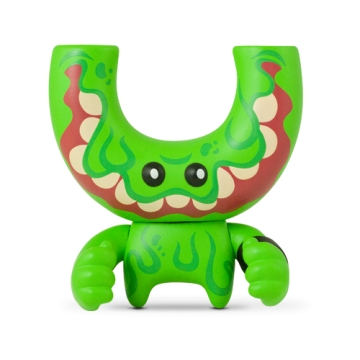 Mad Nookanooka from Shin Tanaka and Matthew Waldman
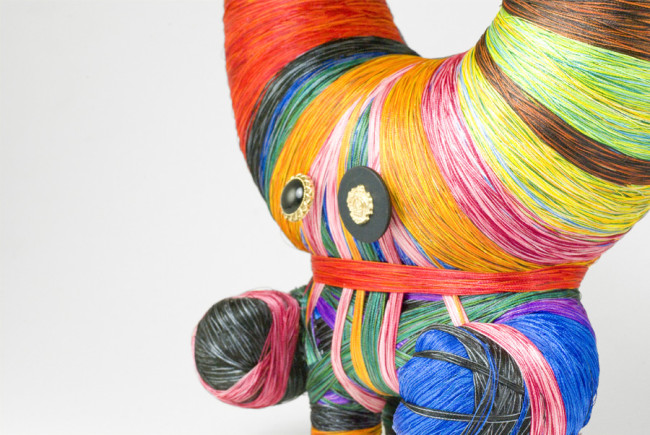 NookaNooka by Taku Anekawa | image source: WY blog
I think it’s fair to say that this little creature from the infinite is an endless subject for Japanese and worldwide designers…who’s next?
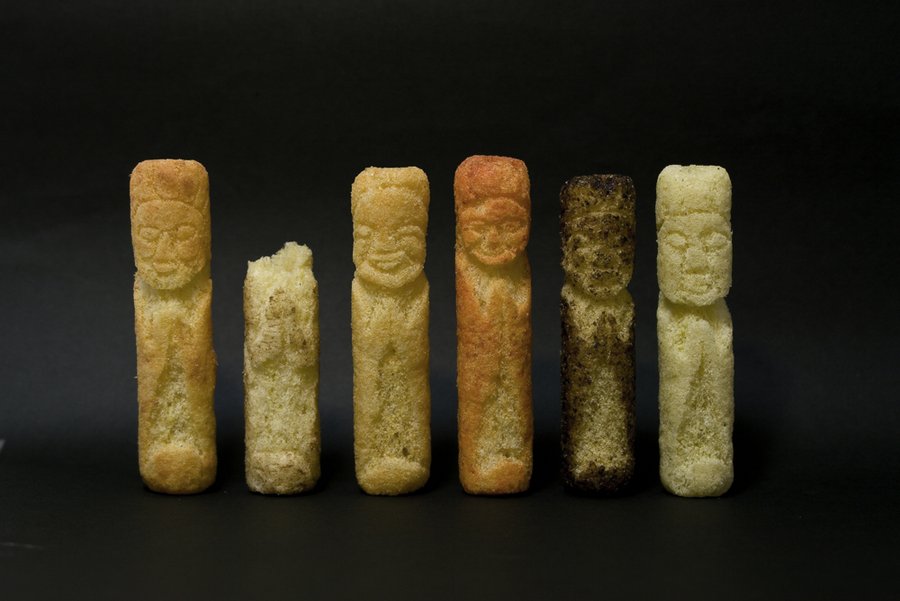 images courtesy the artist | click to enlarge
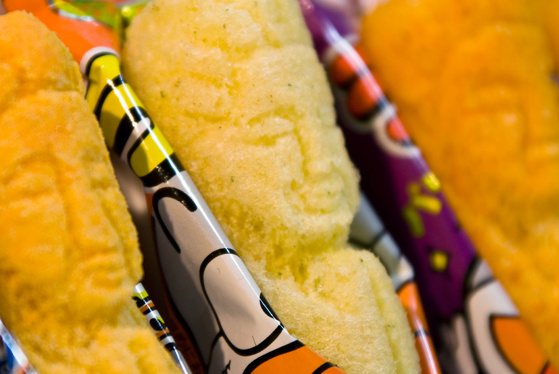
Japanese artist Koshi Kawachi uses food – often of the snack variety – to create sculptures that one wouldn’t typically associate with snack foods. His favorites, probably because of their wide appeal, are Umaibo (a Cheetos-like corn snack shaped like a stick), Potechi (potato chips) and baby star (crispy noodle snack).
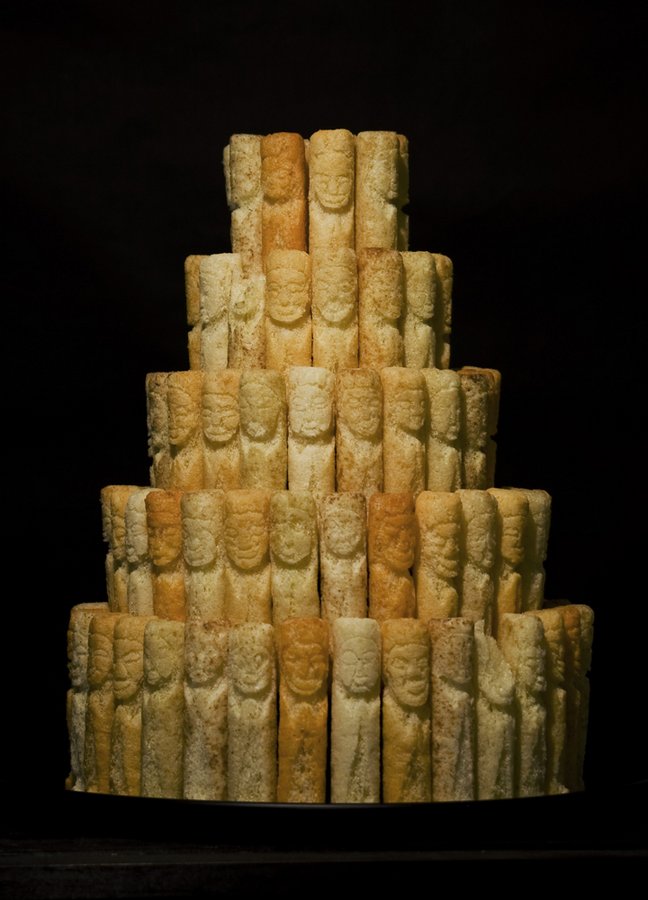
Perhaps his most extreme undertaking is 107 Buddhist figurines carved from Umaibo – just short of the sacred number 108, according to Buddhism. Originally an illustrator, Kawachi moved around various studios drawing illustrations for Wired Japan, as well as creating flyers for Takashi Murakami at the ad agency TSTJ. But when his grandfather passed away, Kawachi attended, for the first time, the funeral of a family member. The event had a profound effect on him, sparking an interest in Buddhism and religion. He came across a story about how a Japanese Buddhist monk named Enku would always present families who had befriended him with Buddhist statues he hand-carved into sticks. The sticks quickly became play-toys for the kids – abused and misused.
But Kawachi saw an interesting lesson in the story and, from that day on, began carving Buddhist statues into Umaibo (literally, “delicious stick”).

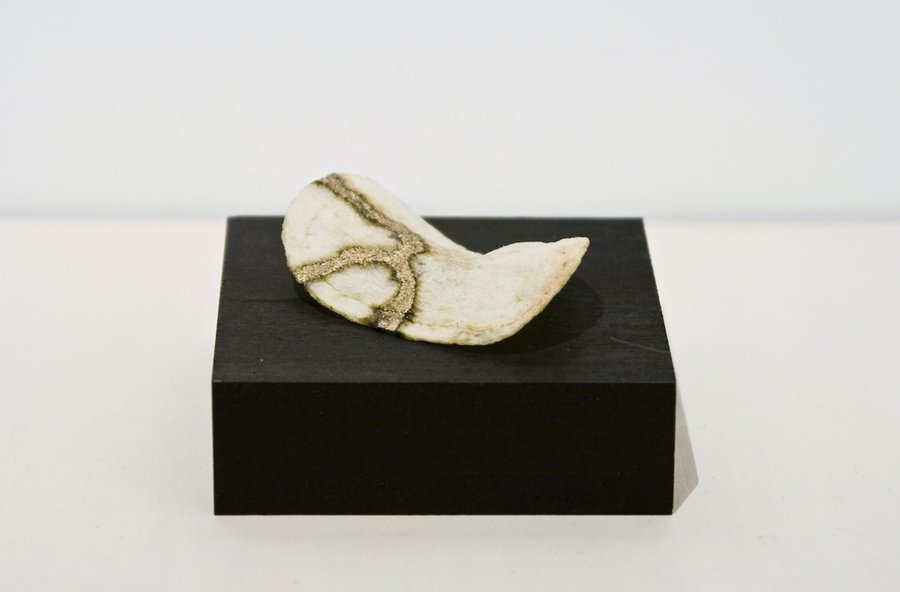
Kawachi has also worked with other snacks in his “Embalming” series. Below is a broken potato chip he repaired using kintsugi, a traditionally Japanese method of using gold seams to repair broken ceramics.
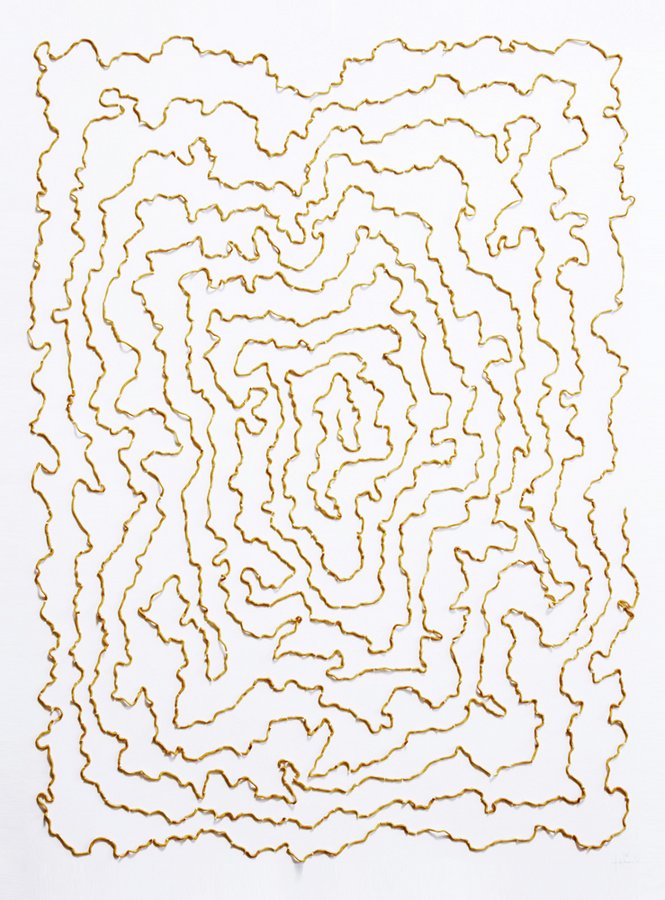
Below, Kawachi empties a bag of Baby Star noodle snacks and adheres them onto a canvas.
Want to learn more about the artist? Check out this PechaKucha talk he did back in 2010.
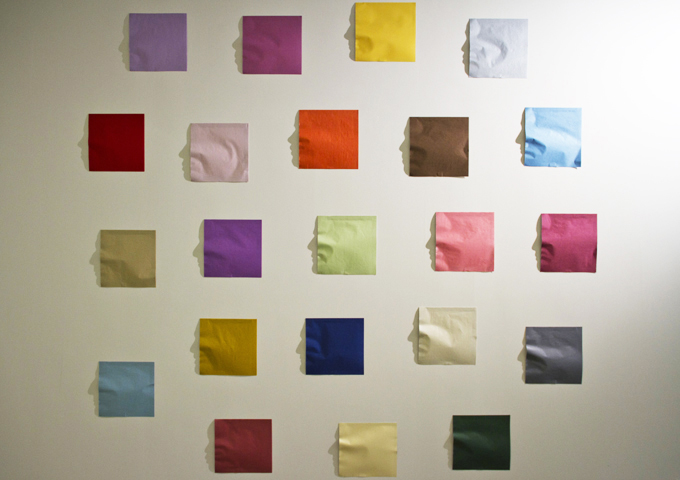
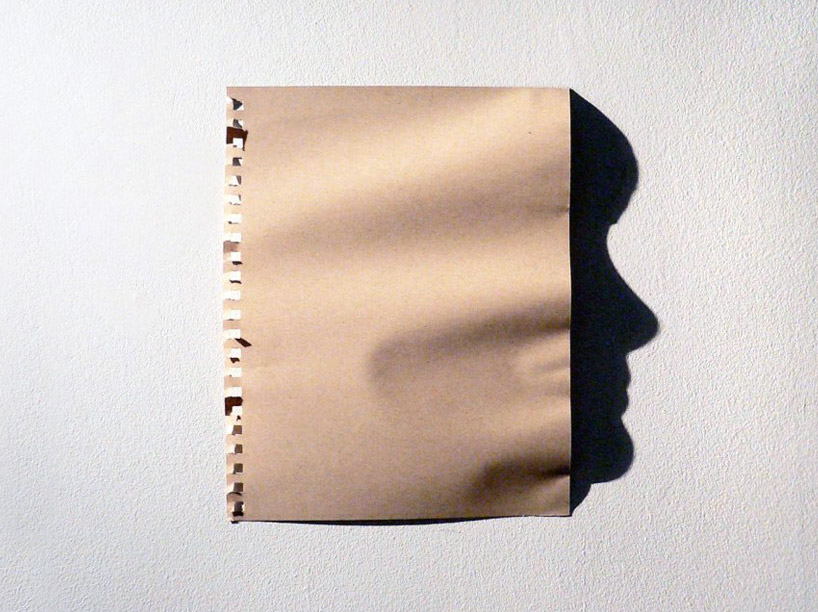
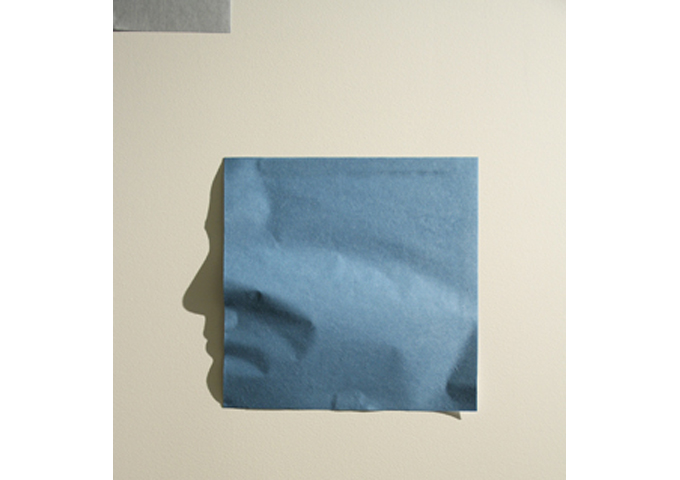
Let’s take a look at “Origami,” the latest work of artist Kumi Yamashita. Like magic, she uses just a simple piece of paper and her fingers to create the silhouette of faces.
As the artist is based in the USA, her work will be exhibited from September 13th to October 7th in the Grand Rapids Art Museum in Michigan.
And she even does caricatures! Among them are some recognizable faces, like Angela Merkel:

source: Fubiz
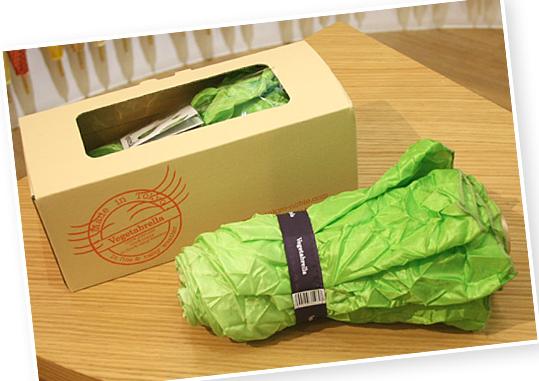
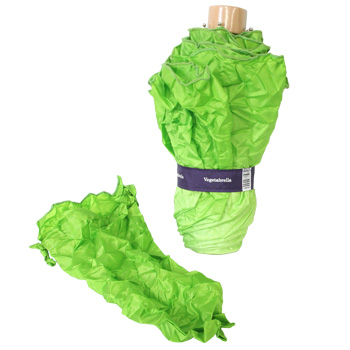
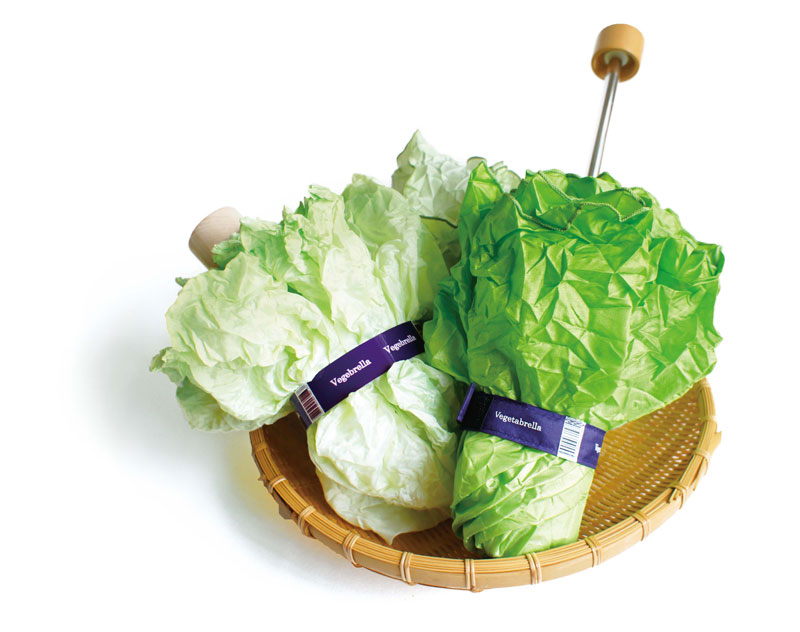
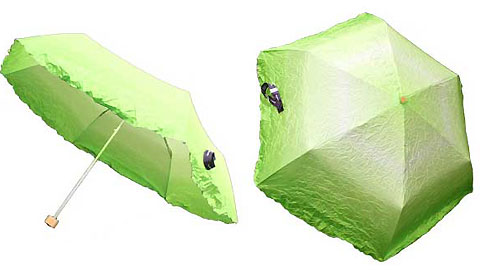
Oh shoot, it’s starting to rain. I look into my bag. Nothing there but that fresh head of lettuce I always carry around. Oh, but wait! It’s not lettuce. It’s an umbrella!
That’s the type of scenario I imagine would happen if I had this Vegetabrella (4,725 yen) designed by Yurie Mano for h concept.
If you need help ordering from abroad click here for assistance.
Source: koncent.jp
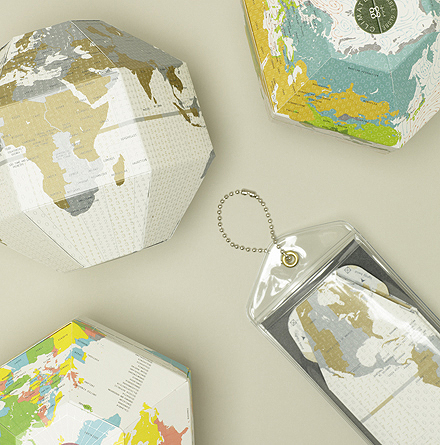
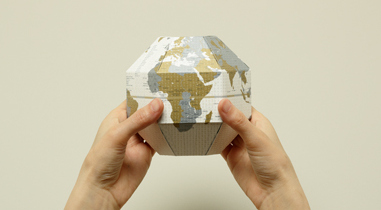

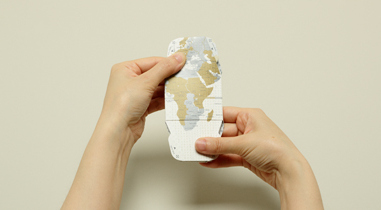
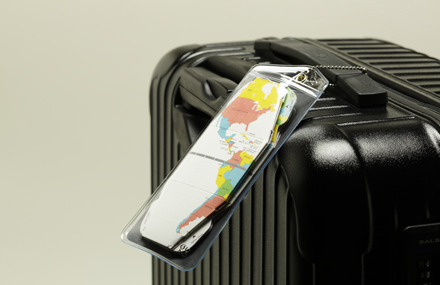
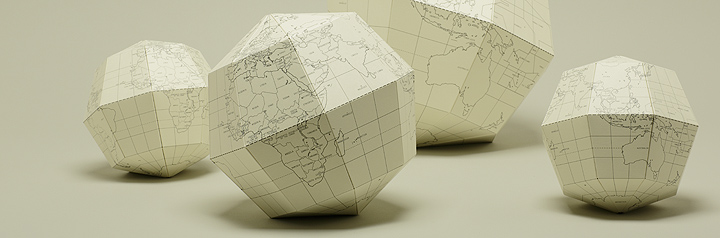
Geografia is a new line of stationary-type products with themes relating to geography, topography and the earth. Although their whole lineup is gorgeous, I particularly like this foldable globe that you can carry around in your pocket, or attach to your suitcase. What a cool way to get excited about geography!
Back in 2009 we wrote about the Geographia line, designed by Yusuke Hayashi and Yoko Yasunishi of Drill Design. But it looks as though they are finally marketing them. There’s a long list of retailers here.
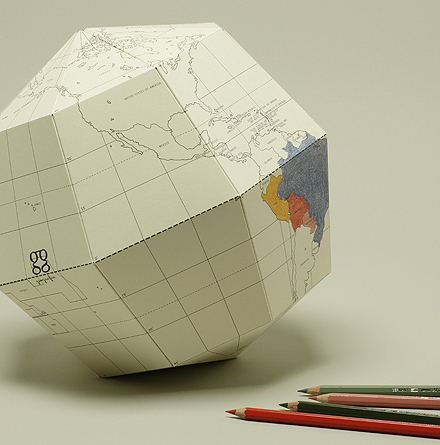
I also really like the “Blank” sectional dome. It would make a fun kids project for long plane rides.
source: @jeansnow’s colunm in the Japan Times

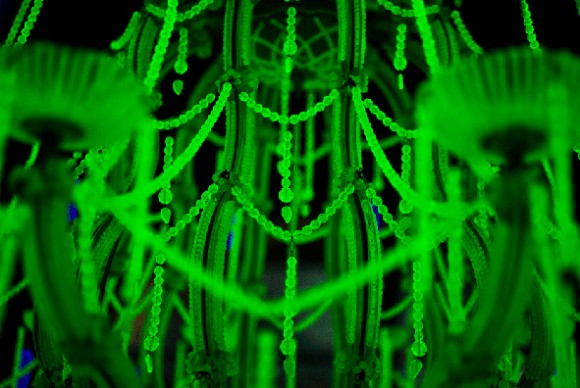
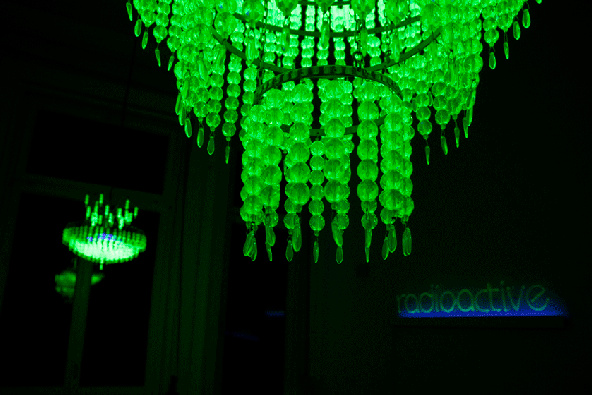
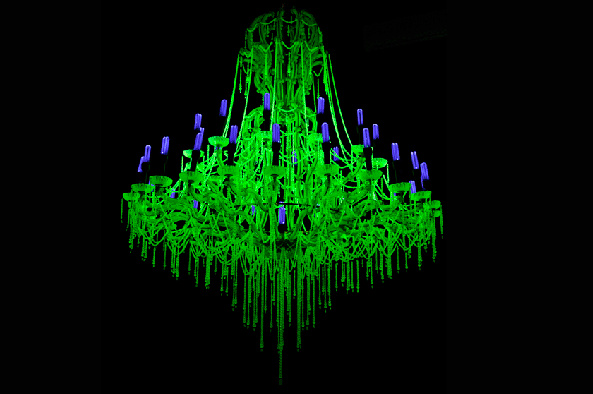
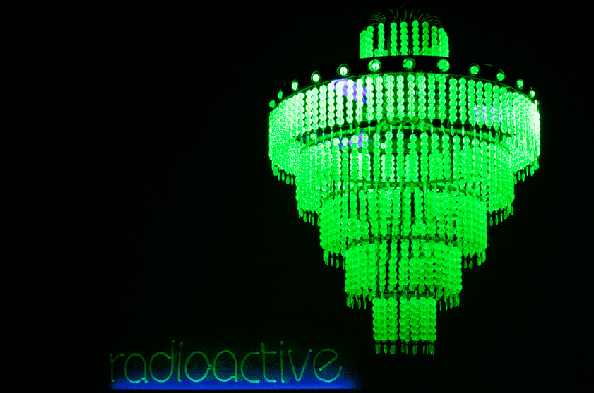
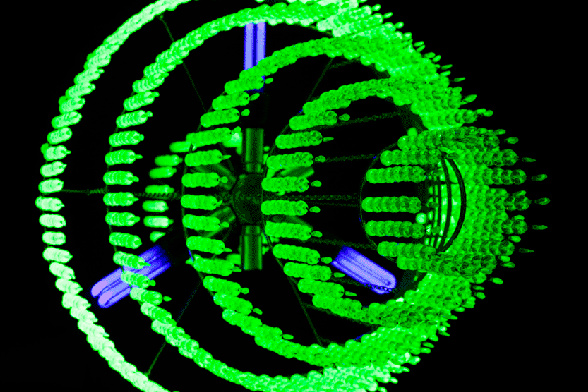
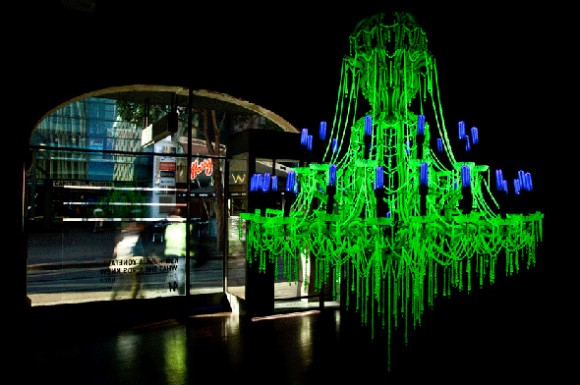
In response to the 2011 Fukushima nuclear disaster, Australia-based artists Ken + Julia Yonetani will display a total of 29 chandeliers, all made from vintage uranium glass beads. Each chandelier will represent a country that relies on nuclear power for energy with its size correlating to the amount of nuclear capacity. The U.S. will presumably be the largest, followed by France, Japan and Russia.
“Chandeliers,” the artists say, “are not only an item of luxury, but also an extravagant emblem of the beauty of electricity and the seductiveness of consumerism.” The ultraviolet lights will emit small traces of radioactivity that, while not harmful, remind us of the deadly presence of radiation and how one of its inherent dangers lies in our inability to detect it through any of our senses.
The provocative exhibition will be on display from October 3 – November 4, 2012 at Artereal Gallery in Sydney, Australia – significant in that Australia is the number one exporter of uranium to Japan.
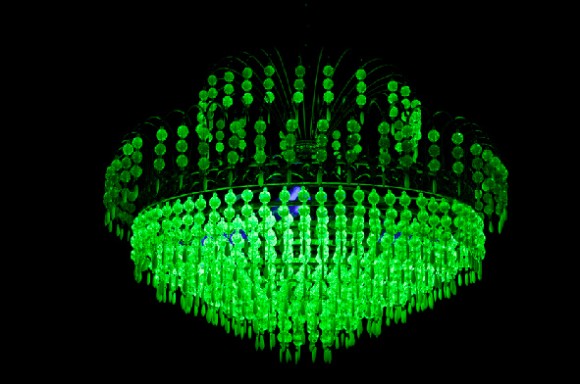
source: Ken + Julia Yonetani | MyModernMet
Happy Friday. A new set of ads recently went live, featuring NY Yankees latest asset Ichiro Suzuki throwing baseballs from home plate, into a garbage can far in outfield. The amazing throws are being used in ads for Yunker, an energy drink marketed towards Japan’s league of salarymen to combat fatigue. Impressive!

Here is the extended version:
Source: @DaigoFuji