Page 254 of 406

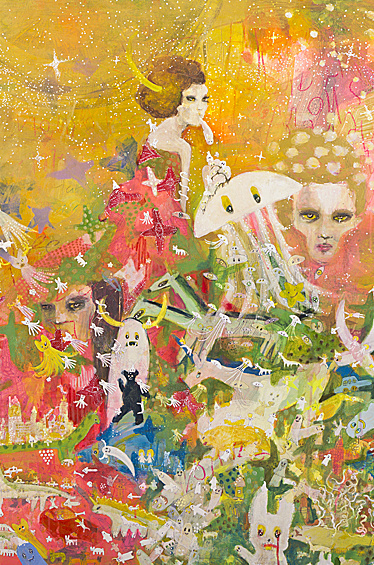
Art show preview: Mr. at Lehmann Maupin Gallery

all images © mr./kaikai kiki co., ltd. | courtesy lehmann maupin gallery | click to enlarge

Fine art or an unhealthy obsession with prepubescent girls?
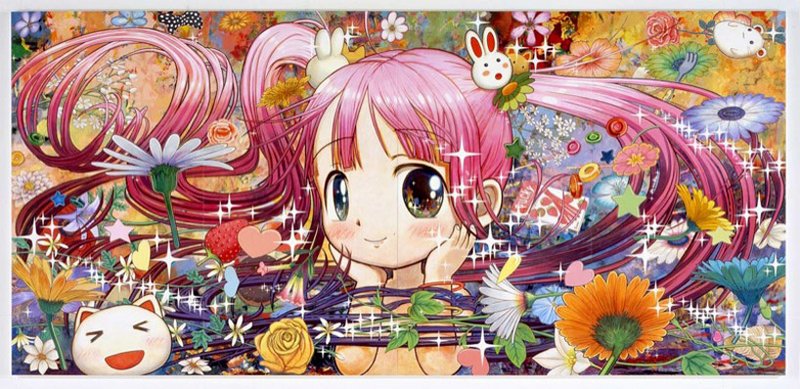
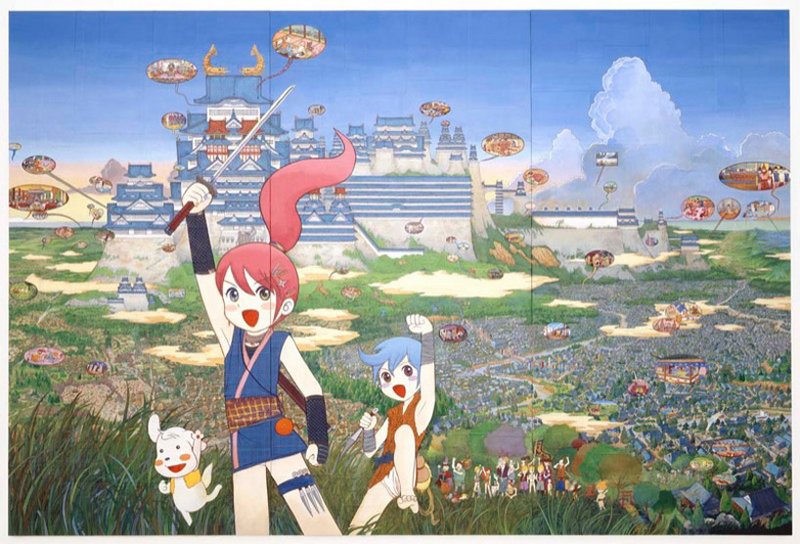
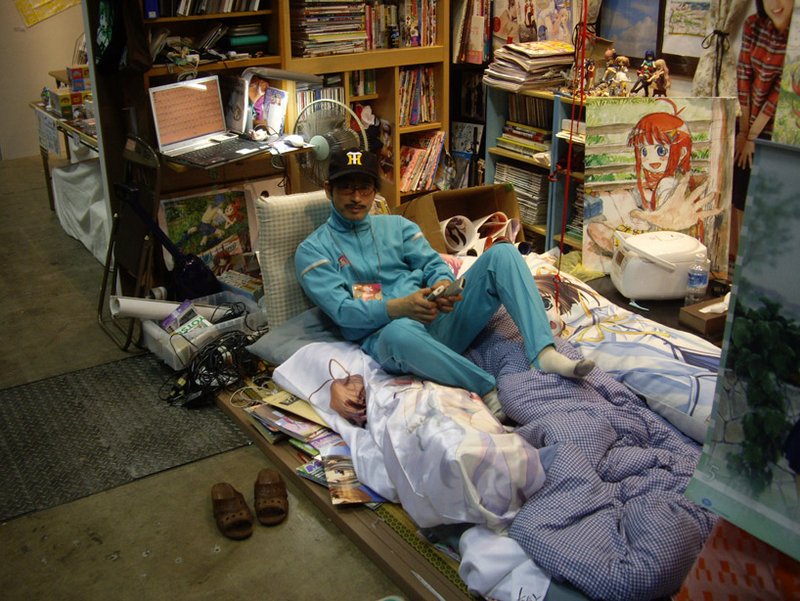
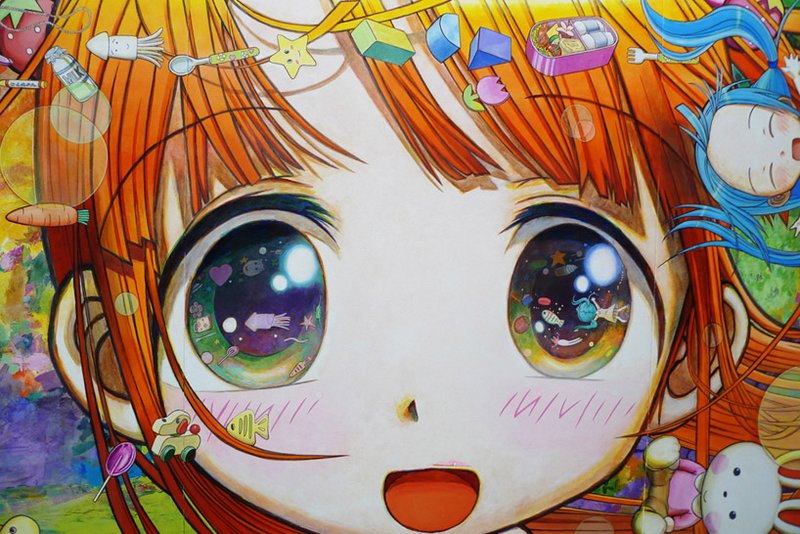
Fine art or an unhealthy obsession with prepubescent girls? The question will undoubtedly be on many people’s minds when Japanese artist Mr. unveils a new body of work at Lehmann Maupin Gallery in New York tomorrow. One of Takashi Murakami’s more successful protégés, the 42-year old artist first exhibited at Lehmann Maupin in 2007, where his paintings of girls “lifting their skirts, flashing bits of underwear and fearfully gazing up at a naked man’s crotch” were the center of much attention. But this time around, the self-proclaimed otaku with an unapologetic Lolita complex wants to be taken more seriously as he imbeds his personal fantasy-laden work with deeper, darker themes relating to the catastrophic events of March 11, 2011.
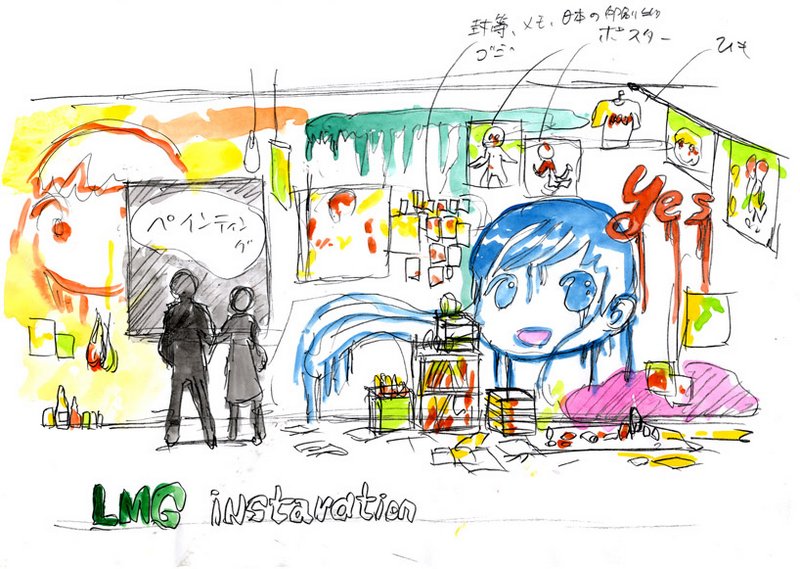
production sketch for installation

“the Japanese people rose in a unified effort to recover from the devastation of the loss of World War II,” says the artist in a press release. “But along with the recent economic stagnation, the earthquakes in Eastern Japan, and the after effects of the nuclear disaster, a collective depression from an inability to vent their frustrations continues to accumulate within their society.”

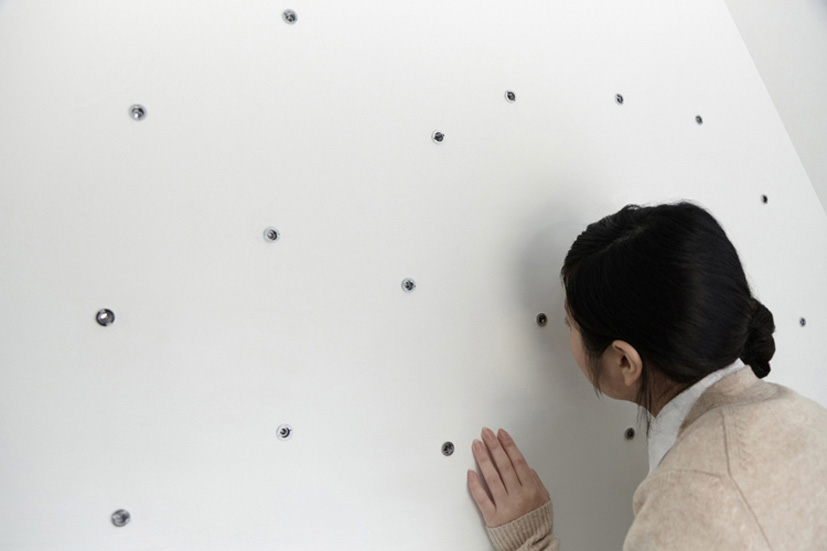
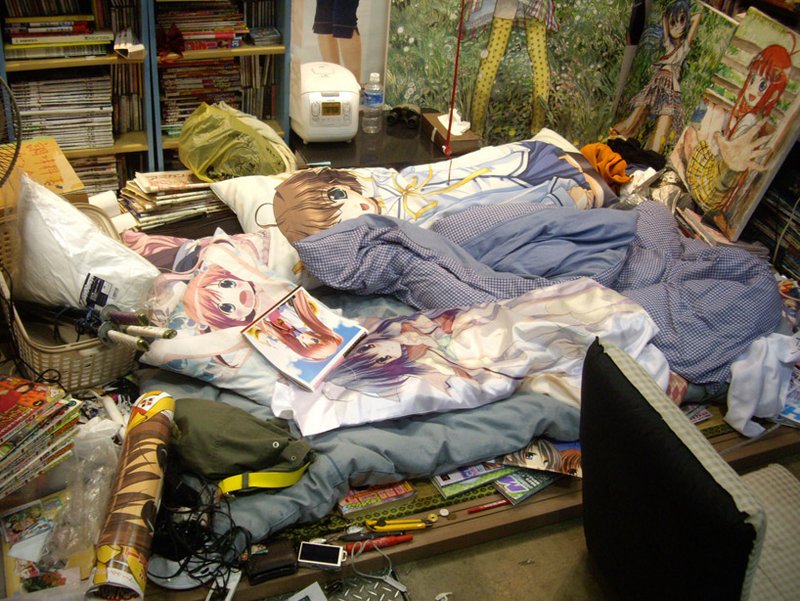
The centerpiece of the show plans to be a chaotic installation that mimics a typical room of a single otaku male, immersed in his own delusional fantasy about young girls. Viewers are invited into this unsettling yet seductive space where they are given glimpses into the psychological state of otaku, and hence Japan. Composed of garbage, gadgets, magazines and everyday things, the installation is supposed to remind us of the debris that blanketed Tohoku in the aftermath of the tsunami.

Is Mr. all grown up? Perhaps. The title of his show “Metamorphosis” would seem to indicate some form of development. Until you realize it’s actually “Metamorphosis: Give Me Your Wings,” a forceful turning-of-the-tables that at once removes any realistic responsibility from the artist. And that makes me happy. I would hate to see an artist like Mr. grow up.

Design housing after Fukushima – “Home for all”

image courtesy Domus

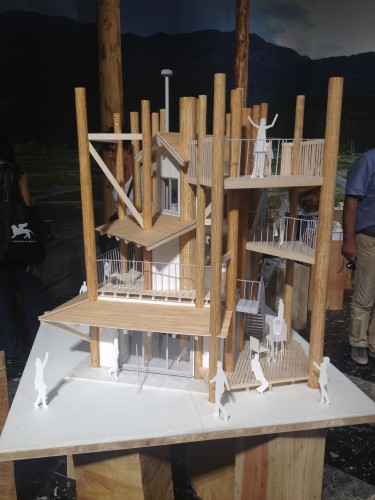
Japanese designers have created a sensation at the Venice Biennale 2012, taking home the Golden Lion for Best national participation. And they deserve it. Once again their work shows how something completely knew can arise from dust and ashes.
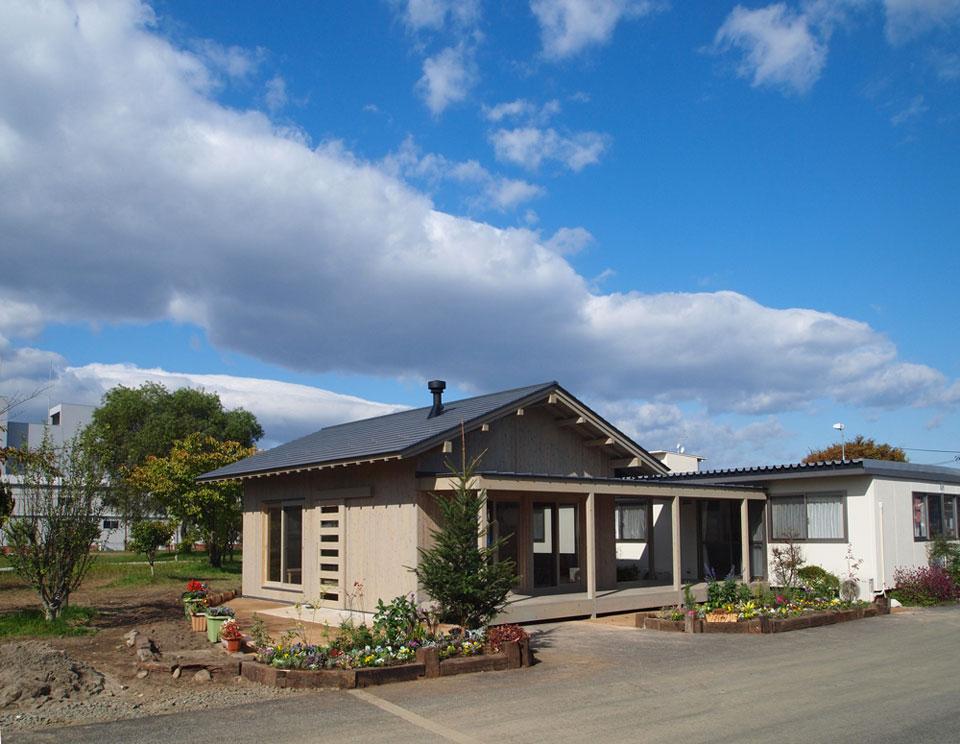
After the Fukushima disaster a collective of architects – Riken Yamamoto, Hiroshi Naito, Kengo Kuma, Kazuyo Sejima and Tokyo Ito, gathered after they noticed a surprising yet understandable trend: natives were not leaving their land in spite of a distressed landscape. Instead of waiting around for the State’s reconstruction policy to take effect, they decided to give these rooted people hope – and a roof to share their hope – for the future.

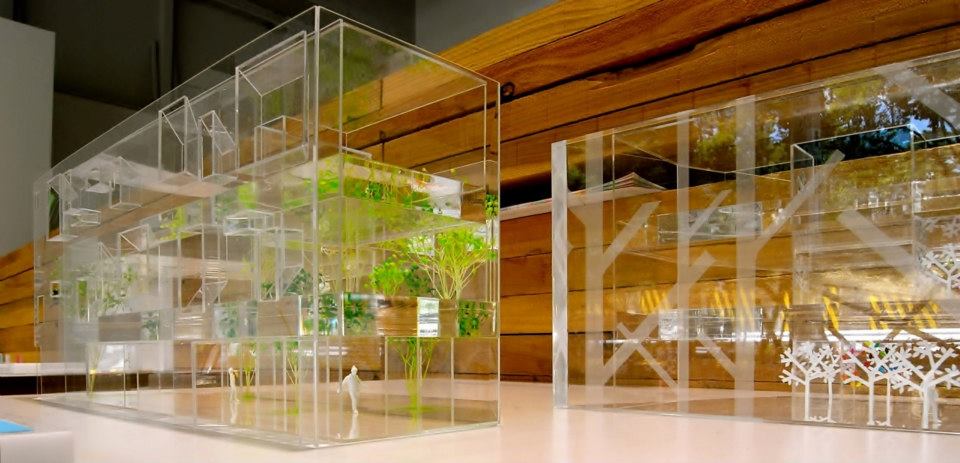
“Home for all” (Minna no Ie) was inaugurated in October 2011. As this initiative was a success, the architects embarked on a second iteration, in which they appealled to volunteers to send in ideas. The full letter can be found here (PDF) but below is an excerpt:

With this opportunity, we would like to call for architects, architectural students and children in the world to join us in drawing up images of the “Home-for-All”… This is not a competition but there might be a possibility to build some of your ideas. If you are able to submit a work, we would be very grateful to receive it.

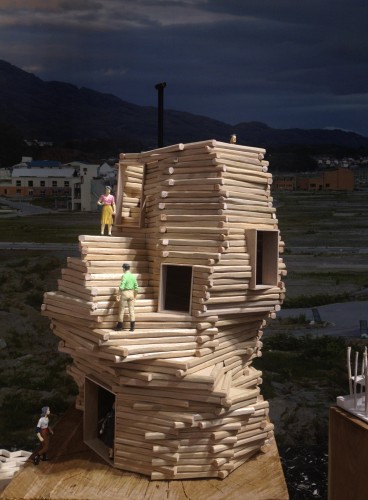
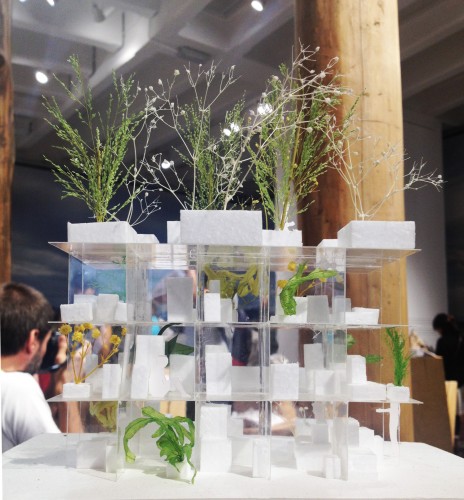
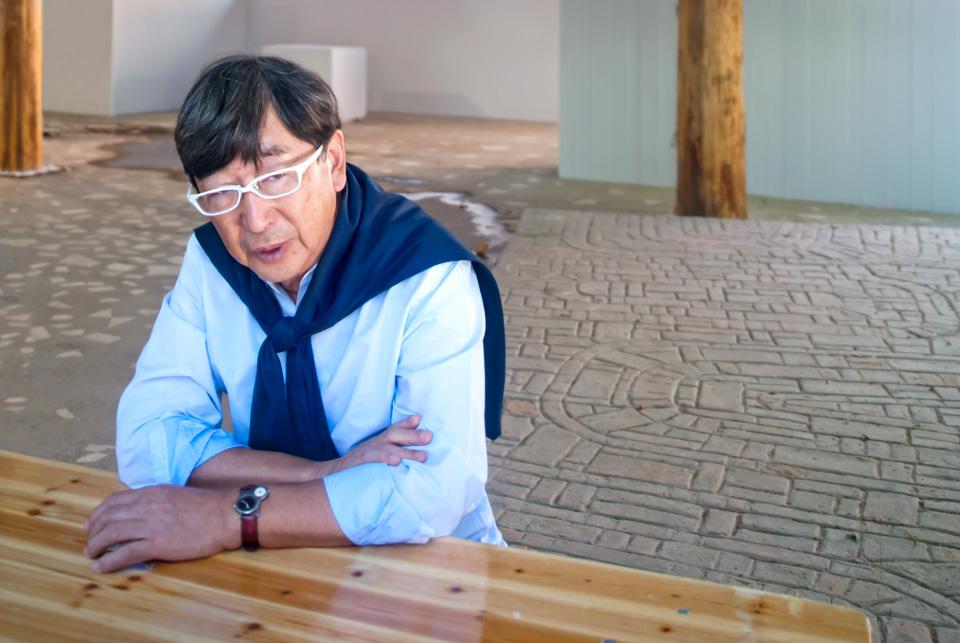
The models exhibited in the Japanese pavilion are answers to the this appeal. In this project I am particularly amazed by the human side of the work. Beyond the architect’s collaboration, it is also a collaboration directly with the inhabitants. They are at the core of these temporary homes, expressing their needs, their dreams, their desire. As Toyo Ito said, “architecture as a place to make people gather, a place that everybody can use.”

images courtesy David Basulto, ArchDaily

For further reading, check out this great interview of Toyo Ito on curating the exhibition in Venice.


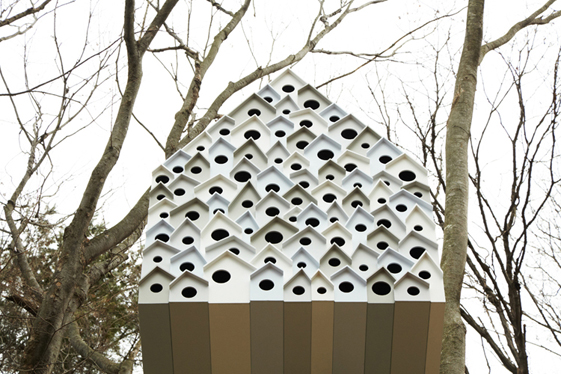
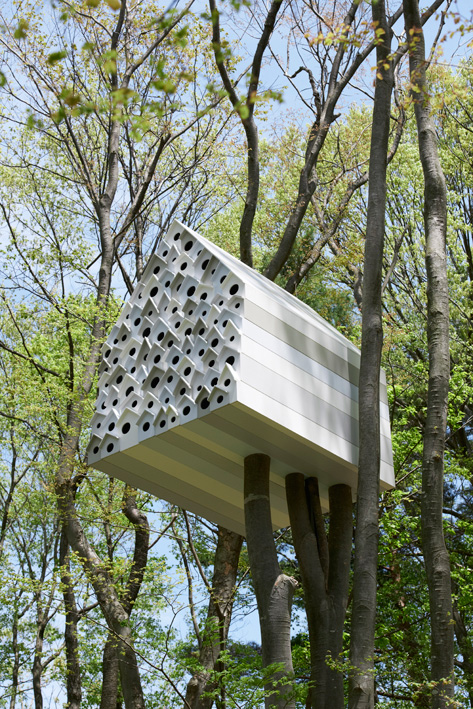
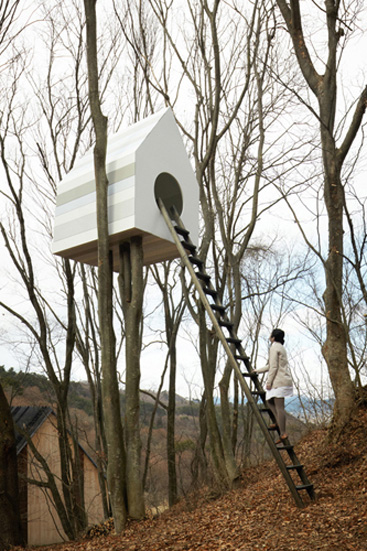
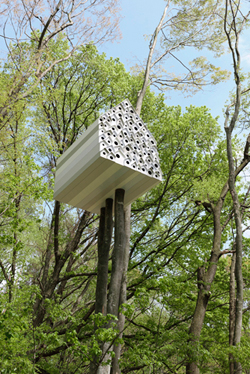
A tree house for 1 person and 78 birds

photos by Masaya Yoshimura and Daici Ano

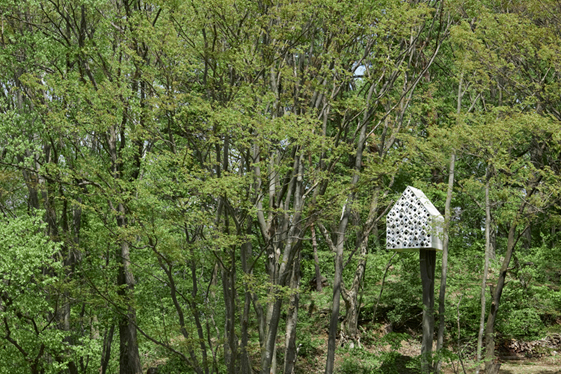
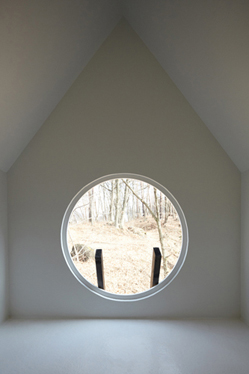
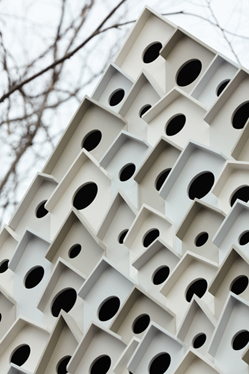
Design firm Nendo has created a massive tree house dubbed “bird apartment,” in which visitors to the natural sanctuary can climb in and observe 78 mini-birdhouses through peep-holes. From the front, the structure resembles an urban apartment complex, except it’s entirely out of place perched high in a tree. A slightly precarious-looking ladder connects the back of it to the ground, allowing one visitor at a time to climb up and observe each apartment unit through tiny holes.

Bird Apartment is located in the Ando Momofuku Center, a nature conservatory named after Mr. Cup Noodle himself. The center certainly has a taste for design as its main facility is a stunning structure designed by Kengo Kuma.

Check out all of our articles on Nendo, one of the big hitters of the Japanese design scene.

Source: press release


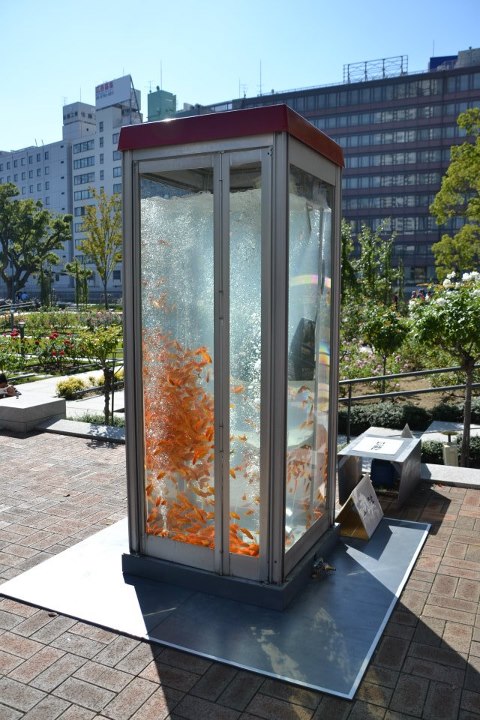
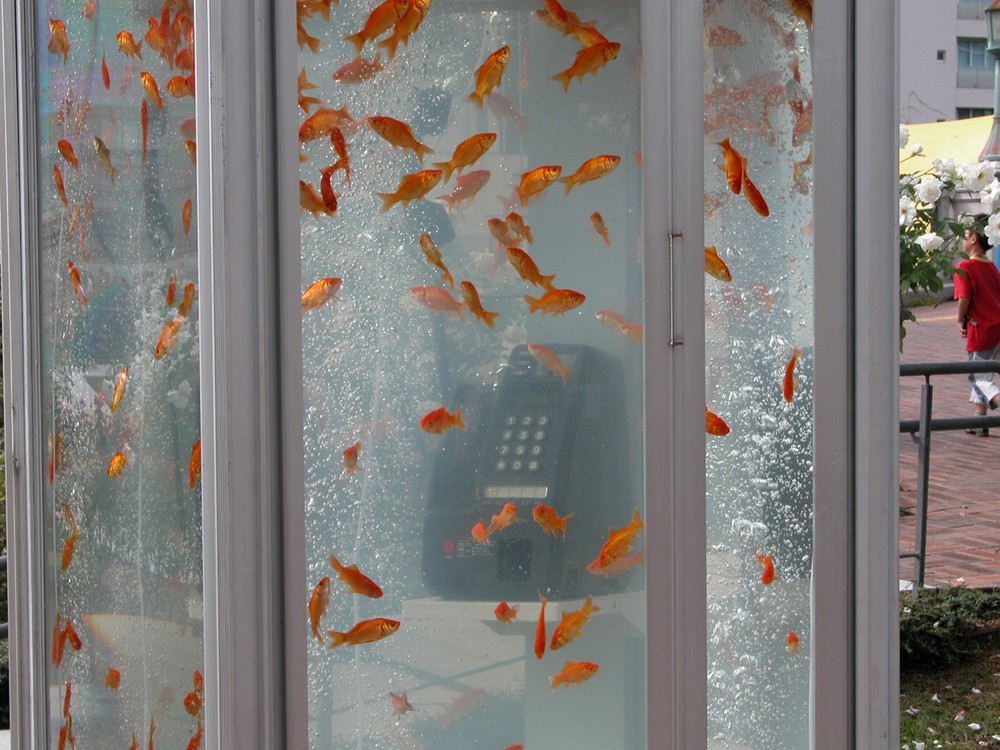
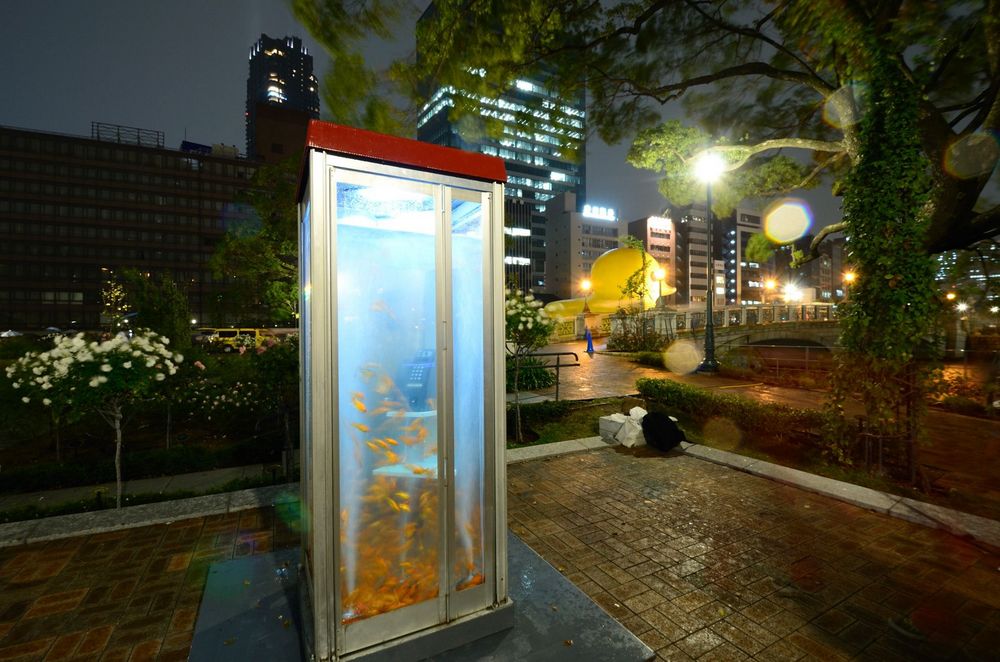
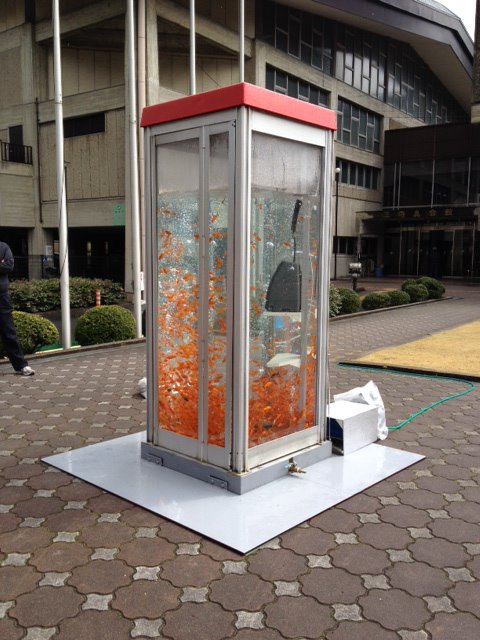
Goldfish tank phone booths are popping up across Japan

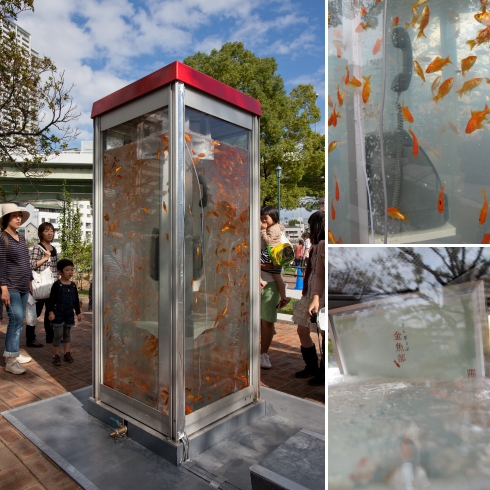
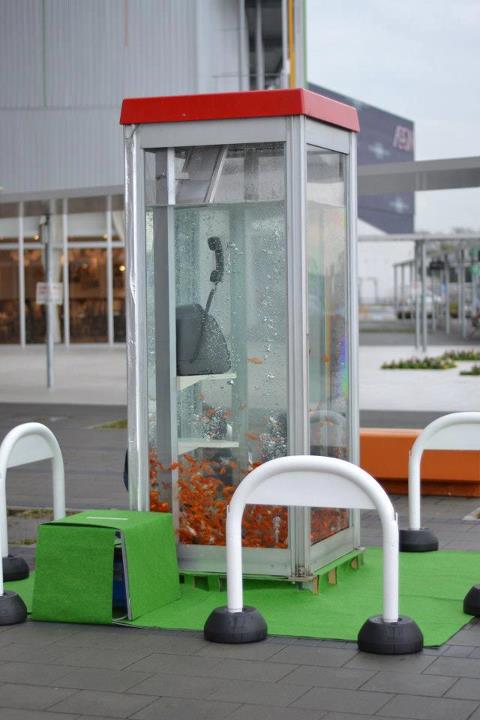
A Kansai-based five-member art collective known only as Kingyobu (goldfish club) have been installing goldfish tank phone booths on the streets of Osaka.  Details remain murky – like,why? – but the group seems to have debuted their contraption at an art festival in late 2011, and have gone on to install several others throughout 2012.

Spectators have pointed out that it appears as if the goldfish are sandwiched between 2 sheets of glass, making for a cruel yet visually stunning functional phone booth. But that does not seem to be the case. Based on the making-of images, these are actual fish tanks.

It’s no secret that goldfish are heavily ingrained in the Japanese psyche, inspiring everything from resin sculptures to pop-up aquariums. And the phone booth has become a relic.


Colourful Architectures in Aoyama

Image courtesy Ken-ichi Shiota

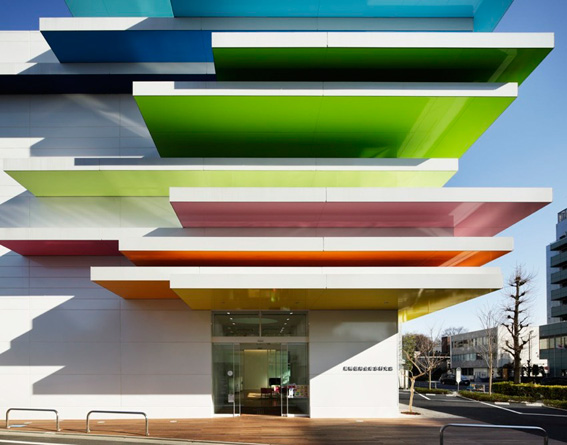
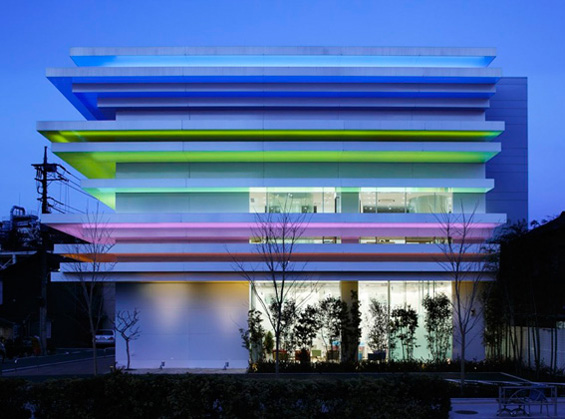
The work of Emmanuelle Moureaux is exhibited till the end of September at Prismic gallery in Aoyama. This French Architect full of resources is not new to the Japanese landscape. In early 2011, she created Sugamo Shinkin Bank, which was quickly (and understandably) dubbed “rainbow bank.”

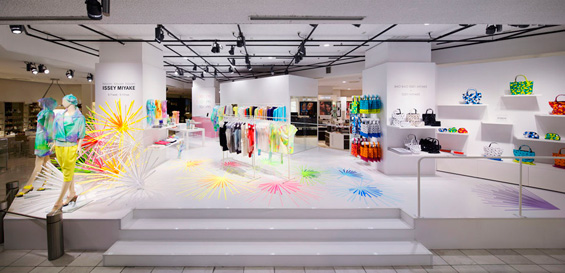
Later that year she presented her work at DesignTide Tokyo. And in early 2012 she directed the event “Bloom Bloom” at Issey Miyake, presented at Isetan’s Shinjuku and Mitsukoshi’s flagship store in Nihonbashi.

So what’s she up to now?

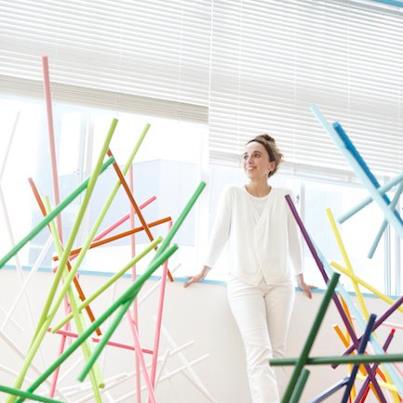
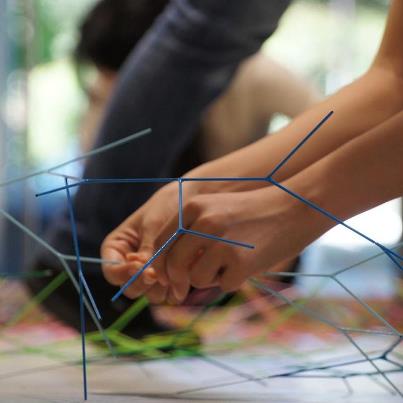
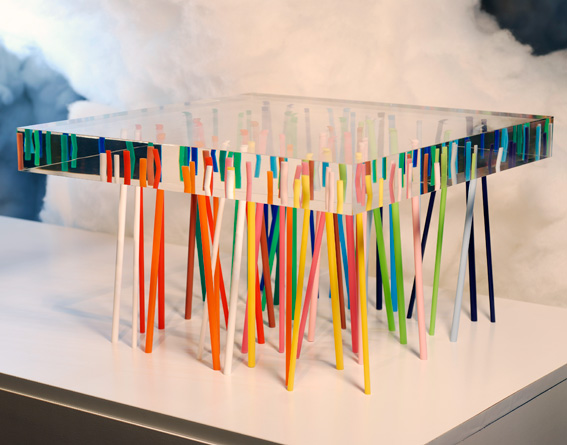
If you go and see the exhibition “Shikiri” (partition) you can discover her colorful products aiming to transform space using a new type of partition. Here are some extracts of her rainbow notes:

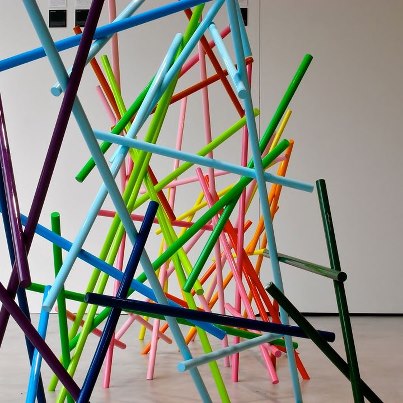
Here, the sticks inspired from Mikado and also used to connect space in the Issey Miyake shops:

Image courtesy Ken-ichi Shiota

To consume without moderation =)


Asuazu transform department store elevators into works of art

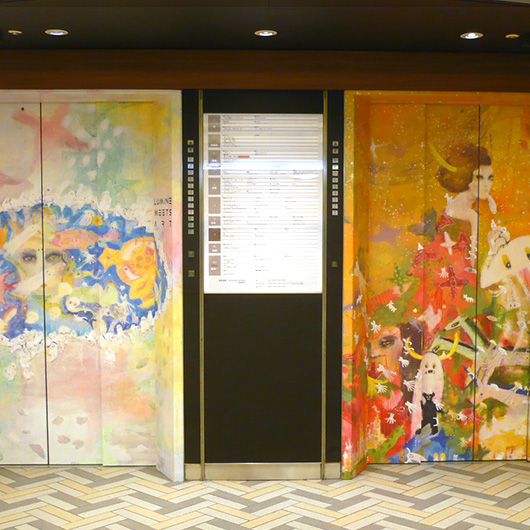
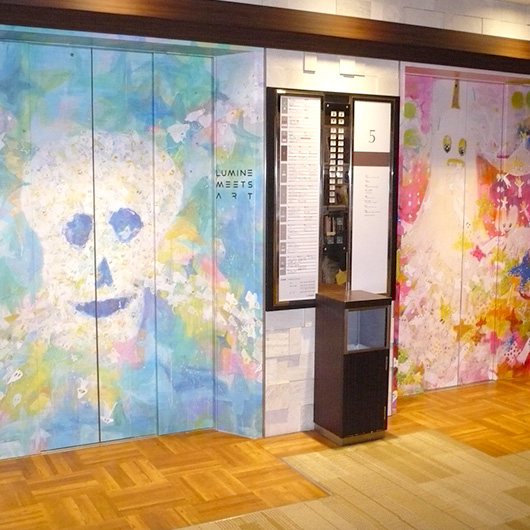
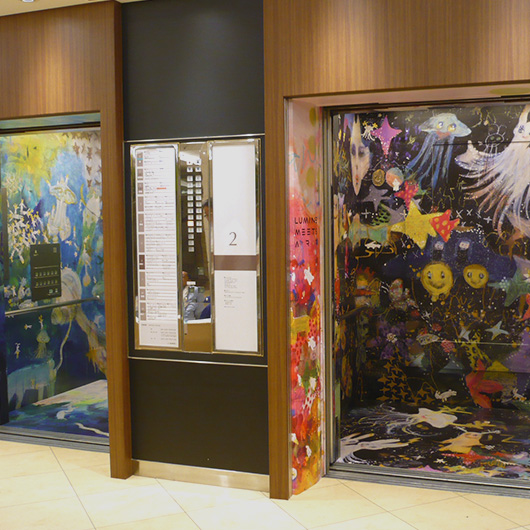
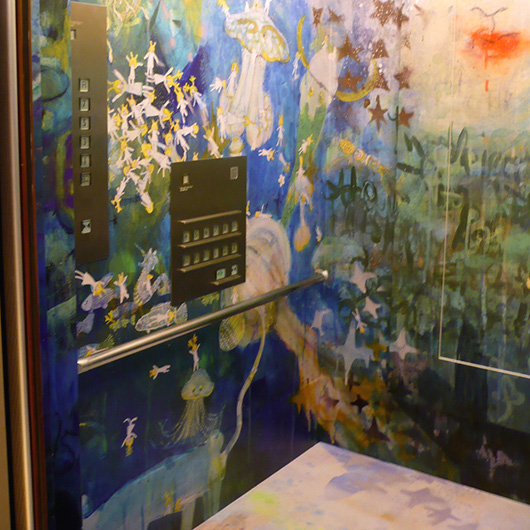
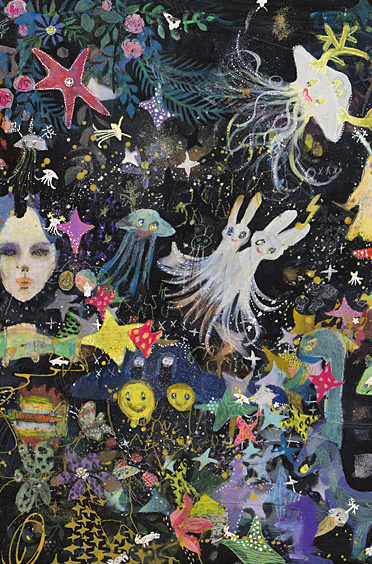
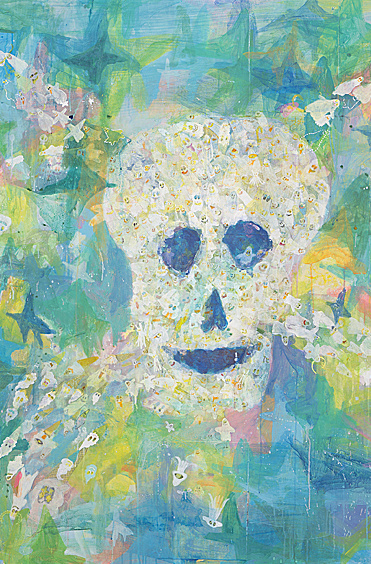
Elevators typically serve just one purpose – to transport people (or goods) between floors of a building. But that all changed when Japanese department store LUMINE invited Asuazu into their elevators to transform them into floor-to-ceiling works of art. Twin-sister-artist-duo Asuka and Azuchi Mio, known as Asuazu, took their signature style of dreamy drawings and applied it to the exterior and interior of LUMINE Shinjuku’s elevators. Visitors will never again have a dull ride!

LUMINE is no stranger to art. This is their 8th installation in a series dubbed LUMINE meets ART – an attempt to bring art out of the gallery and into the lives of their customers.

A sample of some of the Mio twins work (click to enlarge):

source: Japan Trends

The Deconstruction of Haruki Murakami’s 1Q84

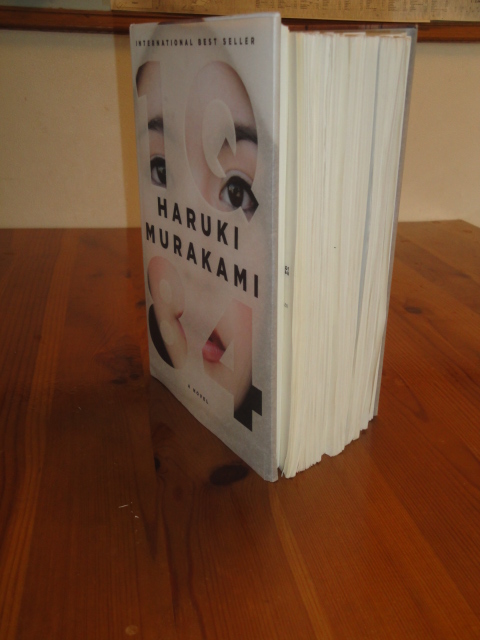
This is not a blog post in which I parse Haruki Murakami’s strategic use of repetition, or his methodical references to music, in search of deeper meaning, hidden within his near-1000 page opus 1Q84. In fact, I use “deconstruction” in the most literal sense.

Last winter when I traveled back with my family to spend Christmas and New Year’s in Tokyo, I lugged a copy of 1Q84 back with me. I had recently finished reading it and thought my Dad would enjoy it. After all, he was the one who started all this when he reached into his bookshelf and removed a dusty softcover of The Wild Sheep Chase, handing it to me with the warning, “this is one weird book.”

He accepted my gift graciously, seeming slightly daunted by its sheer mass. We returned to New York and and, after several weeks, I inquired. “Did you read it?”
“Not yet,” he told me. Several additional attempts resulted in the same answer until, finally, I stopped asking. My Dad liked to read on the train. The book simply must have been too heavy to accompany him on his daily commute to and from his University.

Last month they visited us in New York and, at one point, my Dad sat me down. “I finished the book,” he said, with a gleam in his eye. I knew which book he was talking about. He went on to confirm my thoughts that it was indeed too heavy to carry around. “I tried reading it in bed too. But when I put it on my lap – I kid you not – it would cut off my blood circulation.”
This seemed a bit far-fetched but I stayed on course: “So what did you do?” My dad opened his mouth but then paused. He turned and looked at my Mom, who was sitting next to him. She nodded. “You can tell him.”

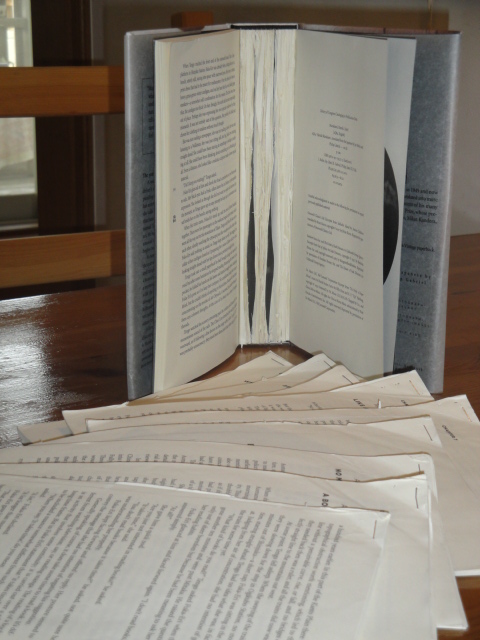
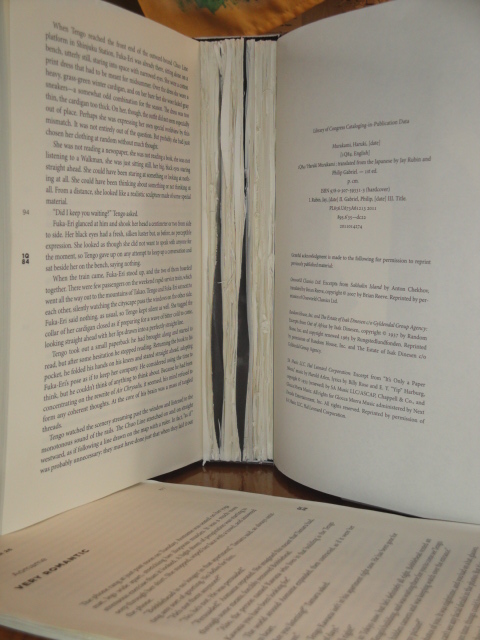
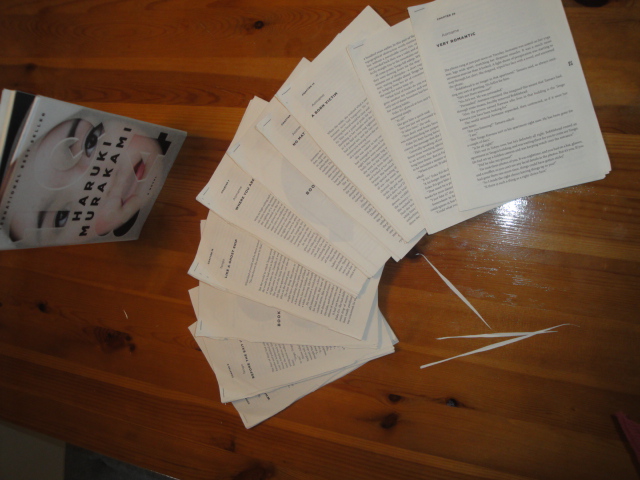
As it turned out, my dad had taken an Exacto knife and, one-at-a-time, carefully sliced and removed 100 pages. This little mini-chapter of stapled pages slipped comfortably into his black shoulder bag. And when he finished it, he took the book out, sliced another 100 pages, stapled them together, and placed it into his bag. He repeated this process until he had finished the 944-page 1Q84. I was fascinated by this seemingly sacrilegious act and asked my Dad to send me pictures of the decimated paperback as soon as he got back to Tokyo, which he did.

Seeing the pictures I was at once both struck and reminded of the impermanence of books. I was no longer looking at a sacred object that had been desecrated, but at an object that had merely shifted form to adapt to its user’s needs. After all, what’s more important, a good book or a good read?

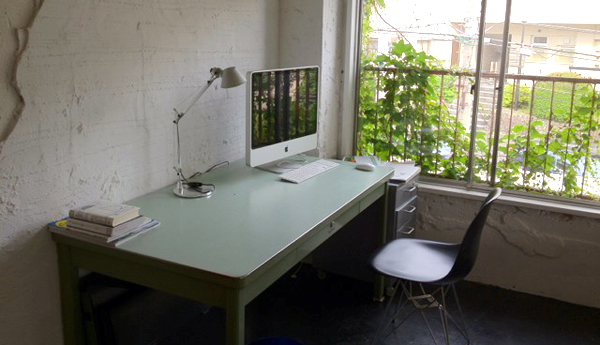
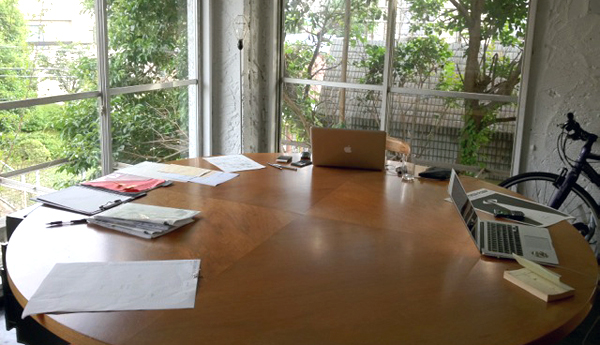
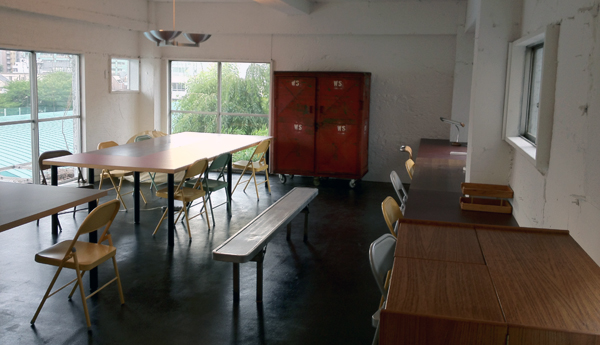
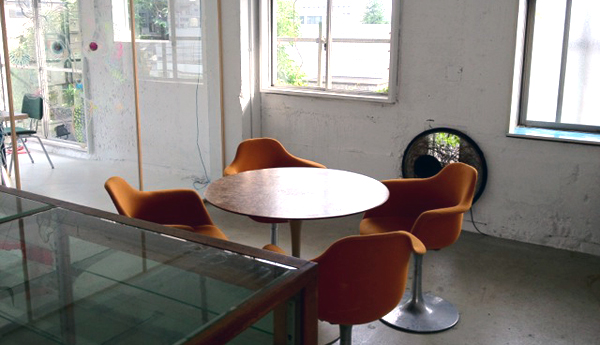
Midoriso | a new collaborative workspace in Tokyo

midoriso (2)

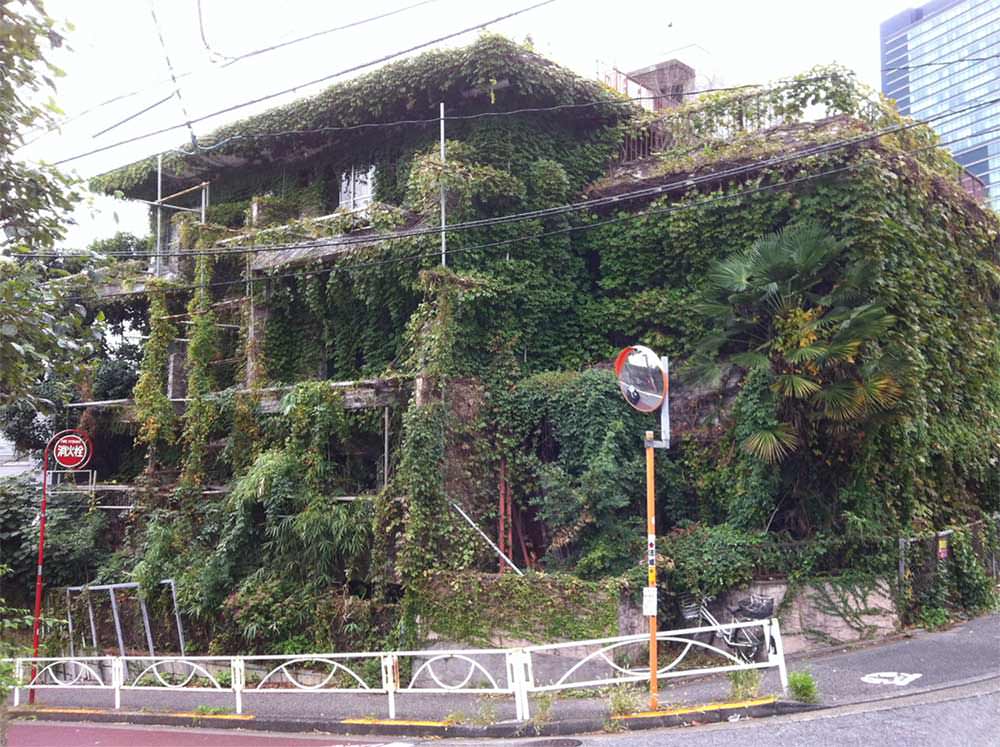
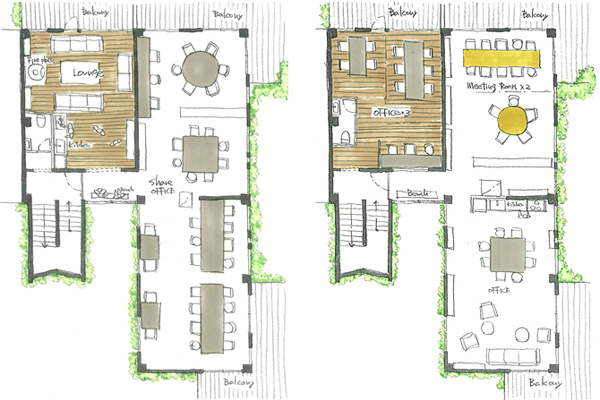
If you’re walking through the deep, back-streets of Shibuya, you may very well come across a decrepit-looking building overgrown by ferns and ivy. And you may very well ponder upon the indiscriminate voracity of nature for a brief second. You may very well snap a picture. And then you may very well move on. But don’t dismiss this as an abandoned building to be eventually demolished and replaced with high-end apartments. This is actually a brand new co-working space called Midori.so.

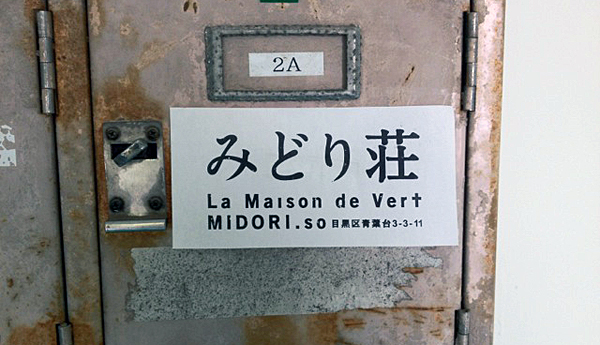
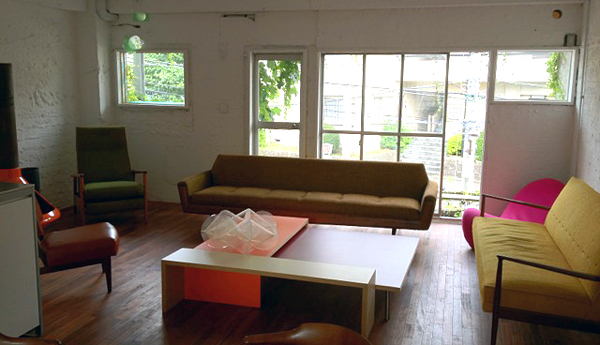
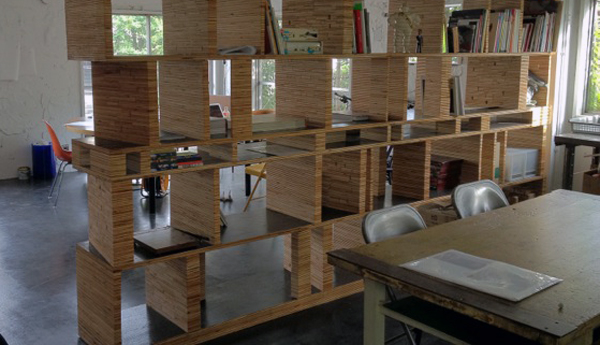
Upon traveling to Portland with friends, Miho Koshiba was inspired by the number of renovated coworking spaces there. She returned to Japan convinced that Tokyo needed one as well. When fate led her to an old building that had been abandoned over 10 years ago, she knew this was it. With the help of friends, she spent 6 months cleaning up the place, but preserved the eye-catching exterior. They named it Midoro.so partly as a nod to their green, sustainable initiatives (midori is green in Japanese) but also as a throwback to the legendary Tokiwa-so apartments that housed young manga artists like Osamu Tezuka and Fujiko Fujio who went on to become famous.

If you’re looking for a collaborative workspace in Tokyo, go and learn more. Their website is in both Japanese and English!

midoriso (3) midoriso (4) midoriso (5) midoriso (6) midoriso (7) midoriso (8) midoriso (9) midoriso (1)


Source: @jeansnow | greenzjp

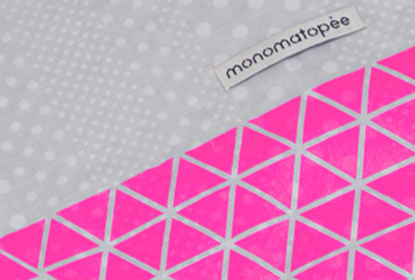
Monomatopee | inflatable fashion inspired by origami

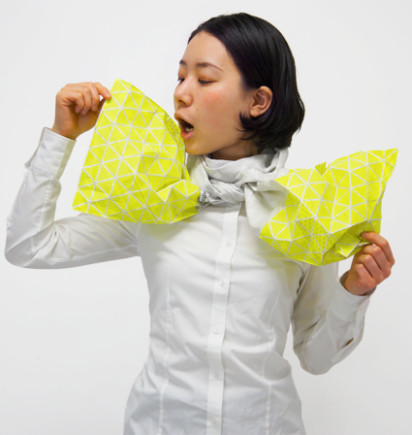
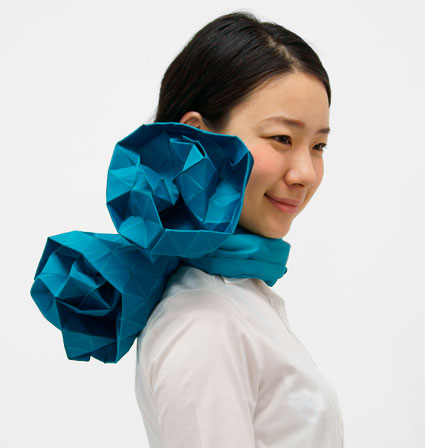
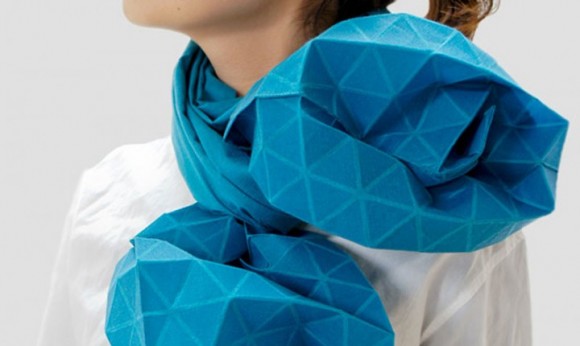
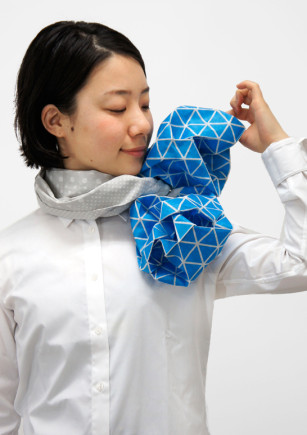
Hooray for inflatable fashion! I just fell in love with this new scarf from Monomatopee! From flat fabric you can inflate the ends into 3D volumes. I just tried it, and it completely feels as if you’re touching paper.

And inflating it allows you to infinity manipulate it like origami. Amazing!

 The scarves are 11,550 yen. If you need help ordering from abroad click here for assistance.


Their previous collection is also nice – a series of small pouches like coin and pen cases that you can fold and unfold:

Happy pre-100th Birthday Doraemon

Yesterday was September 3, 2012, which marked the 100-year countdown to September 3, 2112, the day when Doraemon, the amazing cat robot, is to be born. A product of Fujiko Fujio’s imagination, Doraemon and his magical fourth-dimensional pocket, which produces fantastical gadgets from the future, have tickled the minds of children (including myself) since the 1970s to today. It was easily my favorite cartoon growing up in Tokyo. However, we didn’t have a television so I vividly remember my mom taking me to a local soba shop near our small apartment in Koenji. We would sit down and order our dinner. A couple of minutes before 7pm, my mom would stand up, walk over to the waitress, and kindly ask – in broken Japanese – if we could change the channel. Looking back, it must have been an odd sight: an American mother and her small child, quietly slurping their noodles while watching cartoons.

Doraemon,
I love that you continue to work your magic with my kids, the same way you did for me.

Here are some Doraemon pre-birthday events that were happening around the world.

Hong Kong

In Hong Kong, a month-long exhibition is being held (through 9/16) with all sorts of exciting memorabilia, including 100 Doraemon sculptures and a life-size gadgets.

Kawasaki, Japan

In Kawasaki (the setting for the popular show) Doraemon is named honorary citizen. The City of Kawasaki’s website experienced a surge in traffic, and even temporarily crashed, as people tried to have a look at Doraemon’s official certificate of residence (PDF).

image courtesy k-press

Toyama, Japan

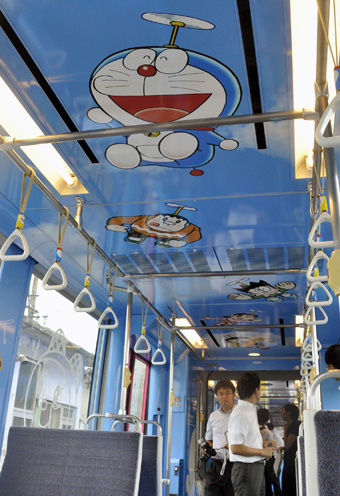
In Toyama (where Fujiko Fujio was born) a Doraemon train was unveiled.

image courtesy kyodo

Google

And last but certainly not least, Google commemorates Doraemon’s birthday with a special tribute video showing how many of Doraemon’s futuristic gadgets have gone on to inspire real-life innovations.

Why didn’t they do a google doodle, you surely are wondering. Because it was done 3 years ago, on Doraemon’s 103rd pre-birthday:

« Older posts Newer posts »

© 2026 Spoon & Tamago

Up ↑

Design by Bento Graphics