Page 223 of 406

A Haunted House Art Exhibition for Kids

obake 1 largeunless otherwise noted, all photos by spoon & tamago

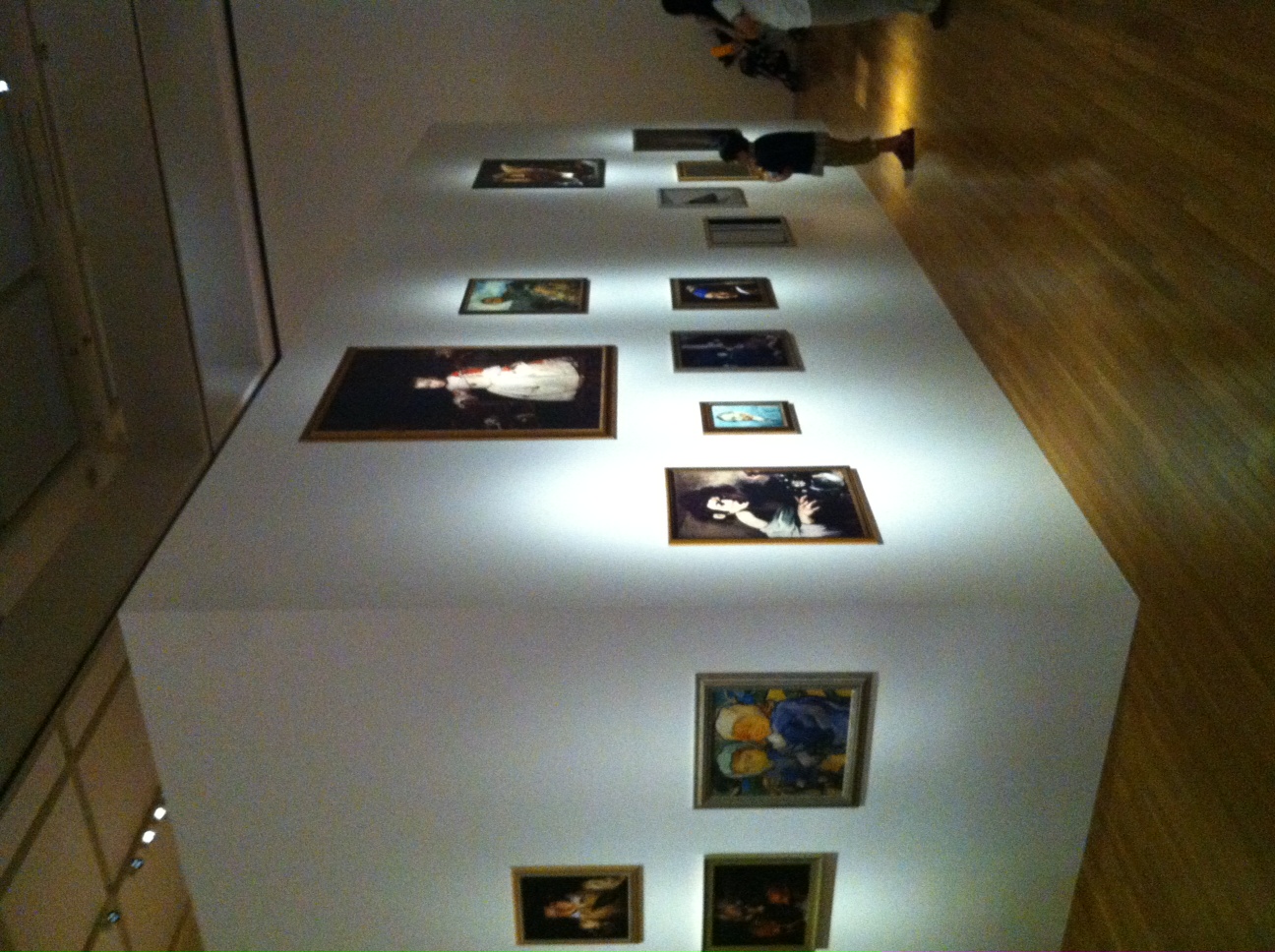
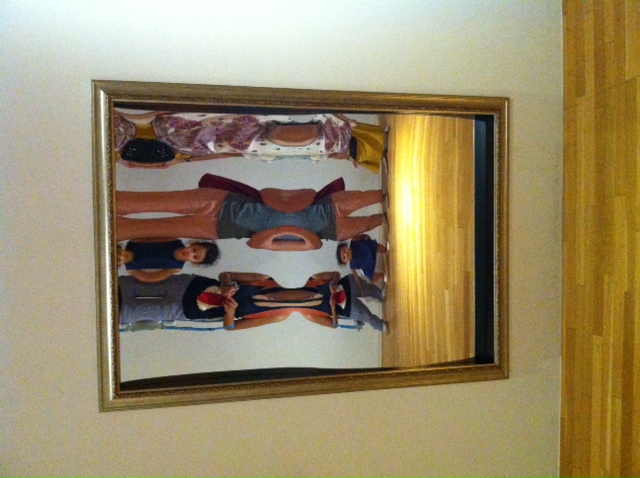
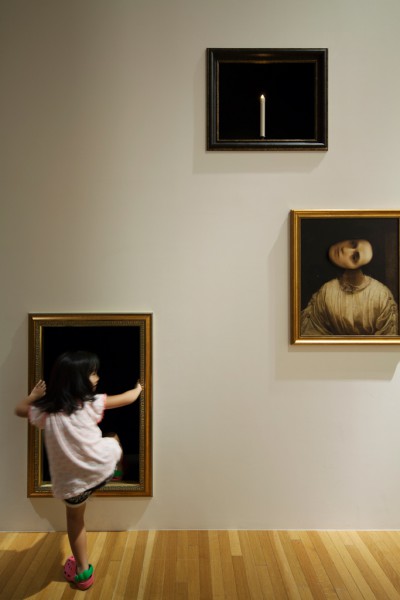
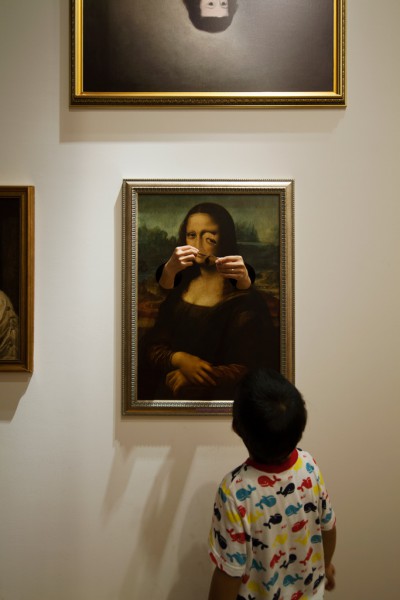
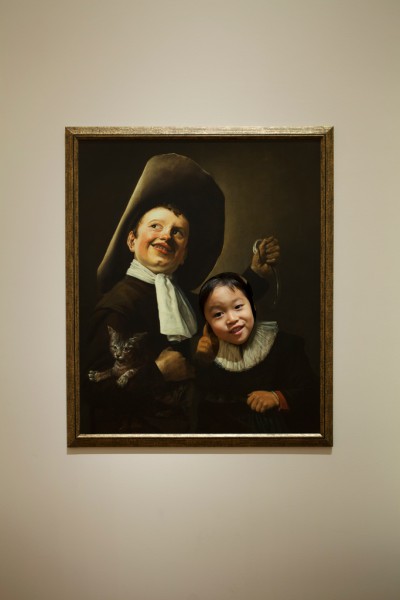
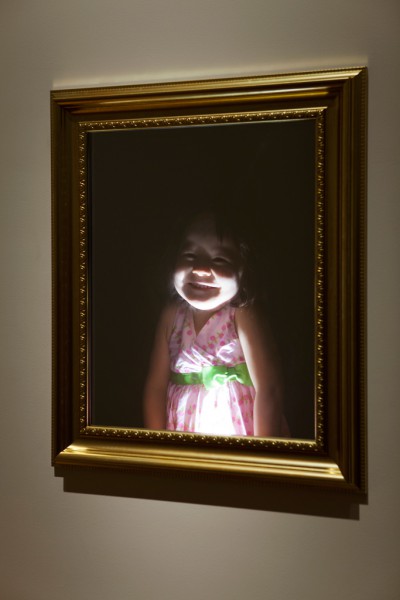
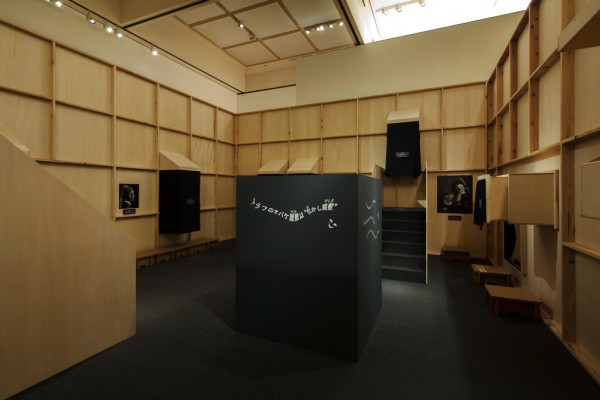
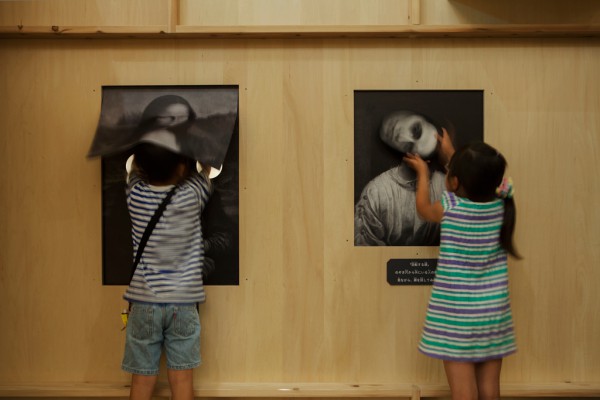
We highlighted it in our selection of Japanese haunted houses for this summer, but the only one I actually went to was with the kids at Museum of Contemporary Art Tokyo. Typically art exhibitions are just one big pain for parents – no running, no playing and, most importantly, no touching. But for this Haunted Play House created by Torafu Architects, kids could not only touch the art but they could jump inside the canvas, often becoming part of the art.

The space was filled with replicas of famous paintings that were also part optical illusion. It was a really fun way to learn about art without all the museum rules and annoyances.

photo 4photo 2

obake_03_fuminari_yoshitsugu_top-400x600

obake_04_fuminari_yoshitsugu-400x600Photos by Fuminari Yoshitsugu for Torafu

obake_09_fuminari_yoshitsugu-400x600 obake_10_fuminari_yoshitsugu-400x600

obake_12_fuminari_yoshitsugu-600x400

obake_15_fuminari_yoshitsugu-600x400

Summer Greetings from Spoon & Tamago

hanabi

Fireworks along the Tama River | Aug 17, 2013

If you follow me on twitter you know that I’m back in Japan right now with my family on vacation. You also know that it’s really, really hot. Both facts help explain why posts have been even more sporadic than usual, which I apologize for. Expect this to continue through the end of Aug when we’ll be back and regular posting should resume.

But instead of goofing off the whole time I’ll try and post a few quick items – mainly shows or exhibitions I went to go see that I think are worth highlighting. If you’re bored you can check out two recent features we did, one on Mt. Fuji and one on Japanese Trains.

I hope everyone is having a happy summer!

– Johnny

The Ceramic Miniature Figurines of Mayumi Yamashita

-1images courtesy the artist | click to enlarge

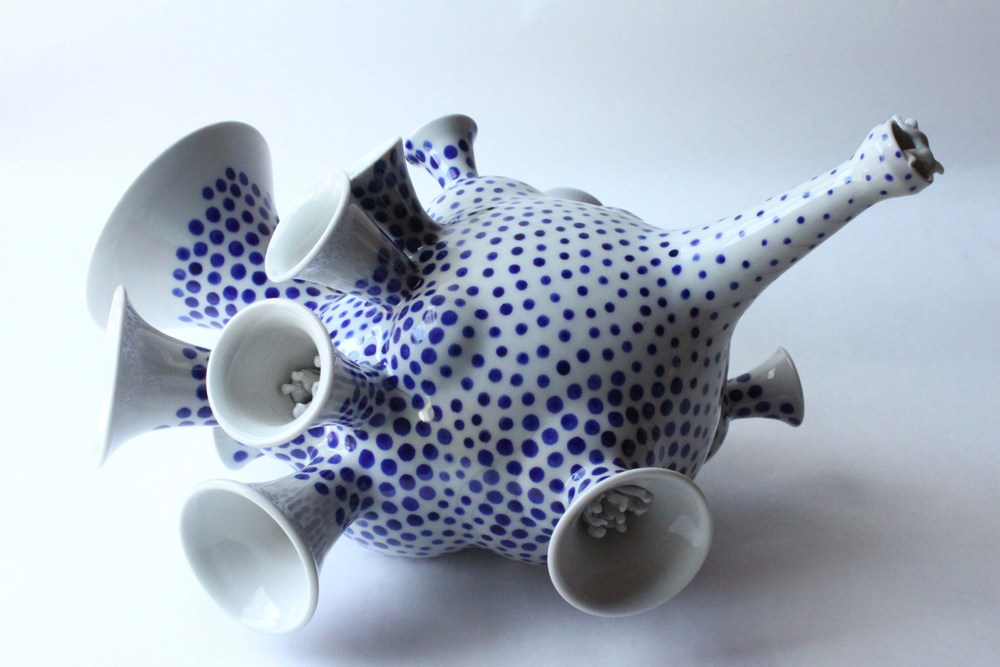
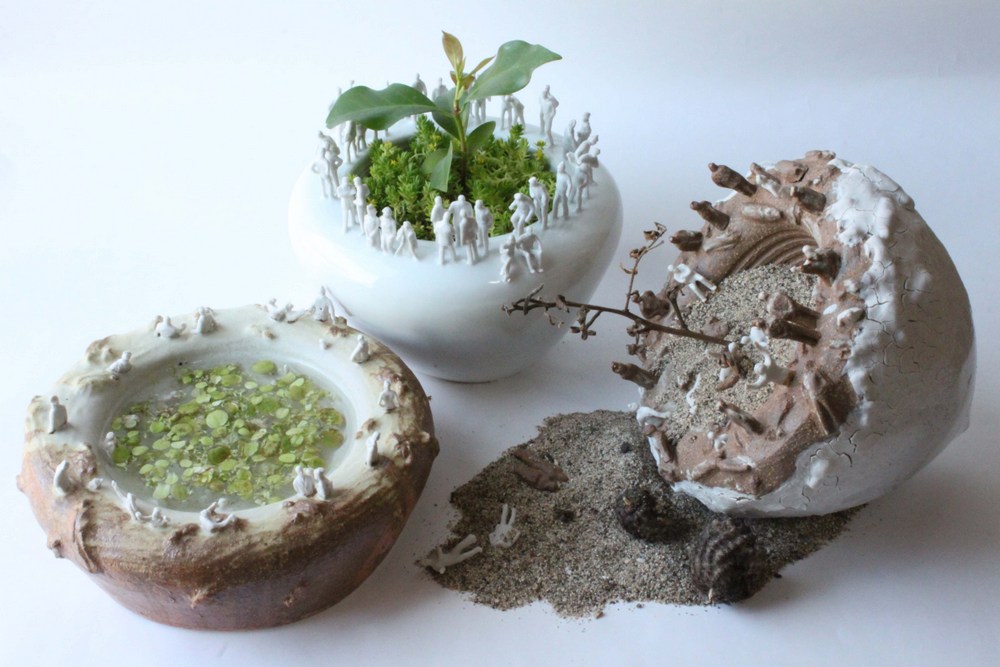
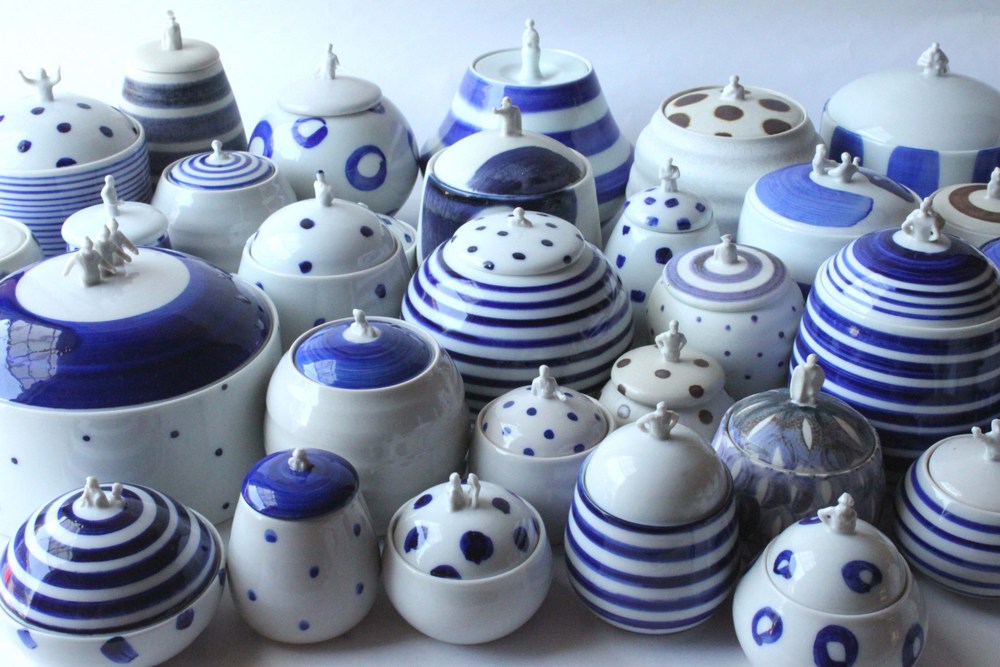
Ceramic artist Mayumi Yamashita makes hand-built and wheel-thrown sculptures and then adds miniature figurines to create whimsical, humorous works of art. The tiny figures are a representation of humanity, Yamashita tells us, which arouses both her curiosity and inspiration. “People make us happy but also angry and disappointed. People are curious but also foolish. We never seem to learn, despite knowing deep down that we’ve taken others for granted and knowing that we shouldn’t have.”

While rather straightforward in concept, the interaction between figurines and the seemingly functional ceramics help create curious objects that solicit 2nd and even 3rd views, drawing us closer into her world.

-3

Yamashita got her start in textiles and fashion. But after moving to the UK for studies she discovered the world of clay and slowly became hooked. She has since moved back to Japan and is currently based in Kagawa.

-2

-4

source: submission

LT Josai | a new shared living space in Nagoya

001sphotos by Masao Nishikawa

Thanks, in part, to exposure through Japanese TV dramas, shared living has now become a viable option for young kids looking to gain independence but are not ready to make the leap to getting their own place. According to Oak House, Japan’s largest operator of shared living spaces, available units have grown 20 fold since the company’s inception in 1998.

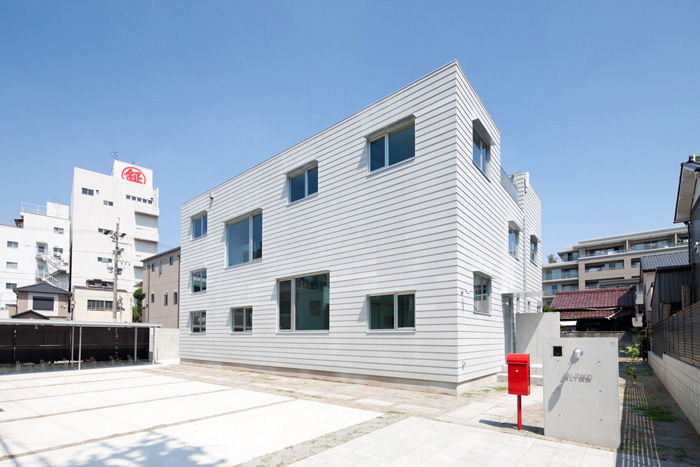
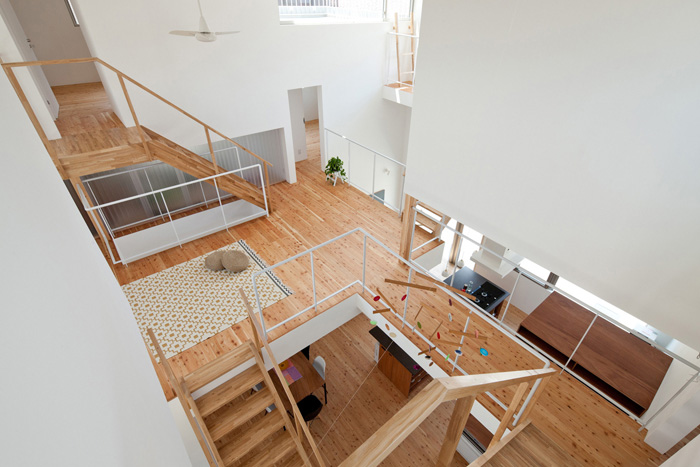
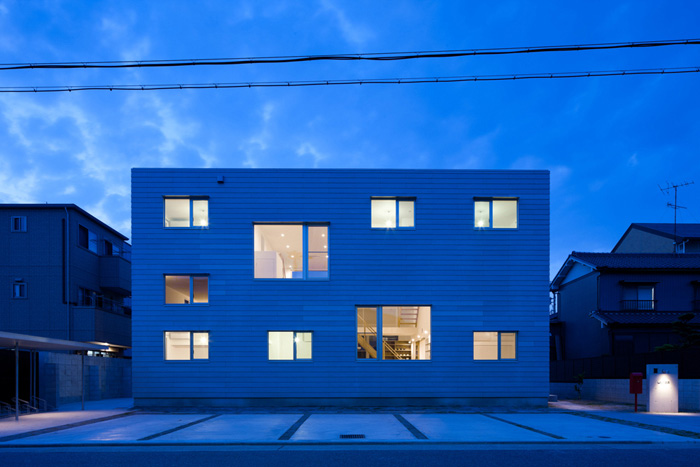
Whereas older buildings are typically converted, Naruse-Inokuma Architects were asked to create a newly constructed building for shared living. In other words, the architects were given the opportunity to rethink shared living and redesign the entire experience, giving birth to LT Josai, which opened their doors last month.


013s031s

016s

The space is divided into 13 different individual rooms that all range between 58,000 ~ 62,000 yen per month. The negative space created by the layout of the rooms serve as shared living areas – some more dynamic and inviting while others are intended for smaller, quieter usage.

022s 023s

And anyone who thinks shared living can’t work in Japan needs only harken back to the Showa era when homes were primarily left unlocked and neighbors would come and go as they pleased. The home functioned more as a community center than a private residence. In an increasingly isolated age where people immediately turn to TV and Internet for the “voices” in their home, shared living offers a more personable, community-oriented voice that once was the backbone of Japanese society.

029s

040s

008s

Bonus: trainspotting in Tokyo

So, now you know almost everything there is to know about Japanese trains. There’s just one thing left to do: go trainspotting. But of course we all don’t have the time and resources to visit individual lines. So here are some of the best spots in Tokyo to see different trains at once. They’re all easily accessible and don’t even require you to enter any stations.


1. Nippori

Start at Nippori Station. Walk over Shimogoinden Bridge (just outside the North exit) where you’ll find one of the busiest train crossings in all of Japan. You’ll be able to catch top-down glimpses of the Keihin Tohoku Line, the Hayate-komachi Shinkansen, the Takasaki Line and the Joban Line all at once if you’re lucky (and if you go during rush hour).

2. Shinjuku

There’s a wooden deck just outside of Tokyu Hands department store – a perfect spot to watch the trains go by.

3. Ichigaya

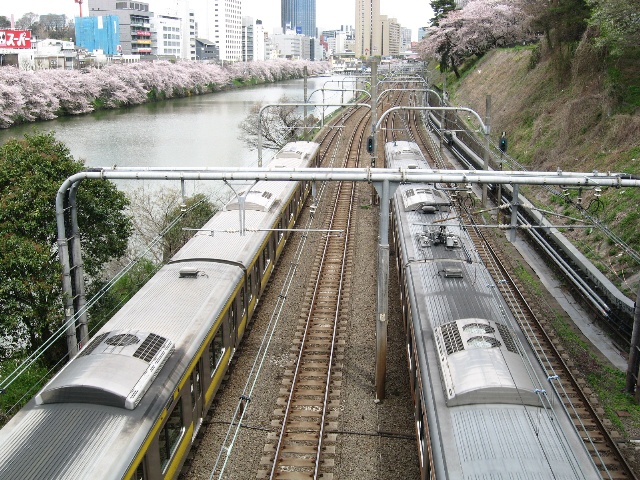
Walk north from Ichigaya station towards Iidabashi Station. Along the way you’ll come across Shinmitsuke Bridge where you’ll find the colorful orange Chuo Line and yellow Sobu Line doing a little dance together.

trainspotting-Ichigayaphoto via

4. Yurakucho

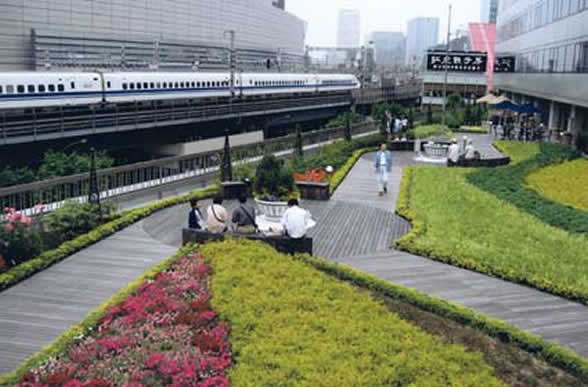
Just outside Yurakucho Station is a secret garden that’s just perfect for train-spotting. On the 3rd floor of the Kotsu Kaikan is Coline, a wooden patio (free of charge) where you can go out and watch the Shinkansen bullet train. trainspotting-Yurakuchophoto via

5. Oosaki

Walk north for just a bit and you’ll have great views of the Yamanote Line, Nanboku Shinjuku Line and the rarer Narita Express.

This post is part of week-long series on trains in Japan. The complete series can be found here.

Represent your favorite line with train postcards

We all now know that trainspotting is a legitimate and acceptable hobby in Japan where, on any given day, it’s not unlikely to see the hobbyists in the wild, snapping pictures of incoming trains. The railway fans or, more pejoratively, densha otaku, exist in a variety of sub-genres that range from “toritetsu” (obsessed with taking pictures) and “ototetsu” (obsessed with recording sounds) to “ekibentetsu” (obsessed with station box lunches). But now there’s another way to show your love: through the near-extinct method of snail mail.

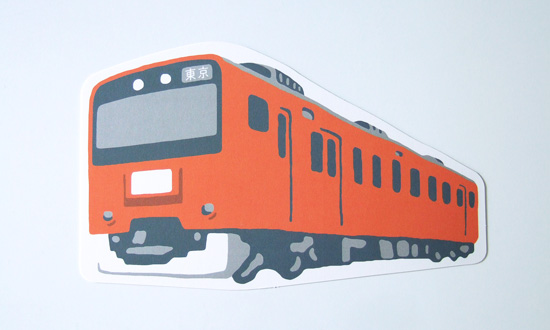
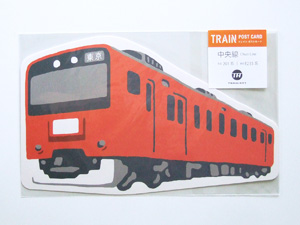
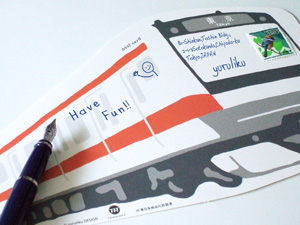
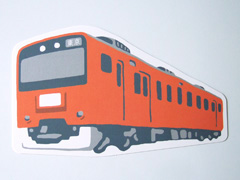
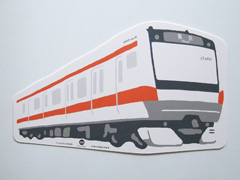
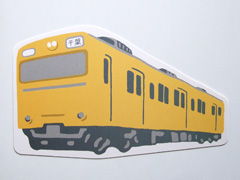
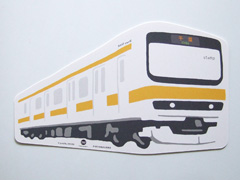
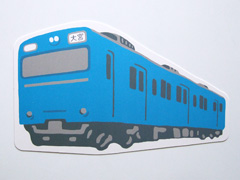
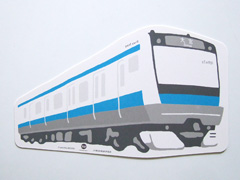
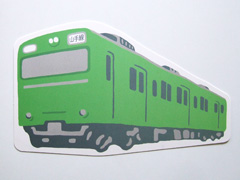
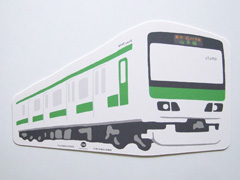
Yuruliku Design, who are known for making stationary sexy again, have designed a set of train postcards (368 yen) using 4 of the major train lines in Tokyo. The illustrations are adorable and I love how they’re actually shaped like trains, rather than your typical 3” x 5”. And for those who find nostalgia in the pre-redesigned trains, the flipside of each postcard reveals the old design.


This post is part of week-long series on trains in Japan. The complete series can be found here.

train photographer Hirota Naotaka

H021_12

H023_13aH007_06a

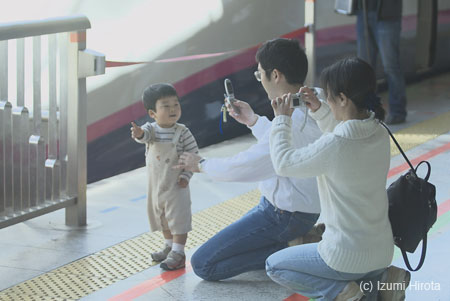
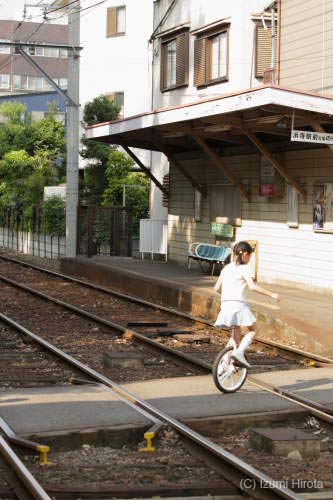
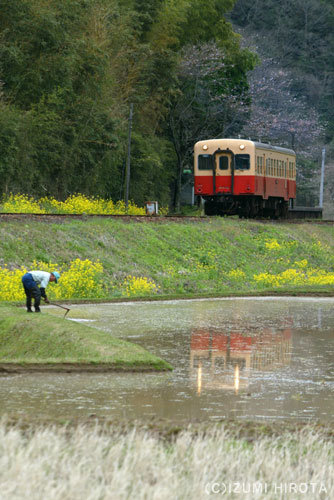
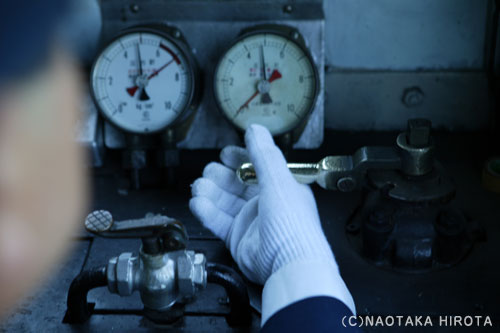
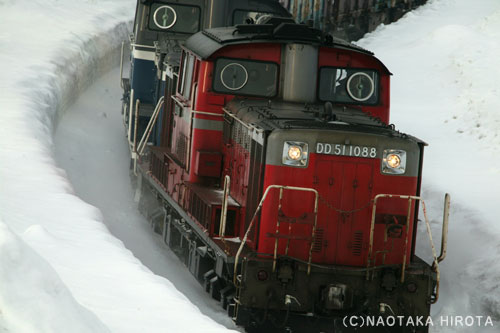
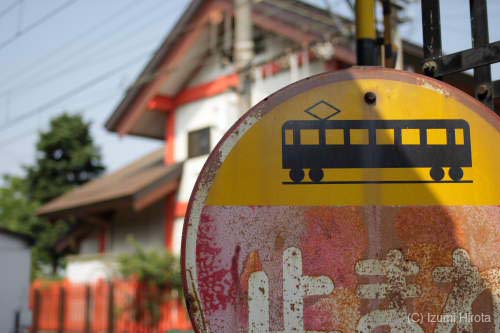
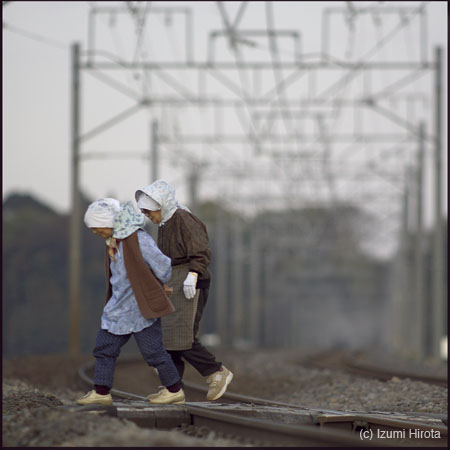
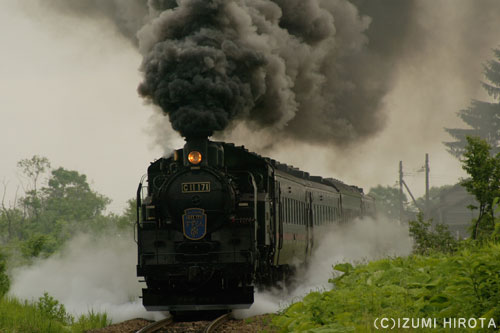
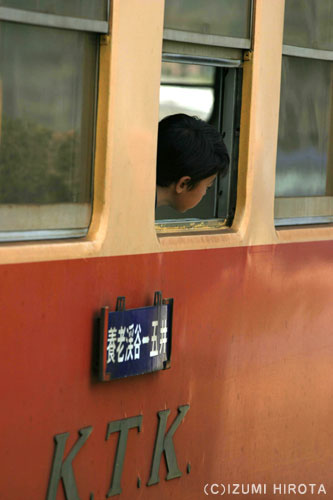
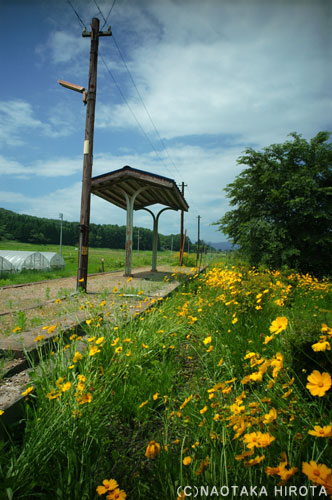
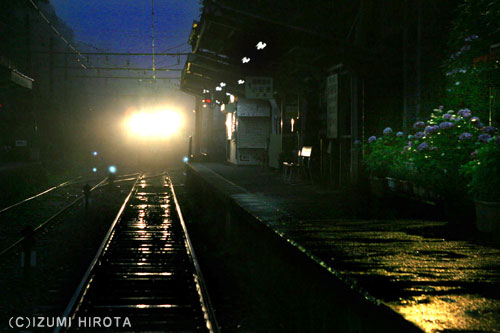
“It’s not just about the trains. It’s also about all the wonderful situations that surround trains,” says Hirota Naotaka, who has made a career out of photographing trains for over 60 years. Now at age 78, he is respected by fellow tori-tetsu* (撮り鉄) as a pioneer of train photography.

*train aficionados in Japan are largely broken down into the following four categories: tori-tetsu (photographers), nori-tetsu (riders), shushu-tetsu (collectors) and mokei-tetsu (model builders).

N03a

N002_01a

H023_10a

But you won’t find him at any famous spots or publicized train events, ceremonies or, especially, cherry blossom season, when hoards of people carrying heavy duty SLRs swarm around trains trying to get the perfect shot. Hirota avoids these places like the plague. “I’m captivated by trains when they’re in their most normal state,” he explains. “Trains in their normal state are alive. Events and ceremonies are staged. You won’t learn anything from attending those. Admittedly, there are some spots that I’ve incidentally made famous,” Hirota adds.

H021_10

H010_10a

H007_10aN10a

Now joined by his son Izumi, who is carrying on the tradition, Hirota specializes in suburban trains – those that run maybe only twice or three times a day. Naturally, this presents its own challenges. “When I hear the train coming I begin trembling with excitement,” says Hirota, describing the fleeting moments before the train disappears, not to emerge for another several hours. But this is all part of Hirota’s process. Once the train has left, he gets up from his location and walks. He walks along the tracks, encounters side streets, small shops and empty stations. All these elements – what Hirota calls the many “situations” that encircle trains – is what keeps him coming back year after year.

H010_03a

H008_16a

This post is part of week-long series on trains in Japan. The complete series can be found here.

Fujimieki | the fine art of spotting Mt. Fuji from train stations

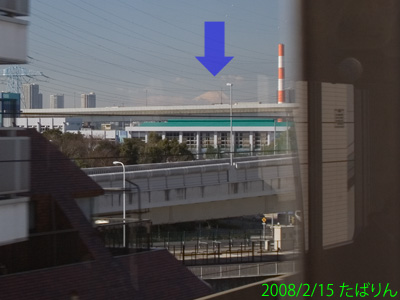
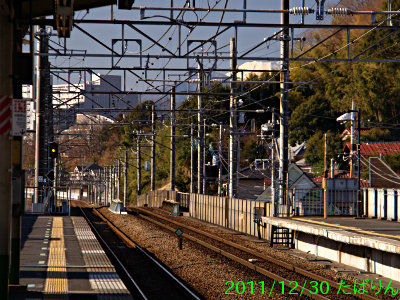
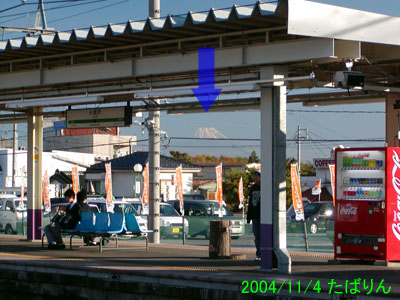
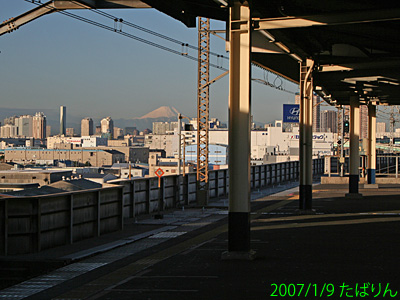
Combine trainspotting with a love for Mt. Fuji and you’ve got Fujimieki, or train stations where you can see Mt. Fuji. There is a subset of train aficionados that get their kicks from either photographing Mt. Fuji from train stations, or from an actual trin – either is fair game.

Did you know that there are 678 train stations where you can see Mt. Fuji from? It’s true. In fact, there is a website (JP) dedicated to archiving every trains station with views of Mt. Fuji, and the corresponding photographic evidence.

fujimieki 4

fujimieki 3

fujimieki 2

fujimieki

This post is part of week-long series on trains in Japan. The complete series can be found here.

How an unscripted train commercial went viral and united a nation

The directions were simple – show up and wave at the train.

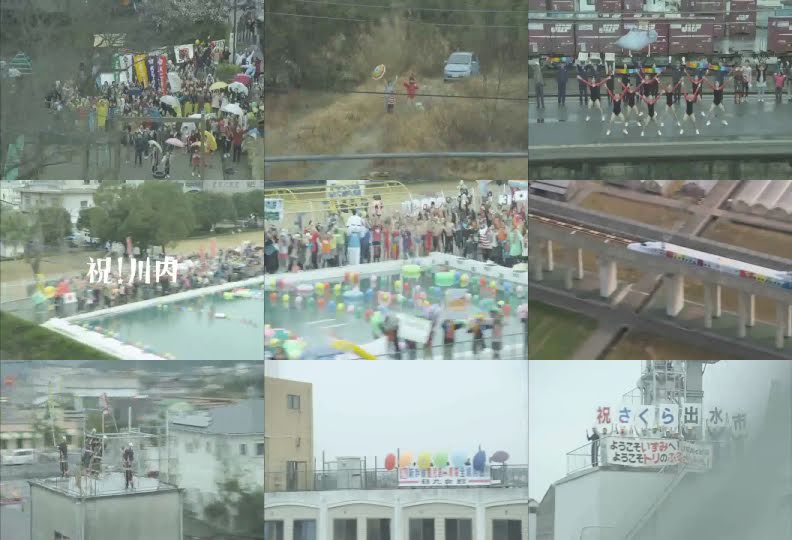
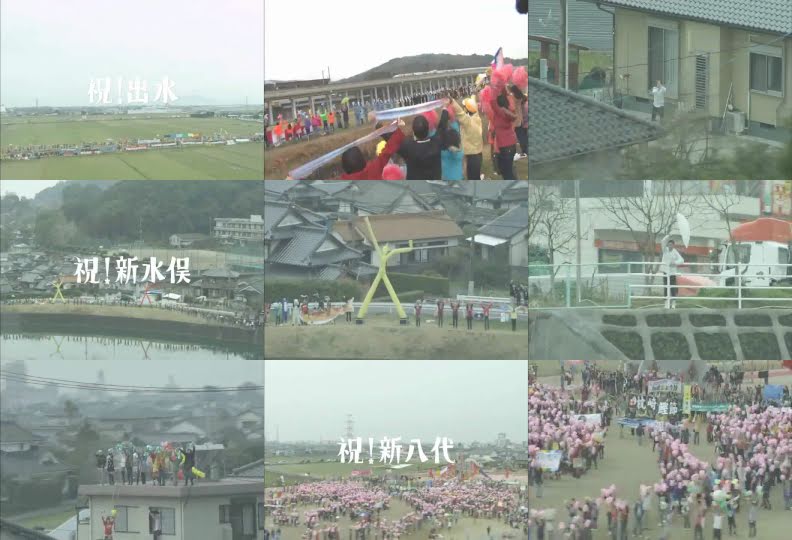
On a cold February morning in 2011, a brand new bullet train would make a single test run from Kagoshima Station all the way through Kyushu to Hakata Station – roughly a 2 hour trip. Word was spread, inviting anyone and everyone to show up along the route and wave. A camera would be mounted to the train, capturing the footage which in turn would be used in a commercial to advertise the new train. It was a bold idea by Yuya Furukawa of ad agency Dentsu. It was unscripted. It was risky.

On March 12 – one day after the tragic earthquake –  the new shinkansen that vertically connected the entire island of Kyushu opened on schedule. However, deemed overly cheery and happy, the TV commercial, along with all other print advertisements, were pulled.

But the ad spot was uploaded to Youtube and quickly went viral, racking up hundreds of thousands of tweets. Within 3 months it had logged over 2 million views, proving that, in a dark time of loss and despair, this was exactly what Japan needed: 15,000 people doing a jubilant “human wave” across an entire island! The catchy tune that accompanies the footage is a song called BOOM, performed by Maia Hirasawa, a half-Swedish, half-Japanese singer/songwriter.

Watch carefully as there is something here for everyone that will crack a laugh or a tear: firefighters doing chin-ups @ 00:29; Power Rangers @ 1:04; newlyweds @ 01:25; pro-wrestlers @ 02:29.

M1

M2

This post is part of week-long series on trains in Japan. The complete series can be found here.

In search of Japan’s last remaining streetcars


View Streetcars of Japan in a larger map

Japan’s streetcar system was once immense and extremely popular. In 1903 the first electric streetcar hit the road. And in Tokyo alone, a vast system of 41 routes once stretching over 130 miles carried people all over the burgeoning city. But with the onset of automobiles, streetcars began to be seen as a contributor to traffic and lines began to shut down. Currently, there are only 19 lines in all of Japan (and only 2 in Tokyo) that make up less than 1% of the country’s vast railroad system.

However, that doesn’t mean that streetcars are on a track to existence. In fact, there is something inherently adorable and nostalgic in seeing small streetcars chug through the city. And if you’ve never been on the two in Tokyo – Toden Arakawa Line and Tokyu Setagaya Line – I highly recommend it. It’s a great way to see lots of Tokyo that you would have missed.

A Savior of Urban Transportation

Many believe that streetcars have the potential to address some of the urban transportation problems that plague our cities. Here are some of them:

  • Eco-friendly: streetcars run on electricity and are cleaner than cars and buses
  • Easy Access: It’s especially nice for an aging society like Japan because you don’t have to climb up or down stairs to get to the stations.
  • Affordable: a pass is typically no more than 160 yen.
  • Tourist-friendly: streetcar tracks are easy (and cheap) to lay so the routes typically pass near tourist sites and landmarks. And because they move relatively slow, it’s a great way to get to know a new town.

If you want to explore the last remaining streetcars of Japan, I’ve created a map, pinpointing where each tram runs. Here is a small selection of some of my favorite streetcars:
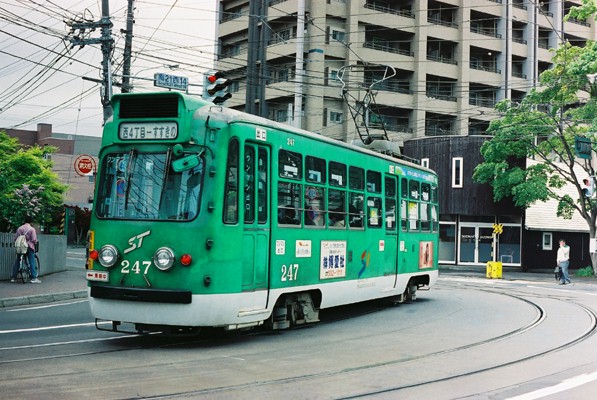
streetcars - SapporoStreetcar247all images courtesy wikimedia commons | click to enlarge | The Sapporo Streetcar – this northernmost streetcar of Japan runs between Nishi 4-chome and Susuki.
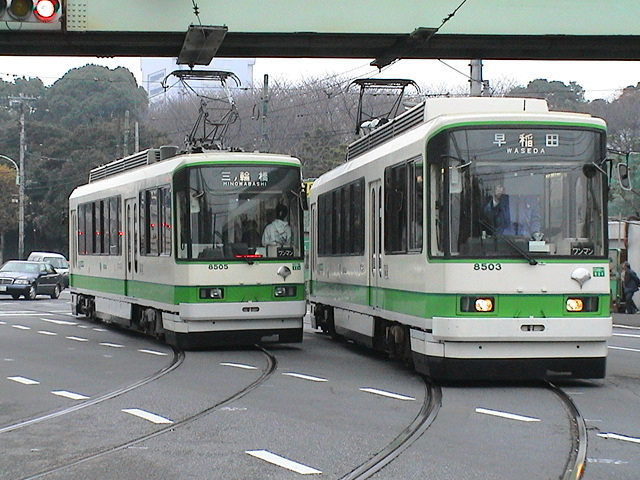
streetcars - Toden-Arakawa-Line_AsukayamaOne of the only two streetcars that runs through Tokyo, the Toden Arakawa line connects 30 stations from Minowabashi to Waseda.
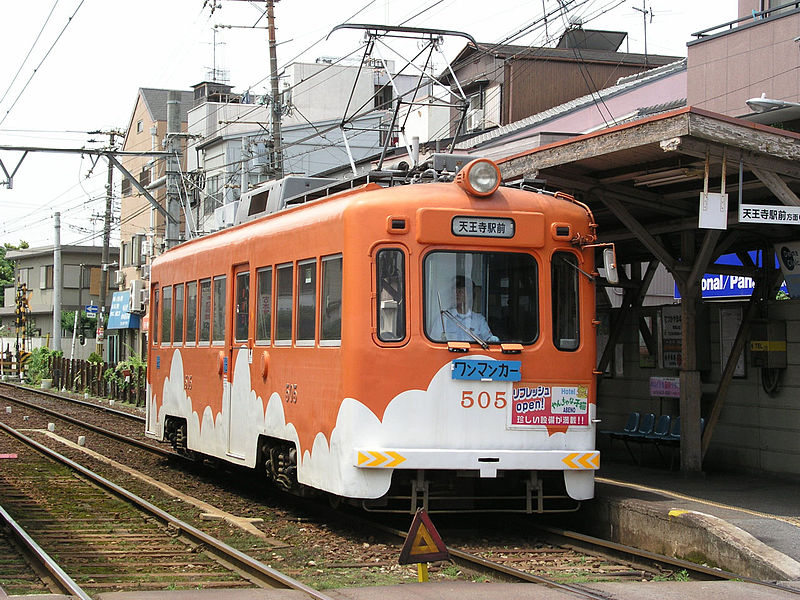
streetcar-Hankai500Series02The Hankai Tram (known as chin-den by locals) runs through Osaka City.
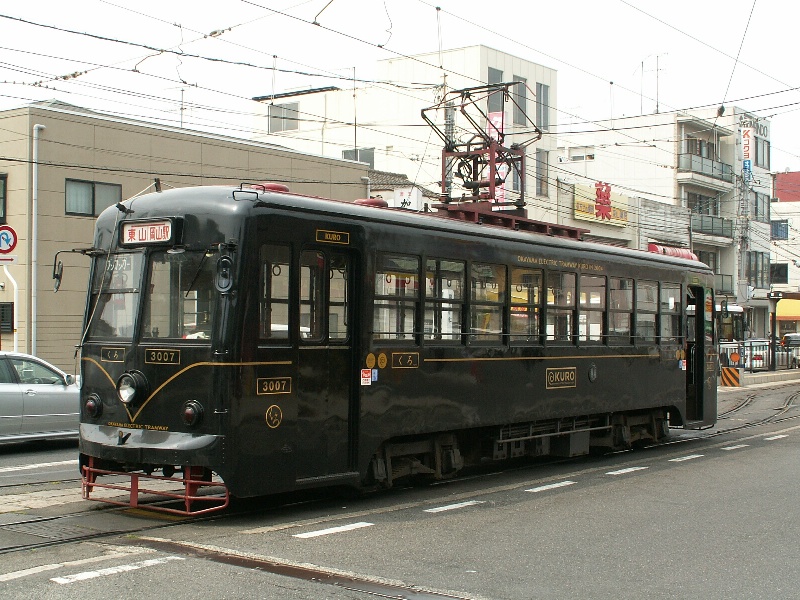
KONICA MINOLTA DIGITAL CAMERAThe Okayama Electric Tram features cars like KURO, designed by famed train designer Eiji Mitooka.
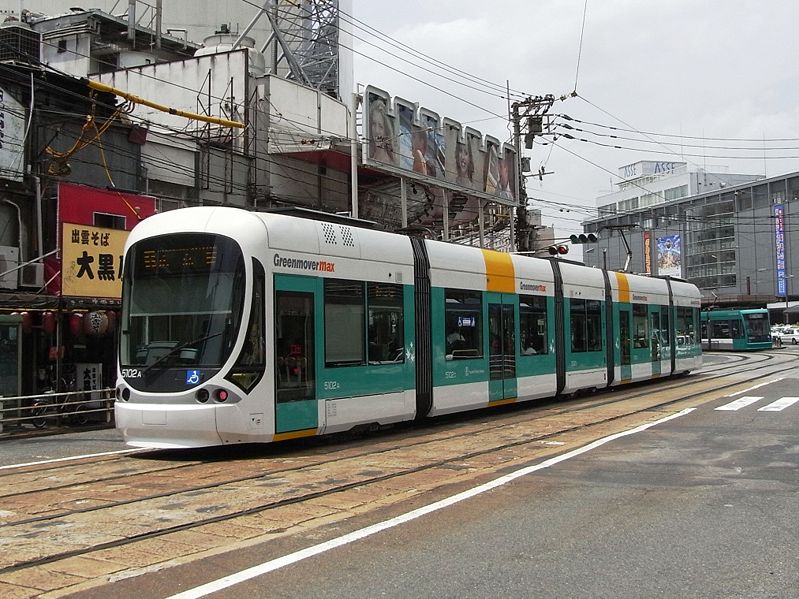
streetcar-Hiroden-5100-1The Hiroshima Electric Railway (Hiroden) services roughly 11,000 people per day. And with 6 streetcar lines with eight routes, it’s not only the busiest but also the longest streetcar service in Japan.
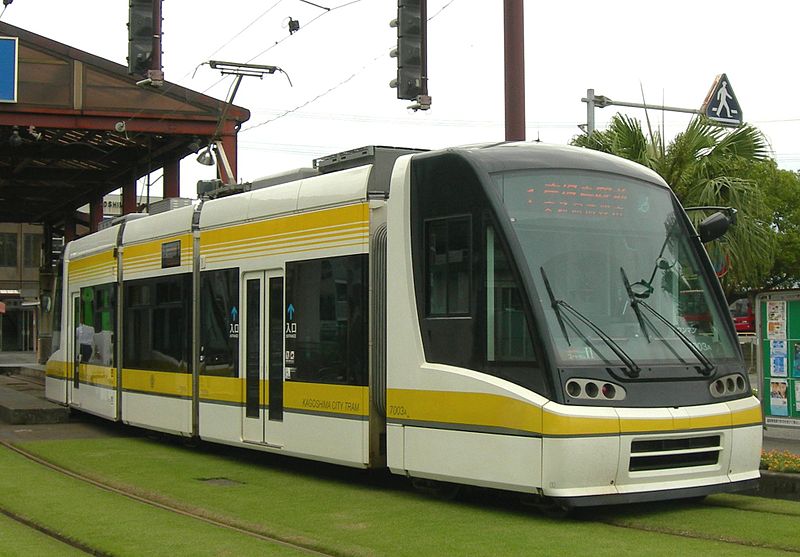
streetcar-KagoshimaLRT7003With more than 10 million annual riders, Kagoshima City Tram is one of the few profitable tram lines in Japan.
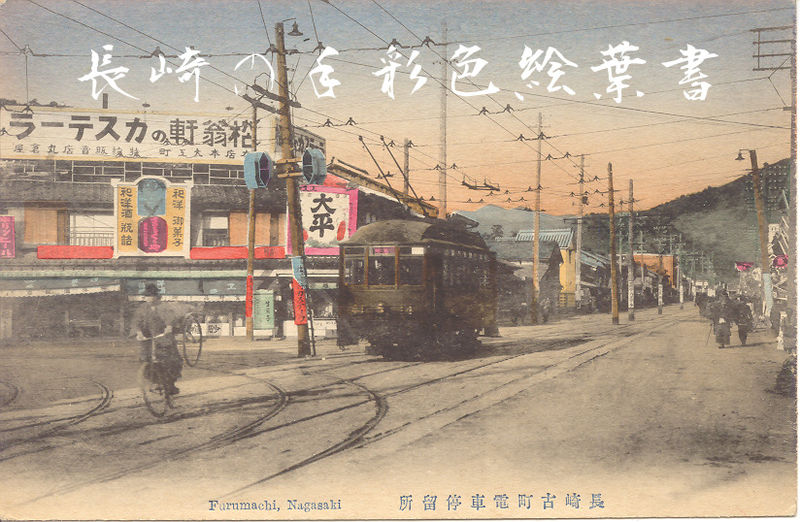
streetcar-nagasaki_tramAn old postcard of the Nagasaki Electric Tram

A Streetcar Renaissance?

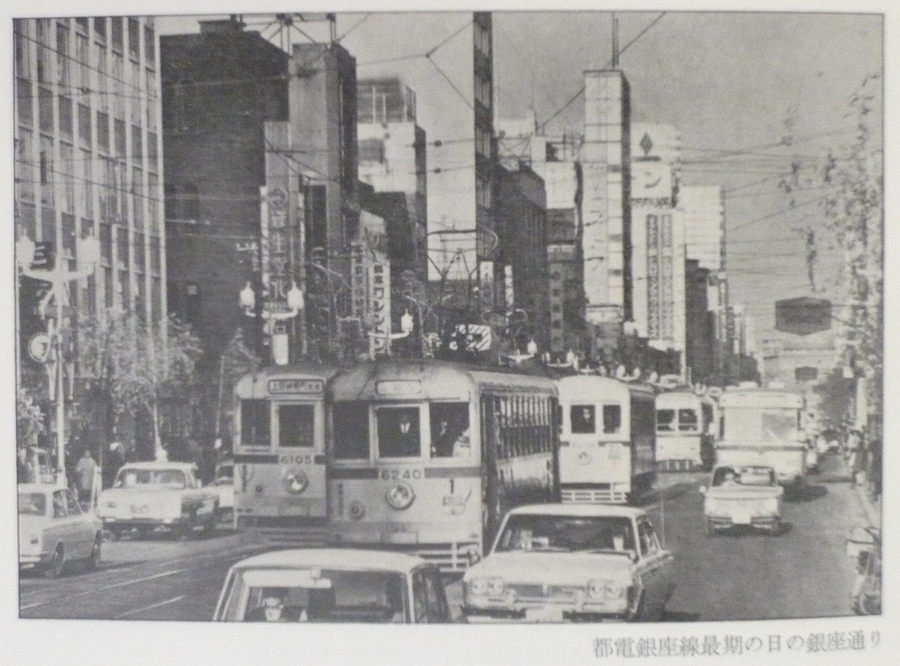
There are currently plans to build a new streetcar in one of the more unlikely of places – the high-end district of Ginza. However, it would be more of a reinstatement than a new build. Fo almost 100 years Ginza’s economy was supported by streetcars. The original horse-drawn streetcars started operations in 1882 and connected Shinbashi with Asakusa. In 1903 they were electrified, and eventually shut down in 1967.

But inspired by Hiroshima’s effective streetcars that continue to operate today, plans are now underway to construct a 2.8 km street rail that would connect Ginza with Tokyo’s Harumi District by as early as 2018.
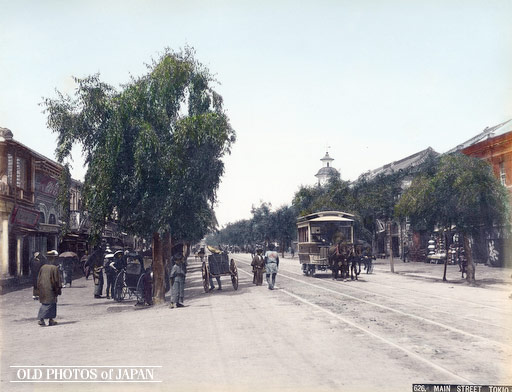
ginza streetcar 1An open, relaxed Ginza and horse-drawn Ginza streetcar captured by photographer Kimbei Kusakabe (1841-1934). The small clock tower rising above the trees is now the Ginza Sanwa Building, and right next to that is Matsuya Department Store. Photo via
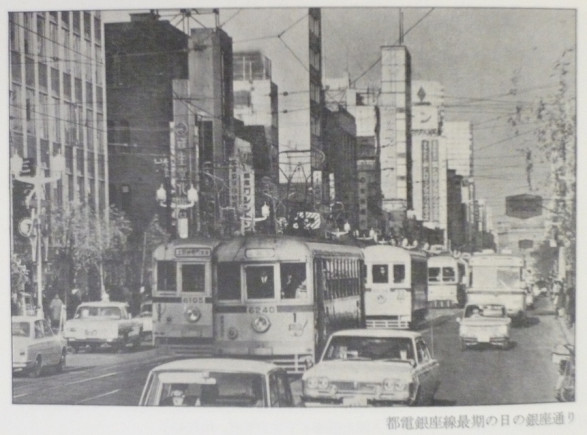
ginza streetcar 2Ginza-dori in 1967 on the final day of the Toden streetcars. Photo via

This post is part of week-long series on trains in Japan. The complete series can be found here.

« Older posts Newer posts »

© 2026 Spoon & Tamago

Up ↑

Design by Bento Graphics