Page 222 of 406

The 2020 Tokyo Olympics | A Roundup

As you’ve probably heard, Tokyo was formally selected as the host of the 2020 Olympics, beating out Madrid and then Istanbul. The activities will be held from July 24 to Aug. 9, 2020, under the theme, “Discover Tomorrow.” The initial reaction has been split. There were scenes of jubilation in Japan early Sunday, mixed with criticism that Japan has more important things to deal with like Fukushima. However, the fact that attention from the international community will increase exponentially is probably a good thing.

For your convenience, here is a round-up of many of the reactions and preemptions leading up to the announcement.

A Reuters photographer snapped this great shot the moment the bid was announced.
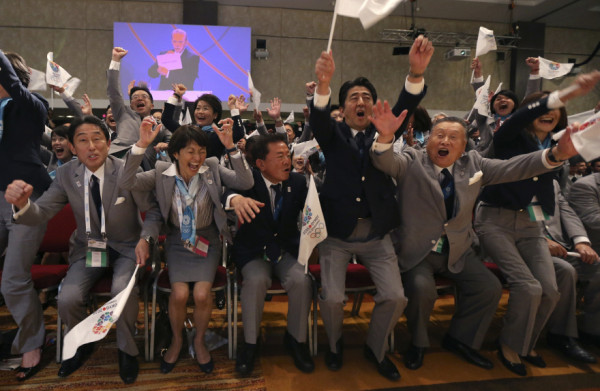
807059771

And then citizens in Tokyo formed a “Thank you” in the civic square.
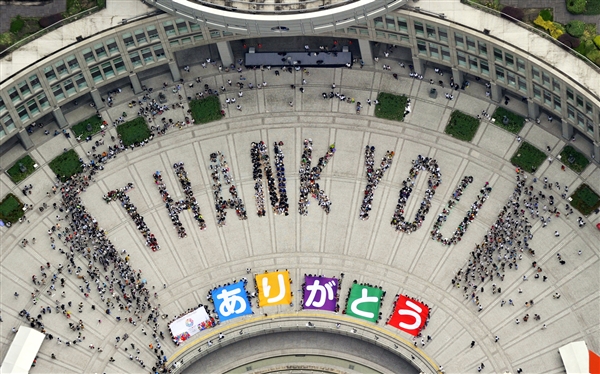
130908-tokyo-thank-you-hmed-845a.photoblog600

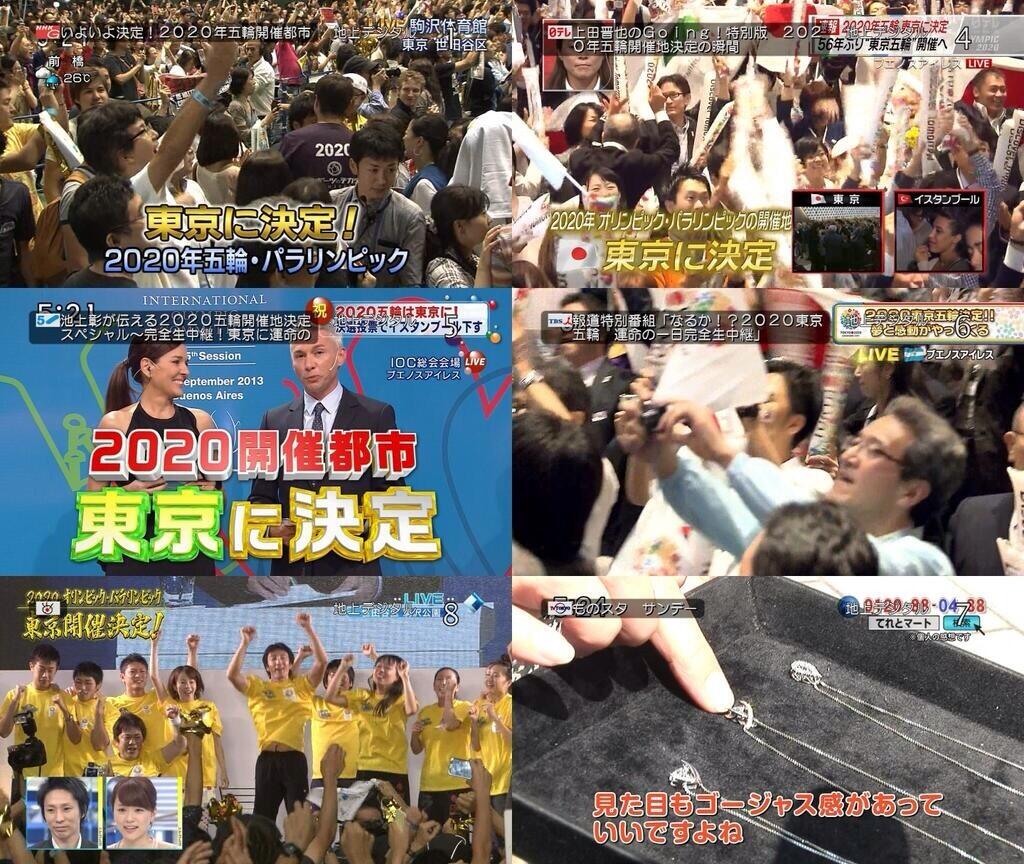
Everyone seemed to be excited about the Olympics, except TV Tokyo.
BTlklMmCAAArj8y

every TV channel except TV Tokyo (bottom right) simultaneously reported the announcement

Ahead of the announcement, Tokyo-based digital media producer, artist and runner Joseph Tame ran 385km (240 miles) on the streets of Tokyo, tracking his path and “drawing” the Tokyo 2020 emblem – all 83 petals.
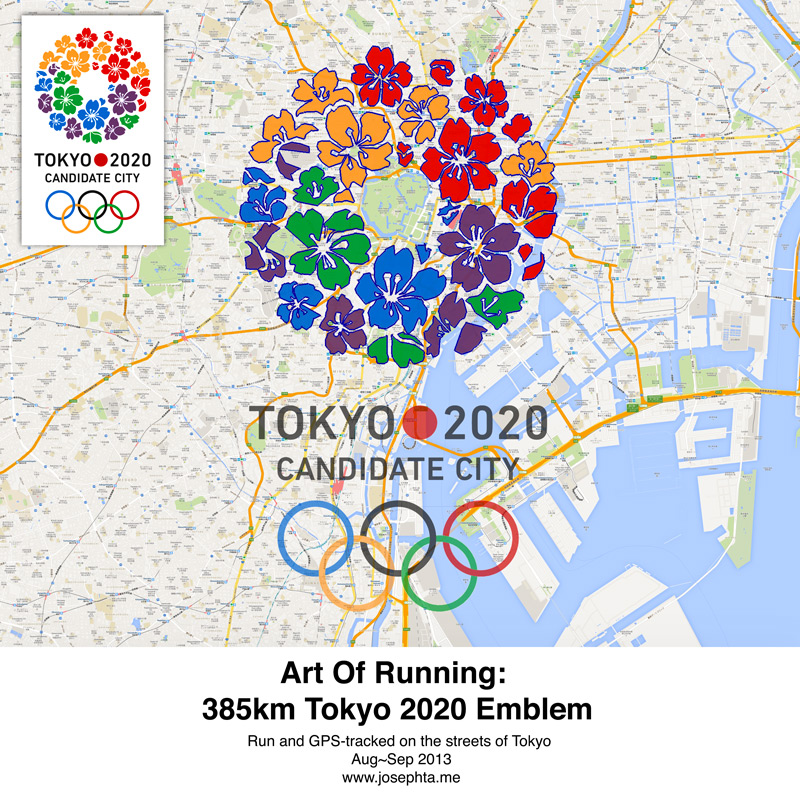
artofrunning_Tokyo2020_8001

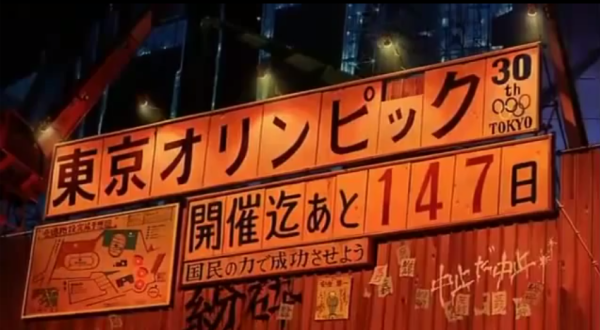
In his 1988 film “Akira,” Katsuhiro Ootomo makes an amazing prediction, accurately setting the 2020 Olympics in Tokyo. My friend Ashley Rawlings sez in a FB post:

It’s curious how things come full circle. “Akira” (1988) was possibly the first encounter I had with Japanese visual culture when I was about 11, and it affected me enormously. The film is set in Neo-Tokyo, built some time after WWIII, and it’s 2019, the year before the city is due to hold the 2020 Olympics. This epic scene toward the end of the film takes place in the city’s Olympic Stadium and the mutation, as in so many aspects of postwar visual culture, is a legacy of post-Hiroshima anxieties about radiation. So, approximately 20 years after seeing this film, here I am today, in the city that has just been awarded the 2020 Olympics, but against a backdrop of renewed fear about radiation. I just hope that having the Olympics here can bring the kind of international scrutiny needed to push the government to do more in Fukushima, give Japan a new boost of confidence, and maybe help open this country up more to the rest of the world.
806941032

Yahoo Japan put together a lovely interactive piece celebrating the announcement
Screen Shot 2013-09-08 at 11.38.12 AM

And someone has already created a Google map of Tokyo 2020 Olympics venue plan:


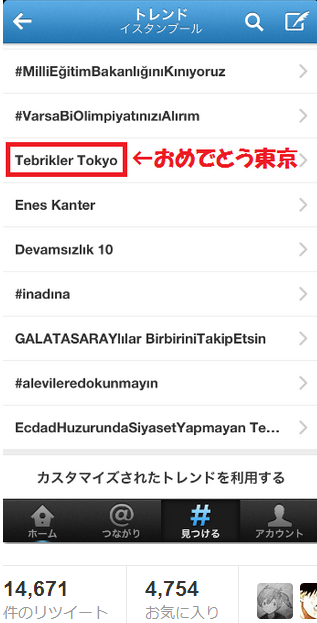
Twitter users were touched to discover that “Congratulations Tokyo” was trending on Twitter in Istanbul. It also recalled memories of Turkish Airlines captain pilot Orhan Suyolcu who saved 215 Japanese stranded in Tehran during the 1985 Iran-Iraq war.
1173844_628341617196255_827988735_n

Finally, this is what Zaha Hadid’s new national stadium will look like when it’s completed in 2019.

Zaha Hadid Stadium

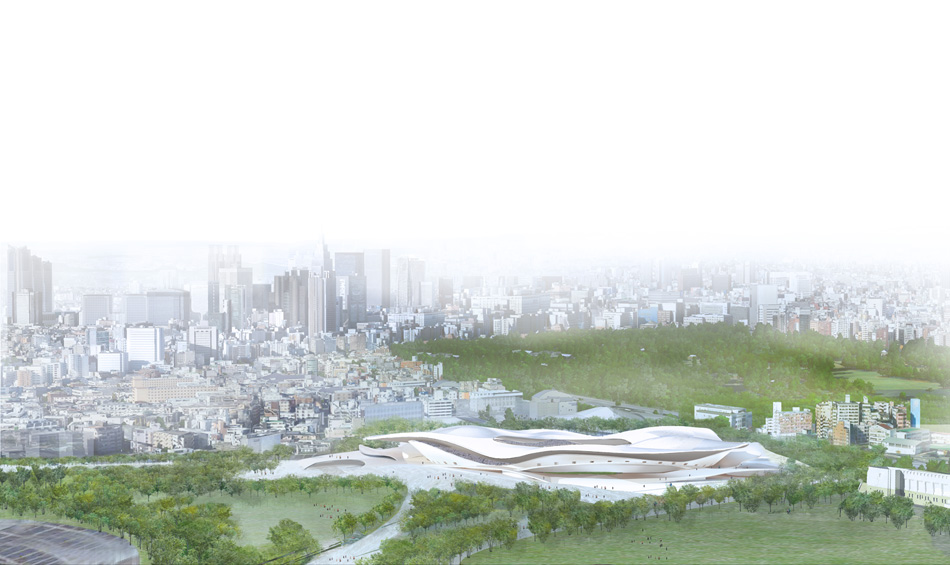
And this is what SANAA’s stadium would have looked like if they had been chosen.
1351611883-finalist-work-9-img

Laser Cutter Design Contest Winners Announced

laser cutter contest 2013 (1)

I was honored to have been invited to be one of the judges for Loftwork’s 2nd annual Laser Cutter Design Contest. Last month we conducted a skype call and deliberated over the 78 entries received from all over the world. It was difficult to choose but in the end I was very happy with the results. Here are some highlights but you can see all the winners right here.

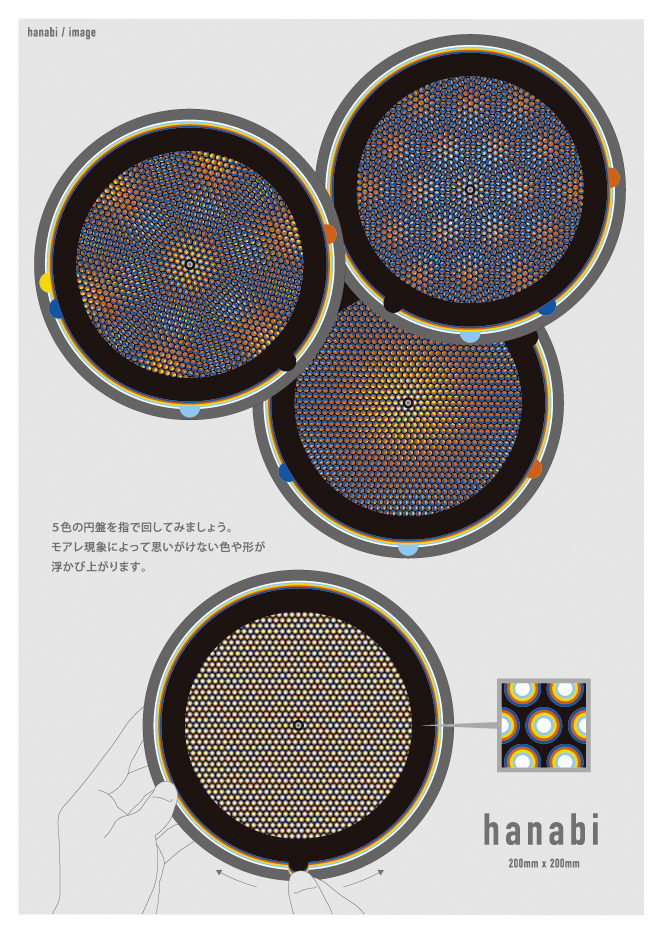
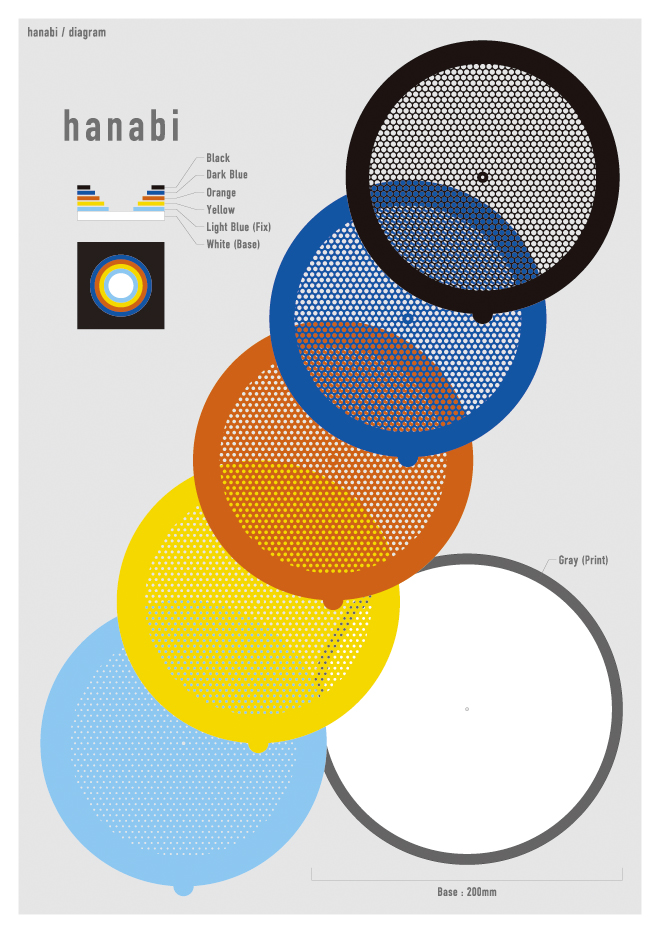
Hanabi by Ryoichi Ogura
Identical patterns are superimposed over each other, creating a colorful moire effect. The visual patterns it produces are reminiscent of summer fireworks lighting up the sky.

葉脈葉脈

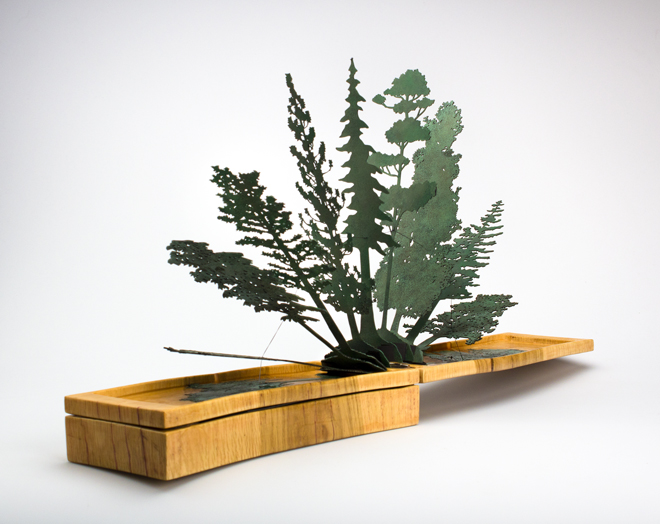
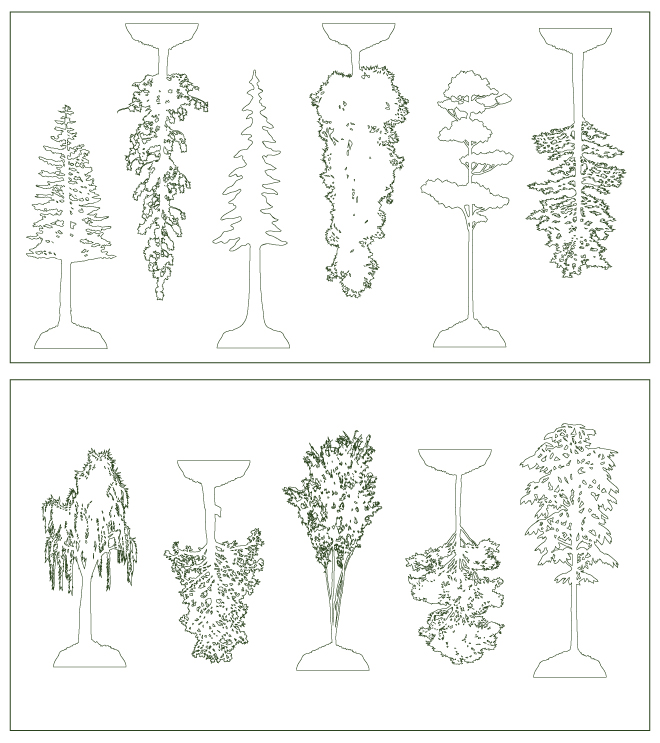
Forest in a box by Kevin DeBoer
The box is hand made from reclaimed White Oak. Each tree is laser cut from matte paper and painted, before being assembled into the fold out forest. I simply loved the idea of being able to carry around a forest in a box.

laser cutter contest 2013 (8)

laser cutter contest 2013 (4)

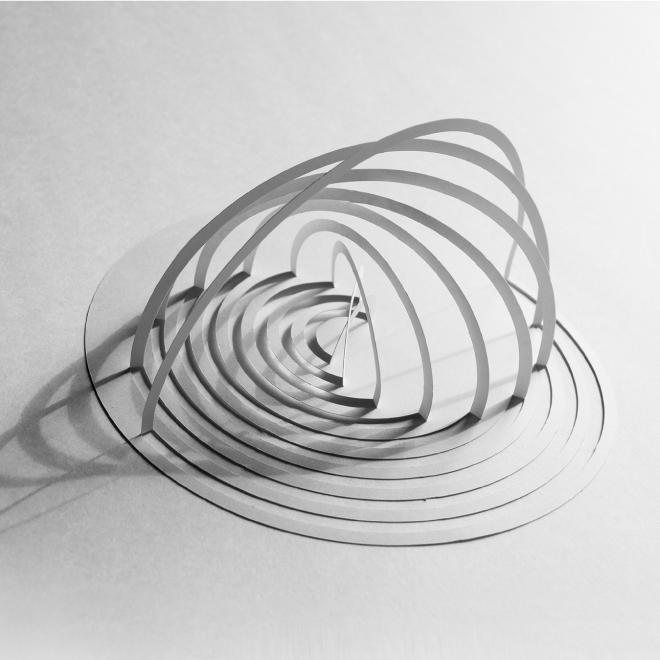
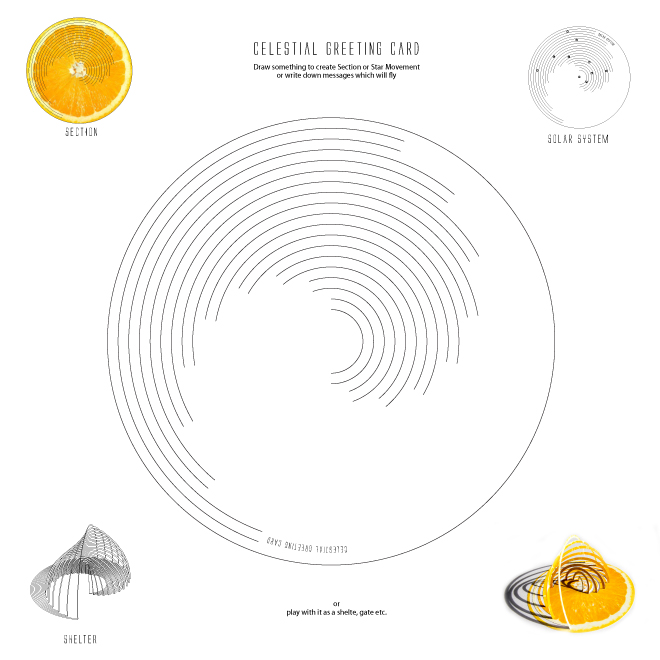
Celestial Greeting Card by Masatoshi Oka
A gorgeous greeting card that resembles the solar system!

laser cutter contest 2013 (3)

laser cutter contest 2013 (2)

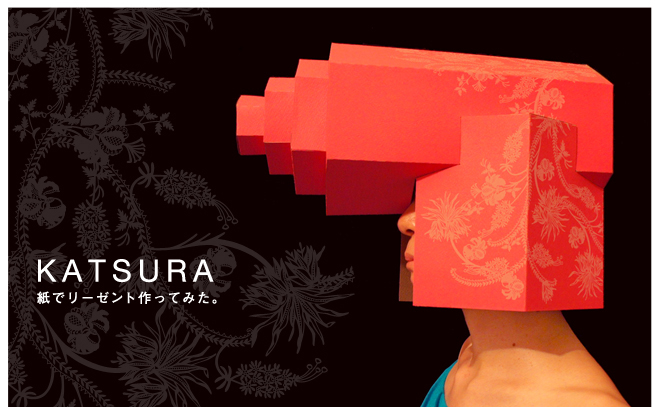
Katsura by Nishigaichi
The regent hair style, made famous/infamous by Japanese yankee culture, is comically revived through this paper wig.

laser cutter contest 2013 (7)

The Single Character Action Calligraphy of Yuichi Inoue

8web-inoue

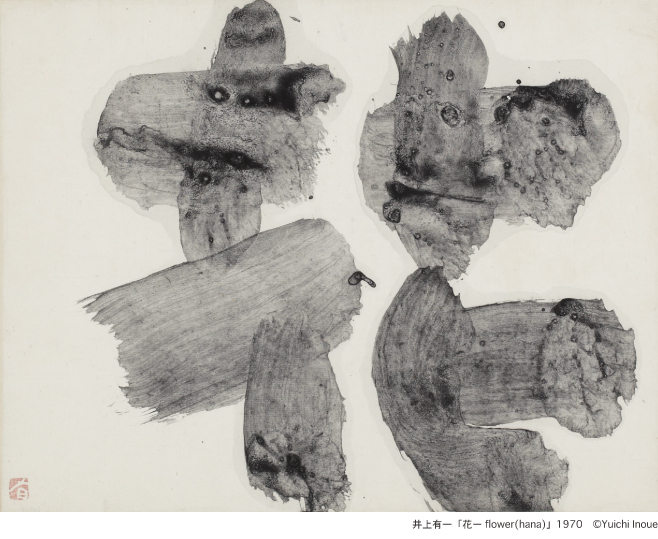
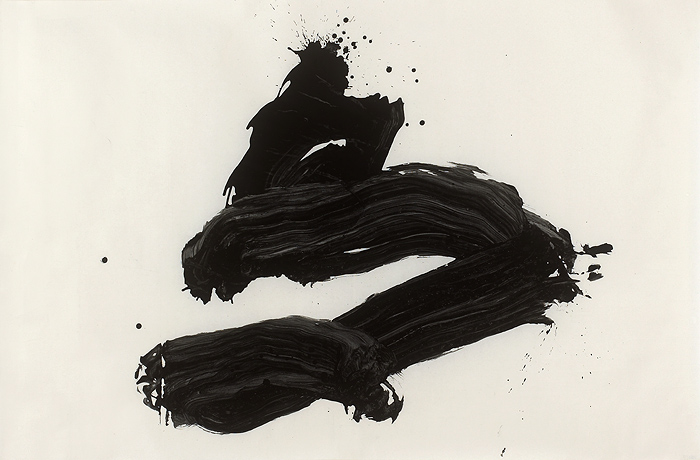
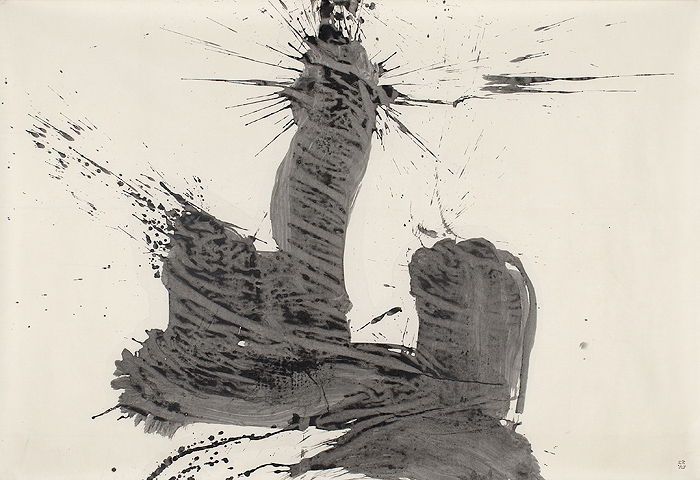
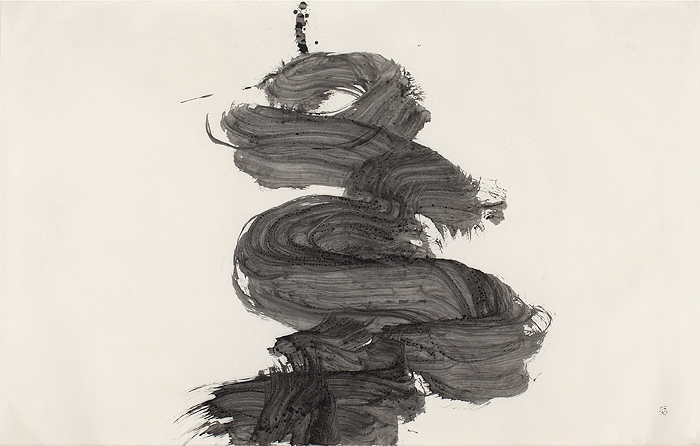
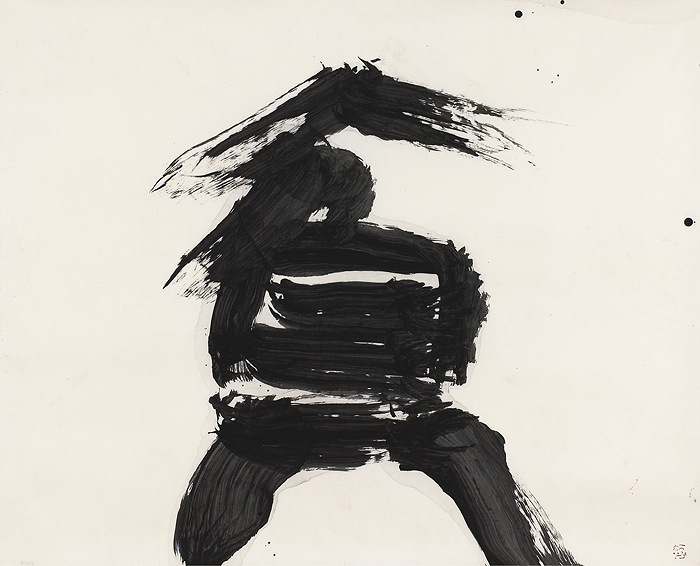
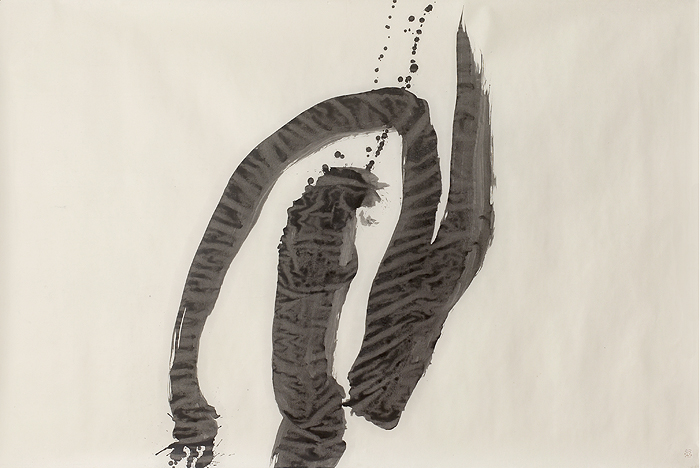
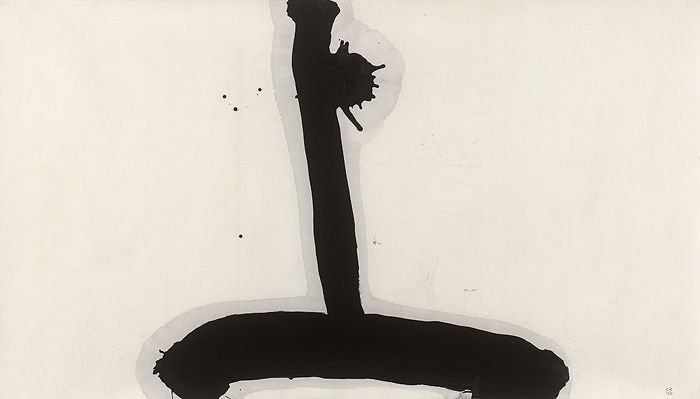
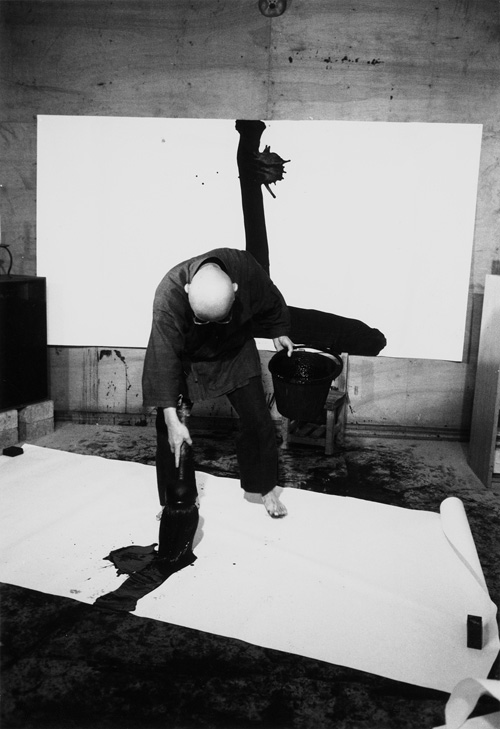
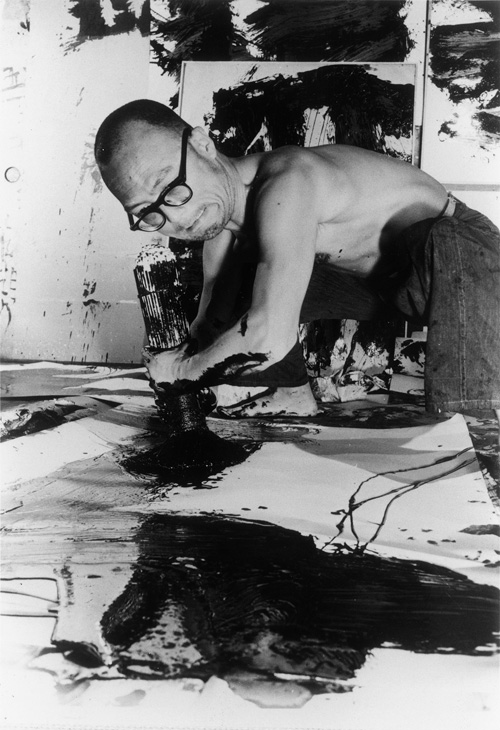
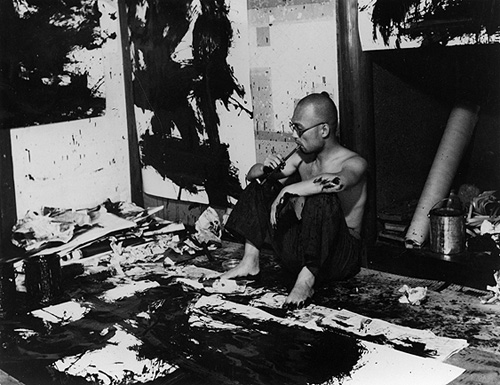
Yuichi Inoue, who goes simply by Yu-Ichi, is a Japanese calligraphy artist who passed away in 1985 at the age 69. His experimental “one character writings,” as well as his expressive, action-based style of painting, won him considerable acclaim both domestically and abroad, with some even referring to him as the Jackson Pollock of Japan.
Now the avant-garde calligrapher is the subject of a large scale show at Tomio Koyama Gallery in Japan, which will consist of a solo exhibition of his work at their main gallery in Tokyo, as well as a satellite show that will run, at times, simultaneously at the new Hikarie building in Shibuya.
yu-ichi_nr_019301_700tori (bird), 1978, ink on paper, 121 x 183 cm, Catalogue Raisonné Vol. III, # 78019

yu-ichi_nr_66014_700yama (mountian), 1966, ink on paper, 146 x 215 cm, Catalogue Raisonné Vol. I, # 66014

yu-ichi_nr_66088_700yume (dream), 1966, ink on paper, 125 x 198 cm, Catalogue Raisonné Vol. I, # 66088

yu-ichi_nr_73004_700hin (poverty), 1973.1.13, ink on paper, 98 x 121,5 cm, Catalogue Raisonné Vol. II, #73004

yu-ichi_nr_018164_700kaze (wind), 1968, ink on paper, 145 x 218 cm, Catalogue Raisonné Vol. I, # 68009

yu-ichi_nr_019298_700jô (top), 1984, ink on paper, 137 x 240 cm, Catalogue Raisonné Vol. III, # 84007

Yu-Ichi was perhaps his own biggest critic, maintaining a practice of destroying everything he felt was inferior work. As a result, relatively few works currently exist. “His focus is not on the aesthetics of the characters, but rather on the unfettered development of his inner power as directly expressed by the writing. He overcomes traditional calligraphy in favor of radical expressiveness,” says the Japan Art Gallery in Frankfurt, who owns exclusive rights to the sale of Yu-Ichi’s work in Europe. He sounds (and looks) like a total badass to me.

yu-ichi_bio_atl_01_500pxyu-ichi_bio_atl_02_500px

left: 1984 (photo: Itô Tokio) | right: 1955 (photo: Asahi Shinbun)

yu-ichi_bio_atl_1955_500pxInoue Yûichi, 1955 (photo: Asahi Shinbun)


INROU | a modern take on an ancient Japanese carrying case

32_inrou-1Photos courtesy of Boisbuchet

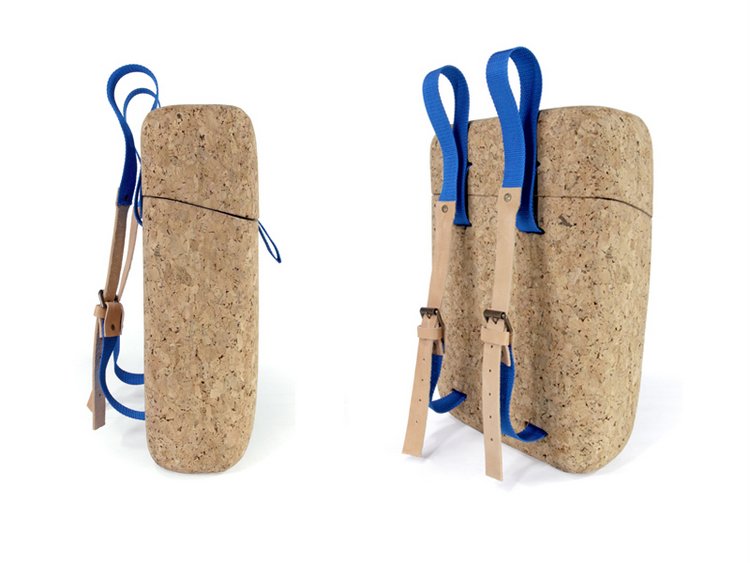
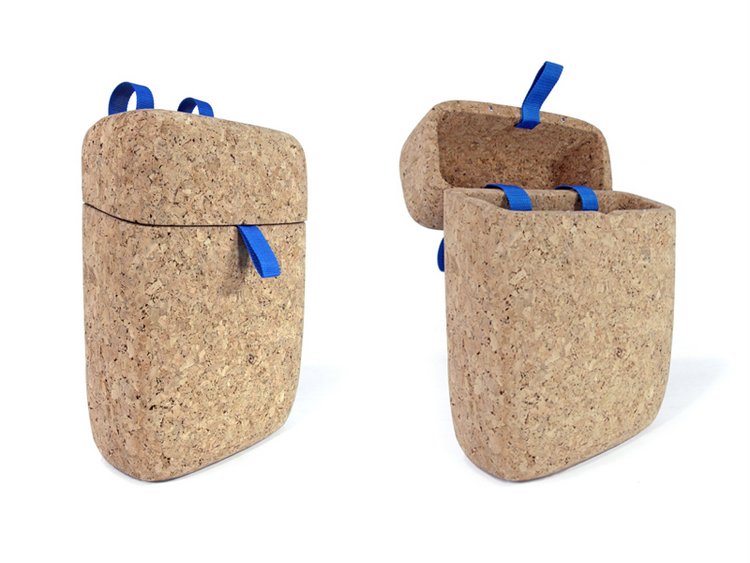
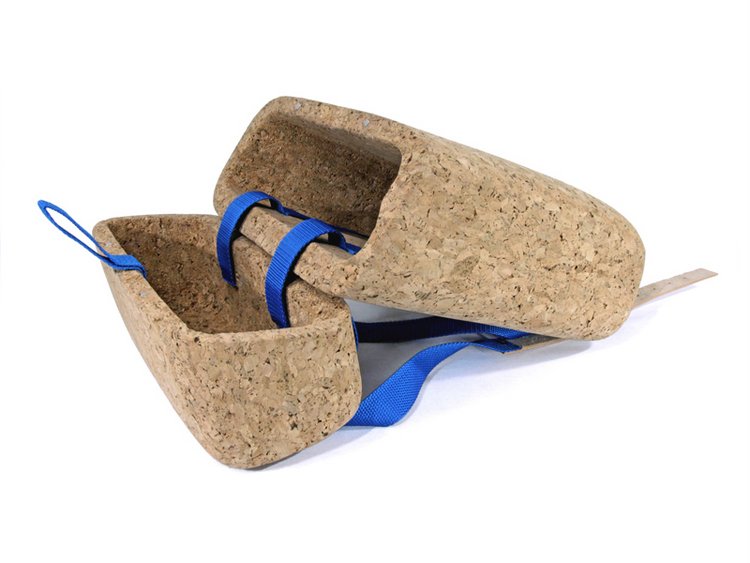
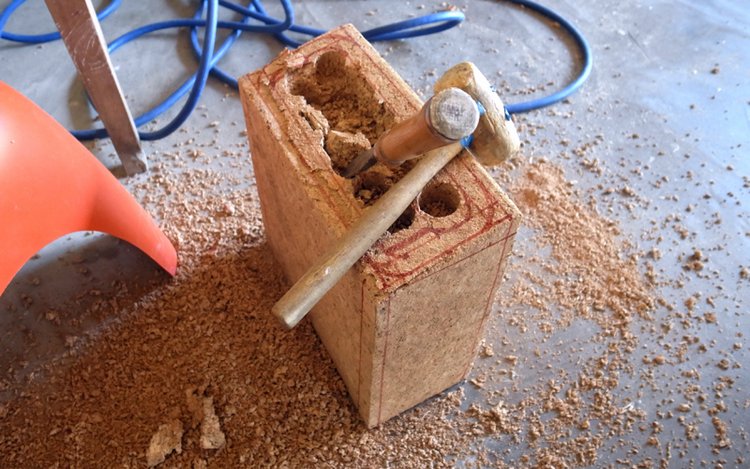
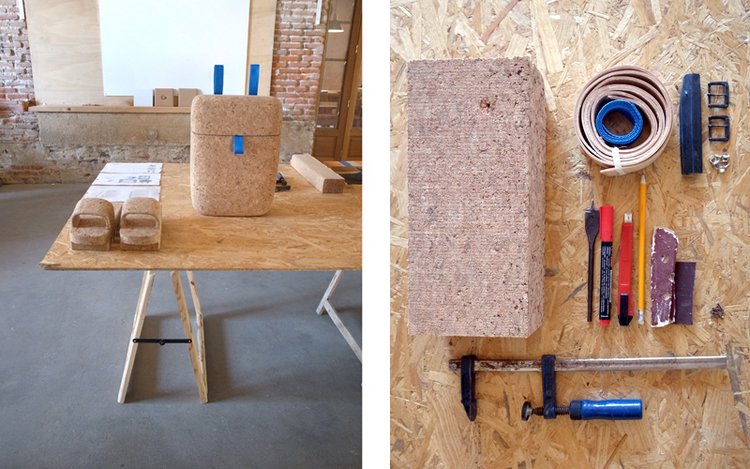
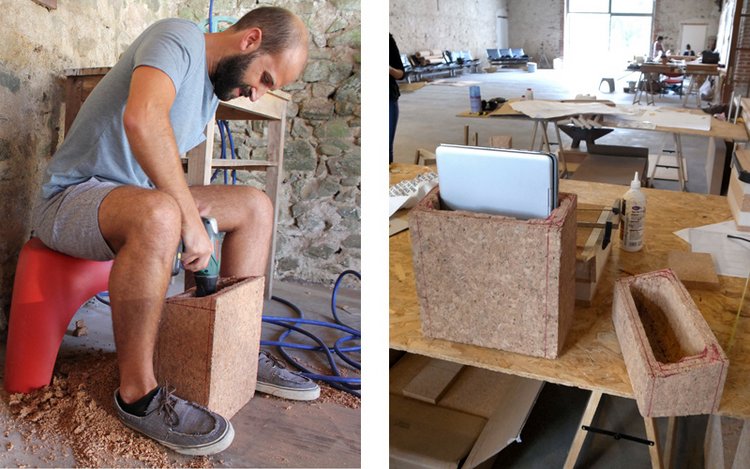
In ancient times Japanese garments lacked pockets so valuables like medicines or trinkets were carried in inrou (印籠), small carrying cases that were suspended by string. In other words, it was the samurai’s answer to our modern day satchel, or backpack. Continuing their exploration into merging Japanese and Portuguese tradition, designer duo Ryosuke Fukusada and Rui Pereira have created INROU, a backpack modeled after the Portuguese ‘tarro’ ( a cork container used in the south of Portugal to preserve food). But instead of holding medicine or trinkets, INROU is designed to hold our most contemporary valuable: our laptop.

32_inrou-2

32_inrou-3

This project was developed for ‘The future of cork applications competition’ promoted by Corticeira AMORIM and Domaine the Boisbuchet.

32_inrou-12

32_inrou-13

32_inrou-14

Source: Rui Pereira

LAPIN | a new BBQ French Restaurant in Kofu Designed by Takeshi Hosaka

kofu_016unless otherwise noted, all photos by Koji Fujii Nacasa & Partners Inc

kofu_024kofu_029

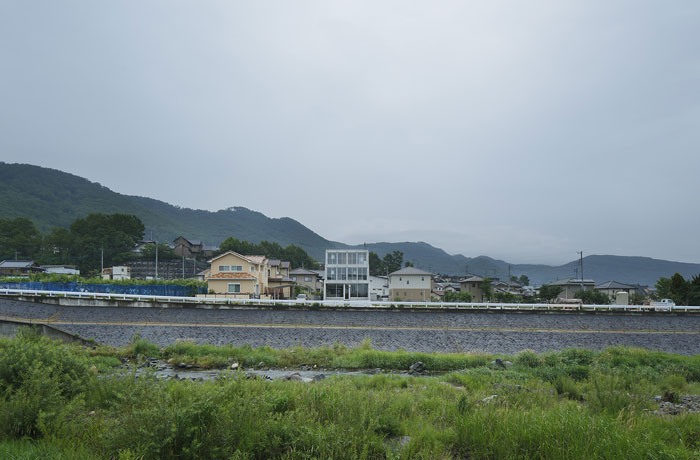
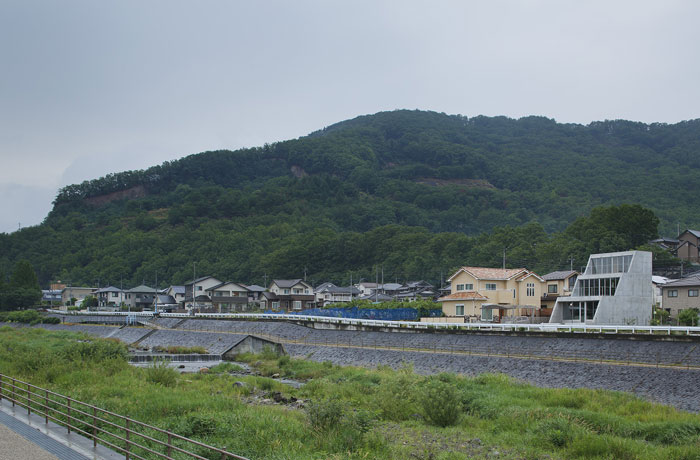
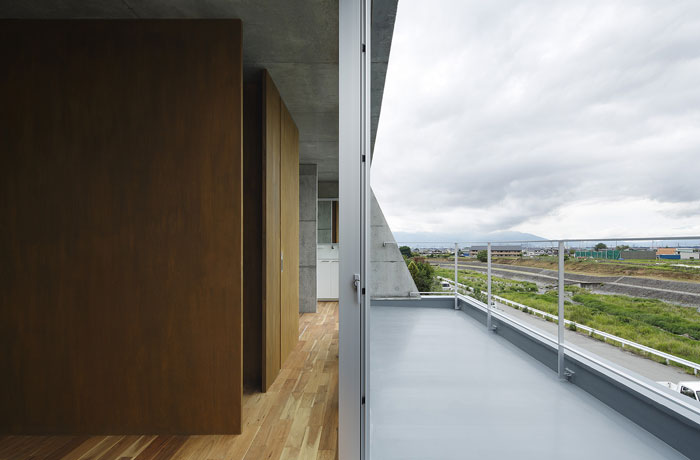
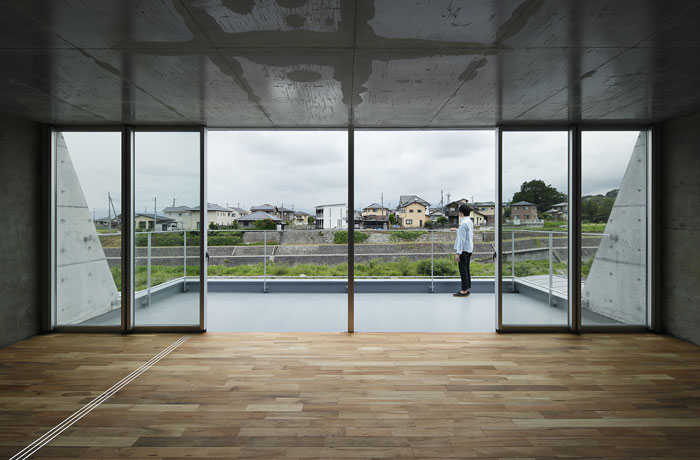
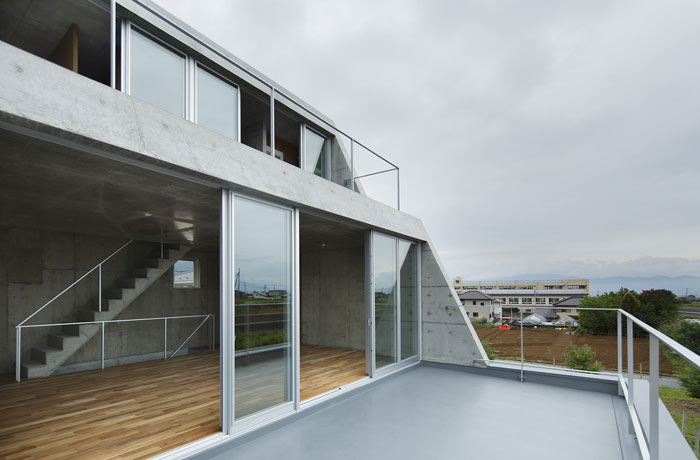
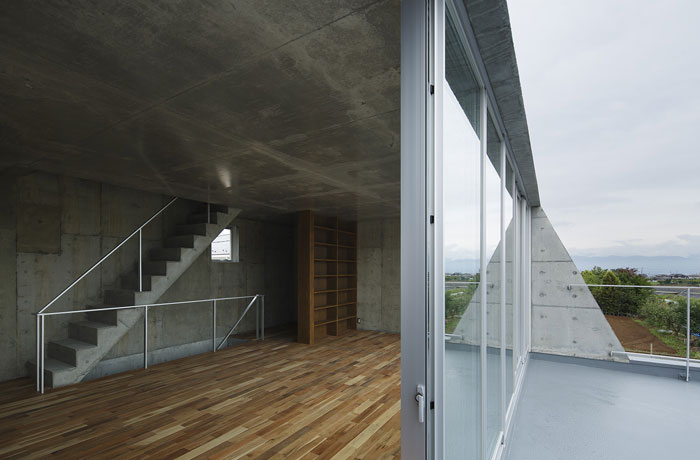
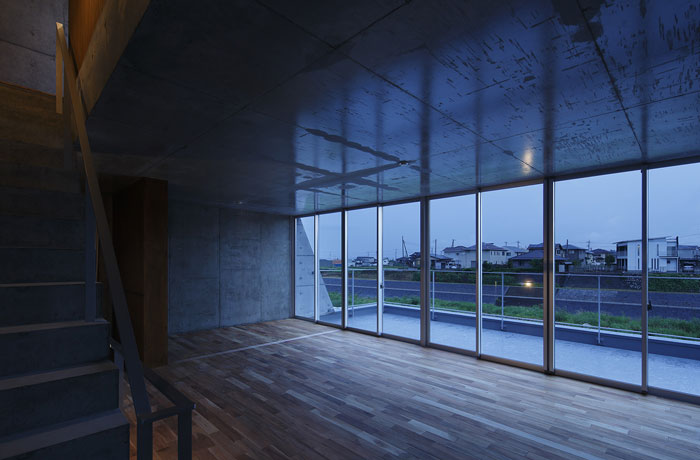
If you’re driving along the Arakawa River in Kofu, you may very well come across a large fortress-esque concrete building. Despite its unique build, the three-tiered structure mirrors the cross-sectional shape of the river’s bank, making it blend it with the river while still maintaining a formidable presence. It’s as if the home is an extension of the river bank itself.

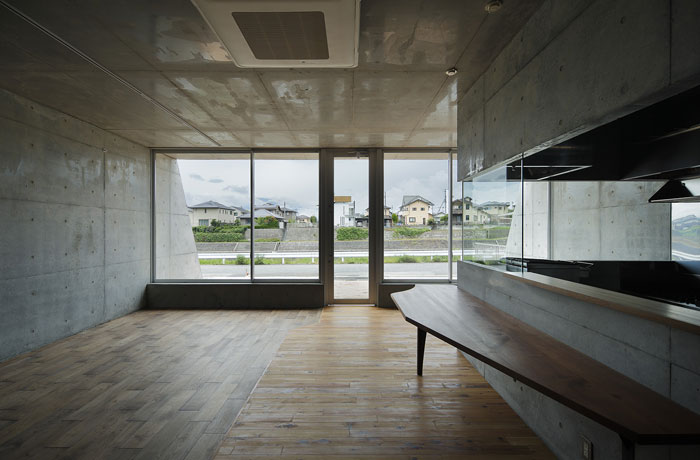
Designed by architect Takeshi Hosaka, LAPIN, a restaurant that serves up charcoal barbecued French food, opened its doors in July of 2013. The first floor is the restaurant while the 2nd and 3rd floors function as the owner’s private residence. “I have fond memories of barbequing on the river,” reminisces the chef. “Those memories are probably responsible for why I chose this location, after studying French cuisine.”

kofu_034

kofu_056

kofu_063

kofu_065

kofu_066

kofu_069

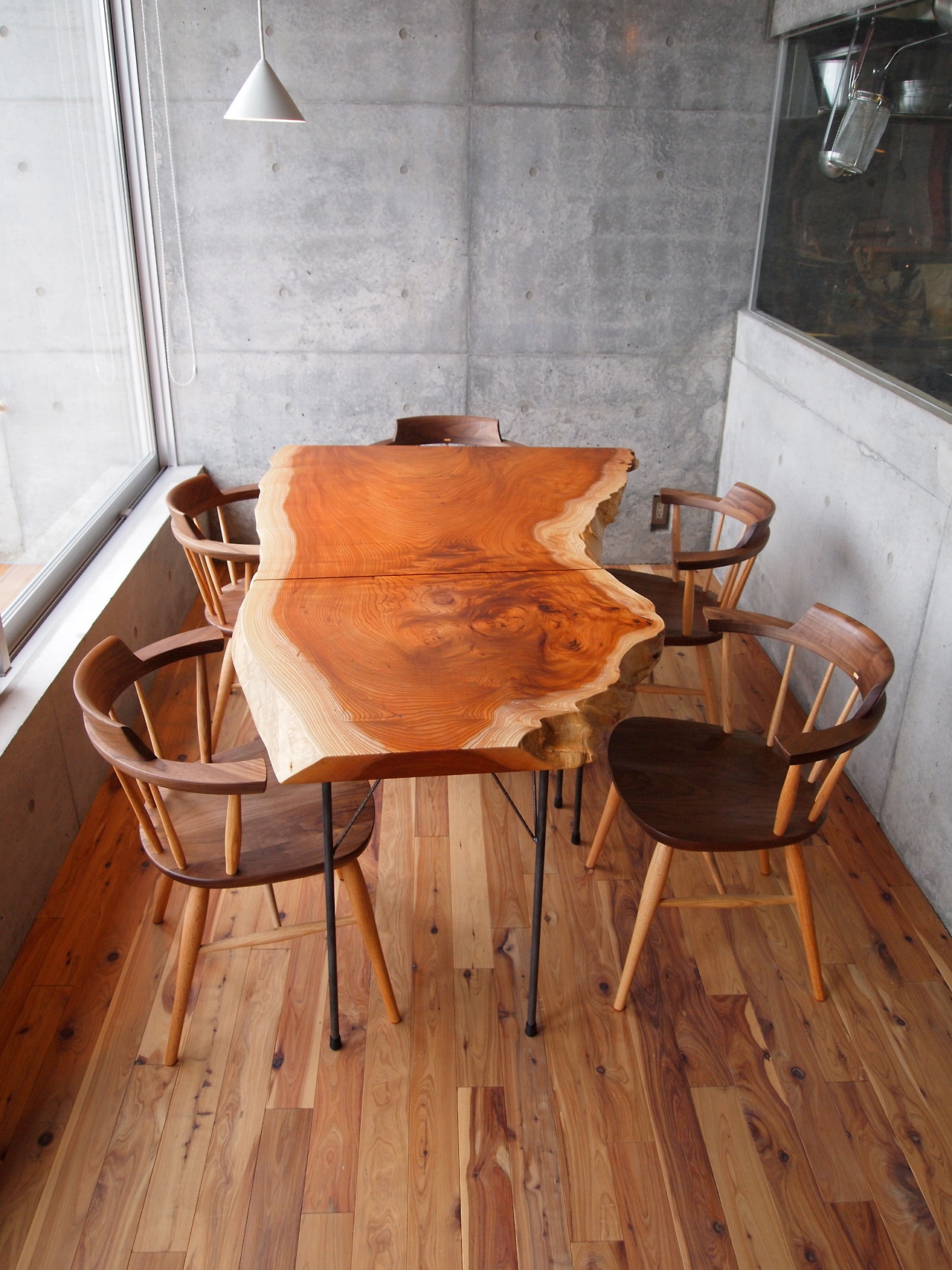
In contrast to the concrete exterior, the interior of the restaurant is furnished with wooden furniture crafted from local wood.

OLYMPUS DIGITAL CAMERAinterior photos courtesy LAPIN

OLYMPUS DIGITAL CAMERAOLYMPUS DIGITAL CAMERA

Source: Takeshi Hosaka | LAPIN

Tato Architects Combine Furniture and Architecture in one of their latest projects

house in itami by tato architects (1)photos by Koichi Torimura | click to enlarge

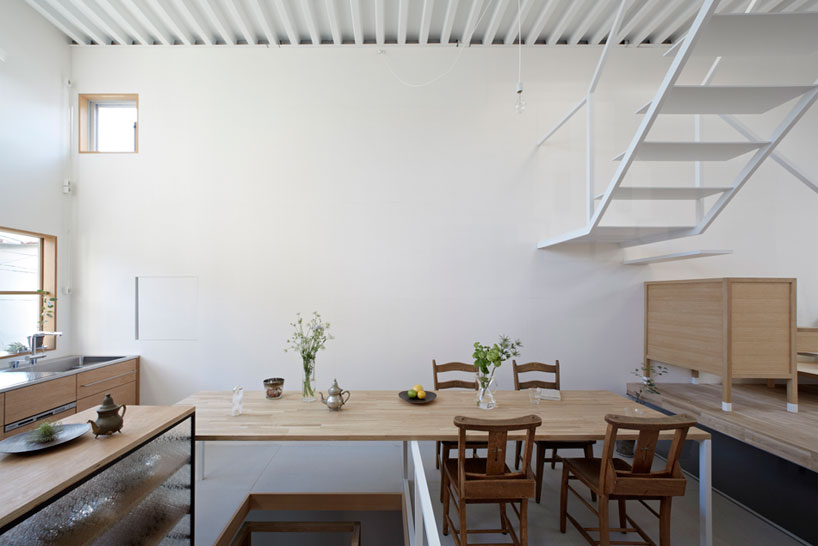
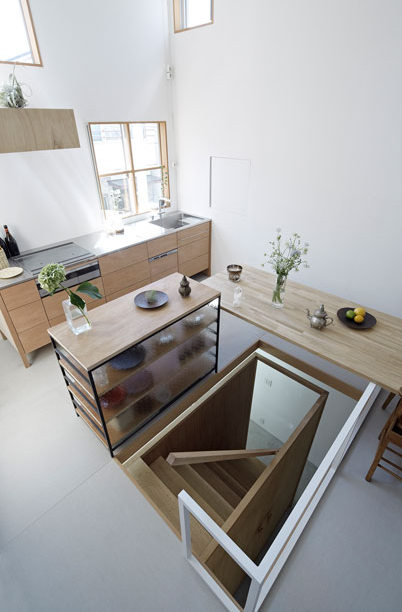
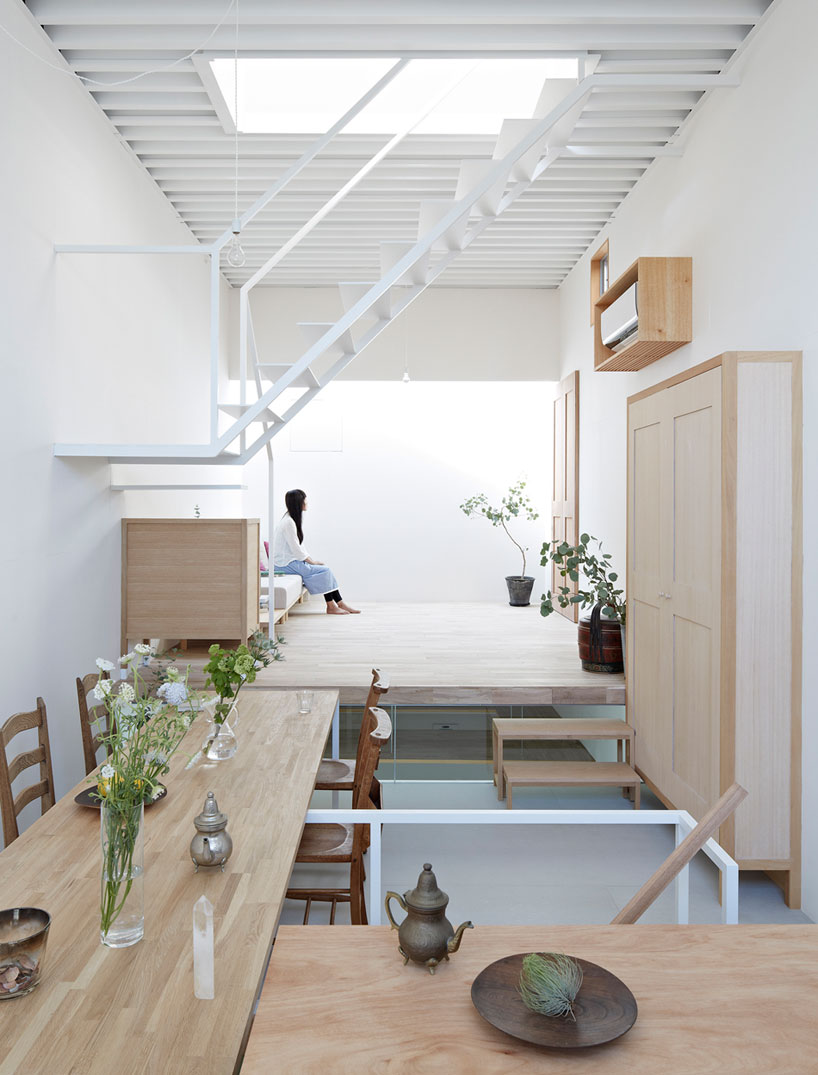
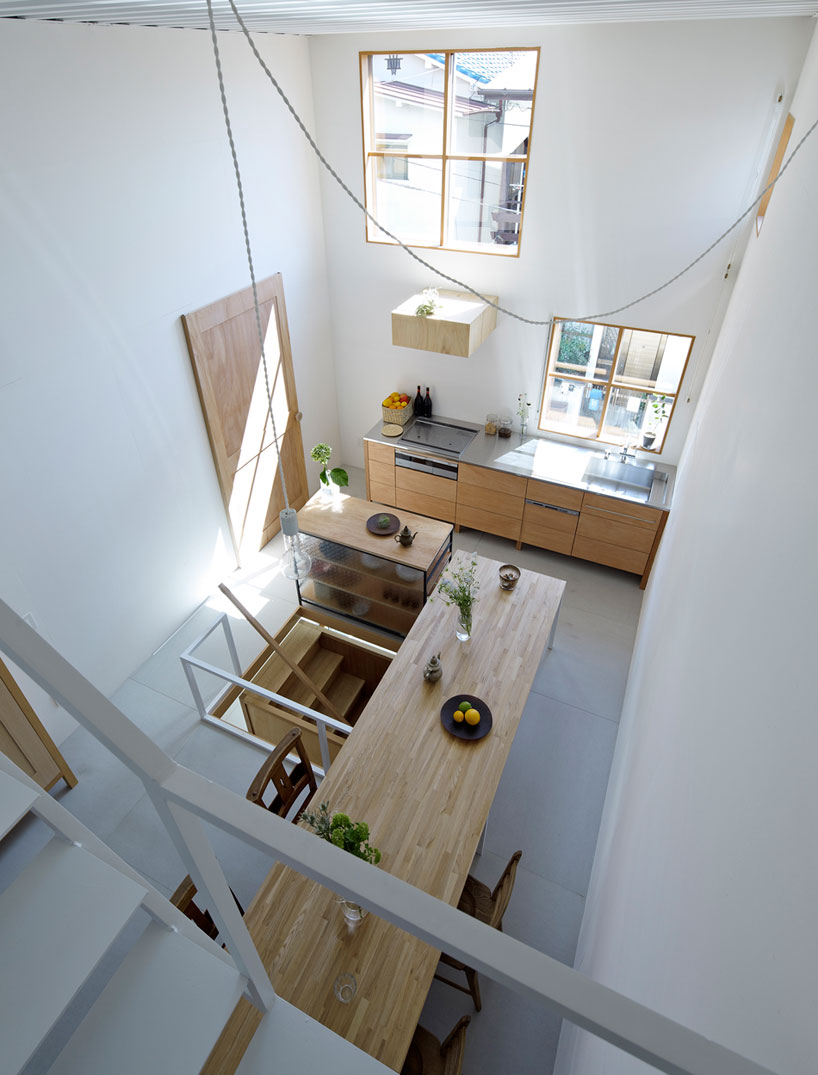
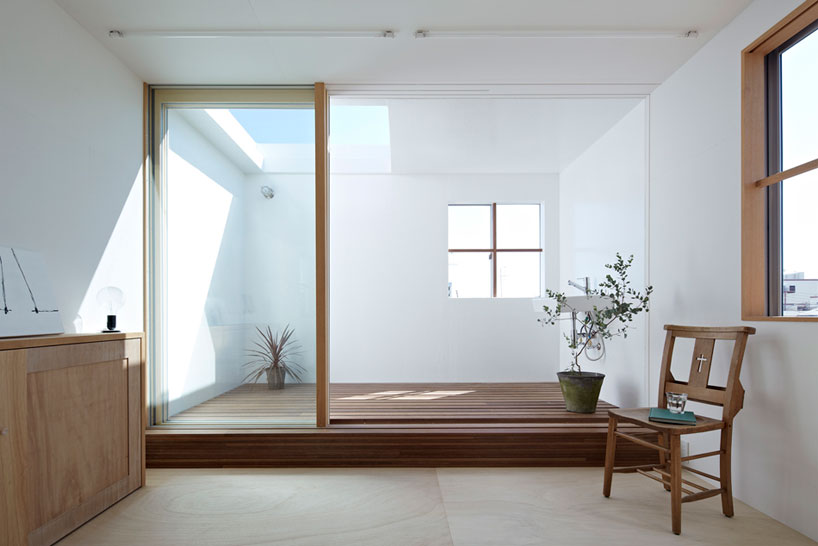
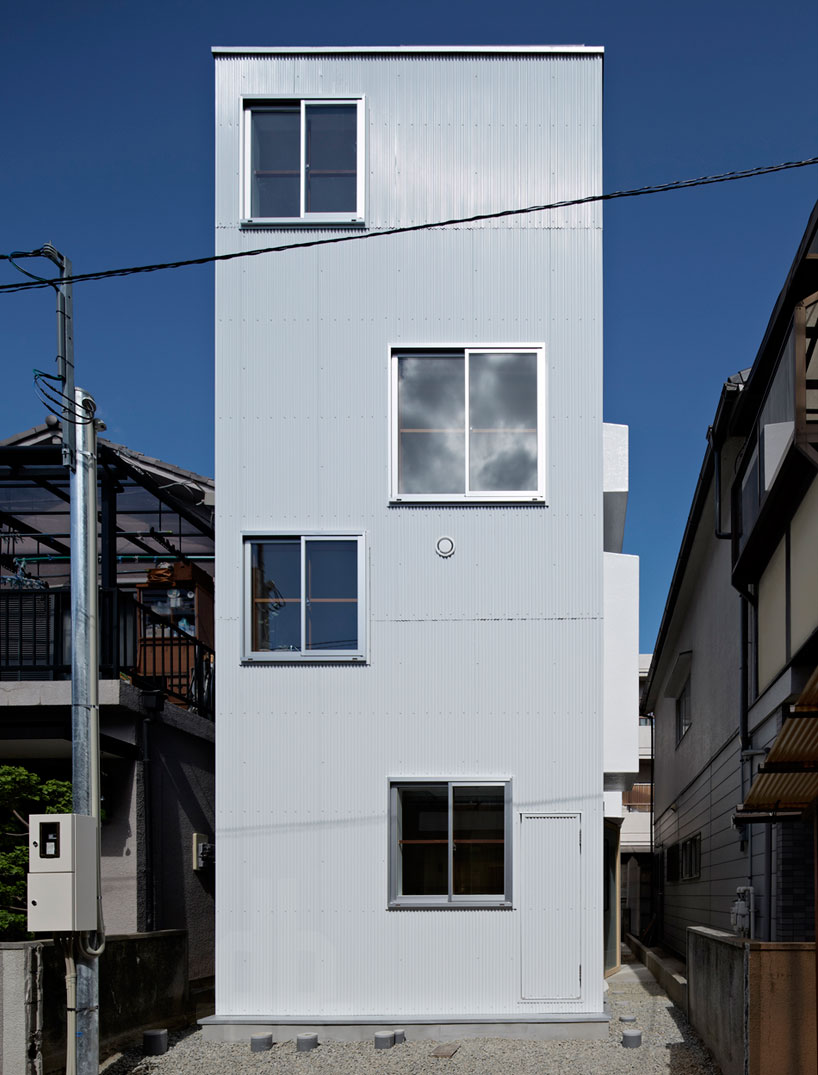
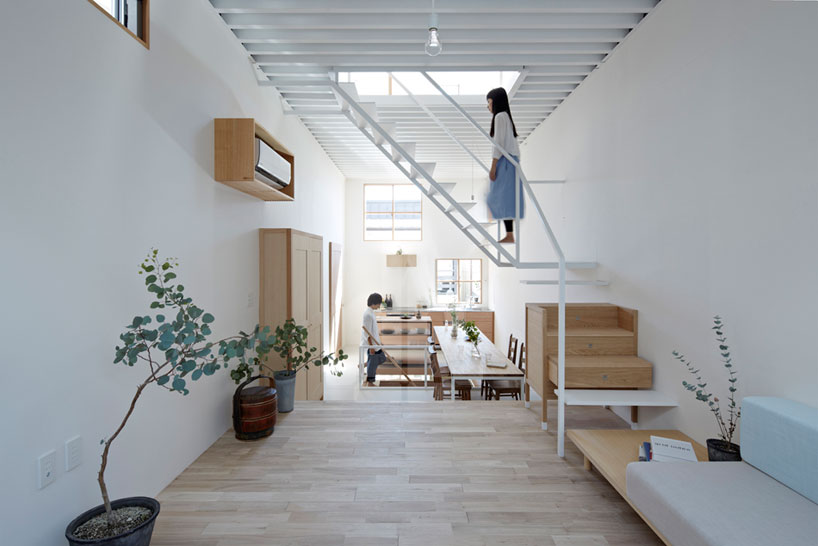
Located along a small, dead-end road in Itami City (Hyogo prefecture) is a 3-story home wrapped in corrugated metal. Like all Japanese homes, the architects were working within the constraints of extreme density and urban regulation.

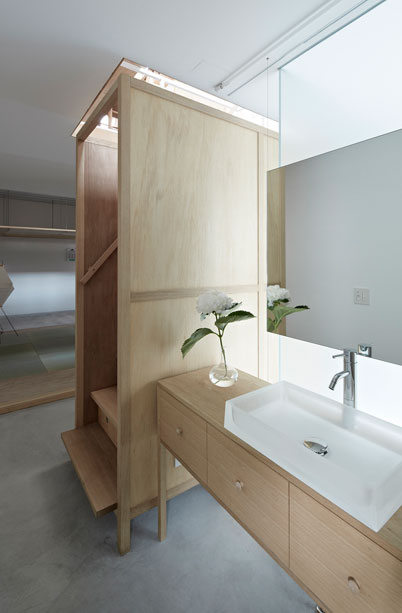
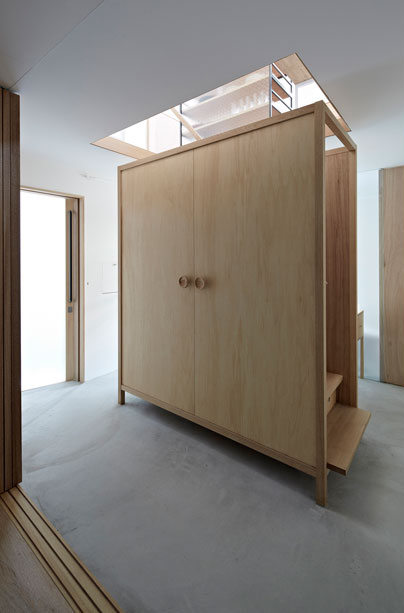
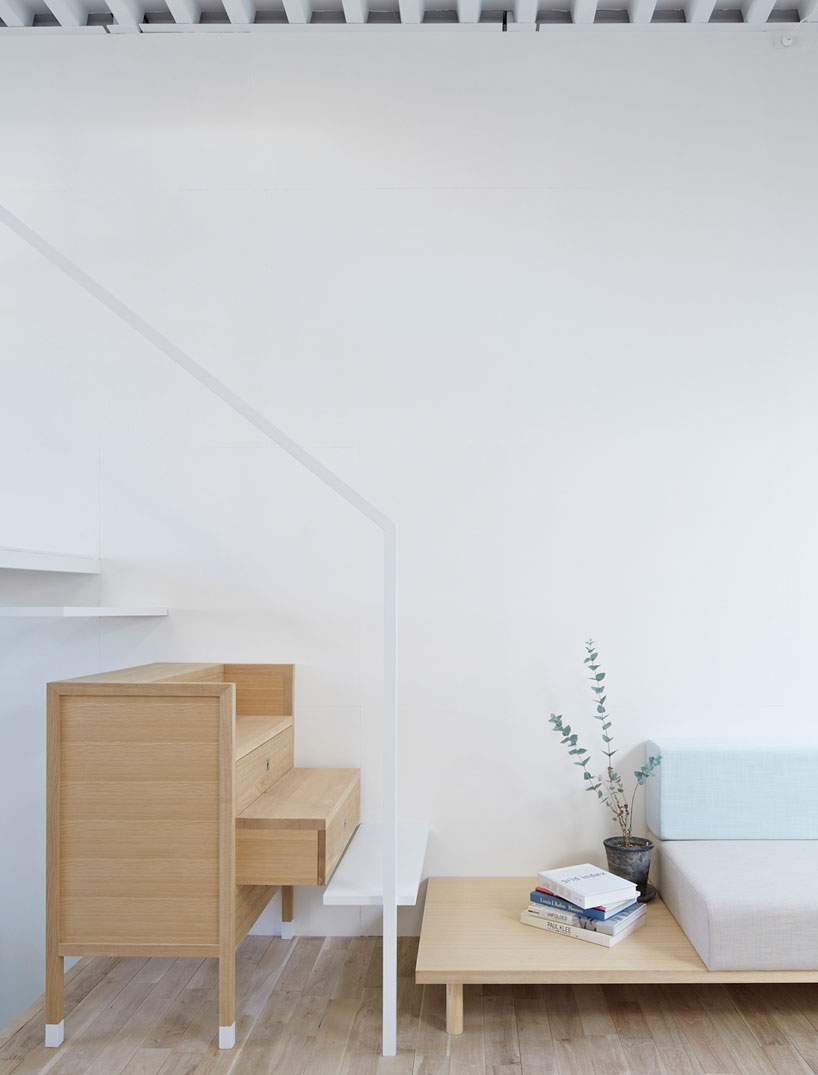
Their proposal for House in Itami, which was completed just about 12 months ago, was an experimental home in which the furniture functions as architecture, and vice versa. “Elements such as stairs, a laundry space, closets, hand rails and toilets are made as if those are furniture,” explains Yo Shimada, of Tato Architects. Sure enough, a low coffee table and a dresser, both of which function as furniture, help make up the white metal staircase.

From the ground level where the bedroom is another staircase rises up through a large cupboard. Oh and the bathroom? It’s inside a closet. Literally.

house in itami by tato architects (2)

house in itami by tato architects (3)

house in itami by tato architects (4)house in itami by tato architects (5)

house in itami by tato architects (6)

house in itami by tato architects (7)

house in itami by tato architects (8)

house in itami by tato architects (9)house in itami by tato architects (10)

house in itami by tato architects (11)

Source: submission

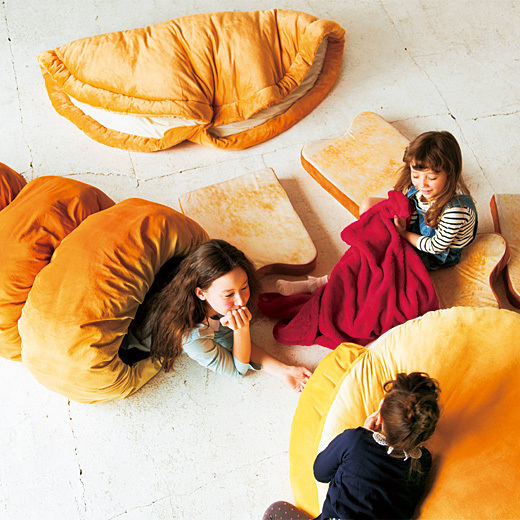
Japanese pastry beds let you be the filling

fellissimo pastry bedding (1)

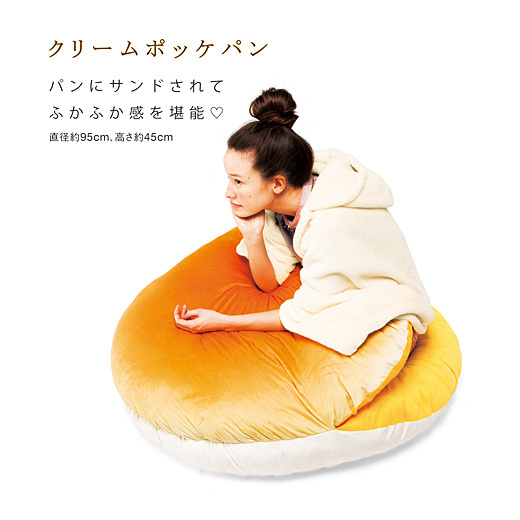
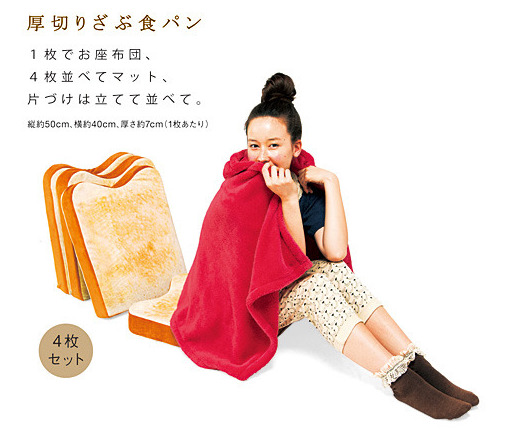
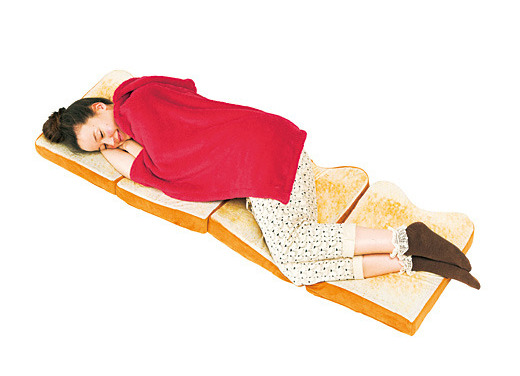
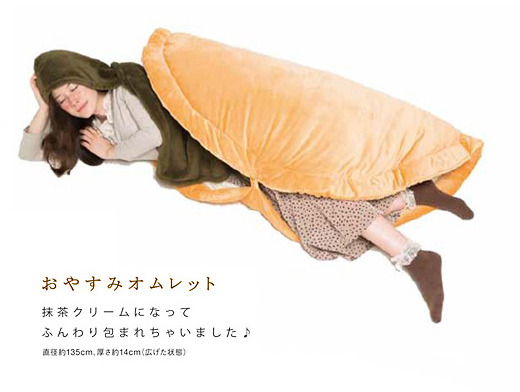
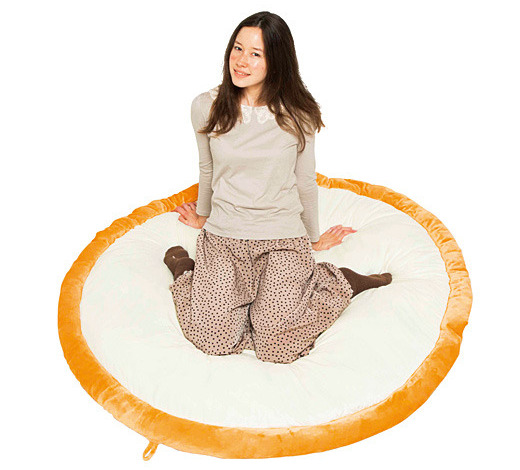
I have a soft spot for Japanese bakeries. The smell of freshly baked breads and the immaculately displayed pastries make me want to devour everything and then curl up inside the shop and go to sleep. And while my fantasy will likely remain a dream, online retailer fellisimo is offering the next best thing: a new line of pastry beds!

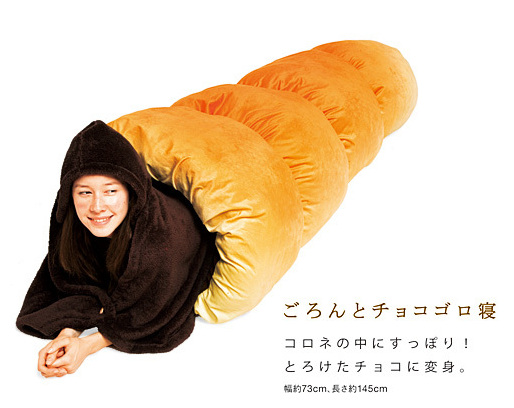
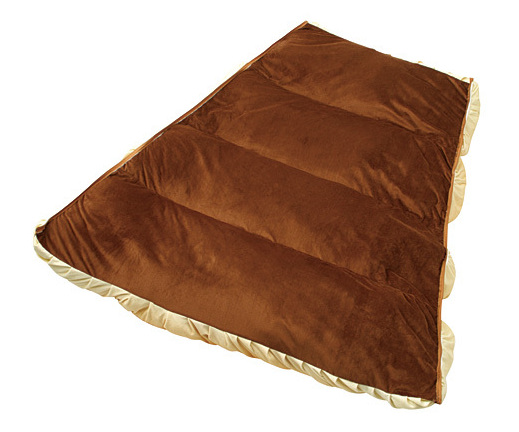
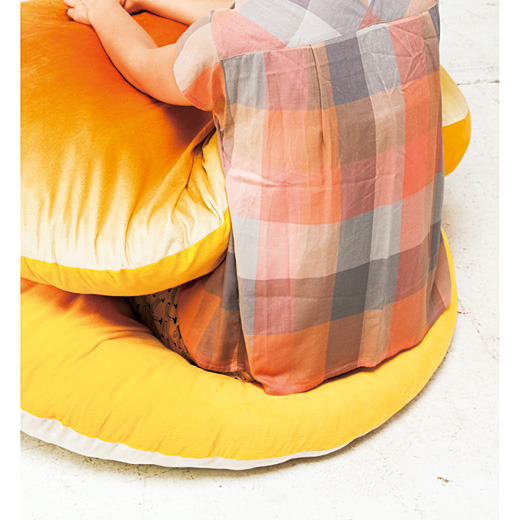
The “Fluffy Big Bread Cushion Club” is a monthly subscription (16,000 yen/month) in which you receive either a chocolate cornet sleeping bag, a cream-filled pocket pastry, toast with jam cushions or a green team omelet wrap. Each bedding comes with a wearable cape, which transforms the user into the respective filling. The first shipment is scheduled for October.

That’s roughly $640 if you stay on for all 4 months. In my opinion it’s a fair price to pay for sweet dreams.


fellissimo pastry bedding (9)fellissimo pastry bedding (2)


fellissimo pastry bedding (8)    fellissimo pastry bedding (3)

fellissimo pastry bedding (4) fellissimo pastry bedding (5)


fellissimo pastry bedding (6) fellissimo pastry bedding (7)

source: kotaku | felissimo

Internet imagery collages by Kazuki Umezawa

12keyVisual_main

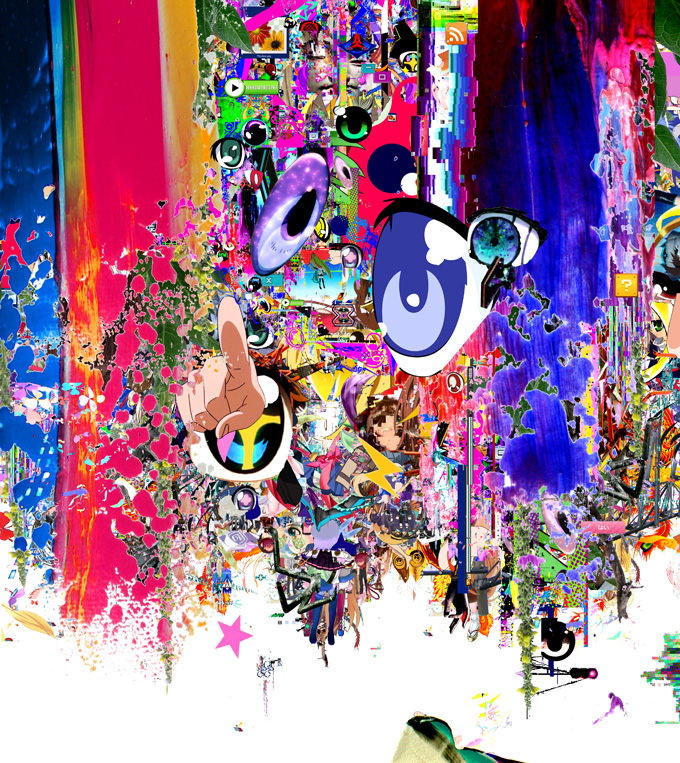
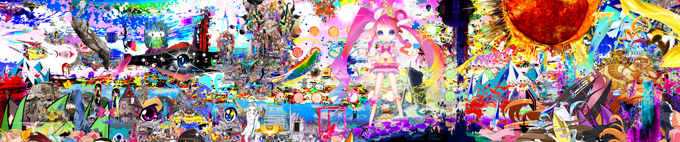
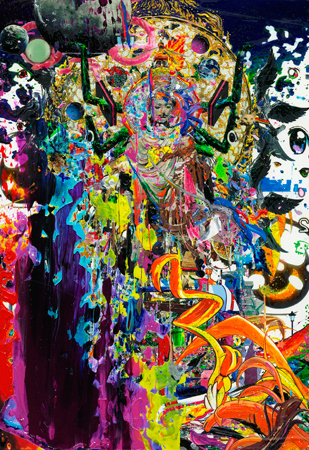
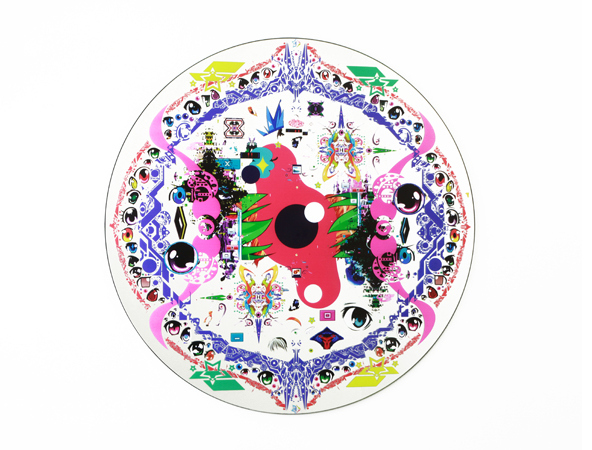
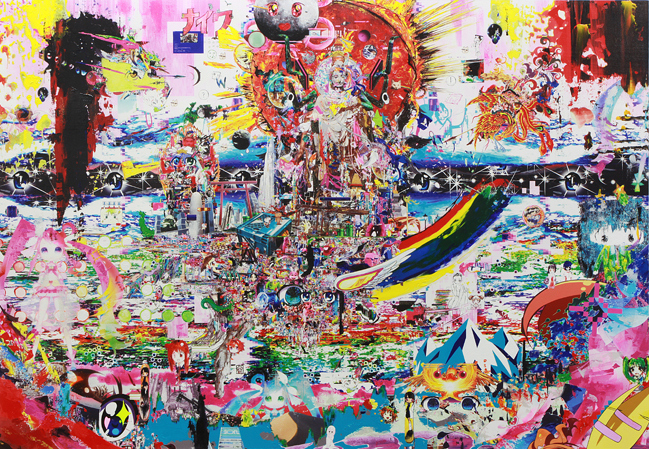
It began as a hobby – one that many of us probably share – of saving graphics he found online onto his desktop. Realizing that he had amassed an overwhelming collection of data, 28-year old Japanese artist Kazuki Umezawa one day decided to begin turning his collection into art.

His work, which features beady anime eyes, figures and graphics that collide with his own paint, is now part of a large scale exhibition at the Mori Art Museum and a solo show at Diesel Denim Gallery.

UME_04

He assembles his data in photoshop files, which can run anywhere from 3GB to 30GB. And the imagery he uses changes, along with the currents of time. For example, after 3.11 he began incorporating a lot of tsunami imagery because that was simply what he was coming across online. With appropriated online imagery and his own craftwork, Umezawa creates a world in which the data of physical reality and virtual reality clash together.

UME_03UME_01

UME_02

source: press release

LIFE-SIZED | an exhibition of paper cutouts by Risa Fukui

20130814171432_originalphotos courtesy keniichi shioda | click to enlarge

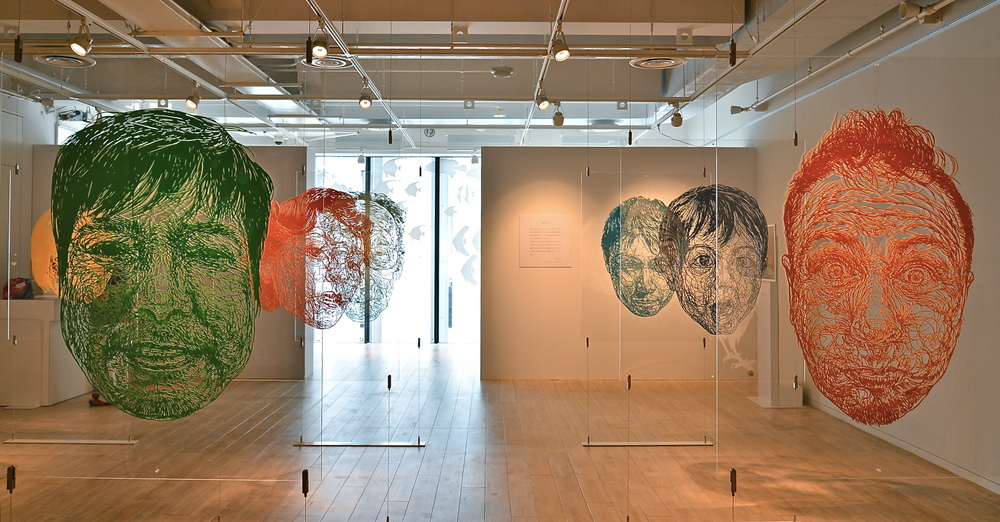
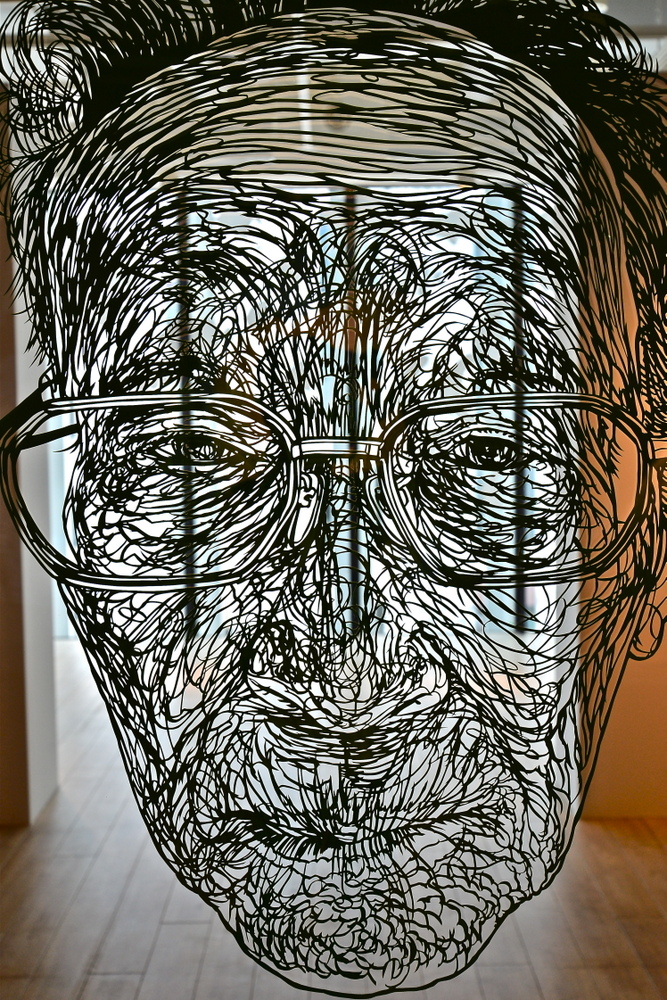
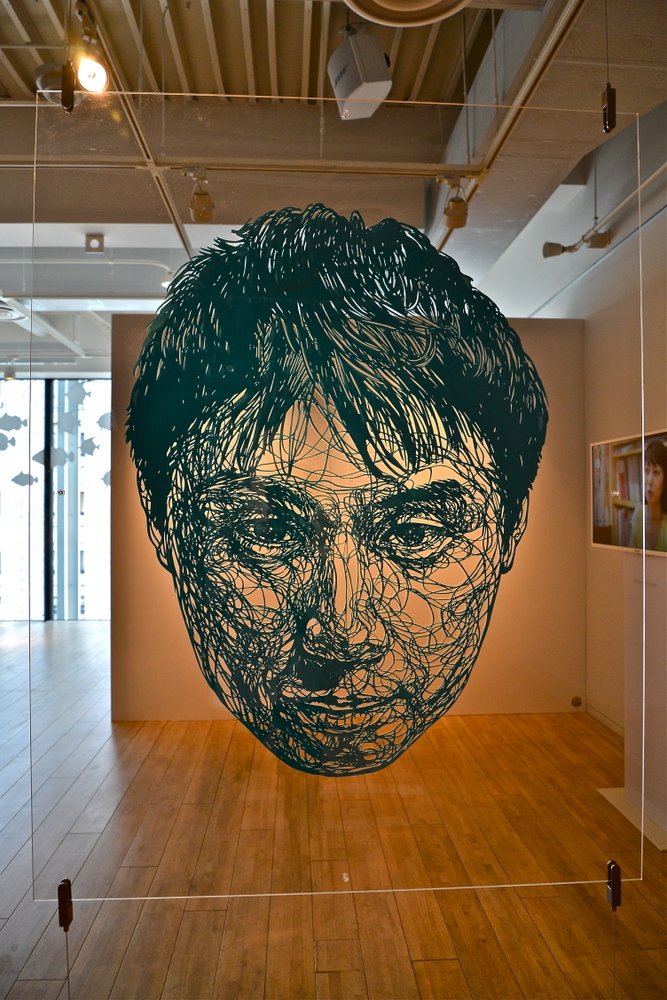
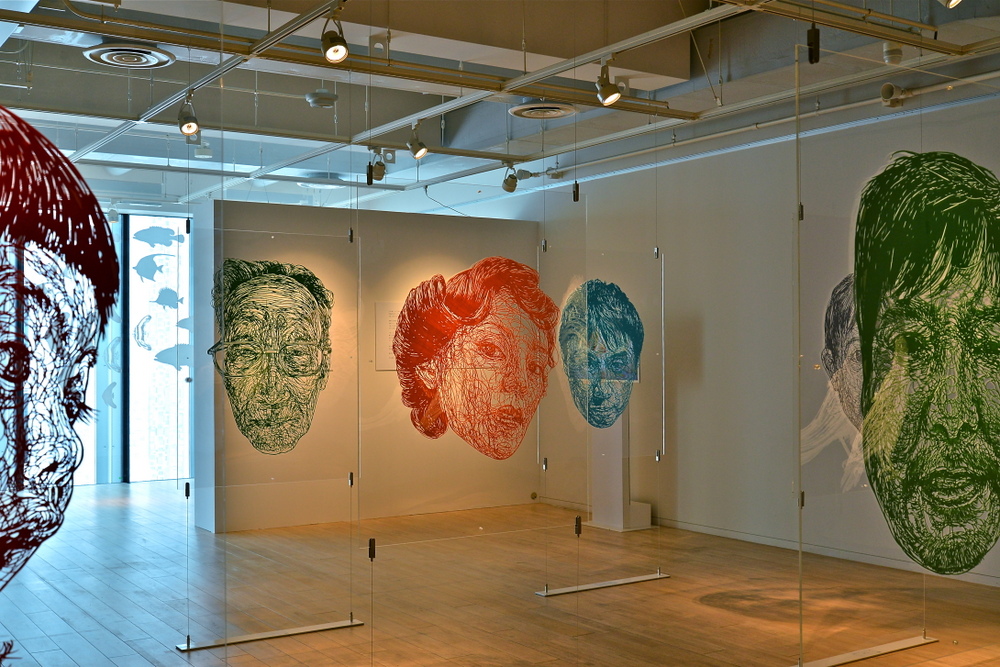
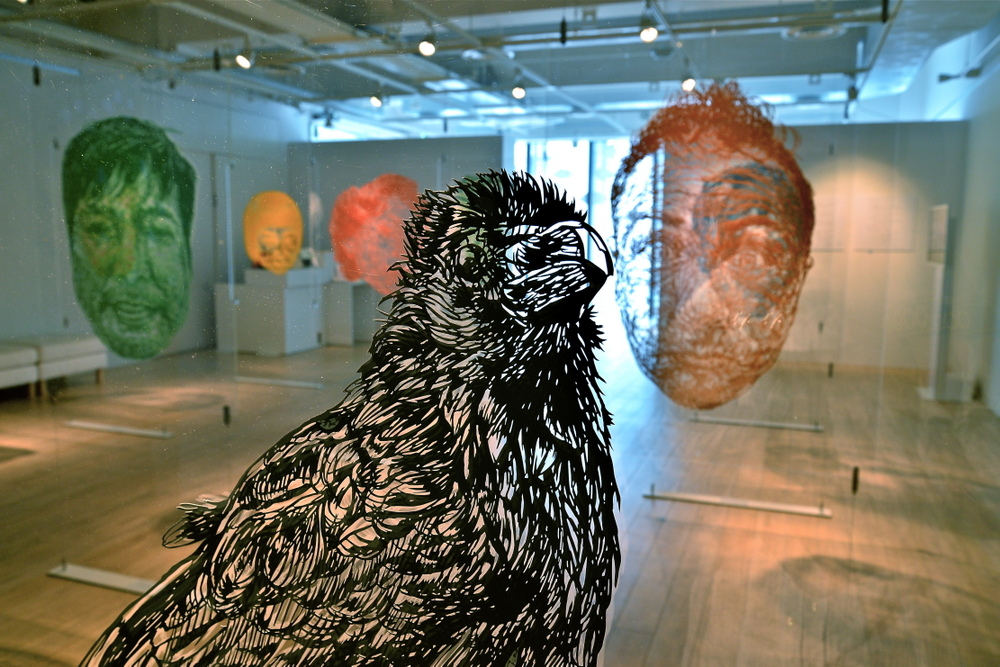
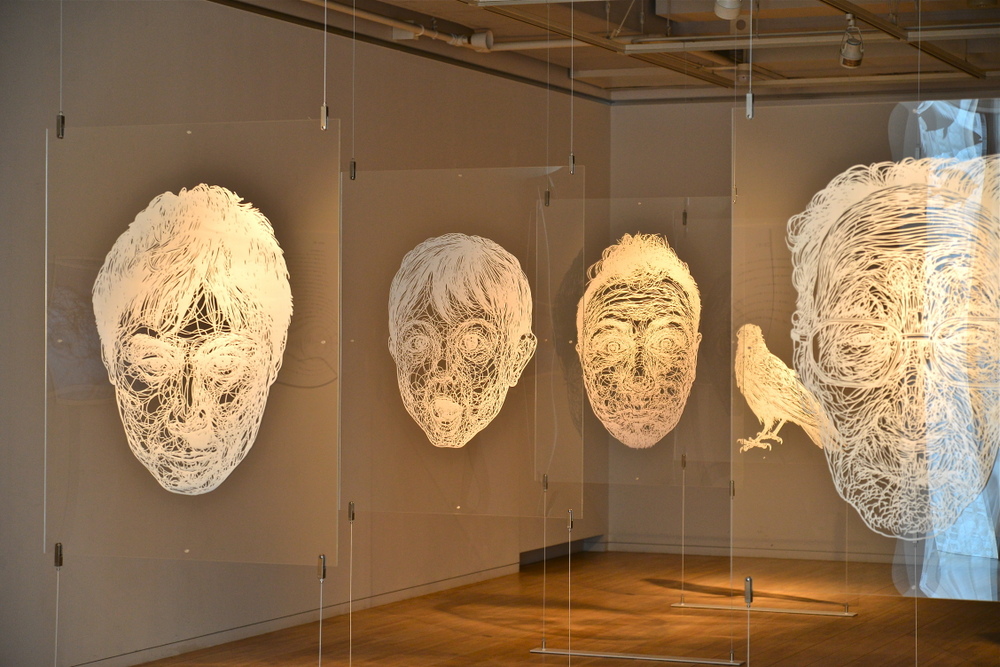
Another show I attended while in Tokyo was LIFE-SIZED, an exhibition of large-scale paper cutouts (kirie) by Risa Fukui. The 38-year old artist presented 10 new works that, while hard to believe, were created by simply cutting lines into the paper to create negative space.

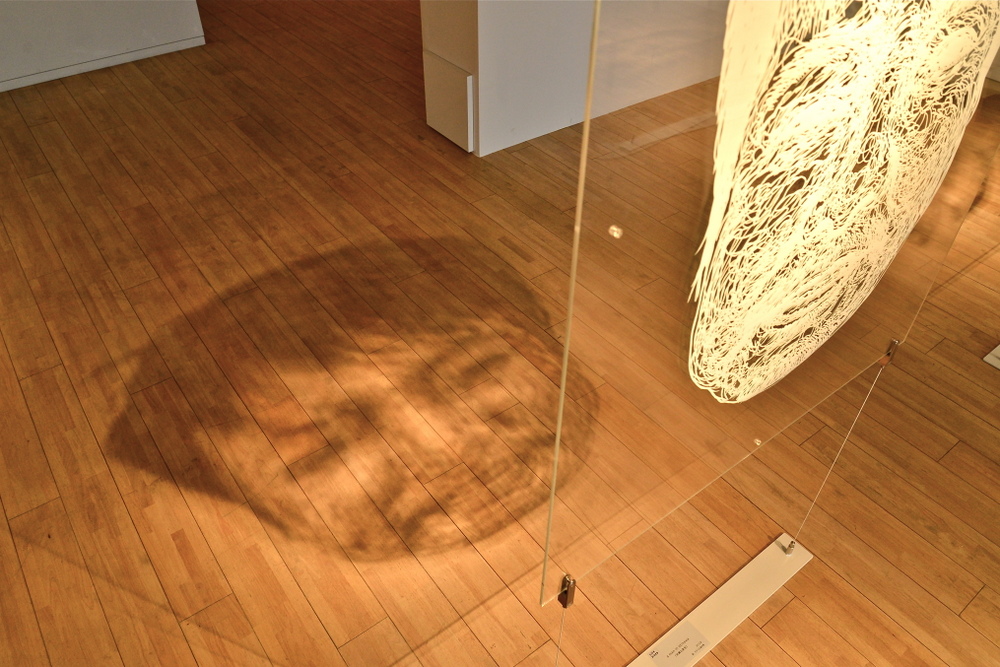
For LIFE-SIZED, Fukui created her works on hanging translucent panels. Each cutout is double-sided and viewable from the front (in white) or from the back (in color). The intricate details are hard to ignore but what was especially beautiful was the cast shadow on the floor from each cutout.

Fukui’s show is on display at the Pola Museum Annex until September 8, 2013. (all photos by keniichi shioda)

20130814171434_original

20130814171436_original

20130814171438_original

20130814171442_original

20130814171443_original

20130814171444_original

20130814171446_original

20130814171448_original

2 a.m. by Yusuke Yagi

photo 5photos by spoon & tamago

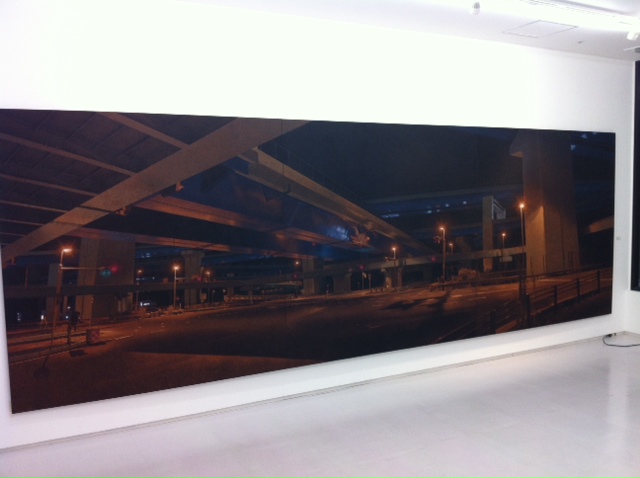
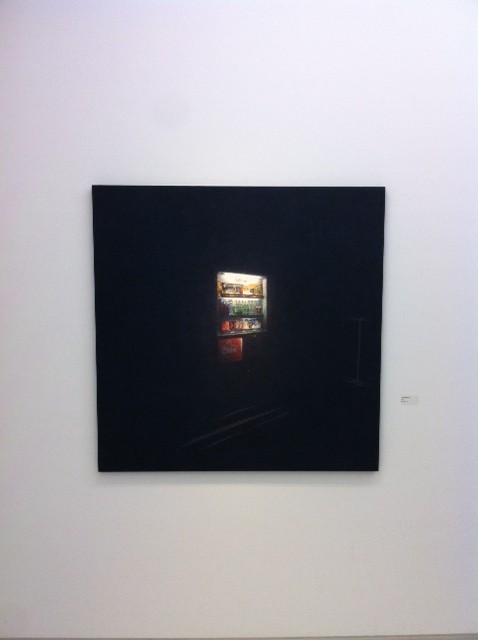
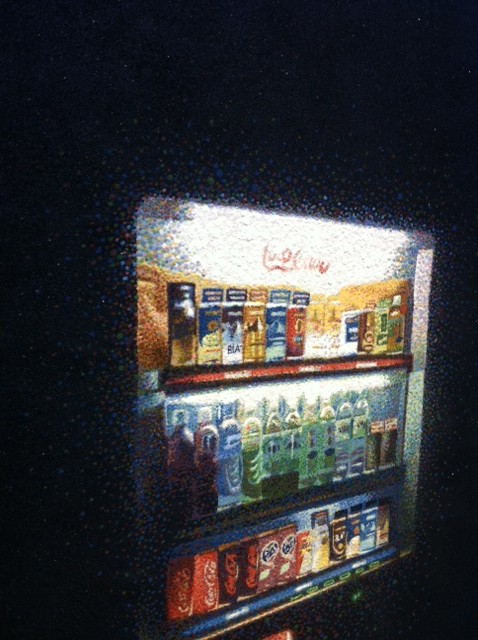
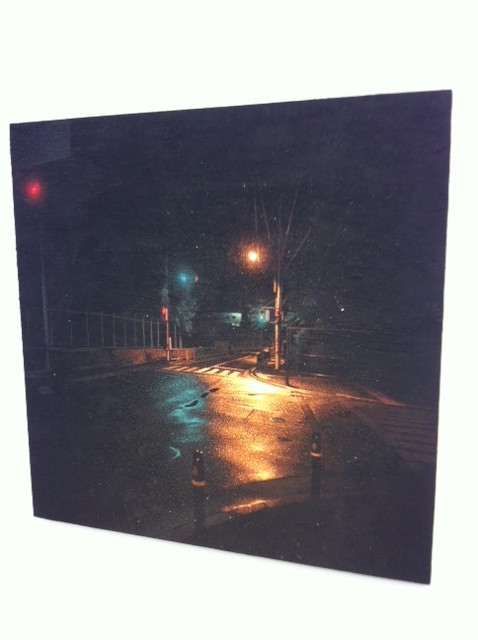
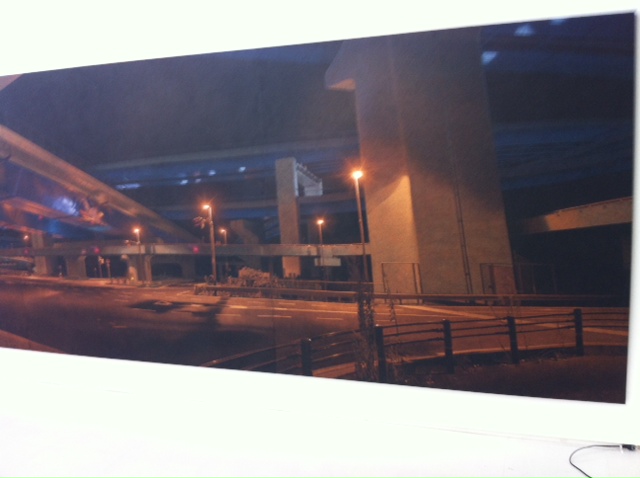
If you’ve ever walked home late at night in Japan you may recognize some of the deafeningly quiet scenes created by Yusuke Yagi. Using primarily traditional Japanese painting materials like natural pigments (iwaenogu), mica (unmo) and mashi, a type of traditional paper made from hemp, Yagi portrays a world after dark, in which all creatures have gone to bed.

Born and raised in Kyoto, the 22-year old artist creates late-night scenes that are both realistic, but that also hint of mystery, or fantasy. Each piece’s title (ie: 2:46 am) is derived from the time in which the artist captured the scene. Although quiet and reserved, there’s a certain tension in Yagi’s paintings. It’s as if something is about to break the peaceful silence, pummeling our world into violent chaos. However, at the same time there’s a certain reassurance in knowing that nothing like that would ever happen in Japan.

photo 3photo 4

photo 2

photo 1

« Older posts Newer posts »

© 2026 Spoon & Tamago

Up ↑

Design by Bento Graphics