Page 221 of 406

Carved Paintings of Tokyo by Etsuko Taniguchi

etsuko taniguchi (1)

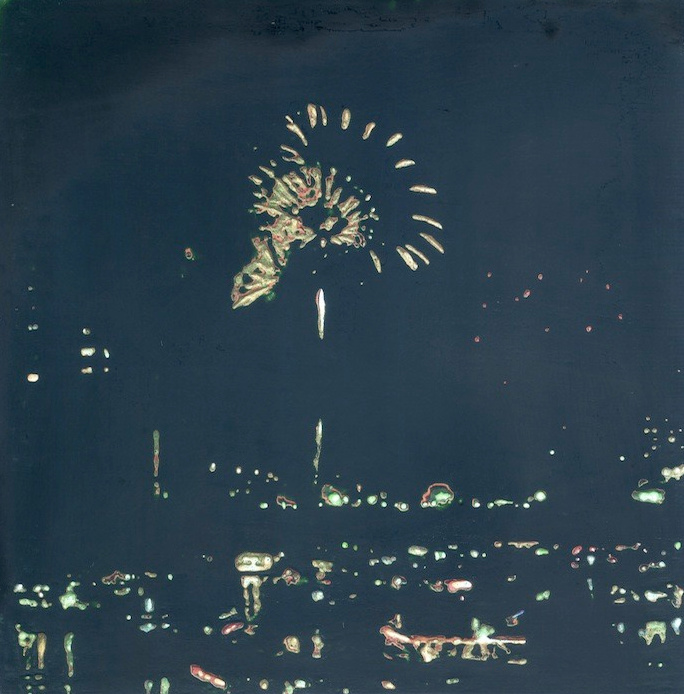
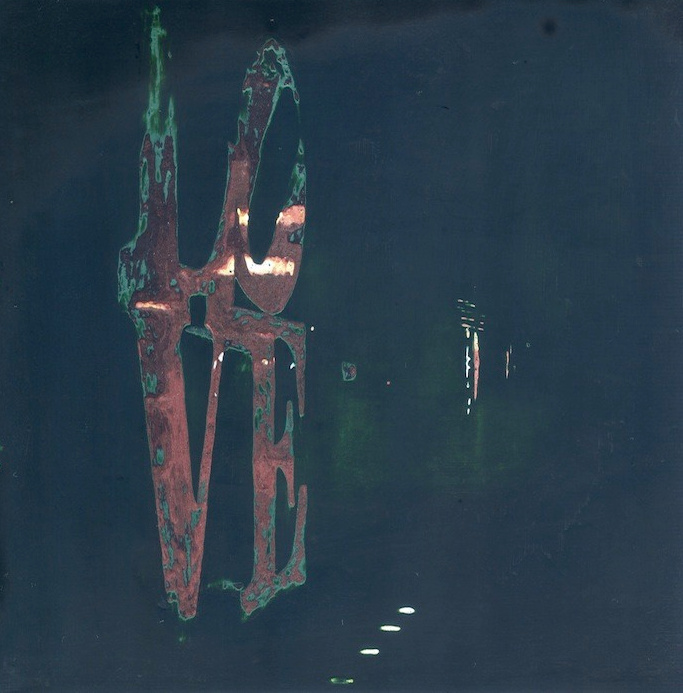
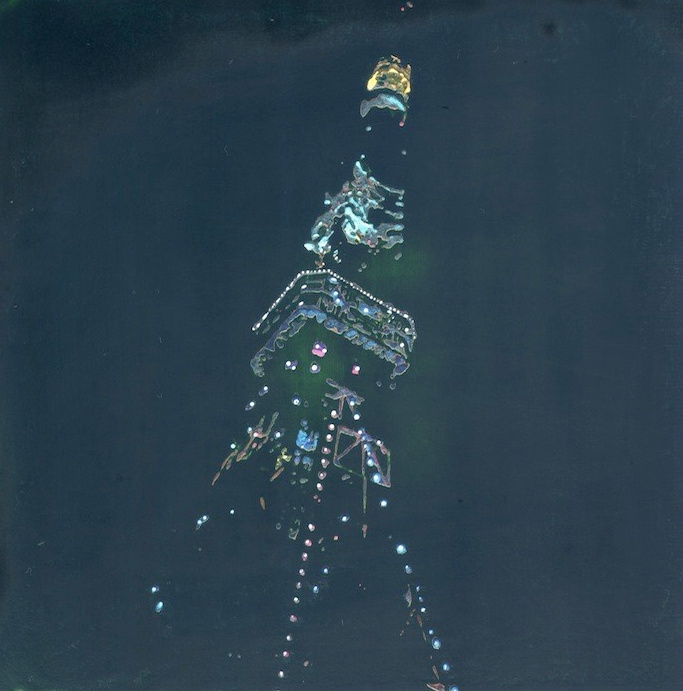
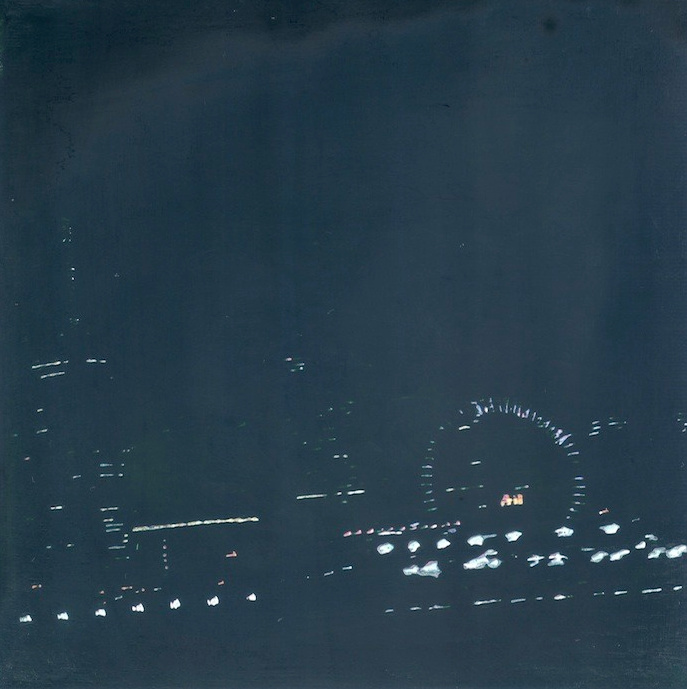
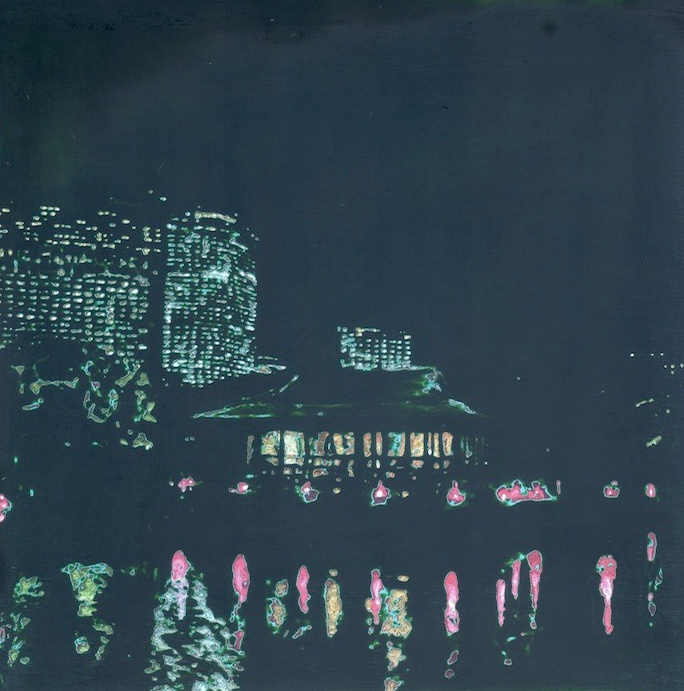
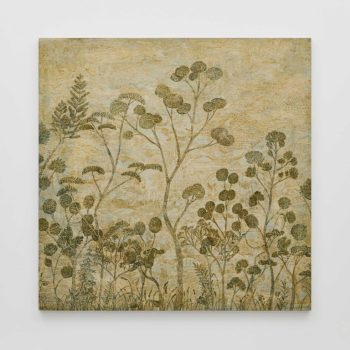
Combining the craft of lacquer work with the art of painting, Etsuko Taniguchi creates ephemeral cityscapes of Tokyo. Specifically, she applies layer after layer of acrylic paint and then scrapes away at the paint using a lacquer ware technique called togidashi. After several attempts of penetrating layer upon layer of paint “the subject that was once buried in the darkness begins to assert its existence from attaining this ‘Light,’ ” she says in a statement. The effect is something similar to fireworks, which lite up the sky briefly, only to fade away once again.

The 32-year old artist was born in Saitama and then went on to Tokyo University of the Arts where she obtained her BFA and MFA in oil painting. You can see more of her work on her website.

etsuko taniguchi (2)

etsuko taniguchi (3)

etsuko taniguchi (4)

etsuko taniguchi (5)

source: hpgrp gallery

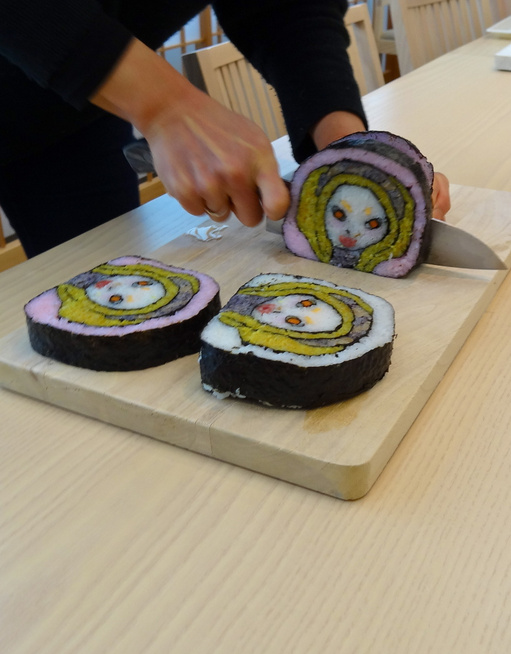
the art of Makizushi | Takayo Kiyota uses sushi rolls as her canvas

Makizushi, or “rolled sushi,” is a cylindrical roll of sushi generally wrapped in seaweed. The ingredients are placed on rice and the chef will use a bamboo mat to help roll it out. The makizushi is then cut into 6 or 8 pieces, revealing the ingredients.

Based in Tokyo, Takayo Kiyota is a self-proclaimed illustrator and makizushi artist who goes by the name Tama-chan. What exactly is a makizushi artist, you might wonder? Well have a look below. Tama-chan lays her ingredients just so, visualizing in her head how the cross-section – her creation – will look once cut.

“I never know what the inside looks like so I’m never sure if it will come out the way I imagined. And I can’t make edits once it’s done,” writes Tama-chan. “Facial expressions are especially difficult because small ingredients or overly exerted force when wrapping can completely throw things off. It’s always a special moment when I make the first incision to reveal the image.” *

Do you like what you are hearing so far? That’s what I thought. Let’s move on
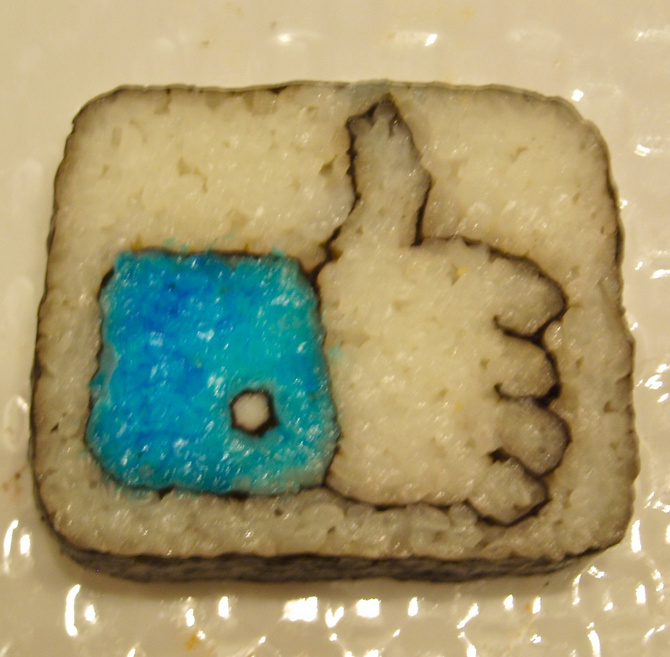
Tama-chan makizushi art (19)all images courtesy Takayo Kiyota | click to enlarge

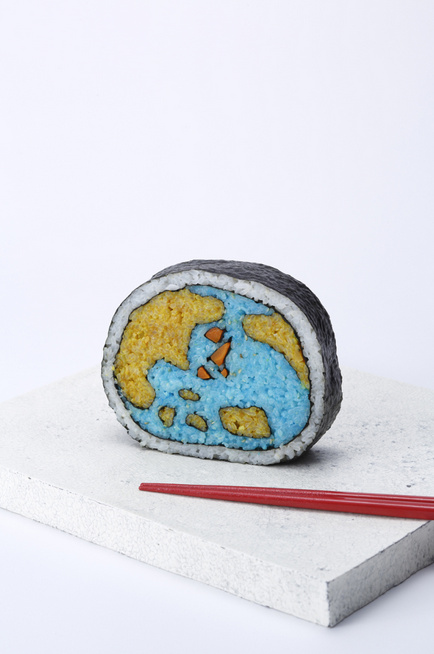
Sometimes Tama-chan is commissioned to create her edible artwork. Like this one, which she did for an article on the globalization of  Japanese food.
Tama-chan makizushi art (2)

(photo by Kazutoshi Murata)

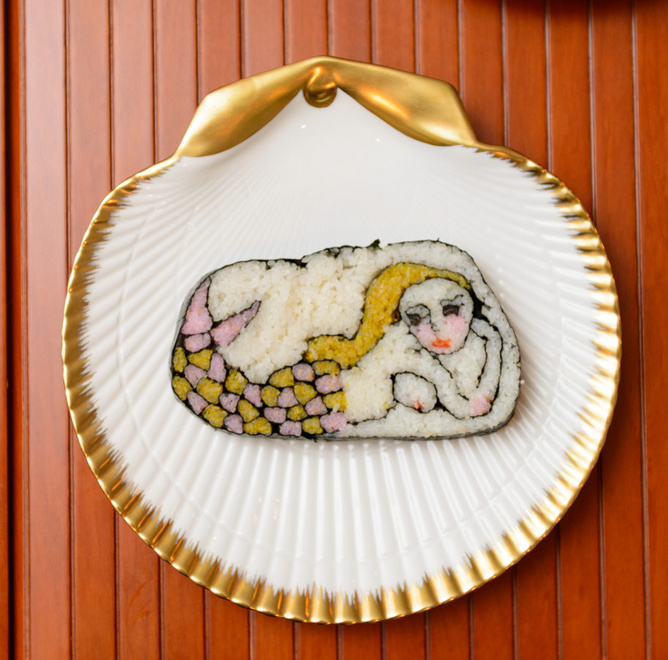
Other times she just does it for fun, like this mermaid, which she made this summer.
Tama-chan makizushi art (1)

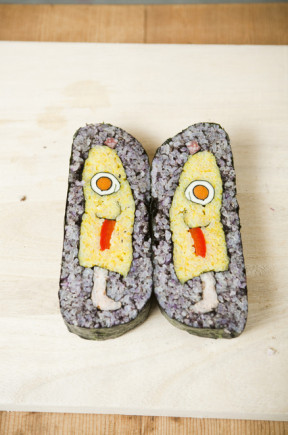
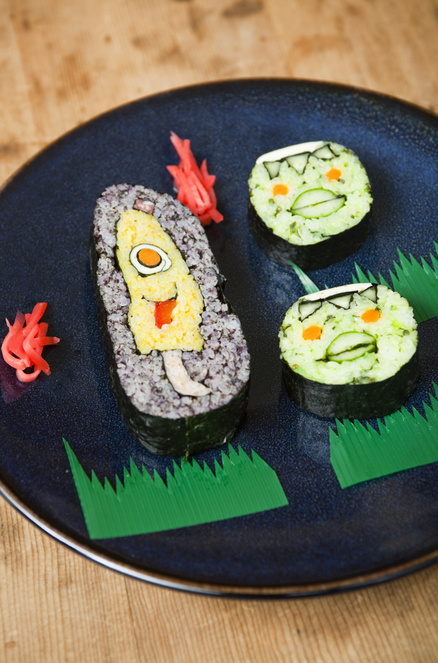
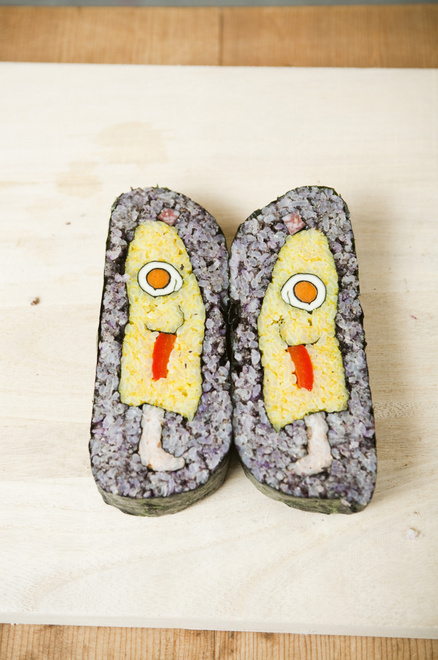
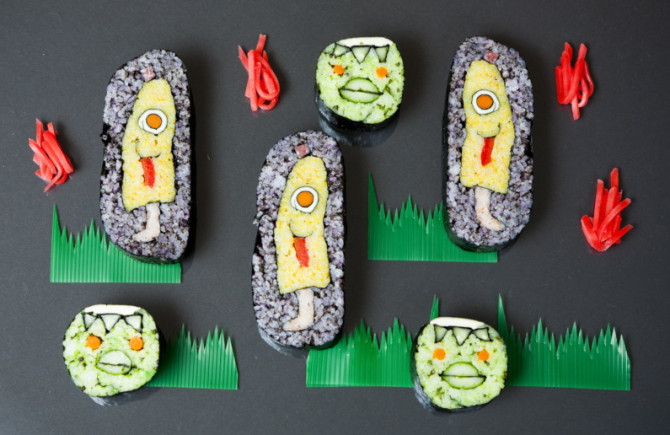
Tama-chan also holds workshops for adults and kids. For this workshop she taught a group of kids how to make yokai (Japanese demon) makizushi.
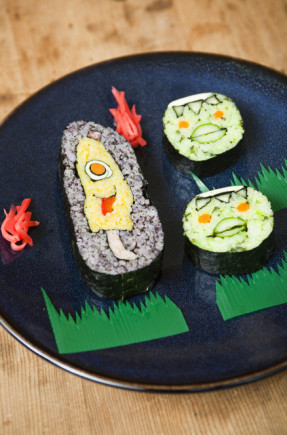
Tama-chan makizushi art (3)

Tama-chan makizushi art (4) Tama-chan makizushi art (5)

Do you watch much Japanese TV? If so you’ll most certainly recognize the protagonist from NHK’s “Ama-chan” and her frequently used expression of surprise.

Tama-chan makizushi art (6)

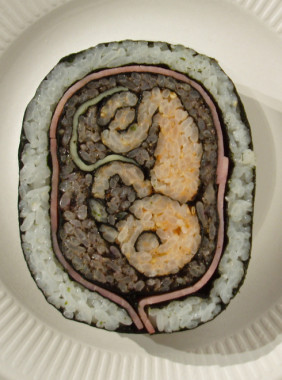
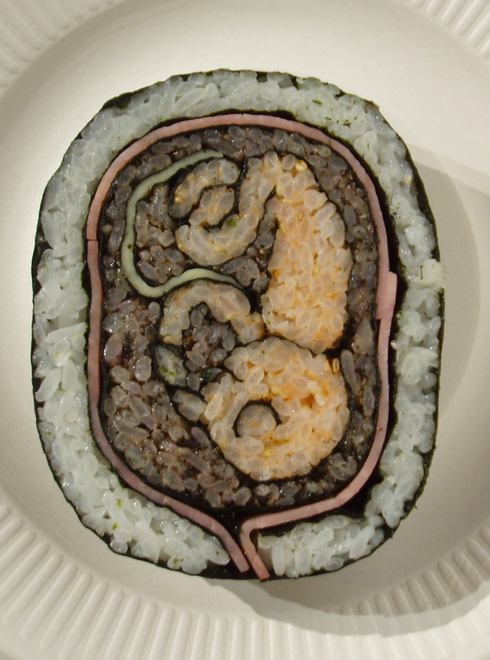
This fascinating roll shows the development of an embryo. It’s actually a single roll that, depending on where it’s cut, reveals different stages.
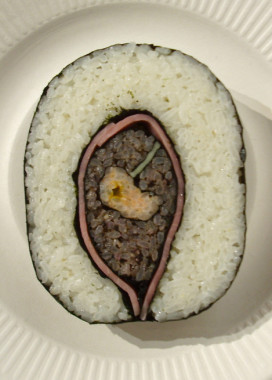
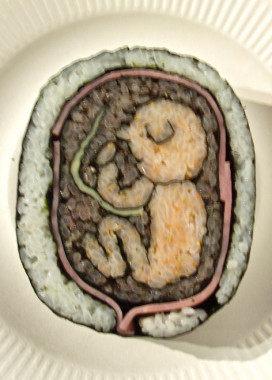
Tama-chan makizushi art (8) Tama-chan makizushi art (9) Tama-chan makizushi art (10)

Anyone want to guess which famous painting this is based on?
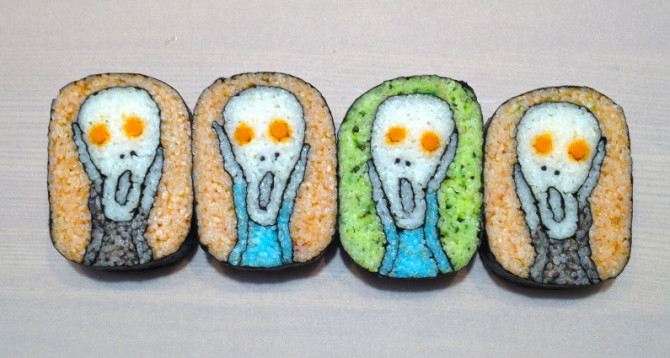
Tama-chan makizushi art (11)

Another famous painting.

Tama-chan makizushi art (20)

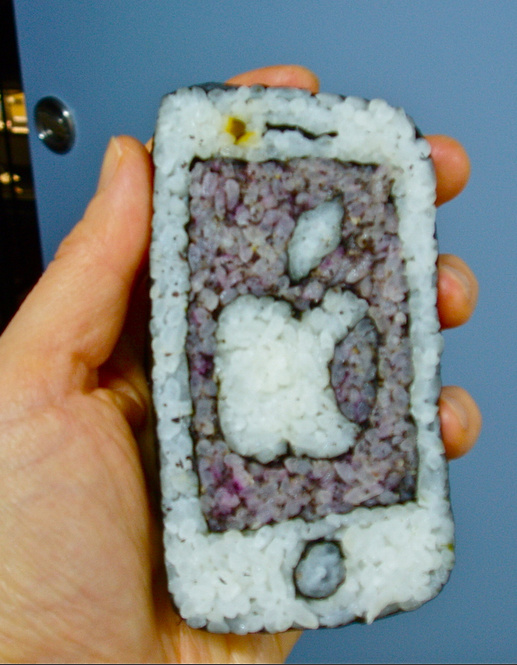
This was a tribute to Steve Jobs when he passed away.
Tama-chan makizushi art (17)

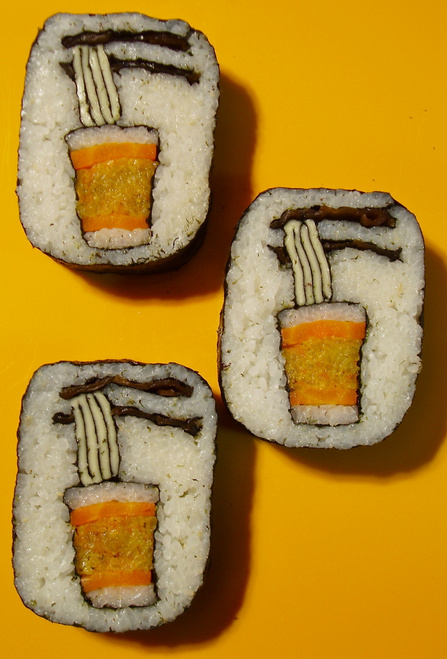
One of my personal favorites: the cup noodle makizushi
Tama-chan makizushi art (22)
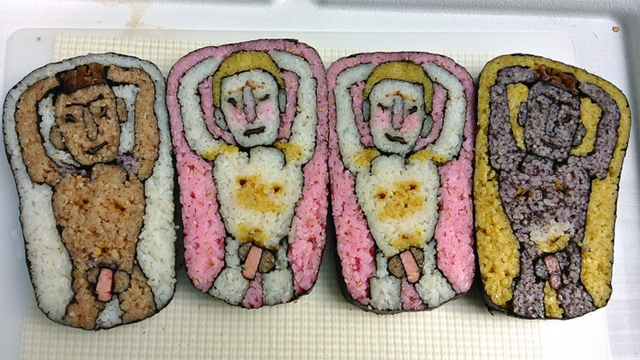
I really don’t know what to say about this…
ku-xlarge

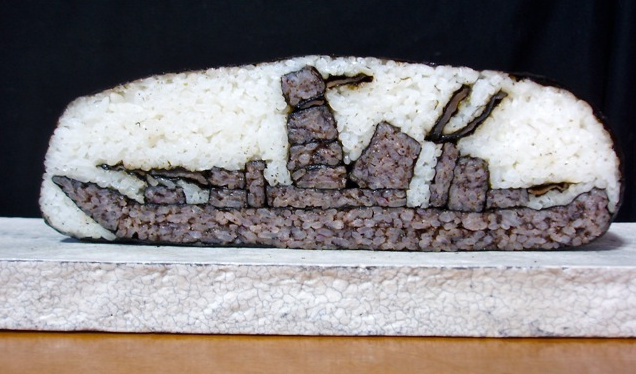
A gunkan-maki, or battleship roll. Which reminds me of this other great sushi art.
Tama-chan makizushi art (12)

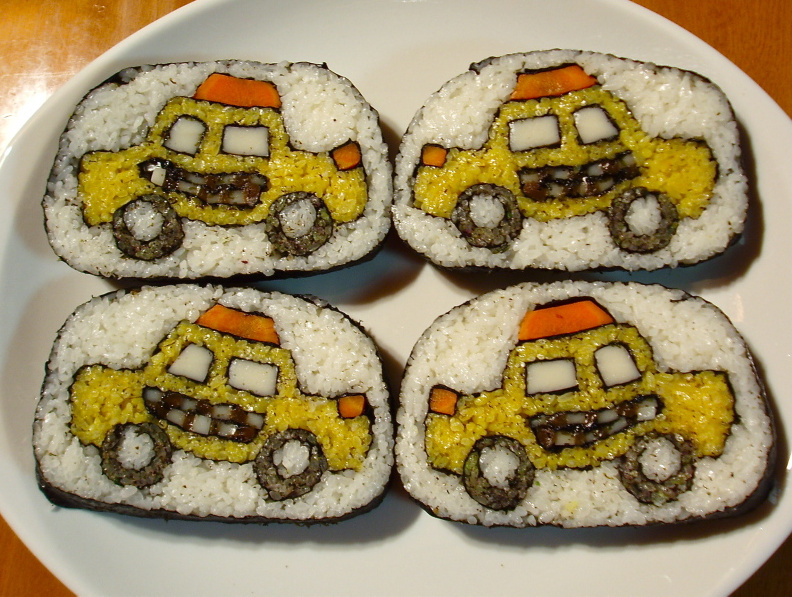
A tribute to NYC yellow cabs!

Tama-chan makizushi art (21)

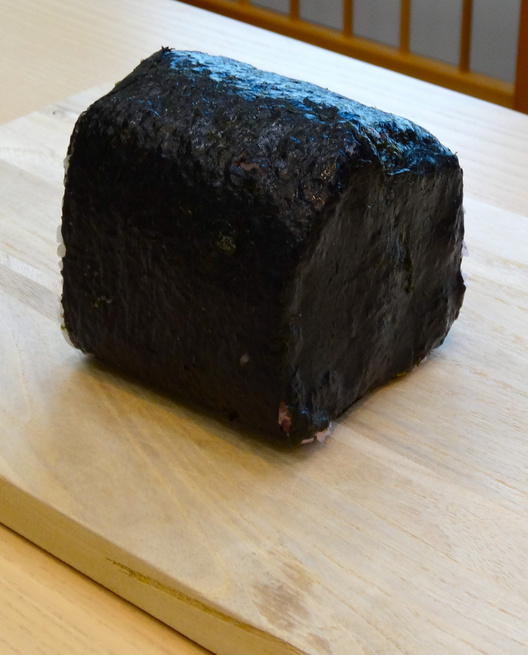
Finally, here’s a peek into how the rolls look before and while being cut. As you can see, it’s a complete surprise.
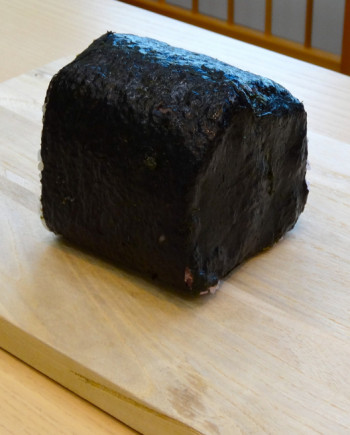
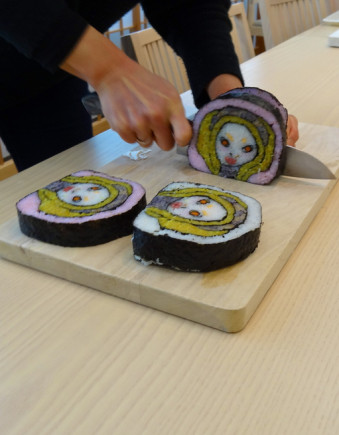
 Tama-chan makizushi art (14)Tama-chan makizushi art (15)

* all quotes translated from Japanese by the author

[update] Tama-chan has just released her first photo book. It’s available (in English) for 3,400 yen.

source: DailyPortalZ | designtaxi
(thanks for the tip Juri)


brewed with purpose | Ipponmatsu Beer inspired by Japan’s miracle pine

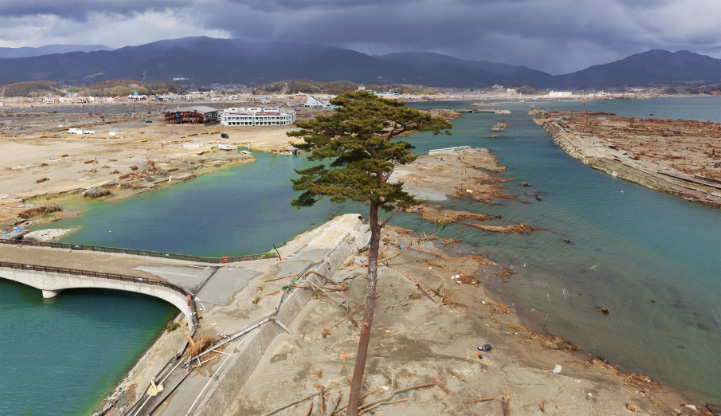
ipponmatsu beer (2)Ippon Matsu stands vigilant as clean-up efforts come to a halt for the night. Photo by Tsuyoshi Endo.

ipponmatsu beer (3)The devastation of the city is a stark contrast to Ippon Matsu’s green branches. Photo by Fumie Suzuki.

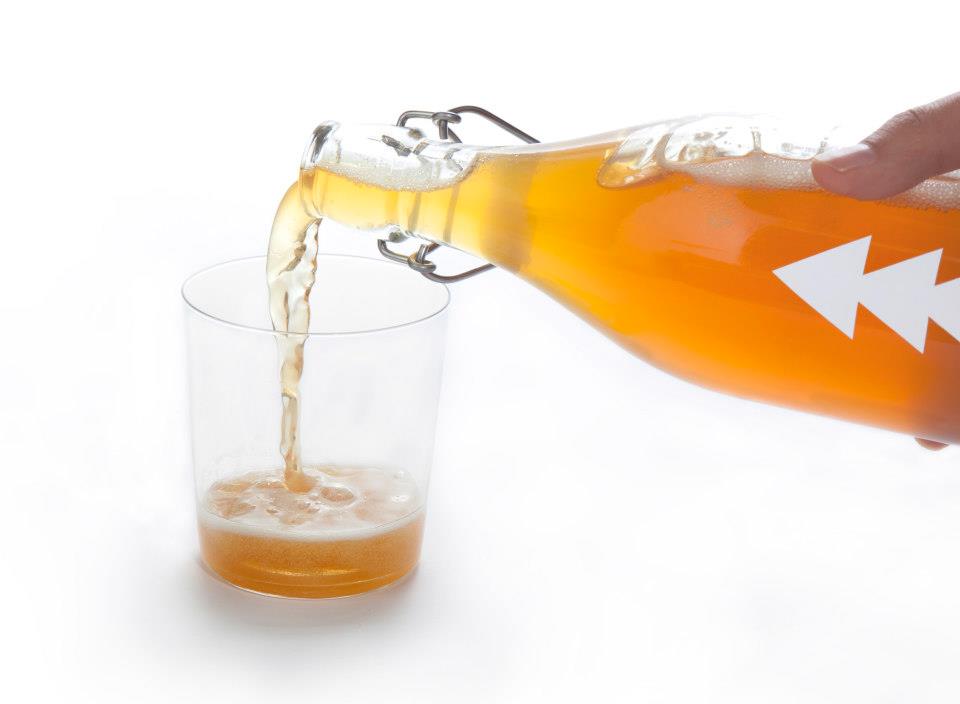
A single pine tree became a symbol of hope after the March 11th tsunami wiped away 70,000 pine trees in its path. The 88ft tall “miracle pine” survived for nearly 18 months before its roots died from high levels of saline. However, donations from across the country and world raised enough funds for experts to preserve the tree by inserting a metal skeleton into its trunk and adding replica branches.

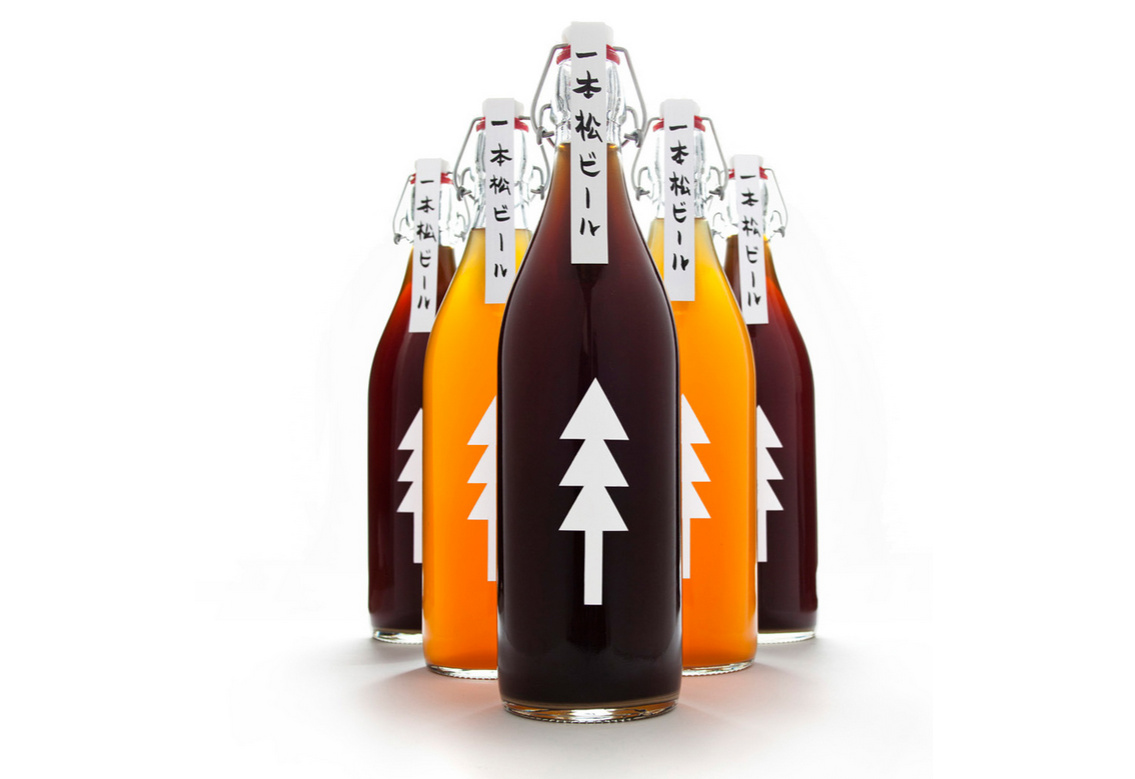
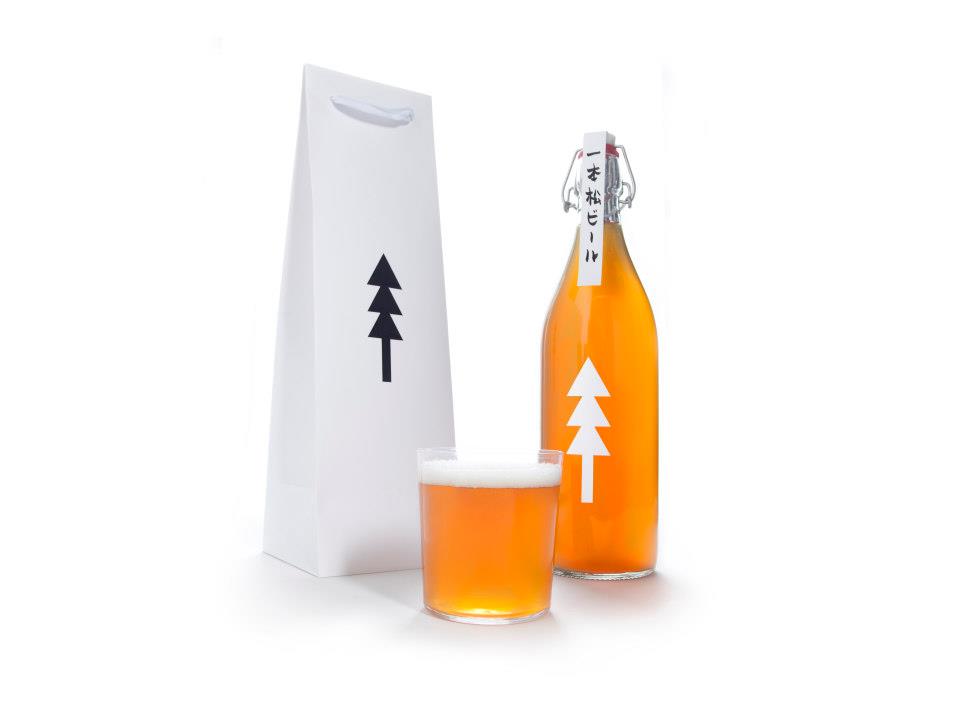
Now the pine tree is being immortalized in a different way. Brooklyn-based designer Kota Kobayashi created a minimal yet elegant packaging design for Ipponmatsu Beer. “This beer’s design represents charity and hope, says Kobayashi. “A scroll-like, handwritten label seals the top with the story of Ippon Matsu written on the inside. The front label is a solitary pine made of three triangles that are facing up, symbolizing the wish for progress towards Japan’s brighter future.” Ipponmatsu means one pine tree.

ipponmatsu beer (1)
The beer, which comes in 2 flavors, is all hand-brewn by Kobayashi and his friends. They are donating all profits to the recovery effort in ravaged Rikuzentakata. For now the beer has yet to make its way into shelves but Kobayashi is currently looking for a brewery to help expand his charity brew.

ipponmatsu beer (5)

ipponmatsu beer (4)


(thanks Juri!)

Ghibli Character Fan Art by Yunbymunch

The celebrated Japanese animator and head of Studio Ghibli announced his retirement last week saying, “I feel that my days in feature film are done.” He reasoned that old age had made him slower and that he had other things he wanted to do. Being the obsessive-compulsive workaholic that he is, he simply did not have the time for another feature film. In fact, a recent documentary on the man revealed, amongst several other fascinating nuggets, that Miyazaki eats the exact same meal every single day for fear of adverse consequences on his health, which in turn would wreak havoc on the production of whatever project he was working on.

To this day one of my most proudest achievements while growing up in Tokyo was sneaking into the actual Studio Ghibli with a friend. It was only a 10 minute bike-ride away from my house.

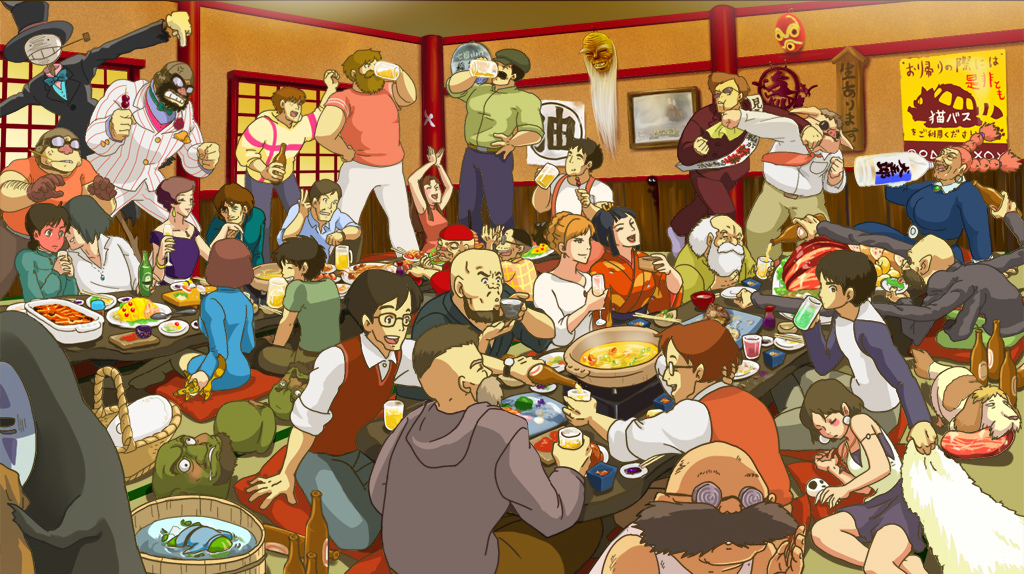
Anyway, to honor him and his legacy I’d like to show a series of wonderful fan art created by an illustrator that simply goes by the name yunbymunch. The very first in the series was created in 2012 and is titled “Ghibli Drinking.” In his notes the author reveals that the illustration was inspired by a thread on 2ch in which people imagined various hypothetical situations that might arise during such a party. (If you can read Japanese here is a cheat sheet)

ghiblinomi_simages courtesy yunbymunch | click to enlarge

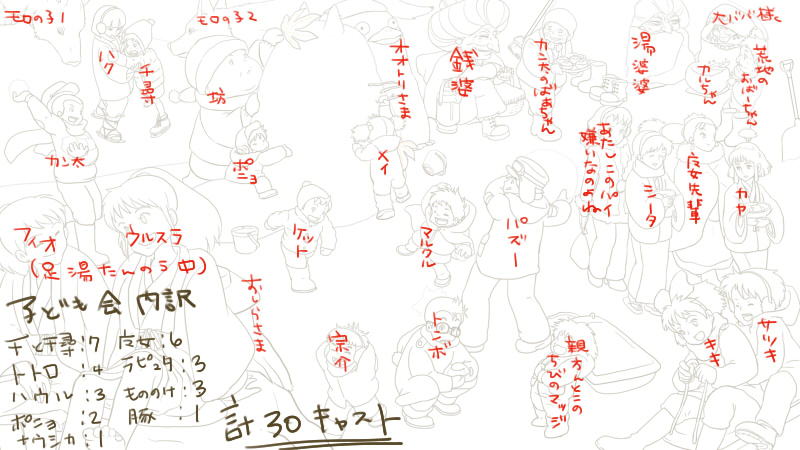
And while it was clear that children, who typically lead major roles in Miyazaki’s film, would not be able to attend due to age restrictions, a strong response for a kids version prompted yunbymunch to then go and create “Ghibli Kids.” (cheat sheet)

ghiblikids_s

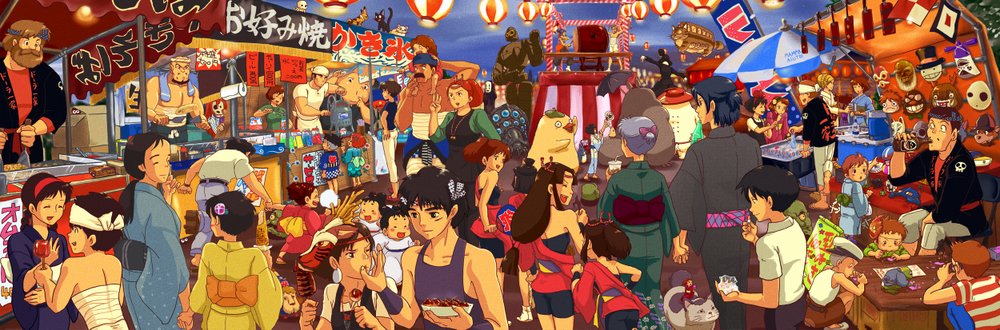
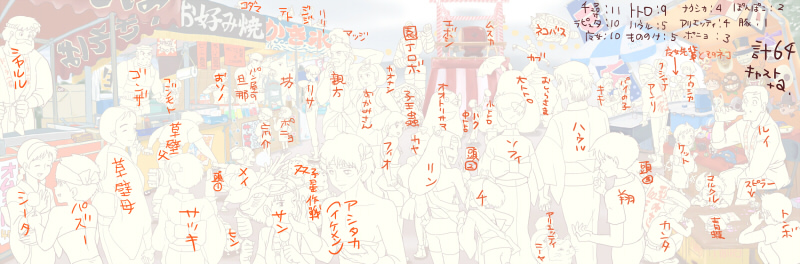
The third and most recent creation in the series is an epic one. “I just wanted to draw a summer festival,” explains the author, “but I ended up squeezing a lot in.” A lot is right. The illustration features 66 characters/props from 11 different Miyazaki films. Can you identify all of them? (cheat sheet)

ghiblisummer_s
Head over to the author’s site where you can download hi-res versions of all of these prints. Kudos to my facebook fans who helped me track down the artist when I posted an image to our Facebook page earlier this week.

urban farming and corporate culture collide in this Tokyo office building

CANON DIGITAL CAMERAphotos courtesy konodesigns

CANON DIGITAL CAMERA03-urban-farm

Corporate offices in Tokyo don’t exactly have a great reputation. Drab, grey walls. Generic cubicles. Desks crammed next to each other. These are some of the images we conjure up. But there are an exceptional few trying to break the mold. And they’re not always tech startups.

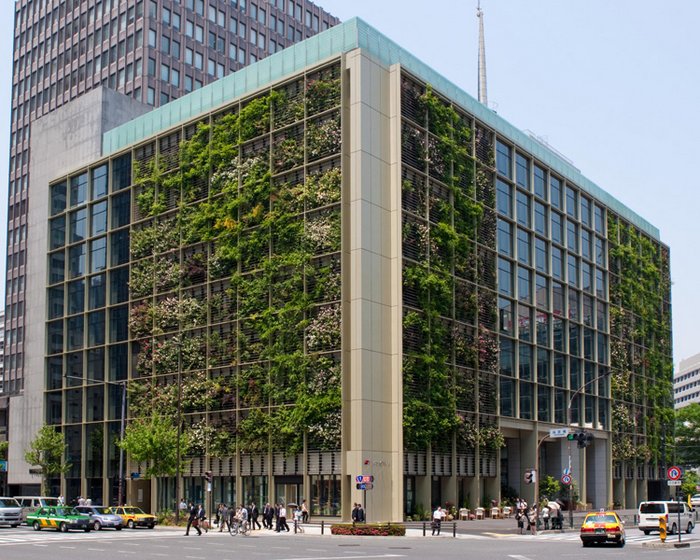
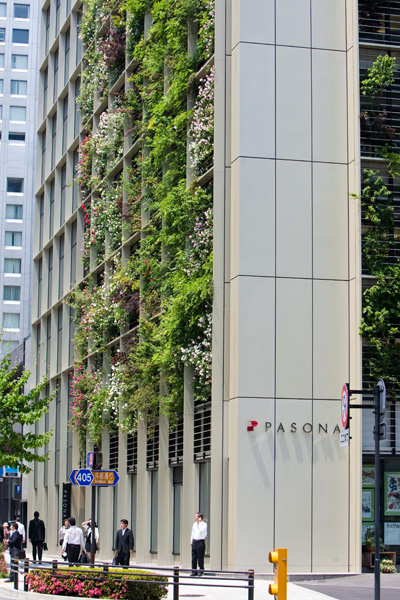
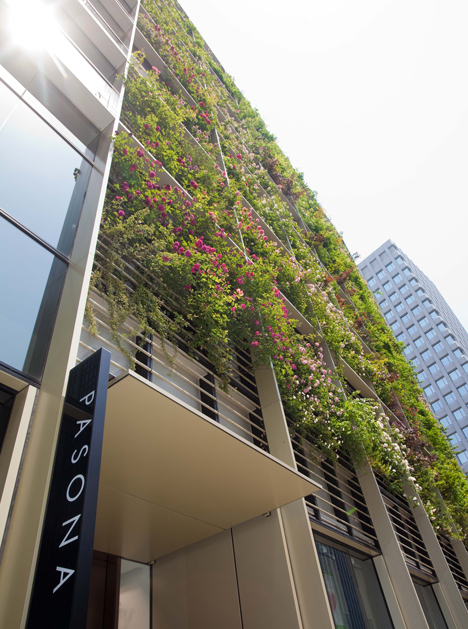
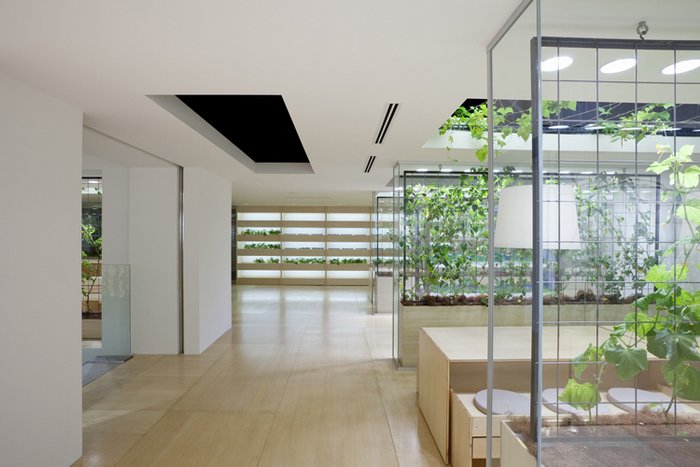
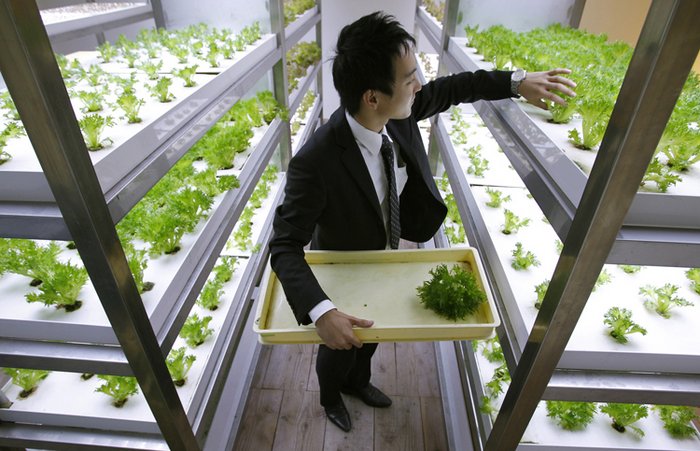
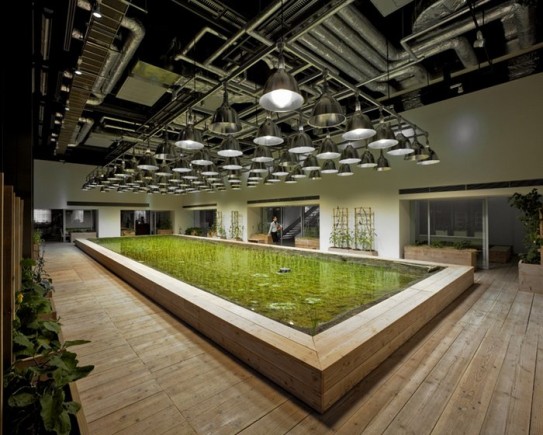
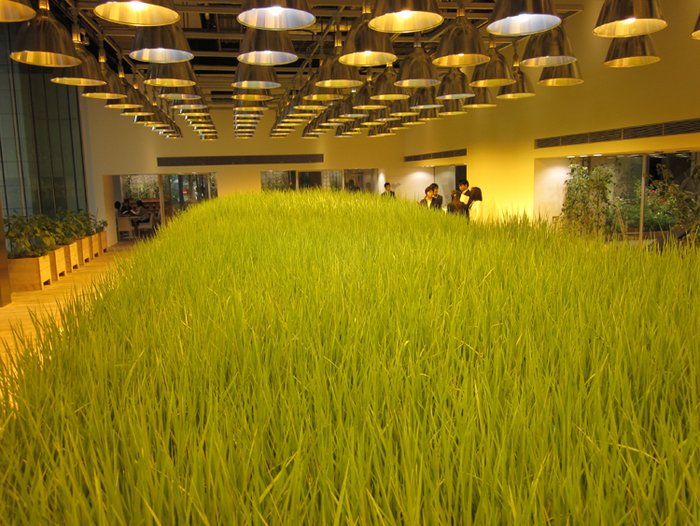
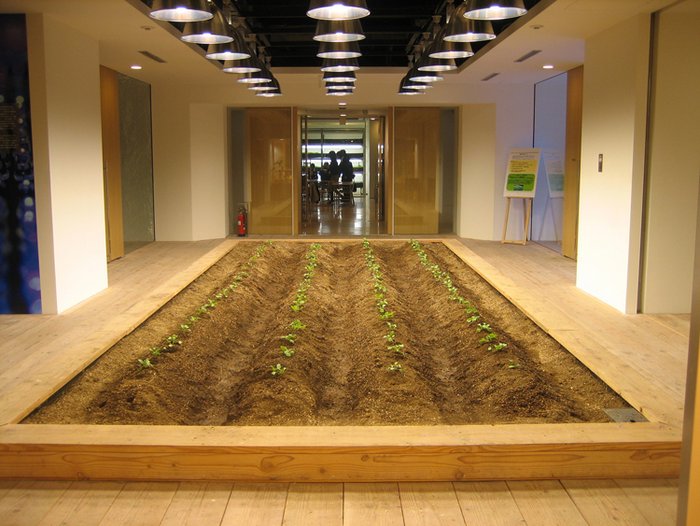
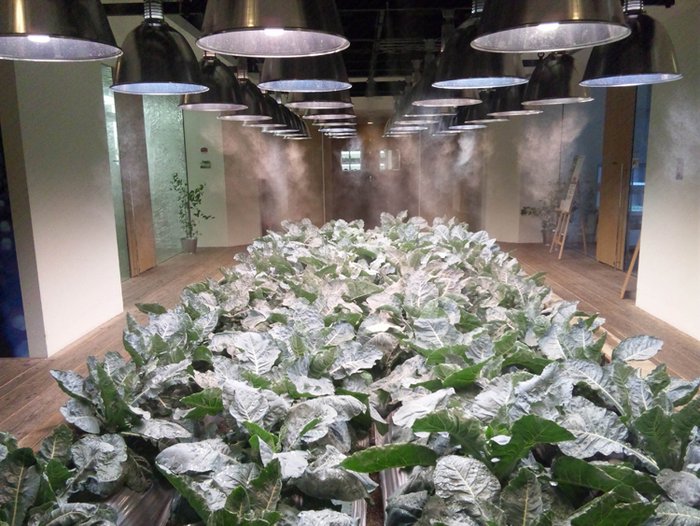
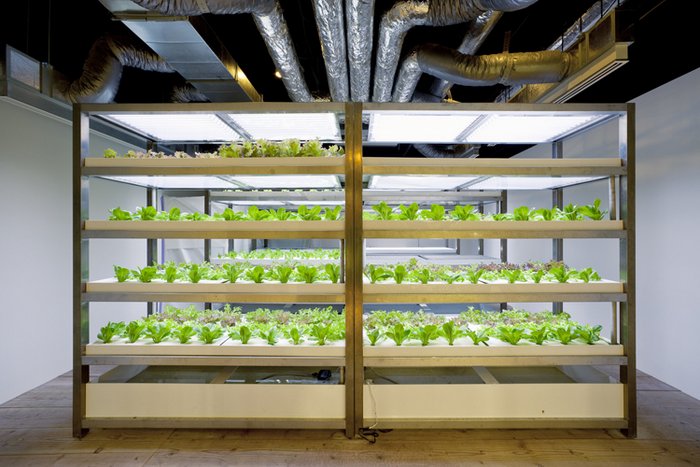
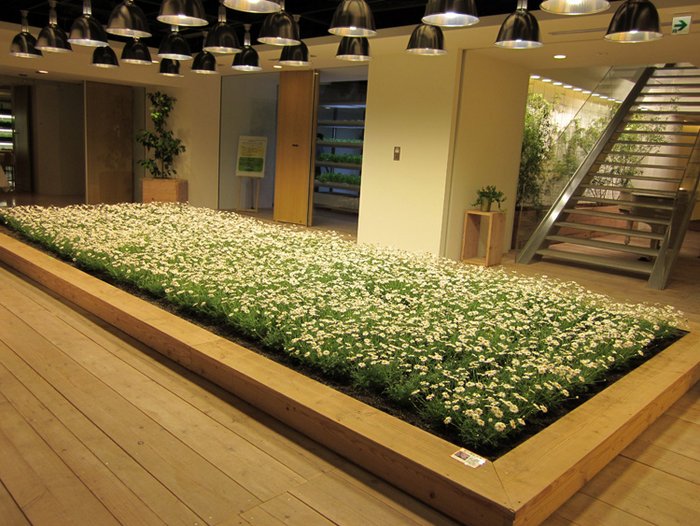
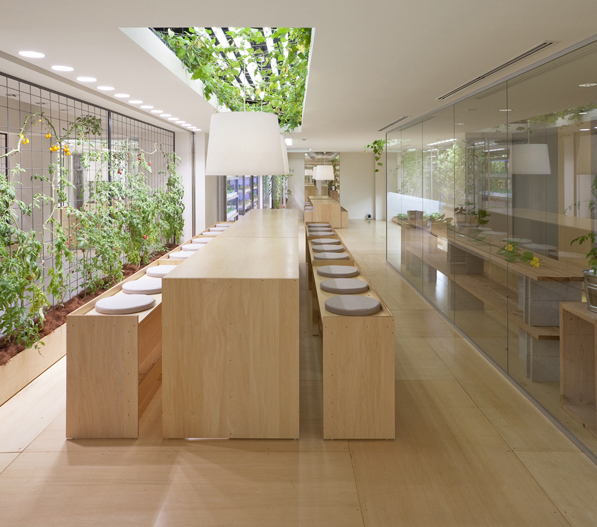
In the center of Tokyo’s busy financial district is Pasona, a multi-national recruitment firm. When the company decided they needed a new headquarters they hired Japanese architect Yoshimi Kono to help renovate a large, 9-story building and adorn it with a lush, green wall. But the vegetation doesn’t just live on the exterior. Integrated within the building are urban farming facilities that occupy roughly 20% of the entire office space and support 200 species of fruits, vegetables and rice. Office workers take turns helping to maintain the urban farm and harvest the food, most of which ends up being served in the office cafeteria. “It is the largest and most direct farm-to-table of its kind ever realized inside an office building in Japan,” says the architect.

22-urban-farm

An employee harvests vegetables grown under Hybrid Electrode Fluroescent Lamps inside of an office of Pasona Group in Tokyo

Monocle Magazine created a great little video on the building, which is also worth checking out. It turns out that the farming project is also independently sustainable. While not only saving on food transportation costs, the idea has generated so much positive feedback that it’s spawned a business venture within the company to teach others about urban farming. Brilliant!

04-urban-farm

07-urban-farm

10-urban-farmDSC_0357

16-urban-farm

13-urban-farm12-urban-farm

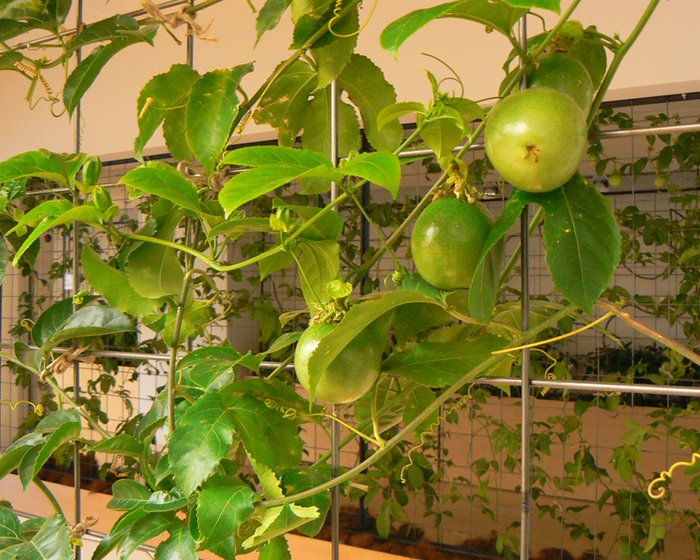
From the architect: “Using both hydroponic and soil based farming, crops and office workers share a common space. For example, tomato vines are suspended above conference tables, lemon and passion fruit trees are used as partitions for meeting spaces, salad leaves are grown inside seminar rooms and bean sprouts are grown under benches.”

24-urban-farm

25-urban-farm

28-urban-farm

source: abcnews | konodesigns

Sweet Commute | a new Papabubble Location in Shinjuku Station

papabubble shinjuku (6)Photos by Takumi Ota

papabubble shinjuku (1)

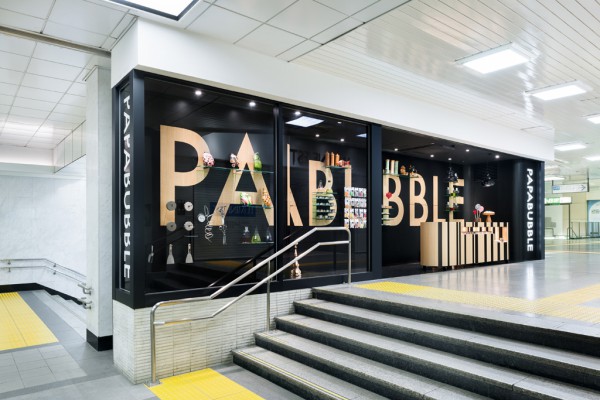
Shinjuku Station is the world’s busiest connection hub, servicing roughly 3.6 million people *per day.* That’s right – almost 30% of Tokyo’s massive population passes through on any given day. But now there’s a new pick-me-up for the weary commuter. A sweet destination and some relief after being squeezed in on a crowded train. The Spanish candy shop Papabubble has opened it’s 5th Japanese location, this time in Shinjuku station.

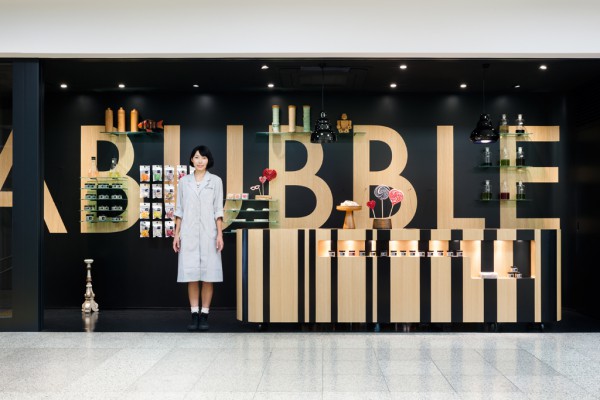
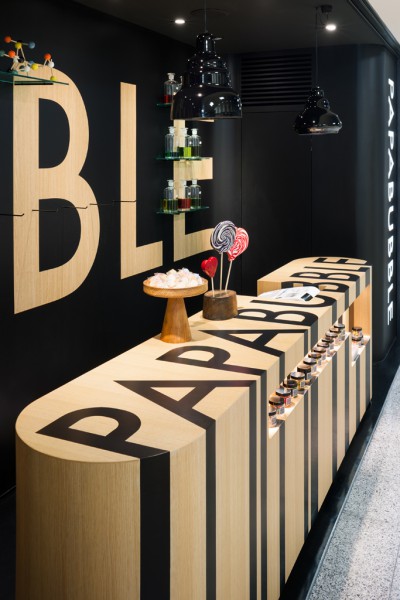
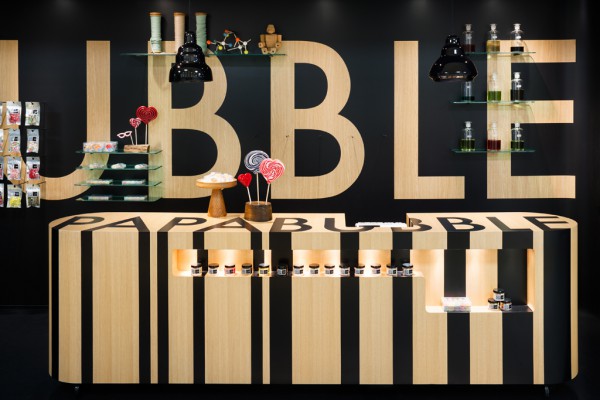
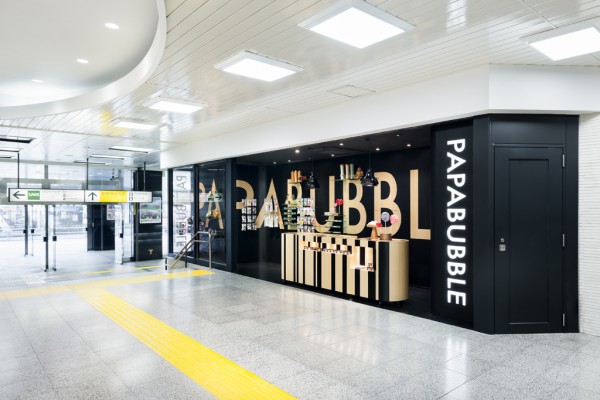
The shop, which is known for its performance-based candy making, is located in the concourse of the station in a dug-out along a wide wall. Using the lack of depth to their advantage, Torafu Architects designed a bold storefront that draws out the company’s brand image. In order to stand out amongst the crowds of people, the architects opted for a primarily black interior – a stark contrast against the sterile station.

Even if you don’t have a sweet tooth, this store, if nothing else, is at least a bit of eye candy.

papabubble shinjuku (2)papabubble shinjuku (5)

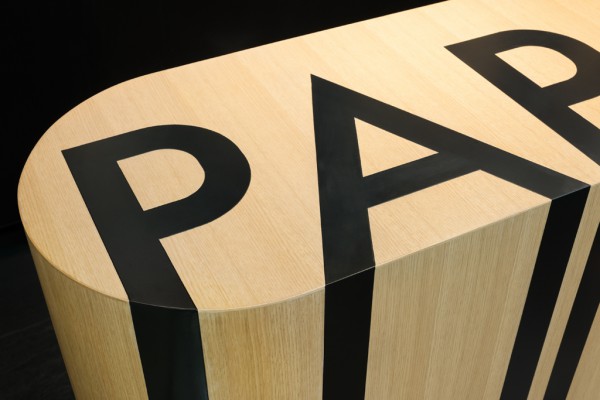
The counter itself is also branded, with each letter extending down to the floor. “We inlaid the papabubble logotype into the checkout counter, taking after the idea of a candy that reveals the same pattern no matter where it is cut,” the architects explain.

papabubble shinjuku (3)

papabubble shinjuku (4)

source: press release

A Charcoal Candle and Other New Works from Nosigner

nosigner colors maison et objet (2)

nosigner colors maison et objet (3)

Japanese designer Eisuke Tachikawa, who runs the design firm Nosigner, is currently in Paris where he is unveiling several new works at the major French trade show Maison et Objet.

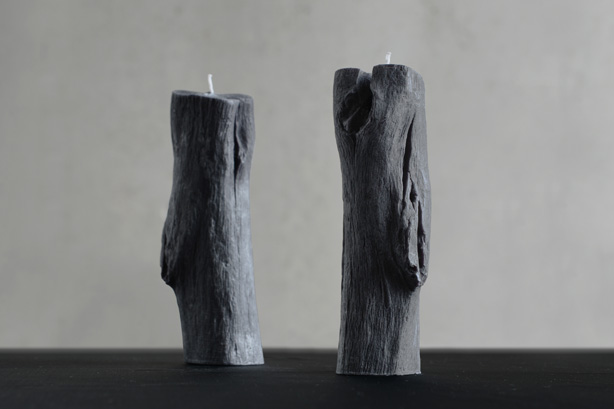
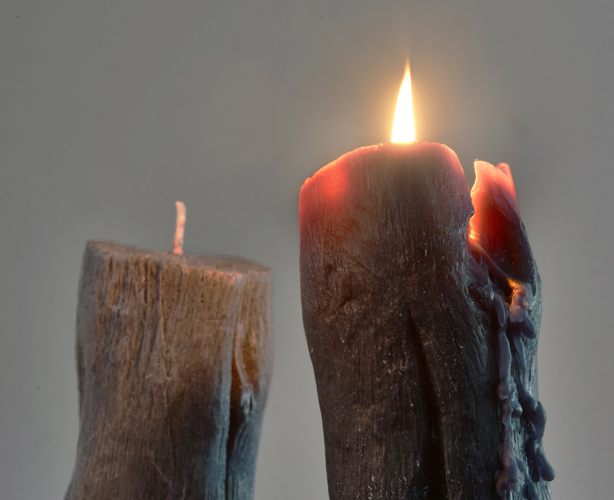
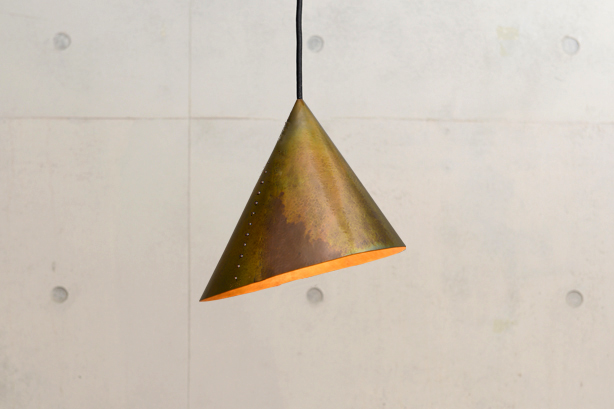
Working with one of his favorite themes of memory, Tachikawa has created a candle modeled from, and blended with, charcoal. The design harkens back to days before electricity when our ancestors would burn charcoal to pass the dark nights.


nosigner colors maison et objet (1)

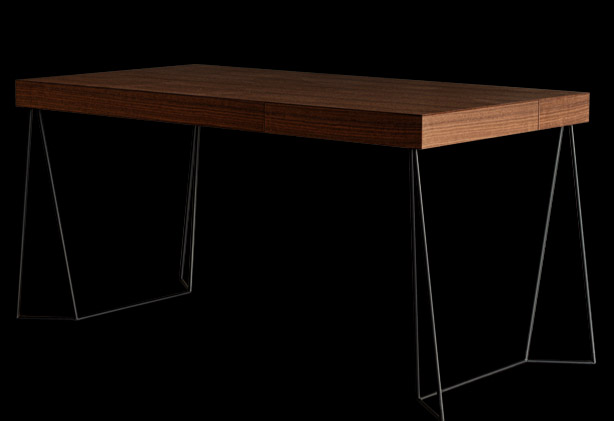
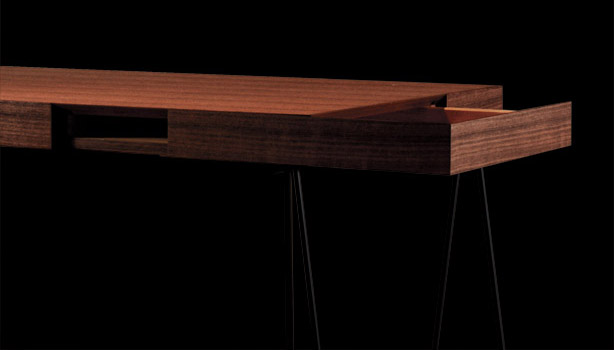
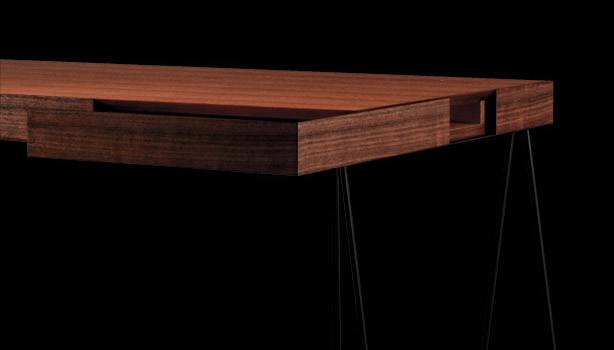
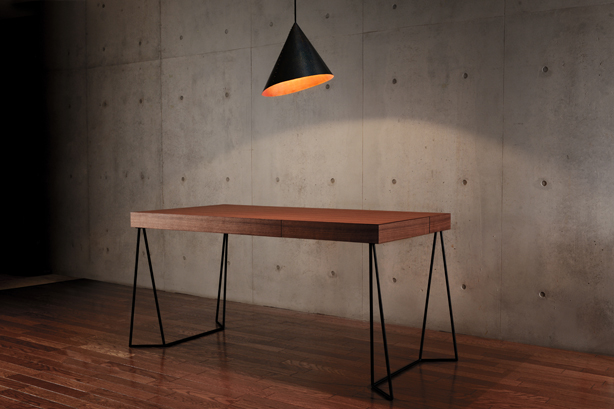
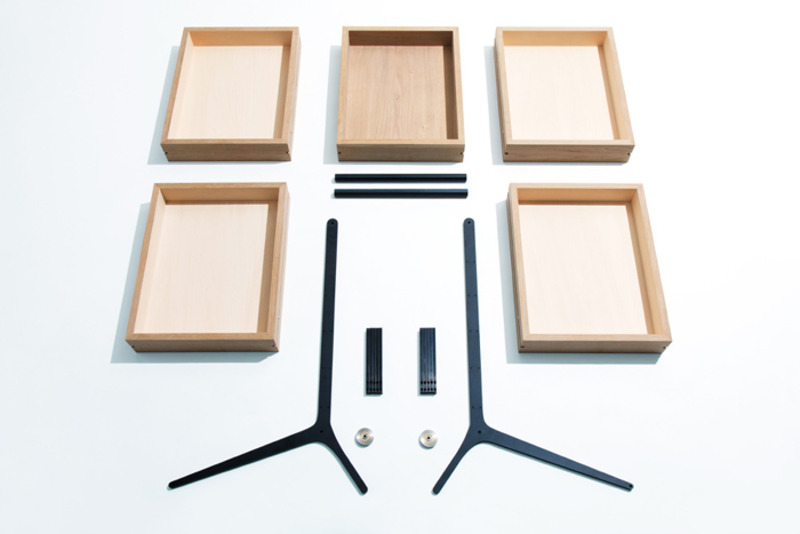
And expanding on his Cartesia series, which features a bi-directional drawer system, the designer has created a dining table. The Cartesia #3 Table is a beautiful, sleek table with hidden drawers that make it easy to retrieve cutlery or stationary even when sitting down.

nosigner colors maison et objet (6)nosigner colors maison et objet (7)

nosigner colors maison et objet (4)

nosigner colors maison et objet (5)

source: press release

PechaKucha Global Night | September 20

global_night_logo

If you’ve never attended a PechaKucha Talk, the global phenomenon that originated in Tokyo and now in over 680 cities, this would be a good time to start. Next Friday (September 20, 2013) the team is hosting a big “PechaKucha Global Night.” Over 100 cities will be participating so go online and see if your city is. And even if it’s not, they’re teaming up with Google Hangouts to do a global chat that will run for close to 20 hours, connecting with organizers around the world.

It “will essentially be a ‘telethon’ linking up with all the cities taking part,” says co-founder Mark Dytham. “Anyone can drop in and see what’s happening at any given time during the event.”

large_wide_keijiashizawa_6032_1large_wide_tumblr_mrnkcb5Jxp1qij249o1_1280

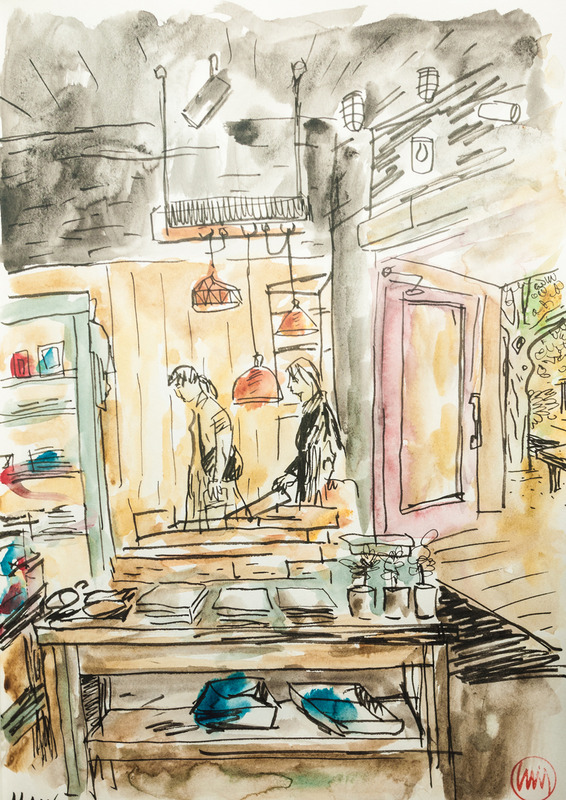
The theme will be “Hidden Heros.” If you’re in Tokyo you’ll see, amongst others, designer/architect Keiji Ashizawa highlight the amazing artisans who help him produce the products he designs. You’ll also see Luis Mendo, PechaKucha’s design director, talk about the “hidden heroes” he has been noticing in Tokyo since his recent move there, using his lovely illustration style.

facebook_coverphoto

Typographic Furniture by Saori Kajiwara and Matt Innes

KAORI_01

KAORI_03KAORI_04

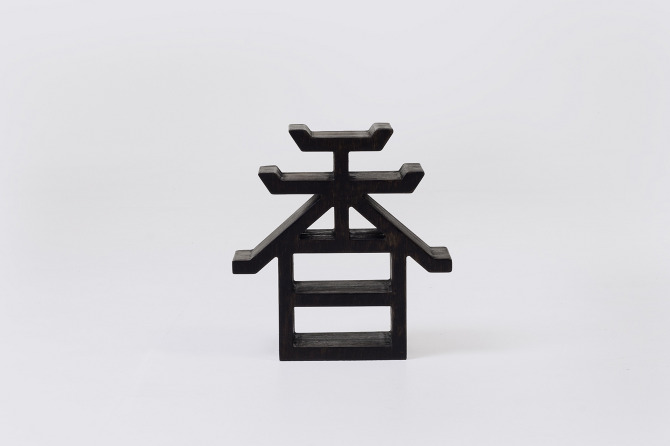
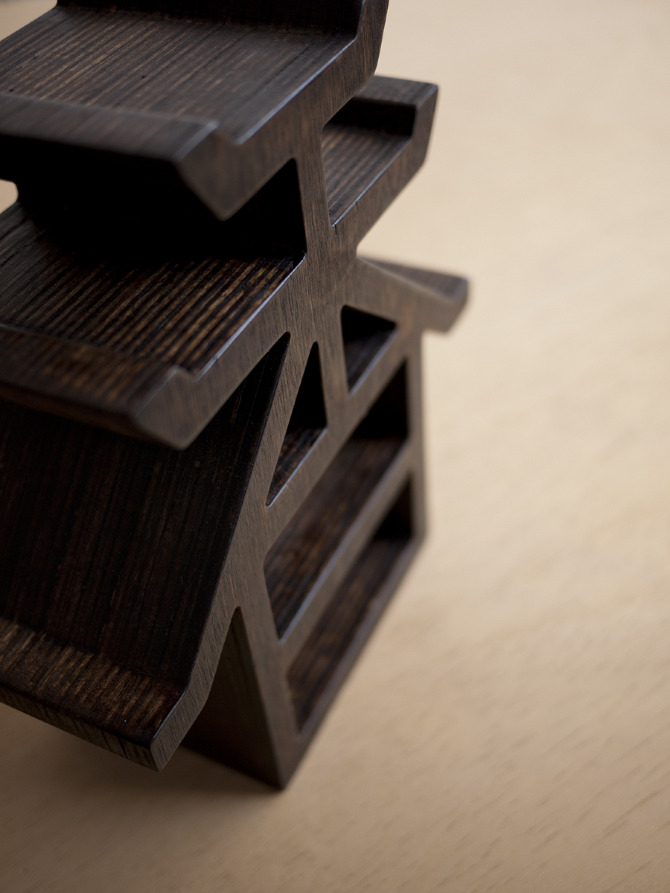
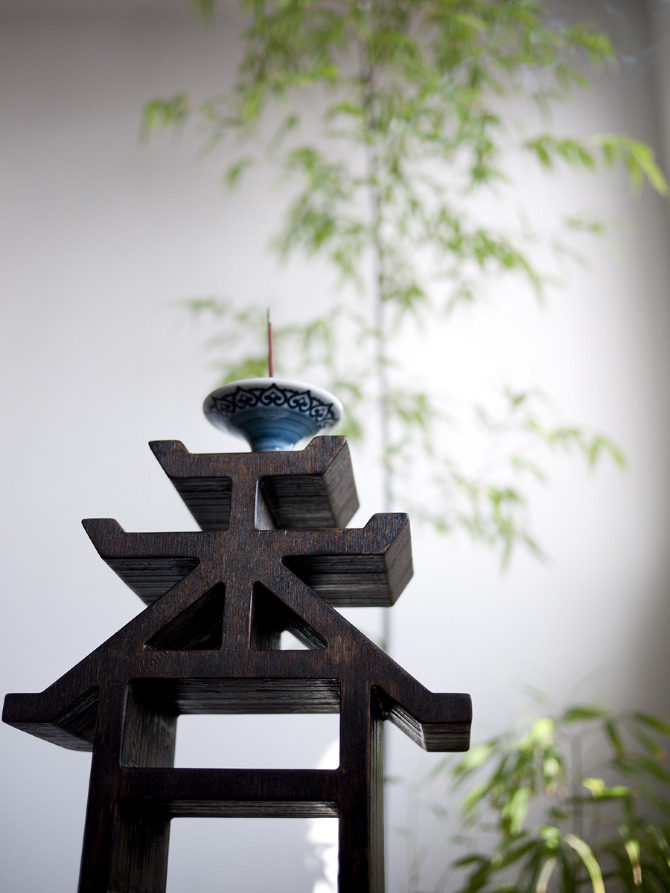
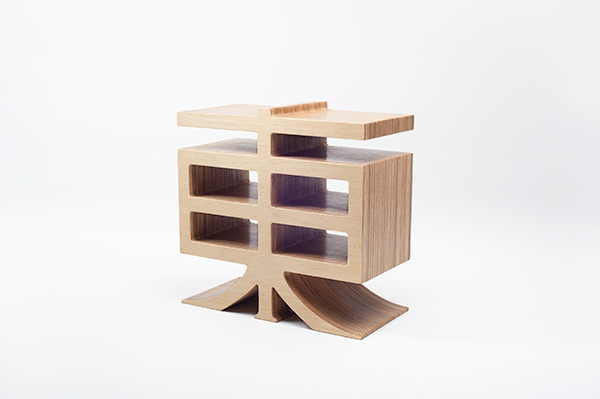
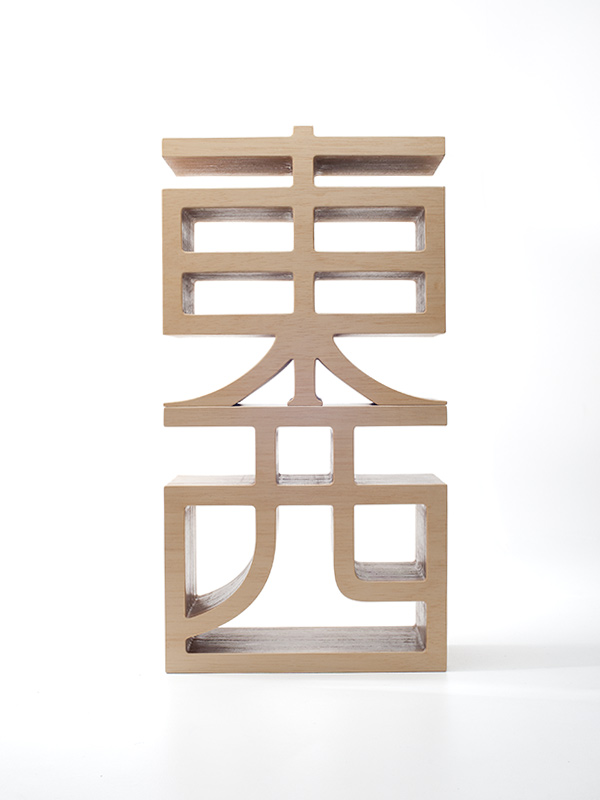
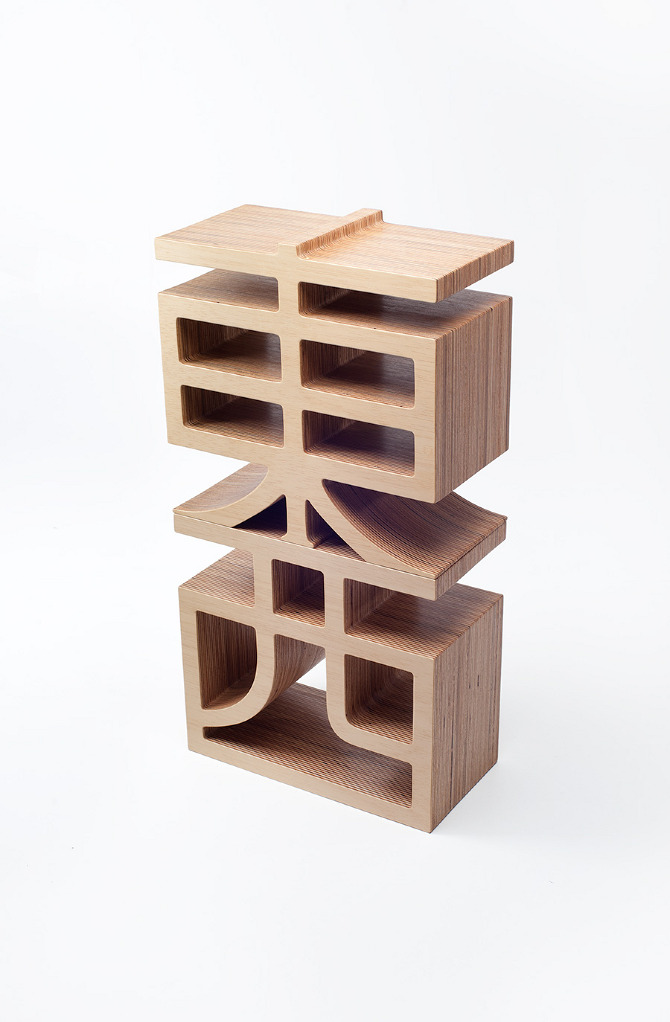
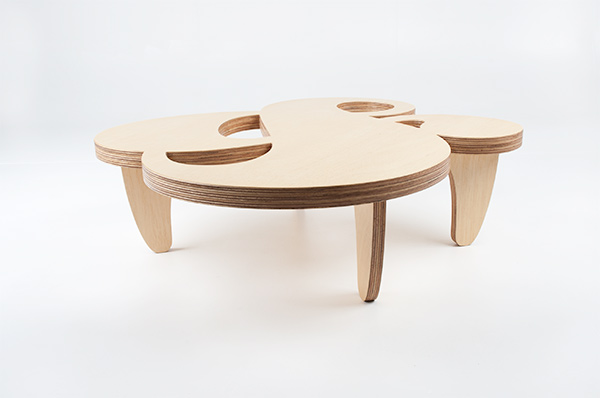
Australia based designers Saori Kajiwara and Matt Innes have been collaborating together on a series of furniture inspired by Japanese and English typography. From the far east the collection aptly features the character 香 (kaori; scent) as an incense holder, while the characters 東西 (tozai; east and west) work as standalone tables. “The concept for this project is to explore the idea of Japanese typographic forms as furniture,” they say.

Higashi_iso_hi

tozai_fronttozai_stack_ISO_hi_angle_LG

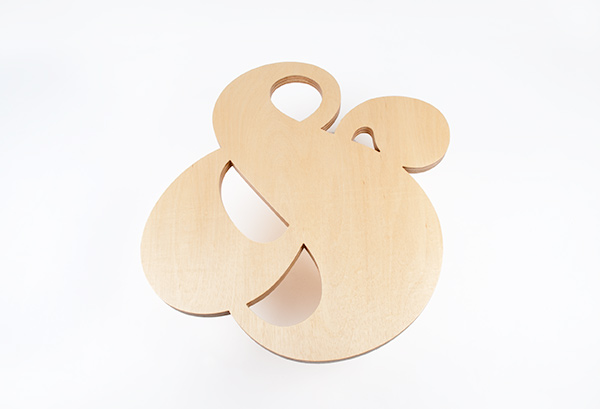
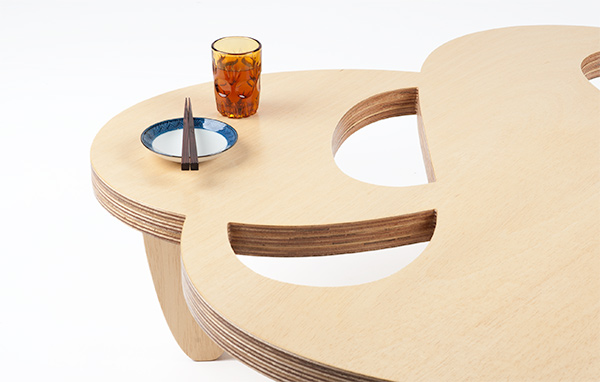
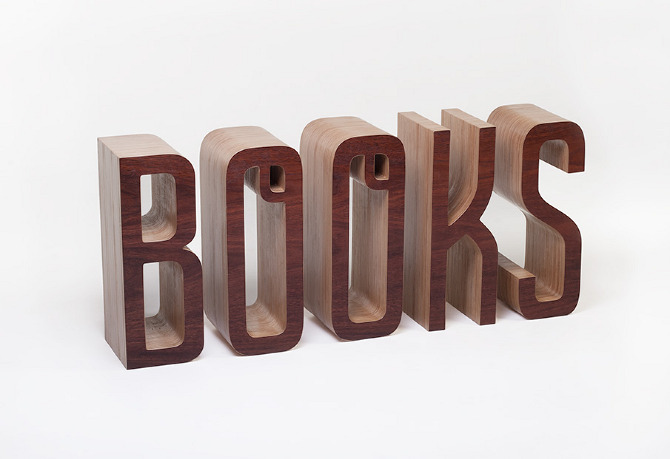
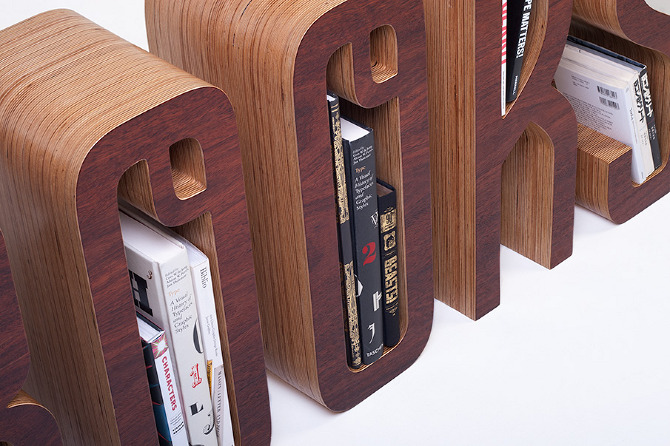
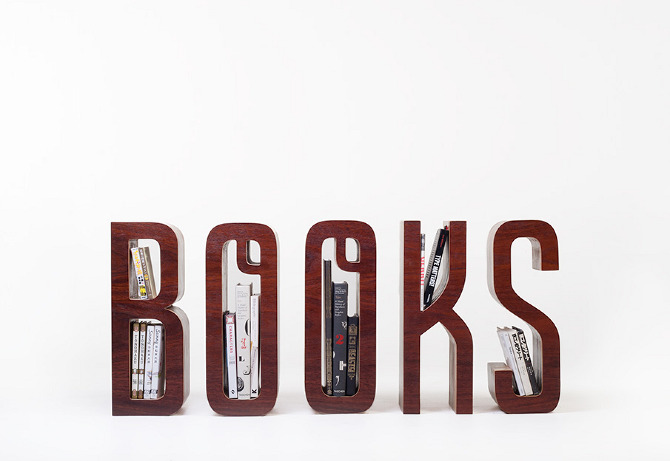
Meanwhile, their western counterparts include Table for Two (Ampersand Table)and is “an homage to the beautiful 1970s type designs of Herb Lubalin.”

Amp_TopView_R2

Amp_wglassAmp_loAngle

Saori Kajiwara is from Shizuoka Japan. She studied art and design in Tokyo before traveling to Melbourne, Australia, where she
completed a degree in communication design at Swinburne University of Technology. Matt Innes is an Australian native obsessed by simple bicycles and Japanese motorbikes & scooters. The two are currently establishing a design office together.

books_empty_left_iso_905px_1books_angled_CU_905px

books_full_front_low_905px_5

Source: The Fox Is Black

art created by gravity | Magnetic Field Record by Kouichi Okamoto

output_Mu1KGB

magnetic_field_record_big_bmagnetic_field_record_big_i

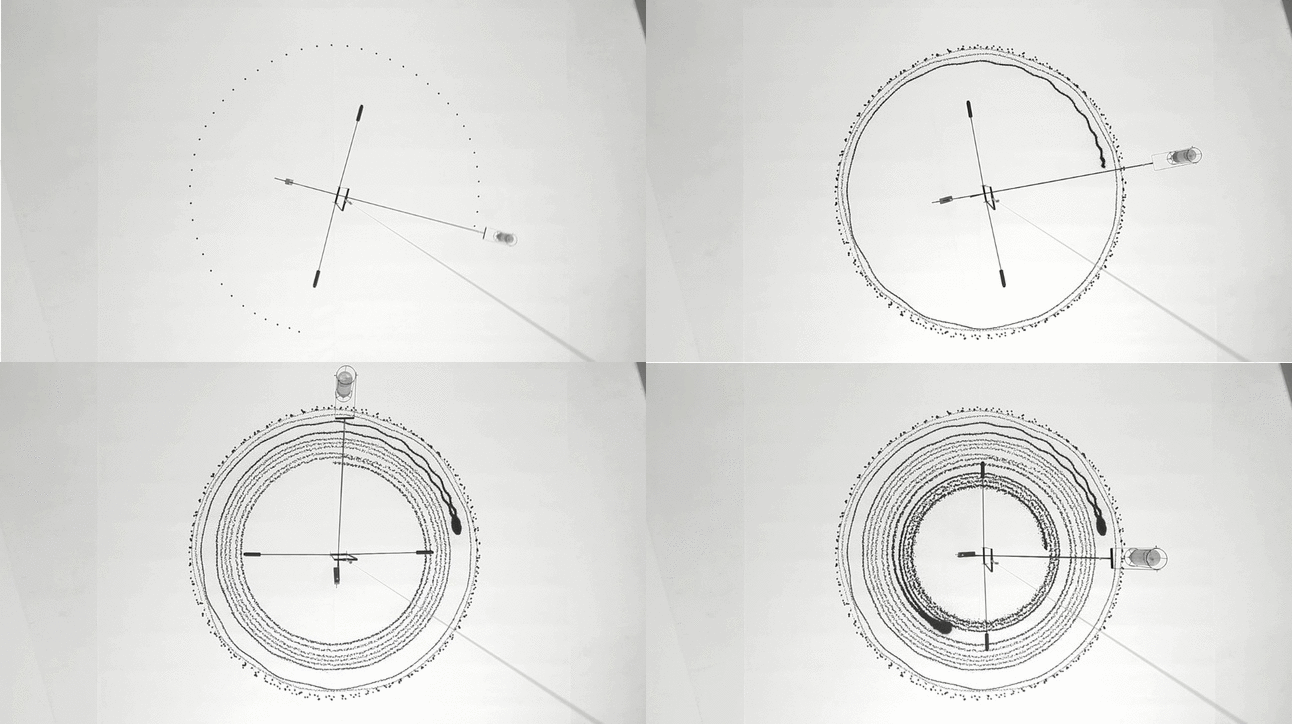
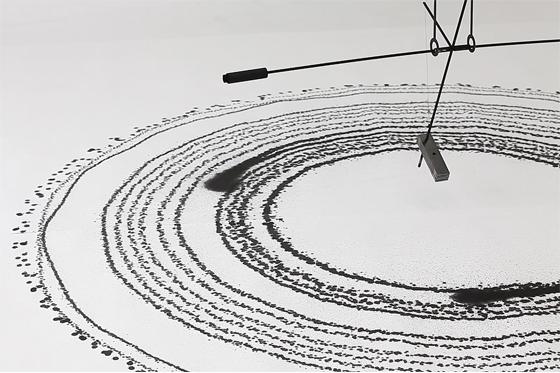
There are several ways to visualize gravity. Newton may tell you to drop an apple. Galileo would probably say drop two different balls. But in what is perhaps the most artful representation of gravity, Kouichi Okamoto of Kyoei Design has created a suspended contraption that creates a painting – a record, in essence, of the earth’s gravity.

magnetic_field_record_big_fmagnetic_field_record_big_h

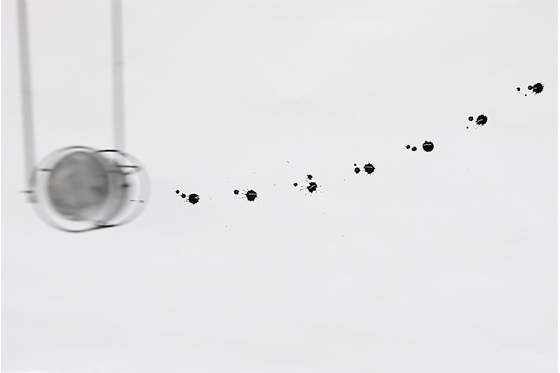
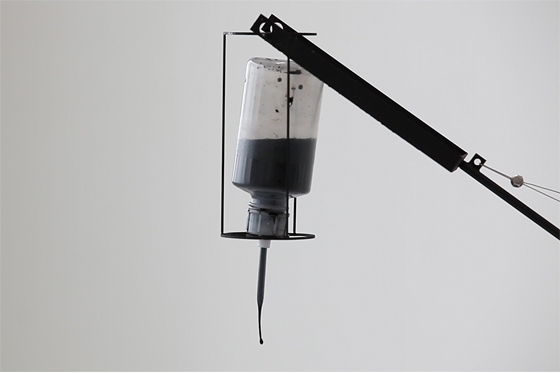
“Magnetic Field Record” consists of a bottle of sumi ink on one side, balanced by a large magnet on the other side. As the device rotates, liquid drips out of the bottle, leaving splotches in its path while also shifting the entire weight balance. This causes the bottle to move on an incline towards the center of the paper, which creates both a different path of splotches but also different intensities. But rather than read about what it does, do yourself a favor and watch the hypnotizing motion create an organic piece of artwork.

source: press release

« Older posts Newer posts »

© 2026 Spoon & Tamago

Up ↑

Design by Bento Graphics