Page 219 of 406

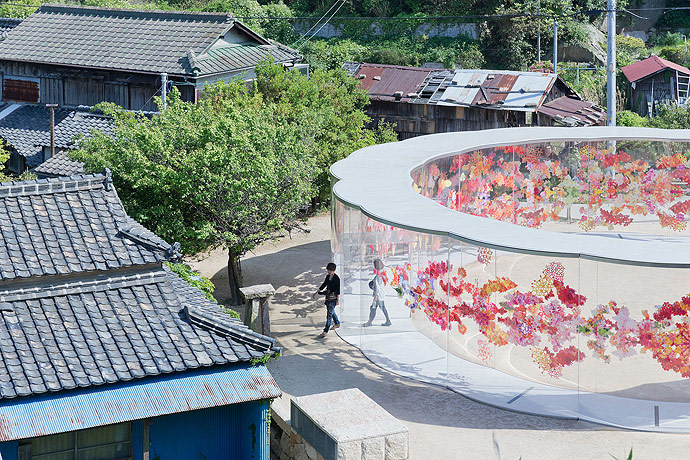
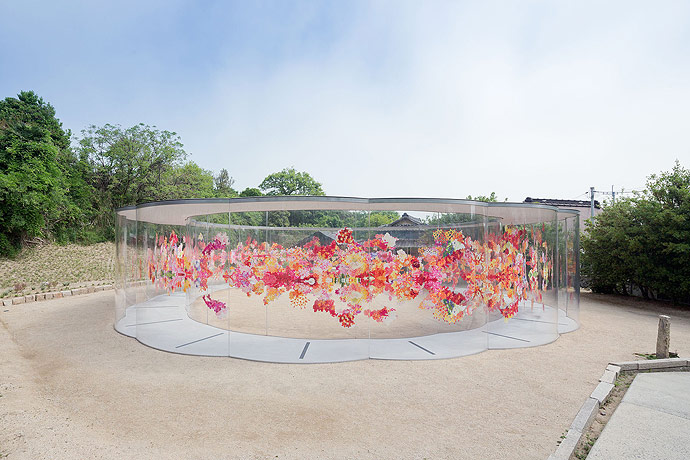
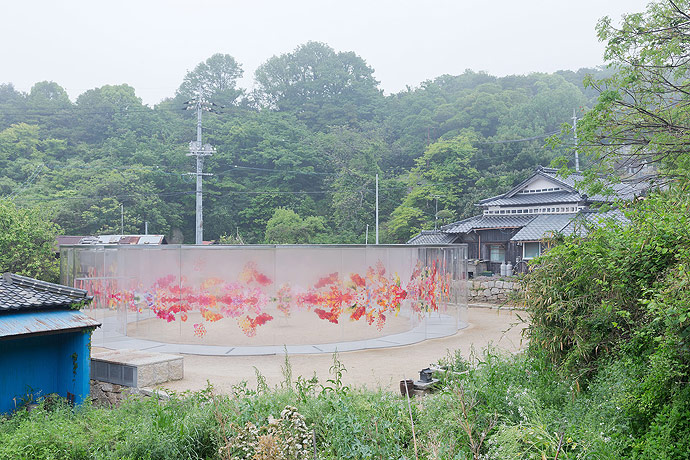
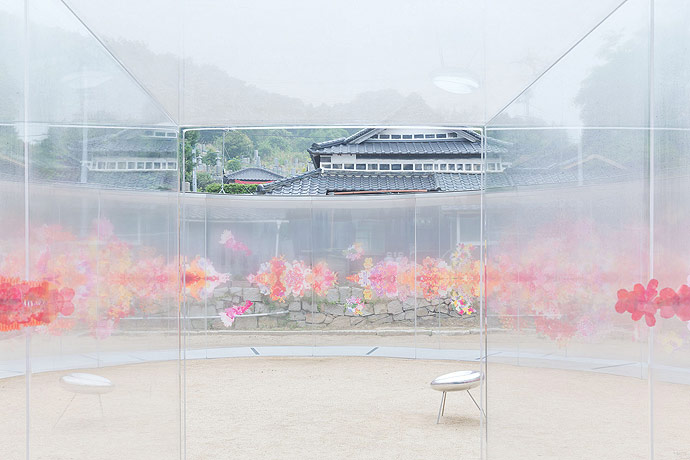
kaleidoscope of flower petals | A-Art House by Kazuyo Sejima

08Inujima-Sejima-13-05-4575all photos by Iwan Baan

10Inujima-Sejima-13-05-4564

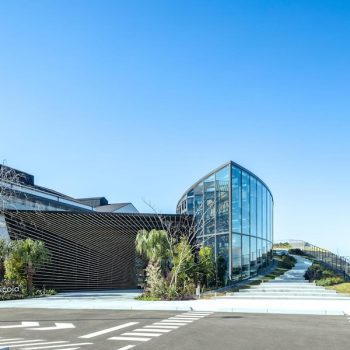
In 2008 Kazuyo Sejima – the chain-smoking partner of one of Japan’s most luminous architecture studios SANAA – was brought on to the Inujima Art House Project, part of an initiative aimed at revitalizing the islands of the Inland Sea through art, architecture and design. To date, Sejima’s contributions have been, amongst others, the S-Art House, I-Art, Nakanotani Gazebo and the unfortunately titled F-Art House.

But her latest creation is A-Art House, a stunning gallery space that was completed over the summer. Collaborating with the artist Haruka Kojin (previously) and art director Yuko Hasegawa, Sejima has erected a clear acrylic circle with a kaleidoscope of brightly colored shapes made from clusters of manmade petals. The project “explores the theme of an ‘earthly paradise’ of Arcadian ideals that fuses art and architecture with the landscapes and people of the island.”

See more photos on photographer Iwan Baan’s website.

12Inujima-Sejima-13-05-4921

15Inujima-Sejima-13-05-5801

01Inujima-Sejima-13-05-5495

02Inujima-Sejima-13-05-5490

Ecosystem Typography | Cover Art for Yumi Matsutoya’s New Album by Chie Morimoto

yumin pop classico (1)photos courtesy chie morimoto

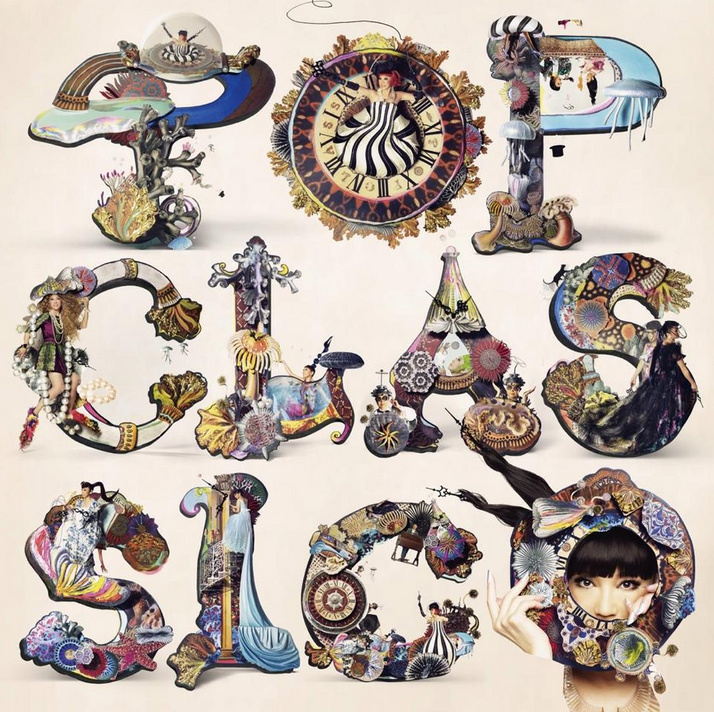
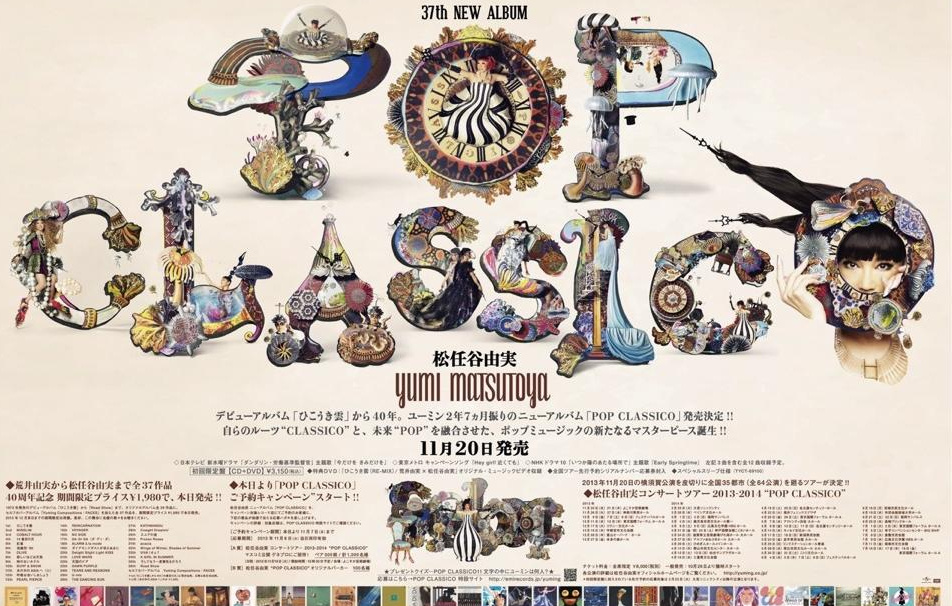
It’s hard to discuss Japanese pop music (J-pop) without inducing yawns or eye-rolls. But there are several acts that demand recognition and one of those is the long-standing vocalist Yumi Matsutoya, better known as Yumin. The commercially successful artist has just released her 37th album with some fantastic cover art by art director Chie Morimoto (previously).

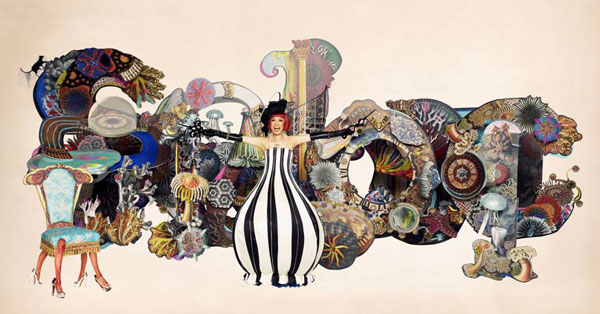
Each letter is its own stage set, meticulously hand-crafted and then photographed with Yumin interacting with them. After each shoot by photographer Leslie Kee, Yumin changed into a new costume created by stylist Hisashi Kitazawa. Working around the clock, the all-star photo shoot took an entire 24 hours, says Morimoto. The result is a series of brilliant typographic ecosystems.

yumin pop classico (6)

yumin pop classico (4)

yumin pop classico (5)Yumi Matsutoya with Chie Morimoto

Not that she needs it but Yumin is currently experiencing somewhat of a revival as one of her old songs “hikoki-gumo” was unearthed by the team at Ghibli and featured in Hayao Miyazaki’s latest (and last) film “The Wind Rises.” This new album – a mash-up of old hits – includes this song. Coincidentally, Chie Morimoto has also created all the posters and visuals for the upcoming Documentary on Hayao Miyazaki.

Source: chie morimoto

koloro-wagon teaches little kids to be organized

torafu-kololo-wagon (1)photos by Akihiro Ito, Styling by Fumiko Sakuhara, courtesy Torafu

torafu-kololo-wagon (2)

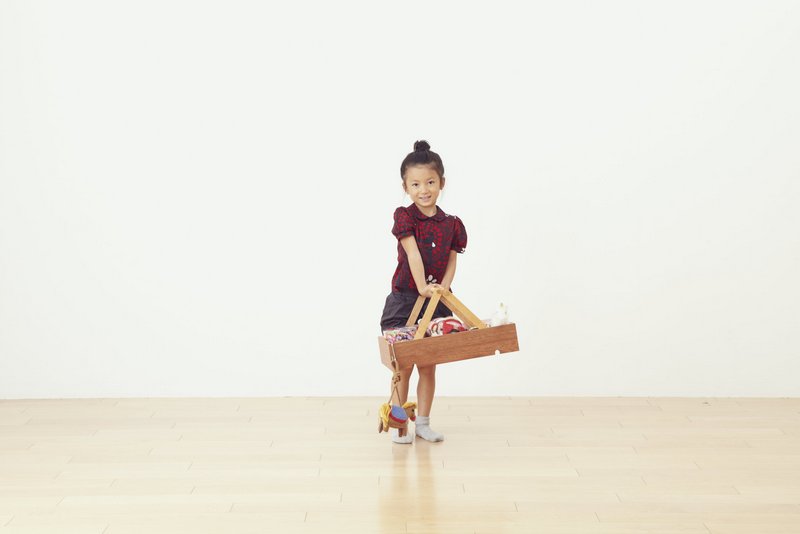
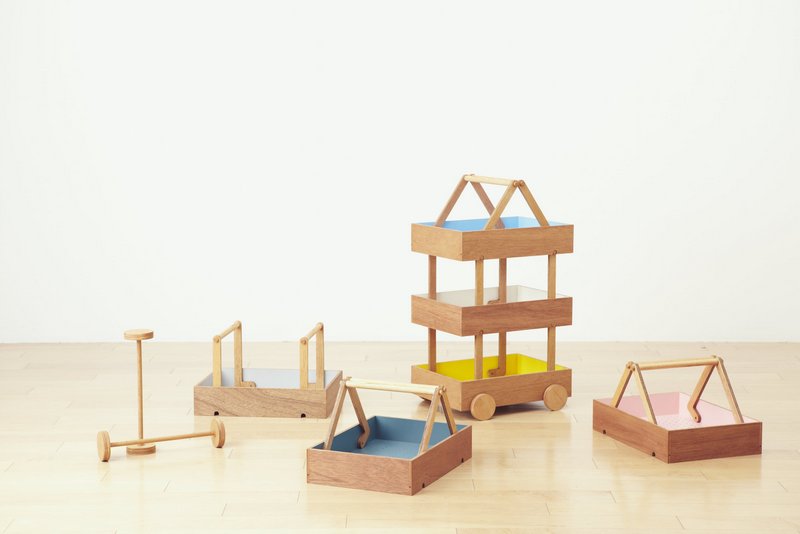
We live in complicated times. Not only do we have more gizmos and gadgets than ever, we’re also inundated with a vast range of products and tools to help us get organized. The whole thing can be dizzying. Well why not let your kids get a handle on things early with the koloro-wagon.

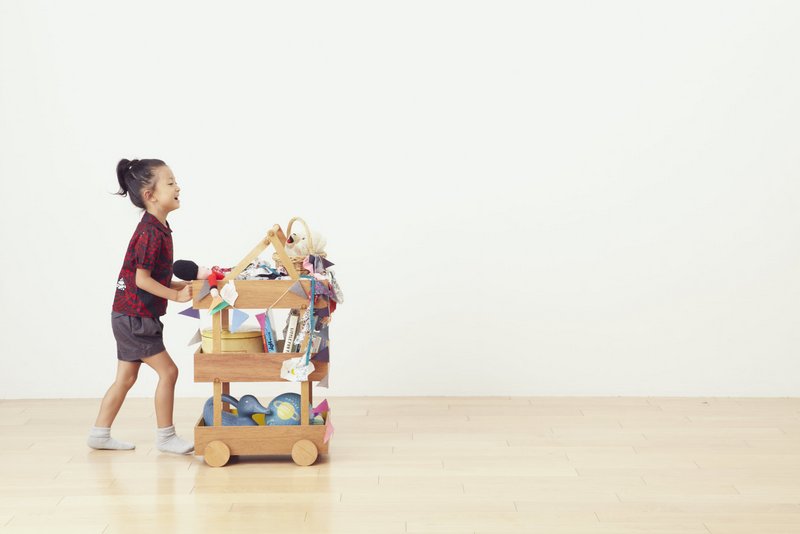
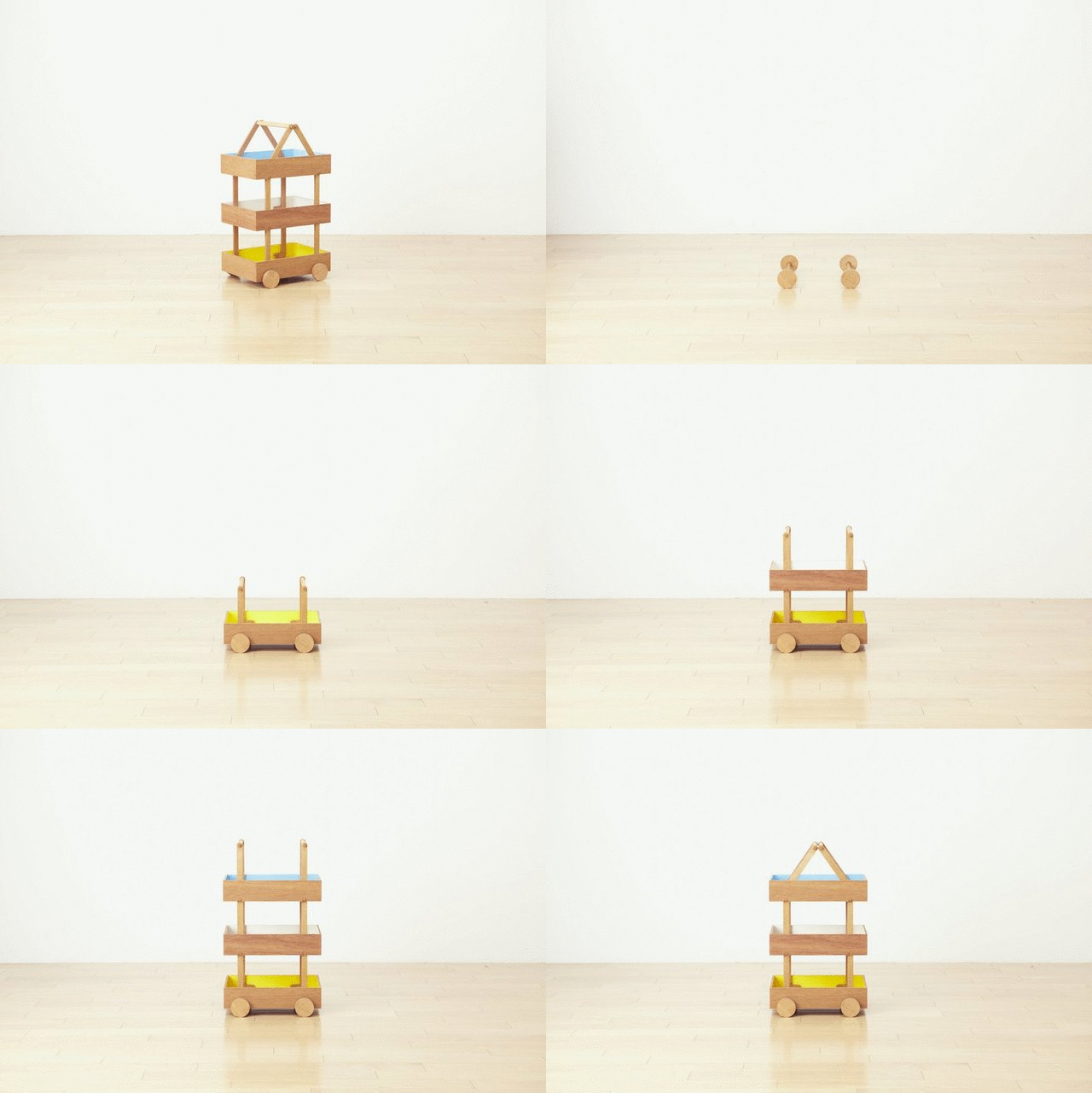
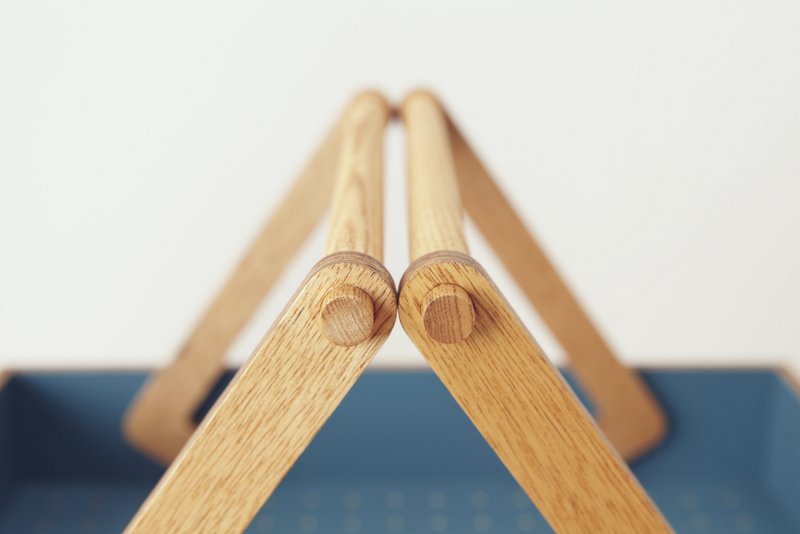
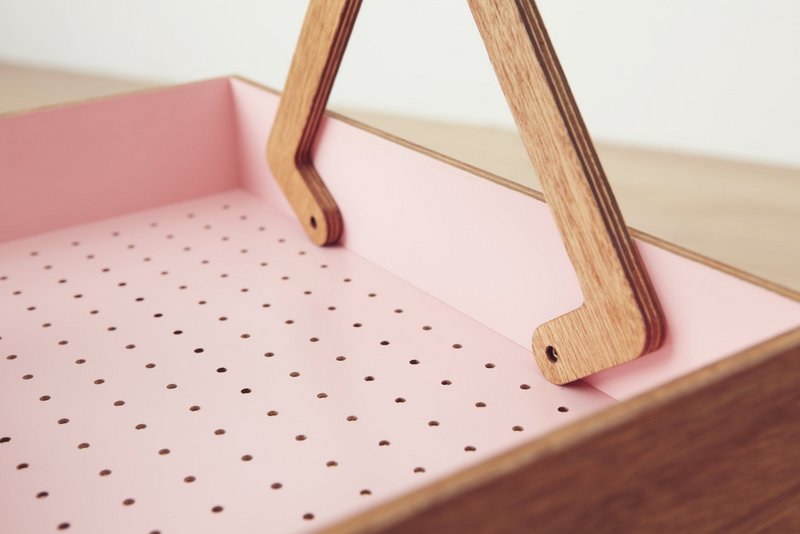
Inspired by the concept of “storable furniture,” the mobile wagon lets kids store all their toys in one place. The mobility gives them the freedom to roll it around while the 3 stacking shelves lets them unhook certain parts and relocate to other parts of the room. It teaches organization but also mechanics and engineering. It can even be shared amongst the family with shelving for each member!
Designed by Torafu Architects, the koloro-wagon is the 3rd in a series designed for furniture manufacturer Ichiro.

torafu-kololo-gif

torafu-kololo-wagon (5)

torafu-kololo-wagon (7)

torafu-kololo-wagon (12)

torafu-kololo-wagon (4)

Sekki | Silverware Inspired by Prehistoric Times

nendo sekk -cutlery (1)

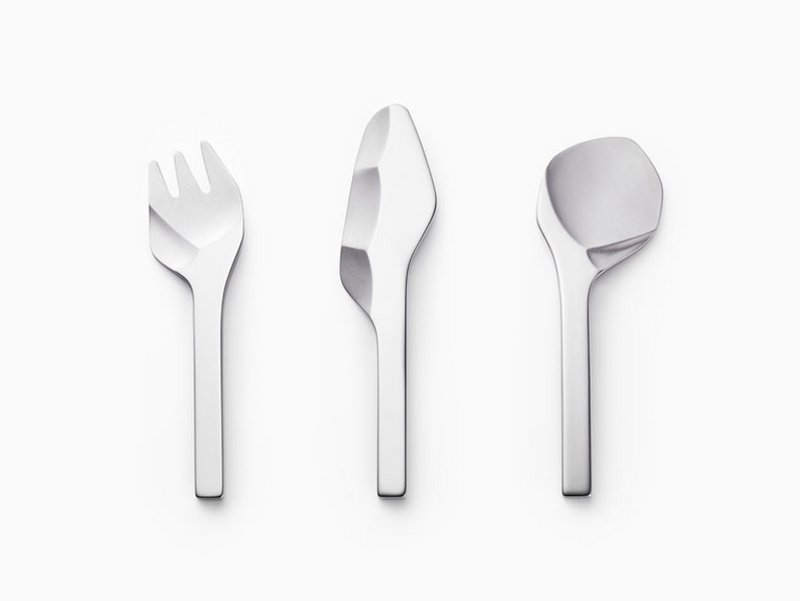
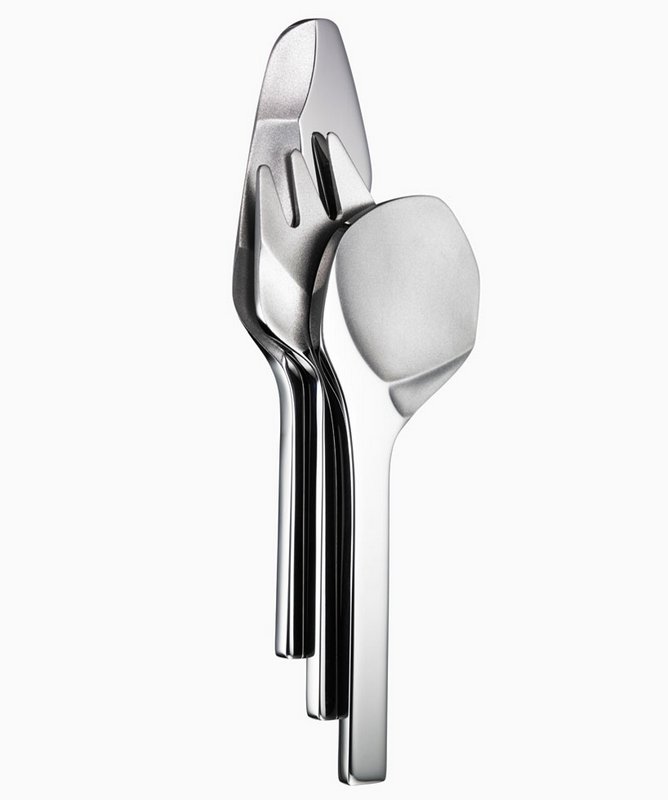
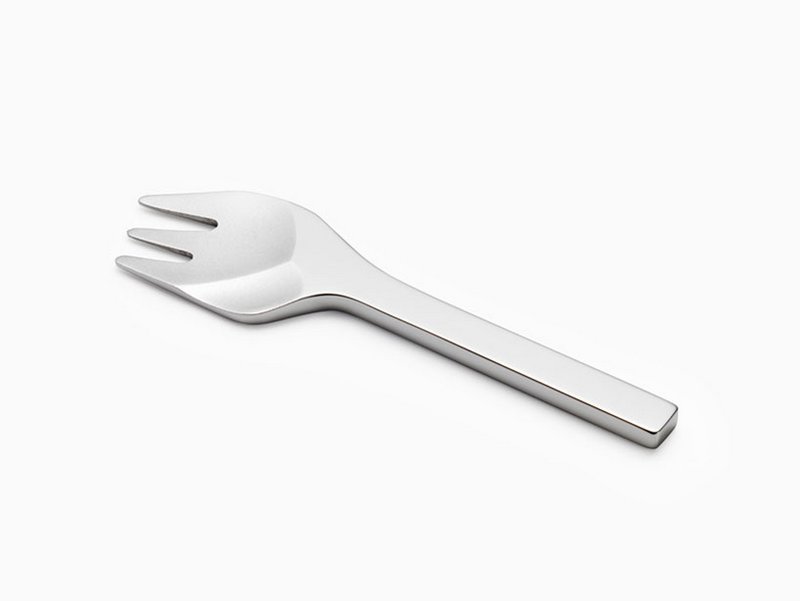
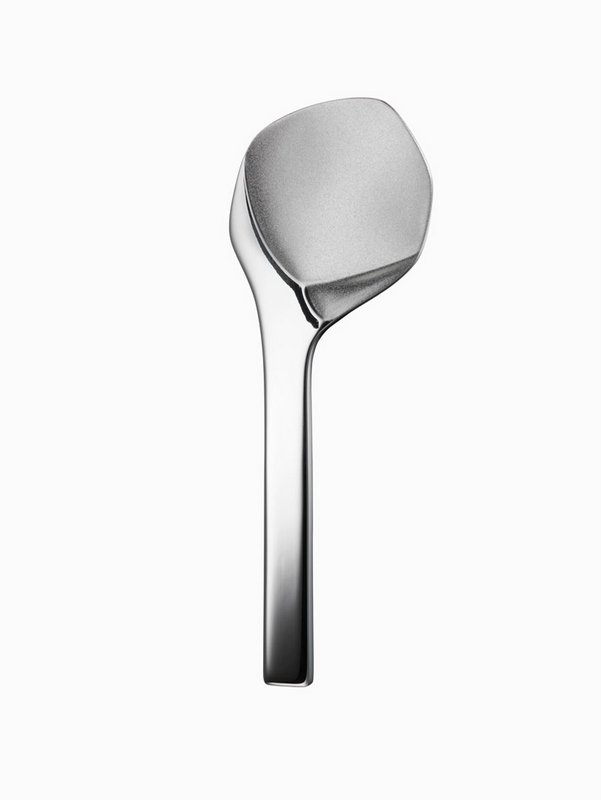
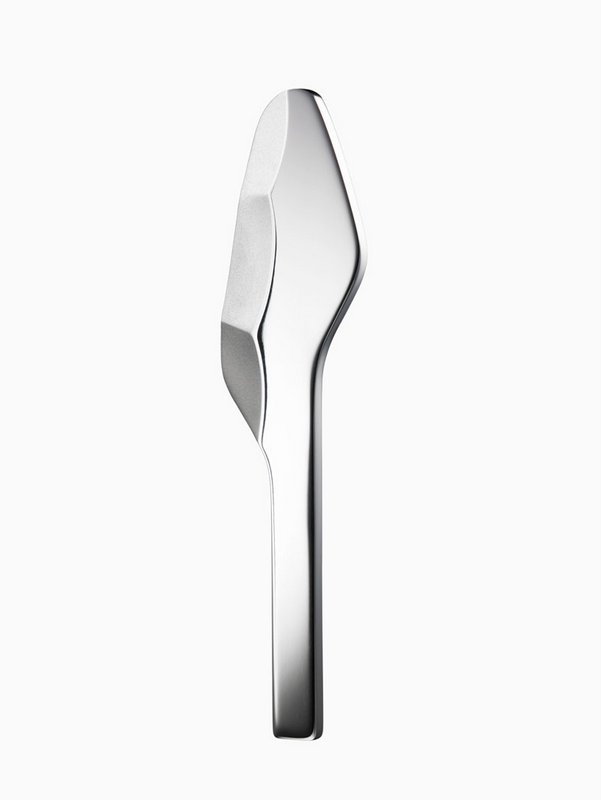
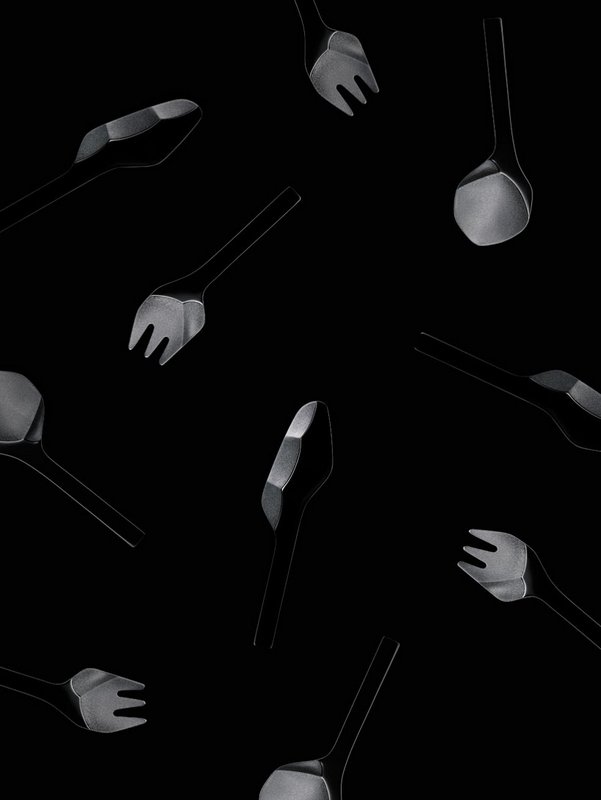
After what feels like ages of refining and polishing the look of cutlery, Oki Sato, who heads up the popular Japanese design firm Nendo, is breaking the mold. And he’s turning back the clock of time hundreds of thousands of years in doing so. The Tokyo and Milan based designer recently unveiled “sekki,” a three-piece set of desert cutlery whose rudimentary, irregular forms harken back to the prehistoric days of stone-carved tools.

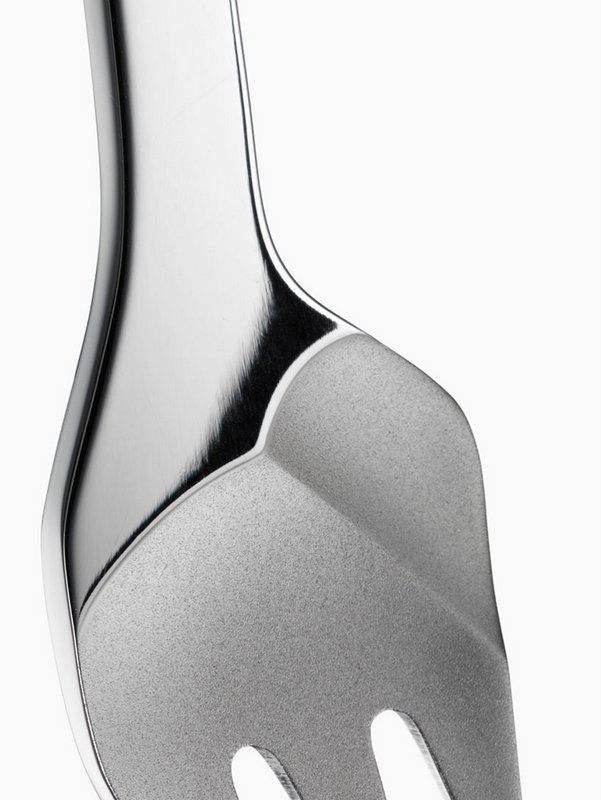
Sekki (石器), which also means stone tool in Japanese, is a collaboration with Kobayashi Kogyo – a Niigata-based metalwork firm. Parts of each piece are sandblasted while others are polished, heightening the asymmetrical look of stone.

nendo sekk -cutlery (2)

nendo sekk -cutlery (6)

nendo sekk -cutlery (7)

nendo sekk -cutlery (3)

nendo sekk -cutlery (4)

nendo sekk -cutlery (5)

source: submission

Yukiko Nagai Reupholsters Chairs with Marble and Glass Tiles

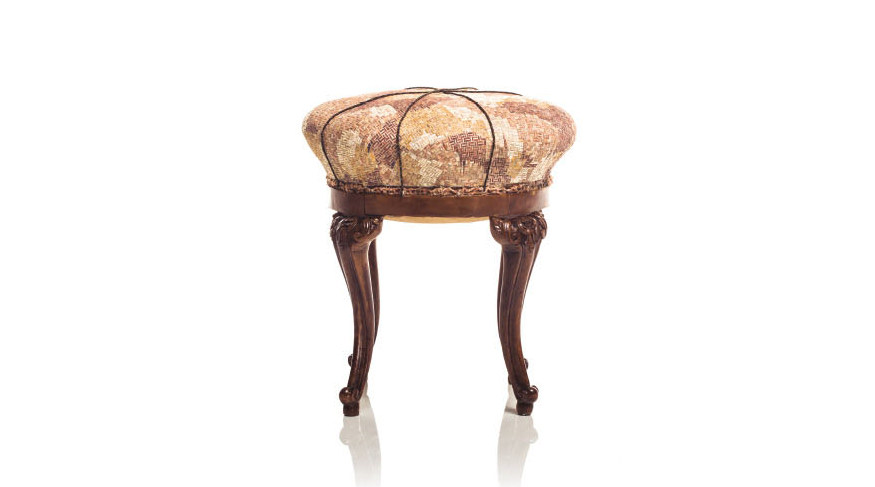
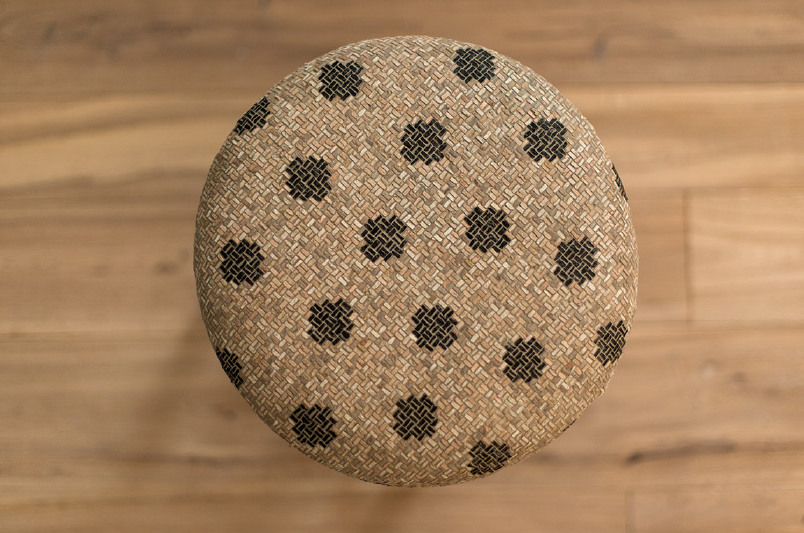
sgabello_camouflageSgabello Camouflage: marble, stone and antique furniture

sgabello_camouflage (1)

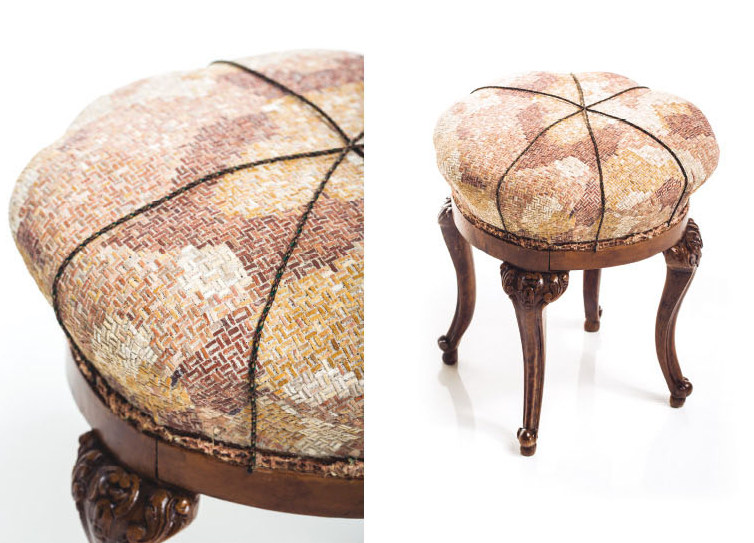
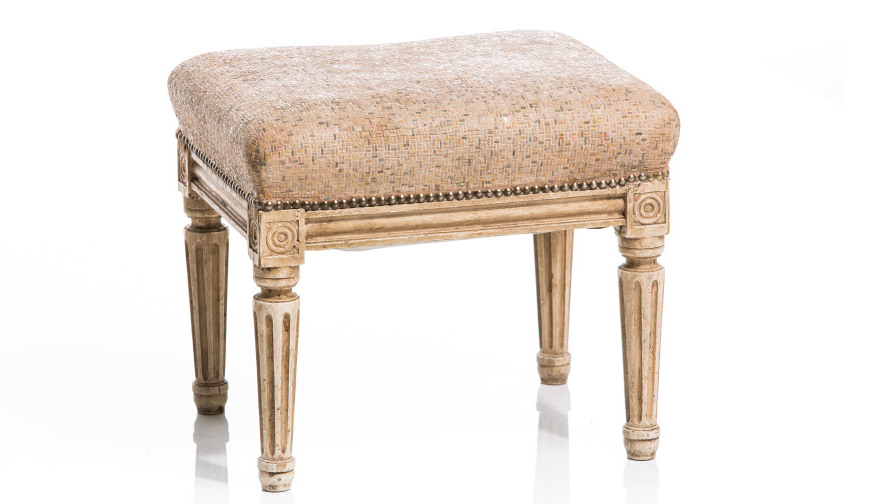
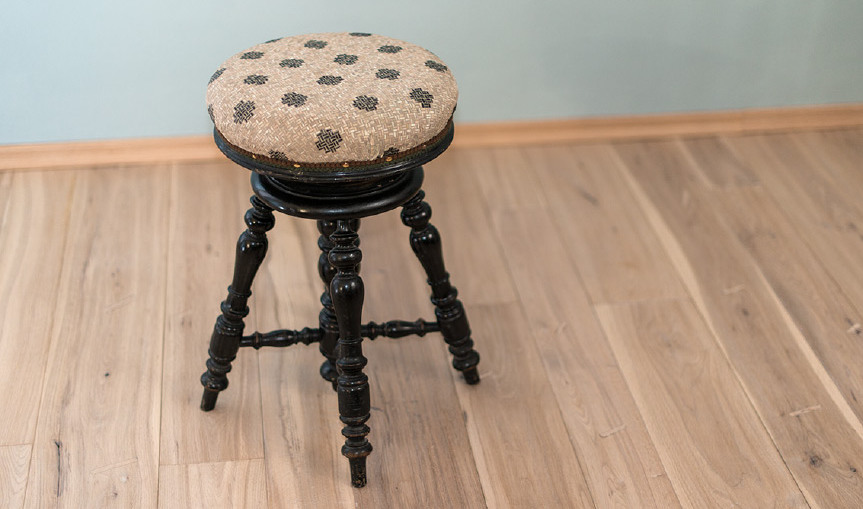
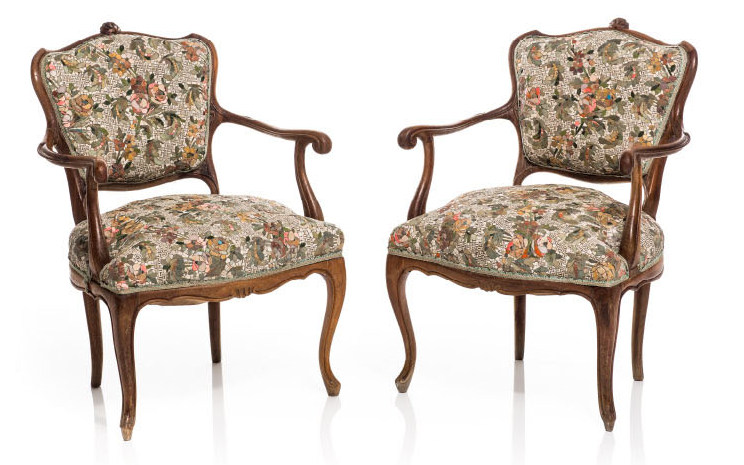
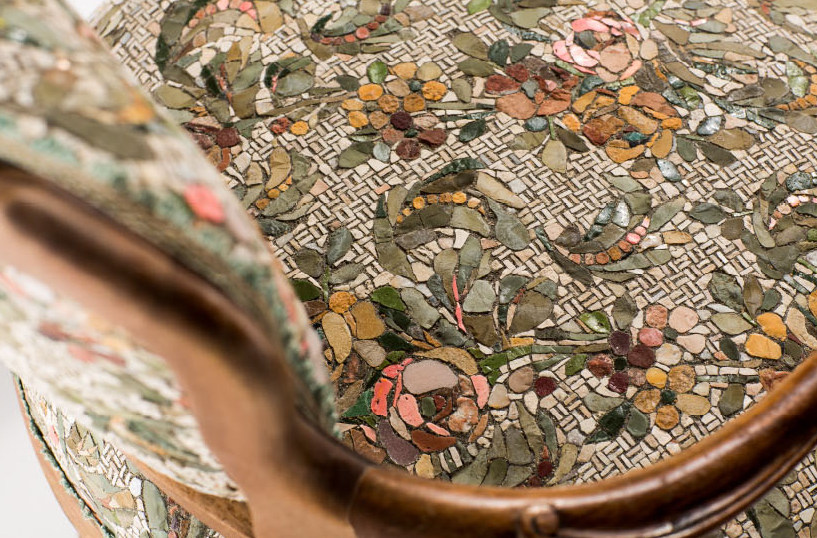
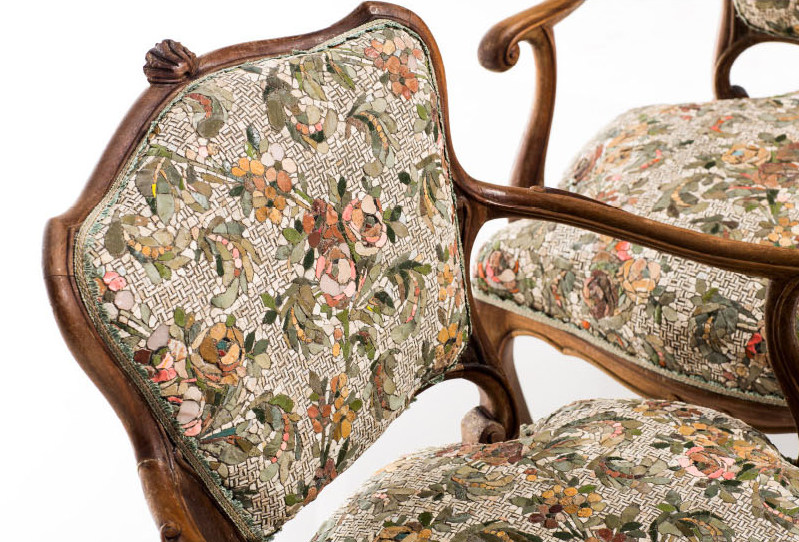
The reupholstered chairs of 32-year old Yukiko Nagai most certainly call for a 2nd look. But don’t sit. These delicate pieces mimic the look of traditional materials like wood grain, boar hide and patchwork using marble and glass tile. According to the artist, “Her concept consists in the interpretation of various materials using exclusively marmble and rocks, trying to surprise at the touch and look of the surface rendered in the work.”

Nagai makes use of her studies in landscape design, which she completed at the prestigious Tama Art University, to carefully render the mosaics of her work. She first gained recognition earlier this spring when famed Italian gallerist Rossana Orlandi decided to include her in her groundbreaking exhibition.

sgabello_pantheonSgabello Pantheon: marble, stone and antique furniture

sgabello_pantheon (2)sgabello_pantheon (1)


sgabello_poisSgabello Pois: marble, stone and antique furniture

sgabello_pois (2)


poltrone_gemelle
Poltrone Gemelle: marble, stone, venetian glass and antique furniture

poltrone_gemelle (2)

poltrone_gemelle (1)

source: tmagazine

mamacona | a new dog salon in Oita

02usa_webPhotos by Yuko Tada

07usa_web06usa_web

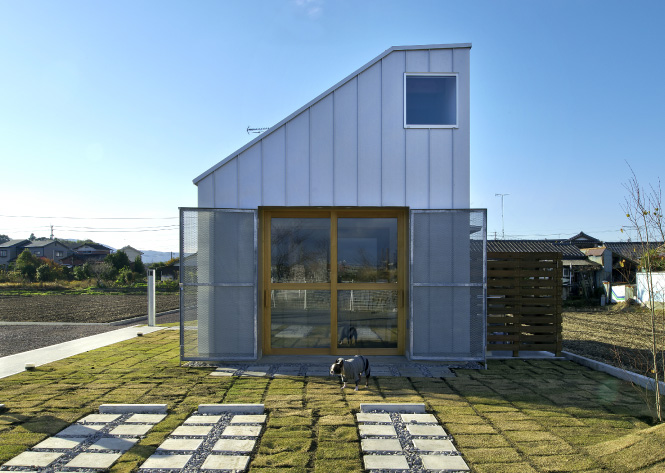
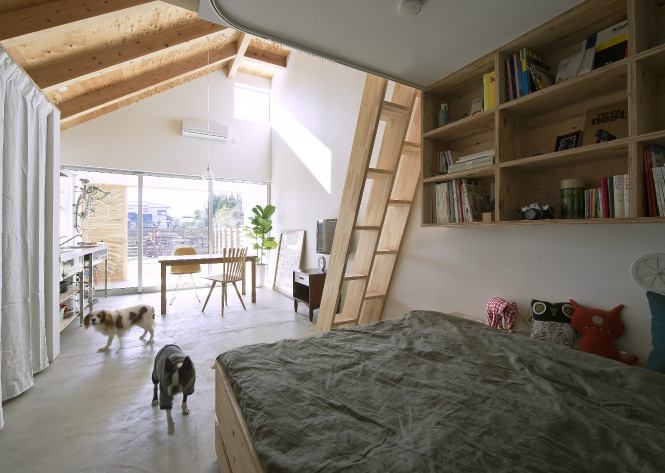
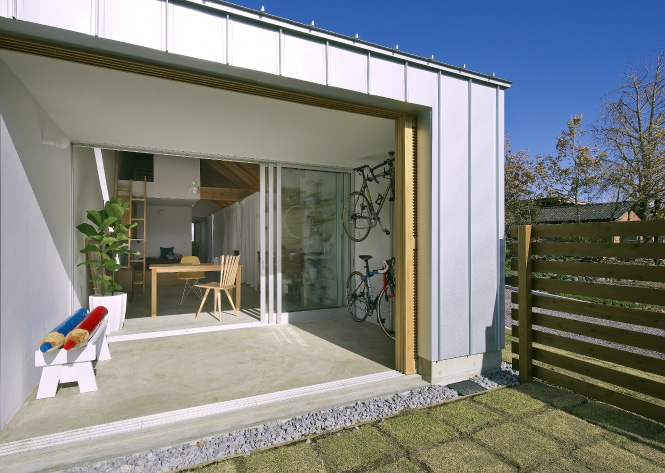
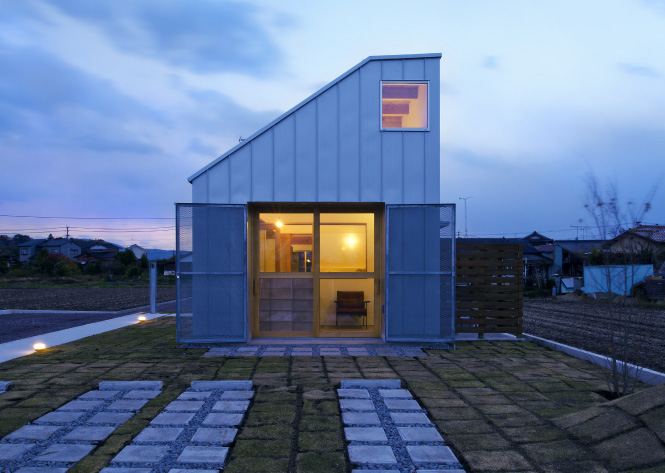
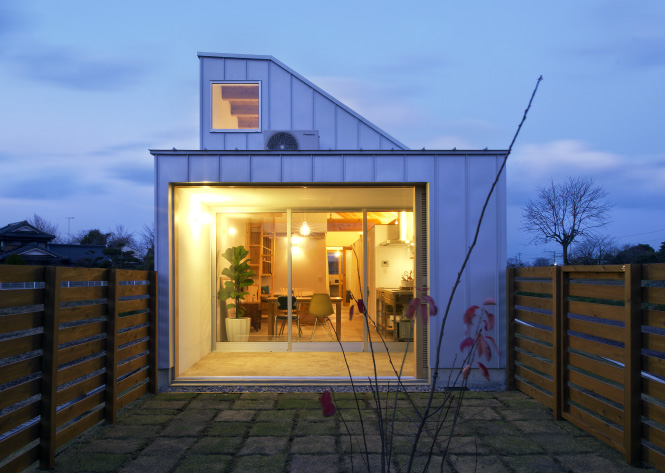
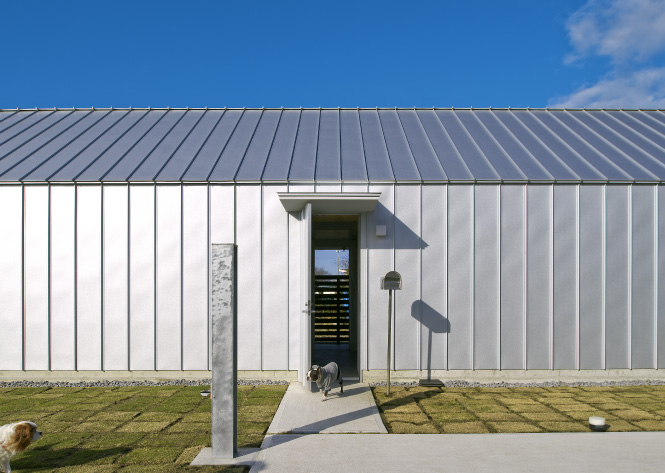
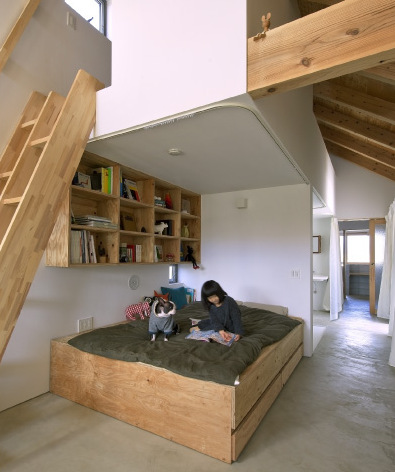
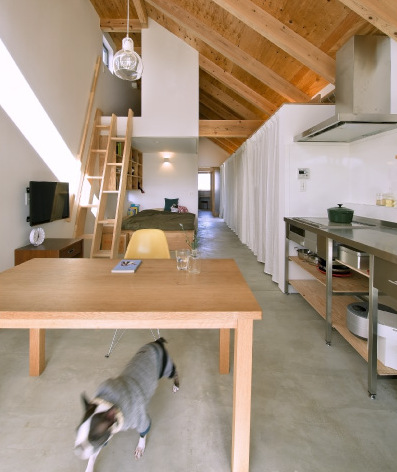
Situated in the middle of a rice paddy is a sleek, modern building that, well, looks nothing like a dog salon. But of course, it is. Inside the sloped structure – intended, from the outside, to resemble a seated dog – is a combined residence and dog salon named mamacona. It’s located in Oita prefecture in the small coastal town of Usa (pronounced ew-sa).

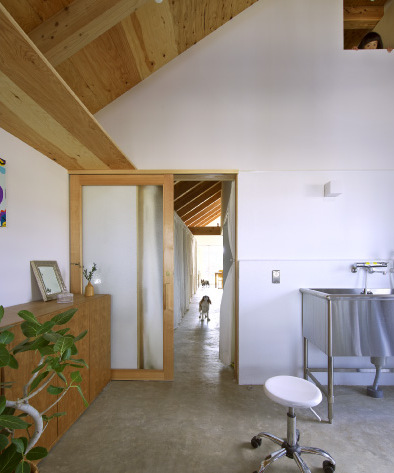
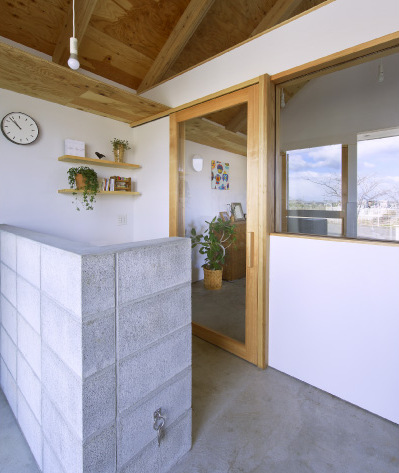
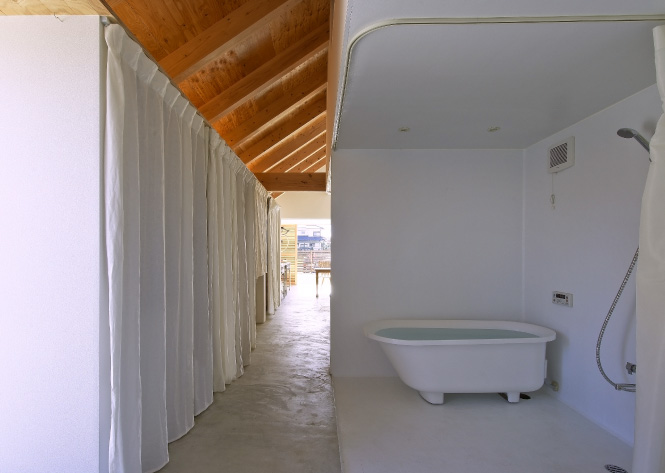
The dog salon occupies the part of the building adjacent to the main road with the family’s living quarters towards the back. The bathroom and kitchen is located in the center, where it can be easily accessed from both the home and shop. “Because the line of sight extends unbroken from the shop entrance back through the garden, the space feels larger than it actually is,” explains Naoko Horibe, the architect behind the space.

08usa_web

10usa_web

11usa_web12usa_web

13usa_web

14usa_web

15usa_web

04usa_web

source: submission

inspired by trash | Monohara Ceramic Collection by House Industries

2602

2626

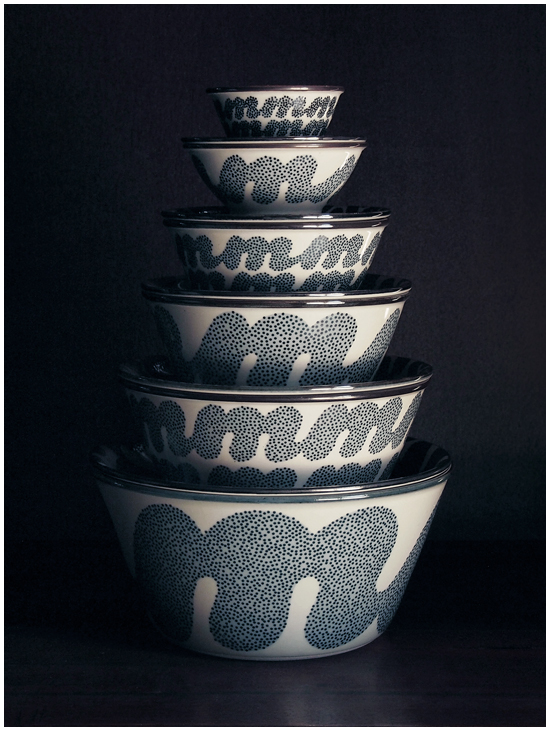
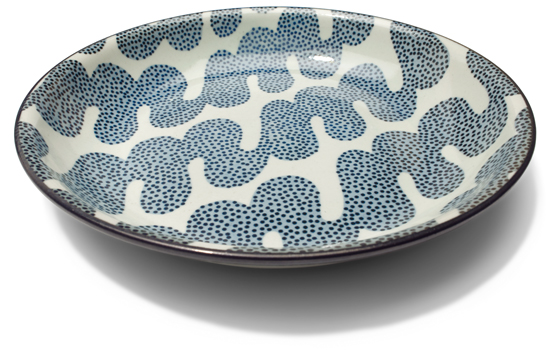
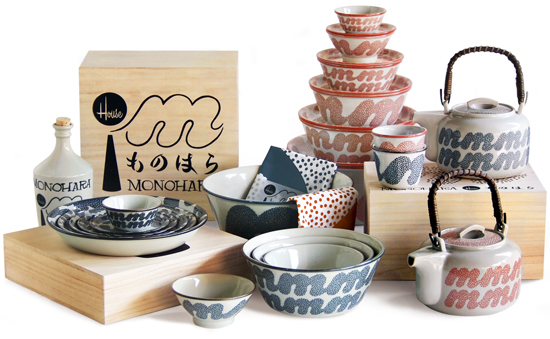
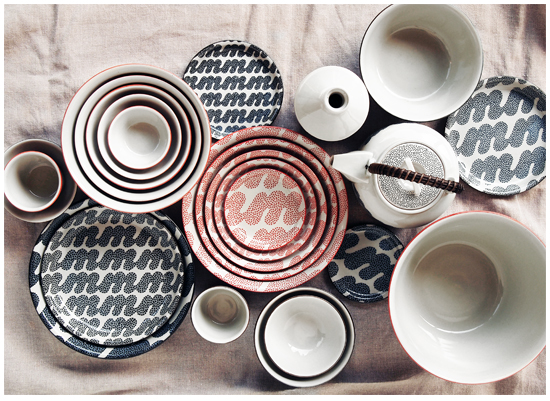
In 2012 House Industries collaborated with Hasami on a collection steeped in kiln-fired Kelvins and centuries of tradition. What now marks their 2nd collaboration with the family-owned Japanese ceramic maker, House has unveiled their Monohara collection. The term – a form of Japanese ceramic industry jargon – literally means “the trash pit next to the kiln” and refers to a pit of defects or otherwise imperfect ceramics that have been discarded.

“We found much of our inspiration quite literally in Hasami’s backyard—the trench filled with 400 years worth of cast offs and blemished items,” says Andy Cruz of House Industries. “Artifacts from Hasami’s ceramic trash pit are the best link to the past and one of the keys to Hasami’s future.”

2605

2608

2620

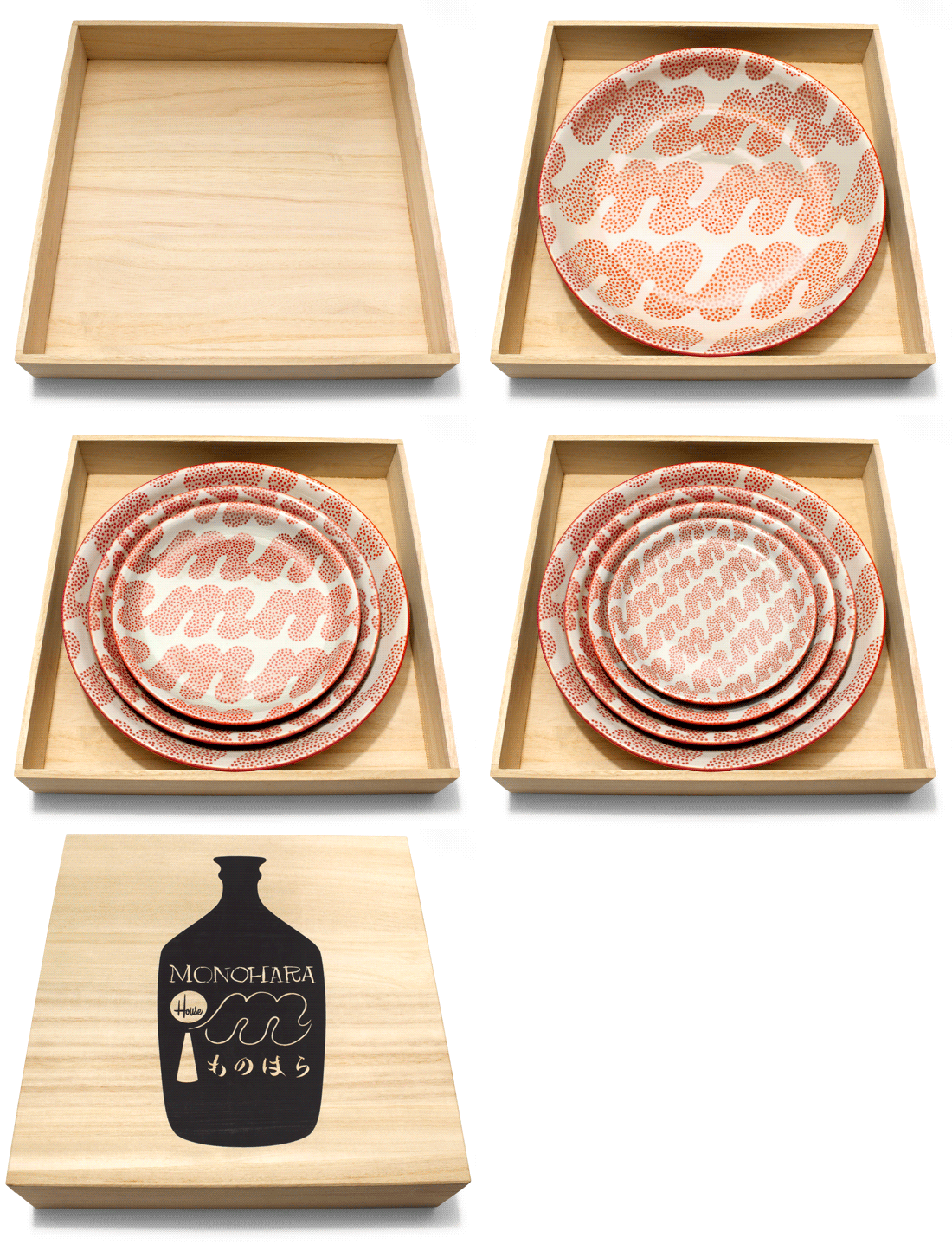
The collection, which includes nesting bowls, teacups and teapots, will be on display at Midori.so in Tokyo, a collaborative workspace that we profiled just over 1 year ago. The exhibition will run from October 15 – 20. There are mode details over on the House Industries blog.

2629

“The Monahara wordmark references the brushwork of Edo Era Hasami village artisans, whose latin letterforms evoked Hiragana sensibilities on Japanese products that were exported to Europe in the 19th Century.”

Happy 25th Birthday Anpanman | 10 things you probably didn’t know about Japan’s favorite breaded superhero

25 years ago today Anpanman began its original run on Nippon Television and is still going strong. Japan’s favorite breaded superhero, and his other anthropomorphized food friends, have been adored by generations of kids even beyond the borders of his home country. In a short homage to the caped sweet bean-paste bread, we bring you a list of things you probably never knew about Anpanman.

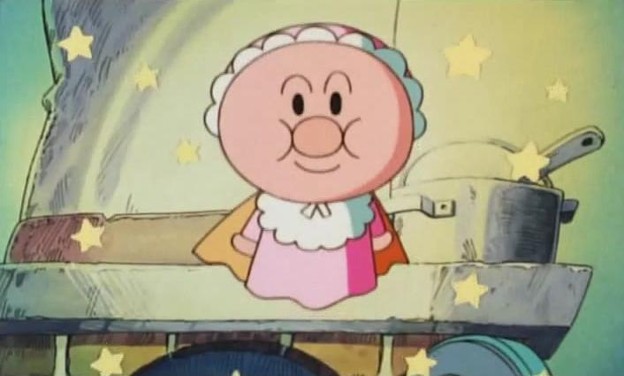
1. When Anpanman was first born he looked like this. He also announced his own name, effectively naming himself.

105904519_624.v1380485937

2. Sometimes the characters don’t use earmuffs correctly

BLv4LBACcAEFU7s

3. Anpanman’s Arch nemesis Baikinman, literally, germ man, washes his hands (why doesn’t this kill him??)

BMJYpK7CIAIT-RU

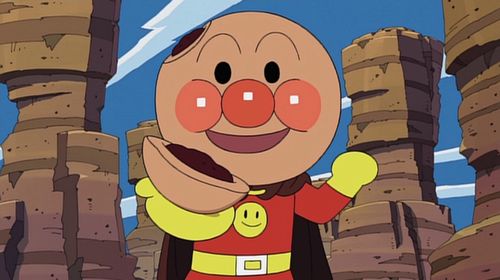
4. On several occasions Baikinman has tried to destroy Anpanman by tinkering with his ingredients. But his baker Jam-Ojisan foils his plans by using different ingredients, which results in a different head.

5149318559_1072cf80ec_z

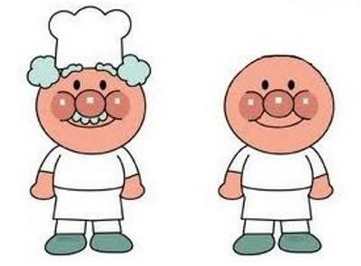
5. Speaking of Jam-Ojisan, his resemblance to Anpanman is uncanny

BVSfMfRCYAAZ7lR

6. Anpanman’s nose is detachable

BP_0lT1CYAEfZ2T

7. Anpanman airs in the Middle East. But during Ramadan all characters based on foods are censored.

anpanman after

8. Currypanman’s cooking techniques are a little revolting

BR30myaCYAAg8uo

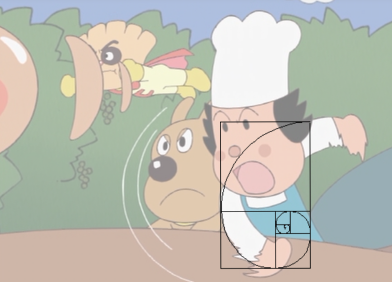
9. Logarithmic spirals: the secret to Batako-san’s unrelentingly perfect throws

BRliLA4CUAAyFGv

10. An interview with Takashi Yanase, the 94-year old creator of the show, revealed that the concept for the character – a superhero who helps hungry kids by letting them eat his face – came about from Yanase’s experience in post-war Japan when there major food shortages. He struggled with the contradictions of good/evil but there was one thing he knew for sure: if there was a superhero it would be someone who would save starving children from hunger.

2012y09m28d_010525718

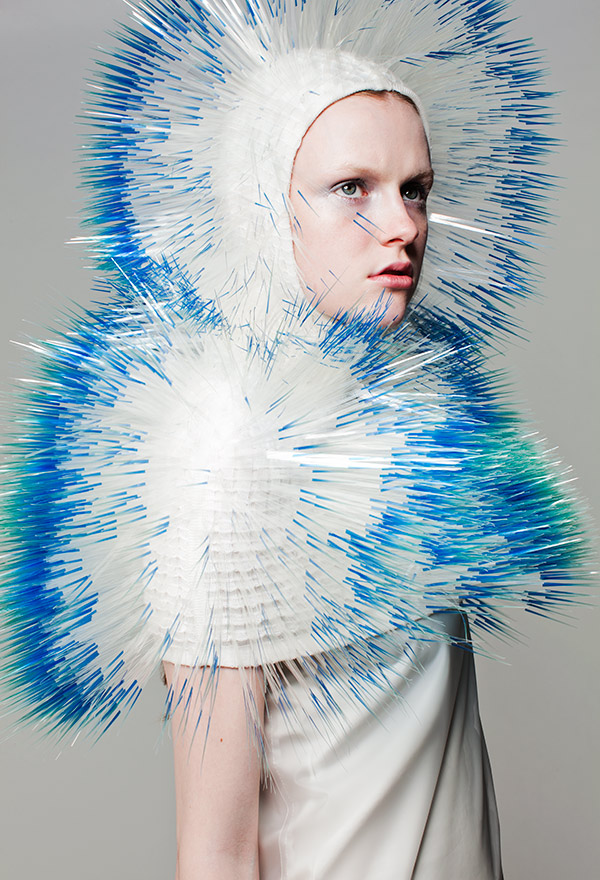
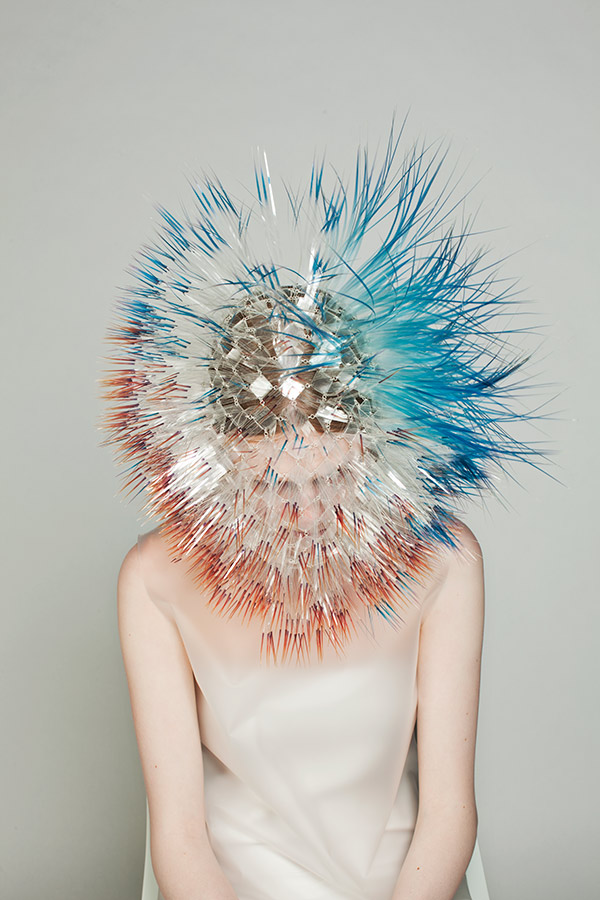
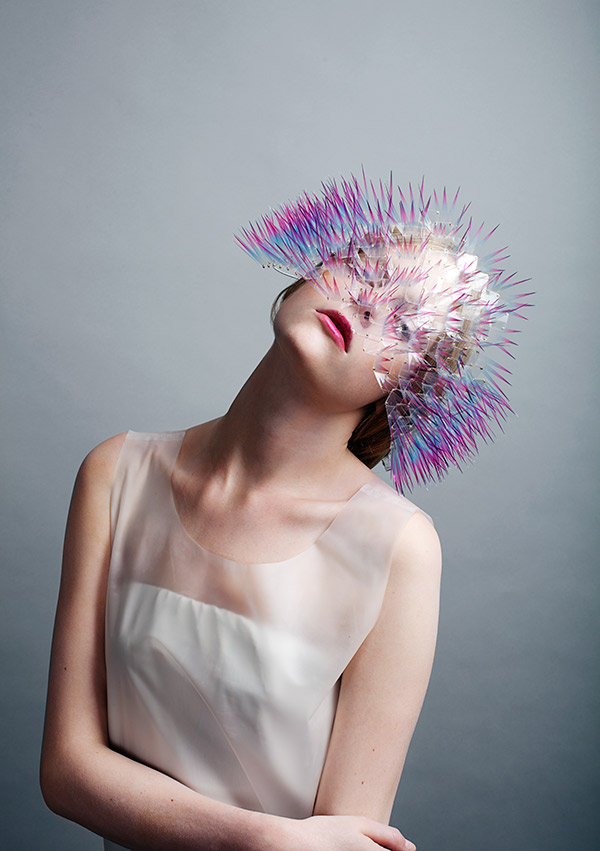
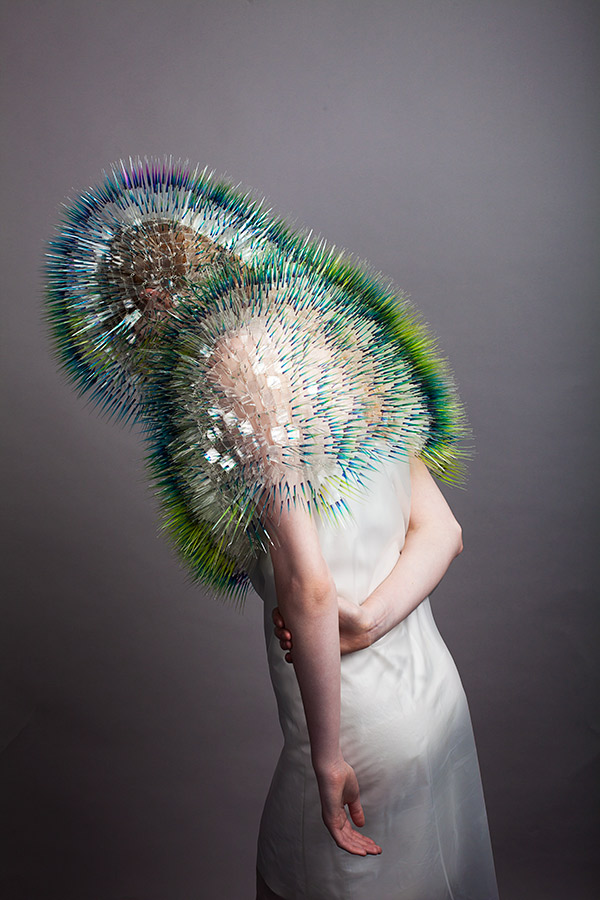
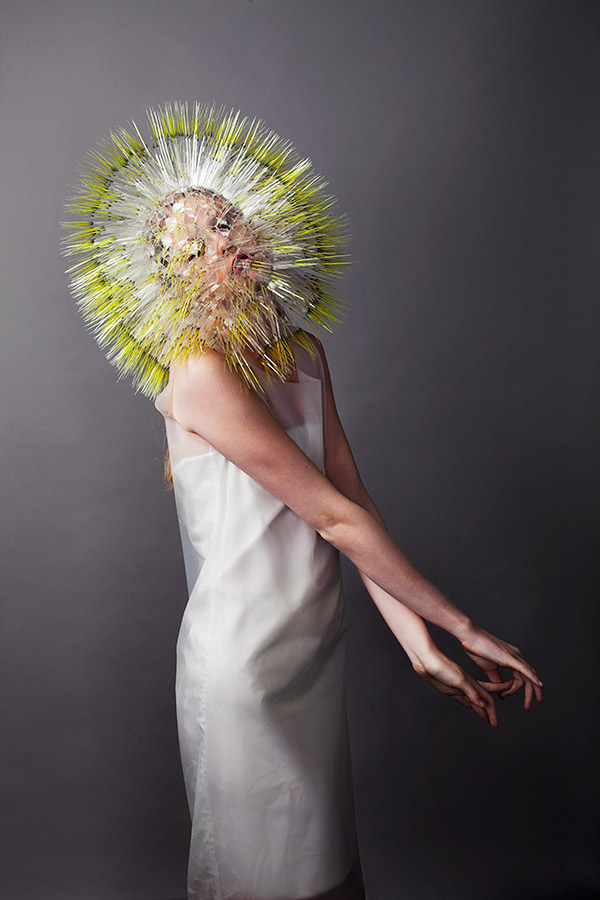
Atmospheric Reentry | Otherworldly Headdresses by Maiko Takeda

look7photos by Bryan Huynh, courtesy the artist

look1look3

atmospheric_reentry_1

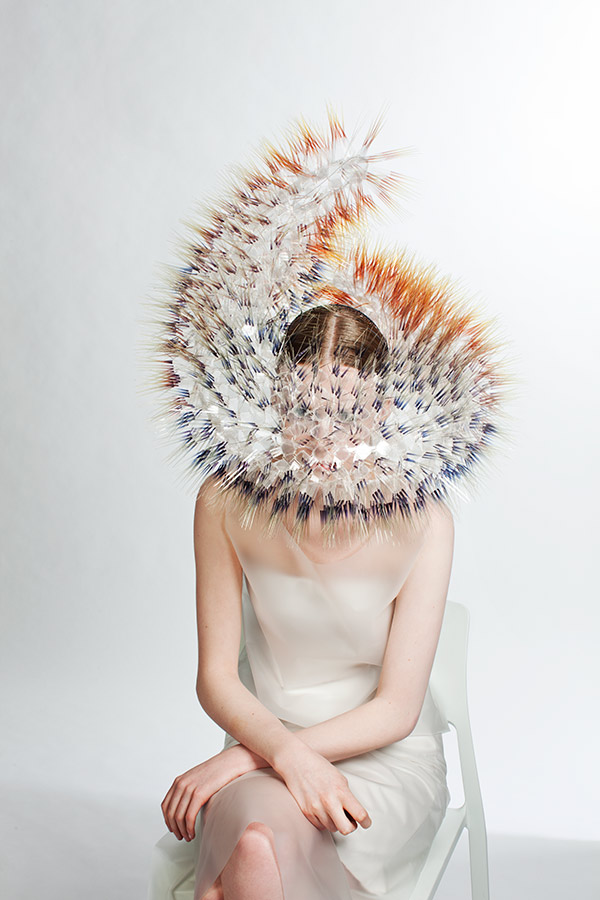
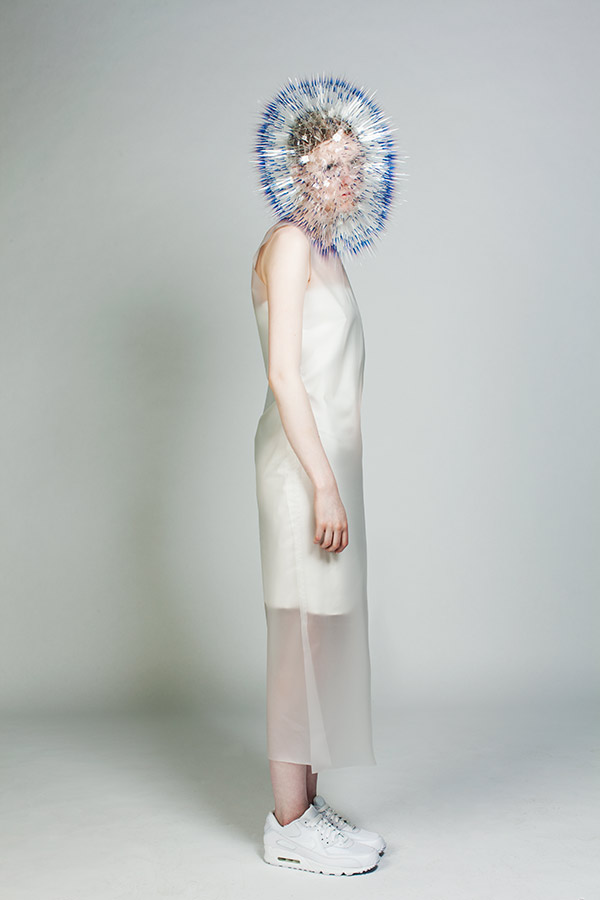
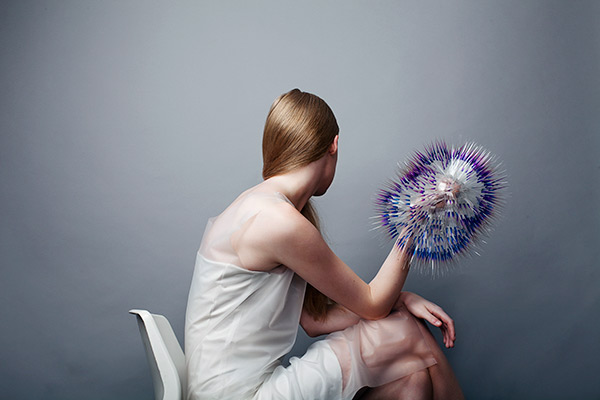
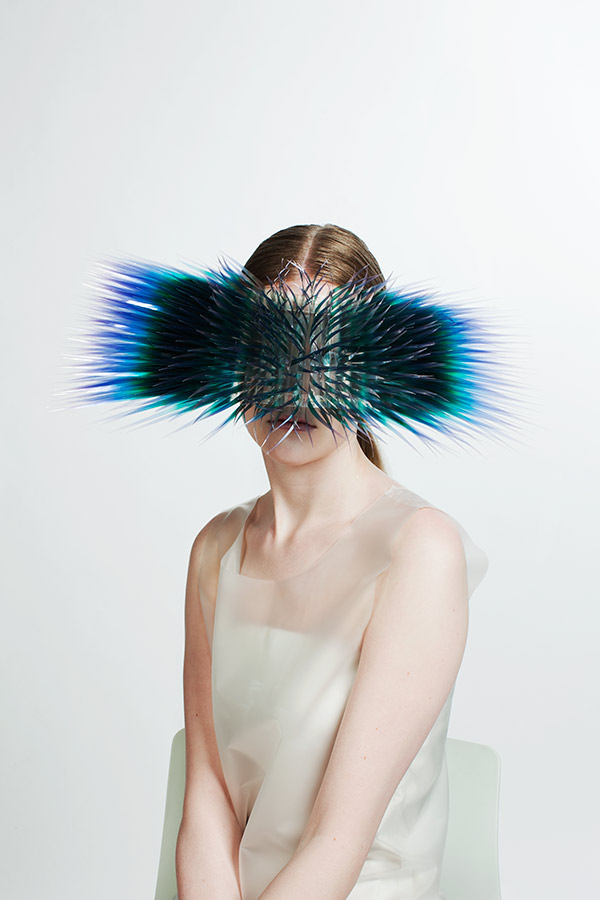
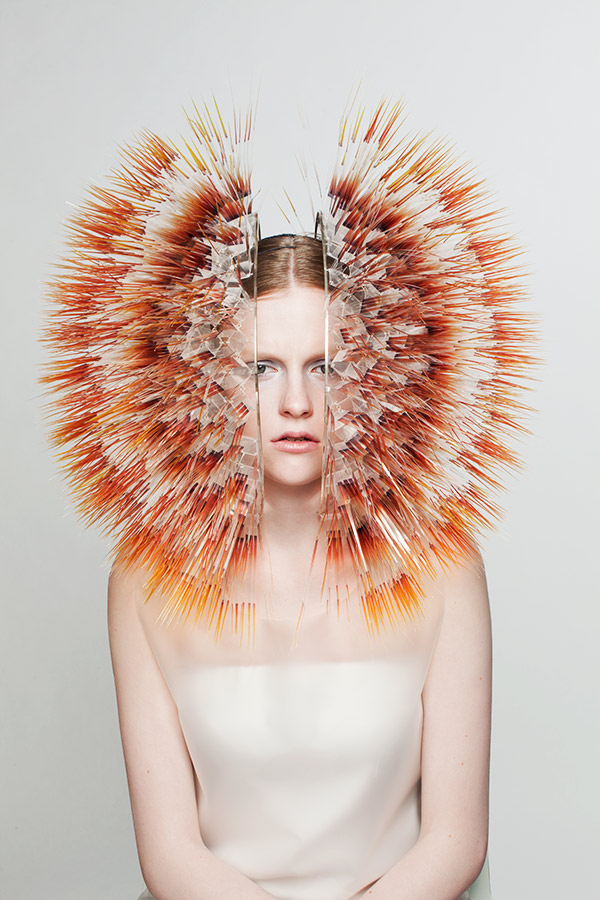
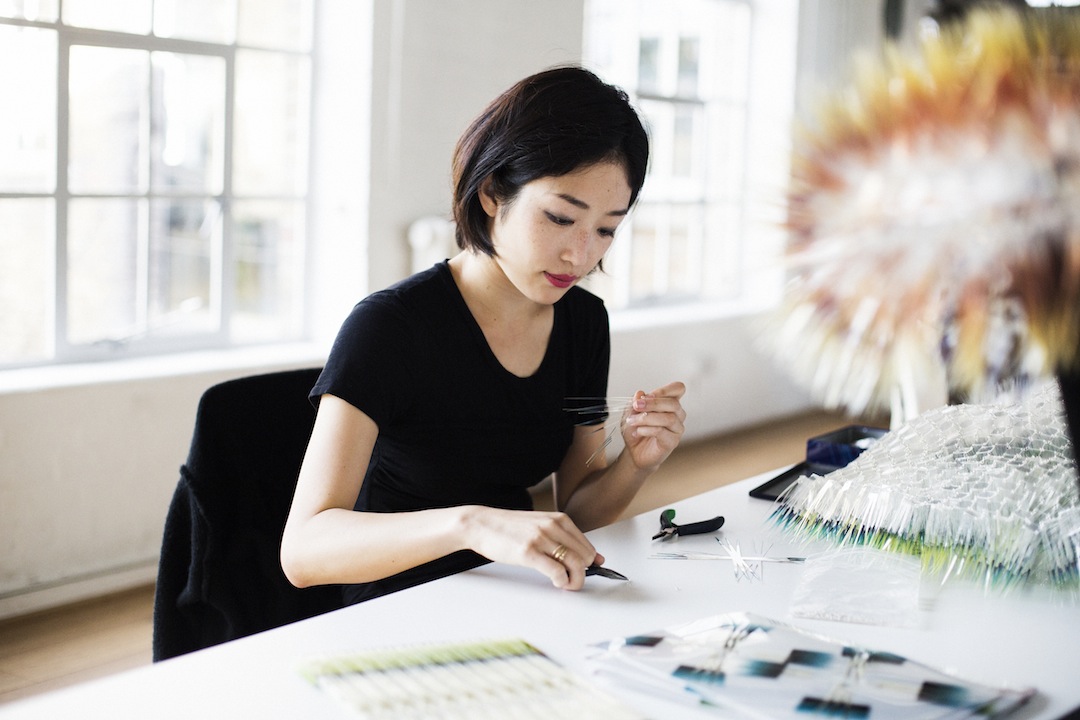
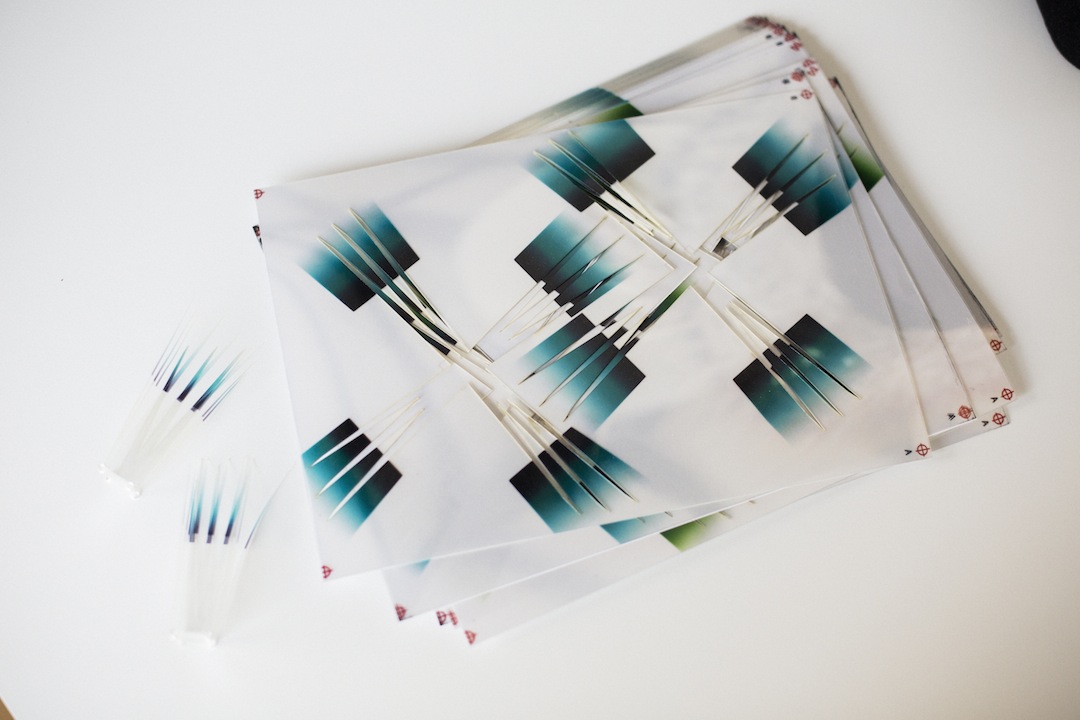
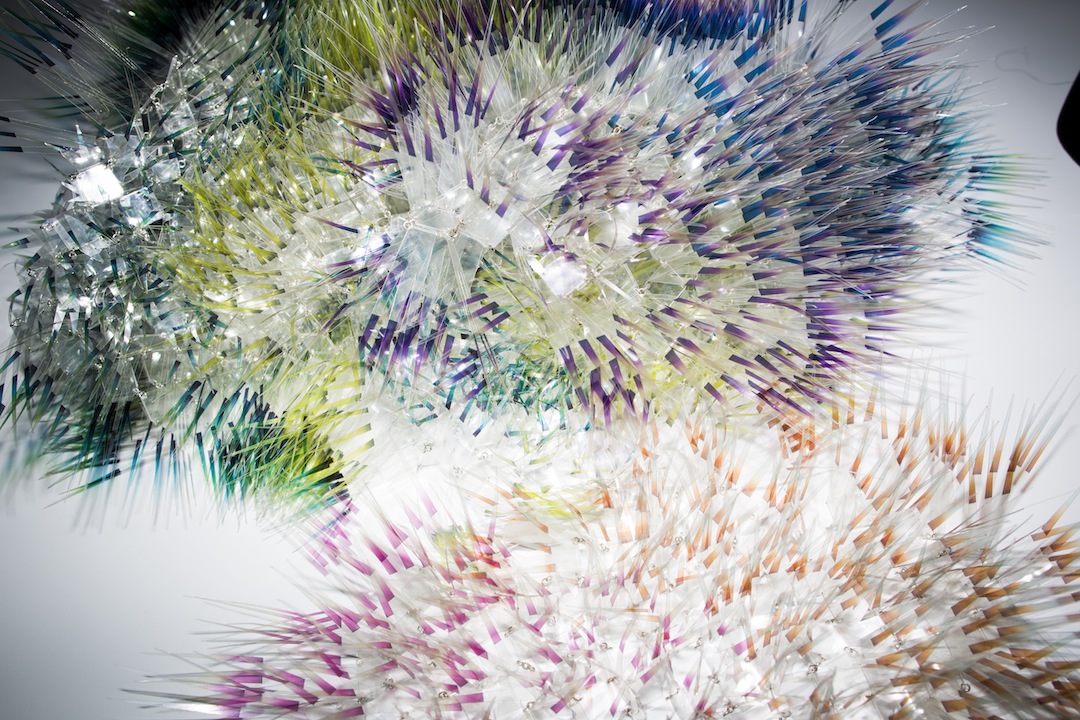
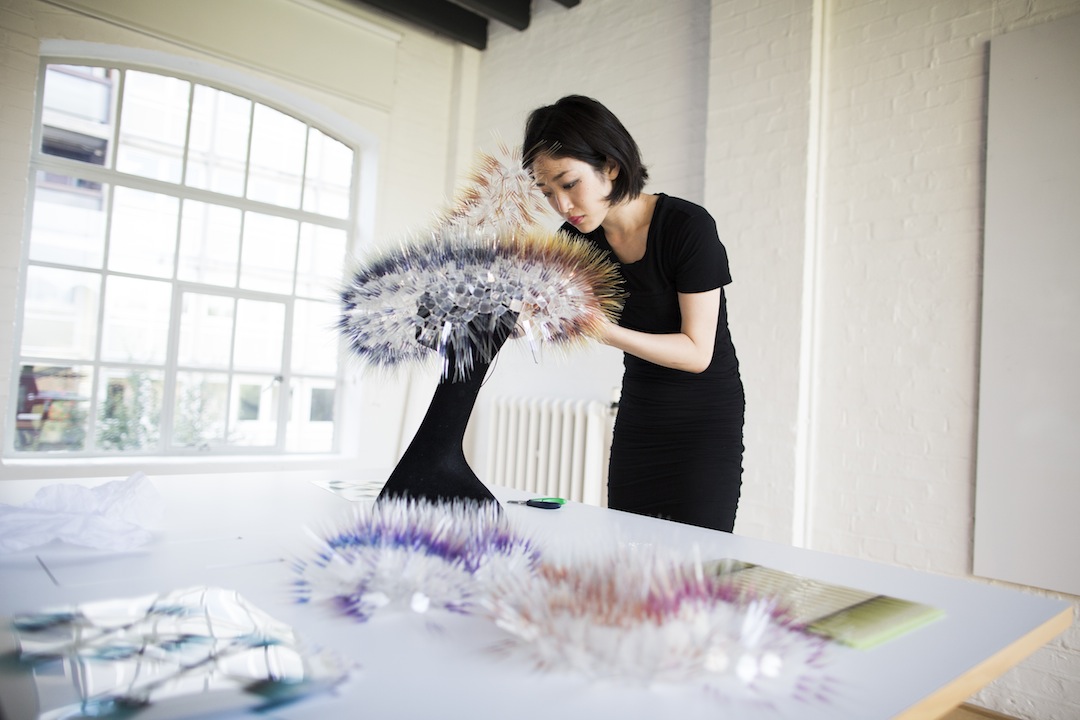
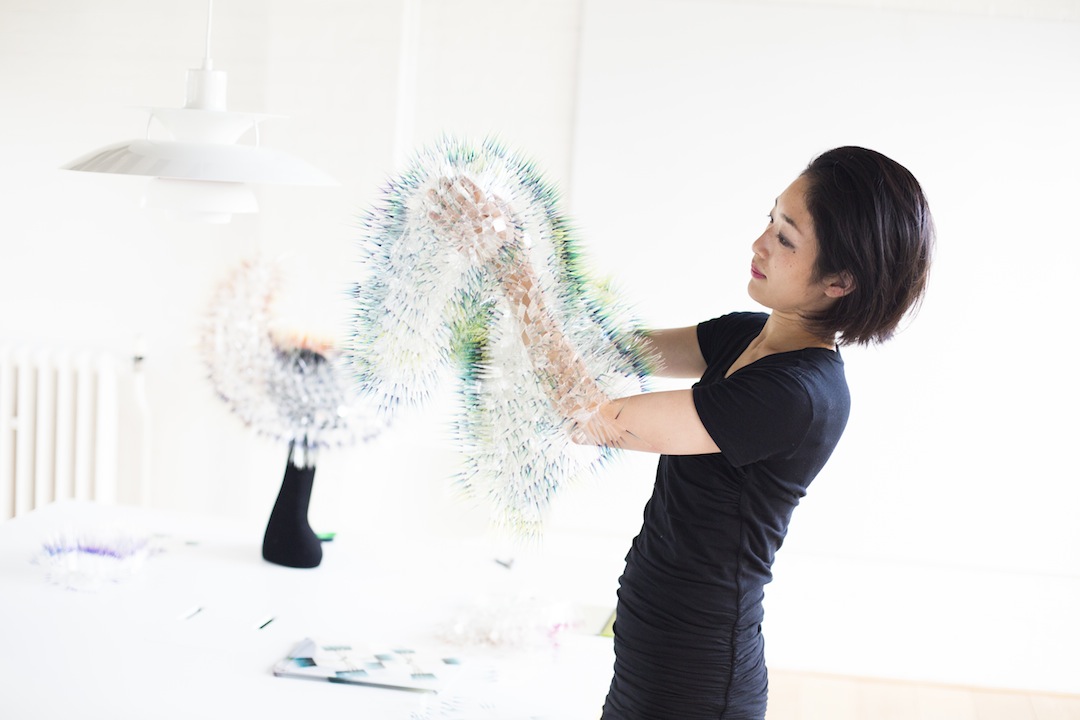
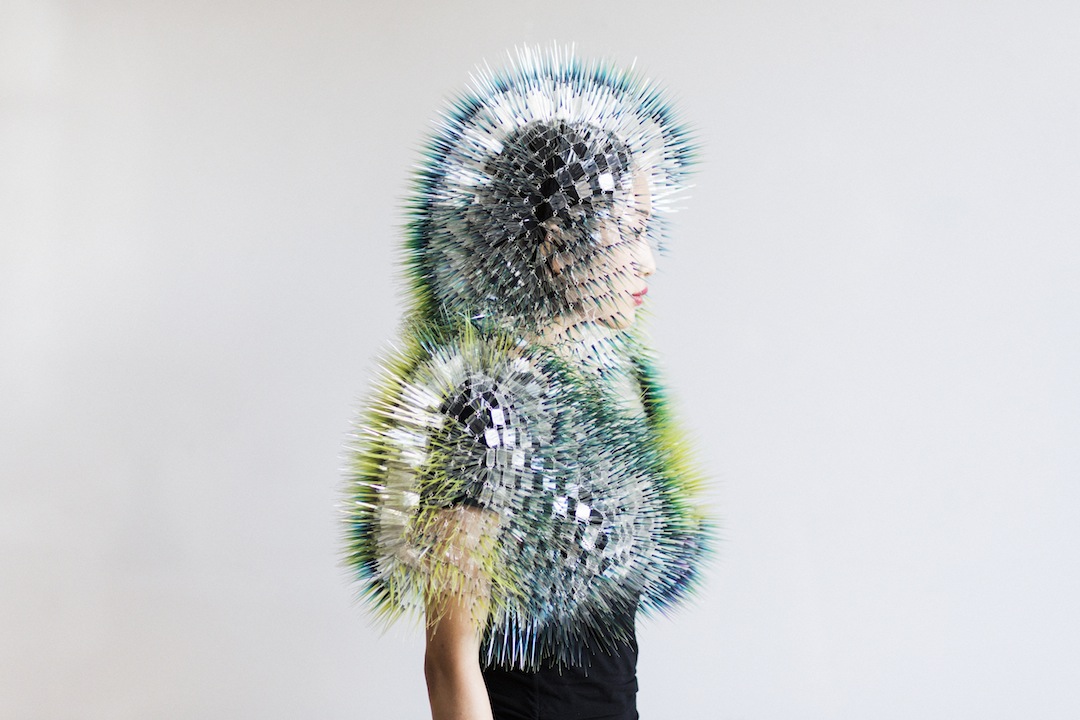
Gravity-defying forms and morphing colors characterize the extravagant, otherworldly headdresses created by milliner and jeweler Maiko Takeda. The London-educated Tokyoite painstakingly assembles her hats – if you can call them hats – first by cutting out her pointy shapes and then attaching them piece by piece to a larger structure.

The final creation, for its chaotic beauty, has been likened to everything from Hellraiser to hedgehogs, porcupines and caterpillars.

“I want to create surreal, subtle dramas around the person wearing my piece and the people near them,” says Takeda, in an interview with mb. She goes on to explain how Philip Glass’s opera “Einstein on the Beach” inspired her latest collection titled Atmospheric Reentry: “ It is a very repetitive, non-stop physical work. The actors move like machines, but at the same time you can see them sweating and running out of breath. I found that very interesting to watch. I felt the strong power of young people who have nothing to lose when I saw it. It was the simplest form of expression. That really touched my heart.”

look2

look5look9

atmospheric_reentry_2

atmospheric_reentry_3

atmospheric_reentry_4

Takeda began touching hearts, and turning heads, this year when – just 2 weeks after her MFA show – Bjork chose to wear her pieces on her Biophilia tour, which just ended earlier this month. “I couldn’t believe it! …I wasn’t sure if it would be comfortable for her to sing in. I went to bed thinking she probably wouldn’t wear it in the end,” recalls Takeda. “In the morning I woke up to seeing pictures of Björk on the internet wearing my headpiece. That was the most rewarding moment for me.”

Here are some photos of Takeda assembling one of her headdresses.

taikeda_1photos by Dan Whilton for mb | click to enlarge

taikeda_6

taikeda_5

taikeda_4

taikeda_2taikeda_7

taikeda_9

source: mb! magazine | ignant | Maiko Takeda

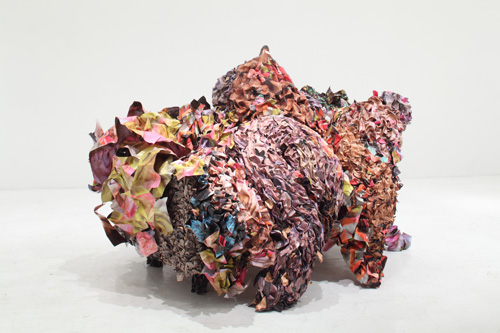
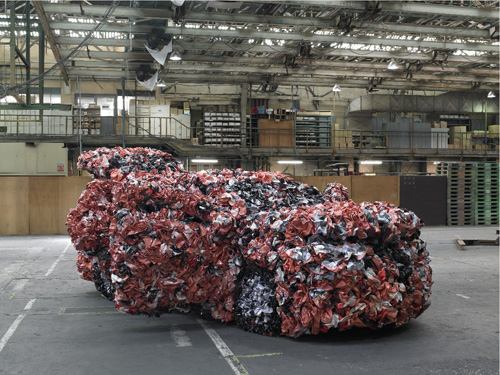
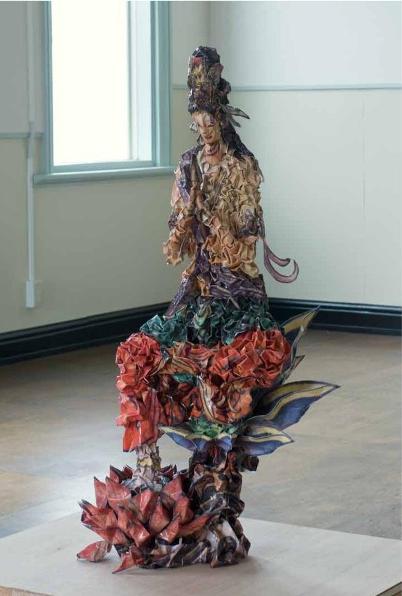
Crumpled paper sculptures by Miki Kubota

ex_kubota

Miki Kubota
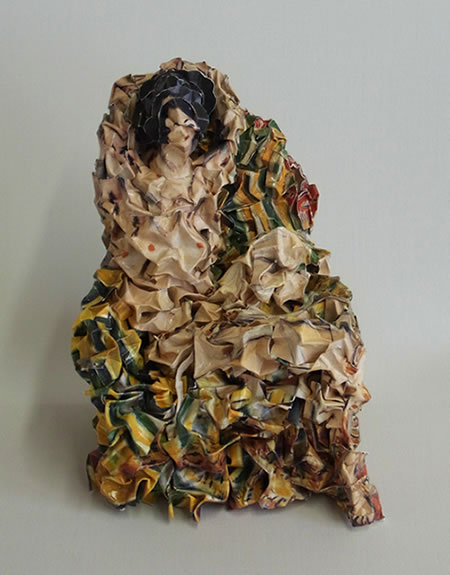
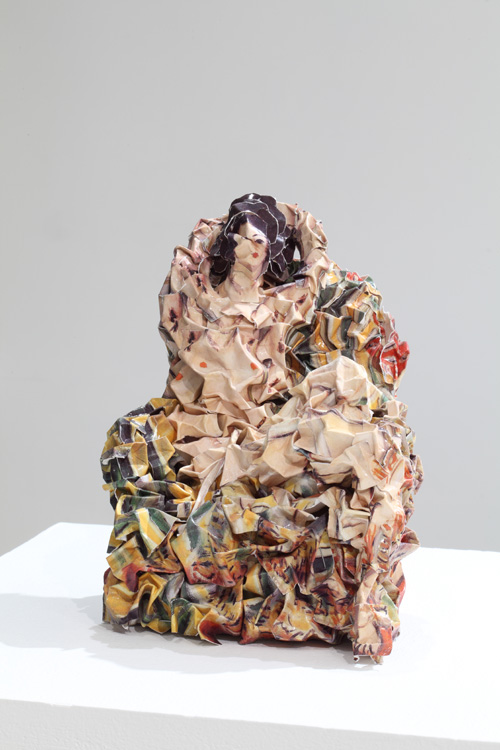
uses recognizable 2D images to create voluminous 3D sculptures by crumpling the prints and sculpting larger structures. The final creation places the viewer in a disorienting position as they attempt to reconcile the relationship between the image and sculpture. “Surprise is said to be a reaction of seeing something for the first time,” says Kubota, in a statement about her work. “But, in fact, our emotions are linked to our memories by analogy, creating surprise, fear or laughter when we encounter something we’ve seen before.”

You can see more of her work on her website or at hpgrp gallery.

ex_kubota 2

ex_kubota 3

ex_kubota 4

ex_kubota 5

« Older posts Newer posts »

© 2026 Spoon & Tamago

Up ↑

Design by Bento Graphics