Page 218 of 406

Graffiti Rings by Hideyuki Nakayama

hideyuki nakayama graffiti ring 01

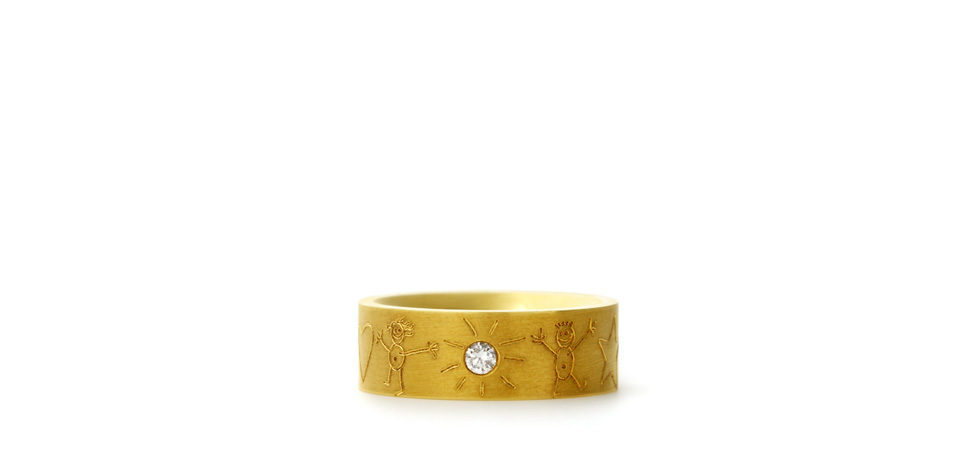
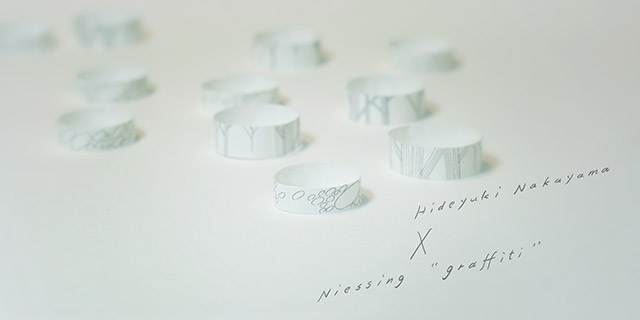
While Banksy is busy decorating the city of New York with his signature stencils, Japanese designer Hideyuki Nakayama (previously) is showing off his own graffiti. In a collaboration with German jeweler Niessing, Nakayama has created a series of doodles that will be engraved into the rings. The collection will be on display starting 10/24 at Niessing Tokyo as part of Tokyo Design Week currently going on.

hideyuki nakayama graffiti ring 00

This post is part of a series covering the 2013 Tokyo Designers Week.

source: press release

Crystalize | Tokujin Yoshioka Retrospective at MOT

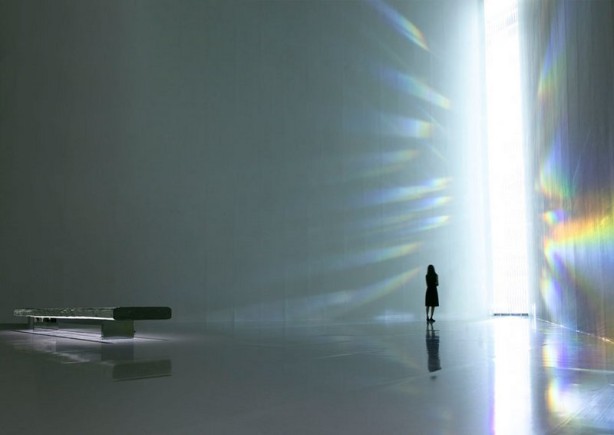
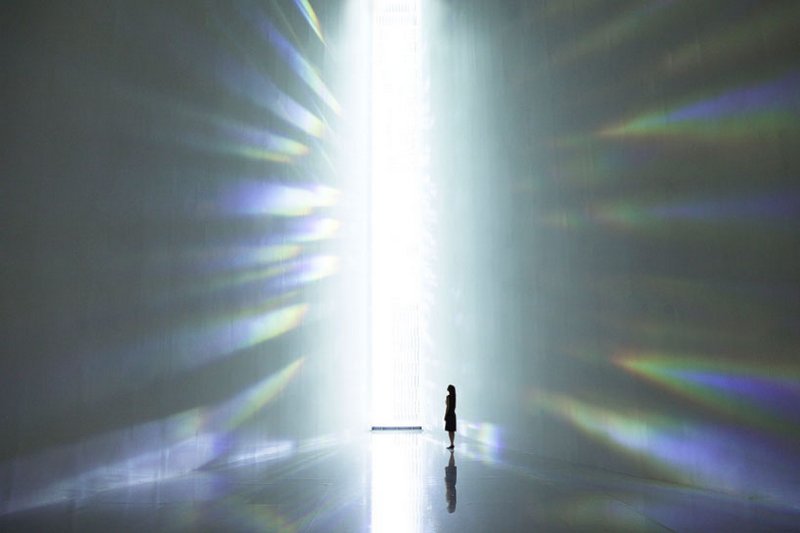
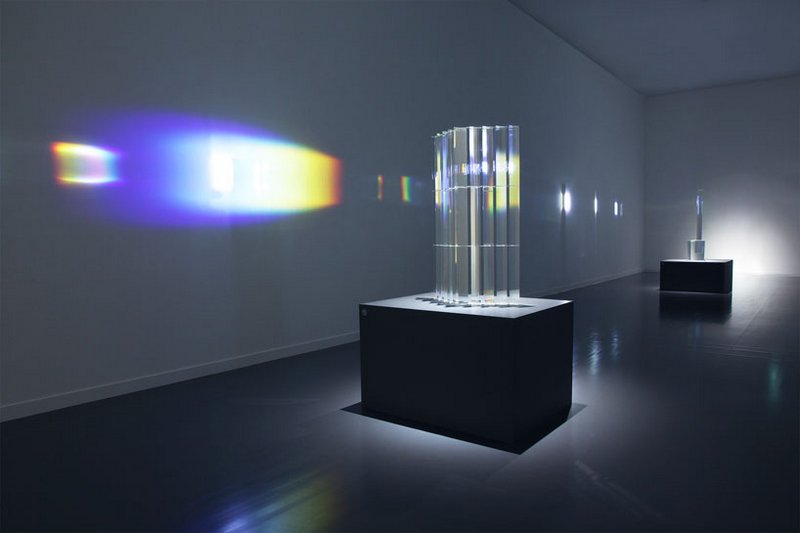
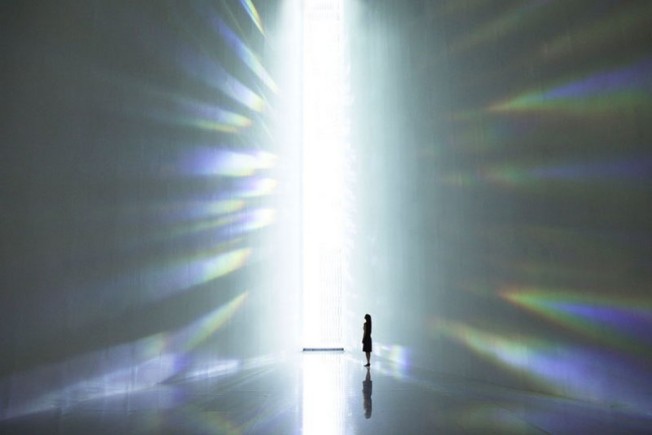
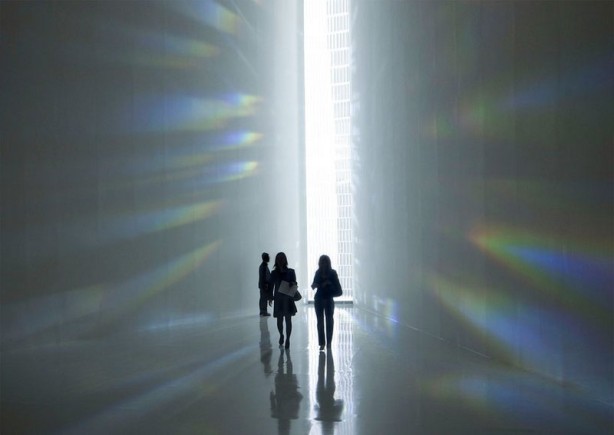
crystalize tokujin yoshioka (4) “Rainbow Church” | all images courtesy of tokujin yoshioka
crystalize tokujin yoshioka (5)crystalize tokujin yoshioka (3)

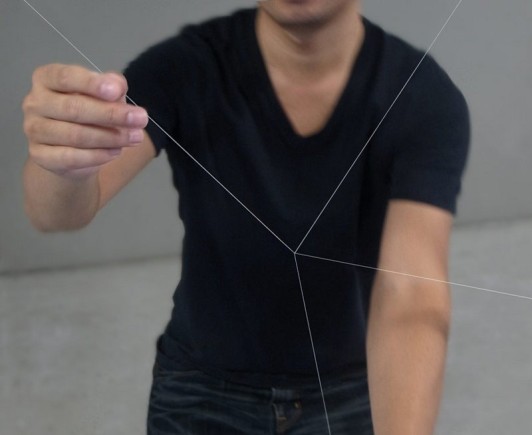
Tokujin Yoshioka (previously) may very well turn out to be the Steve Jobs of Japanese design. In almost every public appearance he is seen in a black t-shirt and dark jeans. But the similarities extend beyond uniform. Everything he touches – paper, plastic, wood, glass – turns to gold. The industrial designer has a knack for turning unexpected materials into something minimally exquisite. “Maybe I just find hidden beauty in things which others have not noticed before me,” he once said. But true fans of Yoshioka’s should stop reading right now. “Once it is worded, I fear that the image disappears,” he also added.

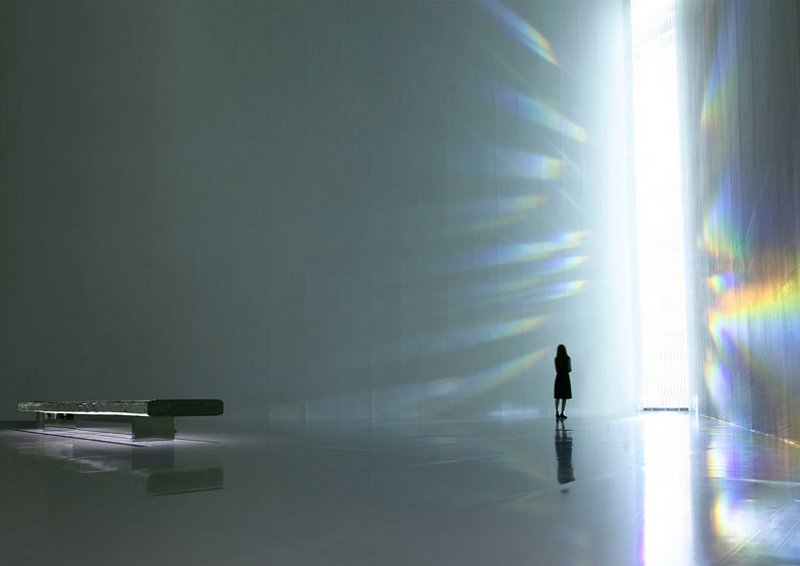
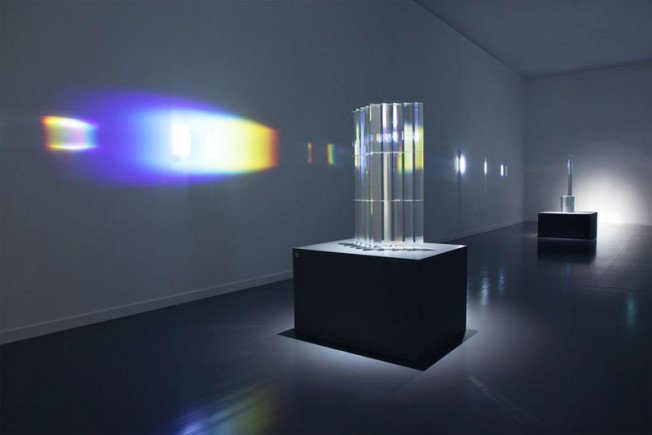
In recent years the industrial designer has been experimenting with glass and crystal, combining small particles into something grand. At times his forms are carefully guided and constructed, such as the Rainbow Church, one of the centerpieces of his current retrospective going on at the Museum of Contemporary Art Tokyo (MOT). The spiritual piece is a 26-ft high glass window made of 500 crystal prisms. Yoshioka once explained that the piece was inspired by a trip to the Chapelle du Rosaire in France where Henri Matisse spent a great deal of his last remaining time on the stained glass windows.
crystalize tokujin yoshioka (6)

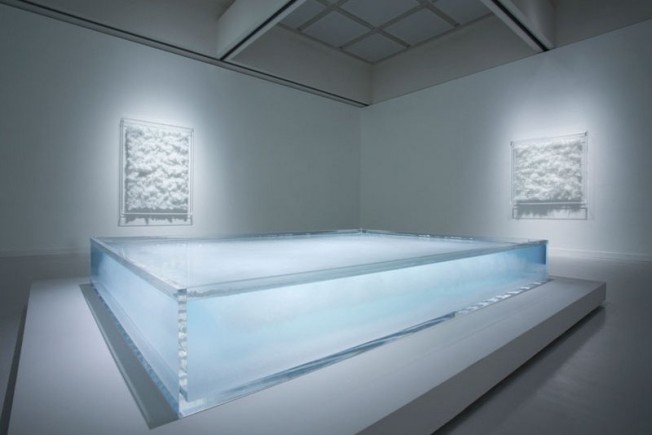
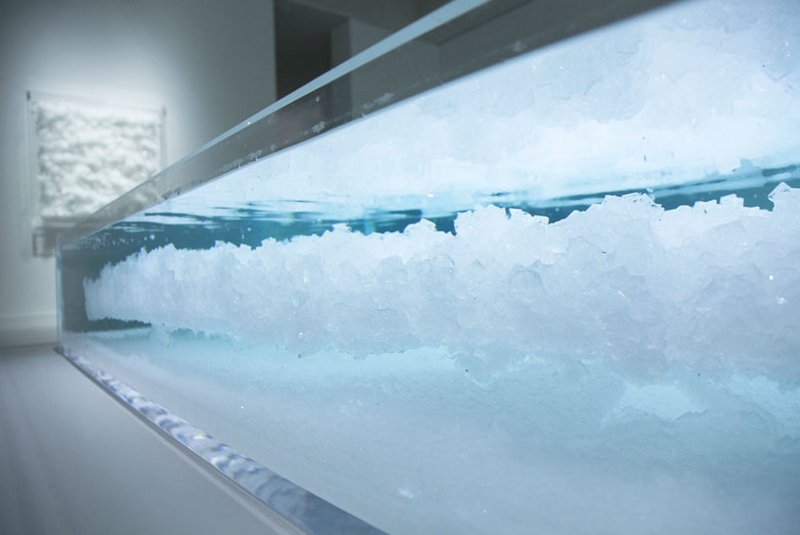
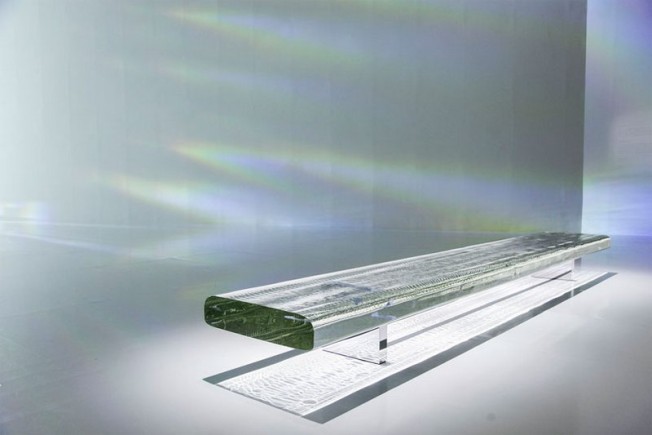
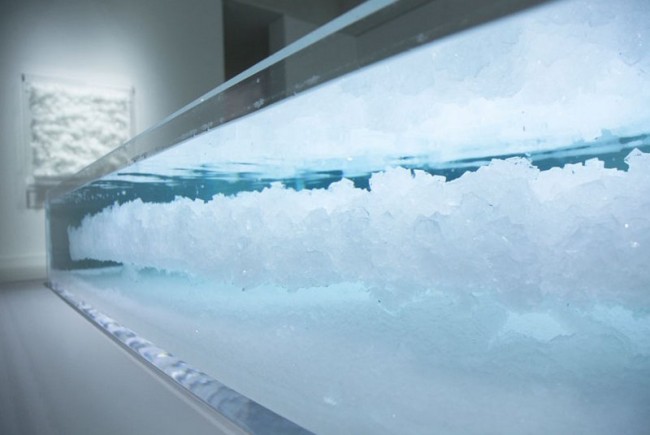
crystalize tokujin yoshioka (2)“Water Block,” a glass bench whose surface mimics rippling water

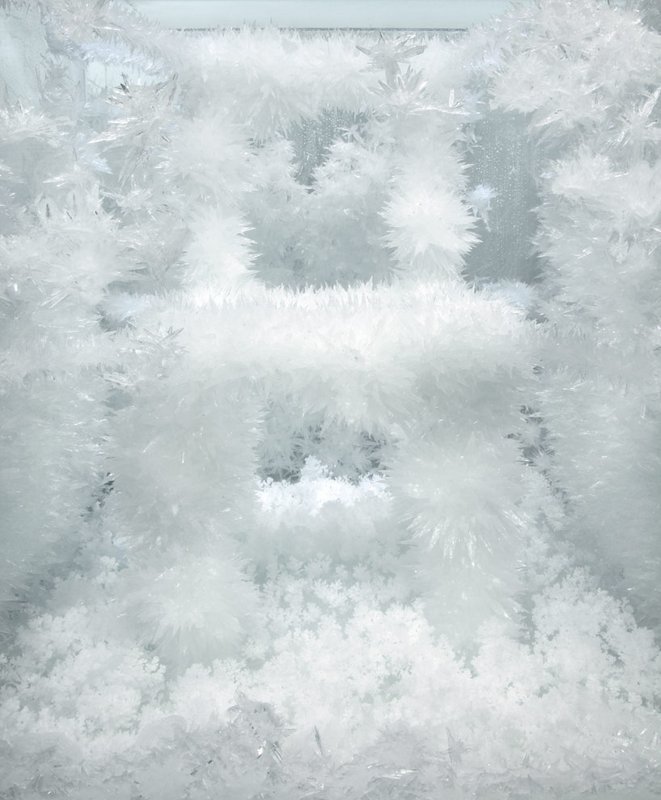
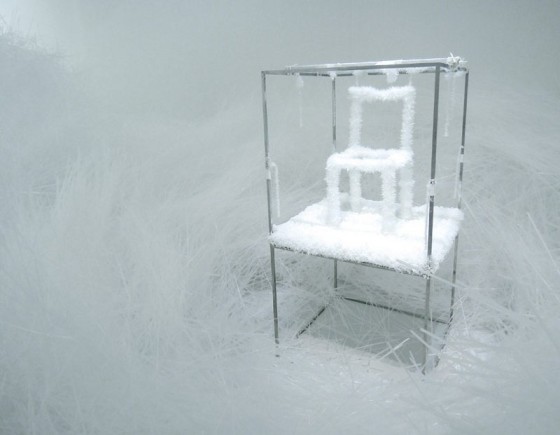
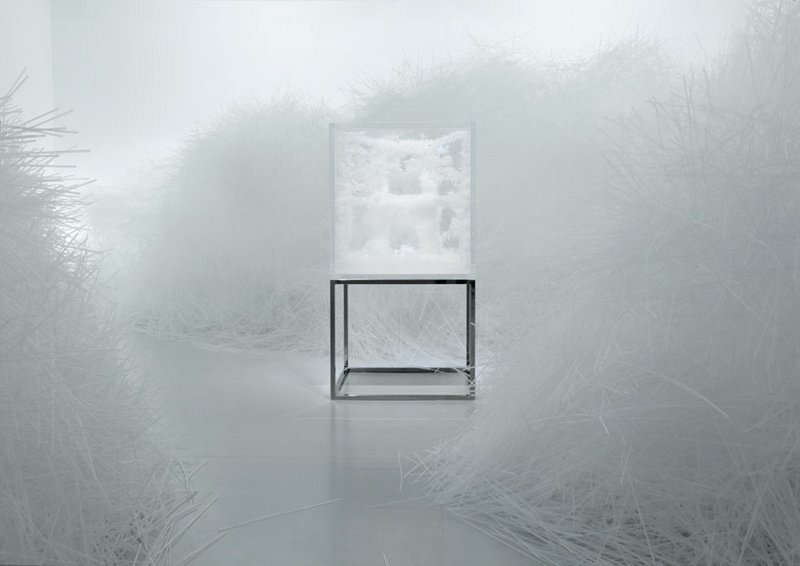
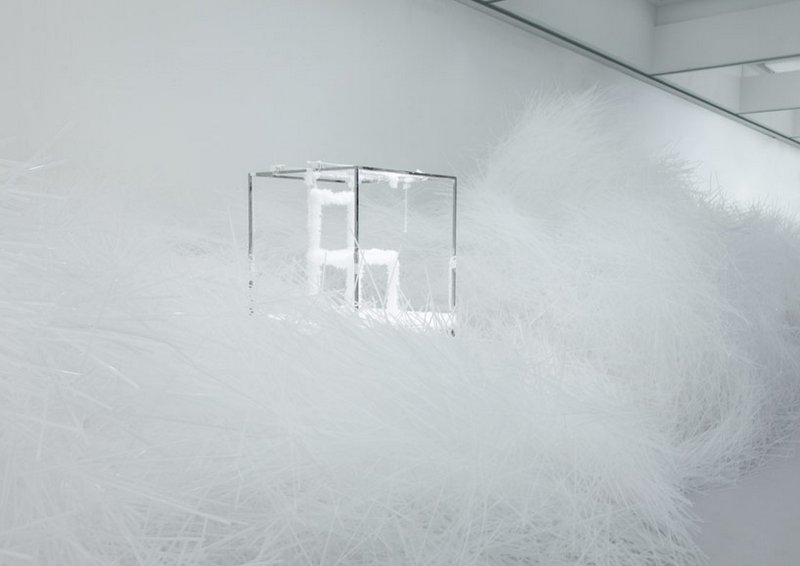
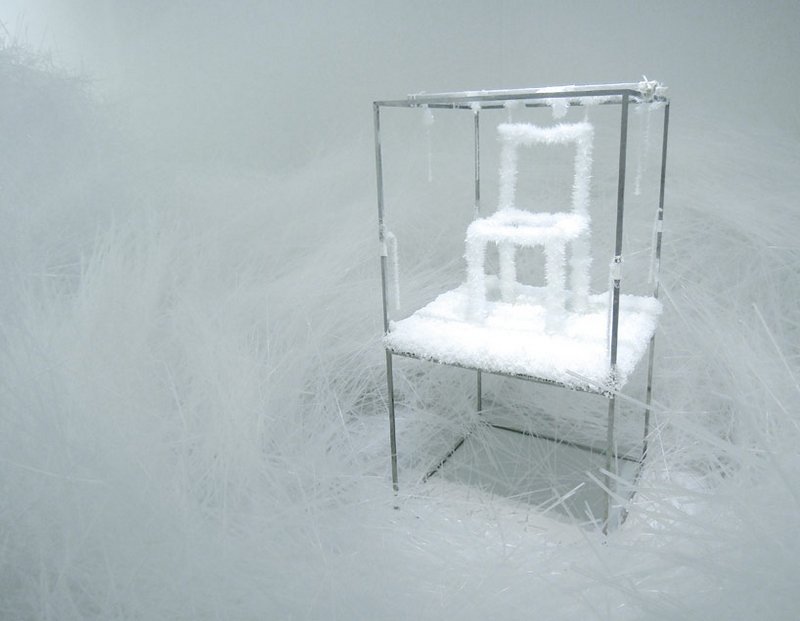
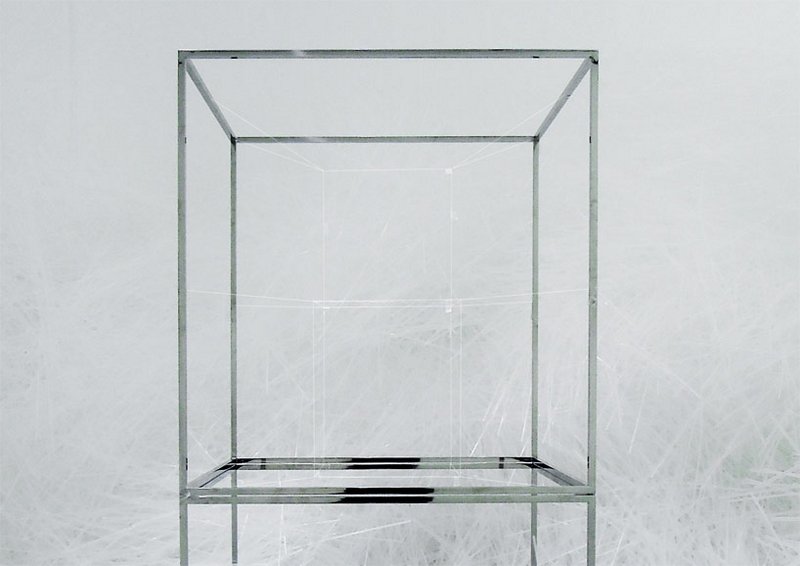
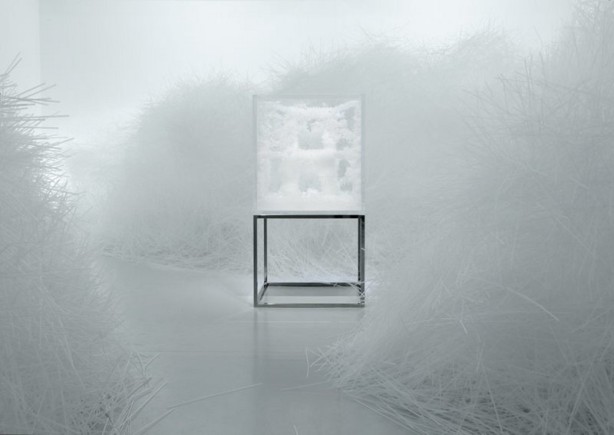
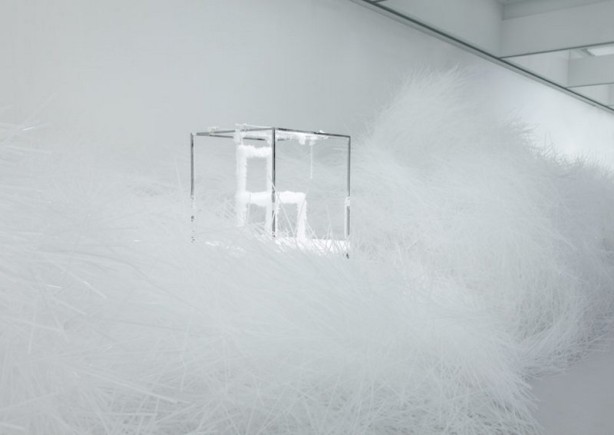
But almost as if to counteract his own architectural forms, the designer, at times, likes to cede control to nature. Also on display is “Spider’s Thread Chair” constructed from seven fine threads. And while the structure of the chair is truly just thread, crystals have grown wild along the lines, allowing nature to give form to the poetic chair. In fact, the piece of furniture is inspired by the 1918 short story, “The Spider’s Thread,” by Ryunosuke Akutagawa.
crystalize tokujin yoshioka (7)

crystalize tokujin yoshioka (8)

crystalize tokujin yoshioka (9)

crystalize tokujin yoshioka (10)crystalize tokujin yoshioka (11)

crystalize tokujin yoshioka (12)

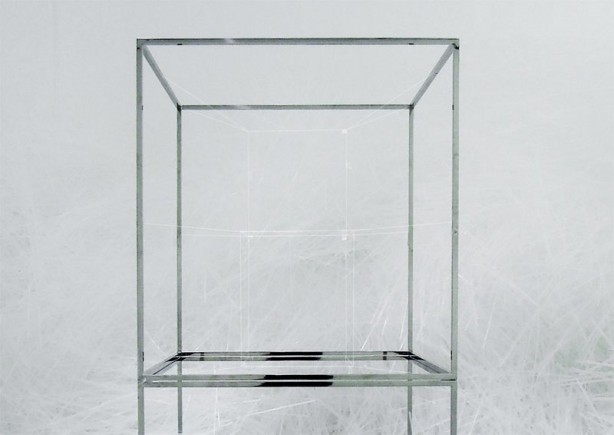
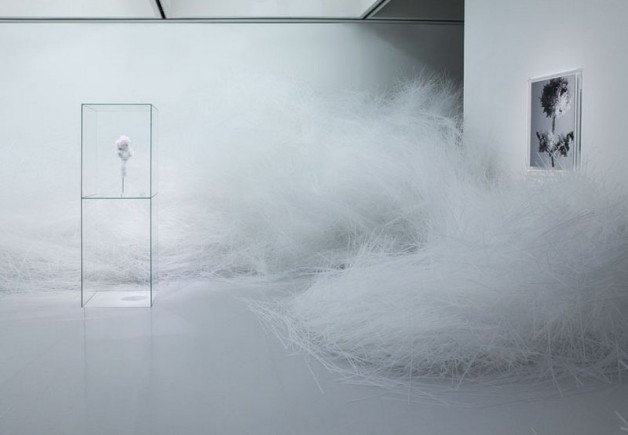
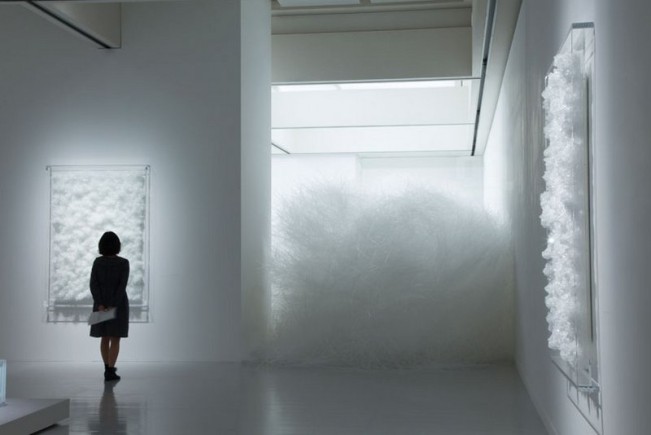
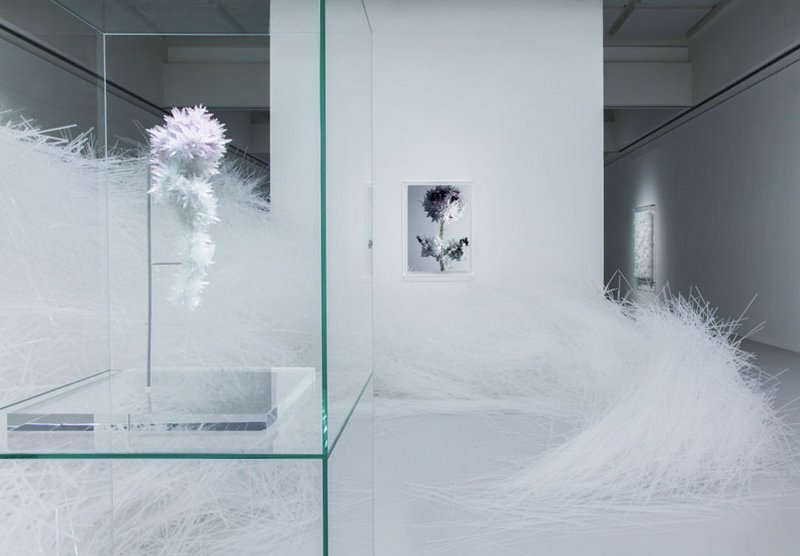
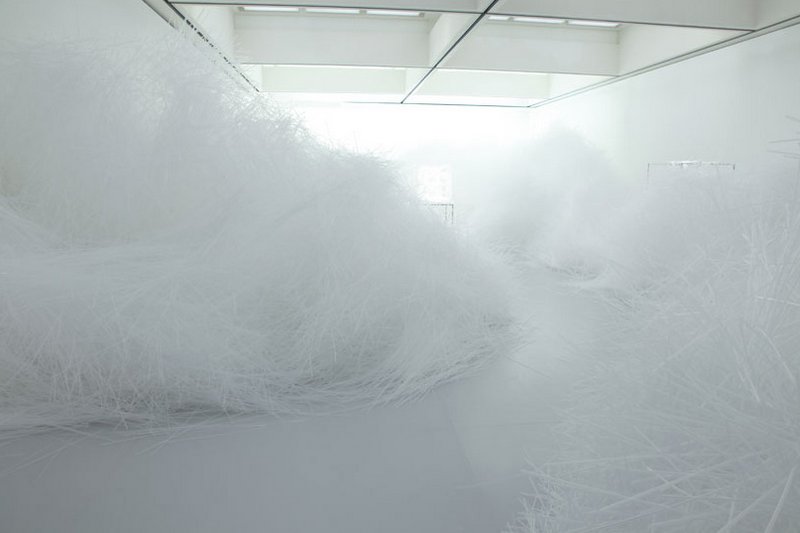
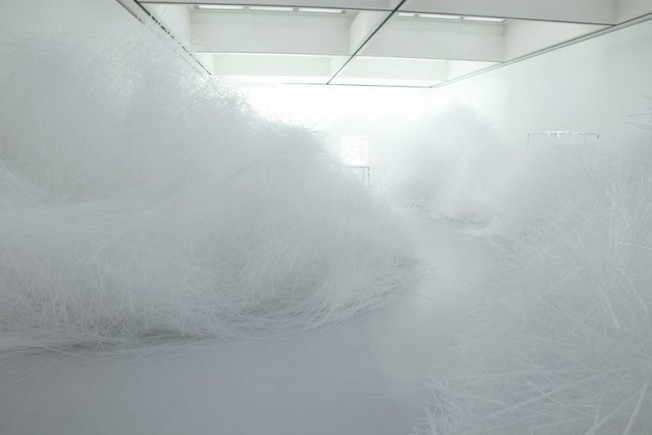
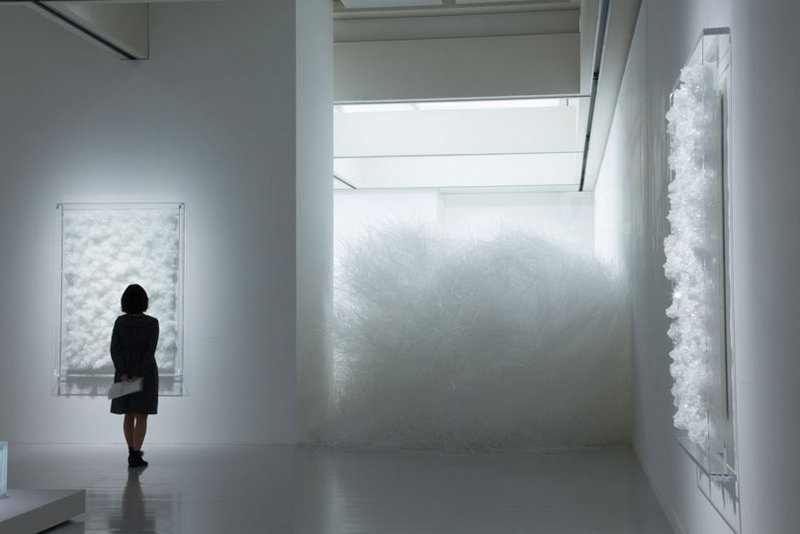
Also on display is “Swan Lake,” a crystallized painting created by the vibration of music, “Rose,” a crystallized flower sculpture, and tornado, an immersive installation made from millions of plastic straws. That’s right – those things you get for free at McDonalds.

The exhibition runs through January 14, 2014.
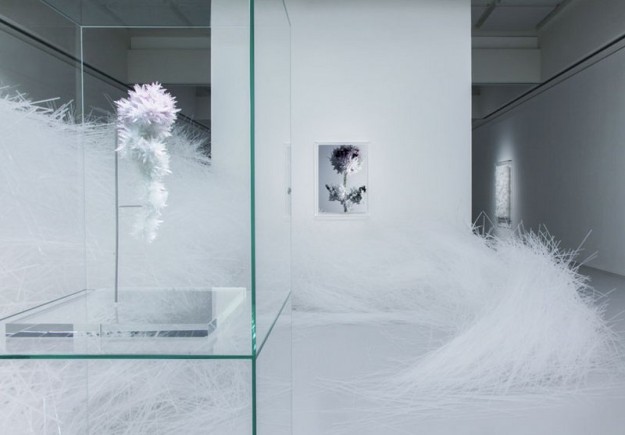
crystalize tokujin yoshioka (17)installation view of “Rose” and “Tornado”
crystalize tokujin yoshioka (18)

crystalize tokujin yoshioka (13)crystalize tokujin yoshioka (14)

crystalize tokujin yoshioka (15)

crystalize tokujin yoshioka (16)“Swan Lake” is a painting made from 6-months of tonal vibrations of Tchaikovsky’s ballet of the same title.
crystalize tokujin yoshioka (19)


source: press release
A renovated backyard in a sea of homogenous Japanese homes

ReFormGarden1

ReFormGarden2

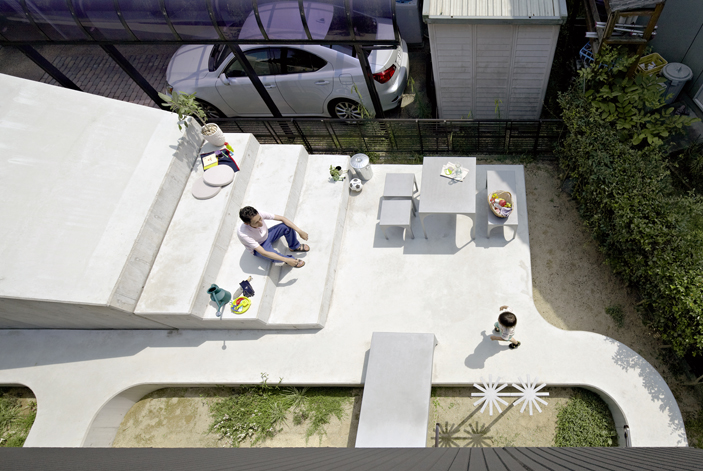
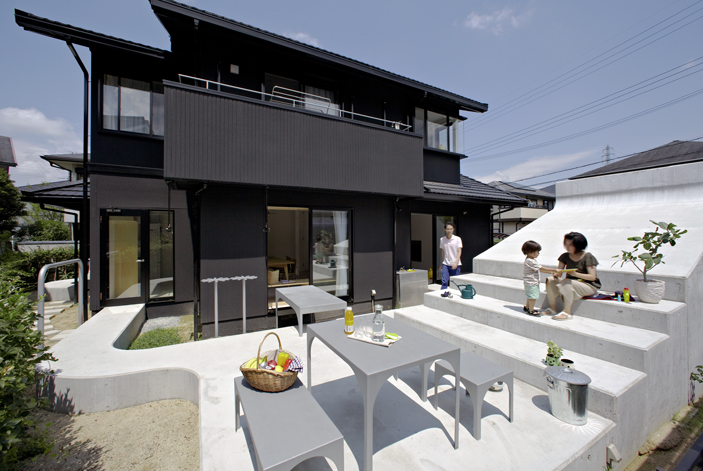
It’s not an uncommon story in Japanese suburbia: a large plot of land gets bought up by a developer, who slices and dices into 20, sometimes 50 cookie cutter homes that look almost identical. So was the case of a family in Ikoma City, right on the border of Nara Prefecture. When they moved into their new home they found themselves with a large backyard, the majority of which was intended for parking.

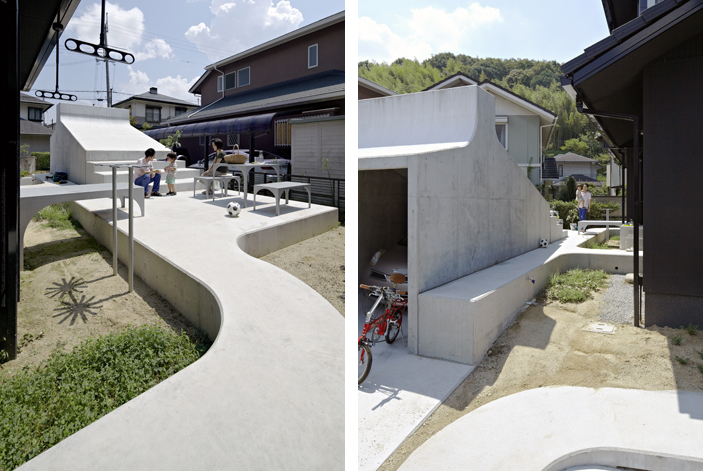
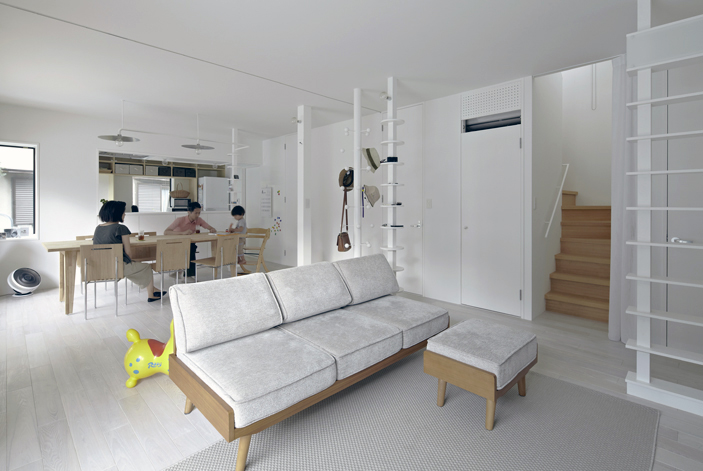
So with the help of architect Takanori Kagawa of SPACESPACE, the family renovated their backyard and created a fully-defined, multi-functional space out of just concrete. The concrete begins by connecting the living room and kitchen to a large outdoor space – an extension, almost, of the living area. The concrete then rises up, creating seating and a milk-carton like shape whose inside serves as a cover for bicycles and the family car.

ReFormGarden3

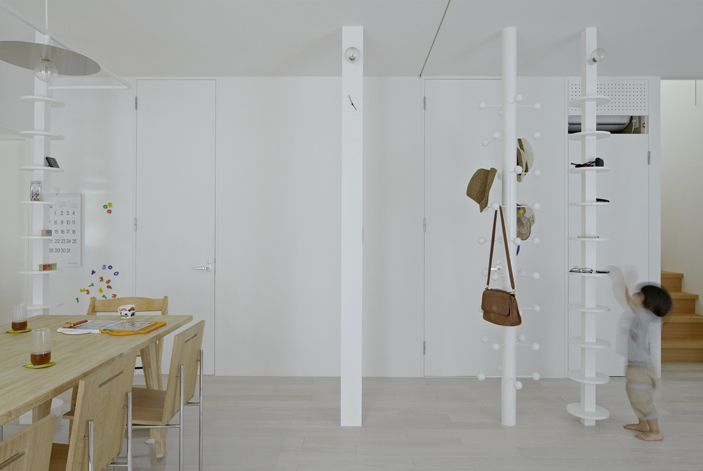
And if that wasn’t cool enough, the architects also went to work on the living room on the 1st floor, transforming the structural beams in the large space into shelving and hangars.

ReFormGarden6

ReFormGarden4

source: submission

Nendo featured in lifestyle magazine PEN

nendo-pen block_09

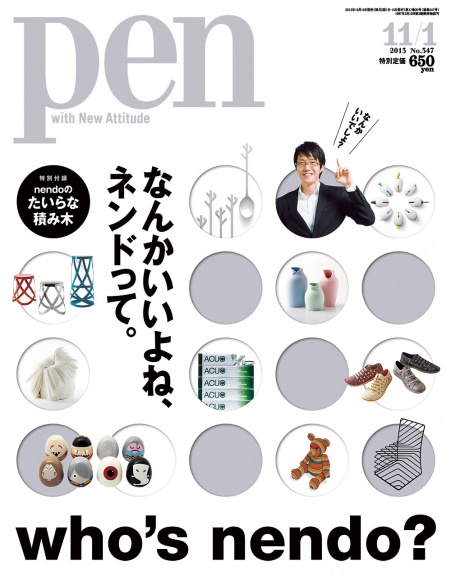
Oki Sato and his luminous design studio Nendo (previously) are being featured in PEN, the bi-monthly design-conscious lifestyle magazine. The Nov. 1 issue, hitting shelves as we speak, features the 35-year old designer on the cover, as well as several in-depth columns on his work, major past projects, his firm history and much more. One astounding revelation: Nendo currently has 250 projects on their plate that are simultaneously moving forward. Wow.

Another fun characteristic of the feature is several collaborative products designed exclusively for the issue:

Cup Noodle Commercial

Nendo has designed everything from furniture and boutiques to silverware and tech gadgets. But the one thing they have never designed is a commercial. Titled “Reverse/Rebirth,” the commercial uses minimal dots and shapes to trace back the origins of cup noodle. There’s even a special website over on Nissin where everything is reversed.

nendo-pen block_08

3D illusion stacking blocks

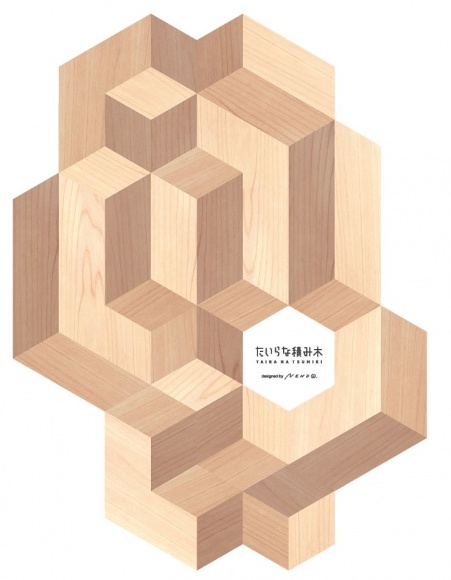
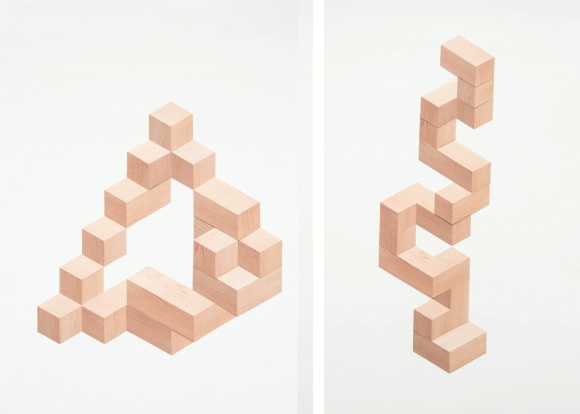
Lucky readers picking up a copy will find this fun set of 2D cards that, when stacked, create the illusion of a 3D structure.

nendo-pen block_01

nendo-pen block_02

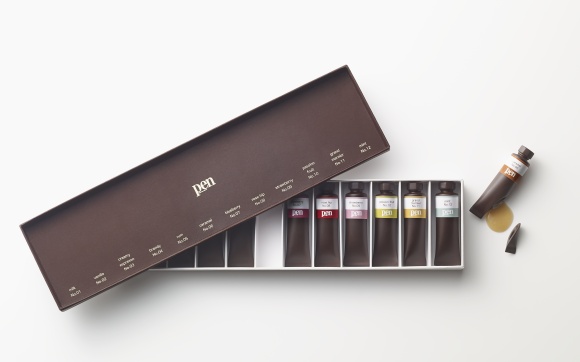
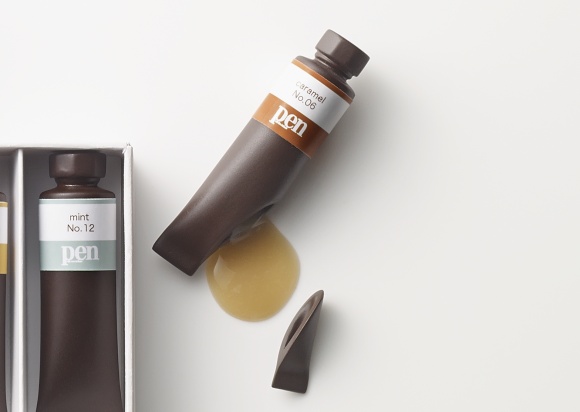
Edible chocolate paint

When given the freedom to design anything he wanted, the sweet-toothed Sato decided to create a realistic paint set made from chocolate. Inside the chocolate tubes are different flavored sauces. If you’re in Japan you’ll be able to order the limited edition chocolate paint (4,200 yen) on the PEN website starting Oct 22.

nendo-pen block_00

nendo-pen block_10

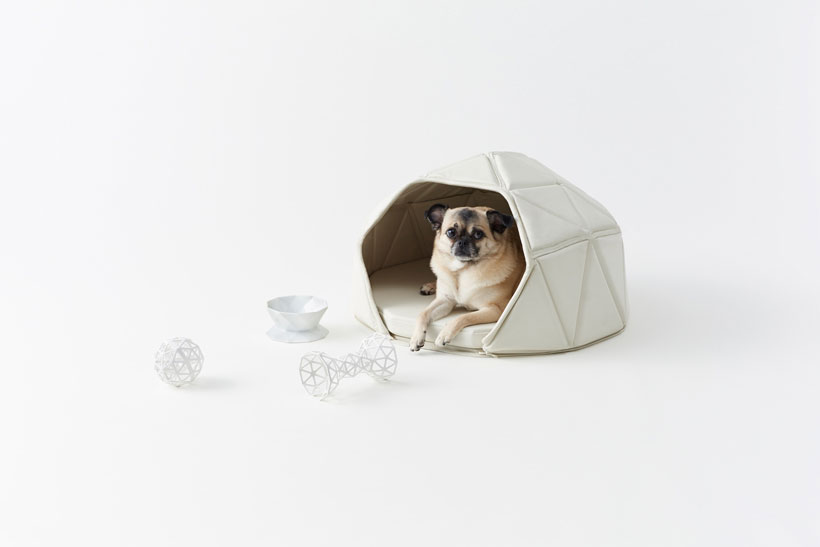
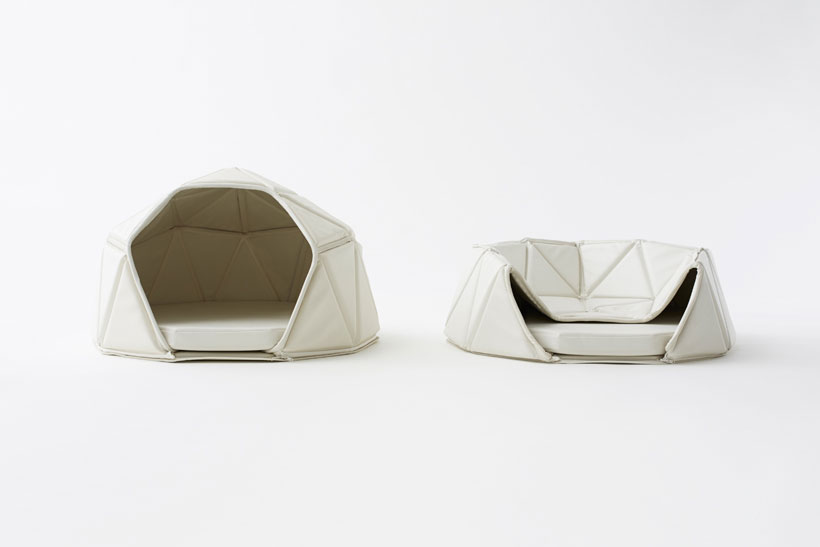
Heads or Tails dog accessory collection

The three-piece collection consists of a dog bed, dishes and toys. “The artificial leather bed becomes a little hut when dogs burrow inside it, and a cushion when they lie on top,” says Sato. “The ceramic dishes are reversible, with a shallow dish for food on one side and a deeper dish for water on the other.”

nendo-pen block_03

nendo-pen block_04

nendo-pen block_05nendo-pen block_06

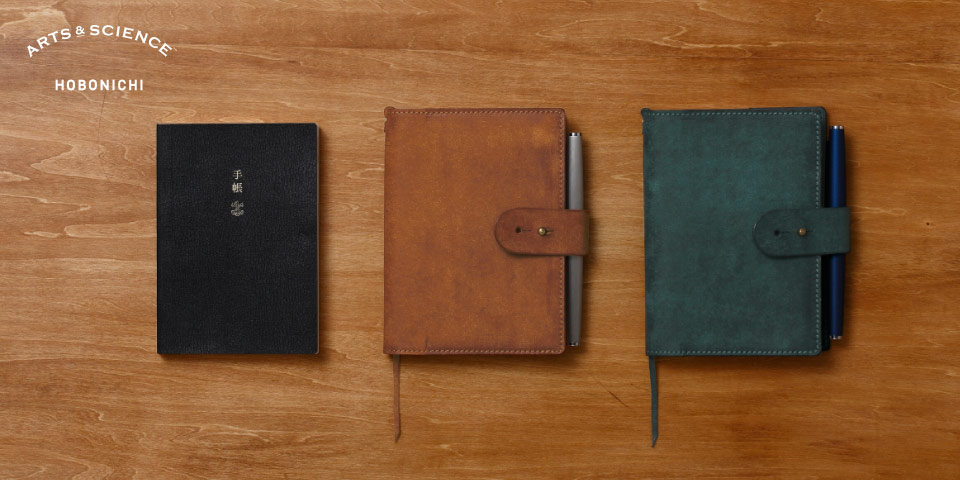
Hobonichi Daily Planner | write, cut, paste, now in english

hobonichi

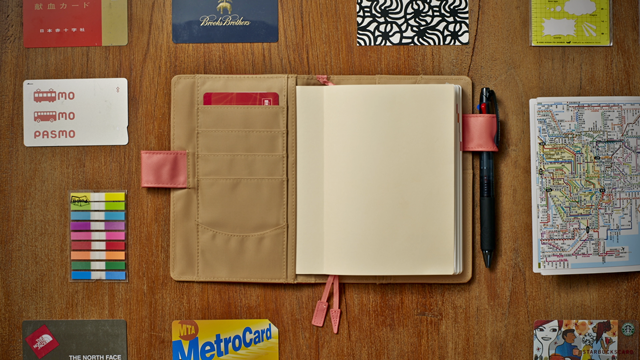
The Hobonichi Planner is somewhat of a cult must-have in Japan. The 400-page daily planner has its own lengthy Wikipedia page, as well as massive collection of crowd-sourced images showing off creative uses of the planner. It features a precise, grid-based design and carefully chosen materials in hopes that users will “uncover” their own story of the year.

They only major flaw was that it was only in Japanese…until now. More than 10 editions later the 2014 Hobonichi Planner is now available in English, thanks to Lindsey Nelson, who works at Hobonichi and has been producing the translated version over the last year.

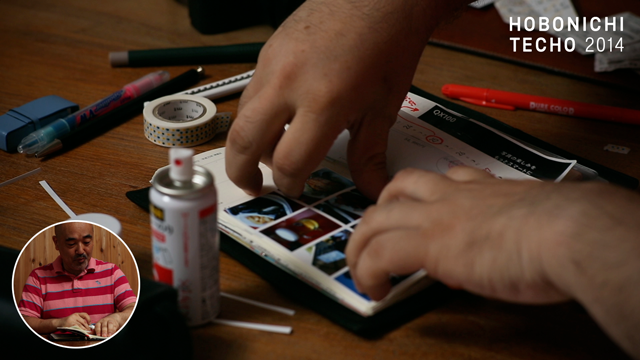
Hobonichi – an abbreviation of a phrase meaning “almost every day” – was originally started by Shigesato Itoi, a copywriter, essayist and the creator of Nintendo game EarthBound. Check out the adorable promotional video below created by Yugo Nakamura. The catchy tune takes the words kaku (write), kiru (cut) and haru (paste) and turns them into lyrics:

hobonichi_03

hobonichi_06

hobonichi_07

Source: submission

Takashi Yanase on what it means to be a superhero

2012y09m28d_010525718

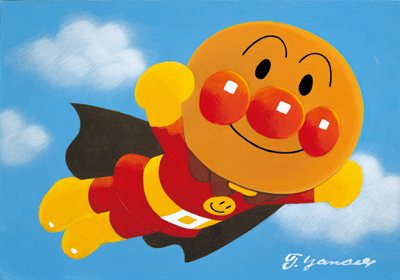
I was saddened to hear that Takashi Yanase, the creator of the beloved Anpanman character, passed away on Sunday. He was 94 years old. I used to watch it as a child and both my kids still watch it. He’s even made a couple appearances on the blog from time to time. For those who aren’t familiar, Anpanman is superhero whose face is made of a sweet bean bun. The self-sacrificial superhero goes around helping hungry children by giving them pieces of his face to eat. Stated differently, Anpanman’s good deeds, in turn, bring harm to himself. It’s an important underlying concept of the character – one that was born from Yanase’s military experience in the Sino-Japanese War and his encounters with hunger and starvation. Below are a few selected quotes from interviews Yanase gave.

“The idea of fighting for justice is an illusion. At any moment in time justice can reverse itself. It’s hard to believe in justice.”

– interview in the Yomiuri

“It’s incredibly difficult to perform good deeds without bringing harm to oneself.”

interview in NikkeiBP

“Good deeds are not always rewarded. In fact, sometimes they leave scars.”

interview in NikkeiBP

“No matter what country you are from, no matter where you stand, offering food to those who are hungry is a good deed. It is justice in the most absolute sense.”

interview in News Post7

anpanman genga 1images courtesy anpanmanshop.com

anpanman genga 2anpanman genga 3

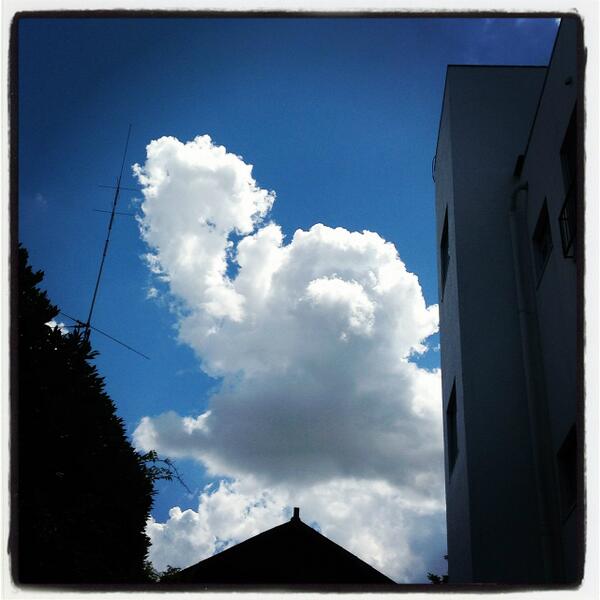
Bonus: Last summer in Japan twitter users spotted a cloud in the sky curiously shaped like Anpanman. It’s now been reignited and is going viral in Japan.

Takashi Yanase – you’ll be missed.

anpanman cloud

(all quotes have been translated from Japanese to English by the author)

Good Design Awards 2013 | a foldable helmet

foldable helmet 2

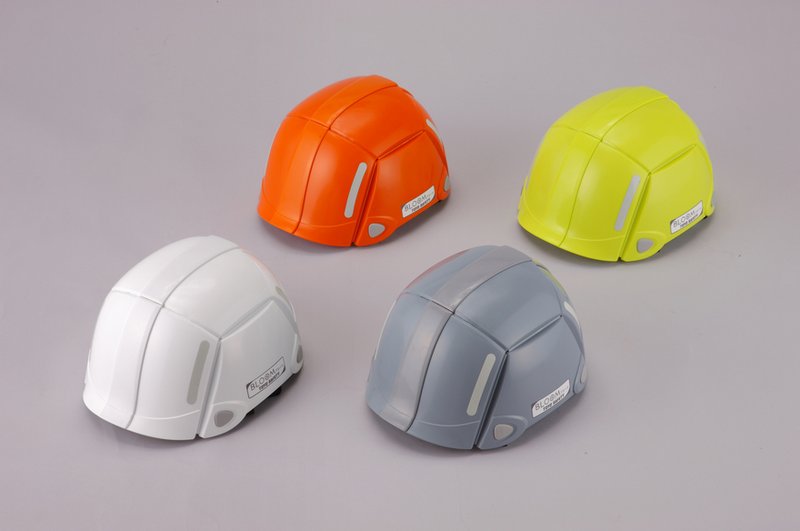
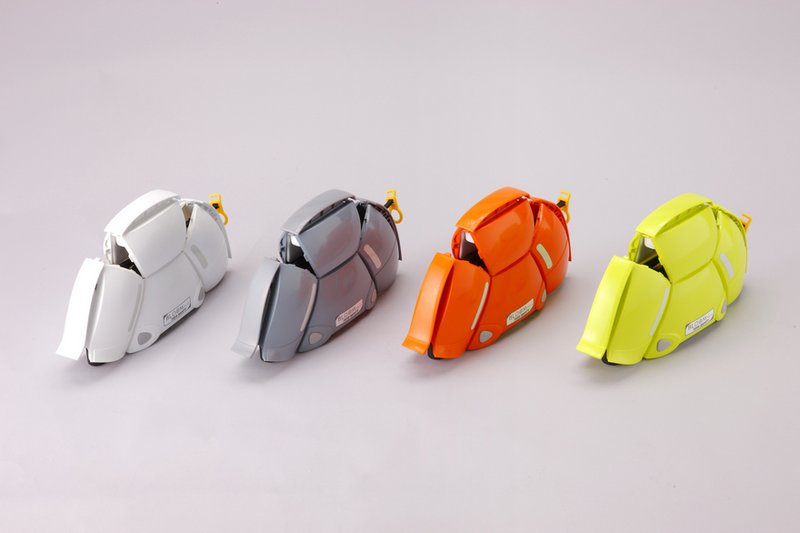
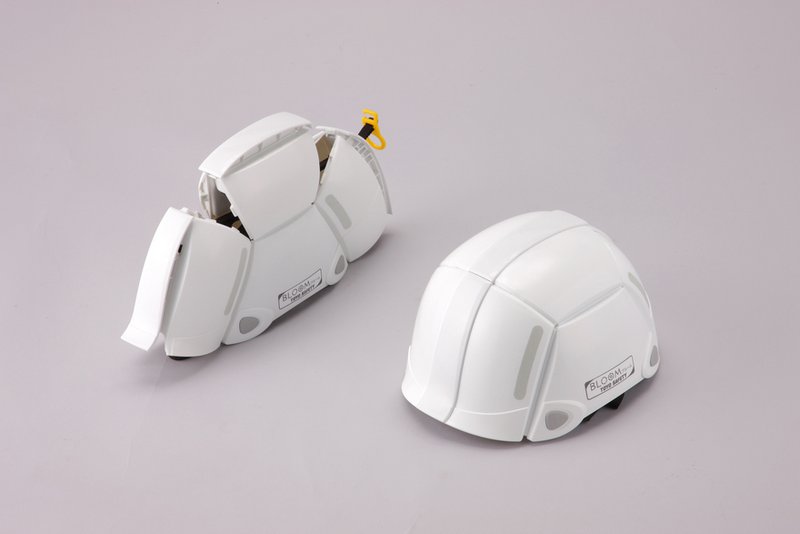
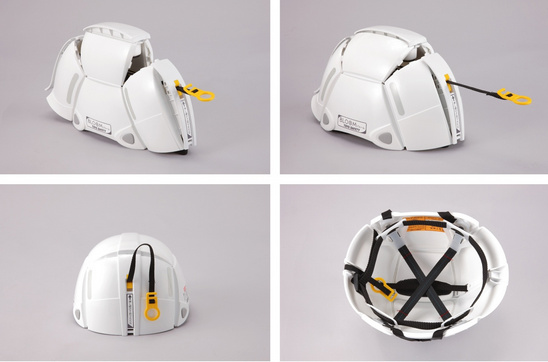
Leave it to the Japanese to apply their age-old folding techniques to other household items, like helmets. Bloom is a new foldable helmet developed for emergency use by Toyo Safety. Sure foldable helmets are starting to become a thing now, but I have yet to see one as elegant as this.

Weighing in at just under 1 pound, Bloom can easily be stored away in cabinets or other storage facilities at home, school or work. When you need it, all you do is pull a string and it expands. It comes in 4 stylish colors so you can be fashionable even in the worst of times. Now if only they would make one for bicycles!

foldable helmet 3

foldable helmet 1

foldable helmet 4

this post is part of our review of the 2013 Good Design Awards. Click here to view the full series.

Good Design Awards 2013 | Takeo City Library

takeo city library 1

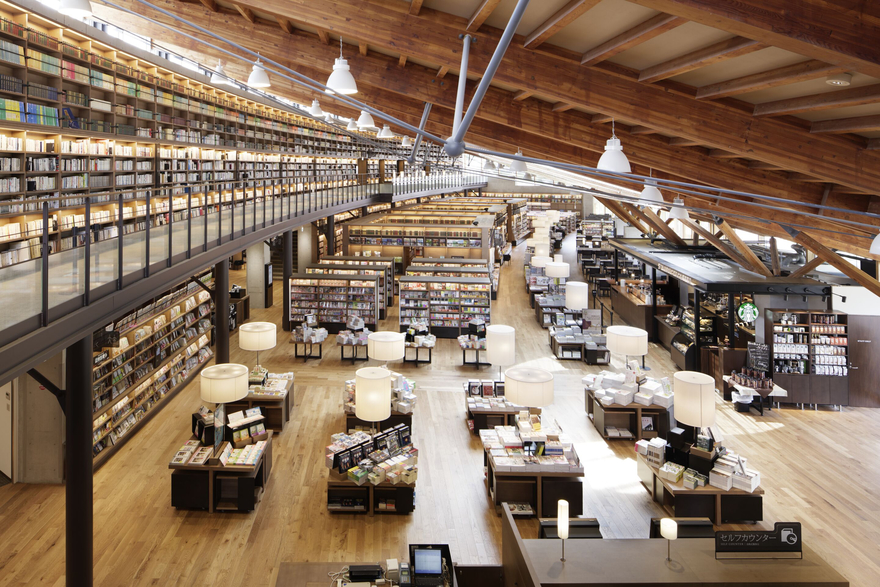
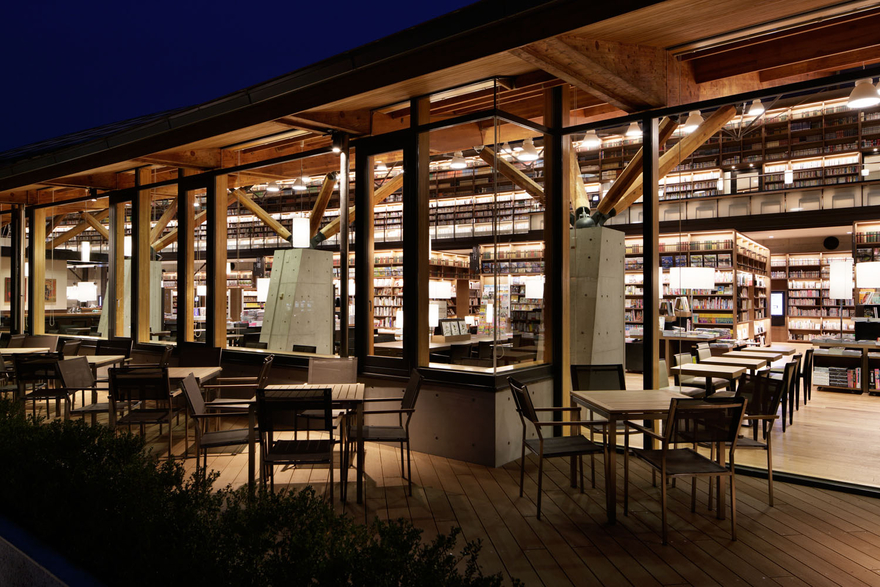
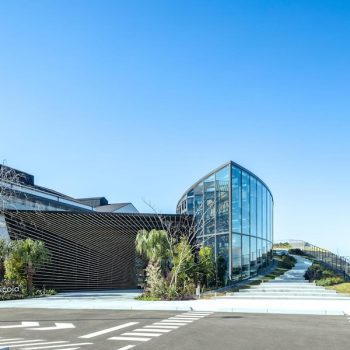
The brand new Takeo City Library opened on April 1, 2013 in Saga Prefecture. But this facility is no joke. A collaboration between Takeo City and Culture Convenience Club (C.C.C.) – the operator of video rental and bookshop chain Tsutaya – the new library is intended to serve as a cultural hub for the community.

In addition to typical library functionality, the space merges concepts of library, bookshop and café to offer a multi-use space where users can come to read, study or just enjoy a cup of coffee. The library is also revolutionary in its management approach. It’s being jointly run by the state and C.C.C., a private enterprise. And so far the new strategy seems to be working. In the 6 months since the new library opened, visitors have increased by an astounding 355%.

takeo city library 2

takeo city library 3

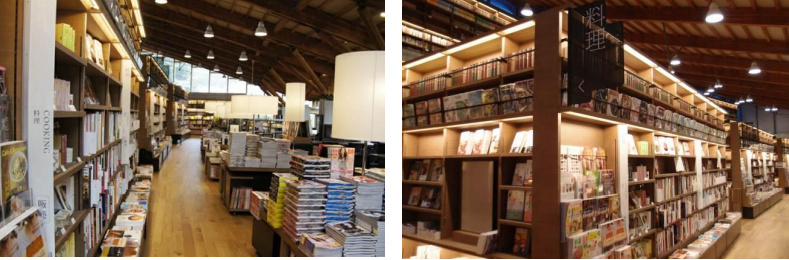
The new library has taken a page from the book of Daikanyama t-site. Not only have they incorporated the same signage but they’re also stocking over 600 magazine titles.

takeo city library 4

this post is part of our review of the 2013 Good Design Awards. Click here to view the full series.

Good Design Awards 2013 | 10-Mikan

Preliminary results from the 2013 Good Design Awards were announced last week. I’ve stated how I feel about the awards (spoiler: they’re overly dispensed) many times in the past so I won’t bother you with that. Instead, I’m going to dive right in showcasing some of my favorites.

10-mikan 3

10-mikan 510-mikan 6

10-mikan 2

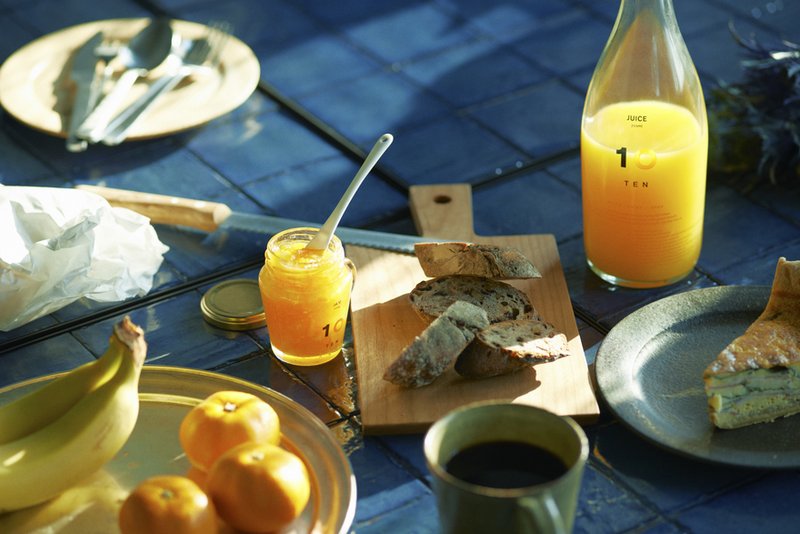
Ehime Prefecture is one of the largest producers of mikans in the country. Just 2nd to Wakayama, the Southern prefecture supplies Japan with roughly 20% of all their succulent supply. Their prefecture flower is that of the mikan and they even have their own state-funded mikan laboratory. But there’s a problem – the average age of mikan farmers are now over 65, meaning that they are a dying breed.

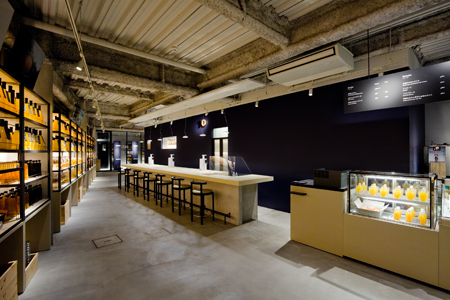
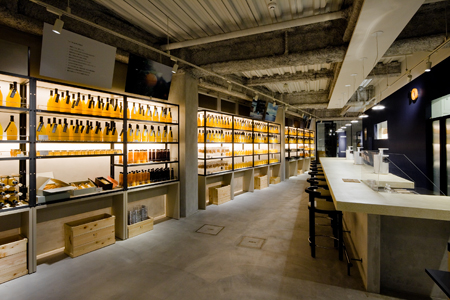
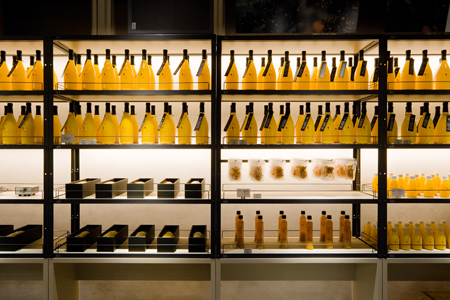
To appeal to a younger generation of consumers, but also potential producers, a local company unveiled a major overhaul of their visual identity. A collaboration between Upsetters Architects and Artless, the modern, simple and elegant new look was applied to their product linup, 10 Mikan, but also to their shop in Ehime.

bm02_set1_img2

bm04_set1_img4

bm06_set1_img6

bm07_set1_img7bm10_set1_img10

this post is part of our review of the 2013 Good Design Awards. Click here to view the full series.


Intimate Portraits from 1970s Tokyo

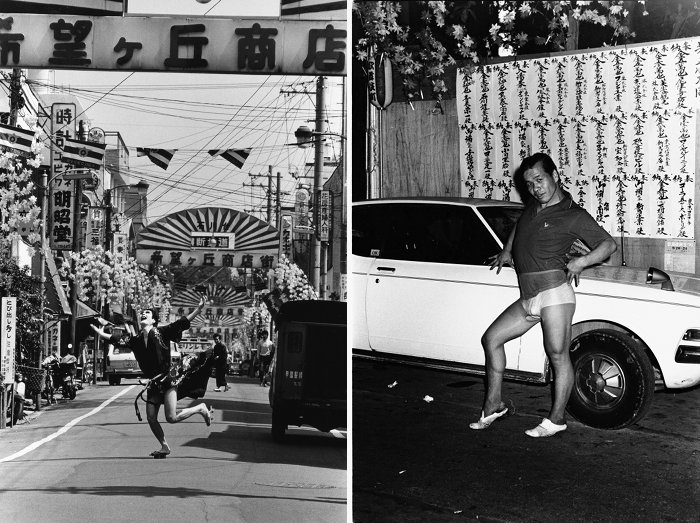
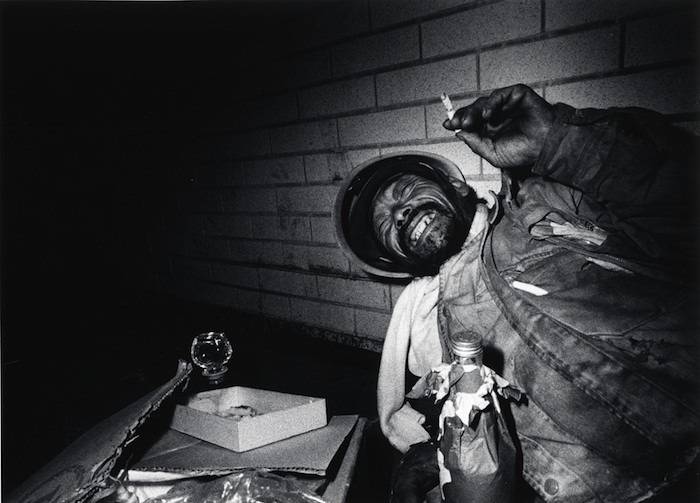
tokyo-1970-hosoe-eikoh-katsumi-watanabeEikoh Hose, ‘Simmon a Private Landscape’ (left) and Katsumi Watanabe, ‘Shinjukuguntoden’ (right)

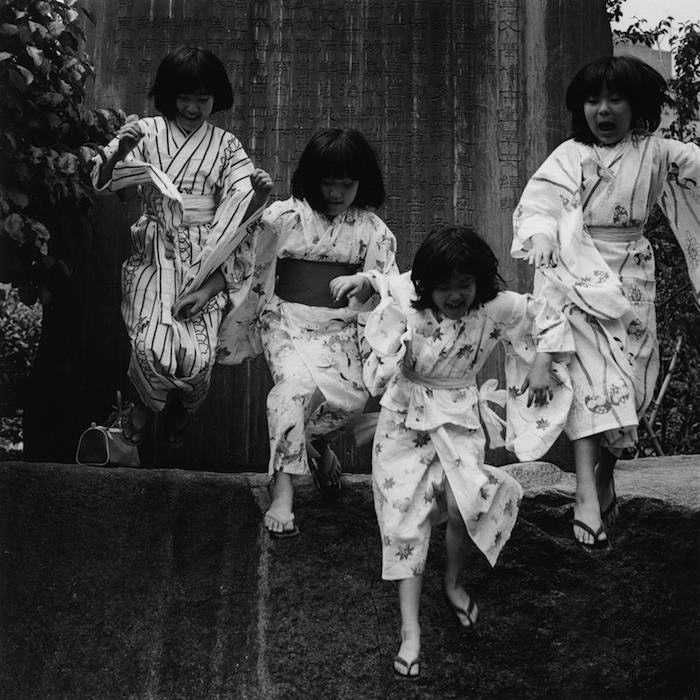
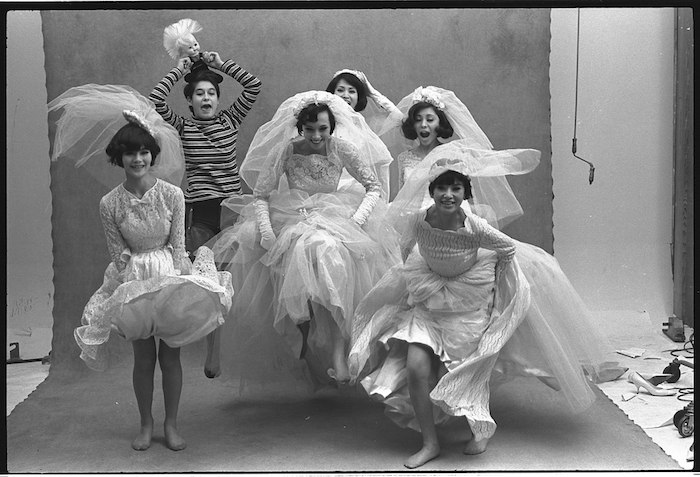
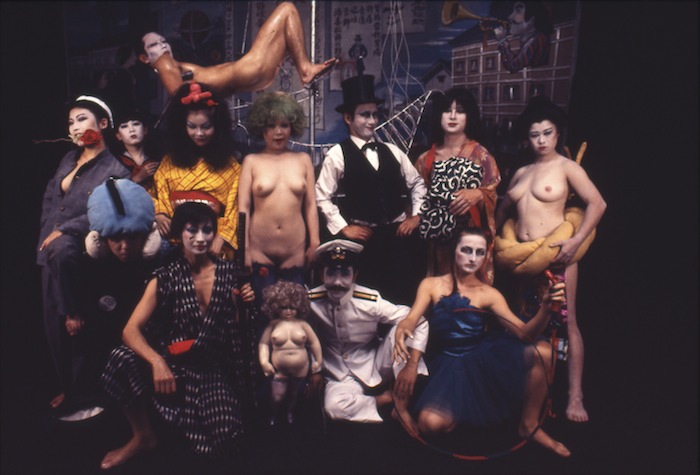
“Photographs bear witness to a human choice being exercised in a given situation,” wrote John Berger. “A photograph is a result of the photographer’s decision that it is worth recording that this particular event or this particular object has been seen.” With that same spirit, a new exhibition Tokyo 1970, presents you with a glimpse into the many choices being exercised by 9 photographers capturing Tokyo between 1965 – 1975.

Curated by Akio Nagasawa, a publisher and expert on post-war Japanese photography, the exhibition is unique in its ability to showcase an intimate side of Tokyo through its inhabitants, rather than cityscapes. “The city of Tokyo is so large and complex,” says* Nagasawa. “Depending on the time period, circumstances or cultural background, you could be standing in the exact same spot yet still see something completely different.”

Tokyo 1970 is on display through October 29, 2013. The show is located on the 9th floor of the Armani/ Ginza Tower.

*quote translated by author.
warning: nsfw image at the bottom of this post

tokyo-1970-daiji-aritaDaiji Arita, ‘First Born’

tokyo-1970-issei-sudaIssei Suda, ‘Waga Tokyo 100′

tokyo-1970-masatoshi-naitoMasatoshi Naito, ‘Tokyo’

tokyo-1970-sawatari-hajimeHajime Sawatari, ‘Kinky’

tokyo-1970-yoshihiro-tatsukiYoshihiro Tatsuki, ‘Shitadashi tenshi’ (Angels with Tongues Sticking Out)

tokyo-1970-terayama-shujiShuji Teramaya, ‘Makafushijina kyakujin’ (The Mysterious Visitors)

Source: pingmag

« Older posts Newer posts »

© 2026 Spoon & Tamago

Up ↑

Design by Bento Graphics