Page 172 of 406

Can You Identify These Ghibli Films Only By Their Color Palette?

Ponyo takes place by the sea and underwater, which explains the predominantly blue hues

Hayao Miyazaki is known for using watercolors to create his art to achieve his specific visual style. And if you’ve ever seen a Ghibli film genga (a term that literally means “original image” but refers to the refined key frame images created by the film’s animators) one thing that will immediately pop out at you is the rich, lush colors. But it’s easy to forget Miyazaki’s masterful use of color because the films themselves are so engrossing.

Continue reading
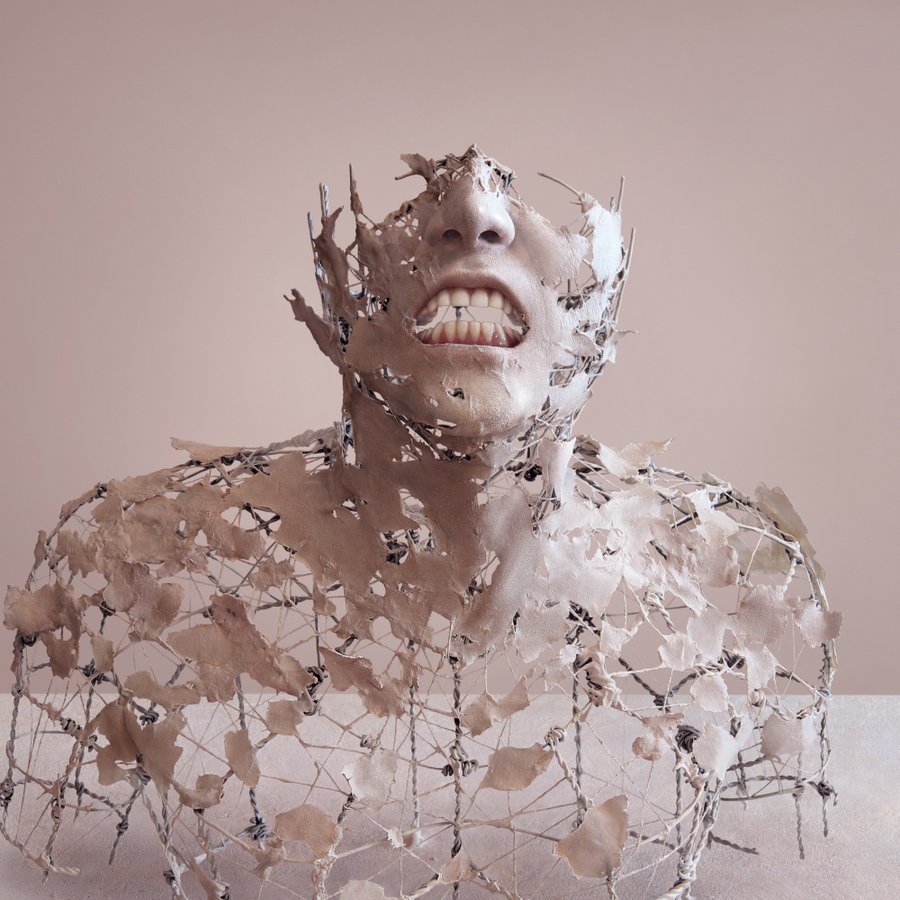
Sculptures of Decomposing Body Parts by Yuichi Ikehata

Yuichi Ikehata

Japanese photographer Yuichi Ikehata creates realistic sculptures of human body parts using clay, wire and paper. He then photographs the sculptures and merges them into unrealistic worlds to create Long Term Memory (LTM), an ongoing photographic series that “puts audiences in the ambivalent position of not knowing what is real and what is not.”

Continue reading

How a 50-Year Old Spaniard Gifted the Twitter Handle @japan to the Japanese Government

javier castano

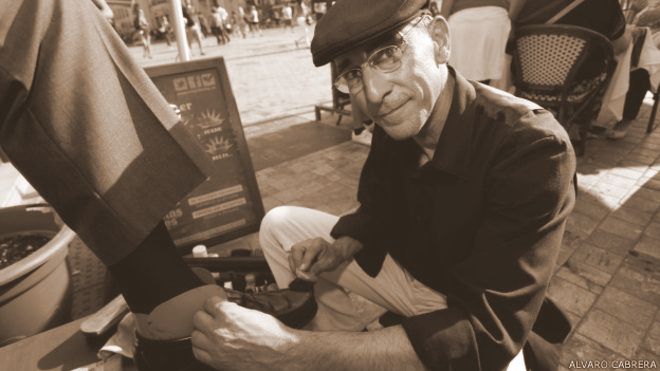
Javier Castaño at the Café Central de Málaga in Spain where he works from 8AM

Javier Castaño has worked many jobs: civil engineer, architect, graphic designer. However, after Spain’s economic downturn he began polishing shoes, and does so to this day, at the Café Central de Málaga in Spain. Javier, lovingly known by the locals as a “quirky diabetic,” has always been tech-savvy.

In early 2007, when twitter was just under a year old, Javier joined the fledgling social network under the handle @xabel and was quick to develop the foresight as to what it could become. Seeing that strategically important geographic handles lay unclaimed and vulnerable, Javier tasked himself with grabbing what he could, protecting them, and safely delivering them to their rightful owners when the time came. These included @madrid, @malaga, @rome, @canada, @riodejaneiro, @NY and @japan.

Continue reading

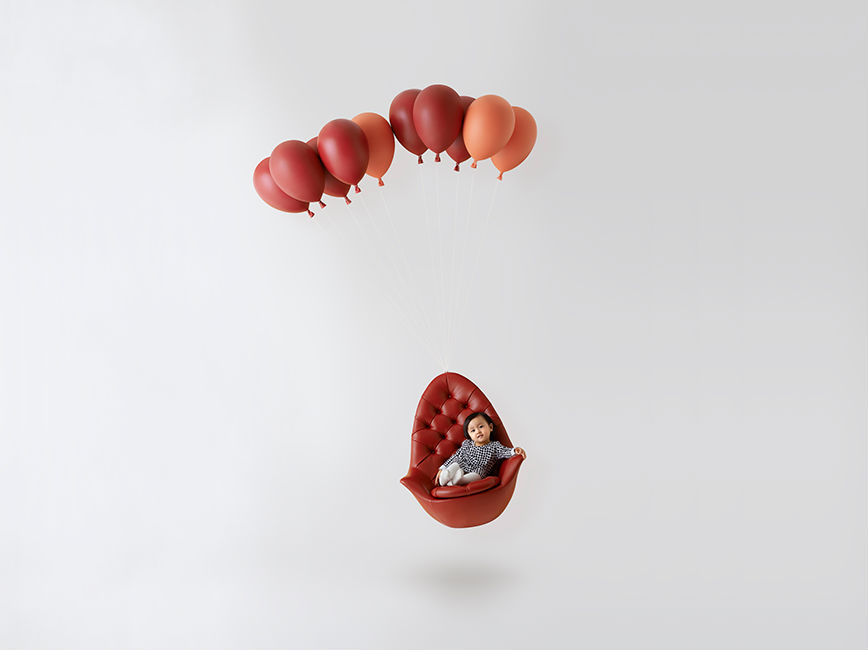
A Kids Chair Inspired by the 1956 Film ‘The Red Balloon’

Balloon Chair by Satoshi Itasaka

the Balloon Chair by Satoshi Itasaka | click images to enlarge

In the final seen of the 1956 short film ‘The Red Balloon’ the young boy, after being chased by bullies, is rescued by a cluster of balloons. Watching him sitting down and being carried away by the balloons is enough to put a smile on anyone’s face. It was also enough to inspire Japanese designer Satoshi Itasaka to create a range of furniture based on the film.

Continue reading

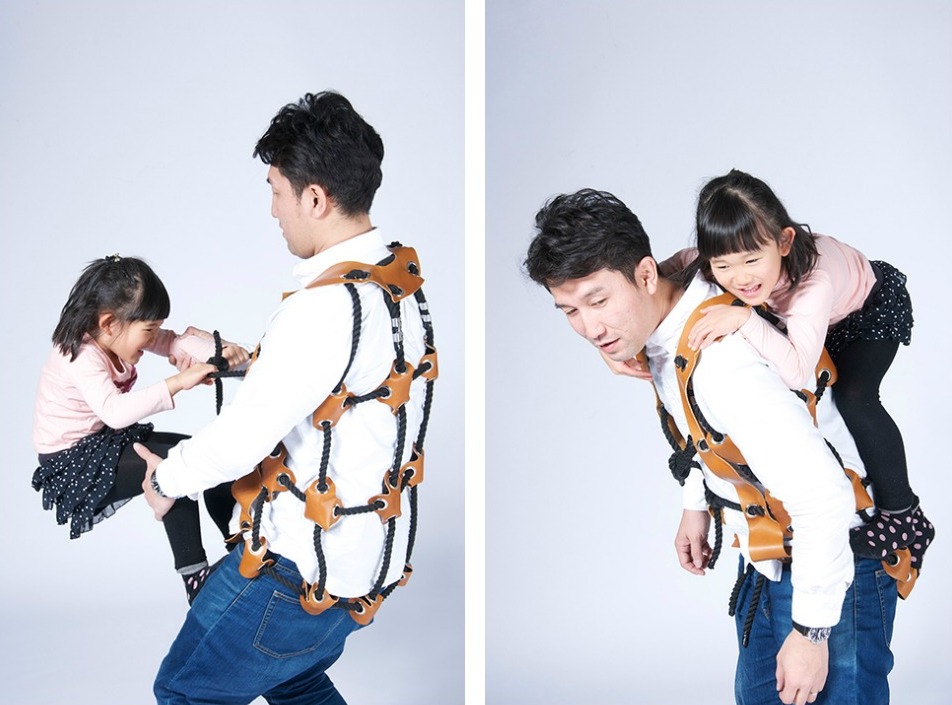
A Prototype to Turn Dads Into Jungle Gyms

wearable jungle gym by Atsushi Shiraishi

forget wearable tech: Atsushi Shiraishi has developed a wearable jungle gym

There’s something to said for roughhousing with your kids. Tossing them around, doing flips, throws and all sorts of physical, interactive play is good for them. Physical fitness is an obvious benefit but it’s also an integral part of developing intelligence and social skills. In their book, The Art of Roughhousing, the authors argue that one gift of roughhousing is its emphasis on loving physical contact. It helps boys learn that there is more to physical contact than sex and violence, while it teaches girls a sense of inner strength and physical confidence.

In a radical redesign of children’s play equipment, Atsushi Shiraishi, a graduating senior at Tama Art University, has created a wearable jungle gym.

Continue reading

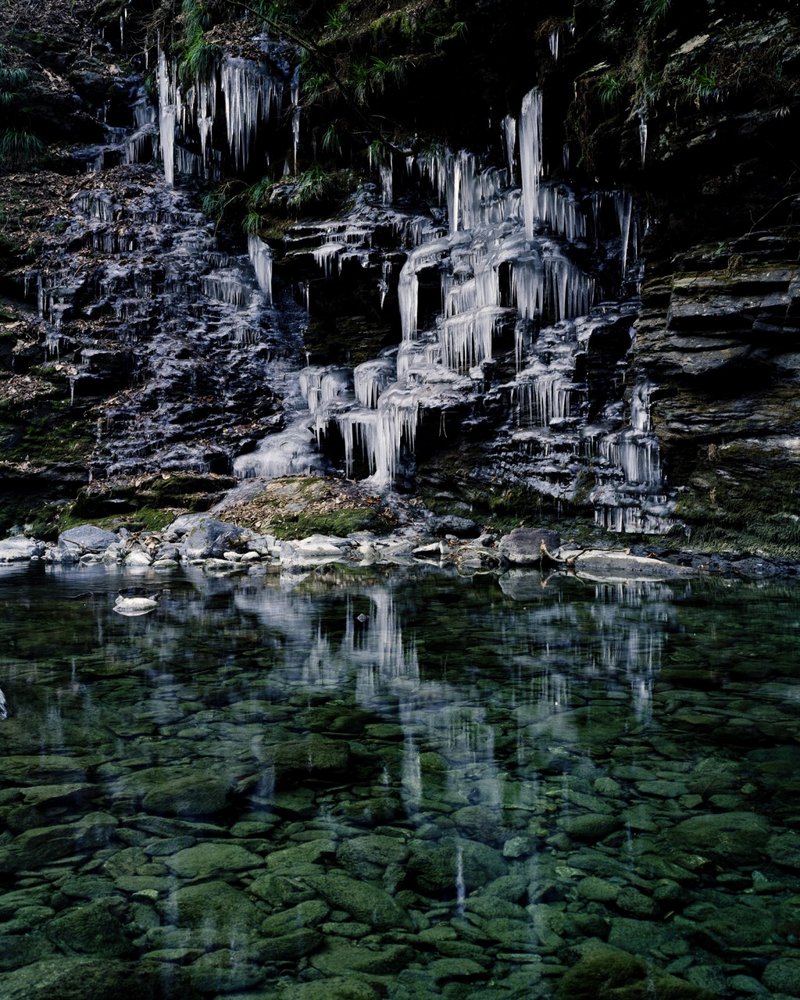
Gravity and Grace: Hayato Wakabayashi’s Photographs of Frozen Waterfalls

hayato wakabayashi grace and gravity

Japanese photographer Hayato Wakabayashi braves the treacherous colds of mountainous Japan to take pictures of frozen waterfalls and caves. The otherworldly photographs stem from a fascination “with the imperceptible growth built from repeated elements in nature.” But Wakabayashi’s ultimate inspiration comes from a place deeper than caves: Simone Weil, the 20th century French philosopher who became posthumously famous for her writings on mysticism.

Continue reading

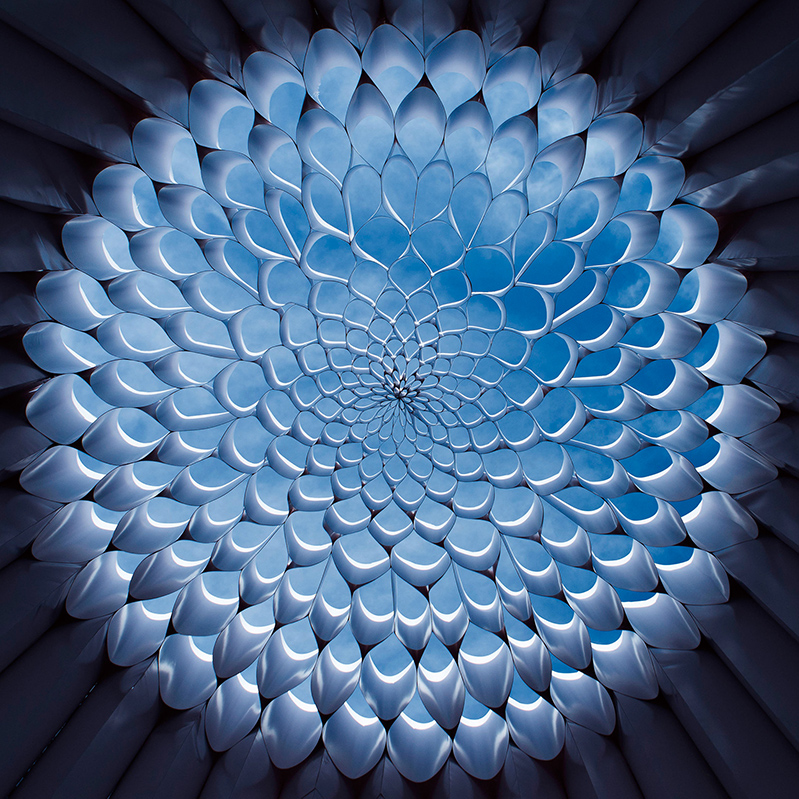
Transition: a flowering paper structure designed for sky-gazing

img_01

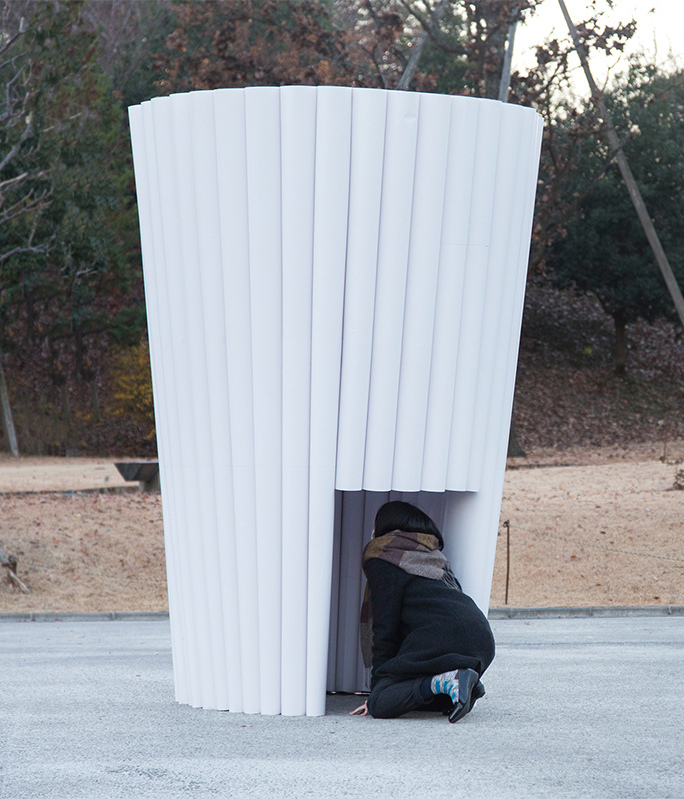
For her graduating thesis project, art student Shoko Konishi created this beautiful paper structure. She calls it Transition. From the outside it doesn’t look like much, just some paper cylinders in a circle with a small entrance to climb into. But inside is a blossoming dome on the ceiling that creates a transformational experience.

img_04

Continue reading

The Studio Visits: an extended virtual gallery

spoon & tamago: studio visits exhibition

all photos by kaori sohma for spoon & tamago | click to enlarge

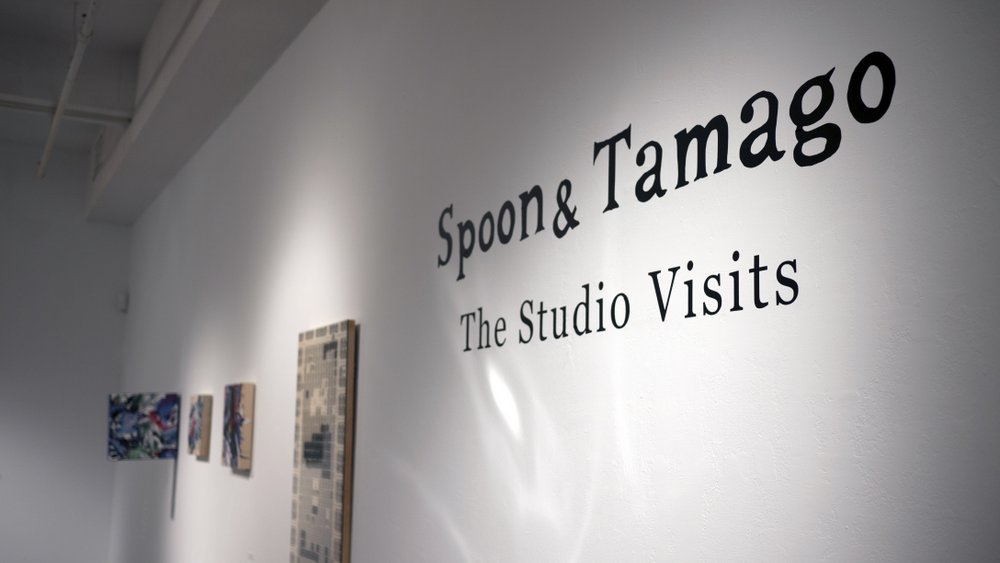
Earlier this month the Spoon & Tamago team celebrated the opening of The Studio Visits, a real-life exhibition that saw our Studio Visits web series come to life. Despite a blizzarding evening, hundreds of visitors braved the cold and snow to come see the show, which was held in conjunction with New City Art Fair. The 4-day show was a blast. Perhaps the best part was meeting many of you and talking to you about the artwork!

But we know there were many who couldn’t come. So we decided to extend the show as an online virtual gallery. Here you’ll be able to see all the artwork and it will also be available in our shop through April 10, 2015!

Continue reading

Remembering Tohoku: Gigantic Watercolor Canvases by Hiroshige Kagawa

hiroshige kagawa watercolors

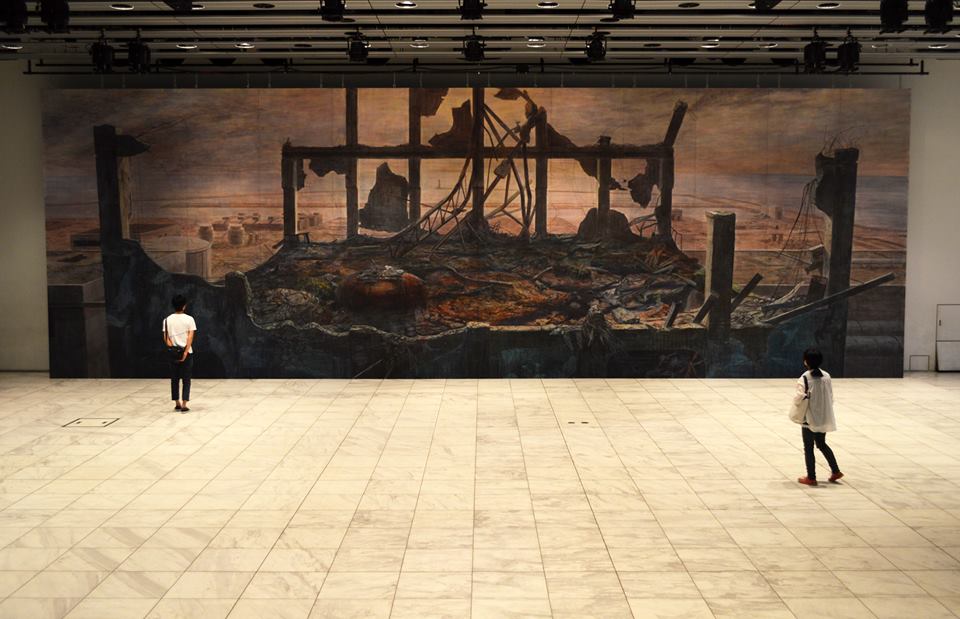
“Fukushima” (2014) by Hiroshige Kagawa | click images to enlarge

“I wanted to draw something gigantic,” says artist Hiroshige Kagawa, recalling the utterly simple reason he began working in such large-scale. His first large watercolor painting in 2003 was about 10 ft x 23 ft, but in the 12 years since he’s been working – at a pace of about 1 painting per year – his works have grown by about 5-fold.

Kagawa’s older works tended towards the celestial and fantastical: solar systems and imaginary planets or forests. You can see them on his website. But in 2011, when the devastating earthquake and tsunami struck Tohoku, Kagawa’s response was drastic and immediate. His latest work, unveiled in August of 2014 is “Fukushima,” a massive watercolor painting that clocks in at about 17 ft x 54 ft. It depicts TEPCO’s Daiichi Nuclear Reactor.

Continue reading

The Science of Cuteness: How To Make Hello Kitty Appeal to Different Audiences

hello kitty nendo
Ever since Hello Kitty took her first faltering steps in 1974, she has been the reigning cute superpower. And it’s no coincidence either. Hello Kitty and her large head, small nose, ribbon and look of helplessness has been engineered to trigger certain maternal impulses in our brain that makes us want to cuddle with it; even look after it.

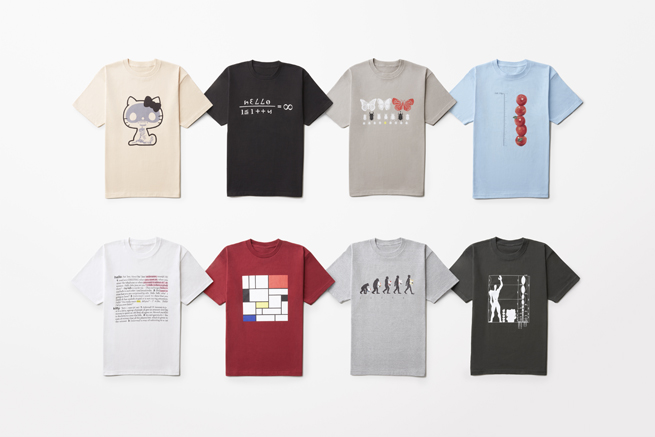
“HELLO KITTY is a character that has many elements that ‘stimulates the right brain’ to naturally induce the feeling of ‘cuteness’ ” says Nendo, who was tasked with rethinking the adorable feline as a series of t-shirts to appeal to male audiences as well.

Continue reading

« Older posts Newer posts »

© 2026 Spoon & Tamago

Up ↑

Design by Bento Graphics