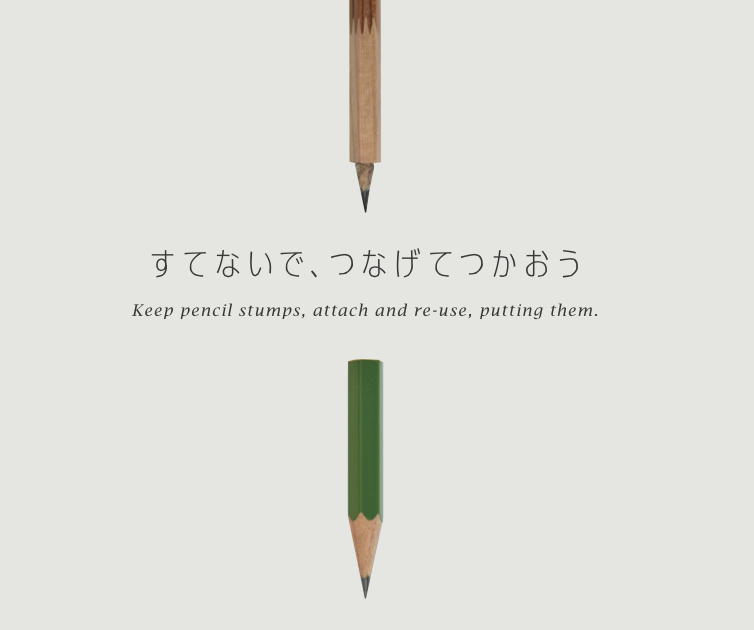
It’s an odd thought. Pencil sharpeners make pencils shorter, bringing them one step closer to their inevitable last day. But this pencil sharpener actually creates a never-ending pencil.
It’s an odd thought. Pencil sharpeners make pencils shorter, bringing them one step closer to their inevitable last day. But this pencil sharpener actually creates a never-ending pencil.
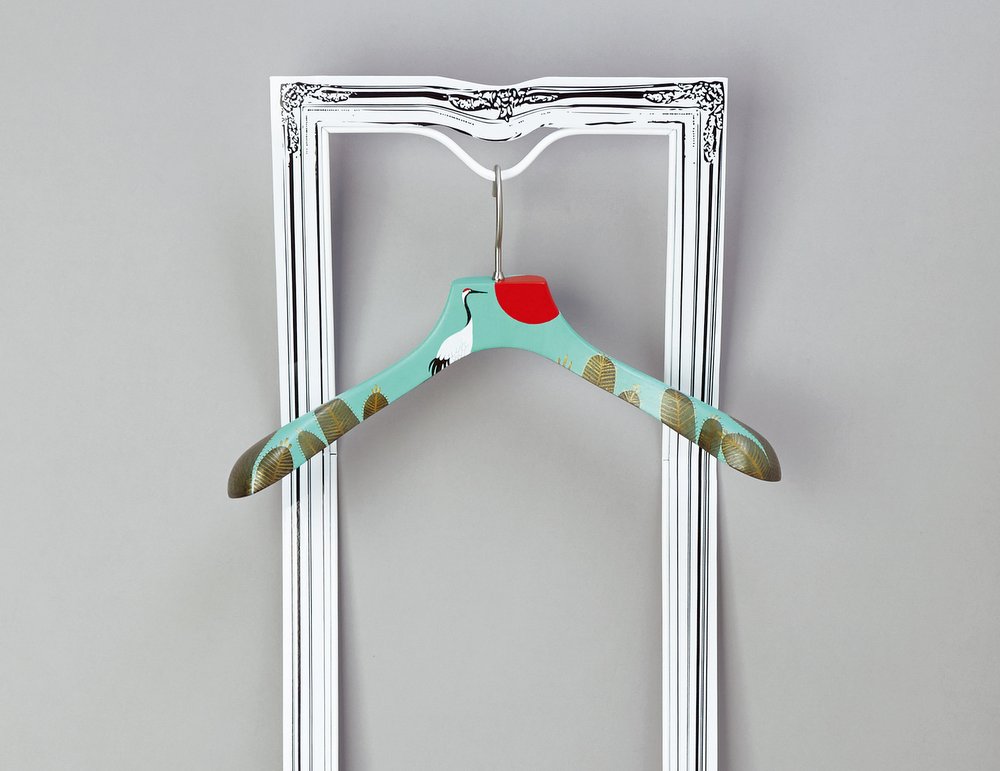
hanger created by Kumiko Kijima
When department stores and upscale boutiques order high quality wooden hangers to display their clothes, there are inevitably some that don’t make the cut. A careful inspection process removes hangars with imperfections and are rerouted to rubbish, or to be recycled into something else. But a new initiative wants to save those hangars and, be collaborating with Japanese artists, turn them into works of art.
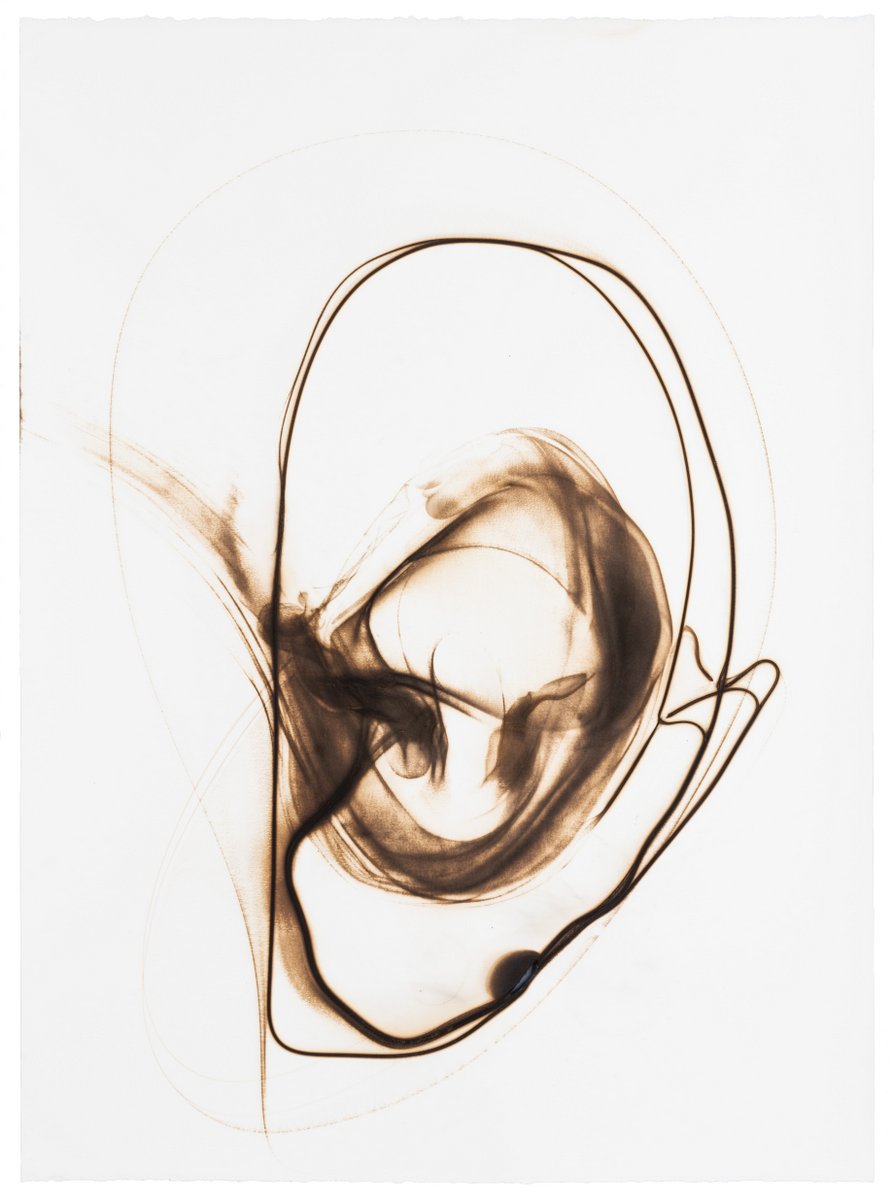
images courtesy Winston Wachter Fine Art | click to enlarge
Etsuko Ichikawa is a Tokyo-born, Seattle-based artist who creates mesmerizing abstract “paintings” through the art of pyrography. Specifically, Ichikawa removes fiery, molten glass from a kiln as it glows at 2100° F, and then manipulates it over thick paper, leaving scorch marks and burns. The process is something akin to photography, in which light is recorded on film, capturing and eternalizing the immediacy of a moment.
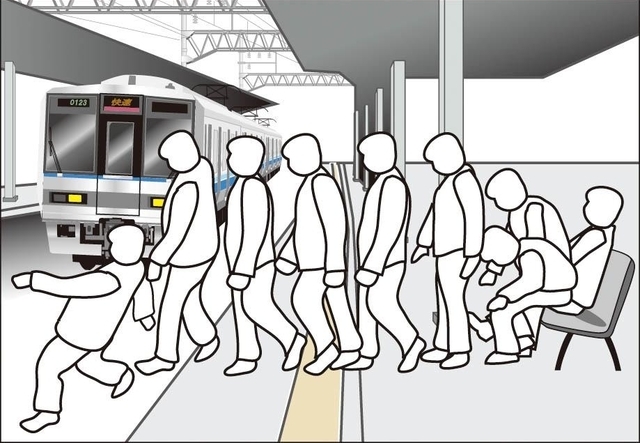
a rendering of how 90% of alcohol-induced train track falls occur
After analyzing 2 years worth of data pertaining to drunken people falling onto train tracks, a group of data scientists at the West Japan Railway Company have come to a startling conclusion. Ninety percent of falls are the result of people, in a drunken stupor, getting up from a bench they were sitting on and walking straight off the platform.
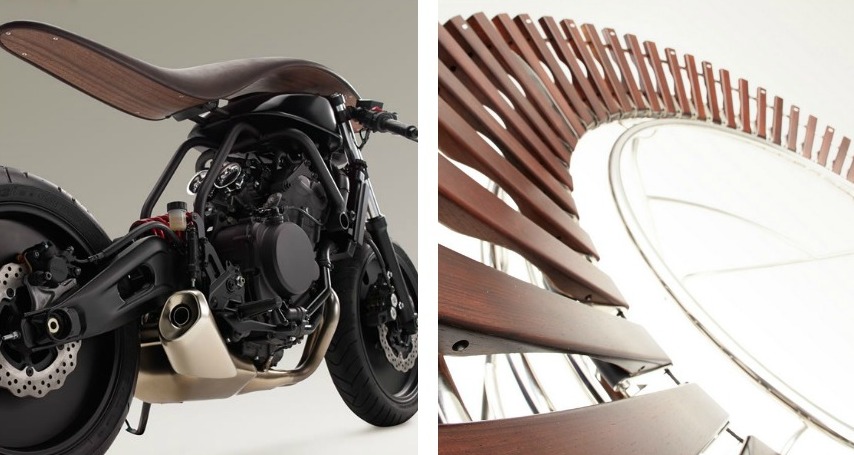
Japanese company Yamaha was founded in 1887 as a piano manufacturer. But after WWII the company leveraged its expertise in metallurgy to branch into motorcycles as well, creating a most diverse product range. Today, the company not only makes musical instruments, bikes and motorcycles, but sporting goods and robots as well. But motorcycles and musical instruments remains their bread and butter and Yamaha’s origins are still reflected today in their logo—a trio of interlocking tuning forks.
In order to stimulate innovation within the diverse company, Yamaha recently embarked upon a design initiative called AH A MAY. The naming was derived from Yamaha spelled backwards. But the project itself was one of cross-dissemination, rather than reversal. They asked their motorcycle designers to create musical instruments. Meanwhile, their musical instrument designers were tasked with coming up with a motorcycle and bicycle.
Before you watch this 5-min performance by Perfume that was filmed last week at SXSW in Austin, keep in mind there was no post-production. In other words, all the special effects you see – what appears to be numerous transitions between a science-fictional virtual reality and a live venue – were done and filmed on the spot. It was even live-broadcasted on YouTube.
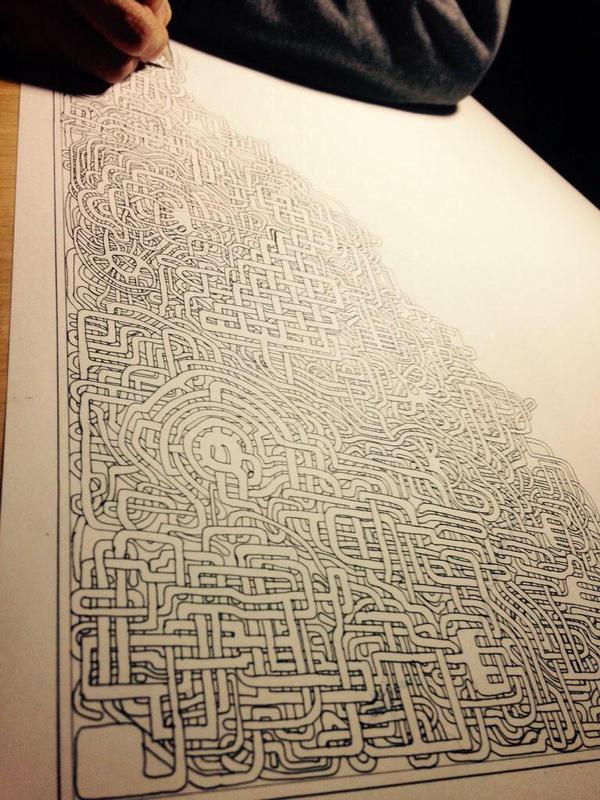
Papa’s new maze in progress | photo courtesy @Kya7y
By now you may know the story: Kazuo Nomura toiled away as a janitor during the day. At night he would come home and work on his passion: a large, incredibly detailed maze. After spending 7 years the creation was finally completed in 1983, at which point it was rolled up and stashed away in an attic where it was forgotten about. But when his daughter unearthed it two years ago and posted it to twitter, Mr. Nomura’s creation was pulled out into the spotlight.
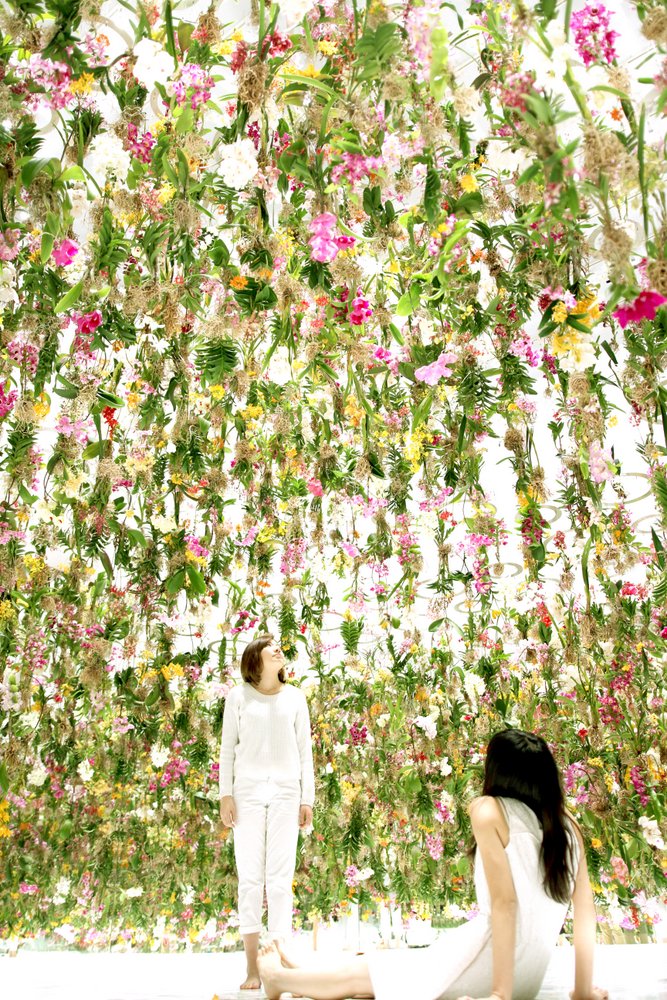
images courtesy teamlab | click to enlarge
As part of their current large-scale exhibition at Miraikan in Tokyo, TeamLab has created a fully-immersive installation of interactive flowers. 2300 flowers, to be exact, are suspended in a room that responds to the movement of visitors as they enter and walk through the forest of floating flowers. As visitors approach, the flowers float above their head, creating a small dome. It’s like the Rain Room, but with vegetation.
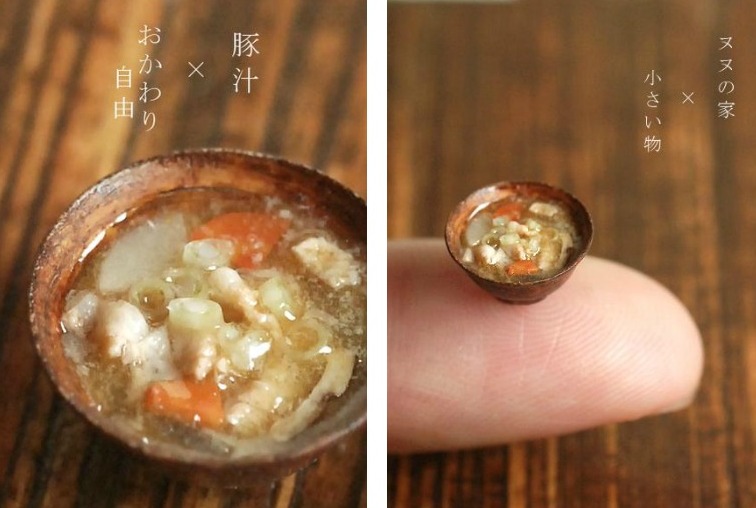
all photos courtesy tomo tanaka
Tomo Tanaka, a self-described “miniature artist” has been crafting micro-replica sculptures of food and common household items since 2002. The sculptures are all made to scale – 1/12 of the original, according to the artist – and come to life primarily from clay and epoxy. The replicas are so lifelike that the artist has to include his hand in each photograph for scale and to also show that they’re not real.
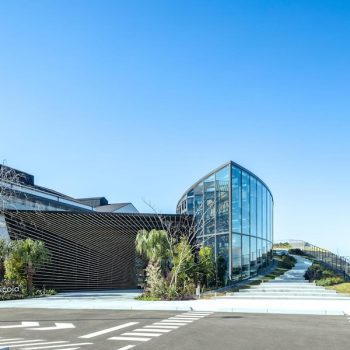
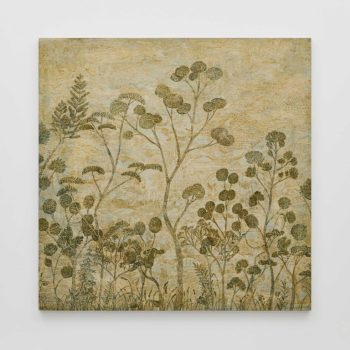
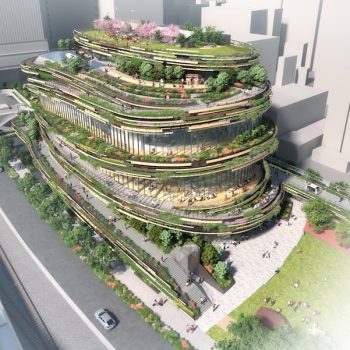
One of the many things I love about Japan is the appreciation of all four seasons. Whether its non-stop rain before the hot and humid summer sets in or the summer moon gazing that follows it, there are customary traditions for all seasons. And they’re not just about appreciating Spring, Summer Fall and Winter. It’s a celebration of the passage of time, and of life in general.


 Japanese Aquarium Drops 2026 Version of Flowchart Illustrating Their Penguin Relationships. This Year There’s an English Version.
 Antiwar Posters by Graphic Designer Shigeo Fukuda
 Keisuke Aiso’s Ubume Sculpture that was Missappropriated as the Face of the Momo Hoax
 Kirie Artist Carves Playful Narratives Into Tree Leaves
 Whimsical Ceramic Banana Peel Art by Koji Kasatani