Page 320 of 406

Tokyo Designers Week 2010

So it’s almost the end of October! Do you know what that means? Don’t all shout at once but, yes, Tokyo Designers Week. Set to take place from 10/29 to 11/3, the event, which will be celebrating its 25th year, will be hosted at Meiji Jingu Gaien. Although not limited to the below, here are some events you don’t want to miss if you plan on attending:

  • Cool Japan Tokyo-Conference, hosted by Ministry of Economy, Trade and Industry
  • Designer of the Year & Artist of the Year (the award winners will be present)
  • Parties every night at TDW dome with free booze and food
  • Seminars, Forums and Workshops such as X2 Tokyo & Takram, Bike Film Festival screening, Lidewij Edelkoort of Trend Union
  • Mizuma Art Gallery show “Jalapagos”


KONOIKE Tomoko Courtesy Mizuma Art Gallery

Tokyo Designers Week 2010So it’s almost the end of October! Do you know what that means? Don’t all shout at once but, yes, Tokyo Designer Week. Set to take place from 10/29 to 11/3, the event, which will be celebrating its 25th year, will take place at Meiji Jingu Gaien. Although not limited to the below, here are some events you don’t want to miss if you plan on attending:

-Cool Japan Tokyo-Conference, hosted by Ministry of Economy, Trade and Industry

-Designer of the Year & Artist of the Year (the award winners will be present)

-Parties every night at TDW dome with free booze and food

-Seminars, Forums and Workshops such as X2 Tokyo & Takram, Bike Film Festival screening, Lidewij Edelkoort of Trend Union

-Mizuma Art Gallery show “Jalapagos”
PythagoraSwitch | ピタゴラスイッチ

Here is something fun for your Friday morning. I came across an 18-min compilation of this awesome kids show that airs on NHK in Japan. I am just as enthralled by the show as my kids. One of my favorite segments is the Pythagorean Devices, known in the US as “Rube Goldberg machines.” Just watch. It’s addictive. Pee-tah-gola-suichi ♪
The Pythagorean Device segment is used as an opening and closing title sequence for the actual show. They are created by students in a Keio University lab under the wings of creative director Masashi Kawamura (who you may know through his direction of the music video Hibi no Neiro ). A similar chain reaction video by Swiss artists Peter Fischli and David Weiss, in which all sorts of pyrotechnics were used, recently won them a prize. But what I like about the Pythagorean Device versions are that they just use random crap that’s lying around their lab. Their creativity never ceases to amaze me! I wish I had their job.

Teshima Art Museum by Ryuei Nishizawa and Rei Naito

Teshima Museum by Ryuei Nishizawa Rei Naitoimages by Noboru Morikawa

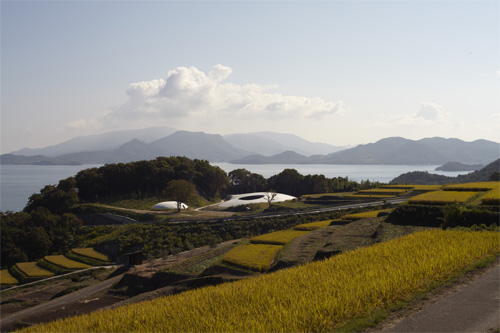
Architect Ryuei Nishizawa (co-founder of SANAA) and sculptor Rei Naito were on site last week at the opening ceremony of their 6-year long collaborative work, the Teshima Art Museum. Located on the island of Teshima, it’s the latest addition to the Benesse Art Site, which comprises the islands of Naoshima, Teshima and Inujima.

Teshima Museum by Ryuei Nishizawa Rei Naito 2

Originally planned to coincide with the opening of the 2010 setouchi international arts festival in july, several delays pushed the date back to October. They cut it close, opening the museum with just about 2 weeks left before the arts festival closes.

Much in the same spirit of its older sister, the Chichu Art Museum – designed by architect Tadao Ando in 2004 and built into the headland on Naoshima – the Teshima Museum is also nestled into the earth so as not to disturb the natural appearance of the site. Although both museums are intended to merge environment and architecture, there are significant differences in structure and application.

Teshima Museum by Ryuei Nishizawa Rei Naito 3

Teshima Museum by Ryuei Nishizawa Rei Naito 4

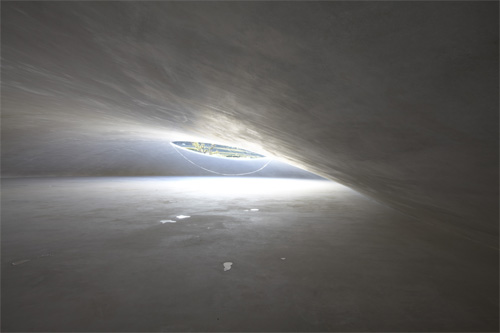
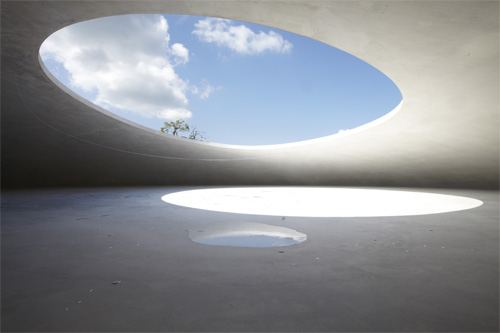
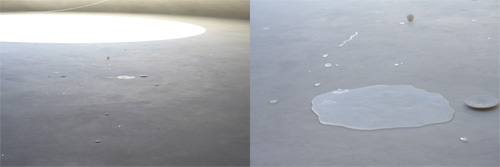
The Teshima Museum is made up of a single concrete pod structure with no pillars. The design resembles a droplet of water. And in the same way that rain interacts with the earth, the structure appears to blend and sink into its surrounding hills.

Teshima Museum by Ryuei Nishizawa Rei Naito 5

“Matrix” (2010) by Rei Naito

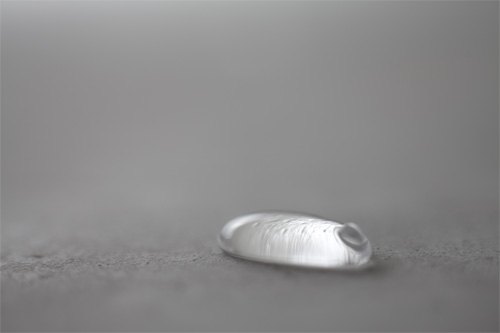
With just one (that’s right, 1) work the Teshima Museum easily trumps the Chichu Art Museum’s minimal yet powerful collection of just 9 works. And the structure was designed specifically to house this single work titled “bokei” (母型) – translated as “matrix” – by Rei Naito. The piece, whose title connotes imagery of a motherly figure giving birth to life,  is characterized by moisture from underground water  that seeps up onto the surface. The randomly accumulating droplets of water dance across the floor, as if dictated by their own volition, but actually guided by the wind that enters the structure through 2 oval openings on the ceiling.

Everything about the structure, they way it was designed – as an amalgam of art and architecture – to the art that it houses, is meant to illuminate the presence of nature.

Via excite.ism

Related:

yPad by Bunpei Yorifuji

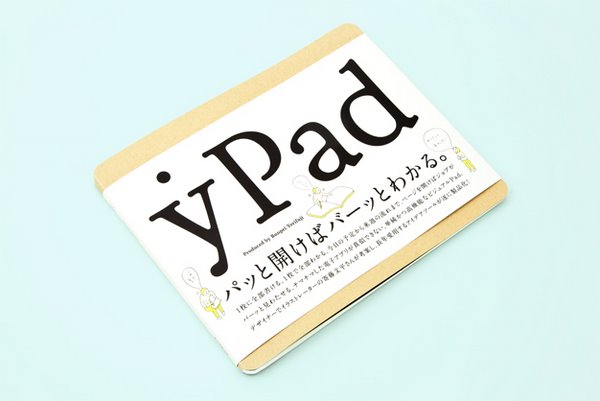
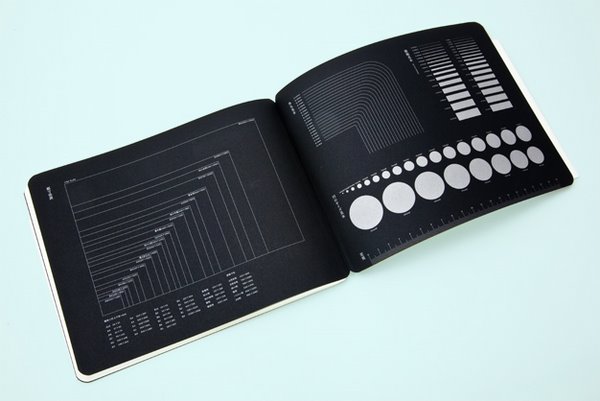
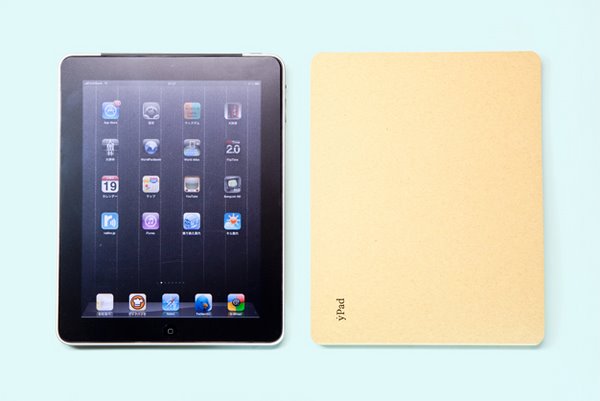
It’s appropriate that I post this today given the Apple announcement that everyone has been watching. #overhyped #sickofit  Coincidentally, today graphic designer Bunpei Yorifuji released yPad (1,575 yen), a combined calendar and project planner (for the purpose of this post, let’s call it a planendar).


click images to enlarge

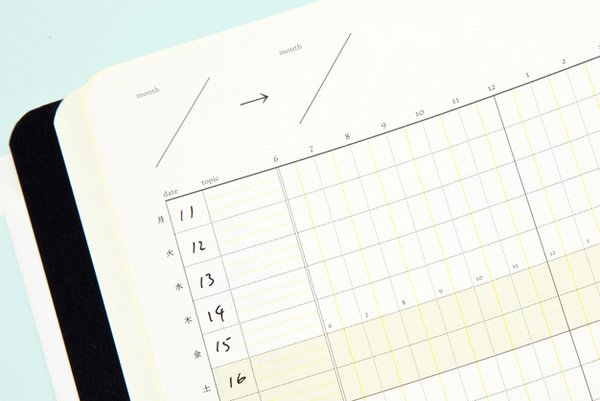
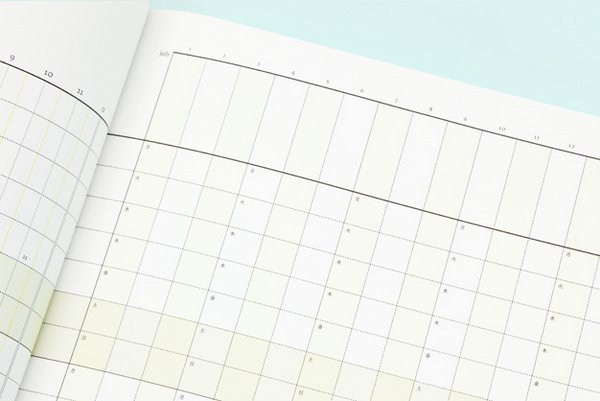
About 10 years ago, after an exhaustive search, and the discovery of many standalone calendars and planners – but never 2 in 1 – Bunpei Yorifuji decided to design his own planendar. He drew out a 3-week schedule, overlayed with a progress chart that could accommodate 35 projects and…success! His productivity skyrocketed and schedule conflicts plummeted. Over the past 10 years he has continued to tweak his planendar, adding functionality such as unimposing yet sumptuous margins for notes/doodles and a typeface chart (for Japanese fonts, or course).

I think one of the major drawbacks of e-planners are that days, and time, for that matter, become fragmented and one can easily lose track of the flow of day-to-day time. The yPad proposes an elegant solution for this, and also comes with delightful Yorifuji-style illustrations. It’s obviously not for everyone, but for the few who have not embraced e-planners some may still find comfort in an enhanced physical planendar such as Bunpei Yorifuji’s yPad.

In case you were curious the name’s origin comes from its size – when collapsed, it’s exactly the same size as an iPad – and from the first letter of the designer’s name – Yorifuji.

Related:

Naho Ogawa and Yuri Nakatani

Over the weekend I had the pleasure of meeting two lovely designers visiting NY, from Japan. I had known of their work for a while so it was nice to finally put a face to their designs.

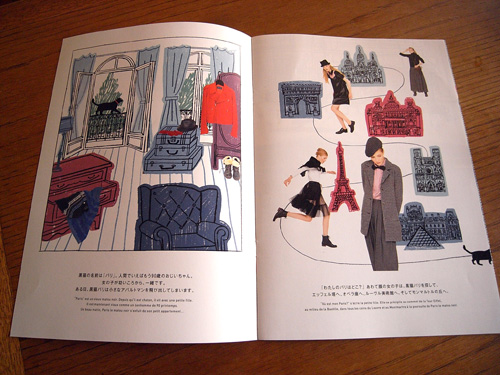
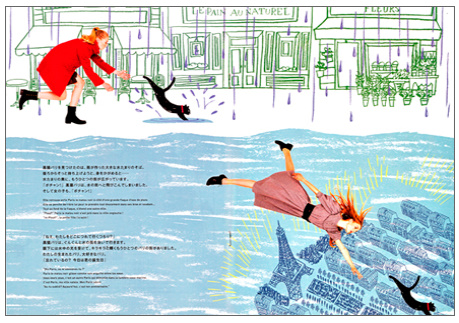
Naho Ogawa graduated from New York’s Parsons School of Design in 1998, and is currently based in Tokyo. One of my favorite pieces that she’s done recently is this Fall/Winter 2010 look-book for French clothing brand agnes b. that appeared in Madame Figaro.


There is something incredibly nostalgic about Naho’s simple yet delicate lines that make you want to immediately pack up your bags and travel. I could totally see her doing a series of hand drawn maps.

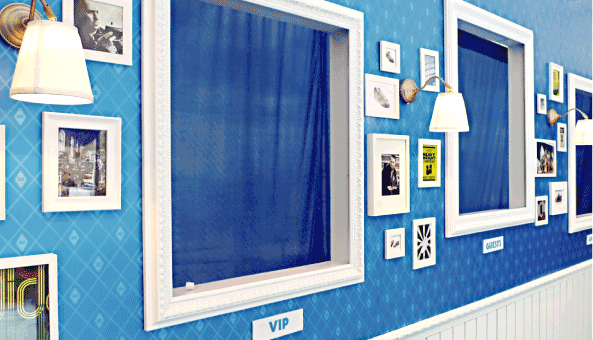
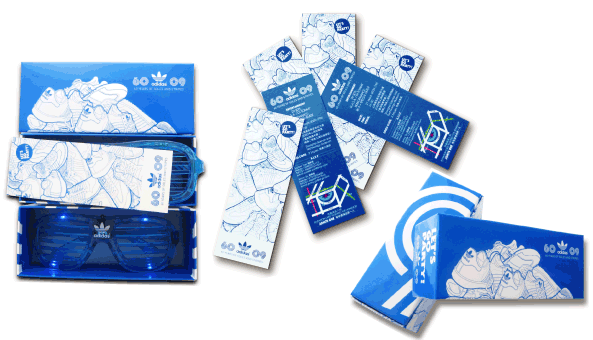
Yuri Nakatani runs a small art direction and graphic design studio in Meguro called In The Kitchen. Also a graduate of Parsons, Yuri spent a number of years in Connecticut and New York, and is completely bilingual. Her talents were exemplified last year when she produced the adidas 60 years of Originality House Party event in Shanghai, in collaboration with several designers including my good friend Kaori Sohma.


I love the idea of ticket staff behind picture frame windows!

2011 Calendars! Oh crap!

Since yesterday was my first Christmas post, today will mark my first 2011 post.

One of the things I look forward to each year is seeing the ideas that the creative folks over at D-Bros come up with for calendars. While I am glad it’s not my job to try and sell actual calendars – and subsequently report those numbers to my boss –  I still like the idea of having something physical, track something intangible, like months and weeks.

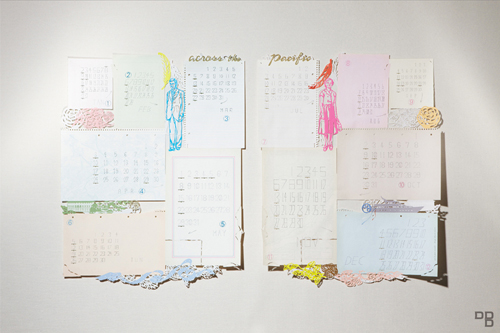
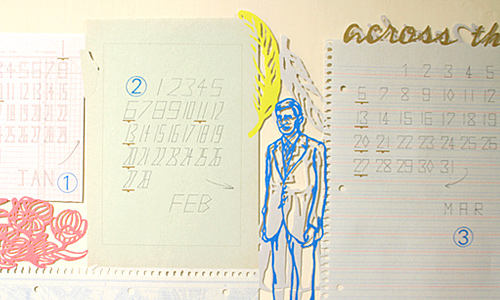
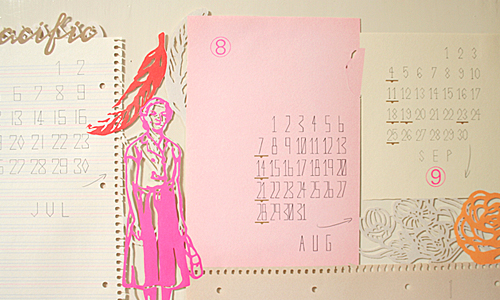
Across the Pacific (3,990 yen) is a travel-themed calendar comprised of maps, notes and other odds and ends one might accumulate while traversing the planet. It comes in 2 parts – the first 6 months and the last 6 months – and it’s up to you to combine them or use them one at a time.

click images to enlarge

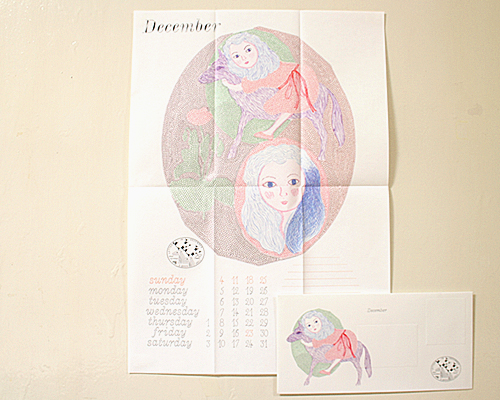
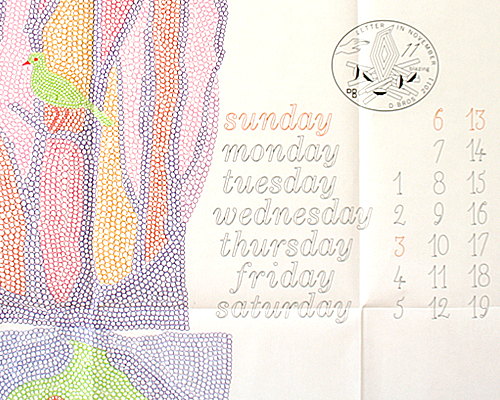
Letters (4,725 yen) is a cute idea. Each month comes folded up in a letter. You can enjoy them all yourself, or you can actually send them to people.

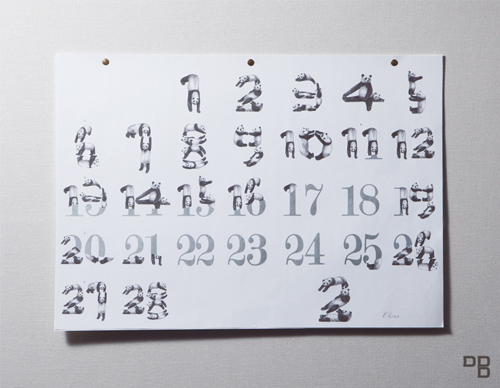
Life (3,150 yen) is  a follow-up to their “Earth” calendar from last year (see related below). It’s actually quite funny watching the animals, which include pandas, polar bears and kangaroos, strike increasingly difficult poses.

Also available is their popular sticker calendar, joy by day by toy (which I used this year), and their rotating typface calendar. This month? Futura.

Related:

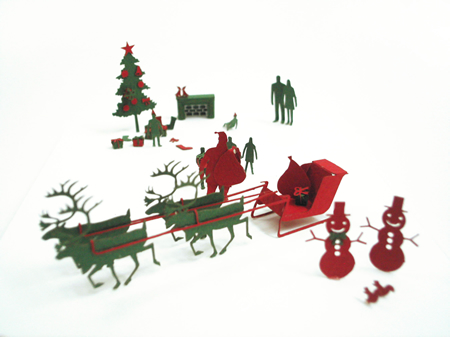
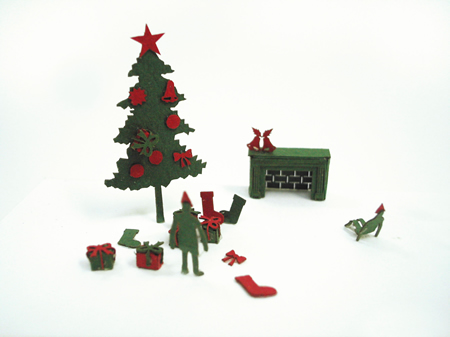
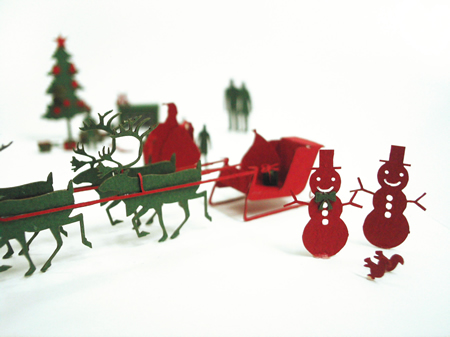
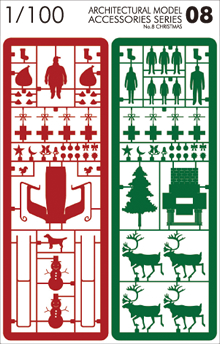
Architectural Model Accessories | Christmas Edition


Need to give your architectural proposal a bit of holiday cheer? Or just looking for a fun way to decorate? Terada Architects, have released a holiday version of their popular paper architectural accessories, which they sell through kaminokousakujo (a godsend for paper-lovers, by the way).

This is my first Christmas post of 2010! Yikes!

This is the 8th edition, which has been preceded by a residential, office, Tokyo and New York editions! It sells for 1,575 yen, but only through Christmas, at which point it will be discontinued.

Related:

New Work by Kyouei Design

Kouichi Okamoto of Kyouei Design has created a series of new designs that will be exhibited at Design Tide Tokyo (10/29-11/3).

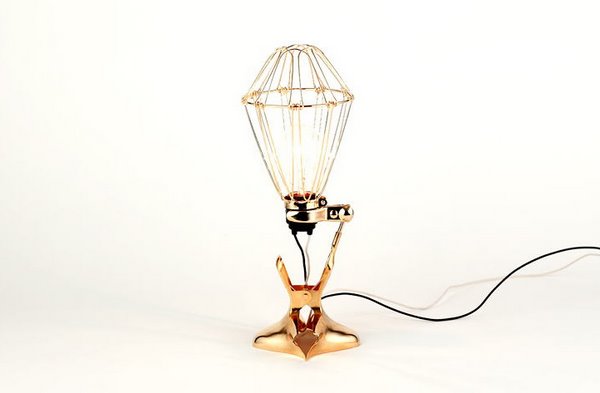
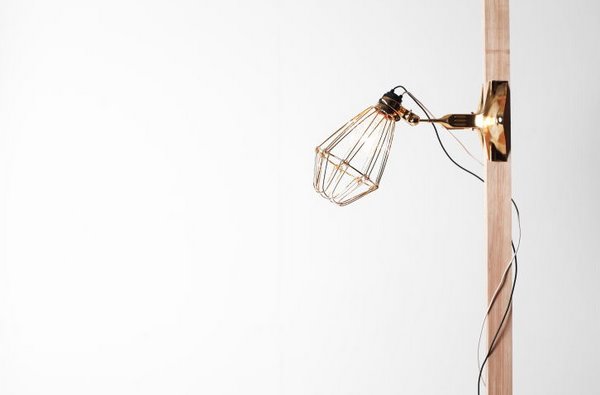
reconstruction lamp
the “reconstruction lamp” is a lamp remade from an industrial clip lamp. The lamp has a stand that can be either used for self support (stand lamp) or locking (clip lamp). The original industrial clip lamp was dismantled, pressed in a mold then gilded for finishing.


click images to enlarge

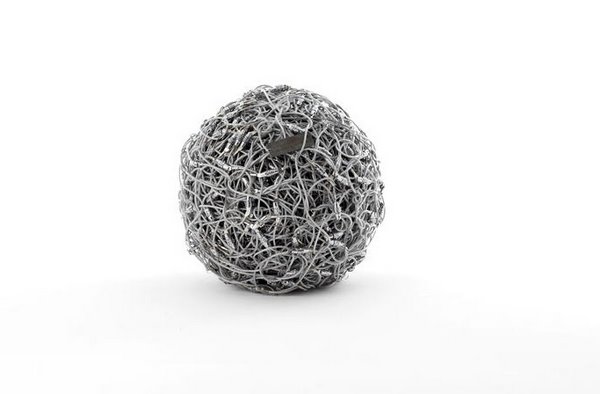
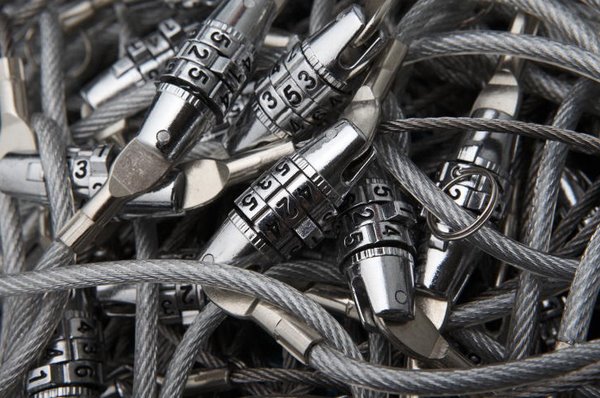
1000 combination locks
A wire ball puzzle game which uses 1000, 3-dial key combination locks. It was created in response to a request from Gail Bichler, an art director for the New York Times, to create an art product using keys.


cube letter set
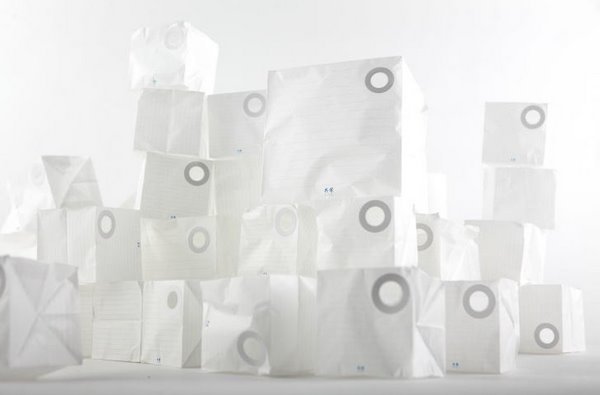
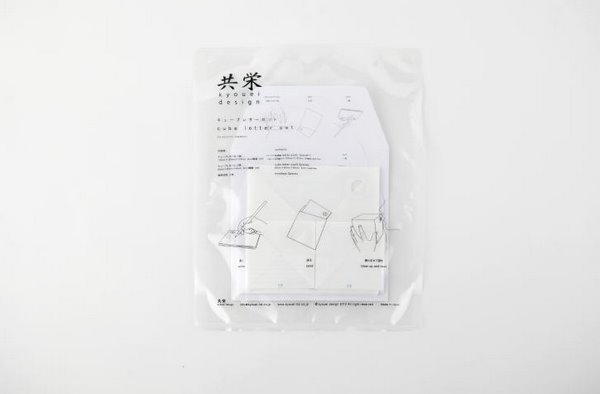
Perhaps my favorite is the cube letter set. Much in the same spirit is the Gifu Lantern Project, the cube letter set is a creative way of keeping the letter-sending tradition alive. Made from traditional washi paper, the sender can write (or draw) on all 4 sides of the cube and tuck it away in an envelope to send off. The receiver is then prompted to inflate the cubic balloon, thus revealing the note.

Trent Vioro by stad

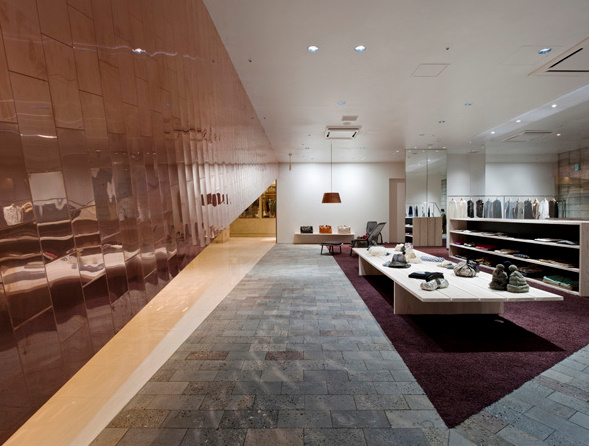
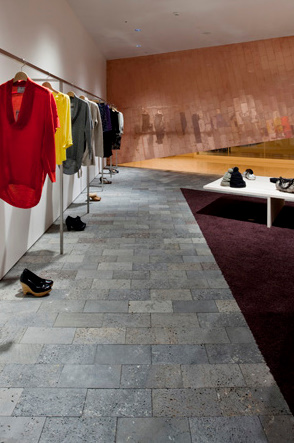
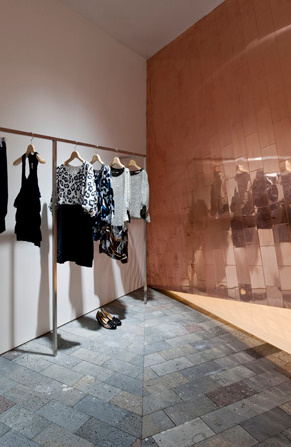
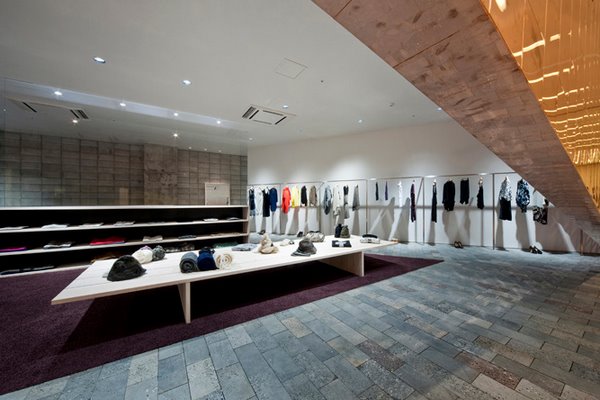
In response to 2 contradictory requests made by the client – 1) an open and inviting façade, and 2) a closed interior not to be seen from the outside – architectural design studio stad proposed a wide-open facade with a hanging diagonal wall. The design is for the boutique shop Trent, which recently opened in the Vioro mall in Fukuoka.


Photographs by Hiroshi Mizusaki | click to enlarge

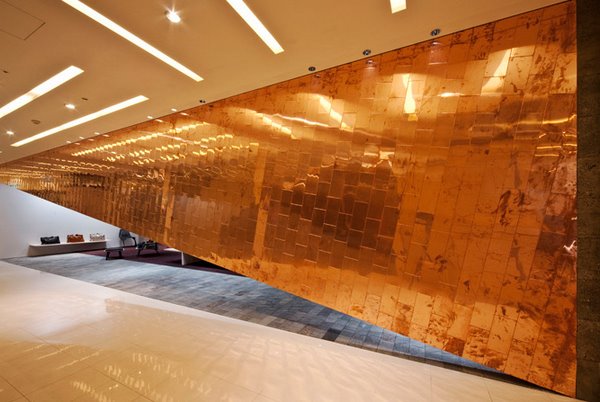
Toru Shimokawa, the lead architect, covered the façade with hundreds of copper sheets the same size as the stone plates on the floor.

The façade will capture the passage of time as the copper sheets gradually lose their luster, turning a reddish-brown, due to oxidation and corrosion.

Related:

Mihara Yasuhiro spring/summer 2011 collection visuals by WOW


screenshots | click images to enlarge

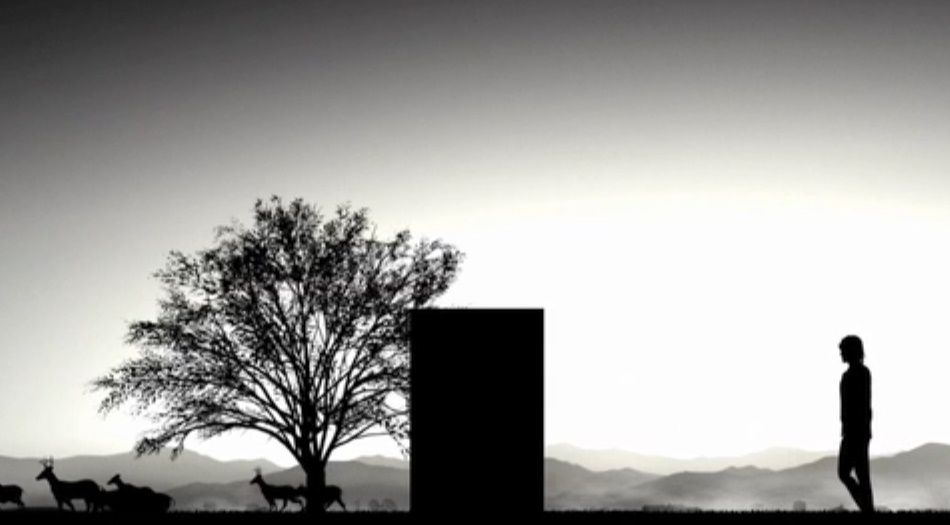
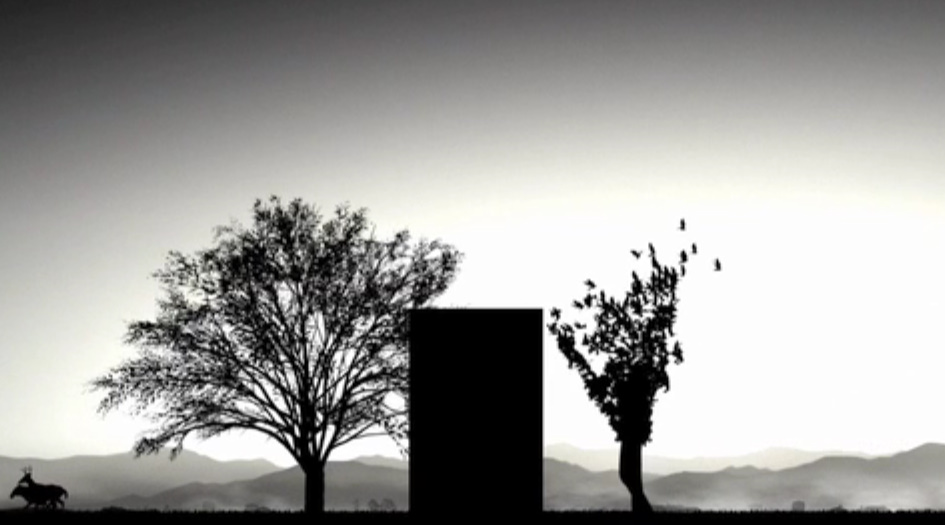
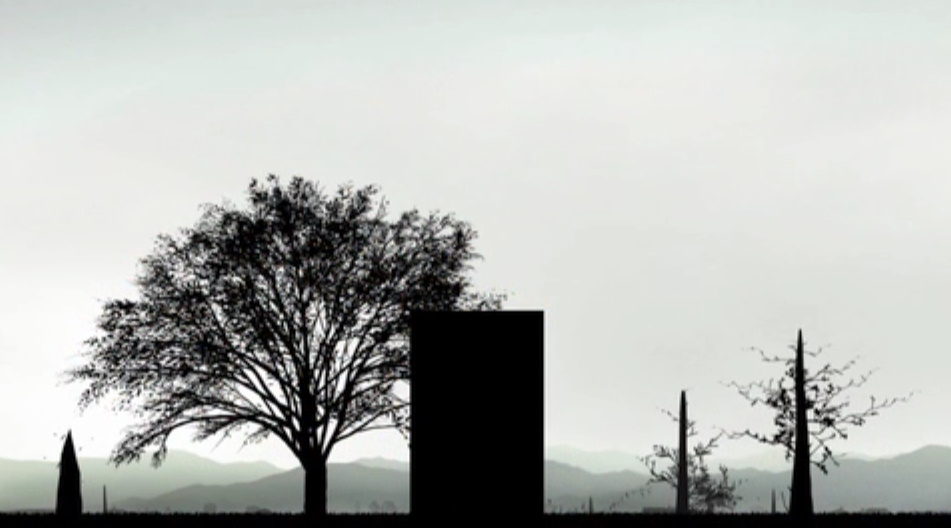
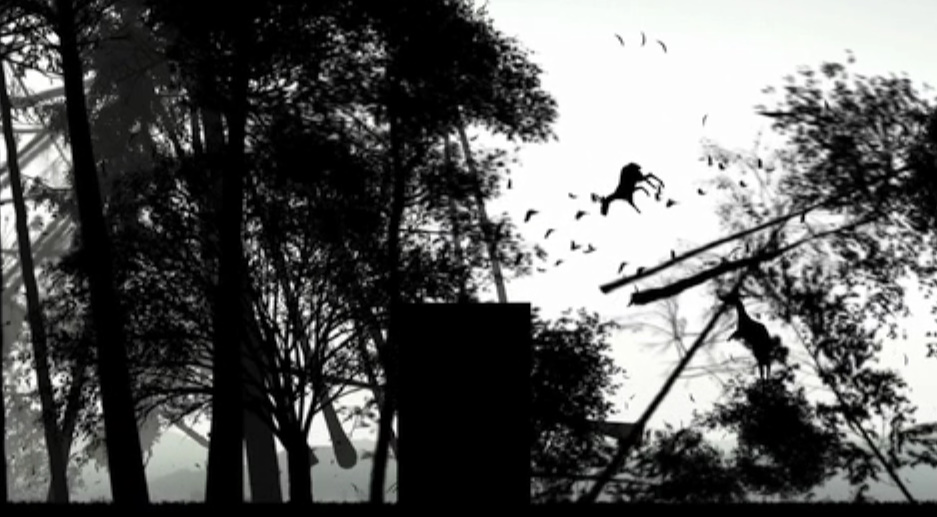
Visual design studio WOW recently created the backdrop for Mihara Yasuhiro’s spring/summer 2011 collection, which was shown during Paris Fashion Week in the basement of the Louvre.

Unfortunately they are not letting me imbed the video (ugh) but here are some screenshots.

The collection was all about the conflicting themes of nature and society, which was then beautifully depicted on screen with silhouettes of runway models suddenly dispersing into a flock of birds, or forests that sprout up, only to be blown away be a gust of wind. Watch the video here. Oh, and the clothes are also nice.

« Older posts Newer posts »

© 2026 Spoon & Tamago

Up ↑

Design by Bento Graphics