Page 319 of 406

Coverage | Tokyo Designer’s Week

As you probably know, Tokyo Designer’s Week closed on Wednesday, marking the end of another successful showing. Although we were stranded here in NYC and weren’t able to be there physically, we did manage to send a correspondent there to cover the event. Dustin Malstrom, creative Director of ReMade – an architectural and design studio now based in Japan – was kind enough to scoop out the event and send us some pictures.

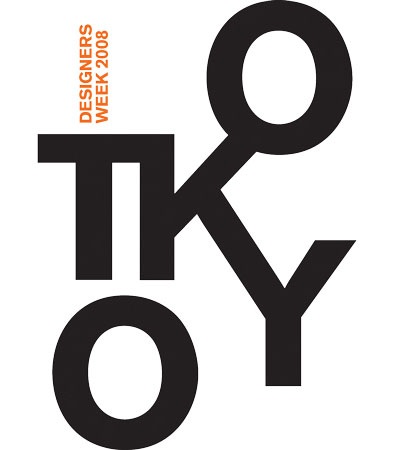
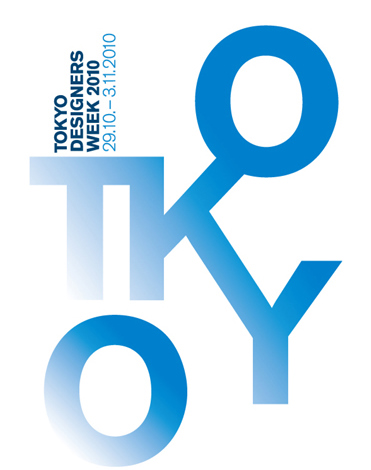
But before we continue on, I have to point out how much I love their logo. And while I look forward to seeing the new ideas that come out of Sapporo Design Week each year, I’m so happy that they found a nice clean logo, designed by Micha Weidmann, and stuck with it, making simple subtle modifications each year.

Continue reading

Sapporo Design Week 2010

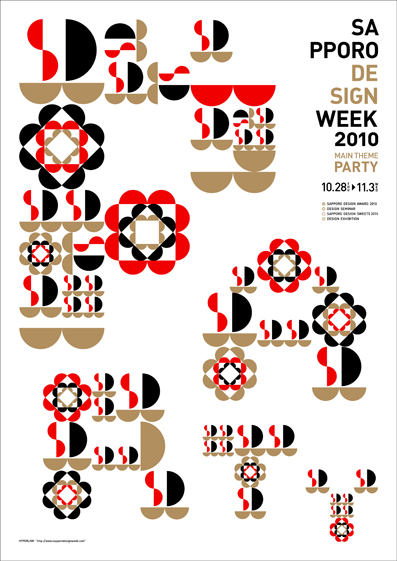
While Tokyo was busy with their festivities, the northern folk have also been partying it up at Sapporo Design Week, which ran parallel to its Honshu counterpart. Although I never cover it in much extent, I do love their logo, which may serve as an impetus to providing more coverage.

sdw2010_B1a

It was designed by Mr. Morikawa of Terashima Design, a grahic design firm headquartered in Sapporo. The theme of this year’s event was “party” and, using only semicircles, the designer has created a quilt-like pattern that spells out the word.

PS Both festivities have now ended. Yesterday was the last day but stay tuned as we have some exclusive coverage from the Tokyo side.

Related:

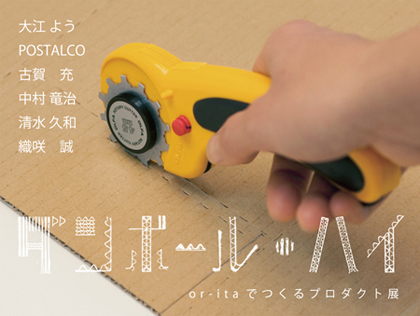
Makoto Orisaki and the Or-Ita Cardboard Exhibition

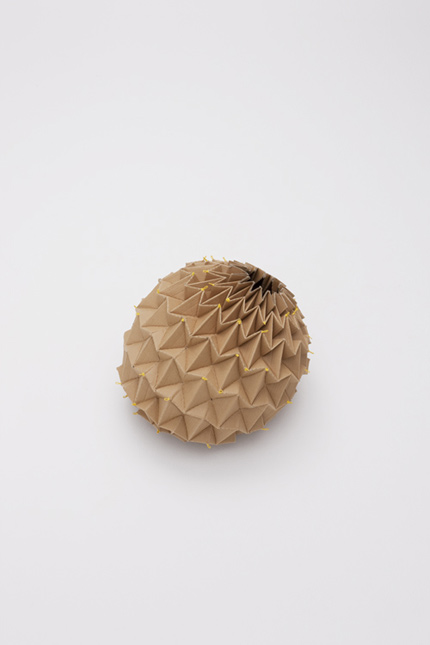
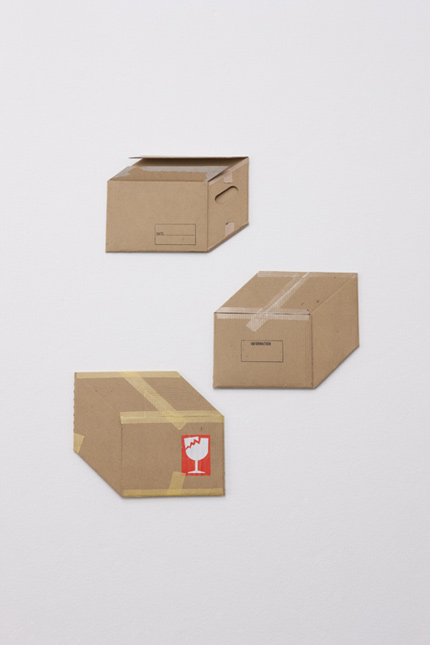
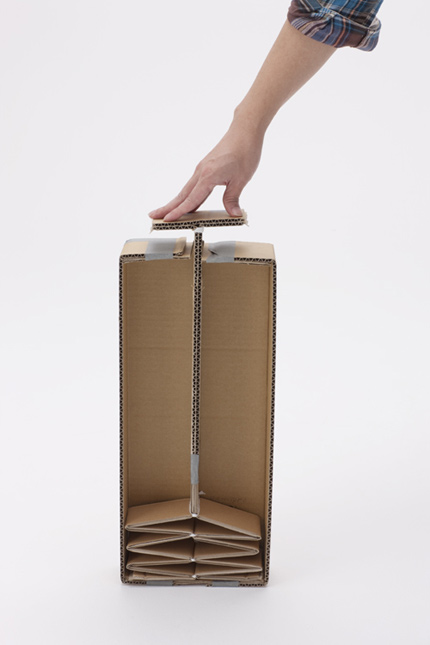
Or-Ita is a revolutionary new tool used for sculpting cardboard. It performs an incredibly simple function – perforation – that transforms an incredibly dull material (cardboard) into one that can be freely bent and sculpted as if it were origami. It was invented by self-described “Inter Design Artist” Makoto Orisaki.

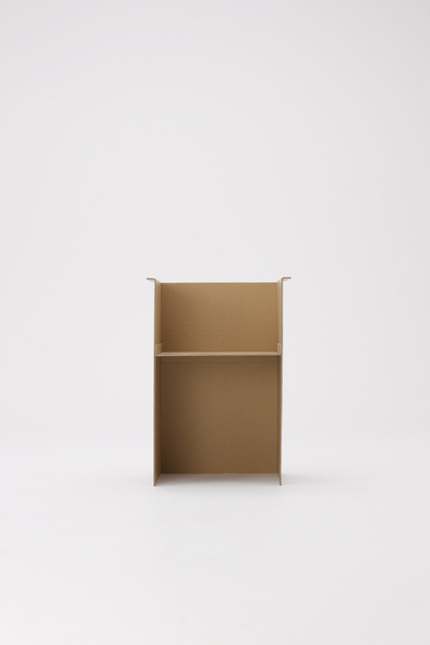
To celebrate the invention of this device (it’s not every day that such a simple yet high-demand tool gets newly invented, says the curator Eizo Okada) 6 designers have come on board to create works to experiment with, and demonstrate the capabilities of, this new tool. The show, which just opened over the weekend at CLASKA, is part of Design Tide Tokyo.


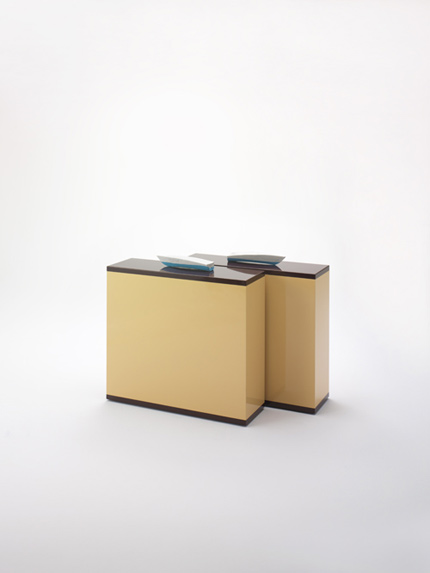
work by Ryuji Nakamura | click images to enlarge


work by Hisakazu Shimizu


work by Makoto Orisaki


work by Mitsuru Koga


work by Mike Abelson of POSTALCO


work by Yo Oe

If you aren’t familiar with the name, Makoto Orisaki has worked, domestically, with Kenya Hara, and for Philip Stark, who invited him abroad. He also spent a year with UK retailer Habitat and is a force to be reckoned with in the design scene in Japan. Some of his exemplary works include Line Works, Pallet File, and Inter_Box.

via architecture photo

happy 250th Katsushika Hokusai

Contrary to expectations for a halloween logo, today Google Japan is quietly celebrating the 250th birthday of acclaimed ukiyo-e painter Katsushika Hokusai.

Japan’s Zombie Outbreak Preparedness

Each year, around this time, it’s highly recommended that you review your zombie outbreak preparedness plan – experts say it’s not a matter of if, but when. With a cremation rate of 99.85% (2008 data), Japan and their corpse count, or lack thereof, would seem an ideal place to to ride out a plague of the undead. In the text that follows I would like to analyze the pros and cons of the East vs. the West, so that each of us can make informed decisions regarding our own contingency plans for the impending zombie pandemic.

Japan’s Safety Profile

First, when we model out the spread of a zombie pandemic the most essential question is its origination. If the zombie outbreak first originates outside of Japan, and there are no signs of lengthy incubation periods, an initial assessment of the situation may justly lead many to flee to Japan as soon as possible. With very few corpses lying around in the ground, and an ocean surrounding the country, Japan seems to be ideally positioned as a place to not get your brains chewed out.

However, in an entirely different scenario, where the outbreak occurs in Japan, one can easily imagine the devastating consequences of being in Japan. In a previous essay, Jim Hawe makes some excellent assertions that question the core of Japan’s safety profile.  First of all, the geographic make-up of Japan could be tragically disadvantageous. Densely populated urban areas serve a ideal feeding ground. And very little land to actually run to, coupled with the likely probability that other countries would deny you entry due to fear of contamination, certainly raises questions about Japan’s zombie outbreak preparedness.

The lack of guns and other heavy artillery has served Japan well in maintaing a safe, civil and peaceful society over the years. But, just a equally, this will be a devastating weakness as the unaffected desperately search for means to fend off their attackers. Although popularized as an ideal weapon in the Max Brooks novel “World War Z,” in reality any type of samurai sword would prove much more problematic than one might imagine. “Bladed weapons in general are not ideal because they will inevitably get stuck in things and become dull,” said Matt Mogk, founder and head researcher of Zombie Research Society (ZRS).

Culture Matters: Asian Zombie vs. Western Zombie


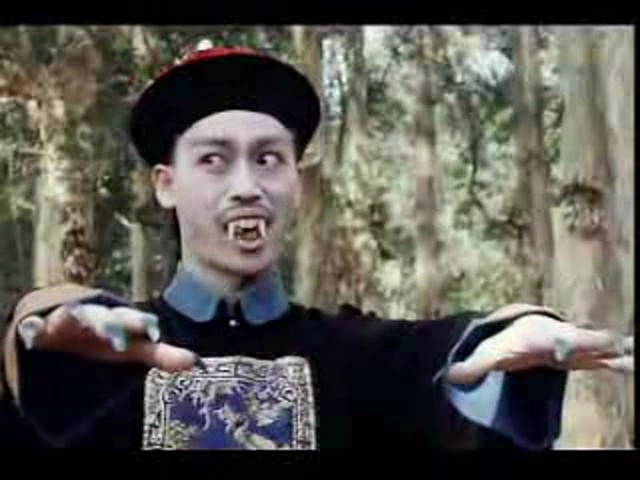
the zombie’s asian counterpart, the kyonshi

There is an important component that often gets overlooked when analyzing the fundamental zombie preparedness of Japan. And that is the cultural, and I would argue, genetic, differences between eastern and western zombies. For those who are not familiar, allow me to introduce the kyonshi (殭屍), the Asian zombie. Claiming ancestry in China, the kyonshi (which terrified the sh*t out of me as a child) have several noteworthy characteristics that, I would argue, make them less competitive compared to their Western counterparts.


a priest having successfully sedated and captured kyonshi

Currently the only known way to quiet a zombie is to bash their brains in. This is a task that is difficult as it is gruesome, and only slightly easier if aided by a shotgun. However, kyonshi  can be sedated by tactically placing a small scroll with buddhist inscriptions on the forehead (as pictured above). Also, (and this helps in assisting the first objective) kyonshi are legally blind. They detect human presence from the smell of our breath, making a cornered escape realistically possible by simply holding your breath.

Kyonshi are also known to have hardened joints, rendering their arms and legs inflexible. They mobilize their bodies by hopping, extending their arms in front of them to maintain balance. While this can serve as an initial disadvantage, it is worth pointing out that, over time, their joints are known to soften, allowing them to walk and in some cases even run.


the typical stance of a kyonshi

I’ve tried to lay out the case for Japan’s zombie preparedness, and despite their obvious non-competitive traits, kyonshi should not be taken lightly. As Sun Tzu wrote in “Art of War,” know thy enemy. So store what I am about to dispense in a an easily accessible location. It will undoubtedly serve you well as you seek survival. There is scientific literature that backs up the claim that Kyonshi hate mirrors and being pissed on. So as long as you have your vanity and stay hydrated you have several choices for defense, without resorting to shotguns and crowbars.

Have a happy halloween

(Note: Although Spoon & Tamago considers the above information to be accurate and correct, it should not be relied upon as a sole means for evaluating personal zombie preparedness plans.  Evolution and/or mutation of the zombie virus will always be a variable in said situations. Spoon & Tamago cannot be held liable in any way for any of the said tactics proving ineffective or unimplementable.)

Music Monday: Shugo Tokumaru’s Lahaha

I’m loving this new music video “Lahaha” from Shugo Tokumaru‘s latest album Port Entropy. It was directed by Chris Magnusson & Marcus Jonsson.

Here is what pitchfork had to say about the album:

Shugo Tokumaru is a freakishly gifted Japanese bedroom-pop artist with an effortless command of hundreds of instruments. Judging from the gentle, whimsical tone of his music, he is also probably one of the sweetest people in the world. The joyful music he creates, however, has extremely limited use– 15 minutes of his manically giddy pop should be enough for anybody. His fifth full-length album, Port Entropy, grows wearying at less than 40. Whether they are employing flutes, woodblocks, chimes, xylophones, accordion, upright piano, or, more likely, all of them at once, every Tokumaru song expresses the same basic sentiment: in a word, “YAY!!”

HK Gravity Pearl by Nosigner

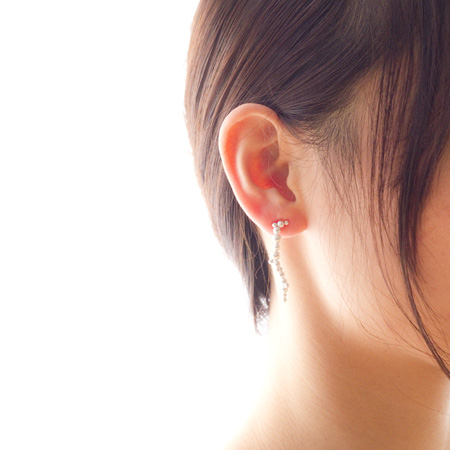
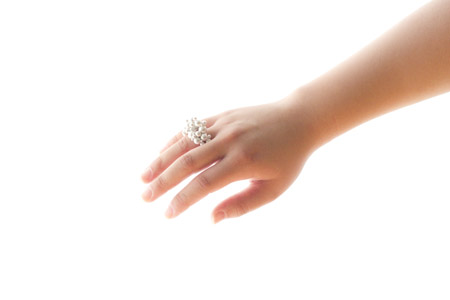
Magnets seem to be a trend at the design events in Tokyo this year. During Design Tide Tokyo (10/30 – 11/3) Nosigner will be showcasing his latest design, HK Gravity Pearl.


click images to enlarge

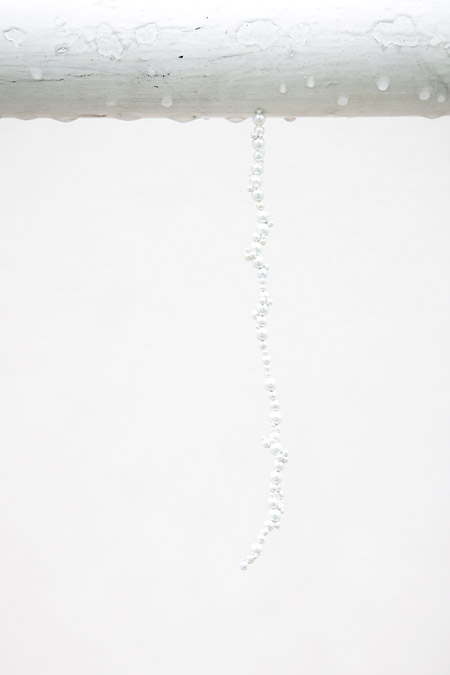
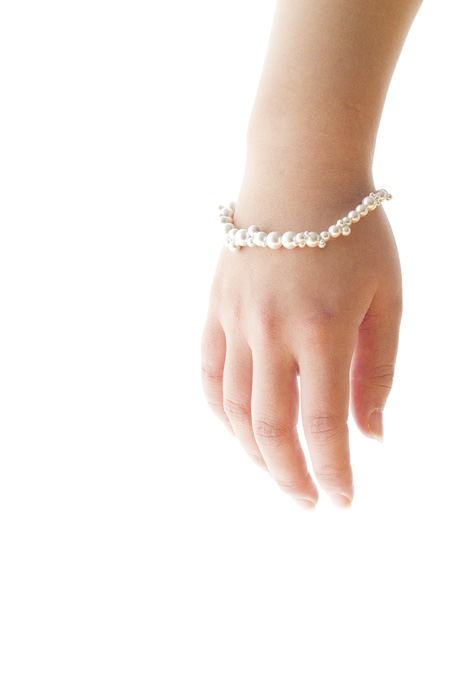
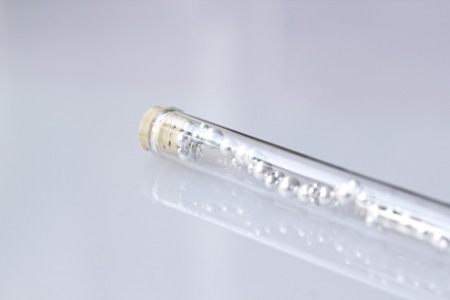
Taking advantage of the collective wealth of knowledge of the artisans of Izumi – the group who first created artificial pearls in Japan – HK (pronounced haku) has produced a most beautiful piece of jewelry. The magnets embedded within the artificial pearls allow it to transform from a necklace to an earring, to a ring and to a broach.

I love how it’s presented in a test tube. It’s not even trying to pretend to be real. So proud of its artificialness!

Related:

+d EXHIBITION 2010

To commemorate the start of Tokyo Designers Week, product design label h concept is jumping the gun and holding an exhibition through 11/3 at Light Box Studio Aoyama.

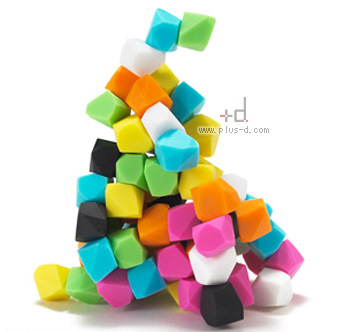
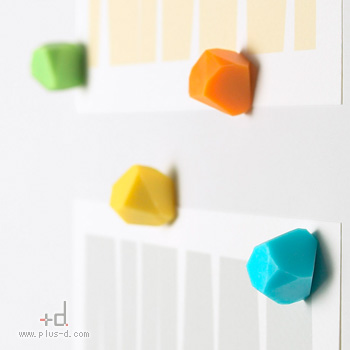
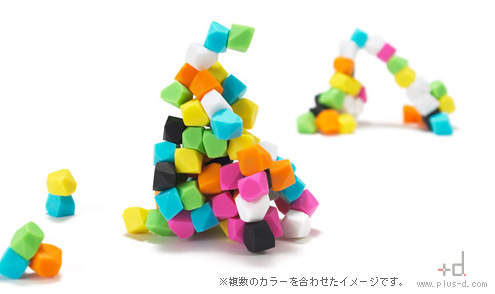
They plan to showcase a series of new products including a 3rd installation of their popular cupmen figurines (rumor has it that the 3rd is a woman), as well as these fun pitacoro rock magnets (840 yen for 5), designed by Senichiro Watanabe.

pitakoro pitakoro 2  pitakoro main

I like how they can be used as a toy (reminds me a bit of the tumi ishi game) as well as for something entirely practical.

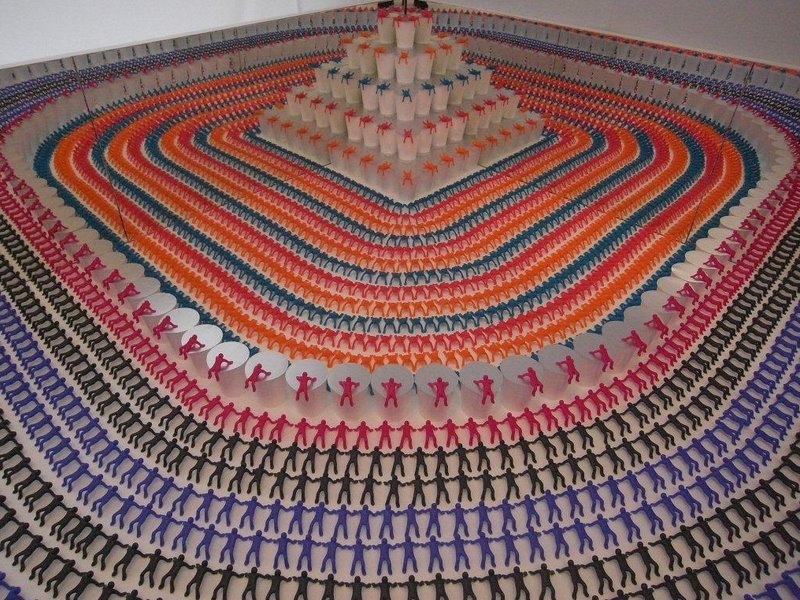
But the highlight of the exhibition, without a doubt, is this city of cupmen, constructed out of 30,000 figurines.

cupmen city

Related:

The new market | Schatje Design


click images to enlarge

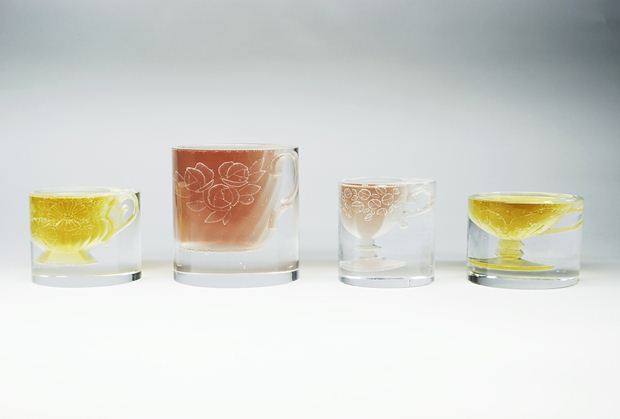
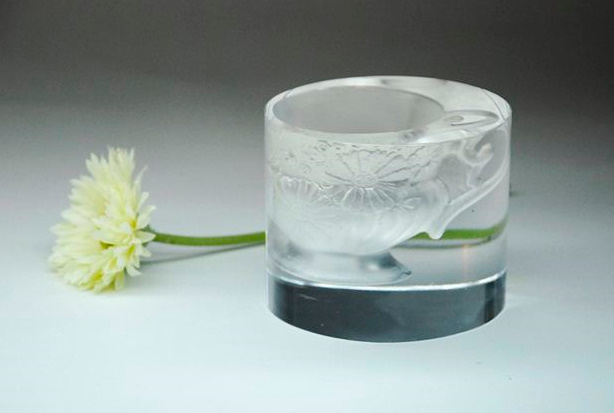
Founded in 2008 by Sachiko Suzuki, Schatje (Dutch for sweetheart) Design is an all-encompassing design team whose portfolio ranges from obscure home accessories to furniture and overall art direction.

At the new market they will be exhibiting, amongst other items, the fascinating “CUP” series. Made from glass, these cups don’t fully reveal their form until a beverage is poured in. Very neat idea!

Related:

The new market | Hidetoshi Kuranari

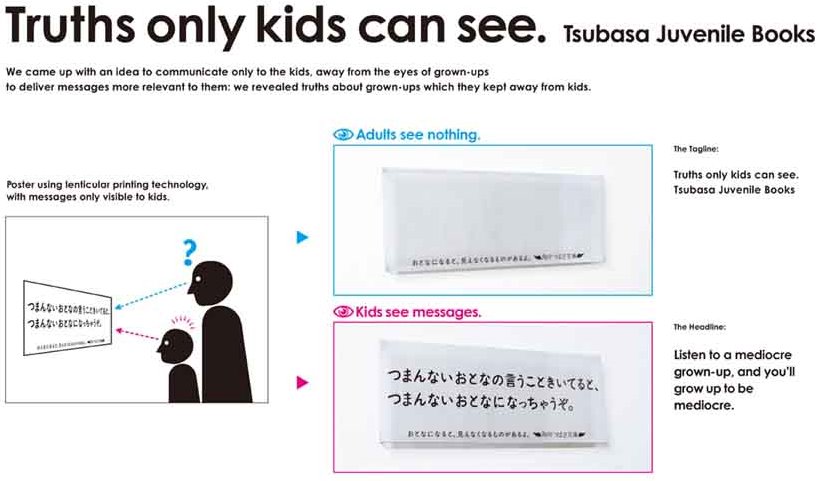
Also exhibiting at the new market is Hidetoshi Kuranari, an employee at an ad agency in Japan. I didn’t know this, but apparently he was behind the “truths only kids can see” project we wrote about on Spoon & Tamago last year. I was a huge fan of the idea so it was nice to learn that the project took home a silver at this year’s Art Director Club awards.


click images to enlarge

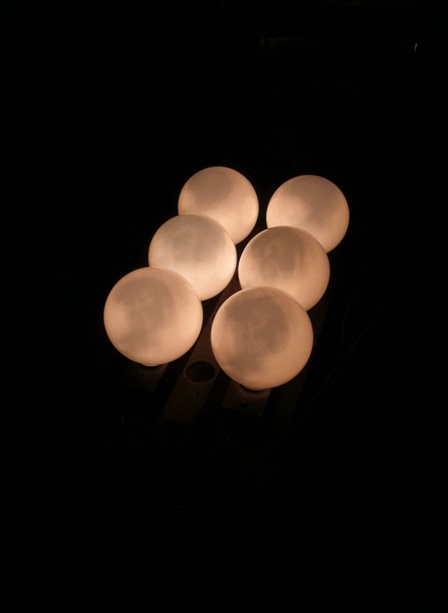
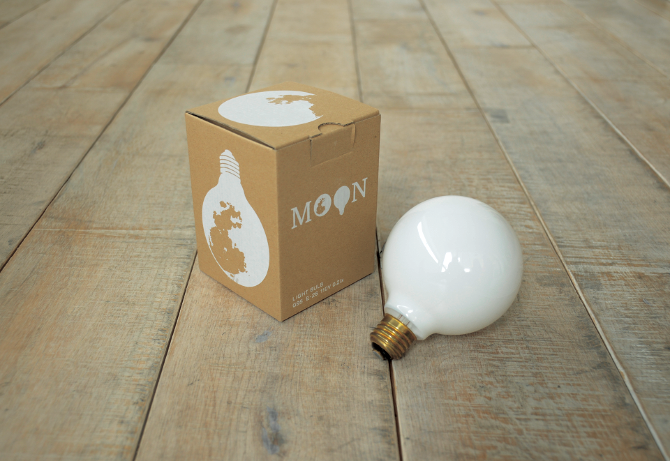
But I digress. At the new market Hidetoshi will be showcasing MOON, a stunning light bulb that replicates the look and feel of moonlight. Not only does it  emit the luminance of a full moon on a clear night, it also casts a shadow of the shapes and colors of the moon. And I love the packaging design – beautiful work by Chihiro Konno.

unnamed

There were only 200 made so hopefully some will be on sale.
How cool would it be to tell your kids bedtime stories under the moon?

« Older posts Newer posts »

© 2026 Spoon & Tamago

Up ↑

Design by Bento Graphics