
Page 301 of 406

HUNTER x HUNTER | volume 28


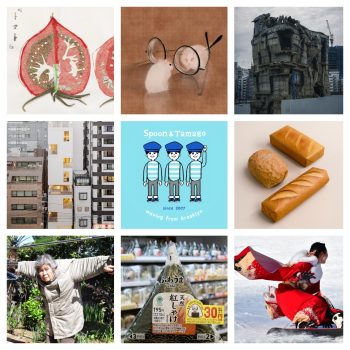
the above images represent hypothetical covers created by fans and are not meant to represent what the actual cover might look like.

Sorry, this is going to be really geeky, but I was so incredibly stoked to hear that a new volume of Yoshihiro Togashi’s epic comic HUNTER x HUNTER is coming out next month. For fans of the comic it’s been an excruciating 18 months since the last volume was released, and an equally excruciating 10 years – the time it’s taken Togashi to produce a mere 10 volumes.

To put things in perspective, compare it to ONE PIECE, the equally epic tale of pirates. The 2 began around the same time (late 90s) but ONE PIECE has trumped HUNTER x HUNTER in quantity, producing 62 volumes at a rate of roughly 4 per year. But that’s actually what one would expect from a hit comic. What’s astounding, and perhaps exemplary of his status in the industry, is that Togashi has managed to get by, both from his editors and his fans, at such a grinding rate, while keeping them both on board. In fact, message board will indicate that his behavior, interpreted as a mix of laziness, narcissism and a keen susceptibility to “personal issues,” has, at worst, only aggravated fans. (The author has recently attributed his hiatuses to a new addition to the family 2 years ago. But it doesn’t make up for the past 10 years.)

In my mind Togashi’s behavior was driven by conceit, combined with his need, or lack thereof, for additional income. his previous hit, YuYu Hakusho (another one of my childhood favorites) not only established him as one of the great comic book writers at the time, but it’s likely that it also continues to generate enough cash for him to live comfortably with having to worry about meeting deadlines.

The euphoria around volume 28 was only compounded by the announcement that an additional volume (29) would be consecutively released the following month in August. Two volumes in two months is unheard of for Togashi! However, fans including myself are not getting their hopes up. A sudden sprint could very well be the foreshadowing of another long dry-spell. Unless of course the ideal scenario occurred, which would be that Togashi puts an end to his enticing story in the next 2 volumes, thereby putting me out of my misery.

[UPDATE]


So this is what the actual cover of volume 28 looks like.
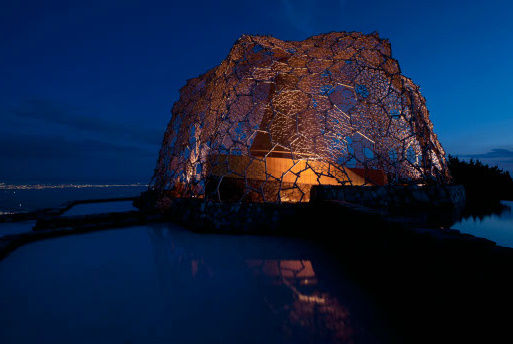
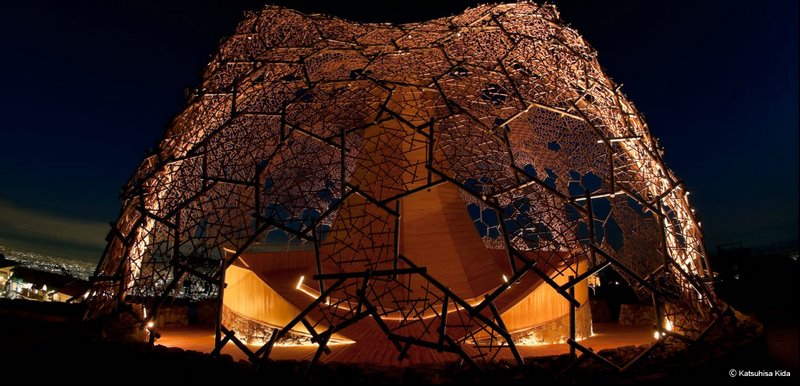
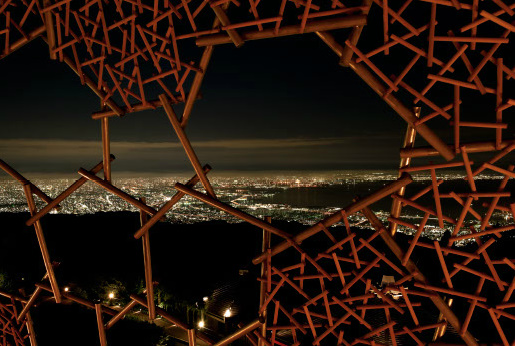
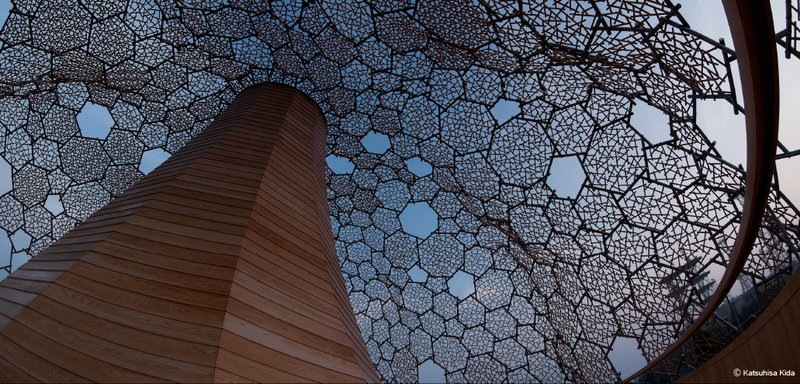
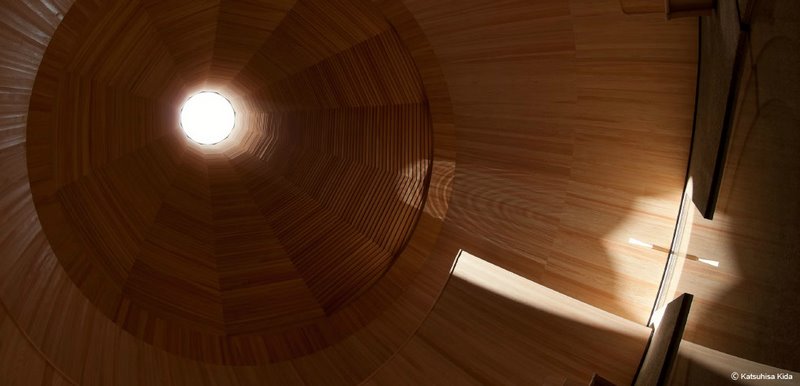
Rokko Shidare by Hiroshi Sambuichi

New York’s sudden heat wave has given us all a bitter taste of what’s in store in the coming weeks. So here’s something to help cool down with.

Last summer architect Hiroshi Sambuichi, known for his ecologically conscious designs, created Rokko Shidare. Dubbed, the nature sensory observation deck, the structure was built almost entirely from hinoki wood and operates on solar and wind power alone. The dome, comprised of numerous hexagons, was designed to attract frost in the winter. And in summer it’s designed to pull in the wind through an opening in the ceiling making it super cool.
Rokko Shidare is one of the main attractions of Rokko Meets Art, an outdoor art exhibition, that kicks off September 17, 2011.

Photos by Katsuhisa Kida/FOTOTECA

Japanese Designers and Tea Houses


Kou-an by Tokujin Yoshioka | click to enlarge

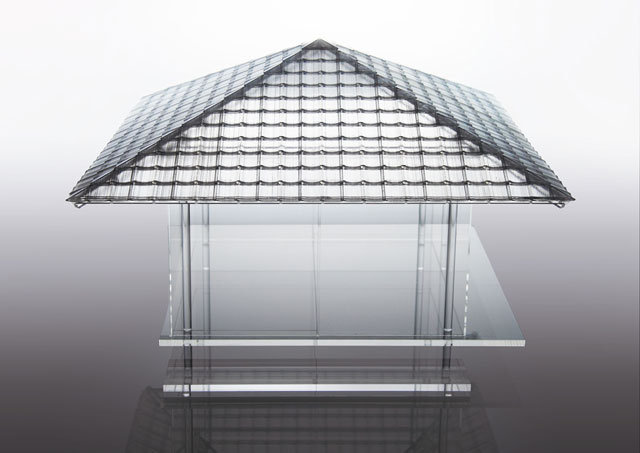
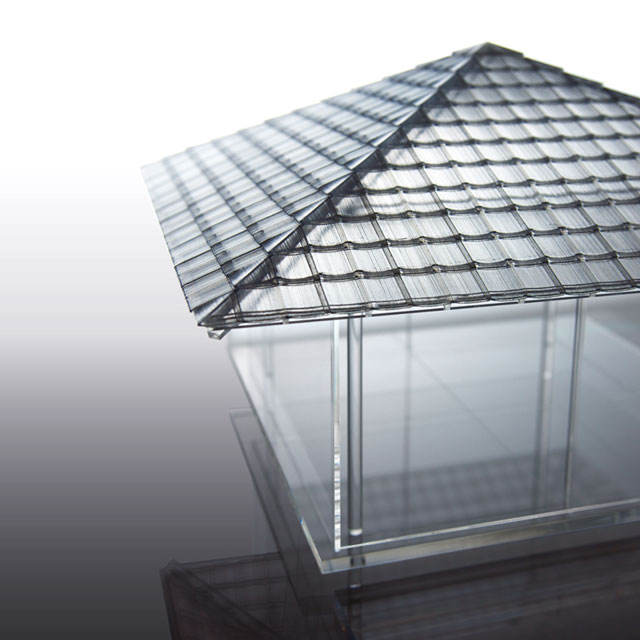
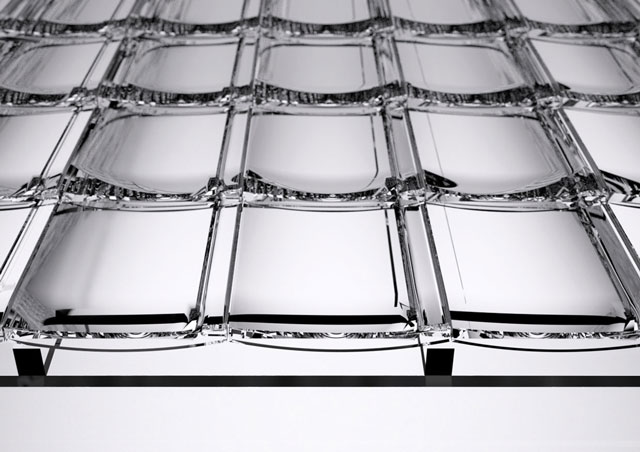
The enigmatic Japanese designer Tokujin Yoshioka recently announced that he would be participating in Glasstress 2011. Running in parallel with the 54th Venice Biennale, the event invites globally acclaimed designers and architects to express their ideas through the medium of glass. Yoshioka will be presenting Kou-An (光庵), a transparent tea house made from glass1.

What struck me as significant was not that Yoshioka, who has amassed a great deal of influence, was presenting a tea house, but the continued succession of designers, both large and small, driven by either commission or self-will, jumping at the opportunity to design a tea house. In a chain of events that eventually broke the camel’s back, it begged the oh-so-obvious question, what is up with Japanese designers and tea houses?

With low expectations of finding an answer I’d like to take a look at some tea houses designed over the past 10 years, while discussing the history of the tea house and its relationship with architecture.

Continue reading

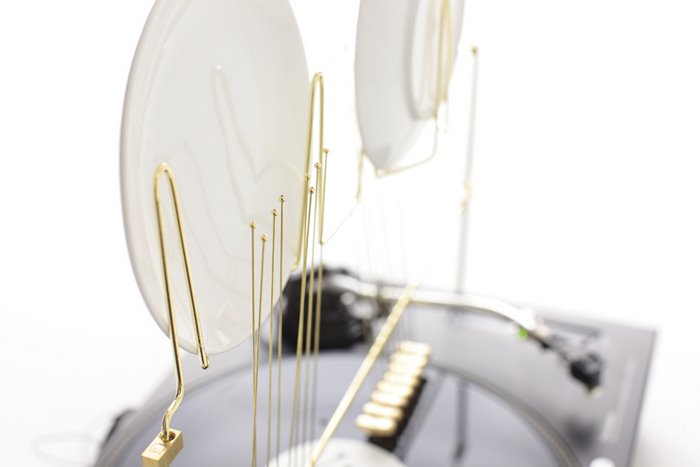
Pendulum Sound Machine by Kyouei Design

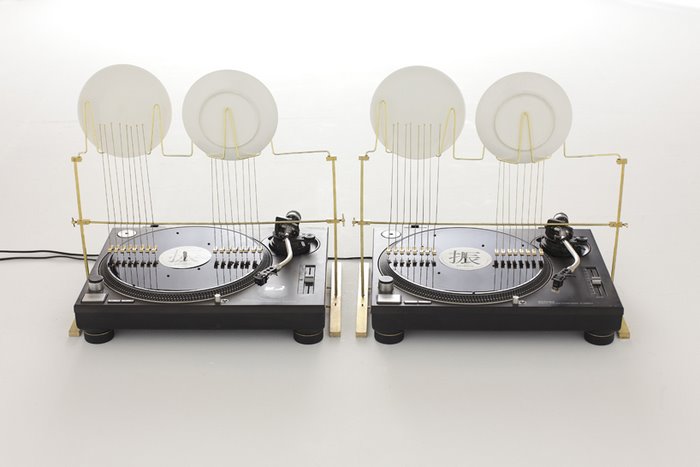
Kouichi Okamoto, who heads up Kyouei Design, has created a rather bizarre musical instrument. Subverting the conventional function of a record player, “Pendulum Sound Machine” is an intentionally round-about method of creating plate chimes. But instead of me trying to explain the piece to you, just watch the video.


Related:

The Water Cliff by Makoto Tanijiri


images courtesy suppose design office | click to enlarge

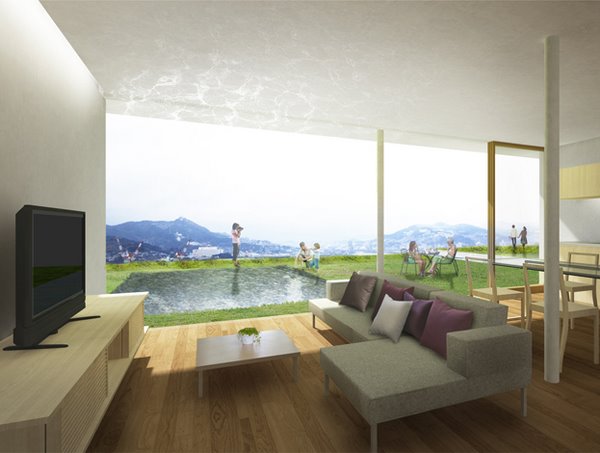
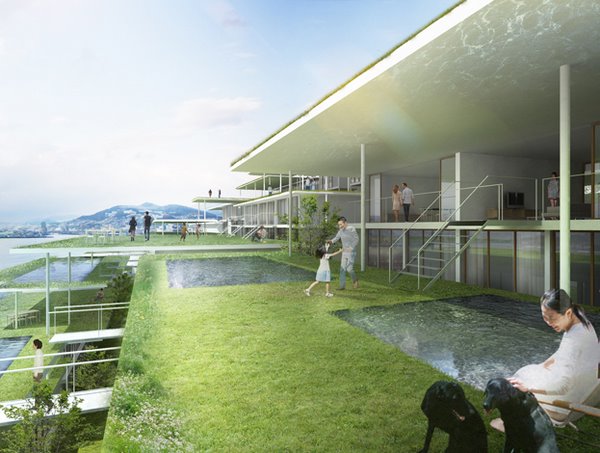
Here’s another project to look forward to (2 posts in a row of renderings! What has happened to me?). Makoto Tanijiri’s Suppose Design Office was asked to come up with plans for a large-scale multi-purpose facility to be constructed on the coast of Nagasaki. Slated for completion in August of 2013, The Water Cliff (working title) will be a mix of condominiums, retail shops, and a hotel.

The structure is to be built on a steep slope, which intrinsically poses various design dilemmas. However, it was Tanijiri’s fearless attraction towards sloping sites that won him the job.  Tanijiri once said in an interview that the problem with sloping sites is not that they are dangerous, but simply that people have difficulty envisioning what a completed project might look like, hence they are often avoided.

source: suppose design office website | kenplatz

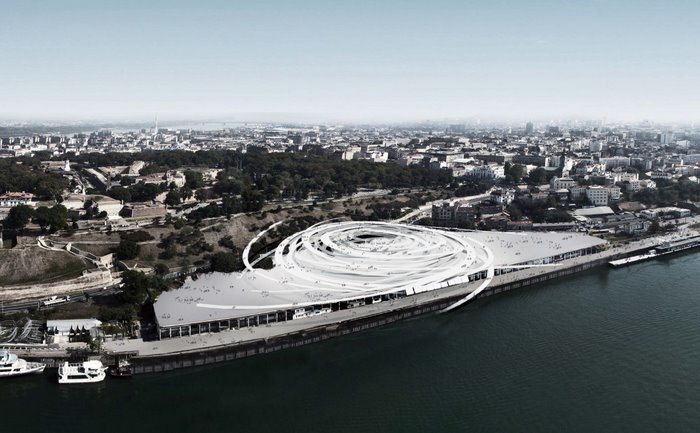
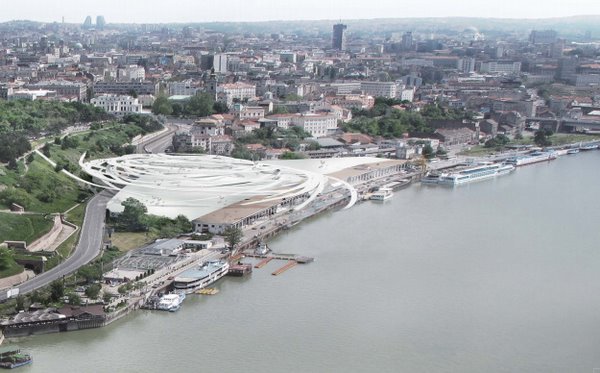
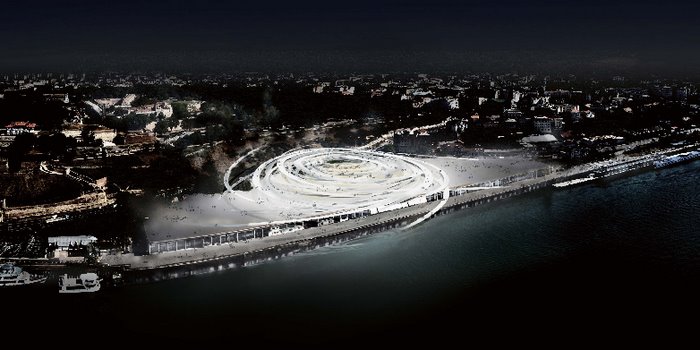
Sou Fujimoto’s proposal for the Beton Hala Waterfront Center in Serbia


click images to enlarge

It was announced the other day that Japanese architect Sou Fujimoto has tied for 1st place in a competition to design the Beton Hala Waterfront Center in Belgrade, Serbia. The committee has described their vision for the site as “the principal new access point from the capital’s riverfront to its historic core, and a contemporary architectural anchor point for a vibrant pedestrian zone in one of the city’s oldest continually inhabited parts.”

Fujimoto is tied with Serbian architectural studio ARCVS. Here is a gallery where you will find all the proposals . Personally I would love to see Fujimoto’s cloud-like structure erected but given the audacity and ambitiousness of his designs (not to mention home-court advantage working against him) it’s probably unlikely.

Fujimoto’s concept is all about leveraging the natural elements of the site. The structure is comprised of seven strips of spiral ramps, supporting columns and cores. Water pipes will be mounted on all the handrails and the water will be warmed by solar radiation as it runs down the pipes. In turn, cold water from the river will be used to cool the internal mechanisms of the structure. Thermal mass will be implemented as a heat source for the gallery, which is situated underground. Fujimoto believes that he can obtain a highly efficient equilibrium between the ground temperature and the water temperature surrounding the site.

Here is what the judges had to say:

This brave proposal held highest emblematic potential among all of Beton Hala entries. It offers a brave, iconic structure which skillfully blurs the difference between urban and architectural scales and spaces. Proposed spaces enter a complex dialogue with historic assemblage of Kalemegdan Hill, respectfully juxtaposes its cutting-edge 21st century space against the layered past of its context.  Static spaces of the platform, which houses bulk of architectural volume of the scheme, are contrasted against the suspended flux of ramps, which offer public spaces of a novel type, rich spatial configurations of encounter and surprise.

source: twitter | akichiatlas | Beton Hala


Numabookface


images courtesy of NAM | click to enlarge

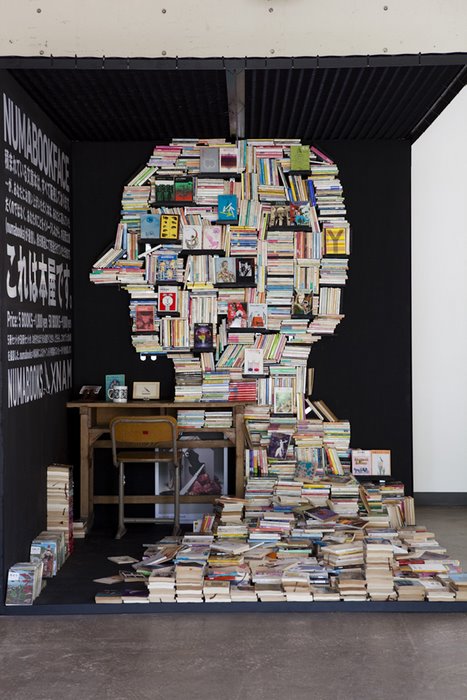
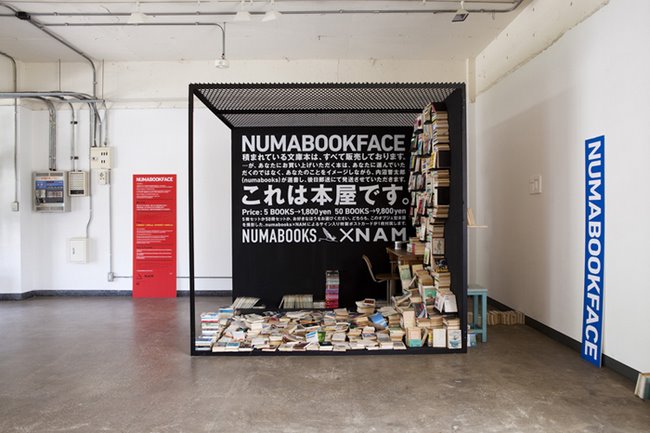
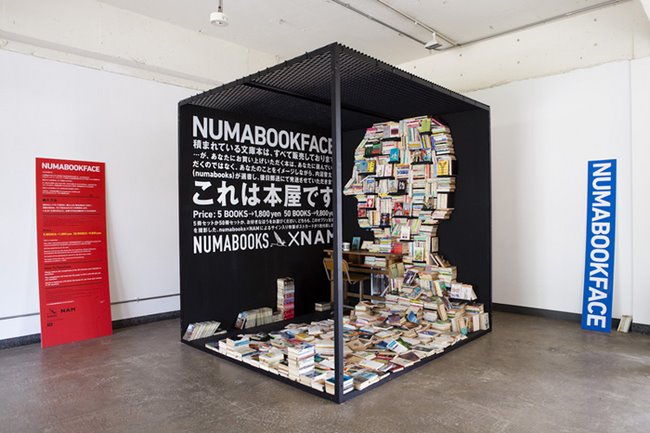
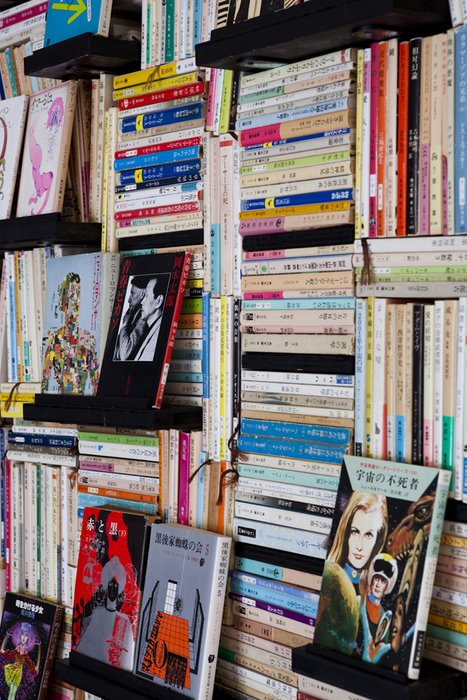
Arts collective NAM has collaborated with Numabooks – a group of creatives whose medium of choice is the book – to create a mobile pop-up shop. Titled Numabookface, the installation, which originally appeared during their solo exhibition “A Fantasy In Life,” is now on display at the Ikijiri Institute of Design (IID) through July 31. Check out their blog for more pictures.

Books are 1800 yen for 5 and 9800 yen for fifty. However, don’t go in expecting to pick for yourself. The process, akin to some form of neurological experiment, is participatory but largely tilted towards the host. Based on 1 simple question, “Tell me about yourself,” the host will select the books for you and you will receive a special package in the mail several days later.

What I find fascinating with this work is that the visual effect of books as art, combined with the conceptual process of curating reading material, elevates the typical book to a much higher, almost devine, form.

——————————————————–
numabooks × NAM “NUMABOOKFACE”
Ikijiri Institute of Design (IID)
05.31.2011 – 07.31 (closed on Mondays)
11:00 – 19:00
FREE

source: NAM blog
(thanks Nakazawa-san!)


HOURAI renovation project by Yasutaka Yoshimura Architects


click images to enlarge

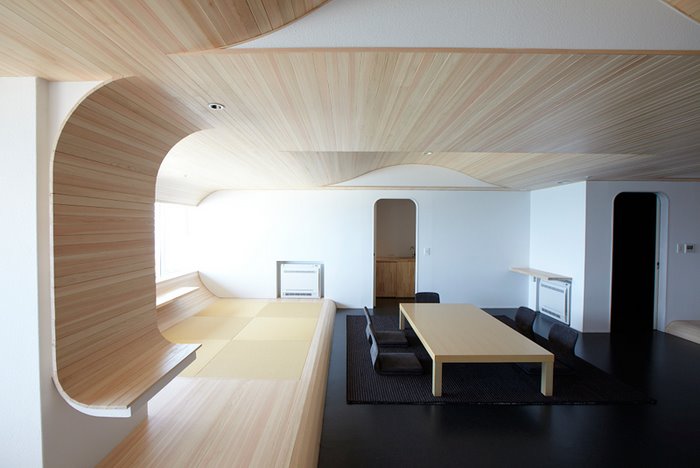
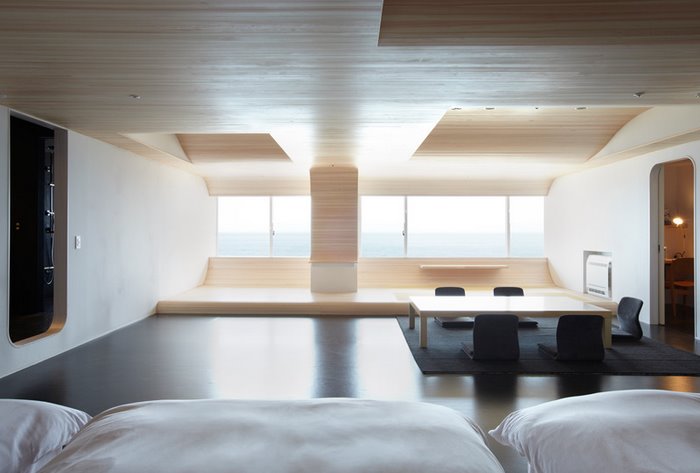
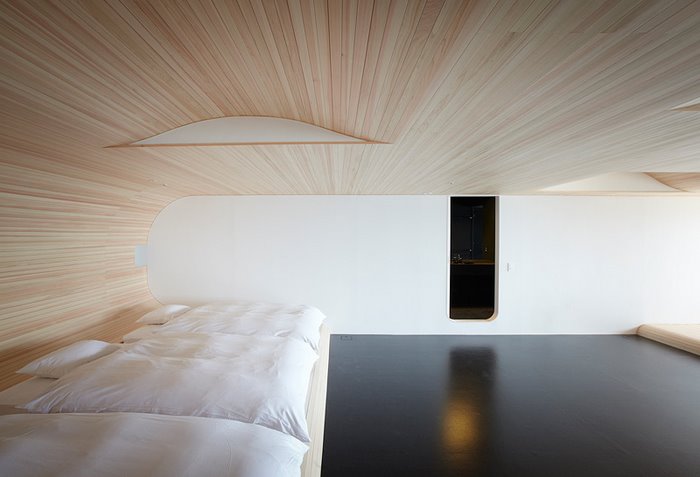
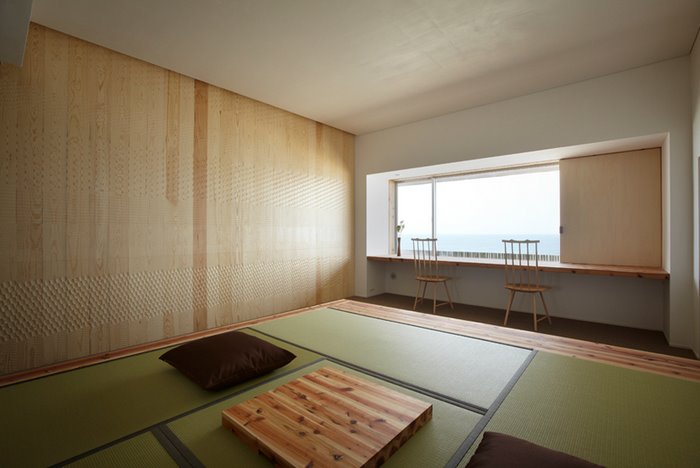
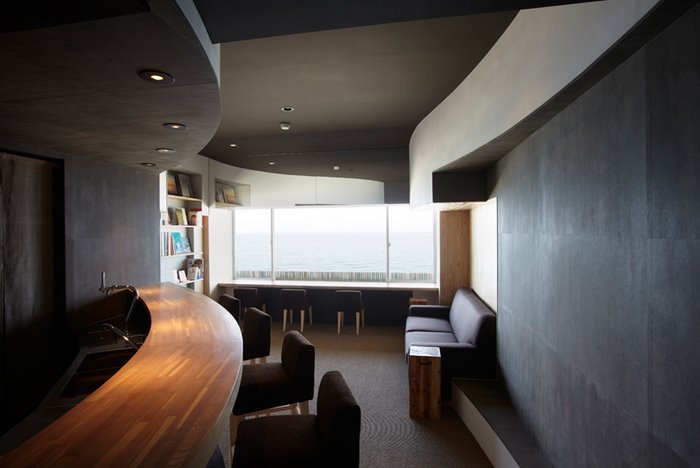
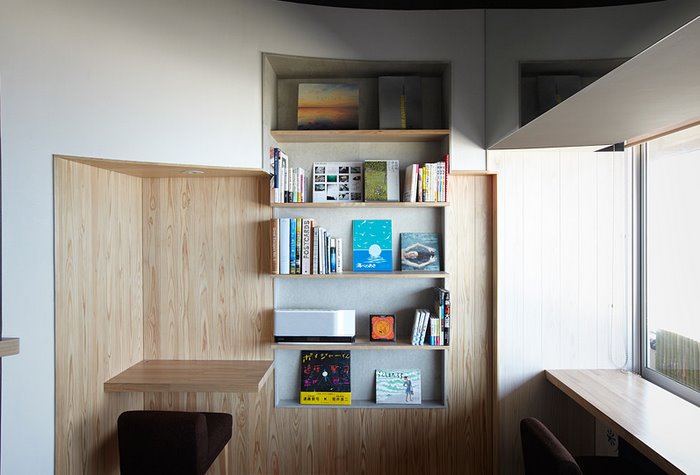
Yasutaka Yoshimura Architects, in collaboration with students from the Tohoku University of Art and Design, have recently completed a renovation project for Kameya Inn. The Hourai project was intended to demonstrate the attractiveness of the region’s tradition and beauty by mobilizing local students and revitalizing rooms on the top floor of the inn.

Located on the coast of Yamagata prefecture (Tohoku), the Kameya Inn is rooted in a deep 130-year history. Even the imperial family have been known to stay there. I love the modern take (notably the unexpected details like the solid wood table without legs) on the traditional Japanese aesthetic.

Not only was the inn spared from the destruction caused by the Tohoku earthquake, immediately after the disaster the inn began accepting evacuees who had lost their homes, providing them with meals and lodging. Typically rooms range between 23,100 – 32,000 yen per night (per person).

What a great way for students to gain real-life training and experience!

source: architecturephoto | houyhnhnm | Kameya Inn

Related:

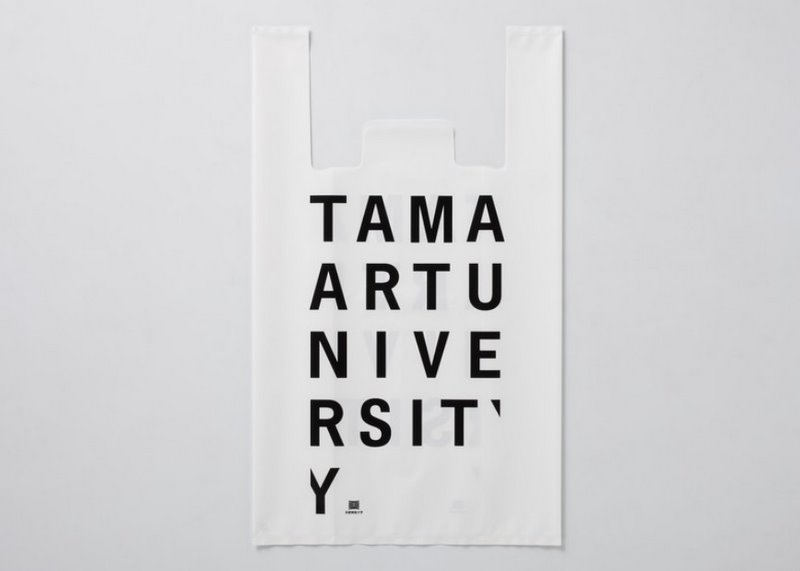
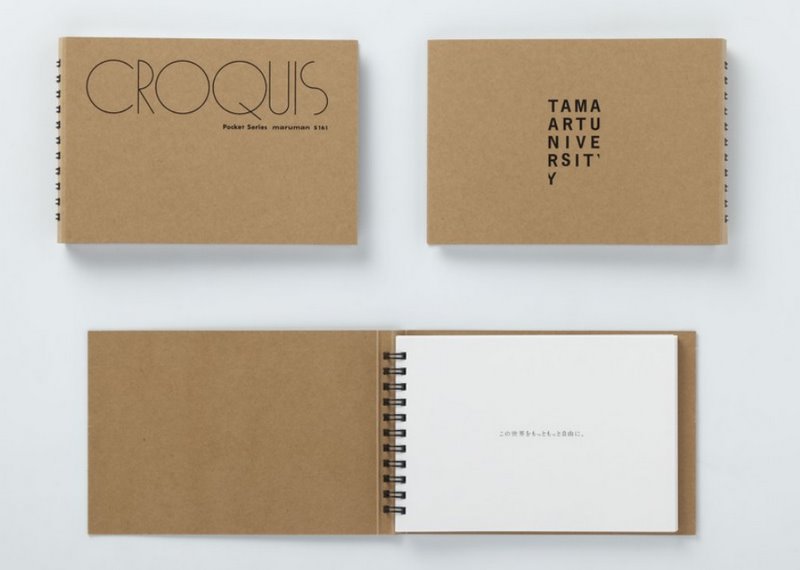
Tama Art University Open Campus by good design company


click images to enlarge

On May 19th a worldwide recognition of excellent advertising design, also known as the Clio Awards, took place just several blocks North at New York’s Museum of Natural History.  I was thrilled to see the work of Mizuno Manabu from good design company take home a silver in the design category.

The identity campaign for Tama Art University is both visually striking and definitively “interesting.” Within its bold yet simplistic approach lies its power to guide anxious spectators, in this case potential students, to a place of creative release from whatever has confined them.

I think it works great as a standalone design, but even better when used in repetition, and, seeing how it was implemented, it was likely designed with that purpose in mind.


ads displayed at Harajuku station in Tokyo

CREDITS
Creative Director: Manabu Mizuno | Copywriter: Yukiko Mizuno
Photographer: Sayuki Inoue

source: twitter | advertimes

Related:

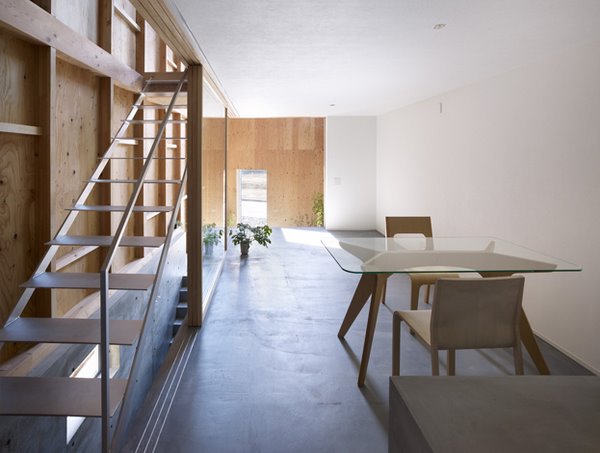
Seya House by Suppose Design Office

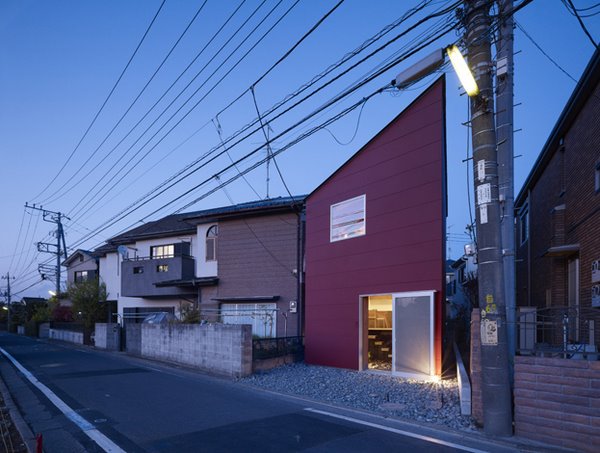
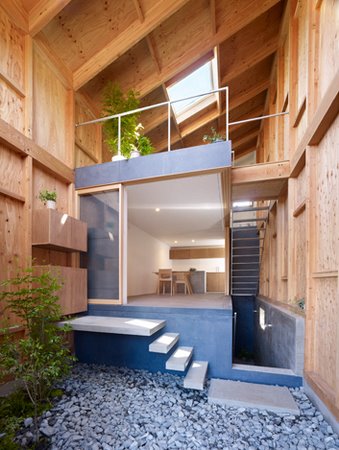
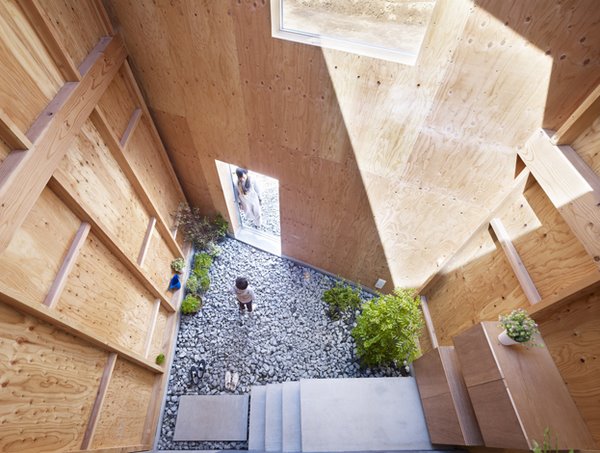
Completed just last month, Seya House is a gorgeous residence that rethinks the boundaries between yard and home.

Taking advantage of materials, Makoto Tanijiri of Suppose Design Office creates a gentle transition between the driveway and entrance. The entrance itself is an extension of the home and it’s unclear, until you remove your shoes and ascend upon those sexy cantilever stairs, exactly what part of the home you are in.

I’ve been seeing it used in a lot of homes recently, but I love the unfinished feel that the exposed plywood brings to the home, and the contrast it provides against the concrete. It’s as if the architects started with a yard and designed a home around it.

source: Suppose Design Office website

Related:

« Older posts Newer posts »

© 2026 Spoon & Tamago

Up ↑

Design by Bento Graphics