Page 300 of 406

NHK’s new designy educational TV show design ah

What happens when 3 creative all-stars come together to create a designy educational TV show for kids? I found out when I recently came across design ah (デザインあ), a new show that airs on NHK, Japan’s public broadcasting network.
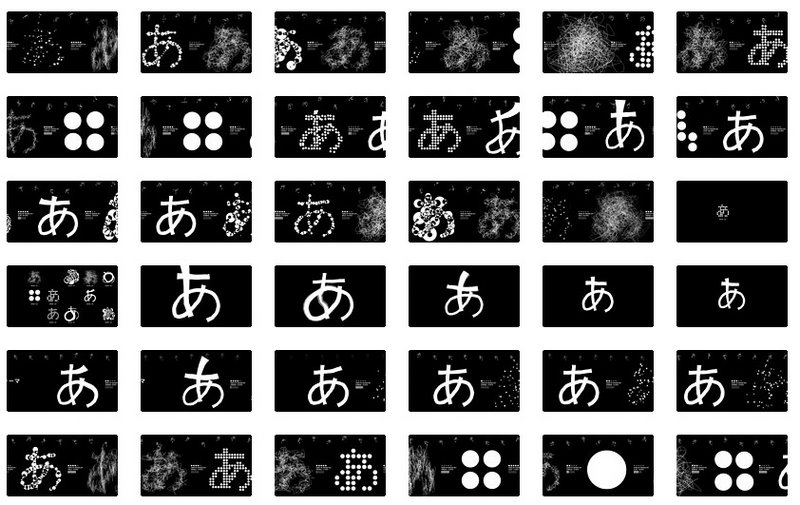

“lets play with ah”: an interactive website by Yugo Nakamura that just launched yesterday. Launch website.

Much in the same way that their PythagoraSwitch segment uses everyday mundane objects to create intricate, overly-engineered Rube Goldberg machines, design ah (ah is the first letter in the Japanese alphabet) aims to rethink everyday objects from a design perspective in order to educate children and adults on the joys of design. Producers of the show invited graphic designer Taku Satoh, musician Cornelius and interface designer Yugo Nakamura to create 10 different segments that span themes of observation and sound to deconstruction and vantage point.
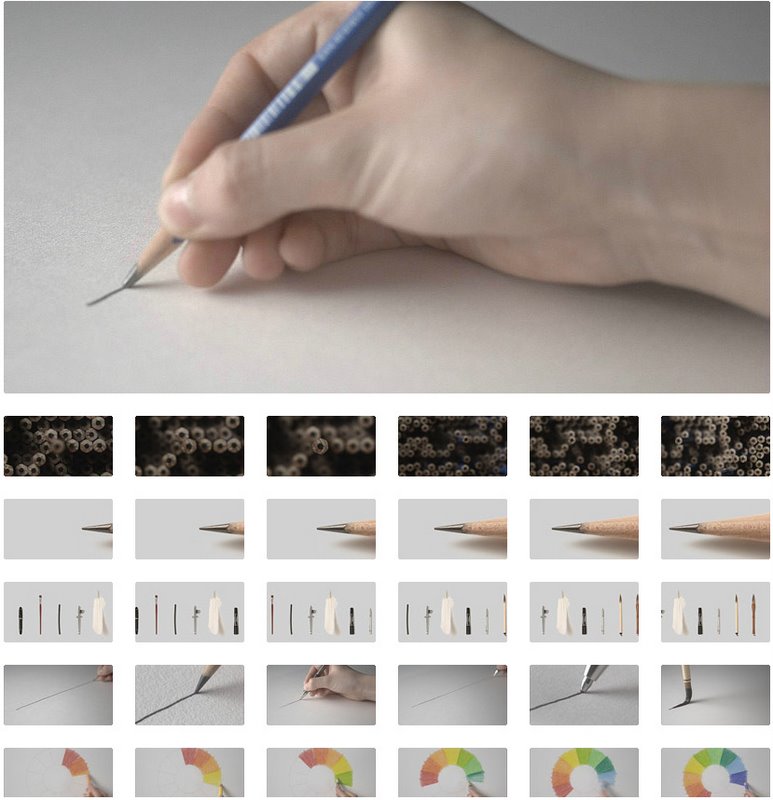

Observation: A unique and visually enticing deep dive into everyday objects like pencils and cake (I wish cake was everyday!)
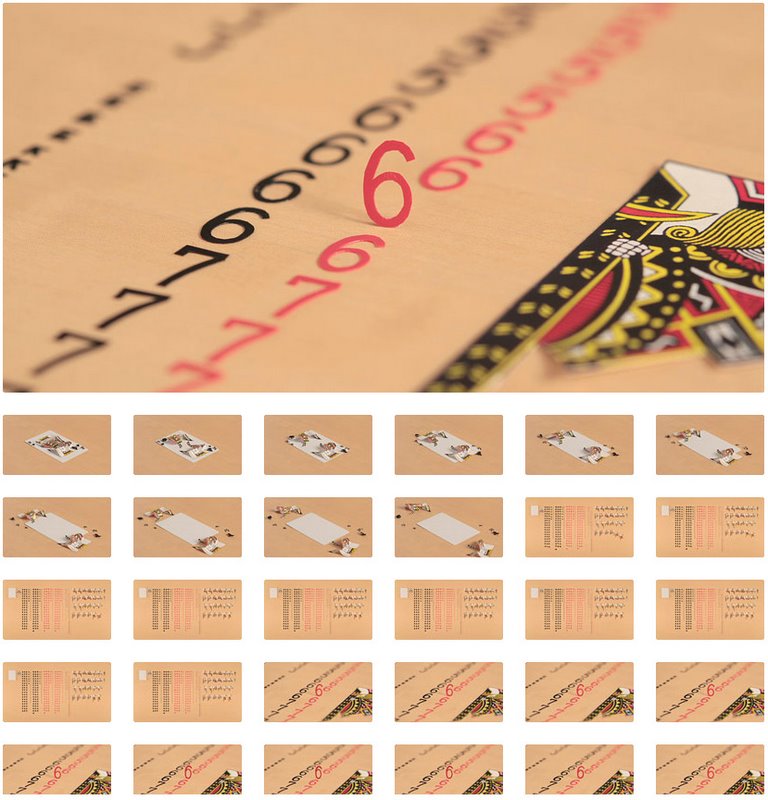
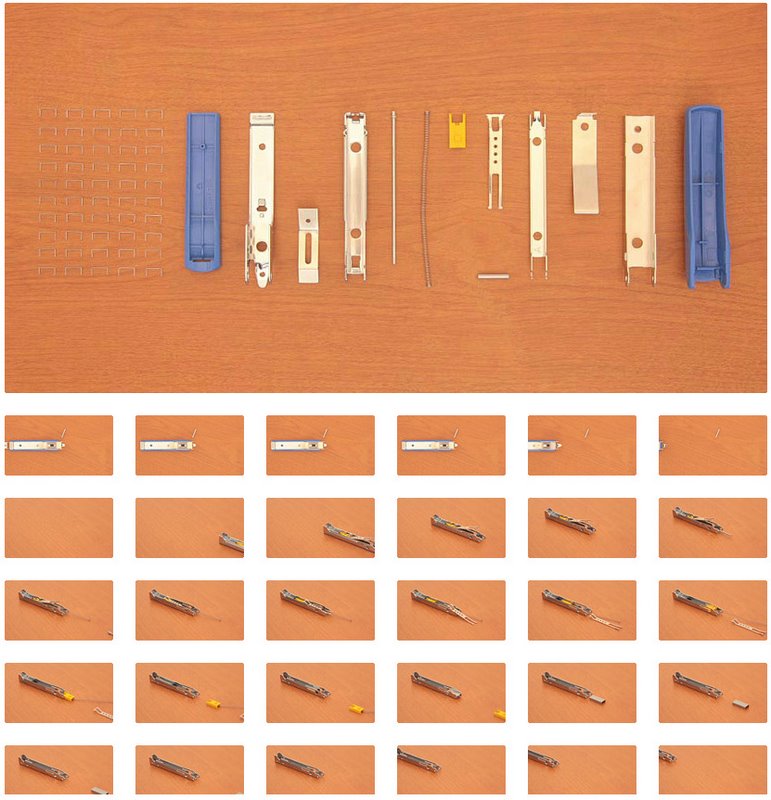
Deconstruction: a fun look at the parts and pieces of objects like a deck of cards or a stapler.

Design encompasses several categories including industrial design, graphic design, clothing design, character design, architectural design and lighting design. But, at their core, all these disciplines share a common objective of understanding the essence of an object and then making it easier to use, or more beautiful or more soothing. In other words, design is a process of observing, understanding and then acting to enhance our connection between objects and people. This show aims at rethinking everyday objects from a design perspective in order to educate children and adults on the joys of design.

Design ah airs on  Saturday from 7:00pm.

source: twitter

Takashi Murakami’s Summer Solstice Google Doodle

Happy summer solstice!

Although technically the solstice is only an instant in time – occurring today at 17:16 UTC time – Takashi Murakami’s doodles on google will be up all day celebrating the longest day of the year. The artist even created a winter version for those down under.

source: twitter | wikipedia | maddie

Balloon Flower Brooch by Daisy Balloon

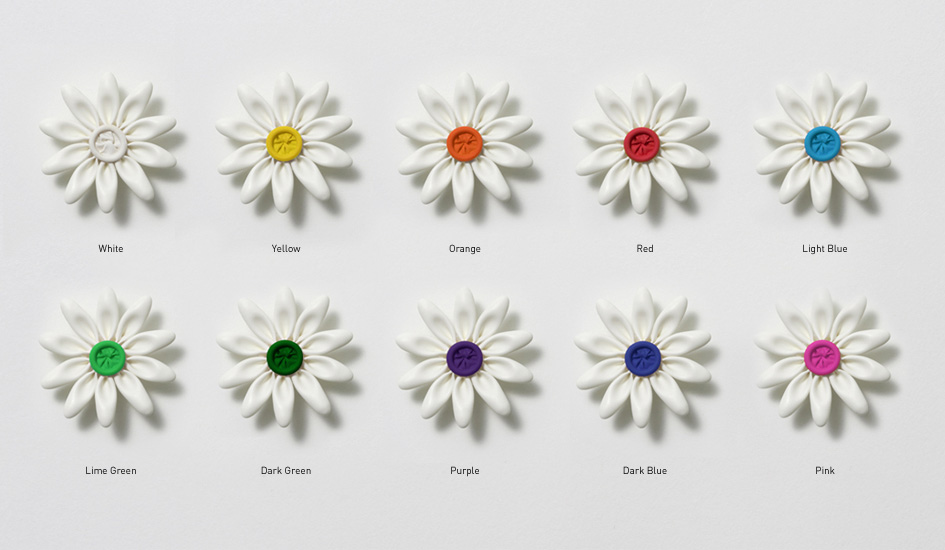
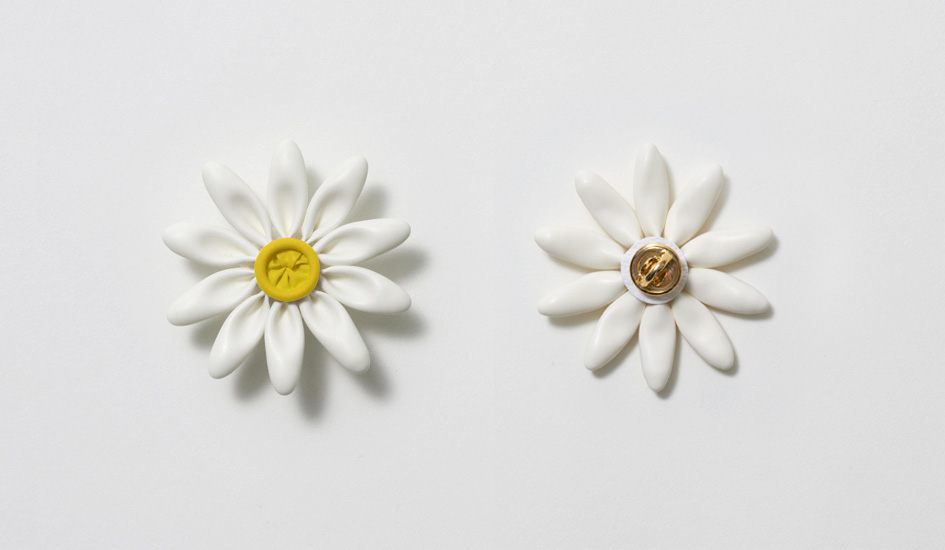
Here is another new piece from Daisy Balloon that was created for Hitspark. The Balloon flower brooch comes in a Large (4,200 yen) and Small (3,200 yen). Although not as poetic as it’s ephemeral bear cousin, I think the brooch is beautiful in all its rubbery charm.

Apple Bear 800 by Daisy Balloon


click to enlarge

Remember Rie Hosokai, aka Daisy Balloon, the insane balloon artist who created lavish haute couture dresses using that skill we all thought was reserved for children’s birthday parties? Well, she’s back and collaborating with Hitspark, a new product label that just launched.

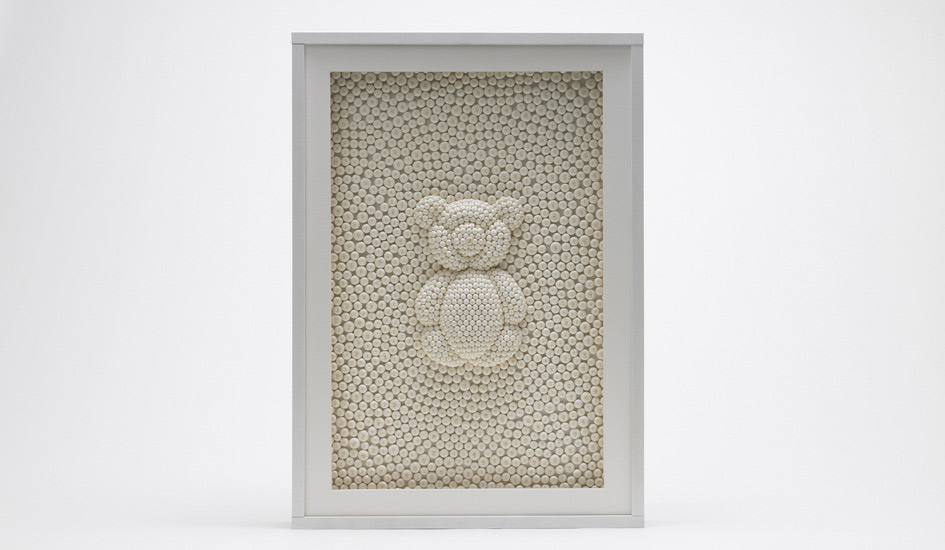
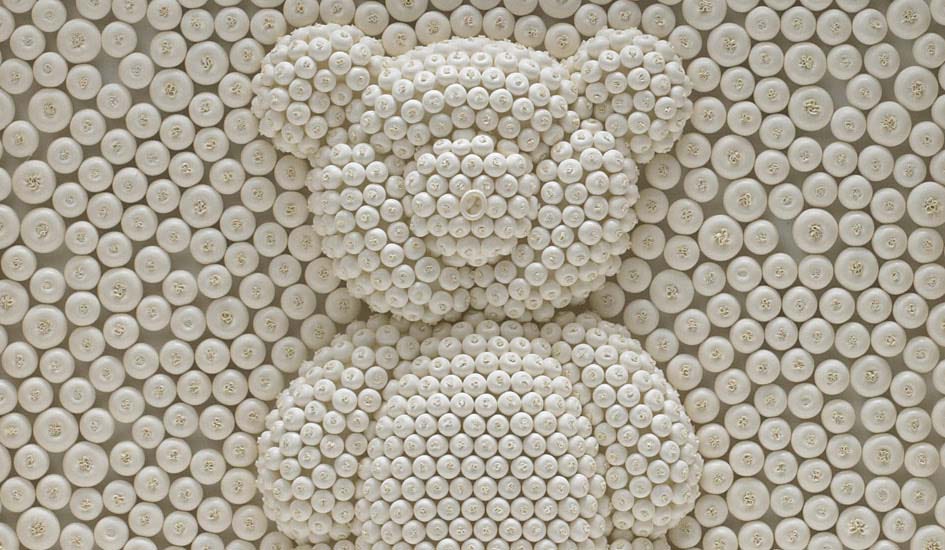
Apple Bear 800 was made from – you guessed it – balloons. The artist painstakingly organized 800 tiny balloons to create the bear, another 700 for the background, for a whopping 1500 total.  This ephemeral masterpiece can be yours for 150,000 yen (100 yen per balloon?) but only for about 2 years, which is how long the balloons will stay inflated for. But even after deflation this piece could be beautiful in its own right.


Apple Bear 800 by Daisy Balloon

Remember Rie Hosokai, aka Daisy Balloon, the insane balloon artist who created lavish haute couture dresses using that skill we all thought was reserved for children’s birthday parties? Well, she’s back and collaborating with Hitspark, a new product label that just launched.


Apple Bear 800 was made from – you guessed it – balloons. The artist painstakingly organized 800 tiny balloons to create the bear, another 700 for the background, for a whopping 1500 total. This ephemeral masterpiece can be yours for 150,000 yen (100 yen per balloon?) but only for about 2 years, which is how long the balloons will stay inflated for. But even after deflation this piece could be beautiful in its own right.


Daisy Balloon show at Sunday Issue

http://www.hitspark.net/?pid=32048072

http://www.riehosokai.com/

A Study in Boyoyong by Jun Aoki and Mongoose Studio


Model images courtesy Jun Aoki

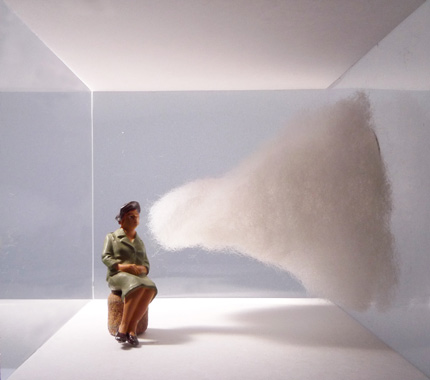
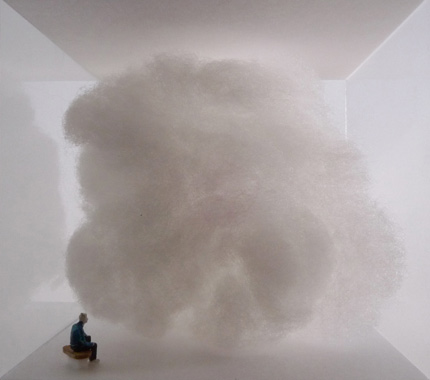
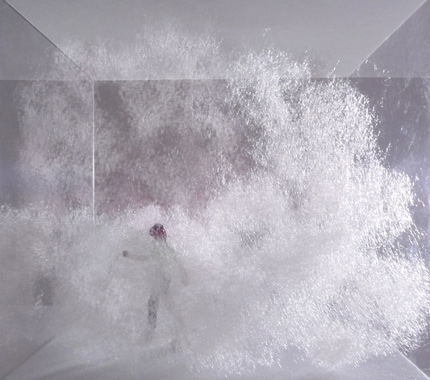
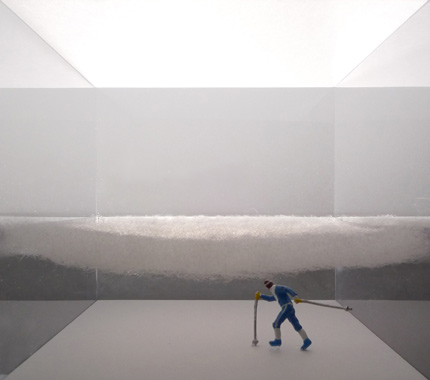
Next month, in an exhibition titled “A Study in Boyoyong,” architect Jun Aoki and design collective Mongoose Studio will present an installation that aims to study the intangible qualities of what can be compared to the recoiling motion of certain softshell objects.

Boyoyong (written ぼよよん) is an onomatopoeia used specifically to describe, for example, water balloons bouncing off of each other. Or the undulating motion resulting from pushing down on tofu and then releasing the pressure. In an attempt to conduct further study on the topic ahead of the installation, members have been creating youtube videos of different types of boyoyong.

Over 8000 polypropylene rings will be combined to create a cloud in an epic investigation of the mysterious characteristics of boyoyong. The show will open on July 26th and will run for about 2 weeks at the Okamura Gardencourt Showroom. Mongoose studio is known for their experimentations in the intangible aspects of industrial design. In 2007 they created Fuwapica, a series of seats that change color depending on how you sit and interact with it. Dubbed the “communication stool,” it was meant to create a connection between the seat and the sitter.

———————————————–
Boyoyong
Okamura Gardencourt Showroom, 3rd Floor (Gmap)
07.26.2011 – 08.12 (closed 07.31, 08.06 and 08.07)
10:00 – 18:00
FREE

source: architecturephoto

Some Reflections on Japan

(the following is an excerpt from an email dated June 15, 2011. It was sent from Elliot – Johnny’s brother – to close friends and family)

Japan has always been a place that people love to get, and intellectual pissing contests to prove who really gets Japan are a time-honored tradition among expatriates. Yet for all its seductive charm it remains a society extraordinarily difficult for foreigners to grasp, particularly after its economy fell from the good graces of business analysts back in the early 1990’s. The few Western journalists who haven’t been transferred to China now do little more than pontificate on the causes and implications of the country’s all-too-rarely-challenged “lost decades,” barely able to conceal their schadenfreude.

Continue reading

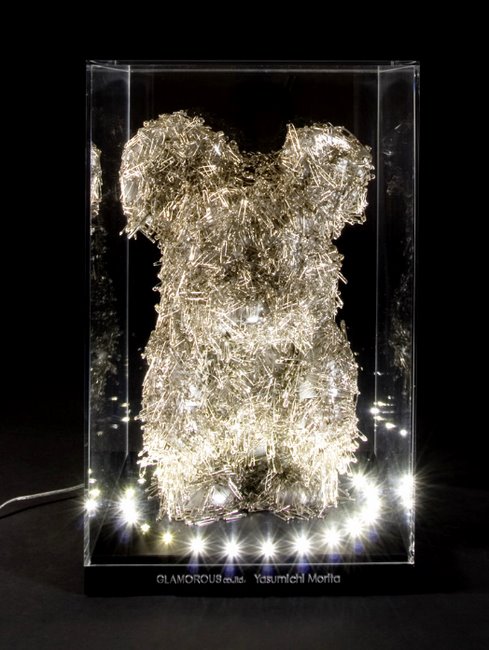
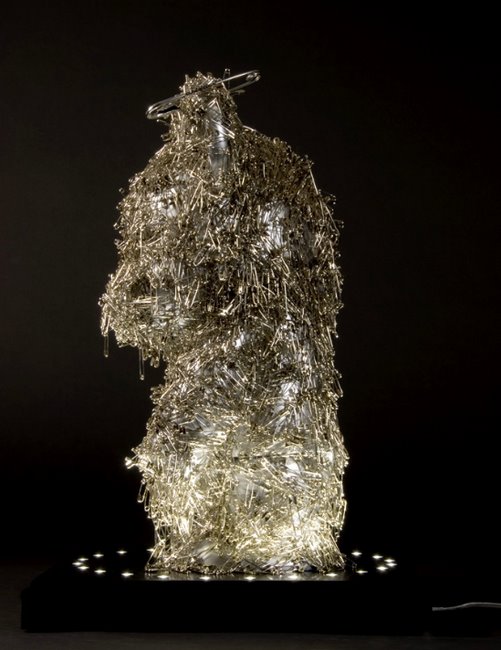
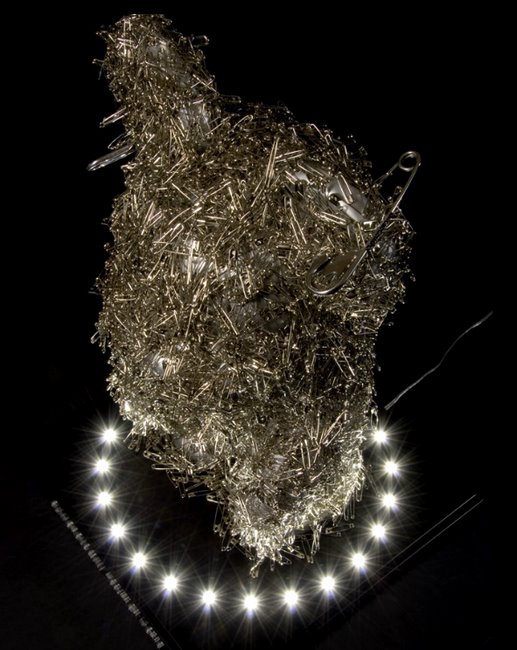
Mori Bear by Yasumichi Morita

Consulting firm Excellence International hosted a charity auction last week to raise money for victims of the Tohoku earthquake. Several notable celebrities (such as actress Norika Fujiwara and tennis star Ai Sugiyama) were asked to design Qee Bears which would then be auctioned off online. I looked at some of the designs and, well… my mother told me if you can’t say anything nice….

But there was 1 exception. Interior designer Yasumichi Morita stood out from the crowd with his Mori Bear adorned with over 5000 safety pins and a few other metallic accessories. The safety pins are meant to symbolize the fabric of our society and how our interconnectedness is what holds us together in times of crisis. But on a deeper level there is something scary and dark about the piece. In its multitude is a sense of urgency and desperation. It conjures up feelings of anxiety towards a situation so dire that no matter how many safety pins you use it can’t be held together.

(click to enlarge)

Related:


Tokyo Polytechnic University Redesign by Hiromura Design Office

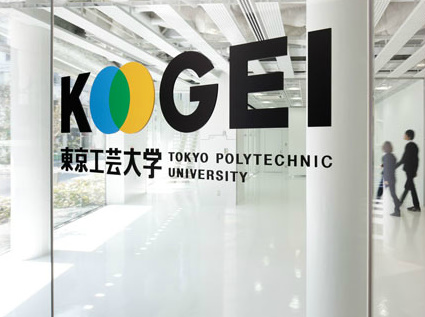
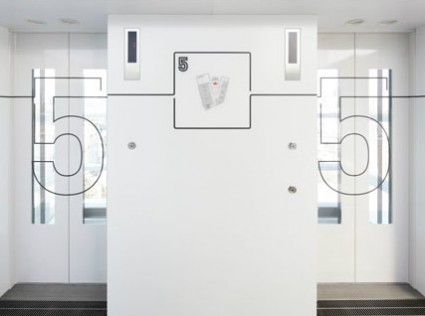
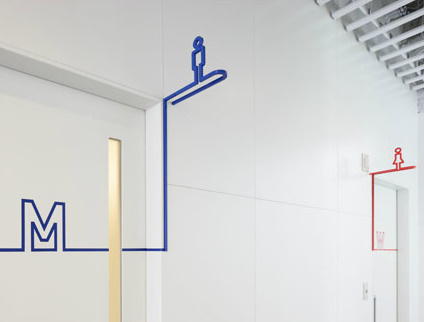
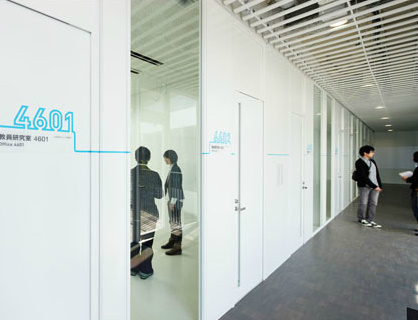
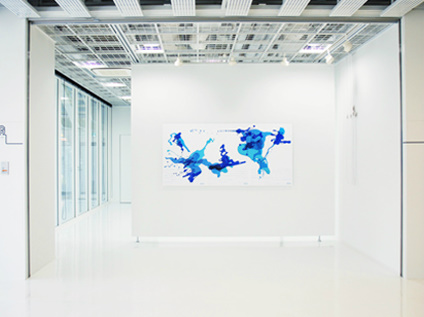
Tokyo Polytechnic University has been a force to reckon with in the Japanese arts world, producing notable alumni such as photographer Eikoh Hosoe, manga artist Yoko Kamio (Boys Over Flowers) and film director Takashi Koizumi. However, modernization is also a force to be recognized. Their Nakano campus, which previously focused primarily on photography, recently underwent a major facelift courtesy of Hiromura Design Office. Dubbed a “media arts center,” the new building will be home to all genres of media arts, both new and old, including photography, motion graphics, interactive design, and gaming, to name a few.

The nod to digital art in the signage campaign is awesome in its own right, but it also contrasts nicely with the poster they did, which is an homage to the traditional arts that the school has its roots in.

(click to enlarge)

Related:


Tokyo Polytechnic University Redesign by Hiromura Design Office

Tokyo Polytechnic University has been a force to reckon with in the Japanese arts world, producing notable alumni such as photographer Eikoh Hosoe, manga artist Yoko Kamio (Boys Over Flowers) and film director Takashi Koizumi. However, modernization is also a force to be recognized. Their Nakano campus, which previously focused primarily on photography, recently underwent a major facelift courtesy of Hiromura Design Office. Dubbed a “media arts center,” the new building will be home to all genres of media arts, both new and old, including photography, motion graphics, interactive design, and gaming, to name a few.
The nod to digital art in the signage campaign is awesome, but it also contrasts nicely with the poster they did, which is an homage to the traditional arts that the school has its roots in.

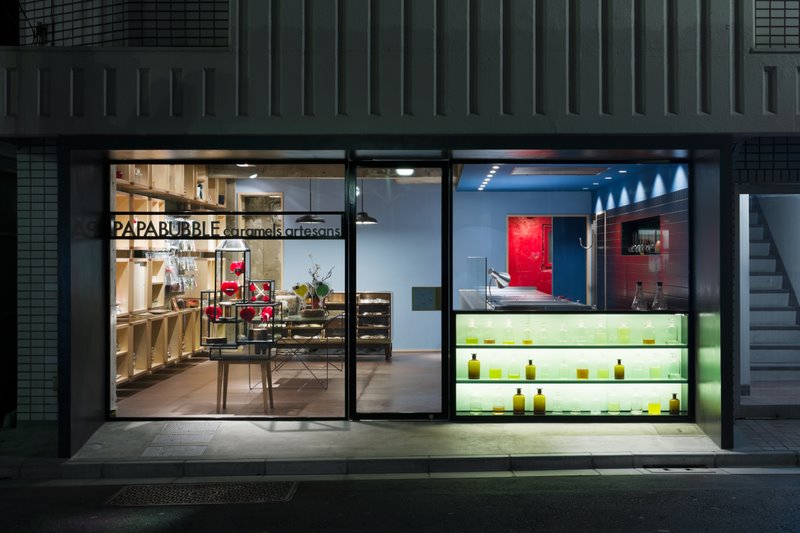
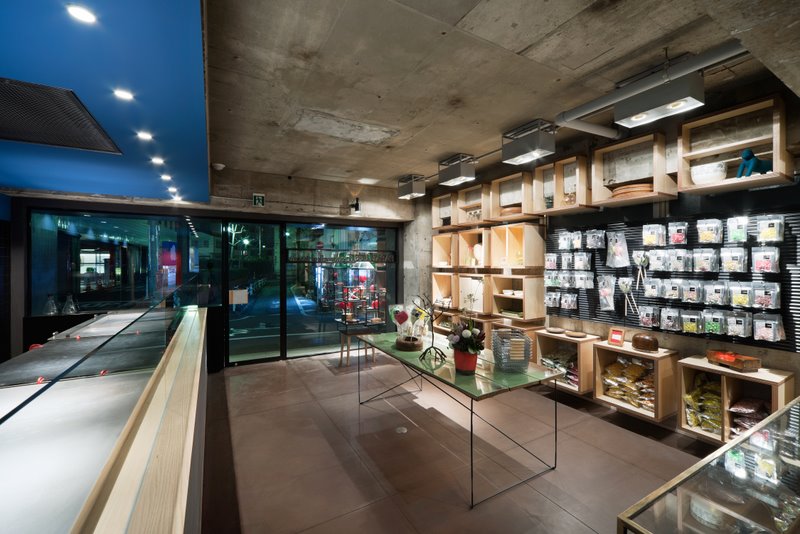
Papabubble Shibuya


Images courtesy of Takumi Ota | click to enlarge

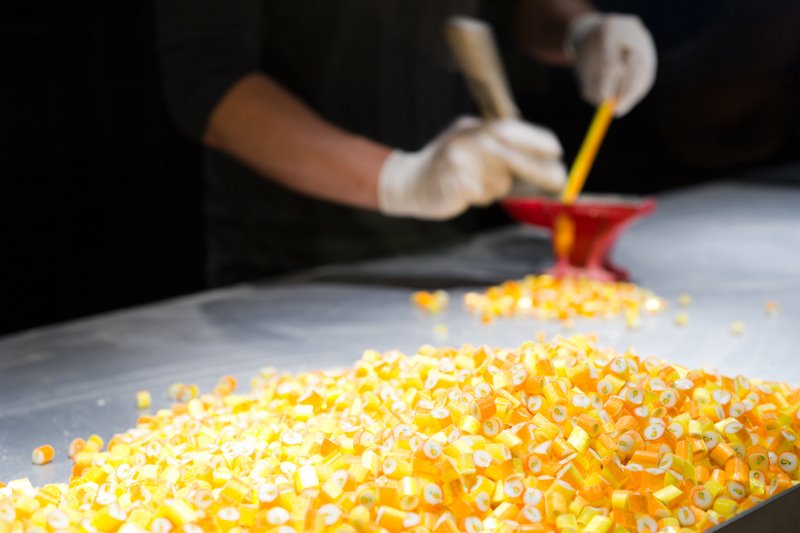
Papabubble is a modern reincarnation of Willy Wonka and all his magical candy. The franchise originated in Barcelona but has been making its way overseas and late last year opened its 2nd location in Tokyo, joining its original brethren in Nakano.

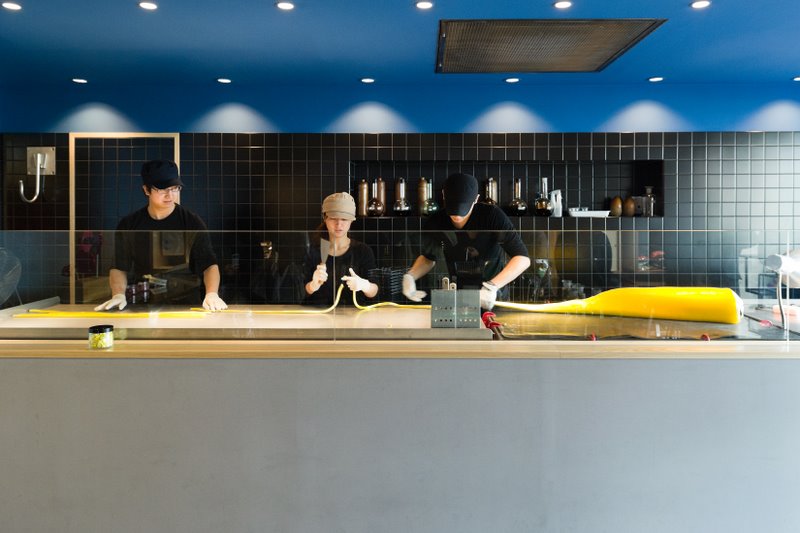
Much in the vein of Wonka himself, the playful store interior was designed by Yusuke Seki, who heads up the design studio f.a.t. What’s both fantastic and unique about the store, and where it diverges from Wonka-like paranoid secrecy, is the open kitchen, where children and adults alike can watch the magic happen. Whether you are there to indulge your sweet tooth or just inhale the sweet saturated air, the small yet interactive space makes it ideal for candy lovers, Roald Dahl fans, and just about anyone.

——————————————————–
Papabubble Shibuya
17-2 Kamiyama-Cho, Shibuya-ku (Gmap)
11am-9pm (closed Mondays)

Source: f.a.t. website (Seki-san and Ota-san for sending pictures)

OpenJapan: the results

Last Friday OpenSimSim’s 72-hour crowd-sourced work-sprint kicked off and continued rolling all through the weekend. Overlapping with the 3-month anniversary of Japan’s disastrous earthquake and tsunami, work-groups in 11 cities combined efforts during different time zones to propose some really great ideas for Japan. Check out all the entries here.


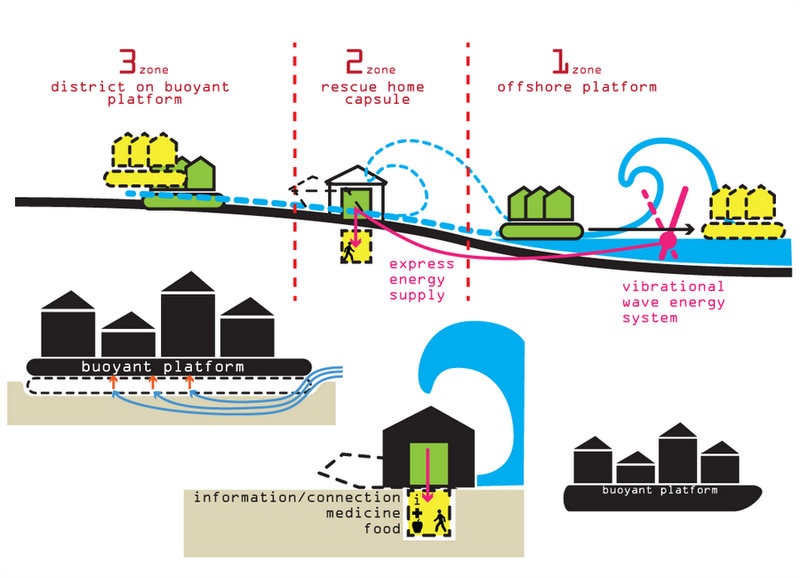
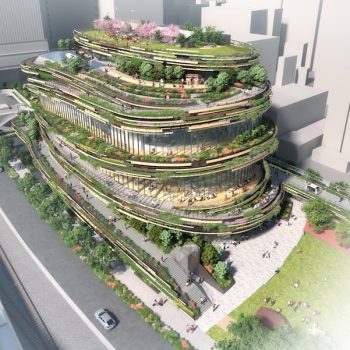
Instead of permanently abandoning the inherently risk-prone shore line, this project proposes 3 different zones that can be rebuilt to coexist with the threat of another tsunami.


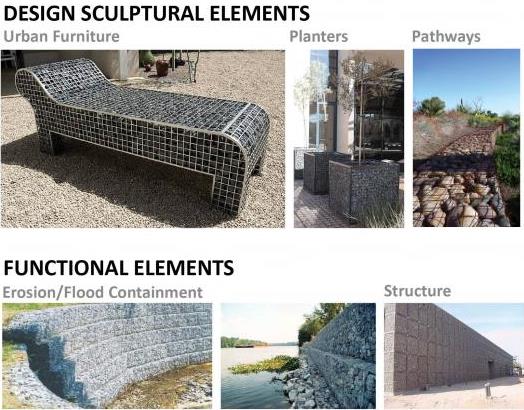
This project proposes the use of rubble as an infill to create a new landscape that would preserve the memory of the disaster.

« Older posts Newer posts »

© 2026 Spoon & Tamago

Up ↑

Design by Bento Graphics