Page 295 of 406

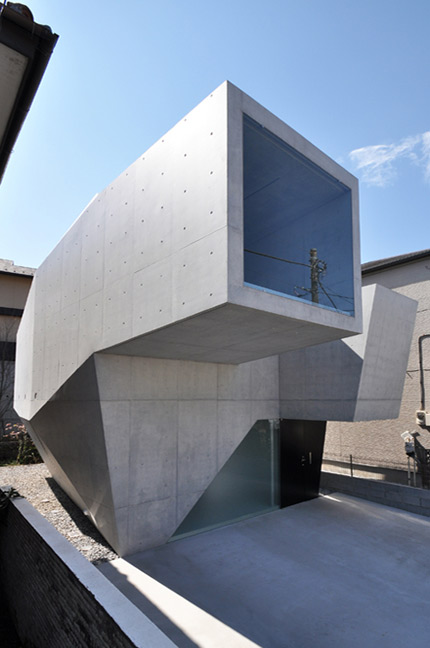
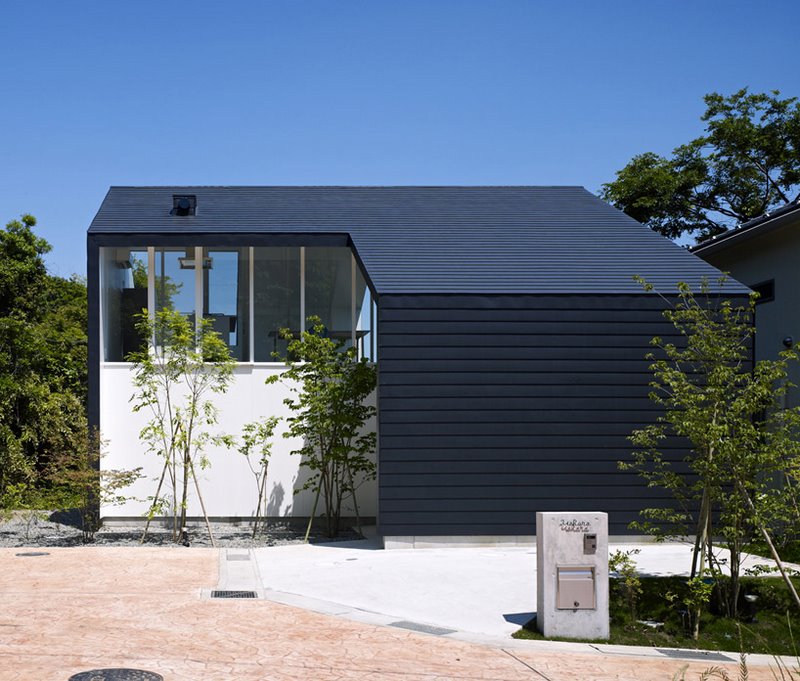
47% House by Kazuyasu Kochi

image © daichi ano | click to enlarge

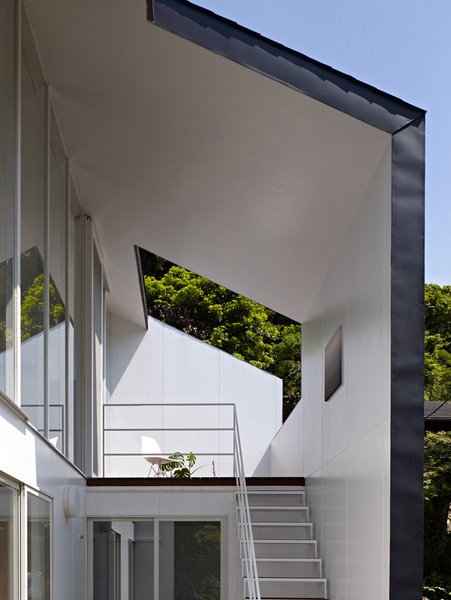
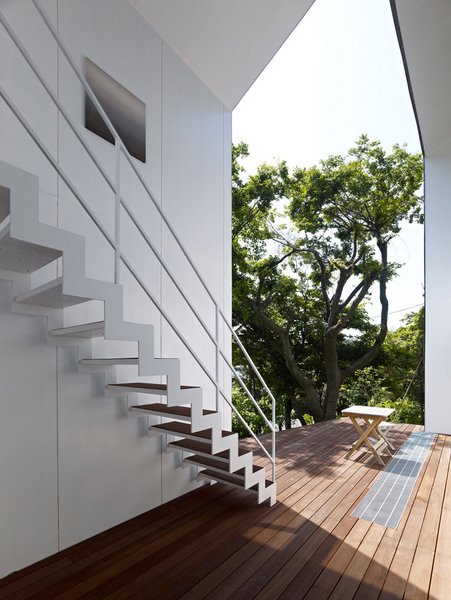
Nowadays there is definitely no shortage of architectural designs that attempt to bring the outdoors, in. But in the case of Kazuyasu Kochi, who recently put the finishing touches on “47% House,” he may be the first to have brought the indoors, out.

Completed in May of last year and located in Kanagawa, Japan, the private residence has an interior living space of 47%, giving it a majority 53% of exterior living space. Mostly due to the abundance of large windows and sprawling terraces, there is a lightness and breathable energy to the space – truly an ode to the outdoors.
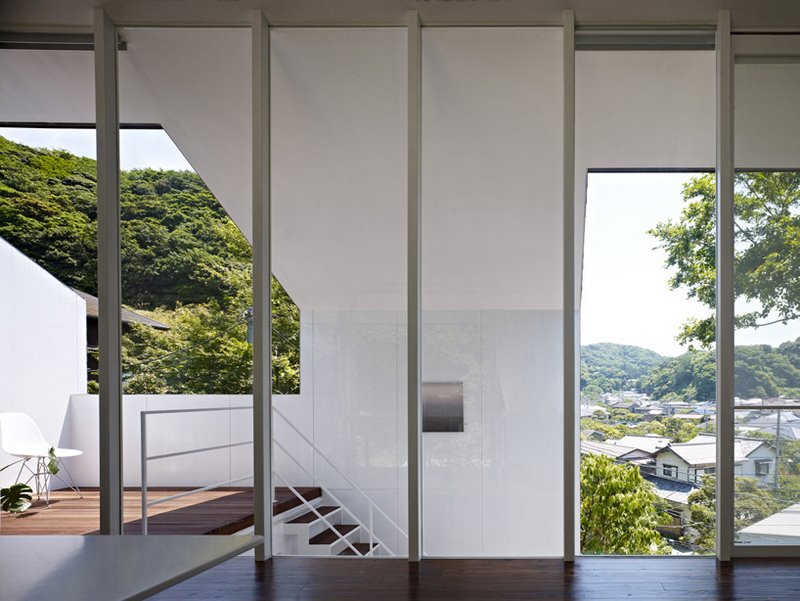
source: designboom
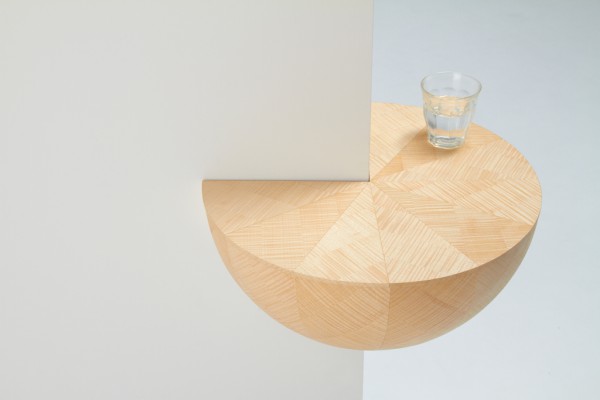
Catch Bowl by Torafu Architects


photos by kenpo | click to enlarge

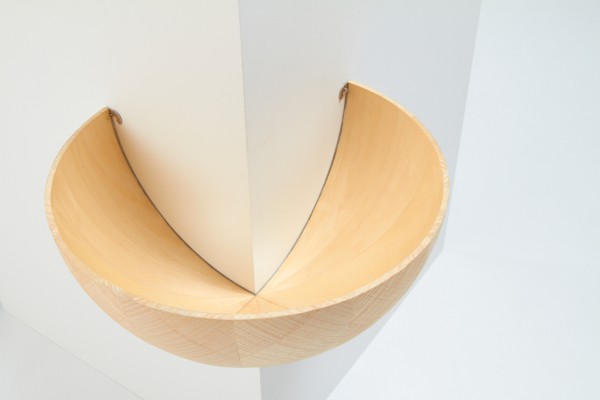
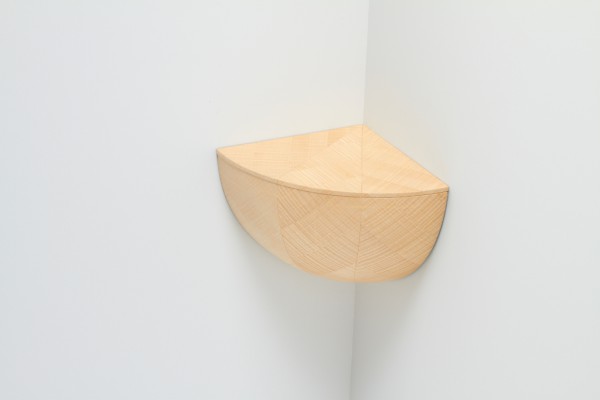
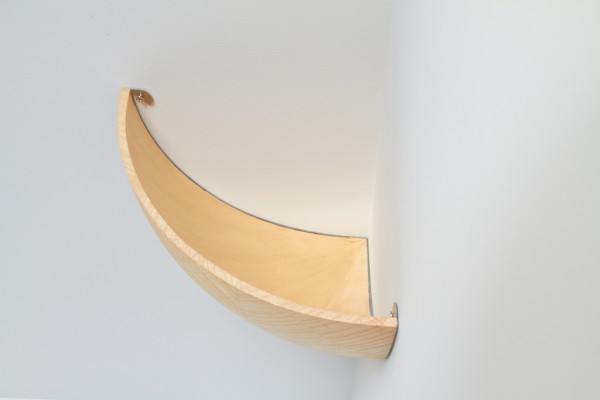
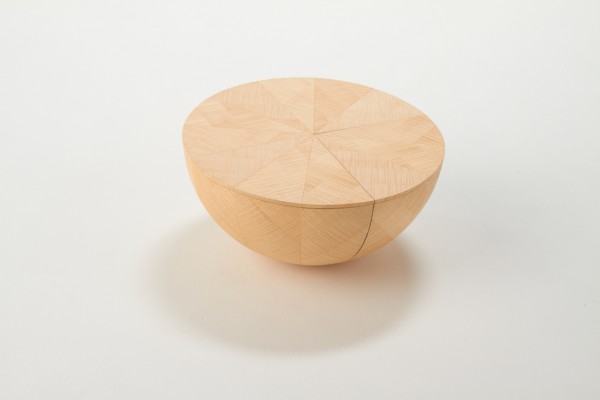
The creative usage of that very ubiquitous feature of most homes – the corner – is apparently on many designer’s minds. Tokyo-based Torafu architects’ latest work is Catch Bowl, a bowl-shaped shelf that divides into 2 parts to either wrap around, or fit snuggly in, corners. It can even be inverted and used like a bucket.

The only potential problem is that it relies on homes to be built properly built with 90° angles which, from my experience (at least in Brooklyn), is not always the case.

read all our stories on Torafu

source: dezeen | Torafu

Little Hilltop with a View of the Wind | Shingo Masuda + Katsuhisa Otsubo


click images to enlarge

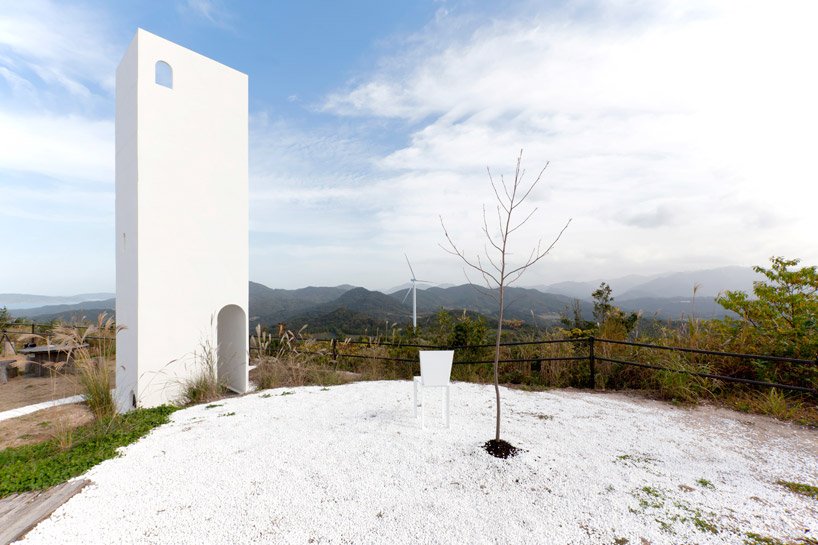
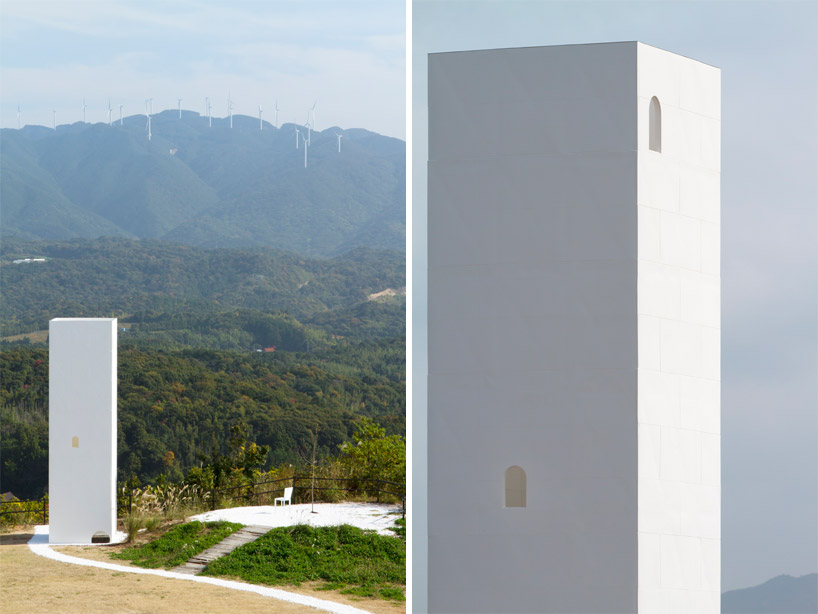
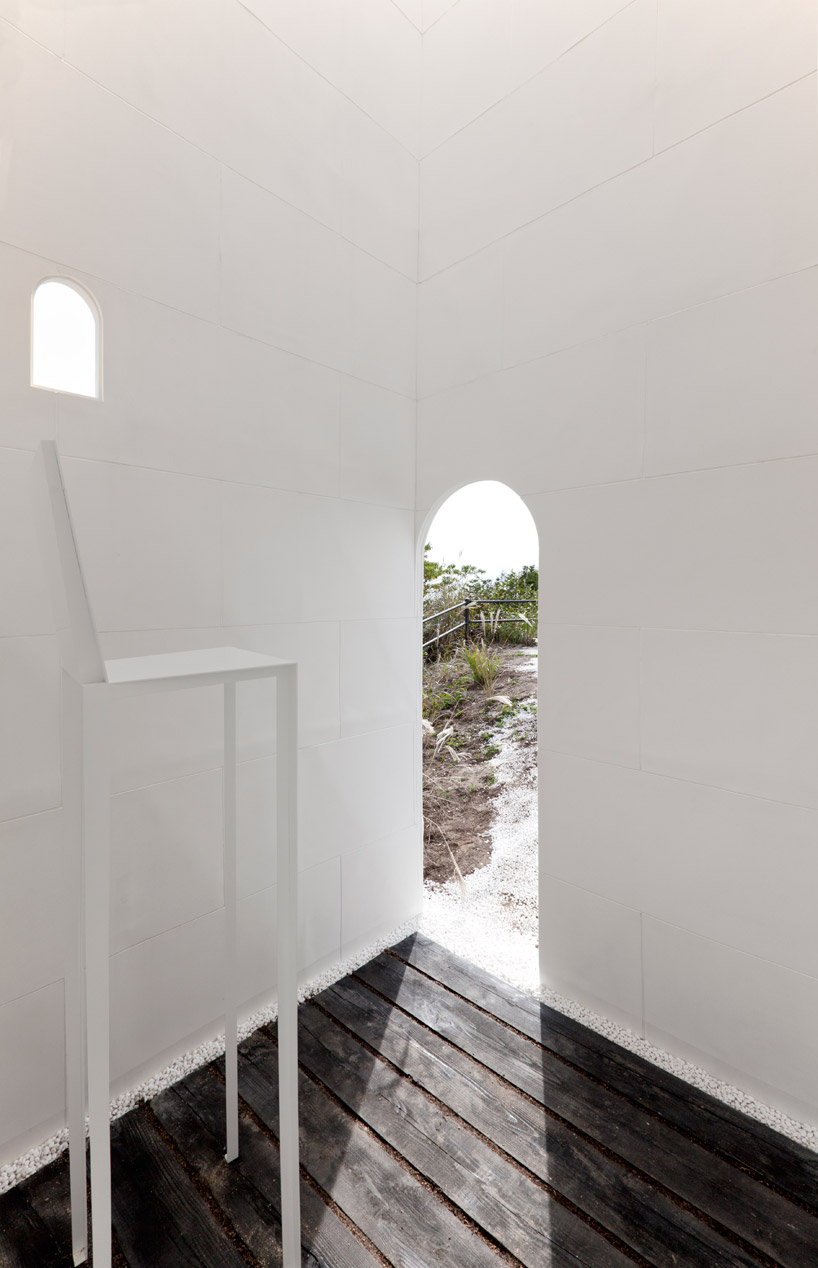
Shingo Masuda and Katsuhisa Otsubo are 2 young up-and-coming architects based out of Tokyo. One of their latest projects is Little Hilltop with a View of the Wind – something akin to an ultra-minimalist version of Rapunzel’s tower. Except inside you won’t find a princess with dashingly long hair. Instead, the tower was designed for you to interact with a different kind of beauty: the wind.

Situated on the Houhoku Windfarm, a roughly 262,000 sq m serene piece of land with 12 wind turbines operated by Clean Energy Factory (CEF), the structure was designed to offer exactly what its name suggests; a view of the wind. Through extensive structural and engineering studies the architects were able to erect a structure that sways roughly 150 mm (about 6 inches). The windfarm – located in Yamaguchi prefecture – offers visitors, not only views of the undulating mountains and the clouds, but of the wind as well.


Source: designboom | CEF | Shingo Masuda + Katsuhisa Otsubo
 

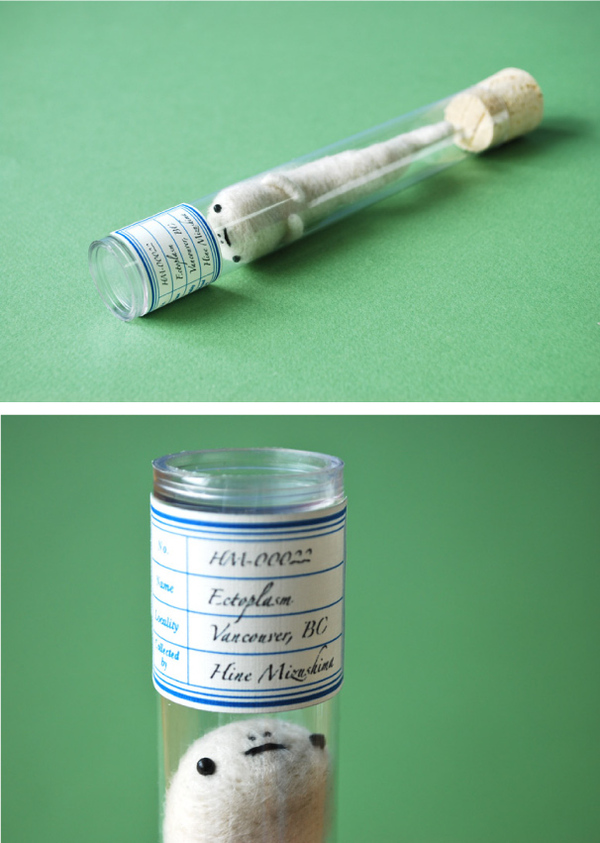
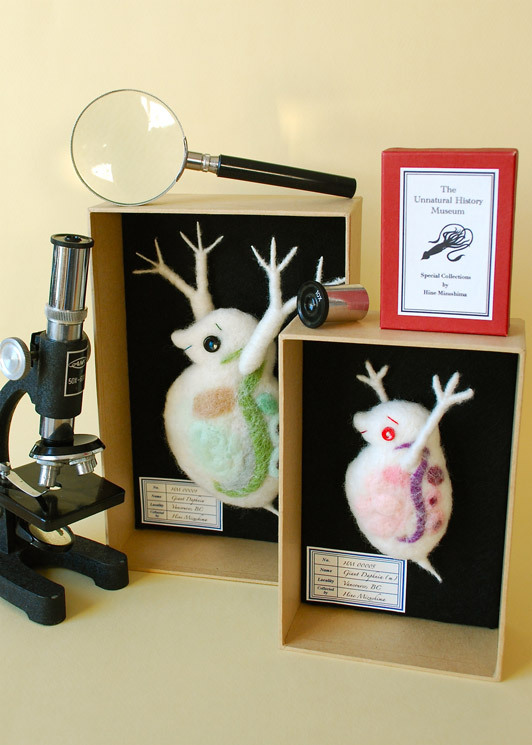
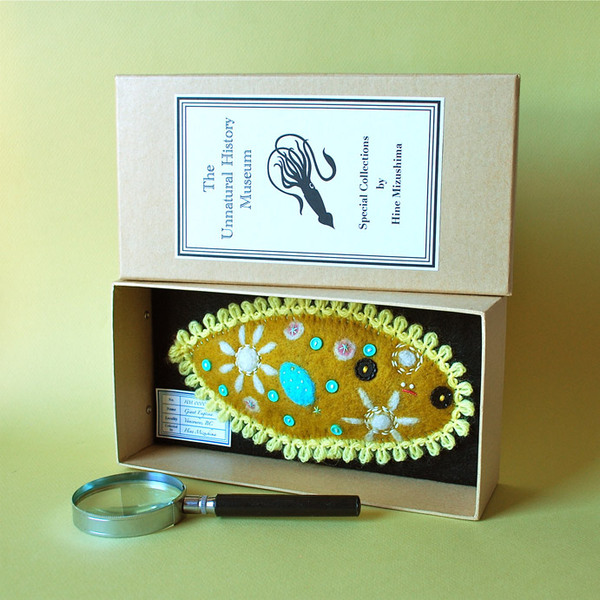
Hine Mizushima | The Unnatural History Museum


felt ipod case

Hine Mizushima is a Japanese artist based out of Vancouver, Canada. Although several traits can be claimed to her name, including Illustrator and Stop-Motion Video Artist, she also has an etsy shop where she sells a variety of occasionally cute, occasionally curious hand-stitched felt items. And right now she is donating 10% of all proceeds to architect Shigeru Ban’s efforts to provide temporary shelter to evacuees of 3.11 disaster.


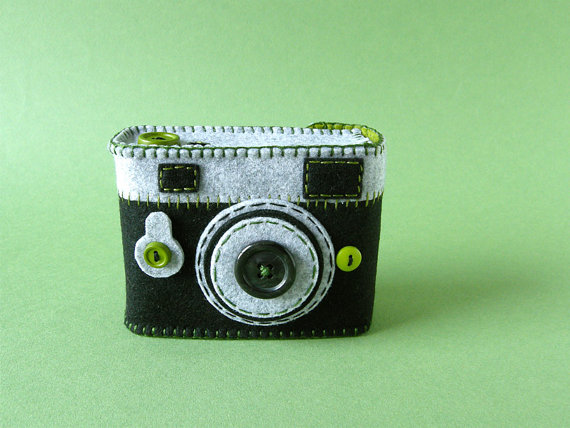
felt camera case

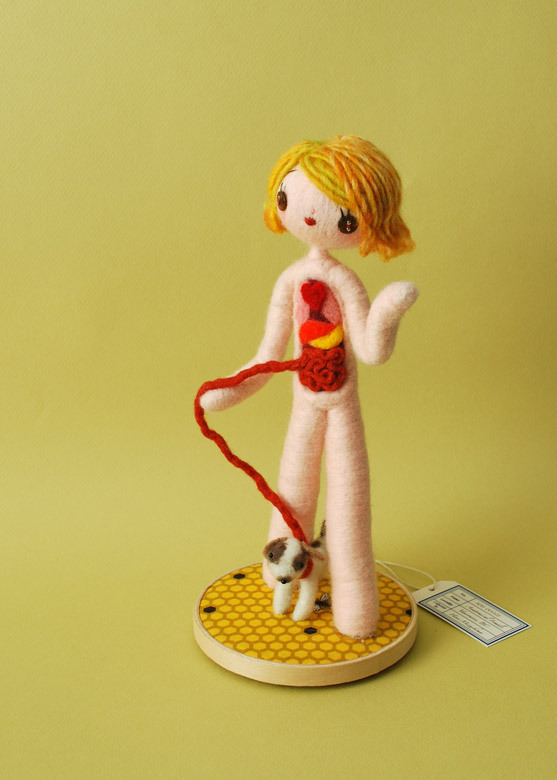
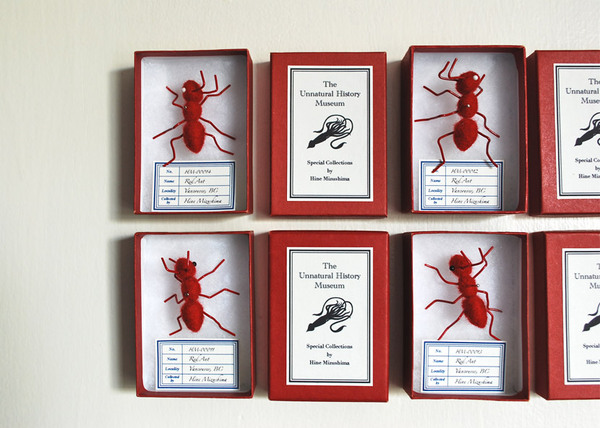
I’m particularly loving this series titled “The Unnatural History Museum,” a collection of “specimens” that were on display at Gallery Hanahou in NYC back in March of this year as part of a group show of needle-felting works.


Anatomical Female A and C


Red Ants


Ectoplasm


Giant Daphnias


Giant Paramecium

source: behance | Gallery Hanahou

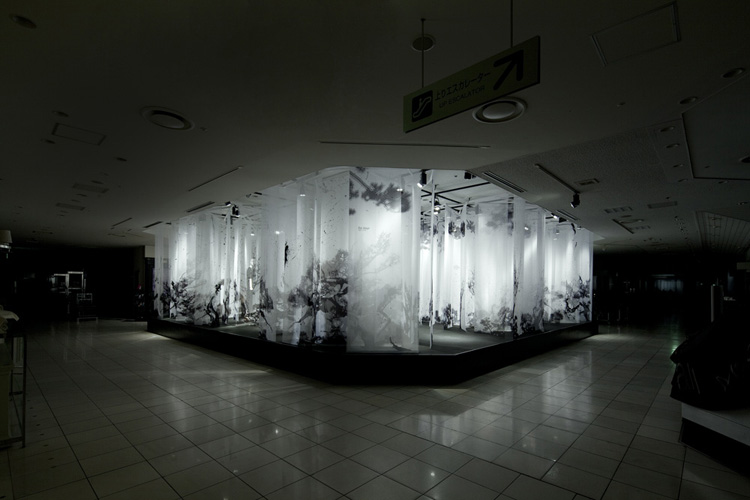
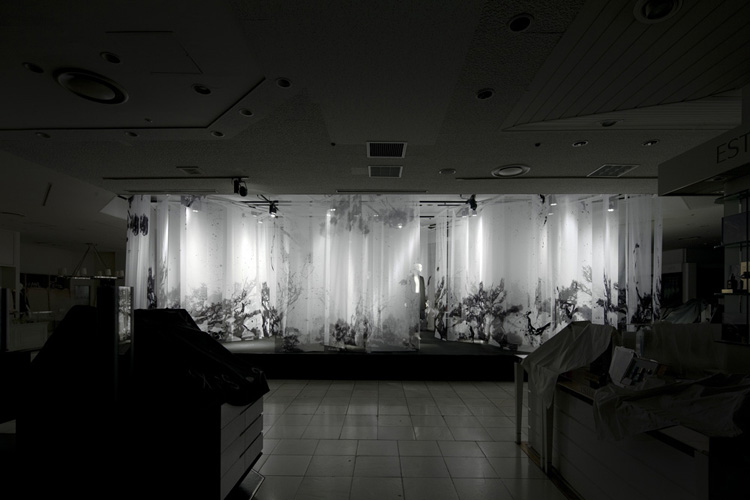
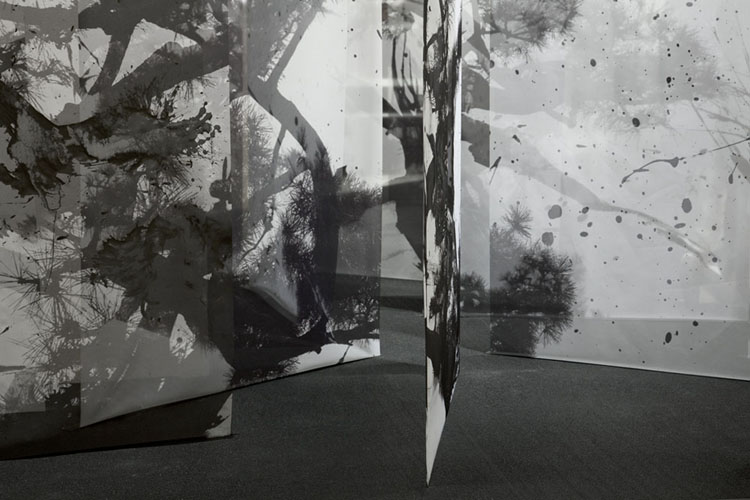
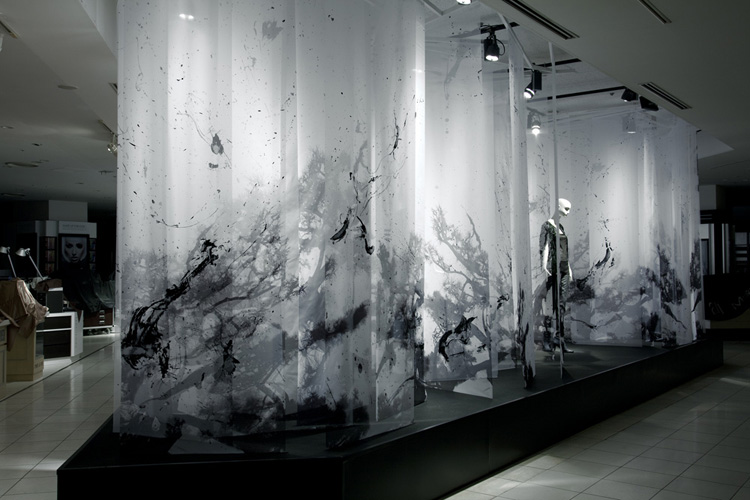
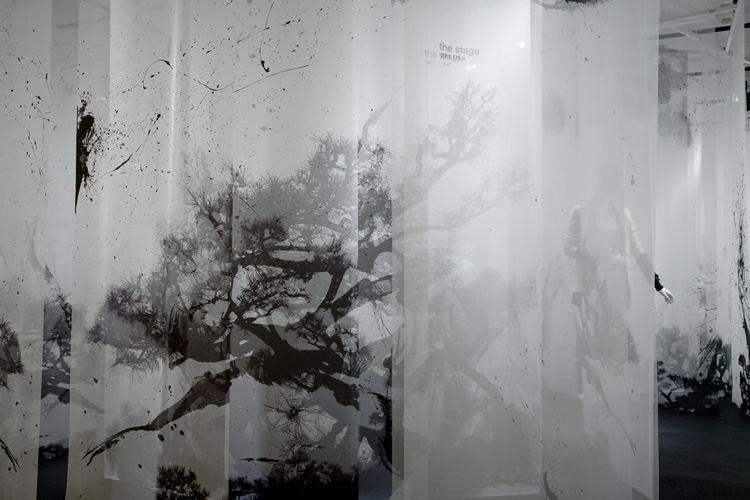
Shun Kawakami’s Bokusho installation at Isetan Department Store


photos by kenta hasegawa | click to enlarge

I had heard about this installation so I was delighted when designer Shun Kawakami uploaded pictures of it. Bokusho (墨象), also known as zenei shodo (前衛書道) is an avante-garde form of calligraphy that sprung out of post-war Japan. Kawakami, in collaboration with calligraphy artist Gen Miyamura, has incorporated the art style into his work in the past. As the deconstructed form suggests,  it is seen as a much more free and unrestrained way of expression through ink.

Installed for the New Year’s opening of the department store, the piece is arresting as it is intimate. It exhales serenity yet also heightens anticipation for what’s to come. Pretty fantastic!

source: Shun Kawakami’s blog

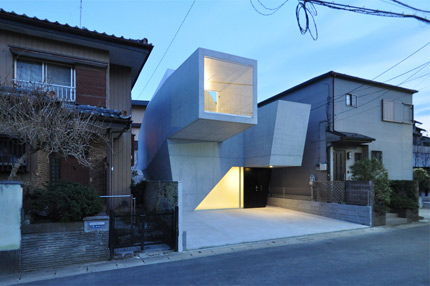
House in Abiko by Fuse-Atelier

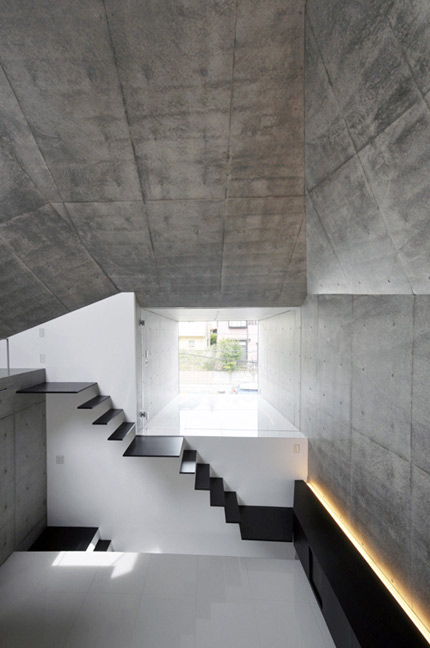
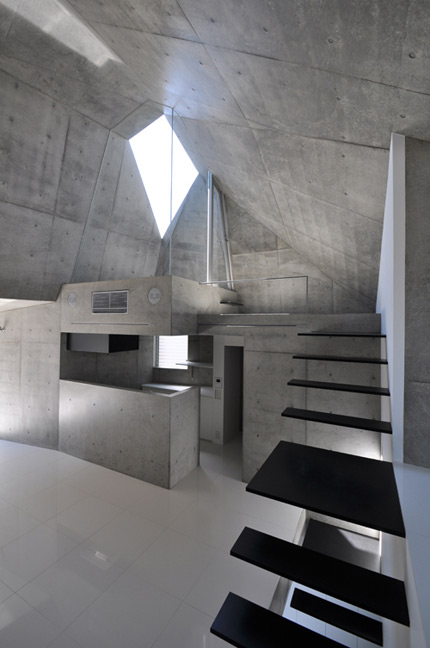
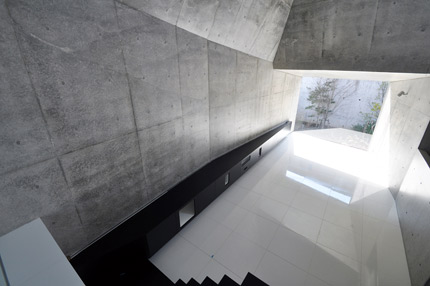
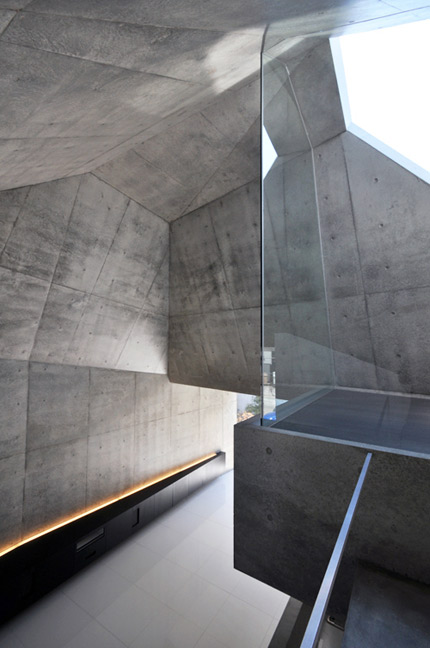
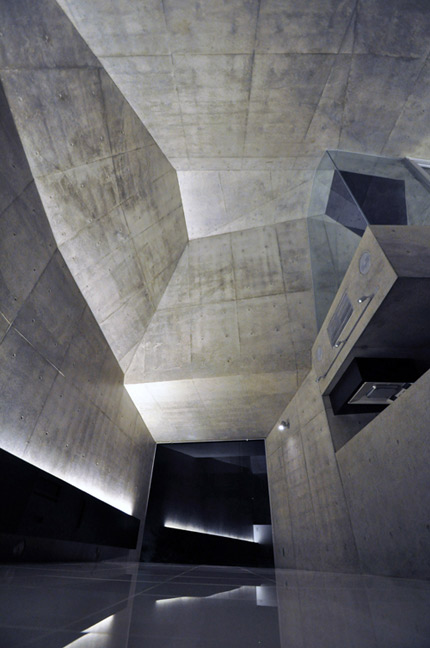
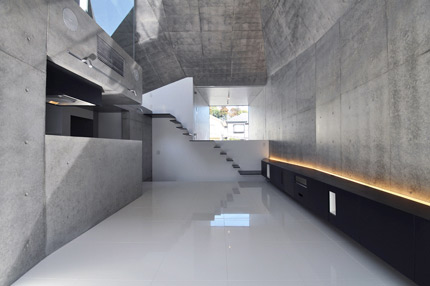
Completed in March of 2011 by Shigeru Fuse of Fuse-Atelier, House in Abiko was constructed (you guessed it) in Abiko City just Northeast of Tokyo. It functions as a residence but also as a concrete gallery space for a young couple who collect designer furniture.

Ok, I’m kidding. It’s actually a periscope attached to an evil underground lair belonging to a design-saavy totalitarian regime. They use it to blatantly spy on their neighbors. I want one!

source: architecturephoto

Atomic Artists | PBS video on Chim↑Pom

Watch the full episode. See more FRONTLINE.

I tweeted about this yesterday but I thought it was worth posting here too. PBS has produced a segment on the Japanese activist arts collective, Chim↑Pom and their response to the nuclear disaster at Fukushima.

Although the debate on nuclear energy carries on, it’s nice to see a group of artists shaking up Japan’s age-old heiwa-boke (平和ボケ) or “peace boke”, meaning a state of complacency induced by an excess of peace (and getting air-time for it).

source: twitter

Milestone Bike Stand


photos by Takumi Ota | click to enlarge

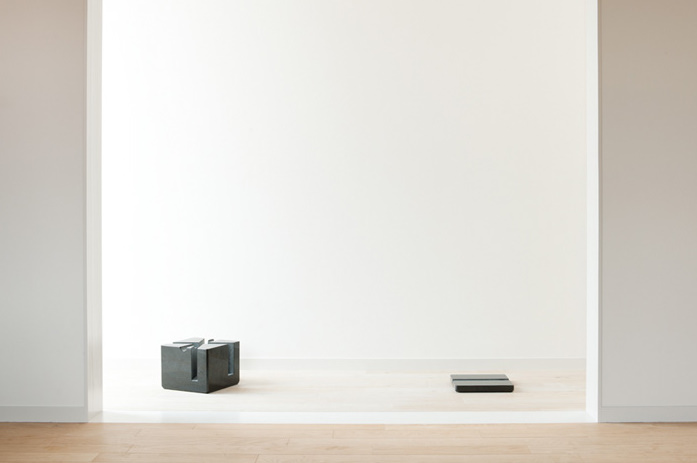
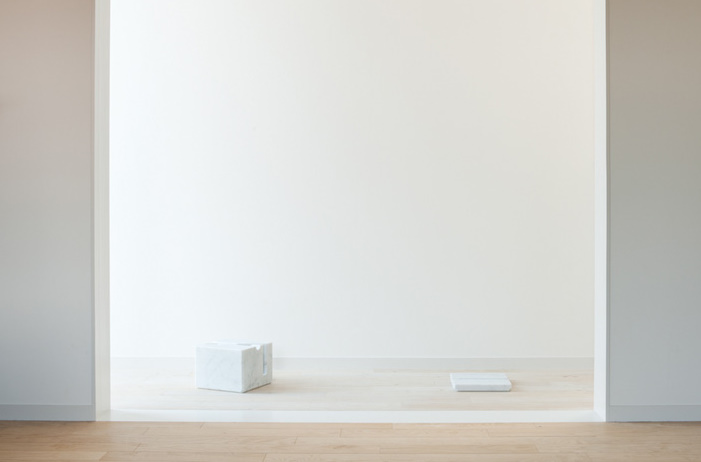
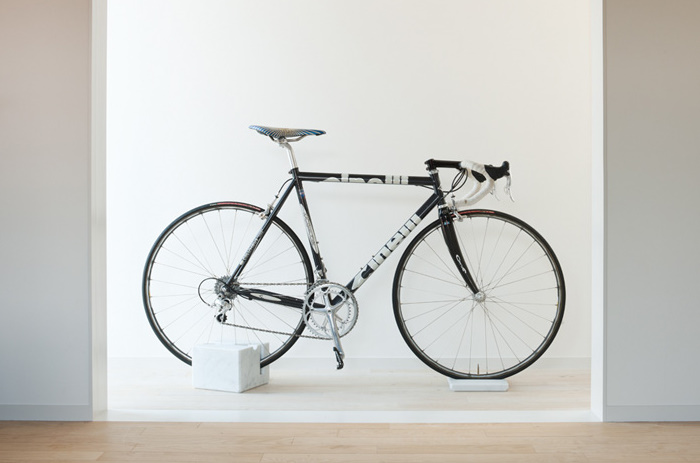
If you own a bicycle and prefer to park it indoors, here is an interesting solution for a bike stand. Japanese design trio MILE created Milestone, a custom-made bike stand for your beloved city companion. For 44,100 ~ 47,250 yen (price depends on color) you will get a made-to-order marble cube that perfectly interlocks with your bike. And when not in use the lid can be placed back on top so it sits as a gorgeous minimal art piece.

It’s a nice idea but, realistically, probably too expensive to ship overseas. Also, New Yorkers are so cramped for space we prefer to store our bikes on our walls.

source: MILE website

Earth: Materials for Design iPad app


app screenshots | click images to enlarge

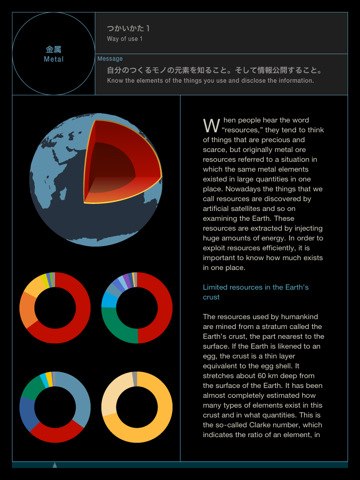
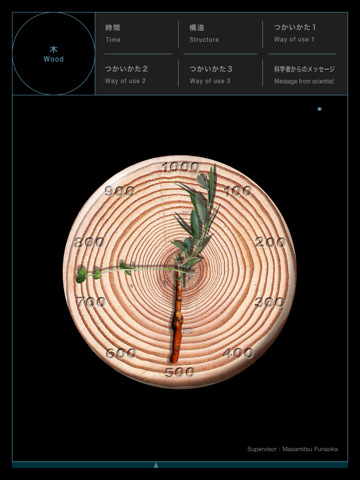
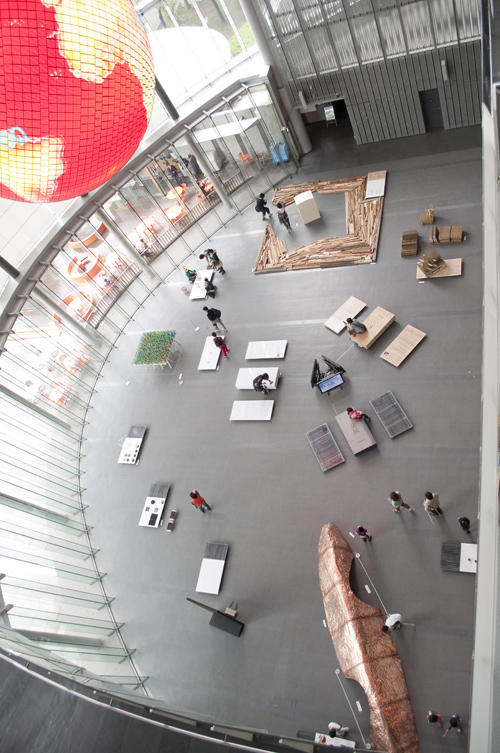
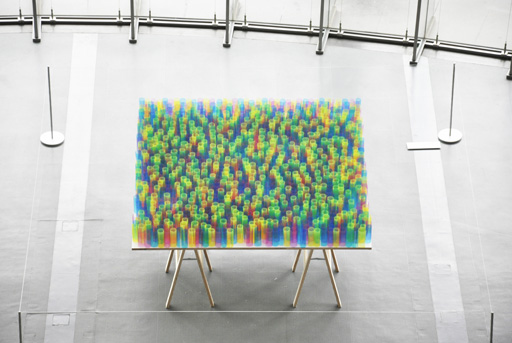
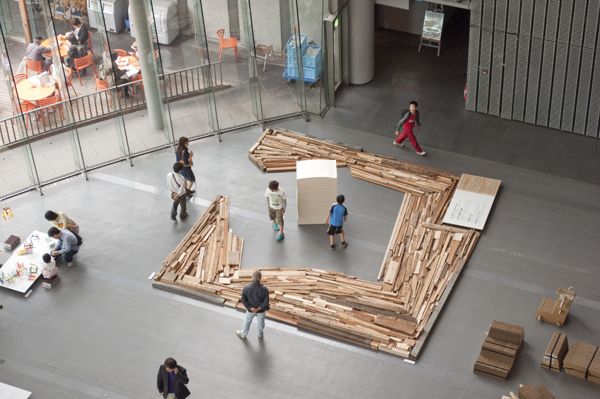
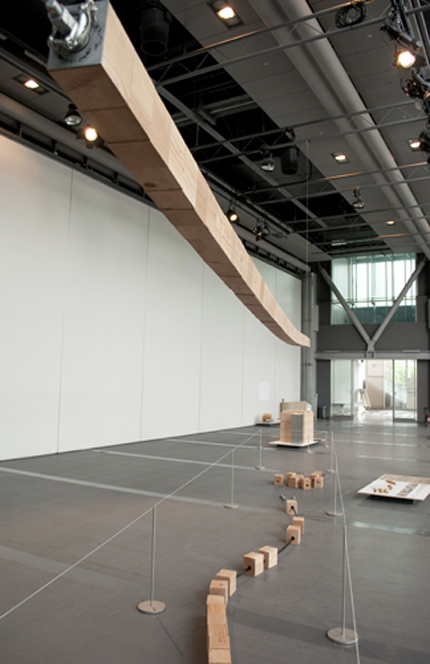
Remember the “Earth: Materials for Design” exhibition that took place last year? Well it was recently turned into an iPad app. In the context of globalization and an age of massive consumption, the exhibition (and now the app) tries to re-frame our understanding of the flow of materials from a vantage point of design and science.

Unfortunately, I don’t own the device so I can’t test it out but it sounds really interesting. It’s free AND it’s in English and Japanese. So what do you have to lose? (If you do try it out I’d love to hear your feedback)

Not familiar with the exhibition? Below are some pictures of the show that ran from 2010.05.19~06.07 at the Miraikan in Tokyo.


The main hall


Puddle by Ryuji Nakamura


Paper made from scraps by Naruse-Inokuma Architects


Form of Force by FT Architects


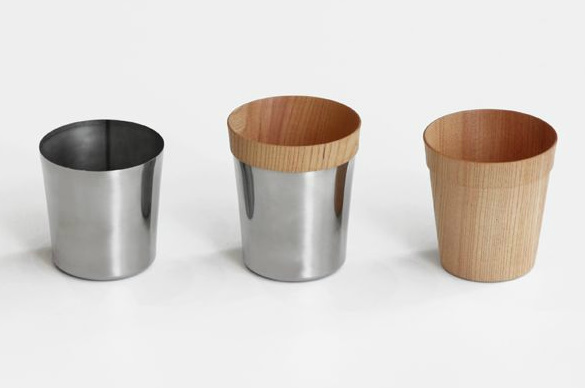
Metal & Wood cup by Akihiro Kumagaya


Earth Lounge by Mile Project

source: twitter

Fauna by Bunpei Kado


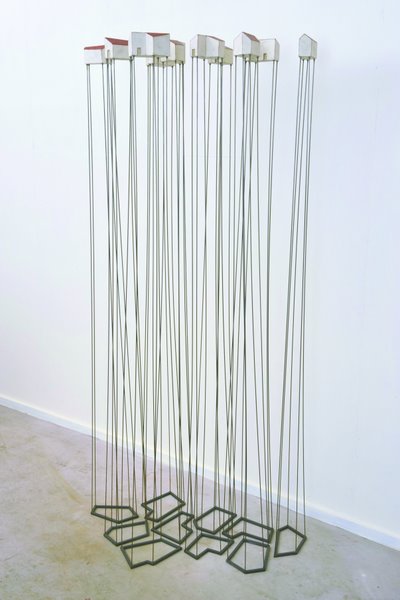
Air City (2010). Wood, steel.
Unless otherwise noted, all images courtesy Bunpei Kad0

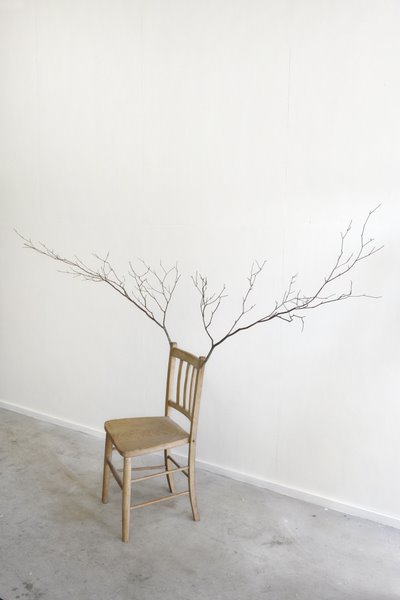
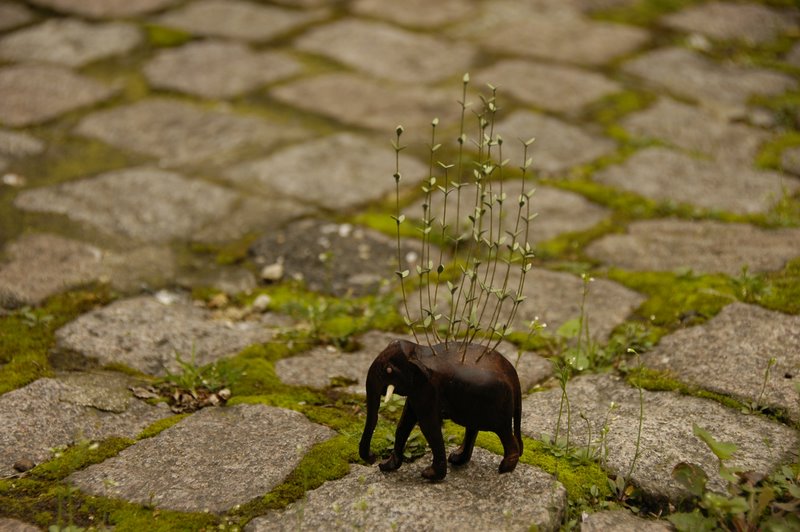
I’m intrigued by the sculptural work of artist Bunpei Kado. According to his website, he also dabbles in interior design, which explains his fascination with our modern-day dwelling: fodder for his latest exhibition, “Fauna.”

Mankind’s footing, which previously was firmly rooted to the earth’s ground, has separated.  Technological advancements distance us from our age-old dwelling. On display at Galerie SOL in Ginza through the end of this week, Kado explores questions pertaining to habitat and how its definition continues to evolve.


Human Nest (2010). Wood, steel


Tree Chair (2010). Chair, steel

I’m also a big fan of his 2008 series, Memories of the Wild.


images courtesy bikegon | click to enlarge

source: ex-chamber | Galerie SOL | Bunpei Kado

——————————————————————————–
Bunpei Kado | Fauna
Galerie SOL (map)
07.25.2011 – 08.06
11:00 – 19:00 (last day 17:00)
FREE

« Older posts Newer posts »

© 2026 Spoon & Tamago

Up ↑

Design by Bento Graphics