Page 294 of 406

Hokke Case

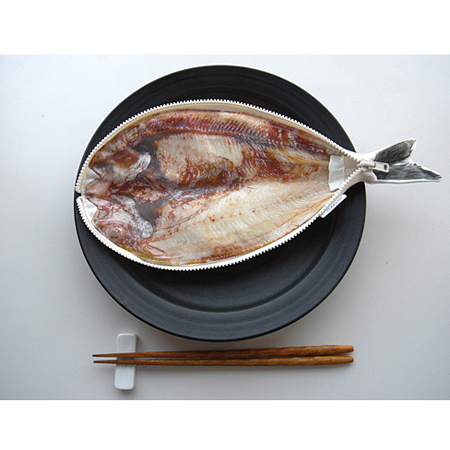
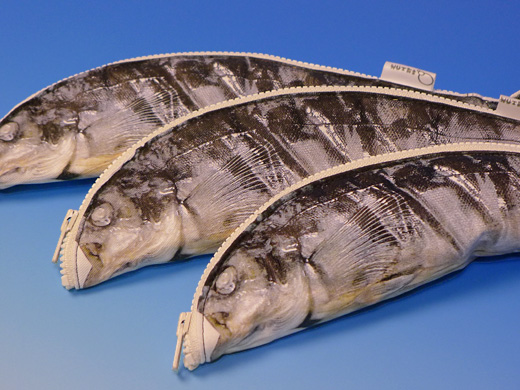
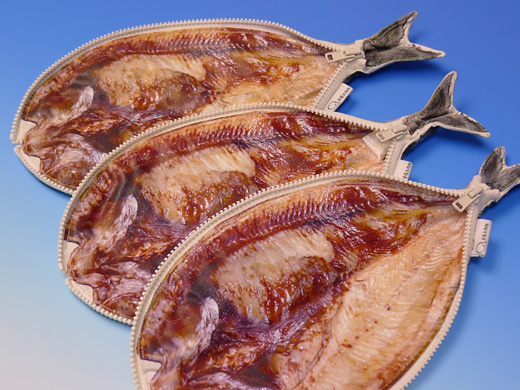
If you’re looking for a conversation starter for your next cocktail party or comparable social gathering, leave the designer handbag at home. Instead, opt-in for carrying your cell phone and other small belongings in this Hokke Case. Hokke is a popular grilled fish  – atka mackerel to be exact (although I had to look it up) – and is often served up in Japanese-style pubs. The best part is, the exterior is just the dried fish but it opens to reveal a cooked and served version!

mmmm… making me hungry.

Spotted over at Ito Manufacturing, which just sells a whole bunch of oddities and chotchkies.

DohYO Resturant and Bar

Dohyo Dining Room

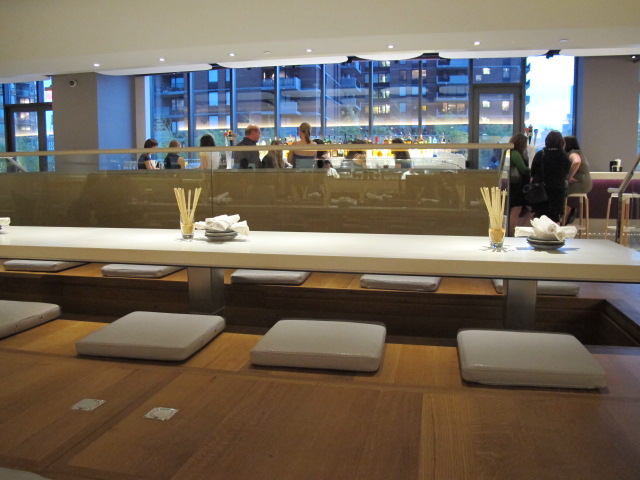
When I caught a glimps of this new restaurant (just opened this past June), located in New York City’s Hell’s Kitchen/West Midtown, I had flash backs of Japanese eateries from the time I lived in Tokyo. Yotel‘s main dining room DohYO serves up izakaya style (tapas) Latin-Asian fusion dishes created by Chef Richard Sandoval – known for Zengo.

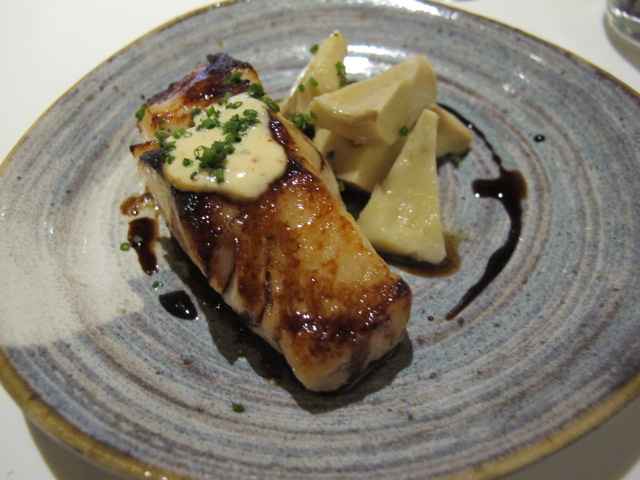
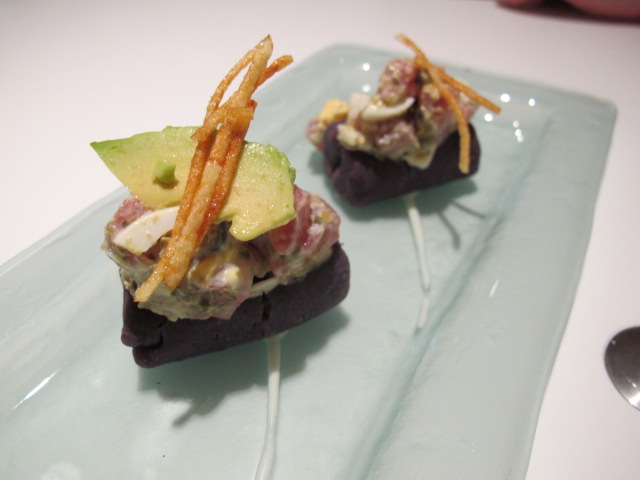
Black cod with misoSeared Tuna Caus

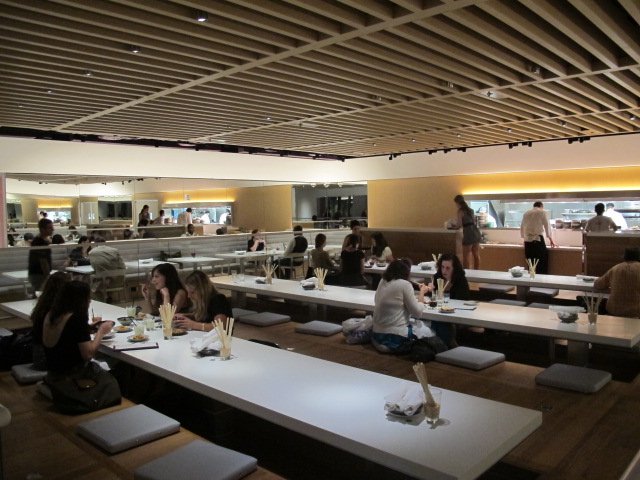
The dining area, taking inspiration from the sumo wrestling ring, is centered around a raised platform. The diners sit on a pillow at low lying tables with recessed pits for leg room – much like you would see in traditional eateries in Japan today. The tables can actually be lowered to floor level allowing for other set up (like late night dancing  after a few shots of sake); one thing that the Japanese eateries could learn from the creators of DohYO.

DohYO Resturant

Price: $30-$60 per person
Where: 570 Tenth Avenue, New York, NY 10036 (map it)

source: Yotel | Zagat | photos: Zagat Buzz

Asahikawa Furniture Design Competition 2011

Back in 2008 we brought you the results of the International Furniture Design Competition Asahikawa (IFDA), a well-established competition that’s held in Asahikawa, Hokkaido. The city has long been known as a Mecca of crafts and furniture design where buyers and aspiring craftsmen flock to both see and learn.

And it’s not that we’ve been lazy (although I wouldn’t deny the claim) but  IFDA is, in fact, a triennial competition, which explains the 3-year blank. After a rigorous judging session earlier this year of 899 entries from 36 countries (and conducted by design luminaries including Motomi Kawakami and Naoto Fukasawa) results were released early this summer.

Before we take you to some of our favorite pieces, a statement from the committee:

As the main material used in the furniture designs for the IFDA is wood, the competition is intrinsically linked to the growth of trees. We believed that twentieth century economic growth was supported by a balance of mass production and consumption, yet the era in which economic growth took priority over environmental issues ended along with the cold war era.
Now, a new era has arrived, and the first 10 years of the 21st century seem to have passed so quickly.

…The survival of every living creature on this earth including humans depends on the conservation of nature. A quarter of a century has passed since the first IFDA competition in 1990, with the eighth competition to be held in 2011.  The type of hardwood used in furniture takes more than 100 years to grow from a sapling, and continues to protect our planet throughout this time. We therefore believe that furniture should retain its beauty and functionality for at least half a century with maintenance, and even through recycling.

Therefore, the theme of IFDA 2011 is “designed to last and be loved for generations”.


“Hako” (box) by Yukihiro Yamagushi


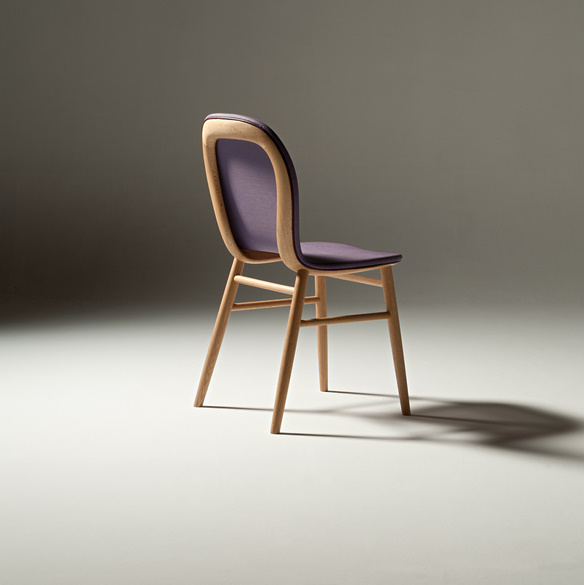
“Rosemary,” a gorgeously feminine chair by Kyoko Inoda and Nils Sveje


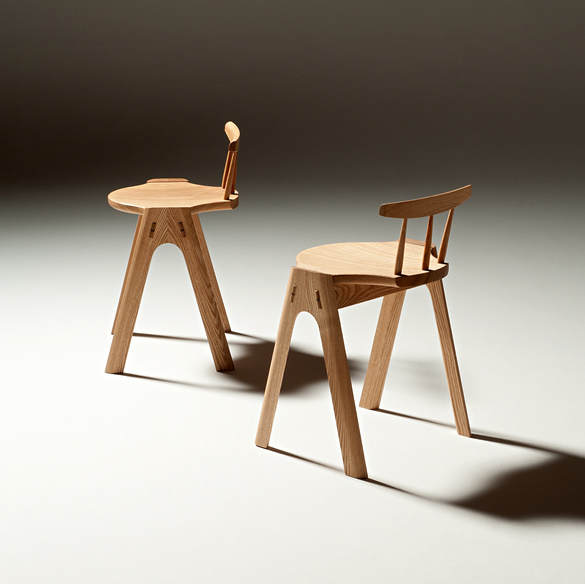
“A Chair” by Toru Takamura. A distorted chair but yes, a chair.


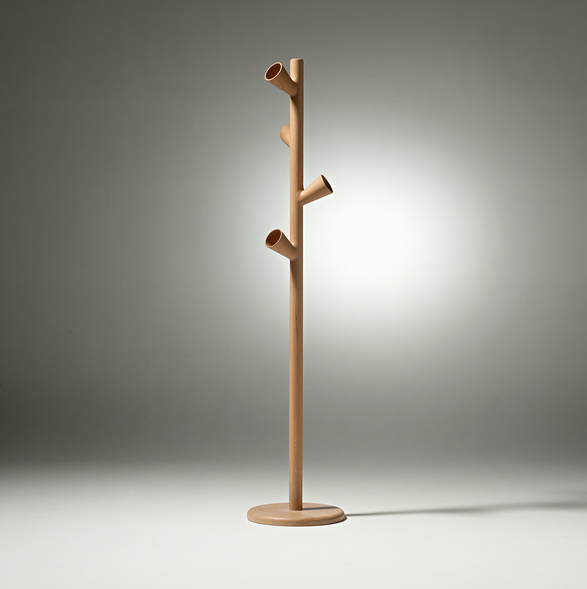
Adorable “Perch” coat rack by Chikako Katada


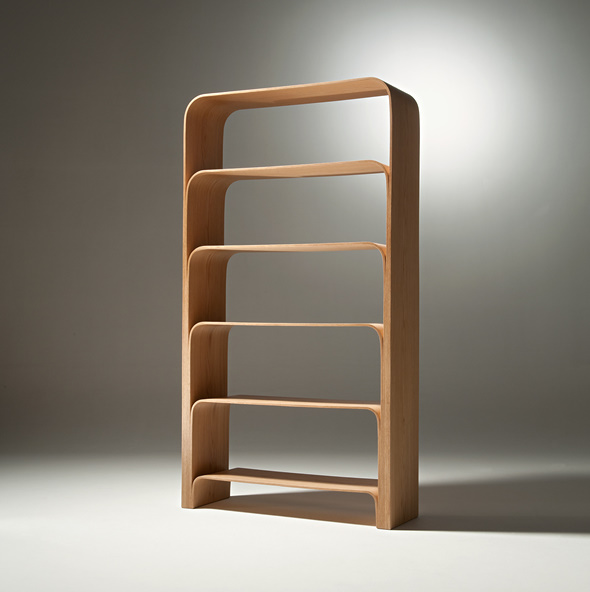
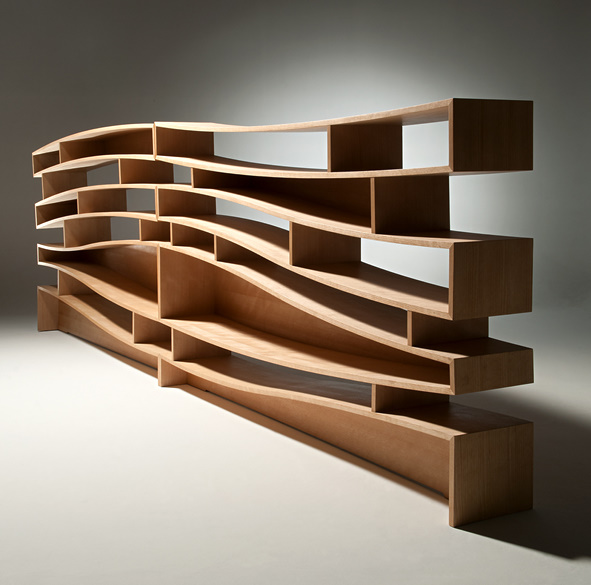
I love this incredibly dynamic “Horizontal Bookshelf” by Ju Hyeon Oh and EUN-jee Kim


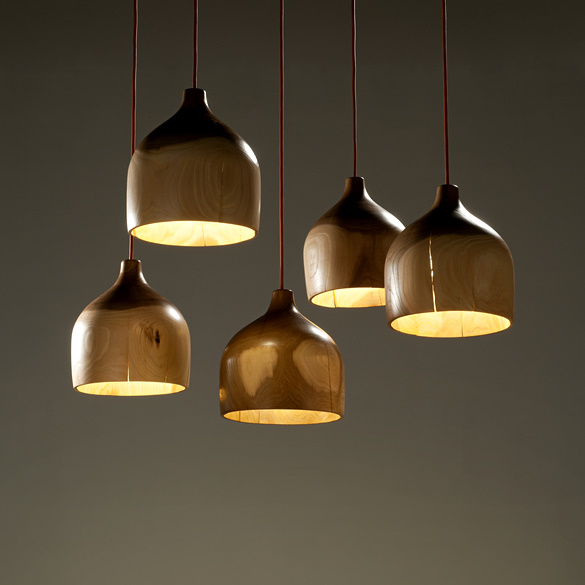
How gorgeous are these “Crack Bowl Pendant Lamps” by Jae Min Kwon


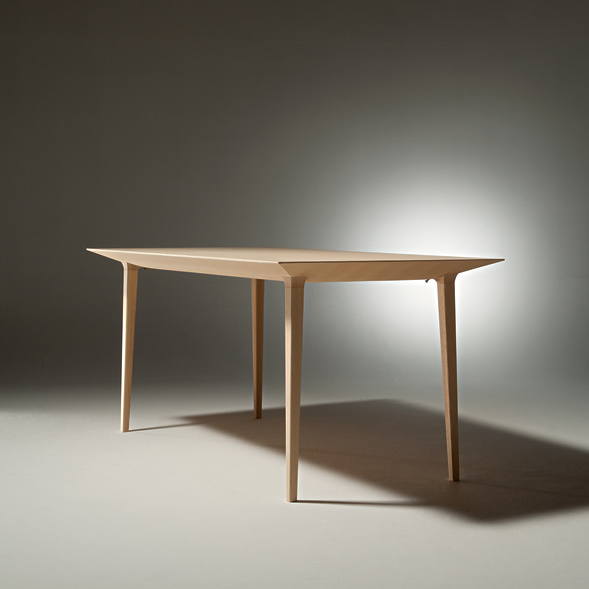
I love this geometric “Flush Table” by Takashi Oshima.

See all the entries here and keep an eye out for our coverage of the 2014 competition!

Spoon & Tamago on Dwell

We got a nice surprise yesterday when we found out Dwell had named Spoon & Tamago one of their favorite Japanese design websites! Wow! We’re super-thrilled and humbled to be included! Thank you to all who were involved.

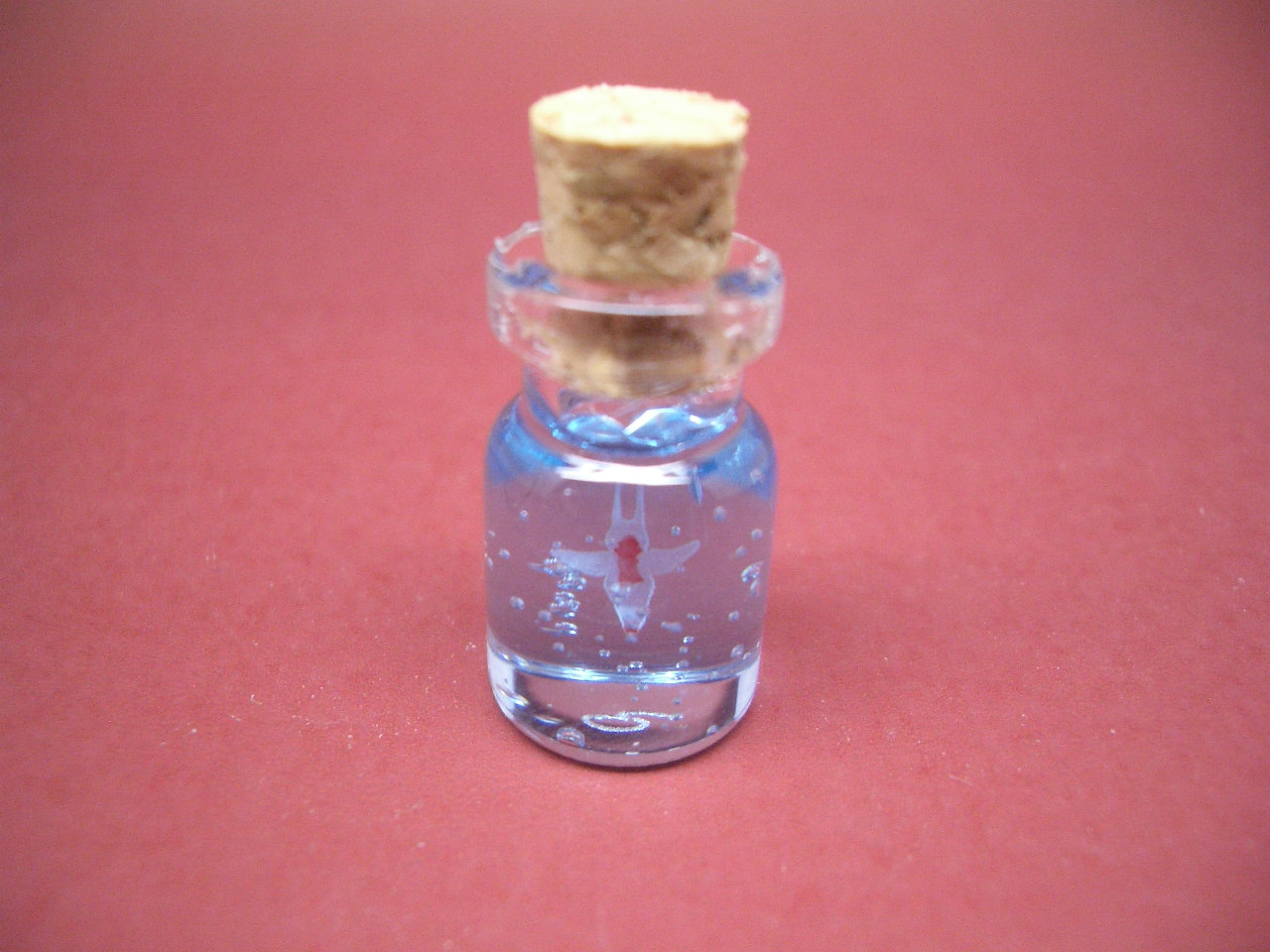
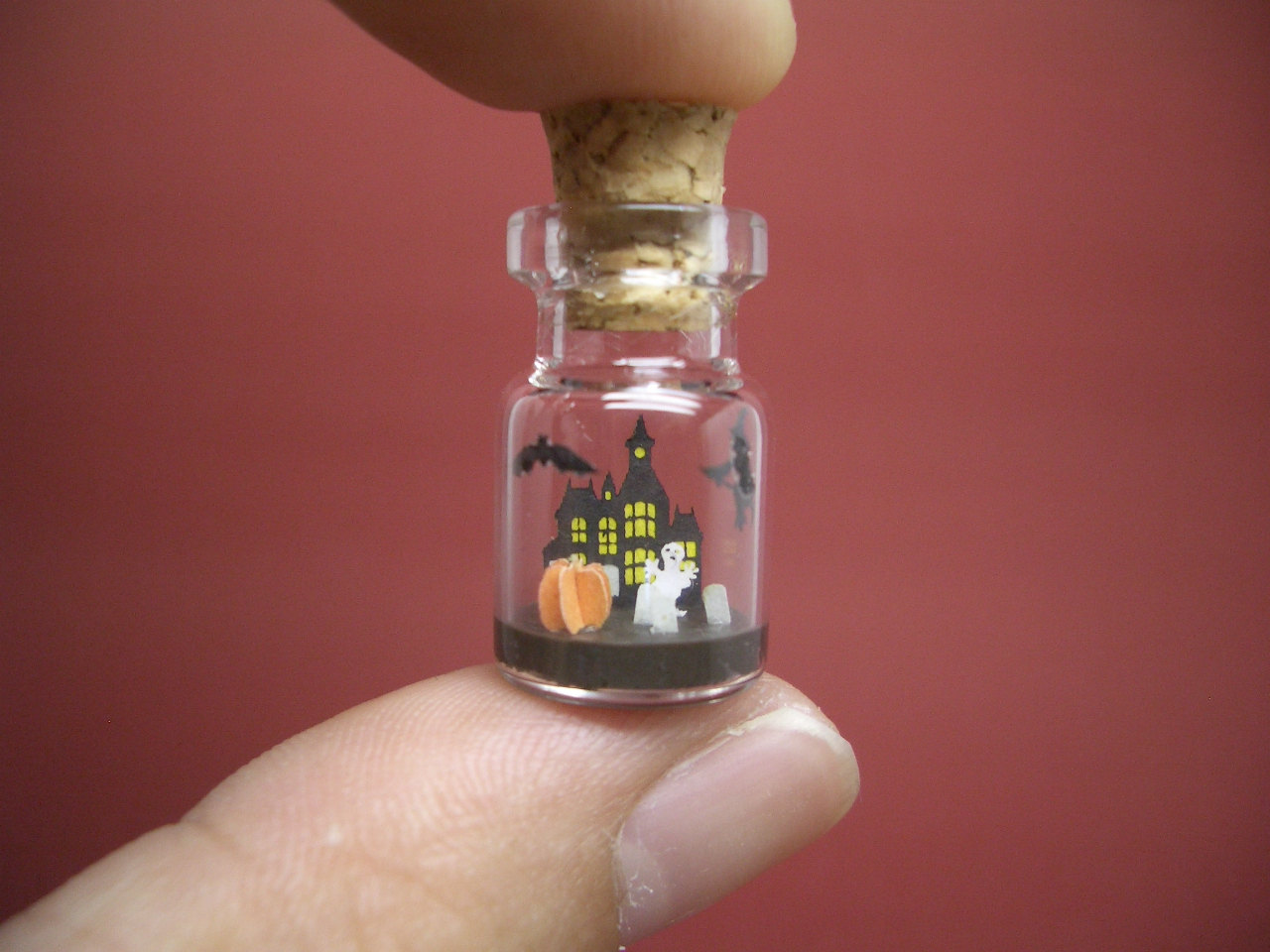
Tiny World In A Bottle

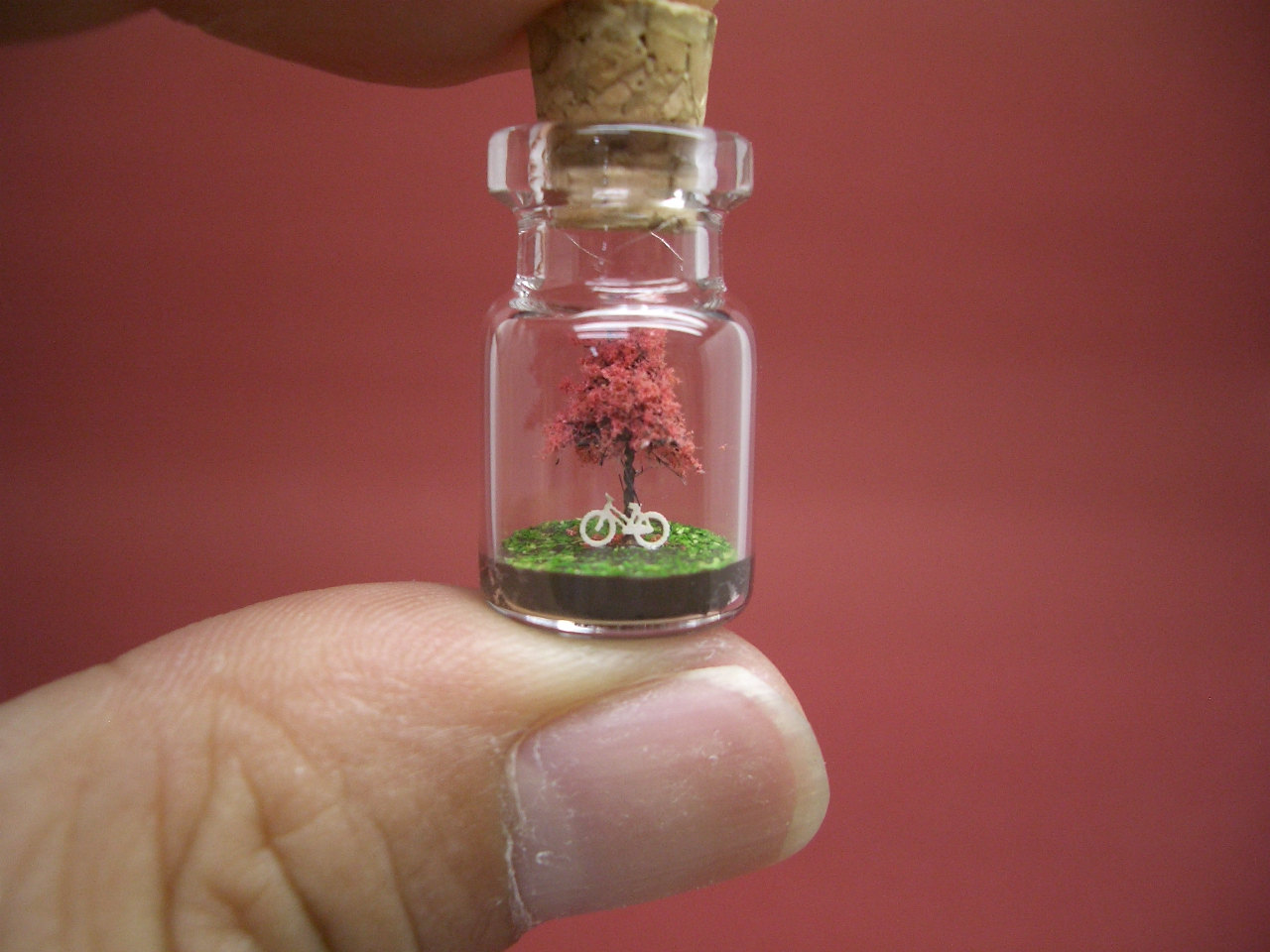
A red tree and a white bike

These tiny worlds created in a tiny glass bottle, literally, are the work of Akinobu Izumi and they’re available to you through his Esty shop (from $22 + shipping).

Sea angel

Halloween

Akinobu uses paper, clay, wax and resin among other materials to create these intricate miniature worlds.

Brontosaurus in a tiny bottle

See more of his work at Tiny World In A Bottle on Etsy. He is also on Twitter @TinyWorldBottle.


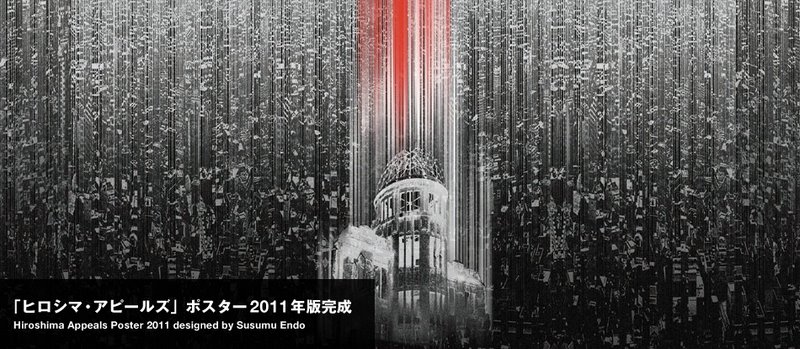
Hiroshima Appeals poster | 2011

With the goal of promoting peace at home and abroad, JAGDA has been producing “Hiroshima Appeals,” an annual poster to commemorate the end of WWII. This year’s poster was designed by Susumu Endo. When compared to previous designs, this year’s poster is filled with intensity and is considerably darker than its predecessors. And understandably so. It was just days after the Fukushima nuclear disaster when Endo was approached to design this year’s poster.

And Endo had his work cut out for him. In the light of a real-life nuclear disaster that uprooted age-old assumptions about atomic energy and served as a grim reminder of nuclear fission’s deadly potential, never since the initiation of this  series has a designer faced such a complex task. Which is perhaps what led to his choice to use the symbolic Hiroshima Peace Memorial (Genbaku Dome) as fodder for his design. It’s a haunting image that is as timely as it is urgent.

source: JAGDA


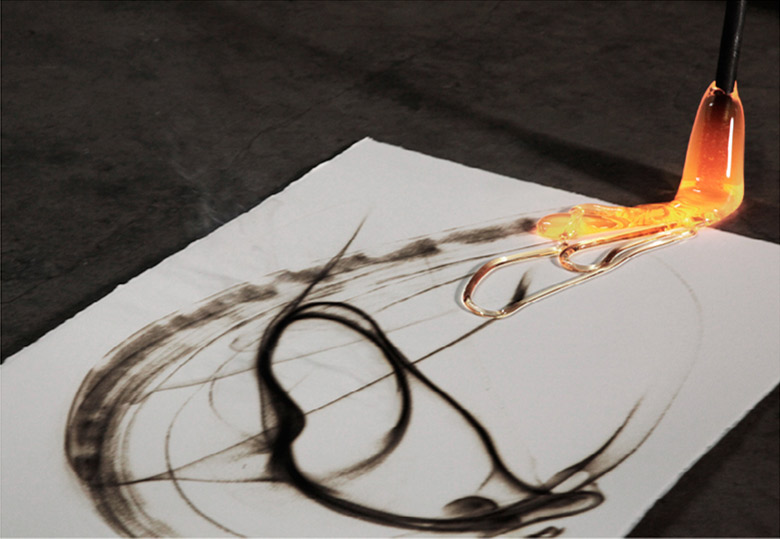
Molten glass pyrographs by Etsuko Ichikawa

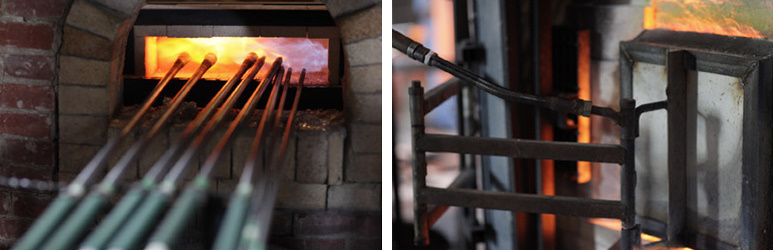
Etsuko Ichikawa is a Tokyo-born, Seattle-based artist who creates mesmerizing abstract prints through the art of pyrography. Specifically, Ichikawa removes fiery, molten glass from a kiln as it glows at 2100° F, and then manipulates it over thick paper, leaving scorch marks and burns. The process is something akin to photography, in which light is recorded on film, capturing and eternalizing the immediacy of a moment.

Watch the gorgeous video above, directed by Alistair Banks Griffin and recently filmed for the Anthropologist, a online space launched by Anthropologie back in 2009. Much in the same way that Kate Spade has their inspiration board, the Anthropologist is a website that highlights different artists and creatives that inspire the eclectic brand’s selection of clothing, accessories, books, and housewares. I would encourage you to check out some of their other segments as well such as  photographer David Eustace and forester Håkan Strotz.

Source: Notcot | the Anthropologist | etsukoichikawa.com

Satoshi Itasaka on the importance of concept-driven product design

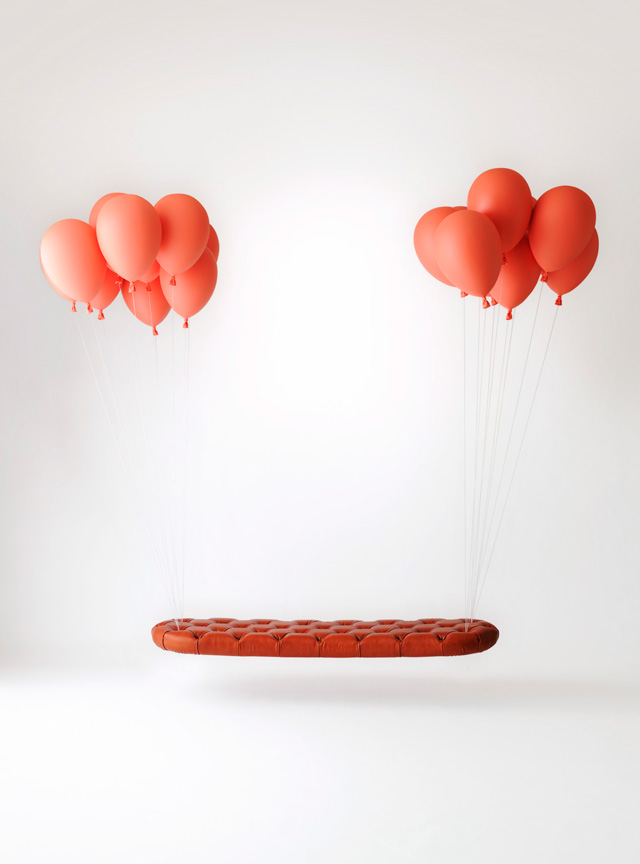
Balloon Bench (photos by Ikunori Yamamoto | click to enlarge)

Satoshi Itasaka is a product and furniture designer. Along with his partner Takuto Usami, Itasaka operates under the studio name H220430, which stands for Heisei 22 (2010) April, 30, the official start date of his new venture. He got his humble beginnings in the more formal field of architecture working for Kidosaki Architects.

As is apparent by their most iconic work, Balloon Bench, a whimsical and fairytale-like piece that captures the hearts of fans of both The Red Balloon and the movie UP, their work lacks both clear functionality and marketability. Yet in a society built upon mass production, mass consumption and the subsequent disposal of objects that no longer provide immediate gratification, there is something incredibly admirable in the work of H220430 and their ability to embed a concept into product design.


Schwarzwald Stool
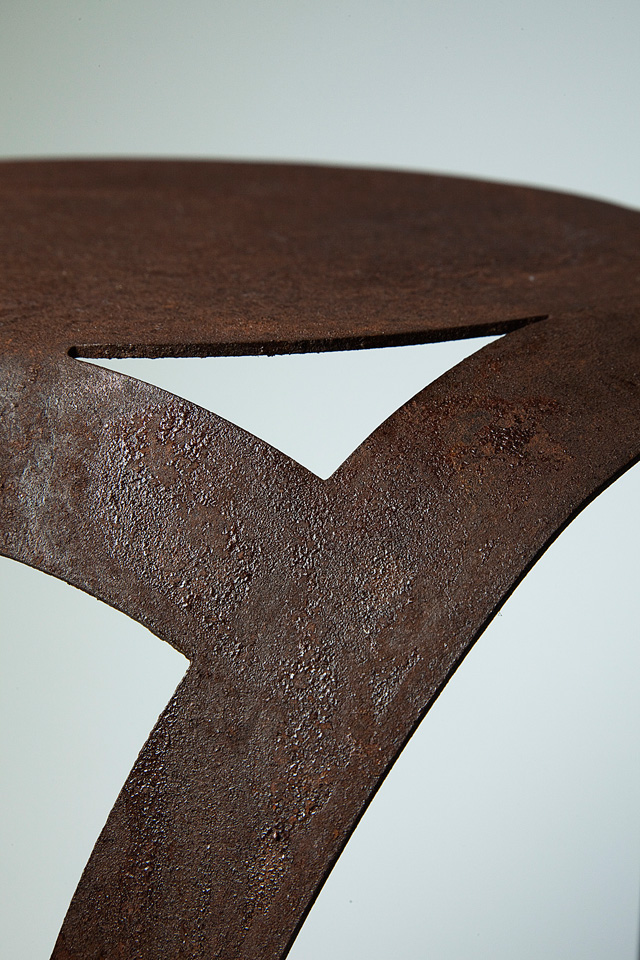

Schwarzwald Stool (detail)

Schwarzwald Stool
The Schwarzwald Stool was rendered the way it is by exposing it to levels of acidity found in acid rain. The stool is named after the Schwarzwald region in Germany where, in the 1960s, highly concentrated acid rain wiped out roughly 60% of the forests. Instead of falling to the ground, the trees gradually lost leaves and died a slow death. The stool itself is fully functional as it has a sealant that prevents further rusting and protects your clothes from rust stains.
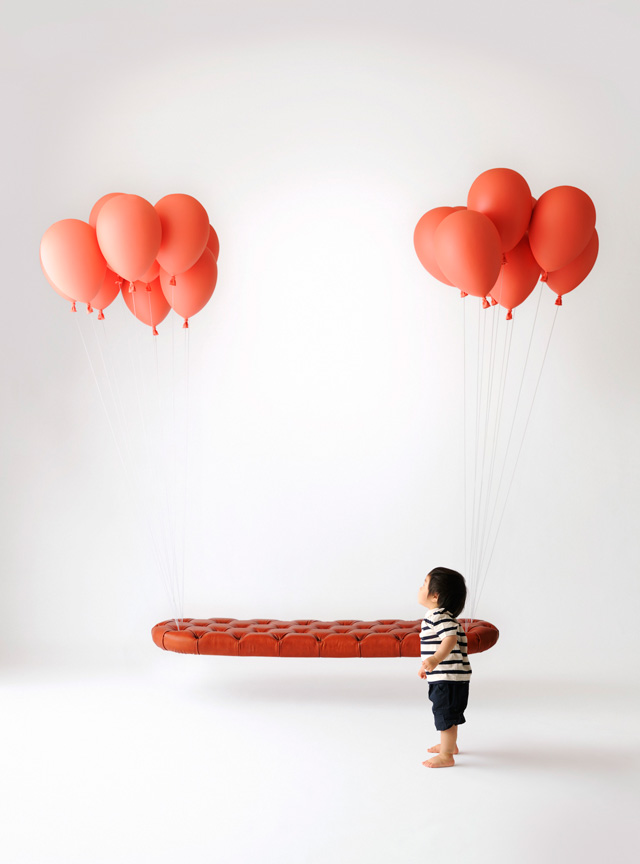

Balloon Bench


Balloon Bench (detail)

Balloon Bench
The Balloon Bench was inspired by of the 1953 French film Le Ballon Rouge. Specifically, the final scene where the little boy grabs onto the bunch of balloons and flies away. The bench was intended to put a smile on the face of anyone who interacted with it, much in the same way the movie but a smile on the designer’s face. Mission accomplished!
(In case you were wondering, the illusion is created by sculptural balloons that are actually mounted to a ceiling. You can purchase the piece through gallery SOMEWHERE)
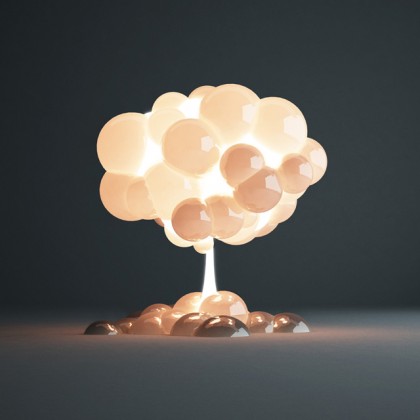

Mushroom Lamp

Mushroom Lamp
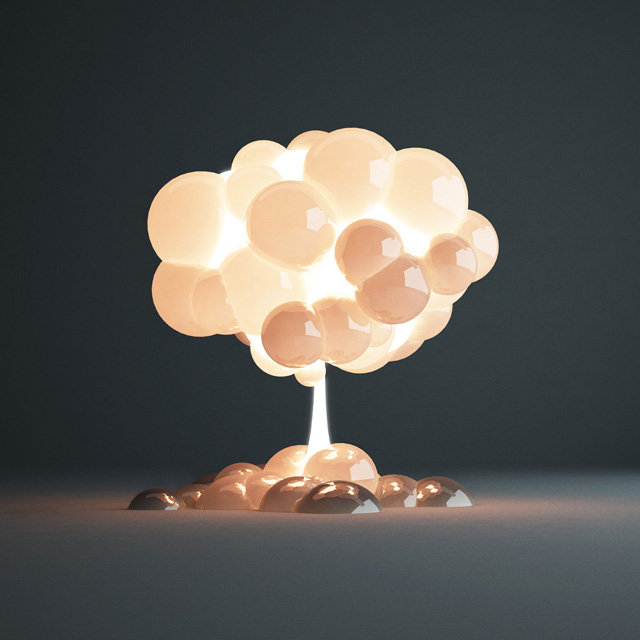
One of Itasaka’s most recent projects (and consequently available for purchase later this fall) is the sometimes-mushroom, sometimes-cloud shaped lamp that was designed in response to a complacency towards nuclear weapons. Despite 66 long years since the bombings of Hiroshima and Nagasaki, globally we stockpile 23,000 nuclear warheads; enough to annihilate the human race… and then annihilate it again…and again…and again…and again..and again.

With Mushroom Lamp, and in all his designs, Itasaka attempts to embed his work with relevant messages – something he calls “secondary communication.” In other words, a subtle message that is not always obvious but was a significant part of the design process. Through his designs Itasaka hopes to evoke a certain consciousness that would push our conceptual thinking into a new stage of dialogue.

Source: Hitspaper interview | h220430 website

Yozakura installation by Torafu Architects


Photos: Daici Ano / Takumi Ota / Daisuke Shimokawa

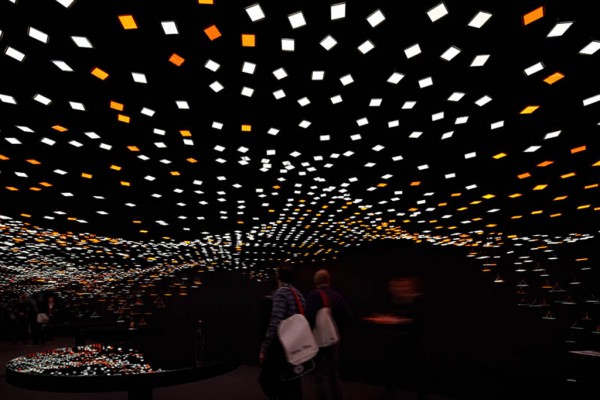
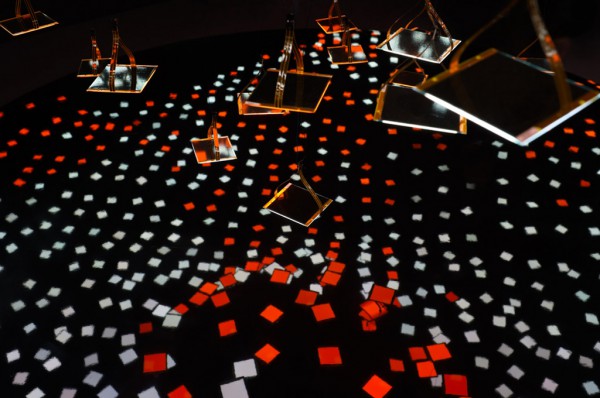
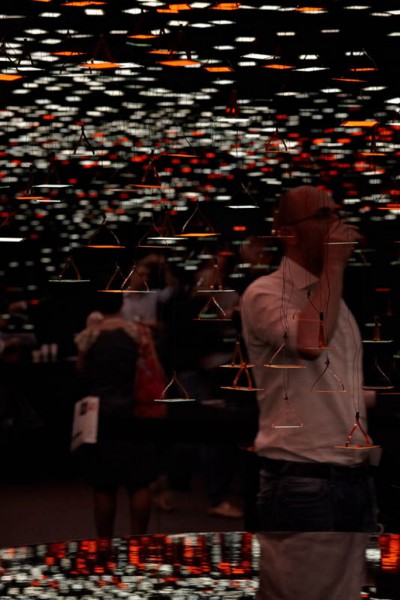
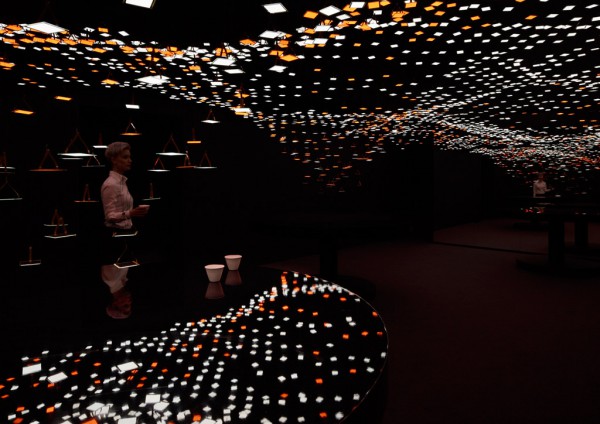
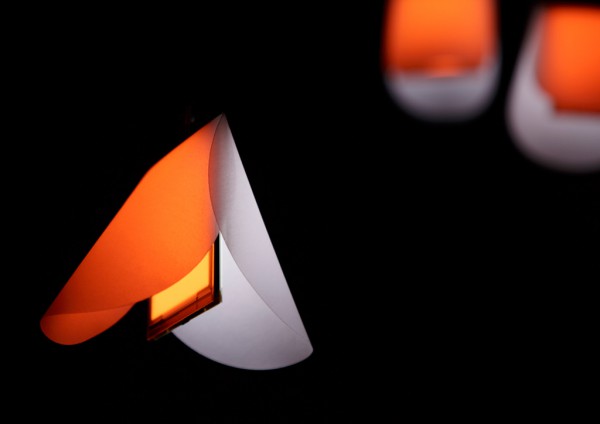
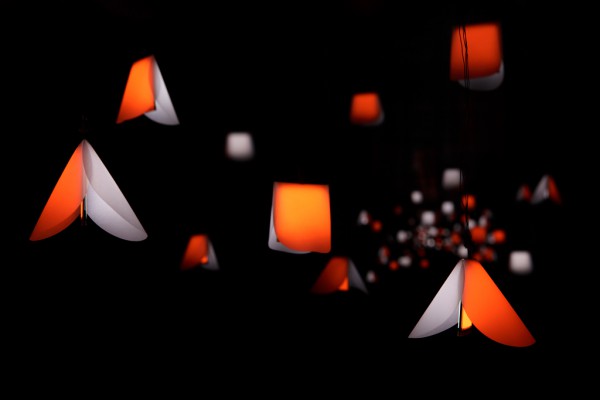
Earlier this year during Milano Salone 2011 Torafu Architects created an installation on behalf of Kaneka to illuminate the attractiveness of their next-generation organic LED lighting.

Hundreds of light-emitting diodes hung from the ceiling in arc shapes as they portrayed  one of Japan’s most favorite spring pastimes, yozakura, or cherry blossom viewing at night. It’s a perfect combination of something new and something old.

Source: Torafu Architects website
Arata Isozaki and Anish Kapoor to bring mobile concert hall to devastated regions in Tohoku


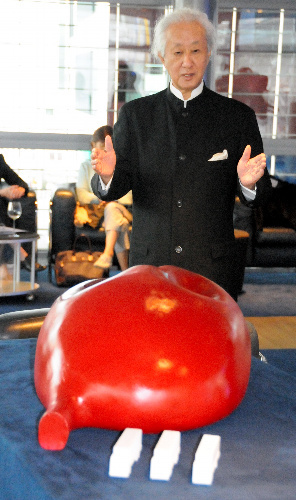
Arata Isozaki describing the project at a press conference yesterday

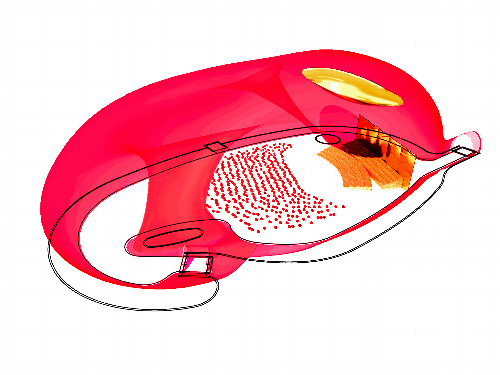
This is exciting! It was reported yesterday that renowned Japanese architect Arata Isozaki will team up with British-Indian sculptor Anish Kapoor to create a mobile concert hall that will tour the affected areas of Tohoku, delivering hope and encouragement in the form of music. Characterized by an inflatable red shell-shaped structure, Ark Nova will hold up to 700 people at a time.
Although participating musicians have yet to be announced, the project has already secured Yasuhisa Toyota as the acoustician. Ark Nova plans to begin touring next summer.


rendering of the Ark Nova mobile concert hall

source: Asahi (JP)

« Older posts Newer posts »

© 2026 Spoon & Tamago

Up ↑

Design by Bento Graphics