Page 291 of 406

iPhone/iPad apps by Katsushi Nakano

Typo Design Clock - iPhone

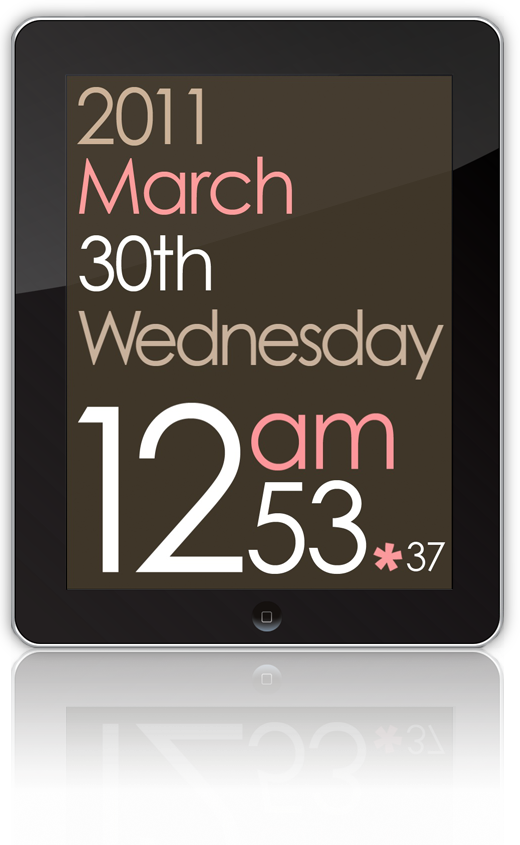
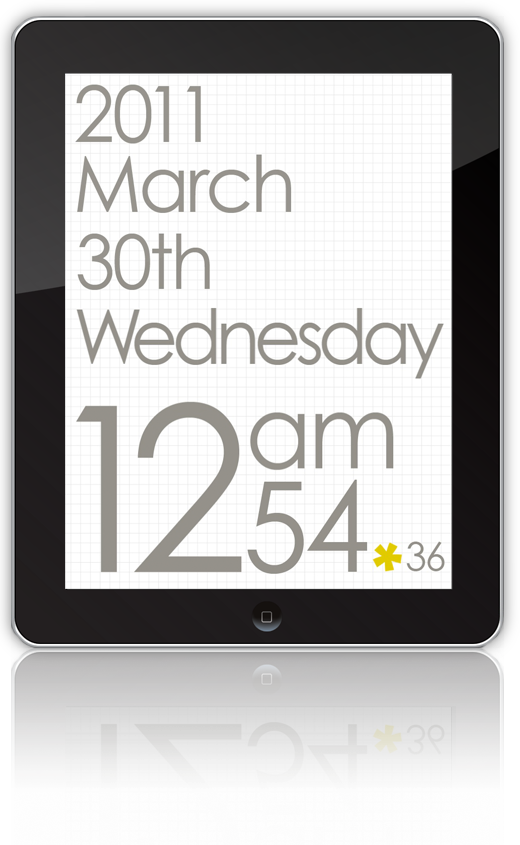
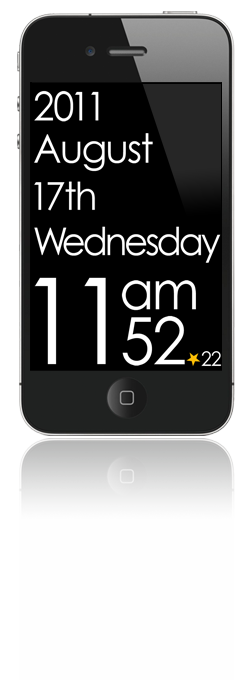
I’m loving this simple TypoDesignClock ($0.99 at the iTunes app store) app for the iPhone by Katsushi Nakano.


TypoDesignClockTypoDesignClock

It’s also available on the iPad  (iTunes link) for $0.99.

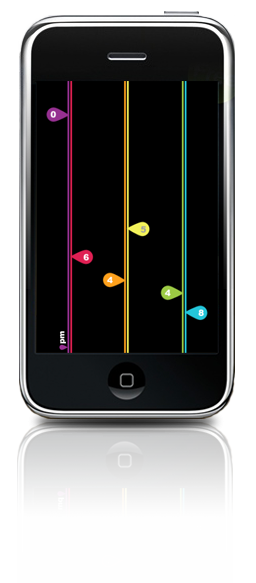
Dropi Clock - iPhone

This fun Dropi iPhone app (iTunes link) and more applications by Katsushi Nakano can be found on his website at katsushinakano.com.

Katsushi Nakano is a applications, graphic, and industrial designer currently based in Vancouver, Canada. Katsushi Nakano on Twitter: @katsushinakano.

via DesignMilk

Takashi Murakami’s GEISAI #15

As an extension to the art exhibition picks we are doing this week, we thought we’d round up some artwork in a slightly different vein. Since 2002, Japanese artist Takashi Murakami has been organizing a one-day art extravaganza known as GEISAI that takes place twice a year. Already in its 15th iteration, the latest event for young and budding artists across Japan was cancelled 2 days ahead of its scheduled opening – yet another consequence of the devastating disaster on March 11.

However, over the summer organizers pulled together what they are calling “petit GEISAI #15,” a slightly trimmed down version of what was previously known to attract over 10,000 visitors and hundreds of exhibitors. And yet “petit,” while also referring to the 29-year age cutoff, is somewhat of a misnomer. Maddie and I spent the better part of our morning combing through the 200+ participating artists who were just announced earlier this week, in order to select just a handful of what you can expect to see. The fun goes down October 9, 2011 (see bottom of post for details)!


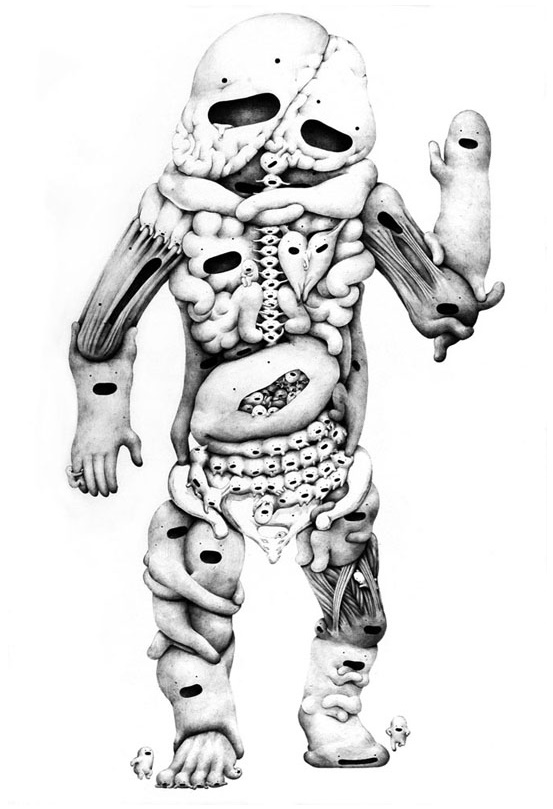
“Mugon” (2009) by Kumiko Nagaiwa. This odd animal has a heartbeat, weighs 1.5kg and maintains a proper body temperature. One more pic here.
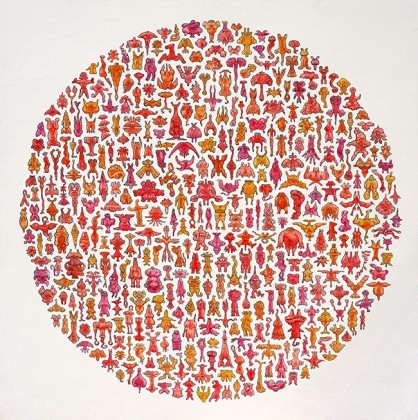

“motsu motsu” (2011) by Shinri  Yokoyama. Detail here.
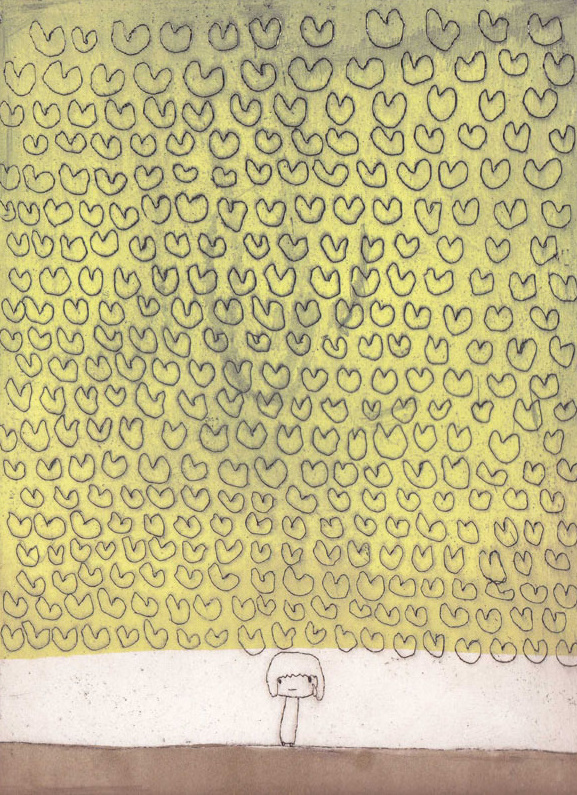

a lovely piece by Koji Doi
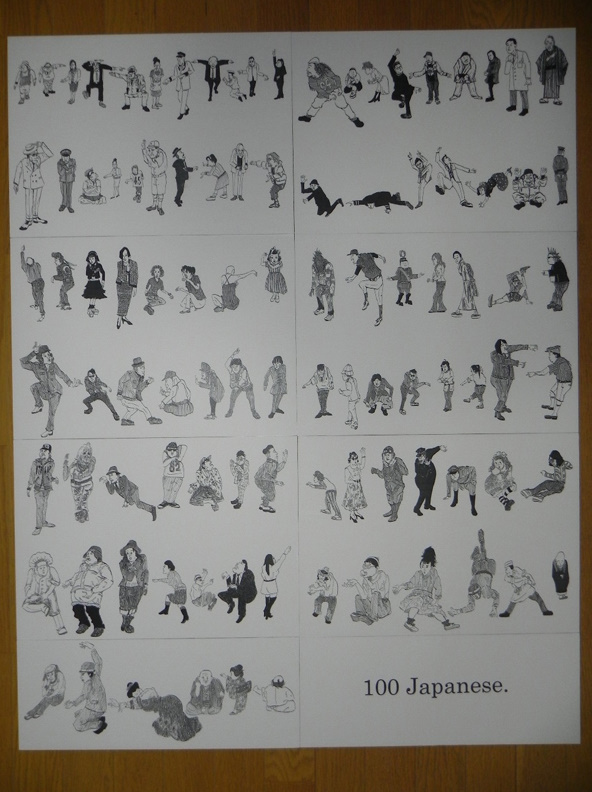
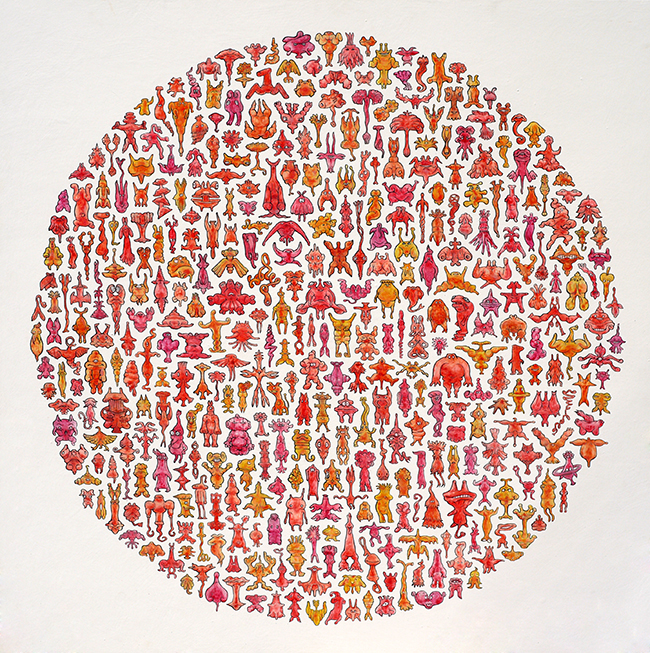
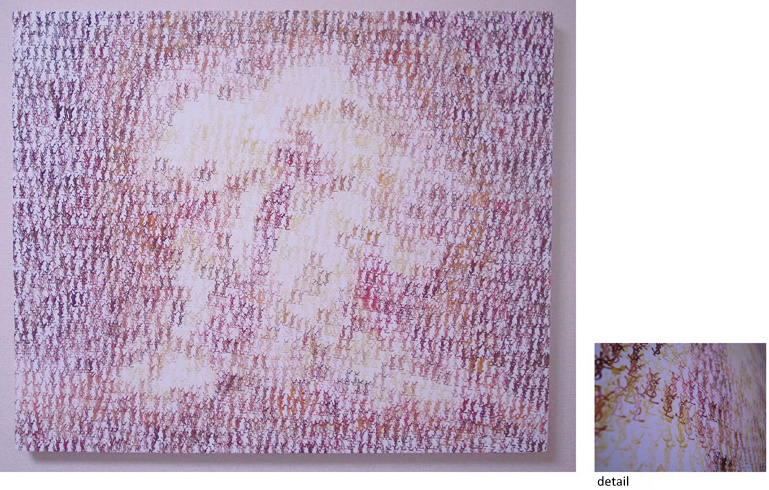
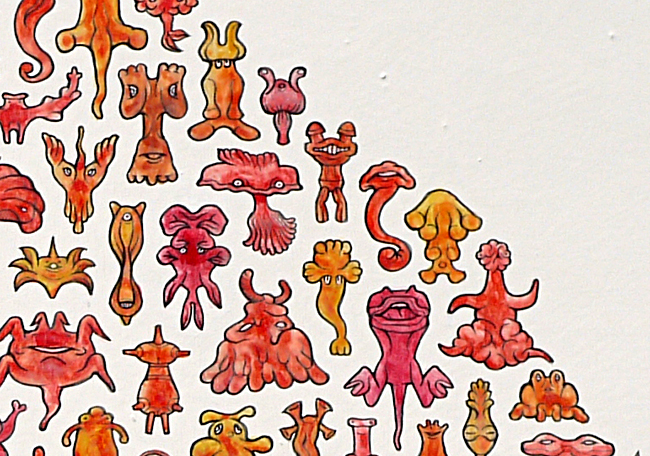
Shingo Tanaka thinks he can categorize the Japanese psyche into 100 different caricatures


We couldn’t resist these felt animals by HIROKO
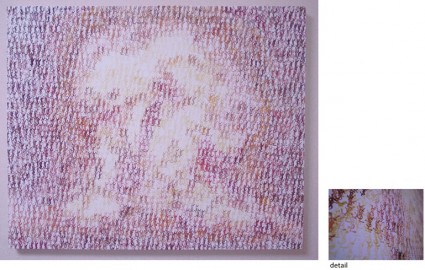

BakaGaka uses high-end brand logos in massive repetition to create impressive works on canvas.
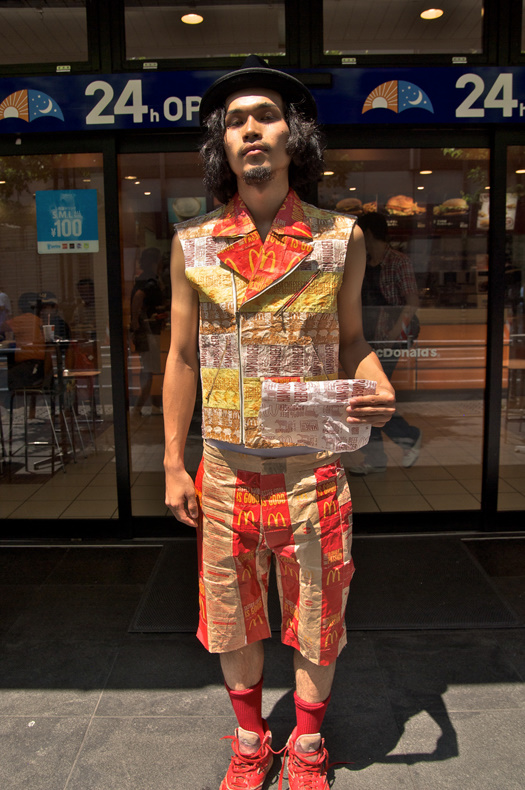

Yuta Nohara uses his background in fashion to create functional clothing out of garbage. That’s right, garbage.
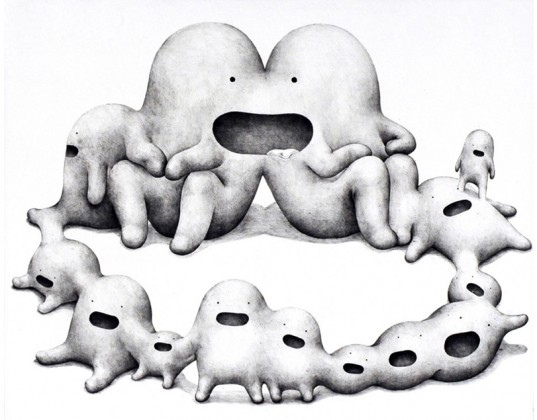

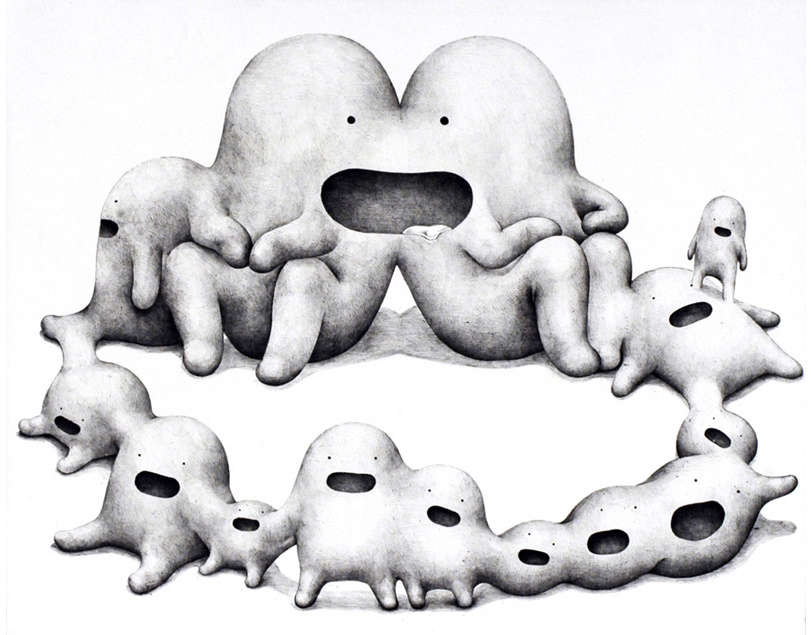
We were enthralled with Mamina Kitazono’s manga-insired blobs. One more.


Simply known as Hekichi, the artist created these fantastic prints of everyday objects. Detail here.
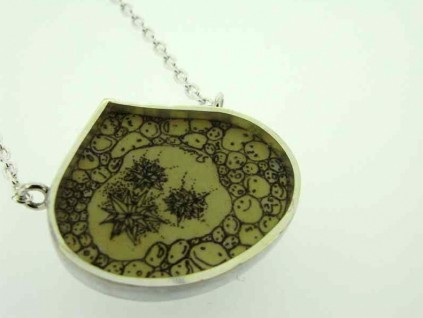

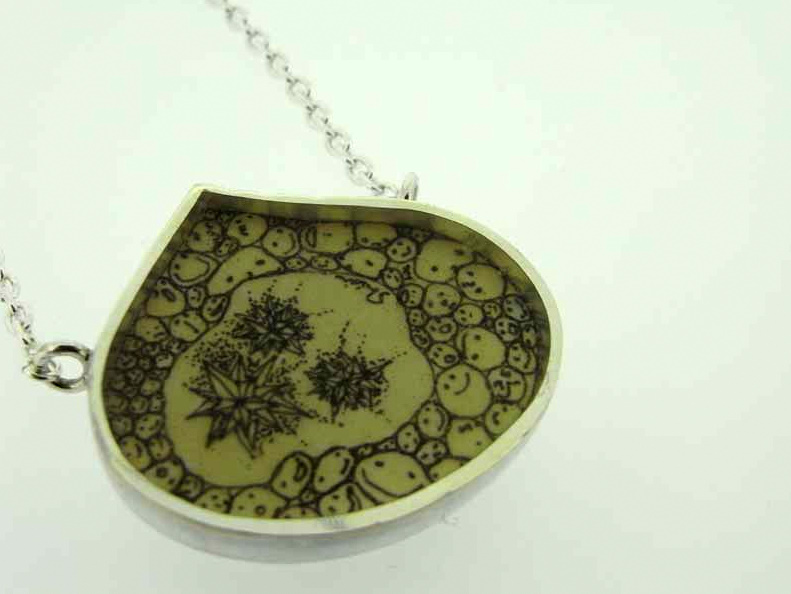
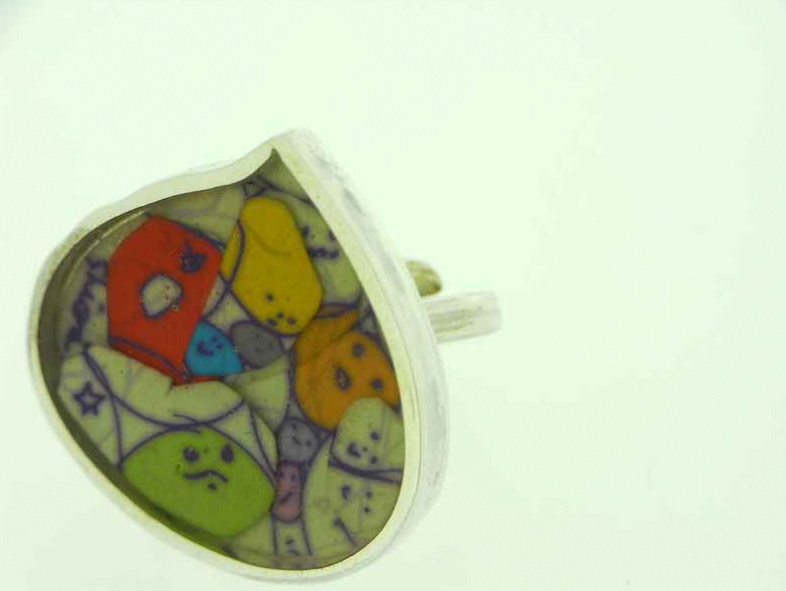
Shiori Nishiguchi embeds miniature drawings into jewelry. One more.

————————————————————————————–
petit GEISAI #15
2011.10.9
Tokyo Metropolitan Industrial trade center – 7th floor (Gmap)

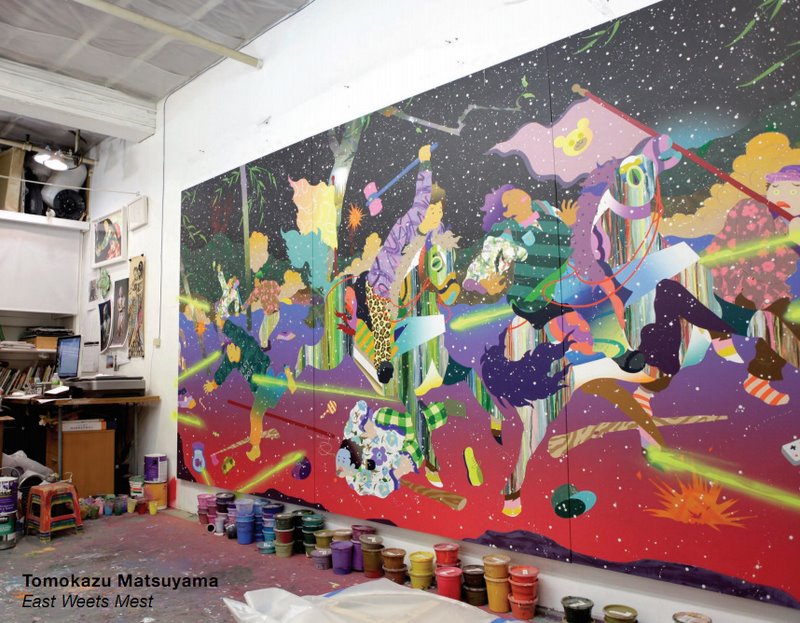
East Weets Mest | Tomokazu Matsuyama at Joshua Liner Gallery

Tomokazu Matsuyama at Joshua Liner Gallery
images courtesy Joshua Liner Gallery | click to enlarge

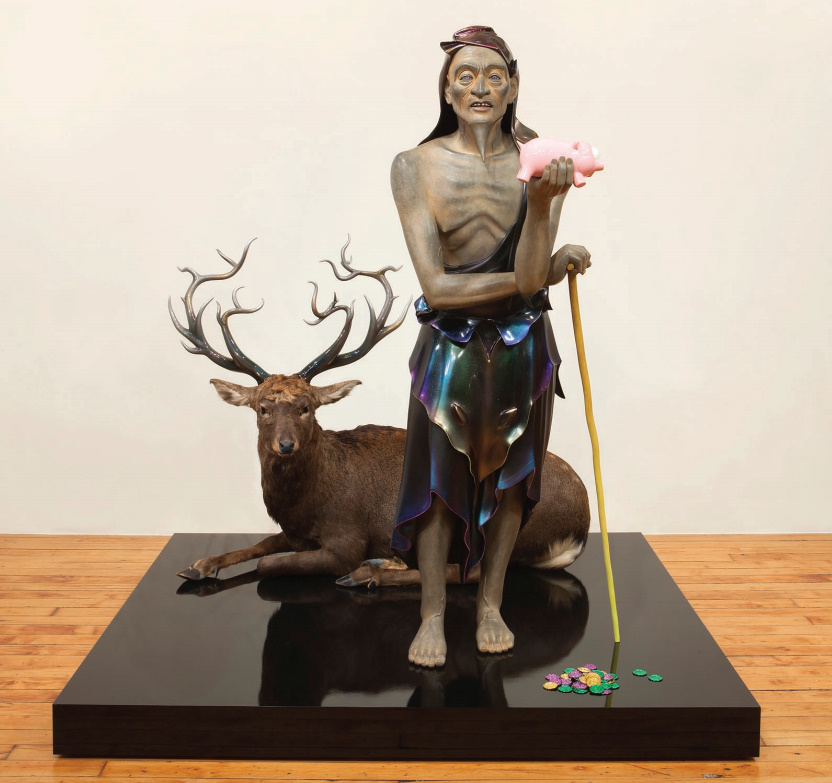
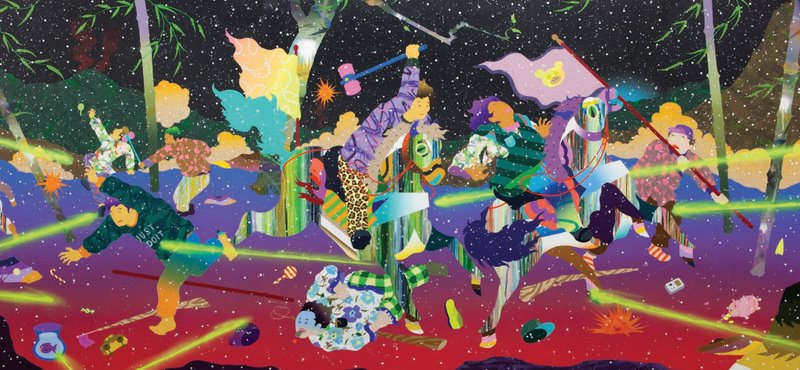
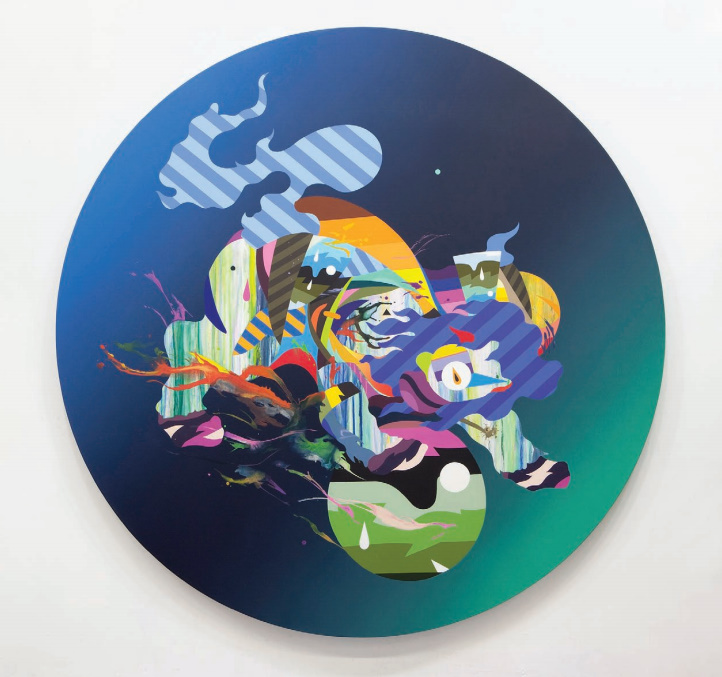
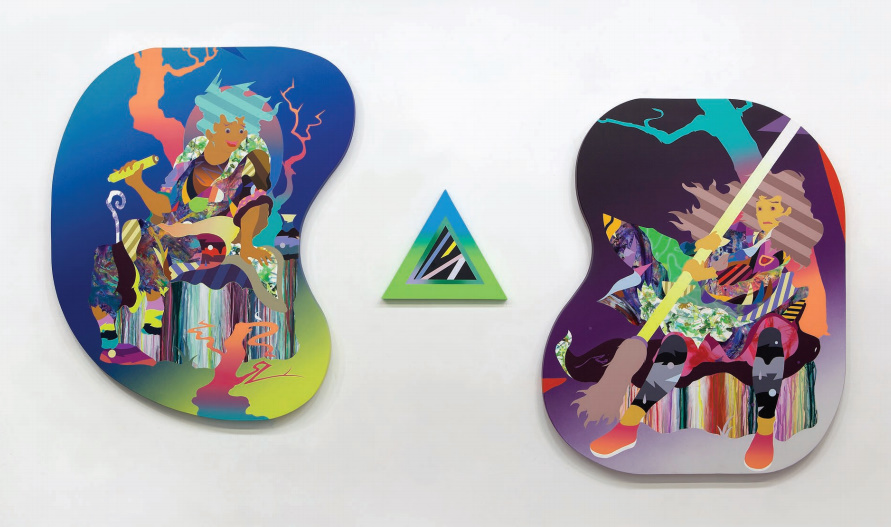
Continuing on with our picks for this season’s Japanese art shows is Tomokazu Matsuyama, whose solo show opened on September 8 at Joshua Liner Gallery.

I love the bright color palette, visual interestingness and narrative that defines the work of Matsuyama. But, on a deeper level, what I think I’m most attracted to is the ambiguity in which the artist’s work comfortably rests within the grey area between Japanese and American pop art.

Tomokazu Matsuyama at Joshua Liner Gallery
“Money Talks” (2011). FRP, taxidermy deer, wood, metal, polyurethane plastic, paint, glass eyes, plastic coins

Tomokazu Matsuyama at Joshua Liner Gallery
“Toys and Candy” (2011). Acrylic and mixed media on canvas

Tomokazu Matsuyama at Joshua Liner Gallery
“Mrs. Omega” (2011). Acrylic on canvas

Tomokazu Matsuyama at Joshua Liner Gallery
“Cold Mountain and The Foundling” (2011). Installation view

The 35-year old Matsuyama originally fled Tokyo to pursue an art career in NYC – something he felt was far too risky in Japan’s rigid art industry. It was also an attempt to escape the fourth law of thermodynamics – the graphic designer-entropy principle – which states that ambitious, intelligent artists who can’t decide what to do decompose into magazine art directors. He attended the Pratt Institute in Brooklyn and currently works out of a studio in Greenpoint. In addition to producing his own art, Matsuyama has also worked with the likes of NIKE and Levi’s on collaborative projects.

Source: twitter | cbcnet (JP interview)
Island | Yutaka Sone at David Zwirner


images courtesy David Zwirner | click to enlarge

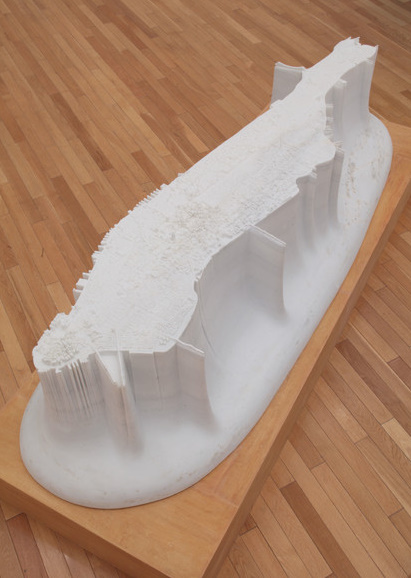
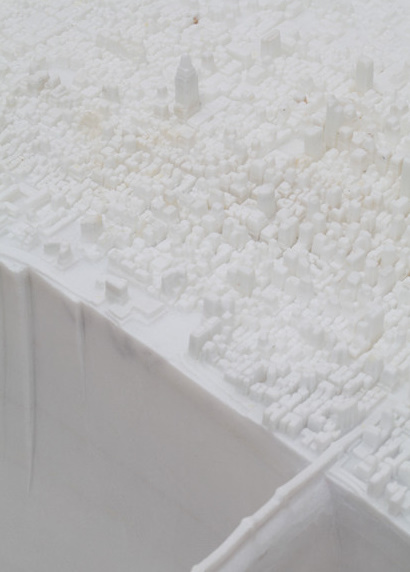
Continuing on with a few picks of upcoming Japanese artists showing in New York, I give you Yutaka Sone, who may have unknowingly produced the heaviest (and most expensive?) map of Manhattan.

Little Manhattan (2007 – 09), which is part of the artist’s solo show at David Zwirner (opening September 20) was painstakingly carved from a block of marble and consists of excruciating detail that was replicated using photographs, Google Earth and several helicopter rides over the city. I do hope the artist was happy where he was working because at 2.5 tones, it’s a bit different from rearranging your furniture.

Originally trained as an architect, Sone’s obsession with landscape and construction have led him to produce similar pieces that replicate Hong Kong Island, Los Angeles highway junctions, a mountain range, a section of a rainforest, ski resorts, and his own backyard.


DANDAN | Tabaimo at James Cohan Gallery

With New York gallery openings in full swing (there were over 200 last week, according to NYAB) I’ve decided to pick and choose a few Japanese artists that would be worth your time.

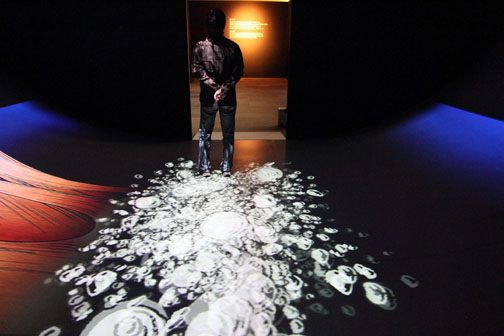
If there is one show you should check out this season, it’s the Japanese artist Tabaimo, whose solo show opens at the James Cohan Gallery on September 15. The 36-year old female artist is currently representing Japan at the Venice Biennial with the installation, ‘teleco-soup’ (above), “an immersive multi-media environment that transforms the Japanese Pavilion into the interior of a well.”

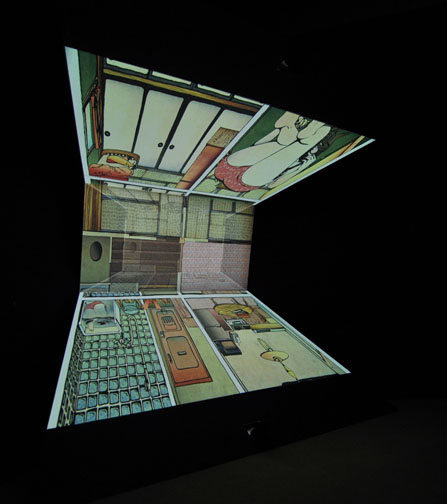
On display at the gallery will be BLOW (2009), danDAN (2009) and guignorama (2006). Want more? More.

Tabaimo - BLOW
BLOW (2009) – viewers are invited to walk through the installation, projected onto a curved half-pipe ramp.

Tabaimo - danDAN
danDAN (2009) – projected onto three angled panels, the video portrays a cross-section of a housing complex.

Tabaimo - guignorama
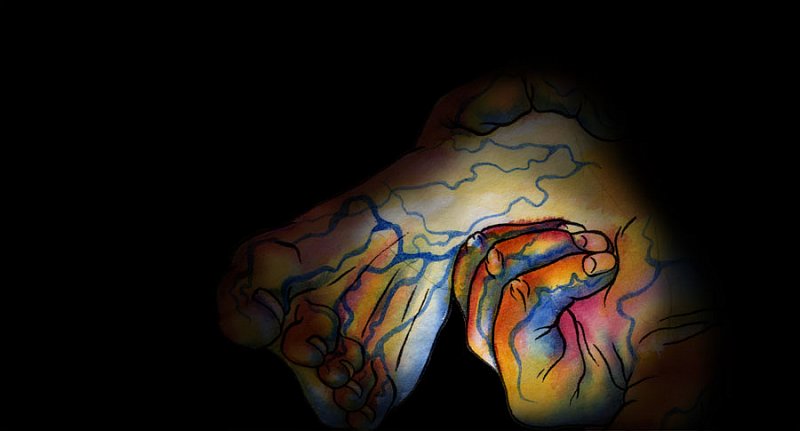
guignorama (2006) depicts veined hands grasping, grappling and locking together. all images courtesy James Cohan Gallery

Source: twitter

World Trade Center Tower 4 by Fumihiko Maki

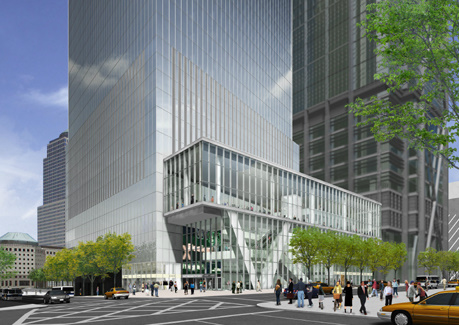
Considering the political hoopla and horse-trading surrounding the construction of the World Trade Center site’s master plan, it’s astonishing that the memorial is actually opening on schedule today. Of the six towers that are part of the planned rebuilding, only two are currently visible: 1 World Trade Center (Freedom Tower) by David Childs (of SOM) and 4 World Trade Center, by Fumihiko Maki (who coincidentally was also previously employed at SOM).

Maki was educated in Tokyo but made his way to Harvard for his post-graduate work. Up until the early 1990s, Maki was predominantly commissioned in Japan before branching out into the U.S., Germany and then Asia. He is one of four Japanese to have received the prestigious Pritzker Prize (in 1993) and is also credited as being one of the founding fathers of the Metabolism Group, a Japanese post-war architectural movement characterized by “large scale, flexible, and expandable structures that evoked the processes of organic growth.”


click images to enlarge

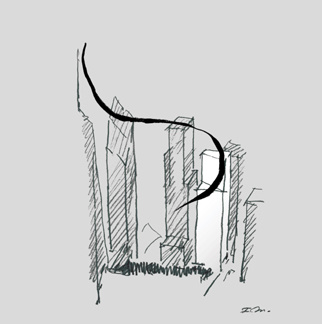
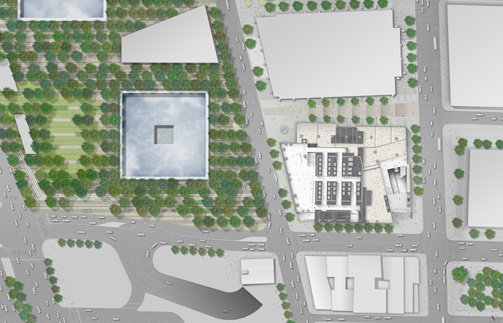
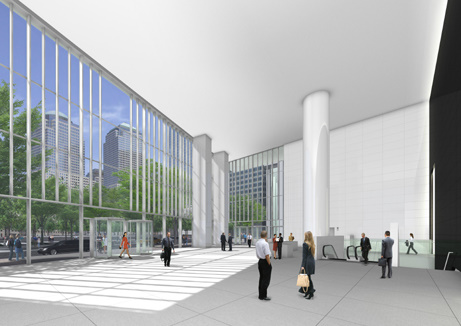
Tower 4 is a minimalist structure that, when completed in 2013, will stand at 61 stories high, making it the 4th tallest in the new site. From the ground, visitors will be greeted by a bright, welcoming four-story lobby made of glass. However, when viewed from afar, it is easily the most nondescript of the group. Standing straight and tall with dignity, its one defining feature is a void, chiseled away at the top, producing a trapezoid crown. This, the architect argues, is a subtle yet vital part of the composition that helps create interaction between the other buildings that are part of the master plan.

Those who dismiss Tower 4 for being boring, are both right and wrong. They are right in their visual assessment that the structure is mundane and repetitious. But what they fail to realize is that so much of New York City is about the ordinary colliding with the monumental. Ten years ago, when 3000 lives disintegrated, the impact was undoubtedly felt across the world. If you lived in New York, the atrociousness was instantaneous. If you lived elsewhere (I happened to be in Washington DC at the time) it felt like science-fiction and reality slowly blending together. What’s obvious to anyone living in the city now is that we are not waiting on these towers to move on. New York has quietly picked up the shattered fragments of that infamous day and resumed what we are best at.

After 9/11 by Miya Ando


click images to enlarge

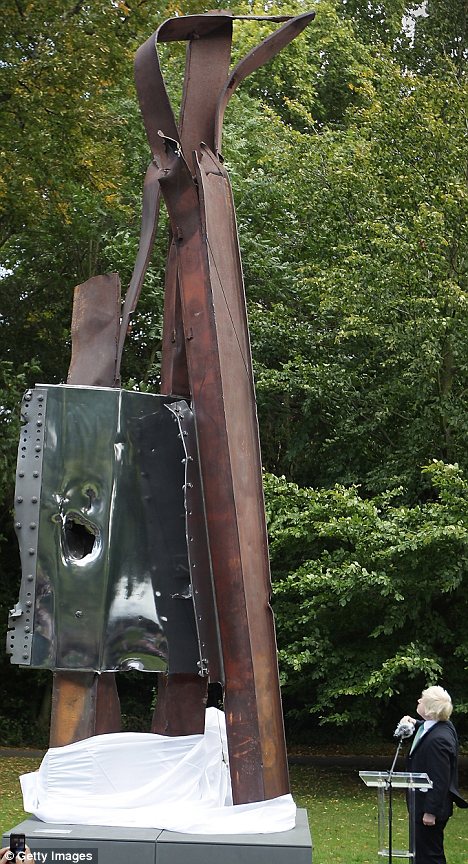
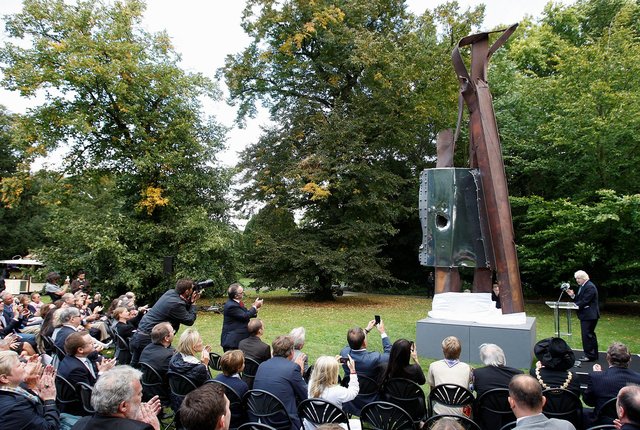
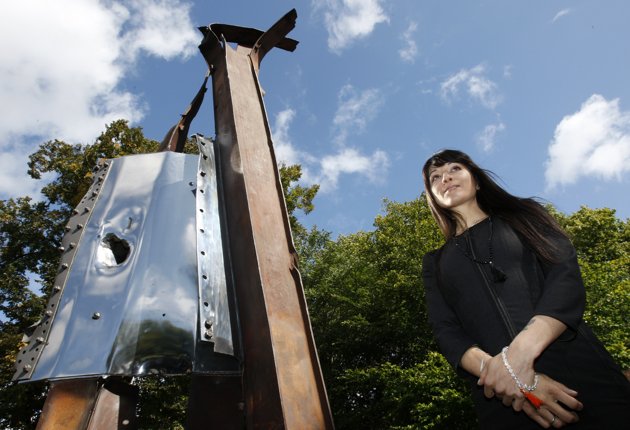
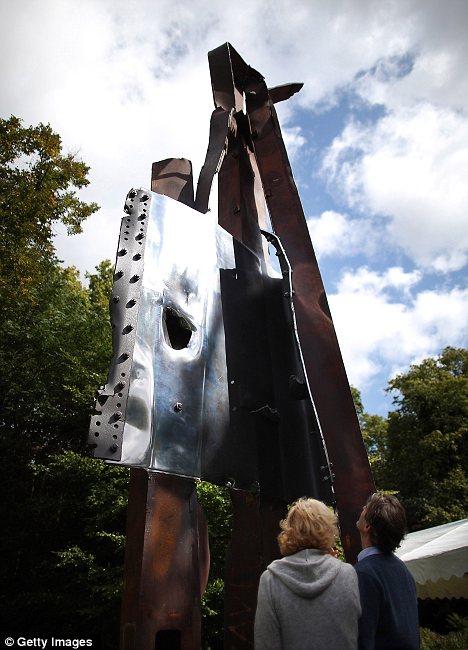
Last week in London Miya Ando unveiled a sculpture titled “After 9/11.” The piece, which is intended to commemorate the attack on the World Trade Center towers 10 years ago, was fashioned out of contorted remnants of the fallen towers, which were donated by New York’s Port Authority. The sculpture was commissioned by the 911 London Project, an educational charity dedicated to helping students understand what happened on that fateful day.


Mayor Boris Johnson at the unveiling | image © Associated Press


Artist Miya Ando | image © Associated Press

The structure, which stands tall with resilience, consists of 3 sections of the twin towers: enmeshed girders and a steel plate. However, as is the case with much contemporary art, Ando’s sculpture is not without controversy. Some victims’ families felt that the use of the mangled steel was an overly-graphic representation of the tragic events of 9/11 that would only cause them more grief and pain. In fact, opposition was so great that organizers were forced to relocate the sculpture from its original high-traffic location, outside London’s city hall, to a temporary and notably more discreet location in Battersea Park.

Personally, I think it’s a shame that they had to move the sculpture. I think everyone should see it. If there is anyone qualified to construct such a monument, it’s Ando. As we’ve noted in the past, Ando is a descendant of samurai-era Bizen sword makers-turned-Buddhist priests, and she carries on her family’s heritage by primarily working with steel, and with a very minimal aesthetic. But we don’t need emblematic credentials to justify the piece. Much akin to the Hiroshima Peace Memorial, a bombed-out dome whose skeleton still stands after the dropping of the atomic bomb, “After 9/11” is a poetic symbol of peace and reflection. It’s a poignant reminder of the strength – and equally, the fragility – of human life.

source: Miya Ando newsletter | DailyMail


Blind | a short film set in post-nuclear Tokyo

Blind is a short film by Yukihiro Shoda and Jamie Holland, set in post-nuclear Tokyo. Clocking in at just under 4-minutes (minus the credits), the film captures the slightly surreal morning commute of a salaryman. For all its visual power, Blind is most haunting in that the film primarily remains within the realm of reality. It is not too hard to imagine a future Tokyo in which schoolgirls custom-pimp their gas masks amidst a highly abnormal situation  that has quickly become the new normal.

All the footage was shot ahead of time but the post-production was funded through a kickstarter campaign. Watching the film I was also reminded of a recently-conducted chilling interview with ex-Prime Minister Kan in which he talks about early images he had of an empty Tokyo – a devastating nightmare whose reality hinged on TEPCO’s ability to cool their nuclear reactor.

(fun fact from the interview: those blinged-out gas masks, designed by make-up artist Mio Shoji, were the most expensive part of the production)

Source: twitter | TimeOut Tokyo

Related:

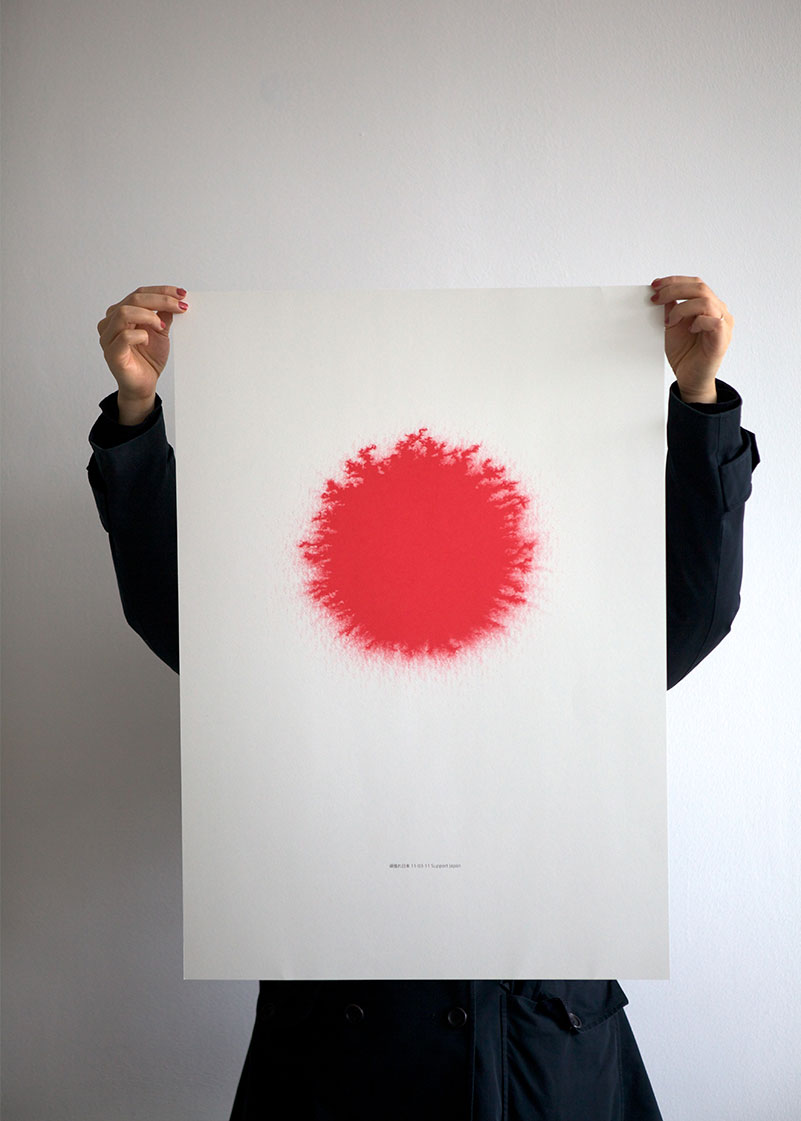
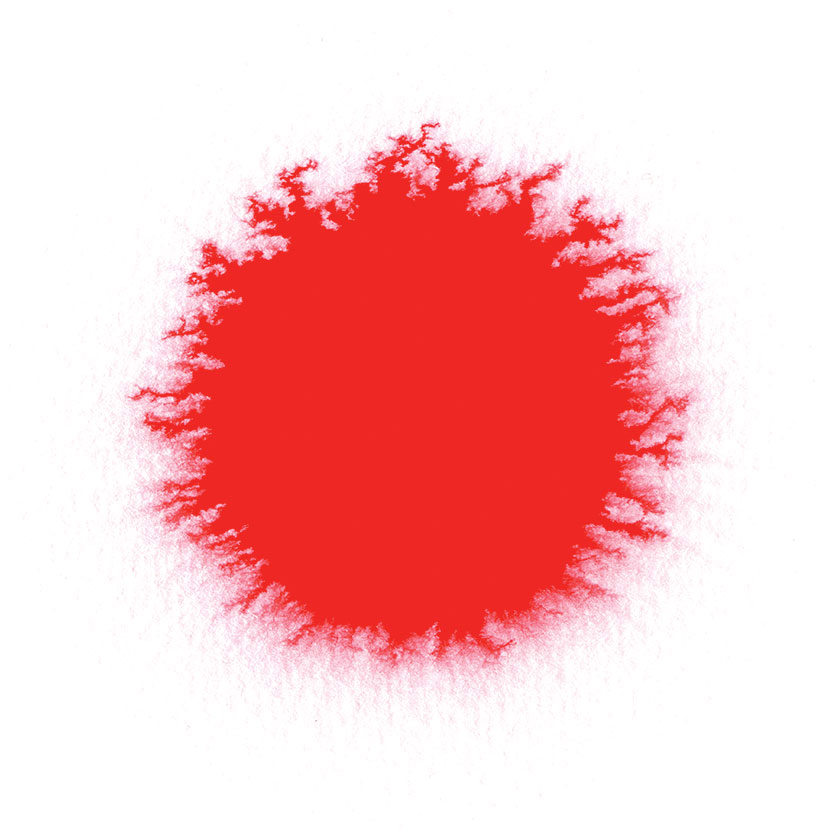
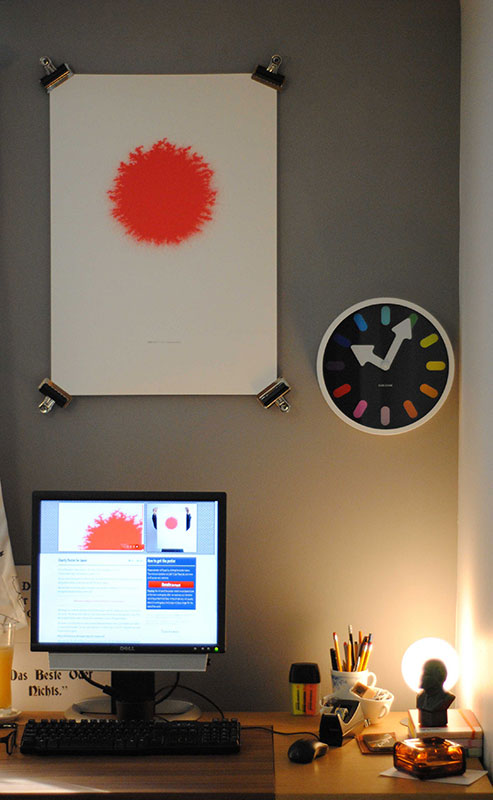
Charity Poster for Japan by Lucas Krull

A stunningly minimal and breathtaking poster made from a single drop of red ink. It was designed by Lucas Krull, who is donating all proceeds to the Japan relief effort.


Source: twitter

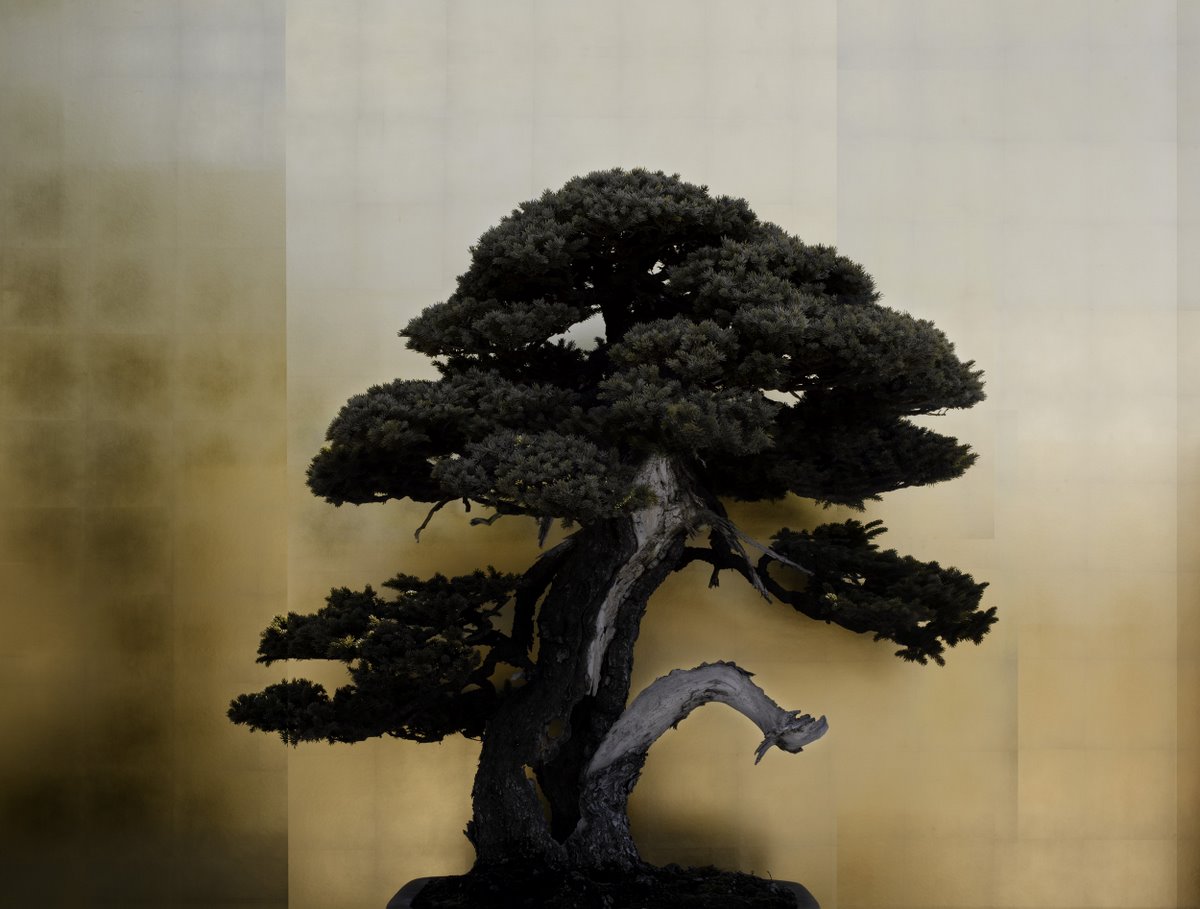
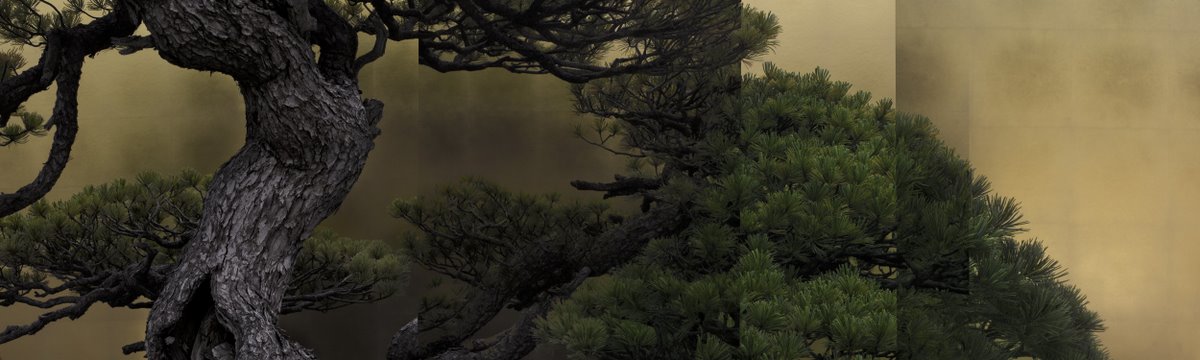
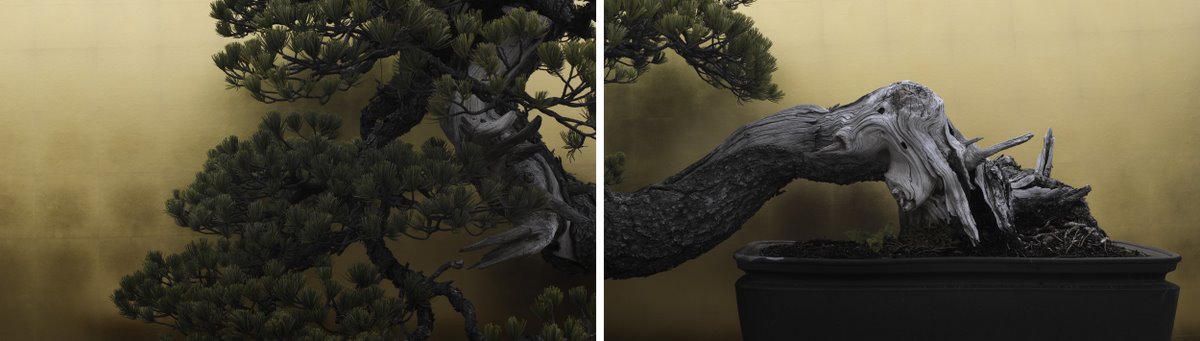
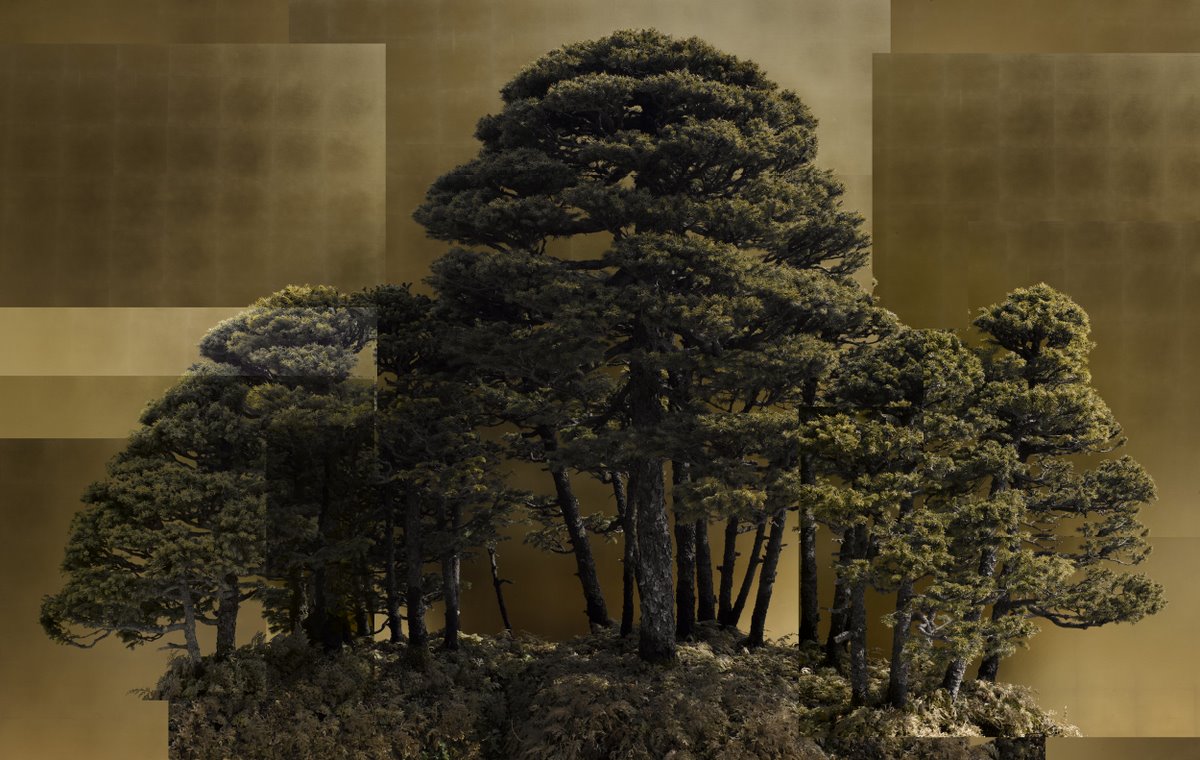
Ryo Ohwada | FORM – Scenery seen through BONSAI


images © Ryo Ohwada | click to enlarge (recommended)

What is a bonsai but the crystallization of Japanese aesthetics. That was the conclusion that photographer Ryo Ohwada arrived at after completing intensive studies on the ancient Japanese art form of growing miniature trees in containers.  In a new show that just opened yesterday (and on display at 2 different venues) Ohwada presents an intimate yet arresting look at bonsai which, he believes, is the perfect subject matter for photography. Much akin to his previous Wine Collection and Banknotes series, Ohwada conducts an almost-scientific observation – presented in large-format photography – in order to distill the essence of his subject matter.

Ryo Ohwada was included in our 2008 series on emerging Japanese photographers.

————————————————————————

Form – Scenery seen through BONSAI
EMON PHOTO GALLERY
2011.09.07 – 10.07
11:00 – 19:00 (Sat. – 18:00; closed Sunday)

« Older posts Newer posts »

© 2026 Spoon & Tamago

Up ↑

Design by Bento Graphics