Page 290 of 406

Nakanojo Biennale 2011 | pagoda by Ikimono Architects


Images courtesy Ikimono Architects’ blog | click to enlarge

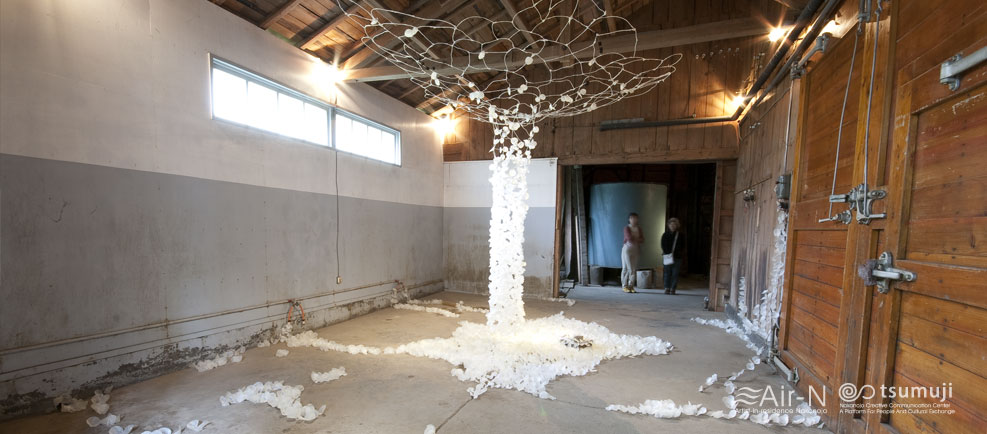
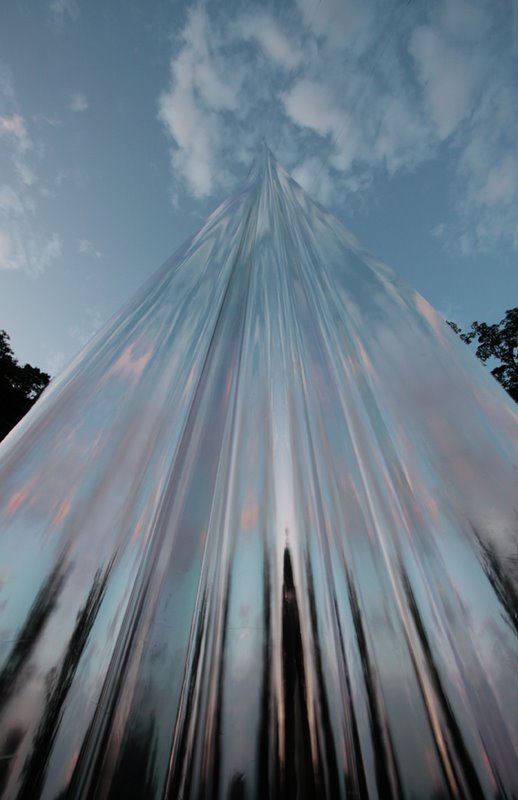
Our 3rd and final pick from this year’s Nakanojo Biennale is “Pagoda.” Takashi Fujino of Ikimono Architects collaborated with Sunao Koase and Maniackers Design to create this ethereal installation that hangs in the air and swims with the wind. Consisting of a single ultra-thin sheet of reflective ribbon that stretches 40m into the sky, pagoda can appear both entirely manmade and engineered or, at the same time, blending together with its natural surroundings.
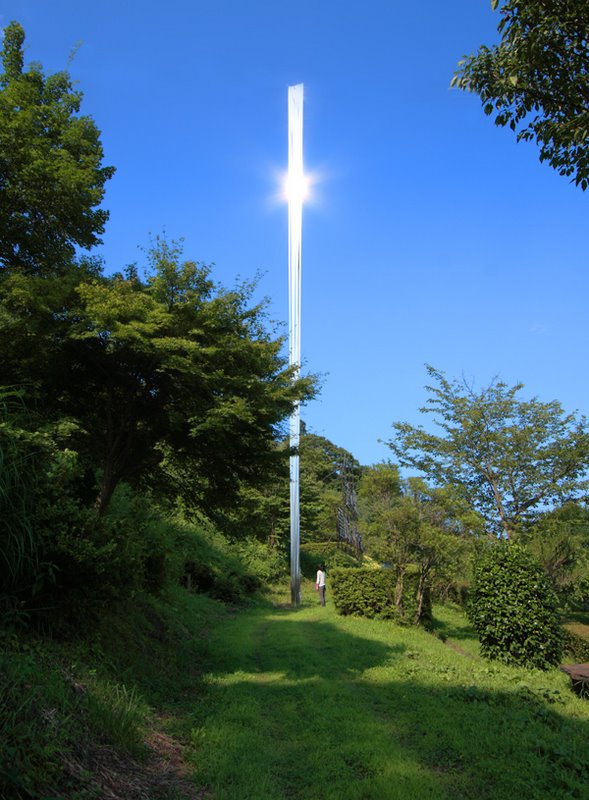
The spiritual pagoda is both towering yet delicate. Inspired by the tragic events of March 11th, the architects felt the need to depict a clearer vision of the future. What they saw were not the bright lights of the city nor the robust feats of engineering that has symbolized the development of mankind. Instead, what they saw was something unchanged yet eternally present: the seasons and time and weather that is produced by the mountainous breathing of our planet.

Pagoda is 1 of 3 works that the consortium of architects designed for the Nakanojo Biennale this year. The other 2 are “Noya,” a renovated shed, and “Nakanojo Biennale Information Center,” where visitors are first greeted. Check out all our posts on the Nakanojo Biennale.
Nakanojo Biennale 2011 | The Floating Dive by Masahiko Kiyooka


click images to enlarge

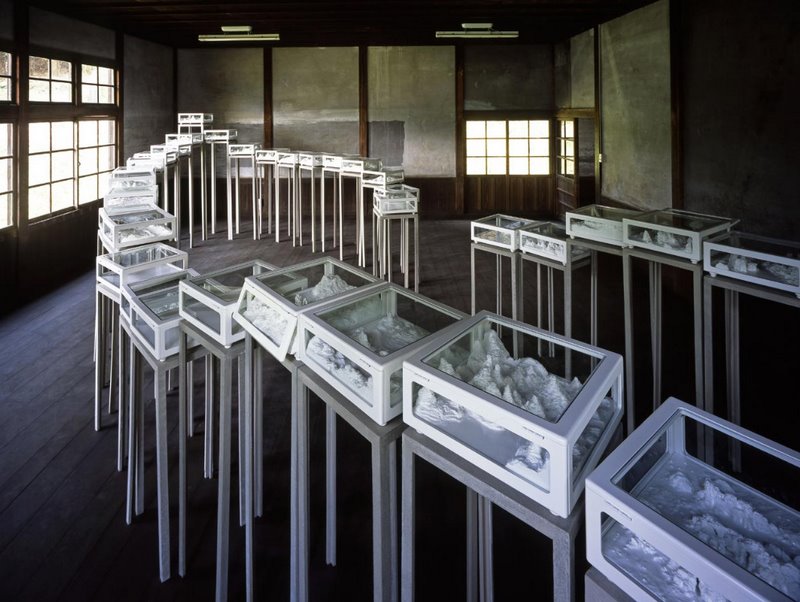
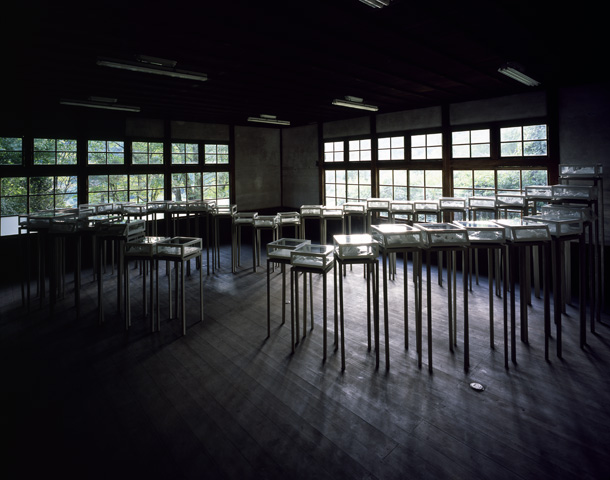
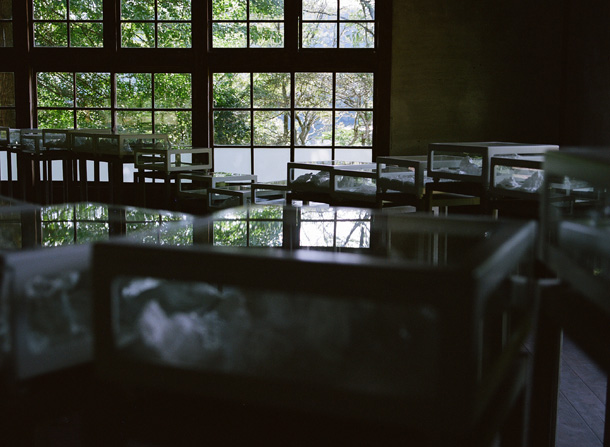
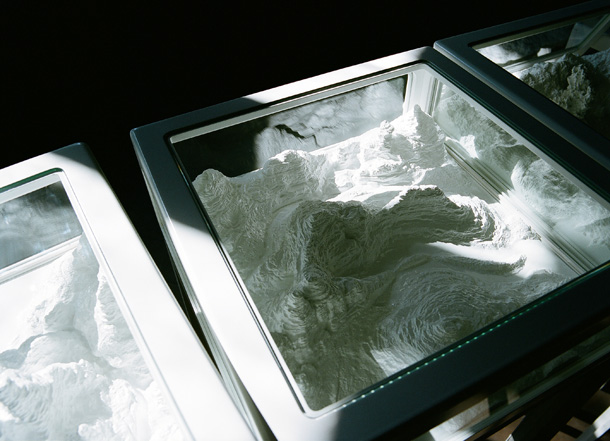
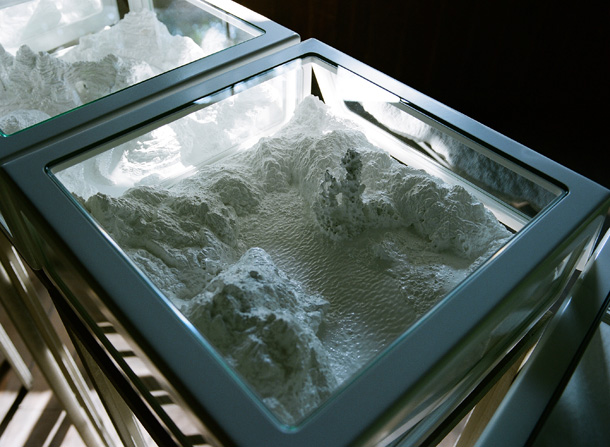
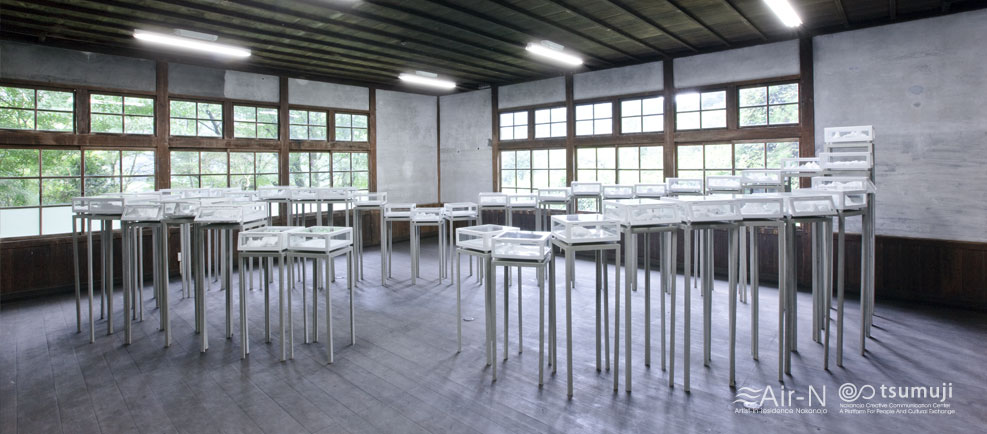
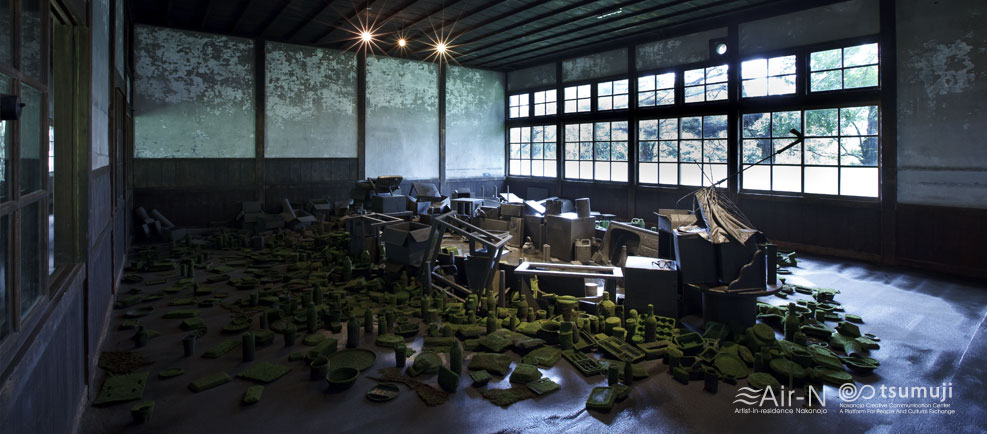
Another must-see art installation from the Nakanojo Biennale is Masahiko Kiyooka’s work erected in an old school. The artist demonstrates his keen sense for memory and decay using the “yard” as an allegory. In one room Kiyooka takes the surrounding inspirational topography and encases different scenes into multiple boxes that take on the look of a scientific field-guide.

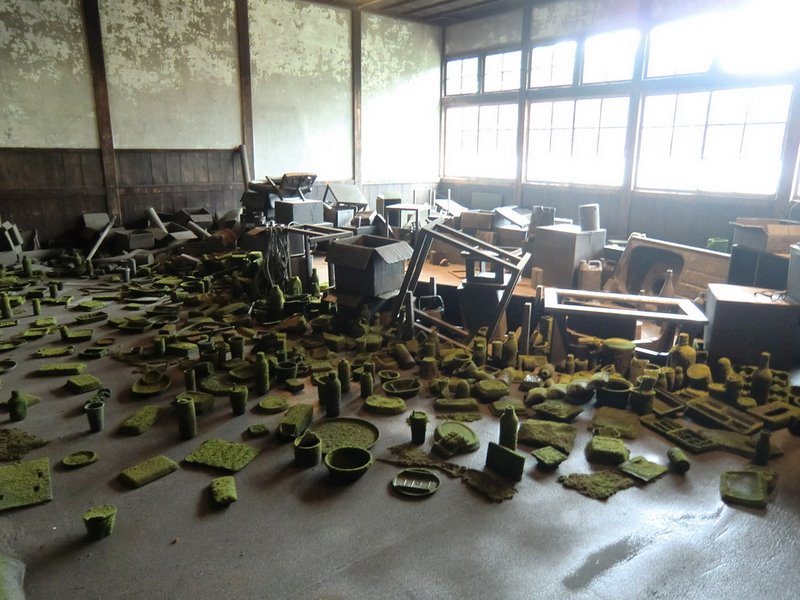
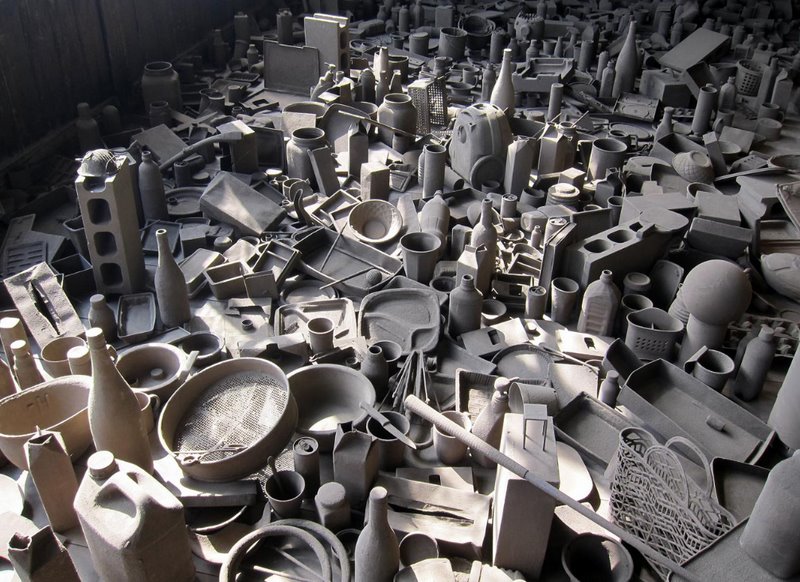
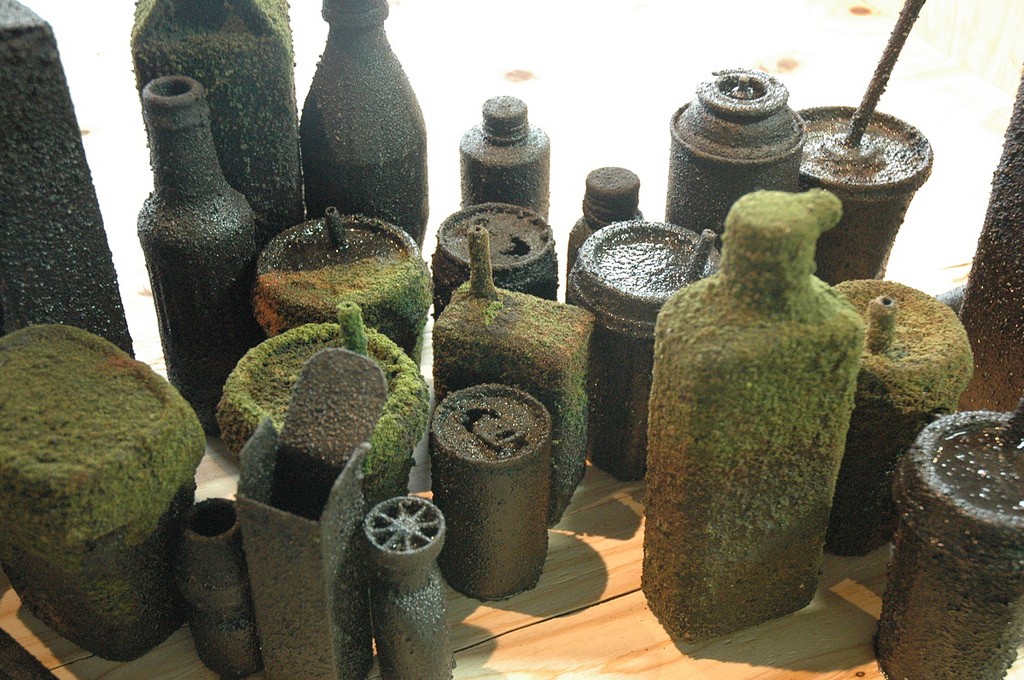
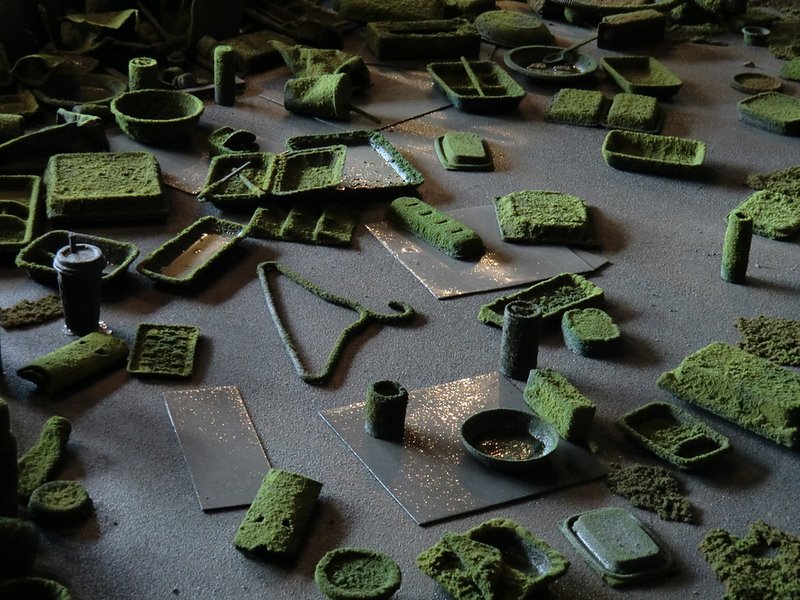
In another room are a dispiriting amount of found objects that have been seemingly trashed. However, the artist somehow transforms them into work of beauty by covering them in moss.


top and bottom images courtesy Maniackers Design’s photostream


Nakanojo Biennale 2011 | About Memories by Hiroko Kono

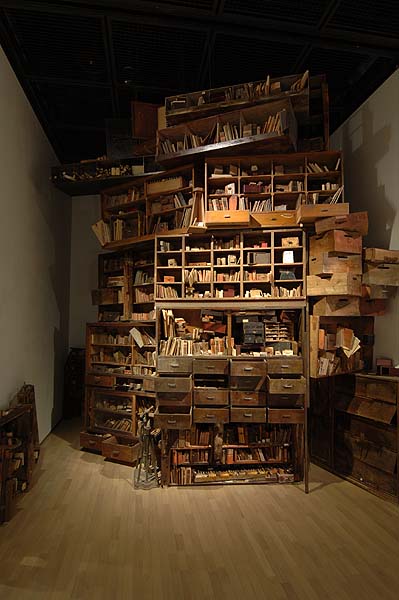
As promised, this week I’ll be selecting a few of my favorites from the massive collection of art currently on display at the Nakanojo Biennale. One of my favorite pieces is Hiroko Kono’s “About memories,” a towering wooden bookshelf that looks like something out of a Harry Potter movie.
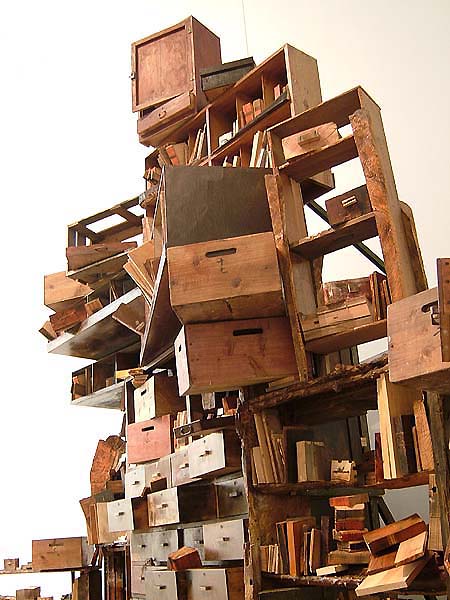

About memories (2011). Taro Okamoto Museum of Art, Kawasaki

 
(detail)

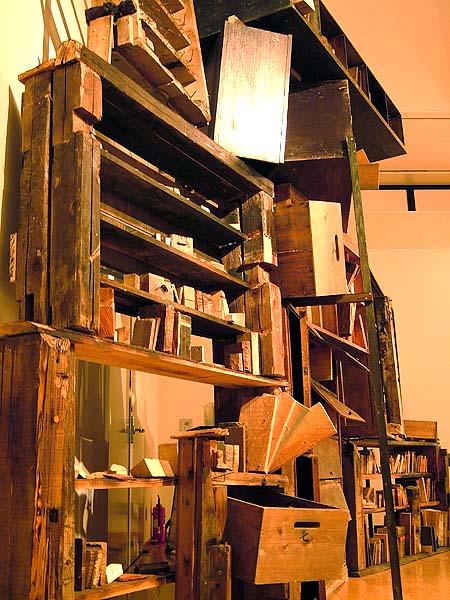
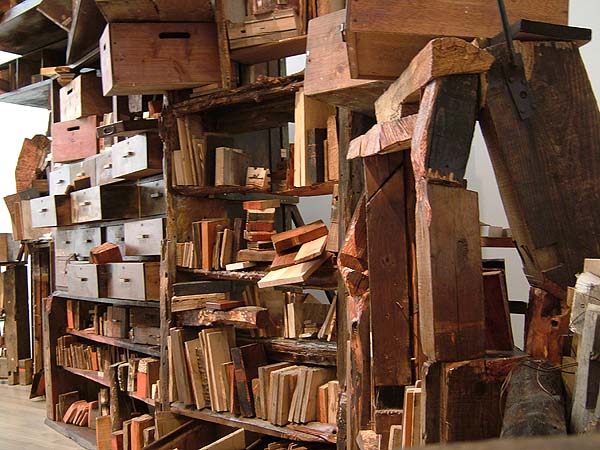
Kono has been sculpting these bookshelves since 2009. What’s fascinating is that when you try and get a closer look at the bookshelf you quickly realize that all the detail vanishes and your left looking at just scraps of wood.

The artist also incorporates furniture and shelves from abandoned schools, which she travels to and picks out herself.


About memories (2010). Cultural museun of Izumo


(detail)

Just to clarify, images of the exact work installed at the Nakanojo Biennale were unavailable so these images are previously installed work.Below is one of the artist’s older pieces, before it was renamed to “About memories.”


Thinking-long time ago-(2009). The National Art Center,Tokyo


(detail)

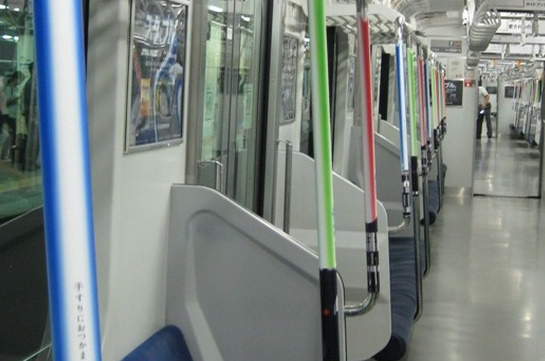
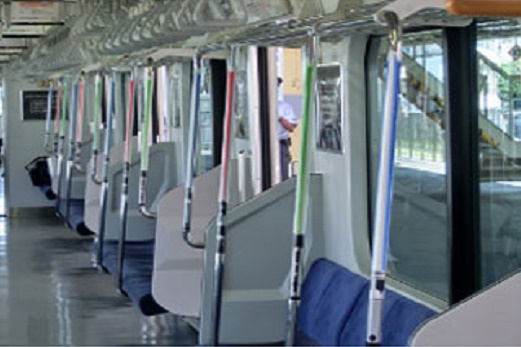
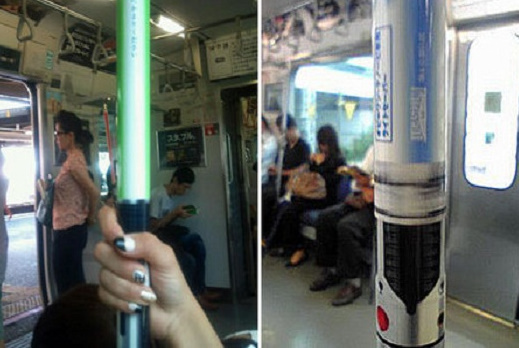
Japanese trains install lightsabers to promote new Star Wars DVD boxset

Here’s a great example of site-specific advertising. To promote the upcoming release of the new ‘Star Wars – The Complete Saga’ Blu-ray DVD boxset, 20th Century Fox Japan has launched an ad campaign, transforming the handrails on trains into lightsabers.

They also come with some cool interactivity – buttons that control the built-in LED lights. The campaign runs through Sept 30 and can be seen on Tokyo’s Chuo-Soubu Line, which runs between Mitaka and Chiba stations.

A few more pics of found on twitter here.


source: PSFK

Nakanojo Biennale 2011


click images to enlarge

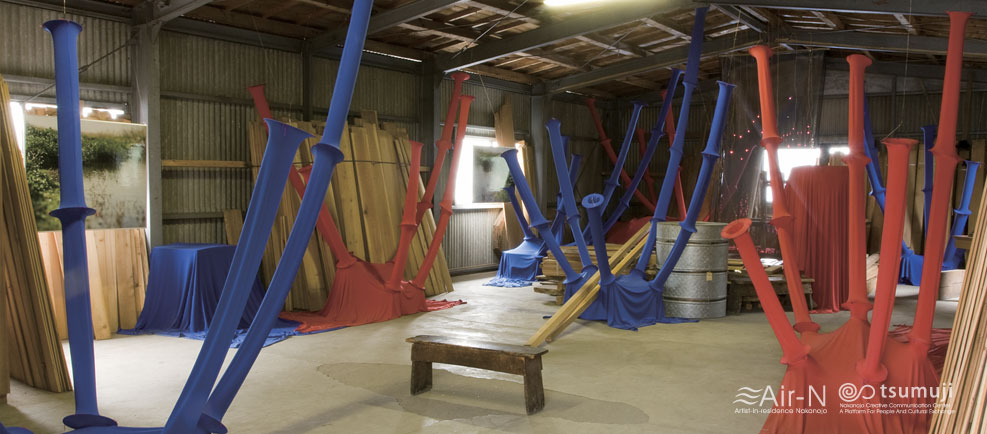
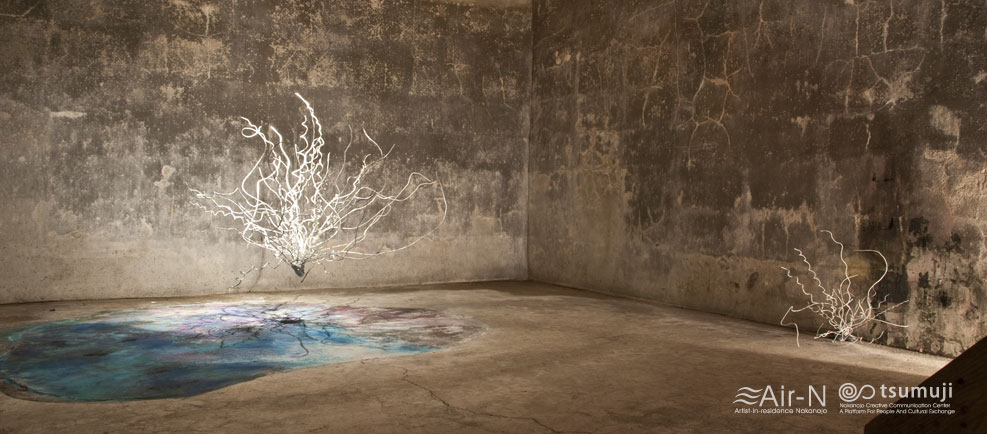
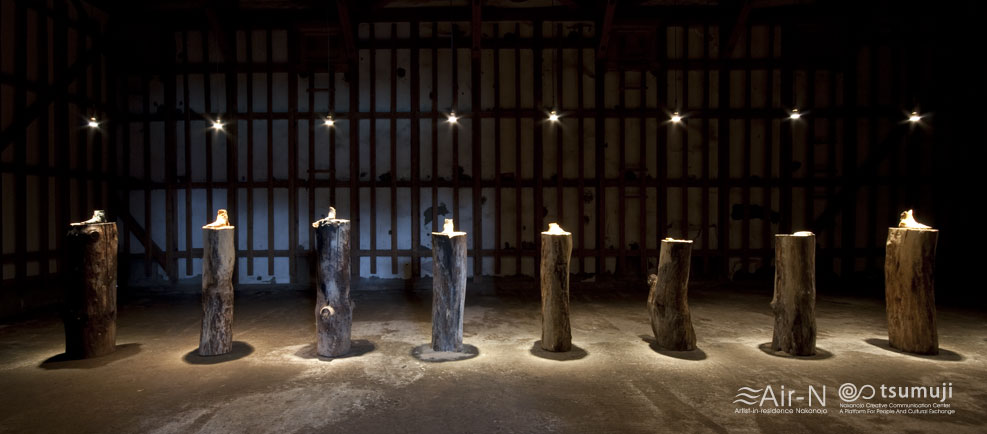
Want to escape the hustle and bustle of Tokyo? Do you like rural Japan, art, onsen and the great outdoors? If you answered no to those questions, you might want to have your head examined. Then, after that, head out to Gunma prefecture for the Nakanojo Biennale, an art extravaganza in which over 100 artists convert the town of Nakanojo – famous for their wonderful hot baths – into an indoor and outdoor museum.

The artists choose their location and nowhere is off limits; forests, schools, shops, anywhere.

The festival began in 2007 and is currently in its 3rd incarnation. You only have until October 2 before it closes (see bottom of post for details).It’s about a 2.5hr drive/ 3hr train ride from Tokyo.

But for those who can’t make it, check back next week as we’ll be profiling some of our favorite site-specific art projects from the biennale.
Nakanojo Biennale
2011.8.20 – 10.2
Location: Entire town of Nakanojo (Gmap)

Moon Jump app

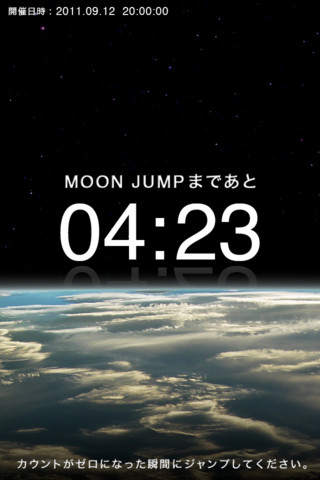
There’s a new Japanese app that encourages people to collectively jump towards the moon at the same time. Here’s how it works:

  1. Download the app (free, but in Japanese only)
  2. Check the countdown (there’s 1 jump per week)
  3. …2..1..0, jump!


screenshot | the countdown

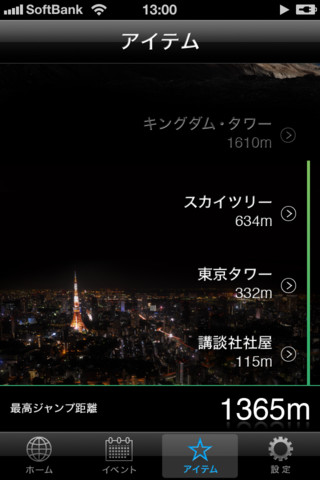
The app will calculate how high you jumped, along with everyone else who jumped, and tally up the count. The objective is to collectively jump as high as the moon! What’s the point? Well, that’s for you to decide. Personally, I think it’s magical, romantic and nostalgic. It reminds me the simplicities of childhood in which you could jump in the air and, for a split second, not be on planet earth. In fact, the app – which was developed by the creative lab PARTY – is a promotional app for the hit comic book Uchu Kyodai (Space Brothers) about 2 brothers who promise each other they will become astronauts when they grow up.

source: twitter

Selected works by Motomi Kawakami

In conjunction with the Motomi Kawakami retrospective that we previously wrote about, here is a selection of his work that you may not have gotten a sense of in the photographs of the exhibition.


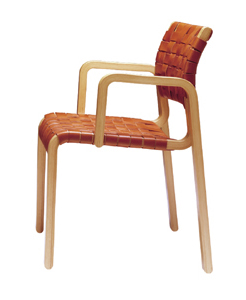
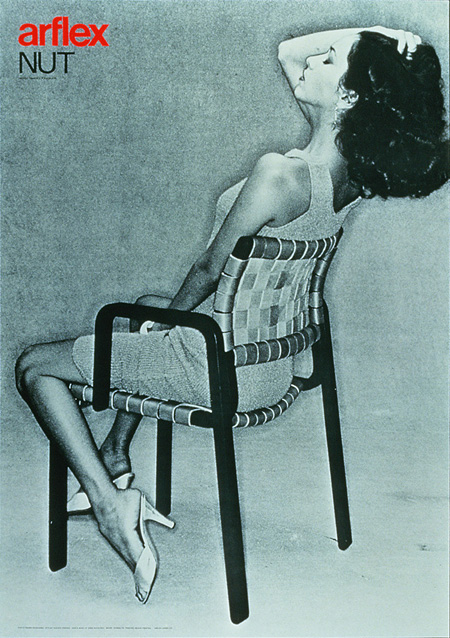
NT Chair (1977), along with an amazing poster designed for the release of the chair


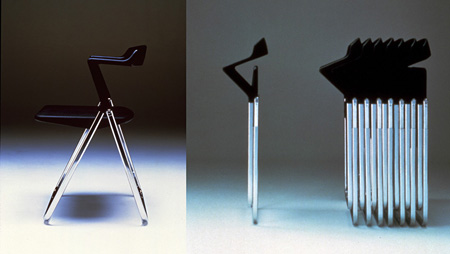
BLITZ folding chair (1984- 94). Renamed to TUNE in 1995.


Iconic packaging design for Blendy (1986) instant coffee. You can still find it in stores. My mom (an English teacher) hates the name.


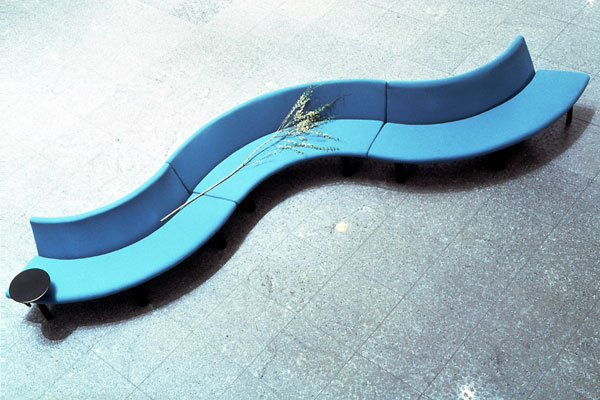
TICINO (1991) bench


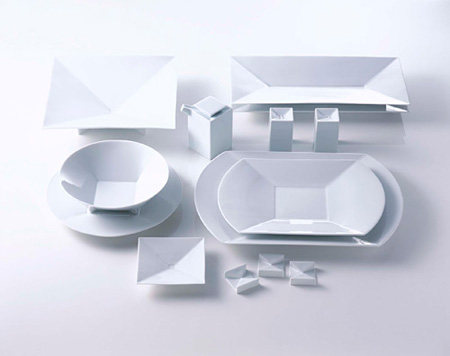
Arita Houen (2005) collection of porcelain ceramics


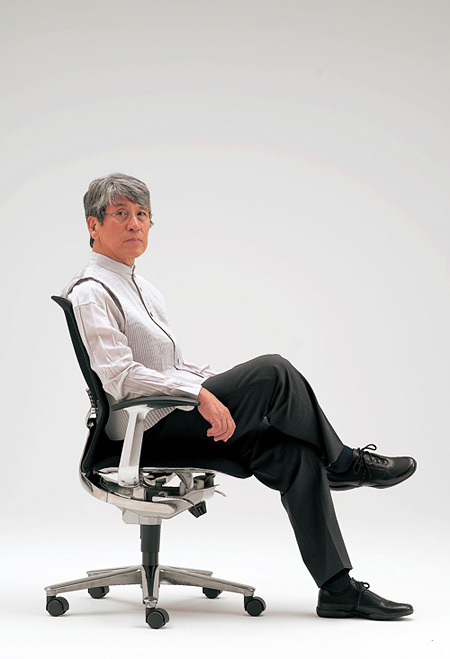
Kawakami himself sitting in his REGIA (2005) chair


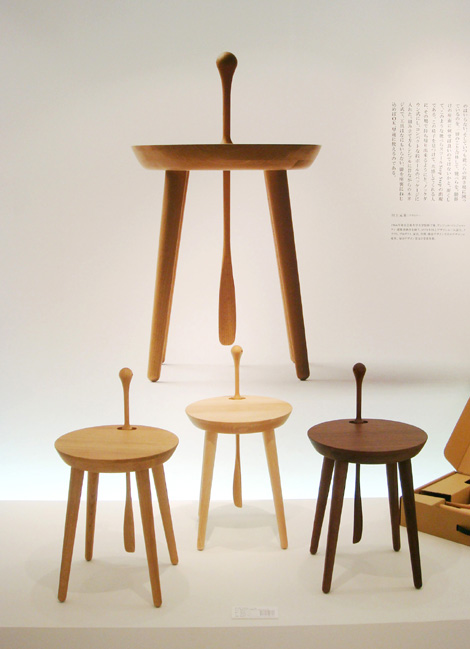
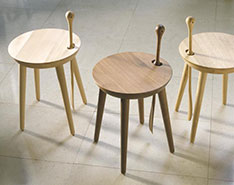
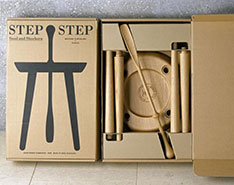
Step Step (2008) stool and shoehorn. I love the packaging!

Motomi Kawakami Retrospective


photos by Daisuke Ohki | click to enlarge

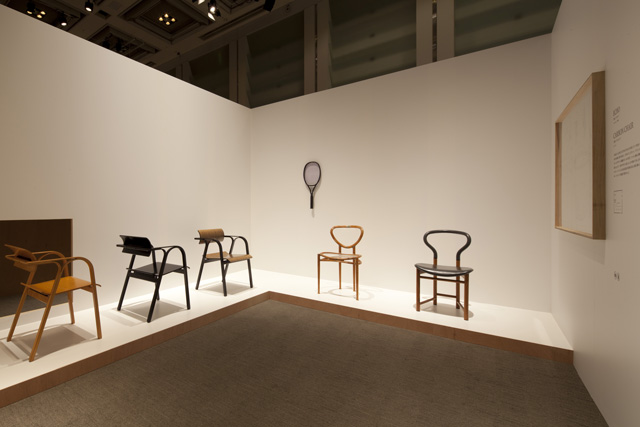
Motomi Kawakami began working for Angelo Mangiarotti in Milan, Italy. In 1971 he established his own design studio and has been producing work from there ever since. His influence in the fields of crafts, industrial design, and space/environmental design is immeasurable. He was included in our primer on Japanese Designers and is now the subject of a retrospective at the Living Design Center OZONE (see below for details).
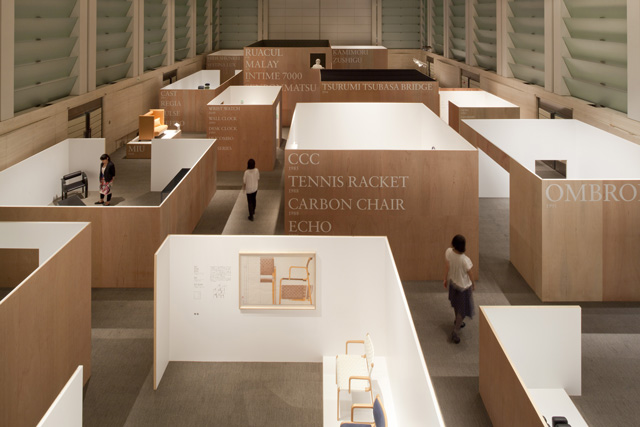
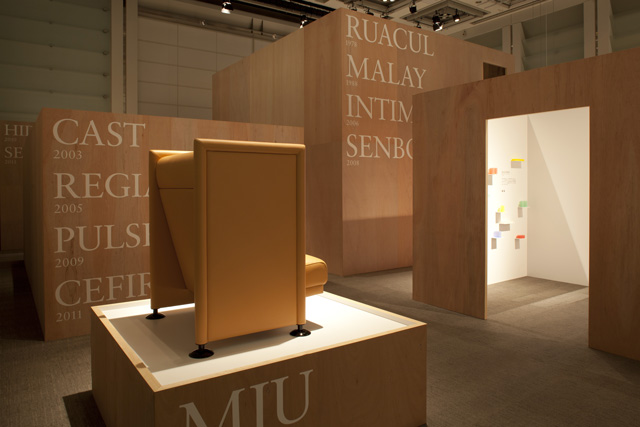
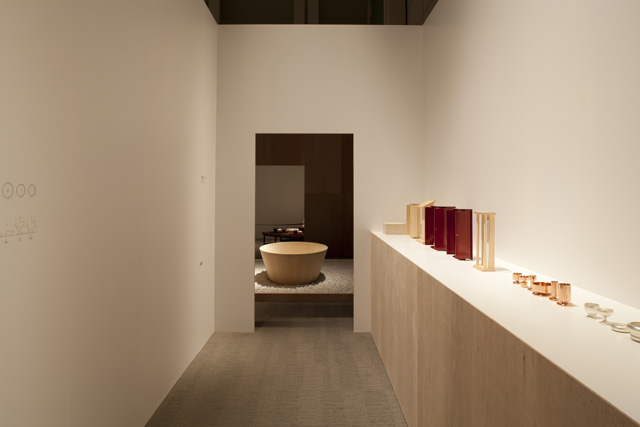
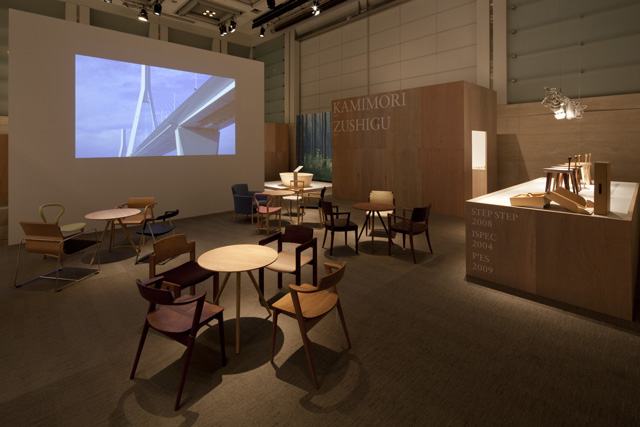
The exhibition space, which was designed by Torafu Architects, uses numerous boxes to chronologically compartmentalize his work, which includes roughly 80 pieces.


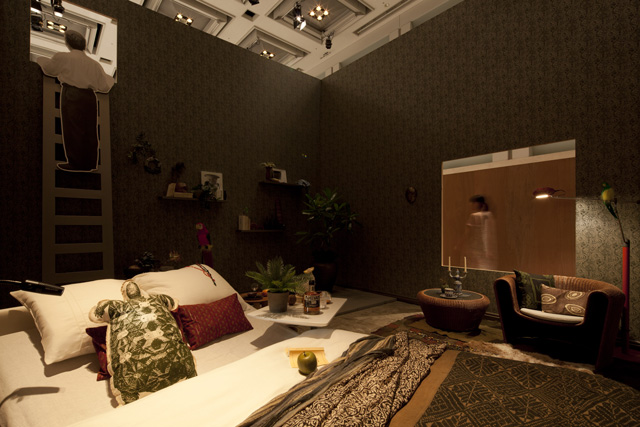
a room designed by interior stylist Tomomi Nagayama using only Kawakami’s work.

Motomi Kawakami Chronicle 1966-2011
Living Design Center OZONE – 3F (Gmap)
09.09.2011 – 09.25 (closed Wed.)
FREE

source: excite.ism

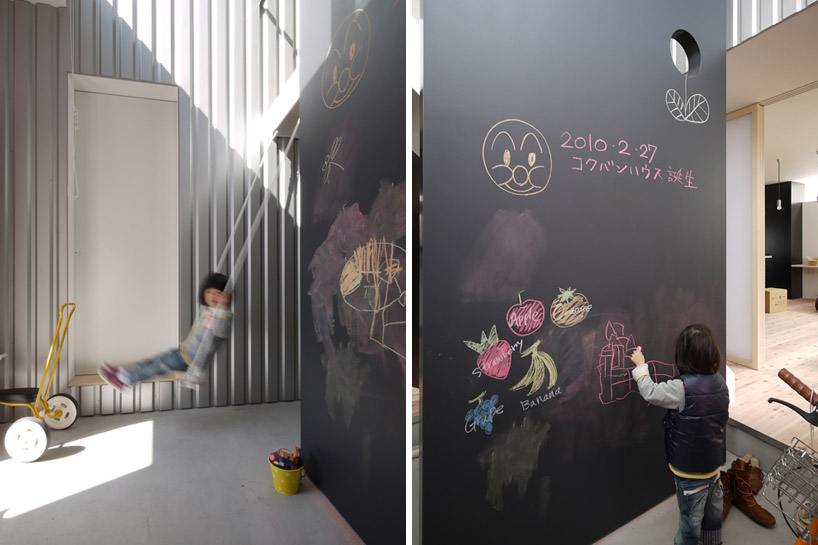
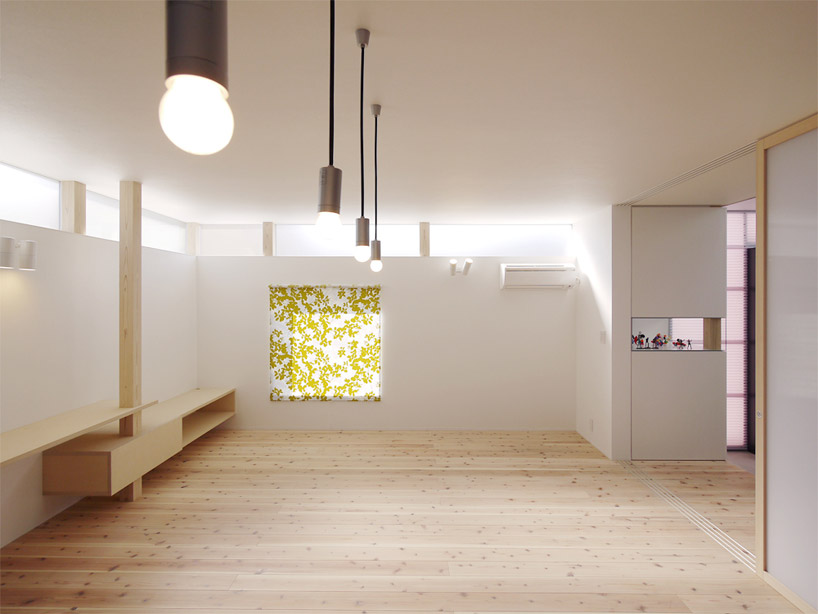
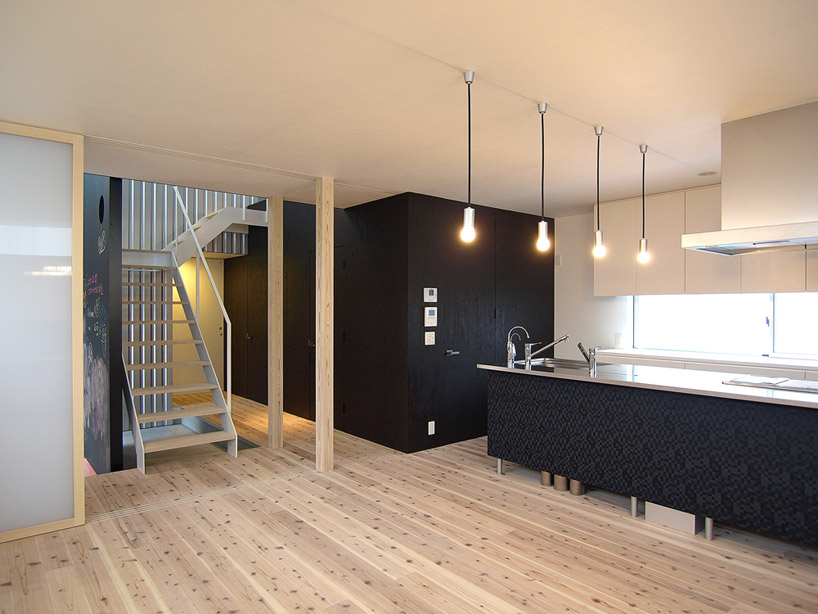
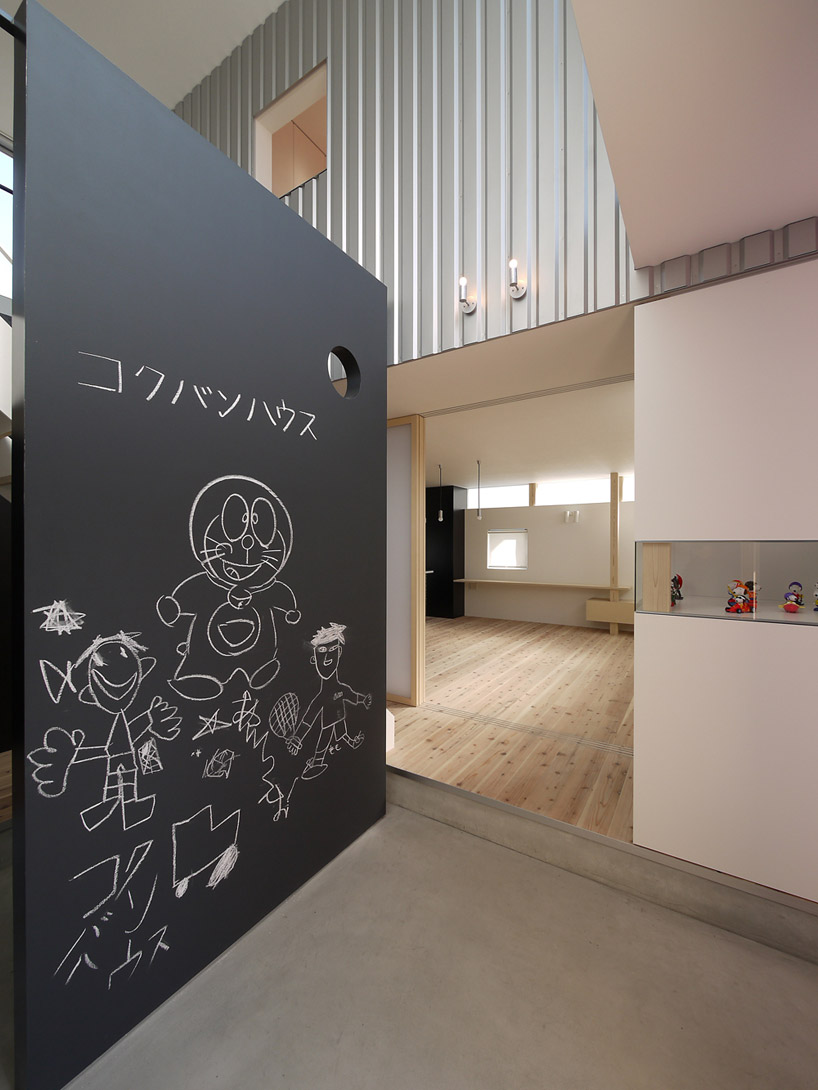
Kokuban House by Hari Architects


click images to enlarge

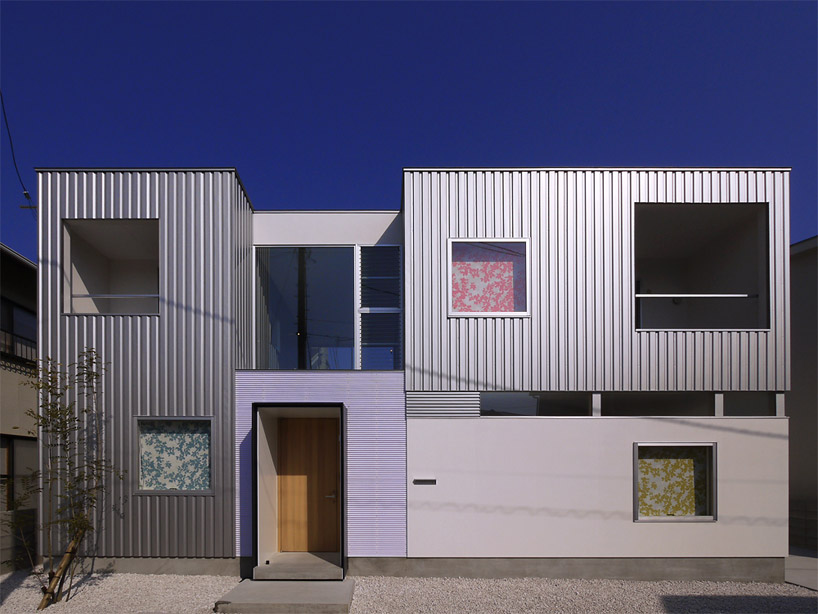
I’ve always wanted an entire wall in my house to be a blackboard. And with the availability of paint that transforms any surface into a blackboard, it’s never been easier. But here is a home that was designed completely around blackboard walls. Well, that’s not entirely true. Even with a name like Kokuban (blackboard) House, there’s a lot going, like the multiple boxes that dictate various functions, the fun tunnel-like doorway and the use of different types of facades – both indoors and out – that smudge the clear boundaries between inside and outside.
But, at its essence, the architecture, which is the work of Tokushima-based Hari Architects, is about creating a fun space for a family to enjoy their precious time together. For more inspiration on blackboard walls in your home, check out these awesome posts.

source: designboom | hari architects

BOXINBOX by Keiji Ashizawa


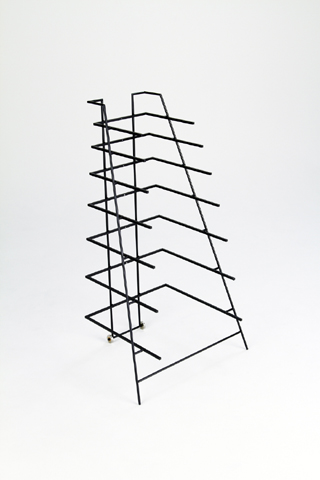
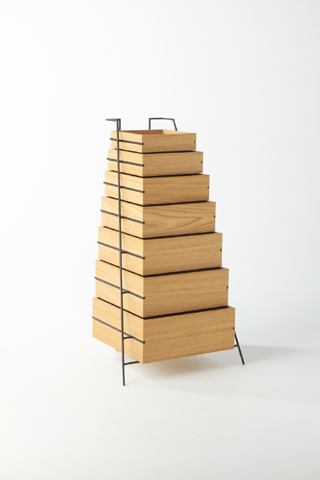
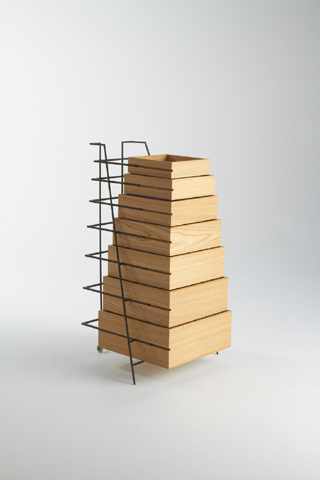
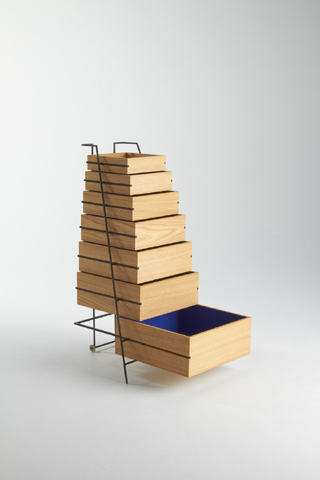
In collaboration with Tanseisha, Keiji Ashizawa recently designed BOXINBOX. Comprised of a sleek metal frame and oak-veneered plywood sliding boxes, the piece is an ultimate exploration into minimalism.

Instead of moving on to something new, Ashizawa decided to look back on a previous design done last year, modifying and improving upon it by giving them Russian doll characteristics. The nesting shelves allow for the chest to be transported in a much more economical fashion.

You can see Ashizawa’s shelf, along with shelving systems designed by 10 other big names in the Japanese design circle, at the Axis Gallery starting Sept. 27.

————————————————————–
Shelf Exhibition
Axis Gallery – 4th Fl  (Gmap)
09.27.2011 – 10.05
11:00 -19:00 (closes at 17:00 on last day)
FREE

source: twitter

« Older posts Newer posts »

© 2026 Spoon & Tamago

Up ↑

Design by Bento Graphics