Page 288 of 406

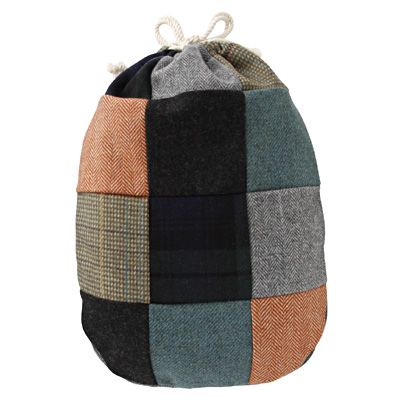
Muji Hot Water Bottle Cover


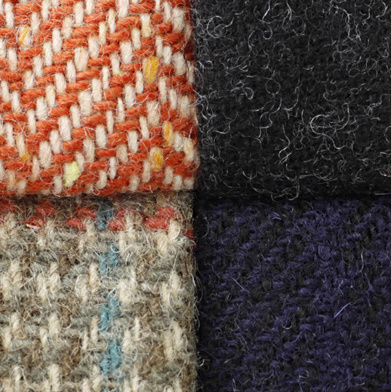
I know the stubborn summer days are still flexing the last of their muscle in Tokyo, but Fall is most certainly in the air here in NY! And this lovely MUJI patchwork cover for a hot water bottle is making me feel nice and toasty!

Not many people use hot water bottles in the States because they have central A/C but in Japan they’re still quite common. And they always remind me of this really funny night when my Dad woke up screaming because his had sprung a leak and wet his whole bed.

(I had trouble writing these short sentences because I kept laughing.)

source: @sheishine

House in Takaya by Suppose Design Office


click images to enlarge

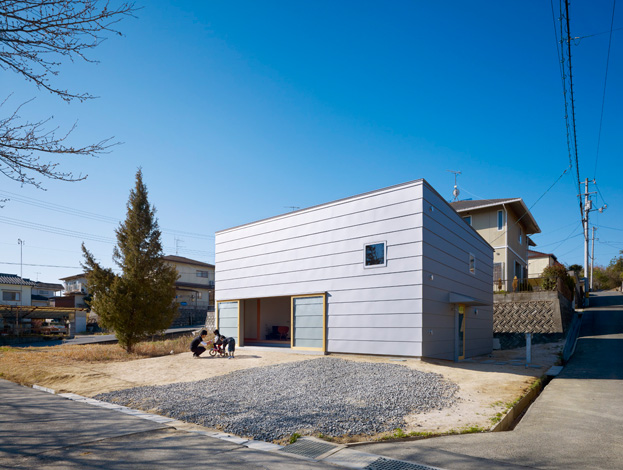
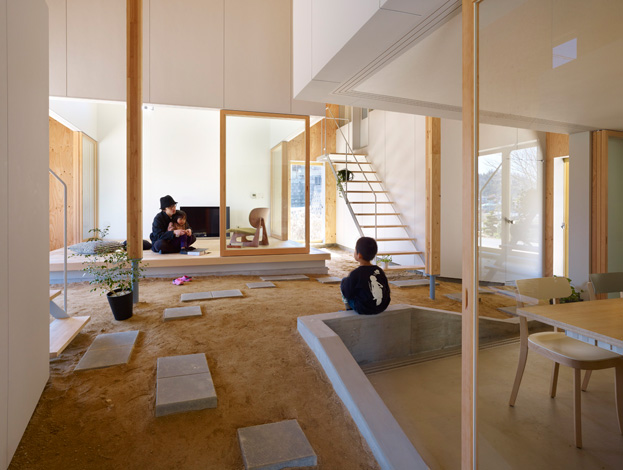
House in Takaya is a gorgeous residential home in Hiroshima. It’s also hopelessly Japanese. It is the work of Makoto Tanijiri of Suppose Design Office, who is no stranger to this site. He is insanely young and talented – perhaps one of the more coveted up-and-coming architects in Japan right now. Although given the fact that his office has recently bulged to a staff of almost 20 (including 1 dog), “up-and-coming” is a bit of a misnomer.

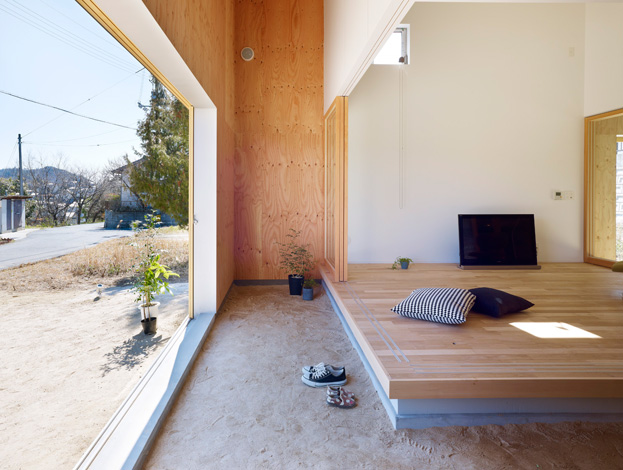
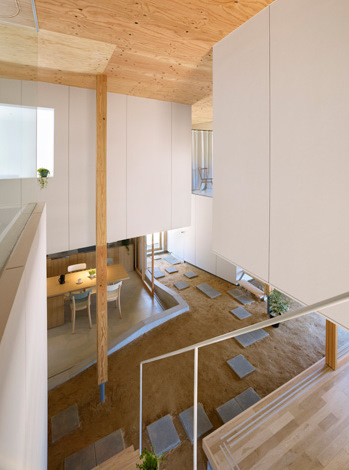
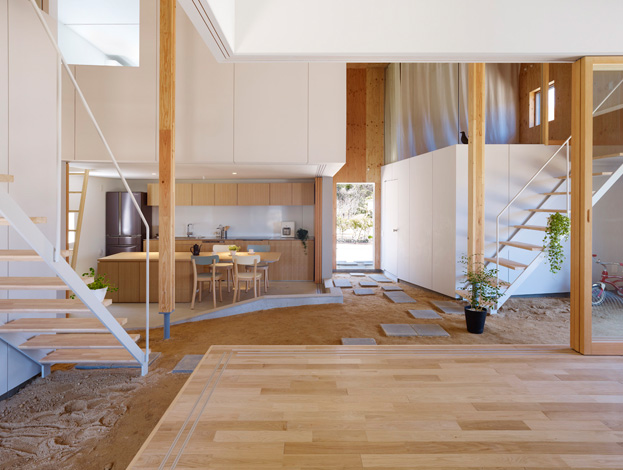
The idyllic and peaceful layout was presumably designed to coexist with nature. In fact, the architect has a penchant for merging the indoors and outdoors. This characteristic – you can’t discuss this home without talking about it – is most apparent in his choice to incorporate the rather traditional (or ancient) doma, or earthen floor, throughout the entire house.

The doma acts as a hallway, dictating the movement of residents from one room to another. Inconvenient? Indeed, some may find it so.  But for the environment-concious inhabitants it’s turns out to be  graceful solution to creating invisible boundaries while adding depth and richness to the interior.

Found on the Suppose Design Office website. The home was originally completed in February 2011 but the architects just recently uploaded images to their website. Read our other stories on Suppose Design Office.

Frame Jewelry Boutique in Fukuoka by Yoshihiro Saitoh

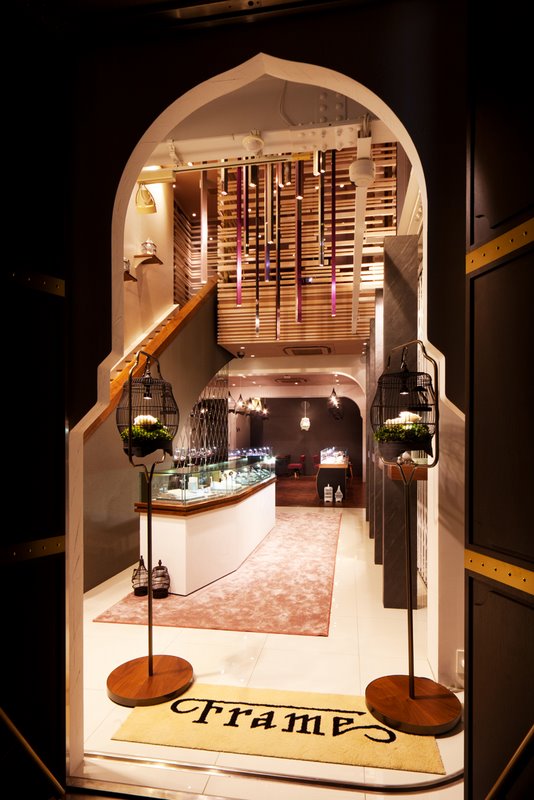
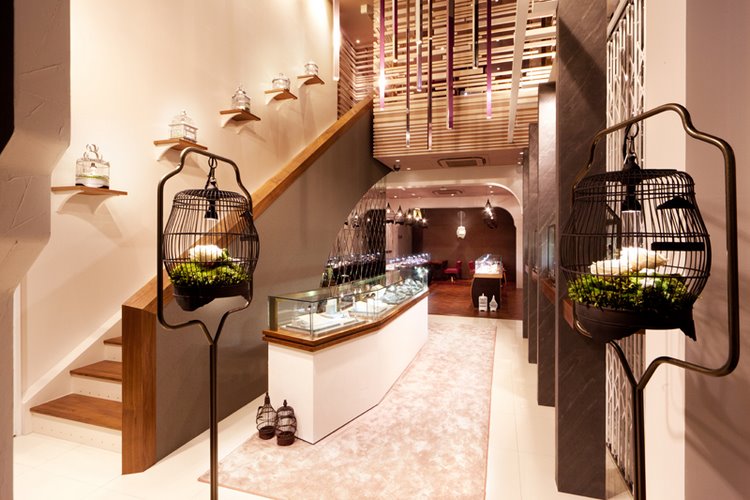
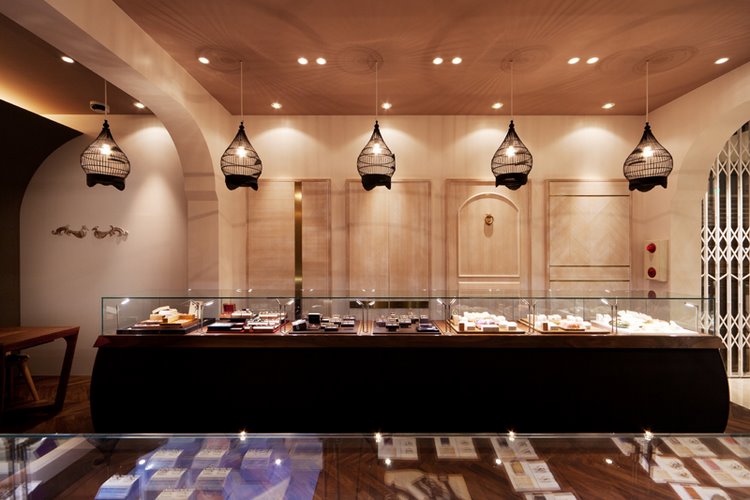
Frame is jewelry boutique with four branches in southern Japan. Their latest branch, situated (Gmap) in the Daimyo shopping district of Fukuoka, just opened at the end of September and boasts a fancy interior courtesy of Yoshihiro Saitoh of A-Study. The brand is primarily wedding jewelry, which explains why the ground level displays their collection while the 2nd floor is reserved primarily for customer consultations.

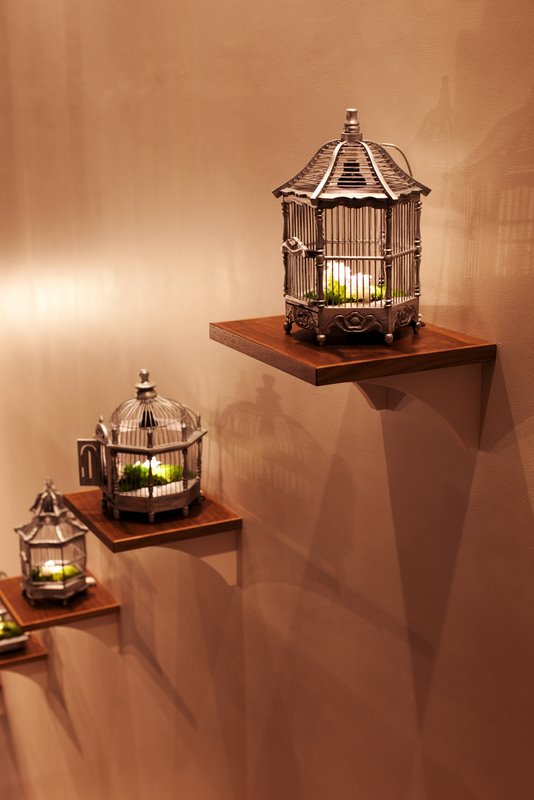
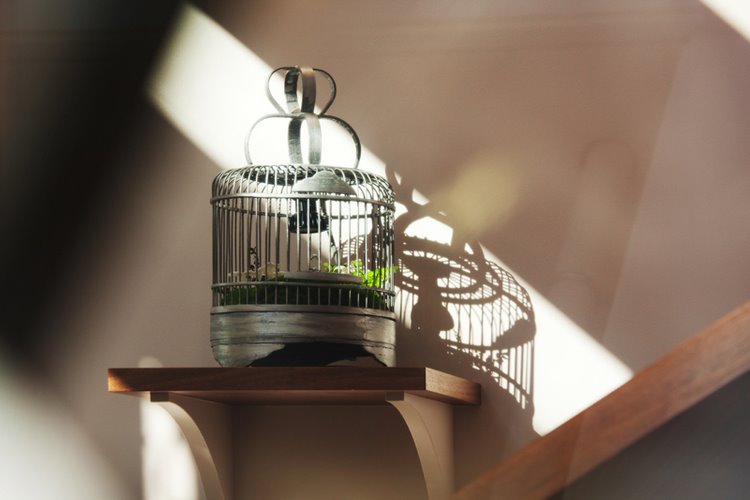
There’s no mistaking Frame for any typical jewelry store. The common birdcage-wedding association is displayed throughout the store, serving as décor as well as a poetic reminder of the new life about to be embarked upon.  The impressive pipe-shaped lighting that hangs in the entrance-way – along with all the other sofas and chairs – is custom-made by the designers.


click images to enlarge

source: RSS feed from A-Study

Washi Paper Clothing by Masamitsu Kimura


click images to enlarge (recommended)

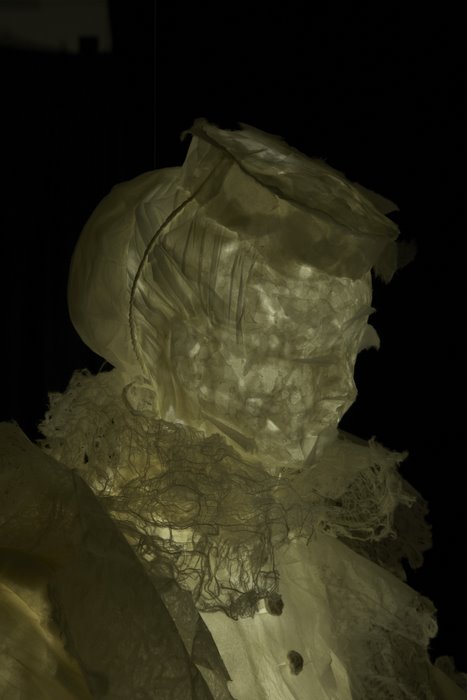
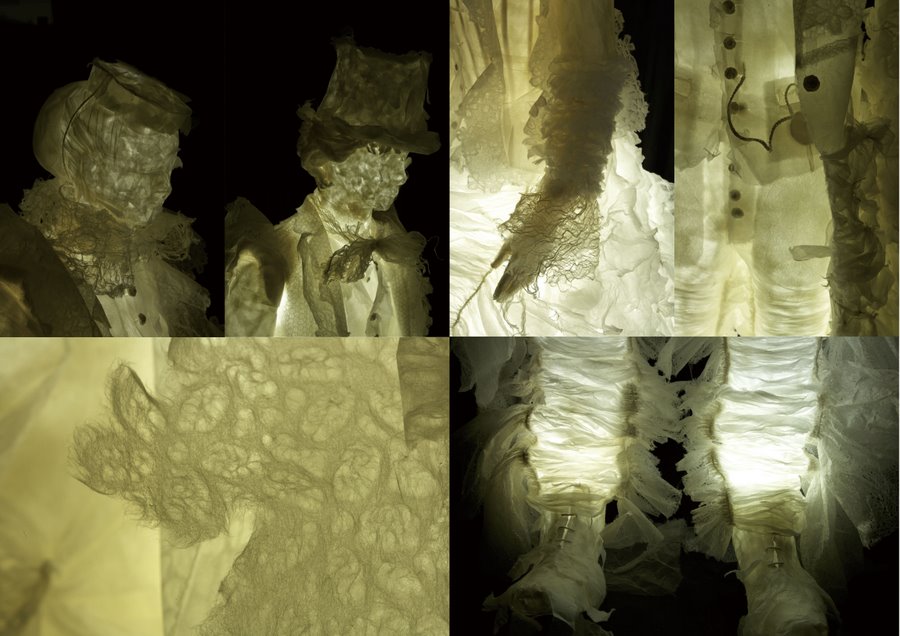
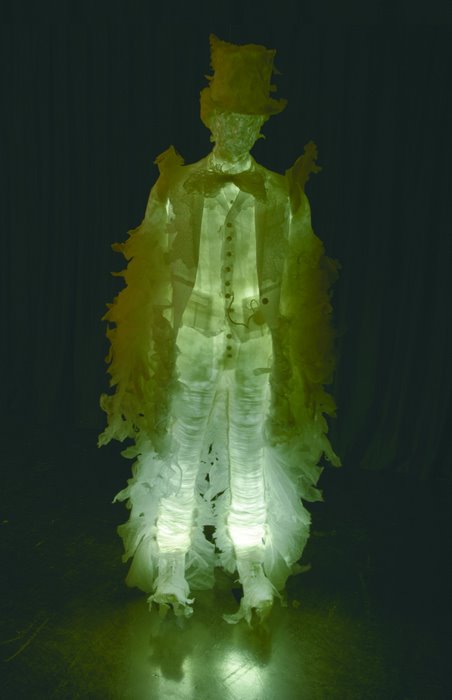
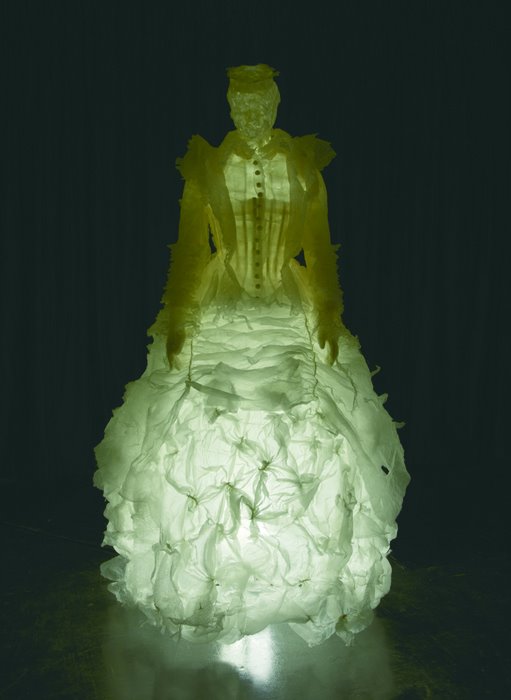
Masamitsu Kimura, an art student at Musashino Art University (Musabi), created this outstanding series of delicate and haunting apparel in a fashion design course. Using Mino Washi, a type of washi paper indigenous to Kimura’s hometown of Gifu, “1876.2011” is an ode to his local artisans. Washi, says the artist, is simply an eloquent and masterful form of fabric.

By merging an ancient Japanese craft with contemporary western fashion, Kimura has not only made a significant step toward local revitalization but has also reminded us of  the arduousness and beautiful possibilities of handmade craftsmanship.

I found Masamitsu Kimura’s work while exploring the nominees of the 2011 Mitsubishi Junior Designer Award. Winners were announced on October 5, 2011. You can read our previous coverage on this award HERE.

Big Book by Mao Fujimoto

Big Book by Mao Fujimoto

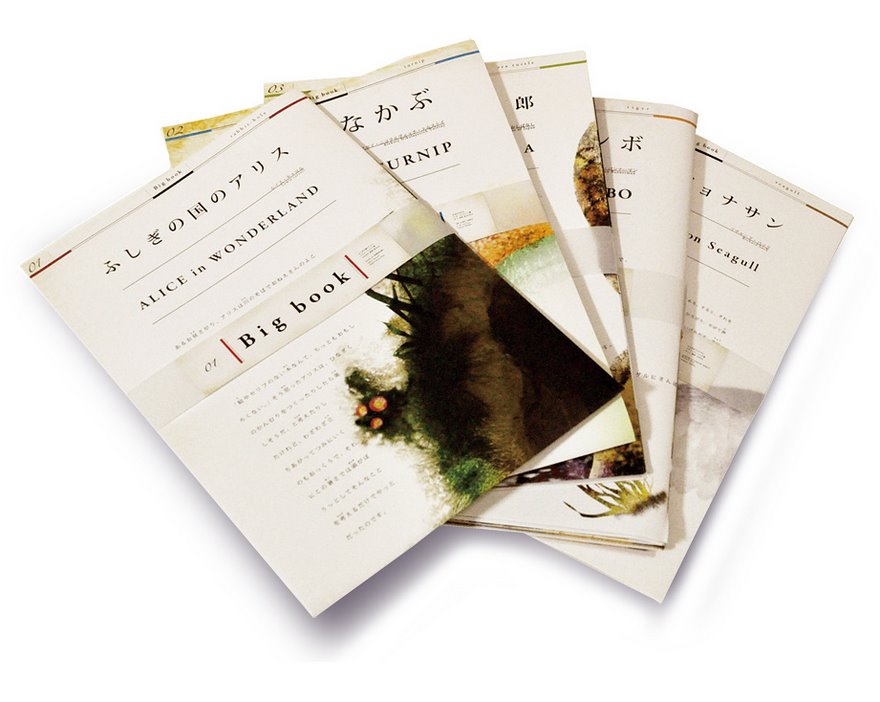
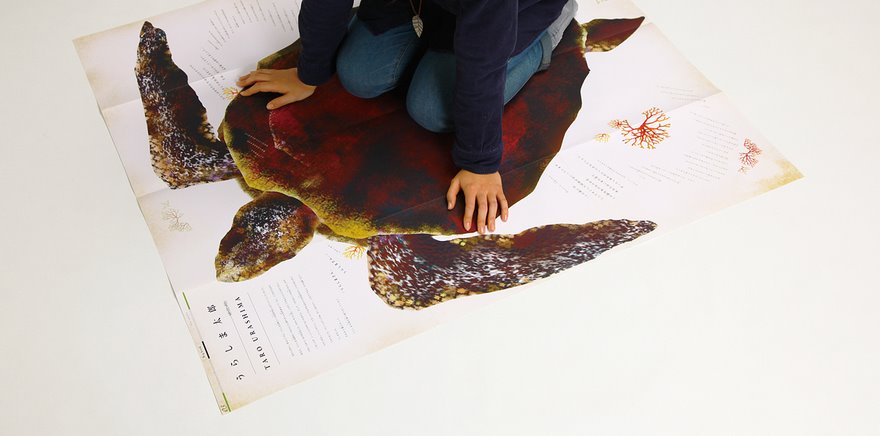
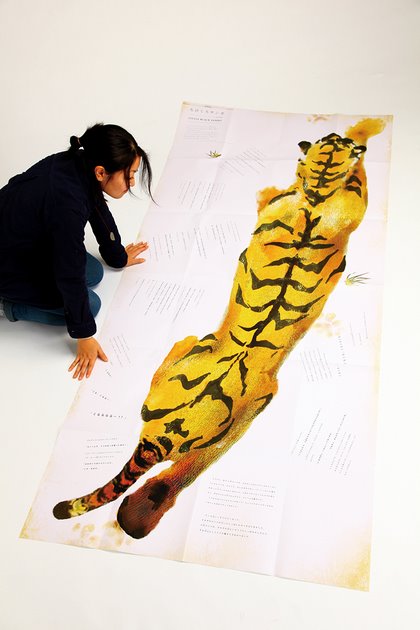
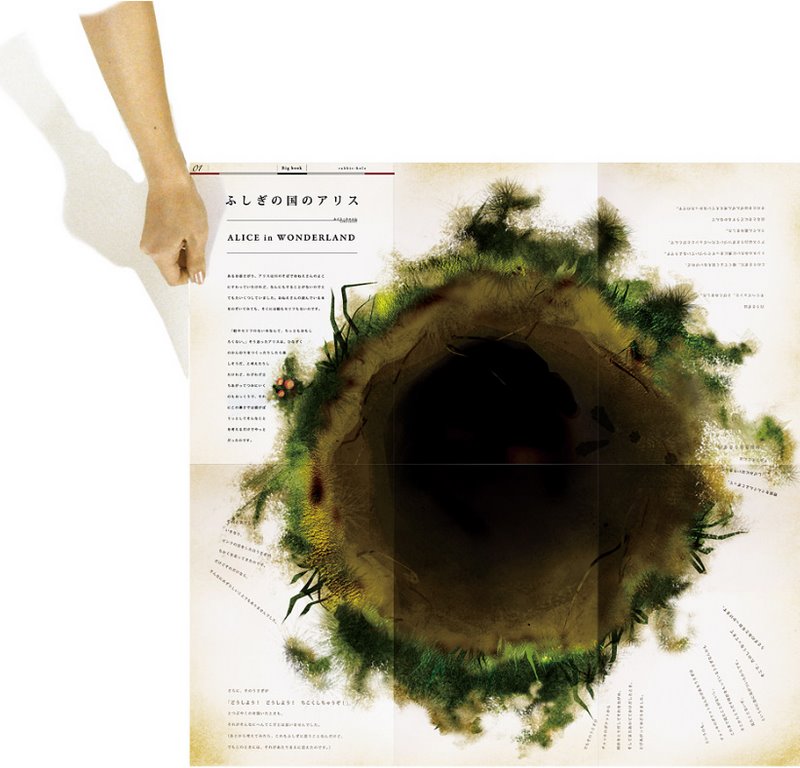
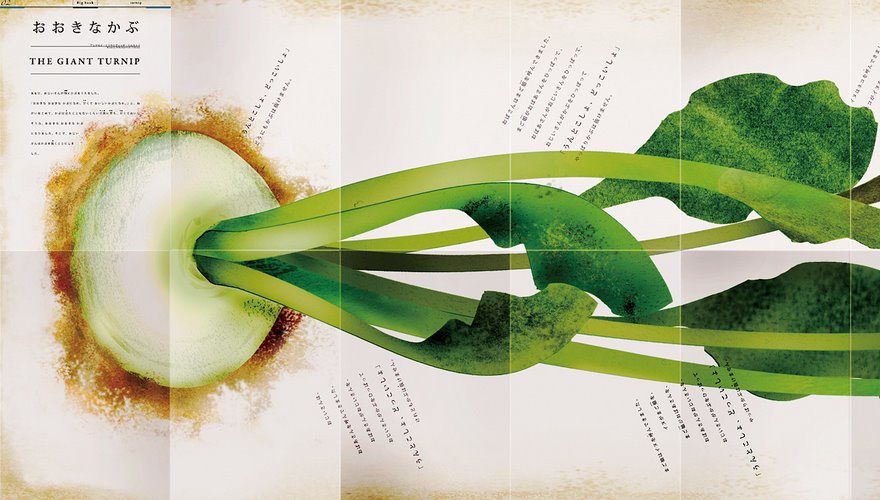
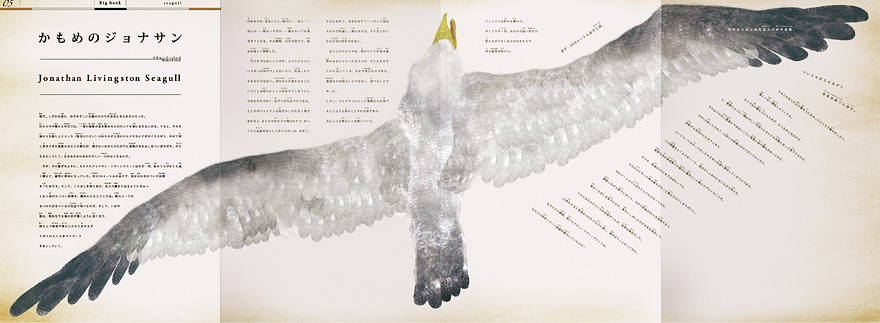
As a parent, I think this is pretty fantastic. Mao Fujimoto, a student at the prestigious Tama Arts University, has redesigned the children’s fairytale, adding another dimension of true interactivity.

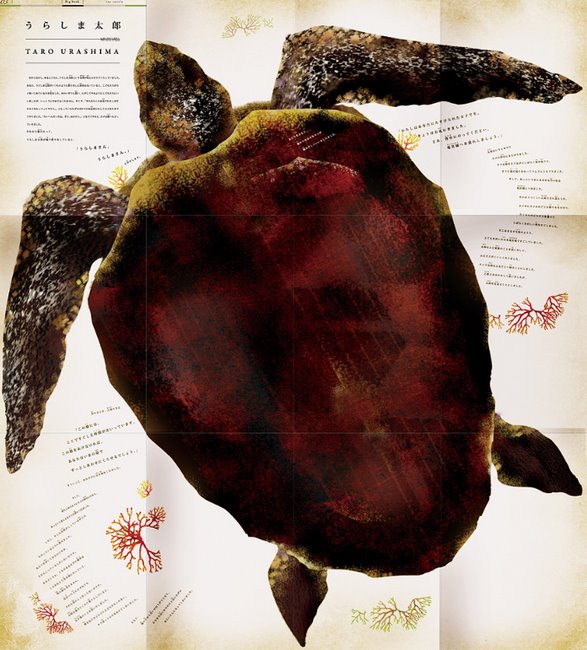
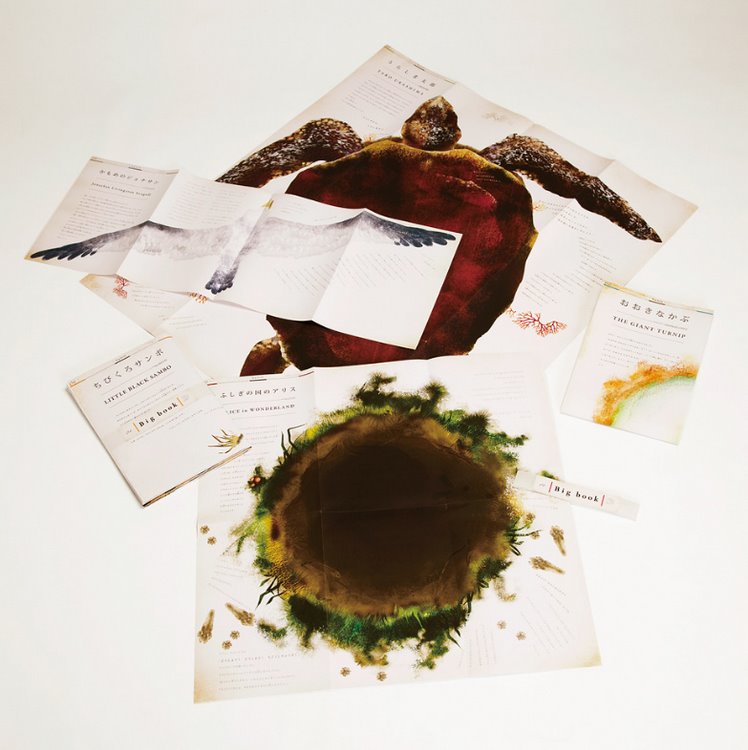
Big Book is precisely that – a children’s story that unfolds into a gigantic single sheet, revealing an oversized graphic of something central to the story. Fujimoto was inspired by a keen fascination about what it would be like to ride on the turtle, which carries the young fisherman to a sub-sea palace in Urashima Taro, one of Japan’s most beloved stories.

Big Book by Mao Fujimoto (3) Big Book by Mao Fujimoto (7)


And each illustration stands alone as a gorgeous work of artistry, all by the hand of Fujimoto. Amongst her series of 5 stories, perhaps the most visually striking is the deep, dark whole featured in Alice in Wonderland. The listeners and storytellers alike can get on top of the whole book, reorienting themselves around it as they become immersed in the story, experiencing it with all 5 senses. I have nothing against digital books, but an experience like this can still only be achieved in analog and Fujimoto presents a masterful way of doing it.

Big Book by Mao Fujimoto (2) Big Book by Mao Fujimoto (4) Big Book by Mao Fujimoto (5) Big Book by Mao Fujimoto (6) Big Book by Mao Fujimoto (7) Big Book by Mao Fujimoto (8)


I found Mao Fujimoto’s Big Book while exploring the winners of the 2011 Mitsubishi Junior Designer Award, announced on October 5, 2011. Fujimoto’s work was awarded the Naoki Sakai award. You can read our previous coverage on this award HERE.

Good Design Award 2011 | architecture

This post is part of our review of the 1000 or so products that were awarded a good design award. You can read all the posts HERE or if you want to learn more about the awards you can read our preface HERE.

Metaphys House


click images to enlarge

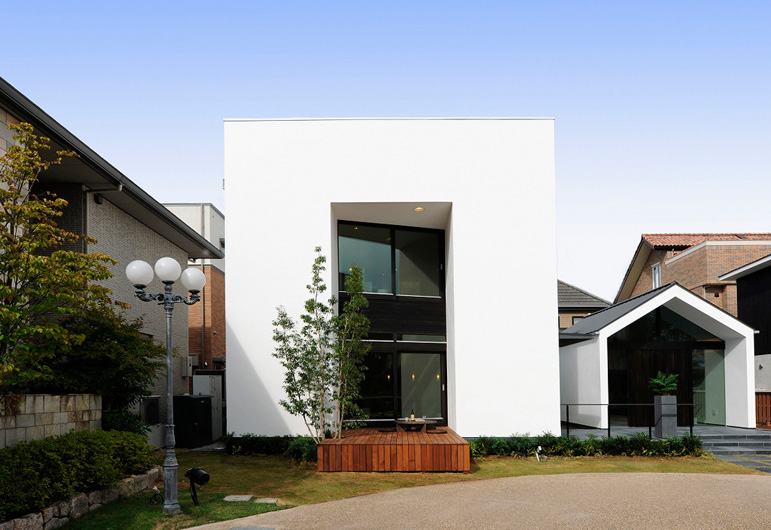
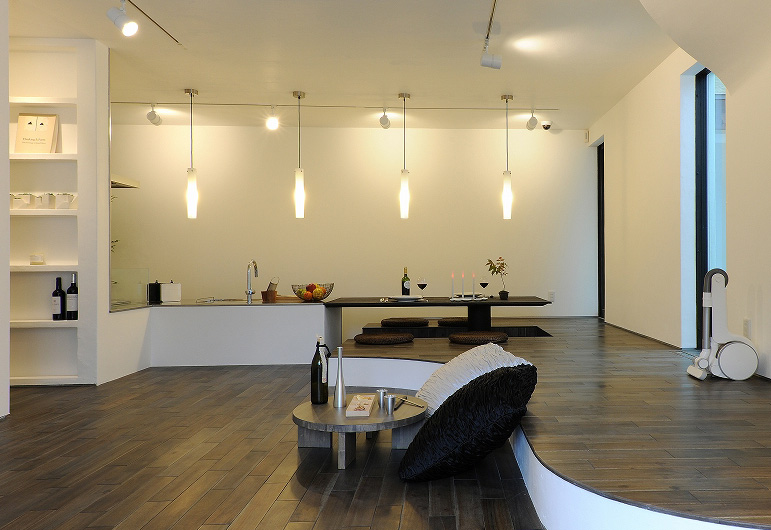
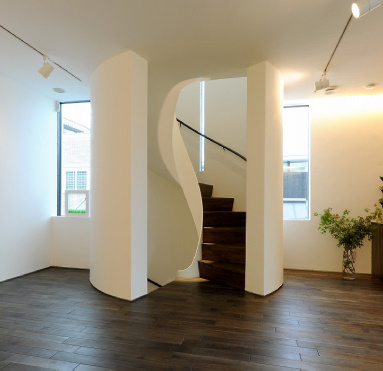
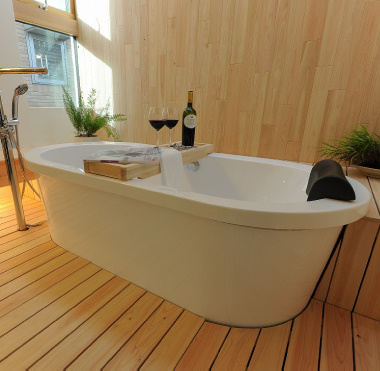
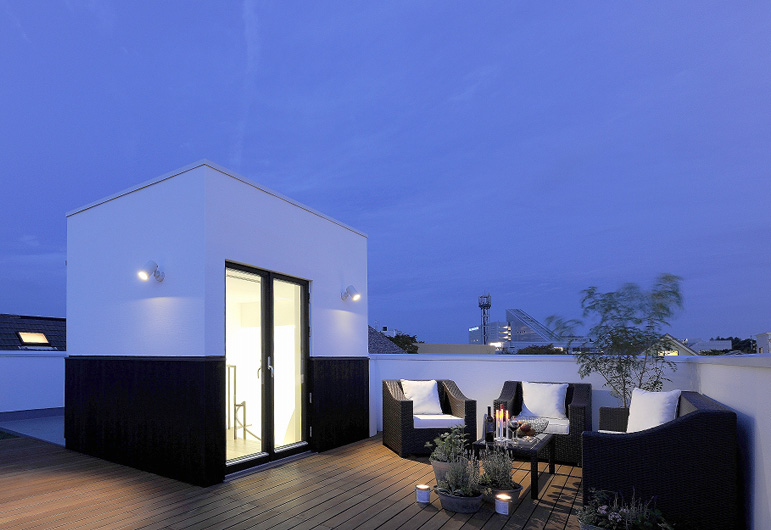
Along with an award for their eraser, Metaphys also placed in a category they’ve never ventured into: residential housing. And I couldn’t be more excited. Much in the same way that MUJI applied their gorgeous minimal aesthetic to architecture creating the MUJI House (which also won a Good Design Award in 2008), Metaphys has attempted the same with their Metaphys House. And of course it was designed by their CEO and head designer Chiaki Murata. Yikes! Total house envy!

Metaphys has dubbed their house the “learning house” in that it reflects many years of social observation, identifying what works and what doesn’t. They’ve essentially concentrated everything that works into this one house. A small yet telling example of this is the sink. They observed how well the foot pedal works in park fountains, both for operating and conserving water, and decided to implement it in the home.


Good Design Award 2011 | consumer services

This post is part of our review of the 1000 or so products that were awarded a good design award. You can read all the posts HERE or if you want to learn more about the awards you can read our preface HERE.

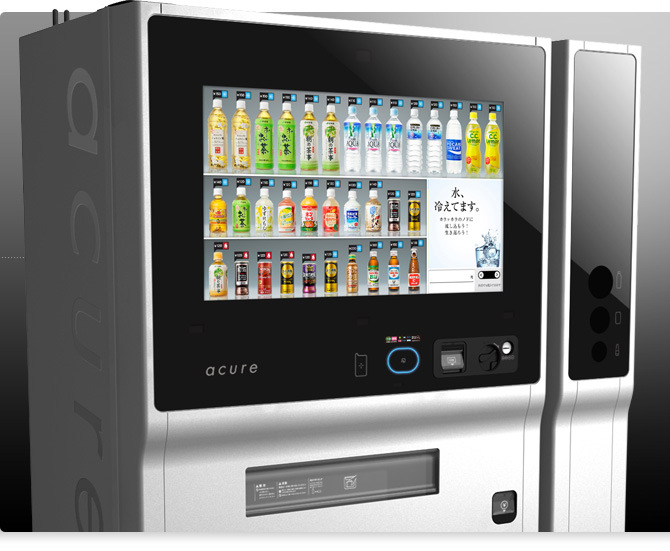
Next Century Vending Machine

Amongst the winners in the consumer services category, in my opinion, there’s really only one design that deserves a mention. And that is the next-century vending machine.

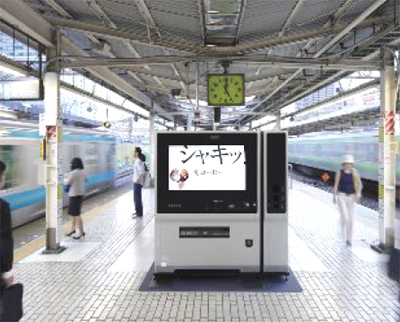
Designed by Fumie Shibata, these state-of-the-art machines were first installed in Tokyo’s Shinagawa Station last year. They boast a 47-inch touch panel, facial recognition technology (so it can recommend drinks based on age and gender) and electric money capability, which I assume means you can use your phone to buy your morning coffee. JR East is slowly rolling out these units over the next year or so and plans to have 500 of them around Tokyo by 2012.

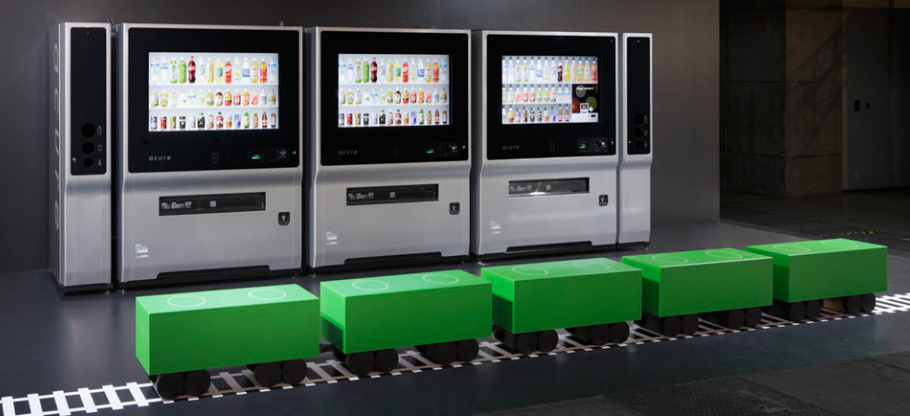
The image below is from the Good Design Awards exhibition. I absolutely love the train-shaped benches!

Good Design Award 2011 | lifestyle category

This post is part of our review of the 1000 or so products that were awarded a good design award. You can read all the posts HERE or if you want to learn more about the awards you can read our preface HERE.

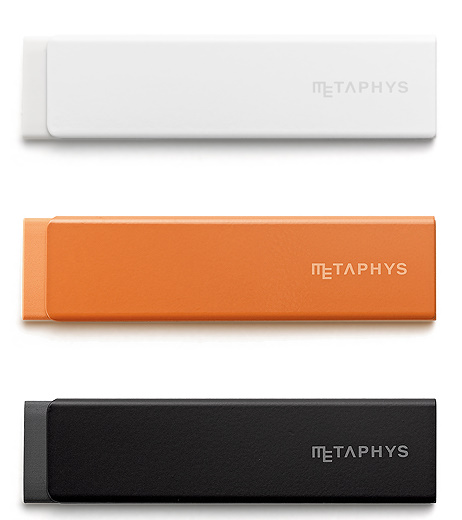
Metaphys Gum Eraser

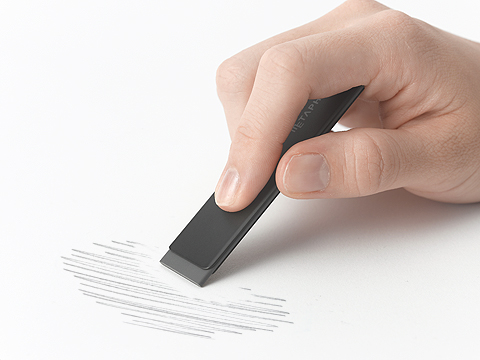
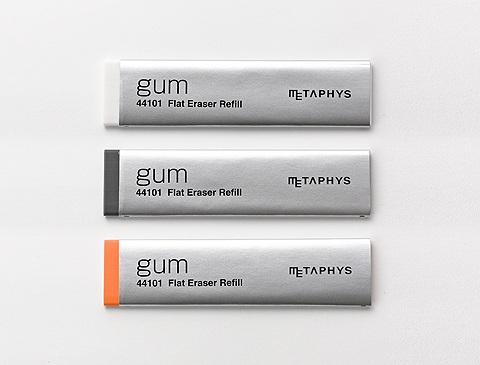
I can always count on the good people at Metaphys to redesign the most mundane of products. Even if no one uses erasers anymore, this Gum Eraser (520 yen) is a beauty of a product.

According to Chiaki Murata, the lead designer and head of Metaphys, there are largely 2 different ways to apply an eraser: large movements to erase a wide area and small movements targeting specific areas. It turns out that the shape of a stick of gum is ideal for encompassing both. It even comes with an aluminum case and refills are just 231 yen.

Notchless Tape Dispenser

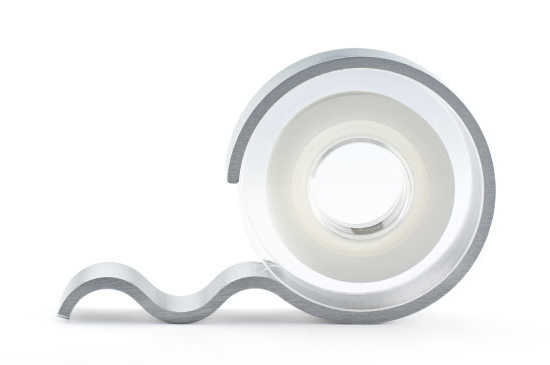
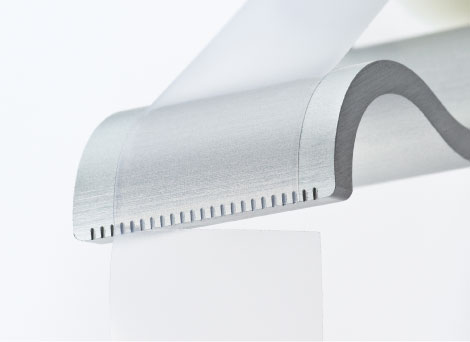
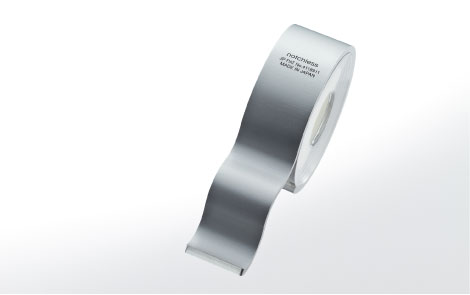
Have you ever found yourself grabbing for a pair of scissors because you don’t want your scotch tape dispenser to leave those ugly teeth marks? Well this is 2011 folks and finally there is someone putting an end to the insanity. Designed by architect Mamoru Yasukuni, Notchless (1,890 yen) has a patented blade that gives a nice, clean cut. Needless to say, it’s complimented by a beautiful modern form.

I love how utterly analog this category is!

Good Design Award 2011 | Outdoor and hobby category

This post is part of our review of the 1000 or so products that were awarded a good design award last week. You can read all the posts HERE or if you want to learn more about the awards you can read our preface HERE.

decagon tent

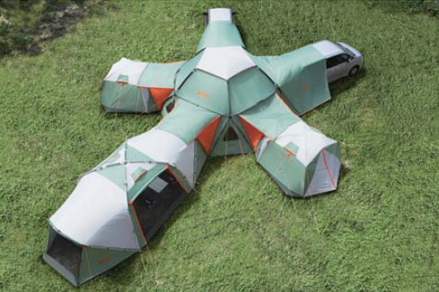
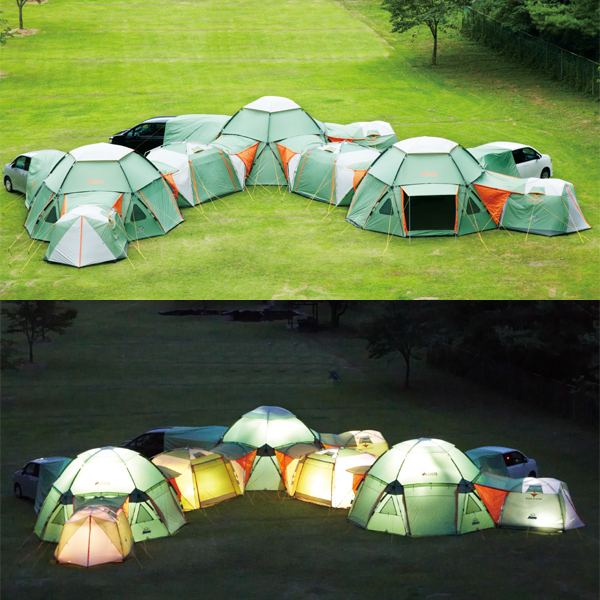
I love the great outdoors but sleeping in a tent, or the possibility of rain confining me to a tent, is a bit scary. But this decagon tent (110,250 yen), designed by outdoor equipment company logos, gives tent life a bunch of new possibilities. With different options the tent is infinitely customizable. I love how it looks like an expanding amoeba.

Play deco

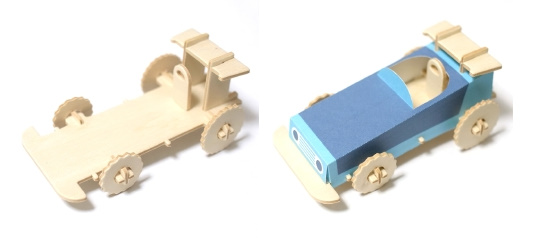
Play Deco (630 – 1,500 yen) is a new brand of toy that gives your typical 3D wooden puzzle a new layer of enjoyment by adding the element of paper. Once you’ve assembled the wooden structure – the “bone” they call it – then you get to customize the “skin.” An awesome way to enjoy a rainy day. They even offer free skin downloads!


Good Design Award 2011 | preface

This is a preface post to our review of the 2011 Good Design Awards. You can skip to the posts.

Last week Japan’s Good Design Awards were announced. I’ve made it clear how I feel about these awards but one of my main qualms is that the award is overly dispensed. Out of about 3000 applicants the award is given to about 1000. To me, a 33% chance of winning seems like a lot. But it’s understandable that the JPD, who sponsors the awards, wants to stamp their seal of approval on as many products as they can because, according to their site, “the purpose of the Good Design Award is to support companies and designers so they can introduce their products out to the world with confidence.” Compare it, for example, to the international Red Dot awards. Odds of winning are anywhere between 6% and 20%, depending on the category.

But I’m just trying to put things in perspective. Unless you’re in the top 15, which have yet to be announced, the awards are hardly prestigious. Oh, and along with the top 15, my favorite category, the frontier design category, has yet to be announced so I’ll be doing a follow-up post probably in early November.

Anyway, like last year, this year’s judging platform was chaired by industrial designer Naoto Fukasawa and vice-chaired by graphic designer Taku Satoh. In addition, a group of 3-4 designers are assigned to each category, which spans everything from sports and tableware to automotive and even business plans. One thing I do like about these awards is that the top prize is, which is selected from the top 15, is decided by a public voting system.

« Older posts Newer posts »

© 2026 Spoon & Tamago

Up ↑

Design by Bento Graphics