Page 266 of 406

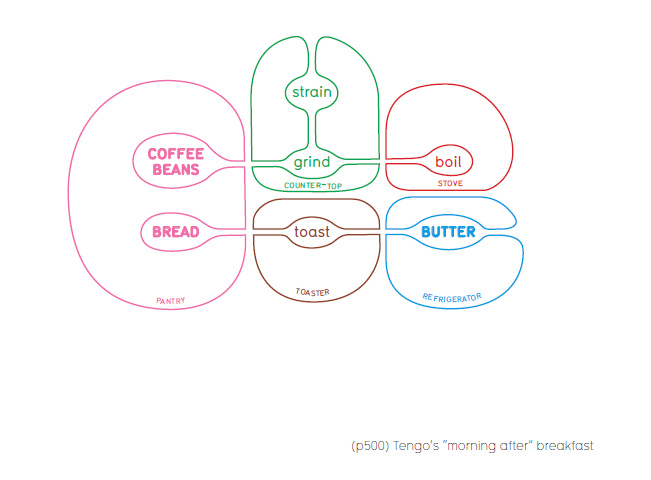
Visualizing the meals in Haruki Murakami’s 1Q84

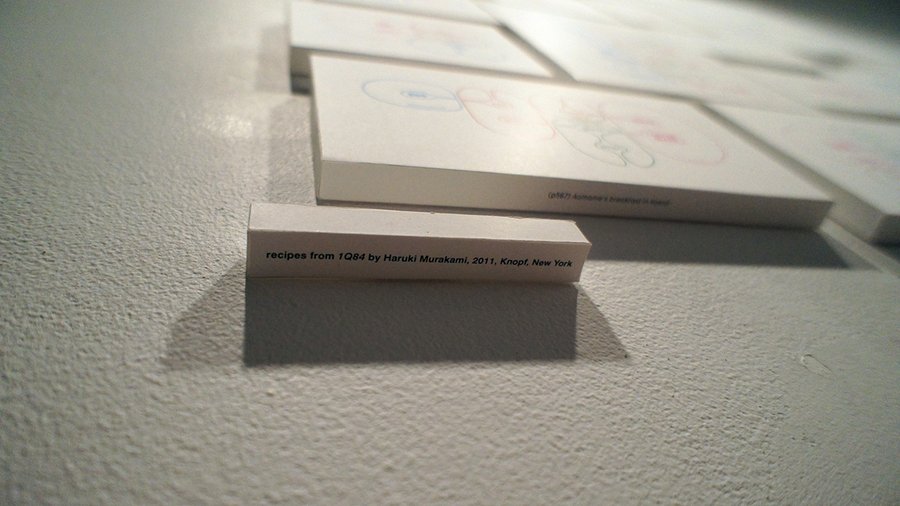
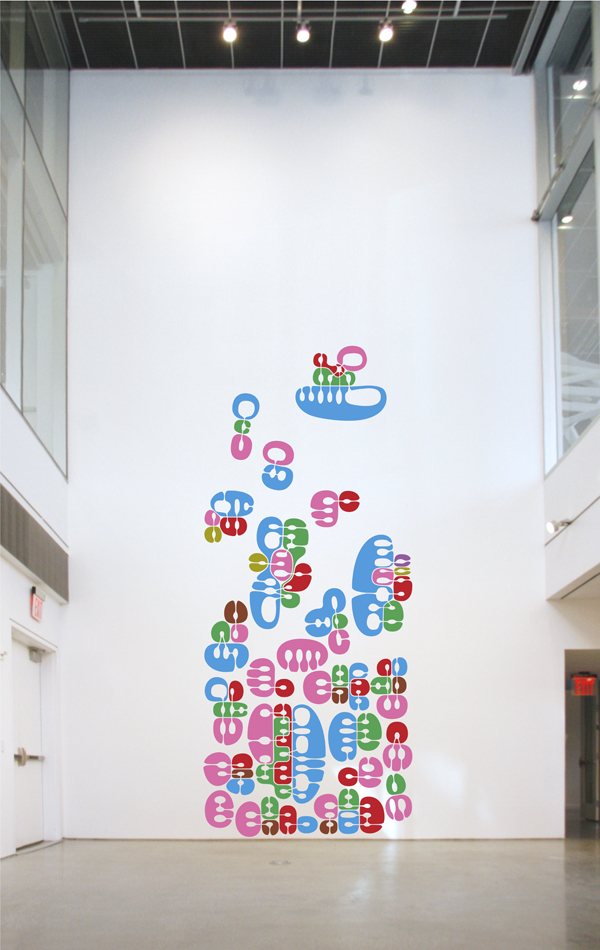
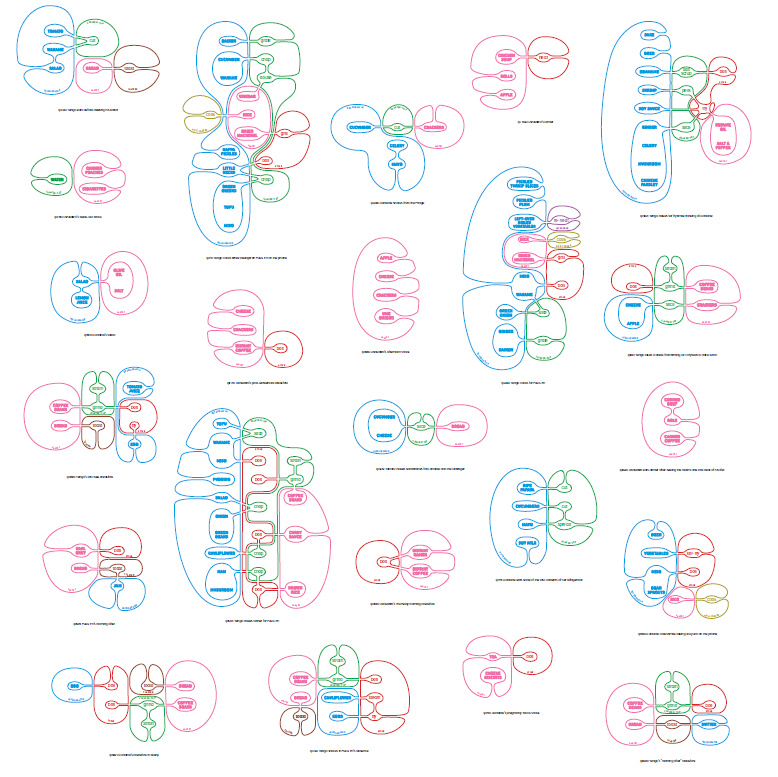
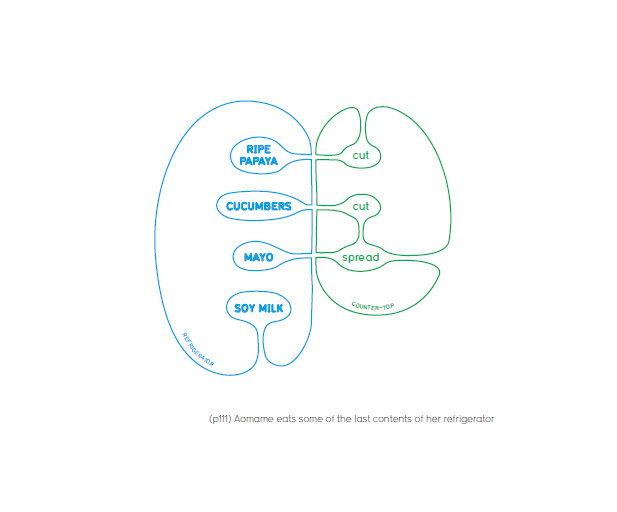
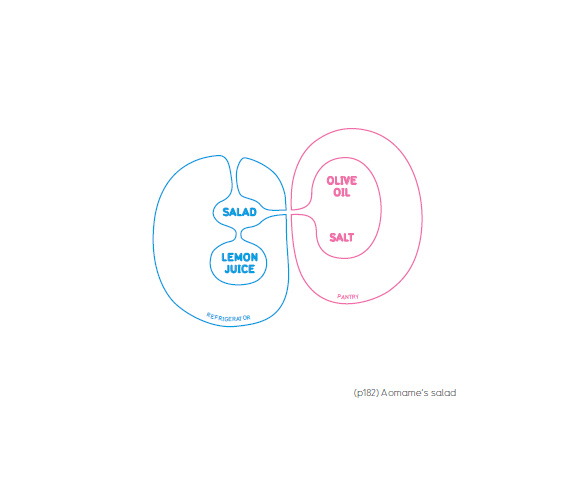
Gilstad uses a single line to divide and connect the different elements of the meal – the ingredients, where they are stored in the kitchen, and in what order and how they are prepared
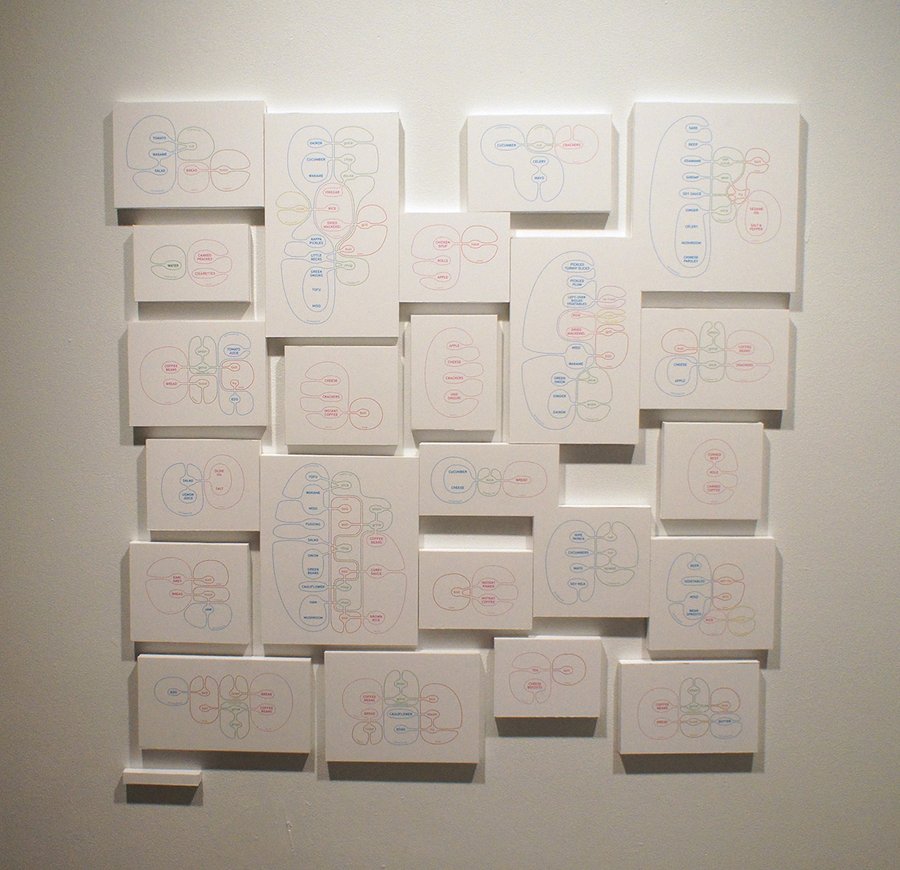
all images courtesy Dennis Gilstad | click to enlarge

A Spoon & Tamago exclusive

Japanese author Haruki Murakami’s latest novel is epic in every sense: the ambitious meta-tale of stories within stories clocks in at just under 1000 pages and was published in 3 volumes. Speaking about 1Q84, Murakami himself said, “I had a kind of premonition it’s going to be a big book. It’s going to be very ambitious.”

Like his other books, 1Q84 is chock-full of obscure references that make you wish it came with its own musical soundtrack, literary appendix and history lesson. The story, like much of Japanese culture, is also heavily garnished with meals; we learn what Aomame eats to prevent constipation, as well as what Ushikawa fixes himself while on a stakeout.

Dennis Gilstad, an art student at Cooper Union, has created an equally epic and stunning infographic for his graduation show that charts and visualizes all the meals that occur throughout Murakami’s latest opus. Dennis tells me that he was actually influenced by Japanese architecture firm SANAA (previously) and their programmatic approach to using the line to define spatial relationships. Indeed, Gilstad uses a single line to divide and connect the different elements of the meal – the ingredients, where they are stored in the kitchen, and in what order and how they are prepared.

If you’re in New York, you can still catch Dennis’ show, “Real Good Box,” which is on display in the gallery in Cooper’s new building, through May 9, 2012.



(thanks for the tip, @perke)
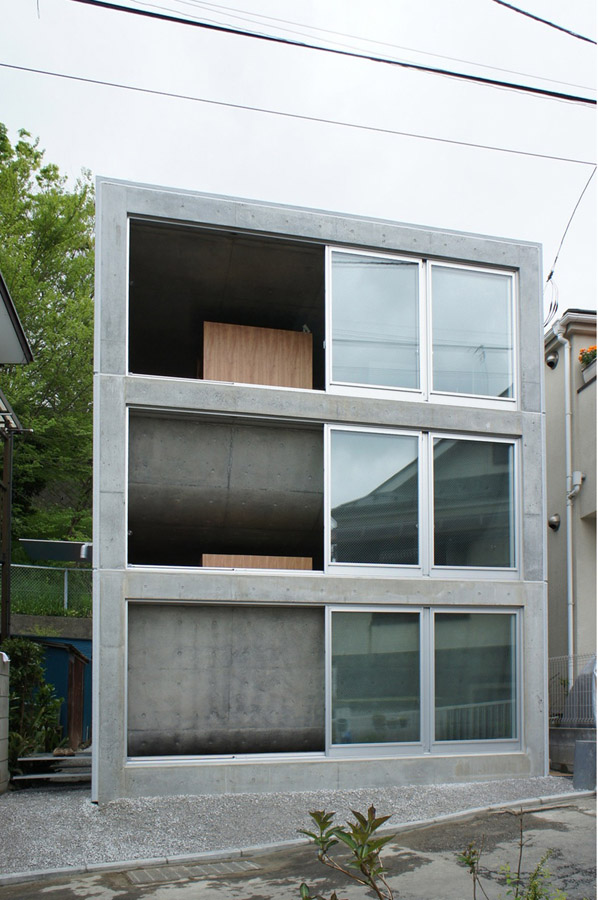
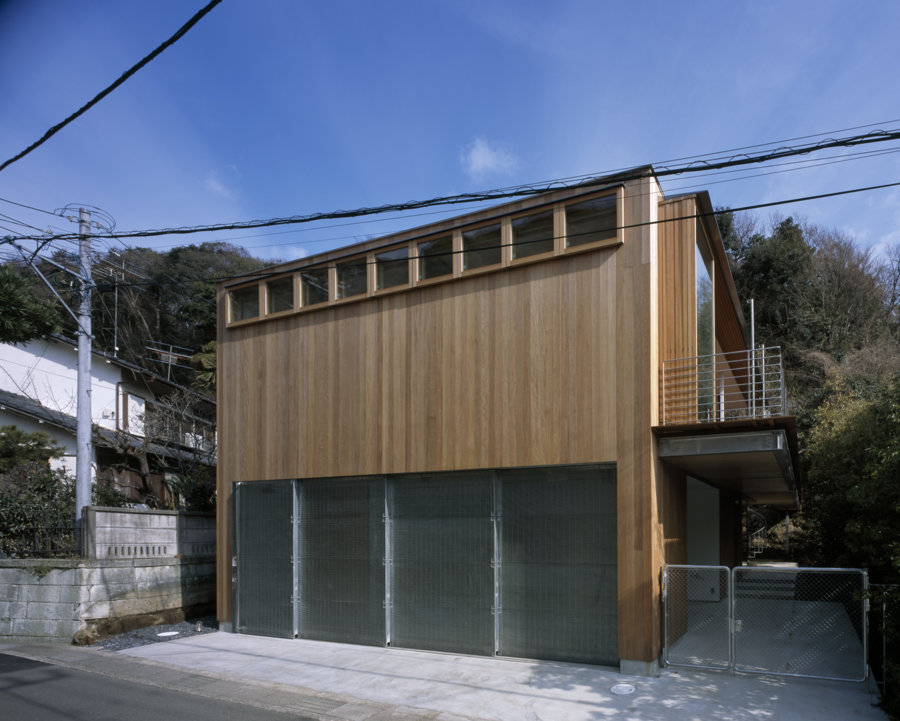
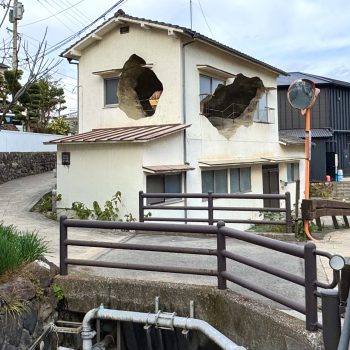
House in Zushi by Takeshi Hosaka

images are all courtesy japan-architects, who visited the open house in early May.
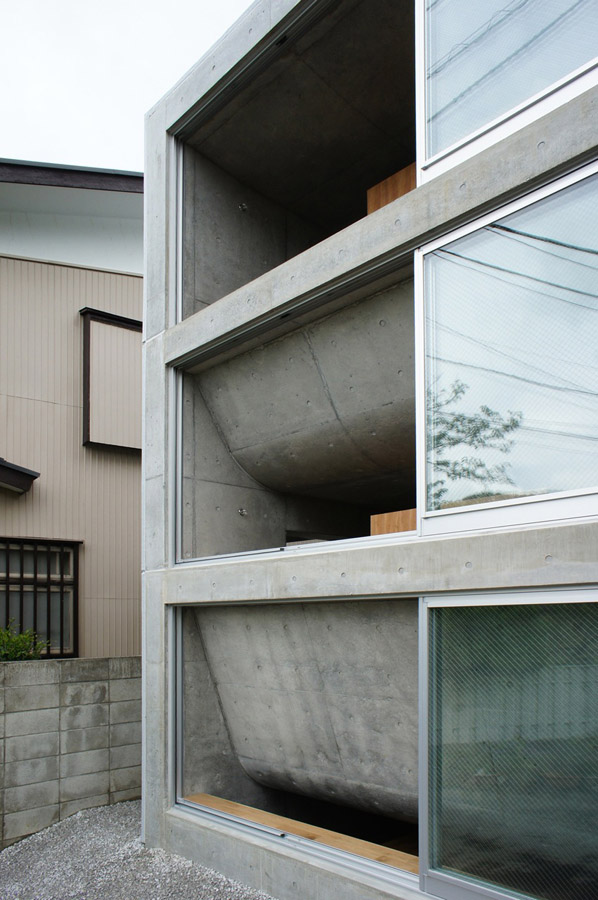
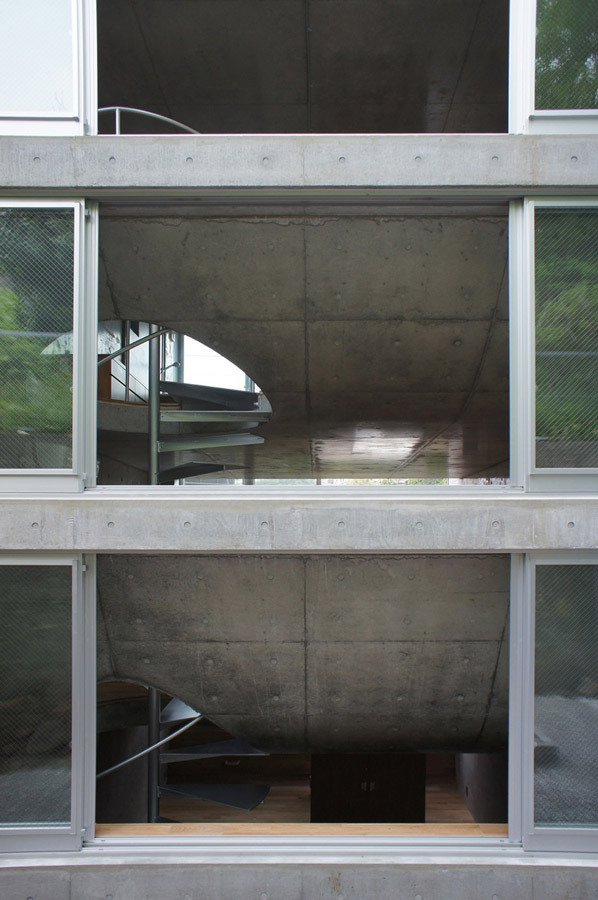
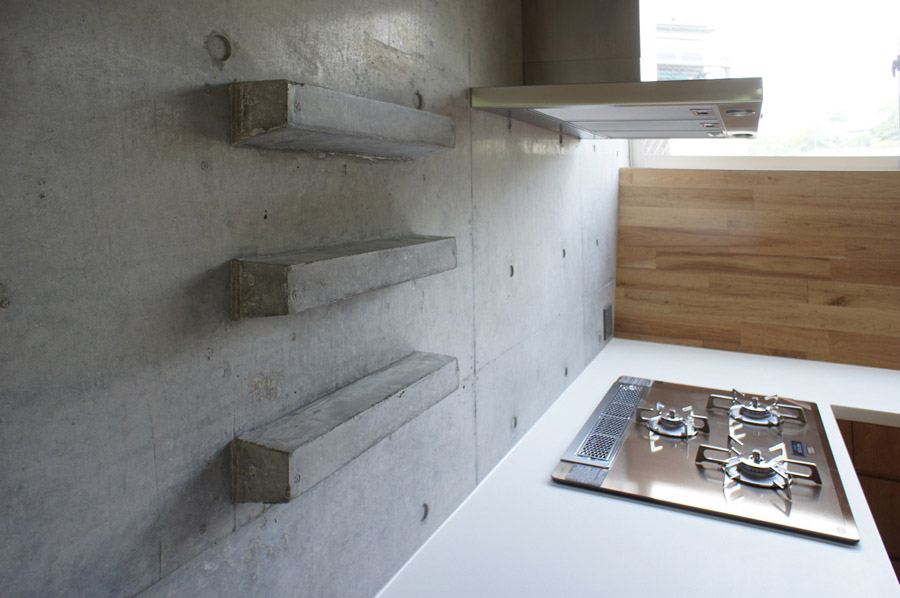
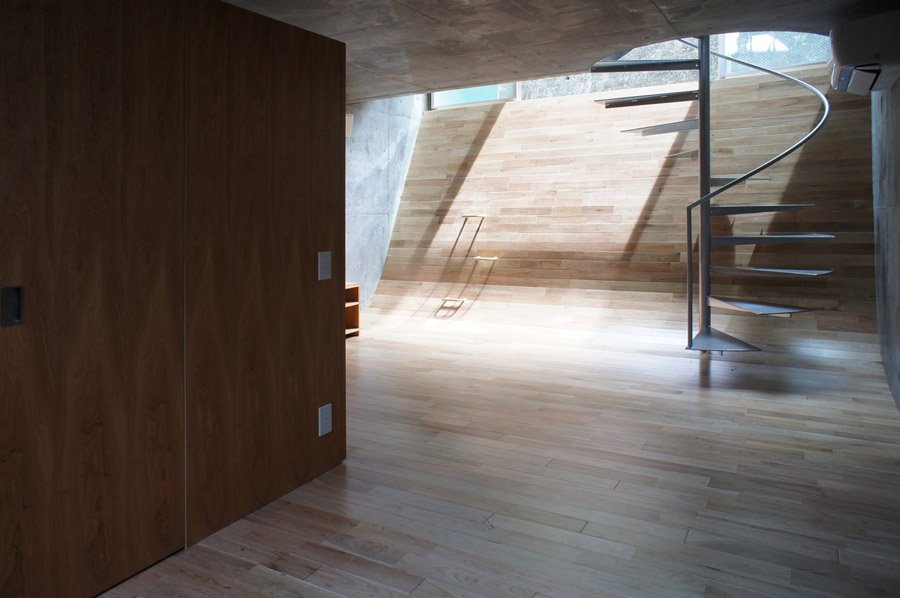
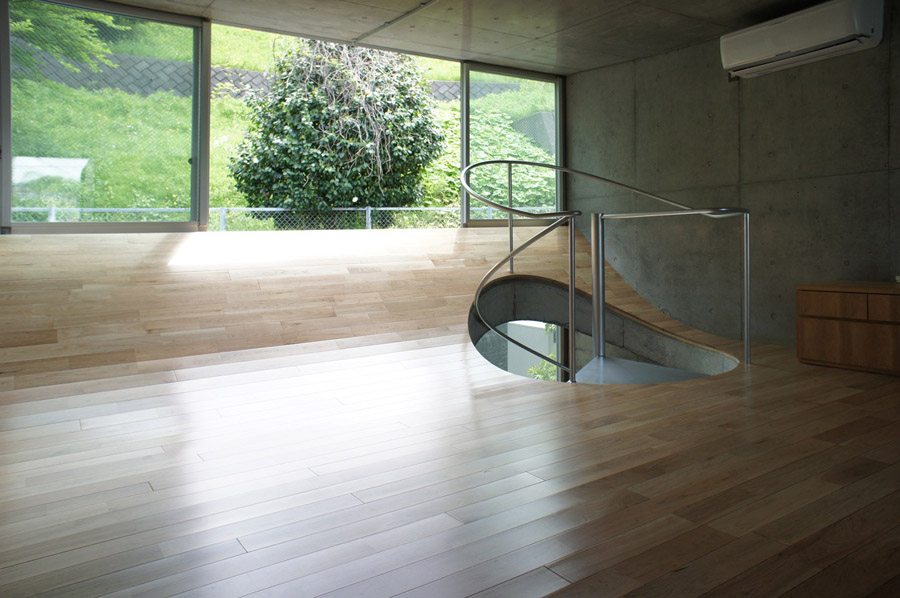
Japanese architect Takeshi Hosaka is master of the unconventional. Whether he’s designing igloo-looking noodle shops or amazing homes that flip the indoors for the outdoors, Hosaka is continually pushing architectural boundaries with his shape-shifting projects. House in Zushi is his latest home – completed just last month – and uses recessed flooring as a unique method for ensuring privacy.

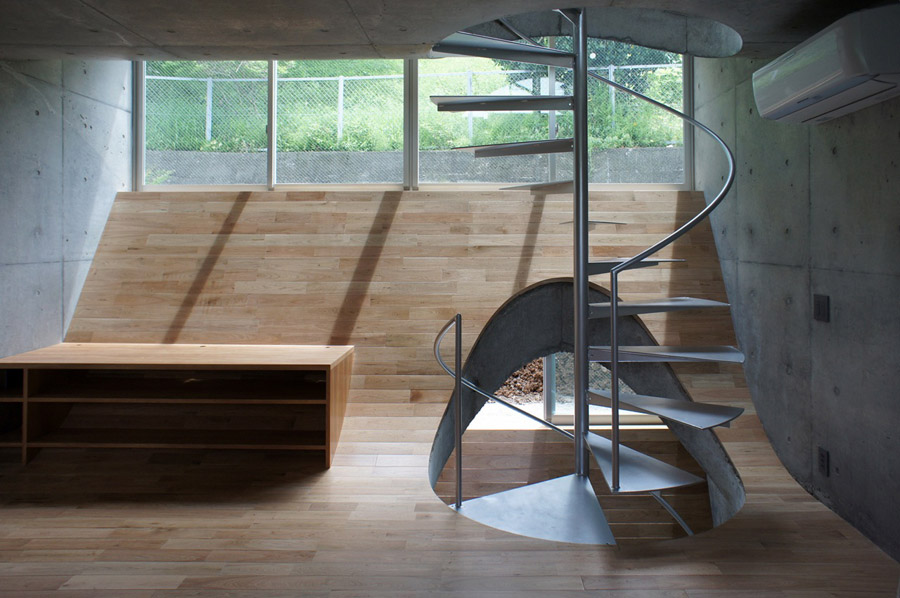
Those slabs of concrete that you see in the windows are actually the ceilings of each story or, if you prefer, the floor of the above story. Confusing? Have a look at the architectural model.

The curved floors allow for sunlight to enter each room, while also creating a significant barrier between residents and neighbors. Although I have a feeling the interesting house will only attract more eyes.

I’m not convinced that this is the most efficient way to maximize space, but it certainly creates in interesting interior, which will, in turn, undoubtedly create interesting sitting positions.

source: japan-architects


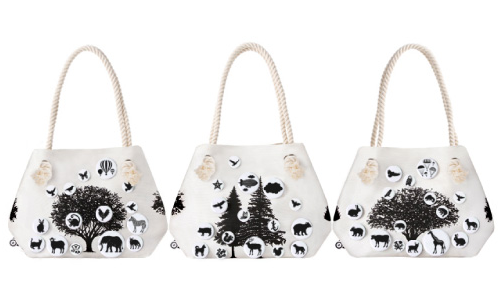
Landskip Bag by fu-na

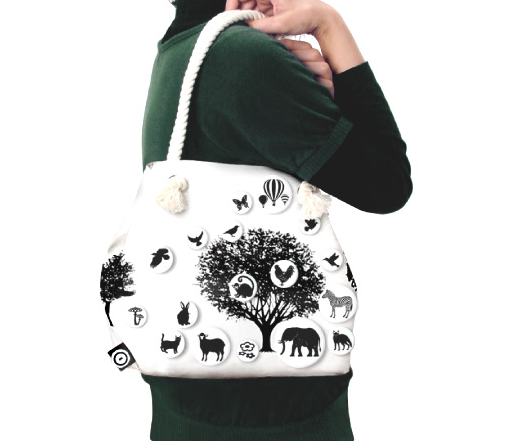
I’m going a bit crazy over this Landskip Bag designed by fu-na. What a great idea! My kids would love this.

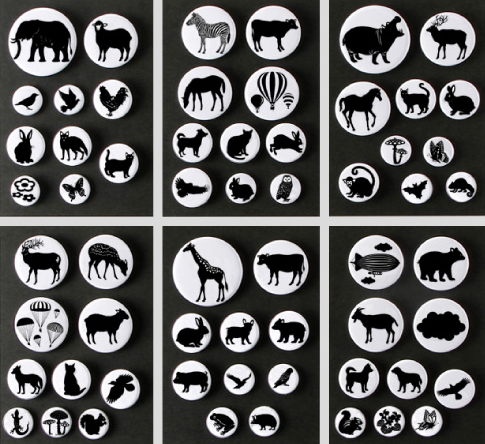
The LandskipBag takes its name from “landscape” and “skip” – describing a person who feels so happy that he/she cannot stop skipping around. You can create your own forest scene by fastening animal badges to the bag.


“fu-na” is a Japanese creative studio comprised of  Chiduru Fukino and N. fu-na’s products are completed by users themselves, who add their unique arrangements to the items.

source: monoco

Qusamura | Kohei Oda’s collection of creepy cacti

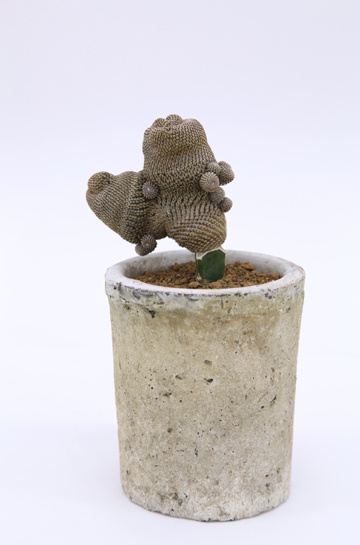
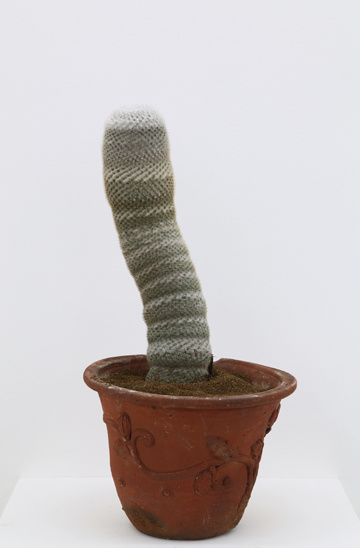
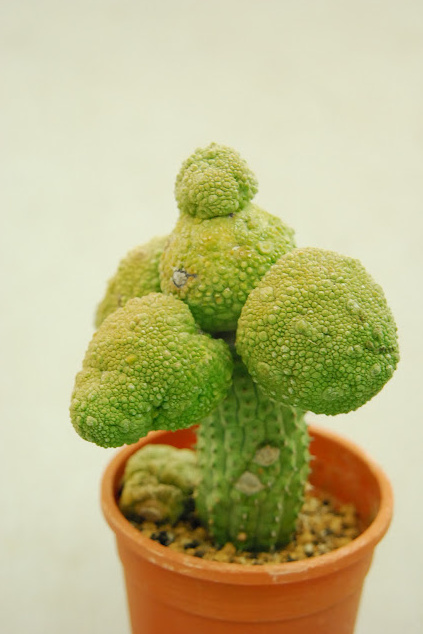
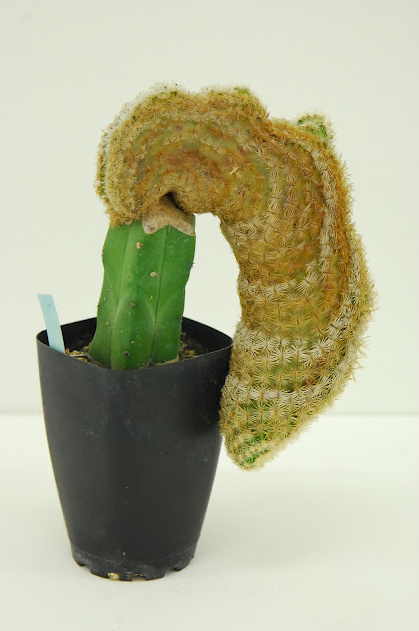
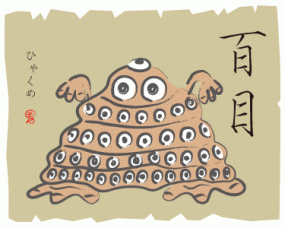
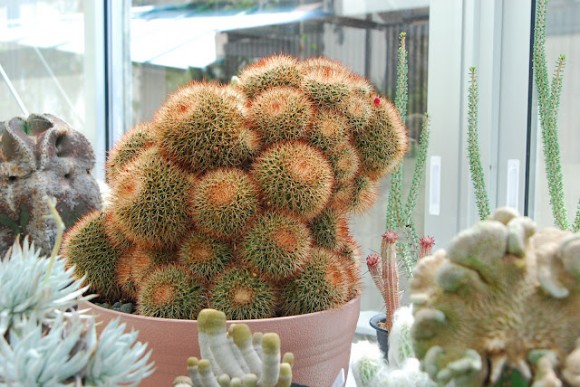
Kohei Oda is a botanist. But not just any botanist. He runs a shop in Hiroshima called Qusamura (pronounced, kusamura), where he sells one-of-a-kind, slightly off-beat cacti with “nice faces.” But not in the human sense. Many of his plants appear to be from another planet. Over on his blog he’s even started pairing different plants with their own matching yokai – supernatural monsters that appear in Japanese folklore.

This one here is Yokai Hyakume (hundred-eyes). Given his numerous retina, the sun is too bright for Hyakume so he usually walks around at night. It’s said that if you ever run into Hyakume one of his eyes will pop out and start following you around.
Consider this post an open appeal to Oda to create more Yokai cacti.
If you’re interested in his work, Oda will be having an exhibition at the art space limart, starting May 22, 2012. In fact, he’s in line as soon as Nerhol’s current exhibition ends.

source: hitspaper | Qusamura

Perfume – a group of dancing Macarons, Cupcakes and Lollypops

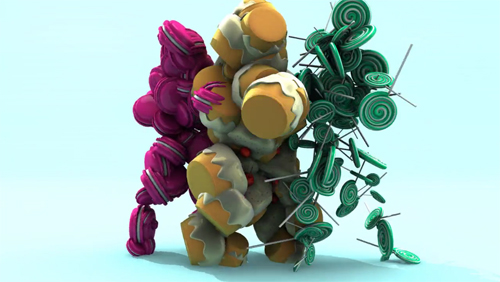
This is what happens when you motion-capture a pop girl group and release it on the internet as a free download. Perfume, if you don’t know them, are an all-girl trio that have gained popularity, in part, due to producer Yasutaka Nakata, who decided to take the group in a more electrohouse direction.
For their latest marketing campaign, Perfume has enlisted Daito Manabe (previously) to capture the dance motion data of the girls and release it for all to remix. The project has resulted in a number of unique dance routines you’ll never see anywhere else including multiple heads of Buddhist nun, writer and activist Jakucho Setouchi. The virtual Perfume model is similar in concept to that of Japanese pop star Hatsune Miku – a 3D hologram who performs at sold-out concerts.

Perhaps my favorite is this remix by visual designer ogaooooo. It’s pretty fun to watch.

source: Naoki Sakai

Coshell Chair by Tendo Mokko

click images to enlarge

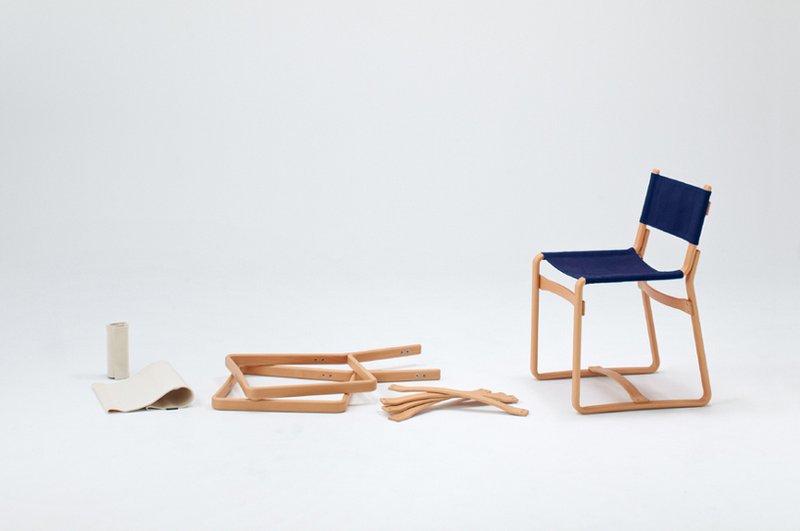
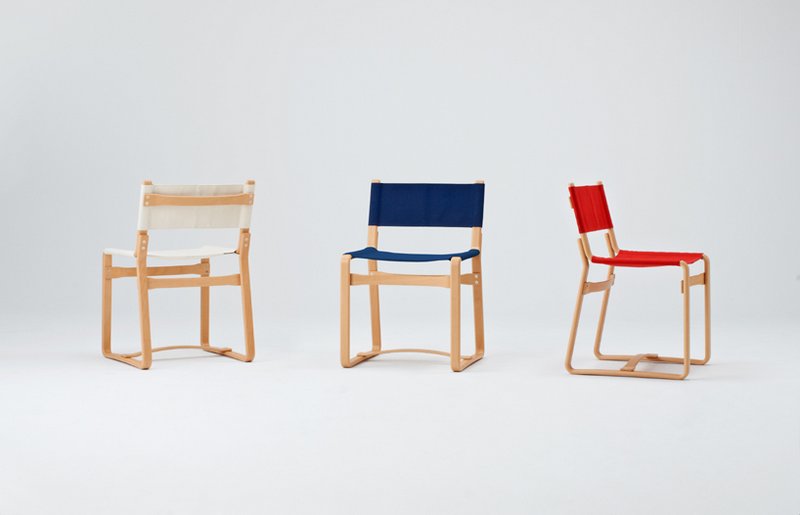
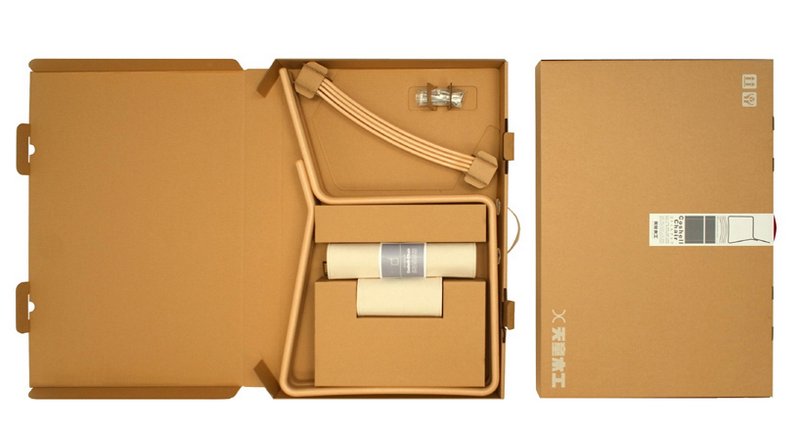
It’s not too often I get to write about product design AND packaging design in the same post. In this case, I think the packaging design beats the actual product. Japanese furniture manufacturer Tendo Mokko has released their latest design, the Coshell Chair (26,250 yen). The chair derives its name from the Yamagata dialect (Coshell; こしぇる which means “to make”) and is an homage to the earnest craftsmanship of the Tohoku region.

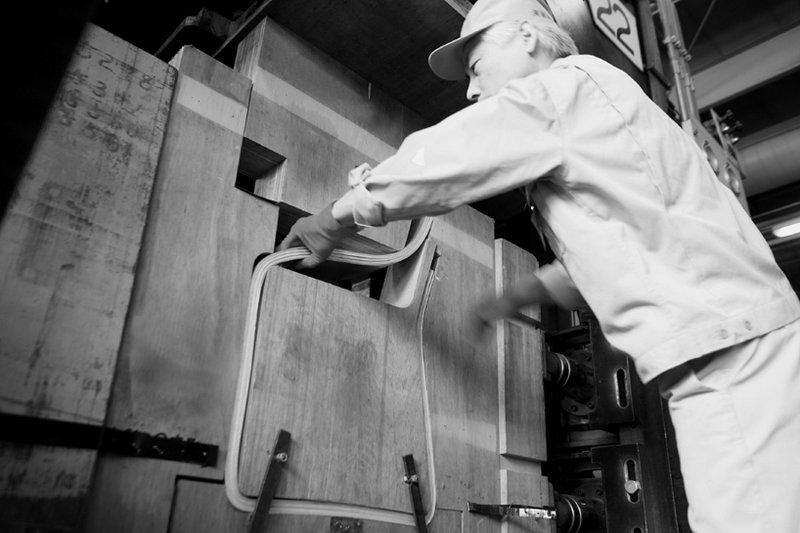
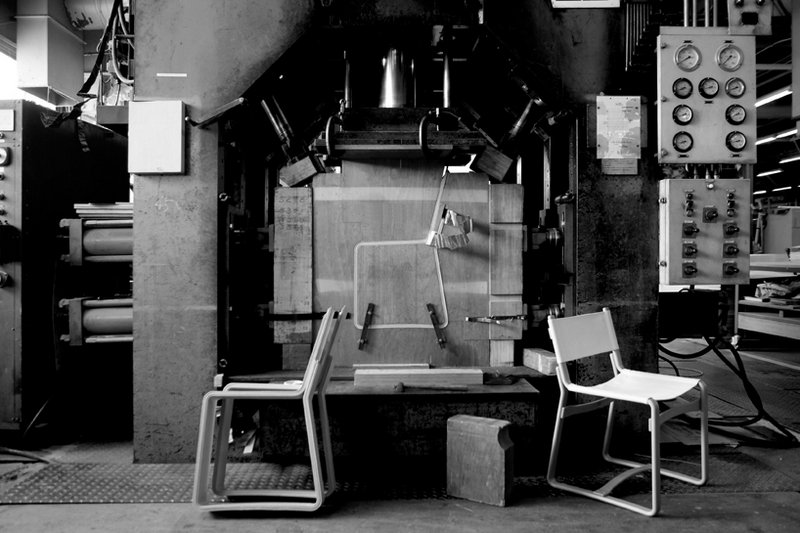
The chair features a molded white beech plywood frame that creates gentle, exquisite lines. But where it really shines is in its thoughtful and elegant packaging. The chair comes flat-packed and can be assembled in roughly 20 minutes using only a hexagonal wrench. It’s a great example of small material, high impact design.


Check out the making-of pictures below, which are fascinating.

Source: Submission

Mika Aoki’s Singing Glass

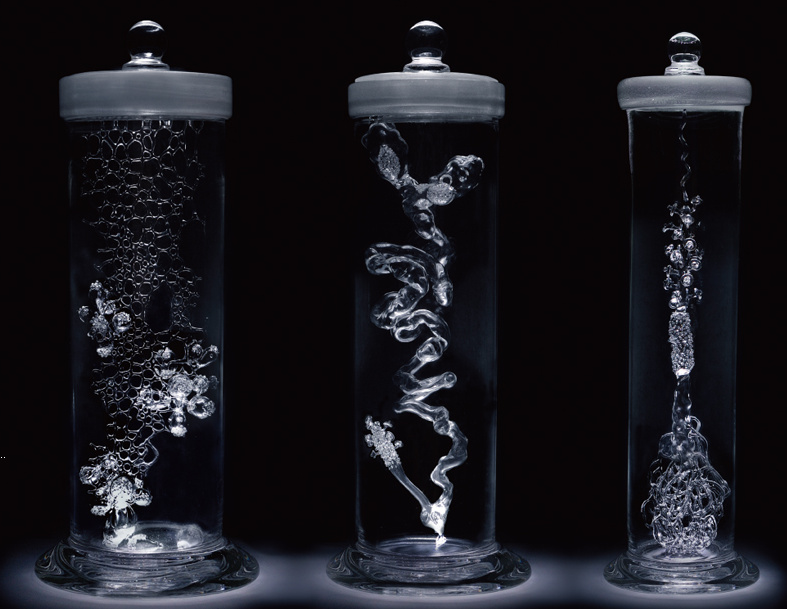
“fluctuation of life” 2010 (photos by kozaburo sakamoto) |click to enlarge

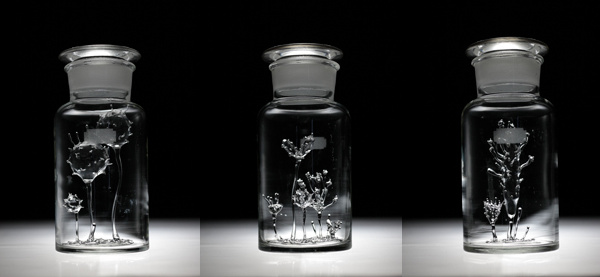
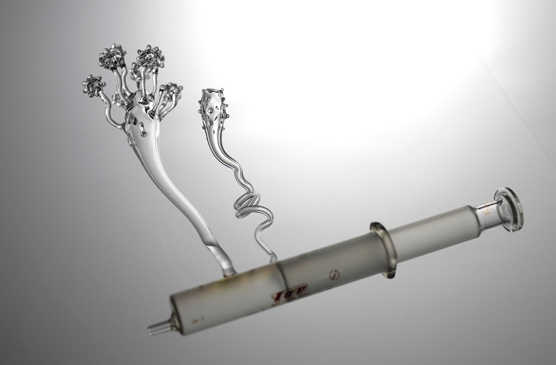
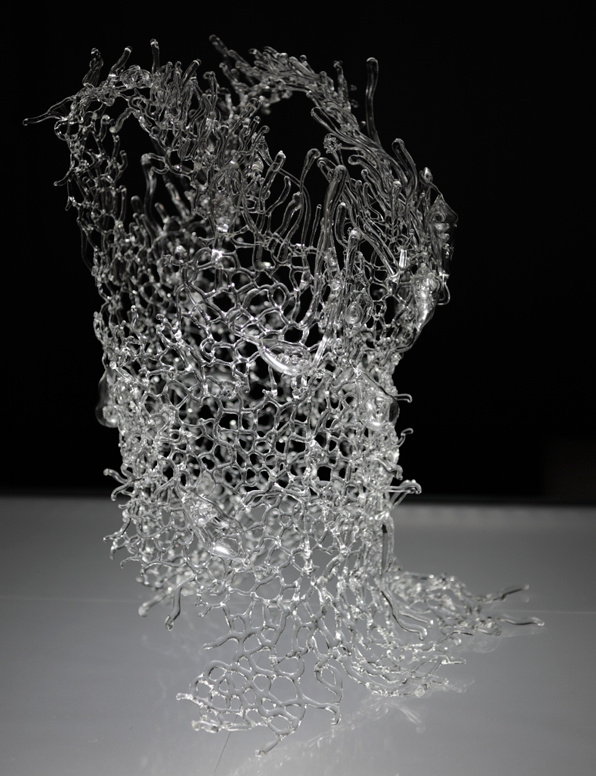
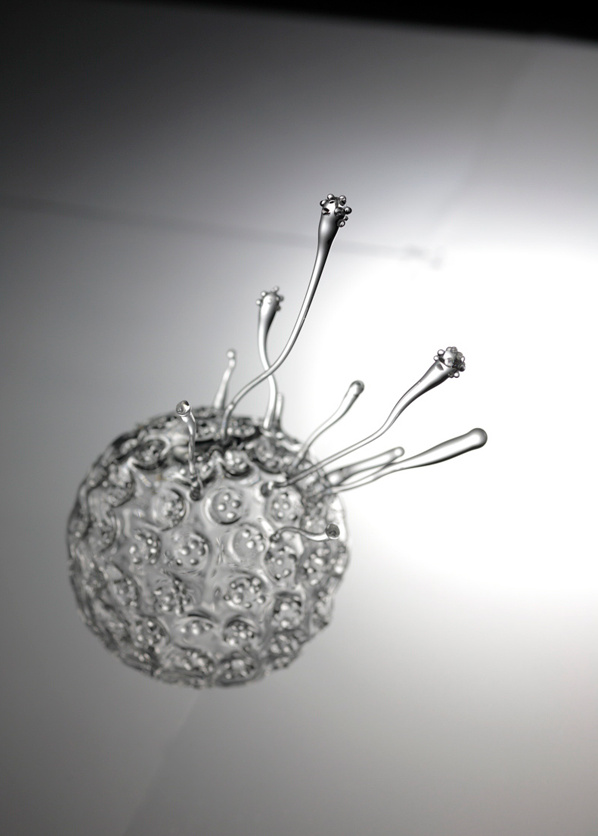
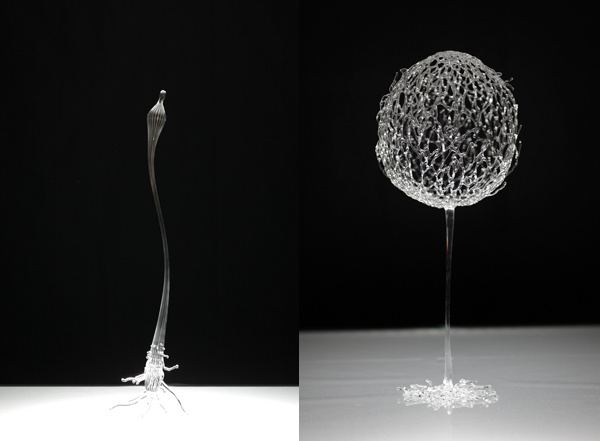
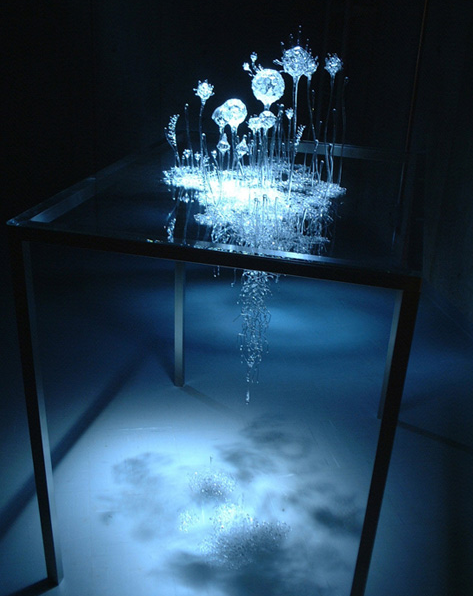
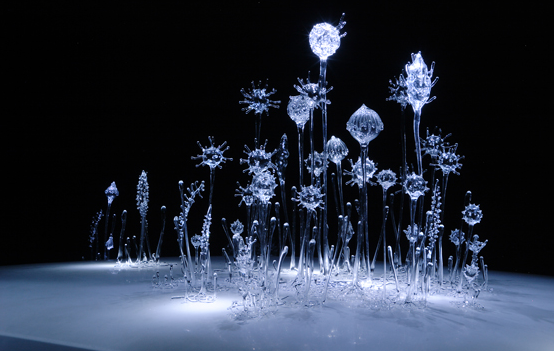
Japanese artist Mika Aoki creates exquisite glass sculptures inspired by her fascination with the visible and invisible qualities of the medium. What at first appears to be high-speed macro photographs of water droplets, turn out to be physical stationary sculptures carefully crafted from glass (and occasionally plastic). Aoki often derives her inspiration from the forms found in microscopic life such as spores, fungi, viruses or even sperm. With a masterful command of light and glass, Aoki depicts these propagating life forms in a haunting yet beautiful fashion, which she calls “singing glass.”

Here are some pieces from a 2009 solo exhibition Aoki did at Gallery Art Morimoto:

(photos by kozaburo sakamoto) | click to enlarge

Mika Aoki was born in Hokkaido but is currently working in the Marunuma Art Park (Tochigi, Japan). Most recently she showed at Art Fair Tokyo and the Biwako Biennial but I was surprised to learn she has never show abroad.

Here’s Mika, talking about her work

In some cases, we cannot see if window glass is there or not. Unless light shines on it, we can’t confirm the existence of it because it is transparent. But once the light shines on it, glass truly emanates a special presence. Although it is solid and hard, it is quite easy to be broken. It connotes conflicting qualities: solidity and fragility.

The interaction of light with this material reveals certain aspects of substance. We humans, with our limited imaginations and powers of recognition, call these aspects
“form” and ”color.”

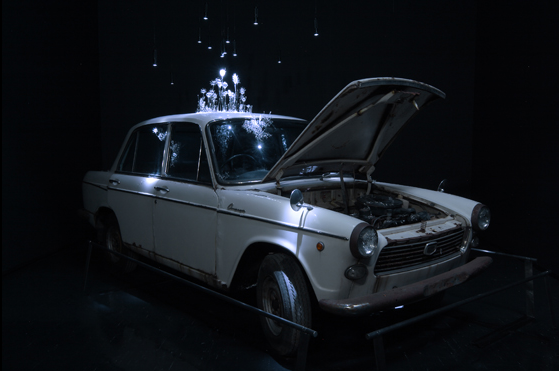
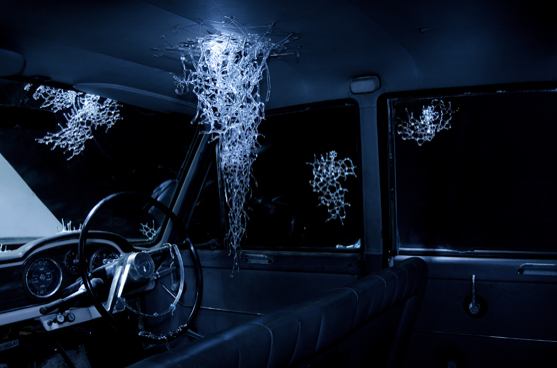
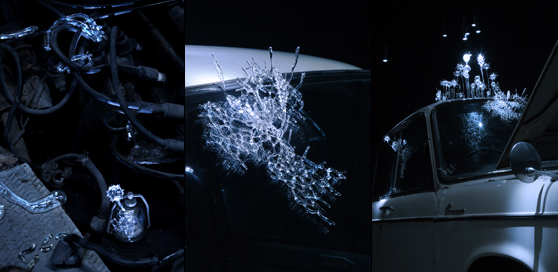
And here are some shots of “her songs are floating,” an installation she did in 2008 at the Hokkaido Museum of Modern Art, in which a rust-eaten old car is getting over-taken by spores of fungi.

Finally, here is an intriguing series she did in 2009. Titled simply “Bottle,” it depicts a liquid that appears to be spewing from a glass bottle.

photos by yusuke sato

source: machi-naka art project

House to Catch the Mountain by Tezuka Architects

photo by Katsuhisa Kida /FOTOTECA | click to enlarge

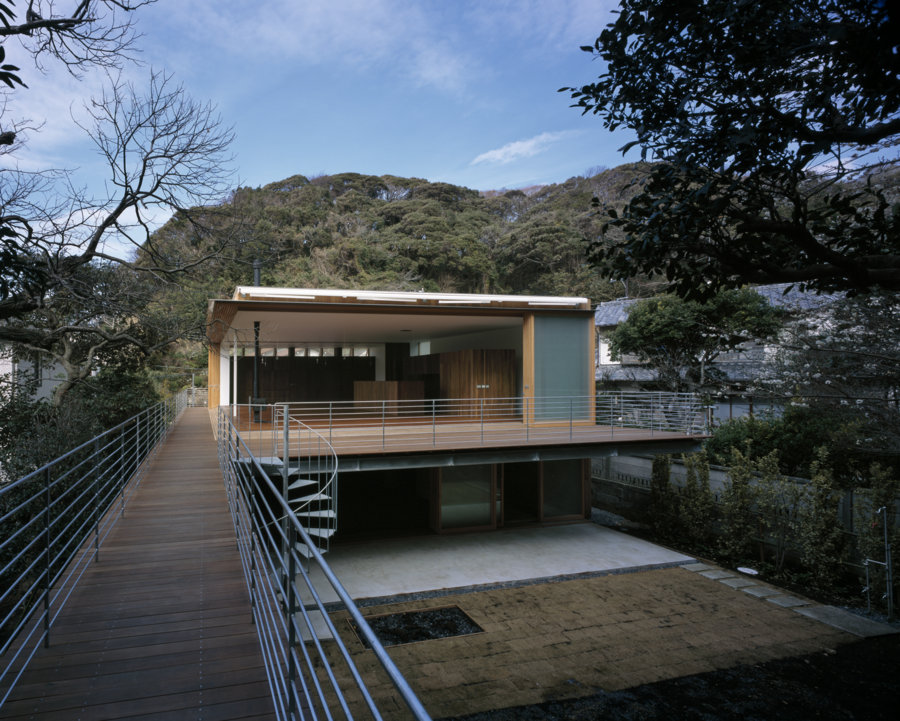
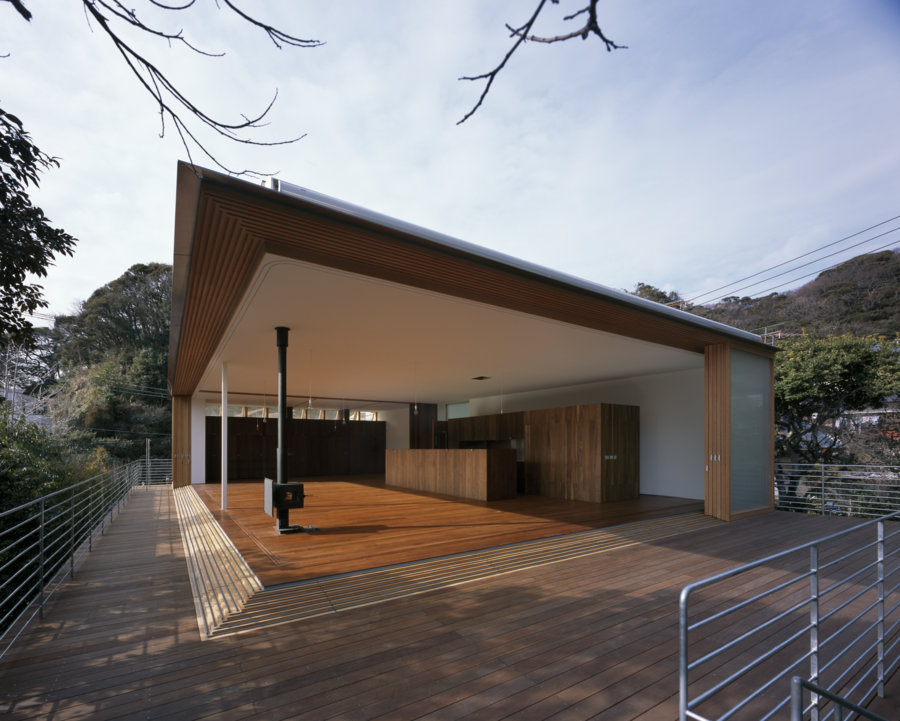
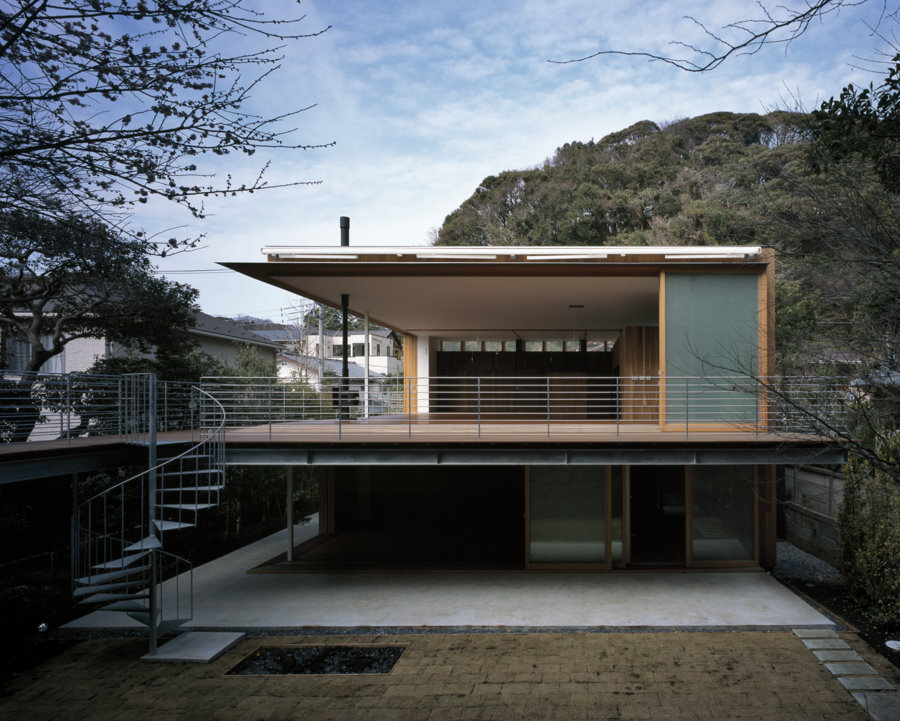
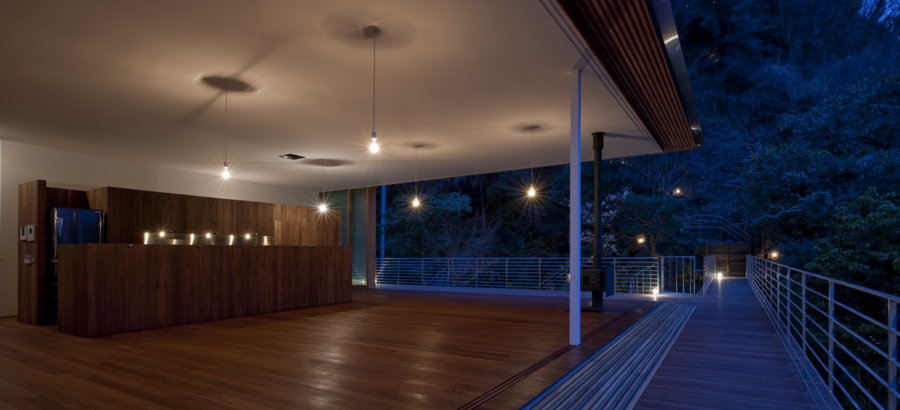
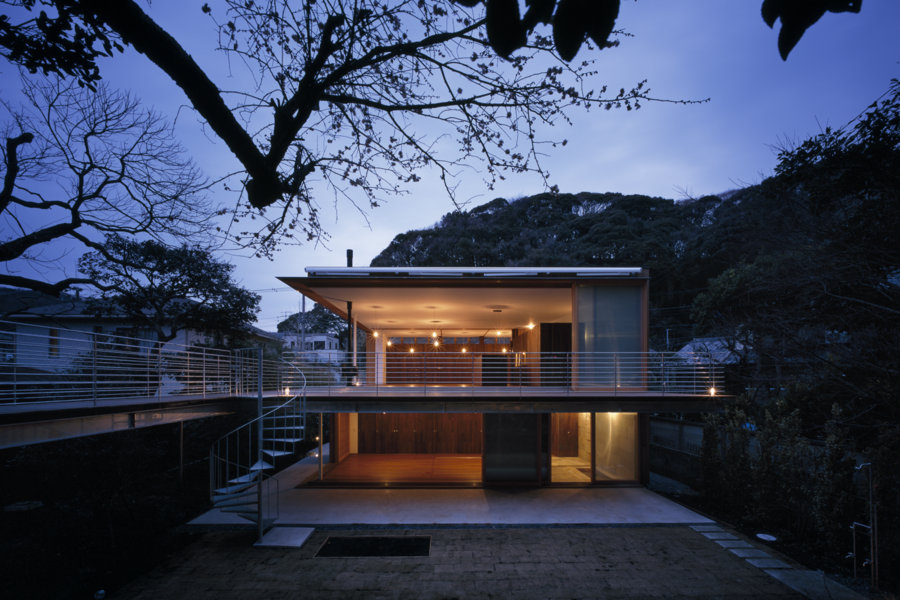
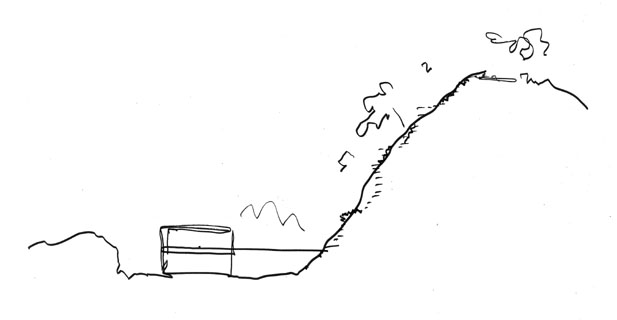
I love this new home built in Kamakura, Japan and designed by Tezuka Architects. “House to Catch the Mountain” was completed in February 2012 and derives its unique name from the way a small bridge stretches out from the living room, like an arm, grabbing on to the mountain, whose foot the home rests on. The Bridge then merges will a small pathway that extends to the top of the mountain.

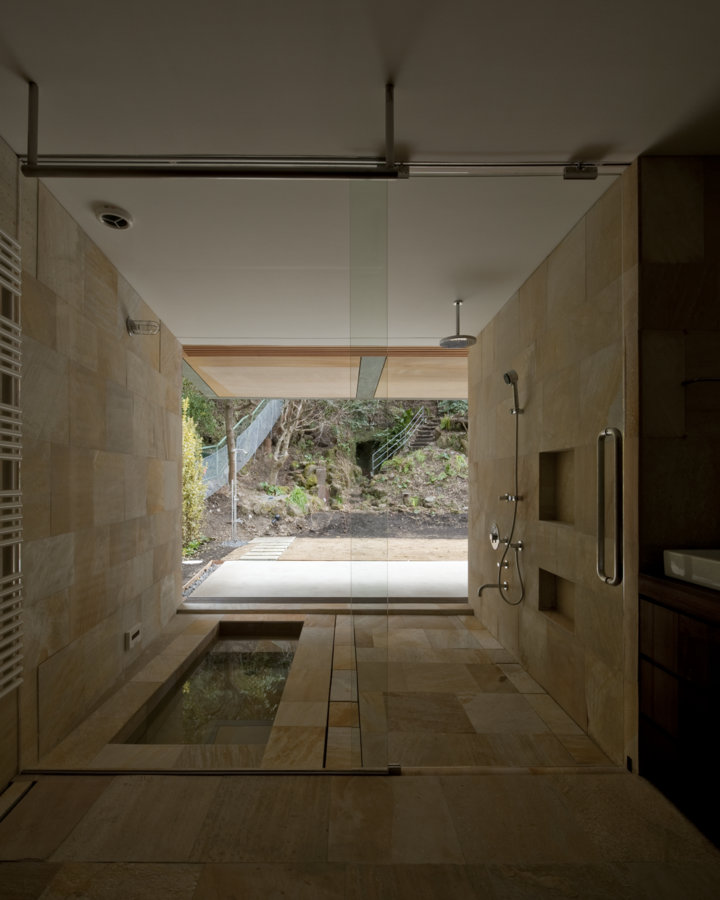
The 2-story house incorporates an open layout – very open. The bedroom and bathroom are on the first floor while the living room, kitchen and dining room sit above it. The south and east sides of both spaces are wall and window-less, but equipped with a railing that supports a wrap-around curtain for medium privacy and a shutter for maximum privacy.

photo by Katsuhisa Kida /FOTOTECA| click to enlarge

I encourage you to also check out this amazing preschool that Tezuka Architects completed last year.

photo by Katsuhisa Kida /FOTOTECA| click to enlarge

photo by Katsuhisa Kida /FOTOTECA| click to enlarge

photo by Katsuhisa Kida /FOTOTECA| click to enlarge

photo by Katsuhisa Kida /FOTOTECA| click to enlarge

House to Catch the Mountain
Architects:Tezuka Architects
Structure Engineer:OHNO JAPAN Co., Ltd/OHNO HIROFUMI
Photographer: Katsuhisa Kida/FOTOTECA
Lighting Designer: Masahide Kakudate/Masahide Kakudate Lighting Architect & Associates,Inc.
Landscape Designer:GA yamazaki inc./Masako Yamazaki, Hiromi Iwao

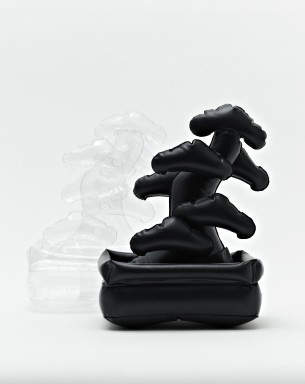
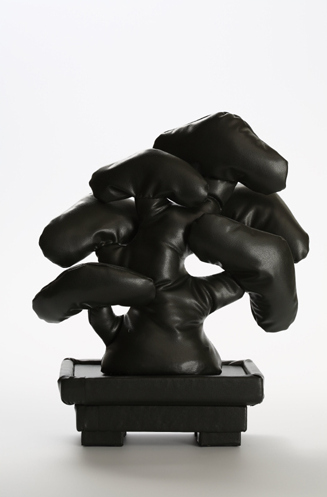
Inflatable Air Bonsai

air bonsai 2

It’s one of contemporary society’s odd twists and turns. For reasons that are beyond my understanding, one way that our human race chooses to celebrate, and in turn, manifest, our carnal pleasures and is by rendering them in inflatable PVC-coated nylon. Whatever turns you on, whether its English pubs, slightly NSFW installation art or Stonehenge, you can bet an inflatable version exists.

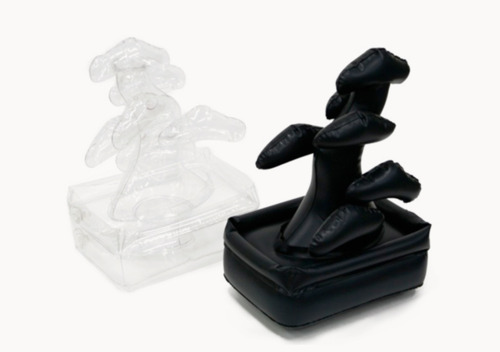
Enter graphic design duo Ryohei “Wabi” Kudo and Kazushi “Sabi” Nakanishi of WabiSabi. The two applied the inflatable treatment to one of Japan’s most beloved and revered pastimes: bonsai – the art of growing miniature trees in containers. The “Air Bonsai” comes in black and white, and adds some nice artificiality to any garden. It was recently awarded the JAGDA 2012 award.

air bonsai 3air bonsai

Bonsai is actually a recurring theme in the designer’s work. Back in 2005 the two created a bonsai illustration using calligraphy.

air bonsai 4

Source: JAGDA homepage | wabisabi

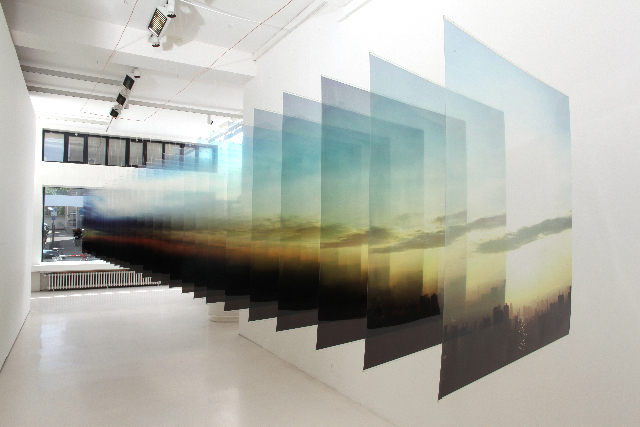
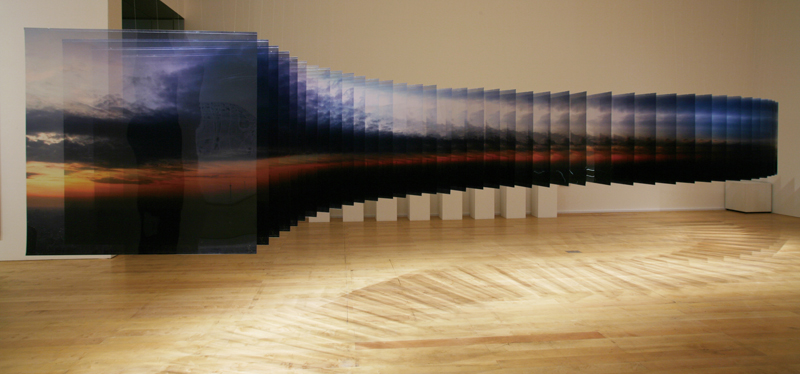
Layer Drawings by Nobuhiro Nakanishi

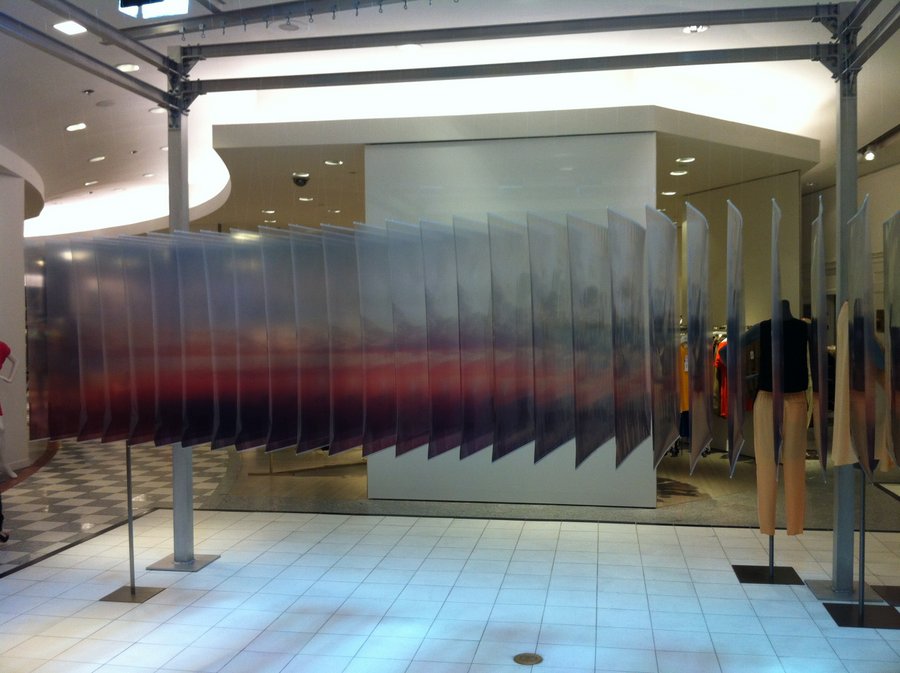
crappy photos by spoon & tamago | click to enlarge

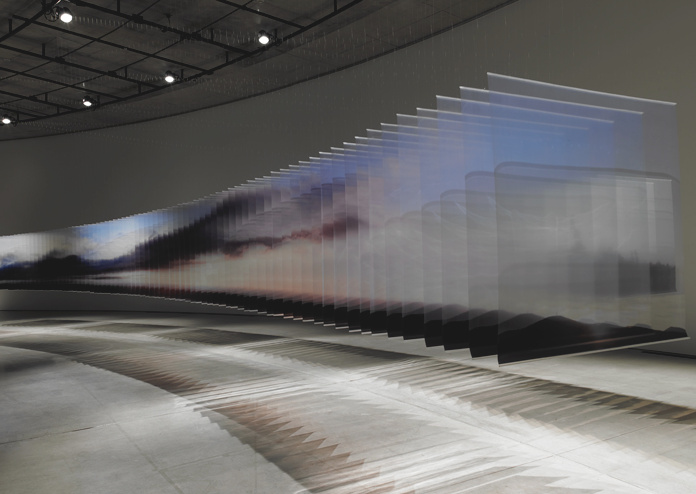
Yesterday I went to go see Japanese artist Nobuhiro Nakanishi’s ephemeral installation at Saks Fifth Avenue. “Sunrise 27” was created for the new store opening of fashion label 3.1 phillip lim and consists of 27 translucent screens, suspended in midair. Each screen has a slightly varied print of a sunrise captured above (what appears to be) NYC. It’s a gorgeous piece in that its primary raw materials are light and time, tracing its subject the way a painter captures their seemingly still – yet intrinsically moving – subject.

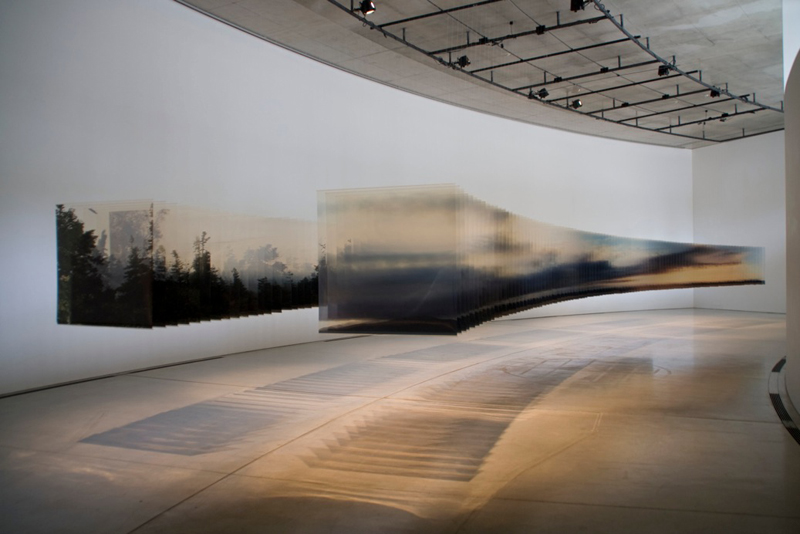
If you’re not familiar with Nakanishi’s work, here are some of his older works.

better photos courtesy Galerie Kashya Hildebrand and the artist | click to enlarge

“Layer Drawing Sunrise” (2007) | installation view Mori Art Museum

Transparent View (2011) | installation view Aomori Contemporary Art Center

Transparent View (2011) | installation view Aomori Contemporary Art Center

Transparent View (2011) | installation view Aomori Contemporary Art Center

Originally hailing from Fukuoka, Nakanishi is a largely Japan-based artist. After obtaining his M.F.A. in 2002 from Kyoto City University, Nakanishi went on to exhibit his work at galleries in Osaka, Kyoto and Fukuoka. In 2008 his work traveled across seas for the first time, to be exhibited at Galerie Kashya Hildebrand, in Zurich, Switzerland, in a group exhibition curated by artist Kohei Nawa. In 2010 he returned to Hildebrand for a solo show.

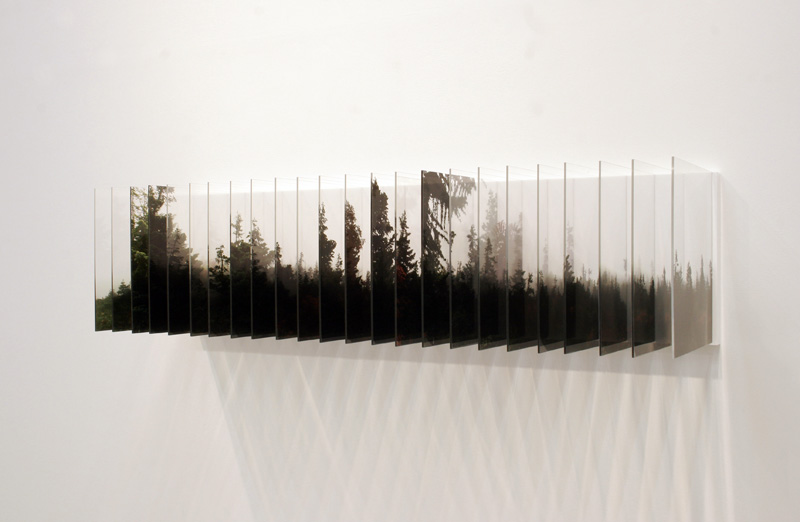
“Layer Drawing Forest” (2008)

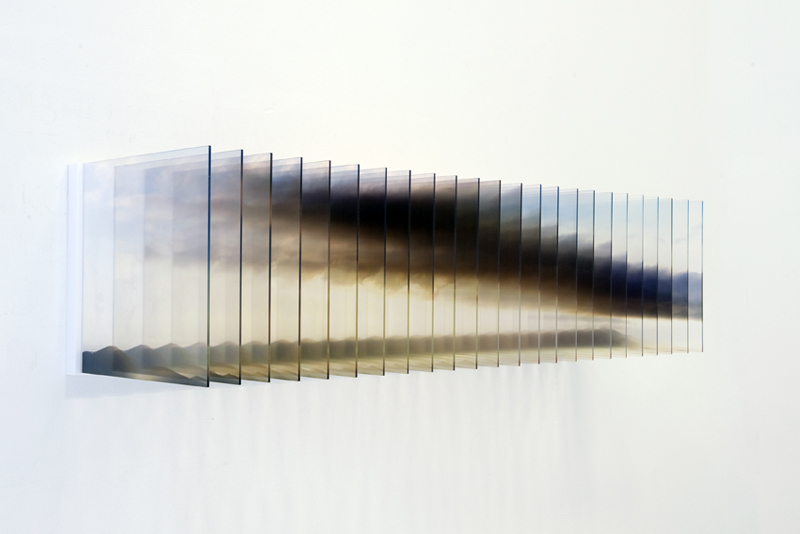
“Layer Drawing Aomori Sunrise” (2008)

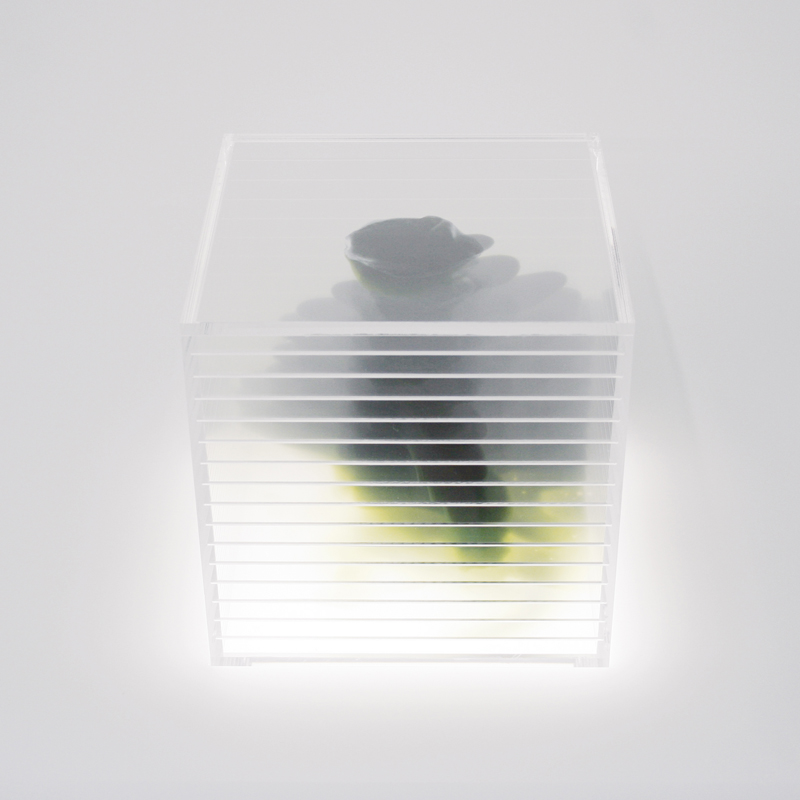
“Ice Cream” (2008)

“Candle” (2010). Installation view at Galerie Kashya Hildebrand

« Older posts Newer posts »

© 2026 Spoon & Tamago

Up ↑

Design by Bento Graphics