Page 263 of 406

Buddhist Monks are Getting All the Love

photo by kenichi sasazawa

One could say that 2012 is turning out to be the year of the Buddhist monk. A meet-up with the monks – a monthly event hosted by Ginza Modern Art gallery – has been gaining traction amongst young men and women in their 20s and 30s. And in March, “The Field Guide to Beautiful Monks” was published and became an overnight sensation. From “comforting” to “creamy,” the colorful picture book, which profiles 40 of Japan’s most hunky monks, sold over 10,000 copies in in its first 2 months on the market.
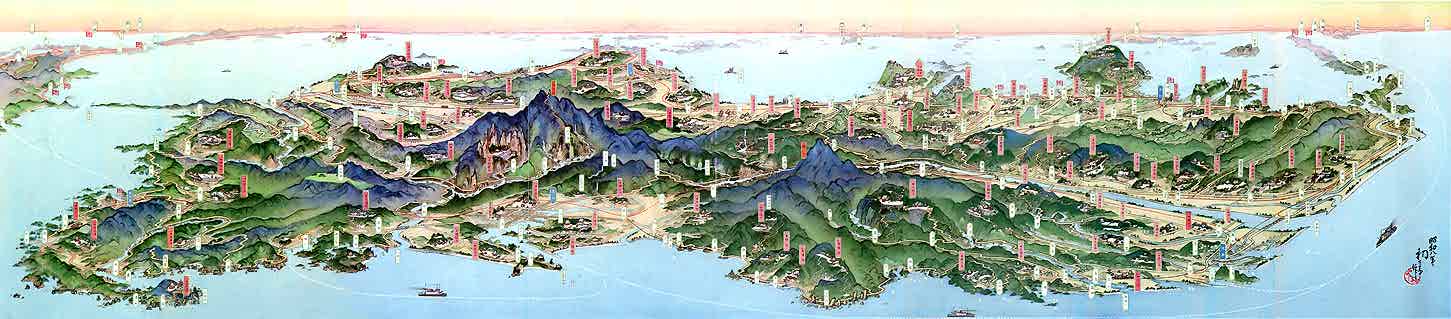
early Showa period map (image courtesy Waseda University) | click to enlarge

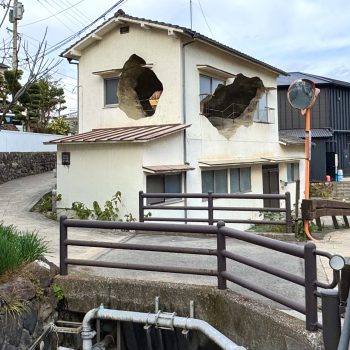
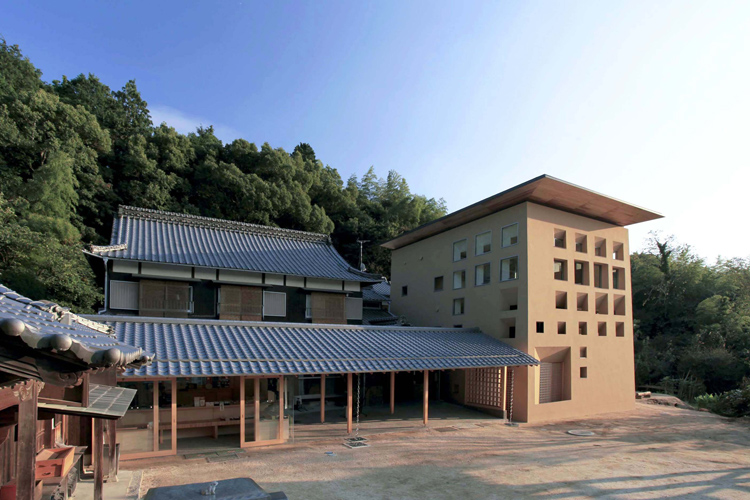
Now the story moves offshore to the island of Shikoku where devoted worshipers, or simply individuals up for a challenge, travel to take part in a 670-mile pilgrimage visiting all 88 temples (Gmap). If you decide to participate in what’s known as the Shikoku Hachijūhakkasho Meguri, at Eifukuji Temple you will come across the swanky new home of the chief monk who reside at the 57th sacred location.

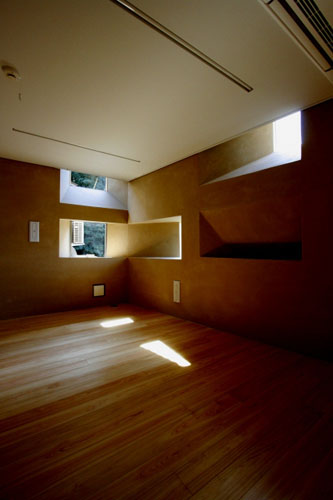
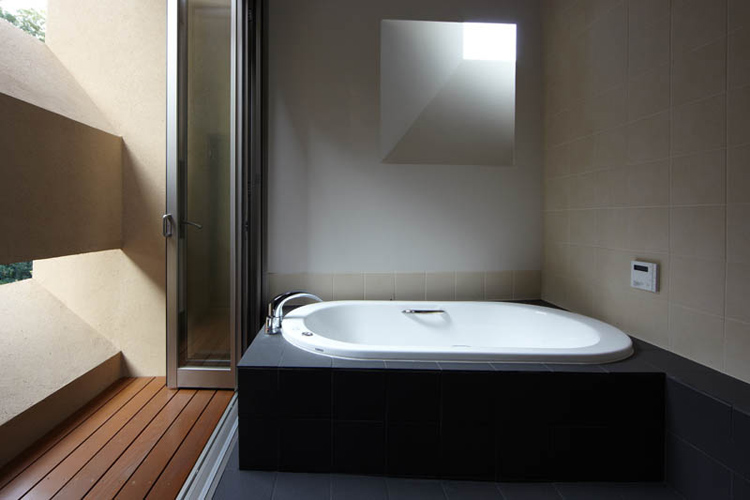
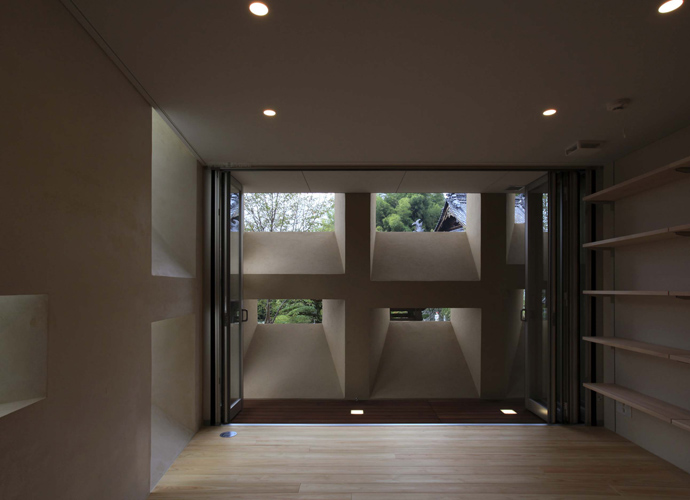
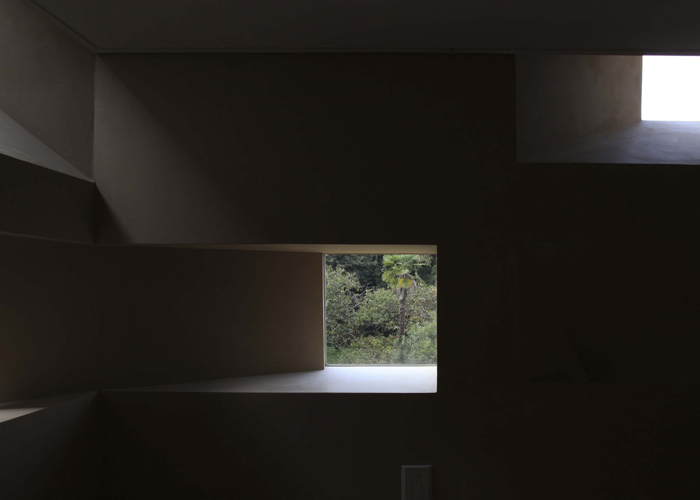
And this isn’t just any old bare-minimum-roof-over-your-head house. Seventy-seven windows are cut into the thick walls and serve to frame views of the surrounding nature. Some windows are meant to muffle any disturbances from tourists and visitors while others provide a lens to capture a summer sunset. Completed late last year, it was designed by Tokyo-based architect Zai Shirakawa who, 2-months earlier, completed a temple office at the same location.
Whether designer priest homes or easy-on-the-eye monks help pave the way to enlightenment is hard to say. But what we do know is that there has been a clear increase in enthusiasm towards Buddhism in Japan. Whether it was the mechanics of economic deprivation, the impact of the earthquake and tsunami or Buddhist monks opting for slightly out-of-the-ordinary tactics, it will be interesting to see how this trend develops. Oh, you’ve heard of Kansho Tagai right? The Buddhist monk whose rapping sutras reportedly doubled attendance at his temple?

Source: submission | Shikoku Henro Trail | JapanPulse
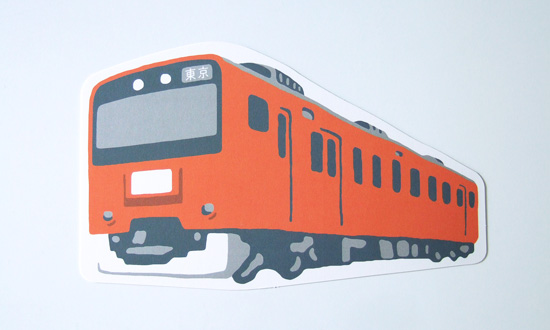
Yuruliku Train Postcards

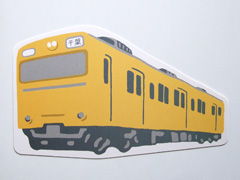
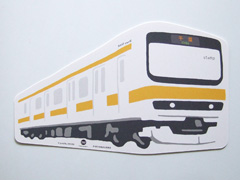
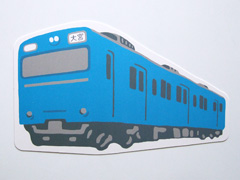
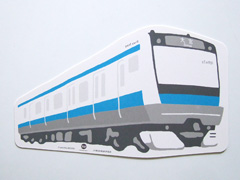
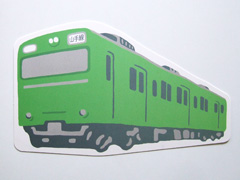
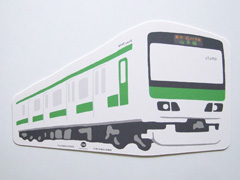
Trainspotting is a legitimate and acceptable hobby in Japan where, on any given day, it’s not unlikely to see the hobbyists in the wild, snapping pictures of incoming trains. The railway fans or, more pejoratively, densha otaku, exist in a variety of sub-genres that range from “toritetsu” (obsessed with taking pictures) and “ototetsu” (obsessed with recording sounds) to “ekibentetsu” (obsessed with station box lunches). But now there’s another way to show your love: through the near-extinct method of snail mail.

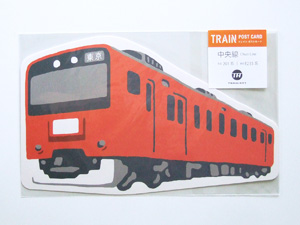
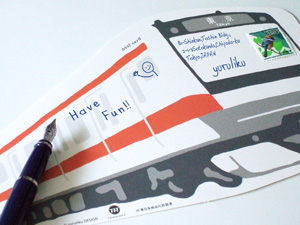
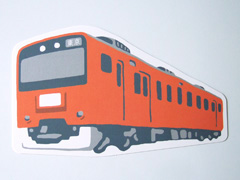
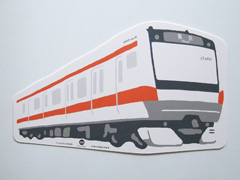
Yuruliku Design (previously), who are known for making stationary sexy again, have designed a set of train postcards (368 yen) using 4 of the major train lines in Tokyo. The illustrations are adorable and I love how they’re actually shaped like trains, rather than your typical 3” x 5”. And for those who find nostalgia in the pre-redesigned trains, the flipside of each postcard reveals the old design.
White Rabbit Express can help you with your order.

Carving Out Your Own Space in Central Tokyo

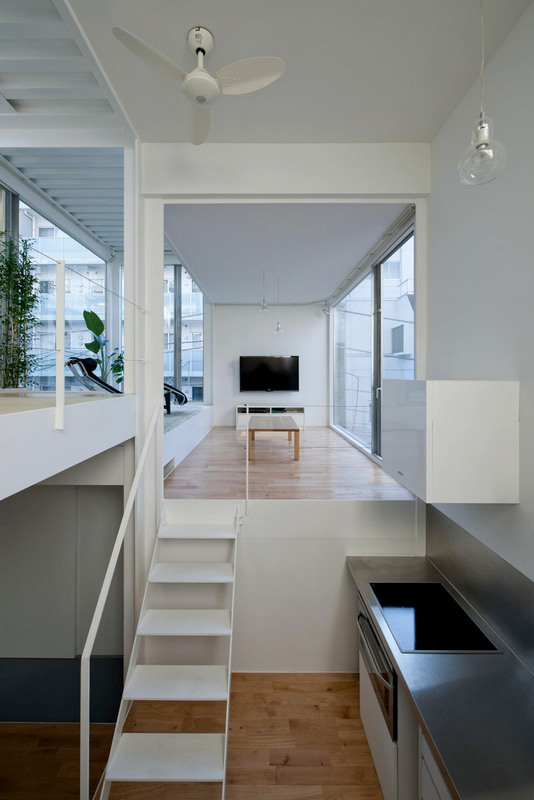
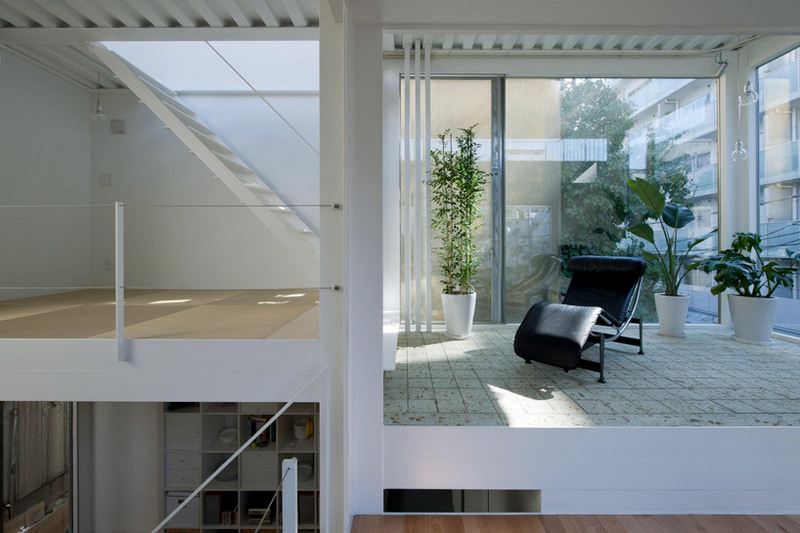
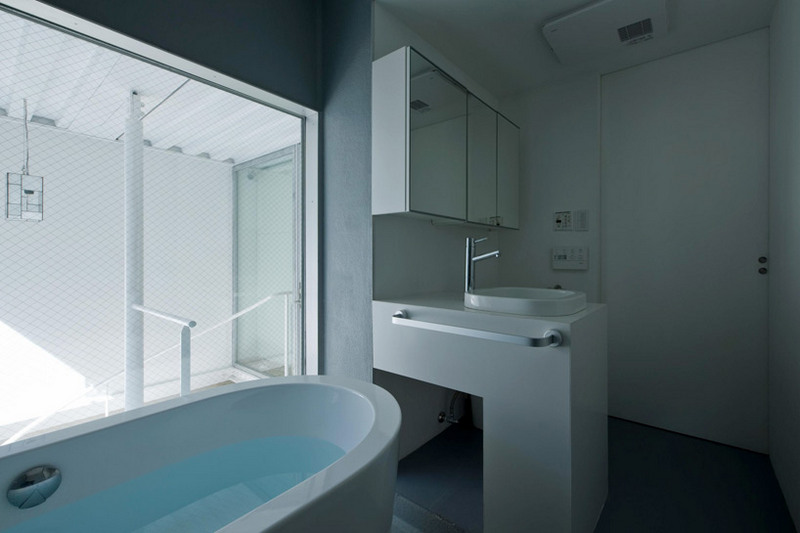
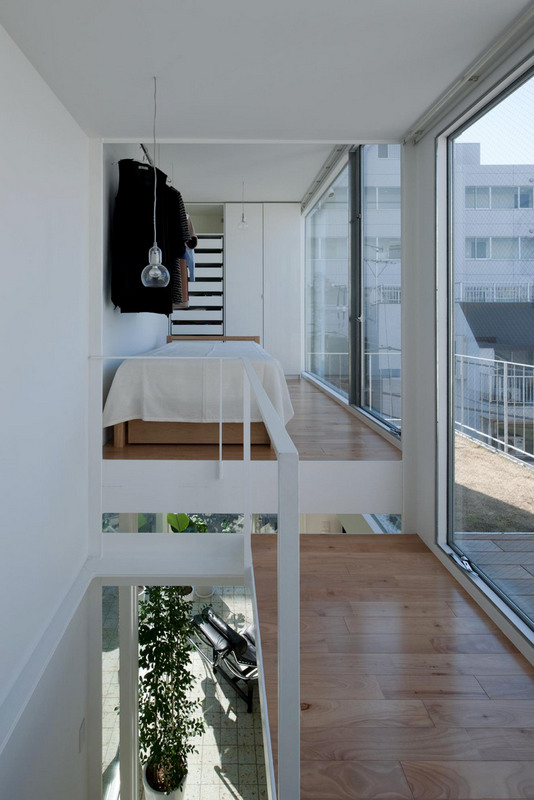
all photos by Katsuhisa Kida/FOTOTECA | click images to enlarge

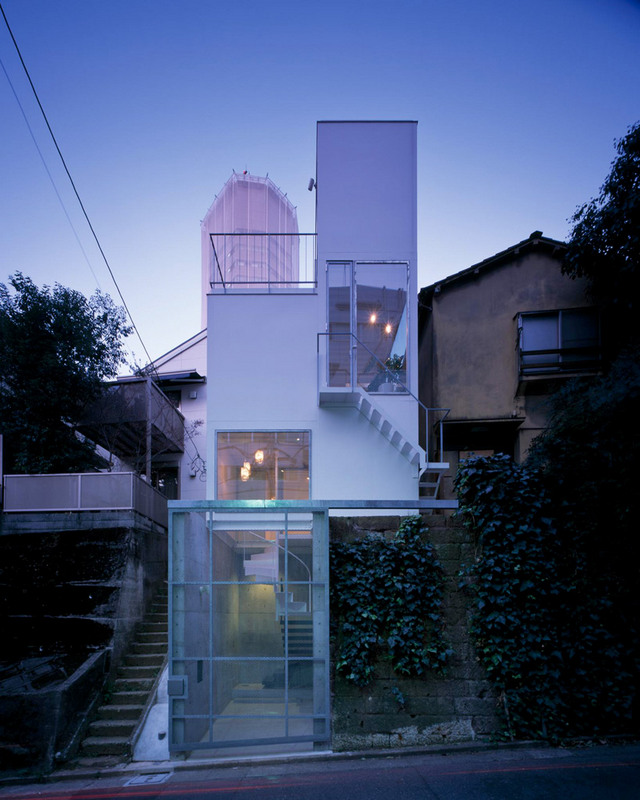
After years of commuting from his parent’s home in Chiba to Tokyo for work – a round-trip excursion that ate into 4 hours of his entire day, Murashima knew it was time for a change. He decided to build a small home in Tokyo.

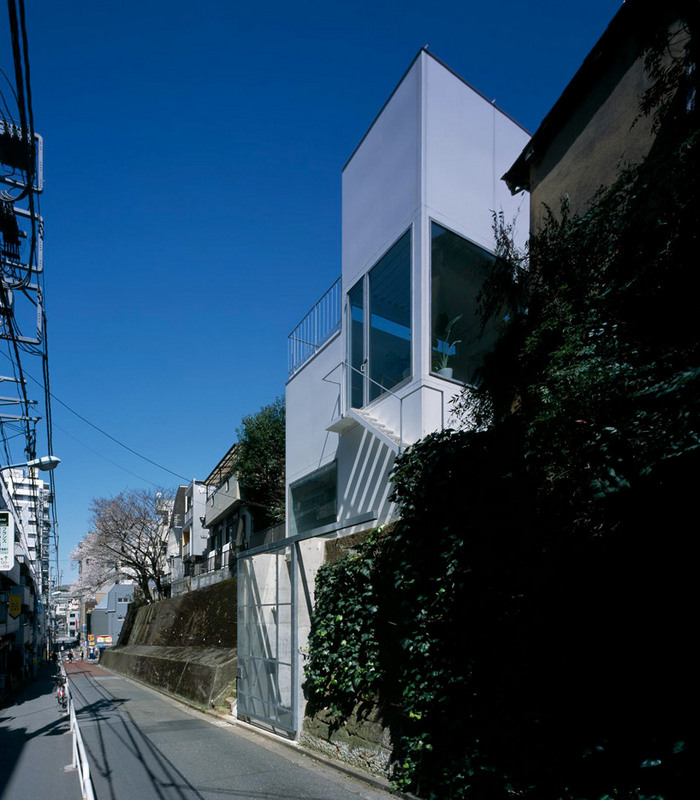
Just minutes from Yotsuya-Sanchome station he purchased a discounted 15-tsubo (533 sq ft) plot of land – miniature even by Japanese standards. And to make matters tighter, a building-to-land ration of 60% left him with just 9-tsubo (320 sq ft) of land to play with.

But it’s size wasn’t the only reason for the attractive price tag. The land was situated on top of a 15ft-high stone wall – part of which had to be carefully removed before work could even legally begin. And the 3 tall houses that surrounded the plot of land looked to jeopardize Murashima’s hopes for a sunlight-drenched kitchen.

Murashima went to Miurashin Architects to see how far his 30 million yen ($380K)  budget could take him. The architect, who has a knack for taking adverse land conditions and turning them on their head, came up with an impressive plan to satisfy all the demands of his client. Specifically, the plan involved a total of 9 stackable steel units placed on top of each other. Instead of doors or walls (so 2011) the multilevel spaces defined each room, creating smooth transitions throughout the house.

left: spiral staircase leading from garage to 1st fl kitchen | right: the kitchen leads to the living area

a sunroom on the right and a washitsu (japanese room) with stairs leading to the second floor

view of the sunroom and living area

bathroom

With a little creative thinking the architect was able to overcome some very dire obstacles. The house, known as 43base, was completed late last year and Murashima, along with his parents, his sister and his sister’s husband, were all able to move in. This sleek little modern house definitely gets filed under our ongoing database of small spaces.

2nd level bedroom

source: submission | Miurashin Architects | TV-Tokyo


Hand – the artisan at work

Since earlier this year, Gucci Japan has been conducting an ongoing web series paying homage to various artisans across Japan, who carry on their time-honored tradition to this day. The iconic luxury brand, known for their own emphasis on craftsmanship, has thrived in the Japanese market.

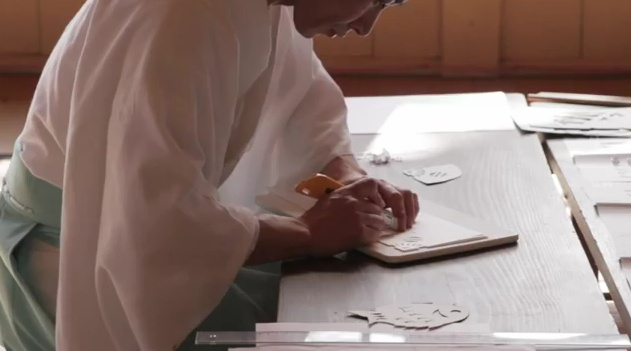
All of their segments are worth a look, but this particular one, in which Shinto priest Shoetsu Kudo creates the annual New Year’s decoration, caught my eye. Kiriko, as they’re called, are decorations that are presented to the gods at the beginning of the year. Priests begin making them around March and by the end of the year, typically have made as many as 16,000! But last year, because if the devastating events of 3/11, only made about a 10th were made.

Each temple has a unique design and the stencils used to make intricate cuts are some of the priest’s most prized possessions. But when the tsunami came, Kudo evacuated his home for high ground, leaving his stencils on a desk. The waves enveloped his home. In fact, they rose to the entrance of the temple, which sits atop a high hill. “I was sure the stencil had been lost,” Kudo says. “But when I returned to my home 2 days later I was surprised to find the stencil right where I left it. It wasn’t even wet. The desk must have floated gently to the ceiling.”

The stencil’s survival was an important reminder of the significance of a craft being passed down from generation to generation.

(thanks for the tip @sheishine)

Haruki Murakami BINGO by Grant Snider

For last weekend’s Sunday Book Review in the Times, illustrator Grant Snider created this spot-on BINGO game for Haruki Murakami novels. Snyder said he came up with the idea after spending “the last few years devouring the books of Haruki Murakami.” The comments section of his blog reveal some fun suggestions for a potential 2nd version including 1960s activism, Cutty Sark and, sheep. It’s also available as a print!

And if you missed it, be sure to check out Dennis Gilstad’s visualization of the meals in Haruki Murakami’s 1Q84.

(thanks for the tip @HirokoTabuchi)

Louis Vuitton Japan forest box

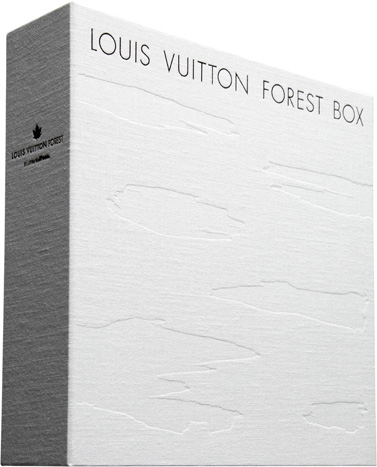
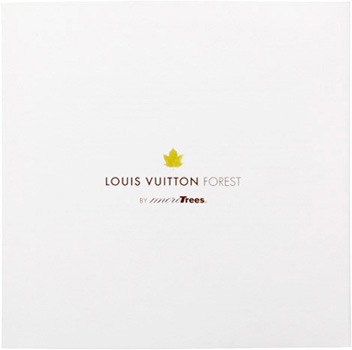
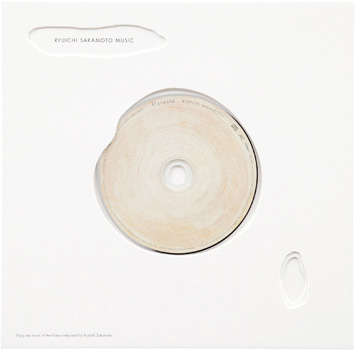
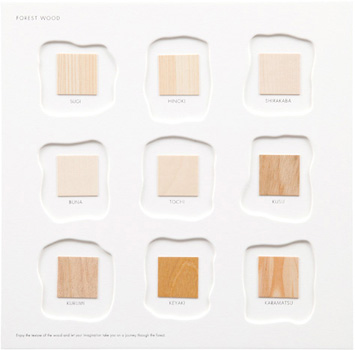
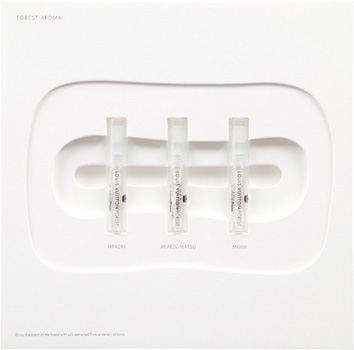
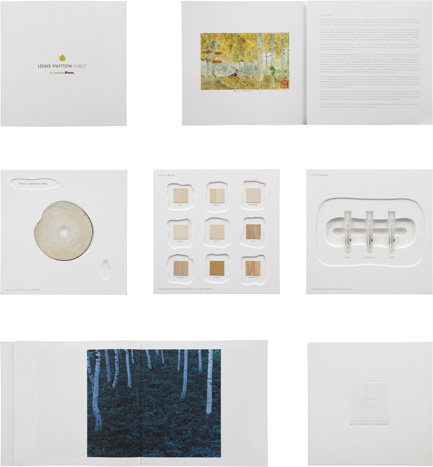
Skilled graphic design, gorgeous photography and brilliant packaging all come together in this minimal multimedia box set from Louie Vuitton Japan. It was created for more trees, the environmental conservation initiative, and includes a CD by more trees founder Ryuichi Sakamato, nature photos by Mikiya Takimoto, wood chips of trees found in the forests of Japan, as well as forest aromas that were bottled into perfume. Talk about stimulating all the senses!

Hat tip to Hiroaki Nagai, art director behind the project


source: JAGDA

Space Airvase by Torafu Architects

Photos by Fuminari Yoshitsugu | click to enlarge

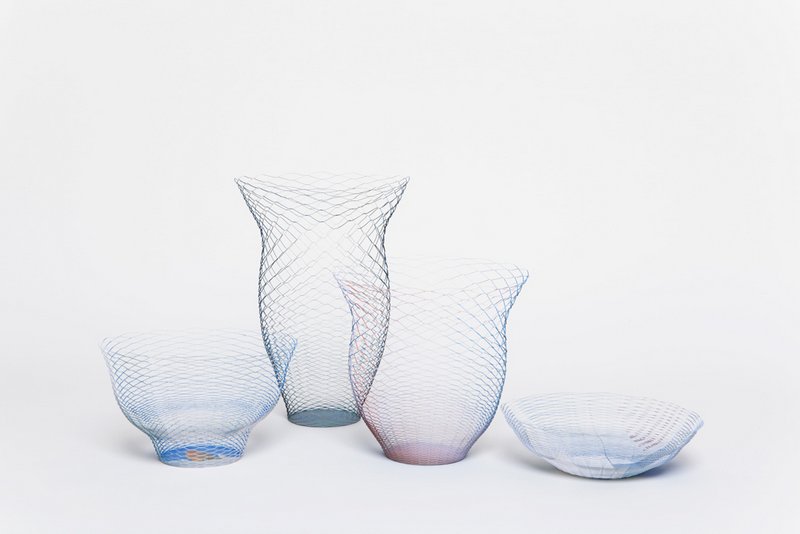
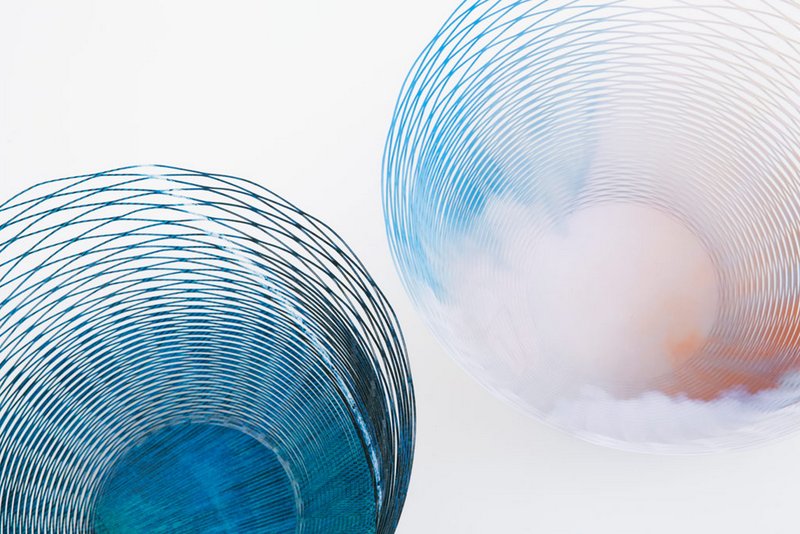
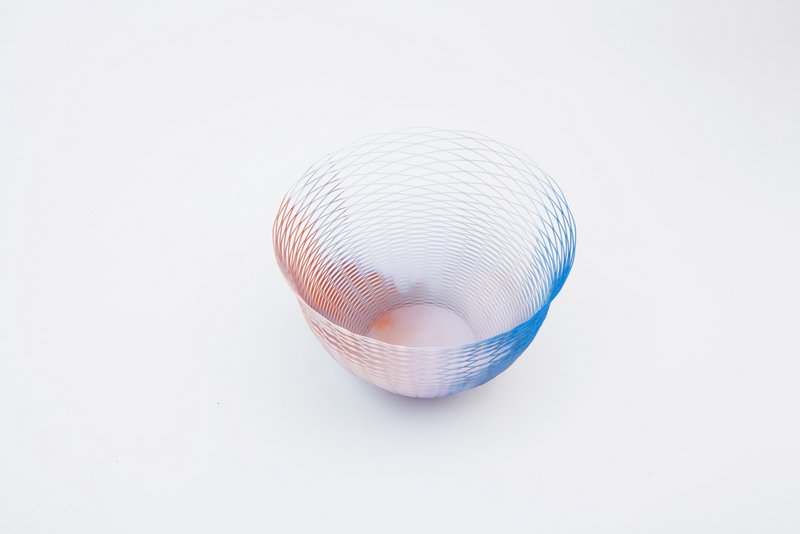
2012 has been a year of memorable celestial events, at least for me. There was the space shuttle piggy back ride, the annular eclipse and the transit of venus, just to name a few. So it’s entirely appropriate – perhaps even, written in the stars – that Torafu Architects latest project envelopes space.

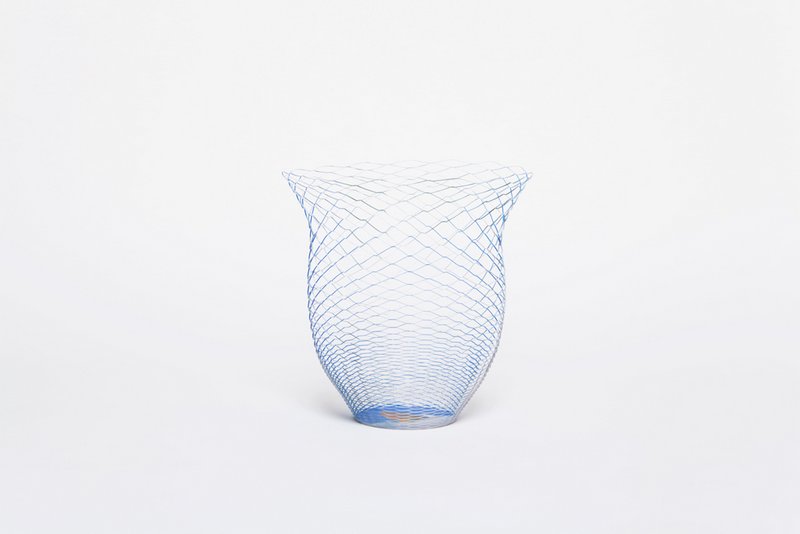
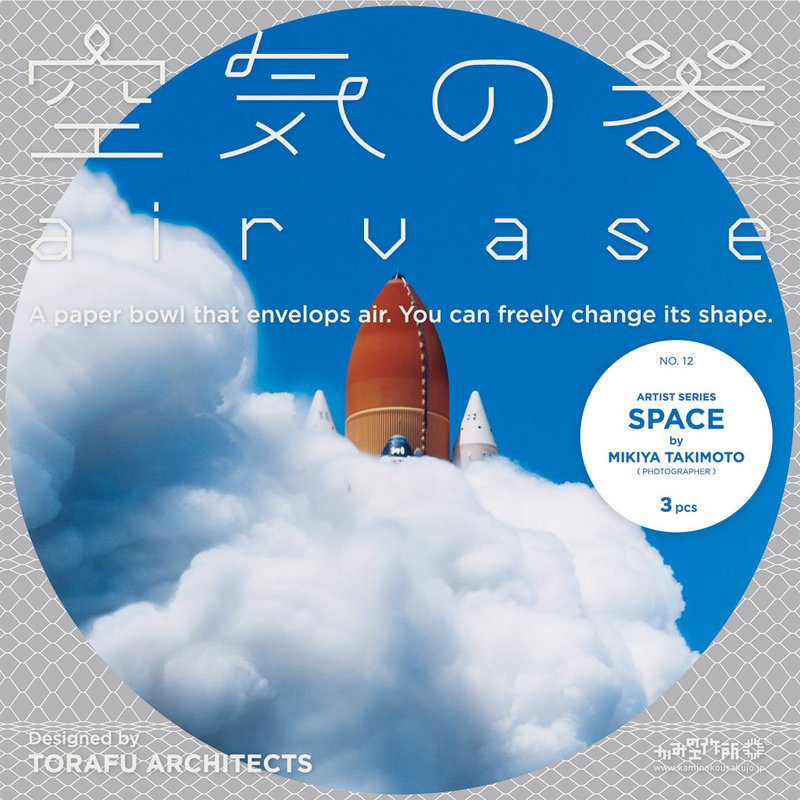
The airvase is a highly versatile paper vessels that can be stretched and sculpted into various forms. Their 12th iteration of the popular vase also marks their first artist collaboration with Mikiya Takimoto who has been documenting the NASA space program through a series of stunning, larger-than-life photographs. His images are printed on the inside of the airvases, rendering them invisible from the outside but wholly visibly when peering in. The new vase, along with its predecessors, will be available through kaminokousakujo.

There’s something magical about these flimsy, delicate objects containing monstrous images of space and the force of mankind that that enabled us to hope, dream, advance frontiers and make tomorrow exist today.

You can check out all our articles on Torafu right here.

Package graphic: TAKAIYAMA

source: press release


Studio Visit With Designer Takeshi Miyakawa

Hi there! You’ve landed on a members-only article. If you’re interested, Consider supporting Spoon & Tamago by becoming a member.

You can read all about our membership program here. Thanks!

Seasons | Nao Tamura’s Silicone Leaf Plates

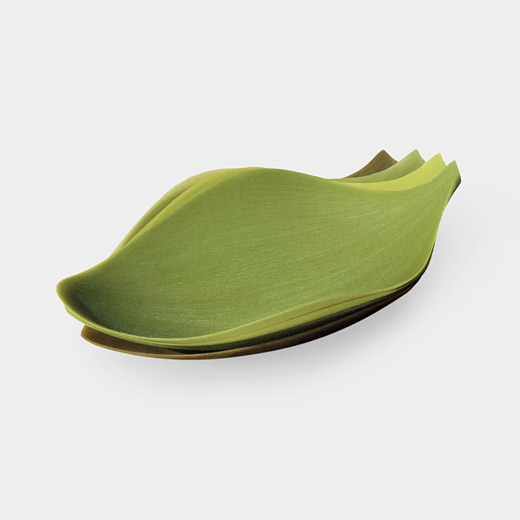
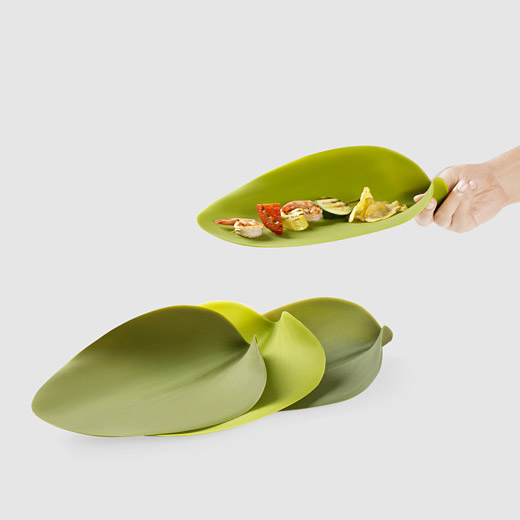
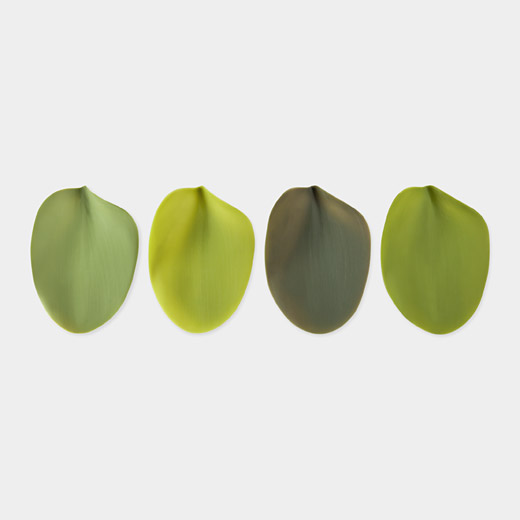
Eating off the earth has never been easier! Roughly 2 years after winning the salone satellite award, Nao Tamura’s silicone leaf plates have finally come to market. For $80 you get a set of 4 flexible yet durable food-safe silicone plates, each with a slightly different shape and hue.


source: Nao Tamura

Chikuno Cube House

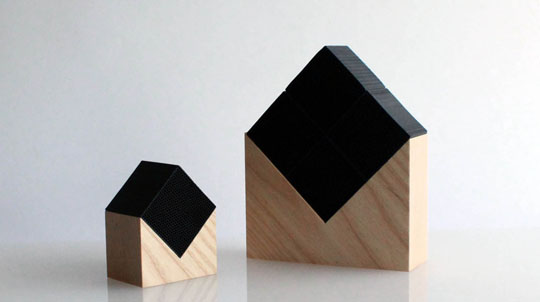
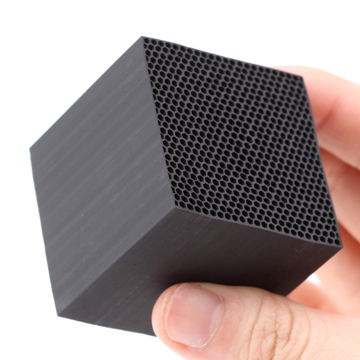
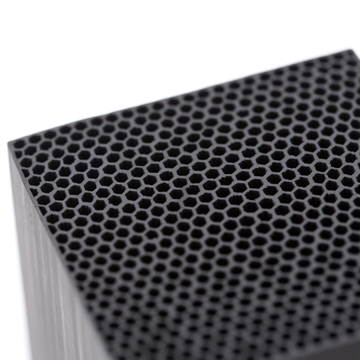
A clean home is a happy home, or so the saying goes. And perhaps for as long as that quote has existed, so has Japan used charcoal as a natural cleaner to absorb impurities in air and water. And no, we’re not talking about that messy stuff that fuels barbecues. This is activated charcoal – born from a controlled burnings process in which pieces are heated in an oxygen-starved kiln until they turn to carbon.

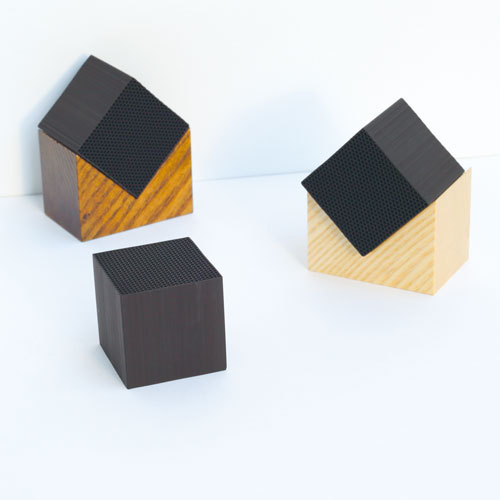
And in its latest incarnation, designer Satoshi Umeno has created Chikuno Cube + House, a base made from all-natural wood. When the bamboo charcoal – 4-cm honeycomb cube – is placed on its base, it forms a miniature house that rests quietly, purifying and deodorizing its larger abode. It’s a nice reminder that, instead of using chemicals and perfumes, we can rely on nature’s intrinsic tools for purifying.

source: Jean Snow‘s On Design column

« Older posts Newer posts »

© 2026 Spoon & Tamago

Up ↑

Design by Bento Graphics