Page 262 of 406

The Scape(R) | a new coworking space in Tokyo

The Scaper (1)
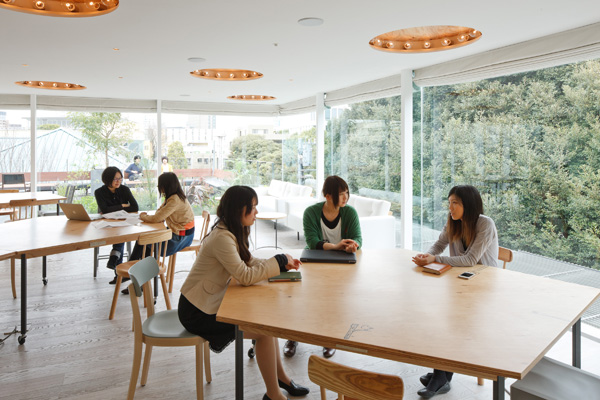
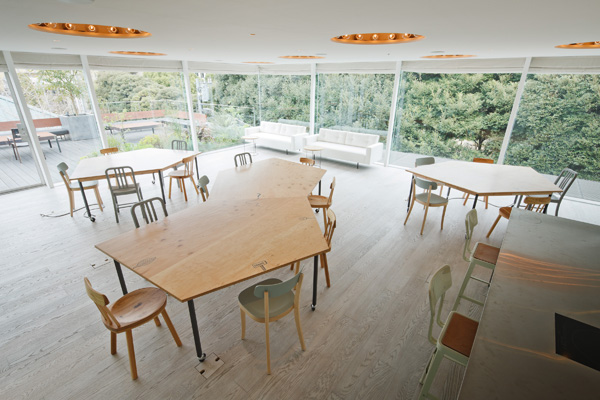
photos by Masao Nishikawa | click to enlarge

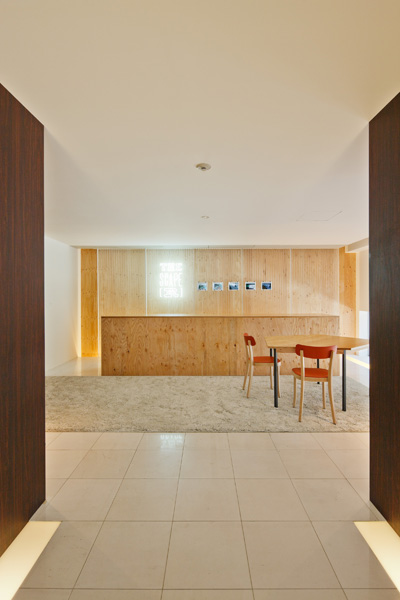
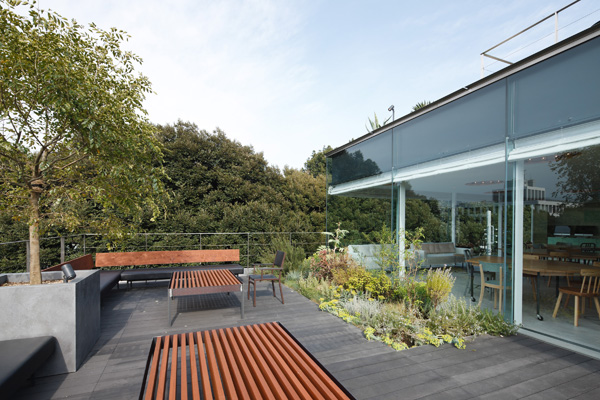
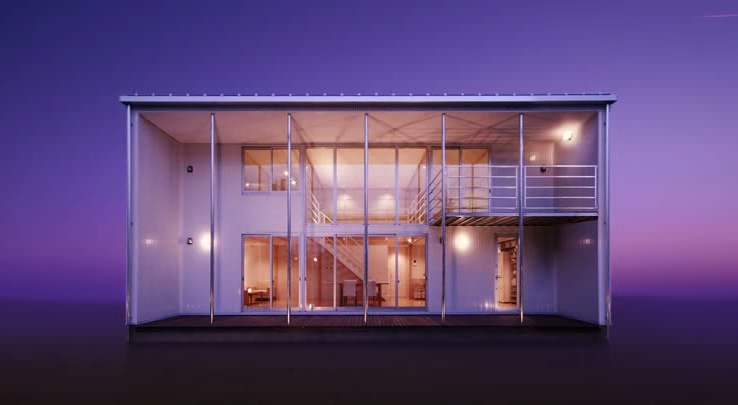
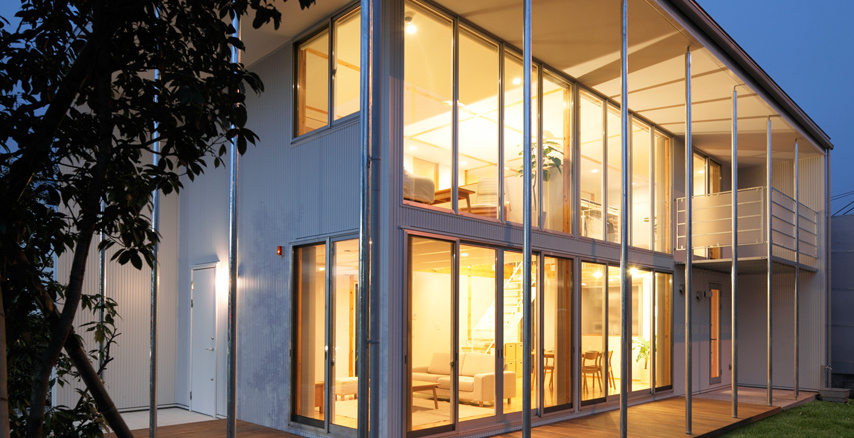
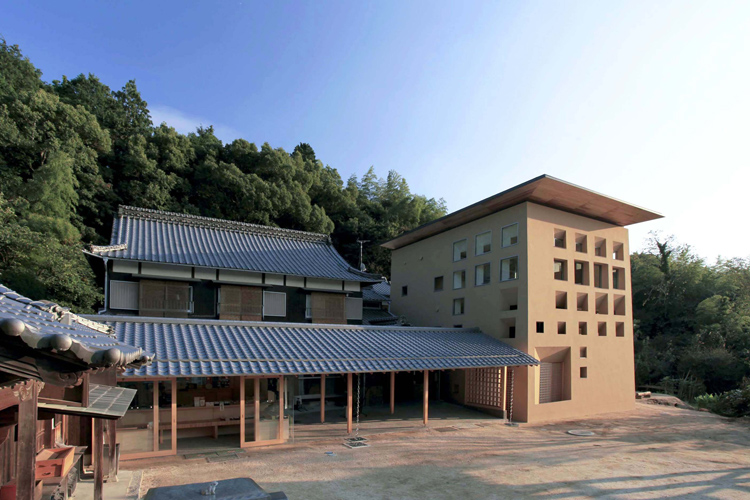
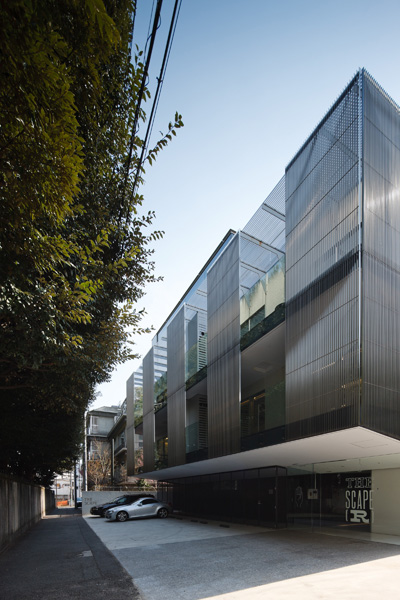
What happens when a starchitect-designed upscale residence gets transformed into a coworking space for freelancers? It’s a tale of architecture, appropriation and a real estate market that thought it could. The year was 2005. The World’s Fair was being held in Nagoya, Prime Minister Koizumi was pushing his postal privatization bill through the Diet and the Japanese stock market was doing just fine. Renowned Japanese architect Kengo Kuma had just put the finishing touches on The Scape – an ultra-upscale residence in a swanky neighborhood in Shibuya.

But fast forward to 2012 and it doesn’t take an economist to figure out that much has changed. For obvious reasons, demand for over-the-top private homes had tanked, prompting the management company to adopt a strategy to deal with a new economic climate. They closed down their residences and decided to renovate them into coworking studio spaces for a new generation of freelancers and other professionals who were in need of flexible office space. They rebranded themselves as The Scape (R) – R standing for “reborn” – and opened up for business in March of this year.
The Scaper (4)

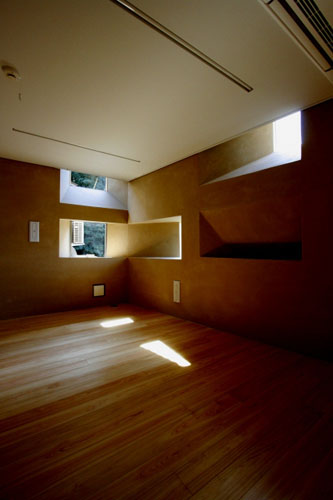
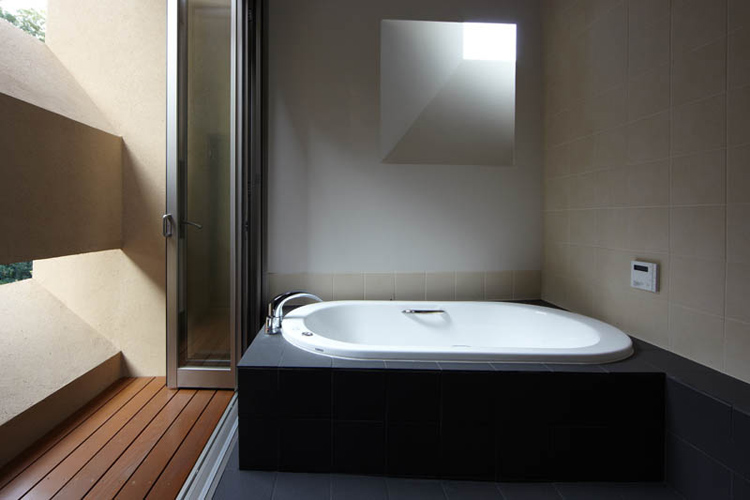
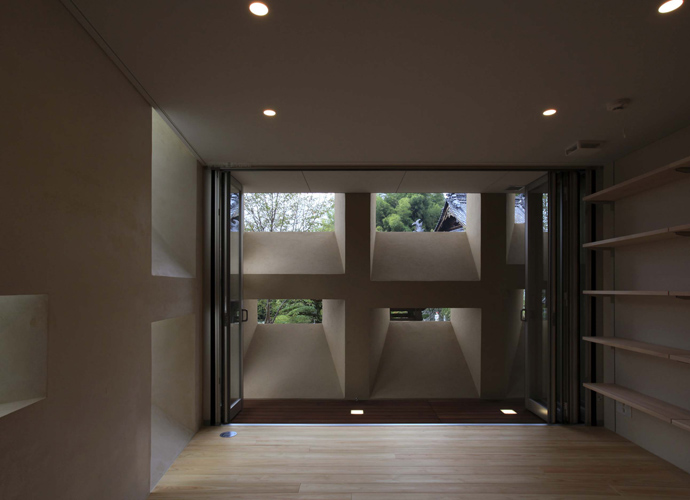
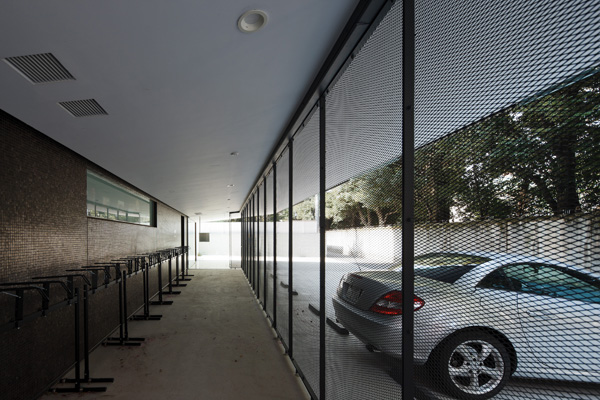
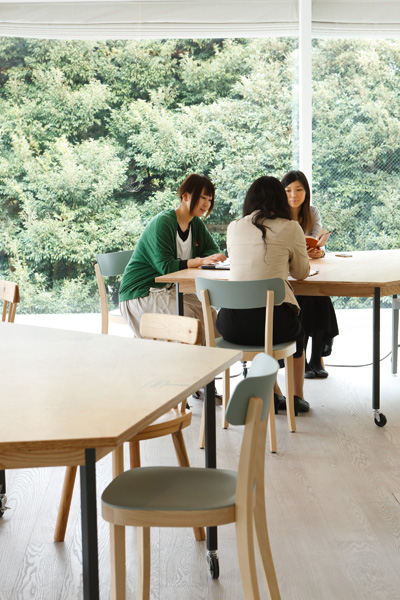
A young team of architects and designers were brought in to reshape Kengo Kuma’s original vision, while still maintaining the creativity and inspirational forms that the structure had imbibed. The furniture and overall space was designed by Naruse-Inokuma Architects, who most recently, helped create a laser cutter café in Shibuya and a café for tsunami refugees in Tohoku. Landscape Products and CIBONE were also brought on to assist with some of the furniture, while the signage and illustrations were done by Kimiaki Eto and Noritake. The Landscaping is the work of FUGA. To round out the team, Think Green Produce was in charge of creative direction.

The result is a fascinating space that conveys youth and vitality while evoking memories of the hegemony of wealth that once prevailed. In an oddly morbid sort of way, the building manages to generate an awareness of the theatrical nature of magastructures within an urban environment.

You can gain access to The Scape (R) 24 hours a day and rates start as low as 7000 yen per month for morning and night access. But be prepared to shell out 20,000 yen for membership, a monthly utility bill of 4,500 yen and a refundable deposit of 7,000 yen.
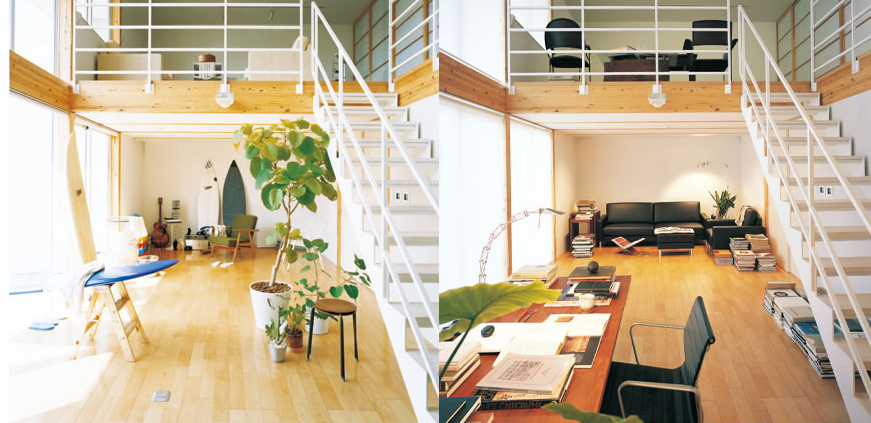
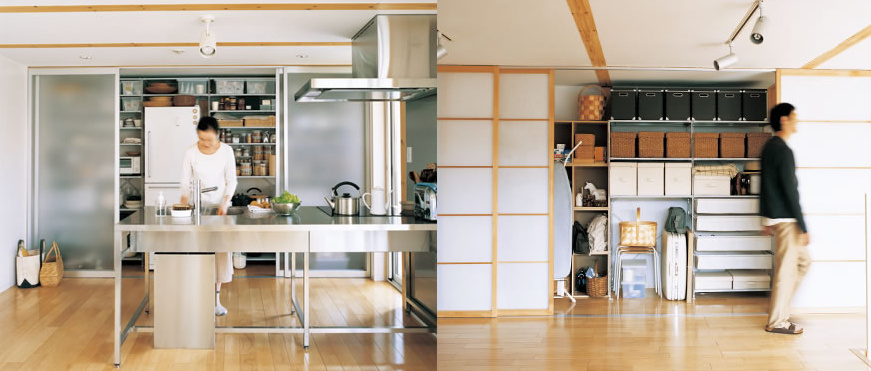
Live in a MUJI house for 2 years. For free.

A MUJI house for the price of, on the house? Sound too good to be true? Well the offer is very real. MUJI’s latest campaign is a lottery in which the winner gets to live in a MUJI house (located in Mitaka, Tokyo), fully furnished with MUJI furniture and MUJI accessories. for 2 years. For free. Who ever said too much MUJI wasn’t a good thing? Although you won’t pay a single yen out of pocket to move in, the catch is that you have to participate in an ongoing monitoring process, which means talking to staff and filling out questionnaires about the experience. And yes, you don’t have to be Japanese to participate. But all communication will be conducted in Japanese.

You can participate in the lottery 2 ways: through facebook or twitter, which means either liking their facebook page or following them on twitter. But act fast. The cutoff date is June 25th 2012. Winners will be selected in October and the move-in date is January 2013.

2 living room variations

2 kitchen variations

thanks for the tip @kozoshimoyama

Ishinomaki Laboratory | empowering the people of Tohoku

Herman Miller Creative Director Steve Frykholm outside the Ishinomaki Lab

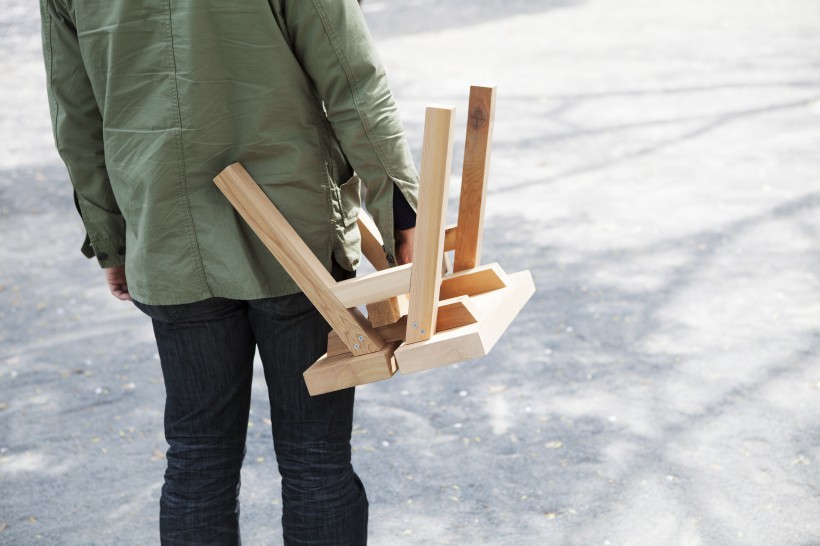
Ishinomaki Laboratory was established after the Tohoku earthquake and tsunami “for reconstruction of Ishinomaki.” Founded by Keiji Ashizawa and supported by an impressive roster of Japanese and foreign designers, the public space and community center aims to restore and reconstruct the devastated area by giving residents the tools to do so themselves. Numerous design initiatives such as workshops for local students and seminars involving design professionals, help to teach the value of hand-made crafts and, more importantly, how to turn those skills into new careers.

Below is a lineup of a few of the understated and practical designs that have come out of Ishinomaki Laboratory, all of which are available through their online store (However, the site is in Japanese only. If you need help White Rabbit Express can assist with your order.). I continue to be most impressed, not with designers who go to Tohoku, create something amazing and then leave, but with designers who use their own skill set to empower the refugees and enable them to reclaim what was lost.

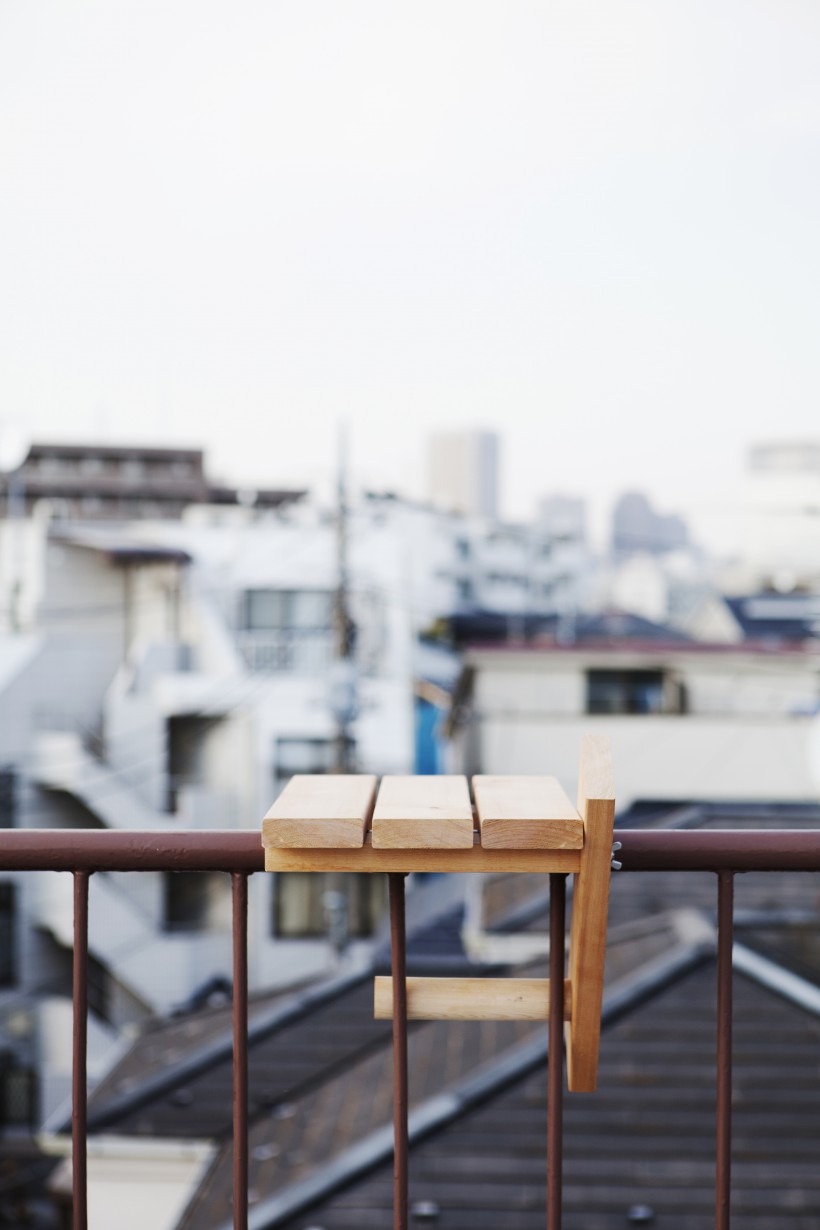
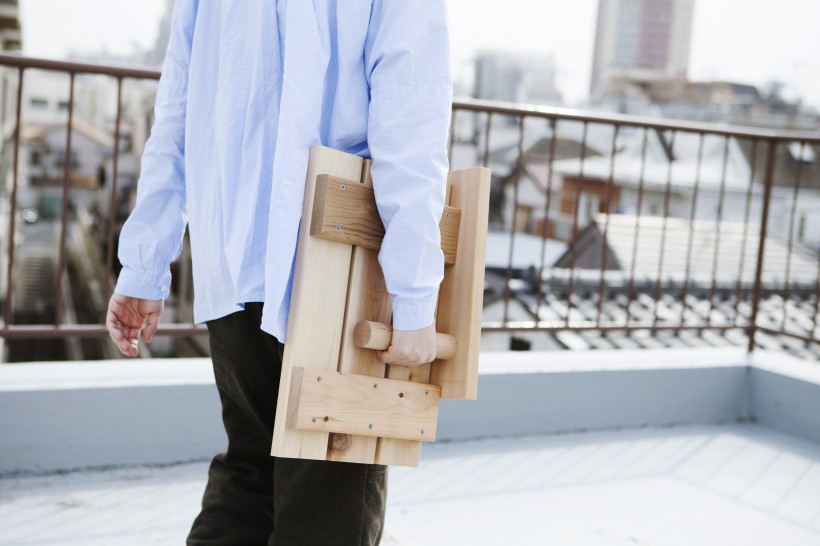
Skydeck by Torafu Architects (photos by Fuminari Yoshitsugu) | click to enlarge

Made from bare minimum materials, ‘skydeck’ acts as a small counter when you’re out on your balcony. Floating in the air, the ‘skydeck’ stretches a narrow balcony space out past its boundaries, just a little bit further…

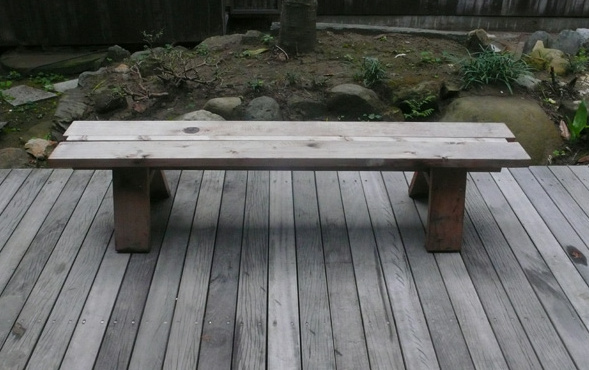
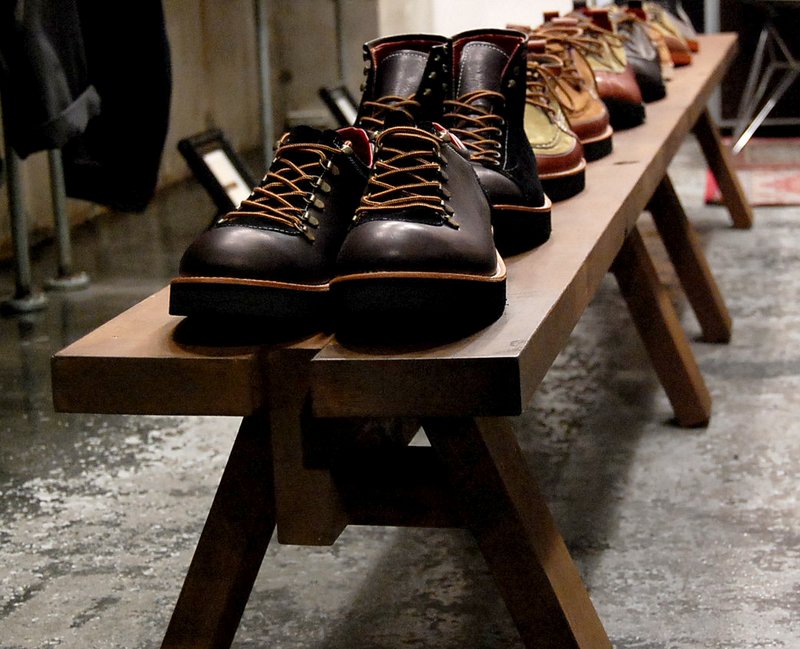
Ishinomaki Bench designed by Keiji Ashizawa

The Ishinomaki bench was built with the help of high school students at Ishinomaki Technical High School. Above is a photo by the Nakameguro select shop Output, who purchased one of the benches and is using it as a display.

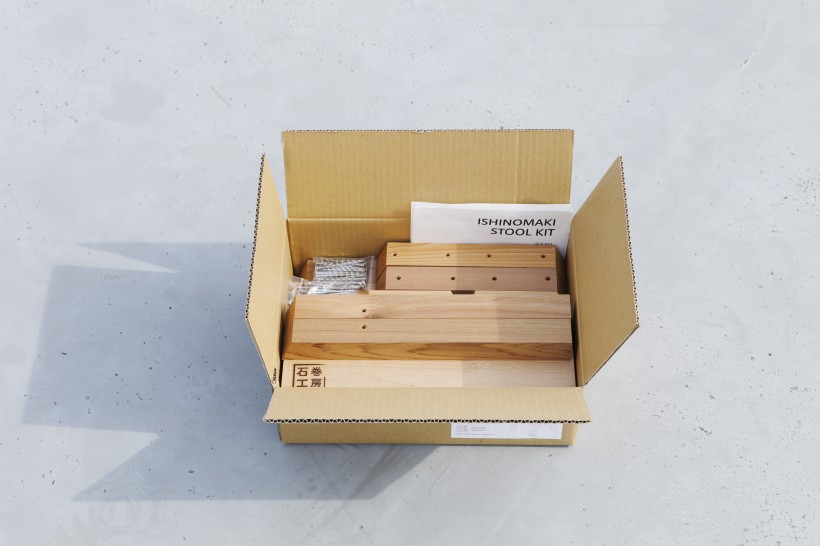
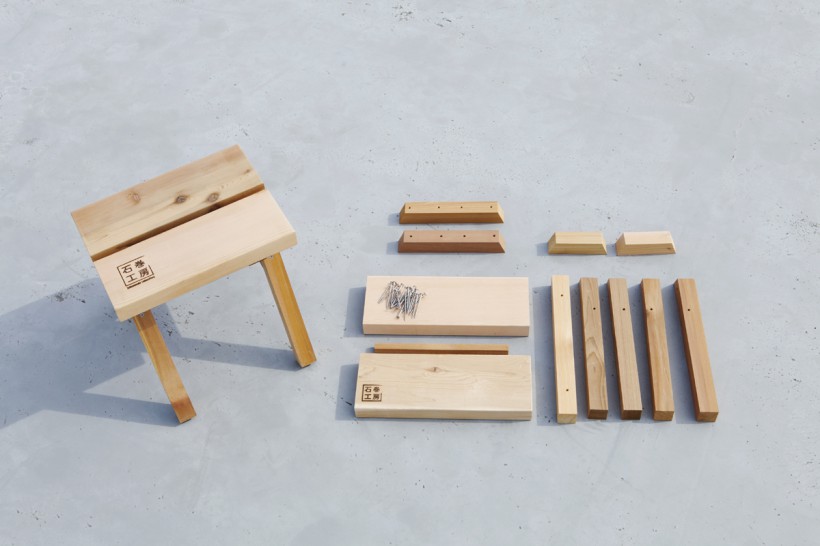
Keiji Ashizawa‘s Ishinomaki stools were constructed with the help of elementary school students and Herman Miller craftsmen.

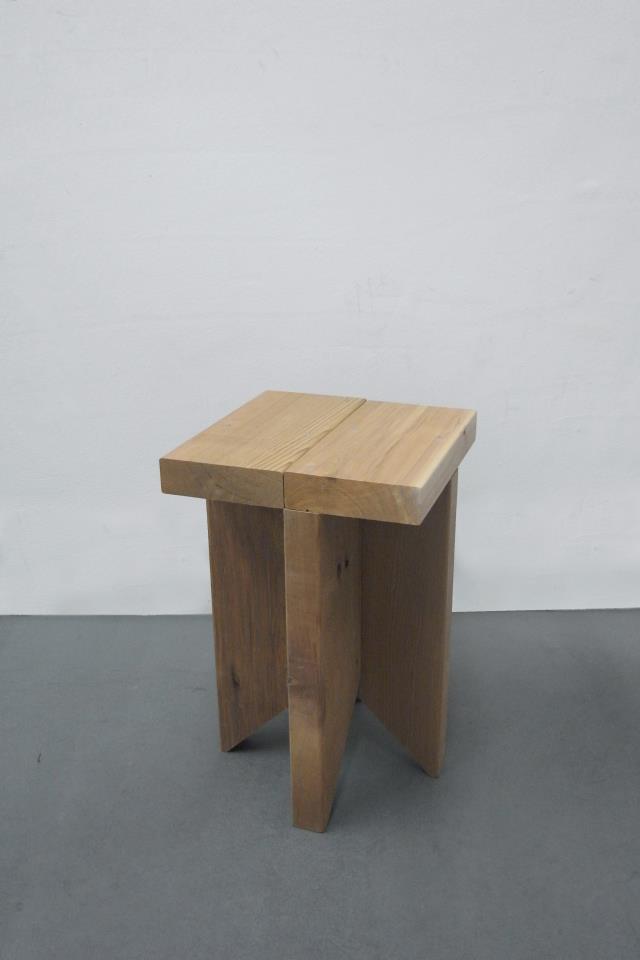
Koichi Futatsumata’s “246 Stool” is made from six 2×4s.

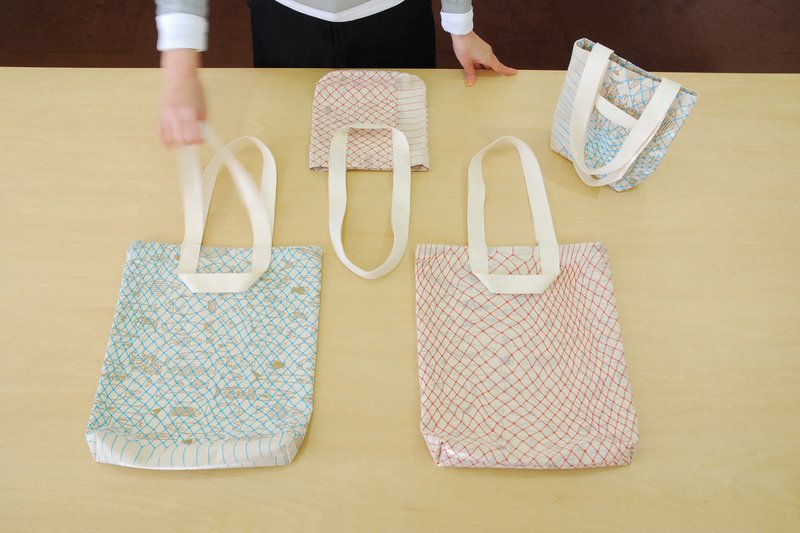
adorable “buona pesca” tote bags designed by Aoi Huber and Drill Design.

Flash Sale #001: polar ice

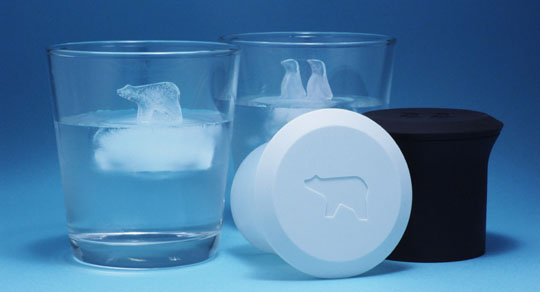
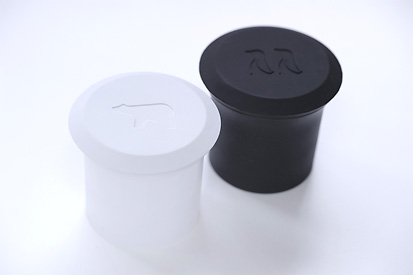
This week marks the official start of summer! And there’s no better way to cool down while also making an environmentally aware statement than with “polar ice.” Two silicon cups produce these unique ice cubes that depict a polar bear and 2 penguins standing on a glacier. Once in your drink, they gradually melt away, mimicking a real-life scenario that many arctic animals are currently facing.

They were designed by Atsuhiro Hayashi, who made a splash when they were originally unveiled at Tokyo Designer’s Week. The silicone cups are made in Japan and are safe to use with food (backed up by US and European food safety tests).

Read on to reserve one for yourself! Continue reading

Introducing the Spoon & Tamago flash sale


I’m really excited to be able to introduce a new service we’ve been incubating for a while. Whether it’s a language barrier, logistical issues or simply the merchant not wanting to deal with overseas customers, for too long we’ve had to turn away anxious buyers seeking to purchase great design from Japan. So we decided to take matters into our own hands and, today, are proud to announce the launch of the Spoon & Tamago flash sale!

How it Works

Once a week we’ll blog about a product that we absolutely love. And if you love it too, you’ll have the option of reserving one (or more) for yourself.

Essentially, it’s exclusive access to great Japanese products unavailable outside of Japan.


Ok, How Does it Really Work

To participate in the flash sale, simply enter a few details at the bottom of the blog post. The flash sale will run for 7 days – we log participants throughout the duration. Once it closes we’ll send you an invoice. Then, just wait for the product to arrive on your doorstep.

You can check out our terms & conditions page for more info.


Buy in Bulk, Ship in Bulk

There are many factors that make buying from Japan expensive. But we have a strategy that can offset them: buying in bulk and shipping in bulk.

Ultimately, our goal is to get you the product at the same price as you would pay for it in Japan. Unheard of, right? Yea. We’re pretty excited about it to.

So, what’s next? Stay tuned as we’re planning to launch our first flash sale early this week!

(special thank to wordpress guru Michael Miller from AQ Works and illustrator-extraordinaire Naho Ogawa. )


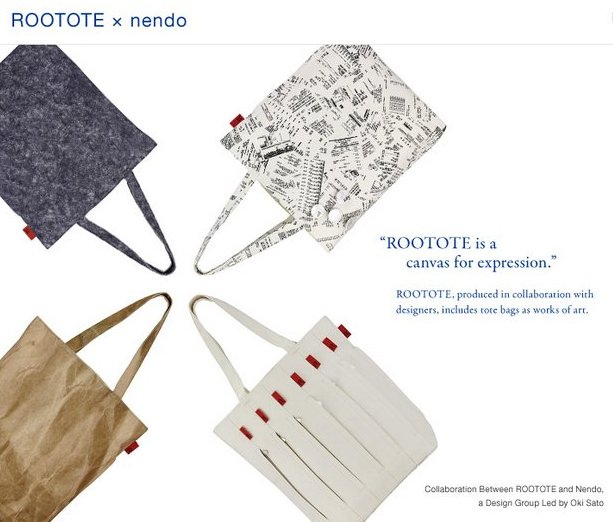
Tote Bag comes with surprise pop-out pocket puppet

photos by Hiroshi Iwasaki | click to enlarge

Keeping up Oki Sato and his design office Nendo can be somewhat of a burden. In the first 5 months of 2012 the team has churned out 50 projects (that’s 10 per month!) – eclipsing the total number of projects completed during all of last year. That’s some amazing growth and Sato earns my respect for maintaining an astounding level of quality through it all.

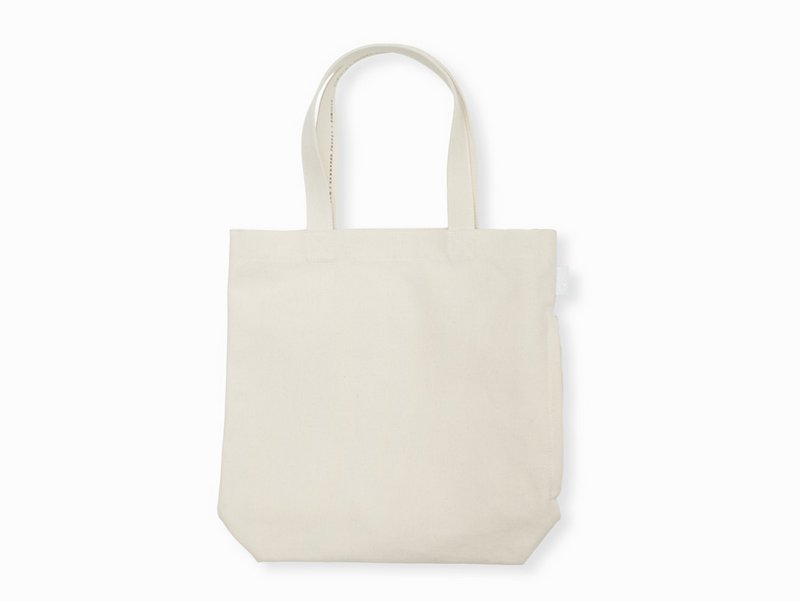
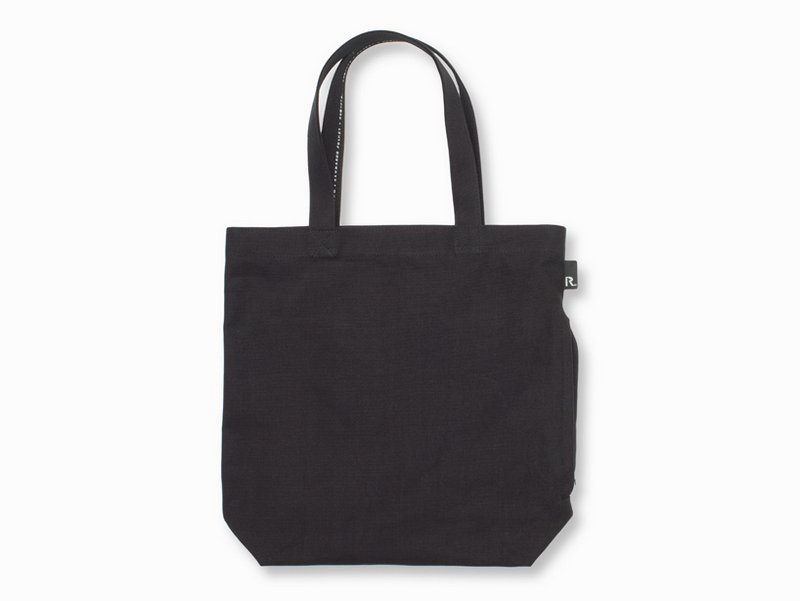
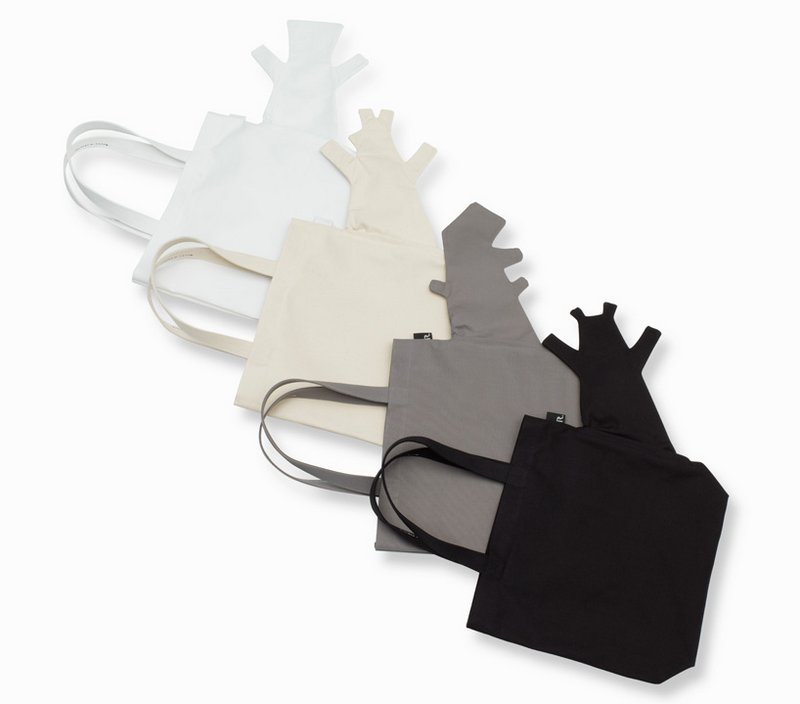
They’re latest product is this unassuming Tote Bag. Typically, a tote bag distinguishes itself by a particularly eye-catching graphic. But what makes these bags special is not what’s on the outside, but what’s inside.

Hidden within the interior is a pocket that extends out from the bag to turn into a puppet. And depending on which bag you select, your pop-out puppet can either be a kangaroo, bear, human or dinosaur! Aside from the potential puppet shows that can be staged, especially sanitary folk can use it to open doors or hold onto bannisters in the train. (not an intended use)

Designed for Japanese tote bag retailer ROOTOTE, the collaboration is the first in what is shaping up to be a series of fun and playful totes.

Source: Submission

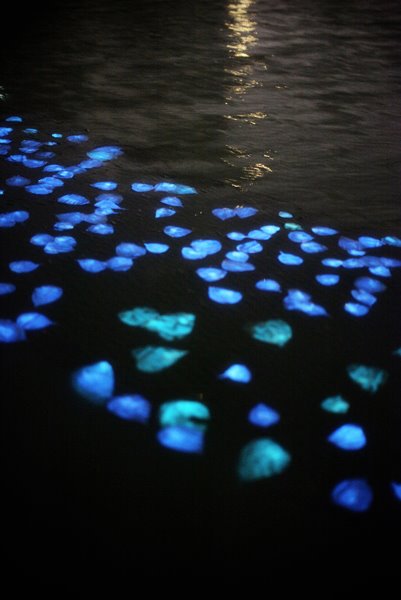
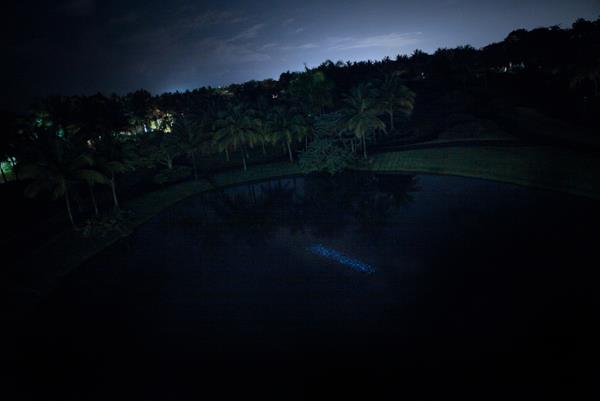
Obon | Miya Ando’s installation of 1000 bioluminescent floating leaves

photos by L Young

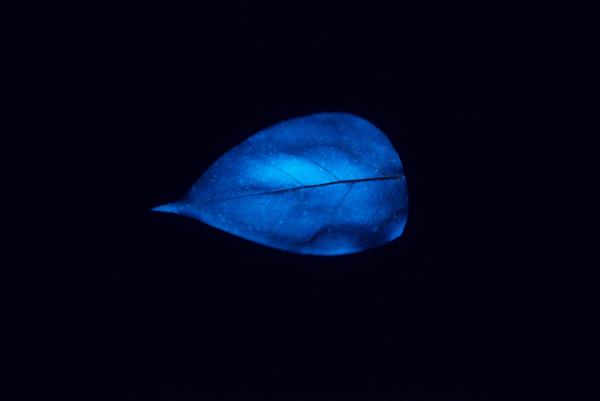
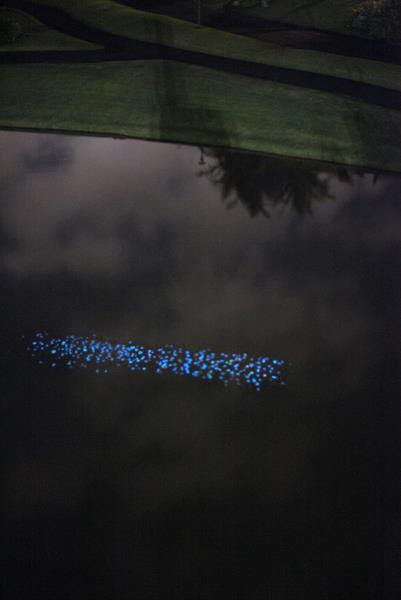
Miya Ando (previously) recently traveled to Puerto Rico where she floated 1000 resin and (non-toxic) phosphorescence-coated leaves in a small pond. During the day the phosphorescence collected and absorbed energy from sunlight, giving them a soft, blue glow at night. Using indigenous Ficus leaves to create small boats, the ephemeral 24-hour installation pays homage to the history of boat travel and refugees in the country. But it also mimics Puerto Rico’s natural phenomenon of bioluminescent bays, which are full of single-celled bioluminescent dinoflagellates: half-plant, half-animal organisms that emit a flash of light when agitated.

Titled “Obon,” the project was inspired by the Japanese festival of the same name – a ceremony to honor and commemorate the departed. Ancestral spirits are believed to return home during this festival. And on the last day, lanterns are floated on rivers to guide the spirits back to the netherworld.

I wish I could have seen this in person but Ando told us that the impermanence, coupled with the very clear leaves, made the project feel delicate and wondrous, like when you see a firefly. “The leaves sat in the pond all day and were very unassuming and clear but all the while they were absorbing light. Then visitors arrived and in the darkness I was amazed because there were so many people at the unveiling yet it was totally quiet as people stood and sat at the edge of the pond and just watched these little leaves glowing and floating and moving slowly around.” Sounds magical!

Obon was commissioned by the Fist Art Foundation, a Puerto Rico-based non-profit organization that seeks to foster an understanding of contemporary art through site-specific installations and educational programs.

Source: Miya Ando

Studio Visit With Artist Nao Matsumoto

Hi there! You’ve landed on a members-only article. If you’re interested, Consider supporting Spoon & Tamago by becoming a member.

You can read all about our membership program here. Thanks!

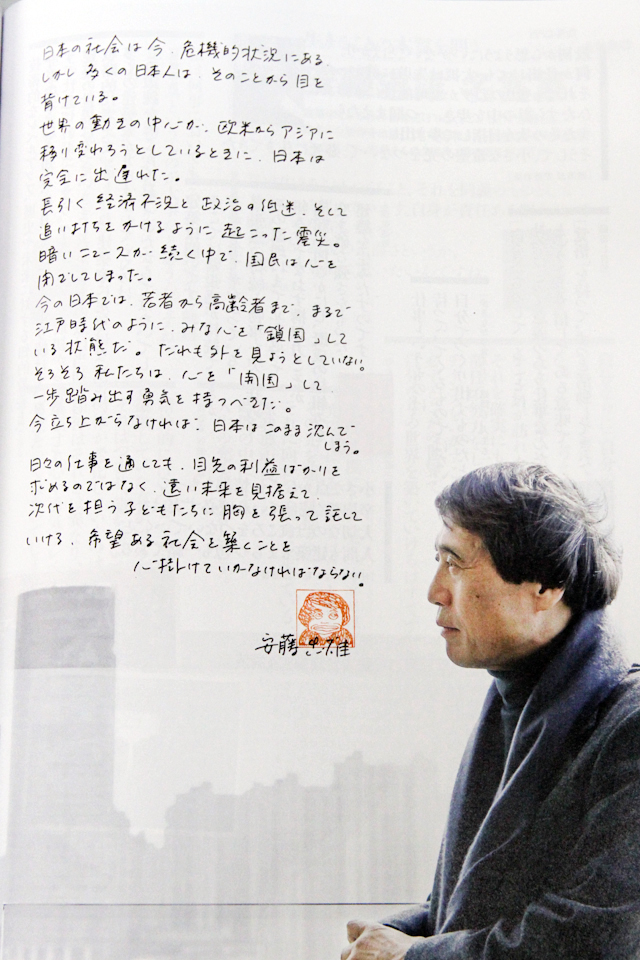
Interview with Tadao Ando: Japan will sink into the abyss

Japan is currently in a precarious situation.
But many Japanese seem to have chosen to ignore this.
Japan has completely missed out as the world’s axis has begun to shift from the West to the East.
A lengthy recession, political gridlock and – on top of all that – the devastating earthquake and tsunami. Citizens have decided to cut themselves off from the never-ending succession of dismal news.

From the young to the old, the current state of Japan is much like the self-imposed isolation of the Edo Period. No one is looking outwards.
But it’s time for us to open up once again. We need the courage to take that first step. For if we don’t, Japan will sink into the abyss.

I think that everybody, in our day-to-day jobs, needs to stop thinking so much about seeking immediate gain. Instead, we need to focus on the distant future – a society built on hope that we can take pride in as we pass it along to the next generation.

– Ando Tadao, architect

I do apologize to those who don’t read Japanese and are thus forced to rely on shoddy translations by Spoon & Tamago.

From an interview in GOETHE magazine (May, 2012).
(via Masahiro Minami)

Buddhist Monks are Getting All the Love

photo by kenichi sasazawa

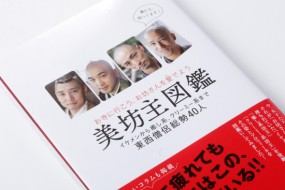
One could say that 2012 is turning out to be the year of the Buddhist monk. A meet-up with the monks – a monthly event hosted by Ginza Modern Art gallery – has been gaining traction amongst young men and women in their 20s and 30s. And in March, “The Field Guide to Beautiful Monks” was published and became an overnight sensation. From “comforting” to “creamy,” the colorful picture book, which profiles 40 of Japan’s most hunky monks, sold over 10,000 copies in in its first 2 months on the market.

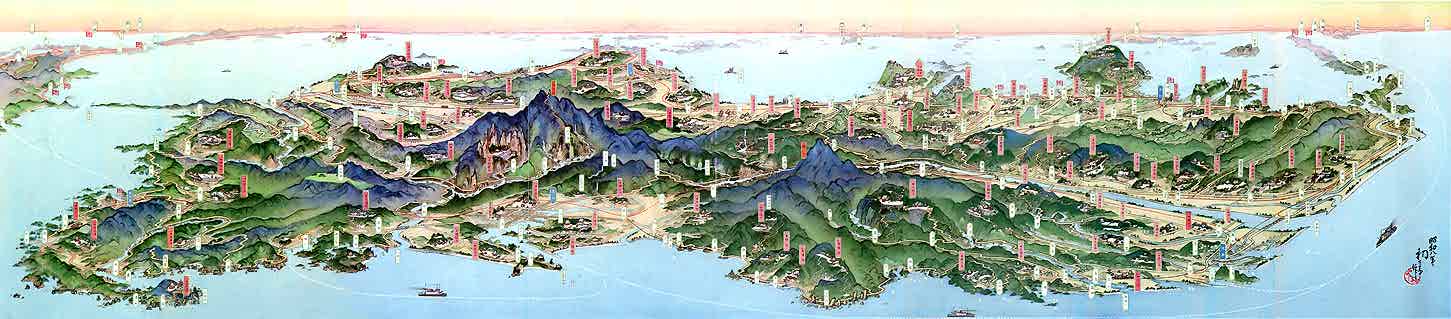
early Showa period map (image courtesy Waseda University) | click to enlarge

Now the story moves offshore to the island of Shikoku where devoted worshipers, or simply individuals up for a challenge, travel to take part in a 670-mile pilgrimage visiting all 88 temples (Gmap). If you decide to participate in what’s known as the Shikoku Hachijūhakkasho Meguri, at Eifukuji Temple you will come across the swanky new home of the chief monk who reside at the 57th sacred location.

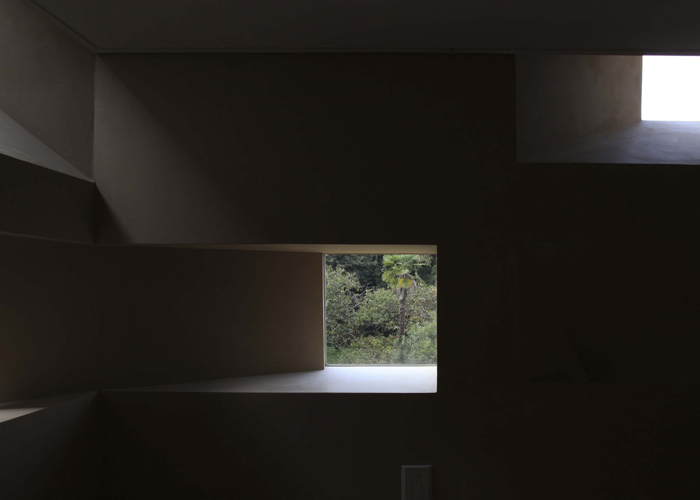
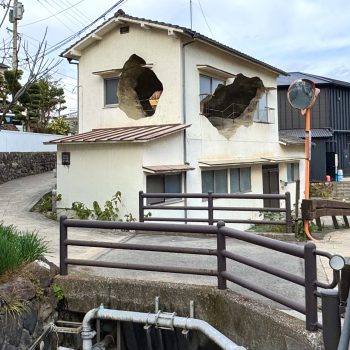
And this isn’t just any old bare-minimum-roof-over-your-head house. Seventy-seven windows are cut into the thick walls and serve to frame views of the surrounding nature. Some windows are meant to muffle any disturbances from tourists and visitors while others provide a lens to capture a summer sunset. Completed late last year, it was designed by Tokyo-based architect Zai Shirakawa who, 2-months earlier, completed a temple office at the same location.

Whether designer priest homes or easy-on-the-eye monks help pave the way to enlightenment is hard to say. But what we do know is that there has been a clear increase in enthusiasm towards Buddhism in Japan. Whether it was the mechanics of economic deprivation, the impact of the earthquake and tsunami or Buddhist monks opting for slightly out-of-the-ordinary tactics, it will be interesting to see how this trend develops. Oh, you’ve heard of Kansho Tagai right? The Buddhist monk whose rapping sutras reportedly doubled attendance at his temple?

Source: submission | Shikoku Henro Trail | JapanPulse

« Older posts Newer posts »

© 2026 Spoon & Tamago

Up ↑

Design by Bento Graphics