Page 236 of 406

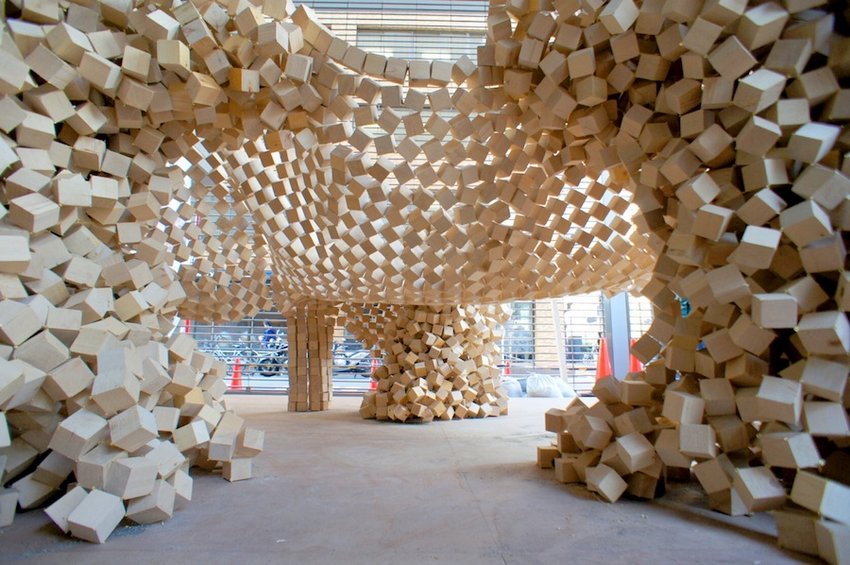
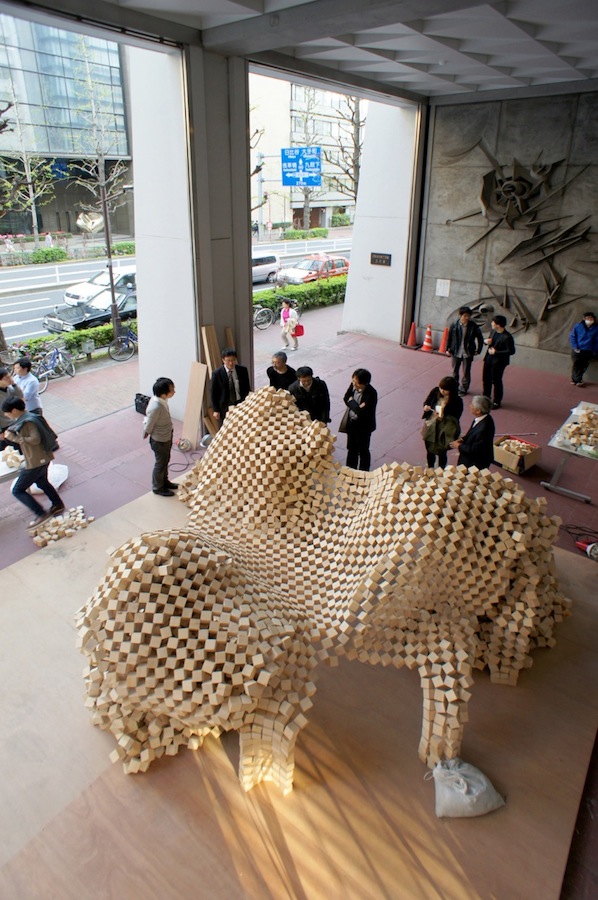
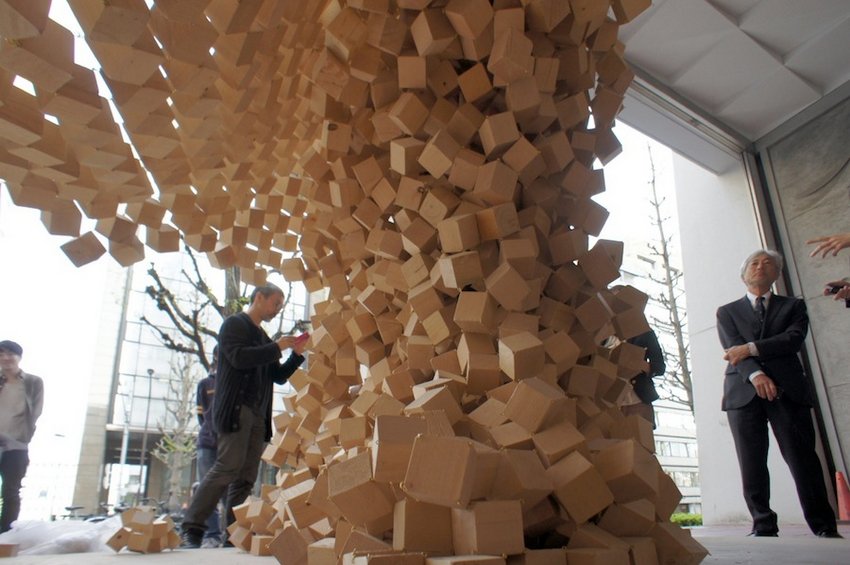
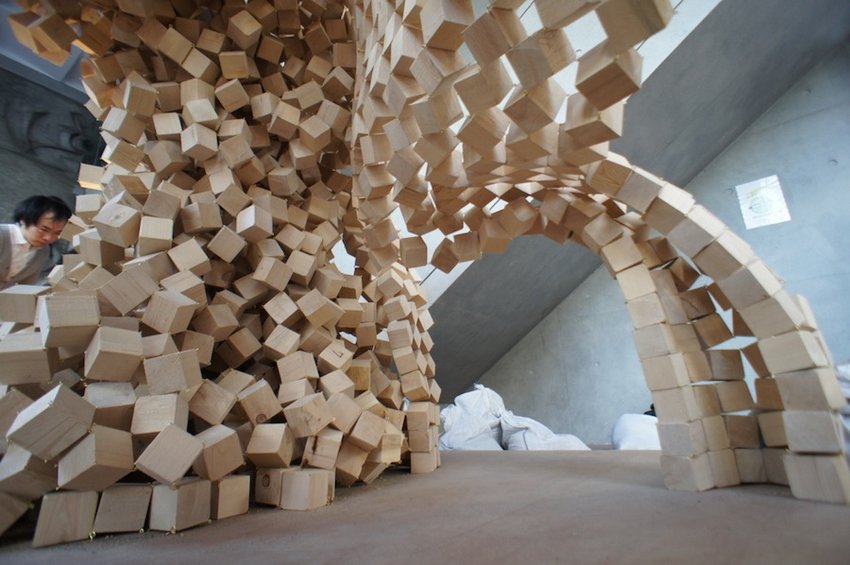
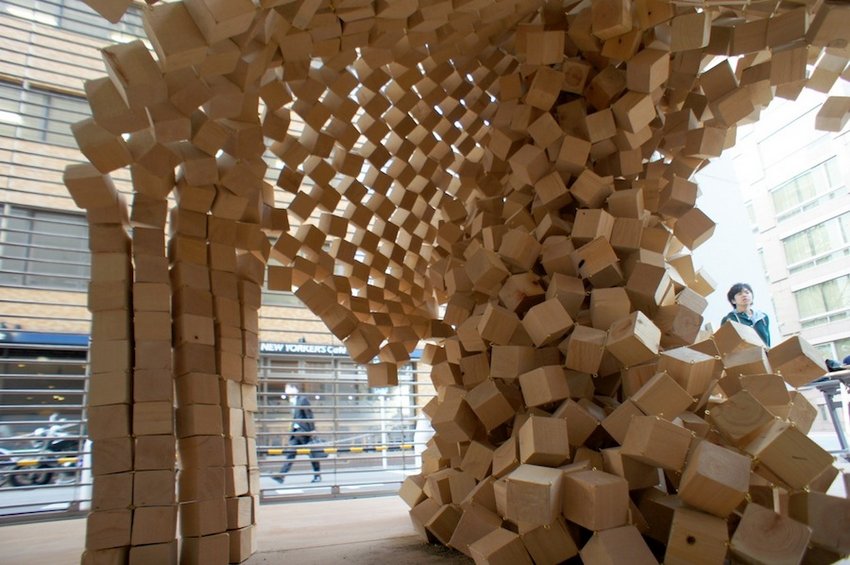
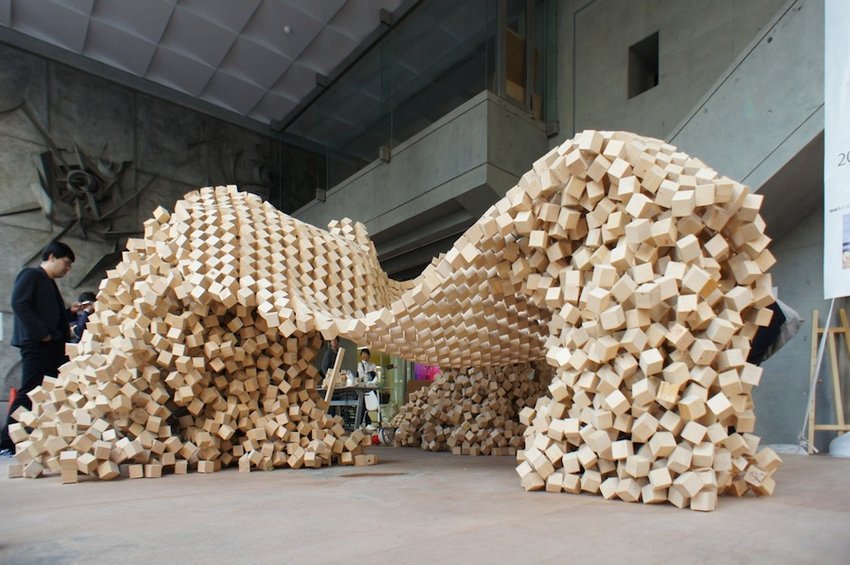
7000 wooden cubes linked together in an inverted question-cube

Ken Yokogawa i-cube (4)all images courtesy japan-architects | click to enlarge

Fascinated and inspired by the way metal chain armor retains its shape and form, architect and professor Ken Yokogawa began investigating the architectural properties of the phenomenon. Two years, 7000 wooden cubes and 36,000 screw-in hooks later, his structure, which he calls an inverted question-cube, is complete, thanks to the help of fellow professor Jun Sato and students from their Nihon University of Science and Technology.

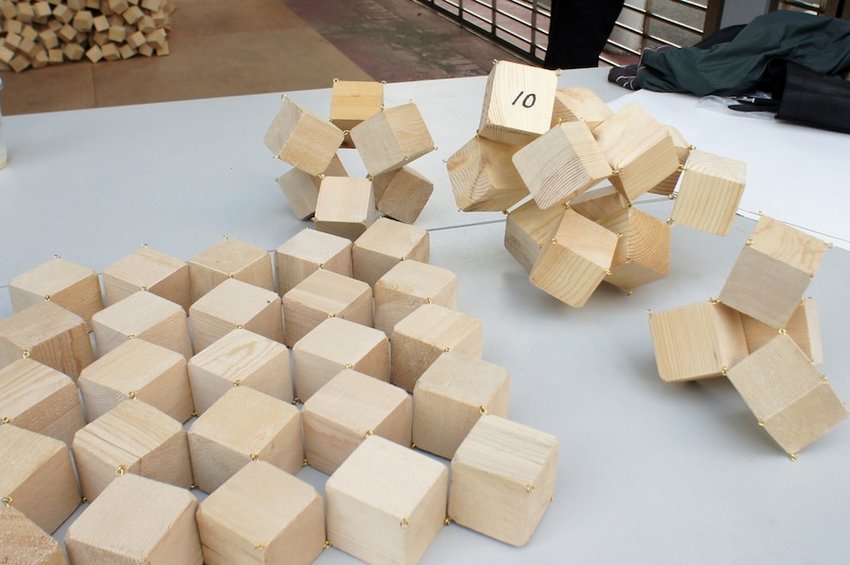
The 60 mm (about 2.3”) cubes are linked together by tiny screw-in hooks on each corner, but otherwise the structure is completely free-standing. It’s a balancing act that, although required numerous attempts of trial-and-error, resulted in an organic structure that’s as beautiful as it is precarious. It’s on display through May 14, 2013 at the Nihon University of Science and Technology Surugadai Campus in Tokyo.

ken yokogawa i-cube

Ken Yokogawa i-cube (7)Ken Yokogawa i-cube (2)

Ken Yokogawa i-cube (6)

Ken Yokogawa i-cube (5)

Ken Yokogawa i-cube (3)


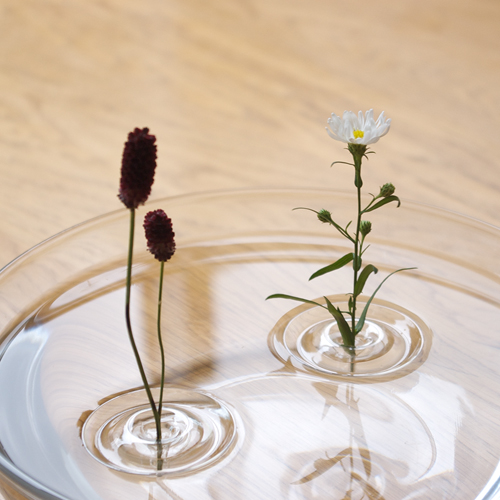
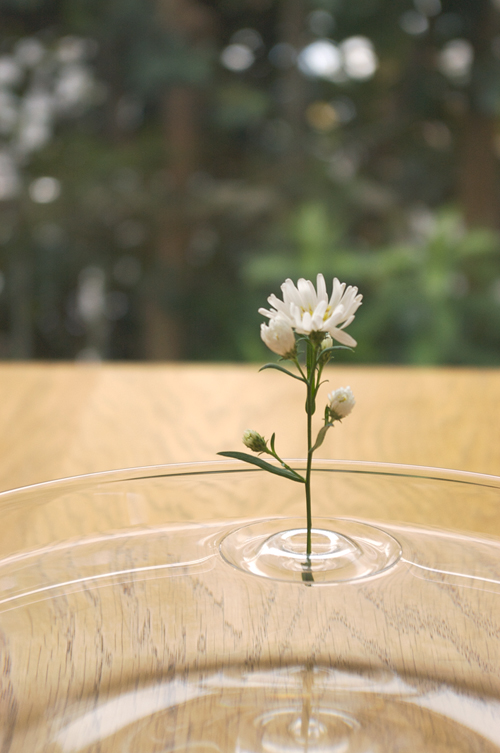
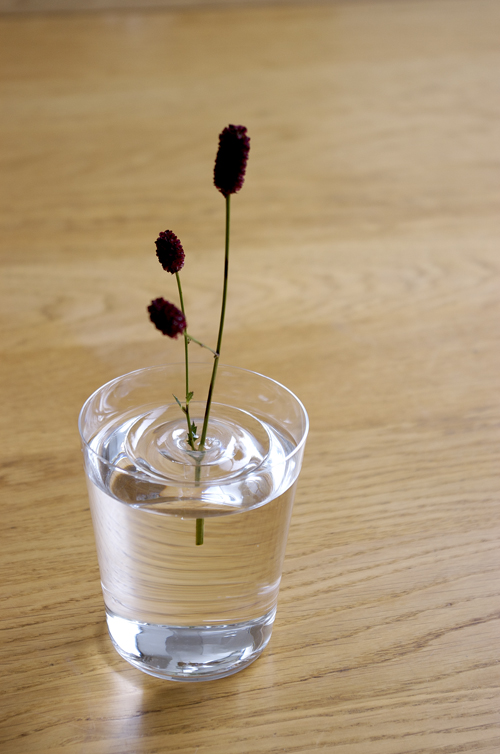
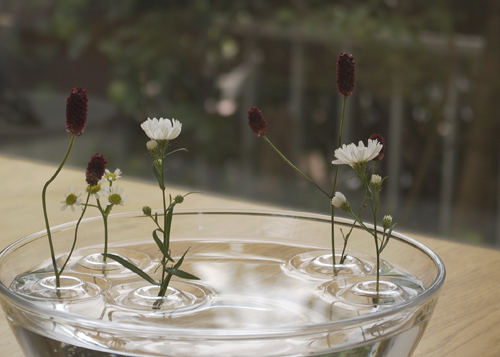
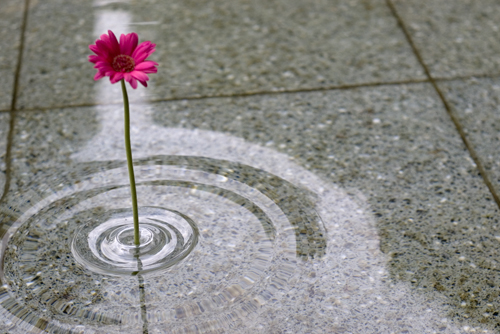
Ripple Flower Vase by Taku Omura

vase6

Time isn’t an orderly stream. Time isn’t a placid lake recording each of our ripples. Time is viscous. Time is a massive flow.


– Charles Yu, How to Live Safely in a Science Fictional Universe

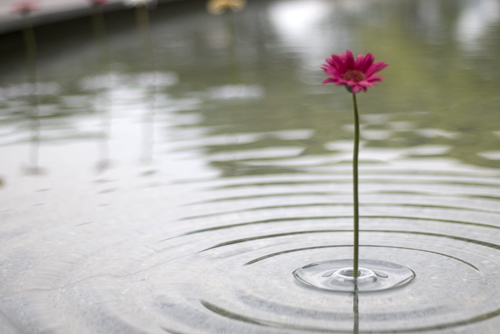
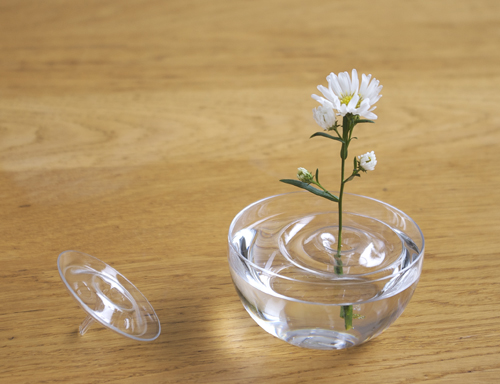
But what if time was an orderly stream. What if we could stop time and appreciate the moment. That’s the essential idea behind the Ripple Vise, a poetic yet simple flower vase designed by Taku Omura of oodesign.

Cast from plastic resin, the ripple-shaped dish holds just a single flower and can be floated in almost any dish. It’s minimal, understated design manages to upend an entire tradition of flower arrangement, which is firmly grounded in displaying flowers in stationary objects.

vase_re8

vase_ri1

vase_ri2vase_re7

vase_ri6

vase5


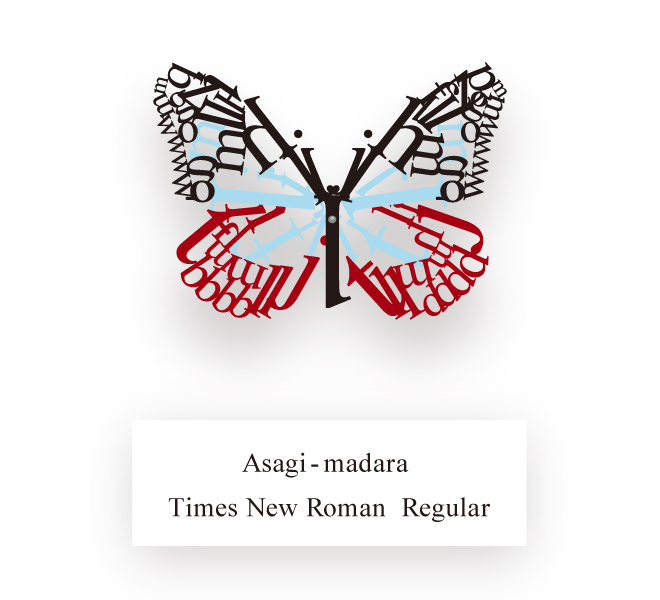
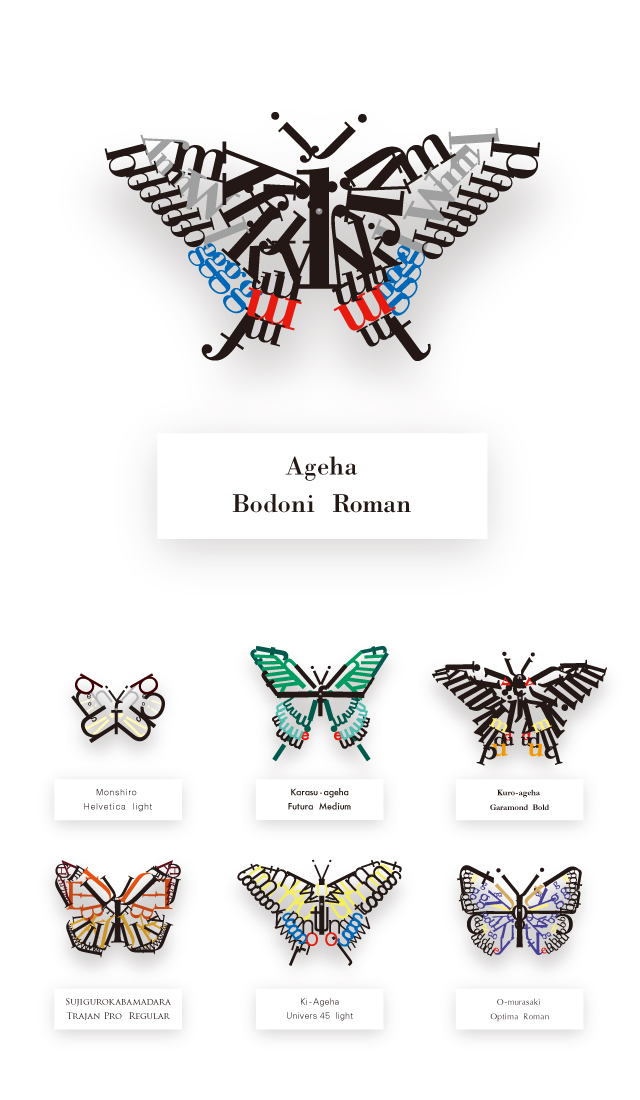
Typographic Butterfly Specimens

typographic butterfly specimens (1)

These intriguing specimens were created by a 25-year old graphic design student who goes simply by the name, guusan. Uploaded to Japanese portfolio site loftwork earlier this month, the Japanese butterfly specimens are created from letters that belong to different type sets like Helvetica, Futura and Time New Roman. “I imagined different fonts as butterflies and then created a specimen book based on that,” said the designer in a statement.


typographic butterfly specimens (2)

source: @sheishine

Paintings, Sculptures and a Film, oh my | Takashi Murakami Unveils New Work

takashi-murakami-arhat-exhibition-blum-poe-2Photos by Brandon Shigeta/Hypebeast. © 2013 Takashi Murakami / Kaikai Kiki Co., Ltd.

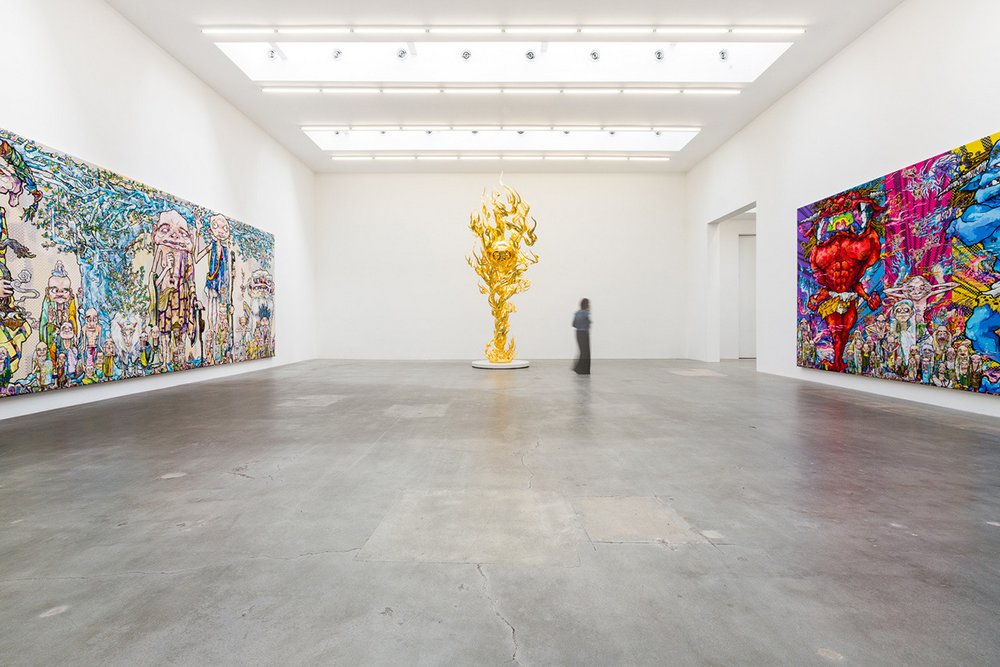
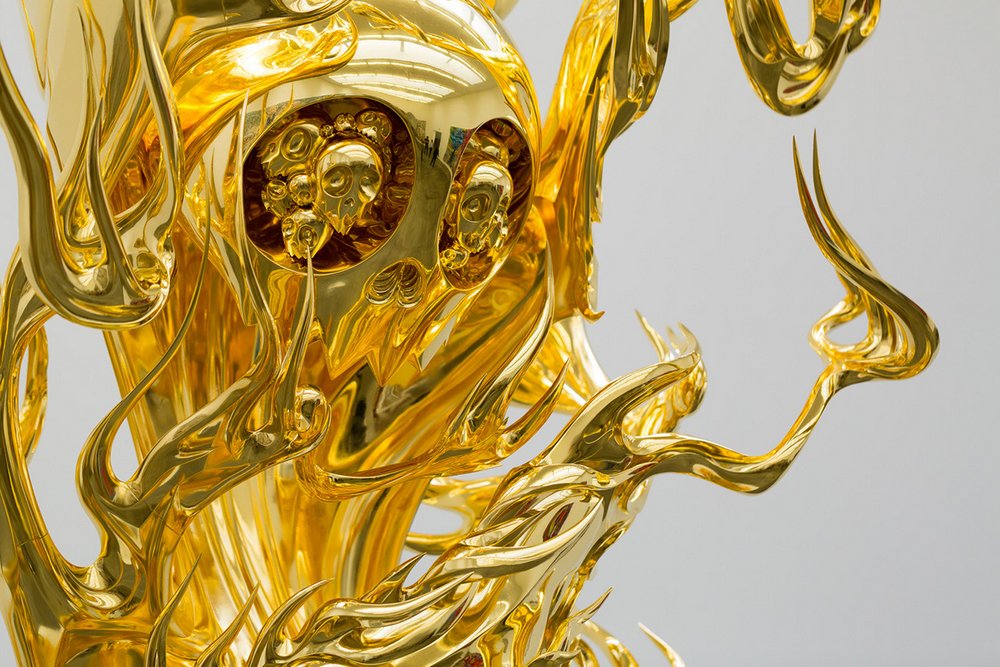
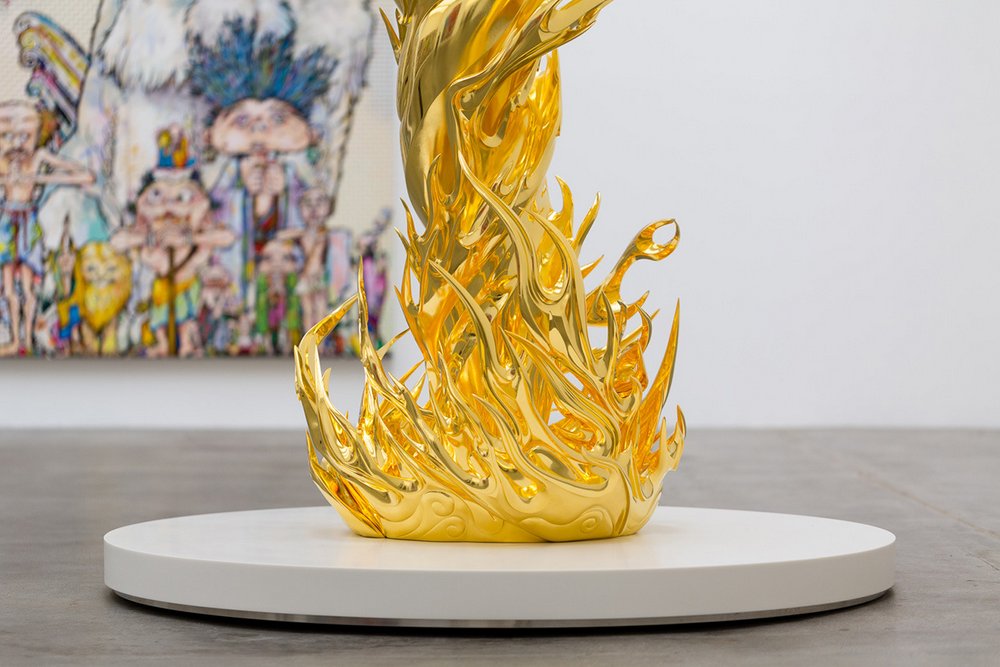
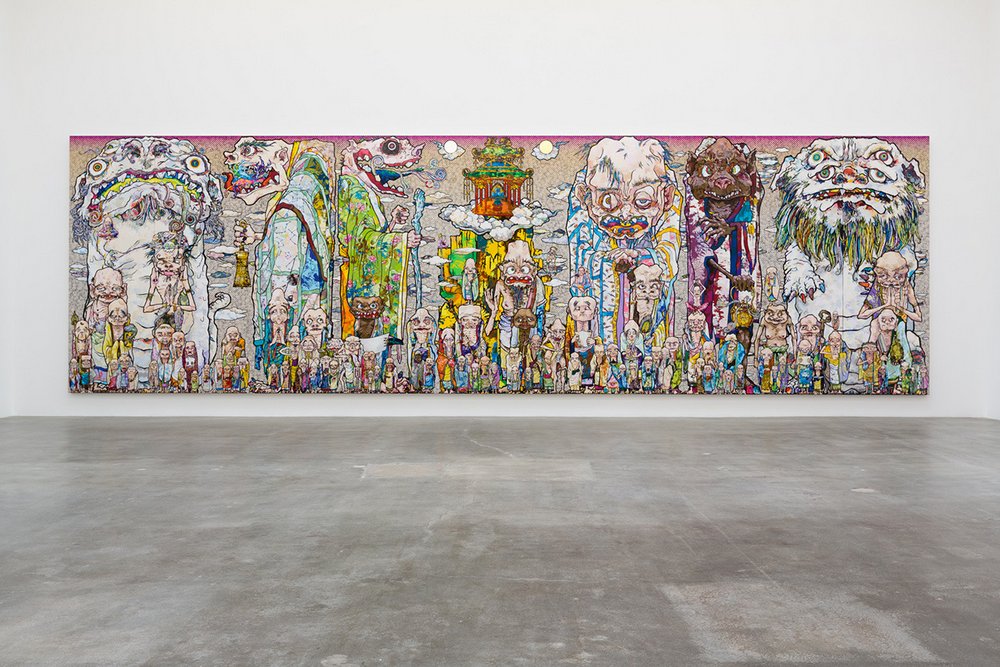
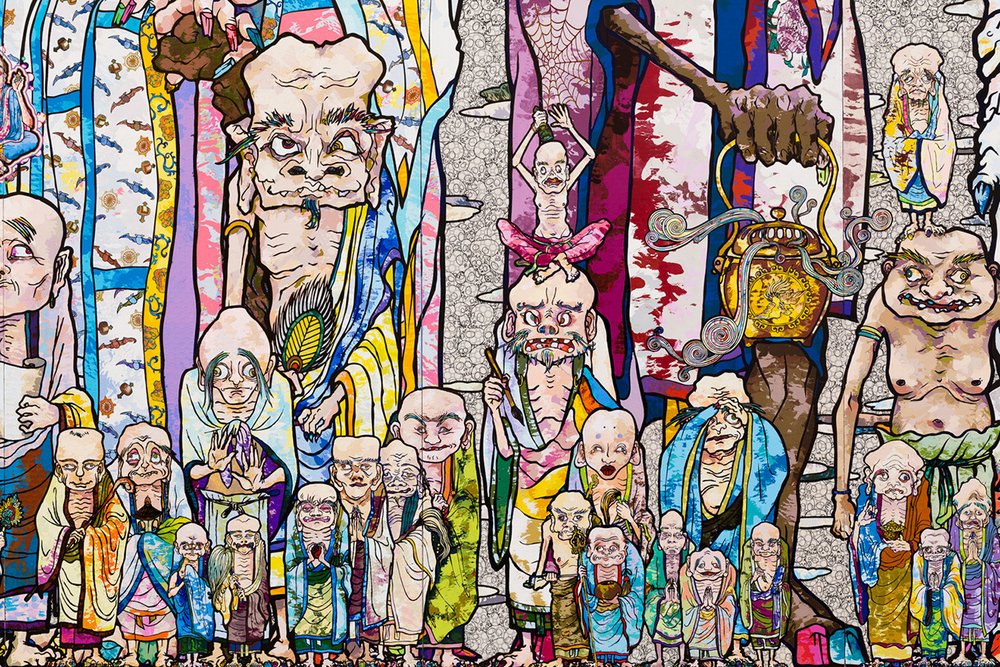
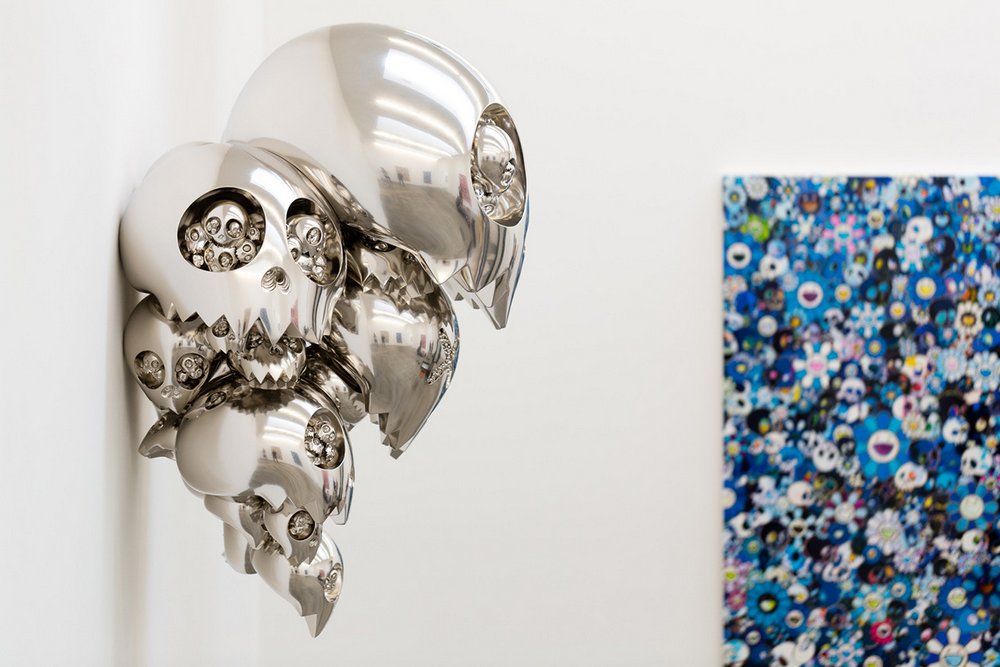
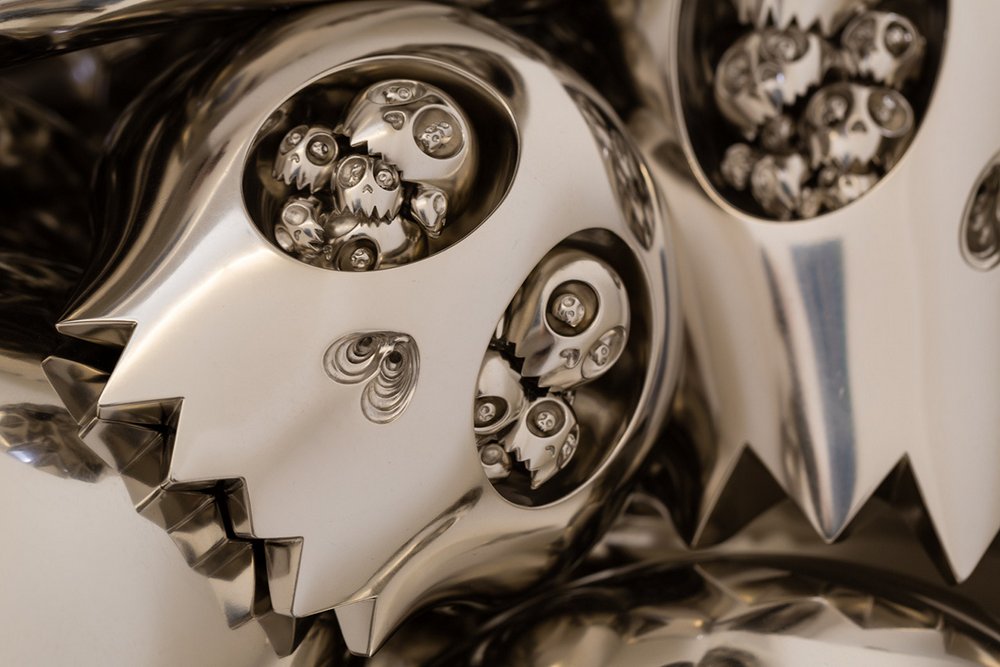
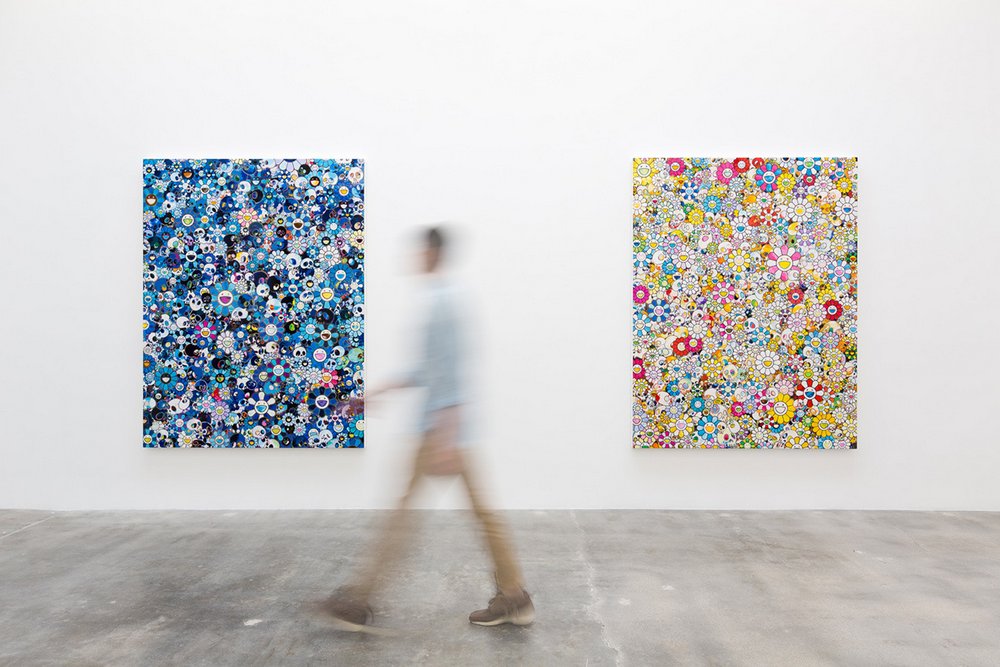
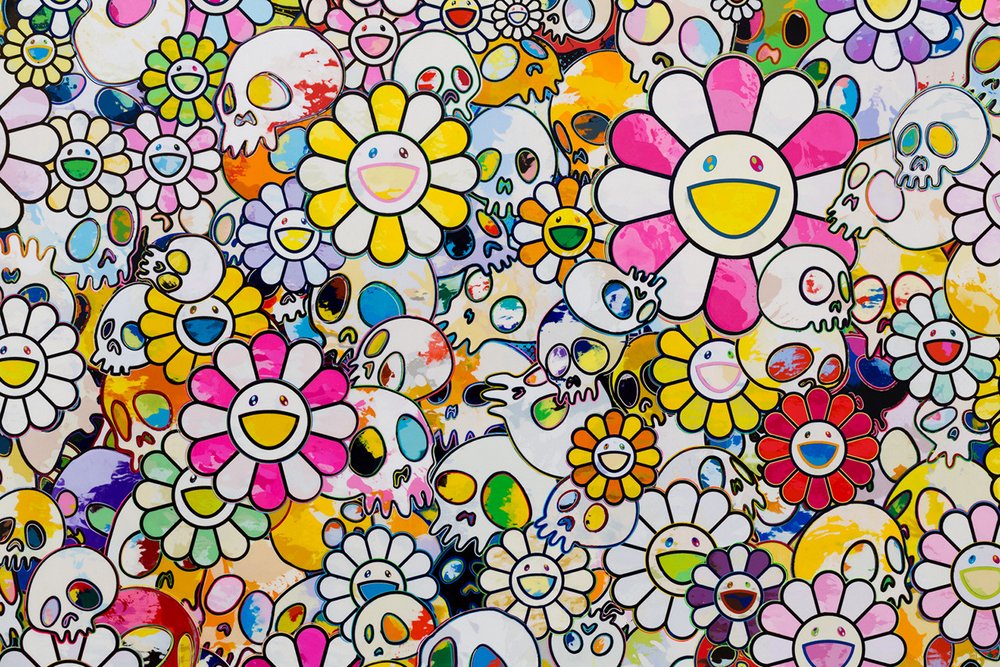
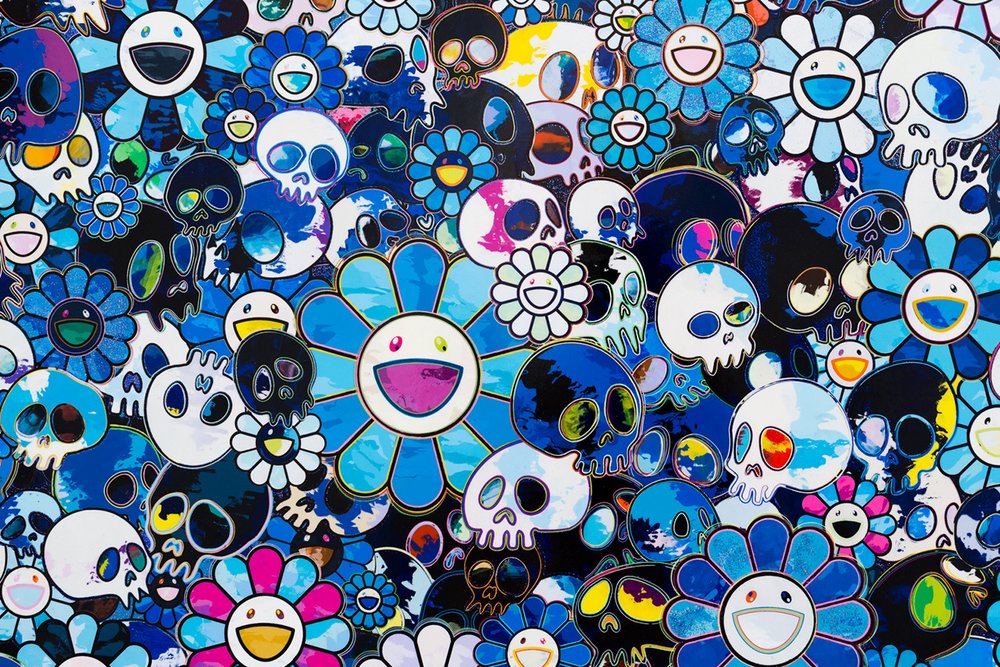
Takashi Murakami, Japan’s answer to Andy Warhol and that pop contemporary artist that everybody loves to hate, is back with an exhibition at Blum & Poe in Los Angeles. And I have to say, his new work – an amalgamation of Buddhist monks, demonic monsters, skulls, flowers and self-portraits – is everything that I love about Murakami. The title of the Exhibition is Arhat, which, in Sanskrit, translates to “a being who has achieved a state of enlightenment,” and sets the stage for a narrative that seems permeate throughout the show.

takashi-murakami-arhat-exhibition-blum-poe-5

takashi-murakami-arhat-exhibition-blum-poe-6

Amongst the large-scale, highly colorful and heavily detailed paintings stands a gold-sparkling flame statue – one of the highlights (figuratively and literally speaking) of the show.

takashi-murakami-arhat-exhibition-blum-poe-3

From the press release:

The Arhat paintings conflate historical, contemporary, and futuristic Japanese references with a myriad of styles, methodologies, and forms into single picture planes. The artist’s long-standing interest in Japanese nihonga painting and the contemporary practices of manga and animation are highlighted in this important body of work.

takashi-murakami-arhat-exhibition-blum-poe-7

takashi-murakami-arhat-exhibition-blum-poe-8

takashi-murakami-arhat-exhibition-blum-poe-9takashi-murakami-arhat-exhibition-blum-poe-10

takashi-murakami-arhat-exhibition-blum-poe-11

takashi-murakami-arhat-exhibition-blum-poe-12takashi-murakami-arhat-exhibition-blum-poe-13

takashi-murakami-arhat-exhibition-blum-poe-1

But Murakami was also in town for another reason. He was making his directorial debut and premiering his first full-length feature film. Titled “Jellyfish Eyes” (めめめのくらげ) the film combines live action with animation to tell the story of a boy who loses his father in a natural disaster.

Having recently lost his father, young Masashi moves with his mother to a small city in the Japanese countryside. But when he discovers that their new apartment is already inhabited by a pint-sized, gravity-defying creature, Masashi begins to pull back the curtain on this sleepy town and finds that very little is what it appears to be.

When it snows it blossoms | crowd-sourced images of cherry blossoms blanketed with snow

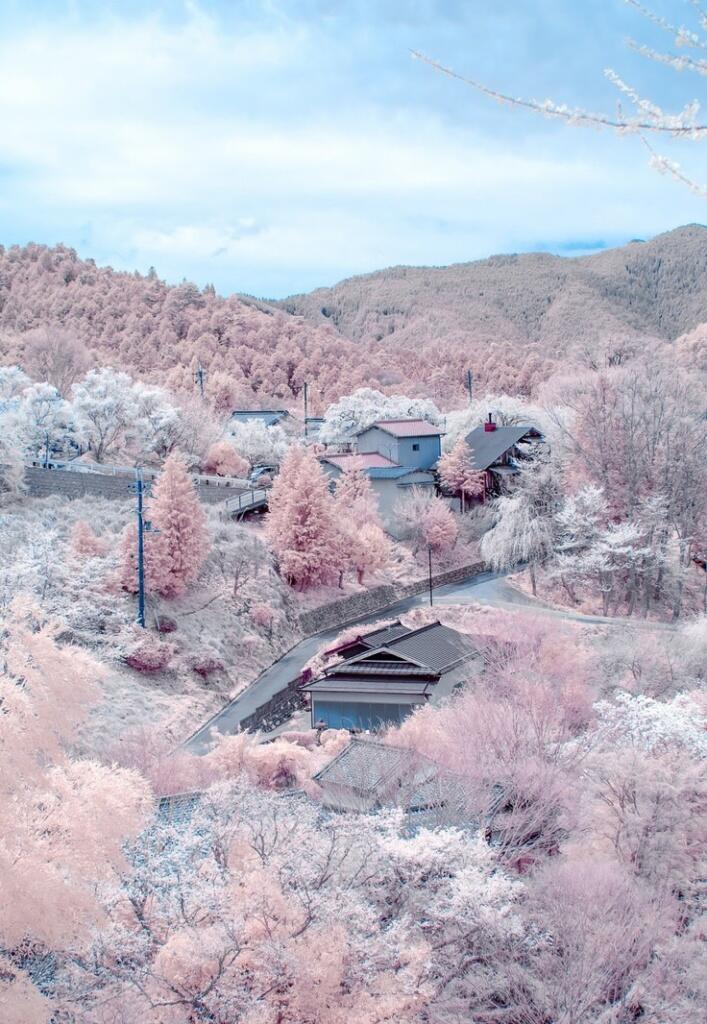
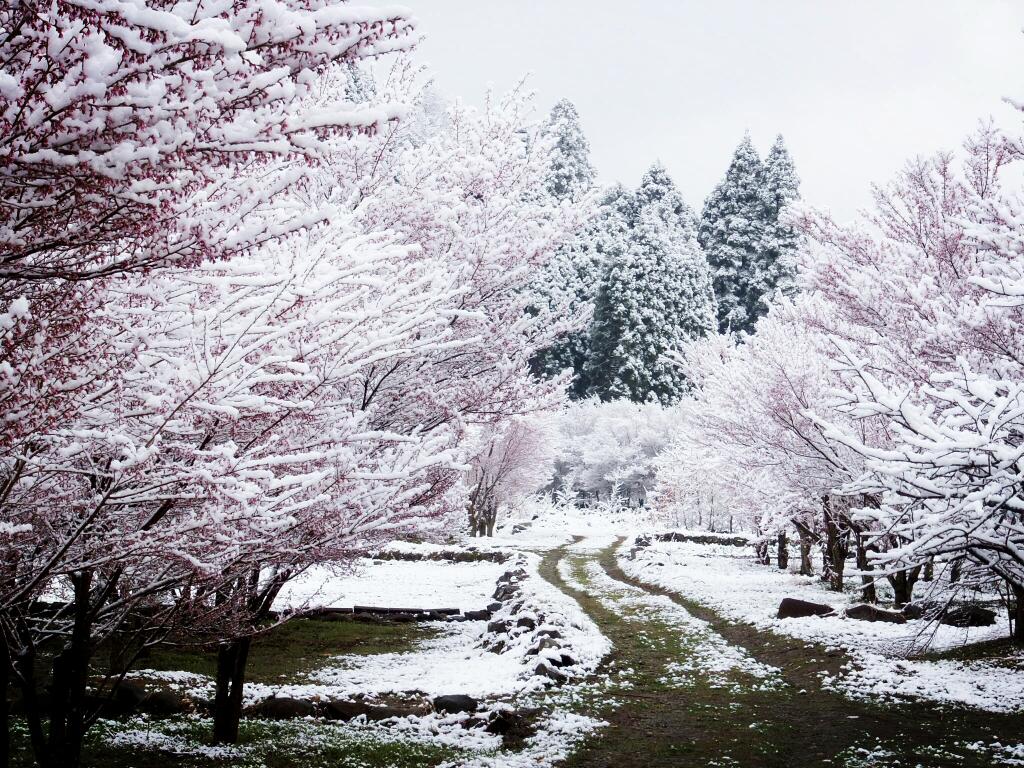
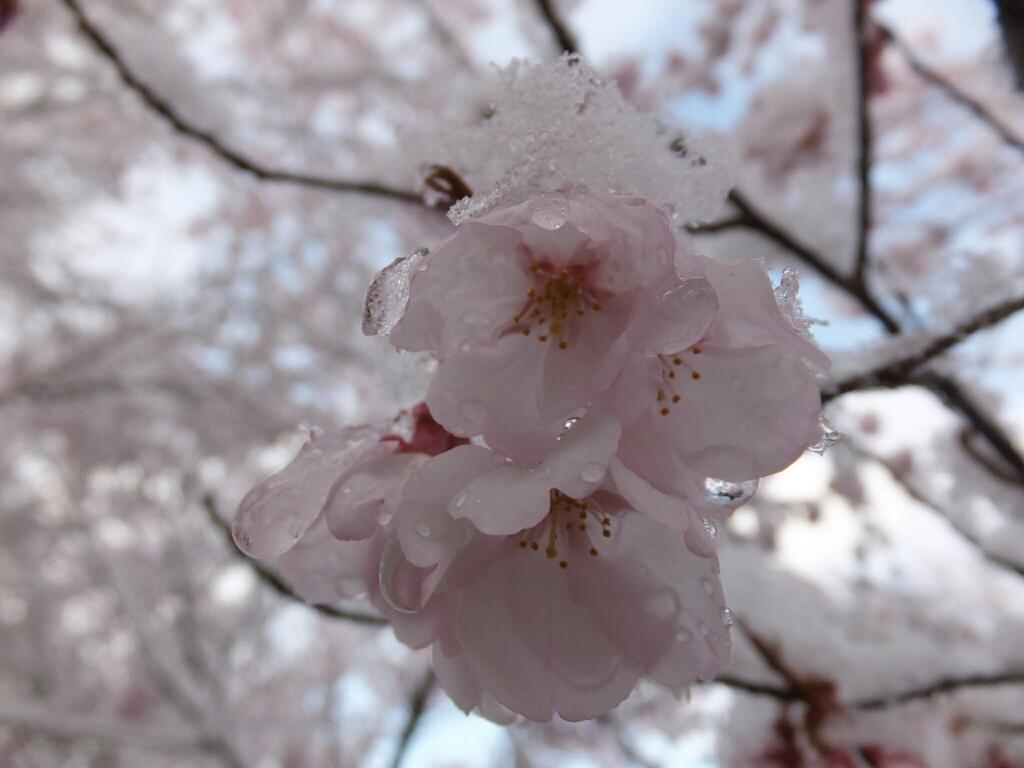
It’s not every day you get to see cherry blossoms AND snow. But residents of Nagano prefecture were in for a surprise yesterday when their spring cherry blossom season was interrupted by a snowfall. But every snow cloud has a silver lining. The collaboration between flower and snow created a magical winter wonderland that twitter users were quick to capture on their phones. Here are a few images:

BHiw9DbCEAAX1g6

photo by Jordy Meow. Image was altered using infrared photography

BHjzsD5CEAA9asS

Photo by @inu_tsugura | click to enlarge

BHh19d9CAAEOq5e

Photo by @ruirui8181 | click to enlarge

BHj0d9KCMAA_rNb

Photo by @inu_tsugura | click to enlarge

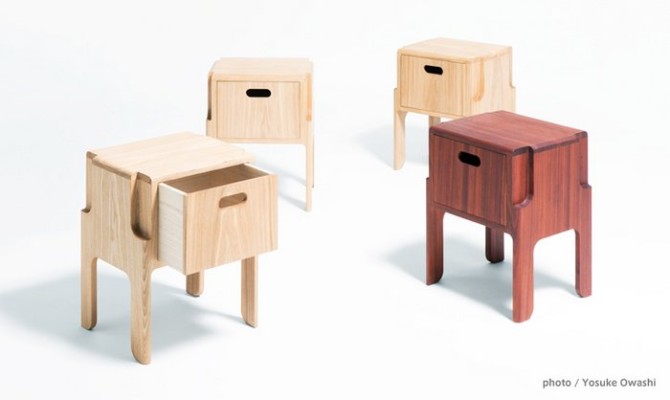
Myrtle | a stackable stool and chest by Taiji Fujimori

Myrtle Taiji Fujimori (5)

Myrtle Taiji Fujimori (3)Myrtle Taiji Fujimori (2)

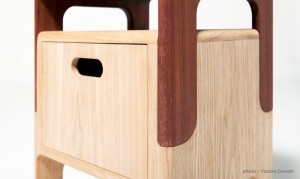
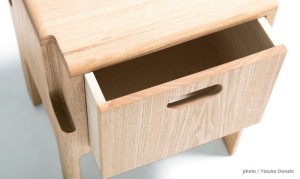
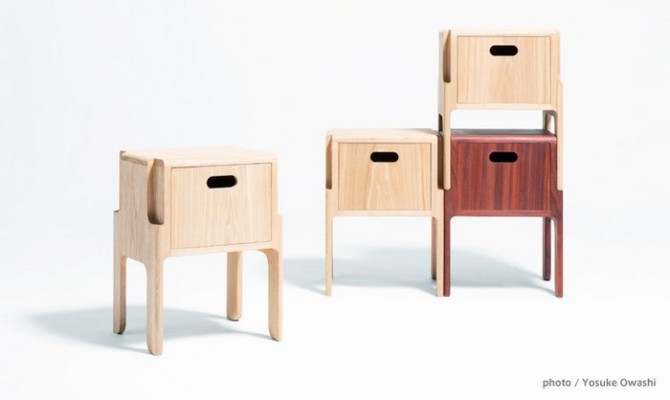
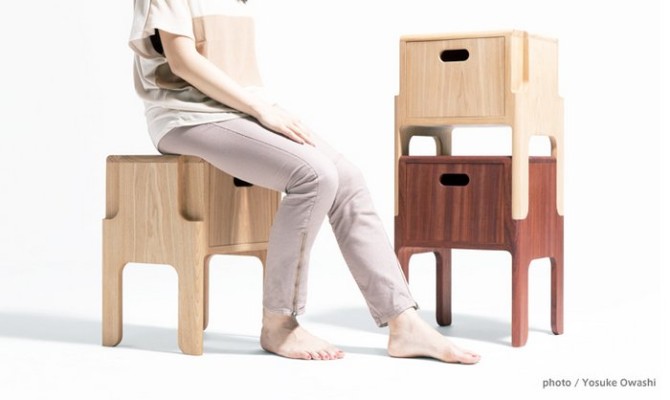
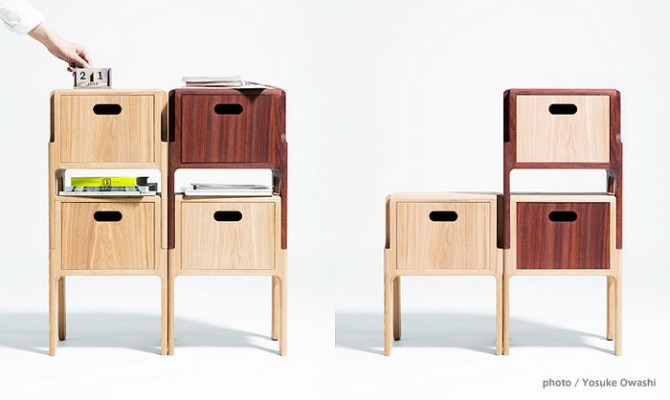
Over the years the stackable stool has evolved from an elementary-school utility to more thoughtfully designed art pieces. But in a new iteration, Tokyo-based designer Taiji Fujimori has applied both of those characteristics to his Myrtle chest, which, alone, functions as both a stool and a drawer. But when stacked together by carefully designed legs and sockets, it transforms into a dresser.

There’s something really adorable in the way these little guys appear to be precariously climbing on each other’s shoulders. And I like how there are spaces in-between for items you don’t necessarily want to hide away.

Myrtle Taiji Fujimori (4)

Myrtle Taiji Fujimori (6)

Myrtle Taiji Fujimori (1)

Still De Stijl by Takeshi Miyakawa

takeshi miyakawa Still De Stijl (7)

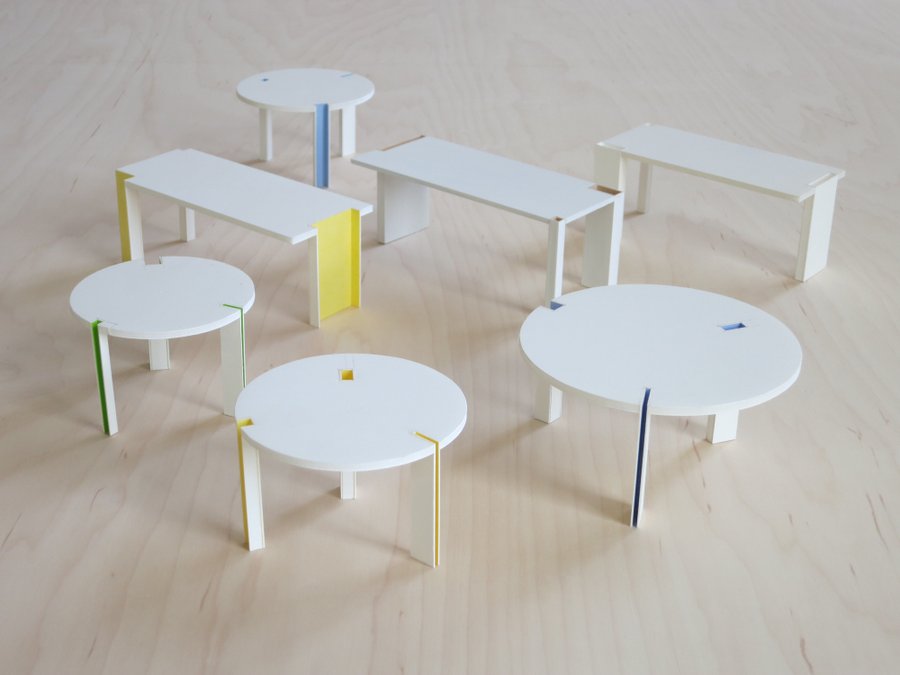
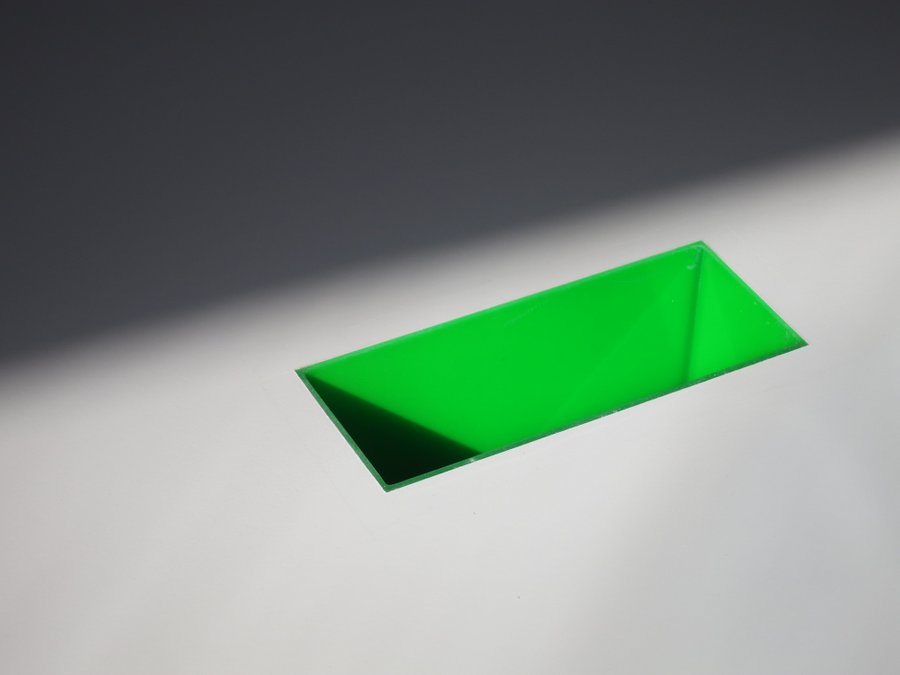
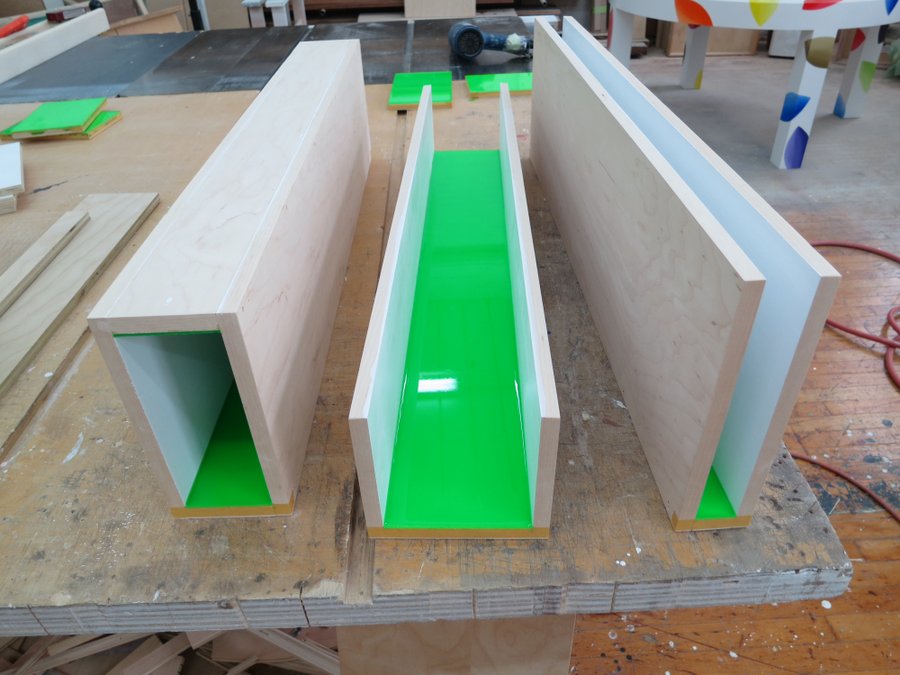
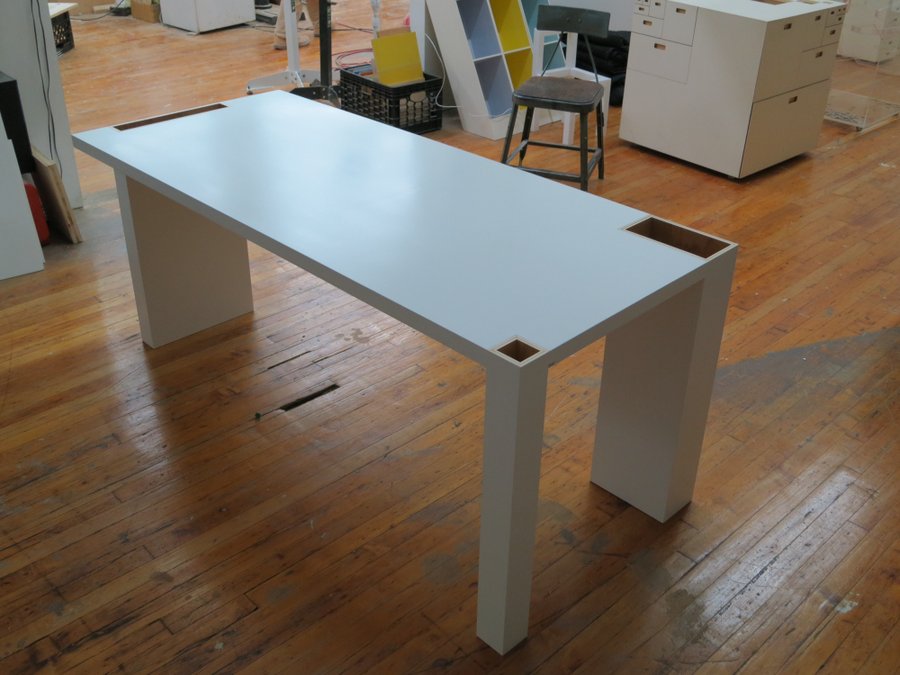
Brooklyn based designer Takeshi Miyakawa has just completed a new table for the gallery Salon 94 Bowery. Titled “Still De Stijl,” the round table pays homage to the early 1900s Dutch art movement (also known as neo-plasticism) by incorporating channel-shaped legs of different sizes. The unique, colorful design is a clear throwback to the geometric and asymmetrical qualities that are so iconic of painters like Piet Mondrian.

takeshi miyakawa Still De Stijl (1)

takeshi miyakawa Still De Stijl (4) takeshi miyakawa Still De Stijl (3)


takeshi miyakawa Still De Stijl (6)

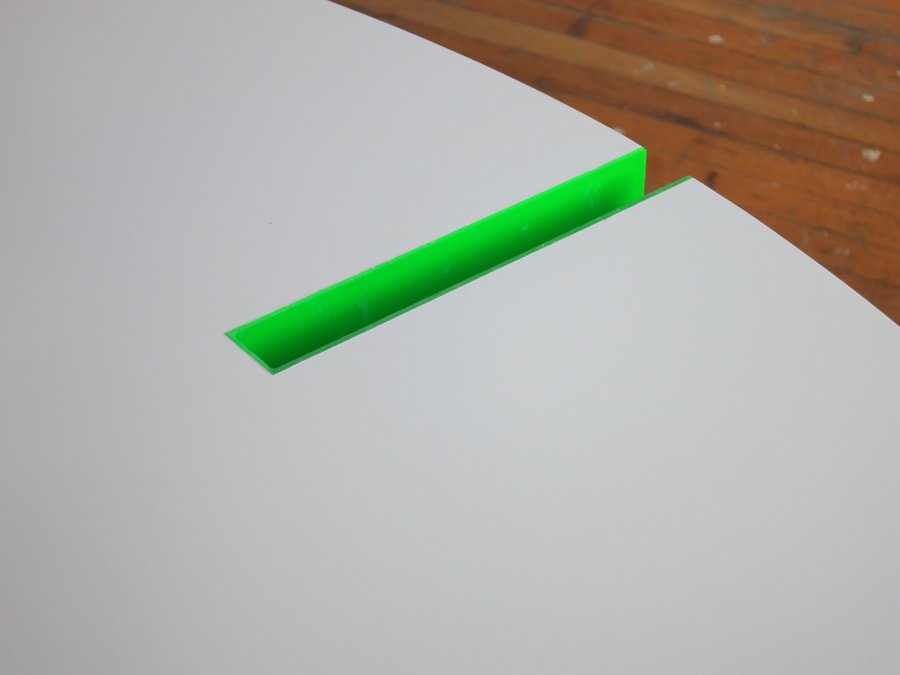
The legs of the round table are finished with casted epoxy mixed with fluorescent green pigment – the same color as his client’s logo. “Epoxy casting is really time consuming since I can only do one surface at a time,” says Miyakawa. “However, the result is quite beautiful. You cannot achieve this depth by just painting a color.”

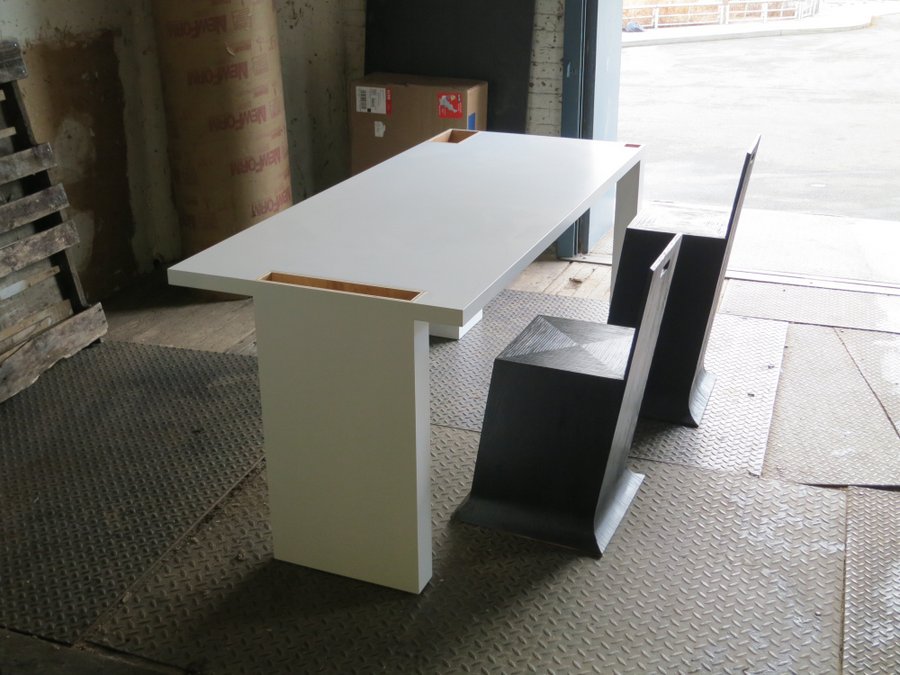
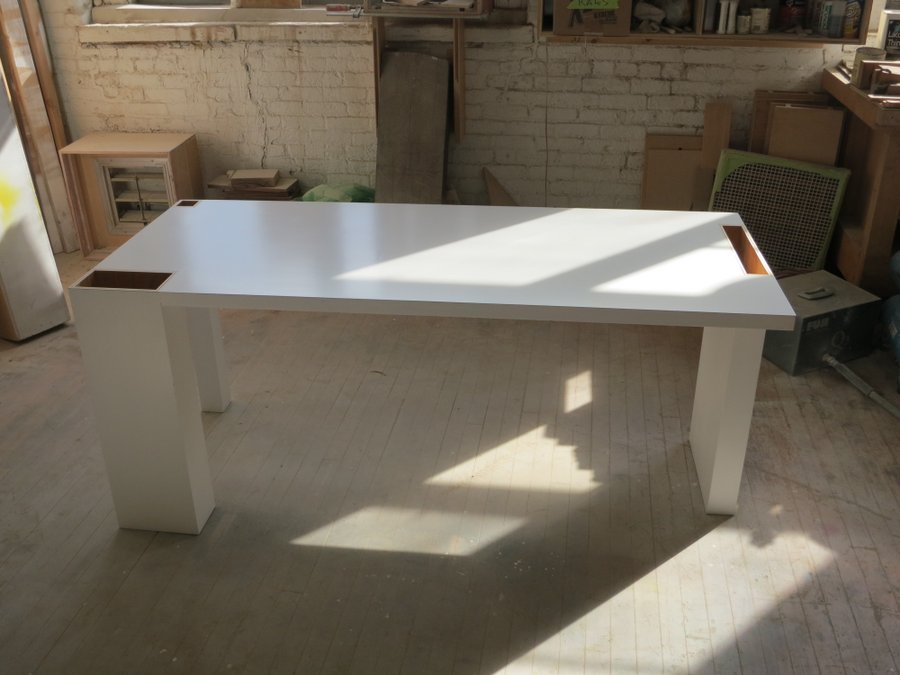
Below: a rectangular version of the table, which we got a peak of when we visited his studio last year. Read all our articles on Takeshi Miyakawa.

takeshi miyakawa Still De Stijl (10)

takeshi miyakawa Still De Stijl (9) takeshi miyakawa Still De Stijl (8)

2013 Reader Survey

We need your help! We’re running a short 2-minute reader survey with our advertising partner Nectar Ads to better understand our audience.

This information will help us understand the types of people visiting our site, leading to better, more useful advertising that will continue to help fund this site and other great art sites.

The survey is anonymous and we will not be collecting or sharing any personal information about individuals.

Please take a moment now to fill out the reader survey. We’d really appreciate it. Thanks!

Click Here to Start the Survey

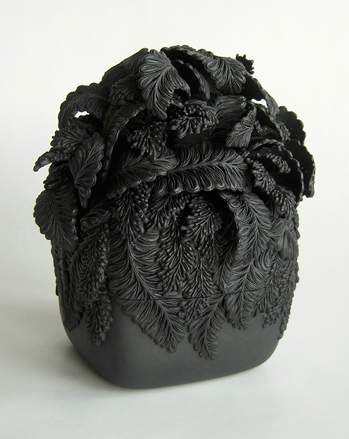
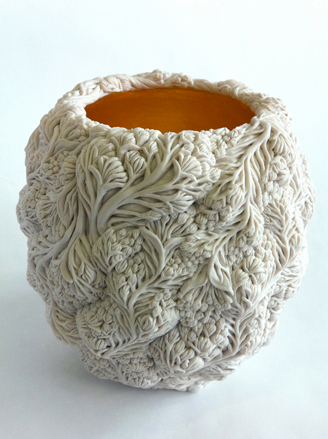
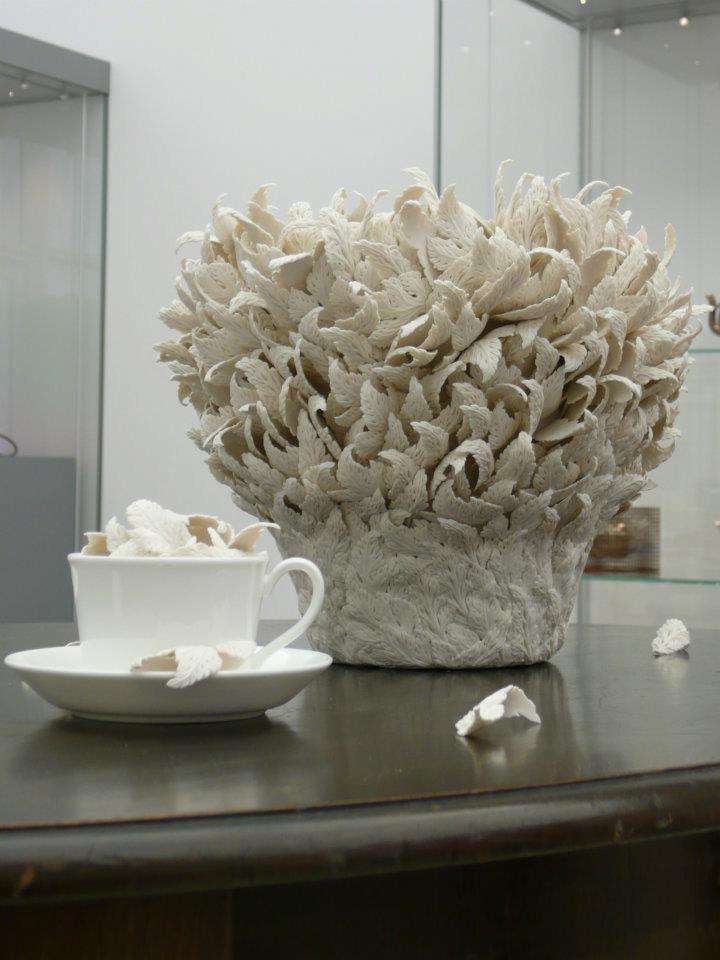
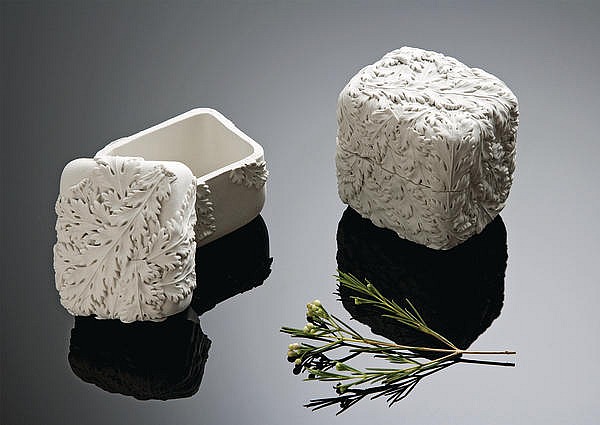
Fantastical Foliage | The Ceramics of Hitomi Hosono

hitomi hosono_original

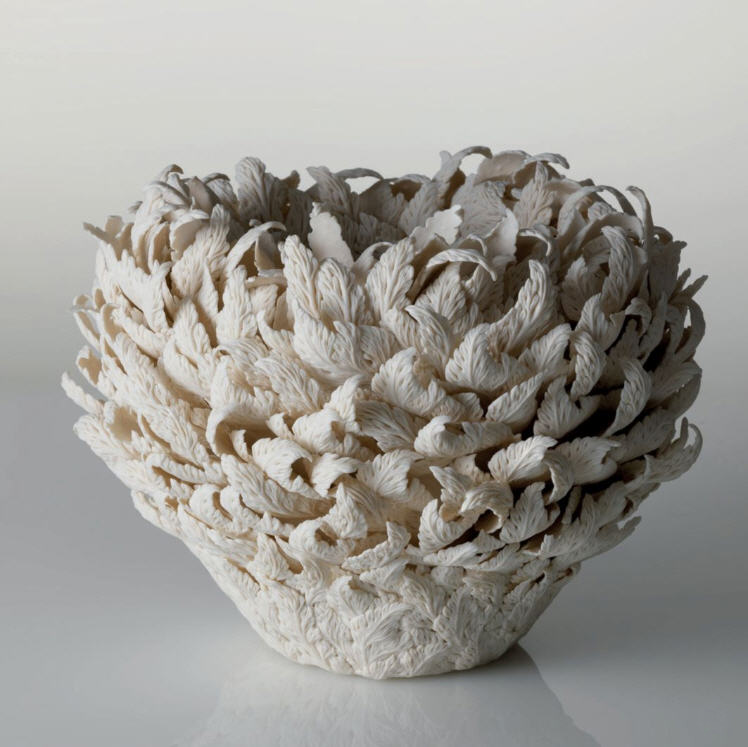
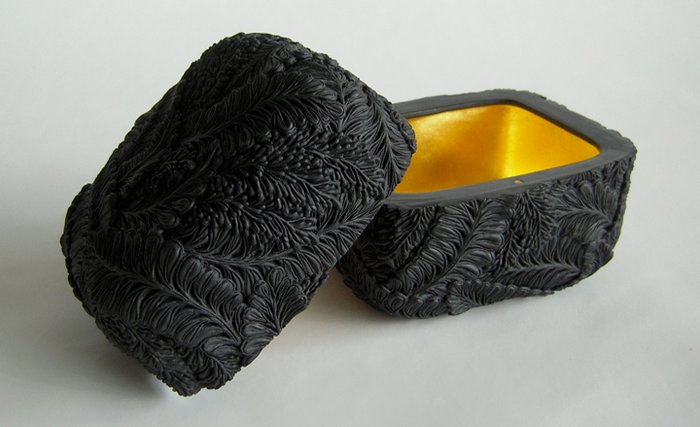
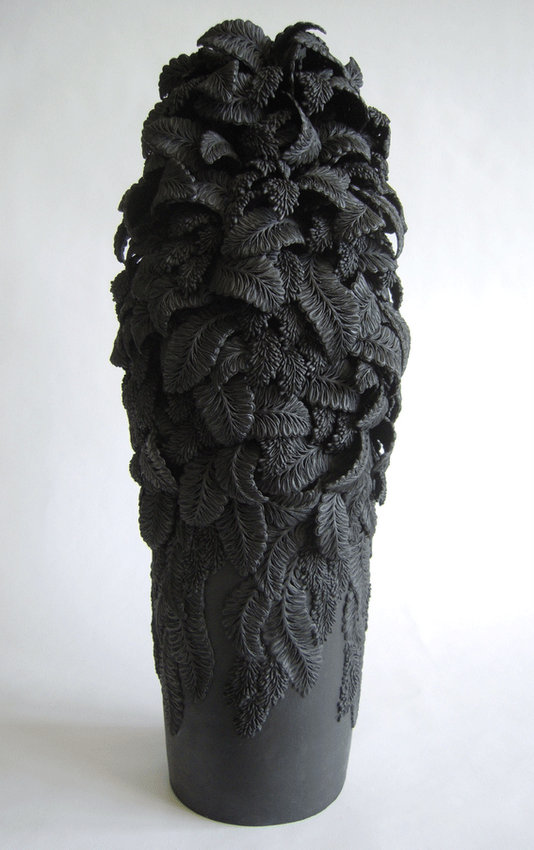
One month to create the mold, three weeks to attach the folliage, and up to five months to let it dry. That’s a basic run-down of the numbers involved in the work of Hitomi Hosono, a London-based ceramic artist who creates botanical ceramic sculptures. Her lifelike depictions of foliage has just landed her an inaugural Perrier-Jouët Arts Salon Prize, a brand new award officiated by the famous producer of Champagne.

Hosono creates her detailed porcelain all from memory – specifically, from a farm in Gifu where she observed lots of greenery as a child. But her photographic visual images are so vast that she’ll often forget where (or when) it is from. “ I’ll send my mother a sketch and ask her if she knows what the flower is and she’ll say, ‘We have it in our garden, don’t you remember?’ “ she said in an interview.

All of Hosono’s vessels are thrown on a wheel. The foliage is hand-carved and then attached. And all though she wouldn’t confirm this, there’s probably some Miracle-Gro mixed in there as well.

hitomi hosono

hitomi hosono 2 hitomi hosono 3

hitomi hosono 137775_original

hitomi hosono 138059_original

hitomi hosono 138717_original


Milano Salone 2013: Tokujin Yoshioka Sparkles and Shines

Not to be outdone by Nendo, Tokujin Yoshioka, the Japanese artist and designer known for creating exquisite objects from unexpected materials, has teamed up with 4 different companies, presenting a range of work that, at times, overlaps with one another. Yoshioka has once again returned to what is perhaps one of his favorite meditative studies: the crystal. In fact, one time he even made a chair from crystals he grew himself!

Some believe they balance yin and yang energy, while others claim they bring good luck. But Yoshioka is more interested in the physical, rather than metaphysical, properties of crystal – in this case, their ability to refract light.

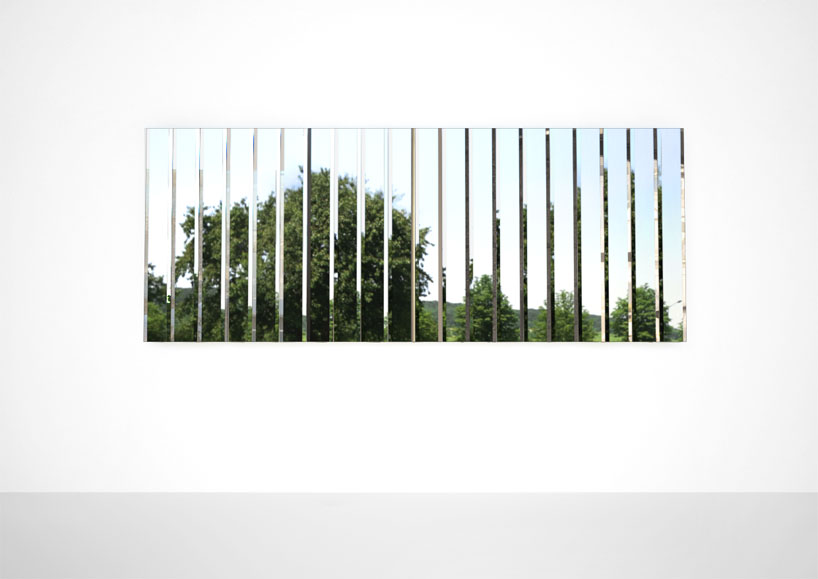
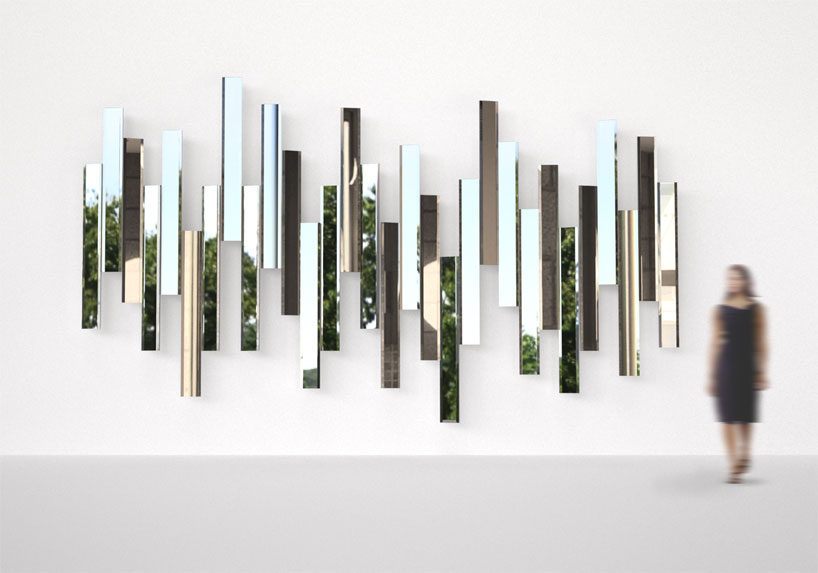
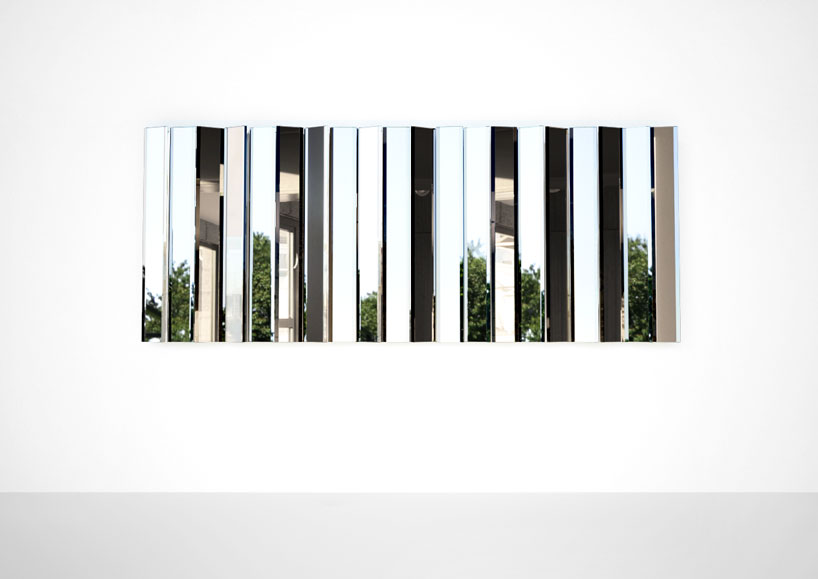
Mirage

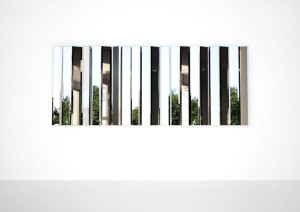
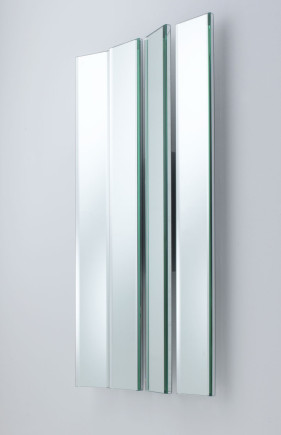
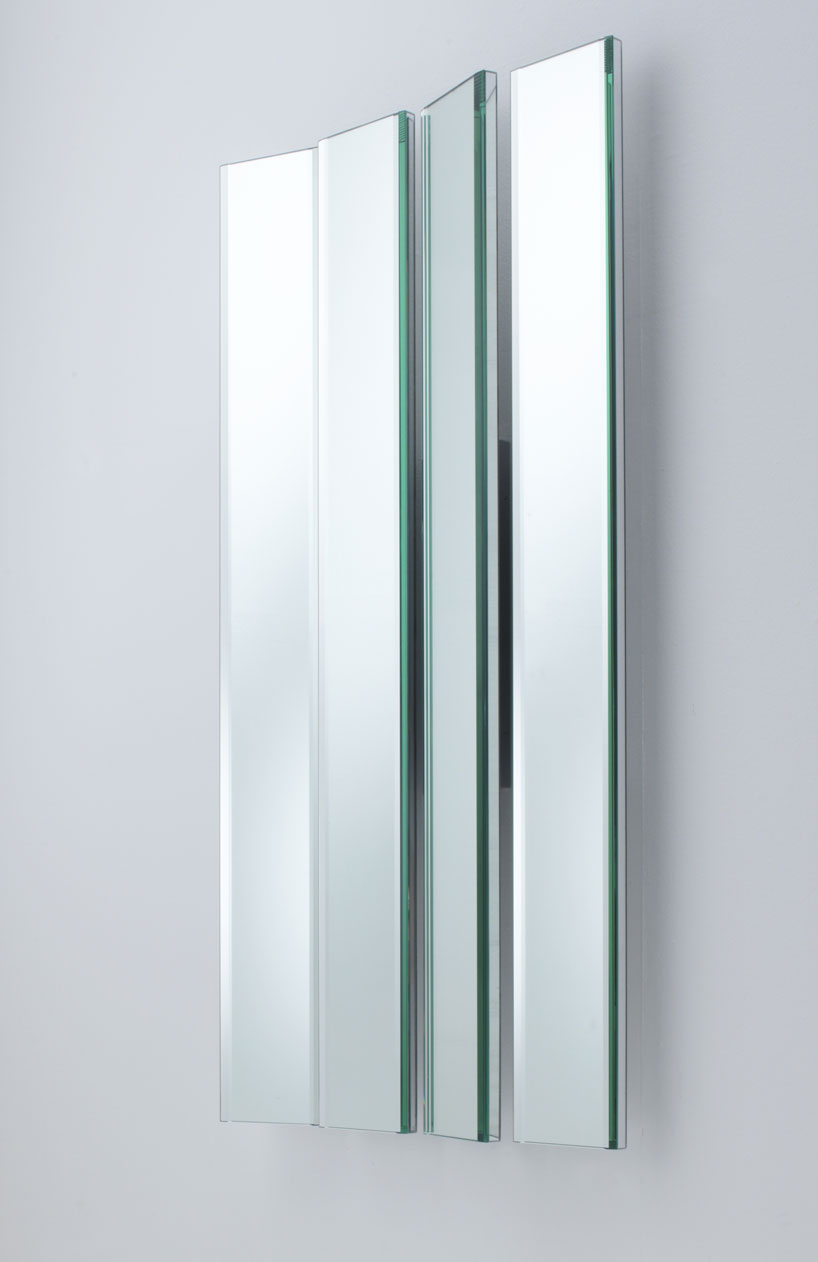
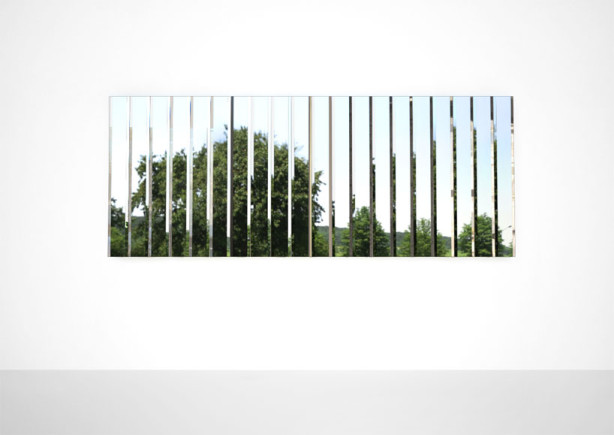
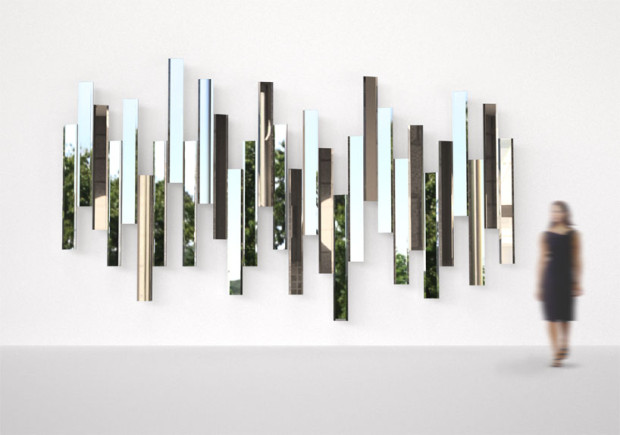
Collaborating with Italian furniture design company Lema, Yoshioka has designed a collage of mirrored plates. The panels, which can be manipulated and freely arranged into various positions and angles seems at once to be consistent with this year’s theme of kinetic, rather than static furniture. “Mirage” functions both as a mirror, but also as an art piece, and performs in precise yet entirely unpredictable ways.
tokujin mirage 3

tokujin mirage 2

tokujin mirage 4tokujin mirage 5

PRISM

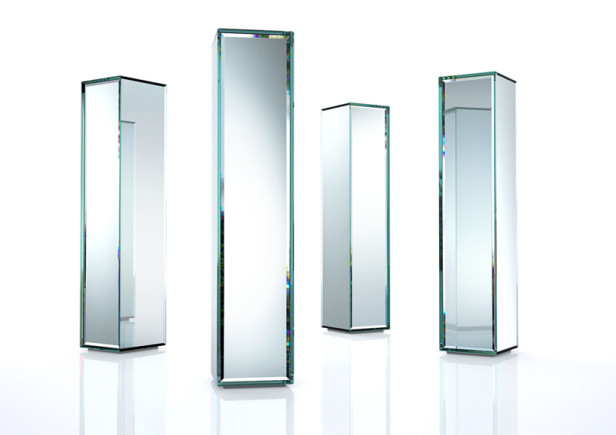
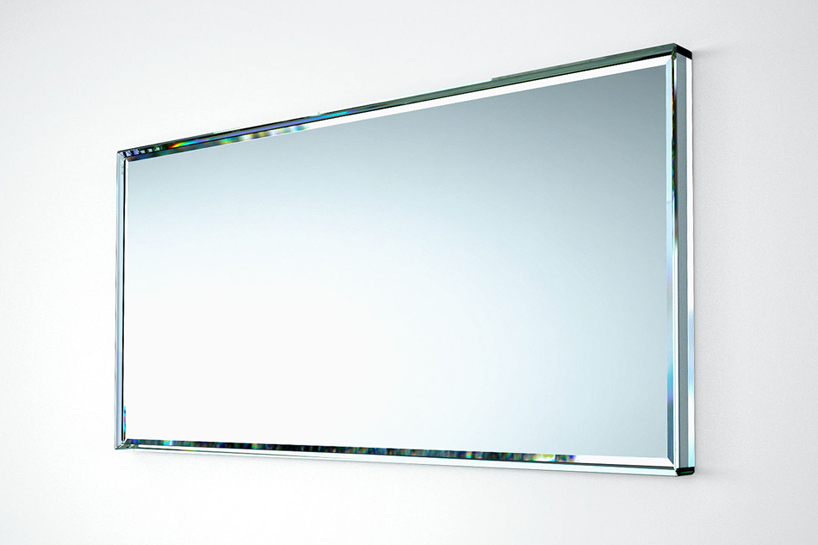
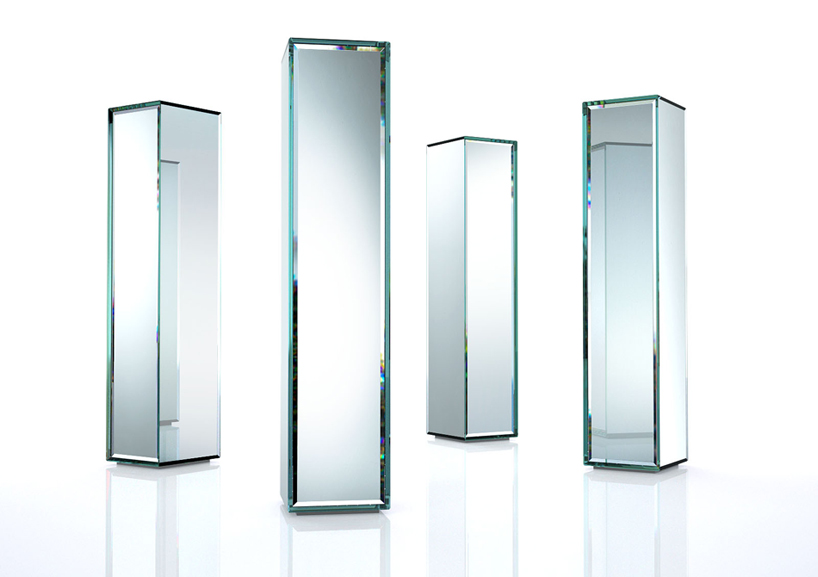
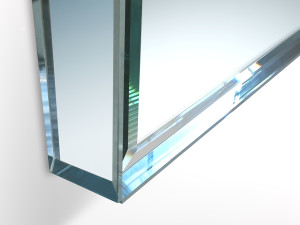
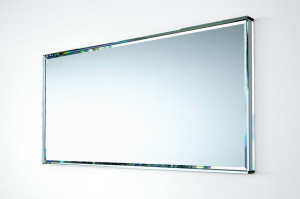
His piece for Glas Italia is also a mirror, albeit a much simpler one. But look closely and you’ll find that it’s embedded with a treasure trove of prior experimentations. Composed of thick, high-transparency glass, the frames are cut to create a shimmering refraction of light.
tokujin prism04 tokujin prism02

tokujin prism01

Sparkle

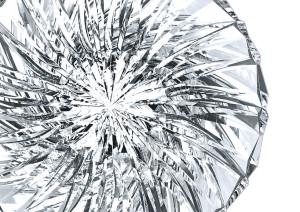
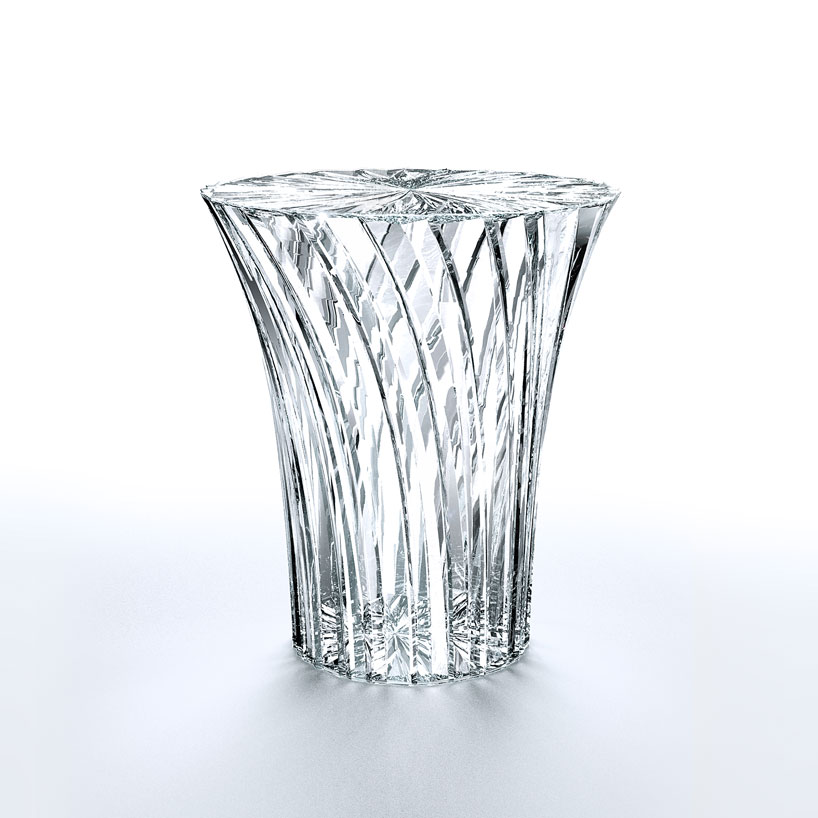
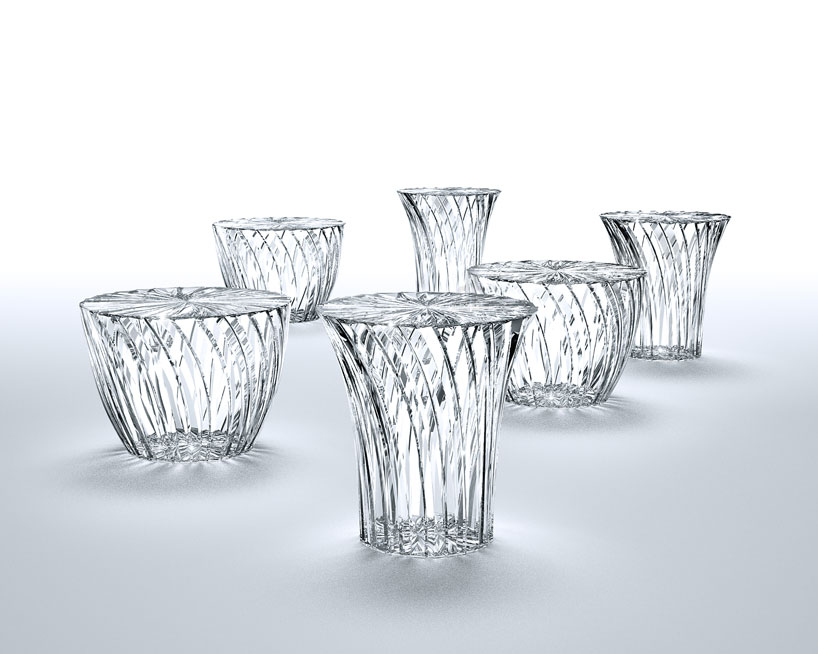
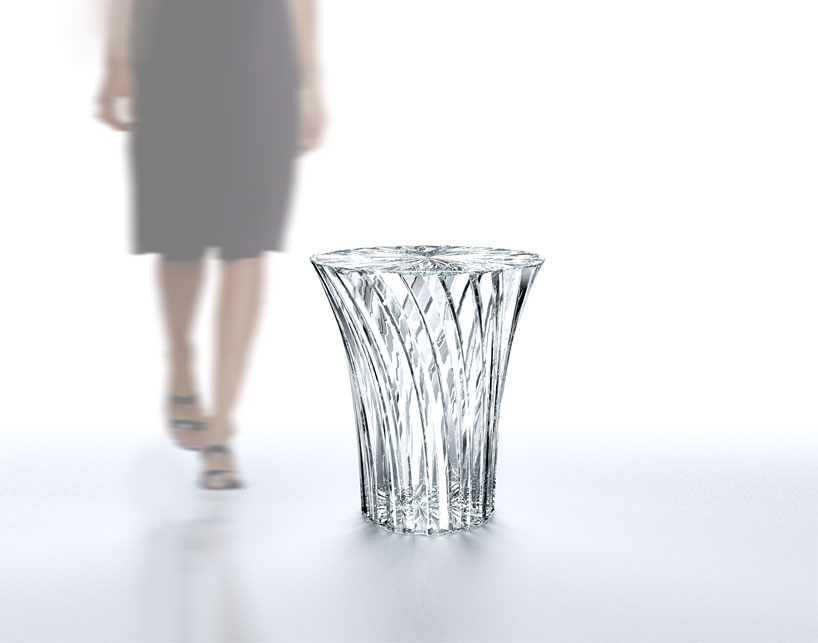
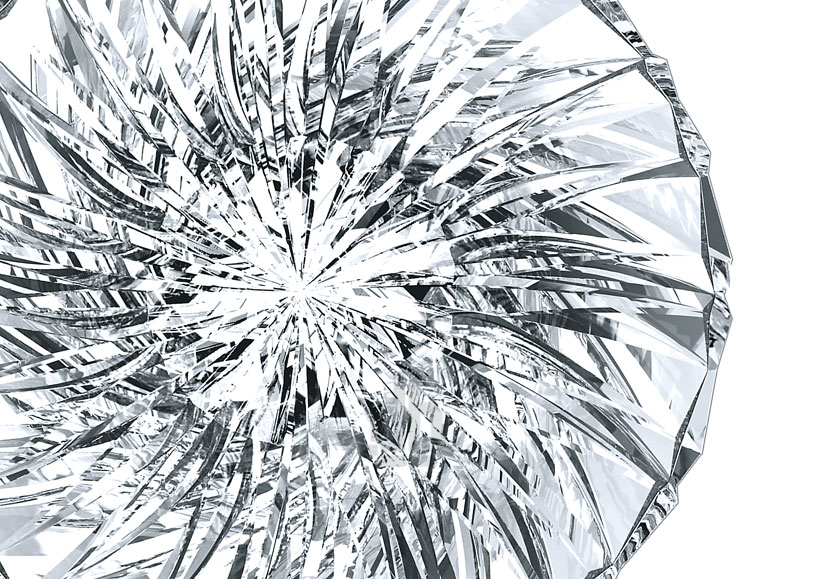
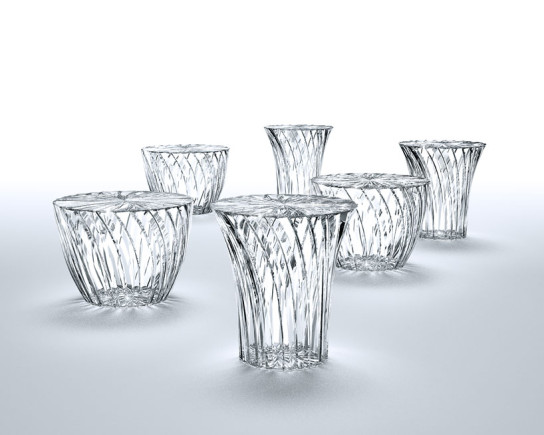
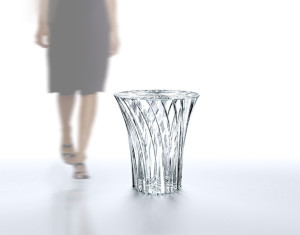
This bling is not what it appears to be. Created for Kartell, the Italian company that makes plastic contemporary furniture, Yoshioka’s series of stools and side tables look like they belong behind armored glass. But in fact, they’re made from polycarbonate, the clear and nearly unbreakable plastic used to make everything from baby bottles to windows. “Sparkle” is cut in just a way to give it the appearance of crystal glass. And a distinctive twist is given to each piece to further enhance the refraction of light.
Tokujin Line-up
tokujin Stool_A_front05 tokujin Stool_A_top000

Tokujin Stool_A_front01

Element

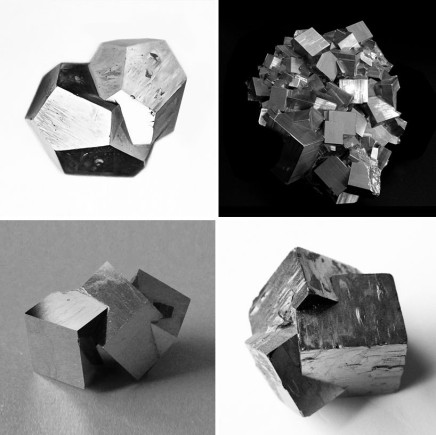
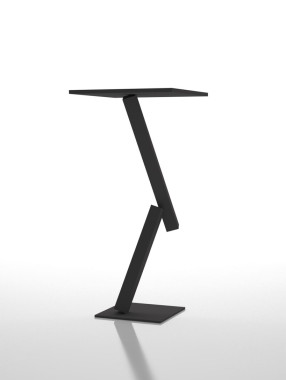
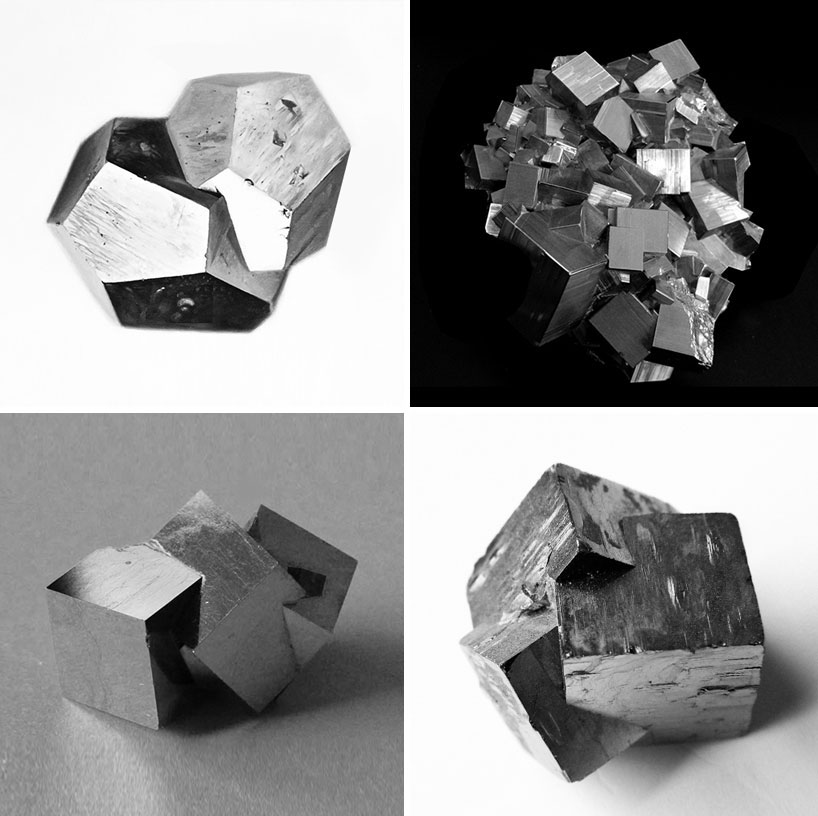
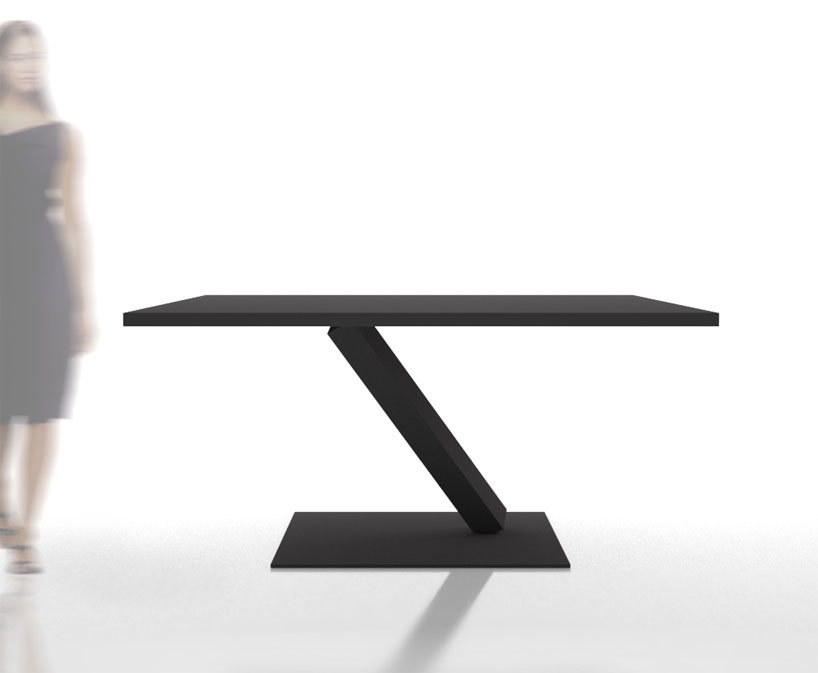
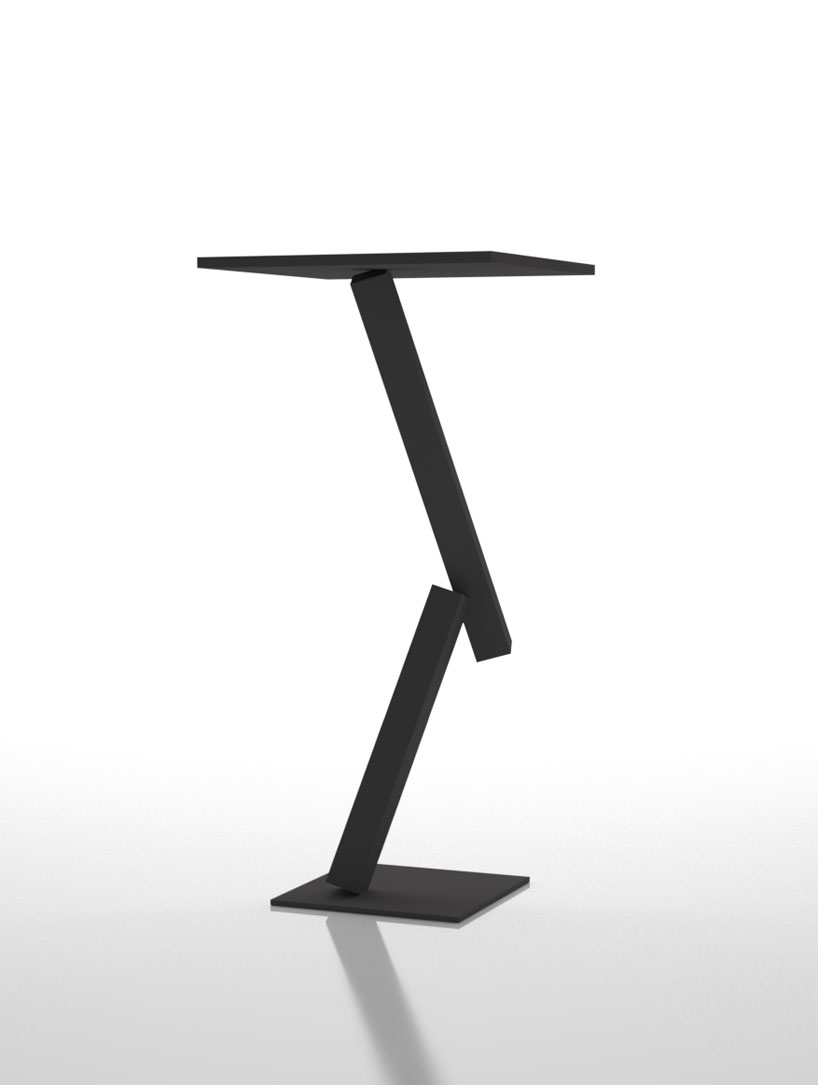
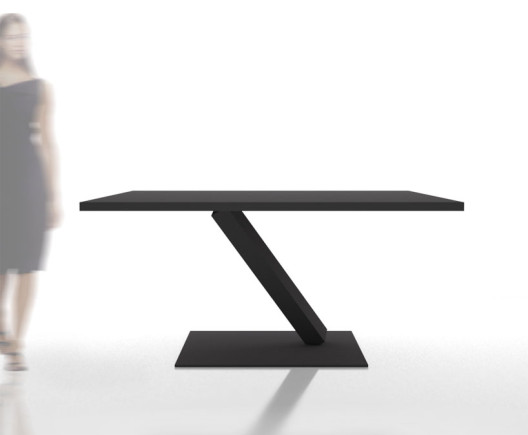
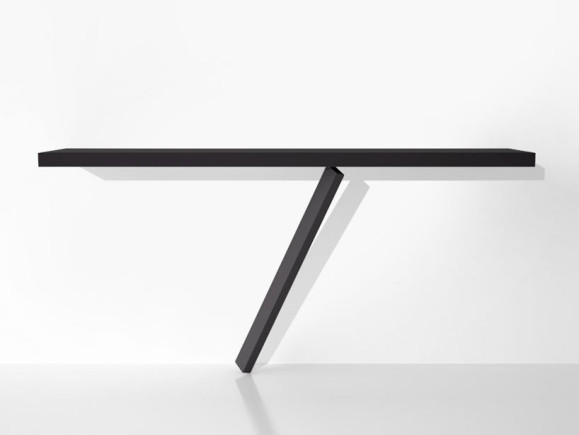
tokujinelement03Seemingly an outlier, the series of tables for Italian furniture manufacturer Desalto are made from stainless steel and aluminum, a stark visual contrast to the other shiny, delicate-looking pieces. But the genesis of Yoshioka’s collection can actually be found in his experiments growing crystals. Taking his cue from the way naturally occurring crystals are intergrown with adjacent crystals, “Element” is made up of a perpendicular support that attaches itself to a wide base. A table top rests on the structure, forming a precarious balancing act that is, needless to say, molecularly stable.

tokujin 004

tokujin 009 tokujin 010

The one burning question I have (and perhaps the key to understanding Yoshioka’s work) is, who is that mystery woman who appears in almost every single collection!?!

tokujin element04

« Older posts Newer posts »

© 2026 Spoon & Tamago

Up ↑

Design by Bento Graphics