Page 216 of 406

Keita Sagaki Covers the USA in Doodles

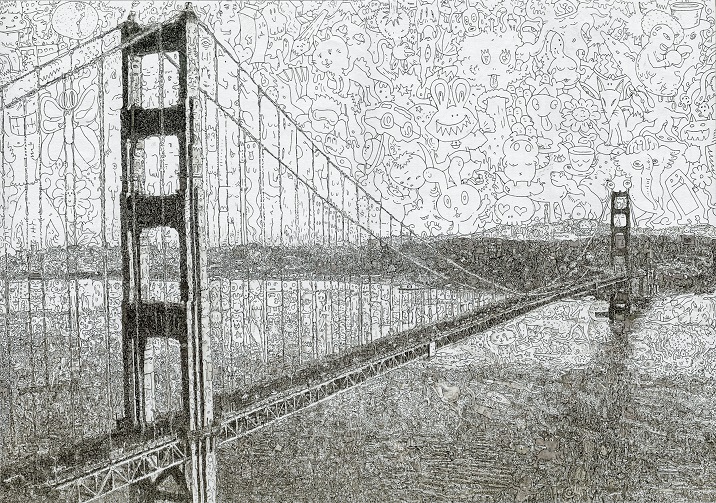
keita sagaki 2013 Golden Gate Bridge

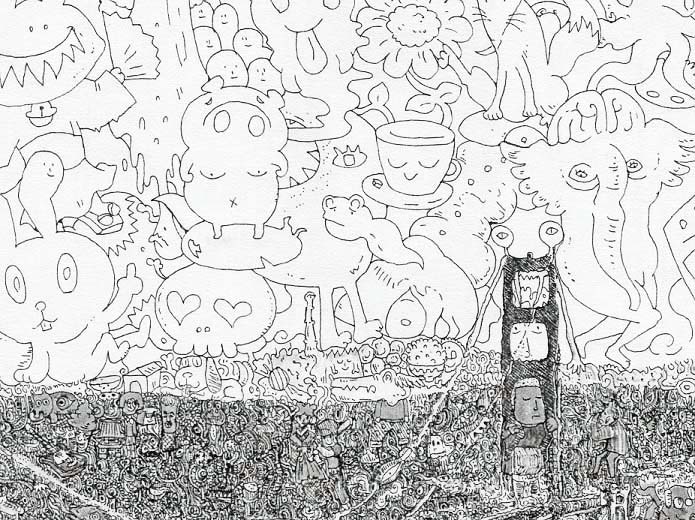
keita sagaki 2013 Golden Gate Bridge  - detail1

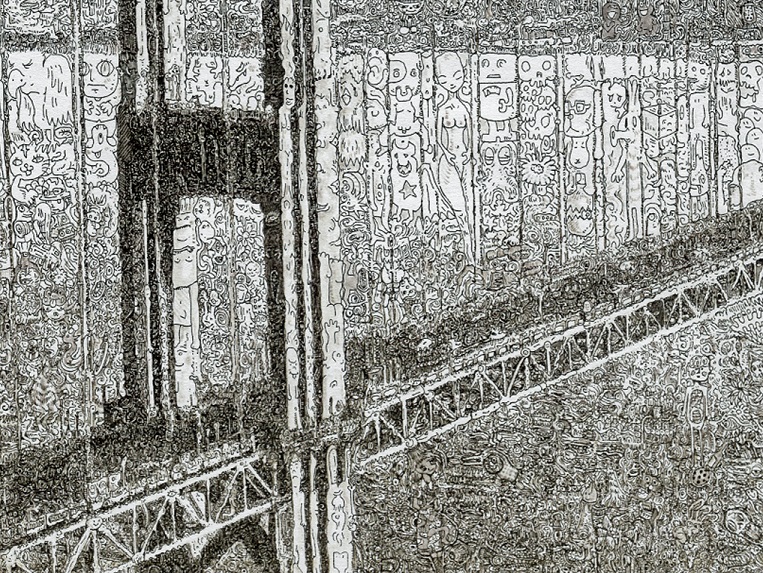
keita sagaki 2013 Golden Gate Bridge  - detail2

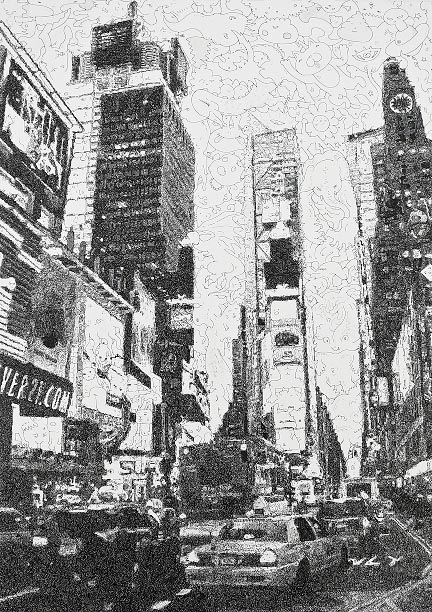
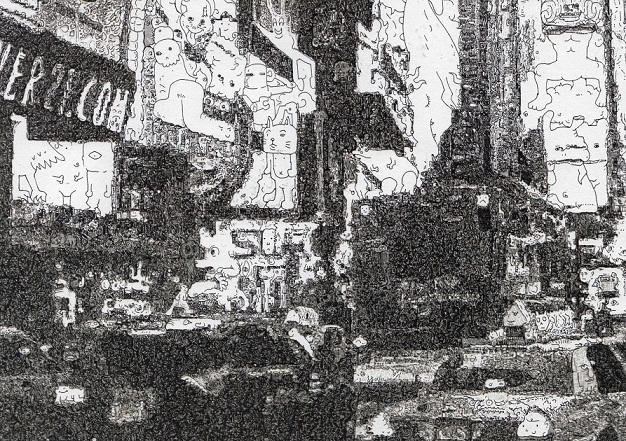
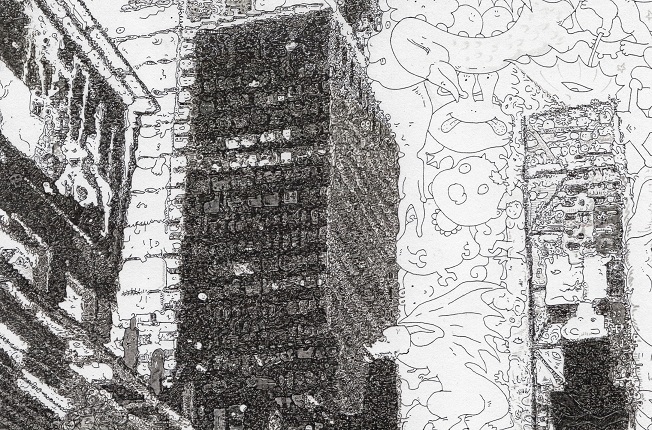
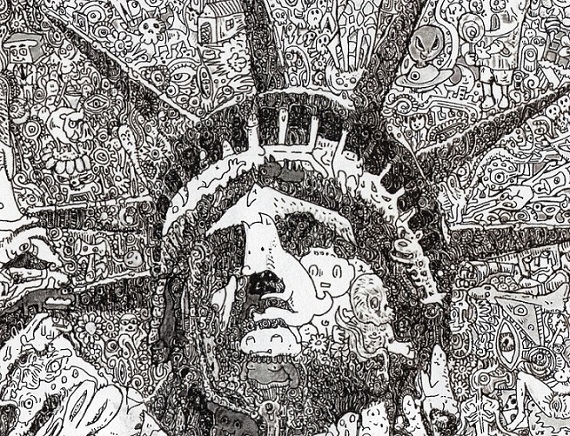
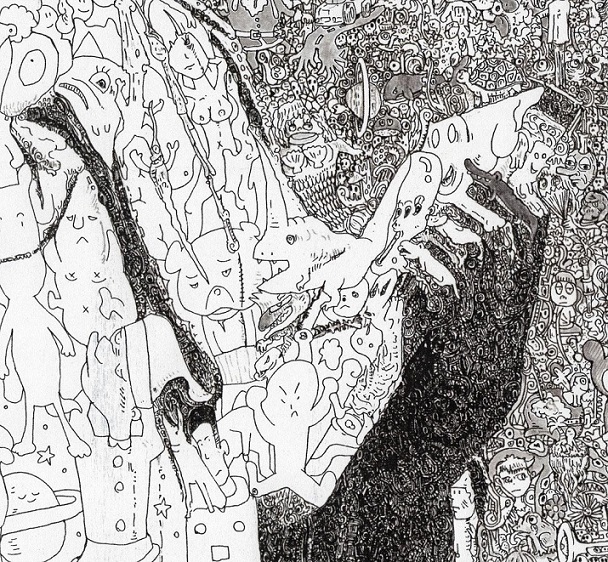
Manic doodler Keita Sagaki updated his portfolio with recent works and he appears to be shifting his focus to the USA. From afar, the 29-year old Tokyo-based artist creates work that appears to be fairly accurate sketches – nothing more, nothing less. But upon closer observation one realizes that each piece is actually composed of hundreds of cartoonish doodles that encompass entire canvasses.


keita sagaki 2013 In the garden 2

keita sagaki 2013 In the garden 2 - detail1

keita sagaki 2013 In the garden 2 - detail2

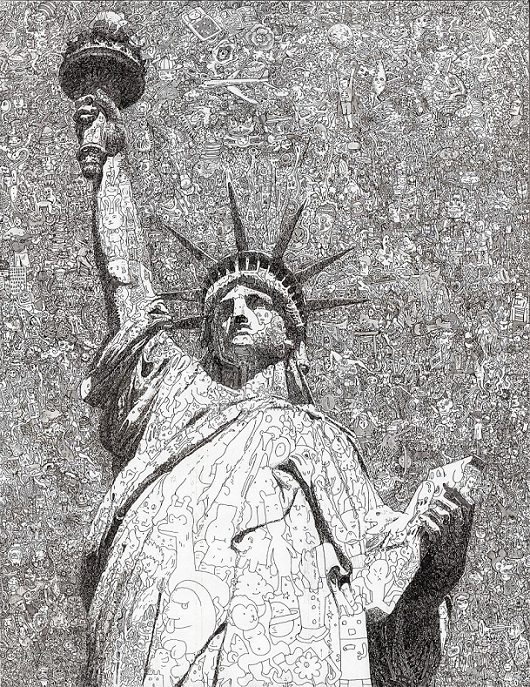
Sagaki previously focused his efforts on recreating classical artwork like Greek sculptures and The Mona Lisa using wacky doodles. But his recent work would suggest he’s now seeking inspiration from iconic American landmarks like the Golden Gate Bridge, New York’s Times Square and the Statue of Liberty.

keita sagaki 2012 Stateu of Liberty

keita sagaki 2012 Statue of Liberty -  detail1

keita sagaki 2012 Statue of Liberty -  detail2


Introducing the Spoon & Tamago Shop

shop logo

It’s been something I’ve wanted to do for a long time and finally it’s happening: we now have our own shop! The concept has always made a lot of sense but the stars have just never aligned. But now we’re ready to make the official announcement, which I wanted to do last week but we ran into a few bumps. (if you tried to access the site during the last 48 hours you probably saw this…..sorry!)

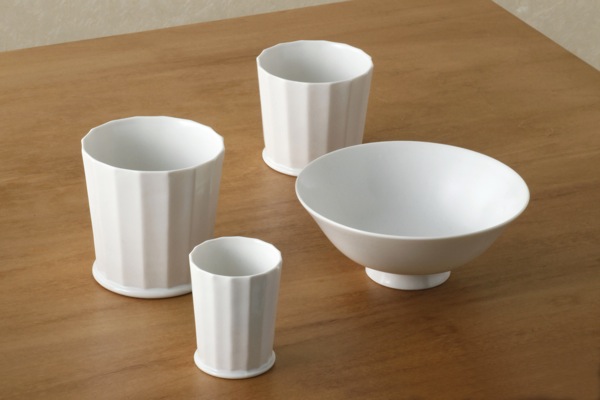
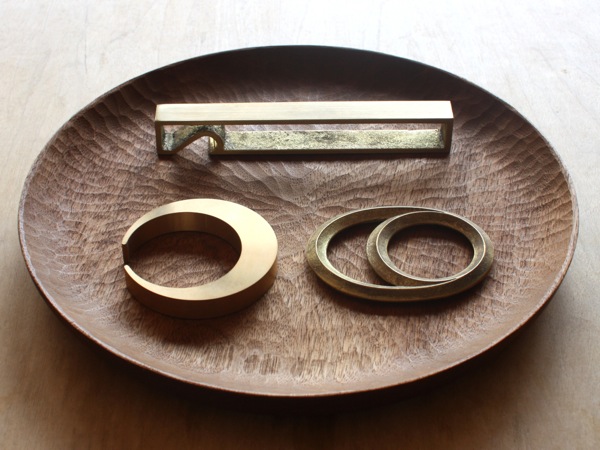
We’re starting out with a small selection of hand-picked goods that we love and have tried. And if you’re a reader of the blog you’ll most certainly recognize many of them (but there are also a few new goodies). We’ll continue to slowly add to our selection and you can follow along on our designated twitter account, or through our newsletter.

Oh, and of course if you have any suggestions for the shop, be it UI or product-related, drop us a line. All we ask is that you keep it polite. (we don’t really know what we’re doing)

Rokko Meets Art | an installation of sofas in the sky by Hidemi Nishida

24_dsc0252

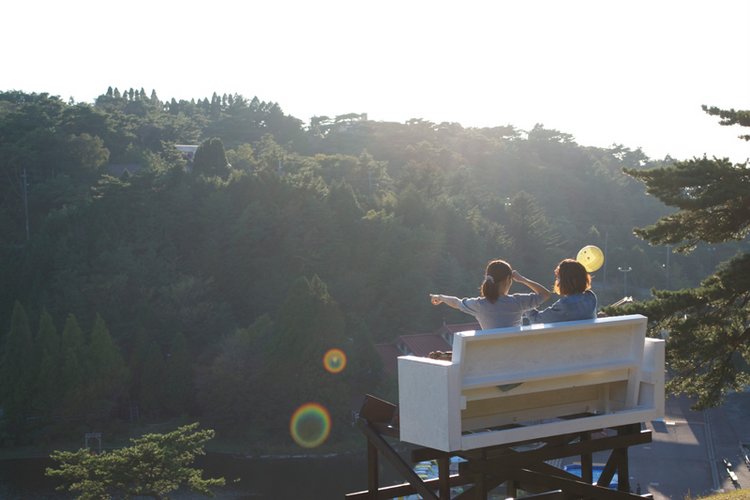
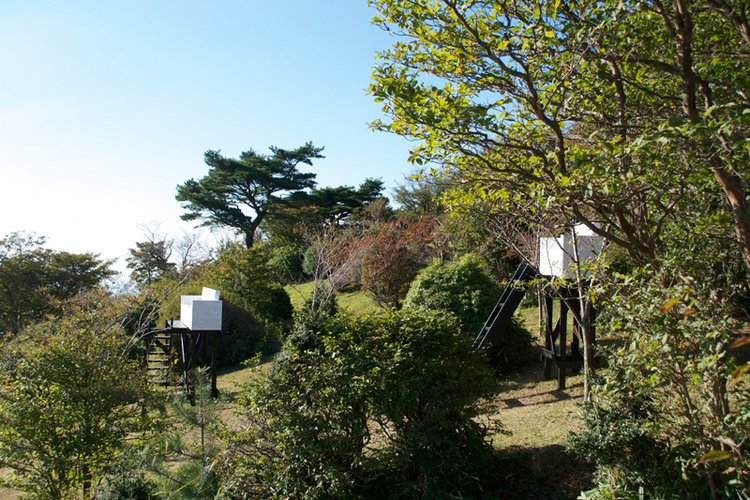
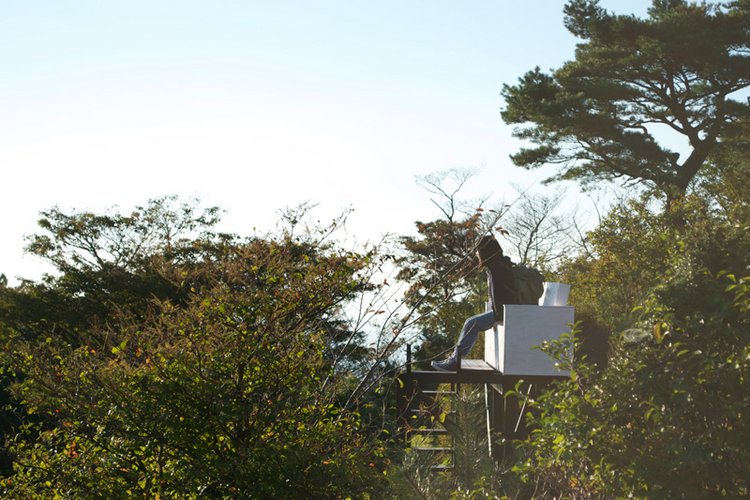
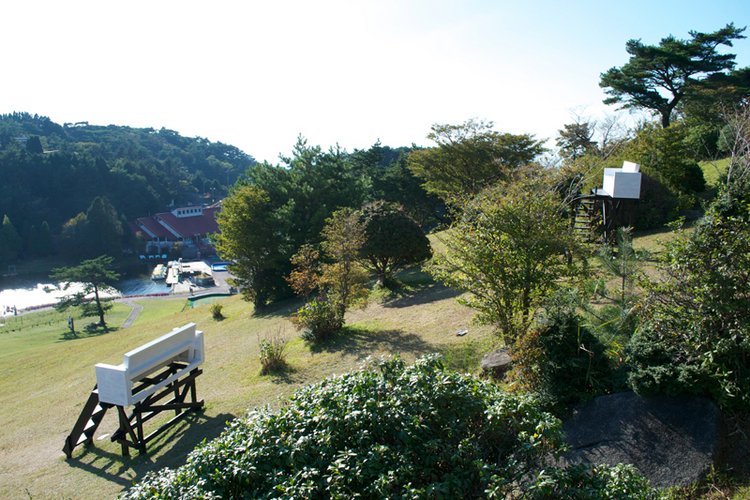
Five elevated sofas sit on top of a hill in Hidemi Nishida’s installation on Mt. Rokko in Kobe, Japan. Visitors can walk up the ladders and sit down in a perch to experience a sensation similar to that of sitting in the sky. I would kill for a view like that from my sofa. It’s like a Tatzu Nishi living room turned inside out.

This post is part of a short series highlighting artists participating in the outdoor Rokko Meets Art festival going on through Nov 24.

24_dsc0139

24_dsc0138

24_dsc0269

24_dsc0179

24_dsc0140

Masanori Oji Show in NY Tomorrow [Friday Nov. 15]

YUKARI_Poster

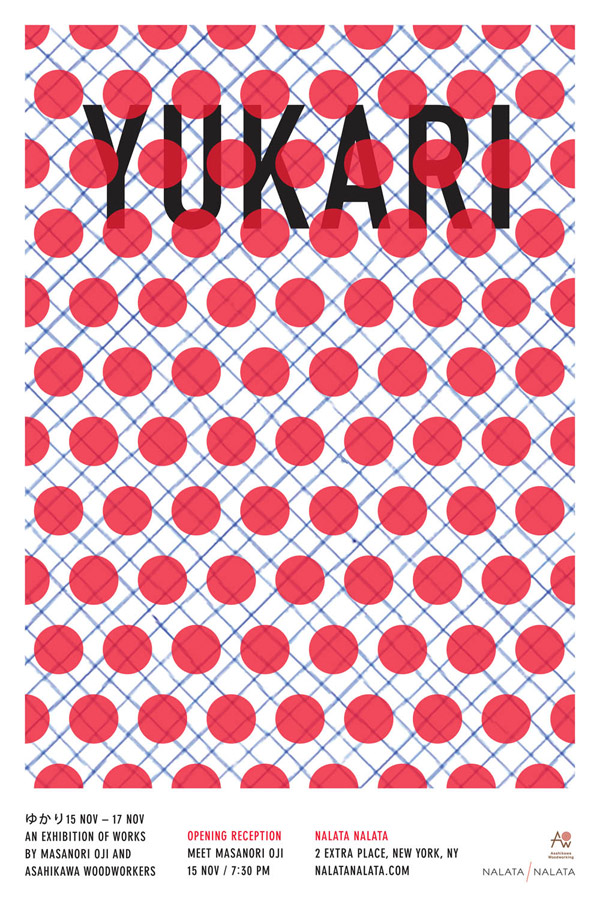
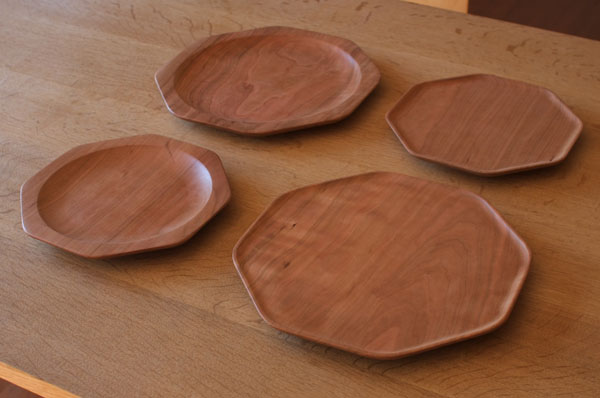
Product designer Oji Masanori is someone I’ve been following from very early in his career. The elegant, functional designs he produces for artisan manufacturers like Takahashi Kogei and Jicon embody, what I consider to be, ideal contemporary Japanese design.

I’m really excited that Oji-san is in NYC right now, preparing for a solo exhibition of his work. The event, titled Yukari, is hosted by the great folks over at Nalata Nalata and is part of a larger pop-up shop that will run through Dec 24. Oji-san will be on site tomorrow to talk about his work. Won’t you join me?

Opening Reception: (Meet Oji Masanori): Nov 15, 7:30PM – 10: 00PM
Venue: 2 Extra Place, New York, NY (Manhattan) – GMAP
Nearest transit: F (2nd Ave), 6 (Bleeker), BDF (Broadway Lafayette)

kakudo_Cherry_IMG_8585

_MG_8525_oji

IMG_4787

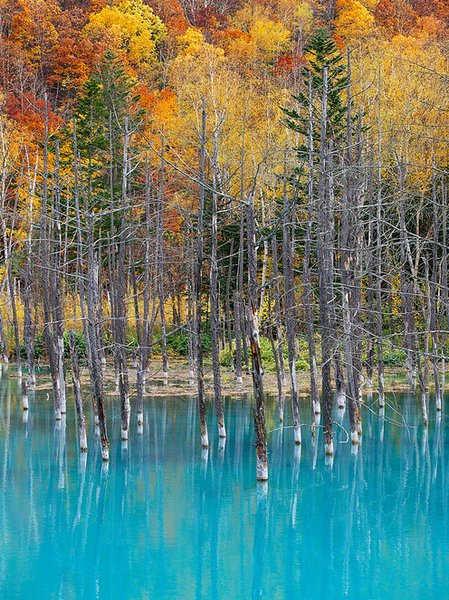
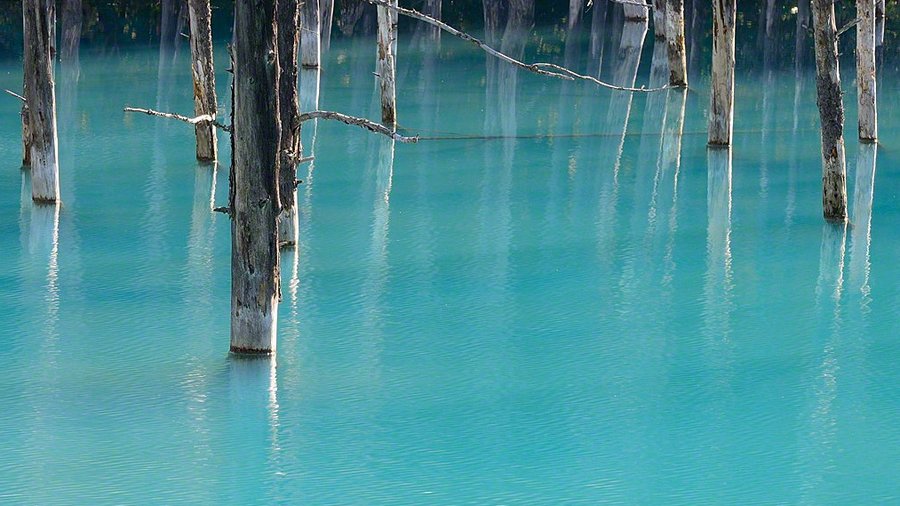
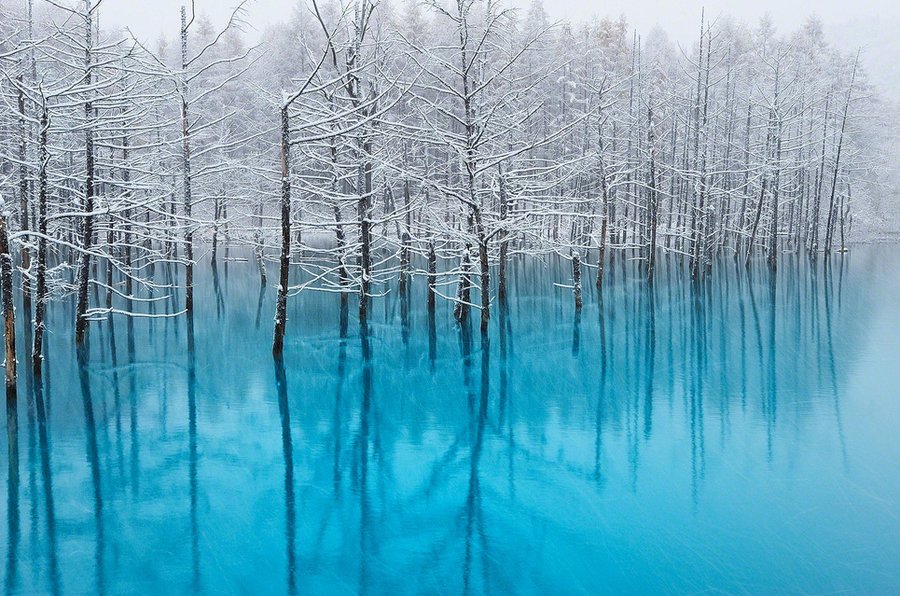
The Blue Pond in Hokkaido Changes Colors Depending on the Weather

blue pond hokkaido (2)all photos courtesy Kent Shiraishi

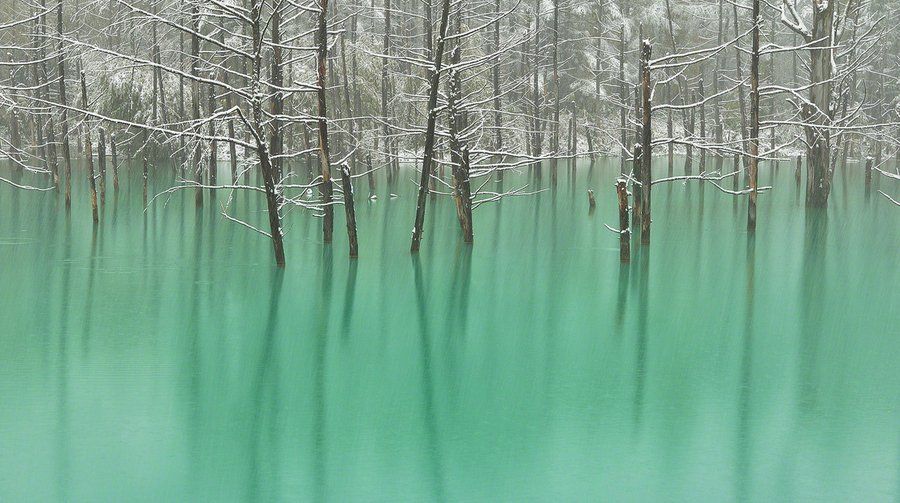
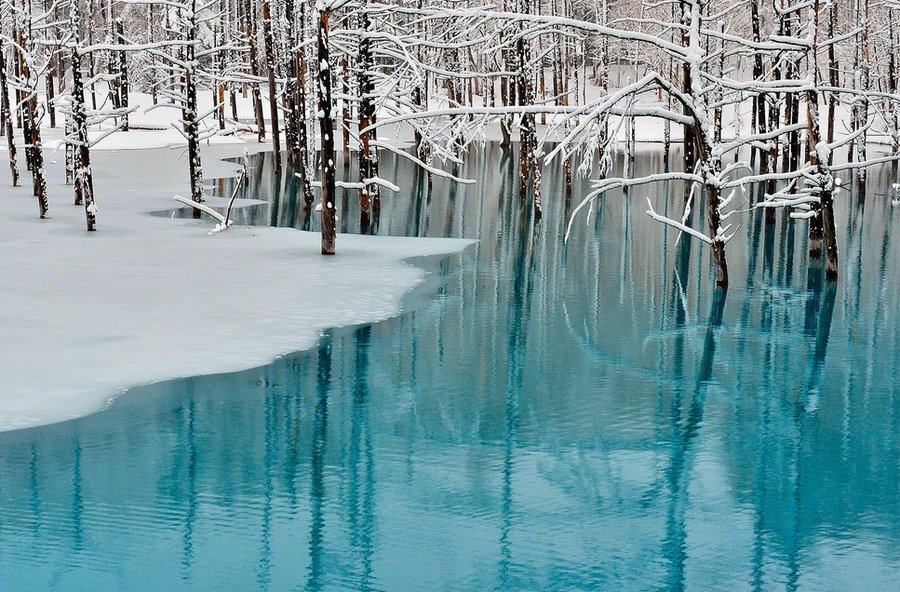
Filed under: Places I Want To Visit. If you’re a Mac user you may be familiar with the “Blue Pond” located in Hokkaido. The OS X Mountain Lion wallpaper, as well as these images you see here, were all photographed by Ken Shiraishi, who calls this pond “The Most Beautiful Pond In The World!”

According to the photographer, who made a pilgrimage up to Northern Japan last month to take these shots, the water contains a high degree of aluminum hydroxide, which reflects blue light – a phenomenon responsible for our lovely blue skies. Shiraishi spent several days up there photographing the pond in various light.

blue pond hokkaido (3)

blue pond hokkaido (4)

blue pond hokkaido (5)

blue pond hokkaido (6)

blue pond hokkaido (1)

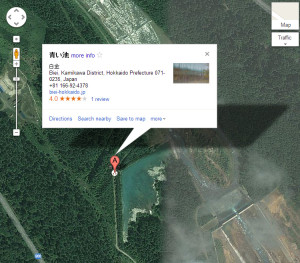
blue pond hokkaido (7)How to get there: the closest train station is Biei Station. It’s about a 2-hr train ride from Sapporo Station. You can also drive from Sapporo but that will also take about 2 hours. But beware: once heavy snows set in the pond becomes inaccessible. So it’s best to go before November. (Google Map)


source: Kent Shiraishi | MyModernMet

Ryuei Nishizawa’s Fukita Pavilion | a shrine made from 2 sheets of metal

Ryuei Nishizawa Fukita Pavilion  (2)all photos by flickr user Jacome

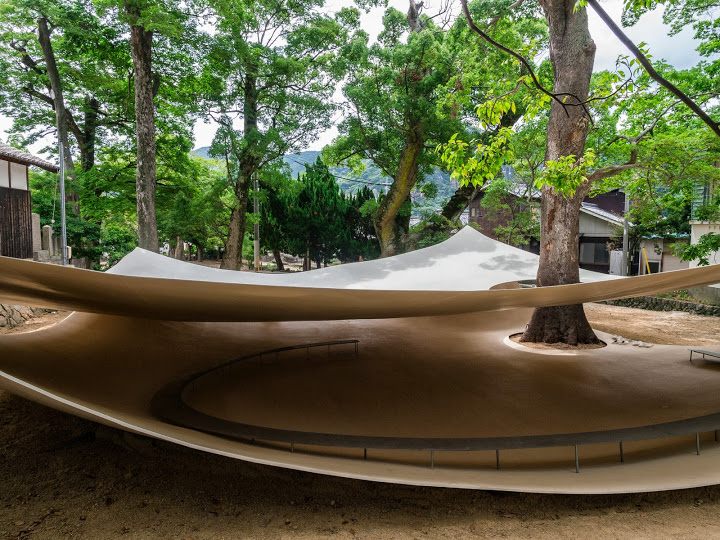
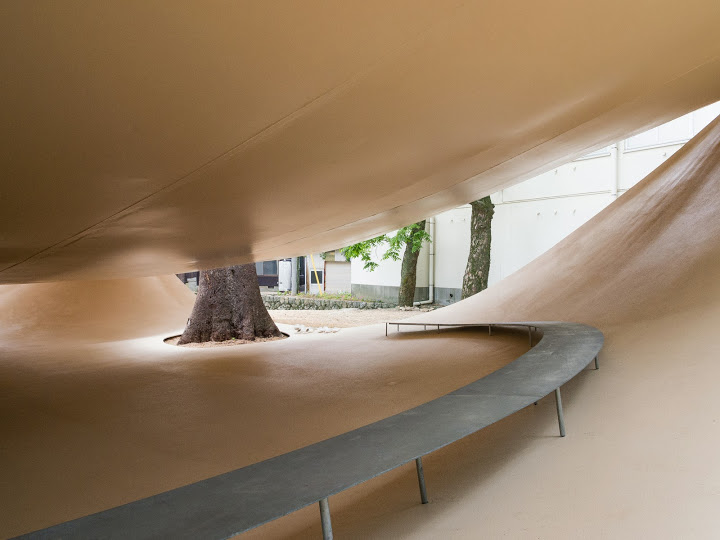
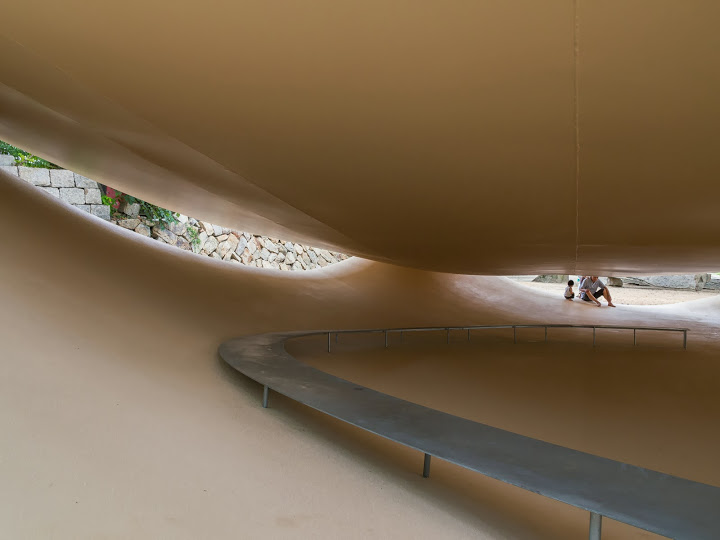
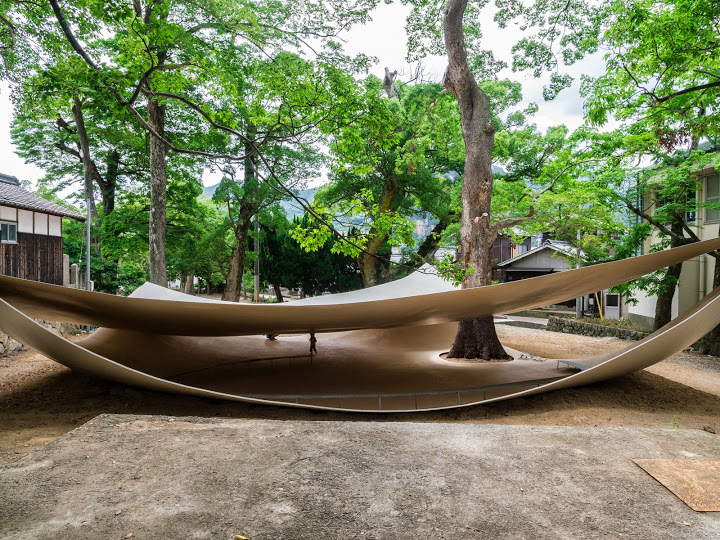
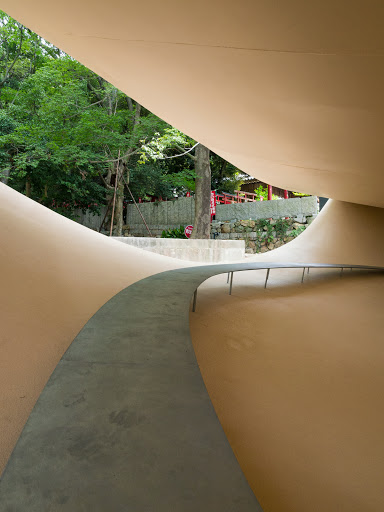
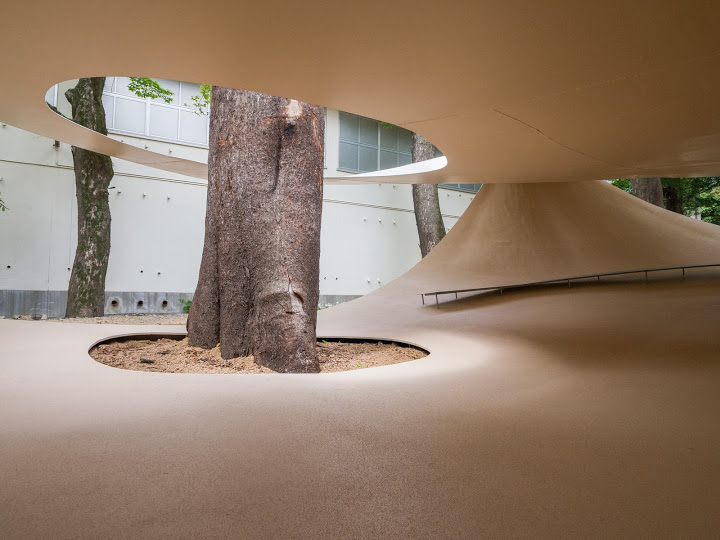
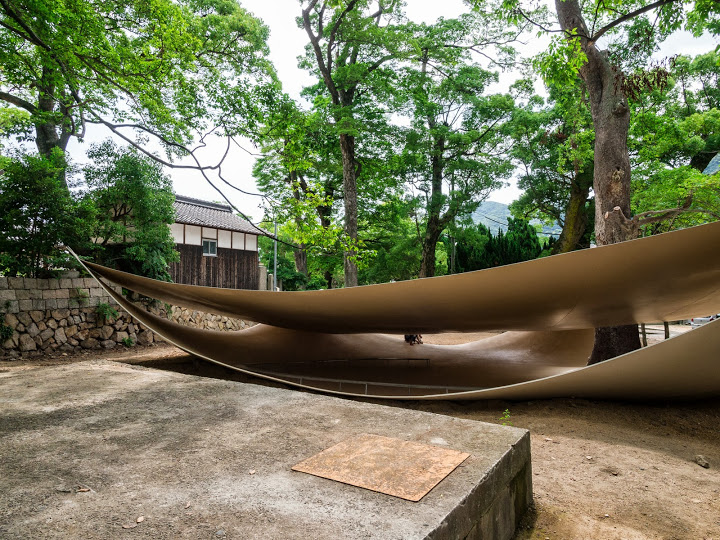
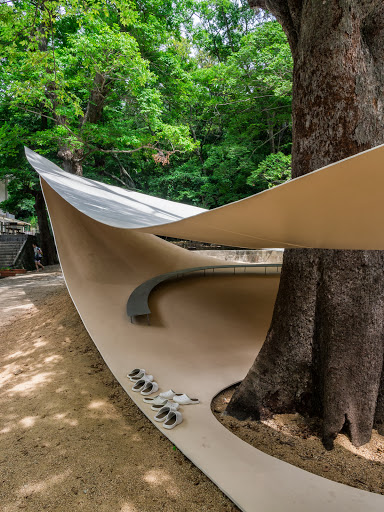
Within the grounds of the sacred Fukita Shrine on Shodoshima Island rests a new structure, seemingly out of place yet at one with nature. This is Fukita Pavillion (PDF), Ryuei Nishizawa’s latest work. The architect and one half of the duo SANAA (previously) completed the structure over the summer as part of the 2013 Setouchi Arts Festival. It consists of 2 large sheets of metal – one forms the base and hosts a crescent shaped bench for seating while also holding up the second sheet, which appears to droop over it.

Ryuei Nishizawa Fukita Pavilion  (3)

A large tree rises through the two sheets, which calmly and steadily form round openings. In the summer a cool breeze passes through the pavilion. Children play on the slopes it creates while adults rest on the bench and contemplate its coexistence with nature.

The Fukita Shrine creates an interesting contrast between the Teshima Museum on a neighboring island and also designed by Nishizawa.

Ryuei Nishizawa Fukita Pavilion  (4)

Ryuei Nishizawa Fukita Pavilion  (5)

Ryuei Nishizawa Fukita Pavilion  (6)

Ryue NishizawaRyue Nishizawa

Ryuei Nishizawa Fukita Pavilion  (8)


Ryuei Nishizawa Fukita Pavilion  (1)


Plastic Paintings by Masato Yamaguchi

full-f1

full-f1 - detail

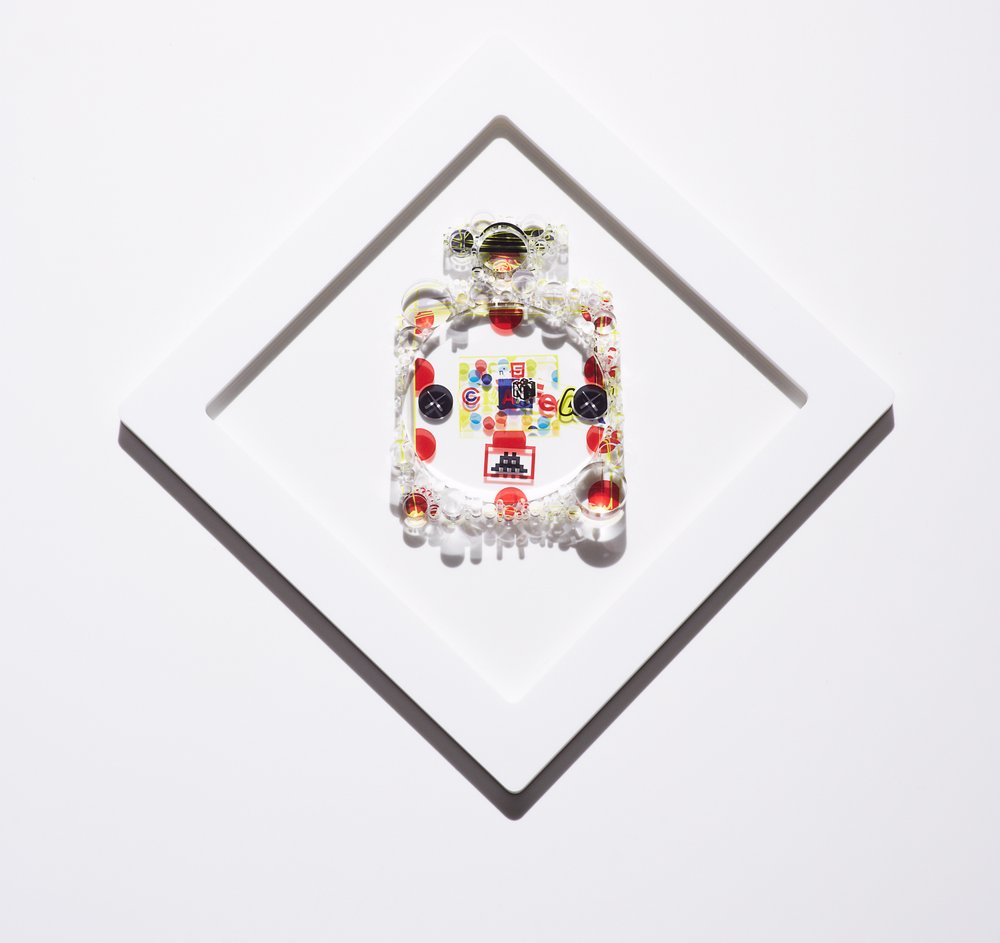
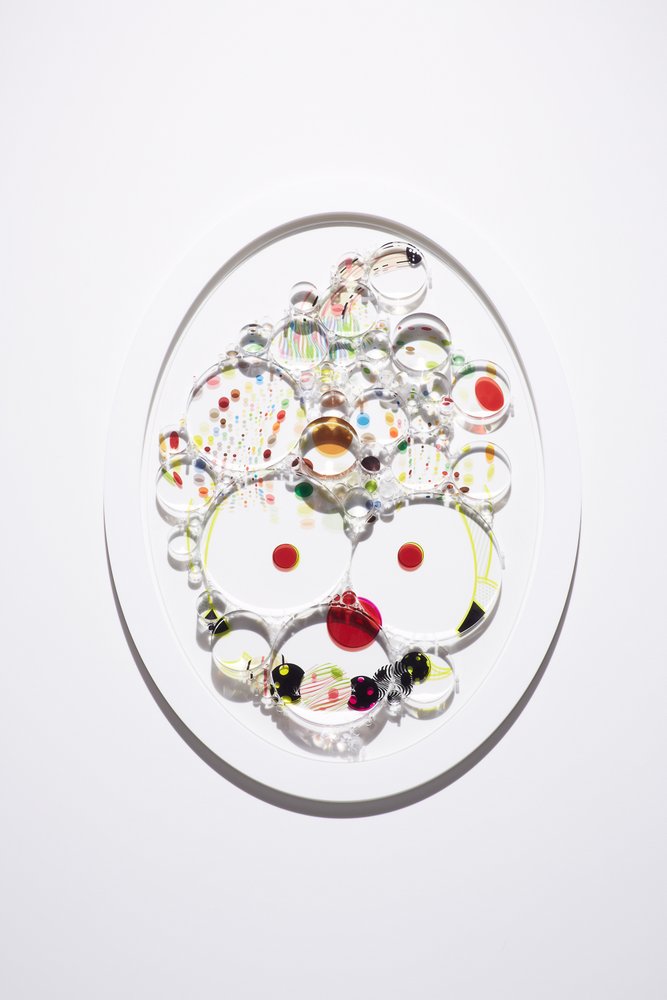
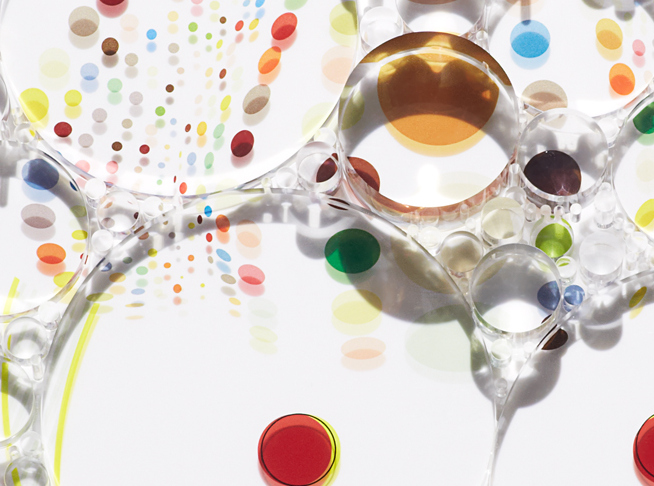
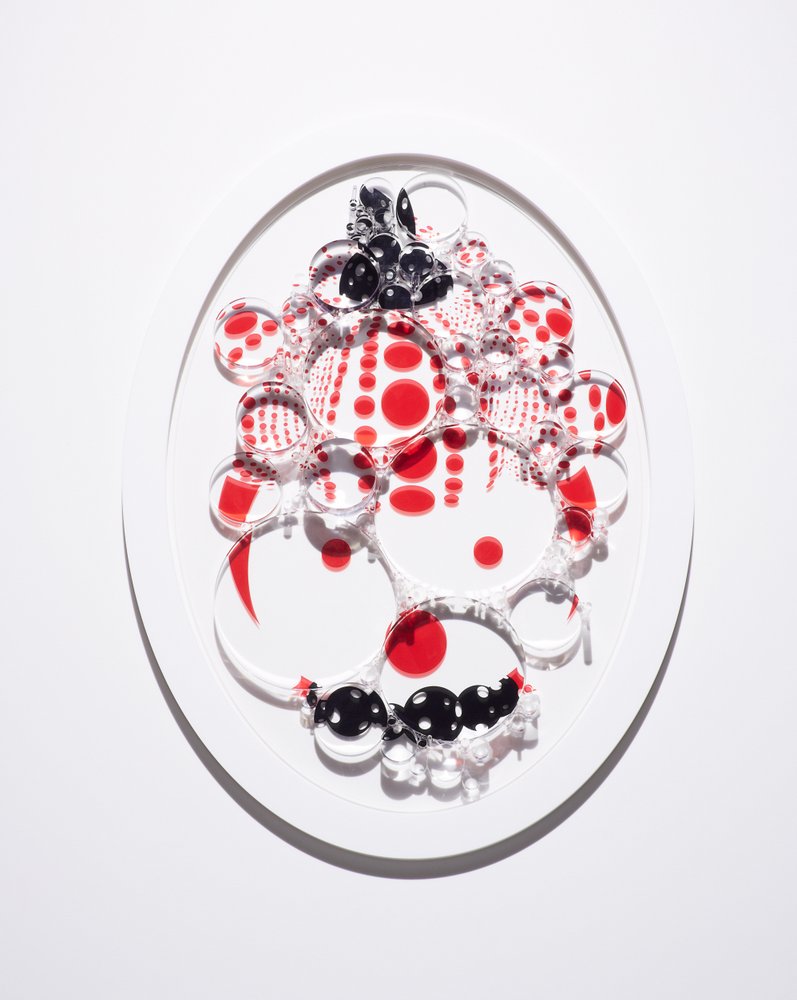
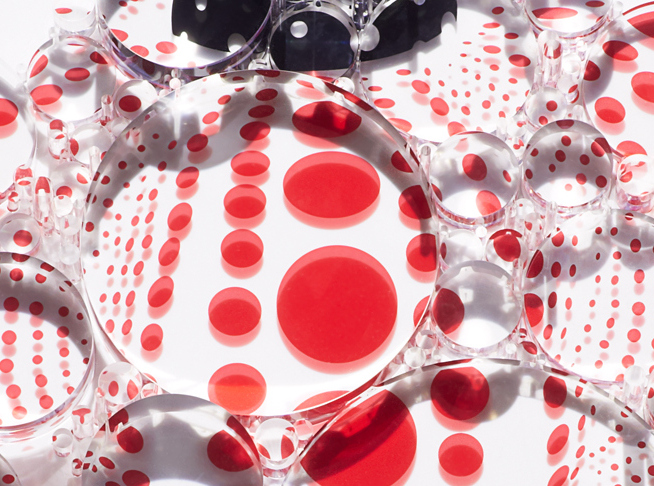
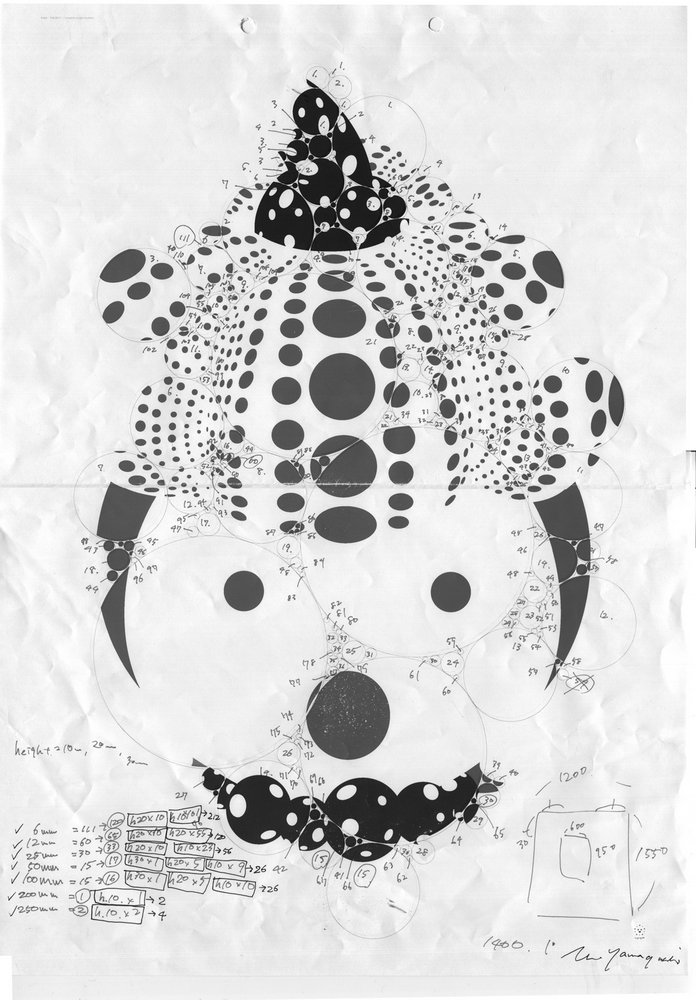
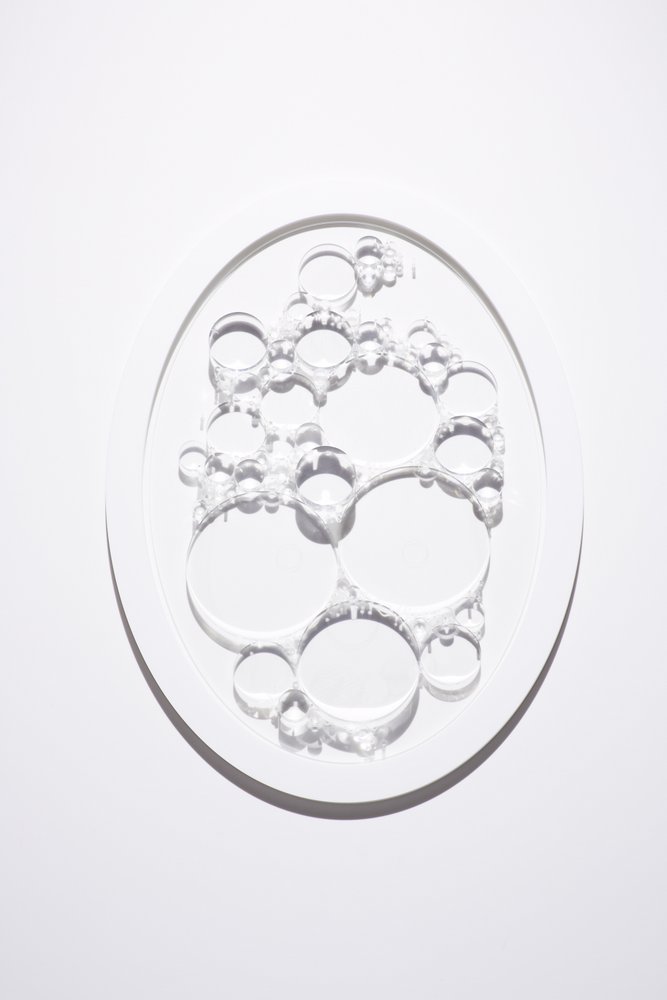
Painstakingly assembling and welding together hundreds of plastic cylinders, artist Masato Yamaguchi creates what he calls “plastic paintings.” And you shouldn’t be surprised if you recognize a lot of the imagery. From Andy Warhol and Damien Hirst to Yayoi Kusama and street artist Space Invader, the 33-year old Tokyo-based artist consolidates this popular imagery into graphics and seals them away in plastic.

full-f2

full-f2 - detail

“All culture; be it high, low, Eastern or Western, regardless of region or history, is archived and copied on the Internet,” says Yamaguchi. “It is this phenomenon that I have attempted to reflect in my work.” In a world overflowing with artificiality, disparate parts come together to form a new piece: “an aggregation of plastic.”

Yamaguchi’s work will be part of the upcoming Scope Miami Beach 2013 art fair in December.

full-f3

full-f3 - detail


full-r1

full-r1 - detail


full-r3

full-r3 - detail

The artist offers a look into his creative process, which is almost as beautiful as the actual pieces. The thought and time that goes into each piece is clear and evident.

full-dr2

full-r2

source: submission

Teshima Yokoo House | a renovated home turns into a museum

teshimayokookan_w865all photos by Nobutada Omote

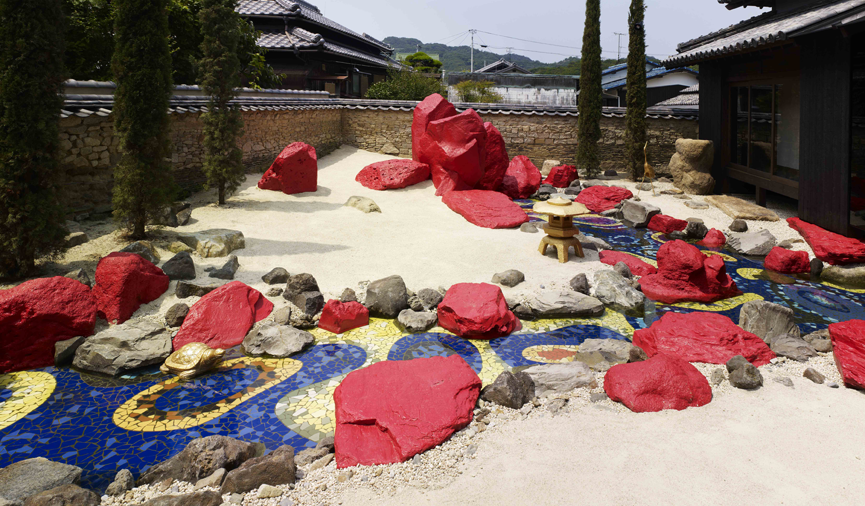
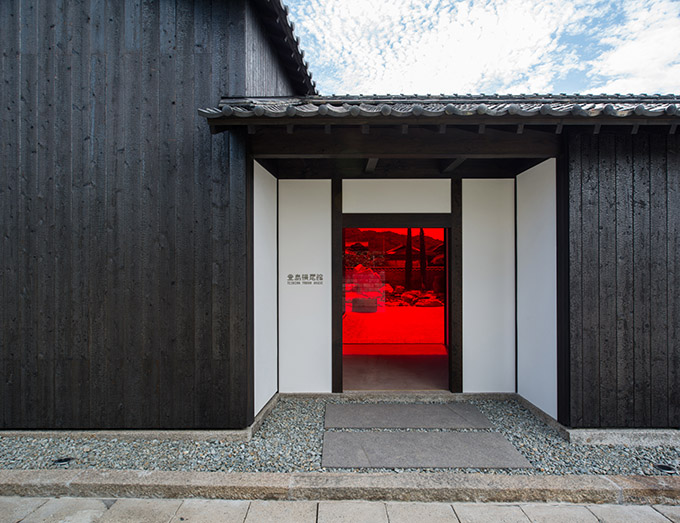
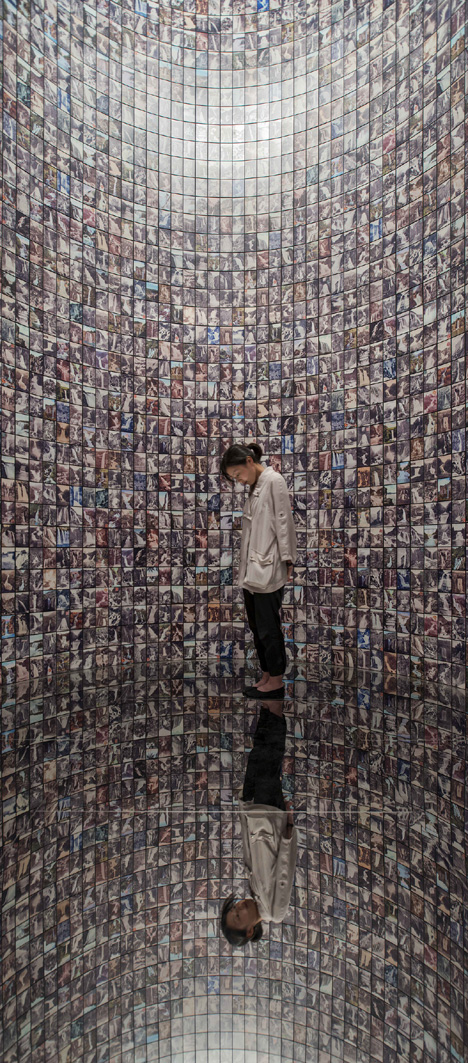
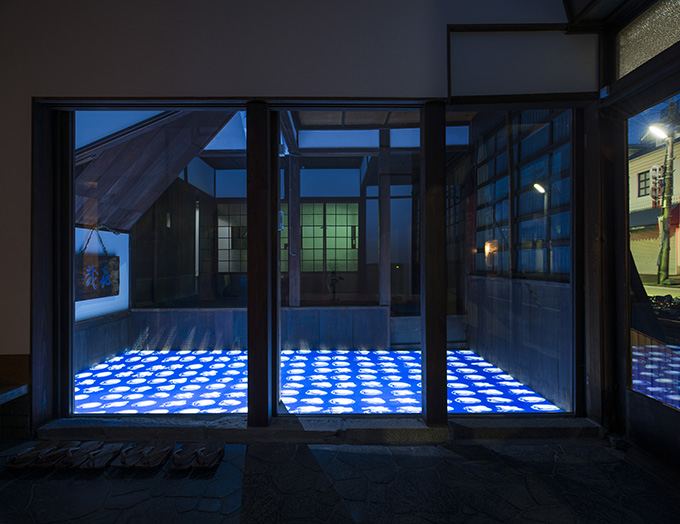
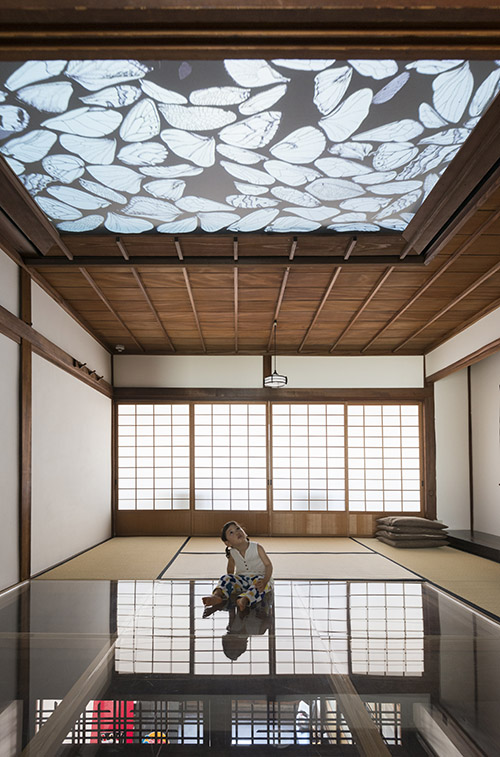
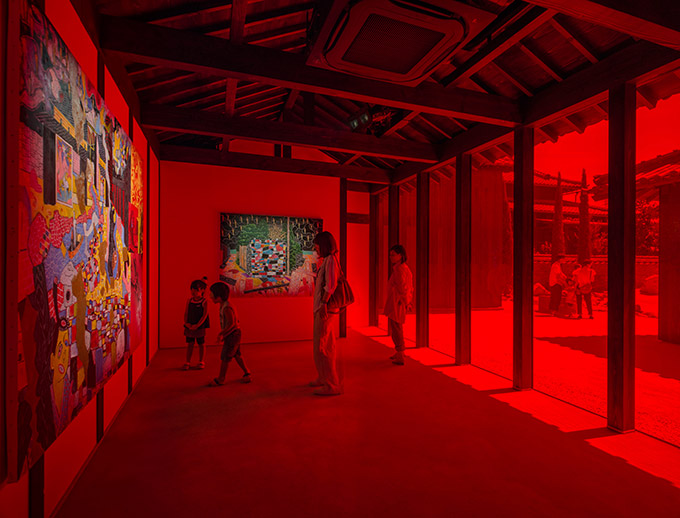
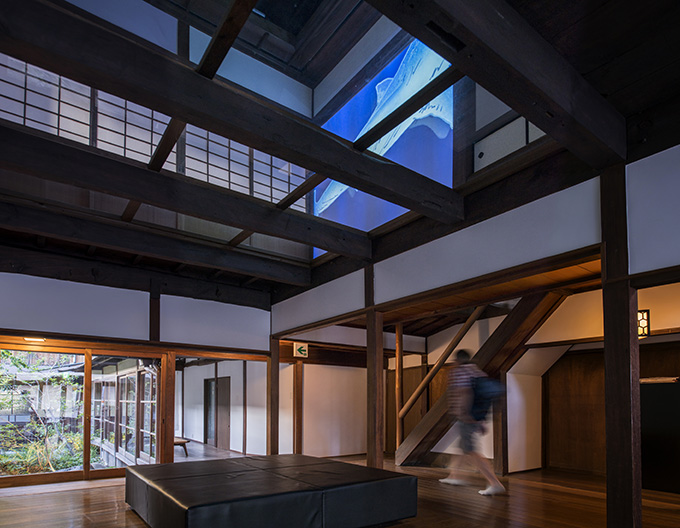
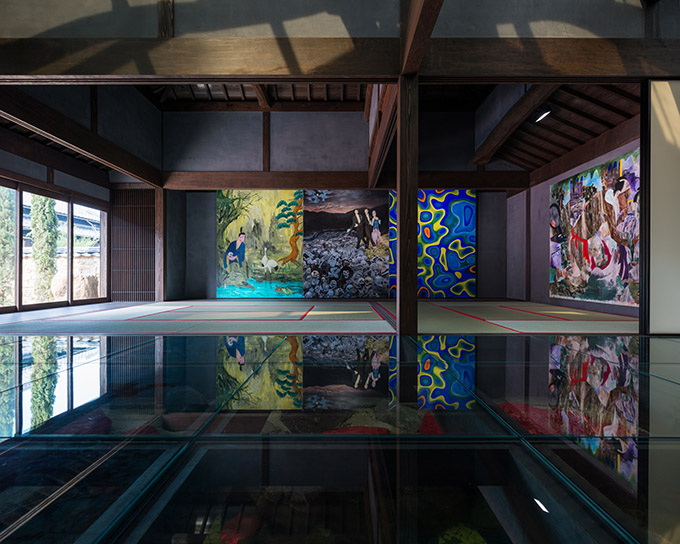
A bright, iridescent rock garden. Ceilings and floors turned into artwork. A circular tower that encompasses you with images. This is Teshima Yokoo House, a renovated home turned into a museum to house the work of artist and graphic designer Tadanori Yokoo. The structure, which opened over the summer of 2013, is the latest addition to the ongoing develop of the Setouchi Islands as an artistic and cultural hub, and was a collaboration between Yokoo himself and architect Yuko Nagayama.

One major theme throughout the space is the convergence of art and architecture. Translucent red panels appear throughout the space, at times making it appear is if a whole room is just a painting in itself. The red glass also has the strange effect of making the red rock garden disappear.

teshimayokookan_w868

What makes the space special is it’s efforts to involve the locals citizens, most of whom are elderly. Neighbors were always welcome to observe the construction process and they were even invited to help lay the ceramic tiles in the rock garden. Through a collaborative process, the site became part of the community rather than just a museum. Staying true to their theme of “life and death,” the museum even offers funeral and cremation services.

teshimayokookan_w862

teshimayokookan_w863

teshimayokookan_w864

teshimayokookan_w866

teshimayokookan_w867


teshimayokookan_w869

Japanese Designer Public Restrooms

From squeaky clean to technologically bizarre, much has been said and written about Japanese public restrooms. And while some of it is hyperbole and sensationalism generated by an overly zealous foreign press, Japan does lead the world in toilet technology. The country also takes great pride in cleanliness and restrooms are one of the first places to begin.

The public restroom has largely been shunned as an architectural subject in the western world but in Japan it stands as its own archetype. Here are some recent public restroom designs in Japan that have been turning heads for reasons other than an uncontrollable bladder.

Halftecture OO by Shuhei Endo (2006)

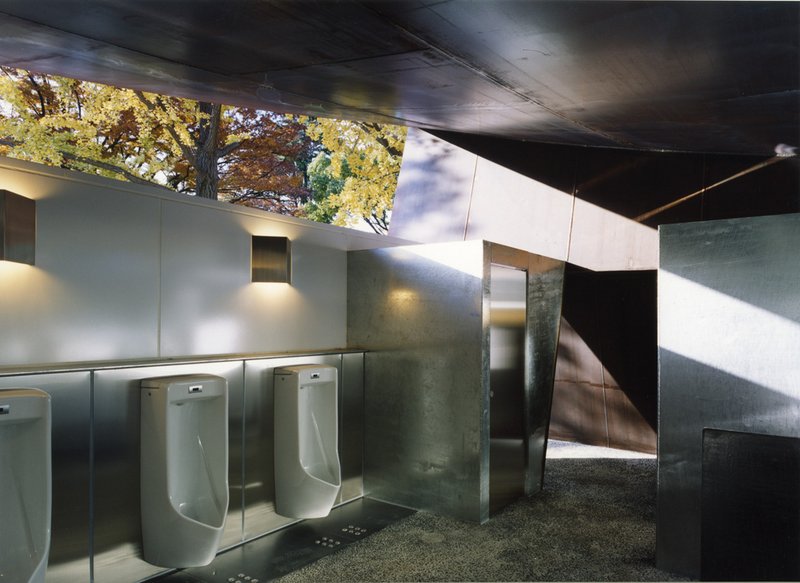
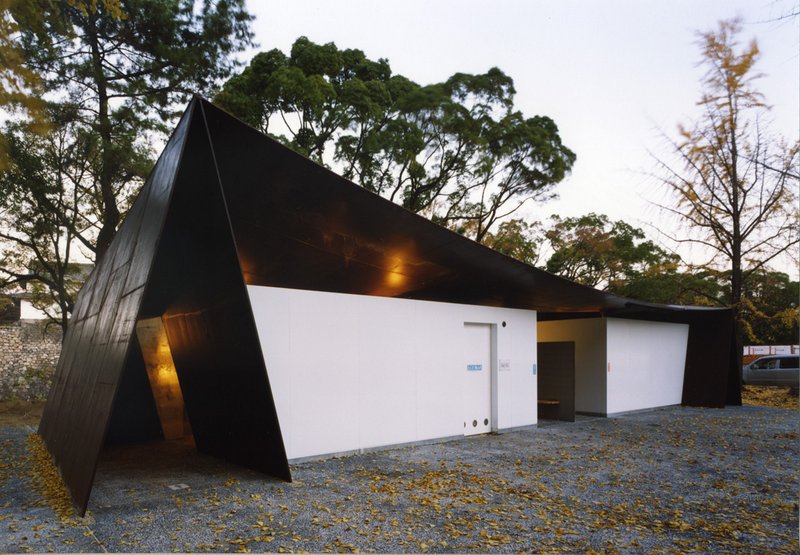
Halfitecture OO is 1 of 3 public restrooms that architect Endo Shuhei designed inside the Osaka Castle Park. Reminiscent of a Richard Serra sculpture, the truss-shaped walls are made of a single sheet of anti-corrosive steel that holds up its own weight. Underneath the steel sheet is a white box that holds the actual lavatory facilities.
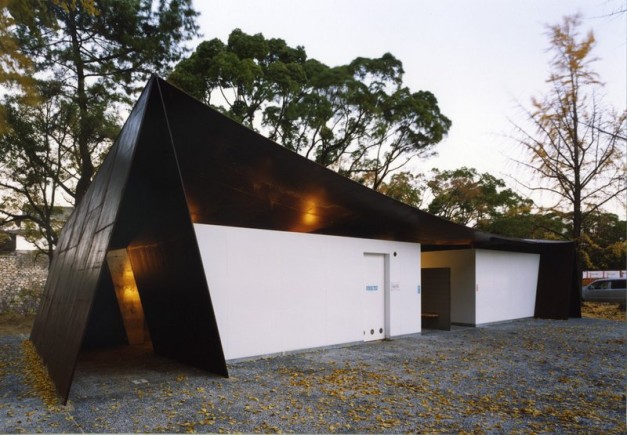
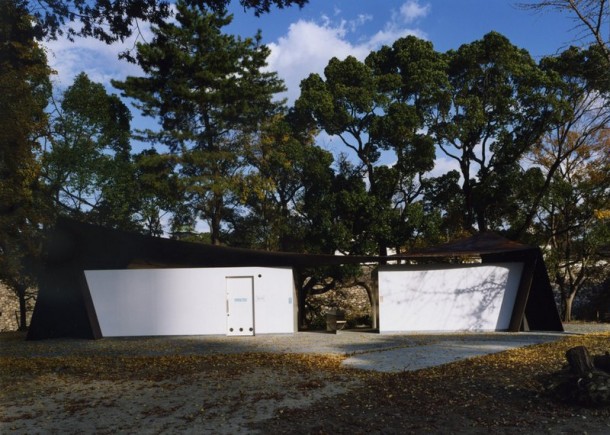
Japanese public restrooms - Halftecture O by Shuhei Endo 1

Japanese public restrooms - Halftecture O by Shuhei Endo 3

Japanese public restrooms - Halftecture O by Shuhei Endo 2


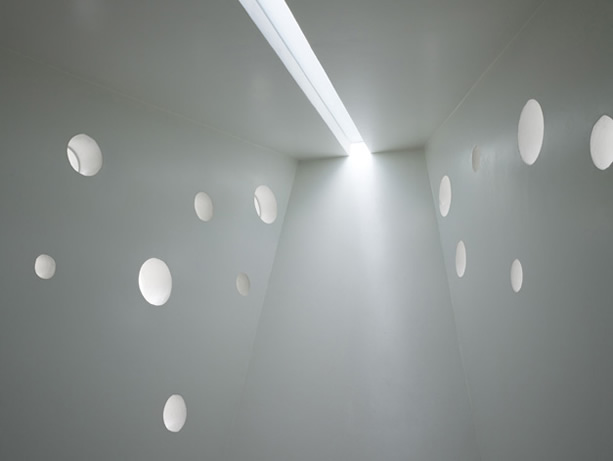
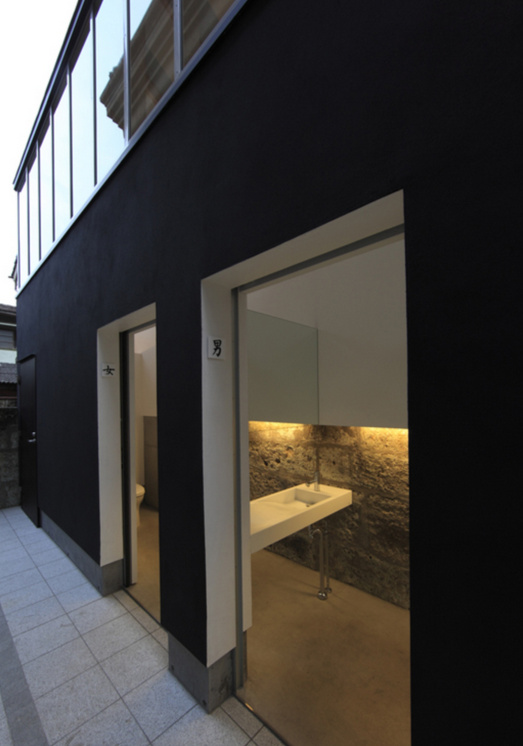
Tokinokura Lavatories by Shuichiro Yoshida (2009)

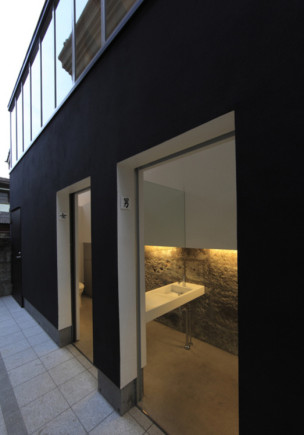
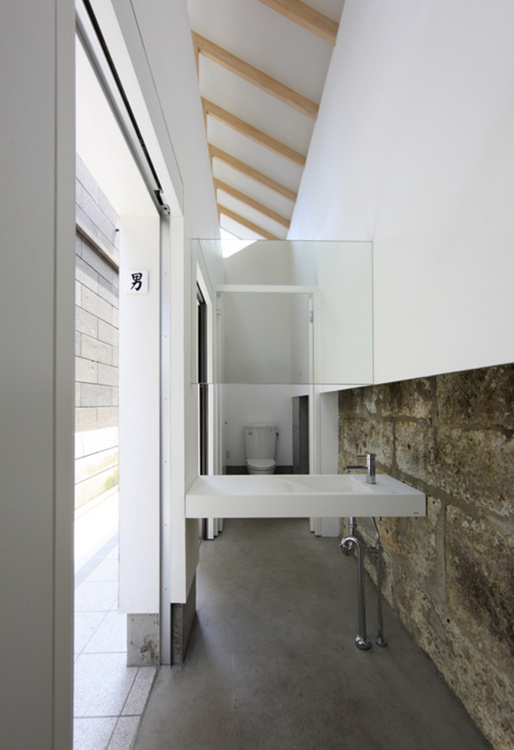
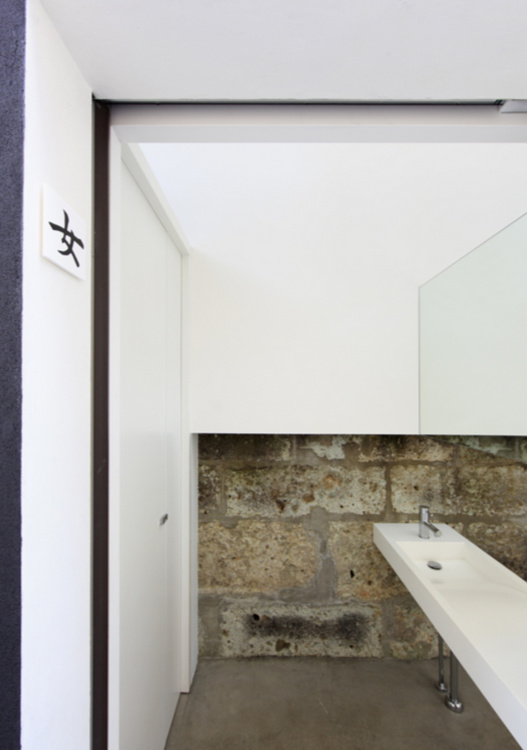
Located in Chikusei City (Ibaraki), a region known for their historical stone storage buildings (ishikura), a group of citizens operate Tokinokura – a storage building converted into an event space for hosting exhibitions. In 2008 the group selected Shuichiro Yoshida to design a much-needed lavatory for staff and visitors. It was constructed in a narrow alley behind the building, hence the high ceilings.
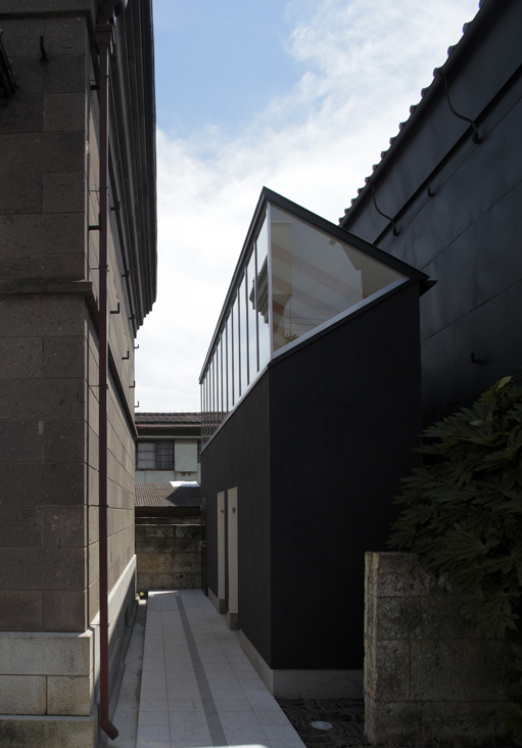
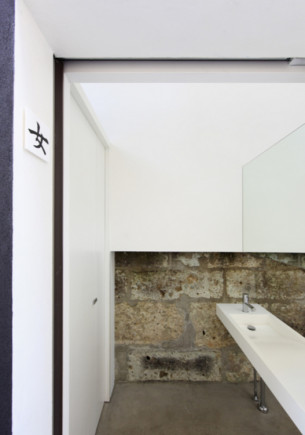
Japanese public restrooms - Tokinokura by Shuichiro Yoshida (1)

Japanese public restrooms - Tokinokura by Shuichiro Yoshida (4) Japanese public restrooms - Tokinokura by Shuichiro Yoshida (3)

Japanese public restrooms - Tokinokura by Shuichiro Yoshida (2)

Absolute Arrows by Bunzo Ogawa (2009-current)

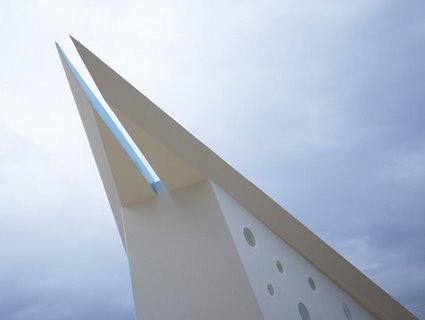
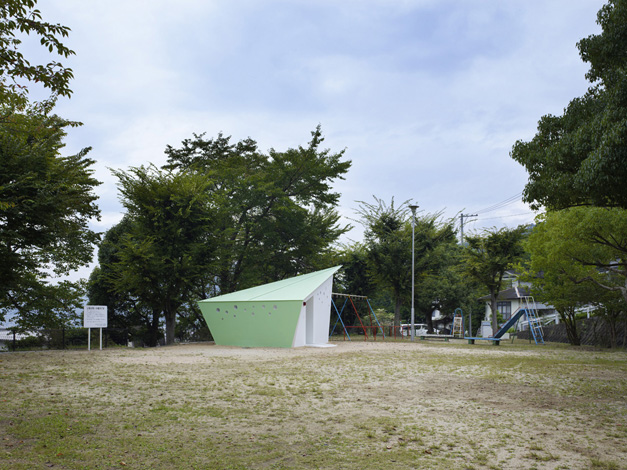
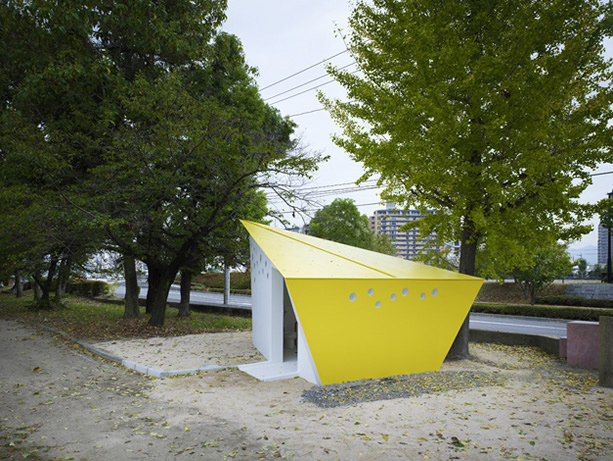
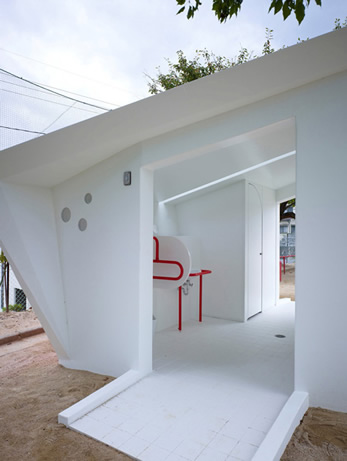
In 2009 Bunzo Ogawa of Future Studio was selected to design a series of public restrooms to be designed in public parks across the city of Hiroshima. Ogawa proposed three repeatable designs that could adapt to the different sizes of parks. (By law, Japanese public restrooms cannot encompass more than 2% of a park’s surface area.)
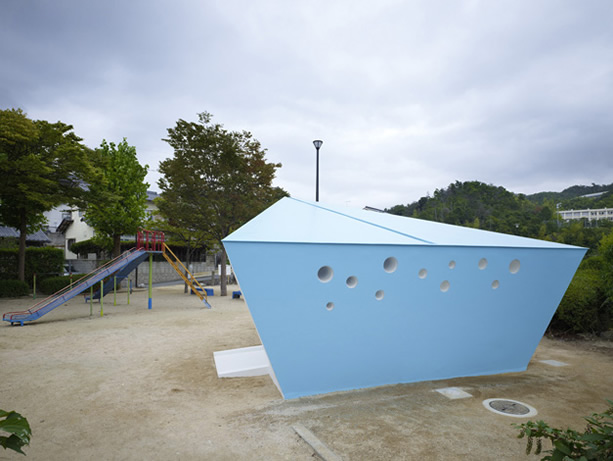
absolute arrows by future studio - park 2

The concept of the restrooms were to embed the City of Hiroshima with an “absolute axis,” similar to the horizontal and vertical axes of the planet, with all arrows pointing North. In Essence, the arrows create a place that is no longer pinned down as a city within Japan, on a map, that was destroyed by nuclear weapons. Instead, it is now part of a grander space and transcends towards a coexistence with the planet. And I suppose those encountering the restrooms have an even greater sense of this. It helps them imagine what is beyond the park fence, or the neighbors wall, or the city’s high-rise buildings.
absolute arrows by future studio - park 1

absolute arrows by future studio - interior 4 absolute arrows by future studio - arrow

absolute arrows by future studio - interior 3

absolute arrows by future studio - park 3


Kikuchi Pocket Park Restrooms by Takao Shiotsuka (2012)

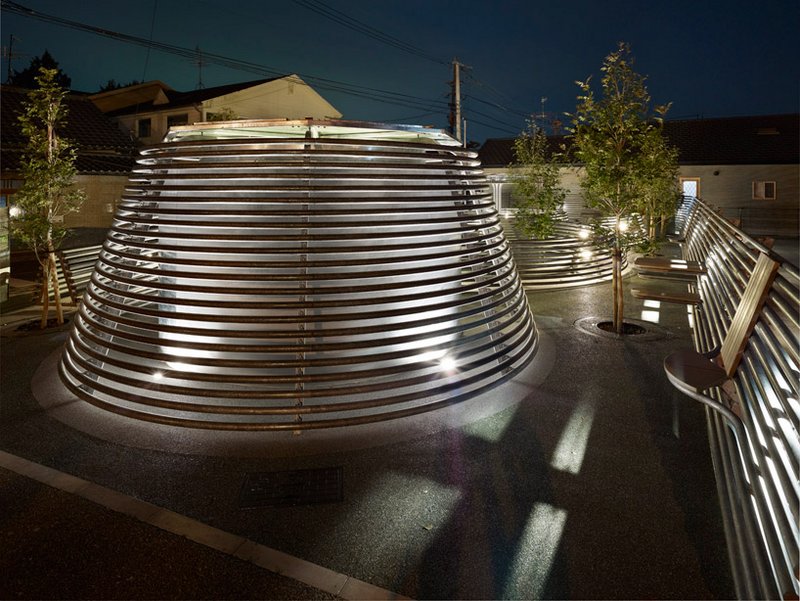
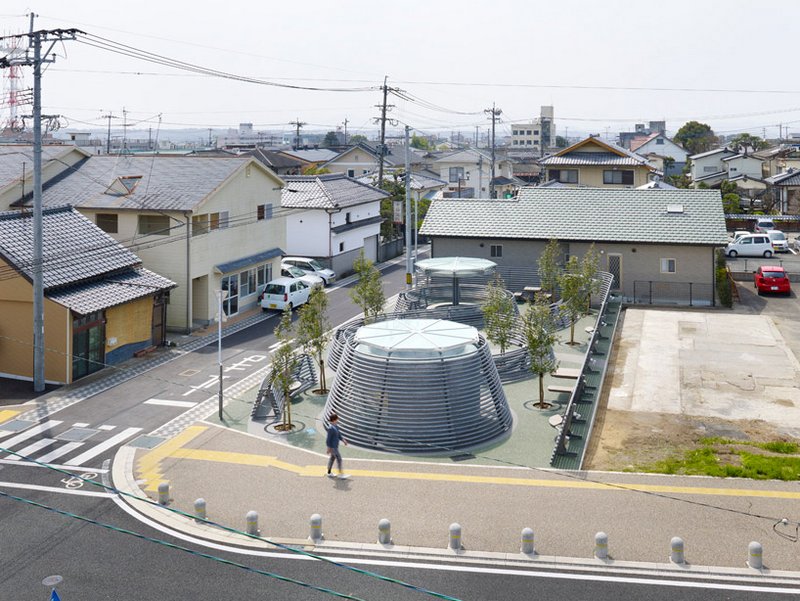
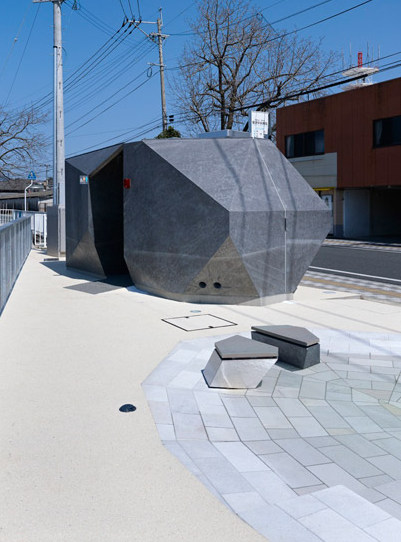
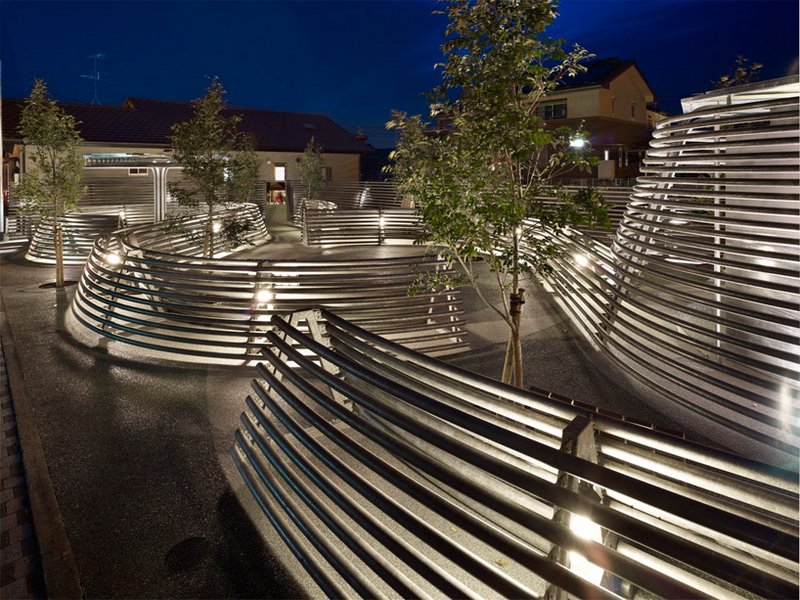
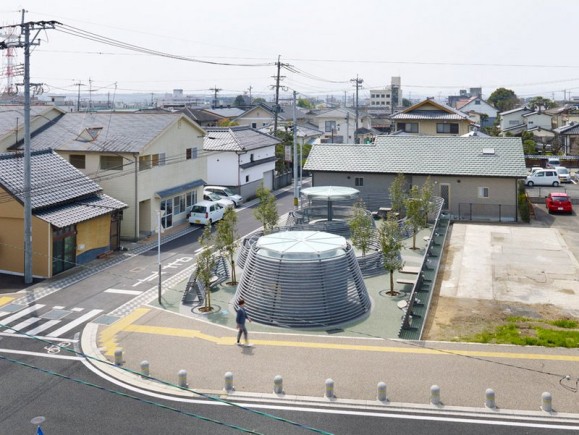
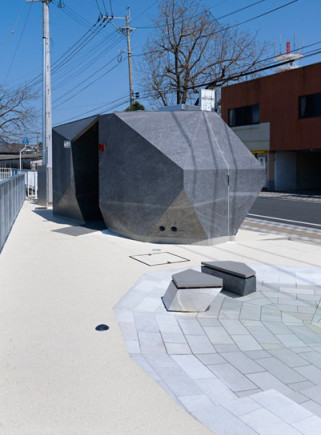
Connect the town – this was the seemingly simple yet lofty goal entrusted to Takao Shiotsuka Atelier as they set about designing a park and public restroom in the middle of historic Kikuchi City in Kumamoto. The result was 3 different parks and restrooms, each with their own theme, that weave throughout the town. One of the restrooms is reminiscent of an abstract rock placed within the center of a Zen garden. Another forms from curved metal pipes that define the pathways and then create circular restrooms.
Japanese public restrooms - Kikuchi Pocket Park Restrooms by Takao Shiotsuka 1

Japanese public restrooms - Kikuchi Pocket Park Restrooms by Takao Shiotsuka 2Japanese public restrooms - Kikuchi Pocket Park Restrooms by Takao Shiotsuka 3

Japanese public restrooms - Kikuchi Pocket Park Restrooms by Takao Shiotsuka 5

Japanese public restrooms - Kikuchi Pocket Park Restrooms by Takao Shiotsuka 4

The World’s Largest Public Restroom by Sou Fujimoto (2012)

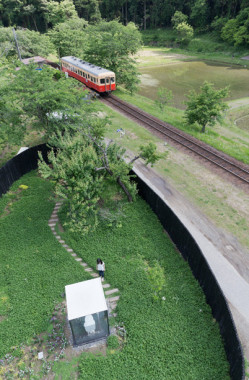
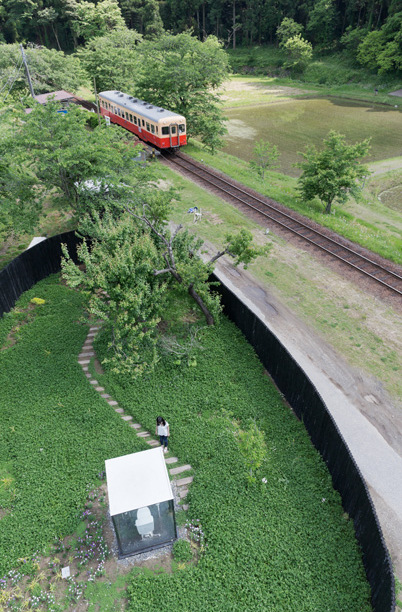
In the middle of Chiba’s Boso peninsula is Itabu Station, a lone, unmanned station that sits on the Kominato Line. Trains come and go about every 2 hours and, on average, deliver about 6 people. In stark contrast to the very quiet nature of the station sits a facility that makes a very bold statement: “the world’s largest public restroom.”

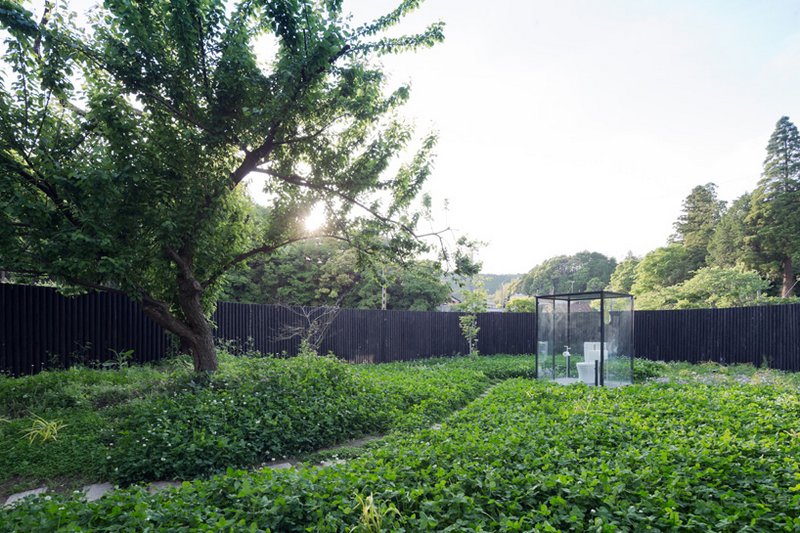
Completed in 2012 by architect Sou Fujimoto, the grand lavatory – a clear glass box sitting in the middle of a lush flower garden – encompasses an area 200 sq meters (about 2150 sq ft). It is indeed larger than the train station it accompanies.
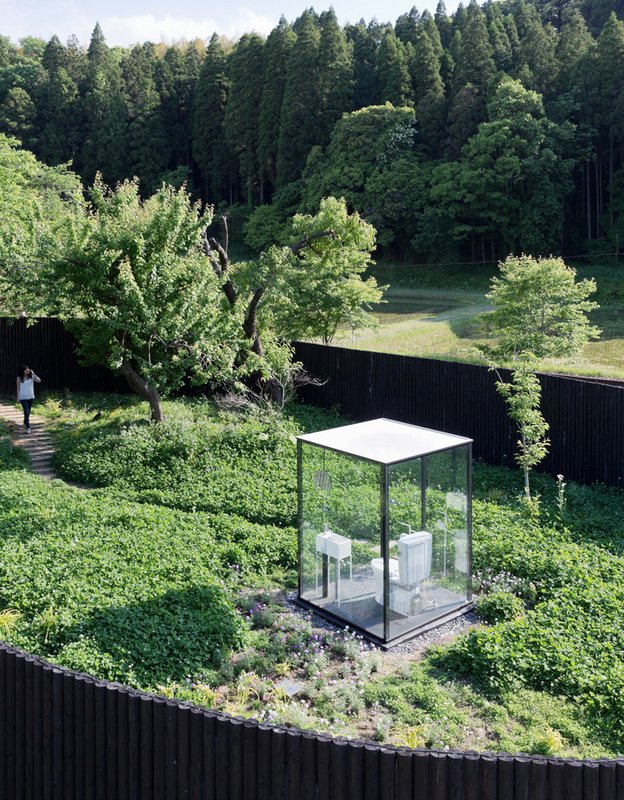
Japanese public restrooms - sou fujimoto 2photos by Iwan Baan

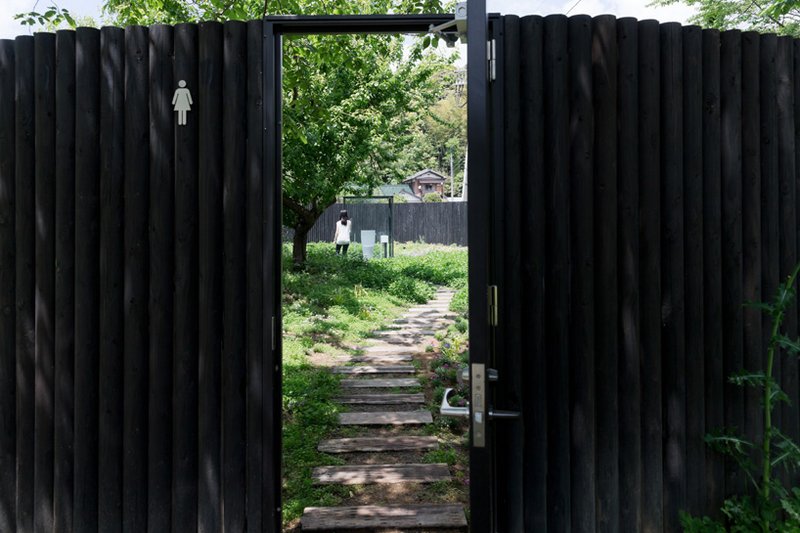
Japanese public restrooms - sou fujimoto 4The lavish, larger-than-life-lavatory, which is encompassed by a pervert-preventing black wooden log fence, was designed to both attract visitors but to also be part of an art fair happening this year. Indeed, those statistics I quoted earlier were as of 2010. We’ll just have to wait and see if foot traffic picks up.

Note to visitors: The restroom is for women only. Guys will be asked to use a much more modest bathroom nearby.
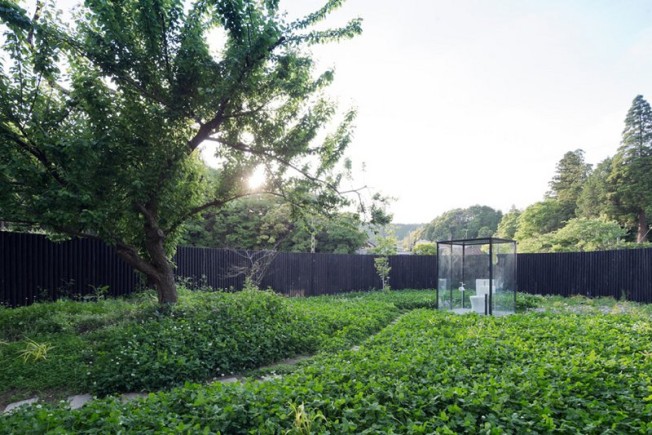
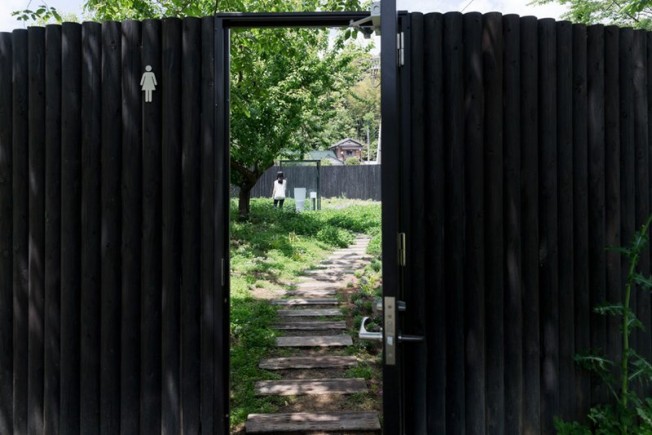


Japanese public restrooms - sou fujimoto 1

Japanese public restrooms - sou fujimoto 3

Hut with the Arc Wall by Tato Architects (2013)

Part art installation part functioning public restroom, “Hut with the Arc Wall” was created by Tato Architects for the 2013 Setouchi Triennale. Located on Shodoshima Island, the architects drew inspiration from the large cedar barrels originally used to make soy sauce on that exact site. And the roof is made from a mixture of opaque and transparent tiles, which allows sunlight to filter in during the day but also creates quite a spectacle at night.

Japanese public restrooms - Hut Arc Wall by Tato Architects 4

Japanese public restrooms - Hut Arc Wall by Tato Architects 3

Japanese public restrooms - Hut Arc Wall by Tato Architects 2

Japanese public restrooms - Hut Arc Wall by Tato Architects 1

an installation of billowing foam clouds by Kohei Nawa

kohei nawa foam (2)all photos by flickr user kzsktt36 | click to enlarge

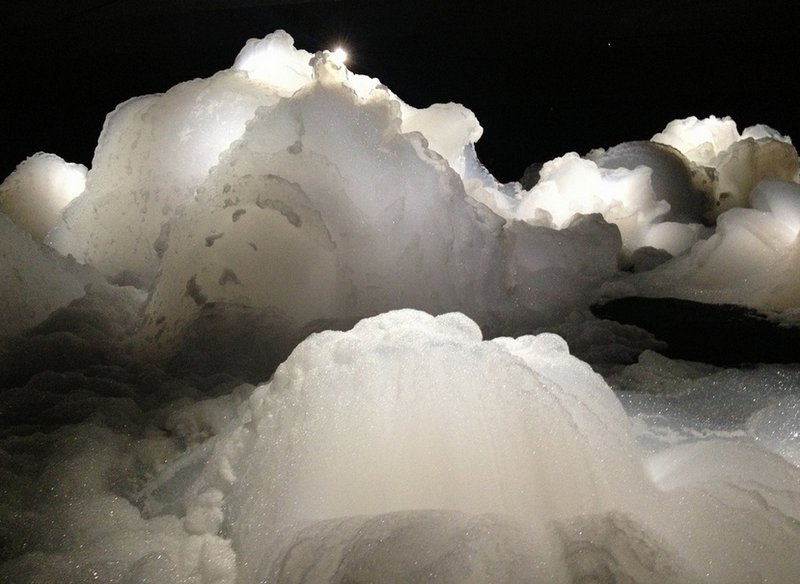
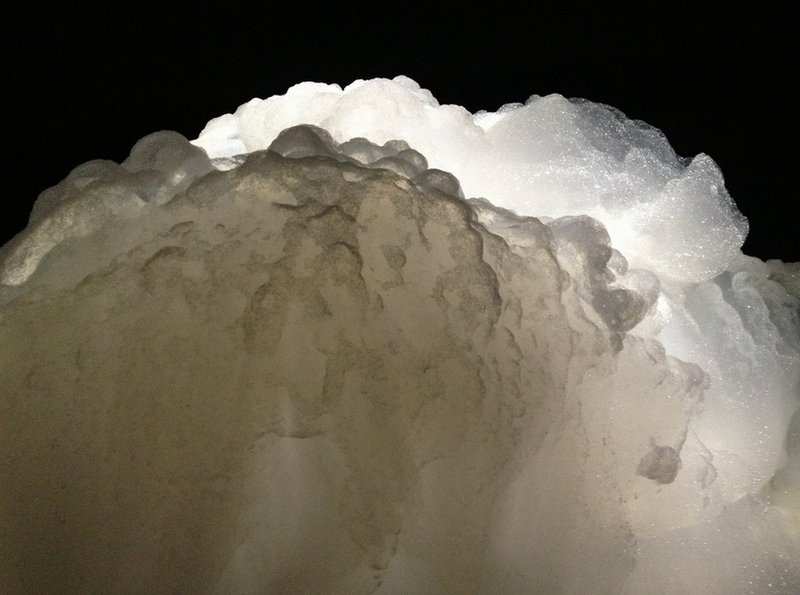
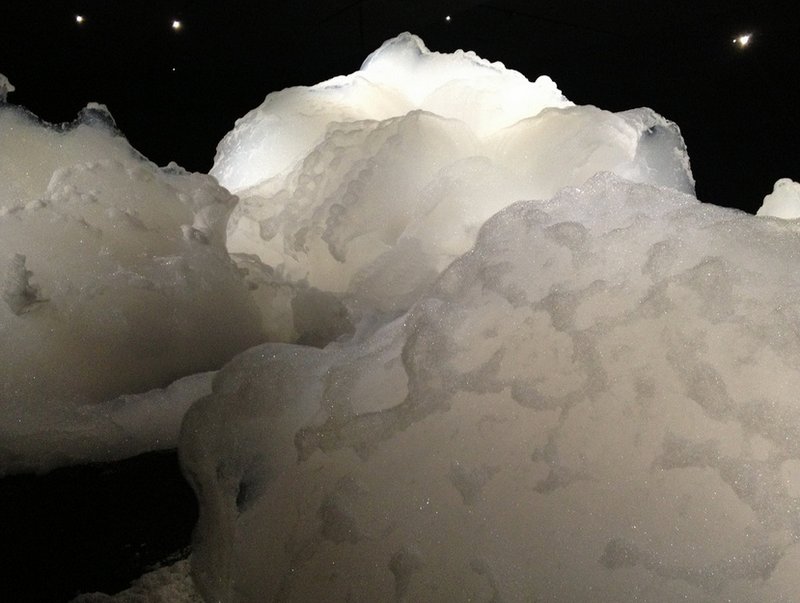
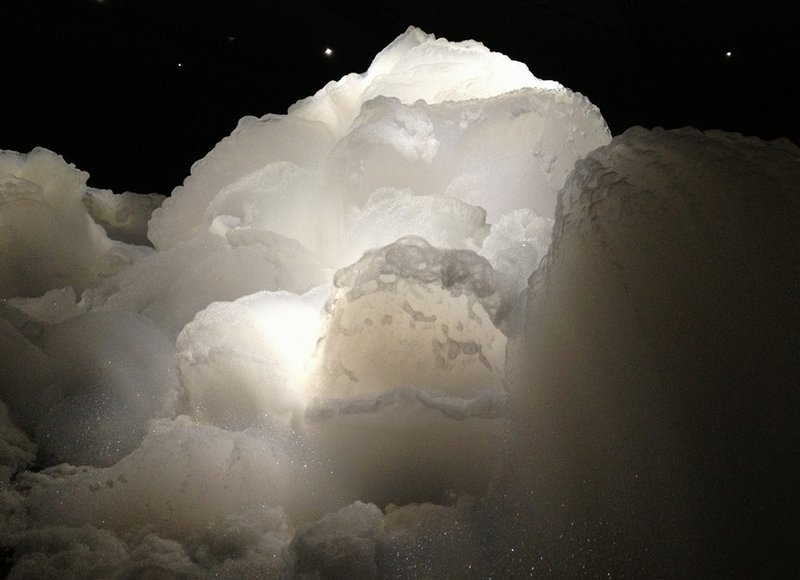
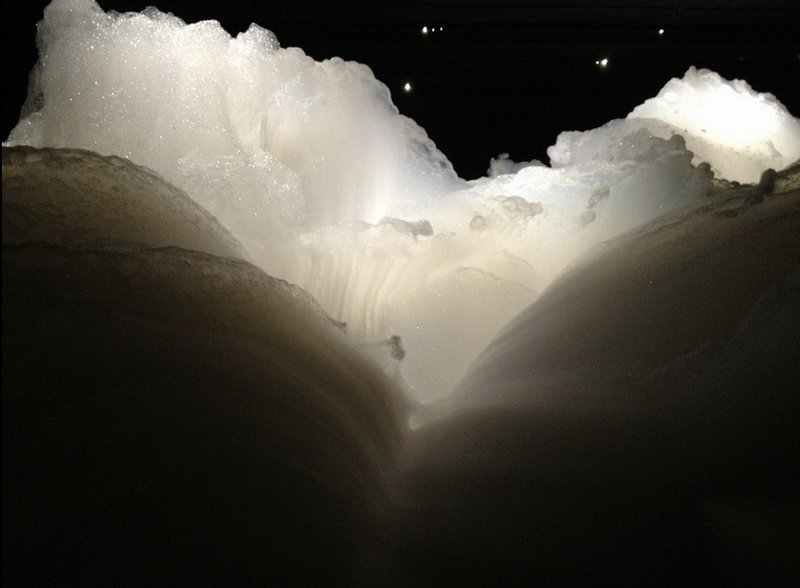
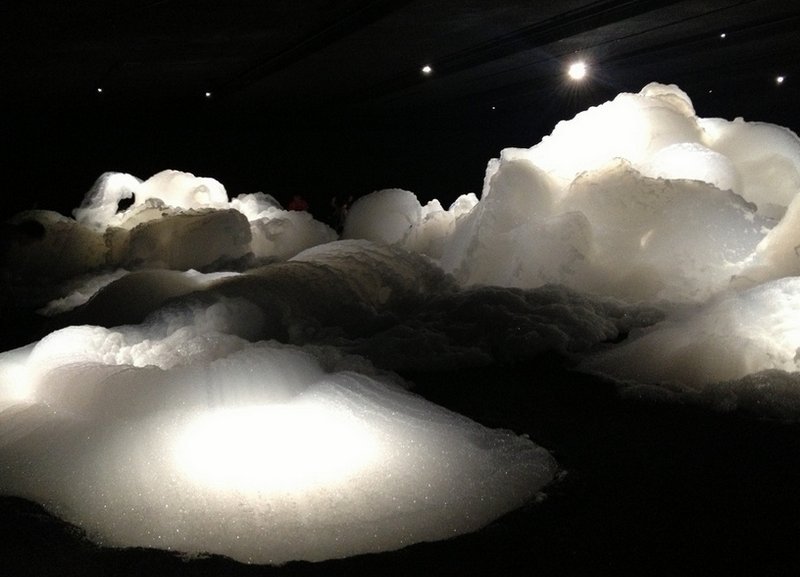
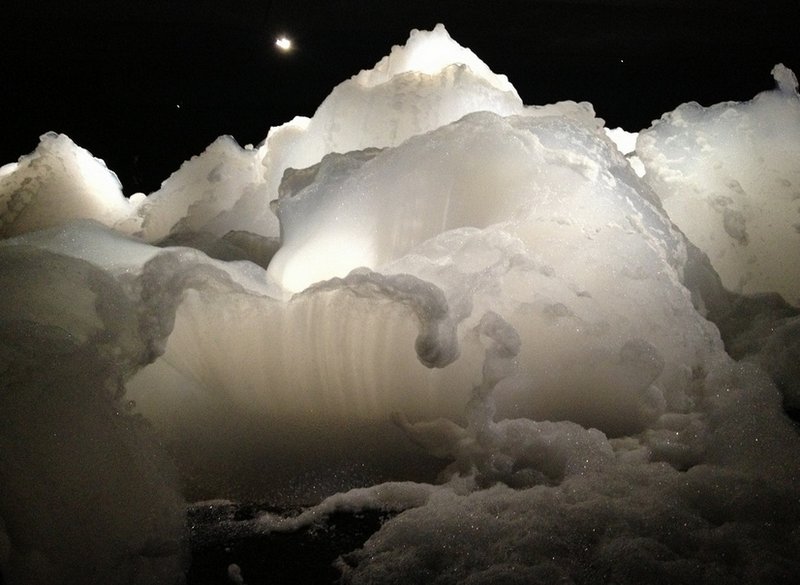
Kohei Nawa’s latest work, which headlined the Aichi Triennale in Nagoya, is a large-scale installation of billowing foam clouds. Nawa spent weeks experimenting with concoctions of detergent, glycerin and water so as to create a foam stiff enough to hold shape, thus creating his installation “Foam”. Visitors were allowed to walk through a gymnasium-sized space filled with ever-evolving foam shapes that, in Nawa’s own words, “should feel like [you’re] walking through clouds.”
kohei nawa foam (5)kohei nawa foam (6)

Nawa (previously) has always been obsessed with materials, technology and manufacturing. But this latest work is a turn towards a more transient, shapeless installation. Actually, Nawa “is part of a new generation of artists whose work is helping to bring a more nuanced view of Japanese art and popular culture overseas,” writes Hiroko Tabuchi in a recent NYT feature. “One that moves beyond the cultural stereotypes of candy-cute manga and anime.”

“Maybe there was a time when artists benefited from, or used Japanese stereotypes in their work,” said Nawa. “But I think my generation no longer feels the need to identify with, or try to represent, Japan.”

kohei nawa foam (3)

kohei nawa foam (4)

kohei nawa foam (7)

kohei nawa foam (8)

kohei nawa foam (1)


« Older posts Newer posts »

© 2026 Spoon & Tamago

Up ↑

Design by Bento Graphics