Page 168 of 406

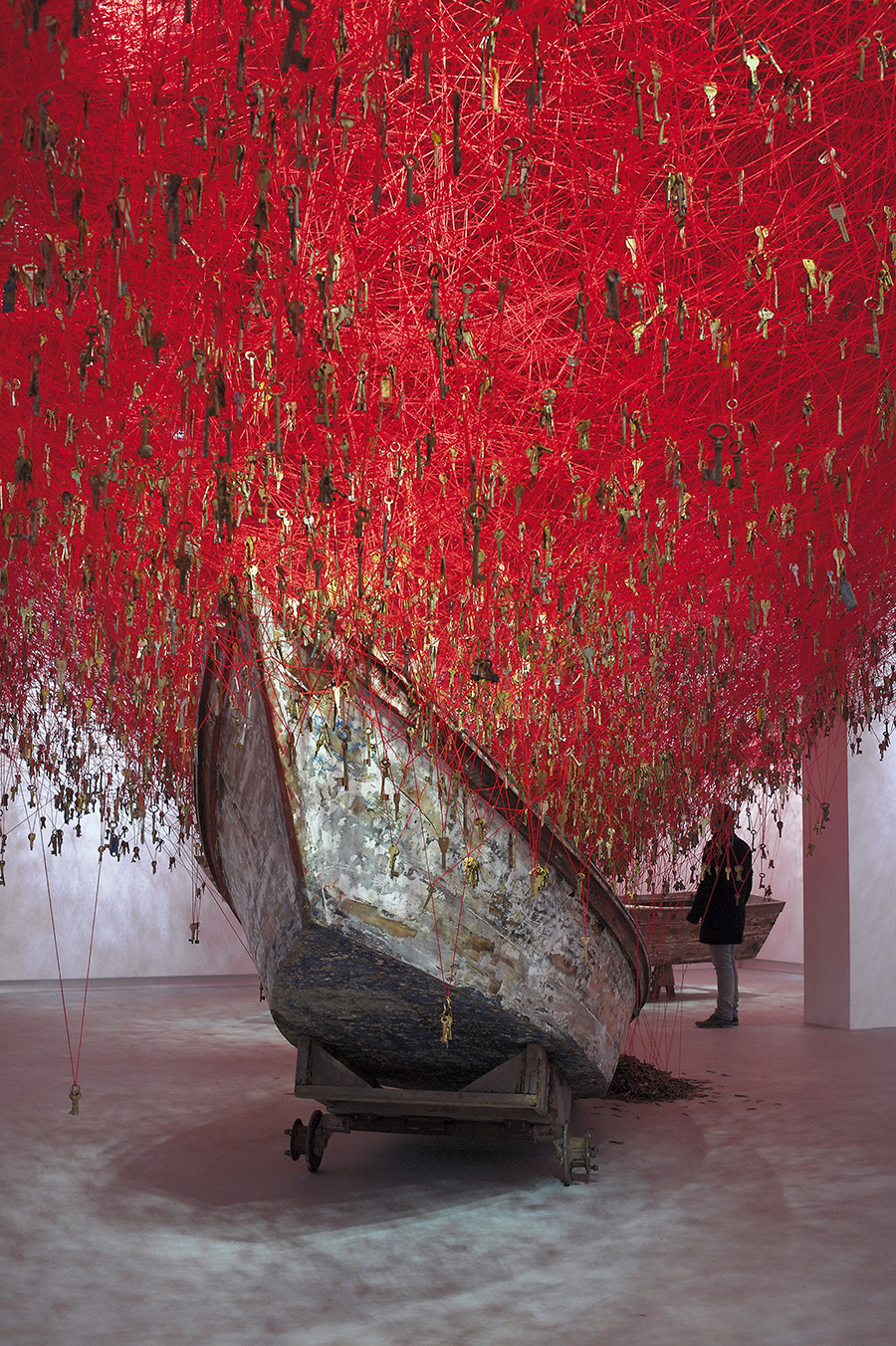
The Key in the Hand: 50,000 Keys Suspended From a Ceiling by Chiharu Shiota

chiharu shiota the key in the hand

The Key in the Hand (2015) by Chiharu Shiota. | All photos by Sunhi Mang

Last year the Japanese visual artist Chiharu Shiota used the attention she was getting from an exhibition in Washington D.C. to make an announcement: she had been selected to represent Japan in this year’s Venice Biennial, but she needed help.

In her own words, she needed a “huge number of keys” and was looking for public donations. If anyone sent Shiota one of the 50,000 keys she managed to collect (we were told they wouldn’t be returned) we now know what they had been used for: an installation comprised of a massive web of yarn that suspended the numerous keys from the ceiling.
Continue reading

Chiba Special: The Classiest Place in Tokyo to Have Your Shoes Shined

chiba_sp

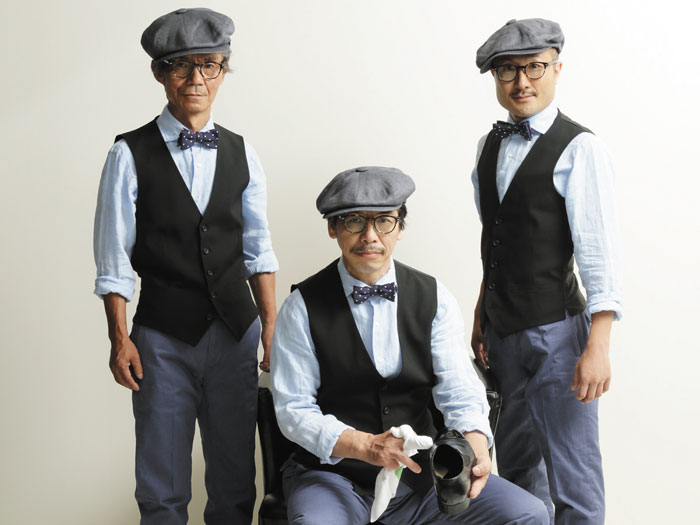
Mikoto Chiba (center) and his two apprentices form the legendary shoe shining group Chiba Special

For the last 18 years a man named Mikoto Chiba has been polishing the shoes of businessmen and women working in the Tokyo metropolitan area. Over the years he’s developed a reputation for being the best of the best. Long lines began forming in front of his small stall outside Yurakucho Station and included several notable business leaders. But when stricter street vendor regulations forced him to relocate, his powerful clients pitched in to help make Chiba’s new business, well, special.

Continue reading

Realistic Animal Lollipops Created By Amezaiku Artist Shinri Tezuka

amezaiku by shinri tezuka (4)

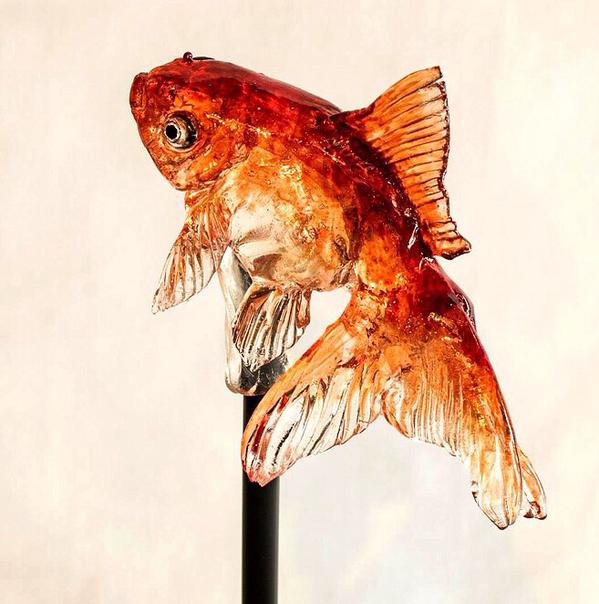
a hyper realistic goldfish lollipop | all images courtesy ame-shin.com

Amezaiku is the Japanese craft of lollipop-making, which dates back to the 700s when artisans made mouth-watering and artistic lollipops to be presented as gifts. Carrying on the tradition is 26-year old Shinri Tezuka, the owner of a small shop in the Asakusa district of Tokyo called Ameshin. The store combines a studio and workshop where Tezuka not only fashions his realistic creations, but also holds workshops and demonstrations for the public.

Continue reading

A Japanese Pharmacy Company’s Creative and Humorous Health Magazines

aisei health graphic magazine

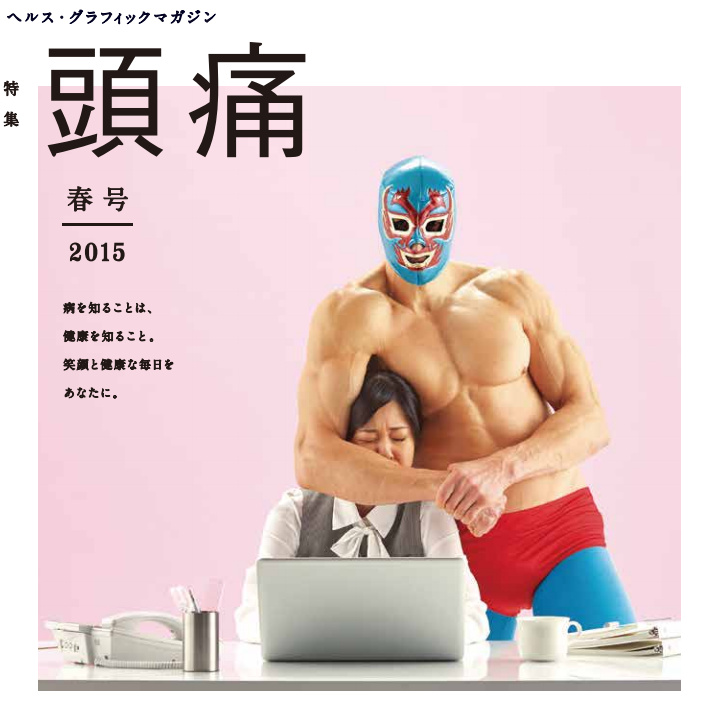
The Spring 2015 issue focuses on the topic of headaches, and features a masked wrestler putting an office worker in a headlock

On a Semi-annual basis Japanese pharmacy company Aisei publishes a magazine called Health Graphic Magazine. The issues, which come out usually three times a year, are focused on a specific topic. They’re not long – usually around 23 pages – but utilize a wide array of creative methods that make it a joy and pleasure to learn about lack of sleep, sinus infections, stress, or whichever topic they happen to be focusing on.

The covers are also spectacular, and often feature a single, humorous image that makes you want to pick up the magazine and flip through it. The latest – the Spring 2015 issue – focuses on the topic of headaches, and features a masked wrestler putting an office worker in a headlock.

Continue reading

An Illustrated Poster of the 25 Most Popular Types of Ramen in Japan

ramen-poster (1)
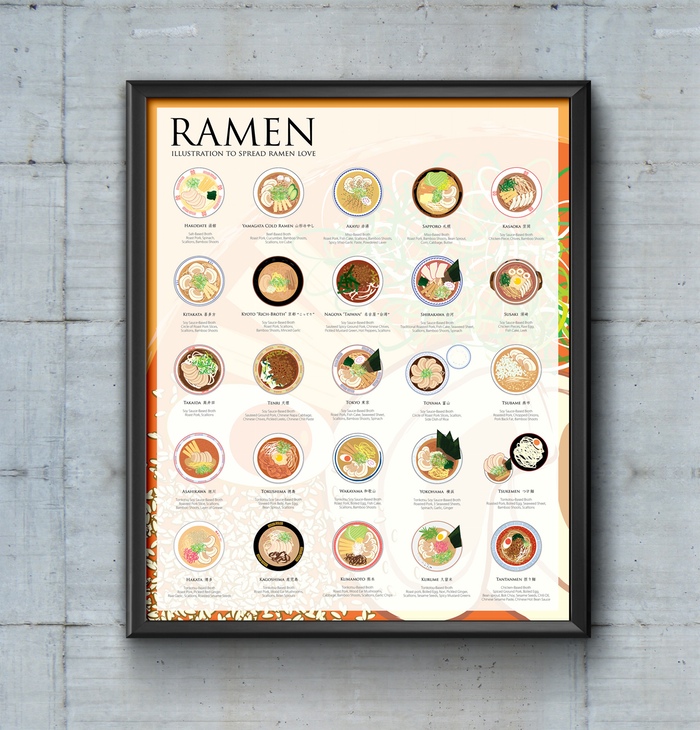
The number of ramen shops in Japan are at a historic high with about 35,000 shops throughout the country serving up the beloved salty soup and noodles. But given its vast proliferation, both within Japan and abroad, no bowl is alike. You’ve got shio (salt) ramen in northern Japan’s Hokkaido, tonkotsu (pork) ramen in southern Japan’s Kyushu, and any number of variation in-between.

Thankfully, there’s now a beautiful poster of the 25 most common to help you keep track, and maybe even help you conquer any you haven’t tried.

Continue reading

A Multifamily Apartment Turned Into a Multicolored Cross Section of Rooms

aph_01

Photos by Daichi Ano and Kazuyasu Kochi

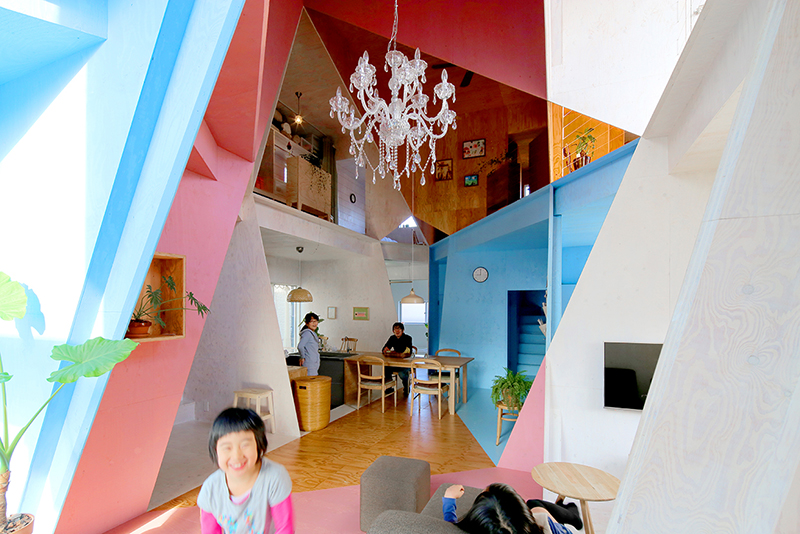
Late last year, Tokyo-based architect Kazuyasu Kochi completed a renovation project of an old apartment building. Located in Chiba, a suburb of Tokyo, “Apartment House” is a renovation of multi-family apartment into a single-family home by slicing out a portion of the center to reveal a void that connects the entire home. Each cross-section was then color-coded to delineate it.

Continue reading

Emptiness The Sky: A Tea House-Inspired Installation Made From Charred Wood by Miya Ando

miya_ando_shou_sugi_ban_84x84x84inches_aluminum_charred_wood_pigment_2015_frontiers_reimagined_venice_biennale

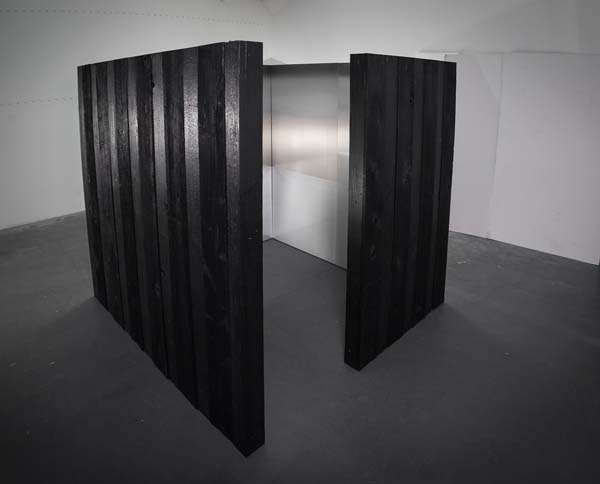
Shou-sugi-ban (焼杉板) is a traditional Japanese method of treating wood used for the exterior of homes and temples. Sometimes also called yaki-sugi-ita, the process involves charring the wood to a charcoal-like state. This not only makes it less flammable but also more durable against the elements of nature. In other words, burning it to make it stronger.

Taking inspiration from the method commonly employed in her hometown of Okayama, artist Miya Ando has created a tea house-inspired installation whose exterior is made entirely from the charred timber.

Continue reading

Tokujin Yoshioka’s Transparent Glass Teahouse Puts a Rainbow in Your Hand

kou-an by tokujin yoshioka

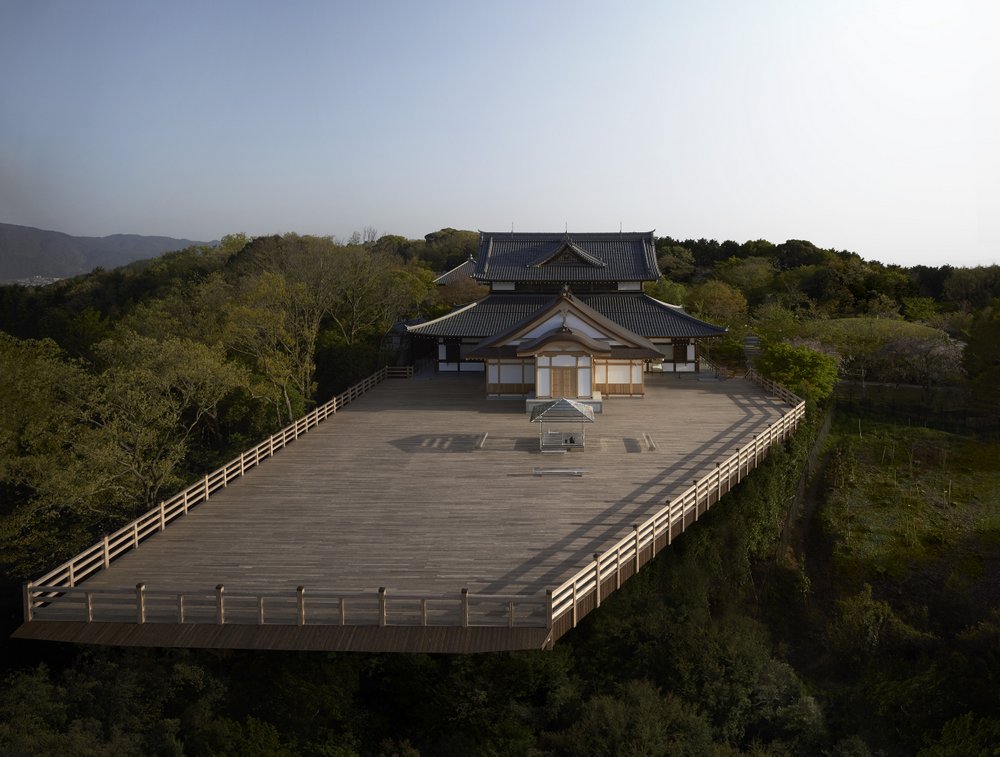
Tokujin Yoshioka’s glass teahouse that opened in April 2015 in front of the Shorenin Temple in Kyoto

The teahouse plays a central role in the Japanese tea ceremony. It is to cha-no-yu, as it is referred to in Japanese, what a museum is to art. The tea house is typically a minimal space, meant to heighten the significance of the ceremony. It usually consists of a small space with no furniture, small windows to allow natural light in, and an object of nature, typically flowers, to emphasize the passage of time.

Continue reading

Japan-Themed Paper Cup Sleeves by Akira Yoshimura

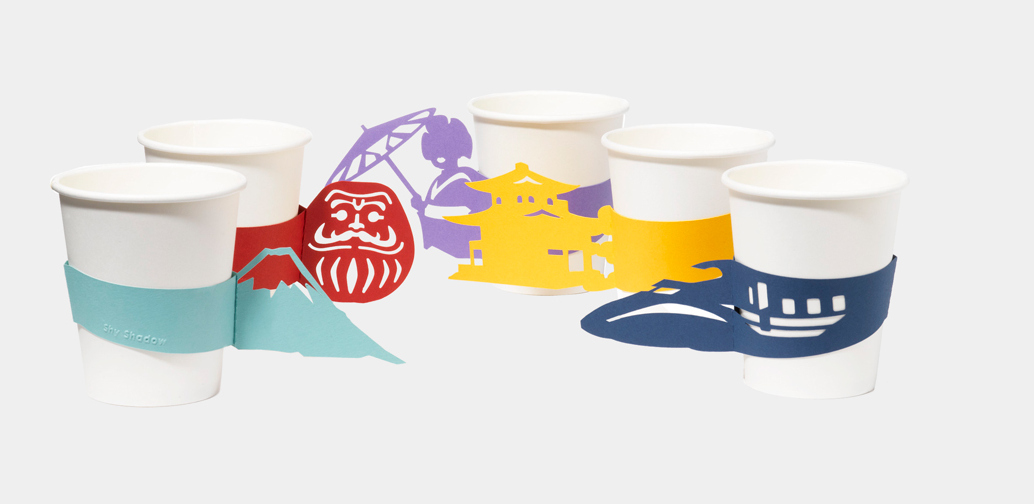
cups with bite japan by Akira Yoshimura

“Ever lose your drink cup during an evening with friends then wonder if the cup you picked up was actually yours?” asks NY-based Japanese designer Akira Yoshimura. That eventually led him to create a series of paper cup sleeves that he calls “Cups With Bite.” The unique paper sleeves not only help you keep track of your drink but they could also be fun conversation starters as people would assumingly choose a sleeve that best represents them.

Continue reading

Oki Sato: the James Bond of Design

Oki-Sato-portrait

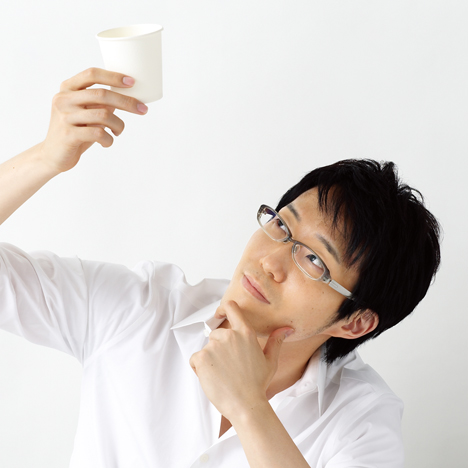
Oki Sato, founder and lead designer at Nendo

As we noted in our round-up of Japanese design at this year’s Milano Salone, Nendo is showcasing all the products they designed in the last 1 year. Astonishingly, it’s over 100 products. That’s almost 1 new product every 3 days!

We’ve always wondered how a studio of moderate size – a latest headcount indicated 24 full-time employees – could be so productive. But in a recent interview Oki Sato, the founder and lead designer, lets us in on a few secrets that make the company spin.

Continue reading

« Older posts Newer posts »

© 2026 Spoon & Tamago

Up ↑

Design by Bento Graphics