Page 159 of 406

A 120-Year Old Kyoto Machiya Transformed Into a Wonderland of Recycled Goods

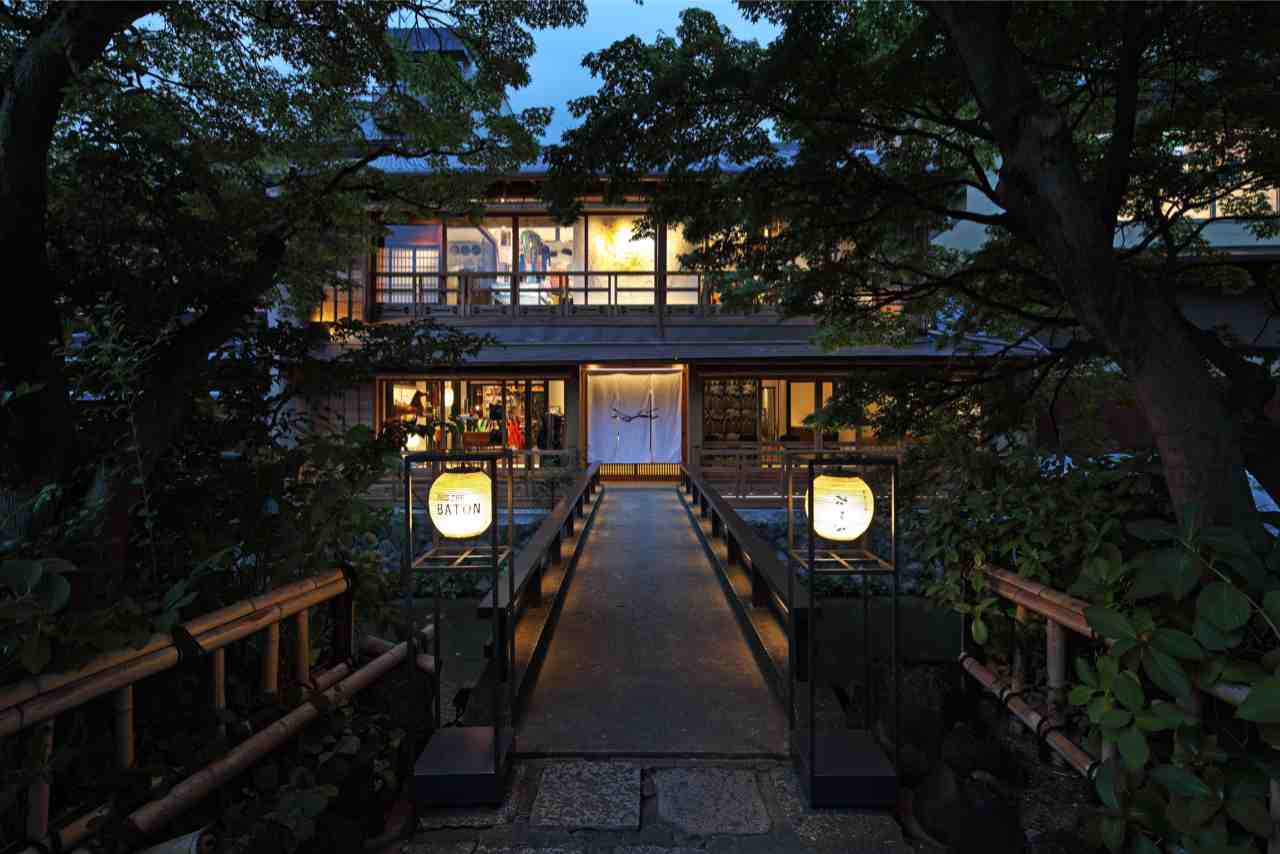
pass the baton gion kyoto

a 120-year old machiya converted into recycle shop

“Appreciate what already exists, and create new value.” That’s the motto of Pass The Baton, a modern-day Japanese recycle shop where you’ll find a treasure trove of consignments, antiques, used and upcycled items. And in keeping with their motto, the store has converted a 120-year old traditional home in Kyoto, known as a machiya, into what represents their first foray out of Tokyo.

Continue reading

A Surrealist Film Shot Entirely With A Droplet of Water on an iPhone

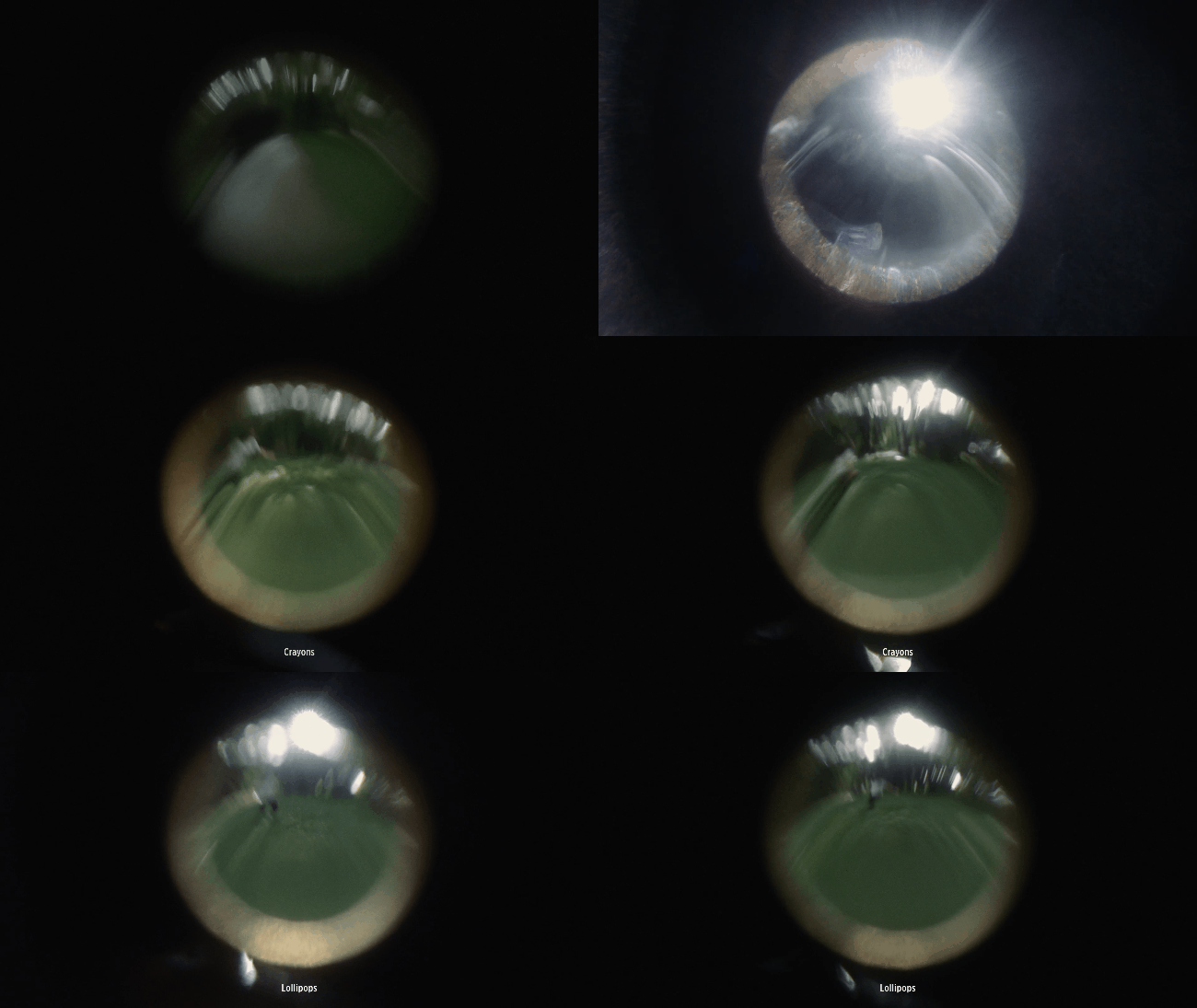
o film (gif)

What would it be like to view the world as a dewdrop on a leaf, or a droplet of water from a faucet? That’s the idea behind a new surrealist short film shot using an iPhone. The dreamy, watery state was achieved by just that: water. The team used a drop of water inside the hole of a 5 yen coin, held in place by surface tension, and affixing the coin over the camera lens.

Continue reading

Photographer Kosuke Okahara collects fragments from Fukushima

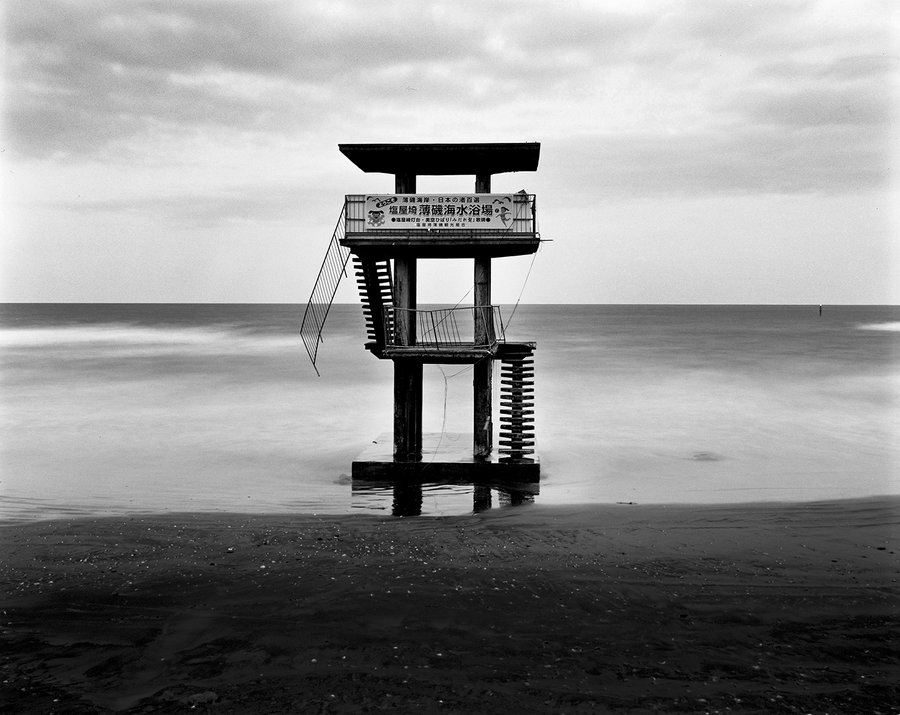
Sea in Iwaki city. Normally here people can swim. The fishermen’s society decided no to fish since the result of examination of sea water and seafood is very much contaminated by the radioactive substances. One of the chair said “Do not eat any seafood up north from Chiba prefecture” He said some seafood had 14,000 bq /kg contamination level .

The photographer Kosuke Okahara first set foot in a town near the Fukushima Daiichi Nuclear Power Plant almost immediately after the disaster in March of 2011. In August he began visiting more periodically and for the next 4 years Okahara continued to visit Fukushima almost every month.

“Little by little,” he says, “I began collecting fragments from the Fukushima disaster. Now, at a time when most media coverage has faded, the 35-year old photographer is releasing a photobook of “scenes that would linger in time, just like the radiation that lingered in Fukushima.”

Continue reading

Mizuhikiband: the art of Japanese packaging incorporated into a rubber band

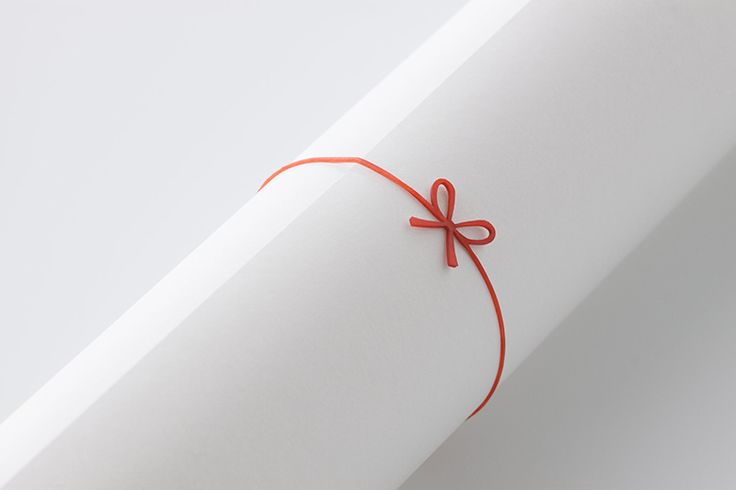
mizuhikiband 1

When it comes to beautiful packaging it’s hard to beat the thoughtful, multi-layered Japanese presentation. And one of it’s most essential components is the mizuhiki, a decorative knot made from cords and used to tie gifts together.

Although the knot comes in a variety of complexities, the shoelace knot is one of the most basic and therefor embodies celebratory sentiments and hopes for more good times. Incorporating this tradition into what he calls “the simplest of all cords,” designer Yu Aso has created a rubber band with a mizuhiki knot. It’s the mizuhikiband.

Continue reading

A Set of Nameless Paints Wants to Change the Way Kids Learn About Color

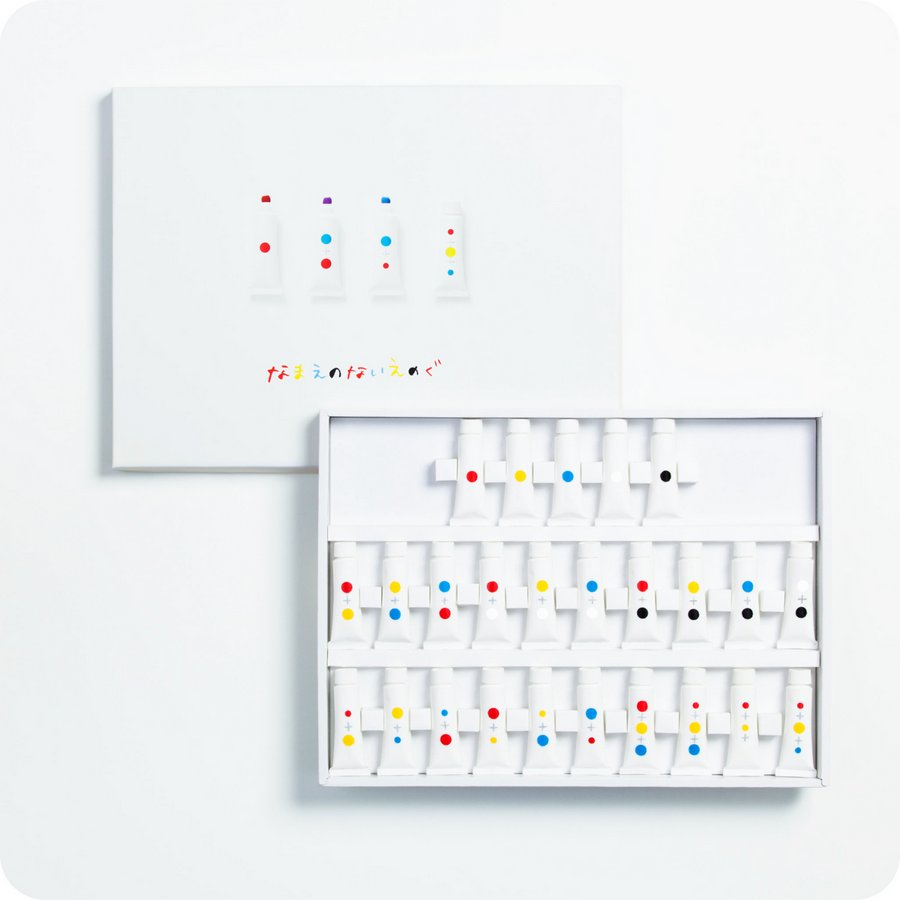
nameless-paint-set-1

the original presentation for “Nameless Paints”

The names we assign to colors are restrictive and only serve to impede our minds. The water that comes out of a faucet isn’t “blue.” Leaves on the trees can be “green” but they can be so much more. In Japan there’s even the absurd hada-iro (skin color), a peachy color that’s so wrong I’m not even going to begin. But now a young designer duo wants to change the way kids learn about color. They’ve created a set of “Nameless Paints” whose colors are simply identified by just that – their color.

Continue reading

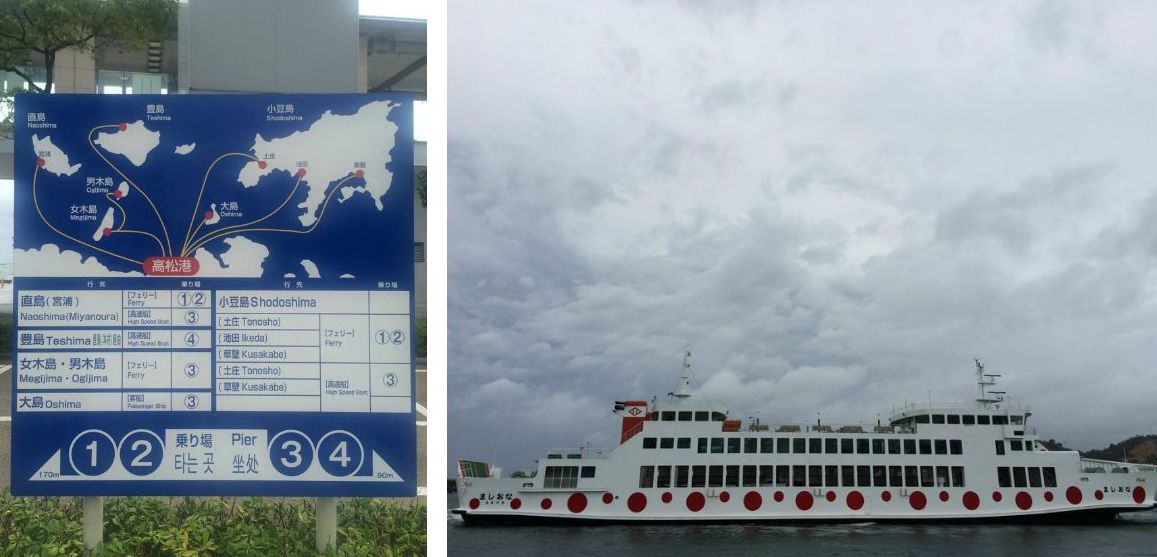
A Spoon & Tamago Guide to the Setouchi Art Islands

Naoshima-spoon-tamago-retreat-1

all photos by spoon & tamago (taken with iPhone 5)

Over the summer Spoon & Tamago planned a retreat to Naoshima and its neighboring islands in the Seto Inland Sea of Japan. Over the past 20 years the unlikely location has emerged as one of Japan’s most prominent sites for cutting edge architecture, art and installations that all seamlessly merge with nature. And on the blog we’ve devoted several articles to the 12 islands and their 200+ works of art so we were excited to finally visit.

We decided to share our itinerary with you because the multiple islands and ferries are certainly not easy to navigate. We spent a lot of time planning and thought that by sharing our notes with you it would make the islands more accessible.

Continue reading

In Training: A Documentation of the Slow Art of Bonsai Trees

stephen voss bonsai art book

A Japanese White Pine (in training since 1625) that survived the bombing of Hiroshima. At the National Bonsai and Penjing Museum in Washington, DC.

“This was not what I thought my first book would be,” admits Stephen Voss. For photographing – and interacting with – bonsai trees couldn’t be farther from his day job. The Washington D.C.-based photographer makes a living by photographing some of the busiest people in the country who have very little time: Alan Greenspan and Michelle Obama to name two. He even photographed Bernie Sanders for the latest TIME cover. But last October he embarked on a personal project that rekindled a 20-year old passion: bonsai trees.

Continue reading

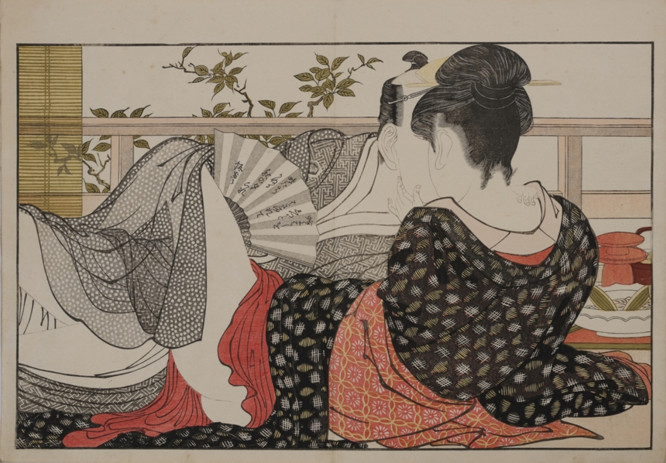
Shunga: Japanese Erotic Art from the 1600s – 1800s

shunga japanese erotic art

Utamakura (Poem of the Pillow) by Utagawa Kuniyoshi. 1788

It’s hard to talk about ukiyo-e without discussing Shunga, a genre of wildly popular erotic art literally translated as ‘spring pictures.’ Produced between the 1600s and 1800s, they appealed to all classes in Japan and yet, for most of the 20th century, were banned in the country due to censorship. It’s telling that a foreign museum, in 2013, was the first to organize a large-scale Shunga Exhibition. But now Japan is playing catch-up. The Eisei Bunko Museum in Tokyo is organizing an exhibition of 122 pieces of Shunga, making it the largest exhibition of its kind in Japan.

Continue reading

A Nesting Shelf That Appears to Magically Expand and Collapse

nendo nesting shelf

Nesting tables are fairly commonplace. They work because they’re designed like Russian matryoshka dolls with each piece made in a decreasing size and placed inside, or underneath one another – each remaining visible, I might add. But now design firm Nendo has created a seemingly magical nesting bookshelf that appears to emerge outward from another bookshelf. It’s being presented at the 2015 London Design Festival opening this weekend.

Continue reading

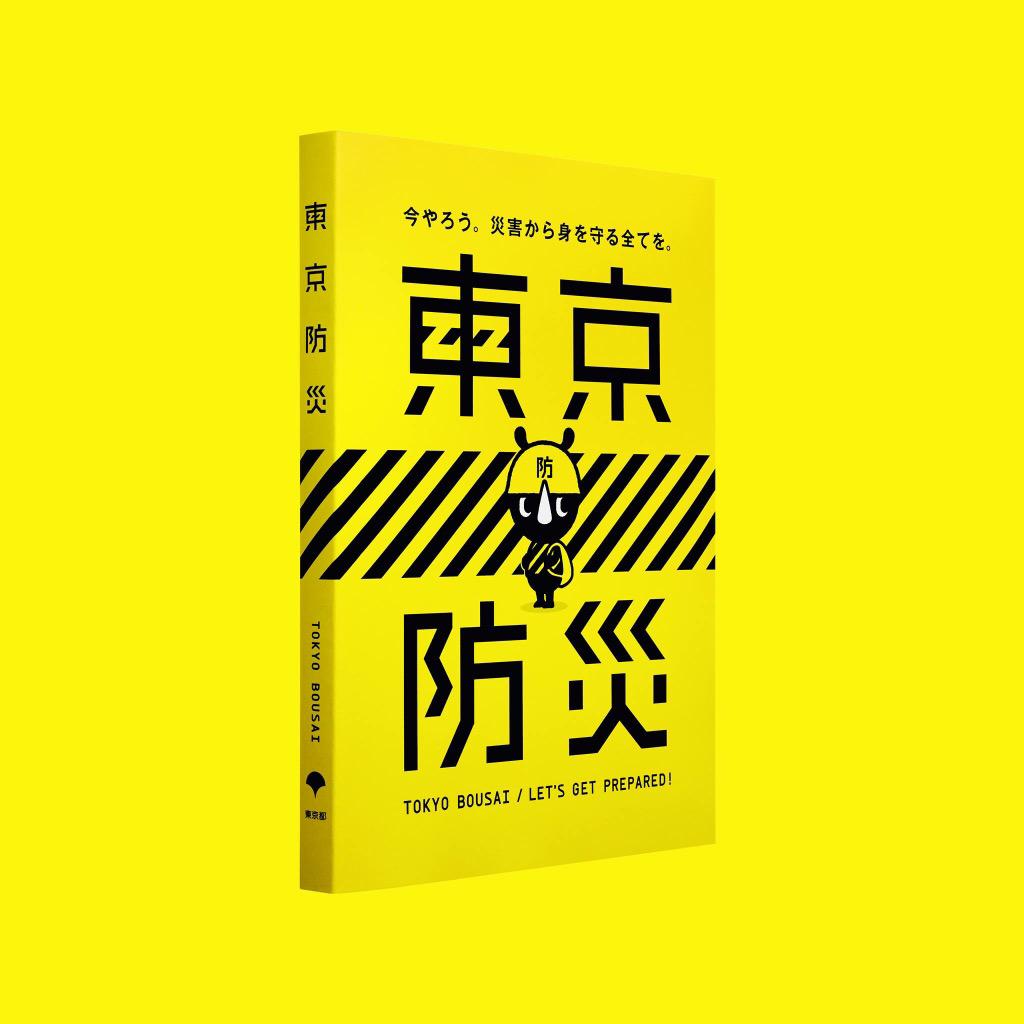
Tokyo Bousai: Tokyo’s New Disaster Preparedness Guide

Tokyo Bousai disaster prepardeness guide (1)

If you live in Tokyo you may have noticed an unusual package in the mail recently. A bright yellow handbook with a cute rhino on the cover. He’s wearing a helmet, carrying a backpack and has a pensive, cautious look on his face. Open the cover and you’ll find the following statement: “It is predicted that there is a 70 percent possibility of an earthquake directly hitting Tokyo within the next 30 years. Are you prepared? This is Tokyo Bousai, the Tokyo Metropolitan Government’s disaster preparedness guide.

Continue reading

« Older posts Newer posts »

© 2026 Spoon & Tamago

Up ↑

Design by Bento Graphics