Page 337 of 406

Secret Bar | Roku Nana (六七)

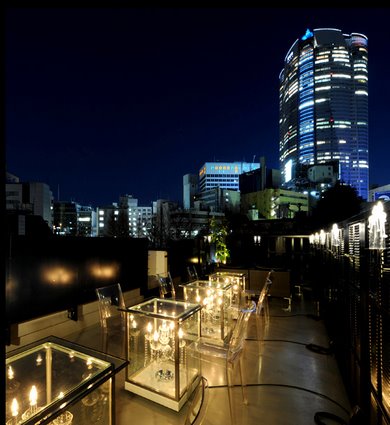
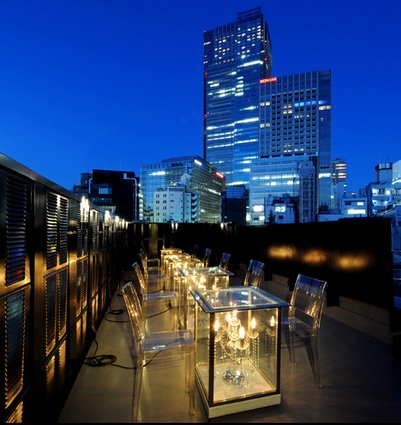
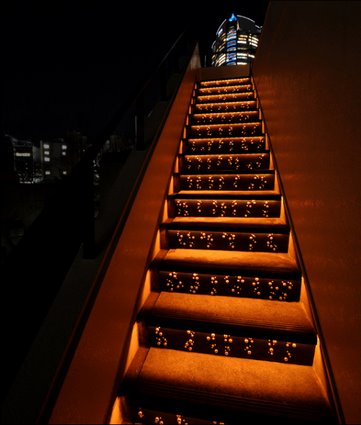
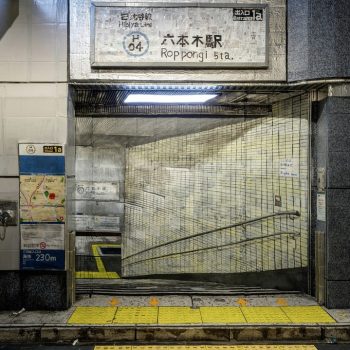
If you happen to be in a romantic and inconspicuous mood, a combination I can’t say I encounter often, head over to Roku Nana, a new secret bar that just opened up in Roppongi. Nestled between buildings, Roku Nana made claim to the 3rd floor and a strategically situated rooftop that affords views of Roppongi Hills and Tokyo Tower. Literally 6 7, the bar takes its name from the address (Roppongi 7th ward), the only thing that will help you find the place because there are no signs. Just an address and telephone number.

Roku Nana was designed by Yasumichi Morita whose firm Glamorous, if the name didn’t tip you off, has a taste for flamboyant décor that straddles a delicate balance between classy and corny. The bar is a follow-up to imoarai, his previous secret bar in Roppongi.

Verde Roppongi 3F
7-16-11 Roppongi, Minato-ku
Tel:03-6438-9915

Tokyo Visualist

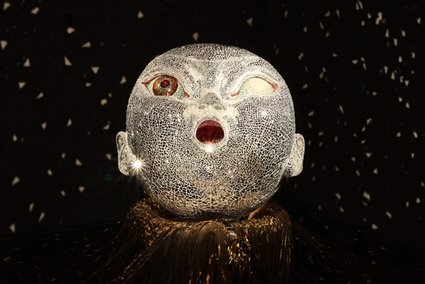
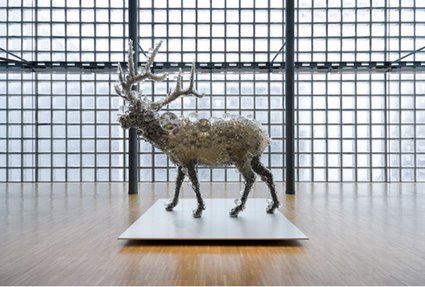
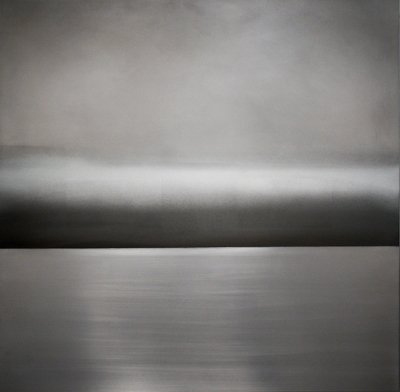
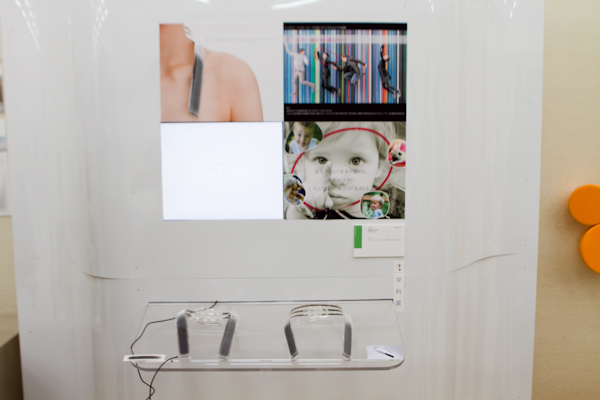
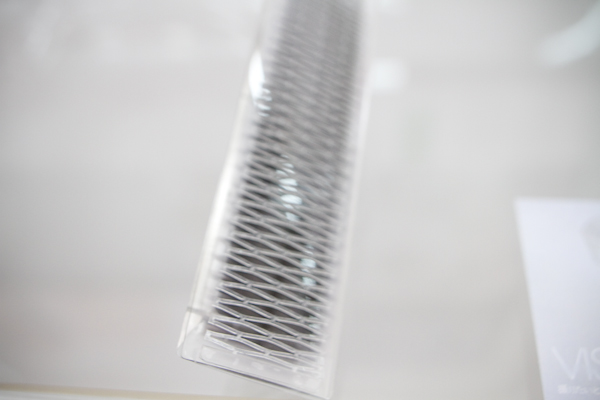
Tokyo Visualist is a joint collaboration by Satoru Yamashita (+81) and Masako Shinn (Graphis). The book explores the work of 32 “cutting edge” artists and designers through interviews and essays by curators including David Elliot (Mori Art Museum) and Sarah Suzuki (MoMA). It attempts to decipher the current for clues on what lies ahead in the future. Unfortunately I won’t be able to make it but if you are in NY on March 2nd they are having an event at the Japan Society that would be worthwhile.


featured artist Tomoko Konoike


featured artist Hideki Inaba


featured artist Kohei Nawa

Tokyo Visualist is a joint collaboration by Satoru Yamashita (+81) and Masako Shinn (Graphis). The book explores the work of 32 “cutting edge” artists and designers

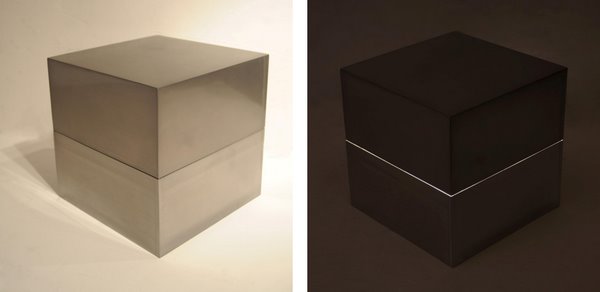
Hikari Cube | Miya Ando

A descendant of samurai-era Bizen sword makers-turned-Buddhist priests, Miya Ando, is a Japanese American who resides in Brooklyn (Yay!). She carries on her family’s heritage by primarily working with steel, and with a very minimal aesthetic. Right now she is in Germany, preparing for her first Berlin show at Dam Stuhltrager Gallery (from February 20 to March 20.)

In addition to her series of wall works on 14 gauge mild steel panels, she will be showing Hikari Cube, an interactive piece that was conceived in collaboration with software artist James George.  Designed to look like a steel cube, their sculpture has a hidden motion detector able to ‘hear’ when a person is approaching- which then mimics normal breathing patterns via a light which is transmitted through the cube.

Below is a demo of the Hikari Cube

Hikari Cube from James George on Vimeo.

CO ZEN | urushi cutlery for kids

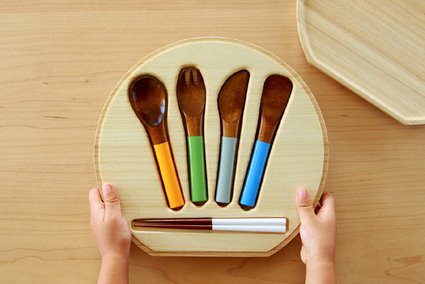
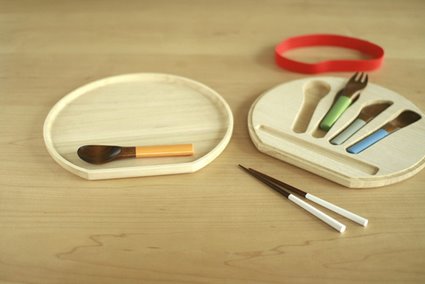
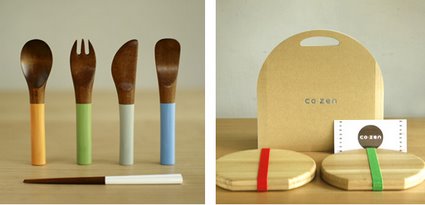
I am currently on a quest to replace all our silverware with wood because I have never liked metal in my mouth, or the way it sounds when rubbed up against ceramics.This CO ZEN urushi cutlery set for kids could work nicely for little Huey. Urushi, also known as Japanese lacquer ware, is made from the sap of a tree and has been used to make dishes and utensils since the Jomon period. The beautifully hand-crafted set instills a sense of tradition and significance in the child and ritualizes the act of sitting down to eat. I am all for teaching kids the importance of eating, and what you put in your mouth.

The CO ZEN set (18,000 yen) comes with a spoon, fork, knife, desert spoon and chopsticks. The lid also flips over to serve as a place mat. It reminds me a lot of the Fun Fam Table Manners set.

thanks to @skrtr for the tip

Absolute Arrows Public Restrooms by Bunzo Ogawa

Absolute Arrows Point to the Future, Rather Than the Past

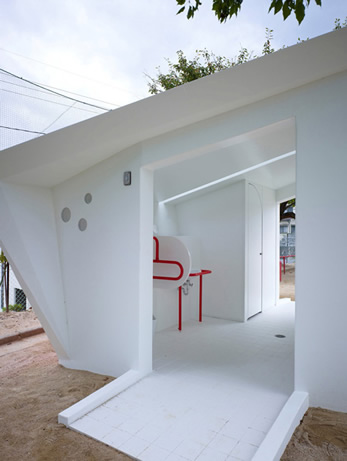
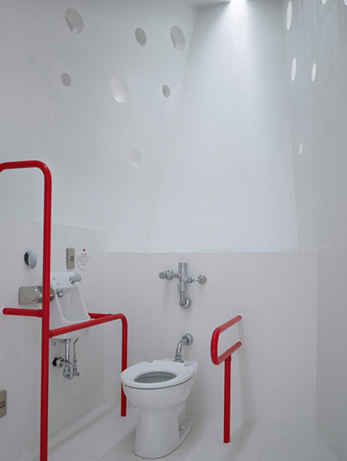
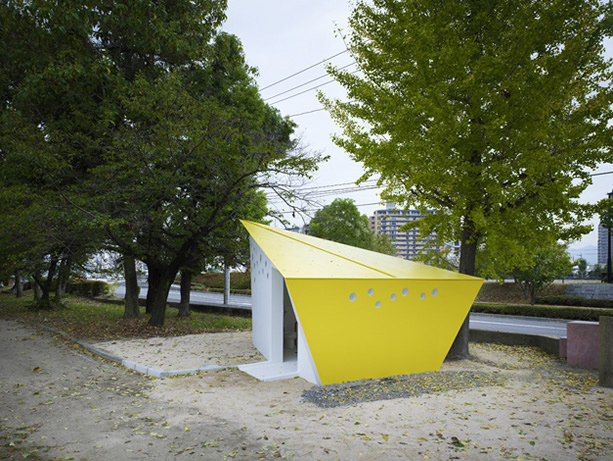
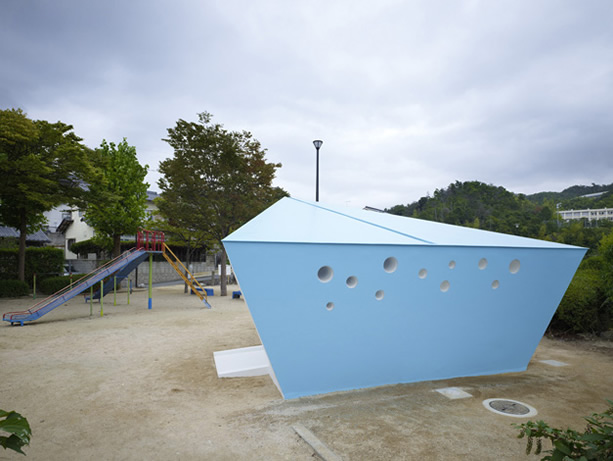
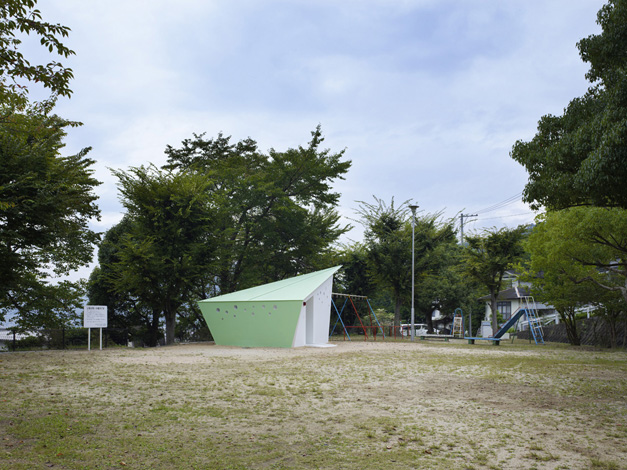
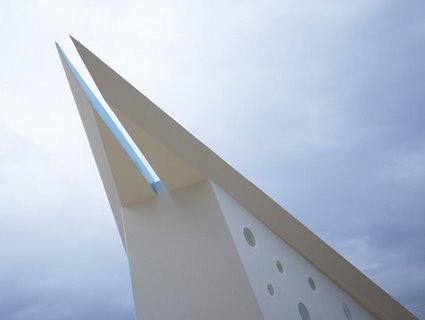
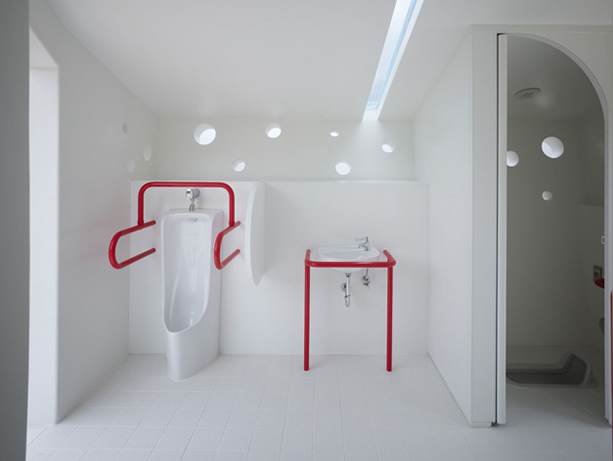
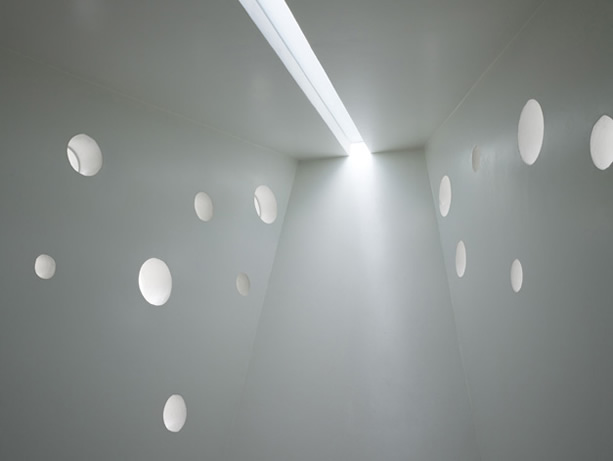
Let me just preface this by saying, only in Japan can you spend so much time, effort and money on public restrooms. In early 2008 the City of Hiroshima asked architects to submit proposals for a competition to design a series of public restrooms in parks throughout the city. They received close to 50 proposals, which they called on the public to judge and select. By mid-2008 the people had spoken. Bunzo Ogawa of Future Studio had beat out Nomura Masafumi Architects with their Absolute Arrows proposal (PDF). You can see Kusari, the runner up proposal, here (PDF).

In mid-October of 2009, a total of 5 parks unveiled “Absolute Arrows,” their new public restrooms. (Google Map) Three repeatable designs were drawn up in order to adapt to the different sizes of parks. By law, public restrooms cannot encompass more than 2% of a park’s surface area. In March of 2010 an additional 7 restrooms will open. Each year the city will install 5 additional arrow restrooms. In 10 years there will be over 60 of these public restrooms for people to relieve themselves in while contemplating the relationship between space and, well, you know.

The concept of the restrooms were to embed the City of Hiroshima with an “absolute axis,” similar to the horizontal and vertical axes of the planet, with all arrows pointing North. The restrooms are equipped with 2 entrances in order to accommodate various orientations. So what does it all mean? To me, it feels like the city is no longer pinned down as a city within Japan, on a map, that was destroyed by nuclear weapons. Instead, it is now part of a grander space and transcends towards a coexistence with the planet. And I suppose those encountering the restrooms have an even greater sense of this. It helps them imagine what is beyond the park fence, or the neighbors wall, or the city’s high-rise buildings.
Student Work | Kobe Design University

Kobe Design University recently held their senior exhibition. Designer Masahiro Minami took a trip over and came back with pictures of some fantastic, high-quality work. So many young, talented designers! Here are some of my favorites.
(all images by Masahiro Minami. Click to enlarge)

This is actually the underlay for a bento box; a solution to decade-old problems like leakage and movement. Love the aesthetic!

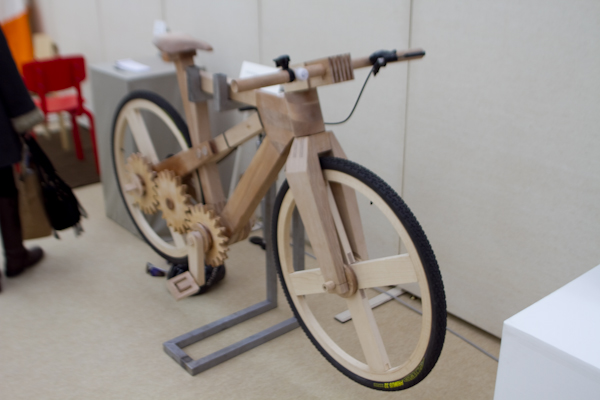
A wooden bicycle complete with wooden gears. Only a student could come up with something so outrageous.

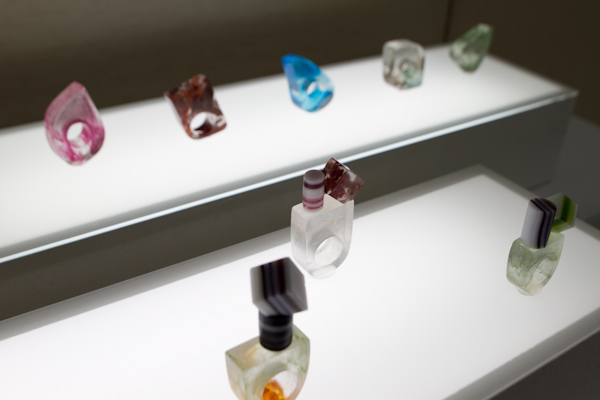
Rad oversized rings

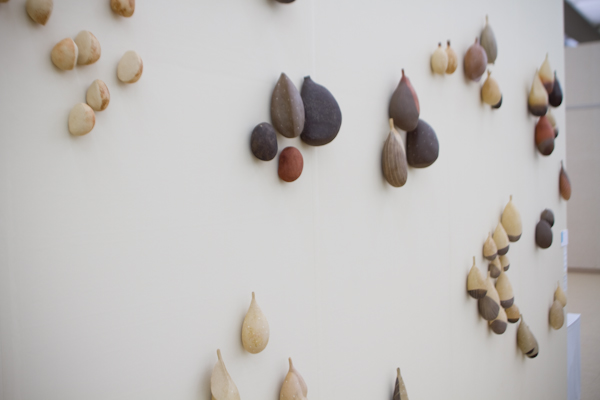
I’m not quite sure what this is but I love the display.

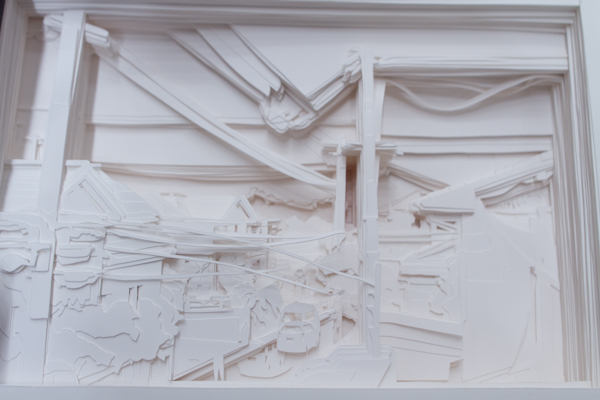
This 3D cutout must have taken several endless nights.

Of particular interest to me was this futuristic digital camera. It’s a working model that was co-developed by the University. The way it works is you drape it over your neck and take photographs by creating a frame using your hands. Neat!

Spoon & Tamago is (finally) on Twitter

So if you are not following us and would like to, here we are!
Why now, you may ask… There are 2 reasons and they are dependent on each other. First of all, honestly, I didn’t think it would catch on. But the real reason came after I realized Twitter was here to stay. The other day I had an epiphany. I realized that if I didn’t embrace this technology it would be the first step towards becoming a parent who didn’t understand the technology that their kids use. And on top of all the responsibilities we have as parents, this is one more important one.

One final thought on what I would like my twitter account to be: I still don’t understand why bloggers tweet their blog posts…. It seems very repetitive. So I hope to diversify my tweets to cover some of the topics that don’t make it into my blog. Believe me.. there is plenty.

tommy sushi by Paramodel

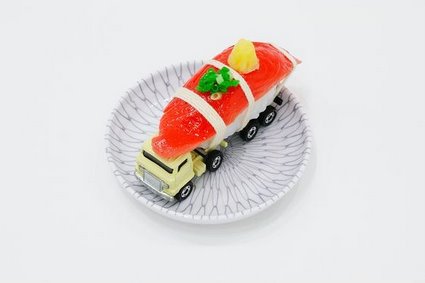
I wonder what little Huey would think if I replaced all his Tomica (トミカ) die-cast toy vehicles with these pieces of art by Japanese duo Paramodel? I am guessing he wouldn’t be too pleased but I would certainly get a kick out of it.

Each tommy sushi ($270) is an authentic piece of artwork. (Yes, it would be an expensive practical joke.) In the words of the artist, “Fundamental to our artwork is the incorporation of toys we used to play with, and the picturesque sceneries we imagined in childhood. We enjoy combining scraps such as broken pieces of wood or screws left in factories with daily necessities or the toys that we played with as kids.” If you want to learn more about Paramodel, allow me to point you in the direction of this article published back on ’07.

Nakashibetsu Higashi Elementary School by Atelier BNK


click images to enlarge

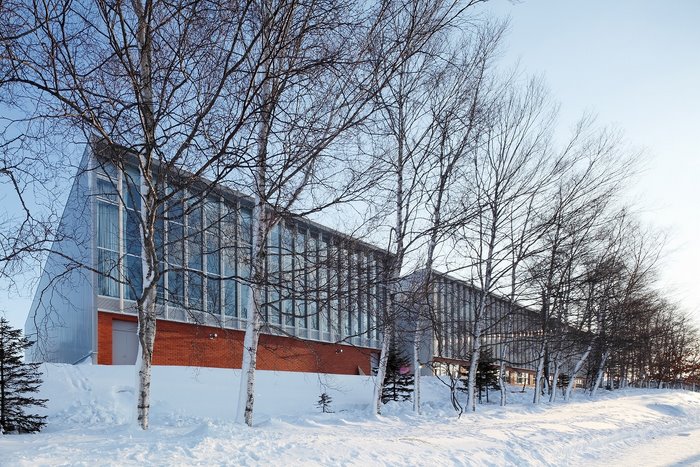
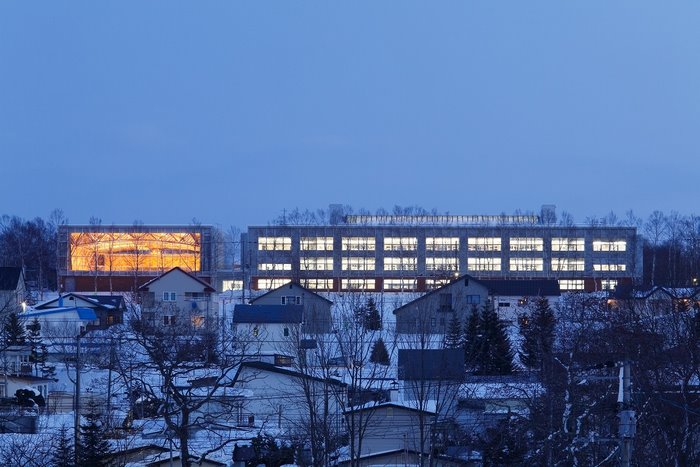
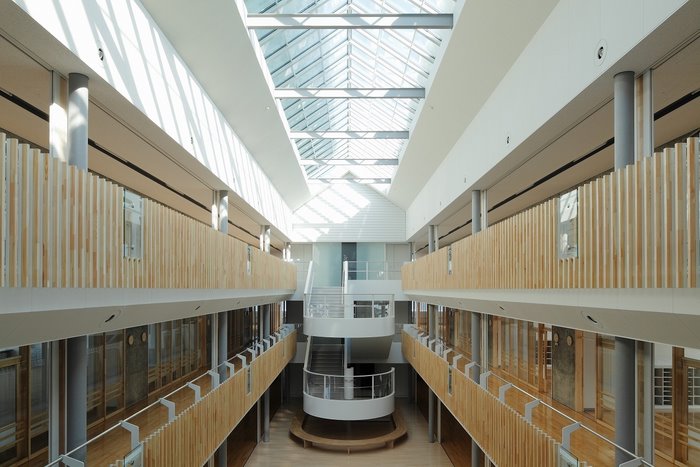
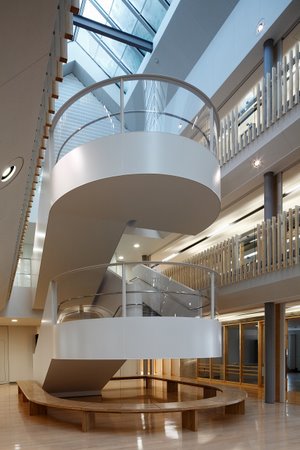
Here is another recent project by Atelier BNK. They just put the finishing touches on this impressive elementary school last month, just in time for the new school year, which starts in Spring. I love the use of materials in this school, notably the wooden railings. That stairway is also beautiful. I’m happy to see such a gorgeous facility be built but it’s also surprising. Last year Hokkaido closed 7 schools because of their low birth rate and dwindling population. They even put 4 of the schools up on an eBay-like auction! I guess it depends on what part of Hokkaido you are in.
Photos by Koji Sakai

Jorg House by Atelier BNK


click images to enlarge

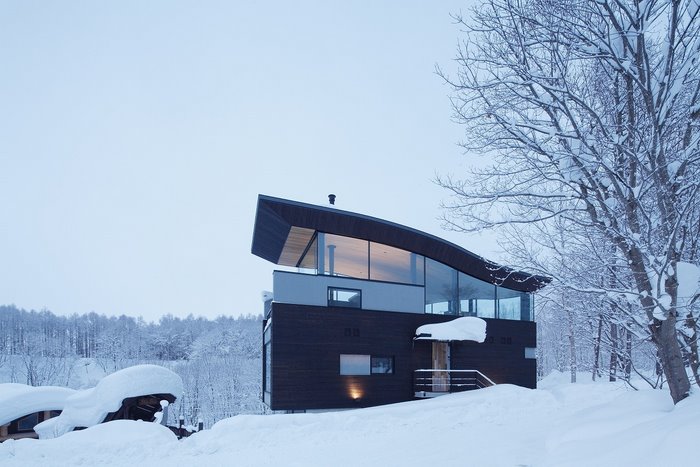
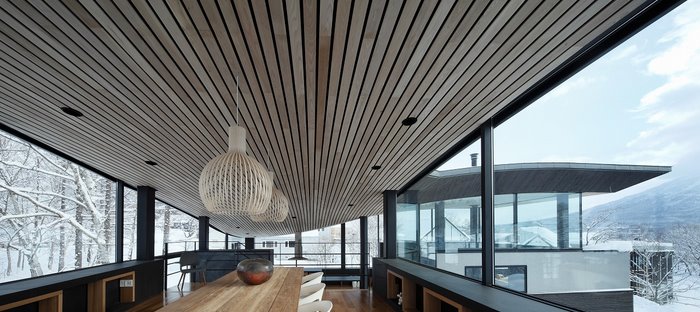
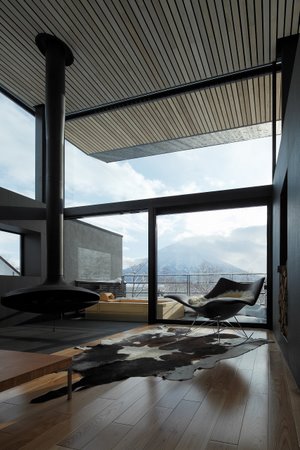
Atelier BNK, a Hokkaido-based architectural firm celebrating its 40th year of business, recently completed Jorg House, a residential unit located in the northern snow country. The L-shaped home is built 5 stories high to allow maximum sunlight (when there is any) to enter. The roof, entryway and lookout are also designed to accommodate heavy snowfall.


Photos by Koji Sakai

« Older posts Newer posts »

© 2026 Spoon & Tamago

Up ↑

Design by Bento Graphics