Page 334 of 406

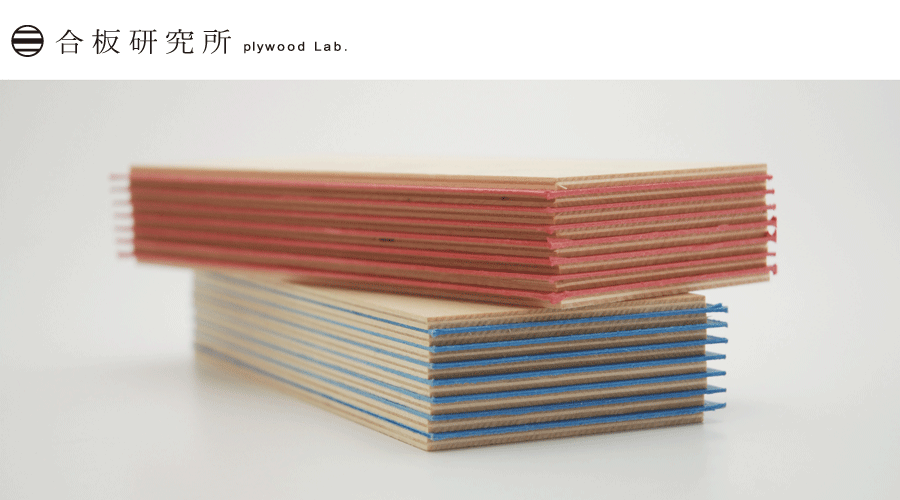
Paper Wood by Drill Design


click images to enlarge

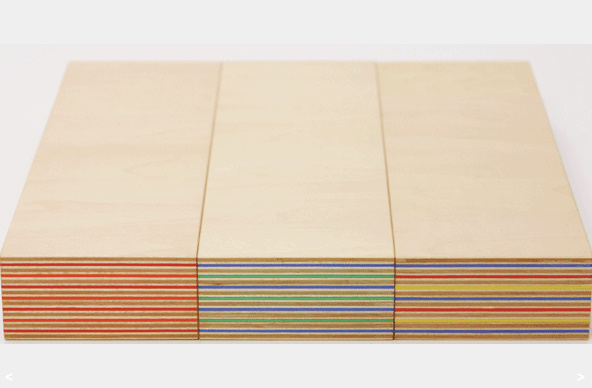
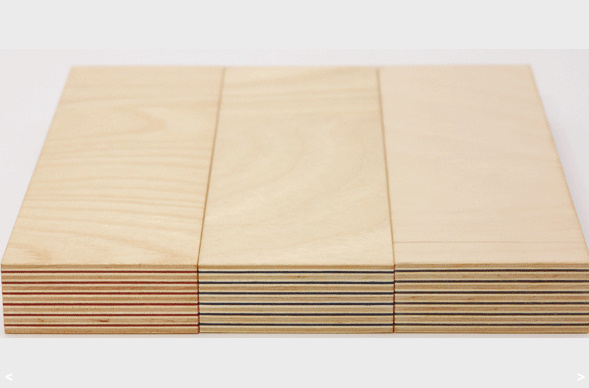
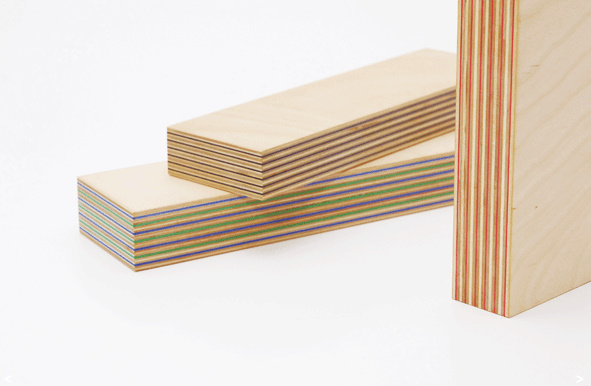
Creative unit Drill Design, along with furniture designers Full Swing, have, since 2007, been working on a prototype for a new kind of plywood. Two weeks ago they enthusiastically announced that Paper Wood, with the help of Takizawa Veneer, will become commercially available in 2010. Paralleling the announcement was a website that went live, which helps explain what this new material is all about.

Paper Wood is an ecologically sensitive material that is made from colorful recycled paper sandwiched by birch and lime wood. It’s unlike anything out there, states the company, in that its visual attractiveness negates the need for any coating or finishes.

Related:

Neo Green by EDING:POST


click images to enlarge (recommended)

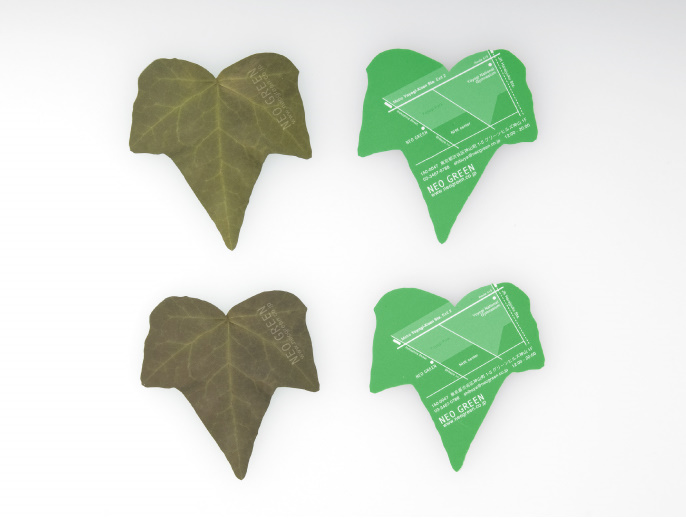
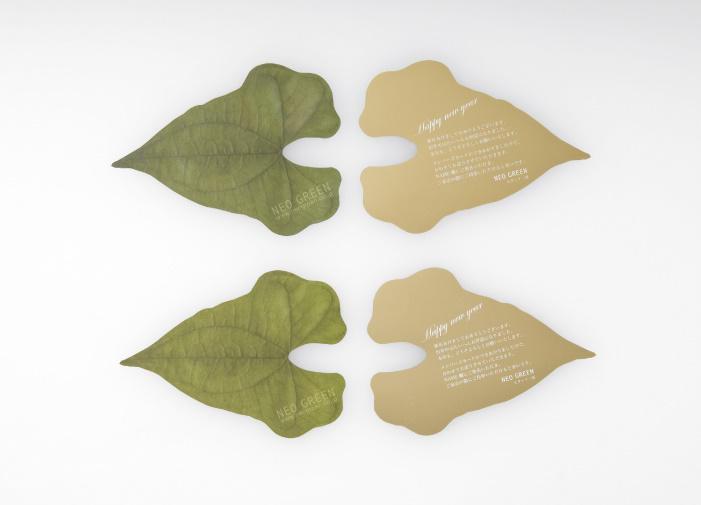
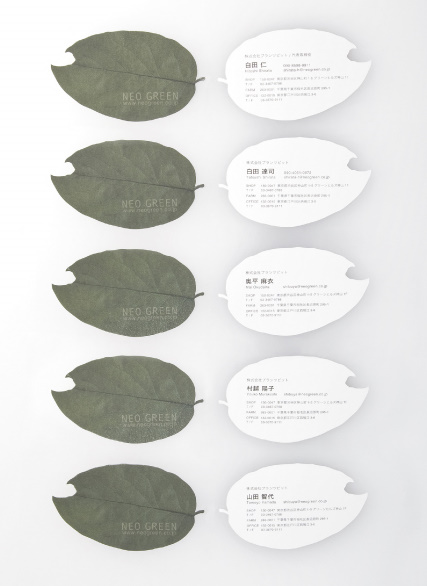
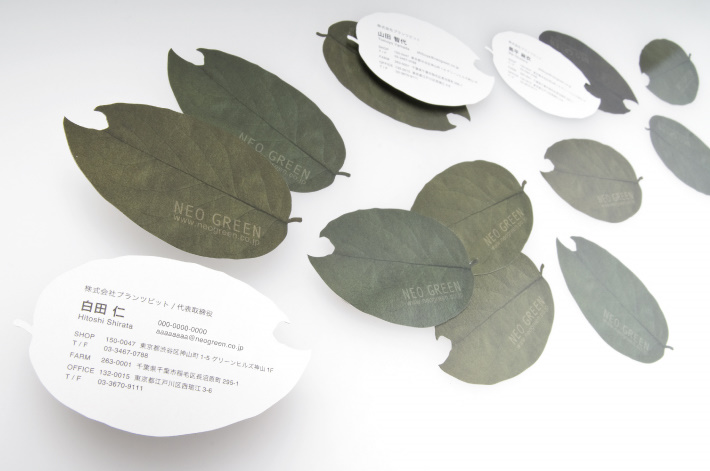
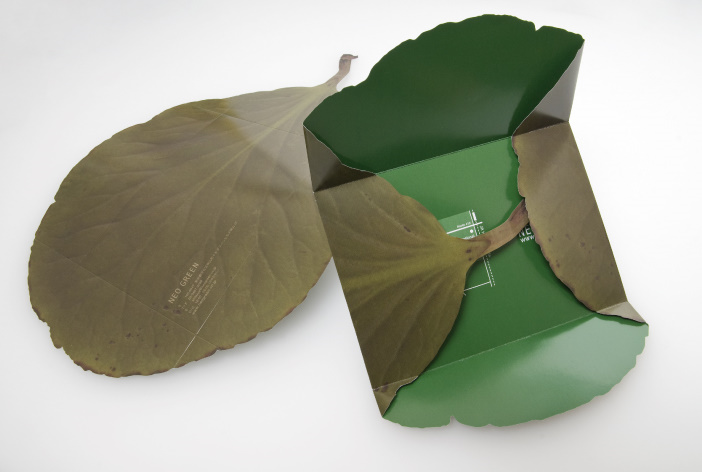
Tomohiro Kato is a twenty-something up-and-coming graphic designer and head of design studio EDING:POST. We’ve been fans of his work since ’08  and absolutely love his latest art direction; a campaign for Neo Green that includes business cards, maps, member cards and envelopes.

Located smack dab in central Tokyo, Neo Green is a retailer of planters, books and other green paraphernalia.

The concept is pretty straight forward. I think the execution was superb!

Related:

Biotop for Adam et Rope | Shirogane renovation

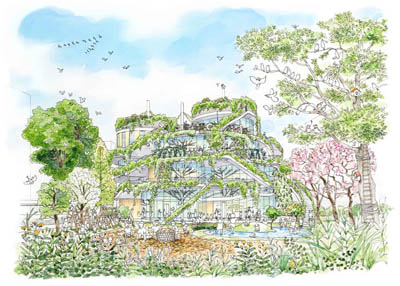
Continuing on with my series of green posts this week, I give you: more illustrations. The faux-French Japanese select shop Adam et Rope, managed by high-end clothing line operator JUN Group, recently remodeled their Shirogane location. Shirogane is a ritzy, residential neighborhood in Tokyo with an abundance of greenery as the land once belonged to the royal family. It is also home to several select shops and restaurants that cater to wealthy women who like to drop $400 on a t-shirt.
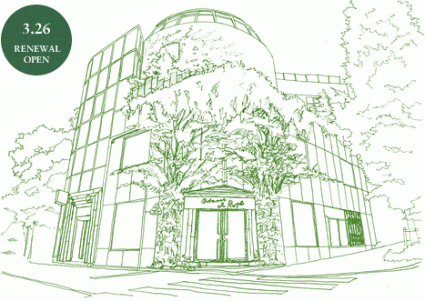
Last Friday the company unveiled an extravagant facelift for their 20-year old Shirogane store. The remolding, dubbed “biotop” – an area where sustained environmental conditions allows all living things to coexist – is equipped with everything from a tree house to an organic café.
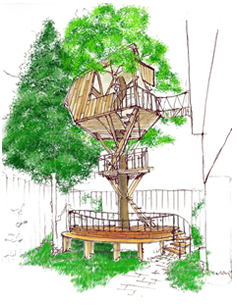
The lineup of names is also impressive. The tree house was built by clothing buyer turned professional tree house builder Takashi Kobayashi. The café is the work of famed restaurateur Uichi Yamamoto who, along with Ichiro Katami, helped engineer Japan’s café boom. The creative director is Takashi Kumagai, whose name, as a photographer, has been plastered all over Japan’s top selling magazines. They have even retained a “green coordinator,” Hiroshi Kobayashi, who has done flower arrangements for all sorts of advertisements, magazines and even CD covers.
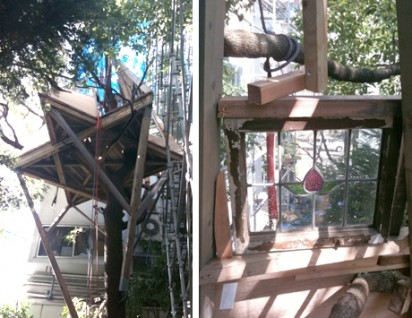

in-progress shots of the tree house being installed

Admittedly, other than Uichi Yamamoto – who I covered – each of these individuals are so active in their respective space that they deserve their own post. Maybe…. I can find time…

Forest Nursery by Ryuichi Ashizawa Architects

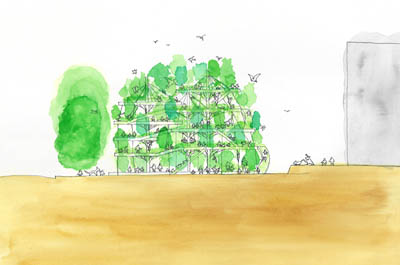
Construction has begun on Ryuichi Ashizawa’s Forest Nursery, a magical space for youngsters to grow and learn. The structure was designed to incorporate the preexisting trees that claim the site. The keystone of the 4-floor structure will be a multipurpose room that visually and physically links all the other compartments, each which will have their own age-appropriate purpose. It looks amazing and I can’t wait to see it completed!…which, of course, I will keep you posted on.

Forget my kids! I want to go there!

Help get Art Space Tokyo republished!

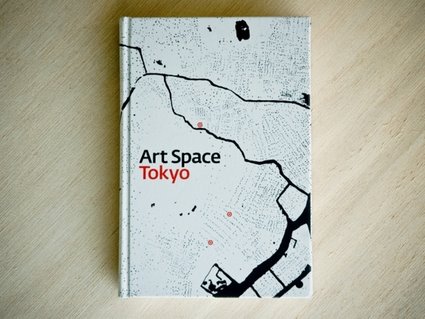
Craig Mod and Ashley Rawlings have repurchased the rights to their lovely book, Art Space Tokyo, and are trying to fund a republishing via kickstarter. I own a copy of this book and can therefore speak from experience by saying, it is a must-have for anyone interested in Tokyo’s art scene. The illustrations by Nobumasa Takahashi are brilliant and it’s a joy to read. You can participate HERE!

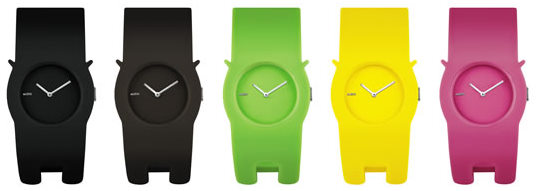
Cat hugging watch by SANAA

As you probably heard, SANAA (Kazuyo Sejima and Ryue Nishizawa) won the 2010  Pritzker Architecture Prize. For more on this, NPR and  the NYT have your back.

This gives Japan a total of 4 award winners, putting them in-line with the UK and bringing them one step closer, but still several steps behind, the pack leader – the US, which has a total of 8 recipients.

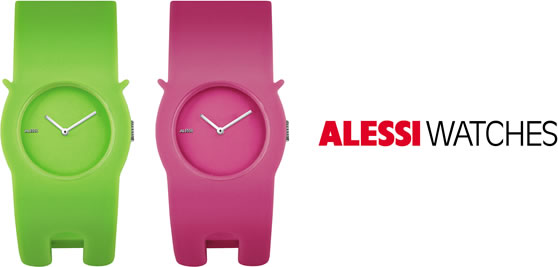
SANAA’s rate probably just jumped 2-fold, which means anyone who has already commissioned them for work is patting each other on the back. This includes the watchmaker SEIKO, who, in a press release last week, announced that they had enlisted the pair to design a wristwatch as part of their Alessi Collection. “The concept,” writes the designer, “is a cat that hugs your wrist.”


click images to enlarge

Think this is an odd collaboration? Not at all. The duo have already designed eye-wear. This was only the next logical step.

Related:

The Future Machiya | Nakagawa Office by Yasutaka Yoshimura Architects

Last week started to get a bit shoddy as my health condition deteriorated. A mix of stress and exhaustion morphed into a sinus infection towards the end of the week. I wanted to write about this interesting project but I’m still not feeling like myself so I’m going to slack-off and provide you with text lifted directly from the architect’s website.

But allow me to provide a preface: The Nakagawa Project was a joint effort between Yasutaka Yoshimura Architects and Mizuno Manabu of Good Design Company. A Machiya is essentially a traditional Japanese a store. The term is used to describe a structure that is characterized by a tiny storefront entry followed by an expansive indoor cavity. It’s also typical for the store-owner’s residence to be included either on the second floor or towards the back of the store.

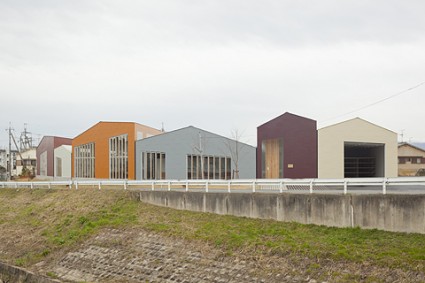
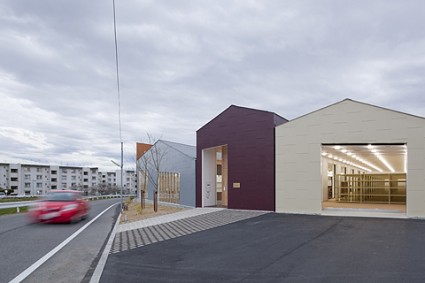
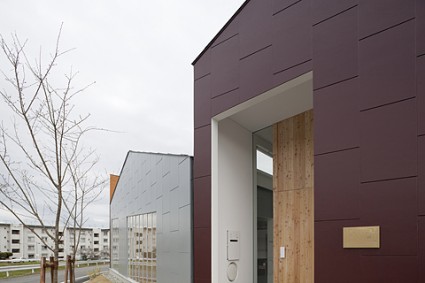
When creating this project, the 2 designers envisioned what they refer to as “Future Machiya.” The 6 different storefronts are, at first, seemingly stand-alone structures. However, once you enter you realize that they are all connected by a sprawling single space.

These are plans for an office building for a Nara wholesale store, Nakagawa Masashichi Shoten. While the company’s operations for handing tea ceremony and hemp goods are housed in separate buildings, it was decided that they would be integrated as a new facility.  Such constraints as the need for a single-story structure with a parking lot, the focus of design was to provide as much area as possible for spaces without fixed usage, This is because I believe that these ostensibly wasted spaces alone provide people with what is most useful for a company dealing in “richness in time and space”

Related:
Nowhere But Hayama | Yasutaka Yoshimura
Nowhere But Sajima | Yasutaka Yoshimura

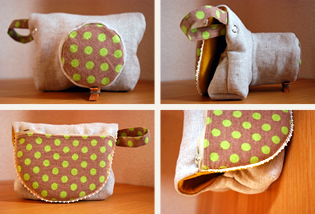
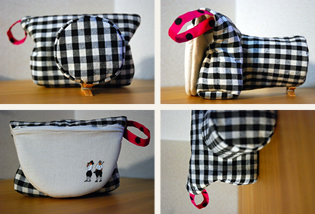
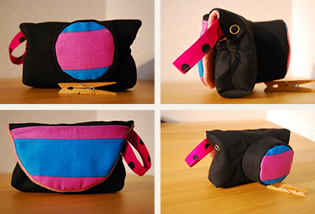
handmade shoes and camera futons


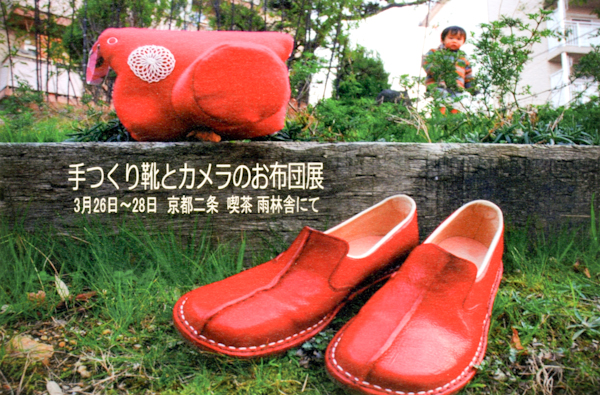
I was intrigued by the title of this exhibition, which is actually starting tomorrow. A camera futon? What the heck is that? Then I saw the picture and it all made sense. It’s a bed for your camera to rest in while not being used. It’s made by zakuro, a collaborative team comprised of, understandably, a camera geek and a textile geek.

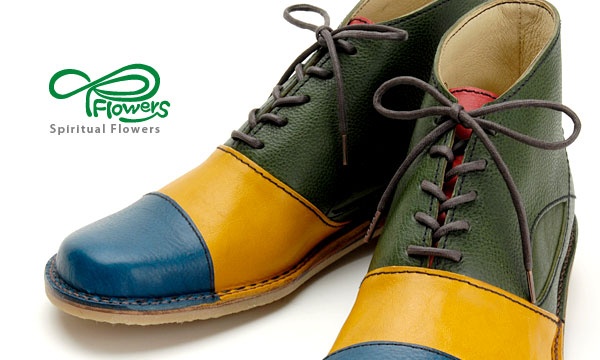
I also fell in love with these incredibly awesome handmade shoes by Hou Leather. Both companies are based in the Kyoto vicinity and the joint-exhibition will be held at Kyoto’s well-known stylish cafe, Urinsya. If you are in the area and like what you see it may be worth checking out. Both teams will be showcasing oldies-but-goodies, along with new designs (futons for digital cameras and polkadot shoes).


Interview with Hideo Satoh | Titlewriter


different fonts used in “Harry Potter”

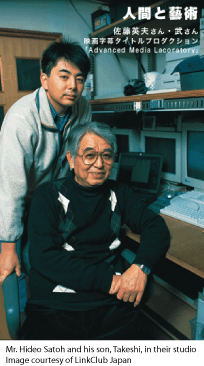
I wrote an article for Snow Magazine based on an interview I did with Hideo Satoh – the go-to-man for movie subtitles in Japan. He has been in the biz for over 40 years and has taken on everything from Casablanca to Avatar.

It’s a bit more lengthy than my usual posts but I would appreciate it if you took the time to read it. You can read the full article here.

Tukkun by Masahiro Minami


click images to enlarge

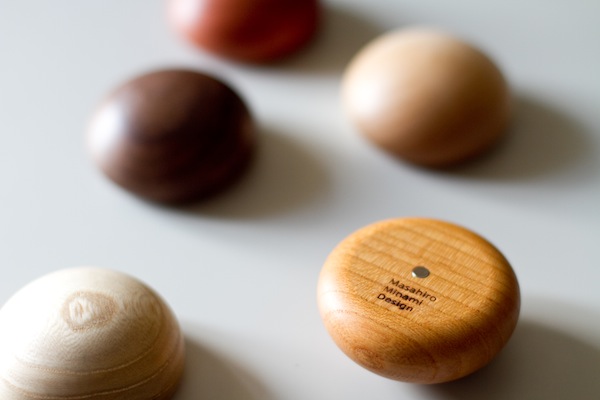
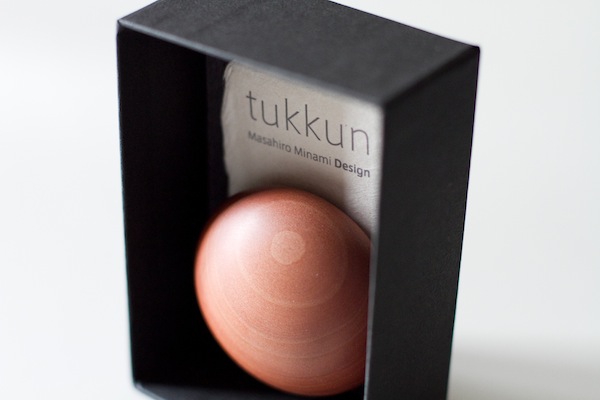
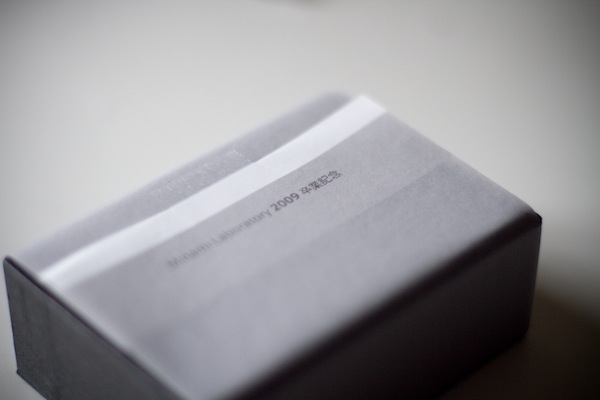
It just so happens to be graduation season in Japan right now, which means lots of ceremonies, gatherings, high emotions and anxieties. Amidst all the bustling and commotion, designer Masahiro Minami has created Tukkun, a wooden magnet that projects a certain calm and solidity, as a graduation present for the students of his design seminar.

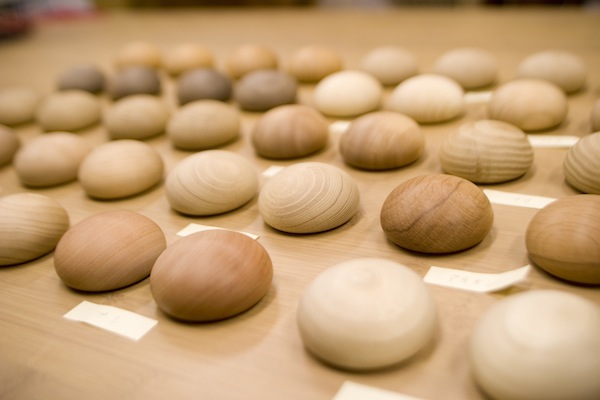
Magnets are so replaceable; as soon as you lose one, another shows up to takes its place. But in the designers own words, the objective was to create a magnet that the students would want to hold on to – quite literally in fact. The smooth, rounded surface beckons you to touch and caress it. Looking at them lined up makes me want to put one in my mouth.

Fourteen different kinds of natural wood were used and, as you can see, each one is unique.

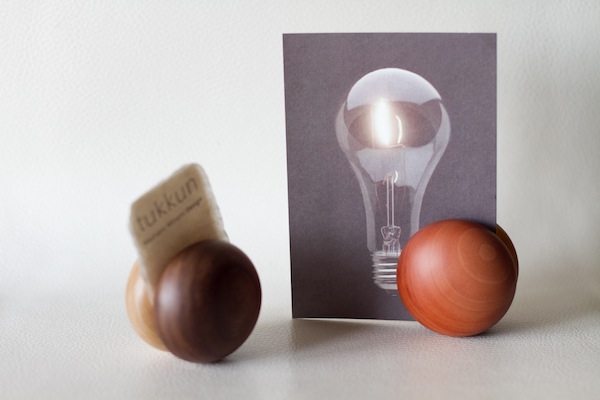
When you put one and one together you create a photo stand.

I like the whole small-pleasure, big-packaging theme.

« Older posts Newer posts »

© 2026 Spoon & Tamago

Up ↑

Design by Bento Graphics