Page 316 of 406

Tetorigarden by Case-Real


Photos by Shiraki Yoshikazu | click to enlarge

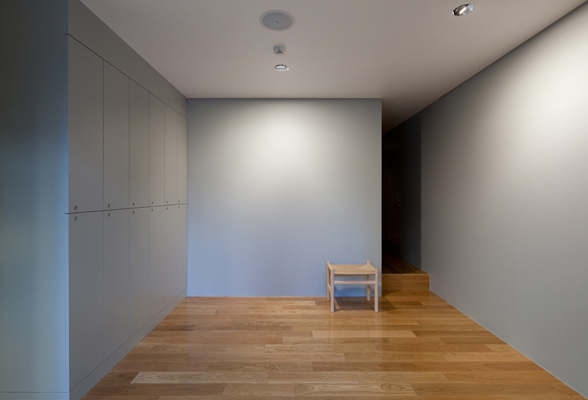
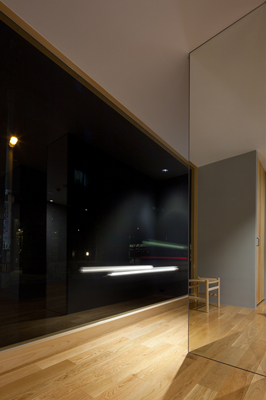
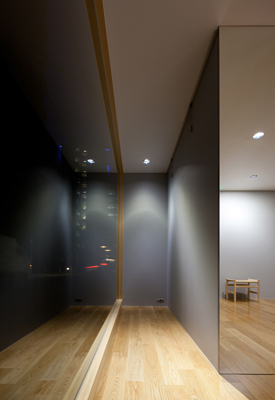
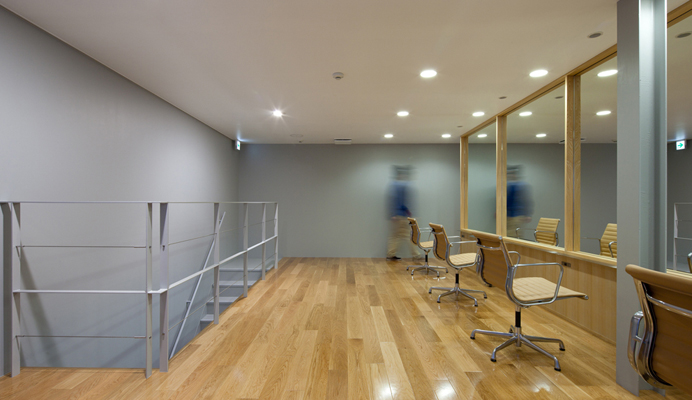
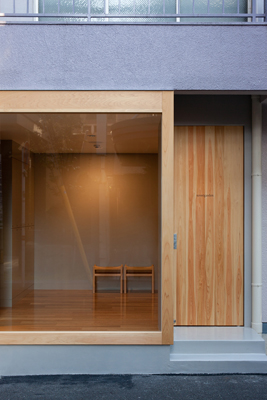
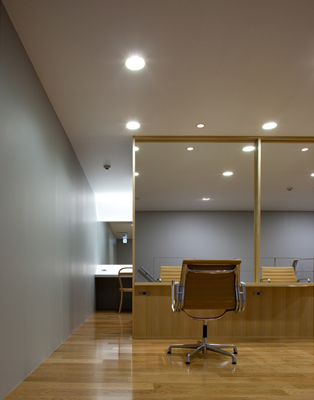
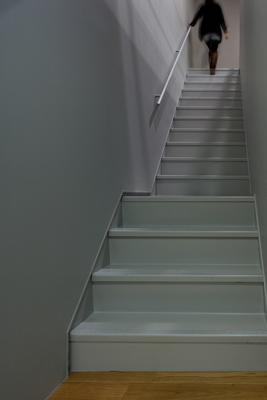
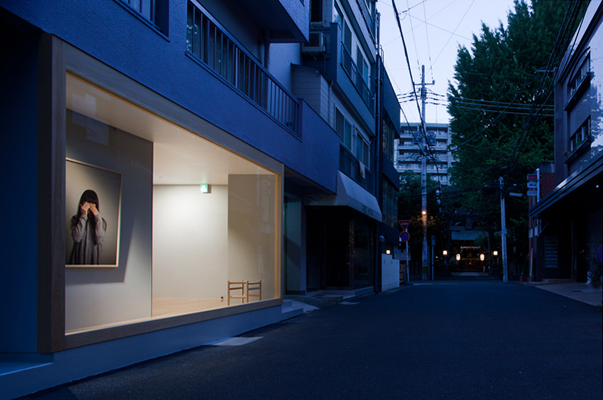
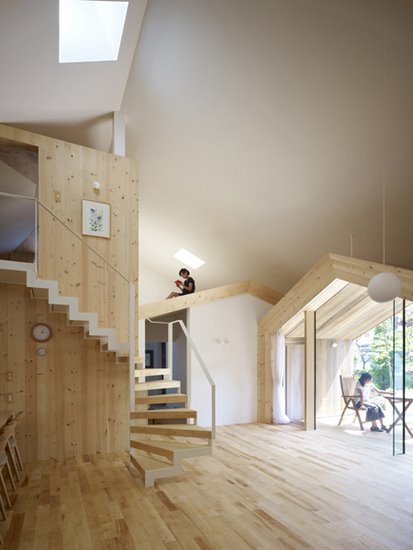
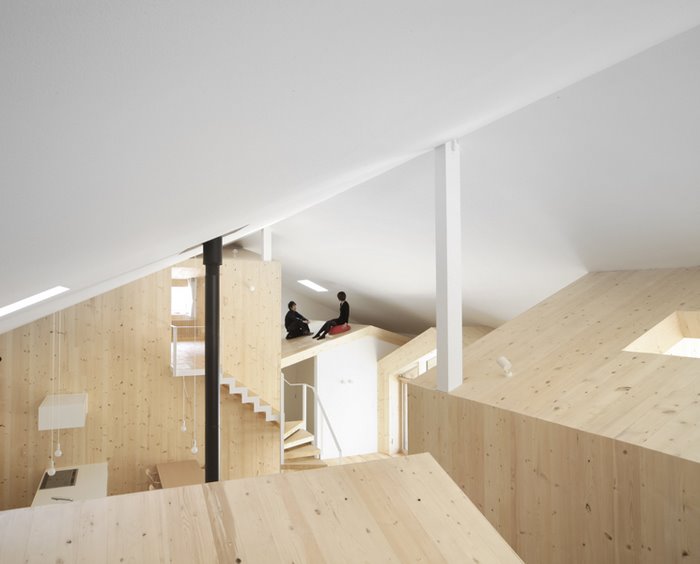
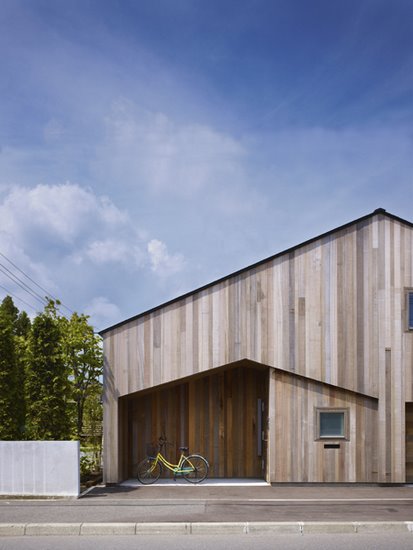
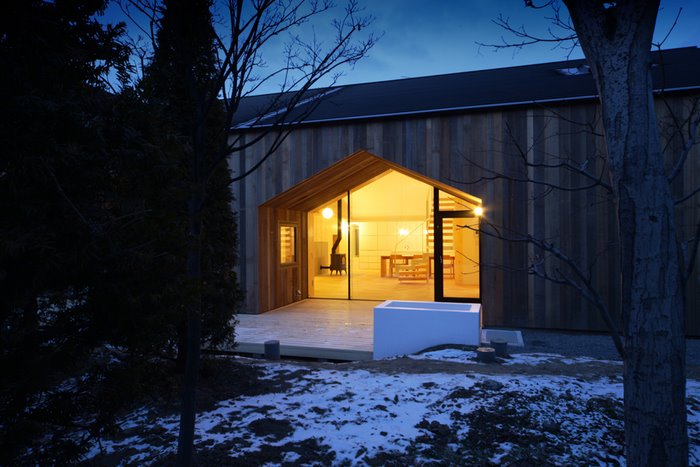
Tetorigarden is a hair salon in Kumamoto that was completed this fall by Koichi Futatsumata of architectural studio Case-Real. I love the use of wood and how the architect incorporated the design into the concrete building.

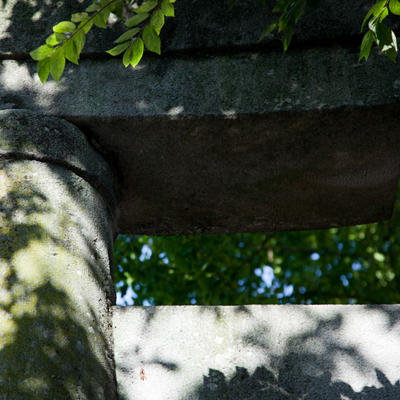
The salon is situated next to a path leading up to a Shinto shrine and I couldn’t help but notice the similarities between the architecture of the salon and the path leading up to the shrine.

Typically the function of the pathway is to provide a time and space for visitors to clear their minds and prepare for worship. And without assigning too much value to the act of grooming, following the structure of the shrine, there is a deliberate separation between the entrance of the salon and the actual space where the transformation is set to occur.


SOUR new music video directed by Masashi Kawamura

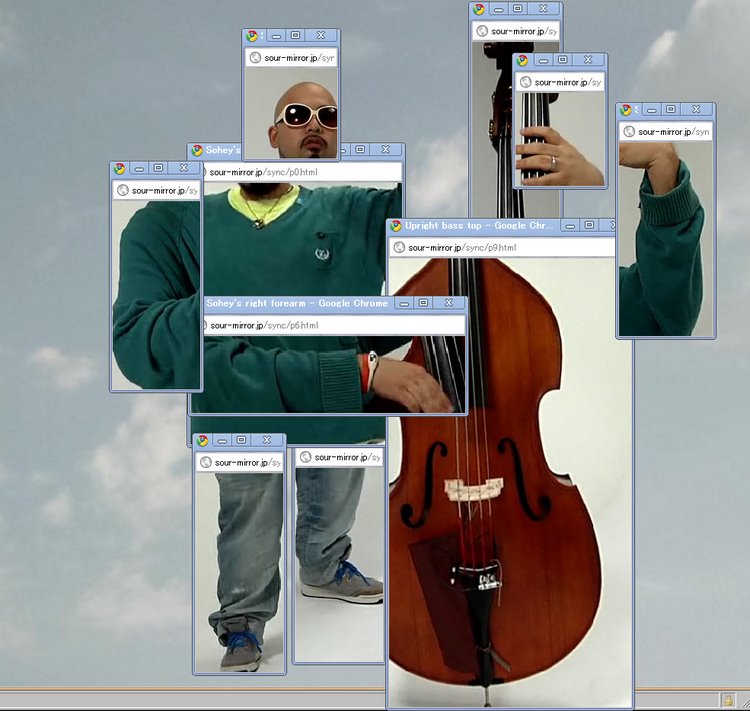
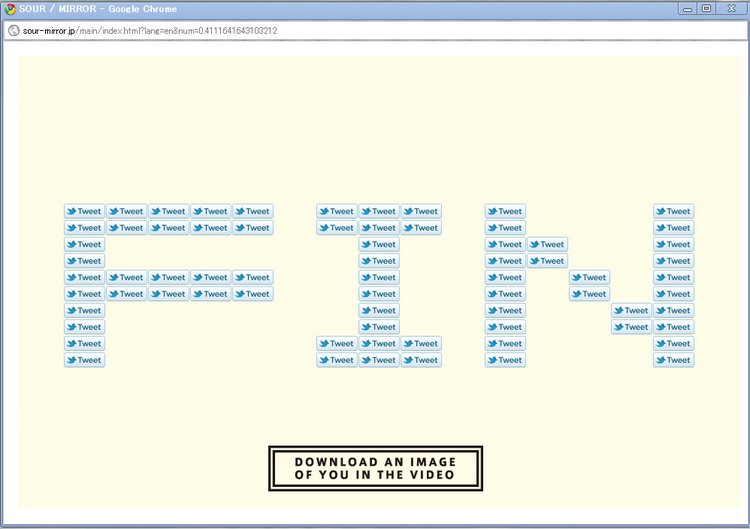
Japanese band SOUR and director Masashi Kawamura have just released their latest music video titled “Mirror.” After a successful kickstarter campaign to fund the programming-intensive video, a few months of teaser tweets and several hours of technical delays, the video went live yesterday and, in my opinion, did not under-deliver.

SOUR - mirror screenshots (2)screenshots | click to enlarge

SOUR - mirror screenshots (3)

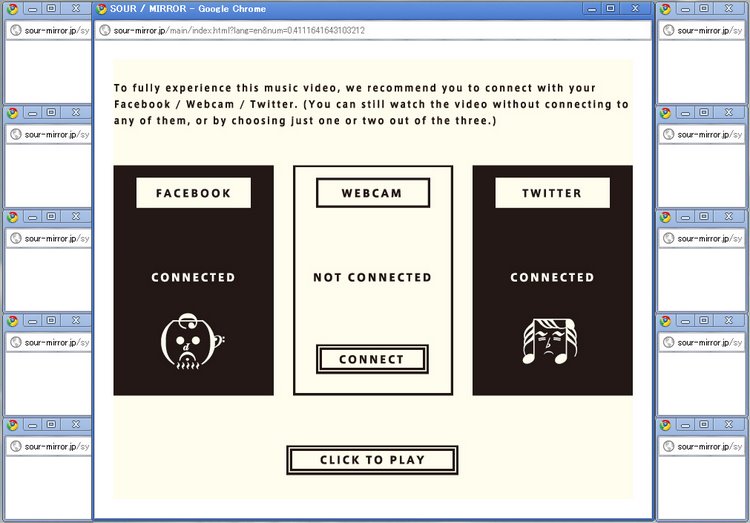
The highly participatory video prompts users to connect via twitter, facebook, webcam, or any combination of the 3 (but you don’t have to). And without giving too much away, the video quickly whisks you away to a world of sound, visuals, multiple browser windows, social networking, global mapping and overall interconnectivity. It’s truly quite a unique experience and I would recommend you try it out. But if you don’t want to wait for it to load (I had to wait a good 5-minutes) there is also a non-connected youtube video you can watch below.

SOUR rose  to Internet (more specifically, YouTube) stardom last year with their low-budget, high-impact music video “Hibi no Neiro” (3mm + hits and counting!) which was made simply from global fans and their webcams. The video went on to win several awards including Best Animated Music Video at Animanima Film Festival and the 2009 YoutTube Video Awards in Japan. Masashi Kawamura, who has worked with SOUR on almost all their videos, is a senior art director at BBH in New York. Some of his side projects include NHK’s highly acclaimed PythagoraSwitch, and some of my personal favorites, Calculation in Motion and Rainbow in Your Hand.

SOUR - mirror screenshots

CLASKA | TOKYO BY TOKYO iPhone App

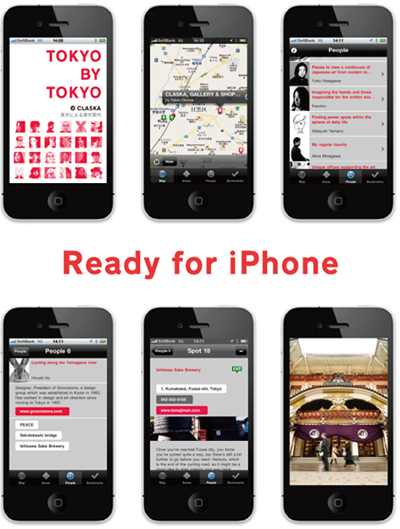
CLASKA hotel has just launched an iPhone app version ($2.99) of their bilingual Tokyo guide book. If you’re not familiar with the original analog version, the guidebook tapped into the collective knowledge of the Tokyo creative scene by interviewing over 60 “savvy Tokyoites” for their favorite local destination.

Contributors include Masamichi Katayama (Wonderwall), Akira Minagawa (mina perhonen), Hideki Inaba (graphic designer) and Marxy (neojaponisme)

I actually just tried out the app and loved it! Very easy to navigate the app itself, and all the different locations, which can be accessed via map (which makes it easy to identify nearby locations), or by contributor. I also like the bookmarking feature so that you can remember any locations that peaked your interest.

Related:

TOKYO BY TOKYO iPhone App

CLASKA hotel has just launched an iPhone app version of their bilingual Tokyo guide book. If you’re not familiar with the original analog version, the guidebook tapped into the collective knowledge of the Tokyo creative scene by interviewing over 60 “savvy Tokyoites” for their favorite local destination.

Contributors include Masamichi Katayama (Wonderwall), Akira Minagawa (mina perhonen), Hideki Inaba and Marxy (neojaponisme)

I actually just tried out the app and loved it! Very easy to navigate the app itself, and all the different locations, which can be accessed via map (which makes it easy to identify nearby locations), or by contributor. I also like the bookmarking feature so that you can remember any locations that peaked your interest.

Pick A Jewel by fift


click image to enlarge

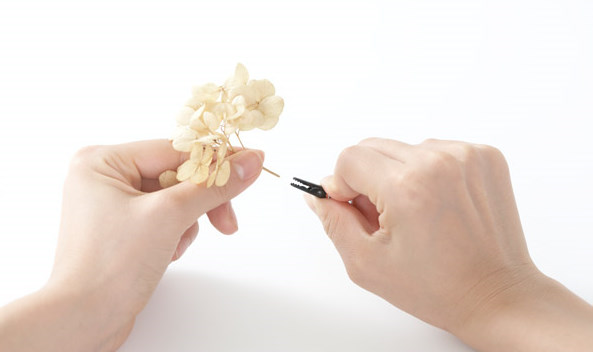
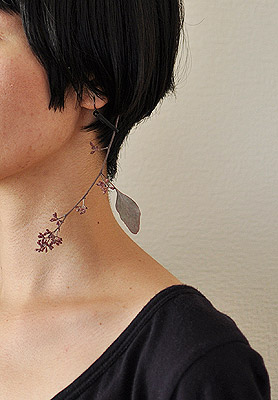
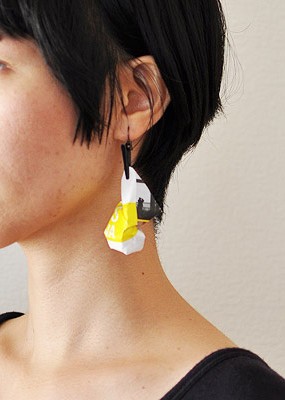
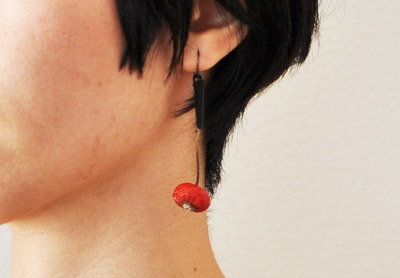
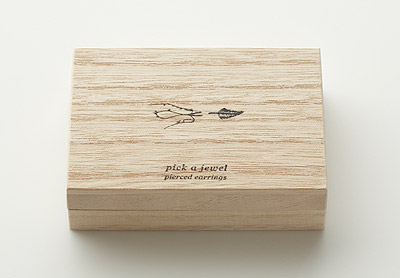
Remember as a child, walking through the wilderness, you would find some astonishing artifact that blew your mind? Whether you had found a leaf in its stunning transformation from green to red, or a berry whose shape and form convinced you that there wasn’t any other like it on the planet, these objects became our treasure; treasure that could not be assigned any monetary value.

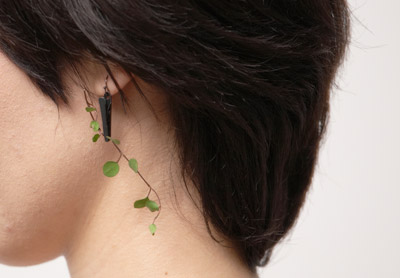
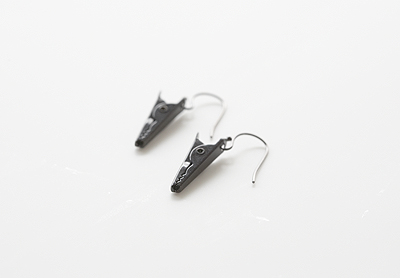
Pick A Jewel, one of the latest creations to come out of design unit fift (husband and wife design-duo Katsunari and Asami Igarashi) is an attempt to revive that childhood notion that the most valuable jewels are the ones we find; the ones that carry sentimental value.

You can buy it as a necklace or as earrings, both which go for 2800 yen. If you live overseas you can request a purchase.

Consider One’s Place | the ultimate productivity desk

Where do go when you really want to get work done? This is one of the questions posed in Jason Fried’s TED talk in which he outlines the prime culprits of the impoverished office. In essence, the problem is one of uninterrupted streams of concentration, or lack thereof, and how to create a more productive work environment. One such solution, if you are a writer, is to use Information Architect’s brilliant iPad app writer. The app offers a simple and elegant function known as “Focus Mode,” in effect, removing all the auto-correct, toolbars and scrolling, which otherwise cause distractions.

The limitations of the app are that 1) you have to own an iPad (although they are developing it for other platforms) and 2) your profession must be largely dependent on the act of writing. So how do we take Information Architect’s concepts of uninterrupted focus and expand them to other realms?

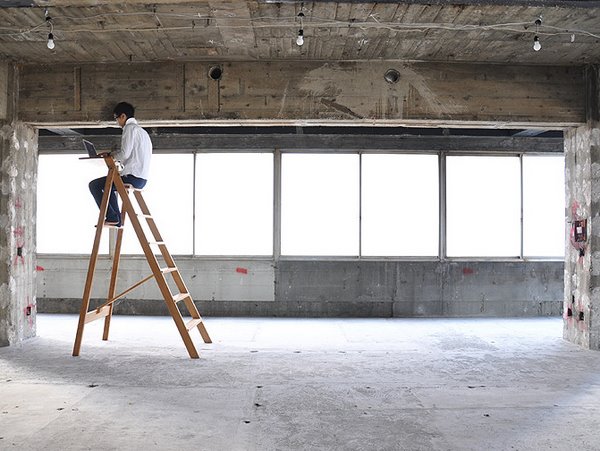
Japanese creative office fift – you may remember them from their shirt with built-in microfiber cloth for wiping down glasses or cell phones – have proposed a solution that I can only describe by using the age-old idiom: just crazy enough to work.


click images to enlarge

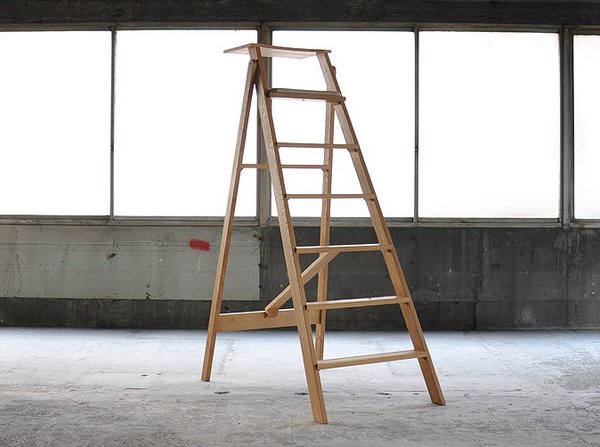
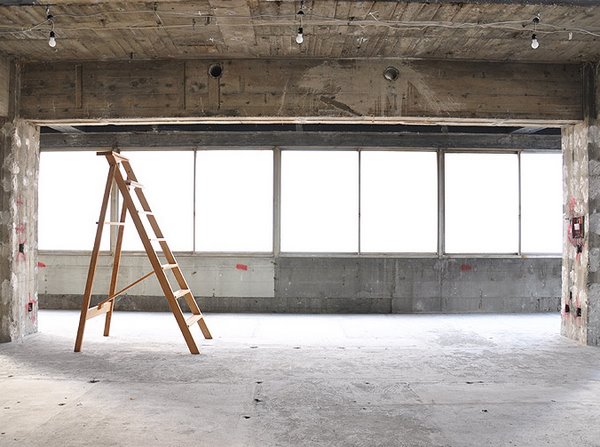
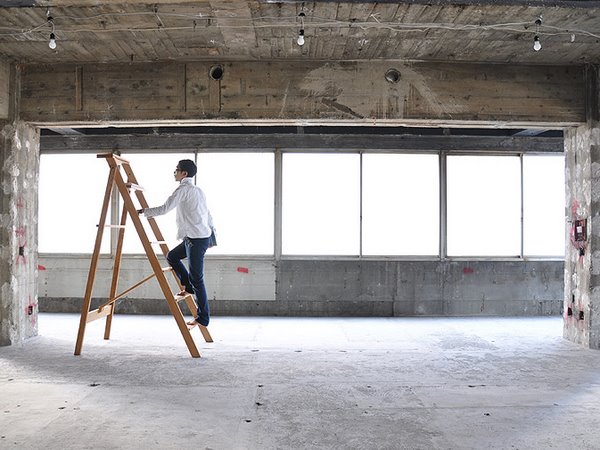
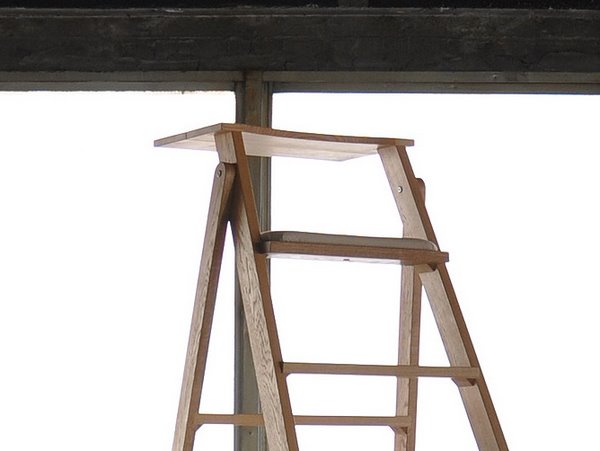
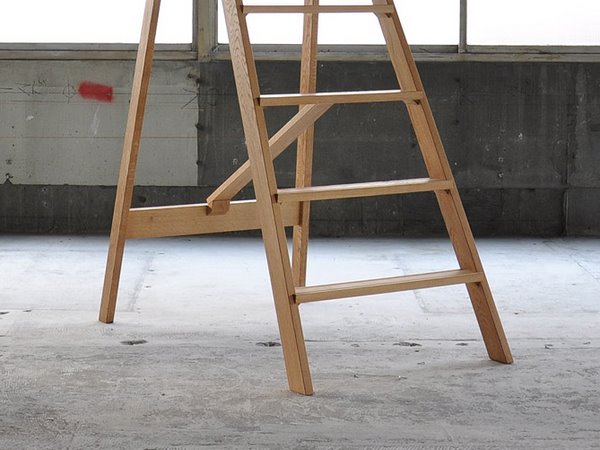
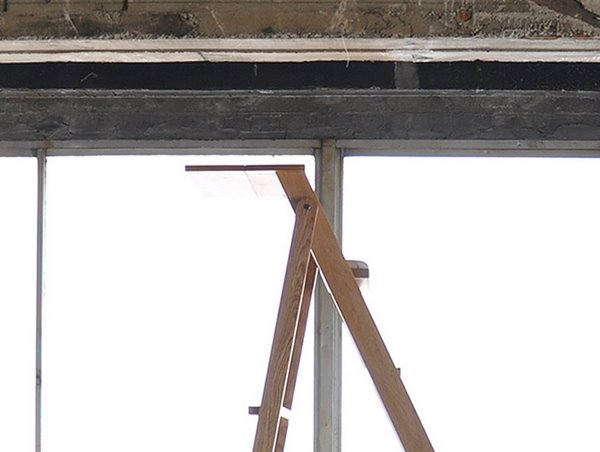
It’s a ladder. Yes, a ladder…. with a seat and laptop holder at the top. “Consider One’s Place” is a quite literal answer to a conceptual meditation on the proper place for something, whether it’s a human, an object or a phenomenon. The ladder creates an invisible partition, removing  one from the eye-level of others and creating distance – in effect,  seclusion – within a defined space.

But what I think is brilliant about this piece of furniture (yes, let’s call it furniture) is the investment one must make to sit down and begin working. Once you have climbed up those precarious steps, it’s going to take more than a text message or a that cup of coffee to get you to come down from your perch.

Beautifully crafted in Japan, and made from solid oak (as well as a touch of fabric and urethane foam for comfort), “Consider One’s Place” is set to go on sale for 160,000 yen (about US $2000) at the online store novelax. Not to undermine the designer’s work but rather to preempt any predictable sarcastic comments, yes, I suppose you could also build your own.

Balloon Bench by Satoshi Itasaka of h220430

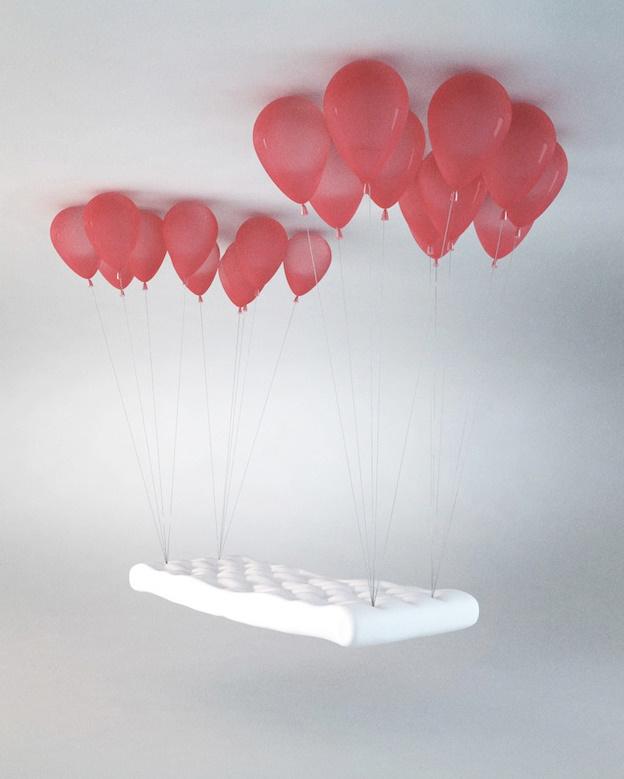
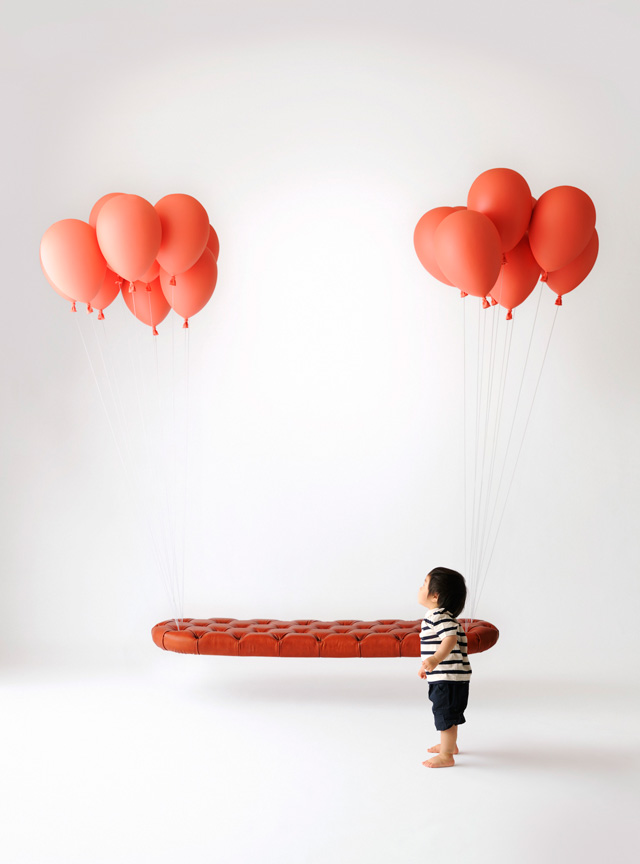
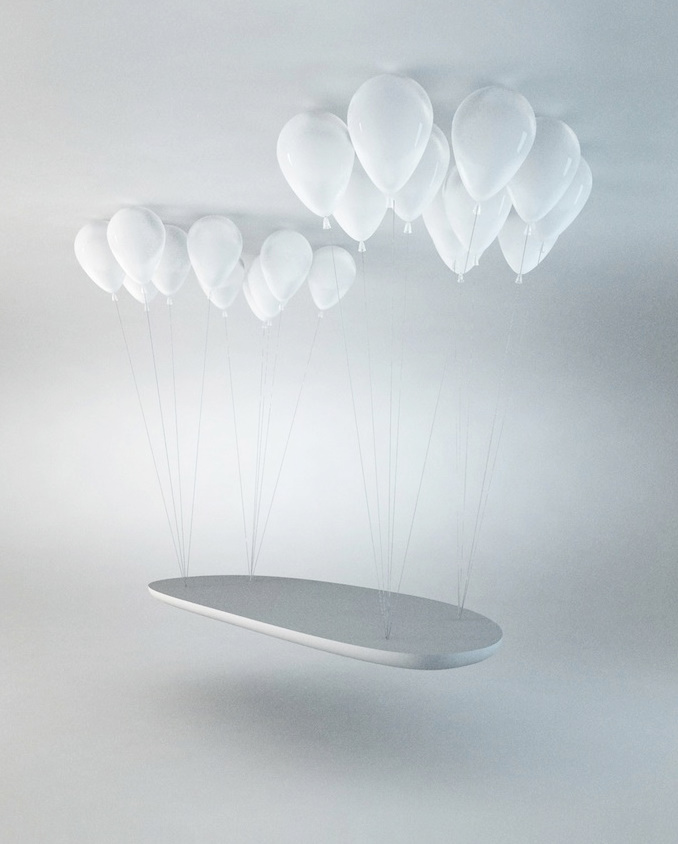
My kids would undoubtedly explode if they saw this Balloon Bench! Inspired by of the 1953 French film Le Ballon Rouge, the bench was intended to put a smile on the face of anyone who interacted with it, much in the same way the movie but a smile on the designer’s face. Mission accomplished!
(In case you were wondering, the illusion is created by sculptural balloons that are actually mounted to a ceiling.)

It was a designed by Satoshi Itasaka of H220430. It’s an odd name for a design-duo, until you realize it stands for the date of their inception – Heisei 22 (2010) April, 30.

via gizmodo

Tile Cowpet by Studio Note


click images to enlarge

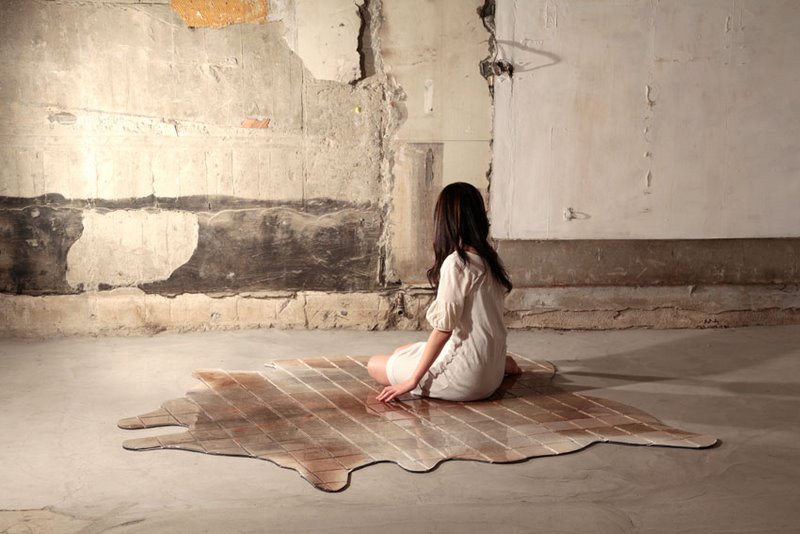
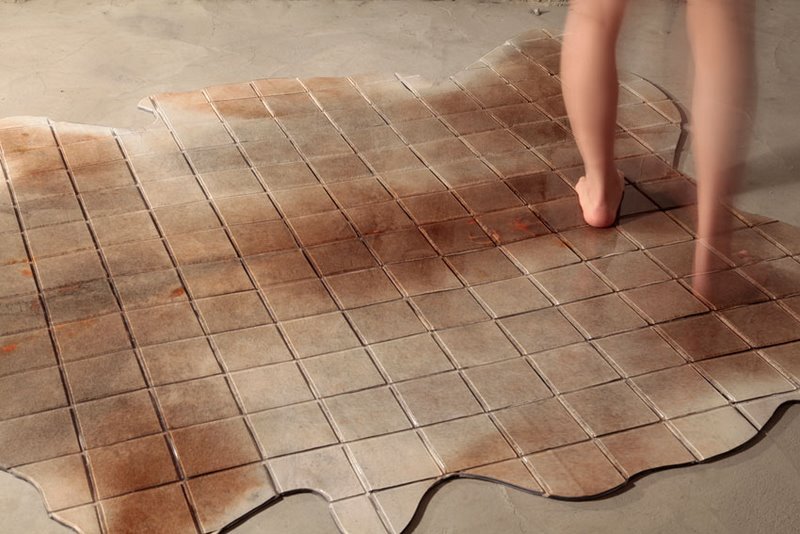
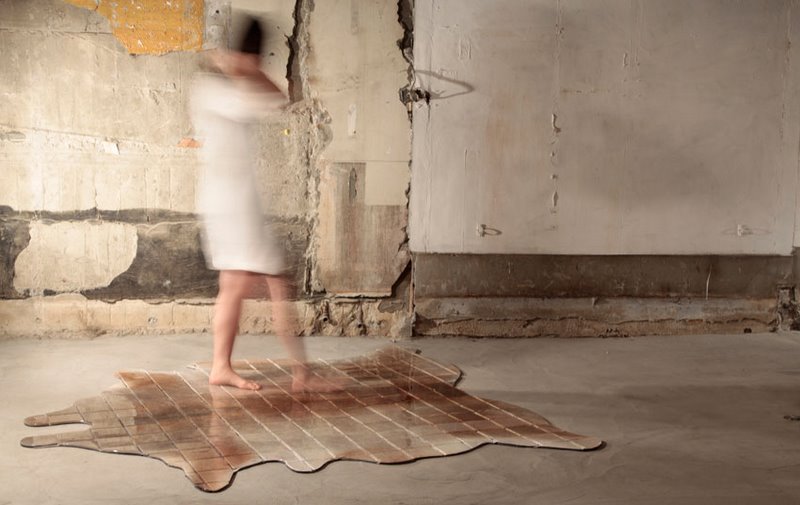
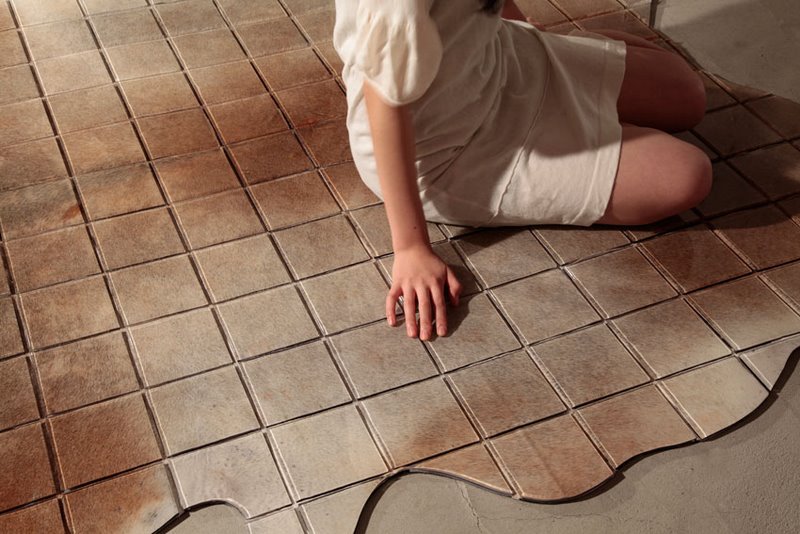
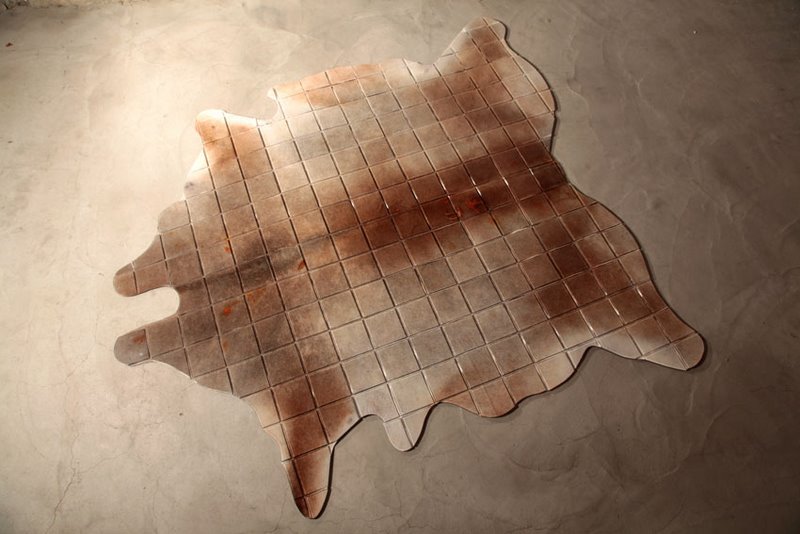
Norihiko Terayama, the man behind Studio Note, has unveiled his latest creation: Tile Cowpet.

The concept is really quite simple. We use tiles and carpets to cover surfaces of our homes, right? Carpets provide warmth and texture to our rooms while tiles offer durability and protection.

The innocent question, “so why not combine them,” led to the eventual development of Cowpet, a cowhide rug inserted into acrylic tiles. I love how the presence of the rug seeps out through the spaces between the tiles; slight evidence of its original form.

Photos: Kentaro Amatatsu | Model: Kyoko Takemura

Related:

Architectural Review Emerging Architecture Awards | Takagi Yoshichika Architects


click images to enlarge

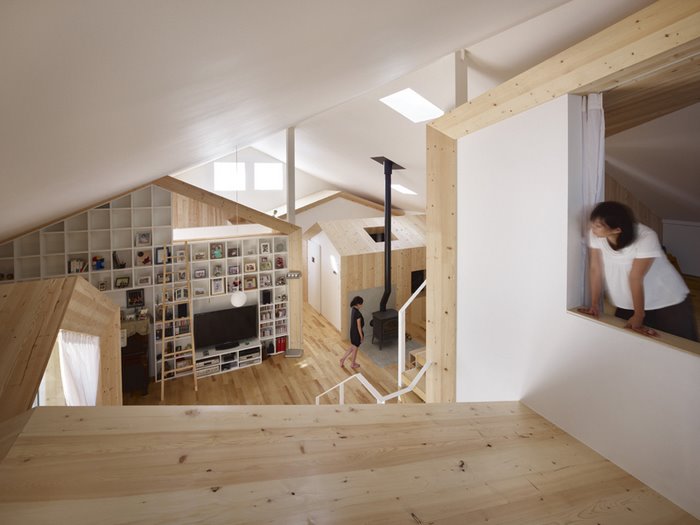
I was very excited to hear that one of my favorite homes of 2010, Takagi Yoshichika and Sekkei-Sha’s House K, had placed in The Architectural Review’s Emerging Architecture Awards. Personally, I think they should have won but instead took runner up. The coveted top nod went to a different Japanese architect, a Londoner and a Chinese firm.

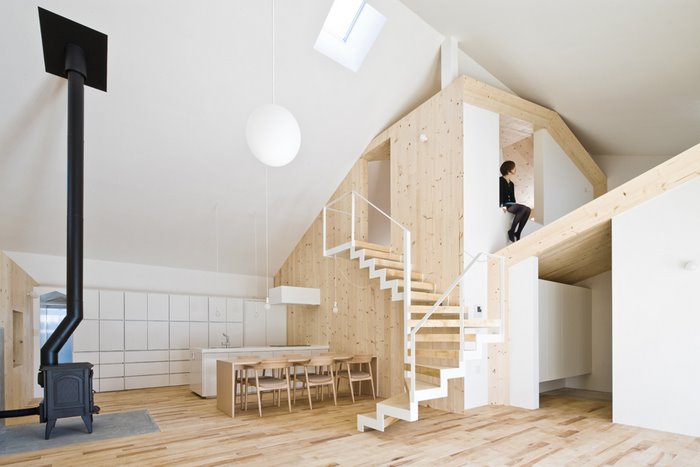
Constructed in early 2010 – and subsequently making the rounds on many design blogs –  House K is a magnificent structure that embodies everything I could ever want in a home. It’s warm, wooden and structurally stimulating. It’s located in Hokkaido, the “snow country” of Japan, which is interesting because I always thought open-layouts and cold climates were mutually exclusive.

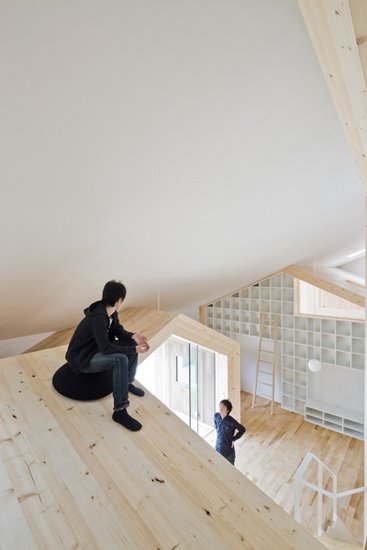
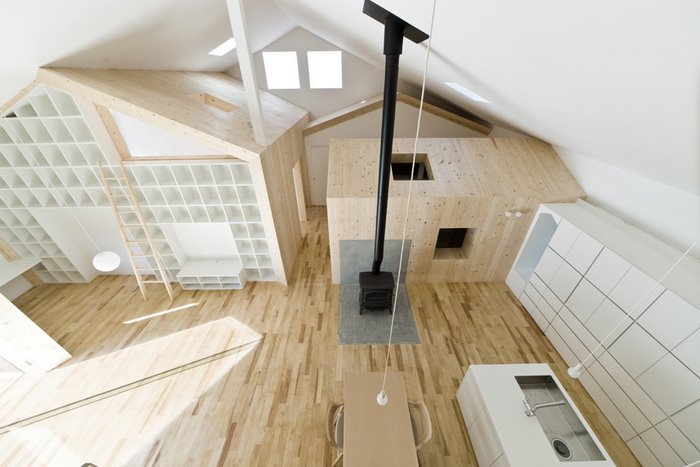
It turns out that the floor plan is a solution proposed by the architects in order to respond to their clients request for an outdoor-like environment, while still maintaining absolute habitable comfort. The clients  enjoyed being surrounded by other homes, particularly the look and feel of a village. The rather literal – and might I add fantastic – interpretation of this was to create house-shaped rooms, whose roofs could be used as additional space to climb on and sit on.

The entire home consists of a total of 6 house-shaped profiles underneath one roof. How fun and amazing would it be to live here?

DETOUR 2010: WATERFUL by Nosigner


click images to enlarge

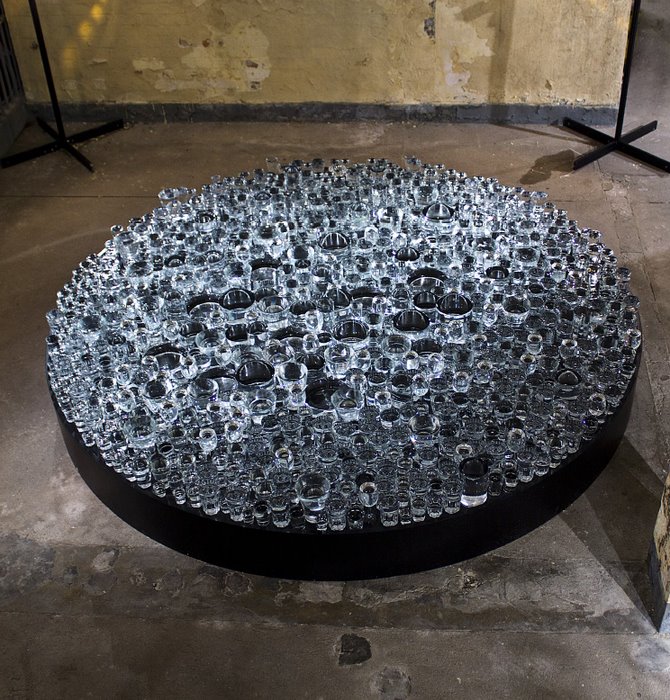
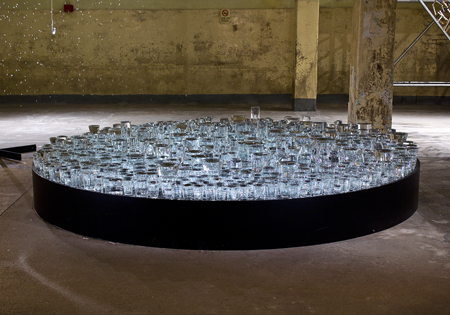
Nosigner will unveil his latest work, Waterful at Detour 2010, Hong Kong’s annual design event. Organized by the Hong Kong Ambassadors of Design, and now a full 5 years old, Detour 2010 aims to showcase Hong Kong as a regional creative hub by featuring young and emerging creative talent.

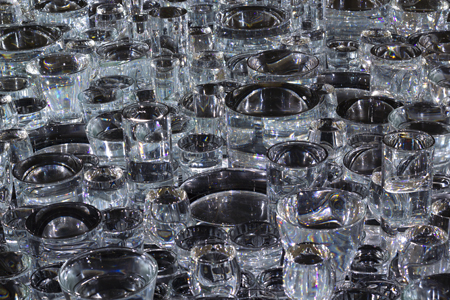
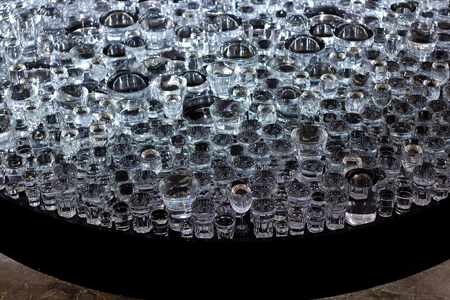
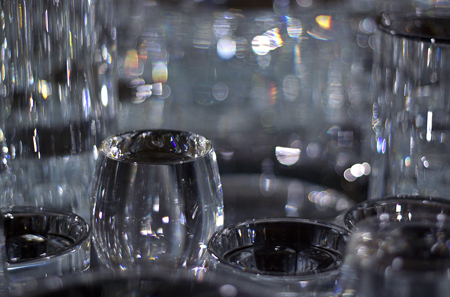
Nosigner will present a table with 1000 glasses full of water – a prime example of “power in numbers.” A glass of water, standing alone wouldn’t make me blink an eyelid. But when amassed together in such multitude and such form… well, I’ve never seen anything like it.

This year, the event will be held in partnership with Japan and is slated to take place in a prison and, ever so appropriately, will run with the theme “Not Guilty.” Events will be held at Victoria Prison(16 Old Bailey Street)from November 26 to December 12.

Japan’s sub-theme, dubbed “Not Guilty – Pure Water Design” attempts to reconcile our current environmental concerns – resources, food, water, energy – with Japan’s perfectionist aesthetic, such as their delicate eye for materials, simplicity and balance in form and shape.

Related:

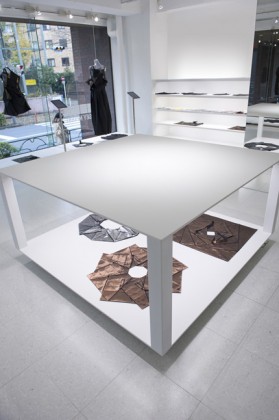
Fashion Meets Technology in the New Issey Miyake store designed by Tokujin Yoshioka


click images to enlarge | Photos © Yoshinaga Yasuaki

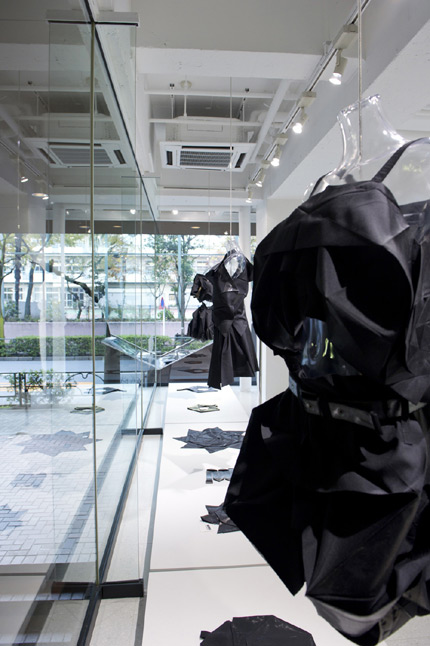
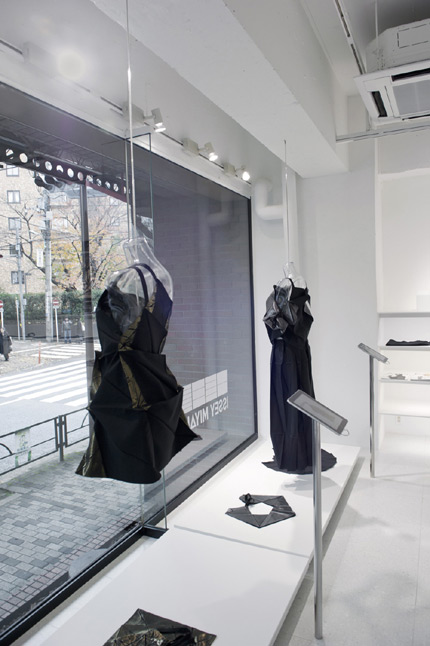
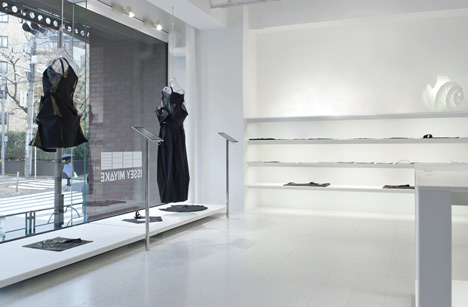
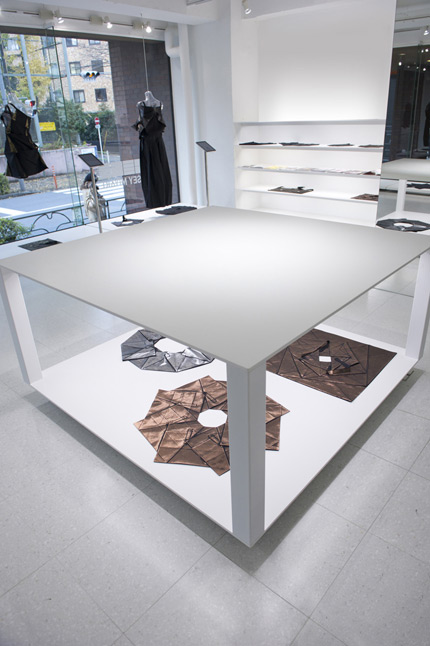
Issey Miyake is no stranger to technology. He has made a name for himself both in Japan and across the globe for his monochromatic shapes that fuse high-tech engineering processes with ancient forms of kimono structure and hand-loomed fabrics.
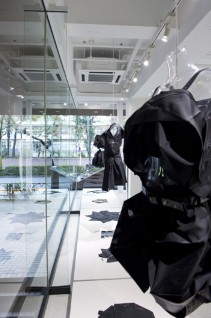
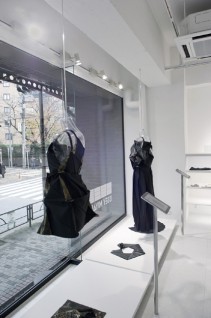
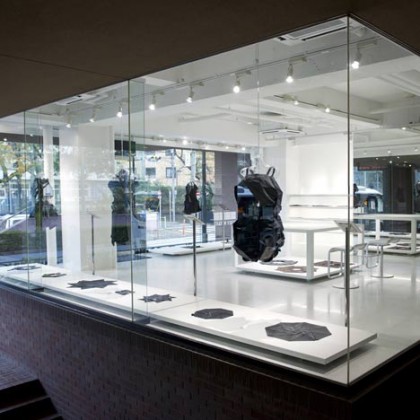
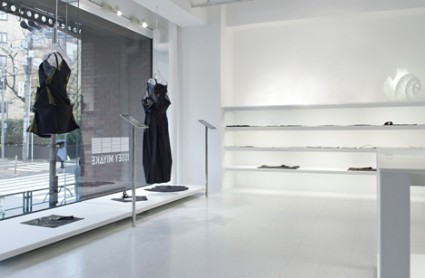
It wouldn’t be an exaggeration to say that his latest store, which opened on November 26th in the Minami Aoyama district of Tokyo – solely dedicated to his new “132 5. ISSEY MIYAKE” line of clothing  – is a total embodiment and amalgamation of everything he has attempted to achieve up until now.
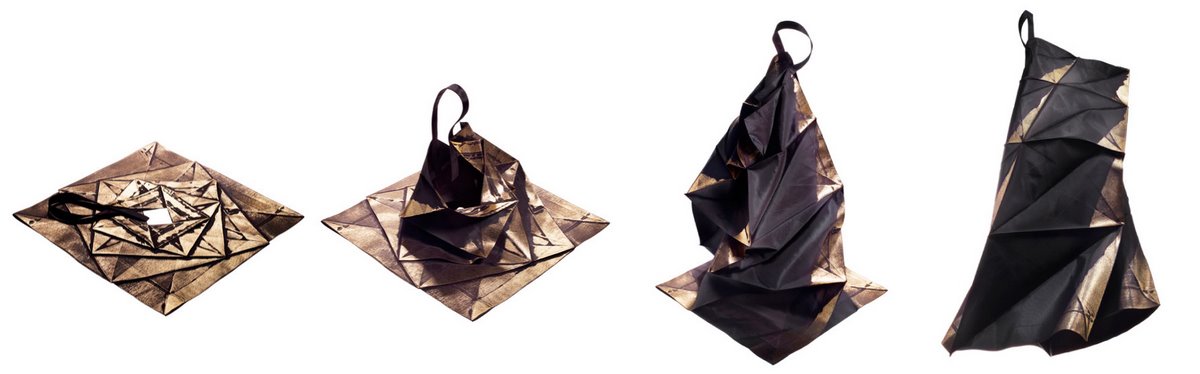
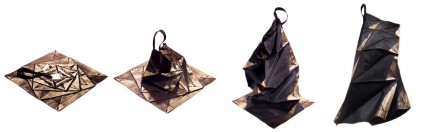
Co-developed by Reality Lab, a team of computer scientists and engineers led by Manabu Kikuchi (textile engineer) and Sachiko Yamamoto (Pattern Engineer), the new line of clothing shares many of the same principles that a children’s pop-up book have. Beginning with two-dimensional shapes, a series of incisions and folds allow the flat pattern to expand into  3-dimensional garments. (see below – click to enlarge)
Photos © Hiroshi Iwasaki

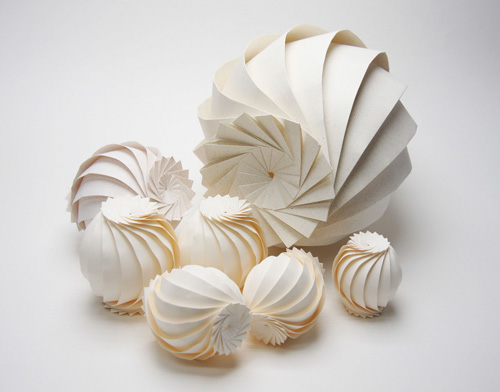
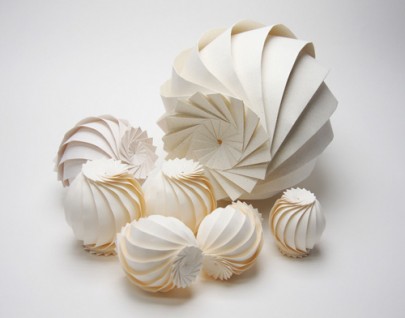
They were inspired by the work of computer scientist Jun Mitani, namely his Spherical Origami series.
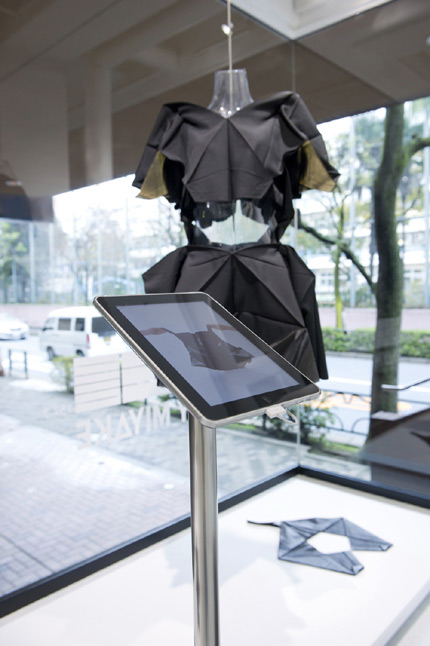
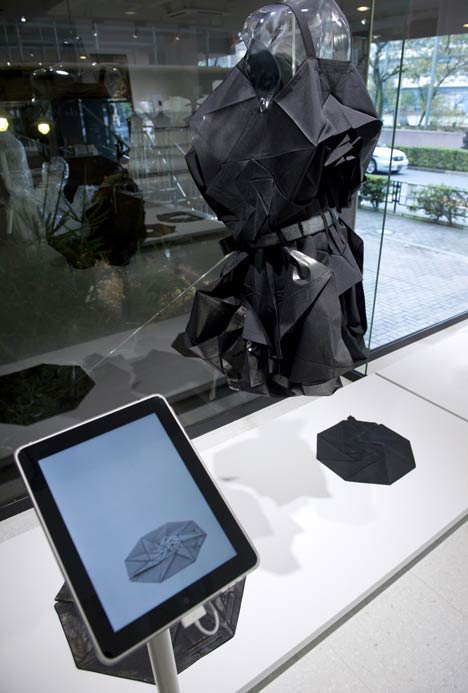
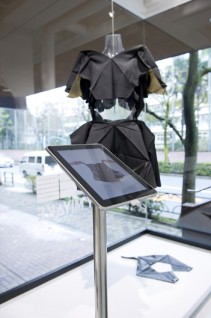
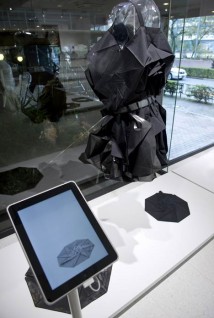
The store itself, which was designed by Tokujin Yoshioka, features transparent mannequin torsos suspended from the ceiling. Each mannequin is adorned with one of the garments and accompanied by a flattened version of the garment AND an interactive iPad, which visually communicates the process in which the flattened shape emerges as a 3-dimensional objects of fashion. Yoshioka describes his design as an attempt to escape from superficial interiors and engage in a process of  designing a new way of selling items.

A related exhibition, “Reality Lab,” is currently on display at 21_21 Design Sight through 12/26.

Related:

Fashion Meets Technology in the New Issey Miyake store designed by Tokujin Yoshioka

Issey Miyake is no stranger to technology. He has made a name for himself both in Japan and across the globe for his monochromatic shapes that fuse high-tech engineering processes with ancient forms of kimono structure and hand-loomed fabrics. It wouldn’t be an exaggeration to say that his latest store, which opened on November 26th in the Minami Aoyama district of Tokyo – solely dedicated to his new “132 5. ISSEY MIYAKE” line of clothing– is a total embodiment and amalgamation of everything he has attempted to achieve up until now.

Co-developed by Reality Lab, a team of computer scientists and engineers led by Manabu Kikuchi (textile engineer) and Sachiko Yamamoto (Pattern Engineer), the new line of clothing shares many of the same principles that a children’s pop-up book have. Beginning with two-dimensional shapes, a series of incisions and folds allow the flat pattern to expand into 3-dimensional garments. They were inspired by the work of computer scientist Jun Mitani, namely his Spherical Origami series.

The store itself, which was designed my Tokujin Yoshioka, features transparent mannequin torsos suspended from the ceiling. Each mannequin is adorned with one of the garments and accompanied by a flattened version of the garment and an interactive iPad, which visually communicates the process in which the flattened shape emerges as a 3-dimensional objects of fashion. Yoshioka describes his design as an attempt to escape from superficial interiors and engage in a process of designing a new way of selling items.
A related exhibition, “Reality Lab,” is currently on display at 21_21 Design Sight through 12/26.

« Older posts Newer posts »

© 2026 Spoon & Tamago

Up ↑

Design by Bento Graphics